
Recipe archive
Loading
Setting the table...
Fetching the latest recipes from the archive.
Loading
Fetching the latest recipes from the archive.
Recipe archive
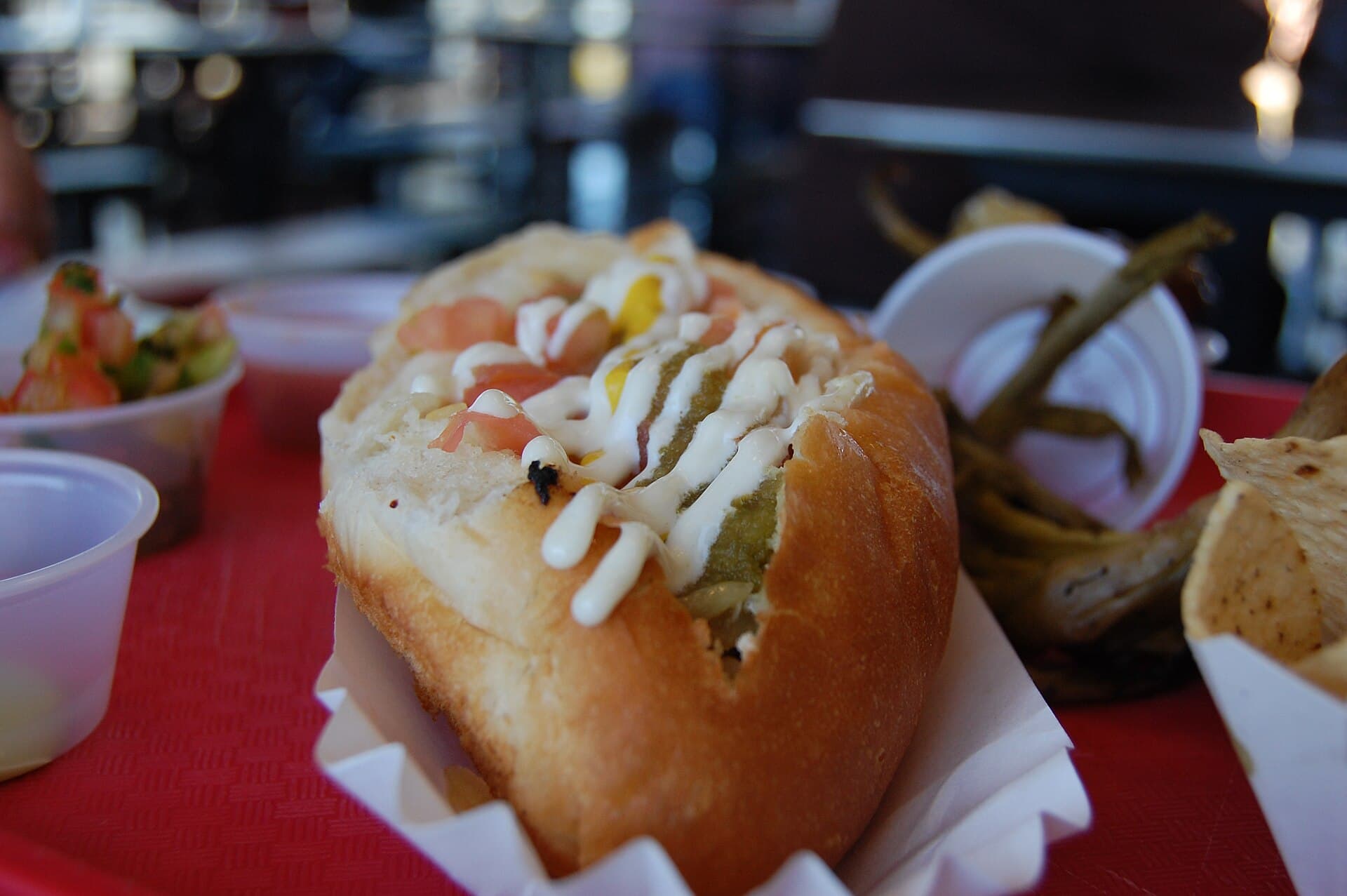
1945-2000 - Mexican-American street food vendors and home cooks in Southwest
The Sonoran Hot Dog is a regional specialty from the Southwest featuring a hot dog wrapped in bacon and topped with ingredients like tomatoes, onions, jalapenos, and beans, usually served on a bolillo-style bun. It reflects the blending of Mexican and American culinary influences in this border area.
Community-powered photos. Reviewers can upload dish photos, and the highest-rated community image may be featured here.
Difficulty
Medium
Prep time
15 minutes
Cook time
10 minutes
Total time
25 minutes
Servings
4
Region
Tucson, Arizona and Hermosillo, Sonora
Era introduced
1945-2000
Introduced by
Mexican-American street food vendors and home cooks in Southwest
Recipe tools
Log in to save this recipe to a collection.
Emerging from the border region blending Mexican and American cultures, the Sonoran Hot Dog embodies Southwest zest and resourcefulness. Wrapping the sausage in bacon adds richness while the fresh toppings and pinto beans offer layers of texture and flavor. This sandwich represents contemporary adaptations of traditional street foods that satisfy diverse regional palates and cultural heritage.
Share family changes, regional twists, or pantry-friendly adaptations as full community recipes.
Log in to submit a community recipe.
No community recipes yet. Submitted recipes are published right away.
Rate this recipe and share how it worked at your table.
Log in to review this recipe.
No reviews yet. Be the first to rate this recipe.
Recipes matched by era, region, occasion, ingredients, and cultural roots from the archive.
Same era
America's Melting Pot
Chili and Cinnamon Rolls photo coming soon
1944/1940s-present
Chili and Cinnamon Rolls is a unique Midwestern comfort food pairing commonly found in school cafeterias and concession stands. Combining a warm bowl of chili with sweet, soft cinnamon rolls offers a blend of savory and sweet flavors reflecting regional preferences in informal or institutional American dining. This meal represents practical, hearty food designed for broad appeal and sustenance in communal eating contexts.
America's Melting Pot
Cinnamon Rolls with Chili photo coming soon
1944/1940s-present
A unique breakfast combining the sweet, soft cinnamon roll with a spicy chili twist, reflecting flavor fusions from the Great Plains region influenced by Mexican-American and Southwestern cuisines. This dish pairs the warming spices of cinnamon with hearty chili for a tasty and filling meal that honors regional culinary blending.
America's Melting Pot
Coffee Shop Scones photo coming soon
1980s-present
Coffee shop scones are tender, buttery pastries with a crisp exterior and soft crumb, popular in Pacific Northwest cafes. Typically served with coffee, these scones reflect regional preferences and European pastry influences adapted to local tastes across eras.
Same region
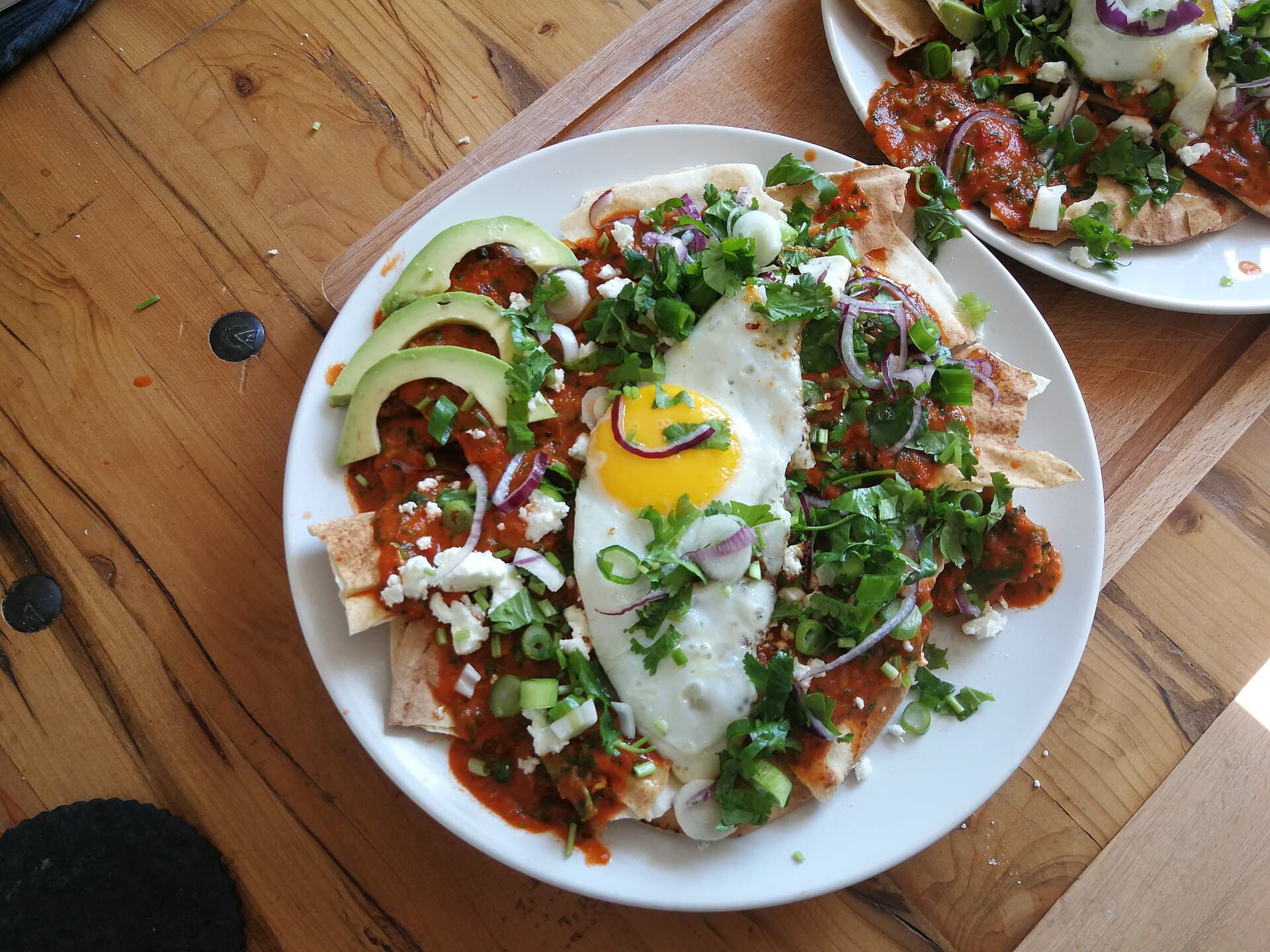
1800-1860
Chilaquiles is a traditional Mexican breakfast dish featuring fried tortilla chips simmered in green or red salsa and topped with cheese, crema, onions, and eggs. Rooted in Mexican-American and Spanish borderlands cooking, it was common in the Southwestern United States during the early 19th century. This dish exemplifies resourceful use of tortillas and reflects deep cultural ties between Spanish, Mexican, and early American frontier cuisines.
America's Melting Pot
Chile con Carne photo coming soon
1800-1860
Chile con Carne is a robust stew combining beef, chili peppers, tomatoes, and spices that became emblematic of Southwestern and Texas cooking in the 19th century. Its roots trace to Mexican-American and Spanish borderlands culinary traditions, adapted by settlers, cowboys, and ranchers. A filling, one-pot meal suited to frontier life, it holds a lasting place in regional American cuisine as a symbol of rustic, spicy comfort food.
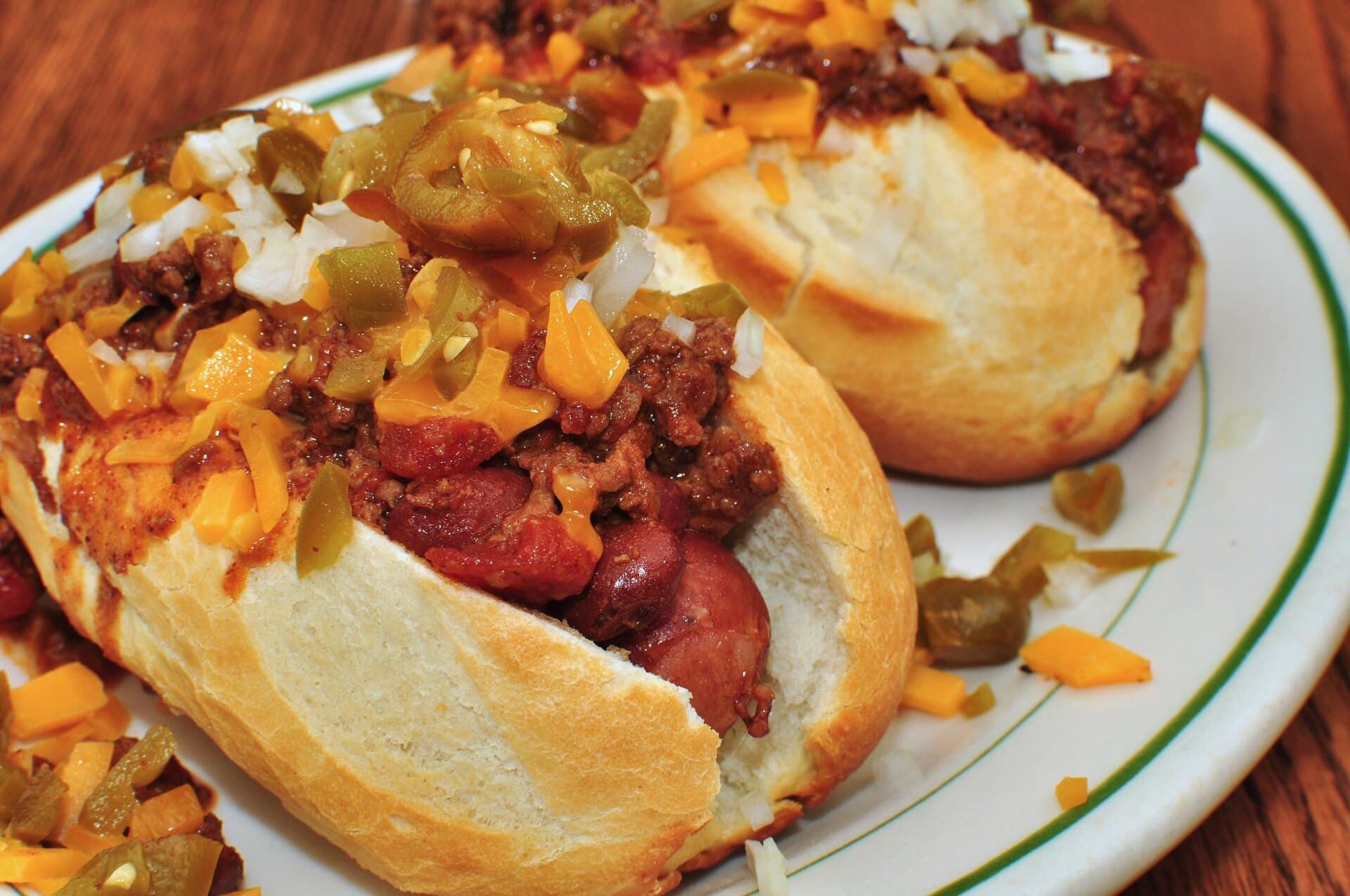
1970-1989
Chili dogs are an American fast-food favorite that combines the simplicity of a hot dog with the rich, spicy flavors of chili. Popular at concession stands, tailgates, and booster clubs from the 1970s through the 1980s, chili dogs reflect the fusion of American convenience food with the influence of Mexican-American and Southwestern cuisines, especially from Texas. This recipe offers a home-cooked version of a nostalgic and casual meal.
Same table
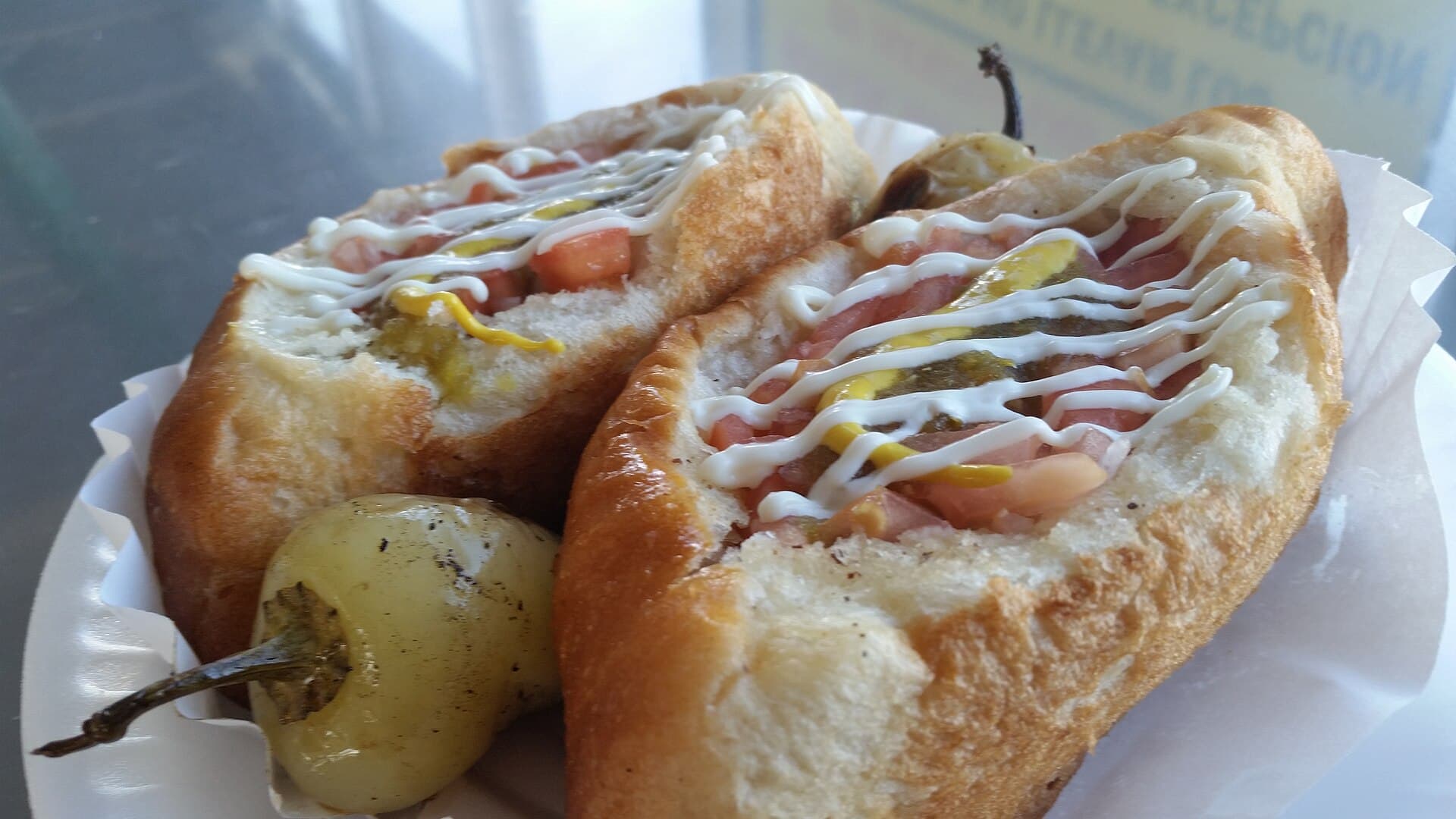
2010-2026
Sonoran Hot Dogs as a modern food truck and fusion dish highlight the popularity of Southwestern flavors combined with Southern elements. These hot dogs expand the traditional recipe with regional adaptations, appealing to contemporary palates and viral food culture.
1990-2009
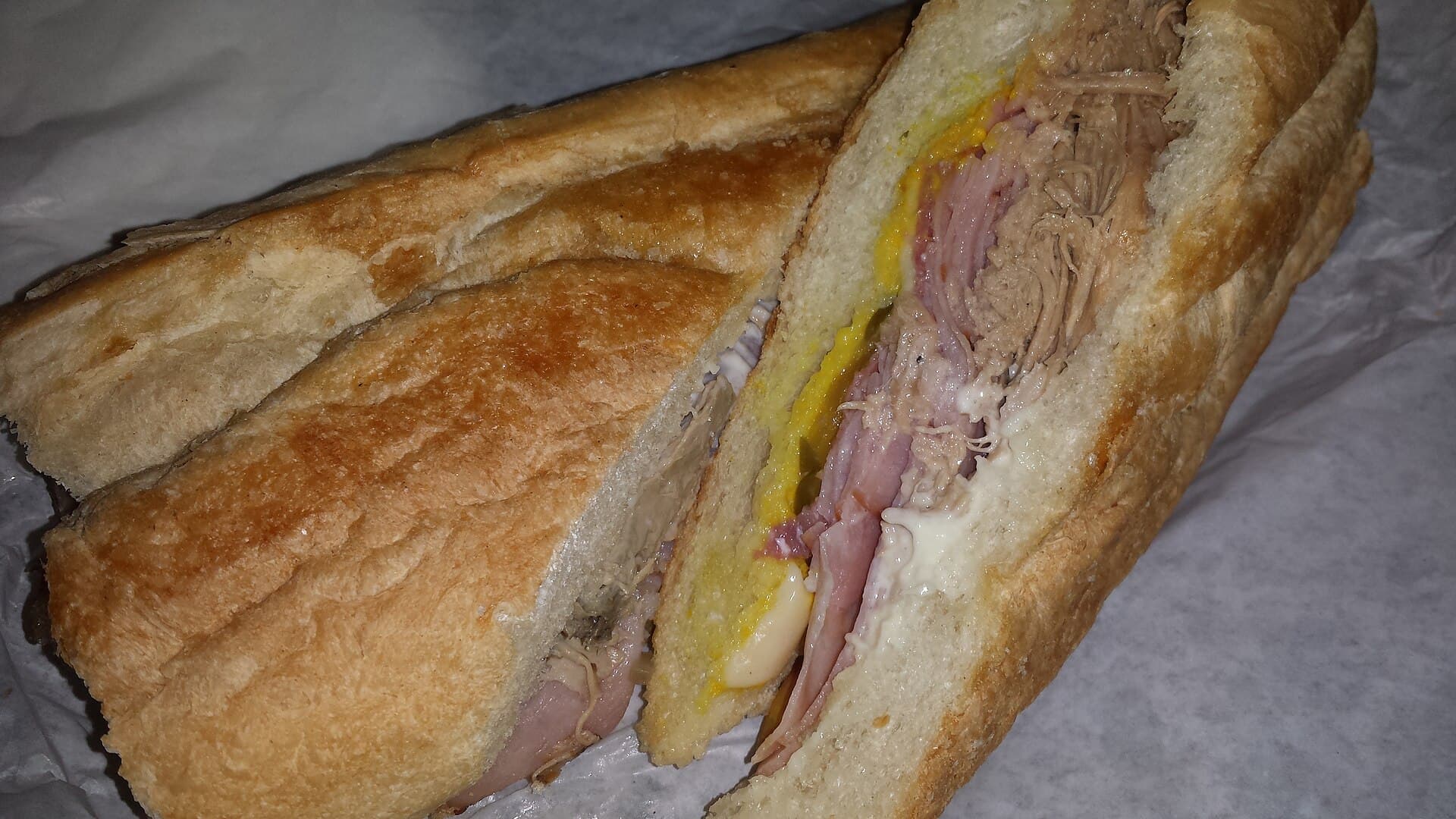
The Cuban Sandwich combines roast pork, ham, Swiss cheese, pickles, and mustard on Cuban bread, pressed to produce a warm, crispy sandwich iconic in Cuban-American communities and broader American suburban food culture.
2010-2026
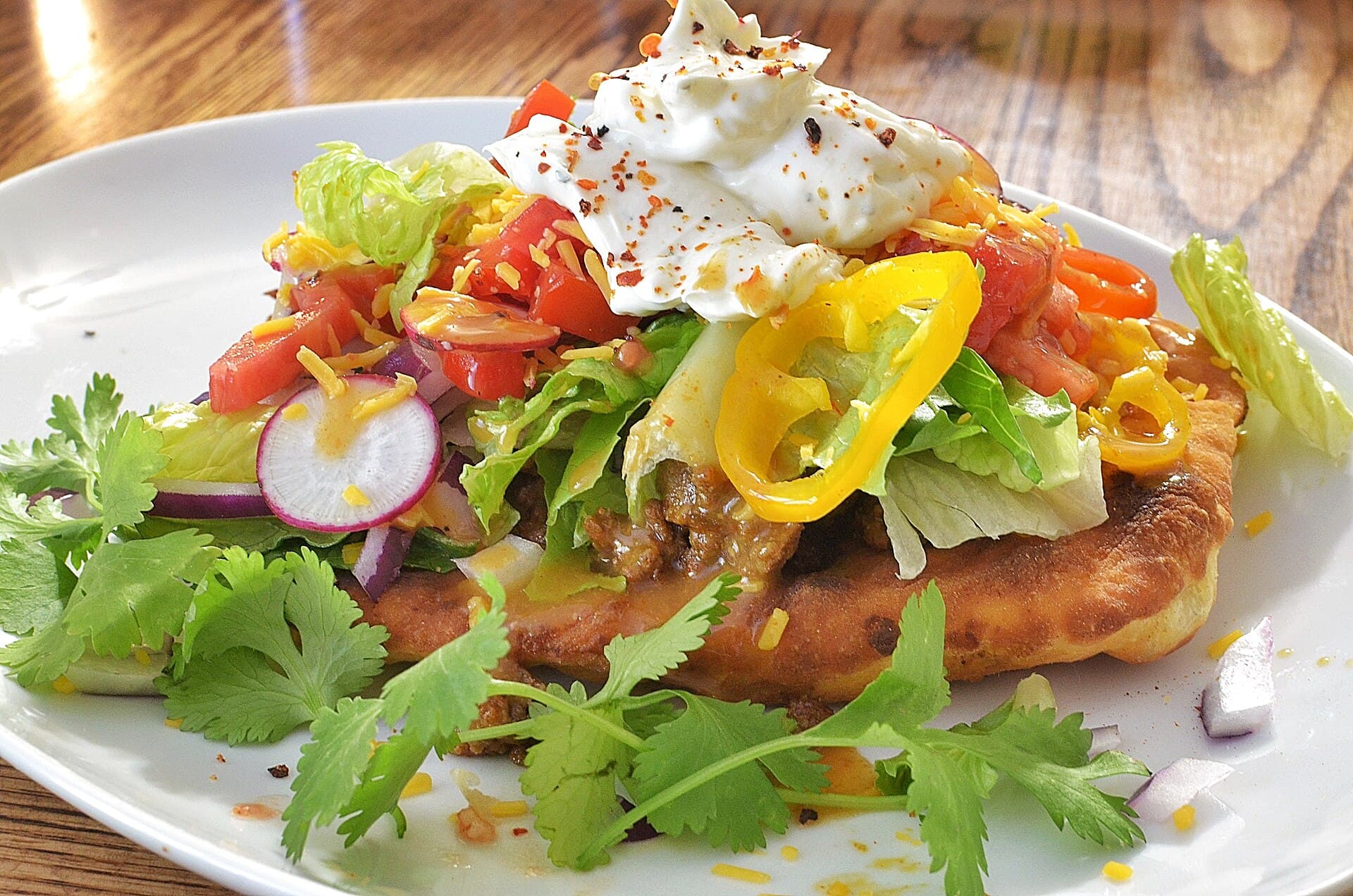
Fry bread tacos, also known as Indian tacos, feature classic fried bread topped with seasoned meat, beans, cheese, lettuce, and salsa. This dish combines Indigenous fry bread traditions with Mexican-American influences, popularized via food trucks and street vendors across the United States in recent decades.