
Recipe archive
Loading
Setting the table...
Fetching the latest recipes from the archive.
Loading
Fetching the latest recipes from the archive.
Recipe archive
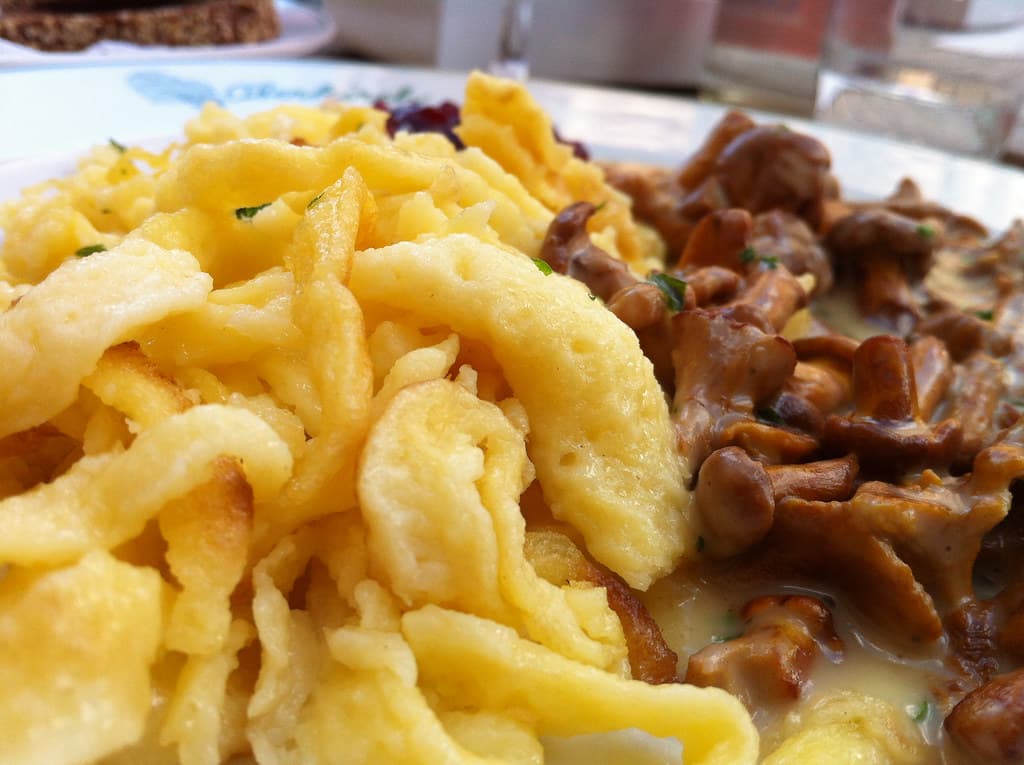
1800-1860 - German-American immigrant families and home cooks
Spaetzle are soft egg noodles brought to America by German immigrants in the 1800s. Often served as a side to meat dishes, they reflect culinary traditions of German-speaking settlers adapting to new ingredients and kitchens in expanding American communities.
Community-powered photos. Reviewers can upload dish photos, and the highest-rated community image may be featured here.
Difficulty
Medium
Prep time
15 minutes
Cook time
10 minutes
Total time
25 minutes
Servings
4
Region
Pennsylvania German and Midwestern German American kitchens
Era introduced
1800-1860
Introduced by
German-American immigrant families and home cooks
Recipe tools
Log in to save this recipe to a collection.
German immigrants arriving between 1800 and 1860 introduced spaetzle, a simple yet hearty egg noodle dish, to American home kitchens. Spaetzle was usually made by hand with basic pantry ingredients and often accompanied meat or gravy-based dishes. It became a staple in German-American households and regions with significant German settlement, symbolizing the preservation and adaptation of ethnic foodways during America's expansion period.
Share family changes, regional twists, or pantry-friendly adaptations as full community recipes.
Log in to submit a community recipe.
No community recipes yet. Submitted recipes are published right away.
Rate this recipe and share how it worked at your table.
Log in to review this recipe.
No reviews yet. Be the first to rate this recipe.
Recipes matched by era, region, occasion, ingredients, and cultural roots from the archive.
Same era
America's Melting Pot
Acorn Bread photo coming soon
1800-1860
A nutty, lightly sweet quick bread made with properly leached acorn flour, cornmeal, and wheat flour.

1800-1860
A German-American apple strudel made with crisp apples, raisins, cinnamon, buttered crumbs, and flaky phyllo for a practical home version of a Central European pastry.
America's Melting Pot
Asparagus photo coming soon
1800s/early 1900s-present
A bright American Easter asparagus side, quickly cooked and dressed with lemon butter, herbs, and hard-cooked egg in the spirit of old spring-table recipes.
Same region

1800s-present
Pickled eggs were a popular preserved egg dish among German-American communities between 1800 and 1860, particularly during celebrations like Easter. They combine hard-boiled eggs with vinegar and spices to extend shelf life and add flavor.
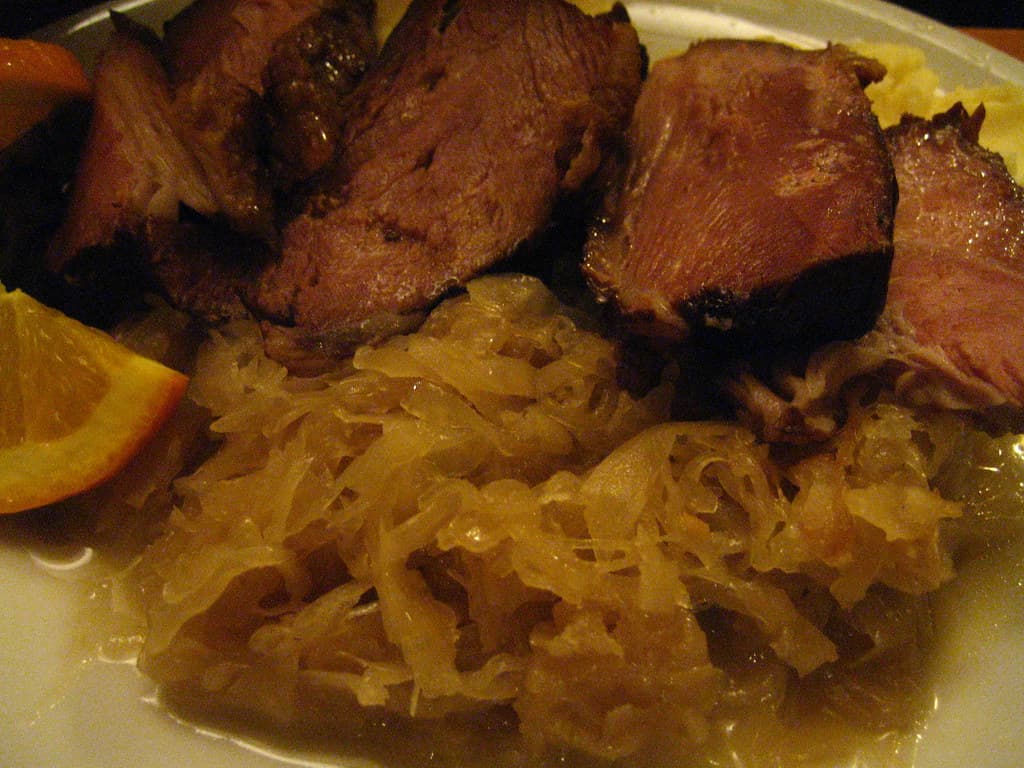
1800s-present
Pork and Sauerkraut is a classic American comfort and holiday dish often served on New Year's Day for luck and prosperity. Slow-cooked pork is combined with sauerkraut and seasoned to create a savory one-pot meal reflecting German-American and regional influences.
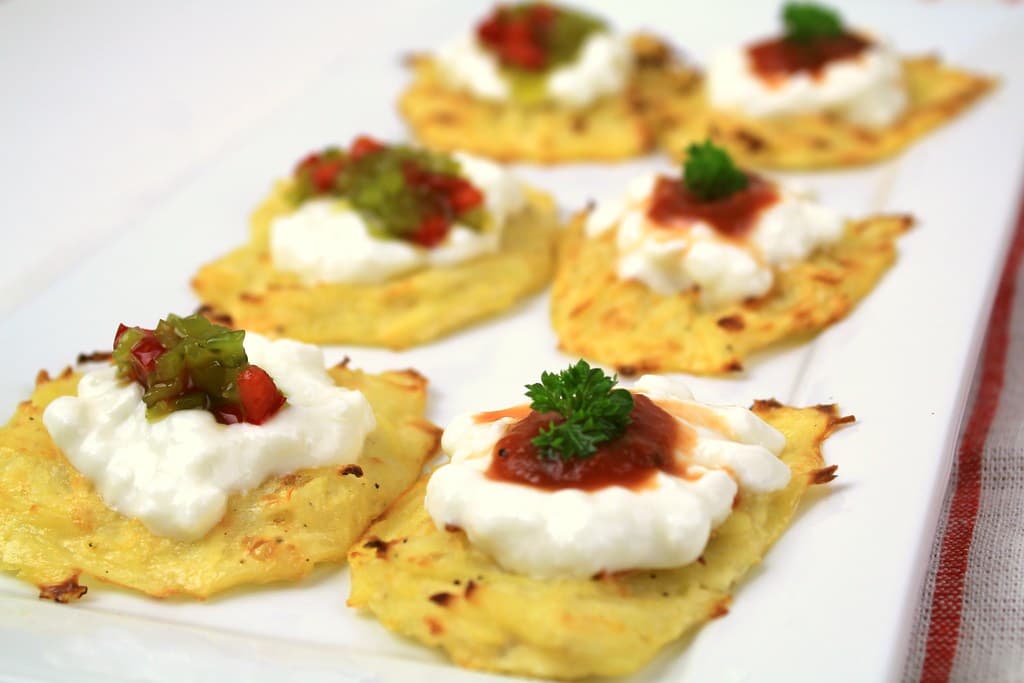
1800s-present
Potato Pancakes are a breakfast favorite among German-American communities, consisting of grated potatoes mixed with onions and eggs, fried to a crisp golden brown.
Same table
America's Melting Pot
Spaghetti with Tomato Gravy photo coming soon
1880s-present
Spaghetti with tomato gravy is an Italian-American staple that emerged during waves of Italian immigration in the late 1800s. This simple pasta dish features spaghetti topped with a seasoned tomato sauce often called 'gravy' in Italian-American parlance, showing culinary adaptation and community identity during post-Civil War settlement.
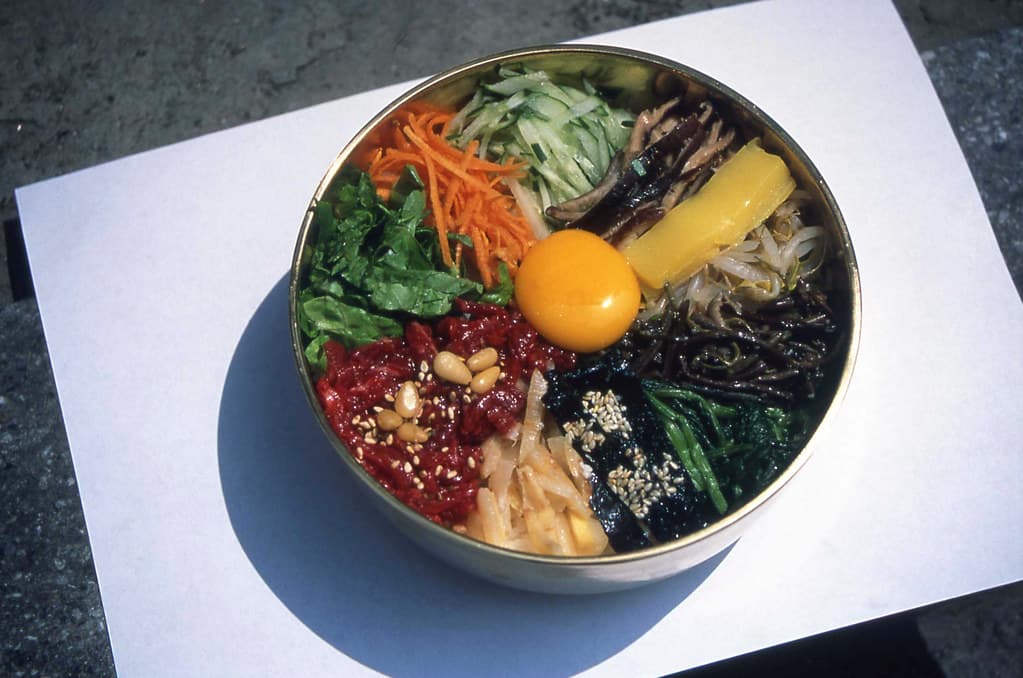
1960-2026
Bibimbap is a Korean classic with several origin stories, from palace meals to farmers mixing available vegetables. In the United States it became a Korean American restaurant and home-cooking staple because the format is flexible, colorful, and practical.
America's Melting Pot
Cincinnati Chili photo coming soon
1946-1969
Cincinnati Chili is a unique meat sauce featuring warm spices like cinnamon and cloves, served over spaghetti or hot dogs. Originating in the Midwestern United States during the mid-20th century, it reflects Mediterranean immigrant influences adapted to local tastes and ingredients, creating a distinctive regional comfort food.