
Recipe archive
Loading
Setting the table...
Fetching the latest recipes from the archive.
Loading
Fetching the latest recipes from the archive.
Recipe archive
America's Melting Pot
Venison Stew hero image coming soon
1776-1800 - Home cooks in the United States during the Revolutionary War period.
A comforting stew featuring venison and root vegetables slowly simmered to tender perfection. Stewing was a common method in early America to maximize flavor and stretch limited game meat supplies.
No featured photo yet. Upload a photo with your review. The highest-rated community photo may become this recipe's hero image.
Difficulty
Medium
Prep time
20 minutes
Cook time
2 hours
Total time
2 hours 20 minutes
Servings
6 servings
Region
Pennsylvania, Virginia, and Upper Midwest hunting kitchens
Era introduced
1776-1800
Introduced by
Home cooks in the United States during the Revolutionary War period.
Recipe tools
Log in to save this recipe to a collection.
Venison stew reflects the resourcefulness of home cooks during the Revolutionary era who prepared game meat with available vegetables for nourishing, hearty one-pot meals. Stewing tenderized tougher cuts of venison and made use of root vegetables like carrots and potatoes that stored through cold seasons. This cooking technique exemplifies early American foodways blending indigenous game and local produce into practical sustenance.
Share family changes, regional twists, or pantry-friendly adaptations as full community recipes.
Log in to submit a community recipe.
No community recipes yet. Submitted recipes are published right away.
Rate this recipe and share how it worked at your table.
Log in to review this recipe.
No reviews yet. Be the first to rate this recipe.
Recipes matched by era, region, occasion, ingredients, and cultural roots from the archive.
Same era
America's Melting Pot
Deviled Egg Filling photo coming soon
1700s-present
Deviled Egg Filling is a spread with real American table personality: Not exactly a sauce, but a condiment-like American picnic food. It brings flavor from coast-to-coast American tables to cookouts, counters, lunch plates, potlucks, and weeknight suppers.

1700s-1800s
Doughnuts are a beloved American breakfast and snack originating from various immigrant influences, consisting of fried dough rings or balls coated in sugar or glaze. The recipe has evolved over centuries and become a cross-era staple with numerous regional variations.
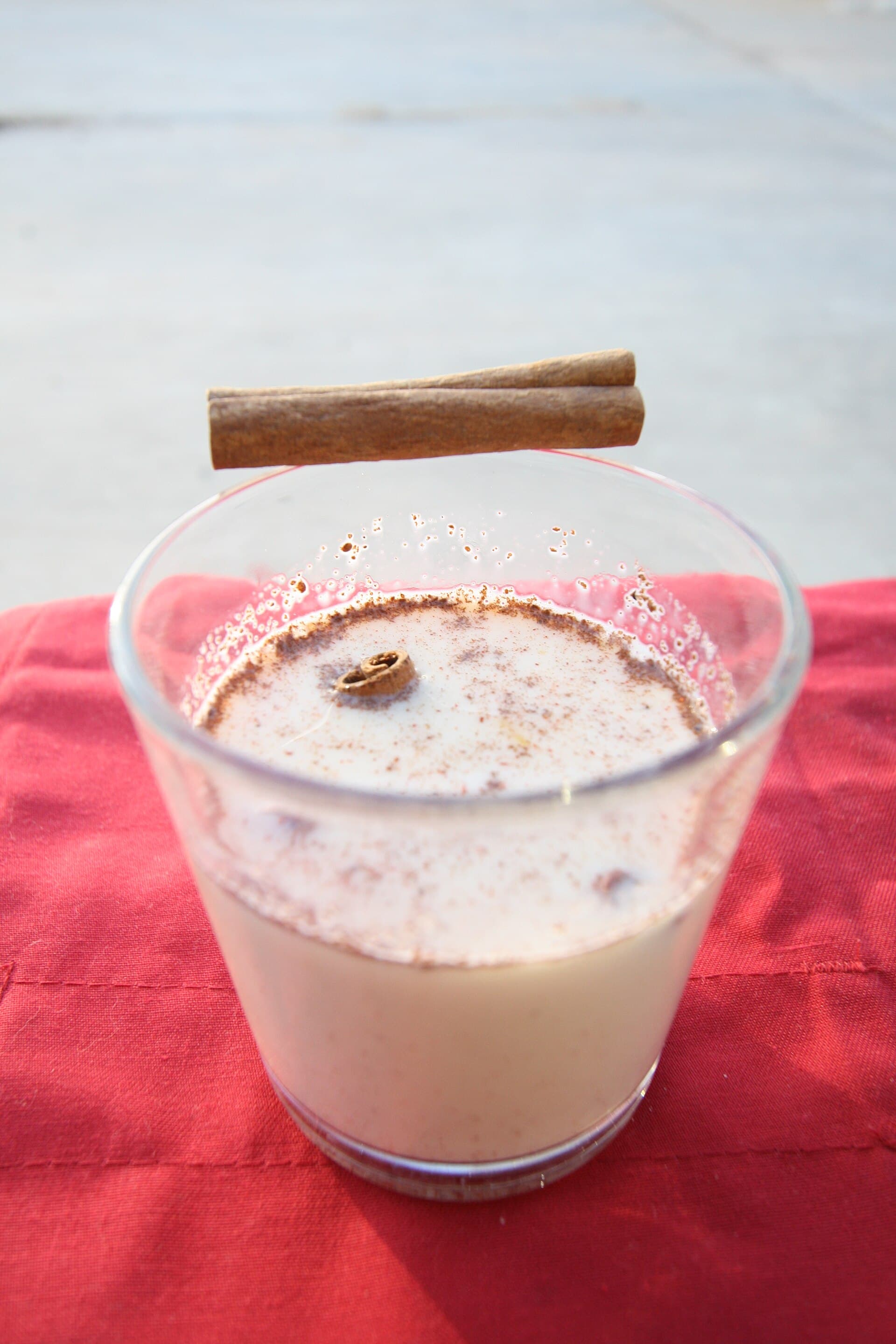
1700s-present
Eggnog is a rich, creamy holiday beverage made from milk or cream, beaten eggs, sugar, and often spiked with spirits such as brandy or rum. Served chilled, it is a festive treat deeply associated with Christmas celebrations across the United States, with colonial roots.
Same region
America's Melting Pot
Venison Roast photo coming soon
1700s-present
A simple yet flavorful roast venison main dish reflecting early American culinary practices. Venison was a valued game meat during the Revolutionary era, often roasted with herbs and root vegetables.
America's Melting Pot
Venison Backstrap photo coming soon
1700s-present
Venison backstrap is a tender cut from deer favored in hunting and cabin cooking across early and modern American outdoors traditions. Grilled or pan-seared to highlight its lean flavor, it represents a direct connection to locally sourced wild game cuisine.
America's Melting Pot
Ambrosia Salad photo coming soon
1950s-present
A midcentury-style fruit salad with pineapple, mandarin oranges, coconut, marshmallows, and a creamy dressing.
Same table
America's Melting Pot
Squirrel Stew photo coming soon
1700s-present
Squirrel stew is a rustic one-pot dish combining wild squirrel meat with vegetables and broth, common in late 18th century American cooking. It exemplifies use of game in colonial and revolutionary-era diets.
America's Melting Pot
Crockpot Chicken and Dumplings photo coming soon
1970-1989
Crockpot Chicken and Dumplings combines tender, slow-cooked chicken in a savory broth with soft dumplings cooked atop or within the crockpot. This adapts traditional Southern comfort food to a hands-off cooking method, popular in home kitchens from the 1970s onward.

1880s-present
Minestrone is a thick Italian-style soup combining vegetables, beans, and pasta or rice in a savory broth. In the United States post-Civil War period, it became emblematic of Italian-American immigrant food, adapted with regional ingredients to nourish families in new communities.