
Recipe archive
Loading
Setting the table...
Fetching the latest recipes from the archive.
Loading
Fetching the latest recipes from the archive.
Recipe archive
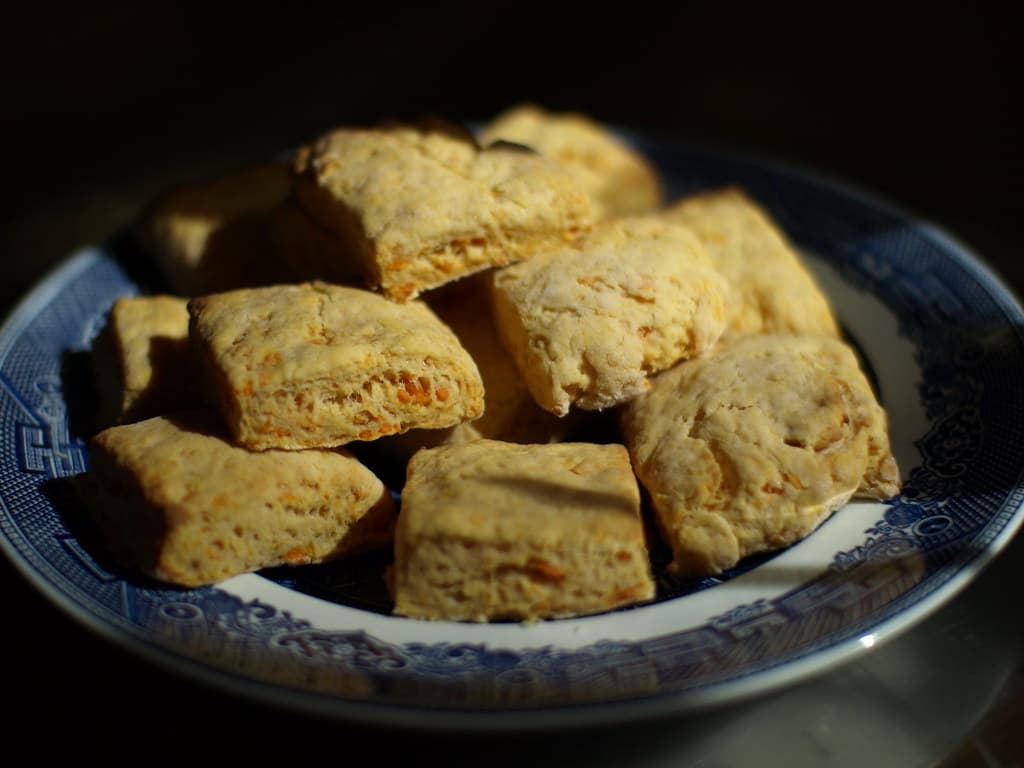
1861-1900 - Southern home cooks and community kitchens.
Sweet potato biscuits emerged as a staple in the American South during the Reconstruction era, utilizing the widely available sweet potato for a slightly sweet and moist biscuit. These biscuits were common at home tables and communal events during and after the Civil War.
Community-powered photos. Reviewers can upload dish photos, and the highest-rated community image may be featured here.
Difficulty
Easy
Prep time
15 minutes
Cook time
15 minutes
Total time
30 minutes
Servings
8
Region
South
Era introduced
1861-1900
Introduced by
Southern home cooks and community kitchens.
Recipe tools
Log in to save this recipe to a collection.
During and following the Civil War, Southern cooks incorporated sweet potatoes into traditional biscuit recipes to add flavor, nutrition, and affordability. These biscuits were popular in homes and community gatherings as a comforting staple that used resilient regional crops, reflecting Southern resourcefulness during Reconstruction.
Share family changes, regional twists, or pantry-friendly adaptations as full community recipes.
Log in to submit a community recipe.
No community recipes yet. Submitted recipes are published right away.
Rate this recipe and share how it worked at your table.
Log in to review this recipe.
No reviews yet. Be the first to rate this recipe.
Recipes matched by era, region, occasion, ingredients, and cultural roots from the archive.
Same era
America's Melting Pot
Army Bean Soup photo coming soon
1861-1900
A hearty military-style bean soup built on navy beans, smoked ham hock, onion, celery, carrot, and bay leaf, adapted for a home pot from large-batch service traditions.

1861-1900
A basic homemade bagel recipe using high-protein flour, malt or brown sugar, a short boil, and a hot bake for chewy New York-style results.
America's Melting Pot
Bagels with Schmear photo coming soon
1861-1900
A deli-style bagel with a thick schmear of plain or scallion cream cheese, with optional onion, capers, tomato, and cucumber.
Same region
America's Melting Pot
Dirty Rice photo coming soon
1800-1860
Dirty rice is a traditional Louisiana Creole and Cajun dish combining white rice with ground meat, spices, and vegetables, creating a 'dirty' appearance. Its origins trace to 19th century Southern United States, reflecting French, African, and Native American influences in Southern cooking.
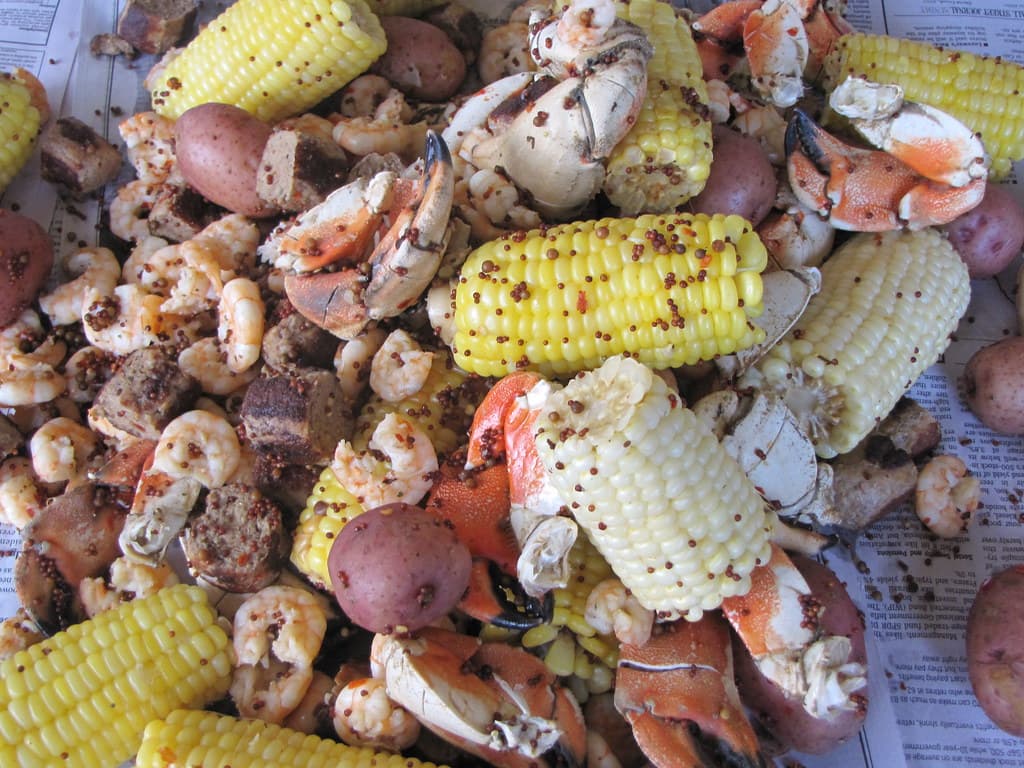
1970-1989
Lowcountry boil is a South Carolina coastal communal seafood dish featuring boiled shrimp, smoked sausage, corn on the cob, and red potatoes. Typically prepared outdoors in large pots, it became a popular regional and tailgate favorite in the 1970s and 1980s.
America's Melting Pot
Nashville Hot Chicken photo coming soon
2010-2026
Nashville Hot Chicken is a spicy fried chicken specialty from the American South known for its crispy, deep-fried exterior coated in a cayenne pepper-based paste. Gaining widespread fame through food trucks and viral internet food culture in the 2010s and beyond, it embodies the bold flavors of modern Southern cooking.
Same table
America's Melting Pot
Confederate Cornbread photo coming soon
1861-1900
Confederate cornbread is a straightforward Southern cornmeal bread commonly prepared during the Civil War period, using simple pantry ingredients and often cooked in a cast-iron skillet over open flames. This cornbread reflects the resourcefulness and culinary adaptation of Southern households during wartime, forming an iconic accompaniment to meals in 19th-century America.
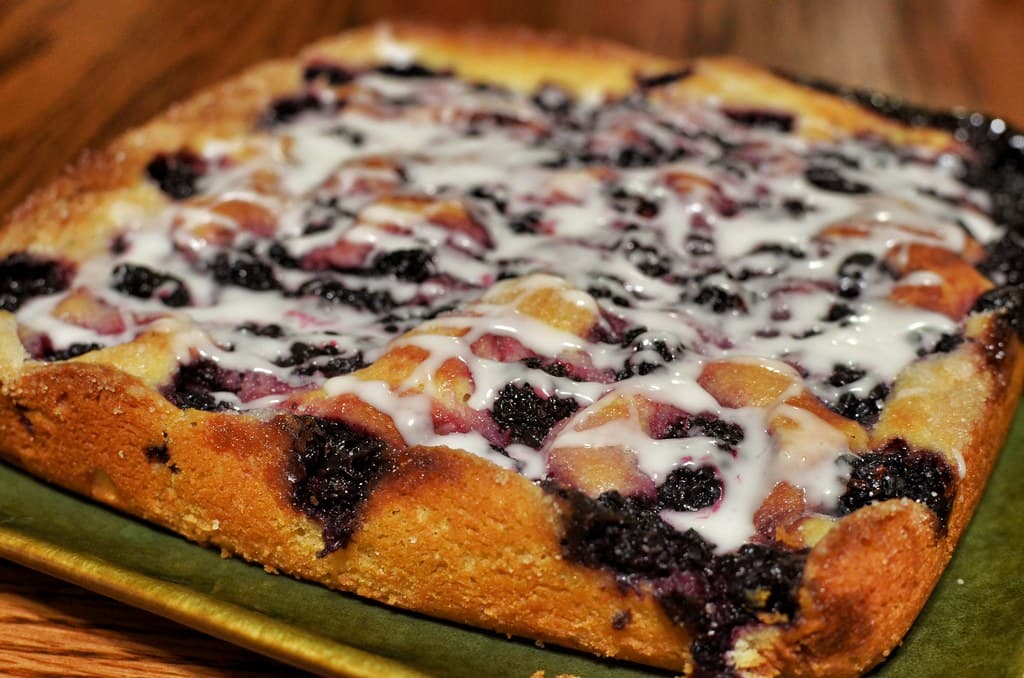
1800-2026
Blackberry cobbler is summer fruit economy: wild or cultivated berries, sugar, butter, flour, and enough heat to turn a picking bucket into dessert. Southern versions range from pour-over batter cobblers to biscuit-topped family recipes.
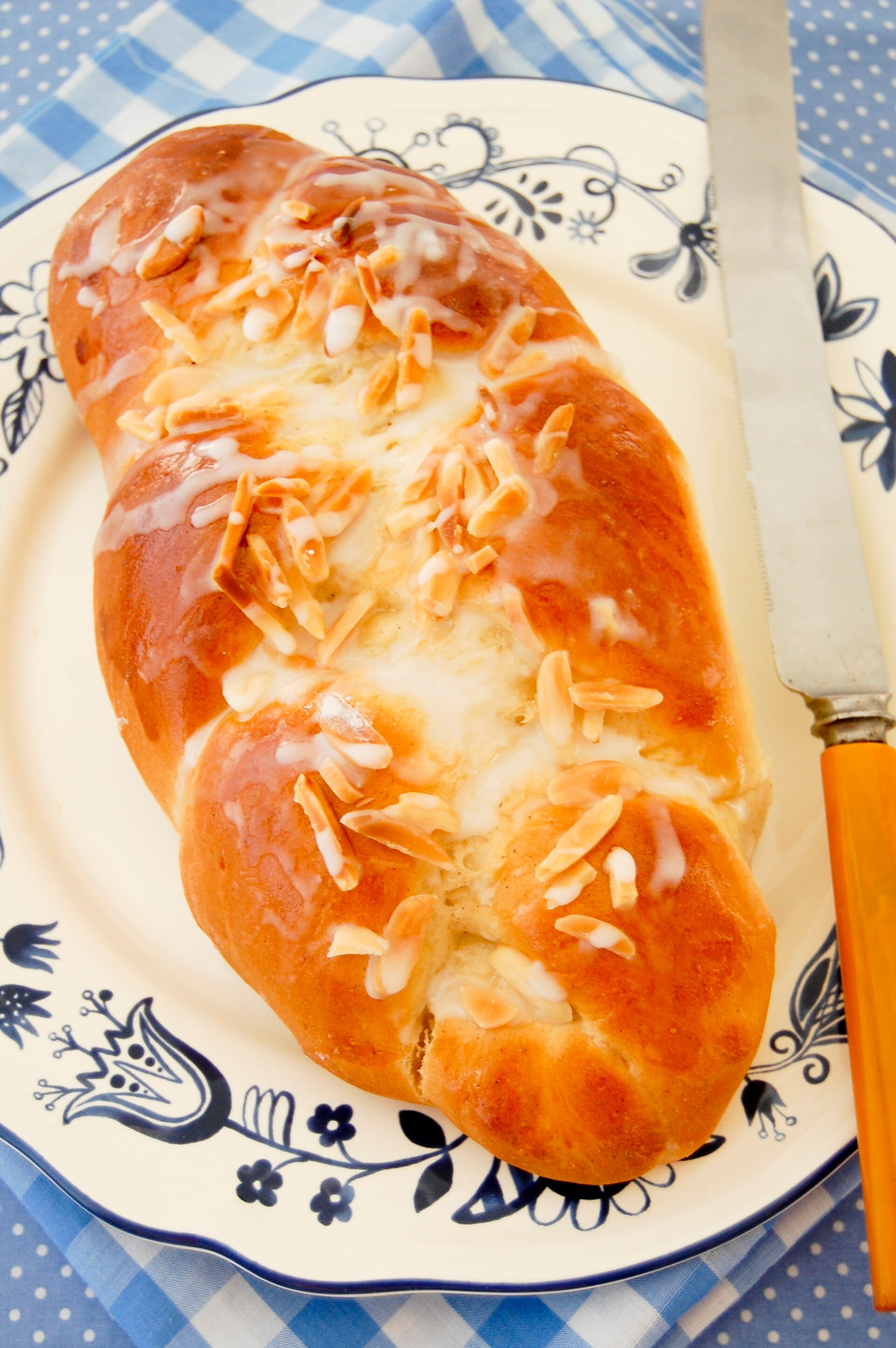
1860-2026
Cardamom bread came into Upper Midwest kitchens with Finnish, Swedish, Norwegian, and other Scandinavian immigrants. Finnish pulla and Swedish cardamom breads became coffee-table, holiday, and family celebration loaves in Scandinavian American communities.