1865-1930s
Black Foodways and the Taste of Freedom
Black foodways are central to the American table. Rice knowledge, field peas, greens, oysters, barbecue, red beans, baking, market vending, church suppers, and Juneteenth foods carry stories of survival, skill, enterprise, and celebration.
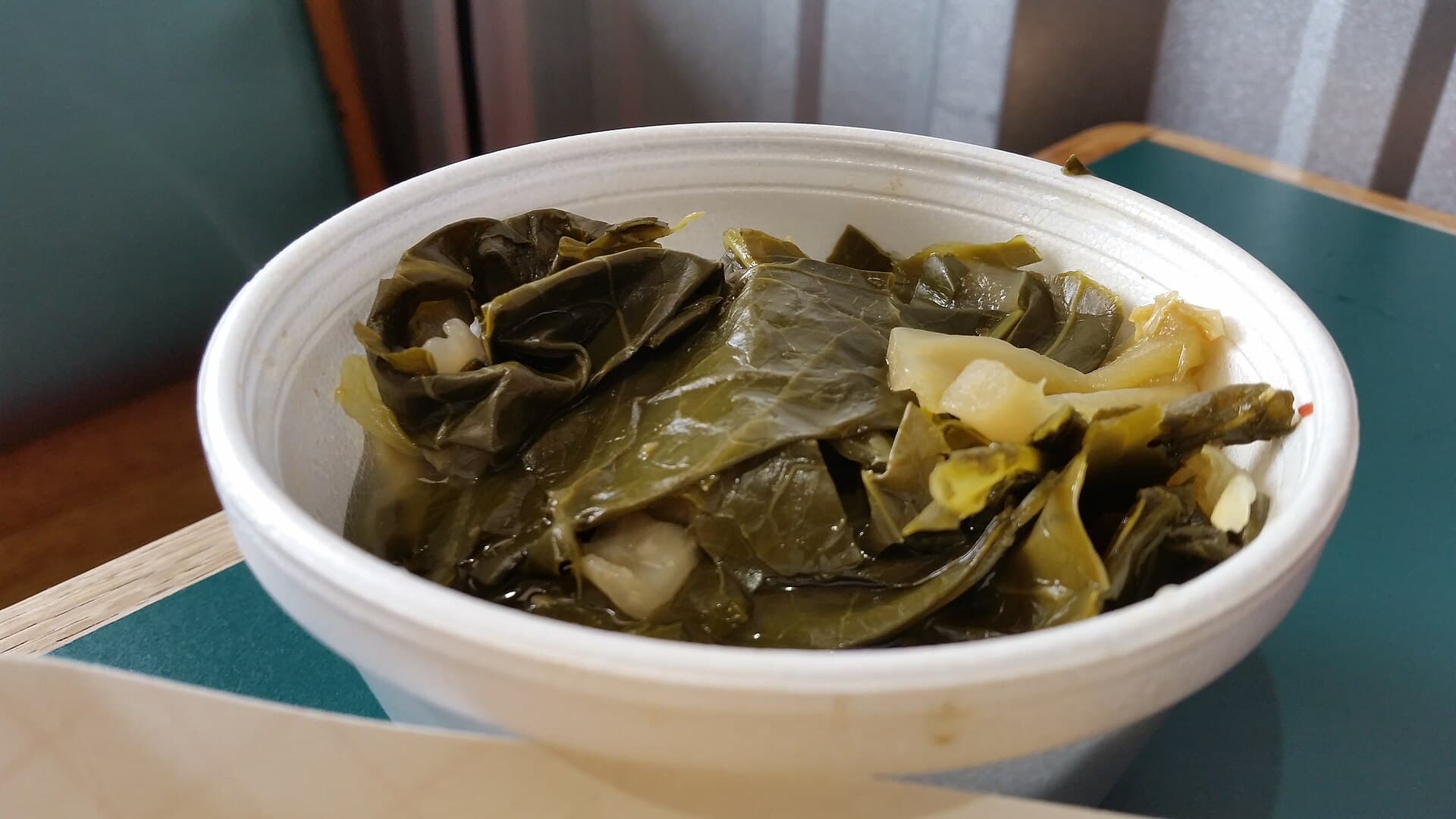
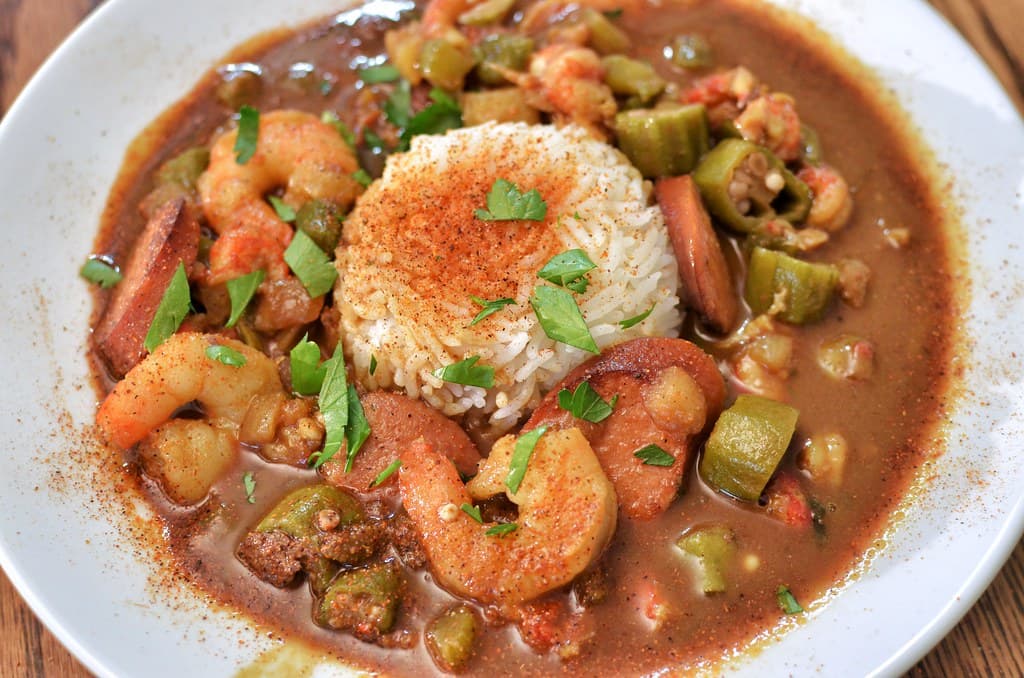
Black foodways are not a side chapter in American cooking. They are central to it. Enslaved Africans and their descendants carried agricultural knowledge, cooking techniques, memory, taste, and endurance into a country that too often took their labor while ignoring their names. Rice culture in the Carolinas and Georgia, okra, field peas, greens, seafood, barbecue, baking, preserving, and market vending all bear witness to Black expertise.
Food was survival under slavery, but it was also strategy. Small garden plots, fishing, hunting, foraging, and cooking after long labor helped families hold onto skill and dignity. Dishes made from greens, cornmeal, beans, smoked meat, rice, and seasonal vegetables were not simply poor food. They were acts of intelligence under pressure, shaped by African roots, Native ingredients, European constraints, and American conditions.
After emancipation, food became part of freedom work. Black farmers, cooks, caterers, restaurant owners, street vendors, domestic workers, church communities, and mutual aid networks used food to build livelihoods and institutions. Juneteenth tables, church suppers, barbecue pits, oyster houses, red drinks, pound cakes, and Sunday dinners carried memory as well as pleasure.
Rice knowledge is one of the strongest examples of Black expertise shaping American food. In the Lowcountry, enslaved Africans brought agricultural memory from rice-growing regions of West Africa. They knew water, fields, milling, timing, and labor systems in ways that made Carolina and Georgia rice profitable for enslavers. That profit came from exploitation, but the skill itself belonged to the people who carried and practiced it.
Gardens and provision grounds mattered because they gave families a measure of control inside a violent system. People grew greens, beans, peppers, herbs, sweet potatoes, okra, and corn. They hunted, fished, trapped, foraged, and traded. These practices fed bodies, but they also preserved choice. A family dish could carry African memory, Native ingredients, and local American conditions in one pot.
After emancipation, food became enterprise. Black women and men cooked in hotels, railroad kitchens, private homes, farms, churches, markets, catering businesses, barbecue stands, and restaurants. They sold cakes, oysters, fish, vegetables, preserves, lunches, and suppers. The work could be poorly paid and racially constrained, but it also built institutions, reputations, and routes to independence.
Celebration has always been part of the story. Juneteenth foods, Sunday dinners, church anniversaries, fish fries, homecomings, funerals, and family reunions turned food into record keeping. Red drinks, greens, barbecue, rice dishes, pound cakes, pies, and cornbread could hold grief and gladness together. A table could say: we endured, we remember, and we are still here.
The rice coast links American food directly to West African knowledge. Enslaved Africans from rice-growing regions brought skill in seed, water, field design, milling, cooking, and seasoning. Enslavers profited from that knowledge, but they did not create it. Lowcountry rice dishes, pilau, red rice, Hoppin' John, seafood stews, and rice breads grew from a brutal plantation economy and from African agricultural intelligence that survived it.
Provision grounds and small gardens offered limited but meaningful control. Families grew okra, peppers, greens, beans, corn, sweet potatoes, herbs, and medicinal plants. They fished, trapped, hunted, gathered berries and nuts, raised chickens where possible, and traded or sold surplus. These practices did not make slavery humane. They show people preserving food skill, family obligation, and taste under conditions designed to strip those things away.
After emancipation, land and food became inseparable from freedom. Formerly enslaved people sought farms, gardens, wages, schools, churches, businesses, and safer homes. Sharecropping and debt trapped many families, but Black farmers, cooks, caterers, oyster sellers, bakers, grocers, hot-food vendors, boardinghouse keepers, and restaurant owners still built livelihoods. Food work was often hard and underpaid, yet it created reputations, institutions, and routes through a hostile economy.
Church food deserves special attention. Church suppers, fish fries, homecomings, funerals, baptisms, revivals, anniversaries, and Sunday dinners fed people and organized community. Fried fish, barbecue, greens, macaroni and cheese, cornbread, rice dishes, pound cake, pies, sweet potatoes, red drinks, and coffee appeared as food, fundraising, welcome, and memory. The table helped churches do spiritual, political, educational, and mutual-aid work.
Black foodways also shaped public American taste. Barbecue pits, lunchrooms, hotel kitchens, railroad dining cars, domestic service, military messes, farms, and city restaurants spread techniques that millions came to think of as simply American. Smoke, spice, frying, stewing, rice cookery, greens, beans, hot-water cornbread, okra, oysters, and slow hospitality all carry that inheritance.
The story is proud because it is honest about endurance and command. Black cooks made beauty under pressure, but they were not merely surviving. They were creating standards of flavor, generosity, timing, and celebration. The country eats from that skill every day, whether it names the source or not.
Juneteenth food makes freedom tangible. Red drinks, barbecue, watermelon, strawberry soda, hibiscus, cakes, pies, greens, beans, rice, and smoked meats can all appear at celebrations, varying by family and place. The color red has been connected by many celebrants to memory, sacrifice, resilience, and West African diasporic foodways. The meal is not a decoration around the holiday. It is one way the holiday speaks.
Oysters, fish, and coastal work also belong in this history. Black watermen, fish sellers, oyster shuckers, cooks, and market workers helped feed cities and coastal towns. Seafood knowledge moved from rivers, bays, and shorelines into stews, fries, roasts, and street food. The American appetite for oysters and fish was built by labor that often went unnamed.
Domestic service put Black cooks inside white households where skill was demanded and credit was withheld. Many cooks knew how to produce formal meals, preserve seasonal foods, manage servants or assistants, and satisfy employers while feeding their own families with less time and fewer resources. That double burden sharpened technique and exposed the injustice of who received praise.
The Great Migration carried Black food north and west. Families moved from Mississippi, Alabama, Georgia, Louisiana, the Carolinas, Virginia, Texas, and other places to Chicago, Detroit, New York, Philadelphia, Los Angeles, Oakland, and beyond. They carried cornbread, greens, rice, beans, barbecue, fish fries, Sunday dinner, church suppers, and holiday foods into new neighborhoods, where those dishes became urban memory.
Black food entrepreneurs turned flavor into public institution. Barbecue restaurants, chicken shacks, bakeries, cafes, catering businesses, hot-sauce makers, grocers, and cookbook authors preserved taste while creating jobs and gathering places. The work was business, artistry, and community leadership at the same time.
Cookbooks and oral histories later helped make this inheritance visible on its own terms. Writers, cooks, historians, and families documented recipes that had often lived by memory: a handful of this, a pinch of that, cook it until it looks right. Recording those dishes did not make them more legitimate. It helped protect the knowledge from being borrowed without acknowledgment.
Black foodways remain future-facing as well as historical. Farmers, chefs, scholars, pitmasters, bakers, distillers, gardeners, and community organizers continue to restore land connections, teach food history, and build businesses. The inheritance is not static. It keeps feeding new work.
To tell this story proudly is not to smooth over pain. It is to recognize the force of creativity that survived it. Black cooks helped define American flavor through discipline, beauty, thrift, generosity, and technical command. The nation eats from that inheritance every day.
From the archive
Listen and read deeper
Smithsonian NMAAHC
Black Foodways and Cuisine
Smithsonian overview of Black foodways as a central force in American culinary history.
Library of Congress
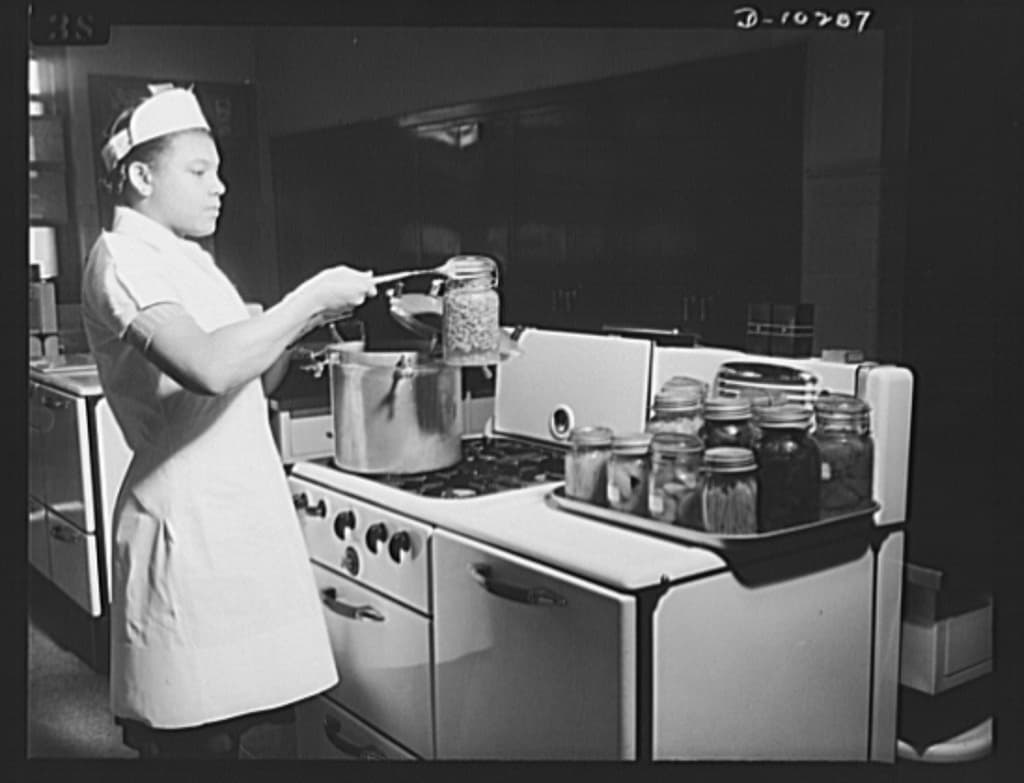
Food Preservation at Margaret Murray Washington Vocational School
A 1943 FSA/OWI photograph of Miss Laura Russell removing canned string beans from a pressure cooker in Washington, D.C.
Recipes from this story
Cook from the chapter
1700s-present
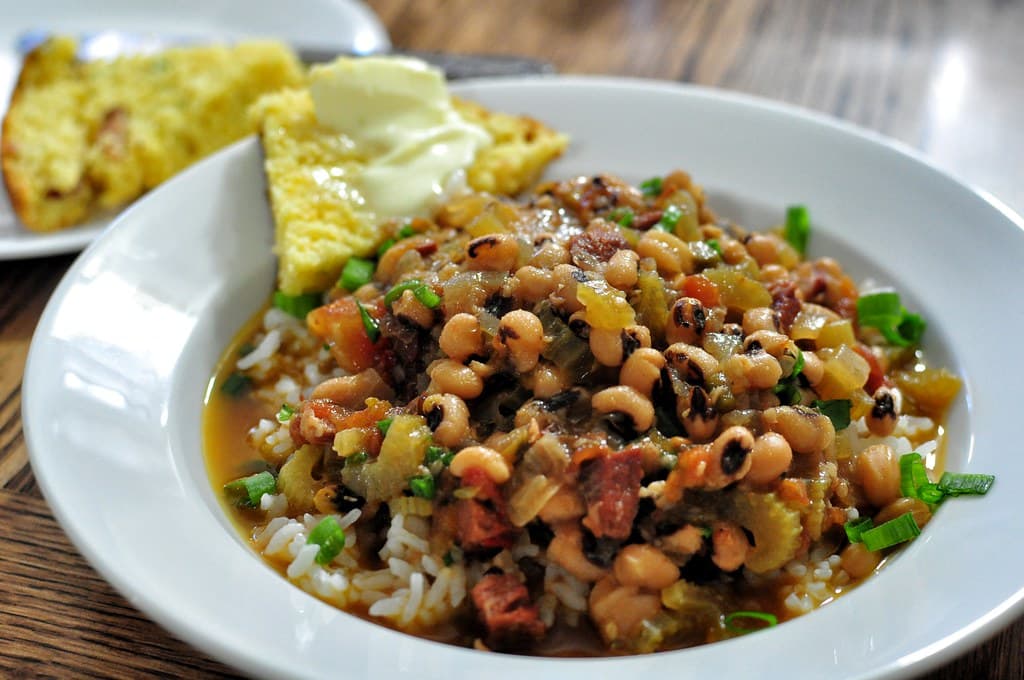
Hoppin' John
A Lowcountry rice and black-eyed pea dish tied to Southern New Year tables, pork seasoning, and African-influenced foodways.
1970-1989
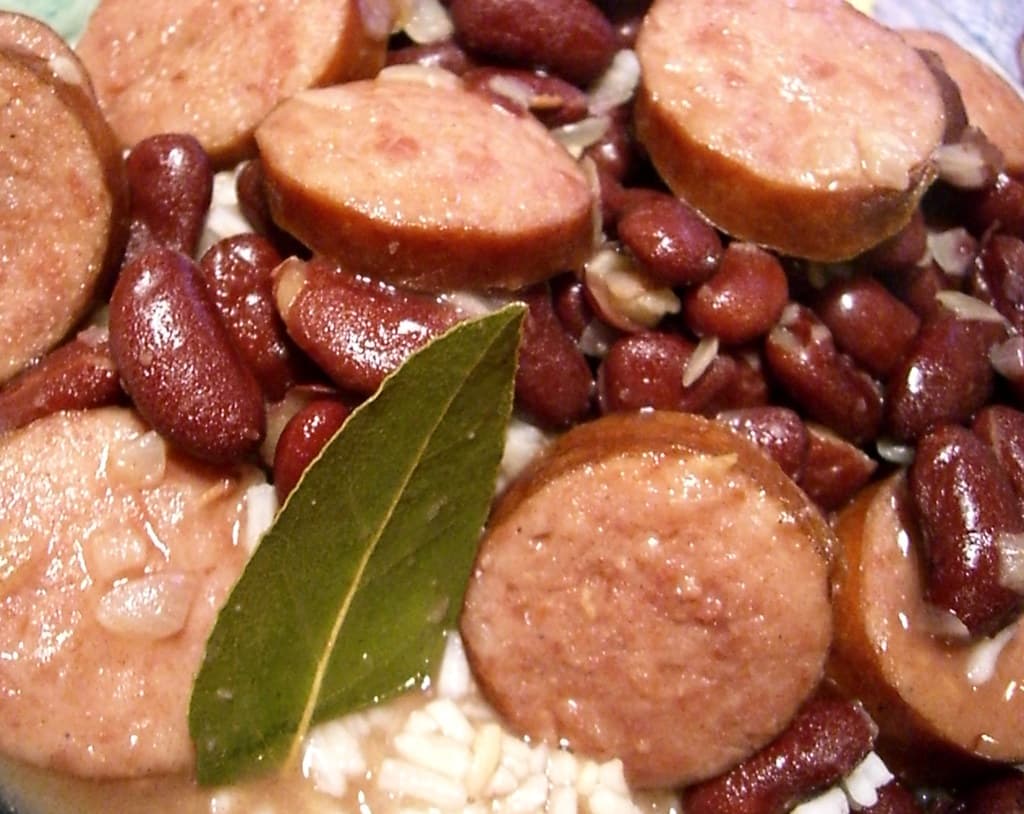
Red Beans and Rice
Red Beans and Rice is a classic Southern side dish featuring slow-simmered red kidney beans in a savory, spiced broth served over white rice. Popularized in the 1970s and 1980s, this dish is a staple at tailgates, family gatherings, and Southern tables showcasing regional pride and convenience.
Keep reading
Related stories
1960s
The Lunch Counter as a Battleground for Citizenship
A lunch counter is an ordinary place until someone is told they cannot sit there. In 1960, four Black college students sat at a Greensboro Woolworth counter and asked to be served.
1880s-today
The Migrant Table Makes America Larger
Immigrant and migrant families kept home alive through food, then changed the country by sharing it. Delis, taquerias, noodle shops, fish fries, bakeries, church kitchens, bodegas, food trucks, farmers markets, and family restaurants made America bigger.
1776-early republic
A Young Republic Learns to Cook for Itself
The new nation had to feed itself in war, in taverns, in farm kitchens, and on working plantations. By 1796, Amelia Simmons's American Cookery gave printed form to a cuisine using American ingredients and American names.