1776-early republic
A Young Republic Learns to Cook for Itself
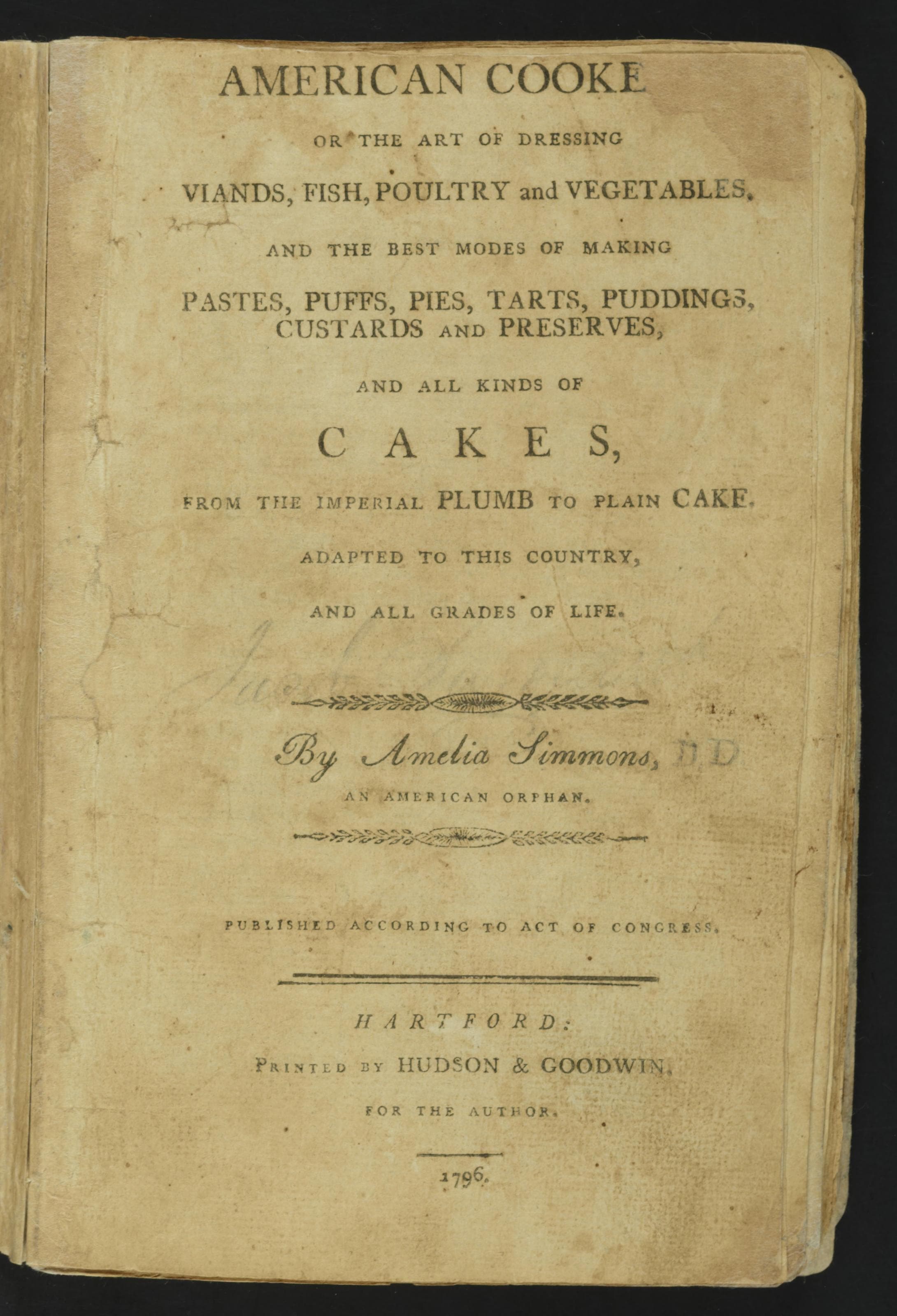
The new nation had to feed itself in war, in taverns, in farm kitchens, and on working plantations. By 1796, Amelia Simmons's American Cookery gave printed form to a cuisine using American ingredients and American names.
The American Revolution was fought with muskets, pamphlets, farms, mills, bake ovens, smokehouses, and taverns. Feeding an army and a young country required wheat, cornmeal, salted meat, beans, cider, preserved fruit, garden vegetables, fish, and the labor of people whose names were often left out of the record. Food was strategy and survival. A hungry army could not march, and a hungry household could not think much about liberty.
In the early republic, American cooking was practical and regional. Coastal tables leaned on fish, oysters, and trade goods. Rural kitchens made use of corn, pork, game, apples, milk, butter, and preserved stores. Taverns fed travelers and carried news. Plantation tables displayed wealth while depending on enslaved labor and culinary skill. Farm families measured prosperity by the cellar, the garden, the smokehouse, and the ability to receive guests.
Printed cooking also began taking on an American voice. Amelia Simmons's 1796 American Cookery is remembered because it used American ingredients and terms, including cornmeal and pumpkin, in a cookbook printed in the new nation. It did not invent American food, but it recorded a confidence that American households could name their own table.
Military supply made the young republic practical about food. Soldiers needed rations that could survive weather, roads, and delay: flour, hard bread, salted pork, peas, rice, vinegar, molasses, and rum or whiskey in some contexts. Officers argued over contracts, shortages, spoilage, and transportation because a recipe on paper meant little if barrels did not arrive. The American table was tied to wagons, mills, barrels, roads, rivers, and the hard arithmetic of feeding men far from home.
The country also inherited contradictions that could not be cooked away. In many households and plantations, the food that signaled refinement depended on enslaved cooks, gardeners, dairymen, butchers, distillers, and field laborers. They preserved techniques, created flavor, managed fires, judged doneness without thermometers, stretched ingredients, and fed both elite tables and their own families under constraint. Any honest history of early American cooking has to name that skill and the injustice around it together.
Regional identity strengthened around staples. New England leaned into baked beans, brown bread, cod, apples, cider, and dairy. The Chesapeake and Lowcountry carried rice, seafood, corn, pork, and greens. The backcountry relied on cornmeal, game, beans, salt pork, orchard fruit, and whiskey. Ports made room for sugar, tea, coffee, spices, citrus, and rum. The young nation was not yet one cuisine, but it was learning to recognize itself through regional abundance.
Cookbooks, taverns, markets, and letters helped Americans imagine a shared table before the country had fully built one. A printed recipe could make pumpkin respectable, cornmeal useful, and local abundance visible. A tavern meal could feed strangers who carried politics, gossip, and goods from one state to another. In that sense, early American food was a civic project: ordinary meals helping a new people understand what independence tasted like.
The Revolution made food a military problem before it became a national symbol. Armies consumed flour, hard bread, salted pork, beef, peas, beans, rice, rum, vinegar, and forage for animals at a scale that could overwhelm local supply. A missing wagon, spoiled barrel, unpaid contractor, flooded road, or bad harvest could affect morale as surely as a battlefield defeat. Soldiers wrote about hunger because hunger was part of the campaign.
Taverns helped stitch the new country together. A traveler could find cider, beer, coffee, punch, oysters, bread, cheese, ham, stew, pie, or whatever the house could offer. Taverns were not only places to eat; they were mail stops, political rooms, market centers, recruiting places, court-day gathering spots, and news exchanges. Food and talk traveled together. A meal at a tavern could carry information from Boston, Philadelphia, Charleston, New Orleans, or the backcountry.
The printed page gave American cooks another form of confidence. American Cookery used English forms but named American abundance: cornmeal, pumpkin, squash, cranberries, molasses, turkey, and local fish and game. The title page promised recipes adapted to this country and all grades of life. That phrase matters. It suggests a cuisine learning to look at its own fields, orchards, rivers, smokehouses, and markets instead of treating Europe as the only measure.
Plantation kitchens reveal the hardest contradiction of the young republic. Some of the tables that announced refinement and hospitality depended on enslaved Black cooks, gardeners, dairy workers, butchers, distillers, brewers, bakers, and field hands. Their skill shaped flavor, timing, fermentation, preservation, fire management, and service. The nation spoke of liberty while many of its most accomplished food workers were denied it.
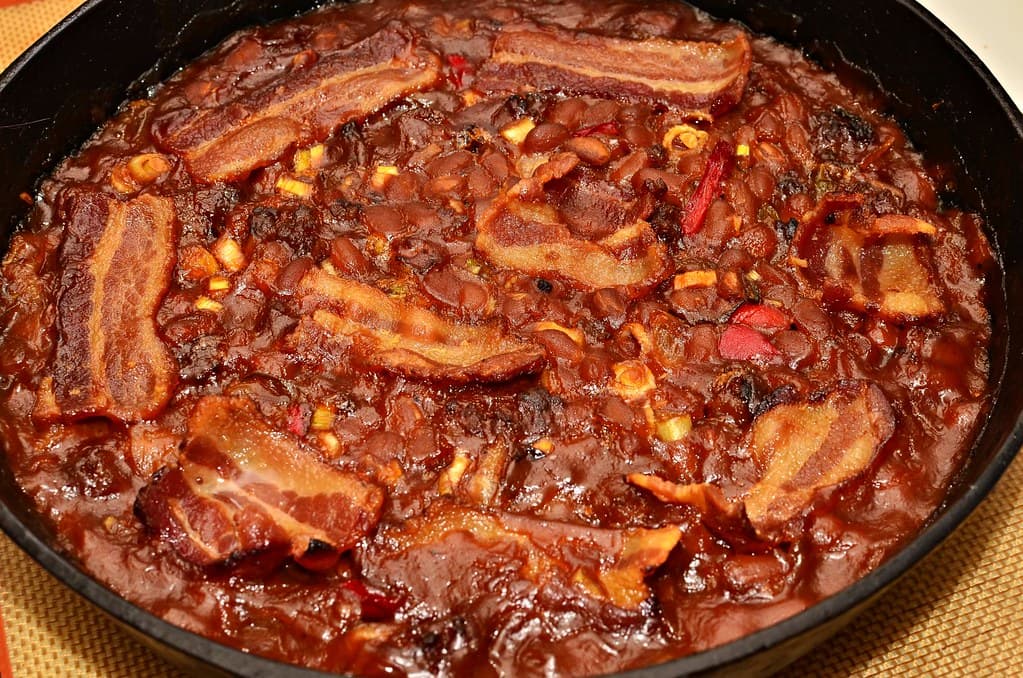
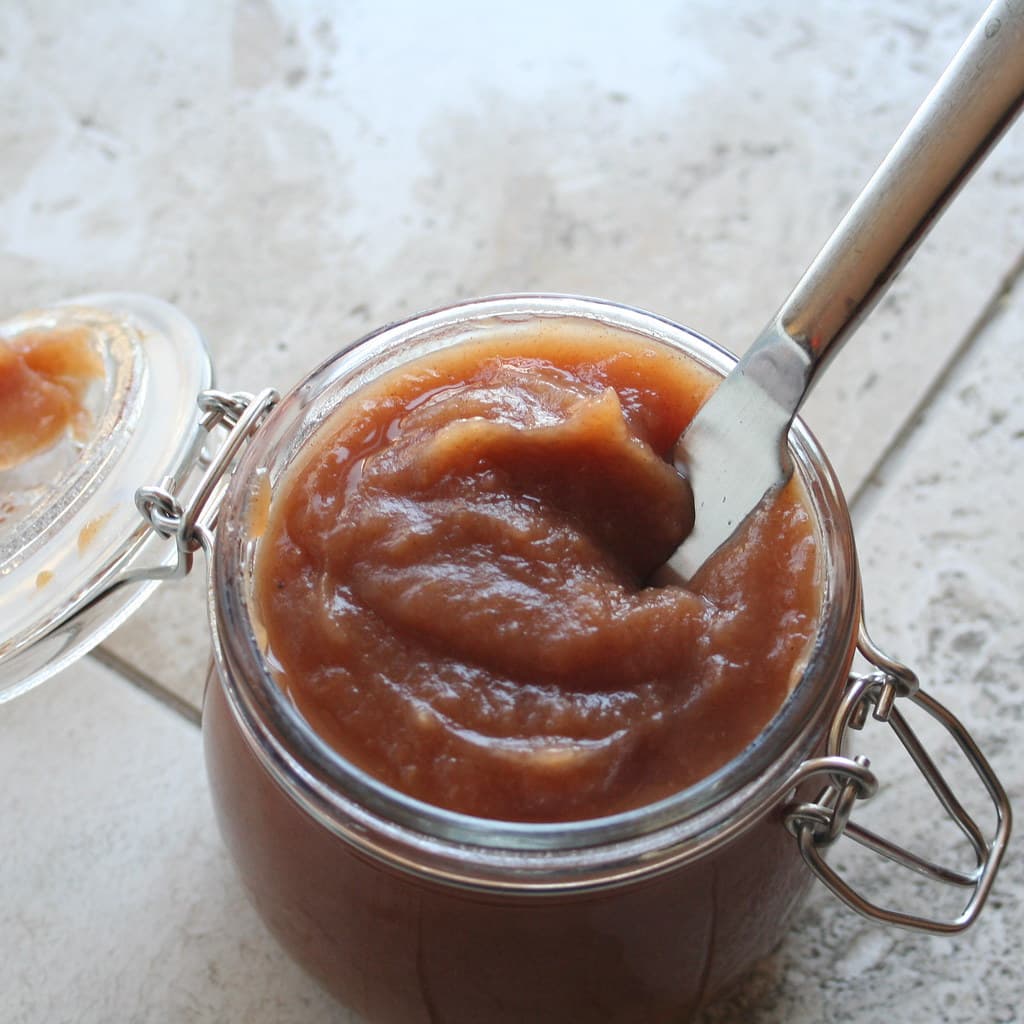
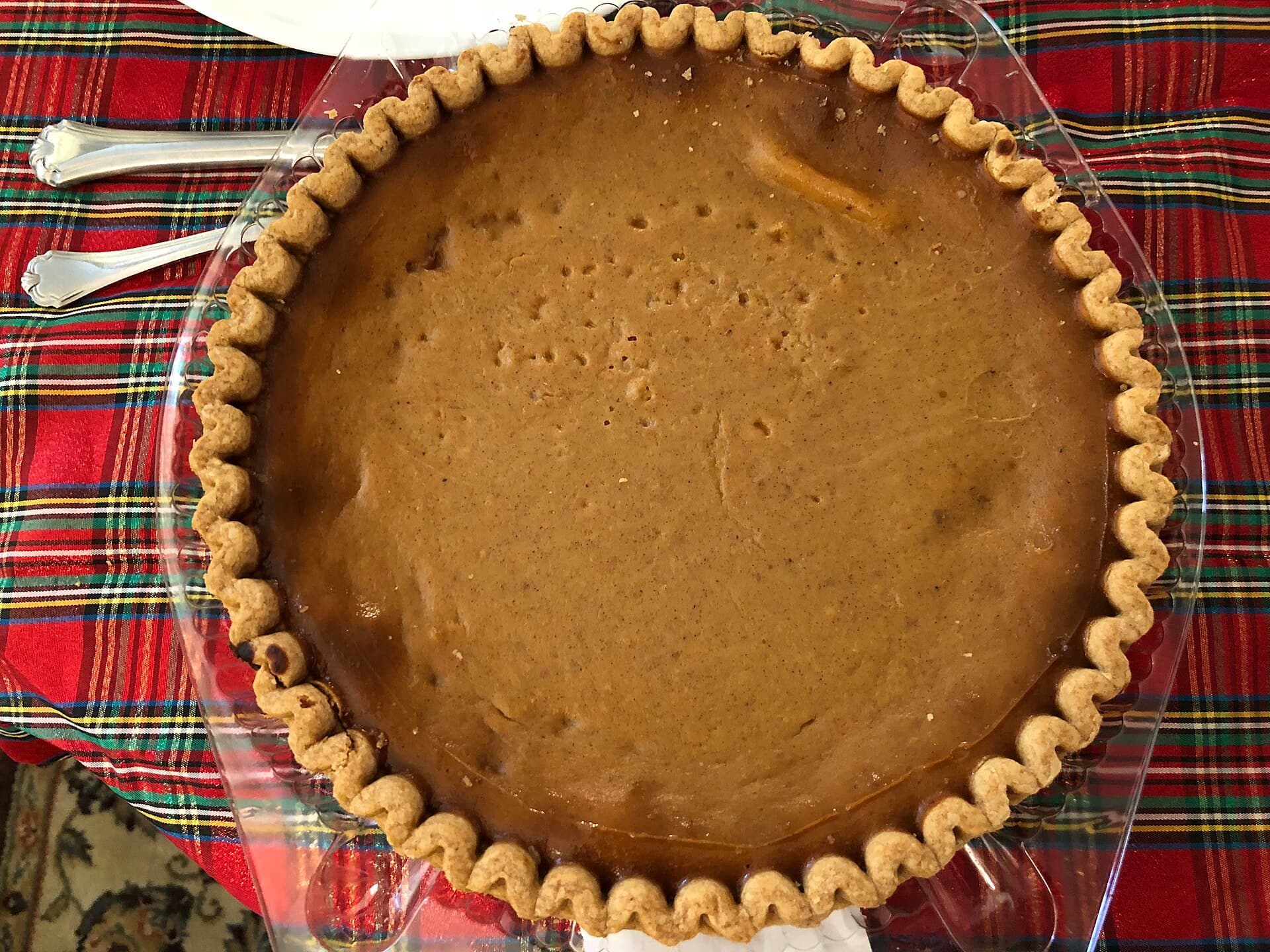
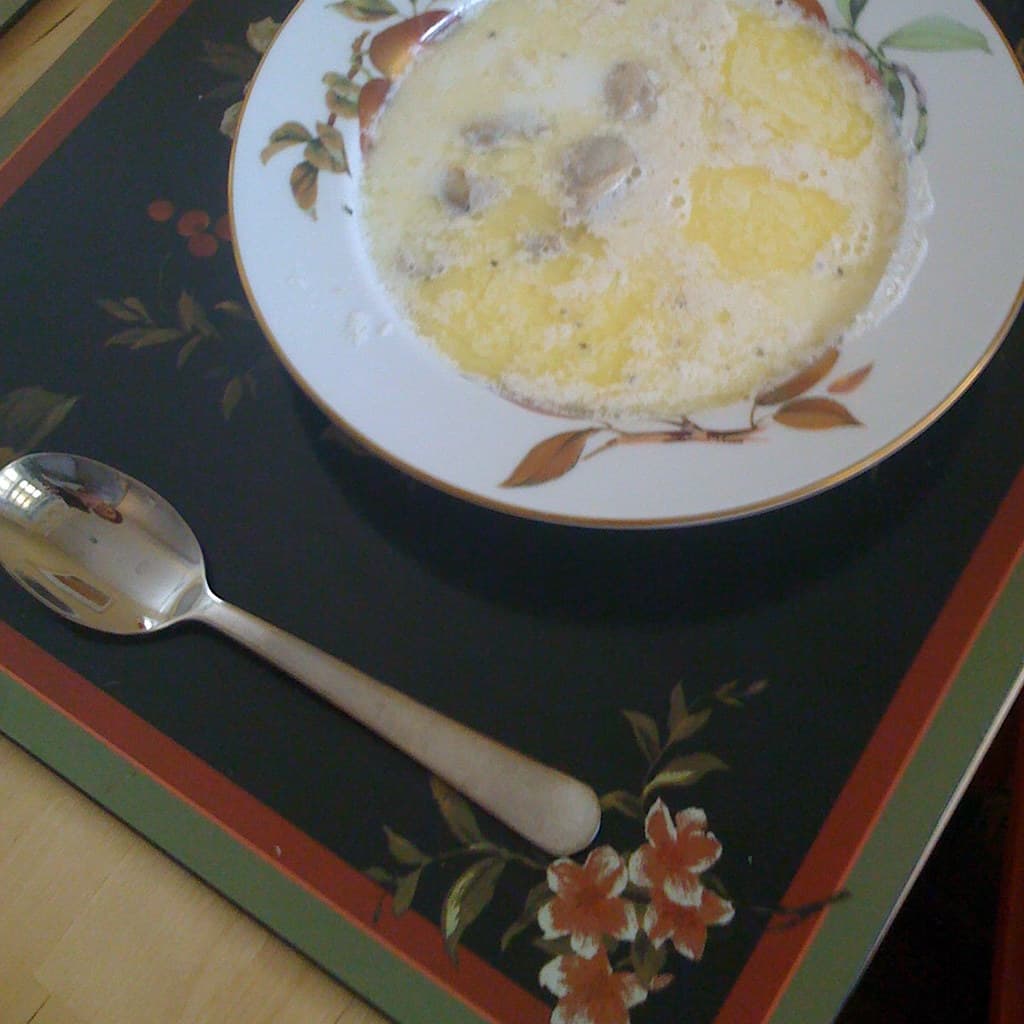
Ordinary households built independence in quieter ways. Apple butter, cider, brown bread, baked beans, johnnycakes, salt pork, pickles, pumpkin pies, oyster stews, corn pone, porridges, and preserved fruit connected seasonal labor to winter survival. A cellar, smokehouse, springhouse, garden, orchard, and well-run hearth could mean security. The young republic was not fed by slogans. It was fed by storage, weather sense, fuel, water, animal care, and time.
By the early nineteenth century, American cooking was still unfinished, but it had a recognizable voice. It was regional, practical, ambitious, contradictory, and deeply dependent on borrowed and adapted knowledge. Native ingredients, African skill, European techniques, Atlantic trade, frontier necessity, and immigrant labor were already in the pot. Independence had to be cooked daily before it could be celebrated annually.
Markets also taught Americans how independence worked in practice. A town market gathered farmers, fishmongers, bakers, butchers, enslaved vendors, free Black entrepreneurs, Indigenous traders, immigrant sellers, and household shoppers into one noisy civic space. Food prices, freshness, credit, gossip, and politics met there. The market basket was a daily reminder that liberty depended on labor and exchange.
Women's knowledge held much of the household economy together. They brewed, baked, churned, pickled, dried, smoked, planted, spun, preserved, and stretched food through seasons of abundance and scarcity. Recipe books often hide this labor behind short instructions, but early American cooking required judgment: how hot the fire was, how sour the dough smelled, how long a ham had smoked, how much salt a barrel needed, and whether fruit would keep.
Ports kept the young republic tied to the wider Atlantic. Sugar, molasses, rum, tea, coffee, pepper, nutmeg, citrus, chocolate, and wine connected American tables to trade routes and to systems of exploitation across the Caribbean and beyond. A patriotic table could still depend on goods produced by unfree labor elsewhere. American taste was local and global from the beginning.
The food of the young republic carried confidence and contradiction side by side. Cornmeal and pumpkin could signal local pride. A tavern dinner could make strangers into citizens for an evening. A plantation feast could display skill while hiding coercion. The country learned to cook for itself before it learned to reckon fully with the hands that fed it.
The young republic learned that independence was not only a matter of politics. It had to be kneaded, preserved, brewed, roasted, and served. The American table was becoming a place where old-world methods, Native ingredients, Atlantic trade, plantation power, immigrant skill, and frontier necessity met. The country was still unfinished, and so was its cuisine.
From the archive
Listen and read deeper
Recipes from this story
Cook from the chapter
America's Melting Pot
Ash Cakes photo coming soon
1776-1800
Ash Cakes
A plain cornmeal-and-water ash cake inspired by Revolutionary-era field cooking, adapted for a skillet or campfire with salt and a little fat for modern eatability.
America's Melting Pot
Salt Pork and Beans photo coming soon
1700s-present
Salt Pork and Beans
Salt pork and beans is a traditional side dish combining salted cured pork and beans slow-cooked together. Common in American Revolutionary-era cooking, it provided preserved protein and starch with minimal fresh ingredients, often in military or frontier contexts.
Keep reading
Related stories
Before 1776
The First American Table
American culinary history begins with Native nations that knew the land intimately. Corn, beans, squash, wild rice, maple, cranberries, pecans, peppers, tomatoes, and hundreds of regional foods were cultivated, gathered, preserved, traded, and honored long before the republic.
1865-1930s
Black Foodways and the Taste of Freedom
Black foodways are central to the American table. Rice knowledge, field peas, greens, oysters, barbecue, red beans, baking, market vending, church suppers, and Juneteenth foods carry stories of survival, skill, enterprise, and celebration.
1917-1945
Victory Gardens and the Patriotism of Seeds
War gardens and victory gardens made patriotism practical. Families planted beans, potatoes, peas, onions, tomatoes, and greens so farms, rail lines, and ships could feed soldiers and allies.