1960s
The Lunch Counter as a Battleground for Citizenship
A lunch counter is an ordinary place until someone is told they cannot sit there. In 1960, four Black college students sat at a Greensboro Woolworth counter and asked to be served.
A lunch counter seems like a simple American place: stools, coffee, sandwiches, pie, a cash register, a quick meal downtown. That ordinariness is exactly why lunch counters became so important during the civil rights movement. Segregation made public eating a test of citizenship. Who could sit, order, pay, and be treated with dignity?
On February 1, 1960, four Black students from North Carolina A&T sat down at a Woolworth lunch counter in Greensboro and asked to be served. They were refused service, but they stayed. Their action helped inspire sit-ins across the South. Students dressed carefully, trained in nonviolence, endured harassment, and made the moral contradiction of segregation visible in a place where Americans claimed to value hospitality.
Food history is not only the history of dishes. It is also the history of access, labor, public space, and respect. The lunch counter forced the country to see that a hamburger and a cup of coffee could carry constitutional weight when some citizens were excluded from ordinary life.
The lunch counter was designed for speed and ordinariness. A person sat down, ordered coffee, a sandwich, pie, or a plate lunch, paid, and left. Segregation turned that ordinary ritual into humiliation. It told Black Americans that even the simplest public meal was conditional.
The Greensboro sit-ins worked partly because they chose a place Americans understood. A lunch counter was not a courthouse or battlefield. It was daily life. When students sat quietly and asked to be served, they revealed how cruel segregation was in the language of manners, service, and hospitality.
Food workers were caught in the middle of that history. Waitresses, cooks, managers, dishwashers, and store owners worked inside systems larger than themselves, but their actions still mattered. Some enforced exclusion. Some sympathized quietly. Some changed with the times. The counter shows that food spaces are never politically neutral when access is unequal.
The story is not only about protest. It is about the American promise becoming more honest. To sit, order, eat, and be treated as a full citizen is a small act only when everyone can do it. The lunch counter made the country confront that truth.
The lunch counter was built for ordinary speed. A person took a stool, ordered coffee, a hamburger, a sandwich, pie, rice pudding, or a milkshake, paid at the register, and returned to work, shopping, school, or travel. Segregation turned that ordinary meal into a public test of dignity. It said that Black citizens could spend money, cook food, clean counters, and serve customers, but could not always sit and be served themselves.
The Greensboro Four understood the power of that ordinariness. On February 1, 1960, Ezell Blair Jr. (Jibreel Khazan), Franklin McCain, Joseph McNeil, and David Richmond sat at the Woolworth counter in Greensboro, North Carolina, and requested service. They were refused. They stayed. Their discipline made the contradiction visible: young men dressed for respectability were denied the basic hospitality that the store sold every day.
The protest grew because a lunch counter was familiar to nearly everyone. Students, church members, local supporters, and civil rights organizations could explain the demand plainly. They were not asking for luxury. They were asking to sit, order, pay, and eat. The simplicity made the injustice harder to hide.
Food workers stood inside the pressure. Cooks, servers, dishwashers, cashiers, and managers had to work under rules set by owners, law, custom, and threat. Some enforced segregation. Some sympathized quietly. Some feared losing their jobs. The person behind the counter could be Black and still unable to eat at that same counter as a customer. The workplace and the dining room exposed different layers of the same system.
Sit-ins required preparation. Students trained in nonviolence, practiced how to remain calm under insult, and dressed carefully because appearance could affect public judgment. They endured shouting, threats, food thrown on them, arrests, and violence. The discipline was not passive. It was a deliberate strategy that turned self-control into moral force.
When Woolworth desegregated the Greensboro counter in July 1960, the victory was local and national at the same time. A stool, a counter, a plate lunch, and a cup of coffee had become instruments of citizenship. The American table became more honest when access to an ordinary meal could no longer be reserved by race.
The lunch counter also belonged to downtown commerce. Department stores invited shoppers to spend the day, eat quickly, and keep buying. Segregation meant Black customers could purchase goods in parts of a store while being denied the dignity of sitting at its counter. The contradiction was economic as well as moral: money was accepted, citizenship was refused.
The students' choice of dress mattered. Jackets, ties, skirts, polished shoes, notebooks, and quiet posture answered stereotypes before words were exchanged. Their discipline made the store's refusal look smaller and meaner. The protest worked visually because ordinary respectability met ordinary cruelty under bright department-store lights.
Sit-ins spread because the method could be repeated. Nashville, Raleigh, Durham, Rock Hill, Atlanta, Jackson, and many other cities saw students occupy lunch counters and other segregated spaces. Training, churches, campus networks, local organizers, and national groups helped turn a single act into a movement. The counter became a classroom for courage.
Food itself remained ordinary throughout the drama. Coffee, pie, sandwiches, hamburgers, and milkshakes were not luxury demands. That was the point. Denying ordinary food service exposed how segregation invaded daily life. The movement insisted that equality had to reach the places where people ate lunch, not only the places where laws were written.
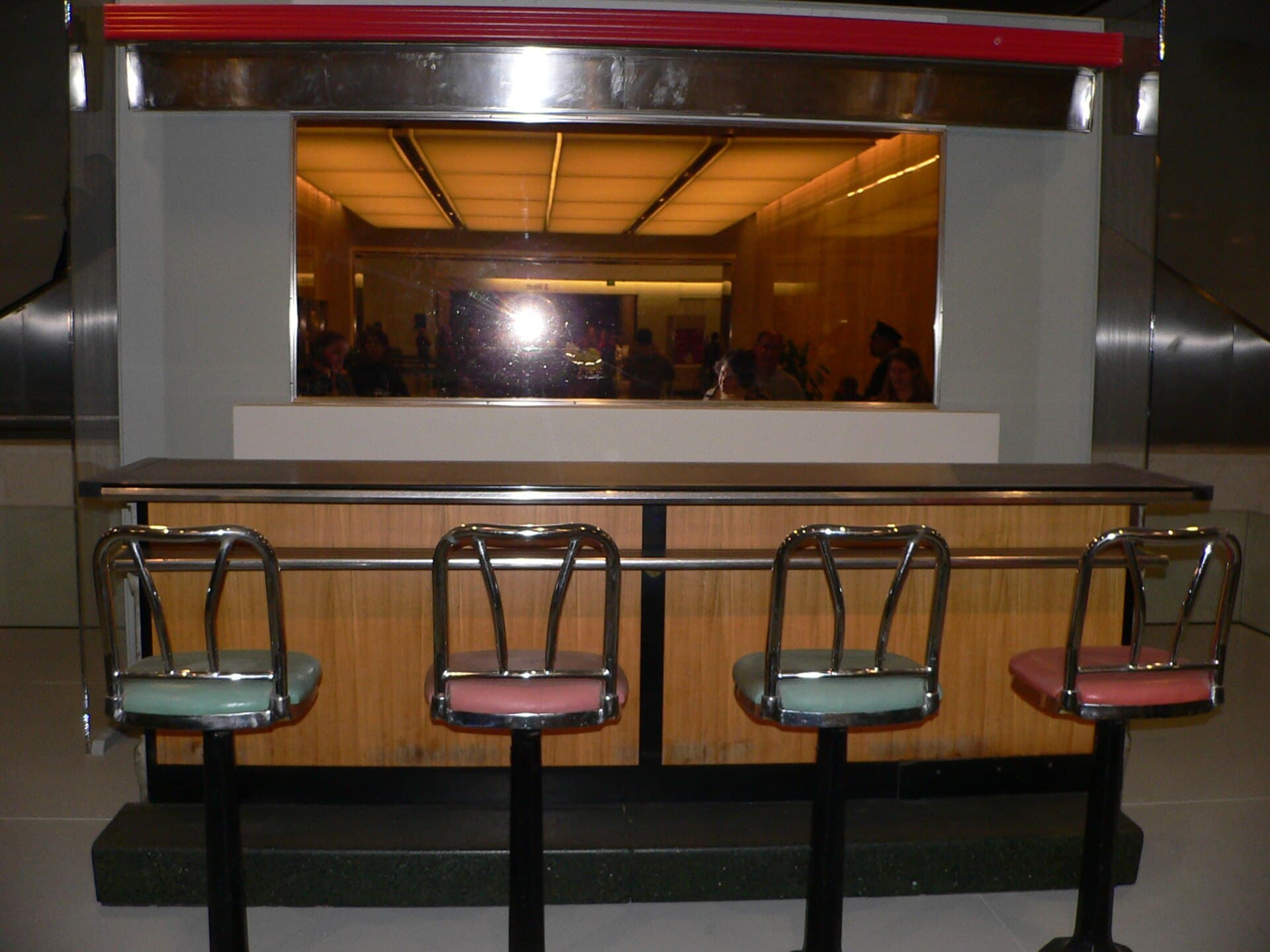
The preserved counter and stool carry power because they are plain objects. They do not need grandeur. Their chrome, vinyl, laminate, and fixed seats show how injustice can live in familiar furniture, and how courage can begin when someone refuses to move.
The Greensboro counter now preserved by the Smithsonian is more than furniture. It is an altar of civic courage. It reminds us that the American table is not complete unless everyone has a place at it.
From the archive
Listen and read deeper
Smithsonian National Museum of American History
Stool from the Greensboro Lunch Counter
Smithsonian collection record for a lunch-counter stool from the Greensboro sit-in, including public-domain usage status.
Smithsonian National Museum of American History
Greensboro Lunch Counter Exhibition
Smithsonian exhibition page summarizing the February 1, 1960 sit-in and the six-month protest that followed.
Recipes from this story
Cook from the chapter
1910-2026
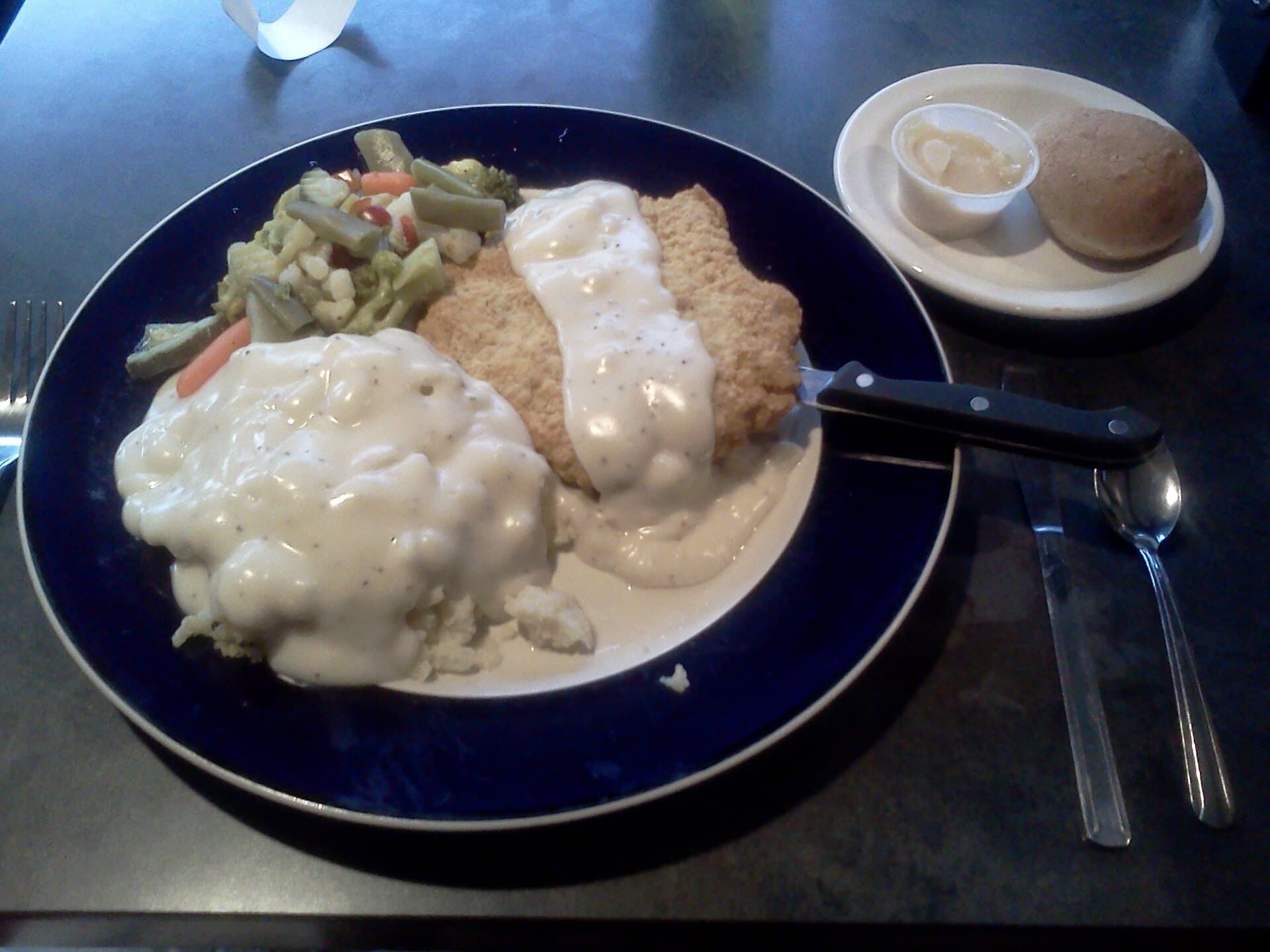
Blue Plate Special
The blue plate special became shorthand for the everyday American diner meal: filling, inexpensive, and quick to order. The phrase was common by the 1920s and 1930s, tied to lunch counters, railroad restaurants, and diners serving one daily set plate.
1920s-present
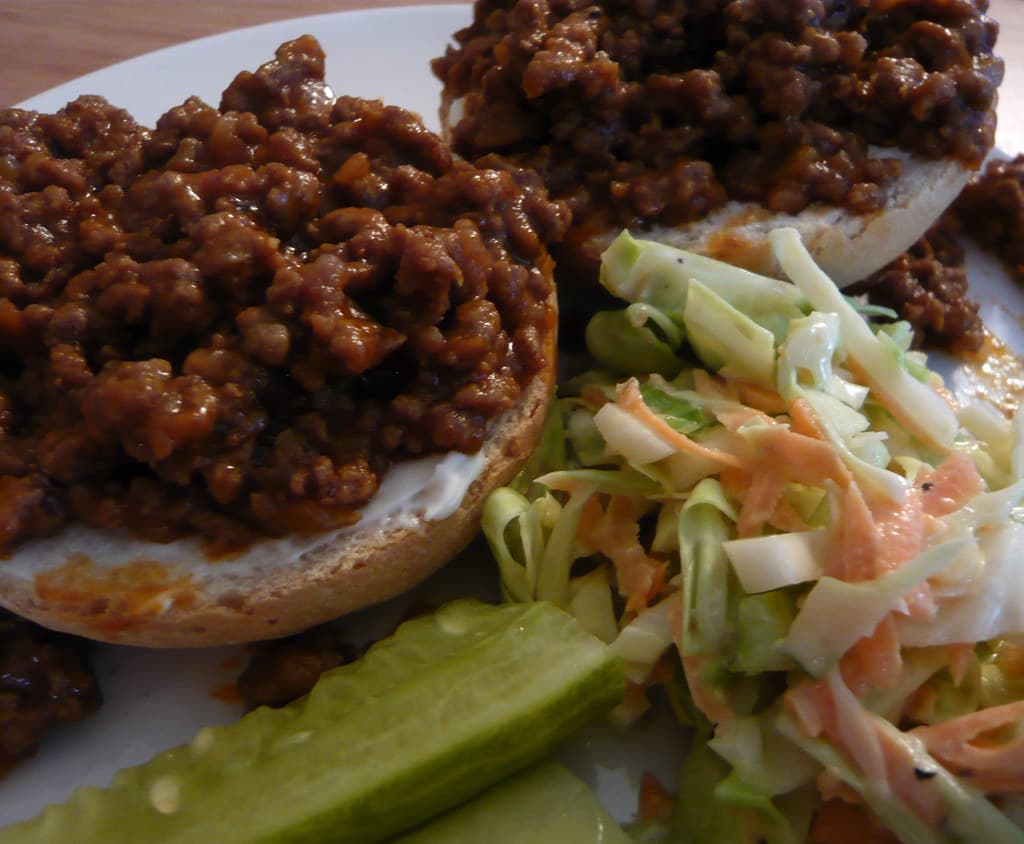
Sloppy Joes
Sloppy Joes are ground beef sandwiches served in a savory tomato sauce on hamburger buns. Popular from the early 20th century in diners, schools, and community gatherings, they became a staple of affordable American social dining, especially at state fairs and church suppers.
Keep reading
Related stories
1865-1930s
Black Foodways and the Taste of Freedom
Black foodways are central to the American table. Rice knowledge, field peas, greens, oysters, barbecue, red beans, baking, market vending, church suppers, and Juneteenth foods carry stories of survival, skill, enterprise, and celebration.
1950s-2000s
The Supermarket Age and the Television Kitchen
After 1950, supermarkets, frozen food, television kitchens, drive-ins, school lunches, backyard grills, diet culture, new appliances, and global migration changed daily eating.
1880s-today
The Migrant Table Makes America Larger
Immigrant and migrant families kept home alive through food, then changed the country by sharing it. Delis, taquerias, noodle shops, fish fries, bakeries, church kitchens, bodegas, food trucks, farmers markets, and family restaurants made America bigger.