
Recipe archive
Loading
Setting the table...
Fetching the latest recipes from the archive.
Loading
Fetching the latest recipes from the archive.
Recipe archive
America's Melting Pot
Berry Jam hero image coming soon
1800-1860 - American farm families, home preservers, and extension-guided canners
Berry jam is the flavor of American summer preservation: short-season fruit cooked with sugar so it can brighten biscuits, toast, and winter breakfasts. Home canning, commercial pectin, and extension-tested recipes made jam a dependable household project.
No featured photo yet. Upload a photo with your review. The highest-rated community photo may become this recipe's hero image.
Difficulty
Easy
Prep time
20 minutes
Cook time
15 minutes
Total time
35 minutes
Servings
About 6 half-pint jars
Region
New England and Upper Midwest berry-preserving kitchens
Era introduced
1800-1860
Introduced by
American farm families, home preservers, and extension-guided canners
Recipe tools
Log in to save this recipe to a collection.
Jam making gave American households a way to carry berry season forward. Before refrigeration, sugar and heat helped preserve fruit; in the 20th century, commercial pectin and extension guidance made the process more predictable for home canners. This archive version follows the modern pectin pattern and flags food-safety guidance as part of the recipe rather than an afterthought.
Share family changes, regional twists, or pantry-friendly adaptations as full community recipes.
Log in to submit a community recipe.
No community recipes yet. Submitted recipes are published right away.
Rate this recipe and share how it worked at your table.
Log in to review this recipe.
No reviews yet. Be the first to rate this recipe.
Recipes matched by era, region, occasion, ingredients, and cultural roots from the archive.
Same era
America's Melting Pot
Acorn Bread photo coming soon
1800-1860
A nutty, lightly sweet quick bread made with properly leached acorn flour, cornmeal, and wheat flour.
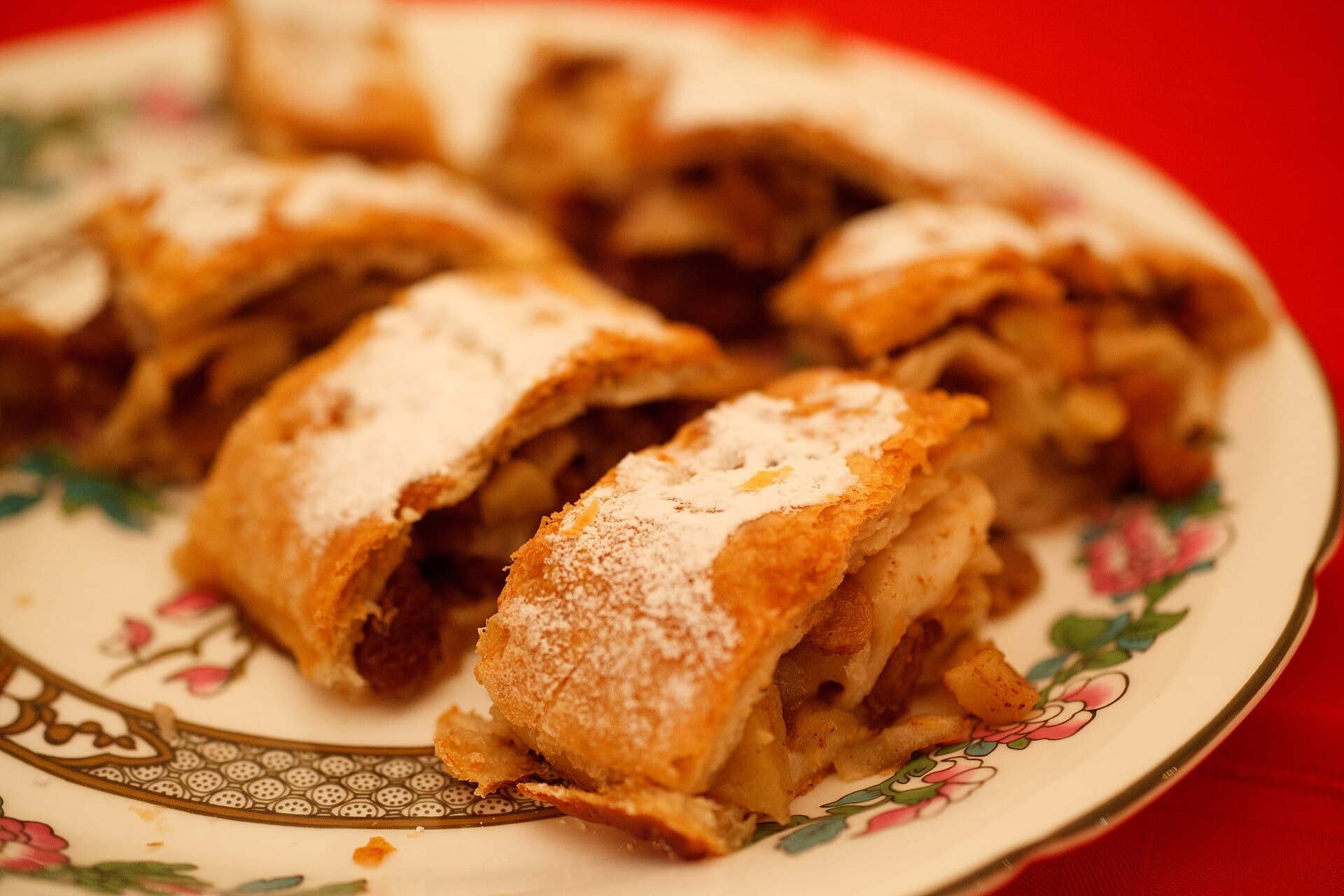
1800-1860
A German-American apple strudel made with crisp apples, raisins, cinnamon, buttered crumbs, and flaky phyllo for a practical home version of a Central European pastry.
America's Melting Pot
Asparagus photo coming soon
1800s/early 1900s-present
A bright American Easter asparagus side, quickly cooked and dressed with lemon butter, herbs, and hard-cooked egg in the spirit of old spring-table recipes.
Same region
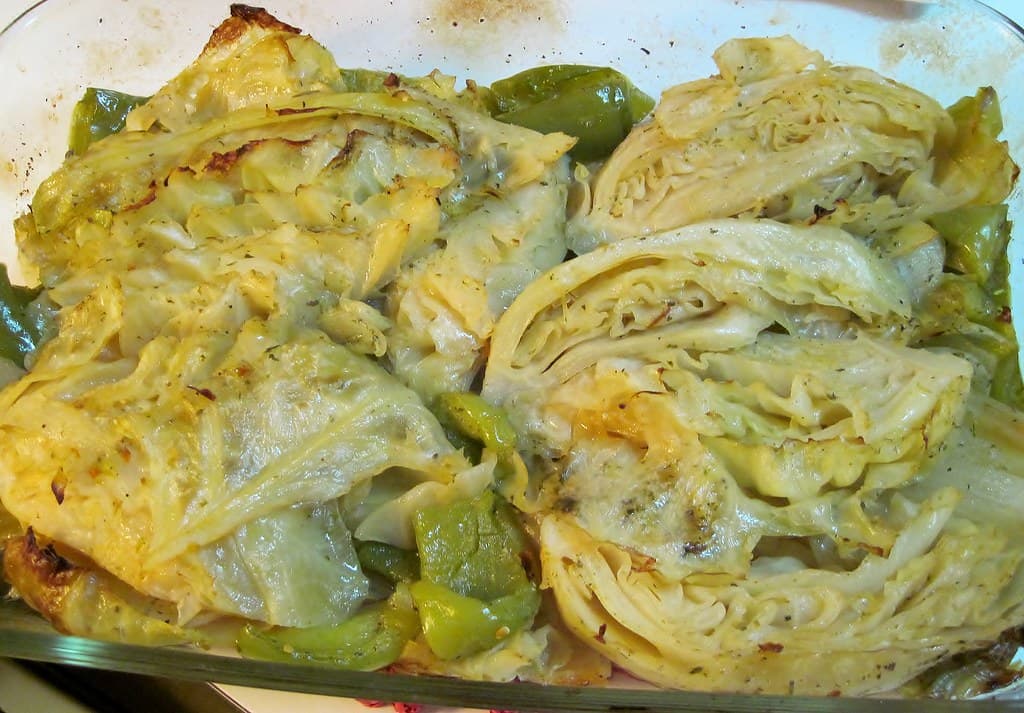
1700-2026
Braised cabbage is an old, practical side dish because cabbage stores well, feeds many, and softens beautifully with slow moist heat. American versions draw from British, German, Irish, and Eastern European cabbage cookery as well as plain farm-table thrift.
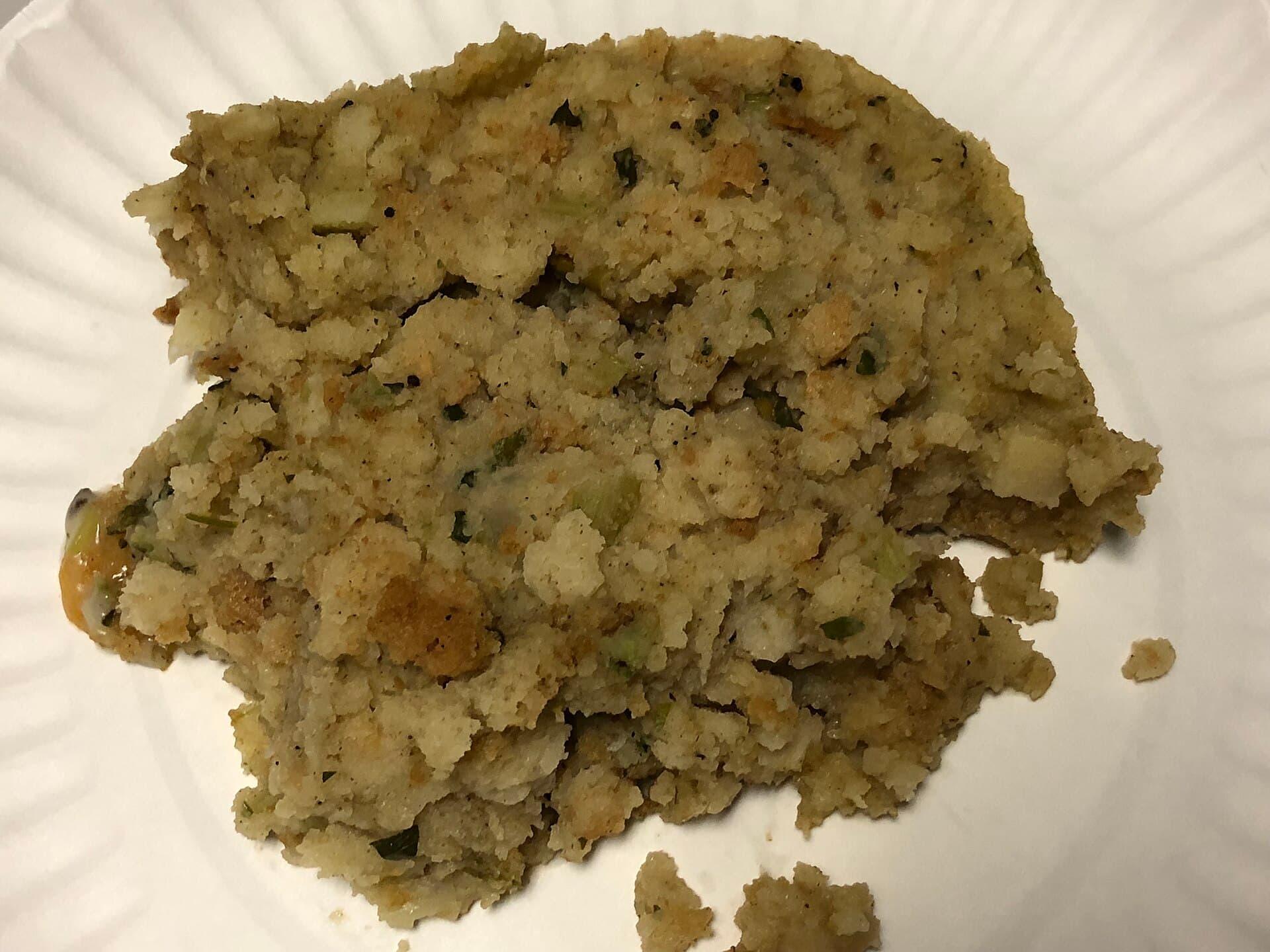
1700-2026
Bread stuffing is the Thanksgiving workhorse that turns stale bread into the part of the plate many people reach for first. Whether cooked inside the bird or baked separately as dressing, the core American formula is bread, aromatics, poultry herbs, and rich stock.
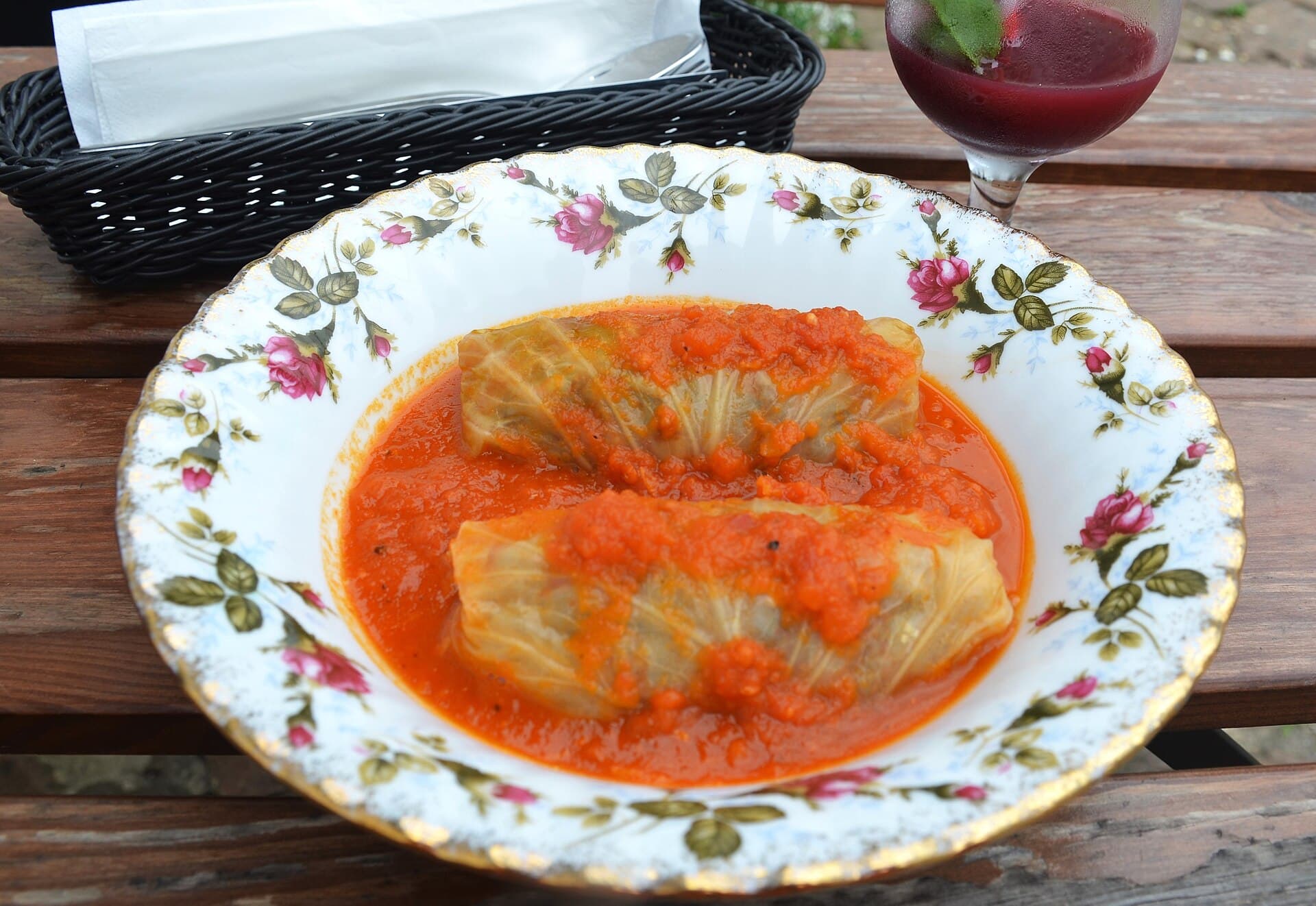
1900-2026
Cabbage rolls came to American tables through many Eastern European and Jewish immigrant communities. Polish golabki, Ukrainian holubtsi, Slovak holubky, Jewish holishkes, and related dishes all wrap humble cabbage around a filling that stretches meat with rice or grain.
Same table
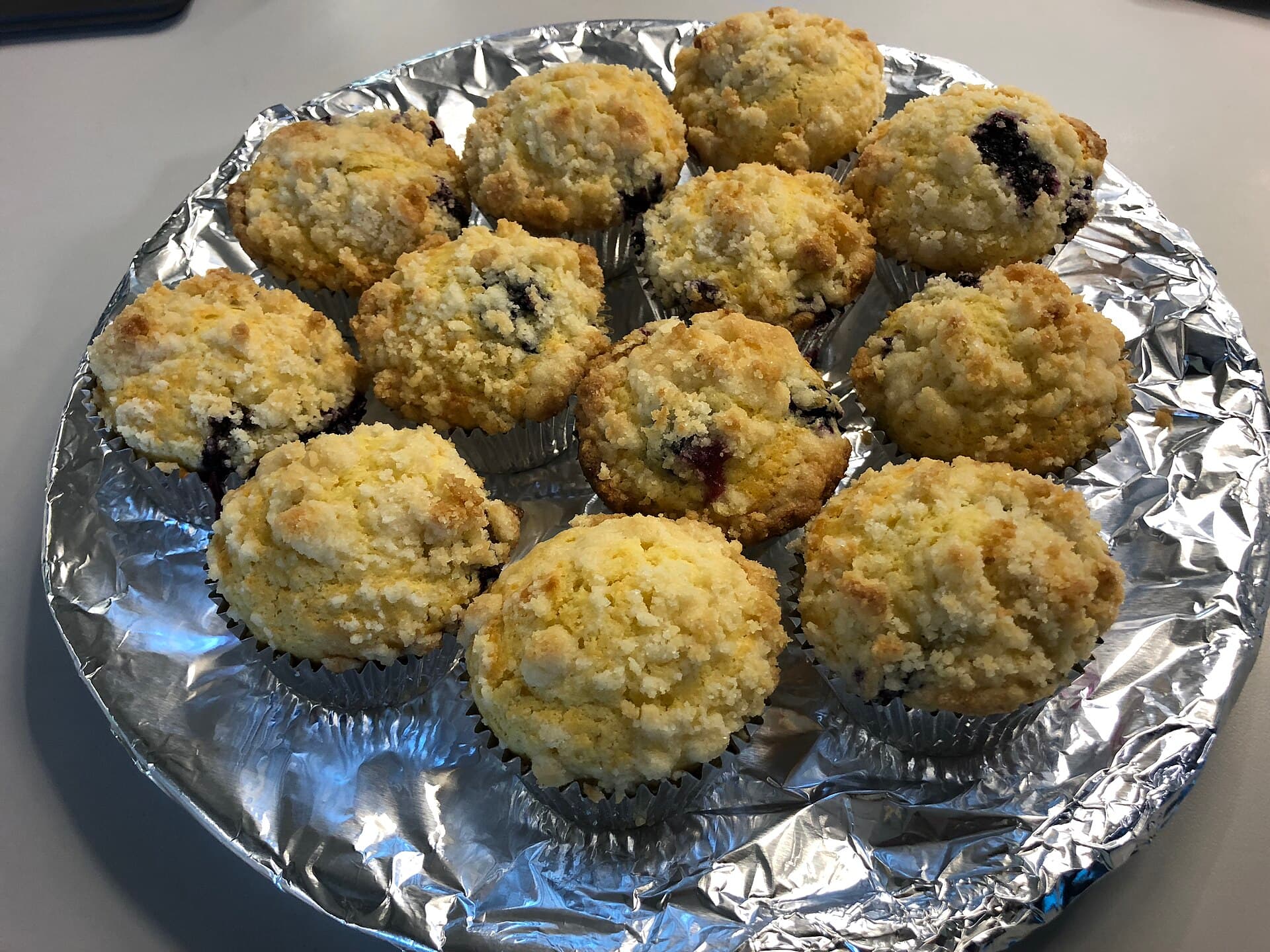
1900-2026
Blueberry muffins are everyday American breakfast baking, but Boston gave them a particular legend through Jordan Marsh department store. The oversized, sugar-topped muffin became a coffee-shop and bakery standard long after the department store disappeared.
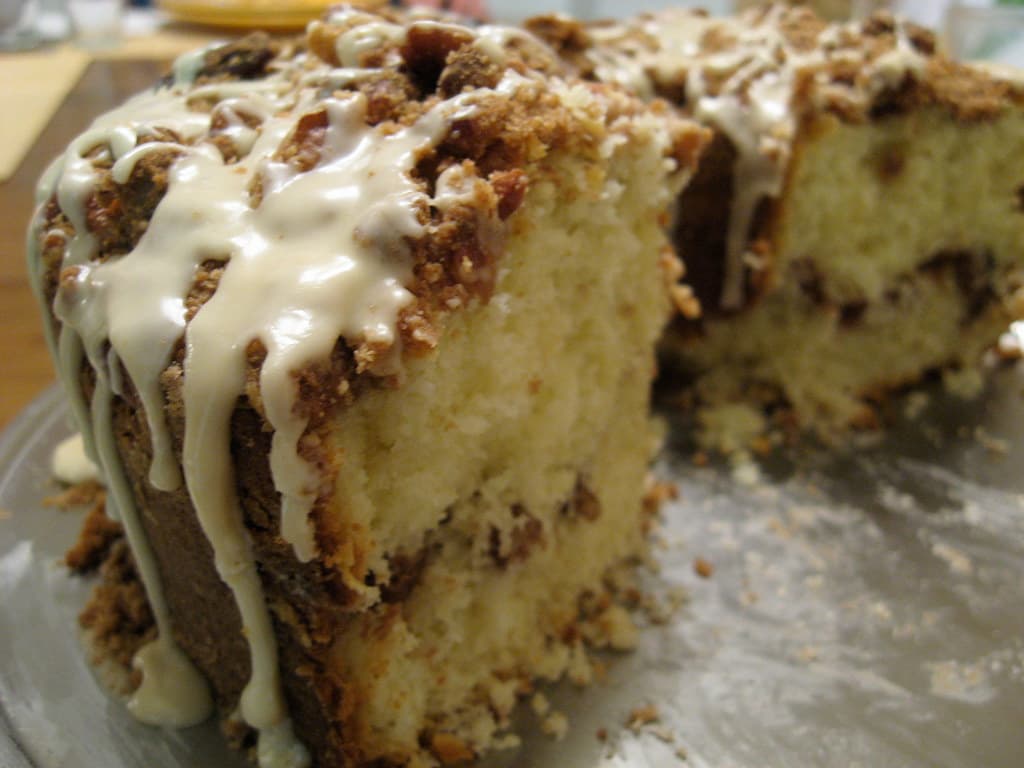
1800s-present
Coffee cake is a moist, sweet cake often topped with cinnamon sugar streusel, enjoyed in schools, churches, and diners during the early 1900s. This American breakfast favorite embodies community gathering traditions and immigrant influences melding into everyday comfort food.
America's Melting Pot
Coffee Shop Scones photo coming soon
1980s-present
Coffee shop scones are tender, buttery pastries with a crisp exterior and soft crumb, popular in Pacific Northwest cafes. Typically served with coffee, these scones reflect regional preferences and European pastry influences adapted to local tastes across eras.