
Recipe archive
Loading
Setting the table...
Fetching the latest recipes from the archive.
Loading
Fetching the latest recipes from the archive.
Recipe archive
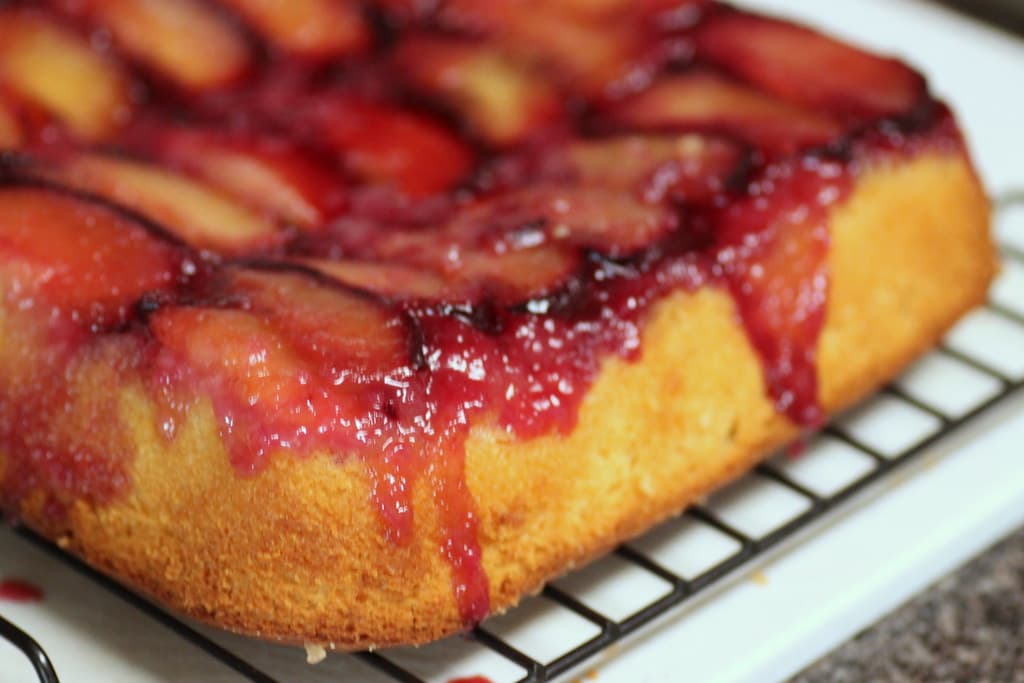
1800-1860 - German-American immigrant communities in the Great Plains.
Kuchen, German for cake, refers to a variety of fruit or custard-topped cakes introduced to American Great Plains by German immigrants in the 19th century. These cakes were often baked for social and family occasions, reflecting adaptation of old-world recipes to local fruits and dairy, making them a staple in immigrant households.
Community-powered photos. Reviewers can upload dish photos, and the highest-rated community image may be featured here.
Difficulty
Medium
Prep time
30 minutes
Cook time
40 minutes
Total time
1 hour 10 minutes
Servings
8-10 servings
Region
Great Plains
Era introduced
1800-1860
Introduced by
German-American immigrant communities in the Great Plains.
Recipe tools
Log in to save this recipe to a collection.
During the early to mid-19th century, German immigrants settling the Great Plains brought Kuchen recipes blending soft cake bases with fruit and custard toppings. These cakes often featured seasonal fruits and were served as coffee cakes during social gatherings. Kuchen illustrates how immigrant families preserved culinary customs while utilizing frontier ingredients and traditions.
Share family changes, regional twists, or pantry-friendly adaptations as full community recipes.
Log in to submit a community recipe.
No community recipes yet. Submitted recipes are published right away.
Rate this recipe and share how it worked at your table.
Log in to review this recipe.
No reviews yet. Be the first to rate this recipe.
Recipes matched by era, region, occasion, ingredients, and cultural roots from the archive.
Same era
America's Melting Pot
Acorn Bread photo coming soon
1800-1860
A nutty, lightly sweet quick bread made with properly leached acorn flour, cornmeal, and wheat flour.
1800-1860
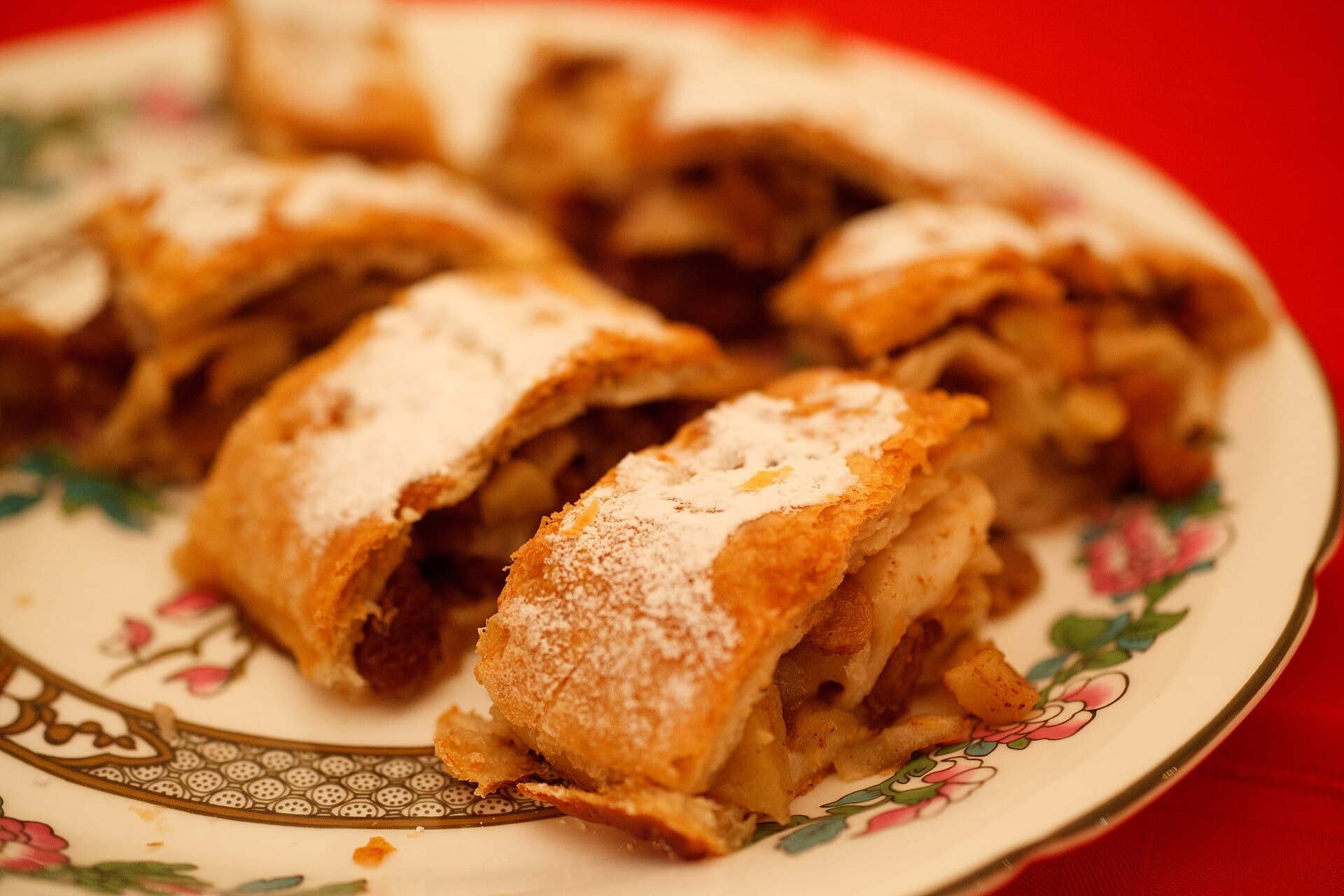
A German-American apple strudel made with crisp apples, raisins, cinnamon, buttered crumbs, and flaky phyllo for a practical home version of a Central European pastry.
America's Melting Pot
Asparagus photo coming soon
1800s/early 1900s-present
A bright American Easter asparagus side, quickly cooked and dressed with lemon butter, herbs, and hard-cooked egg in the spirit of old spring-table recipes.
Same region
1800-1860
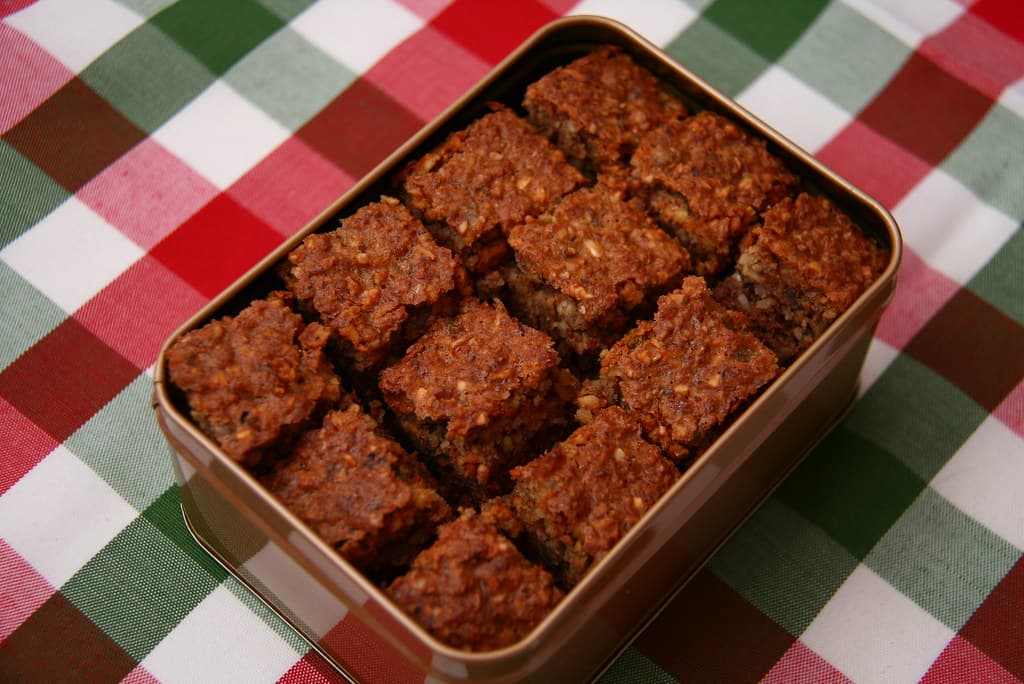
Lebkuchen are dense, spiced cookies resembling gingerbread, traditional in German holiday baking. Immigrants brought lebkuchen recipes to America in the 1800s, particularly to Great Plains settlements. These cookies combine honey, spices, nuts, and sometimes candied fruit and are enjoyed especially around Christmas time.
America's Melting Pot
Bierocks photo coming soon
1870-2026
Bierocks traveled with Volga German communities into Kansas, Nebraska, and the Great Plains. They are field food and comfort food at once: portable bread pockets filled with seasoned beef and cabbage, closely related to Nebraska runzas.
1980-2026
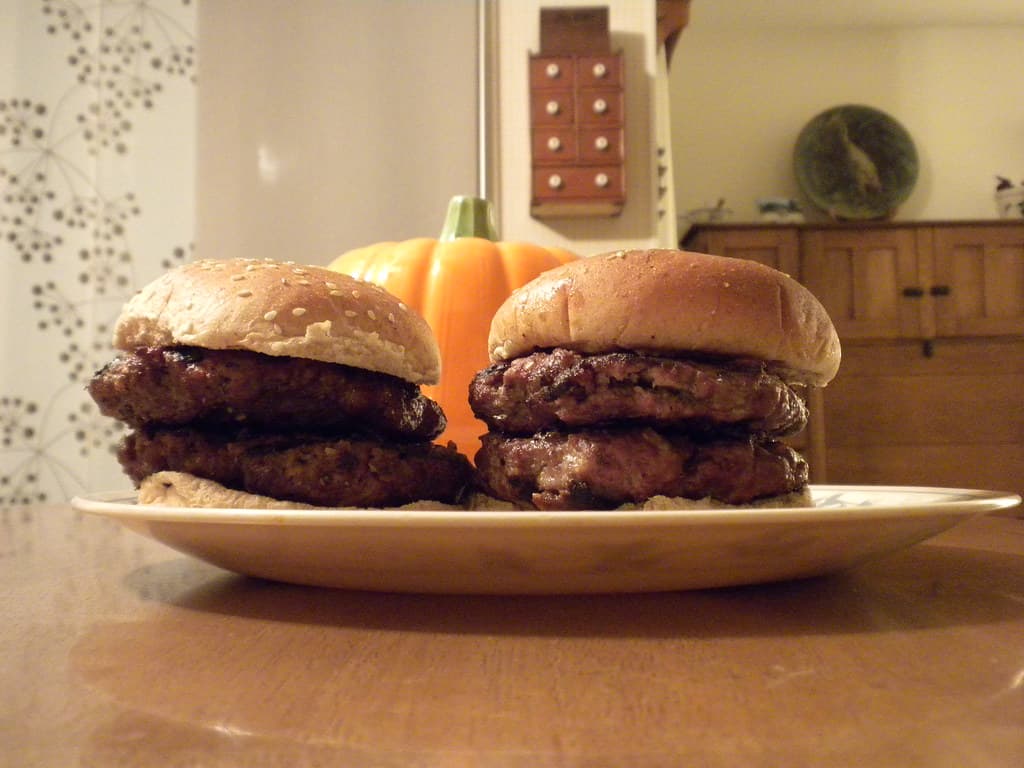
Bison burgers are a modern restaurant and backyard form of a much older Great Plains food story. Bison sustained Indigenous nations for centuries; after near-destruction in the 19th century, ranching and restoration made bison meat more available again.
Same table
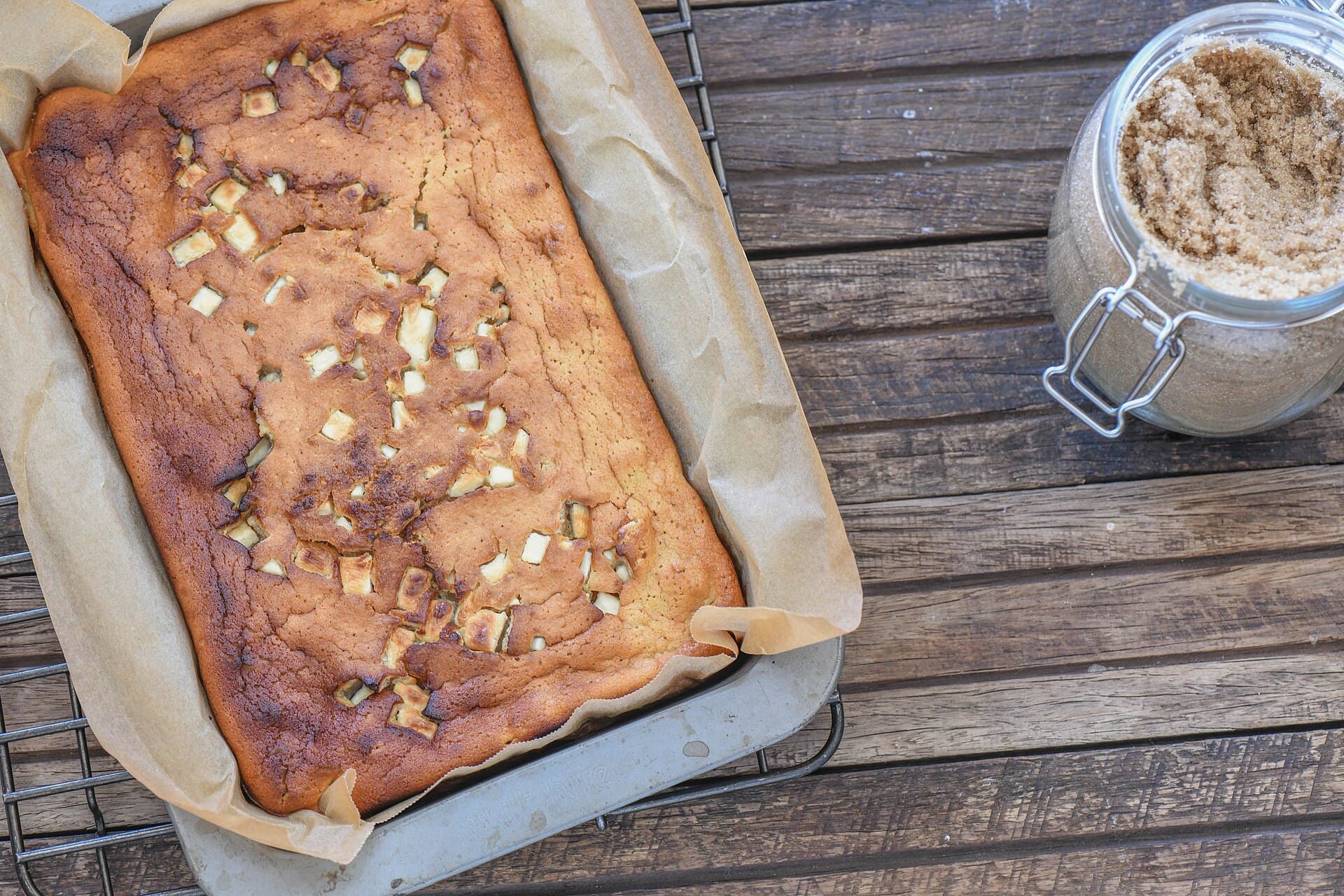
1900s-present
Blondies are American bar cookies built on brown sugar, butter, eggs, and flour. They preserve an older non-chocolate brownie lineage while becoming a lunchbox, bake-sale, and weeknight dessert standard.
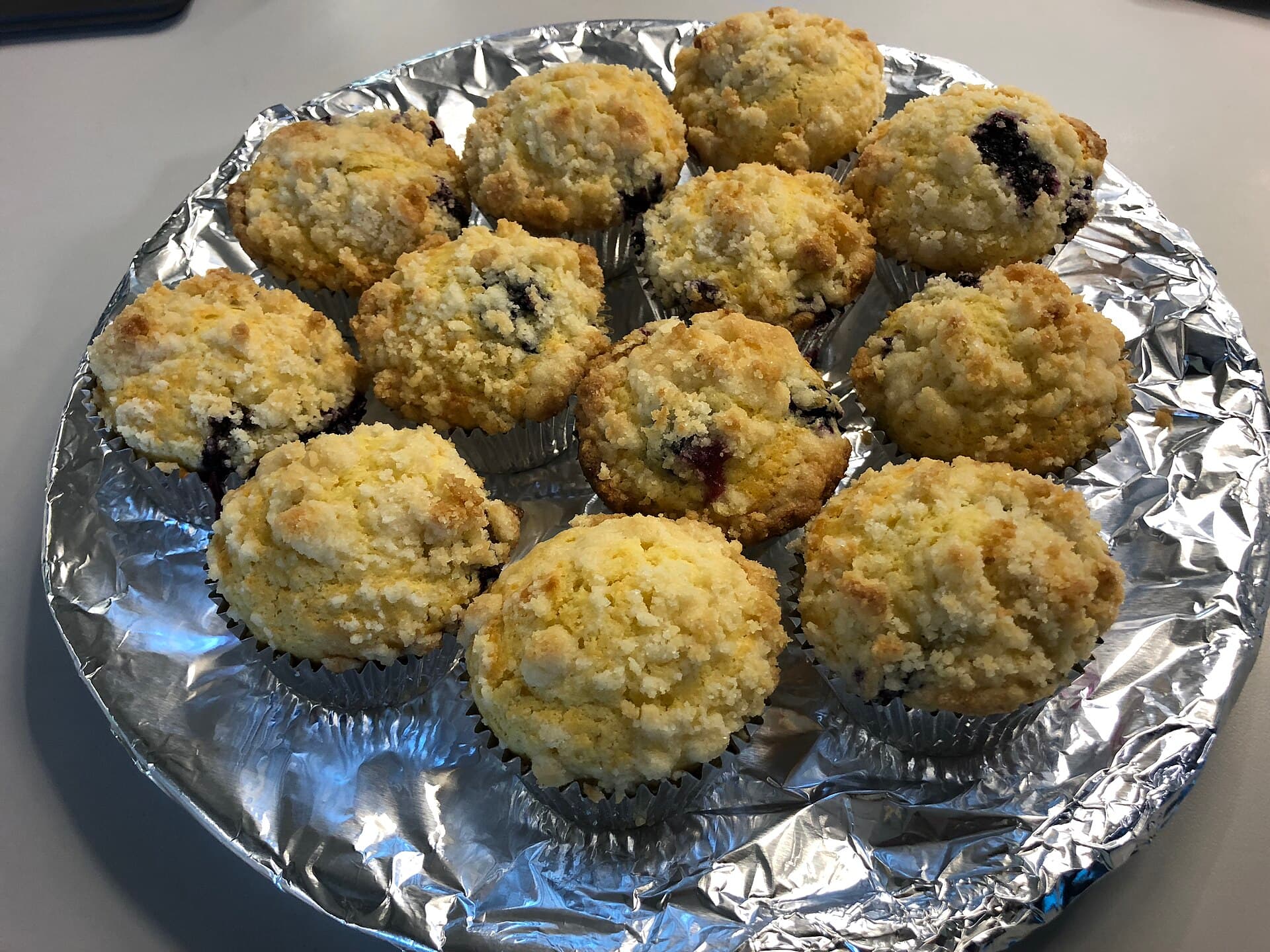
1900-2026
Blueberry muffins are everyday American breakfast baking, but Boston gave them a particular legend through Jordan Marsh department store. The oversized, sugar-topped muffin became a coffee-shop and bakery standard long after the department store disappeared.
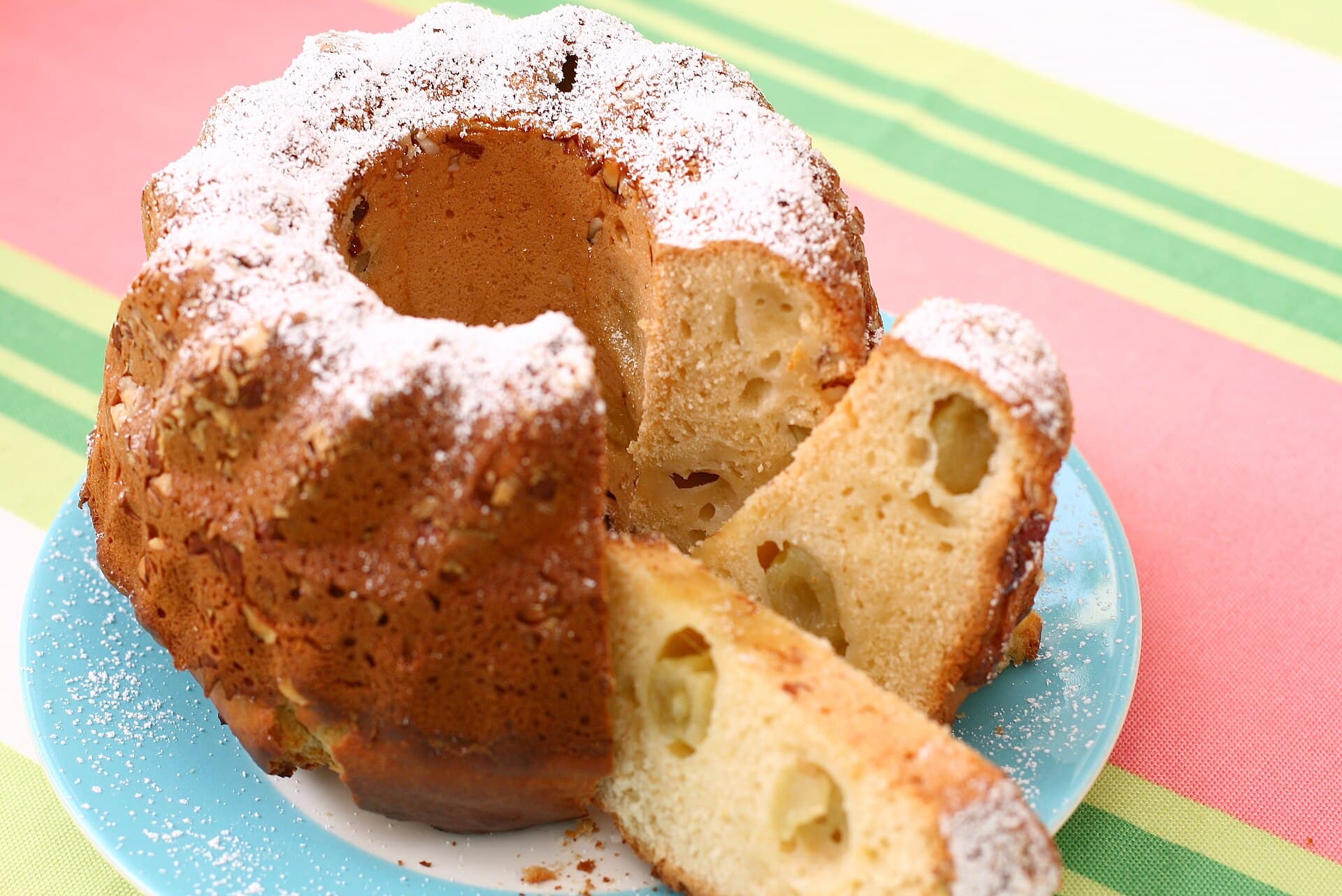
1950-2026
Bundt cake is as much about the pan as the batter. Nordic Ware created the Bundt pan in 1950 for home bakers seeking a kugelhopf-style shape, and Ella Helfrich's 1966 Tunnel of Fudge cake sent Bundt baking into American kitchens.