
Recipe archive
Loading
Setting the table...
Fetching the latest recipes from the archive.
Loading
Fetching the latest recipes from the archive.
Recipe archive
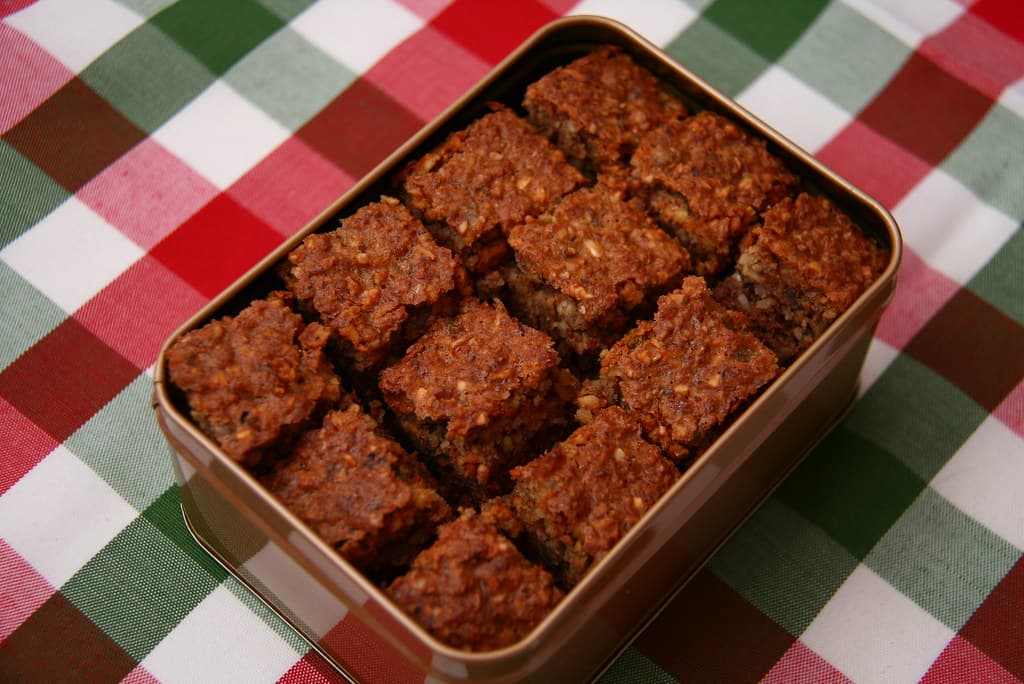
1800-1860 - German-American immigrant families in the Great Plains.
Lebkuchen are dense, spiced cookies resembling gingerbread, traditional in German holiday baking. Immigrants brought lebkuchen recipes to America in the 1800s, particularly to Great Plains settlements. These cookies combine honey, spices, nuts, and sometimes candied fruit and are enjoyed especially around Christmas time.
Community-powered photos. Reviewers can upload dish photos, and the highest-rated community image may be featured here.
Difficulty
Medium
Prep time
30 minutes
Cook time
15-20 minutes
Total time
50 minutes
Servings
24 cookies
Region
Great Plains
Era introduced
1800-1860
Introduced by
German-American immigrant families in the Great Plains.
Recipe tools
Log in to save this recipe to a collection.
Lebkuchen, a traditional German spiced cookie, was introduced to American Midwest communities by German immigrants during the early to mid-19th century. Associated with Christmas celebrations, this cookie varies from soft to firm textures and incorporates honey and warming spices. It exemplifies the preservation of festive baking customs amidst new frontier life.
Share family changes, regional twists, or pantry-friendly adaptations as full community recipes.
Log in to submit a community recipe.
No community recipes yet. Submitted recipes are published right away.
Rate this recipe and share how it worked at your table.
Log in to review this recipe.
No reviews yet. Be the first to rate this recipe.
Recipes matched by era, region, occasion, ingredients, and cultural roots from the archive.
Same era
America's Melting Pot
Acorn Bread photo coming soon
1800-1860
A nutty, lightly sweet quick bread made with properly leached acorn flour, cornmeal, and wheat flour.
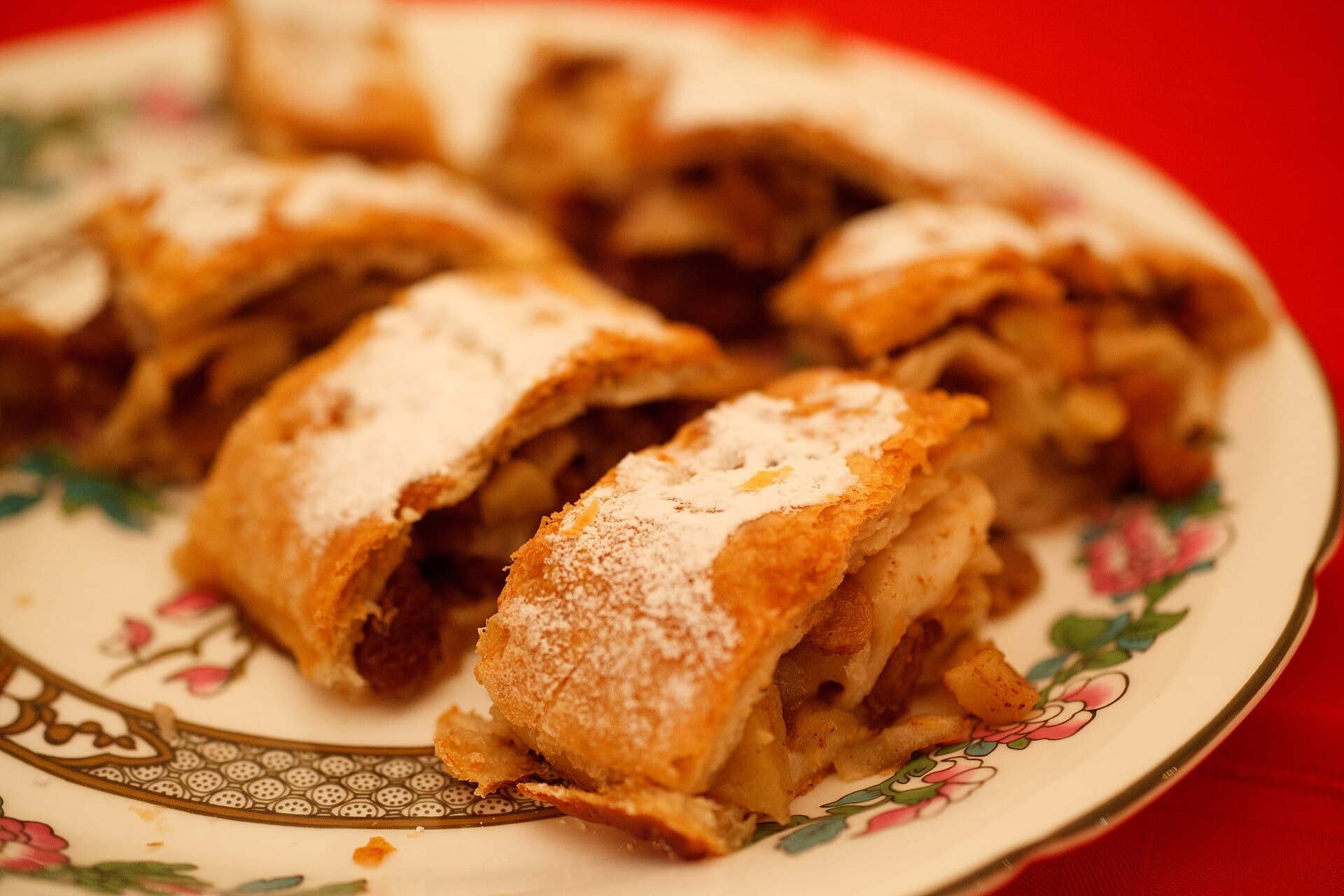
1800-1860
A German-American apple strudel made with crisp apples, raisins, cinnamon, buttered crumbs, and flaky phyllo for a practical home version of a Central European pastry.
America's Melting Pot
Asparagus photo coming soon
1800s/early 1900s-present
A bright American Easter asparagus side, quickly cooked and dressed with lemon butter, herbs, and hard-cooked egg in the spirit of old spring-table recipes.
Same region
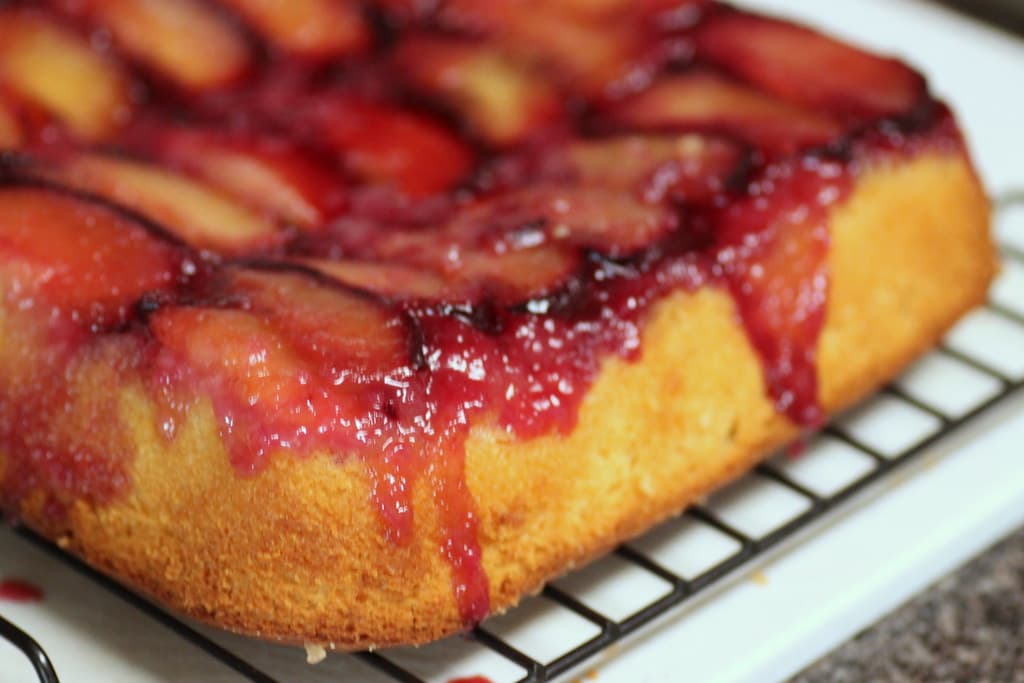
1800-1860
Kuchen, German for cake, refers to a variety of fruit or custard-topped cakes introduced to American Great Plains by German immigrants in the 19th century. These cakes were often baked for social and family occasions, reflecting adaptation of old-world recipes to local fruits and dairy, making them a staple in immigrant households.
America's Melting Pot
Bierocks photo coming soon
1870-2026
Bierocks traveled with Volga German communities into Kansas, Nebraska, and the Great Plains. They are field food and comfort food at once: portable bread pockets filled with seasoned beef and cabbage, closely related to Nebraska runzas.

1980-2026
Bison burgers are a modern restaurant and backyard form of a much older Great Plains food story. Bison sustained Indigenous nations for centuries; after near-destruction in the 19th century, ranching and restoration made bison meat more available again.
Same table
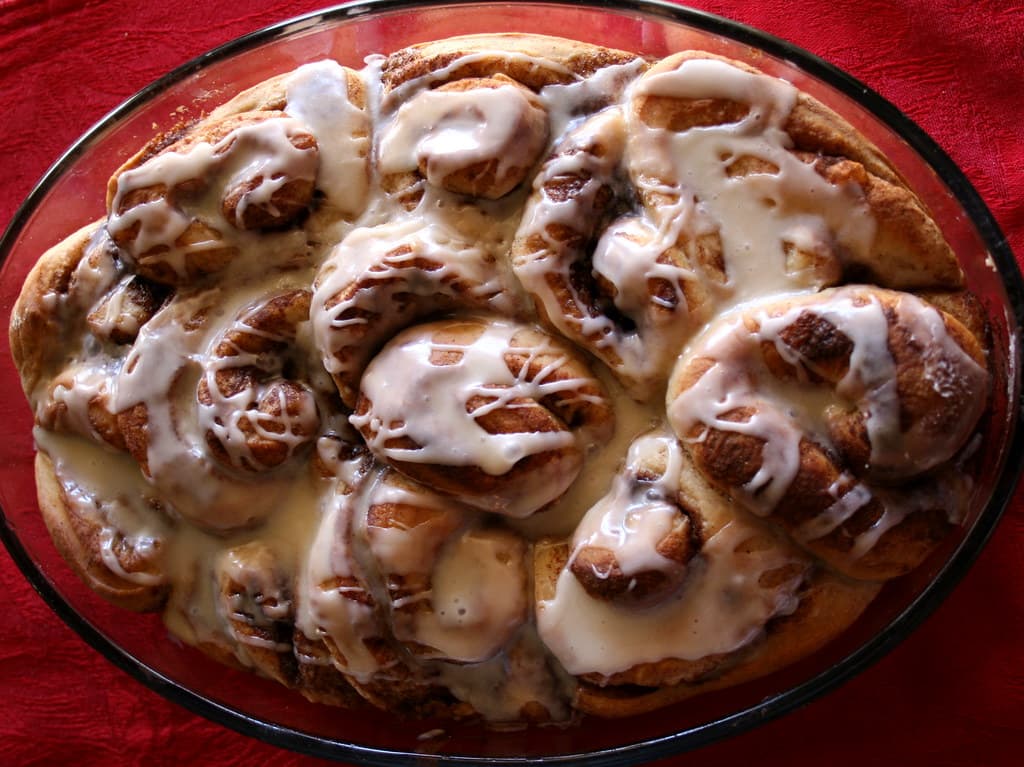
1985-present
Classic American breakfast sweet rolls featuring a soft, fluffy dough swirled with cinnamon sugar and topped with a sweet glaze. Cinnamon rolls became popular as convenient and comforting treats at tailgate parties, booster clubs, and concession stands in late 20th-century America, especially from the 1970s through the 1980s. Their warm spices and sweetness mark them as a festive favorite around Christmas and other cold-weather celebrations.
America's Melting Pot
Kringla photo coming soon
1861-1900
Kringla is a lightly sweet, buttery Scandinavian cookie shaped like a pretzel, traditionally associated with church and holiday celebrations in the Midwest. Norwegian immigrants brought this recipe during the 19th century, where it became part of Christmas and Easter gatherings, symbolizing cultural continuity in immigrant farming communities.
1861-1900
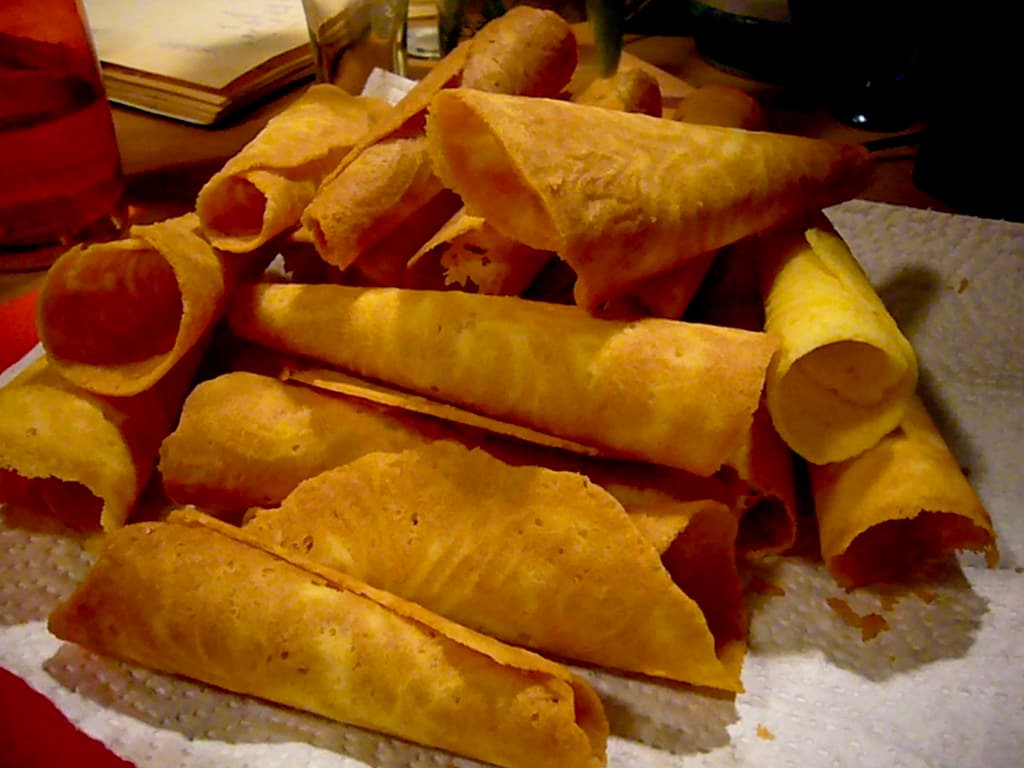
Krumkake are thin, crisp Norwegian waffle cookies rolled into cones, often filled with whipped cream or preserved fruit. Introduced by Scandinavian settlers to the Midwest in the late 19th century, krumkake became holiday staples for Christmas and family celebrations, highlighting continuity of heritage and festive customs.