
Recipe archive
Loading
Setting the table...
Fetching the latest recipes from the archive.
Loading
Fetching the latest recipes from the archive.
Recipe archive
America's Melting Pot
Okra Stew hero image coming soon
1800-1860 - Southern and African American home cooks in the antebellum South.
Okra Stew is a hearty Southern dish featuring tender okra simmered with tomatoes and spices to create a flavorful soup or stew. Reflecting culinary influences within the South, it is rooted in African American and Southern cooking traditions dating back to the 19th century, showcasing local produce and simple ingredients.
No featured photo yet. Upload a photo with your review. The highest-rated community photo may become this recipe's hero image.
Difficulty
Medium
Prep time
15 minutes
Cook time
45 minutes
Total time
1 hour
Servings
6
Region
South
Era introduced
1800-1860
Introduced by
Southern and African American home cooks in the antebellum South.
Recipe tools
Log in to save this recipe to a collection.
Okra Stew is a hallmark of Southern cuisine, especially within African American culinary traditions during the 1800 to 1860 period of expansion and immigration. The dish's use of okra, a vegetable with African origins, combines with native Southern produce such as tomatoes and peppers, reflecting a melding of cultural practices in the warm climate and agricultural environment of the South. This stew remains a beloved comfort food.
Share family changes, regional twists, or pantry-friendly adaptations as full community recipes.
Log in to submit a community recipe.
No community recipes yet. Submitted recipes are published right away.
Rate this recipe and share how it worked at your table.
Log in to review this recipe.
No reviews yet. Be the first to rate this recipe.
Recipes matched by era, region, occasion, ingredients, and cultural roots from the archive.
Same era
America's Melting Pot
Acorn Bread photo coming soon
1800-1860
A nutty, lightly sweet quick bread made with properly leached acorn flour, cornmeal, and wheat flour.
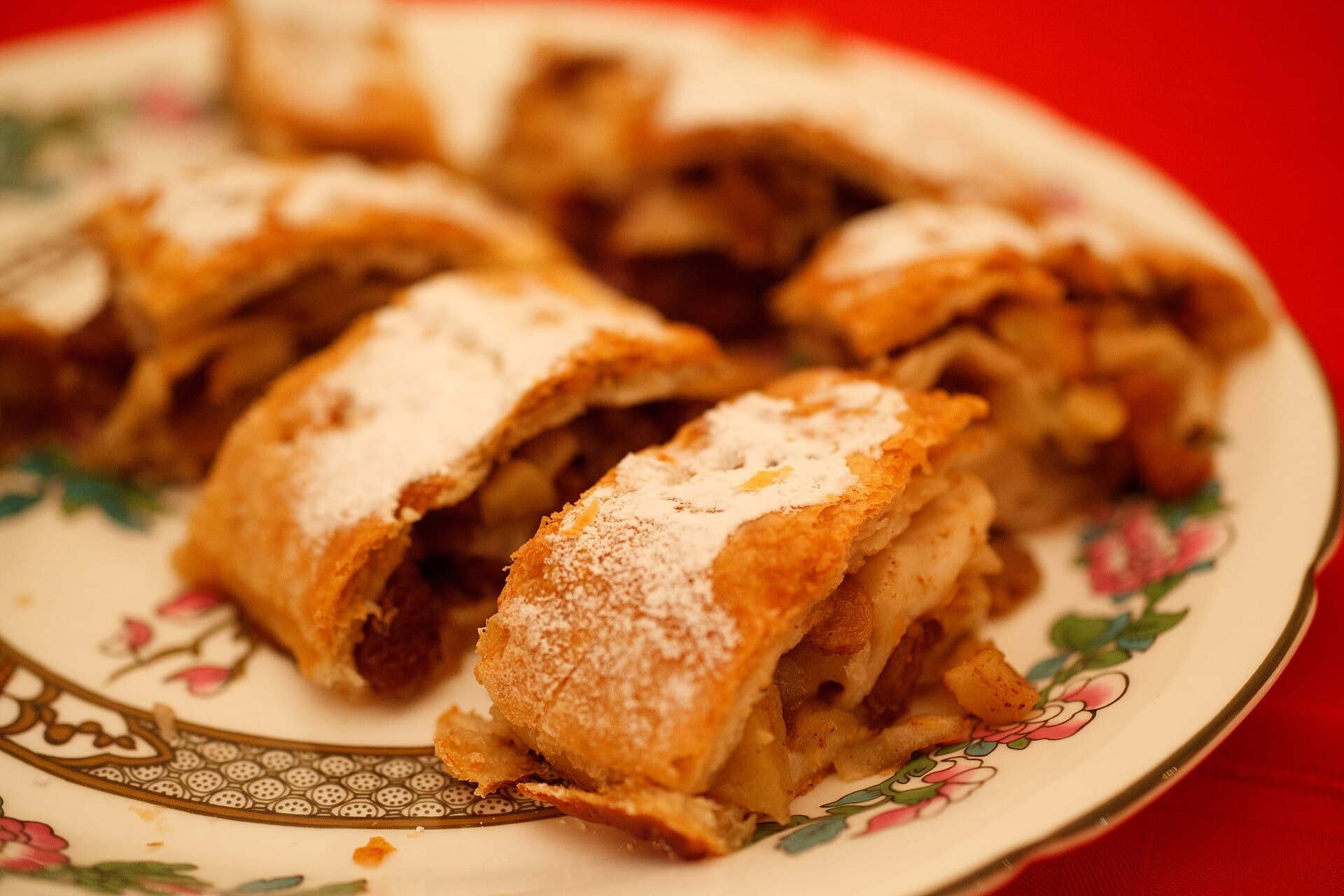
1800-1860
A German-American apple strudel made with crisp apples, raisins, cinnamon, buttered crumbs, and flaky phyllo for a practical home version of a Central European pastry.
America's Melting Pot
Asparagus photo coming soon
1800s/early 1900s-present
A bright American Easter asparagus side, quickly cooked and dressed with lemon butter, herbs, and hard-cooked egg in the spirit of old spring-table recipes.
Same region
America's Melting Pot
Dirty Rice photo coming soon
1800-1860
Dirty rice is a traditional Louisiana Creole and Cajun dish combining white rice with ground meat, spices, and vegetables, creating a 'dirty' appearance. Its origins trace to 19th century Southern United States, reflecting French, African, and Native American influences in Southern cooking.
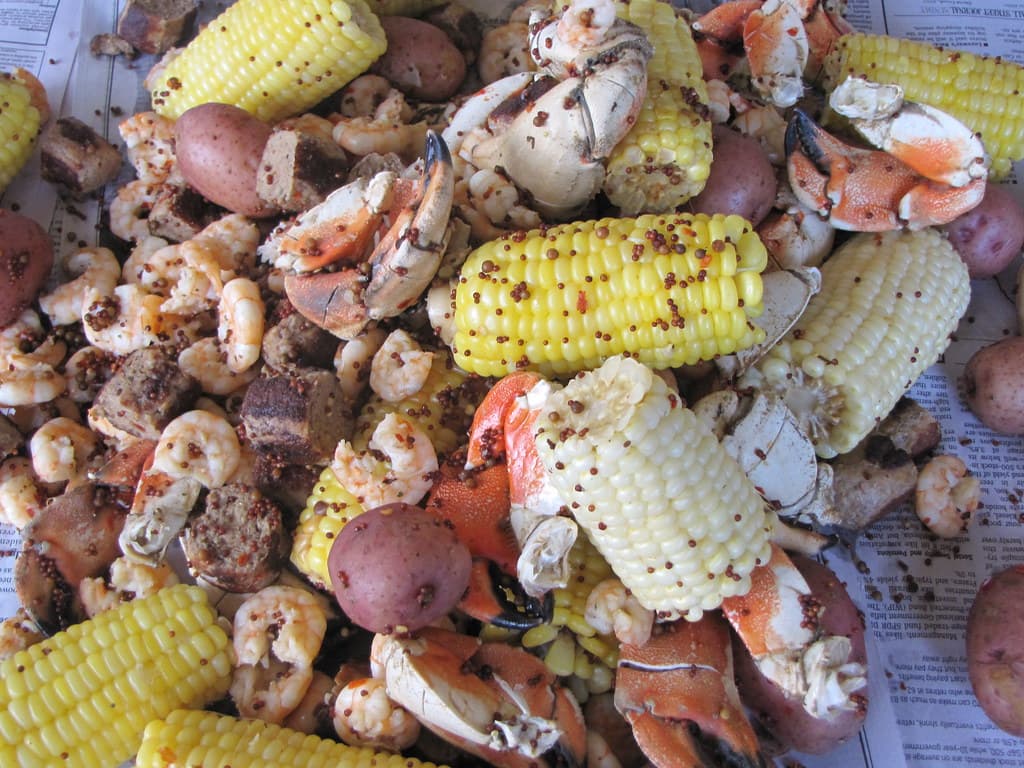
1970-1989
Lowcountry boil is a South Carolina coastal communal seafood dish featuring boiled shrimp, smoked sausage, corn on the cob, and red potatoes. Typically prepared outdoors in large pots, it became a popular regional and tailgate favorite in the 1970s and 1980s.
America's Melting Pot
Nashville Hot Chicken photo coming soon
2010-2026
Nashville Hot Chicken is a spicy fried chicken specialty from the American South known for its crispy, deep-fried exterior coated in a cayenne pepper-based paste. Gaining widespread fame through food trucks and viral internet food culture in the 2010s and beyond, it embodies the bold flavors of modern Southern cooking.
Same table
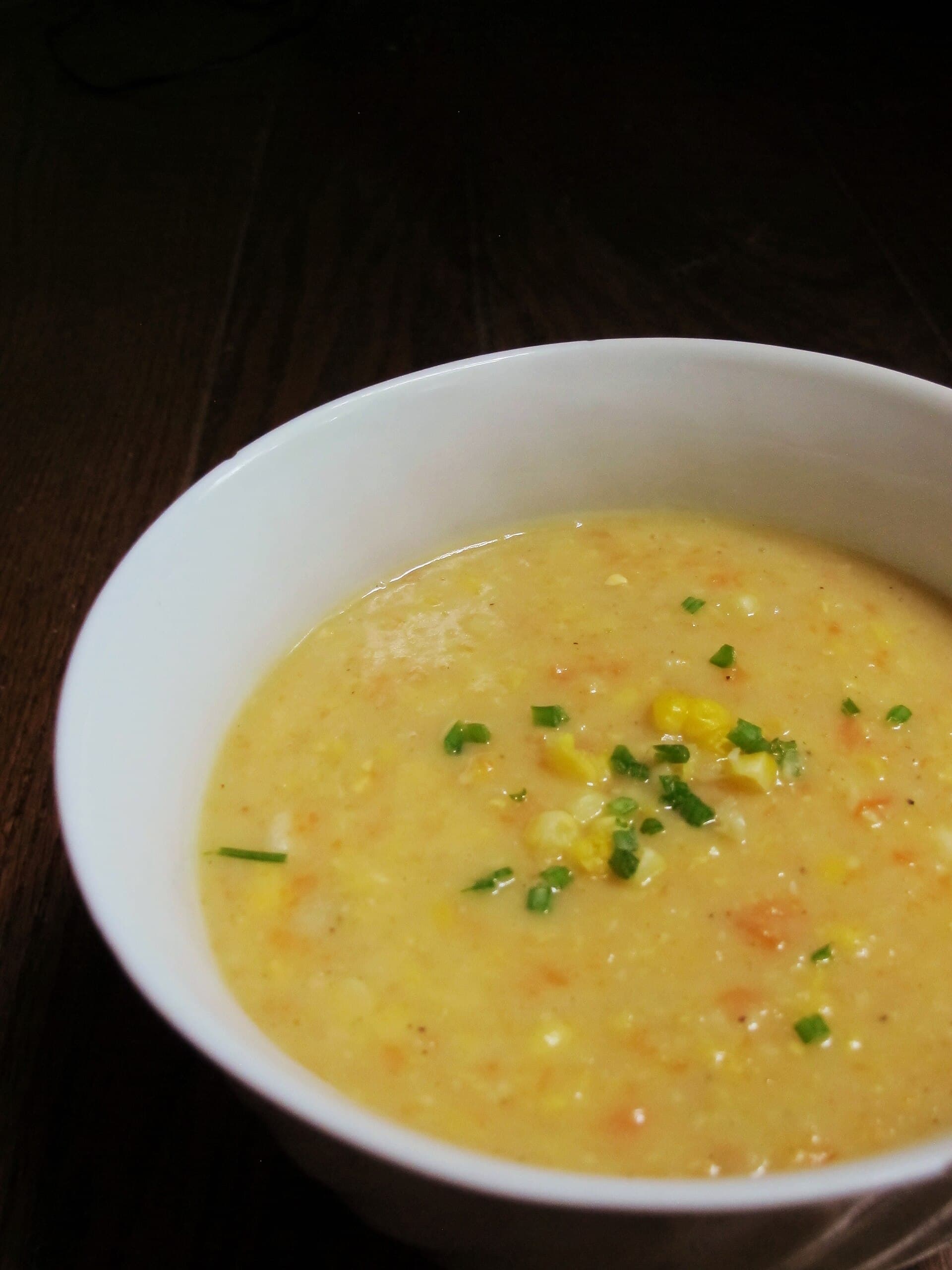
1700s-present
Corn chowder is a creamy and filling soup showcasing fresh or canned corn with potatoes, onions, and occasionally bacon or salt pork, enjoyed across the United States over multiple eras.
America's Melting Pot
Wild Rice Soup photo coming soon
1800-1860
Wild Rice Soup is a creamy, savory dish featuring indigenous wild rice combined with vegetables and broth, popular in the American Midwest since the early 19th century. It reflects Native American foodways adapted into settler cooking traditions with regional ingredients.
America's Melting Pot
Birria Ramen photo coming soon
2010-2026
Birria ramen, or birriamen, became a modern Mexican and Mexican American fusion dish as cooks paired Japanese-style noodles with birria broth. The appeal is direct: a rich chile consomme already wants noodles.