
Recipe archive
Loading
Setting the table...
Fetching the latest recipes from the archive.
Loading
Fetching the latest recipes from the archive.
Recipe archive
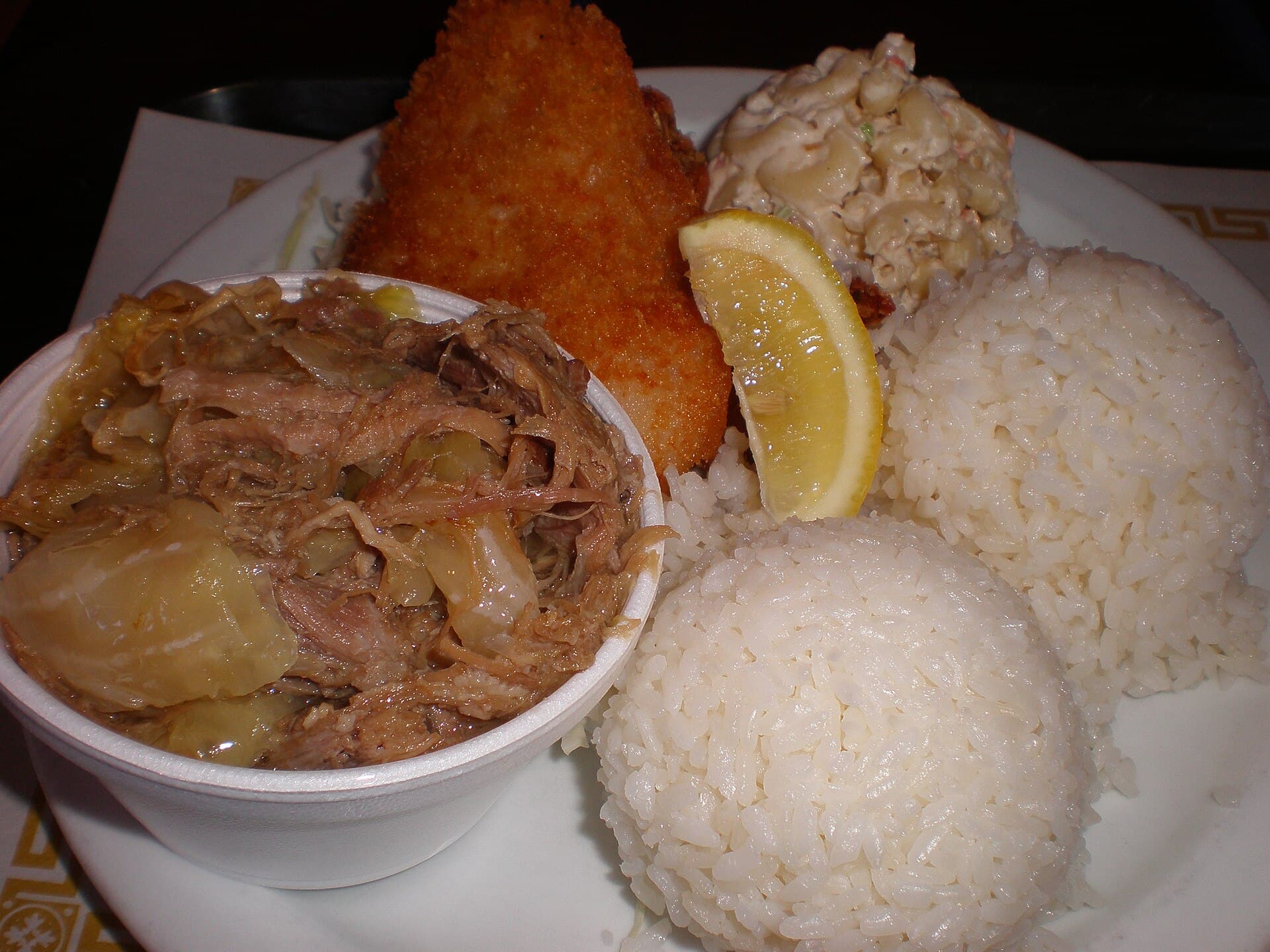
Native Foodways and Continuity - Native Hawaiian Communities and Asian-Portuguese Immigrant Cooks in Hawaii
Kalua pork is a Hawaiian dish featuring whole pork shoulder or butt slow-cooked with liquid smoke or in an imu (underground oven) until tender and smoky. It blends indigenous Hawaiian cooking methods with influences from Asian and Portuguese immigrants, becoming a centerpiece of Hawaiian luaus and celebrations.
Community-powered photos. Reviewers can upload dish photos, and the highest-rated community image may be featured here.
Difficulty
Medium
Prep time
15 minutes
Cook time
8 hours (slow cooker)
Total time
8 hours 15 minutes
Servings
8
Region
Hawaii
Era introduced
Native Foodways and Continuity
Introduced by
Native Hawaiian Communities and Asian-Portuguese Immigrant Cooks in Hawaii
Recipe tools
Log in to save this recipe to a collection.
Kalua pork represents the melding of Hawaiian indigenous cooking-traditionally using an imu underground oven-with Asian and Portuguese immigrant techniques introduced during the late 19th and 20th centuries. This dish is central to Hawaiian communal feasts and celebrations, embodying the islands' rich cultural diversity and culinary heritage.
Share family changes, regional twists, or pantry-friendly adaptations as full community recipes.
Log in to submit a community recipe.
No community recipes yet. Submitted recipes are published right away.
Rate this recipe and share how it worked at your table.
Log in to review this recipe.
No reviews yet. Be the first to rate this recipe.
Recipes matched by era, region, occasion, ingredients, and cultural roots from the archive.
Same era
precontact-present
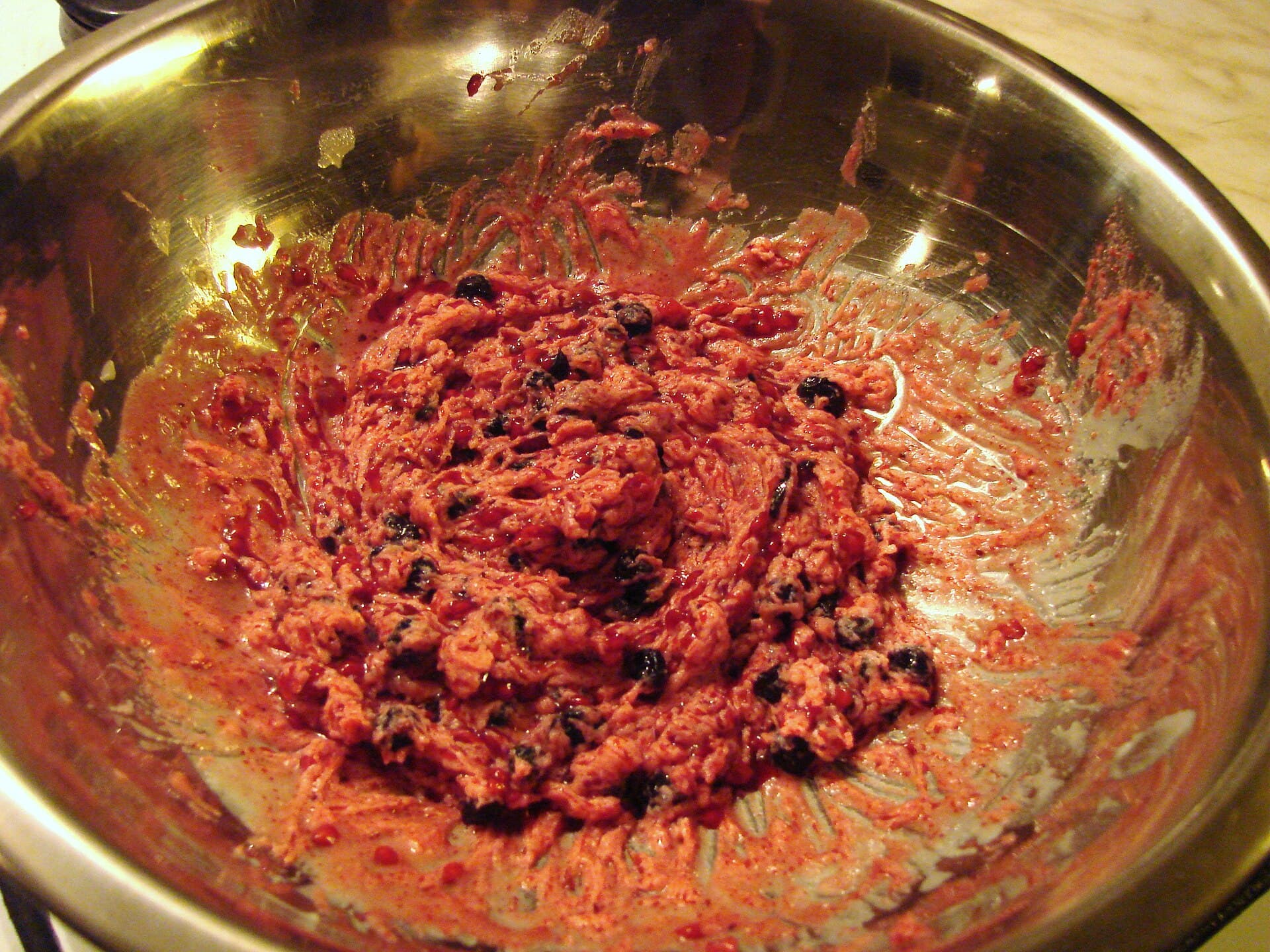
A researched archive entry for akutaq, a family- and region-specific Alaska Native mixed fat-and-berry dish often translated as Alaska Native ice cream.
America's Melting Pot
Alaska Grilled Whale Steak photo coming soon
precontact-present
This archive entry records grilled whale steak as part of Alaska Native subsistence food history, with a clear note that lawful access is governed by cultural rights, conservation rules, and marine mammal law.
precontact-present
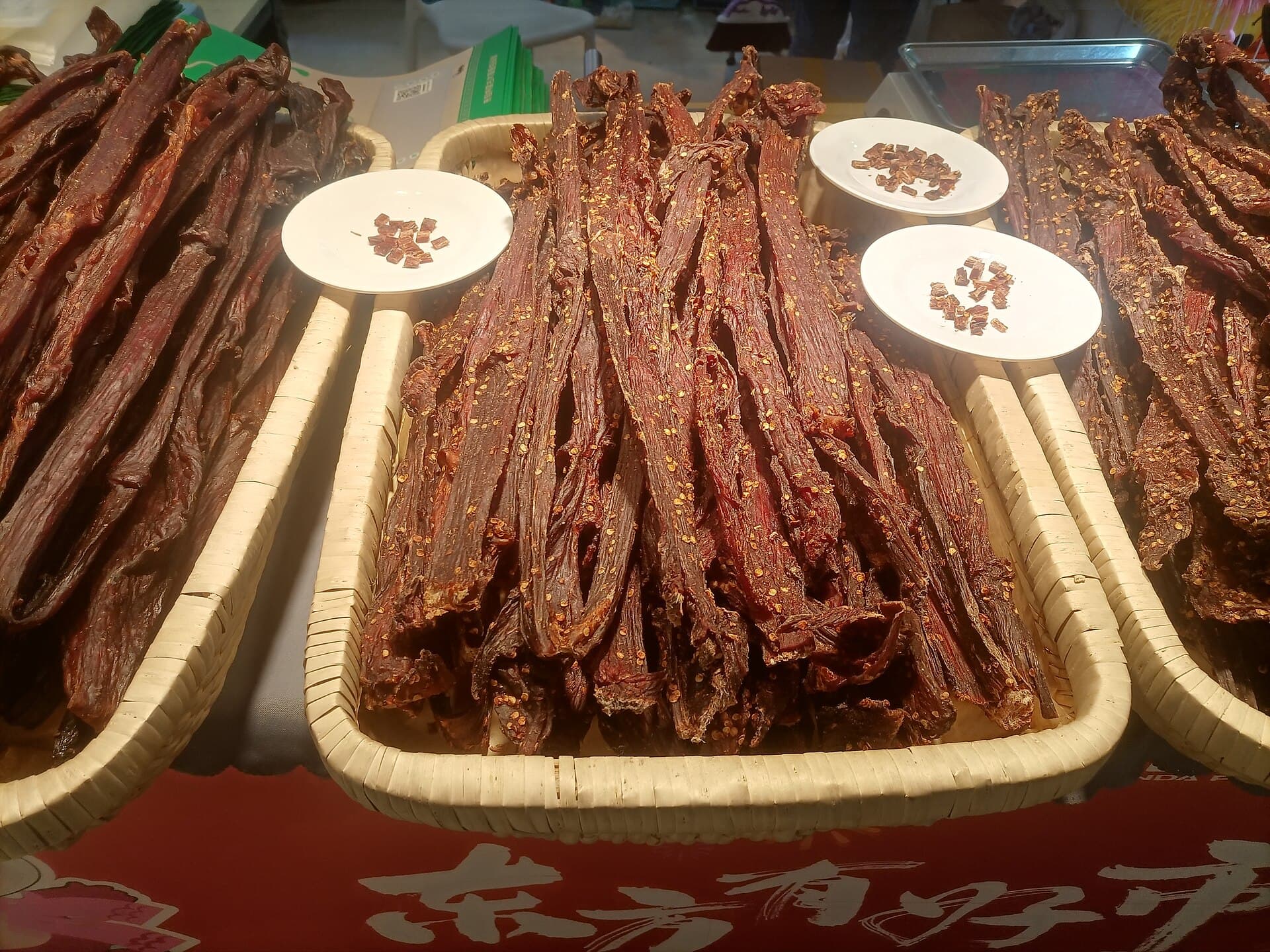
Jerky is preservation food before it is snack food. Indigenous drying traditions, pemmican, pioneer travel, soldiers, cowboys, and later road-trip convenience all helped make dried meat part of American food culture.
Same region
precontact-present
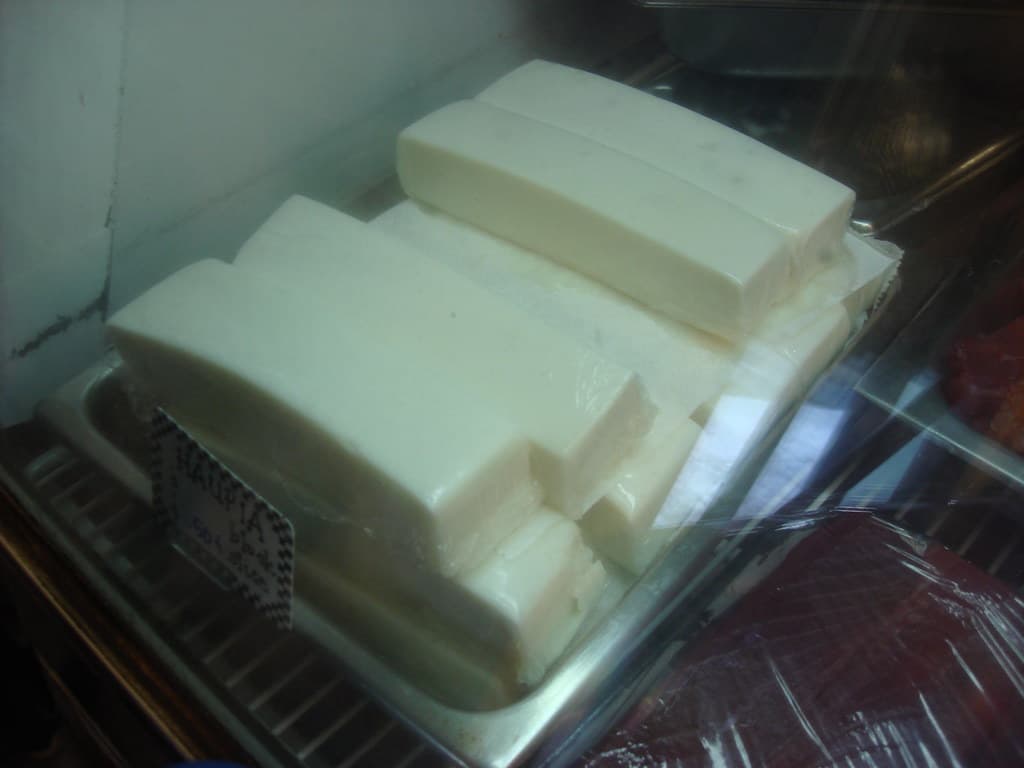
Haupia is a coconut milk-based pudding native to Hawaii often used in traditional and modern desserts. This dairy-free, gelatinous treat reflects Hawaiian cuisine's use of local ingredients and cultural fusion including Asian and Portuguese influences.
precontact-present
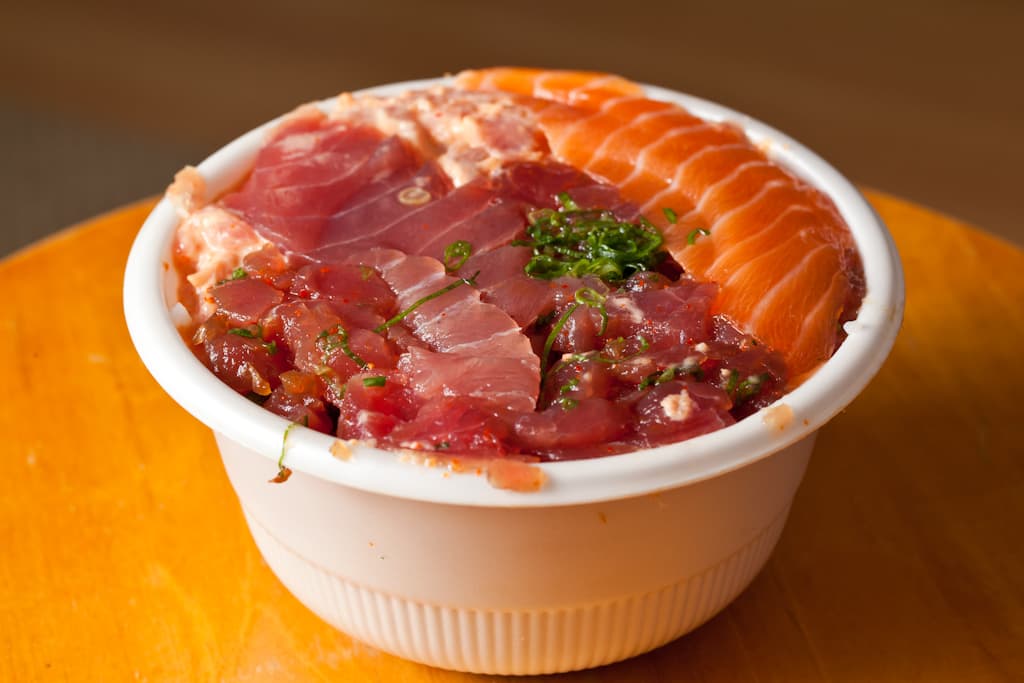
Poke is a Hawaiian dish featuring fresh raw fish, typically tuna, marinated in soy sauce, sesame oil, and other seasonings. It reflects the blending of Native Hawaiian culinary traditions with Asian and Portuguese immigrant influences on the islands.
1900-2026
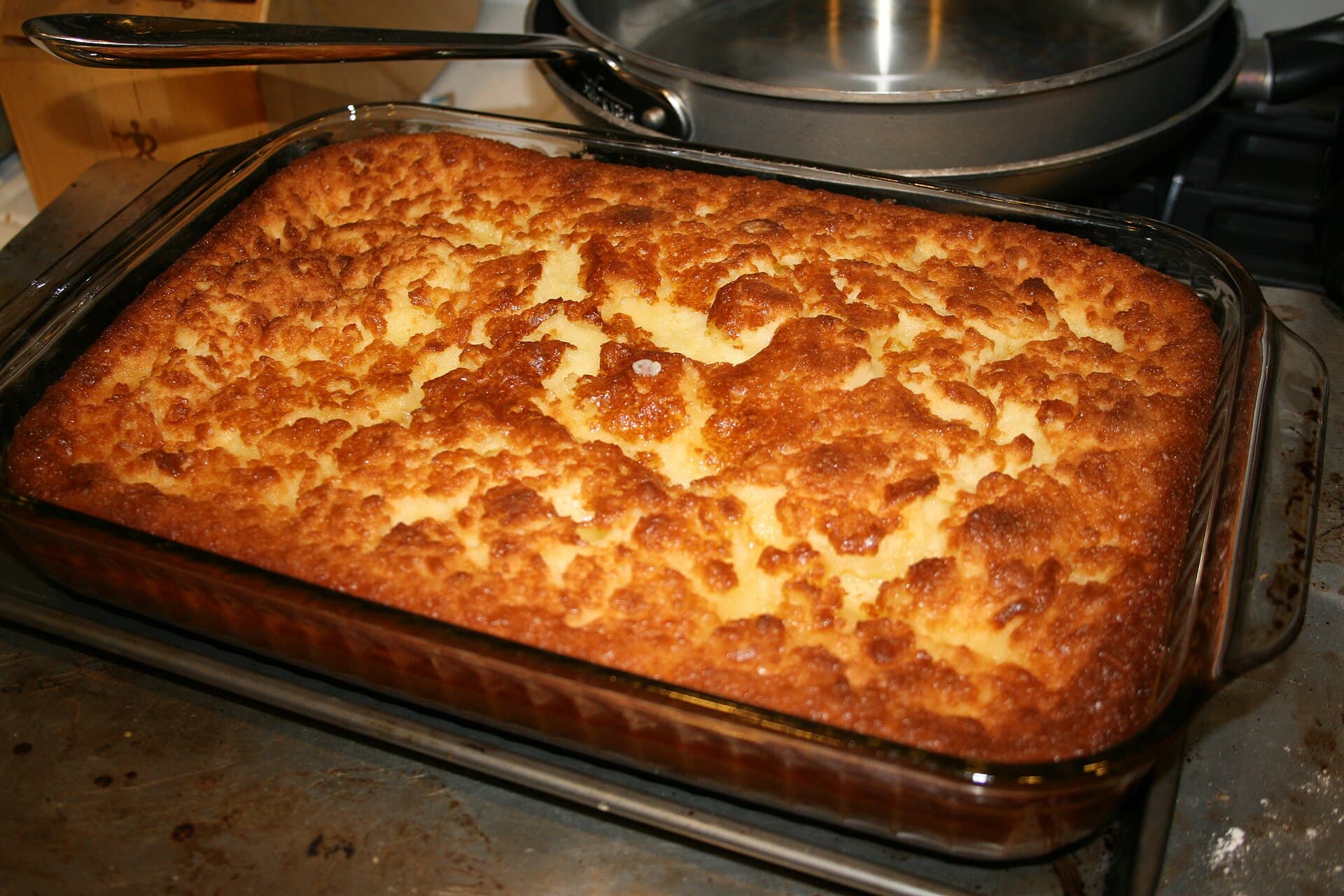
Butter mochi is beloved local Hawaii potluck food, with a chewy custard texture that reflects the islands' layered Japanese, Filipino, Portuguese, and local baking influences. It is easy to mix, travels well, and cuts into snackable squares.
Same table
America's Melting Pot
Kansas City Ribs photo coming soon
1908-present
Kansas City ribs are pork ribs slow-smoked and coated with a sweet, tangy dry rub and barbecue sauce, epitomizing the regional barbecue style. These ribs, cherished across many decades, highlight the balance of smoky flavor and sugary glaze characteristic of Kansas City barbecue traditions.
1800-1860
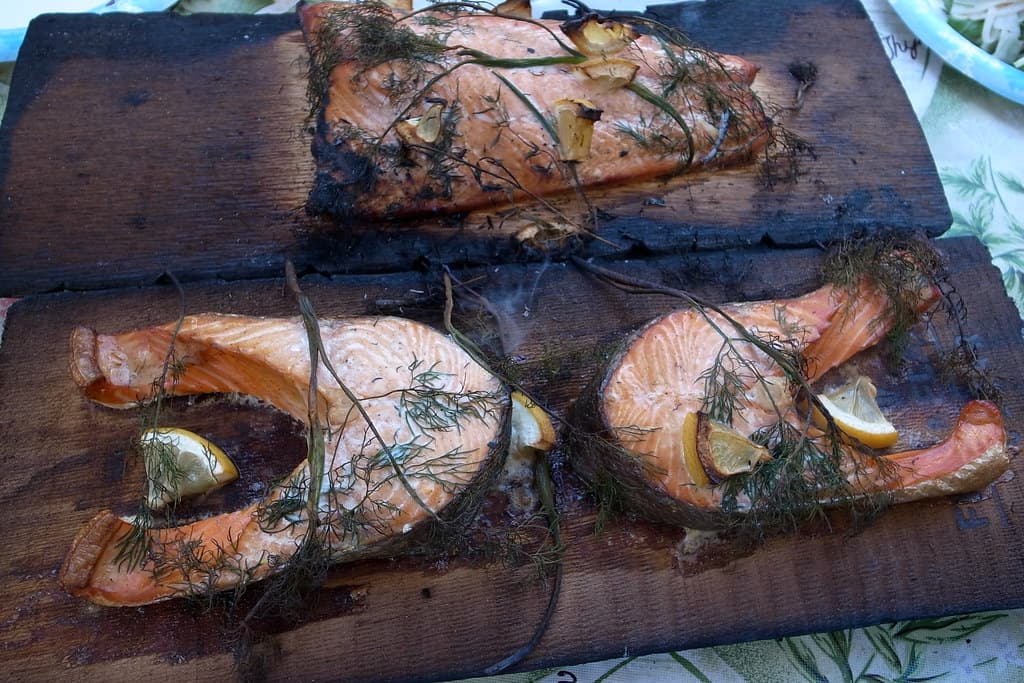
This preparation method involves roasting whole salmon on cedar boards, a traditional Indigenous American technique practiced in the Pacific Northwest prior to widespread European settlement. The method imparts smoky aroma and tender texture, reflecting sustainable harvesting and cooking practices.
1800-1860
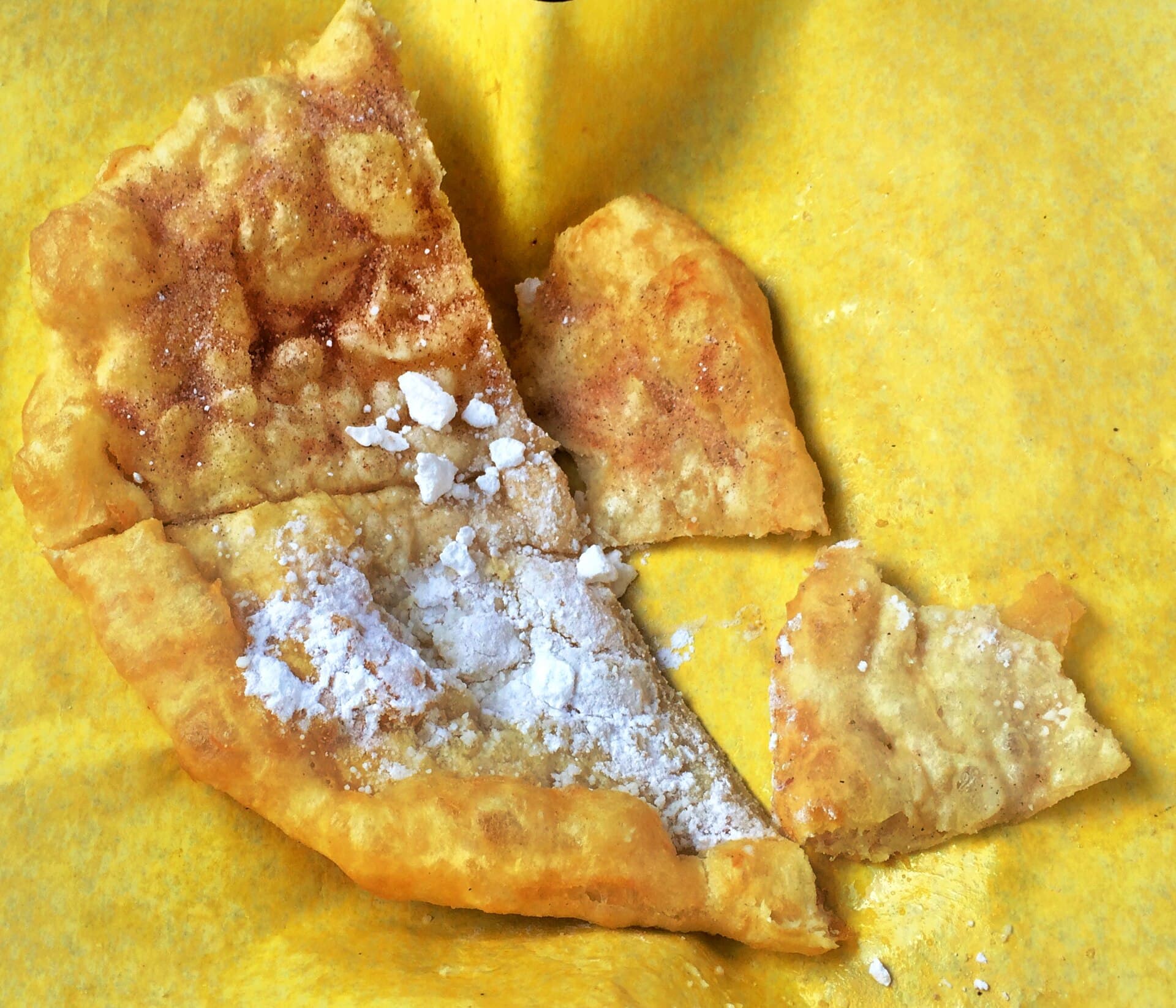
Fry bread is a soft, puffy fried bread with crispy edges, an iconic food in many Indigenous communities across the Great Plains and Alaska. Originating as a resourceful response to government-provided rations during the 19th century, fry bread today serves as both a staple and comfort food, featuring as a base for various toppings or eaten plain.