
Recipe archive
Loading
Setting the table...
Fetching the latest recipes from the archive.
Loading
Fetching the latest recipes from the archive.
Recipe archive
America's Melting Pot
Shoofly Pie Ancestor hero image coming soon
1776-1800 - Early colonial American cooks in the Mid-Atlantic region.
The Shoofly Pie Ancestor is an early version of the molasses crumb pie originating in the Mid-Atlantic region during the late 18th century. It features simple ingredients reflective of colonial foodways before industrialized sugar was widespread.
No featured photo yet. Upload a photo with your review. The highest-rated community photo may become this recipe's hero image.
Difficulty
Medium
Prep time
15 minutes
Cook time
50 minutes
Total time
1 hour 5 minutes
Servings
8 servings
Region
Mid-Atlantic
Era introduced
1776-1800
Introduced by
Early colonial American cooks in the Mid-Atlantic region.
Recipe tools
Log in to save this recipe to a collection.
Before shoofly pie rose to wider popularity, early American settlers in the Mid-Atlantic prepared simpler molasses-based pies reflecting limited ingredient availability and colonial sweetening traditions. These pies were staples in households reliant on molasses as an accessible sweetener, highlighting the resourcefulness and frugality central to colonial cooking. The ancestor recipe offers insight into evolving American desserts during the Revolutionary era.
Share family changes, regional twists, or pantry-friendly adaptations as full community recipes.
Log in to submit a community recipe.
No community recipes yet. Submitted recipes are published right away.
Rate this recipe and share how it worked at your table.
Log in to review this recipe.
No reviews yet. Be the first to rate this recipe.
Recipes matched by era, region, occasion, ingredients, and cultural roots from the archive.
Same era
America's Melting Pot
Ash Cakes photo coming soon
1776-1800
A plain cornmeal-and-water ash cake inspired by Revolutionary-era field cooking, adapted for a skillet or campfire with salt and a little fat for modern eatability.
America's Melting Pot
Bean Porridge photo coming soon
1776-1800
Bean porridge sits close to the everyday cooking of early America: beans or peas, water, a little meat when available, and meal to thicken the pot. It was plain food, but practical food, made in a kettle and stretched for households that needed warmth, calories, and thrift more than ceremony.
1700s-1800s
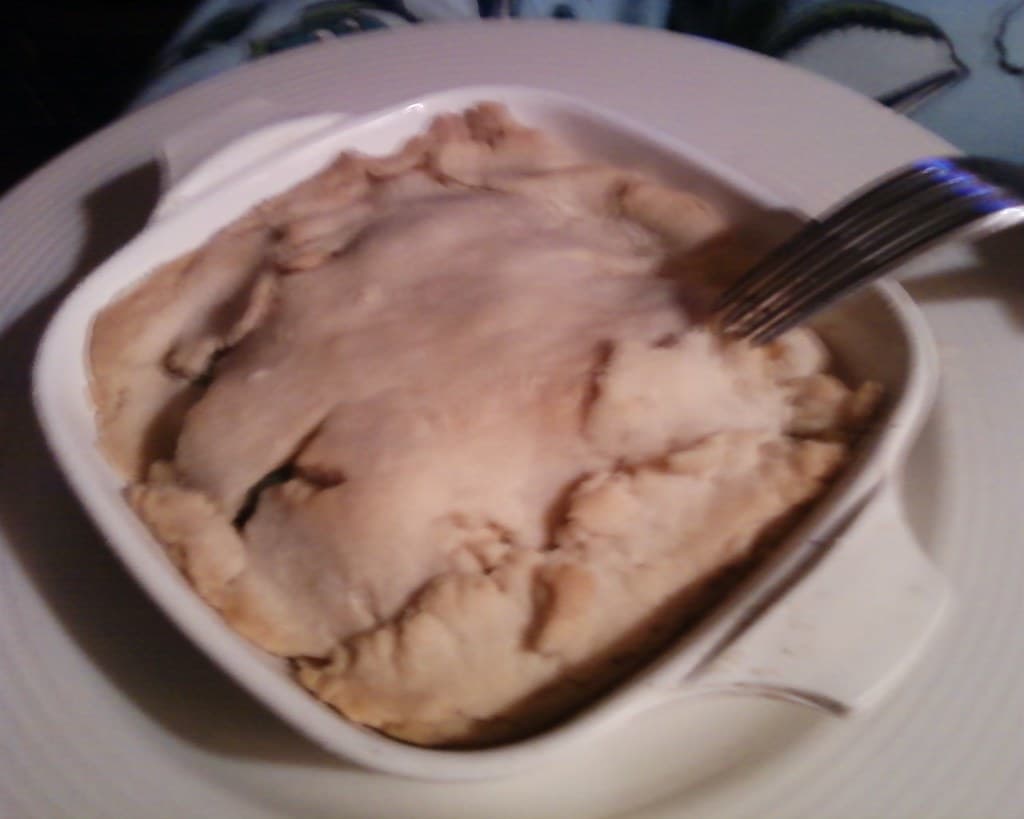
Chicken Pie is a hearty savory pie made with cooked chicken, vegetables, and a flaky pastry crust. Rooted in mid to late 19th-century railroad and boardinghouse cooking, it offered a portable, filling meal for workers and travelers during the Civil War and Reconstruction period, blending practicality with comforting flavors.
Same region
1946-1969
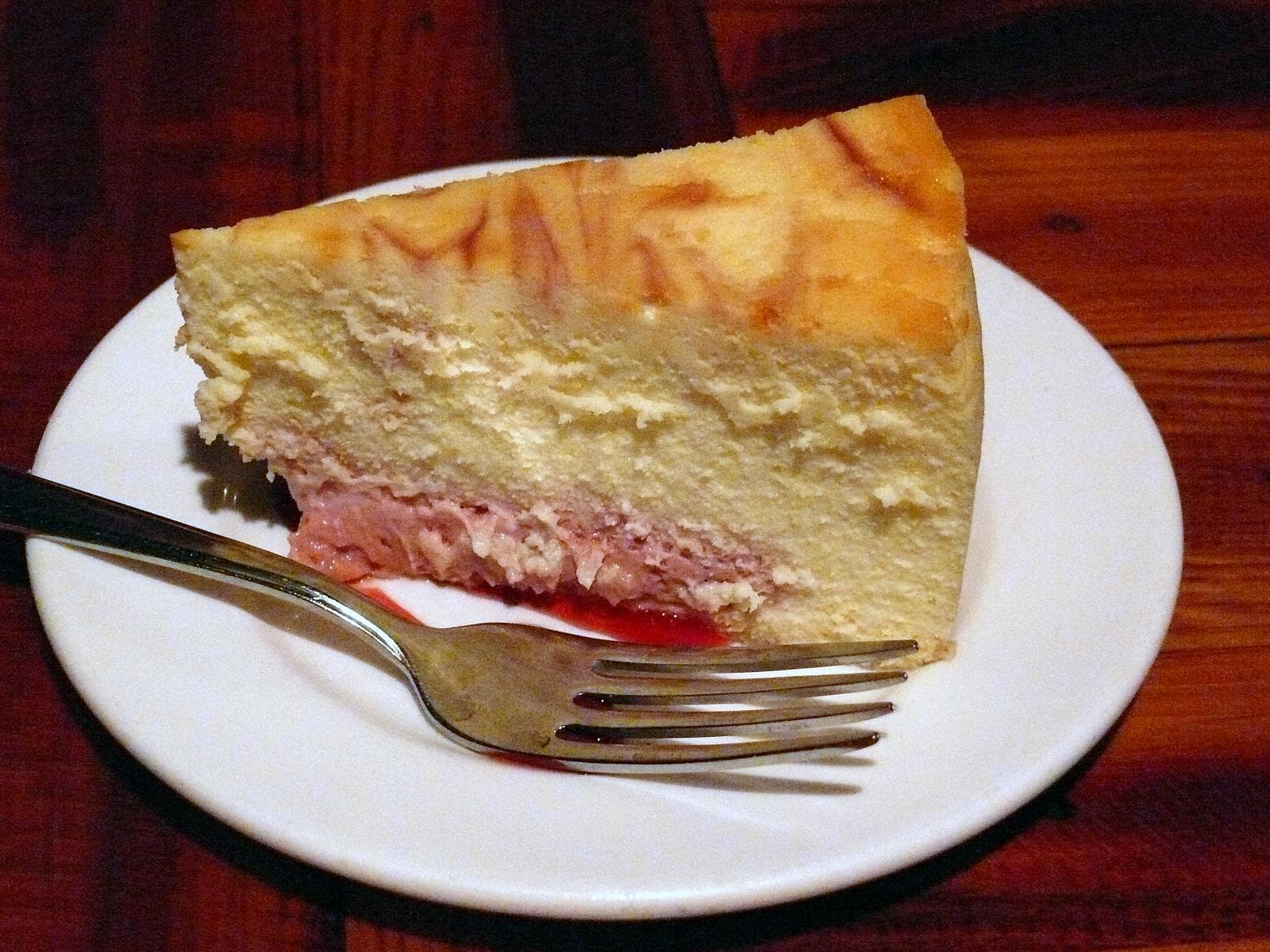
New York Cheesecake is a rich, dense dessert made with cream cheese, eggs, sugar, and a graham cracker crust. Emerging after World War II, it became a symbol of mid-20th-century American prosperity and indulgence, particularly associated with New York City bakeries.
America's Melting Pot
New York Chopped Cheese photo coming soon
2010-2026
New York Chopped Cheese is a deli sandwich with chopped spiced ground beef cooked with onions, topped with melted American cheese, lettuce, tomato, and condiments on a hero roll. It originated in Harlem and Bronx bodegas and became a viral street food icon in the 2010s and beyond.
1861-1900
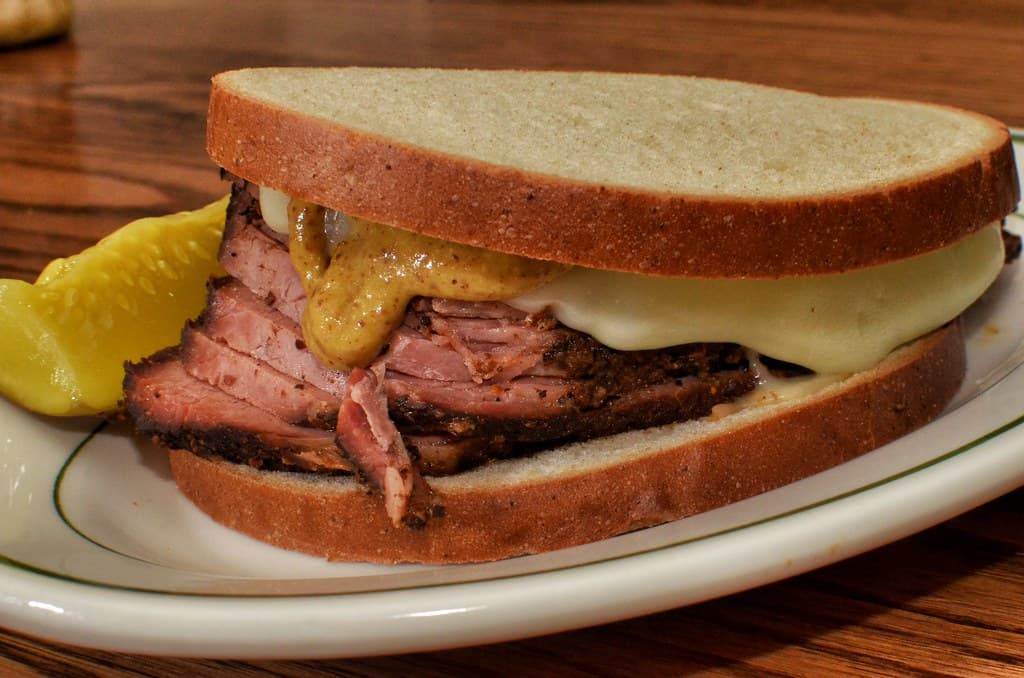
Pastrami on rye is a signature Jewish-American deli sandwich featuring spiced cured pastrami piled on rye bread, often served with mustard. It became emblematic of New York's Mid-Atlantic deli culture during the late 19th century.
Same table
1800-1860
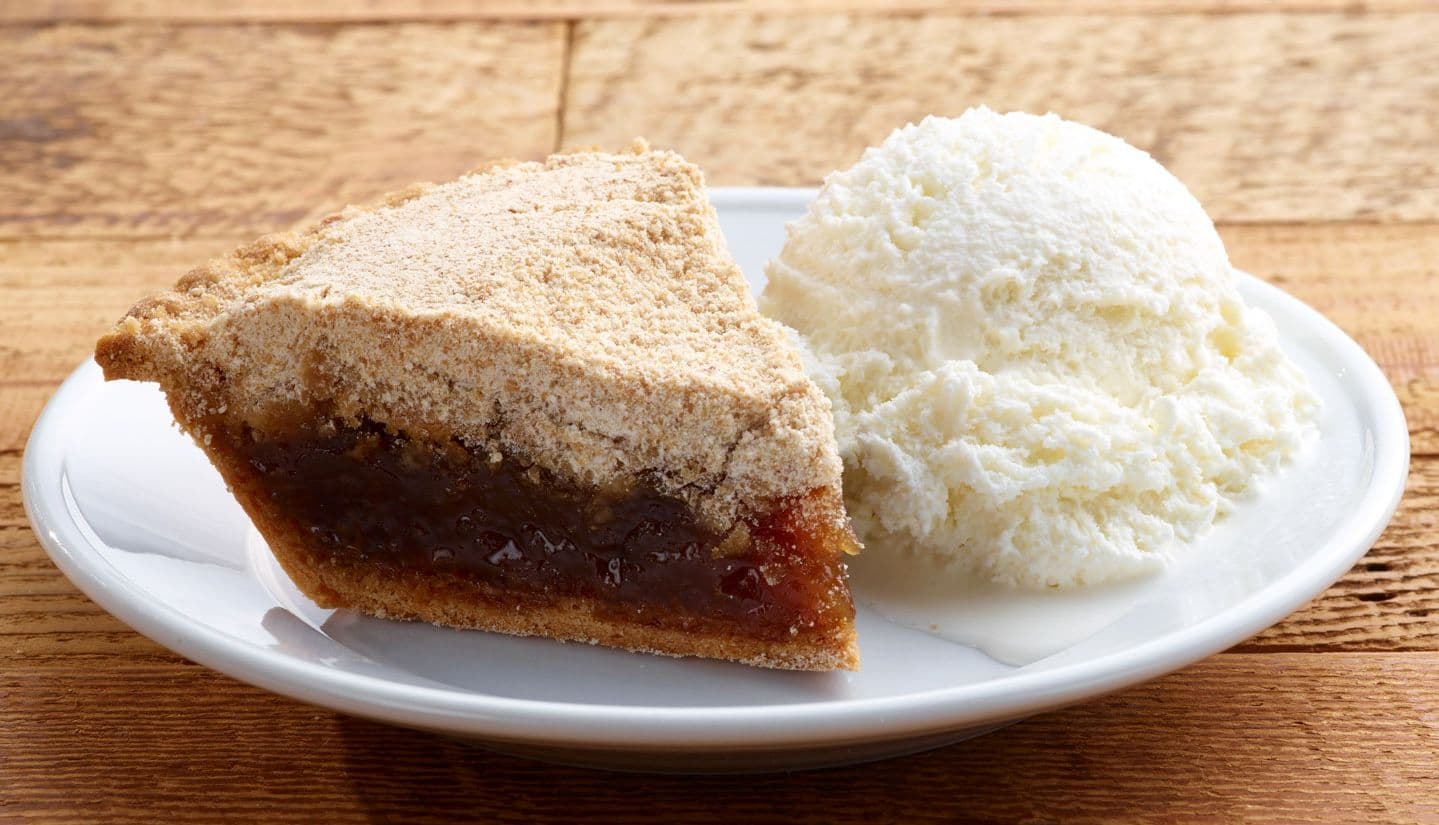
Shoofly Pie is a molasses-sweetened pie with a crumb topping, historically popular in Pennsylvania Dutch and Mid-Atlantic communities. Its rich, sticky filling reflects early American sweetening traditions and regional preferences.
America's Melting Pot
Molasses Pound Cake photo coming soon
1861-1900
Molasses Pound Cake is a rich, moist cake sweetened with molasses, characteristic of Southern American desserts during the Reconstruction era. The cake features traditional pound cake proportions with the addition of molasses and warm spices, reflecting the culinary adaptation to available and affordable sweeteners post-Civil War. It embodies Southern resilience and culinary identity in comfort baking.
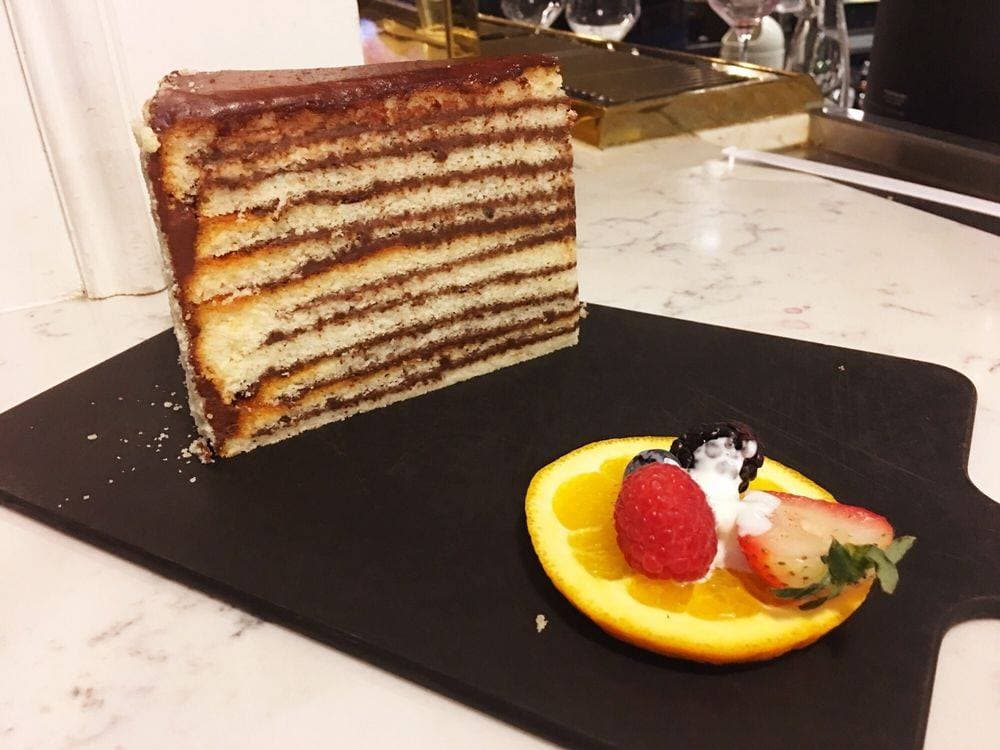
1800s-present
Smith Island Cake is a multi-layered cake originating from the Mid-Atlantic region, known for its numerous thin layers and rich chocolate frosting. This cake is the official state dessert of Maryland and reflects the baking traditions of the Chesapeake Bay area.