
Recipe archive
Loading
Setting the table...
Fetching the latest recipes from the archive.
Loading
Fetching the latest recipes from the archive.
Recipe archive
America's Melting Pot
Sopa de Fideo hero image coming soon
1800-1860 - Mexican-American home cooks in Southwestern borderlands
Sopa de Fideo is a light tomato-based soup featuring thin noodles, typical of Mexican and Southwestern home cooking. Its simple ingredients and preparation made it a staple in borderlands kitchens from the 19th century, providing a comforting, nourishing meal.
No featured photo yet. Upload a photo with your review. The highest-rated community photo may become this recipe's hero image.
Difficulty
Easy
Prep time
10 minutes
Cook time
25 minutes
Total time
35 minutes
Servings
4
Region
Southwest
Era introduced
1800-1860
Introduced by
Mexican-American home cooks in Southwestern borderlands
Recipe tools
Log in to save this recipe to a collection.
Sopa de Fideo holds a cherished place in Southwestern and Mexican-American culinary traditions as a warming soup often served during family meals. Its origins lie in the blend of Spanish and indigenous foodways that characterize the borderlands. The thin vermicelli-like noodles simmered in a bright tomato broth evoke both simplicity and heartiness, sustaining generations with accessible ingredients and homestyle comfort.
Share family changes, regional twists, or pantry-friendly adaptations as full community recipes.
Log in to submit a community recipe.
No community recipes yet. Submitted recipes are published right away.
Rate this recipe and share how it worked at your table.
Log in to review this recipe.
No reviews yet. Be the first to rate this recipe.
Recipes matched by era, region, occasion, ingredients, and cultural roots from the archive.
Same era
America's Melting Pot
Acorn Bread photo coming soon
1800-1860
A nutty, lightly sweet quick bread made with properly leached acorn flour, cornmeal, and wheat flour.
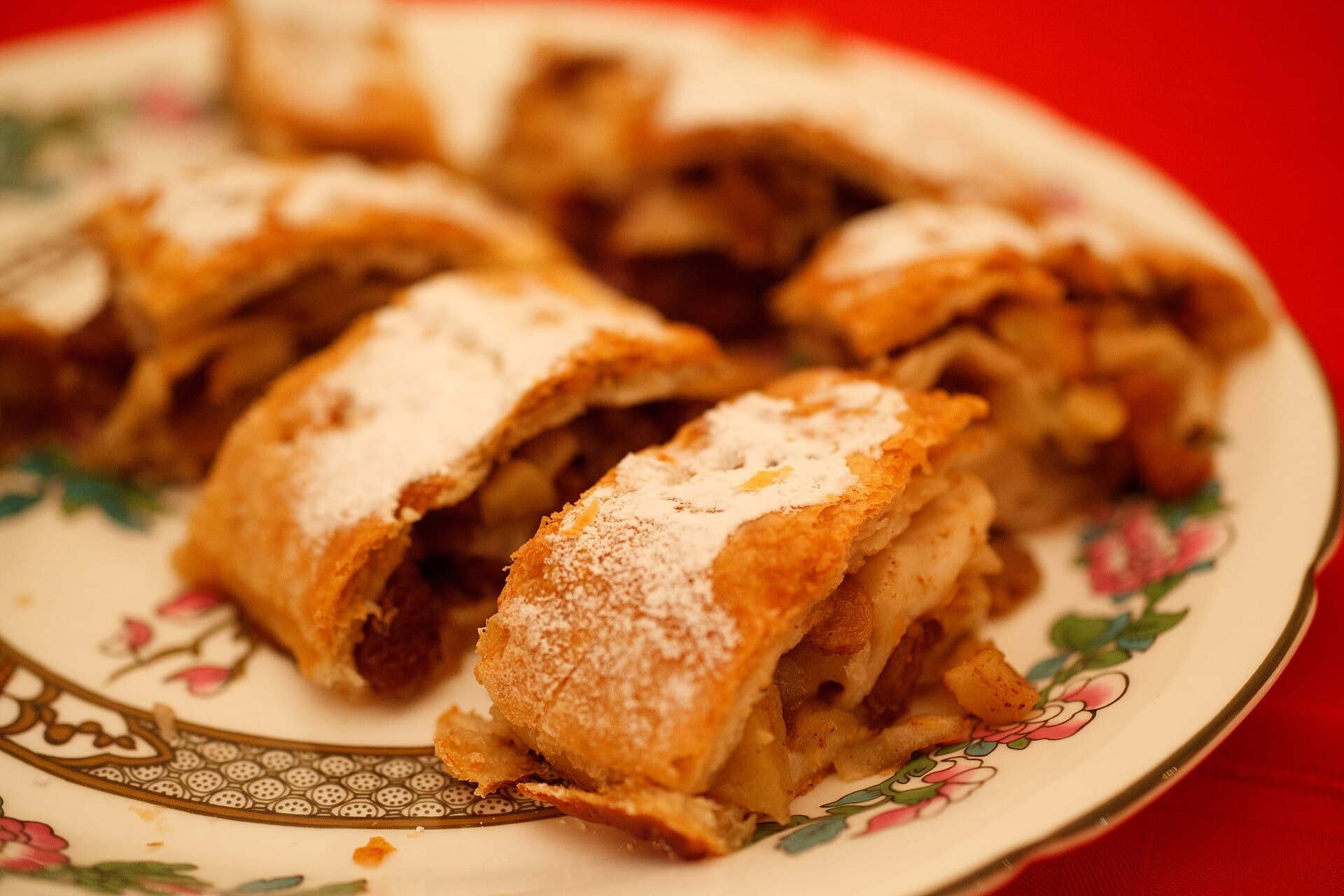
1800-1860
A German-American apple strudel made with crisp apples, raisins, cinnamon, buttered crumbs, and flaky phyllo for a practical home version of a Central European pastry.
America's Melting Pot
Asparagus photo coming soon
1800s/early 1900s-present
A bright American Easter asparagus side, quickly cooked and dressed with lemon butter, herbs, and hard-cooked egg in the spirit of old spring-table recipes.
Same region
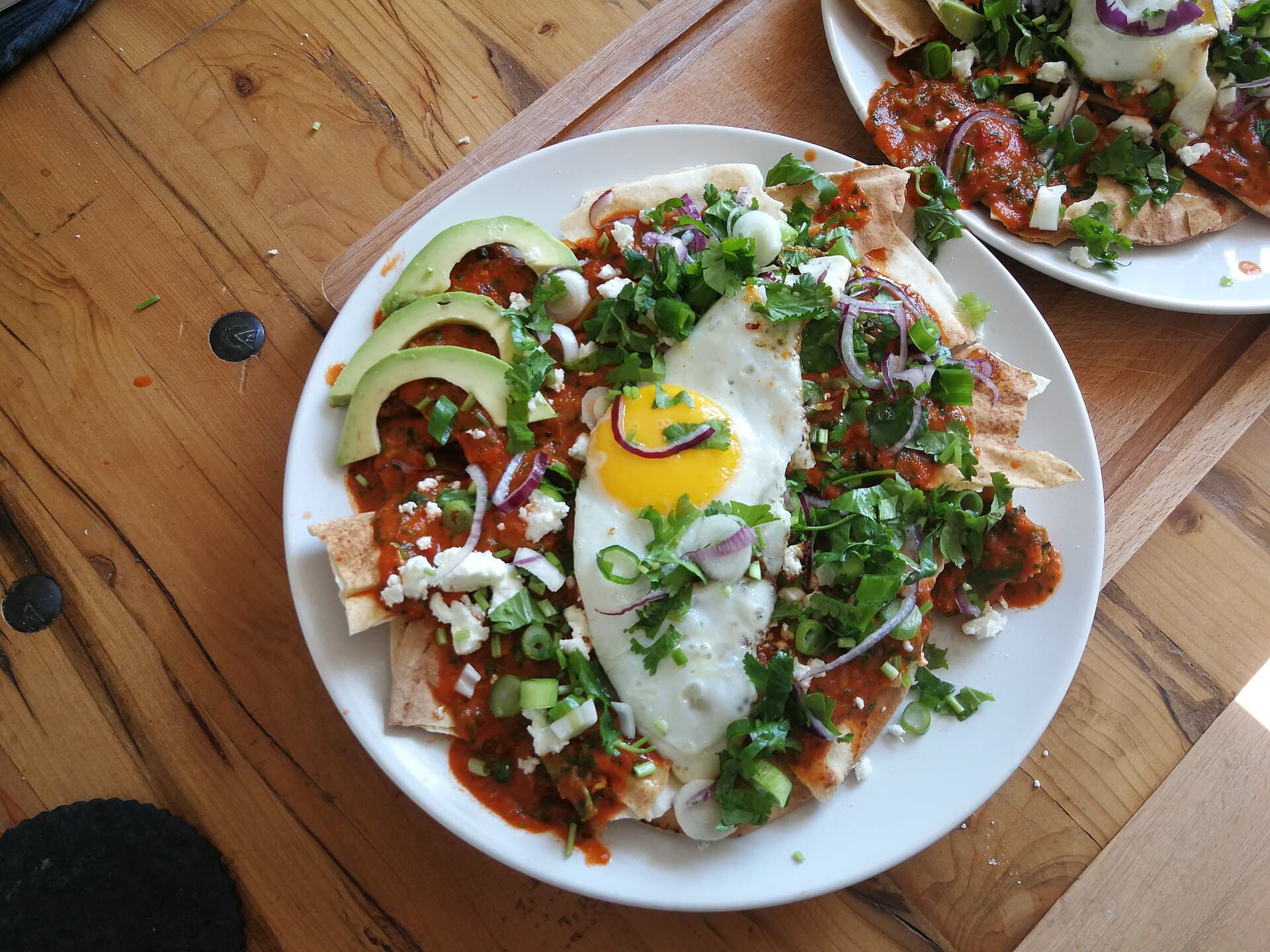
1800-1860
Chilaquiles is a traditional Mexican breakfast dish featuring fried tortilla chips simmered in green or red salsa and topped with cheese, crema, onions, and eggs. Rooted in Mexican-American and Spanish borderlands cooking, it was common in the Southwestern United States during the early 19th century. This dish exemplifies resourceful use of tortillas and reflects deep cultural ties between Spanish, Mexican, and early American frontier cuisines.
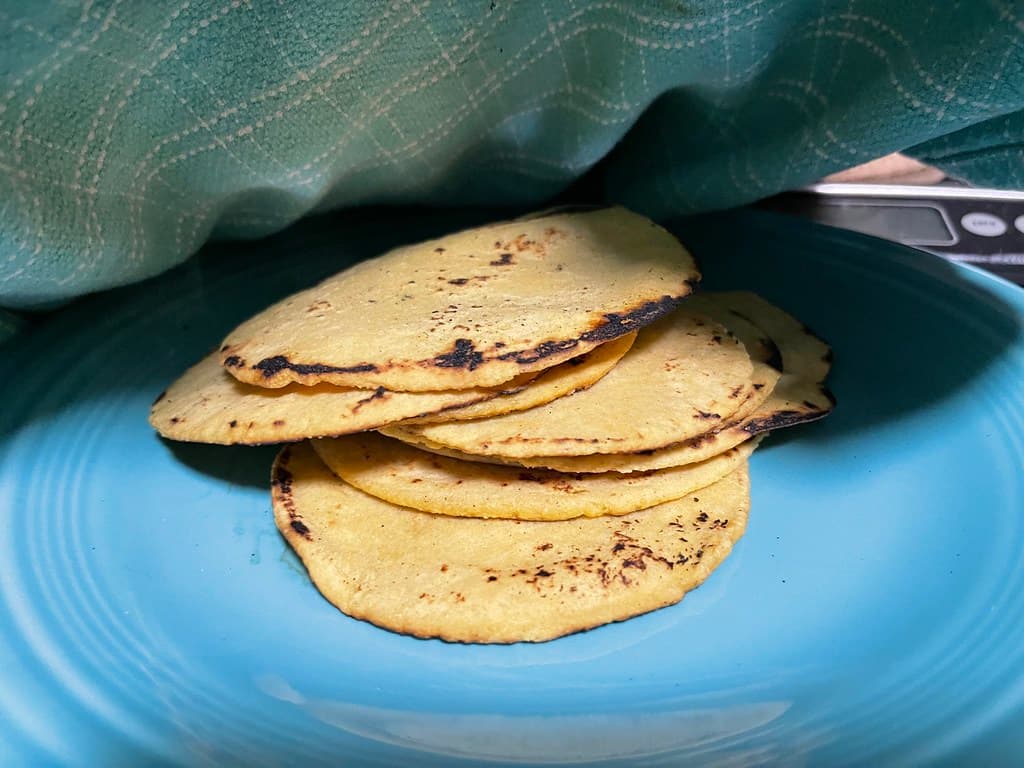
1800-1860
Corn tortillas are a fundamental staple of Mexican and Southwestern cuisine, made from nixtamalized corn masa. In the early 19th century, these tortillas were widely consumed in Spanish borderlands and Mexican-American communities, providing a versatile bread substitute.
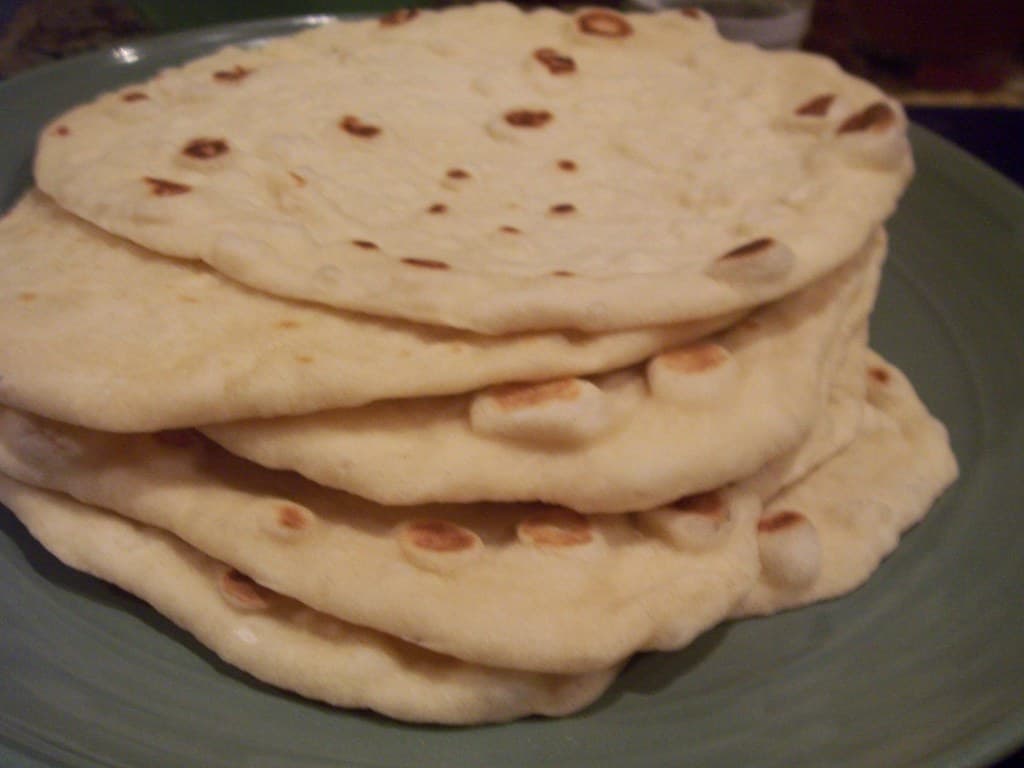
1800-1860
Flour tortillas are a staple soft flatbread made from wheat flour, water, fat, and salt. Originating in the Spanish borderlands and Mexican-American traditions, they became widespread in the U.S. Southwest by the mid-19th century, essential for wraps, tacos, and sandwiches.
Same table
America's Melting Pot
Chile con Carne photo coming soon
1800-1860
Chile con Carne is a robust stew combining beef, chili peppers, tomatoes, and spices that became emblematic of Southwestern and Texas cooking in the 19th century. Its roots trace to Mexican-American and Spanish borderlands culinary traditions, adapted by settlers, cowboys, and ranchers. A filling, one-pot meal suited to frontier life, it holds a lasting place in regional American cuisine as a symbol of rustic, spicy comfort food.
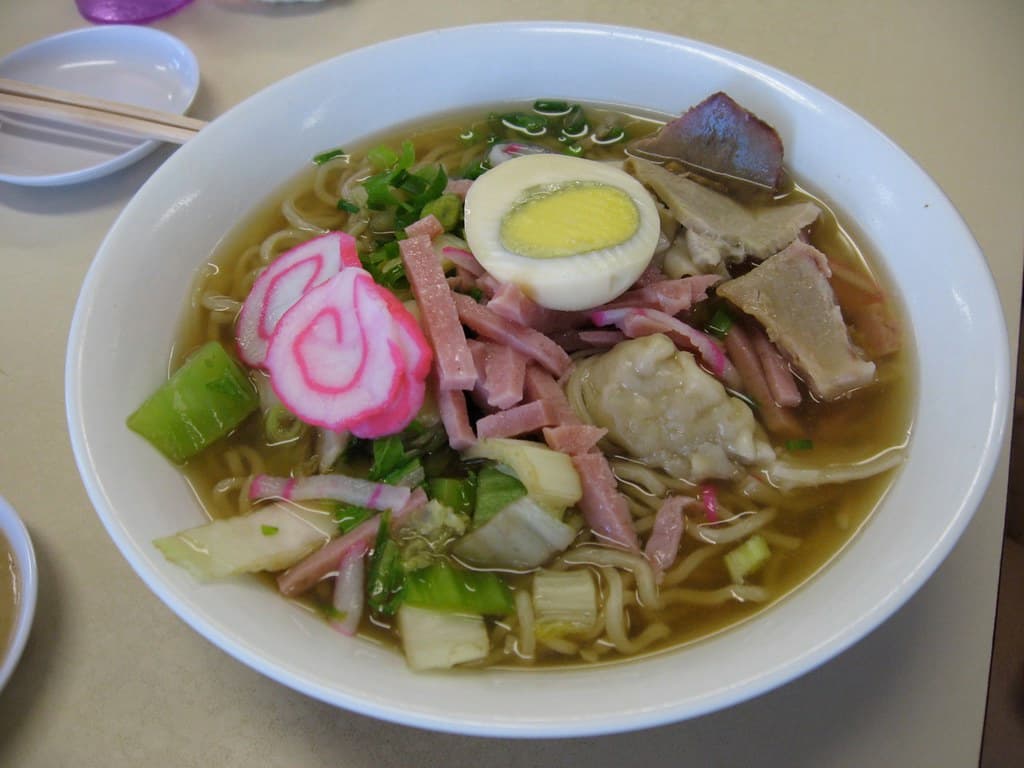
1908-present
Saimin is a noodle soup combining wheat noodles in a light broth with garnishes such as green onions, char siu pork, and seaweed. It emerged in Hawaii through fusion of Hawaiian, Asian-Pacific American, and Portuguese-American culinary traditions reflecting diverse immigration patterns.
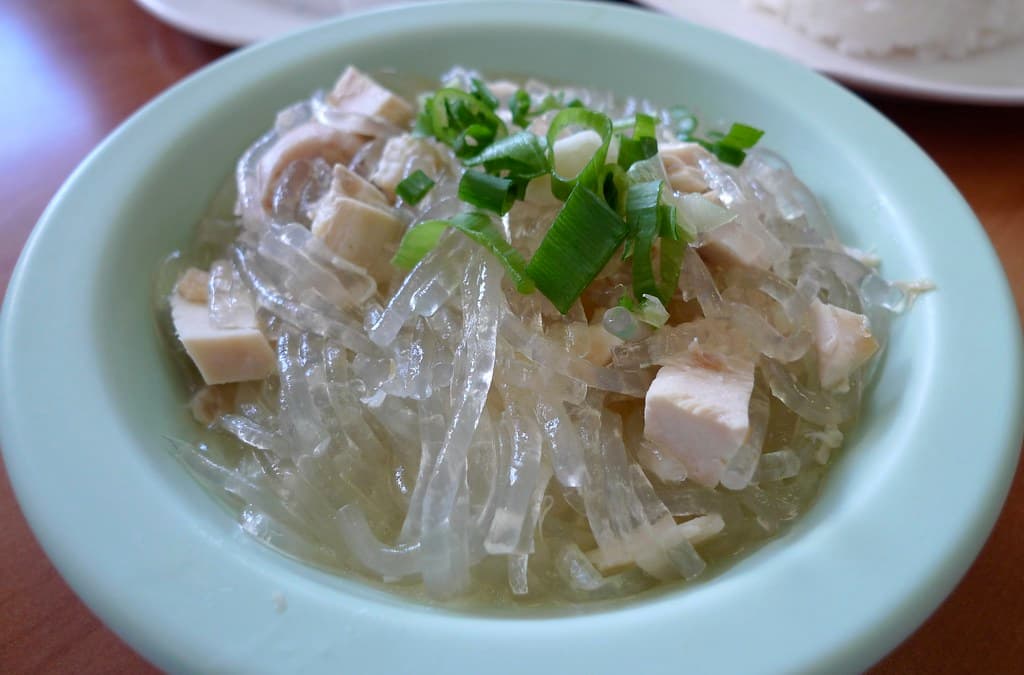
mid-1800s-present
Chicken Long Rice is a comforting Hawaiian side featuring clear mung bean noodles simmered in chicken broth with shredded chicken, garlic, and ginger. This dish evolved through Hawaiian local and immigrant communities, reflecting influences from Asian and Portuguese-American cuisines and becoming a staple at family gatherings.