
Recipe archive
Loading
Setting the table...
Fetching the latest recipes from the archive.
Loading
Fetching the latest recipes from the archive.
Recipe archive
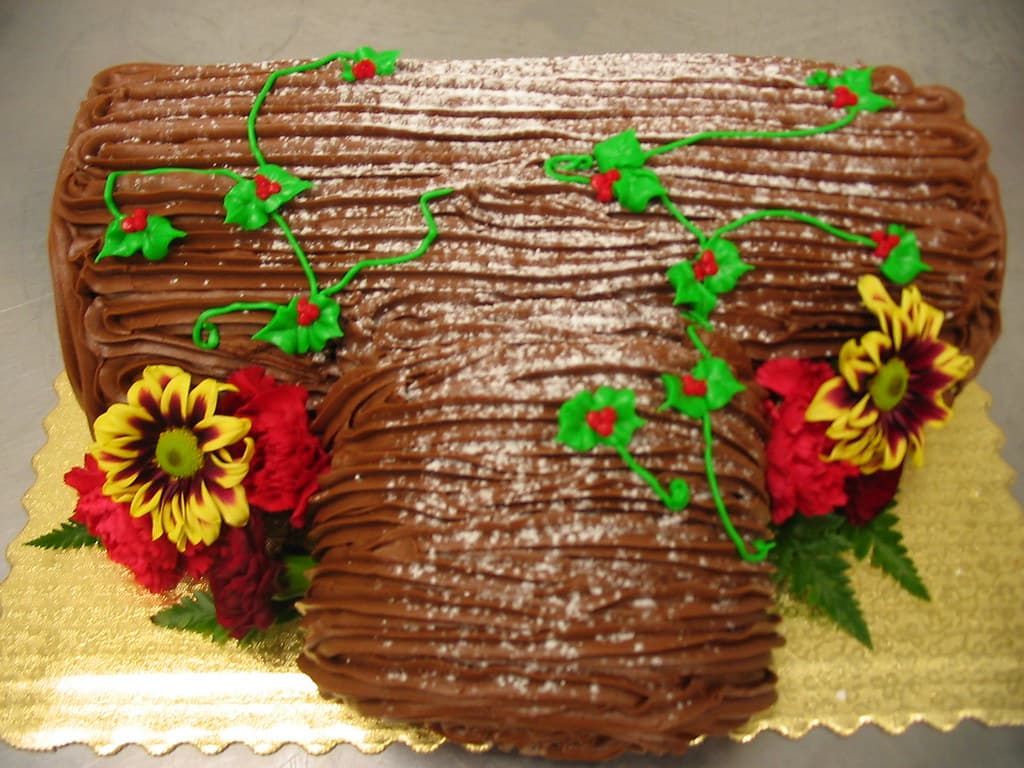
1946-1969 - European-American families celebrating Christmas traditions in the United States.
The Yule Log, or Buche de Noel, is a rolled sponge cake decorated to resemble a tree log, traditionally served at Christmas. This dessert's American adoption reflects European holiday customs, featuring chocolate sponge with cream filling and decorative frosting representing the winter season.
Community-powered photos. Reviewers can upload dish photos, and the highest-rated community image may be featured here.
Difficulty
Hard
Prep time
45 minutes
Cook time
15 minutes
Total time
1 hour
Servings
10
Region
French American bakery and Christmas pastry kitchens
Era introduced
1946-1969
Introduced by
European-American families celebrating Christmas traditions in the United States.
Recipe tools
Log in to save this recipe to a collection.
The Yule Log cake, inspired by European Christmas traditions, became a popular holiday dessert in American households and gatherings. Its rolled chocolate sponge cake filled with cream and decorated to resemble a tree log symbolizes winter and festive celebration. This rich and artistic dessert highlights the fusion of European customs with American holiday culinary practices, favored during Christmas across diverse communities.
Share family changes, regional twists, or pantry-friendly adaptations as full community recipes.
Log in to submit a community recipe.
No community recipes yet. Submitted recipes are published right away.
Rate this recipe and share how it worked at your table.
Log in to review this recipe.
No reviews yet. Be the first to rate this recipe.
Recipes matched by era, region, occasion, ingredients, and cultural roots from the archive.
Same era
America's Melting Pot
Bacon-Wrapped Water Chestnuts photo coming soon
1946-1969
Crunchy water chestnuts wrapped in bacon, baked until crisp, and glazed with a brown sugar, soy, ketchup, and Worcestershire sauce.
America's Melting Pot
Burger Sauce photo coming soon
1948-present
Burger Sauce is a sandwich sauce with real American table personality: Generic American mayo-ketchup-pickle-mustard sauce. It brings flavor from coast-to-coast American tables to cookouts, counters, lunch plates, potlucks, and weeknight suppers.
America's Melting Pot
Chicken Spaghetti photo coming soon
1946-1969
Chicken Spaghetti is a creamy, comforting casserole that became popular in the Midwest during America's postwar prosperity era. Combining cooked chicken, spaghetti noodles, a cheesy sauce, and often vegetables like bell peppers or mushrooms, this dish embodies the freezer-ready casseroles prized in suburban households. With its melding of convenience and homestyle flavor, it reflects the era's suburban family cooking trends.
Same region
America's Melting Pot
Acorn Bread photo coming soon
1800-1860
A nutty, lightly sweet quick bread made with properly leached acorn flour, cornmeal, and wheat flour.
America's Melting Pot
Canned Oyster Stew photo coming soon
1860-2026
Oyster stew has long been part of American coastal, holiday, and Lenten cooking. Canned oysters made the dish possible far from oyster beds and useful for military, railroad, boardinghouse, and pantry meals.
America's Melting Pot
Compound Steak Butter photo coming soon
1900s-present
Compound Steak Butter is a spread with real American table personality: American steakhouse finishing sauce. It brings flavor from coast-to-coast American tables to cookouts, counters, lunch plates, potlucks, and weeknight suppers.
Same table
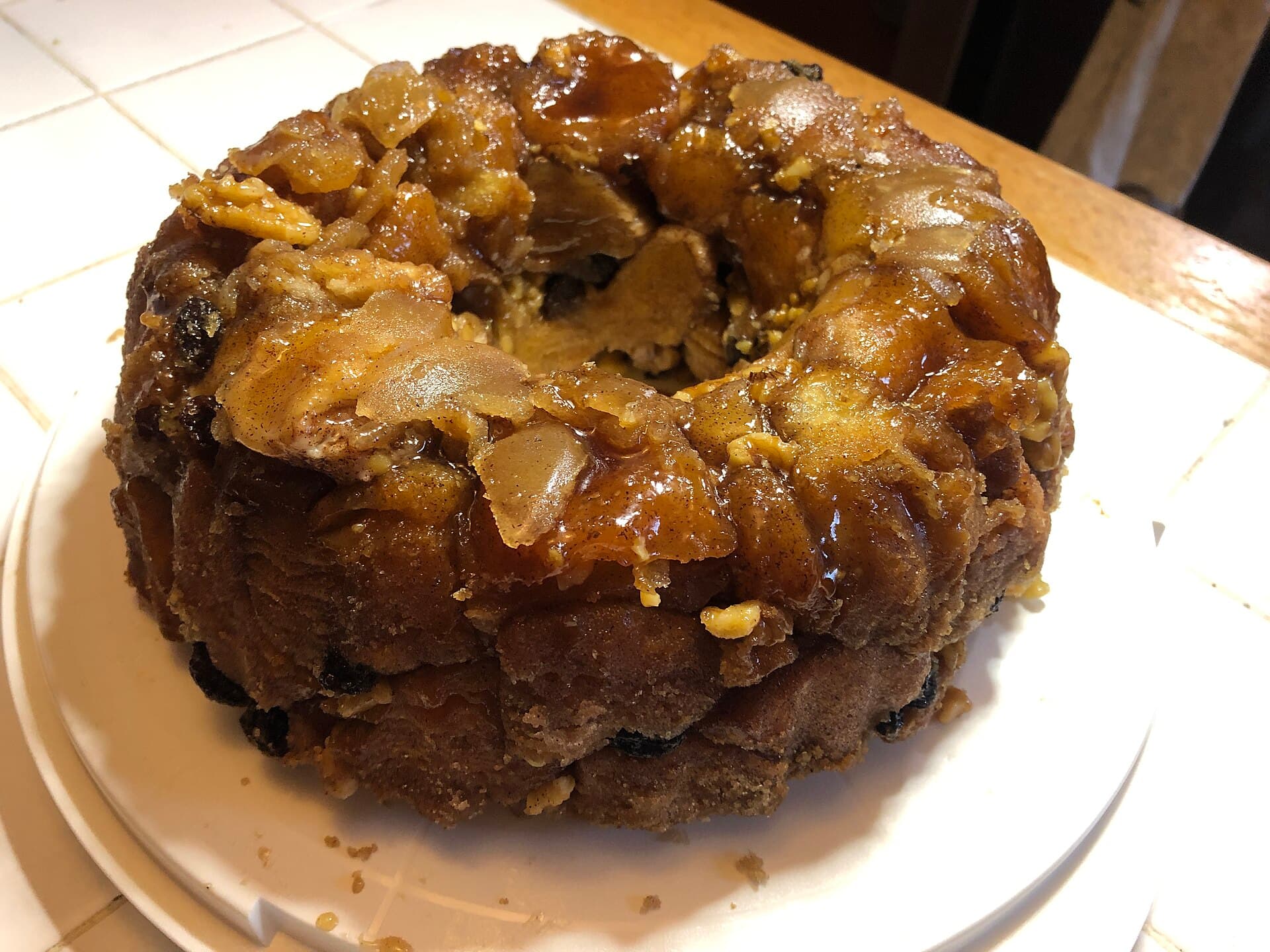
1940s-present
Monkey Bread is a sweet, sticky pull-apart bread made from individual dough pieces coated in cinnamon sugar and baked together. Though its precise origins are unclear, Monkey Bread became popular as a Christmas treat across the United States, embodying festive conviviality. Its interactive eating style and sweet, rich flavor capture the spirit of American holiday baking traditions.
America's Melting Pot
Washington Pie photo coming soon
1700s-present
Washington Pie is a layered dessert combining cake and fruit preserves, dating back to late 18th-century America. This simple yet elegant sweet features moist cake layers sandwiched with jam or jelly and optionally dusted with sugar, reflecting colonial baking practices and early American tastes for fruit desserts.
America's Melting Pot
Kringla photo coming soon
1861-1900
Kringla is a lightly sweet, buttery Scandinavian cookie shaped like a pretzel, traditionally associated with church and holiday celebrations in the Midwest. Norwegian immigrants brought this recipe during the 19th century, where it became part of Christmas and Easter gatherings, symbolizing cultural continuity in immigrant farming communities.