
Loading
Setting the table...
Fetching the latest recipes from the archive.
Loading
Fetching the latest recipes from the archive.
Recipe archive
Recipe archive
Search the archive by title, region, ingredient, tag, or era, then sort the table by the view that fits your kitchen.
This archive is growing through recipes, photos, family recipes, and historical context shared by the community.
1900-1929
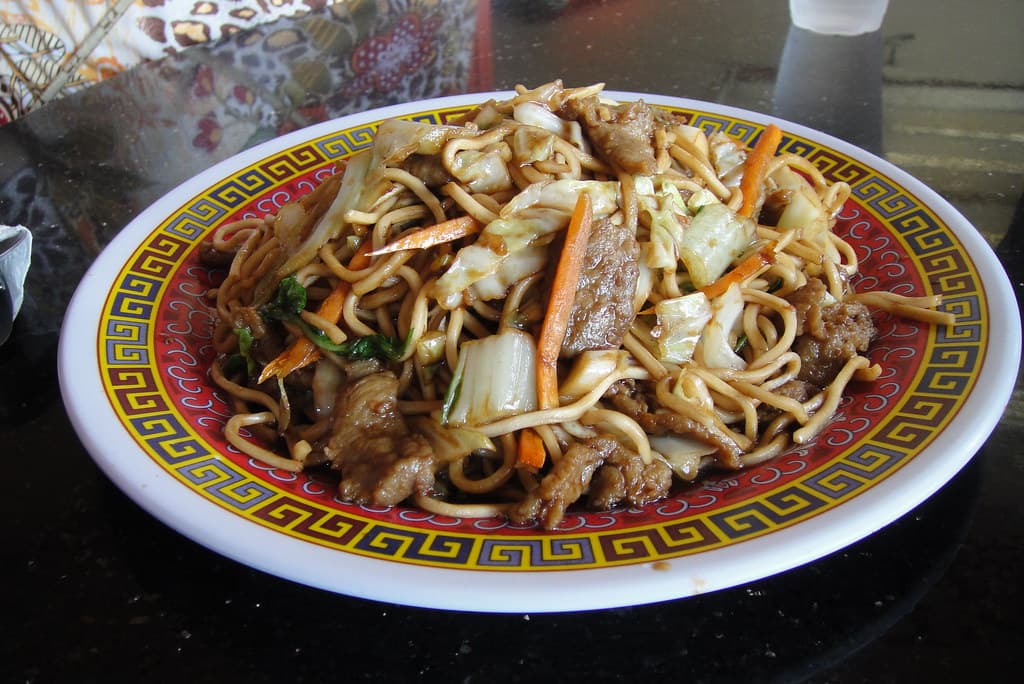
Chow Mein is a Chinese-American stir-fried noodle dish that became a fixture in early 20th-century immigrant cities and diners. Featuring crispy or soft egg noodles tossed with meat, vegetables, and a savory sauce, it was adapted to local tastes and ingredients, quickly becoming a diner and state fair favorite across the United States.
America's Melting Pot
Chow-Chow photo coming soon
Frontier & Expansion
Chow-Chow is a relish with real American table personality: Southern/Appalachian chopped vegetable relish. It brings flavor from Appalachia and Pennsylvania Dutch country to cookouts, counters, lunch plates, potlucks, and weeknight suppers.
America's Melting Pot
Chow-Chow Pepper Relish photo coming soon
Frontier & Expansion
Chow-Chow Pepper Relish is a condiment with real American table personality: Southern/Appalachian preserved garden relish. It brings flavor from Appalachia and Pennsylvania Dutch country to cookouts, counters, lunch plates, potlucks, and weeknight suppers.
America's Melting Pot
Chuckwagon Beans photo coming soon
1861-1900
Chuckwagon Beans were a staple side dish for cattle drivers and settlers in the Great Plains during the late 19th century. Cooked slowly over open fires, these beans offered a nutritious, filling, and portable food suited to the long cattle drives and frontier life, combining simple pantry staples with smoked or cured pork.
America's Melting Pot
Church Basement Ham Buns photo coming soon
1900-1929
Church Basement Ham Buns are a classic main dish served at church socials, school events, and community potlucks in early 20th-century America. These soft buns filled with ham and a creamy cheese sauce reflect the communal spirit and practicality of home cooks providing affordable, large-batch foods for gatherings, drawing on regional comfort food traditions.
America's Melting Pot
Church Basement Ham Sandwiches photo coming soon
1900-1929
Church Basement Ham Sandwiches are straightforward yet beloved sandwiches served at church gatherings, funerals, and potlucks, often featuring sliced ham on bread with mustard or mayonnaise. These sandwiches represent practical, no-fuss fare designed to feed large groups affordably, emblematic of communal meal-sharing in American social traditions.
America's Melting Pot
Church Punch photo coming soon
1900-1929
Church Punch is a refreshing, sweet non-alcoholic beverage often served at church socials, school functions, and community gatherings from the early 20th century. Made from fruit juices, soda, and sometimes sherbet, it provides a festive, family-friendly drink that required easily obtainable ingredients and minimal preparation, aligning with temperance values of many communities.
America's Melting Pot
Cider photo coming soon
1776-1800
Cider, made from fermented or fresh-pressed apple juice, has been an important American drink since colonial times. Both hard (alcoholic) and sweet (non-alcoholic) varieties were common, used at meals and celebrations, embodying early American fruit preservation and local agriculture.
America's Melting Pot
Cincinnati Chili photo coming soon
1946-1969
Cincinnati Chili is a unique meat sauce featuring warm spices like cinnamon and cloves, served over spaghetti or hot dogs. Originating in the Midwestern United States during the mid-20th century, it reflects Mediterranean immigrant influences adapted to local tastes and ingredients, creating a distinctive regional comfort food.
America's Melting Pot
Cinnamon Roll Hack photo coming soon
1990-2009
The Cinnamon Roll Hack is a contemporary improvised breakfast featuring store-bought cinnamon rolls enhanced or transformed with simple ingredients and quick cooking techniques, often popularized through social media and food trucks. This approach exemplifies inventive modern American home cooking and viral food trends.
America's Melting Pot
Cinnamon Roll Shake photo coming soon
1900-1929
Cinnamon Roll Shake brings drive-in, carhop, and fast-food dessert-counter energy to the table: Mall/fast-food crossover.
1970-1989
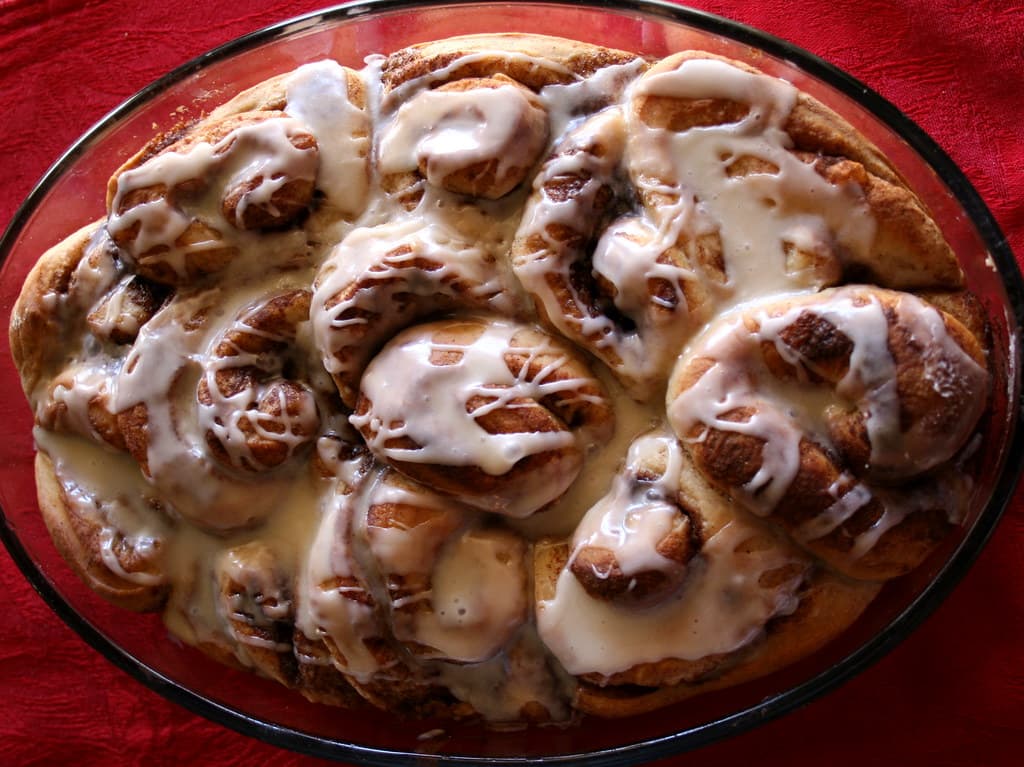
Classic American breakfast sweet rolls featuring a soft, fluffy dough swirled with cinnamon sugar and topped with a sweet glaze. Cinnamon rolls became popular as convenient and comforting treats at tailgate parties, booster clubs, and concession stands in late 20th-century America, especially from the 1970s through the 1980s. Their warm spices and sweetness mark them as a festive favorite around Christmas and other cold-weather celebrations.
America's Melting Pot
Cinnamon Rolls with Chili photo coming soon
1945-2000
A unique breakfast combining the sweet, soft cinnamon roll with a spicy chili twist, reflecting flavor fusions from the Great Plains region influenced by Mexican-American and Southwestern cuisines. This dish pairs the warming spices of cinnamon with hearty chili for a tasty and filling meal that honors regional culinary blending.
1861-1900
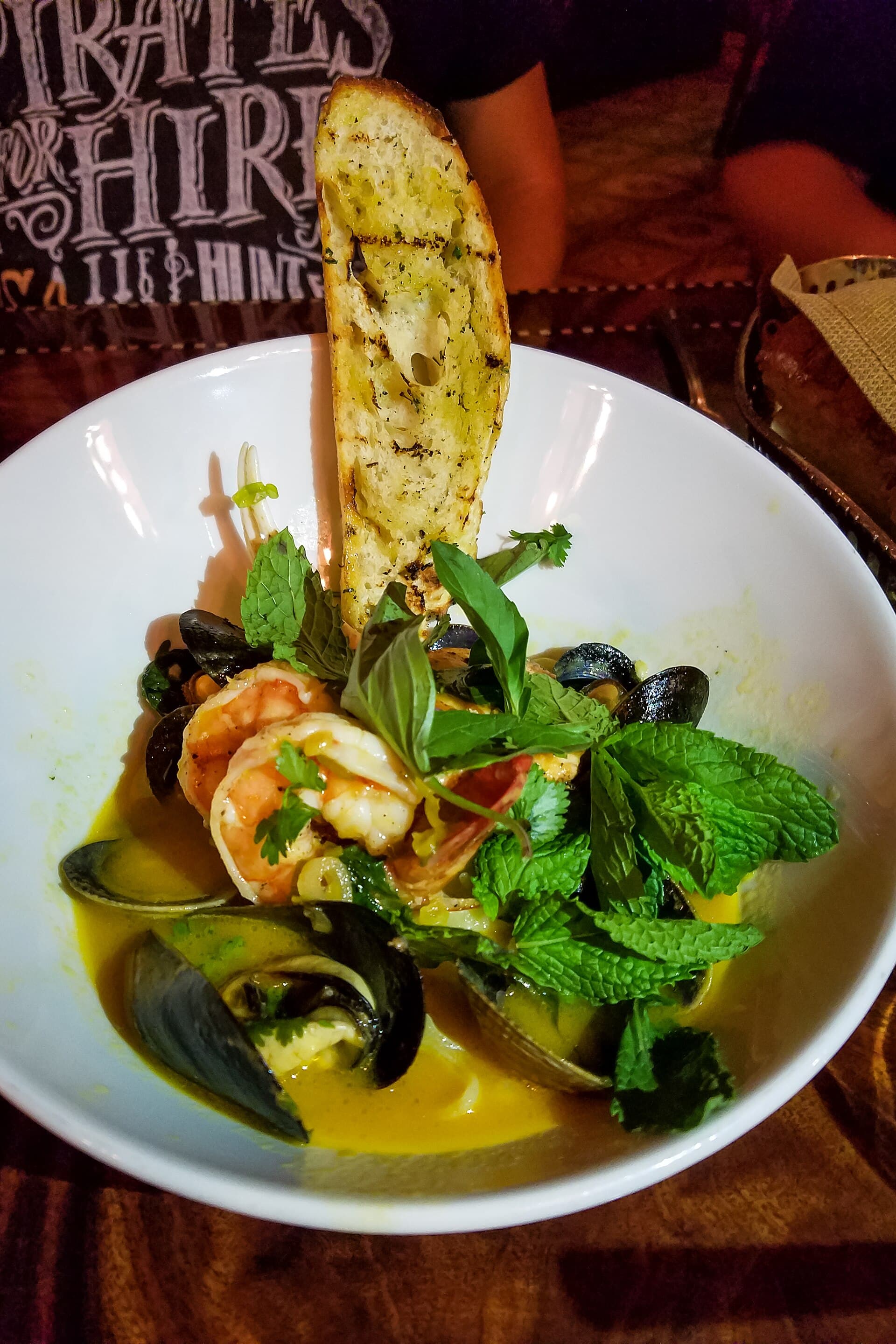
Cioppino is a hearty seafood stew originating from Italian immigrant fishermen on the West Coast, combining various shellfish and fish simmered in a tomato and wine-based broth. Known for its communal, one-pot cooking style, it reflects the fusion of Italian culinary heritage with the maritime bounty of California. Cioppino became especially popular in San Francisco's Italian-American communities, symbolizing immigrant adaptation and local ingredient use.
America's Melting Pot
City Chicken photo coming soon
1930-1945
City Chicken consists of cubes of pork or veal (sometimes a mix), skewered on sticks, breaded, and fried or baked to simulate roasted chicken. It became popular in American industrial cities with large Polish, Czech, Slovak, and other Eastern European immigrant populations in the early 20th century, especially where chicken was expensive or scarce. Served often at diners, lunch counters, and state fairs, it represents resourceful ethnic adaptation and immigrant influence on urban American foodways.
America's Melting Pot
Clabber Cheese photo coming soon
American Dairy Age
Clabber Cheese is a fresh cultured American home cheese made with pasteurized dairy, clean handling, slow culturing, draining, salting, and refrigeration.
1861-1900
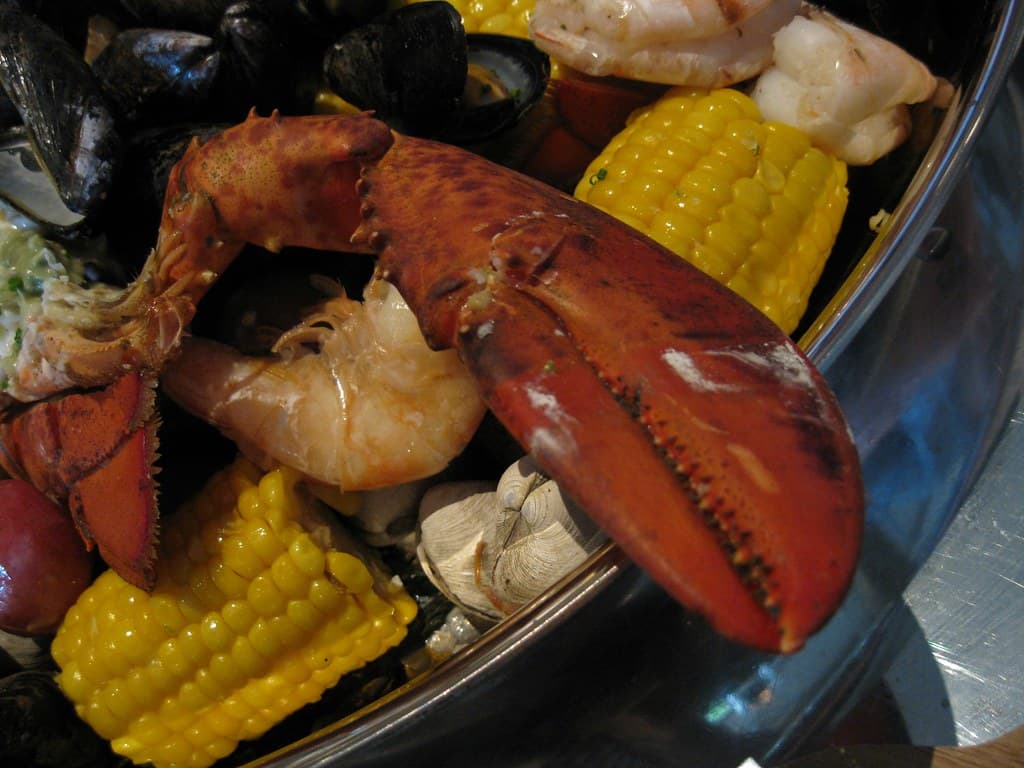
Clam Bake is a communal outdoor cooking method from New England that involves steaming clams, fish, corn, potatoes, and sometimes other shellfish in a pit or pot layered with seaweed. This method celebrates coastal regional ingredients and social dining, historically practiced by Native Americans and adopted by European settlers to feature the bounty of the Atlantic. It remains a hallmark of summer gatherings and fishing camp meals in New England.
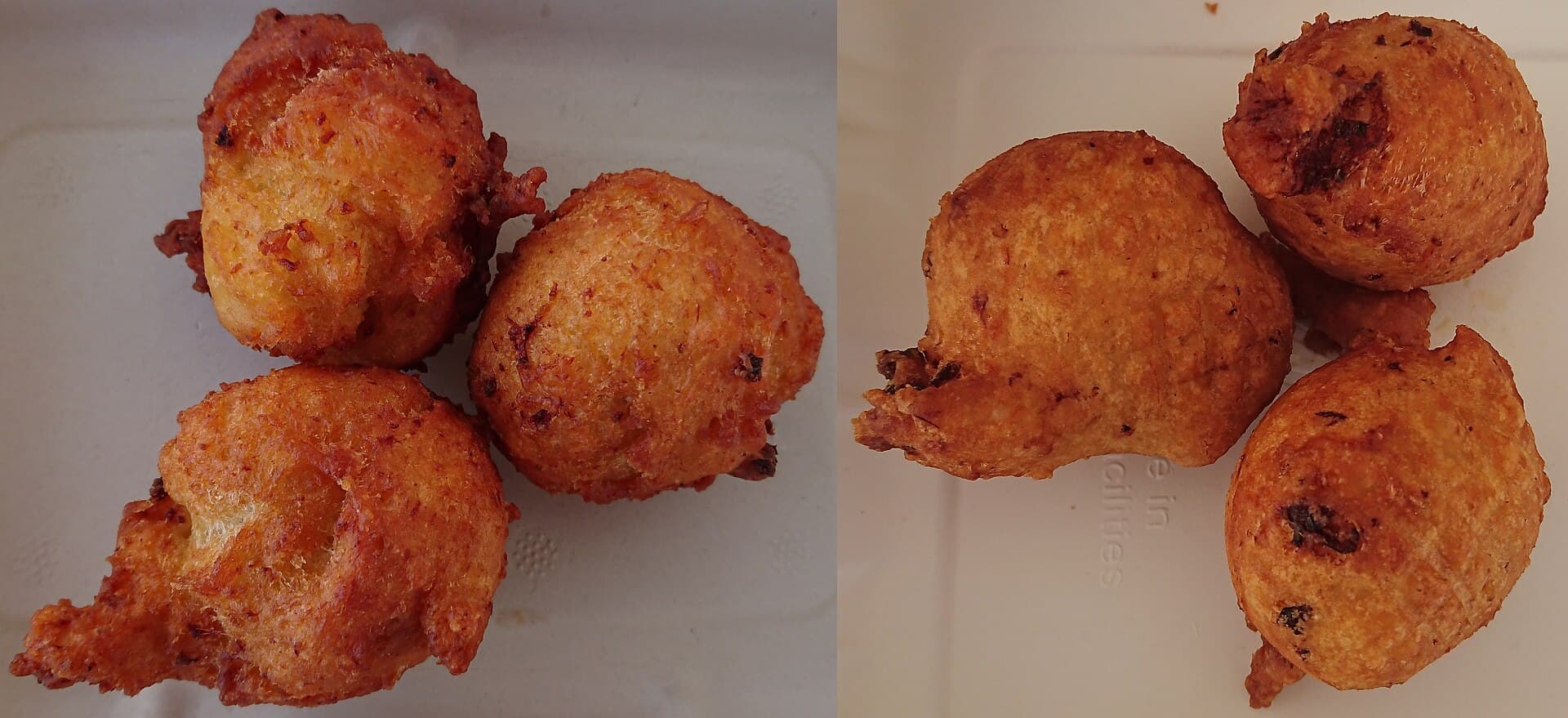
1800-1860
Clam Cakes are deep-fried savory dough balls with minced clams, a staple of coastal New England cuisine dating back to the early 19th century. Typically served as appetizers or snacks, they highlight the region's seafood availability and British-based frying traditions. Clam Cakes exemplify local adaptations celebrating clam harvesting and are commonly found at seafood shacks and fairs throughout New England.
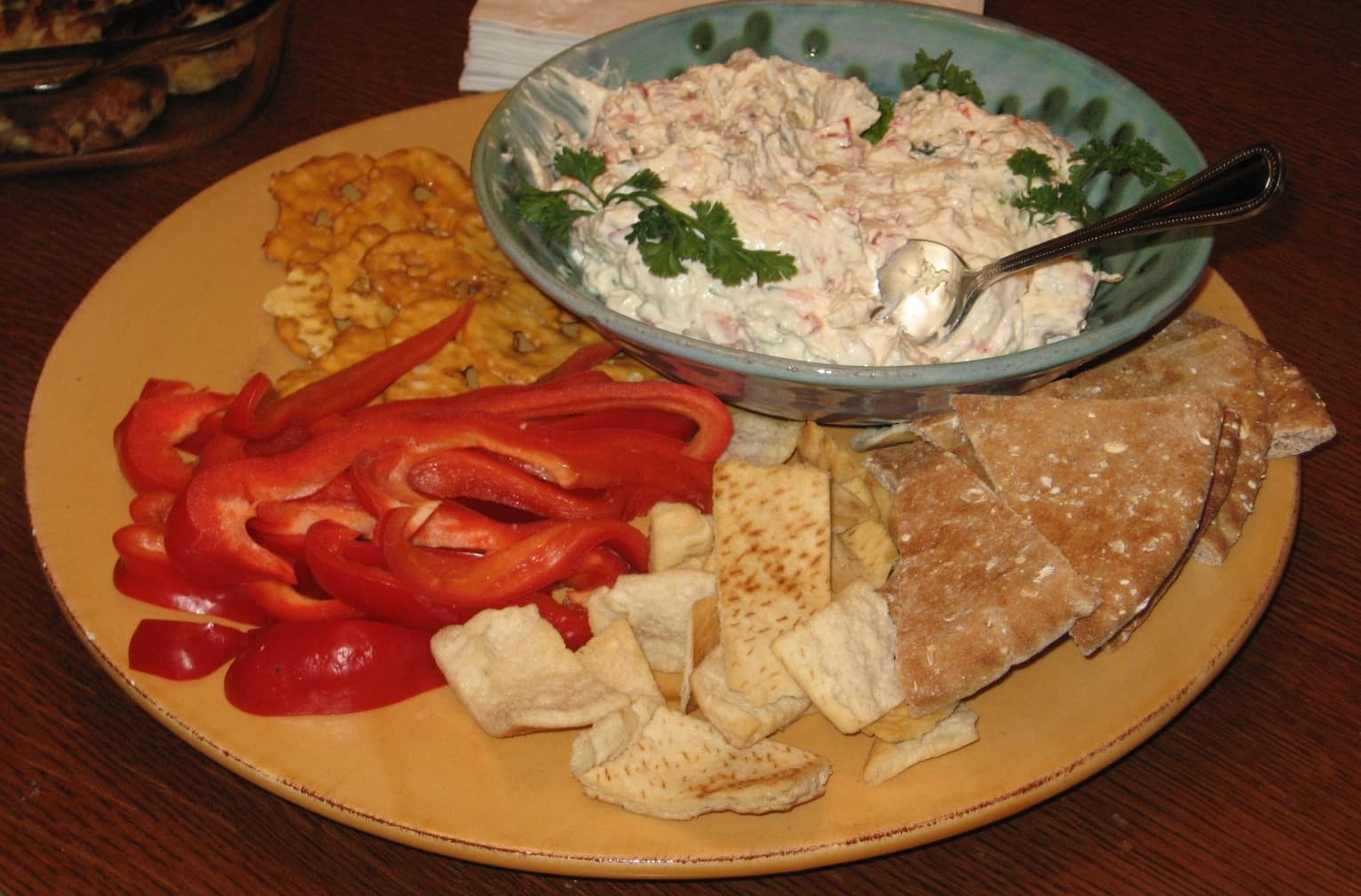
1946-1969
Clam Dip is a creamy, savory appetizer popular in mid-20th-century suburban New England, made with minced clams, cream cheese, mayonnaise, and seasonings. It typifies postwar convenience party foods emphasizing easy preparation and flavorful snacking at cocktail parties and backyard gatherings. The dip captures the era's fascination with frozen and canned seafood products repurposed into casual entertaining dishes.
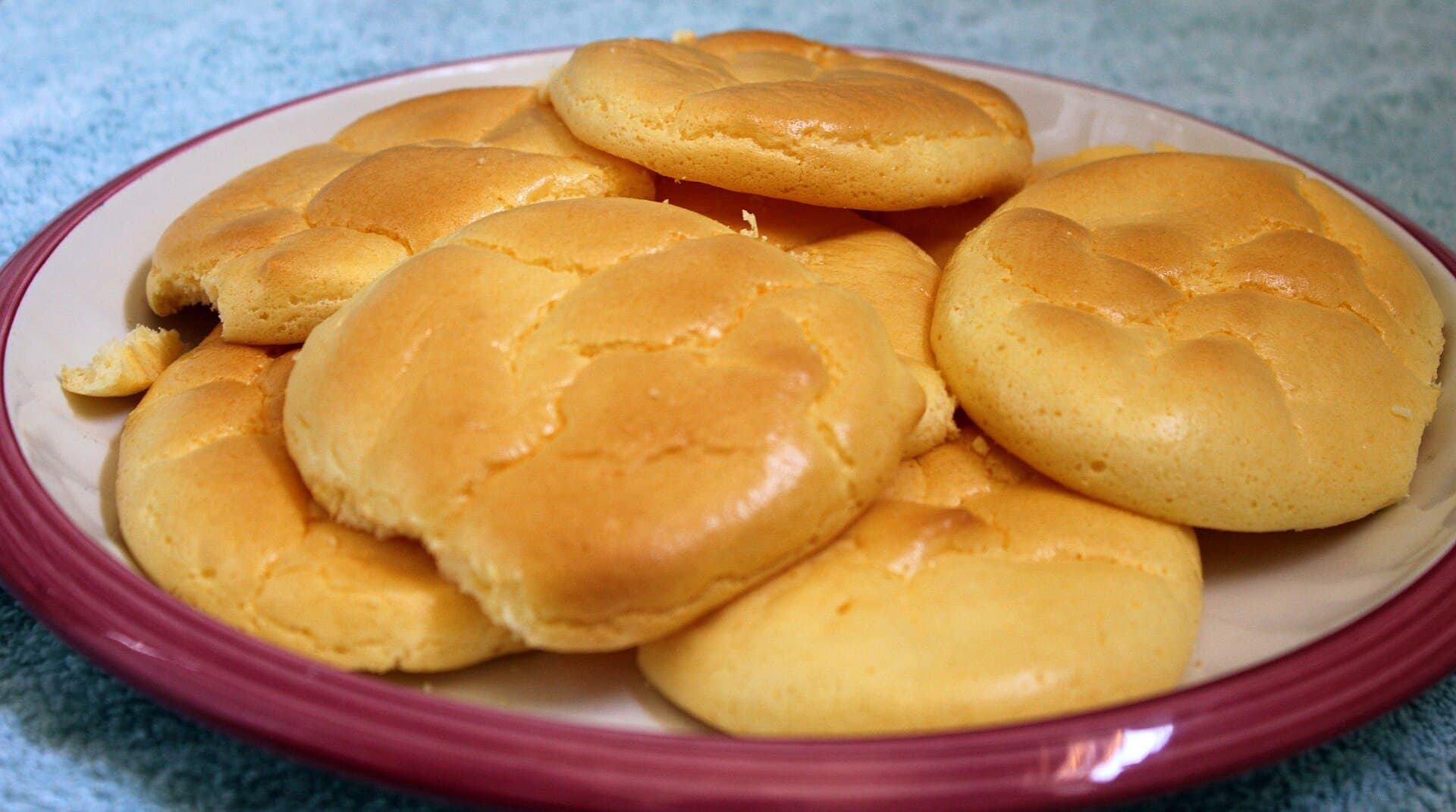
2010-2026
Cloud Bread is a modern, airy, low-carbohydrate bread alternative made with mainly eggs, cream cheese, and a small amount of flour or starch. It became popular as a viral food trend during the 2010s, particularly embraced by food truck vendors, health-conscious eaters, and social media platforms. Its light texture and minimal ingredients embody new American fusion adaptations suited for specialty diets and novelty appeal.
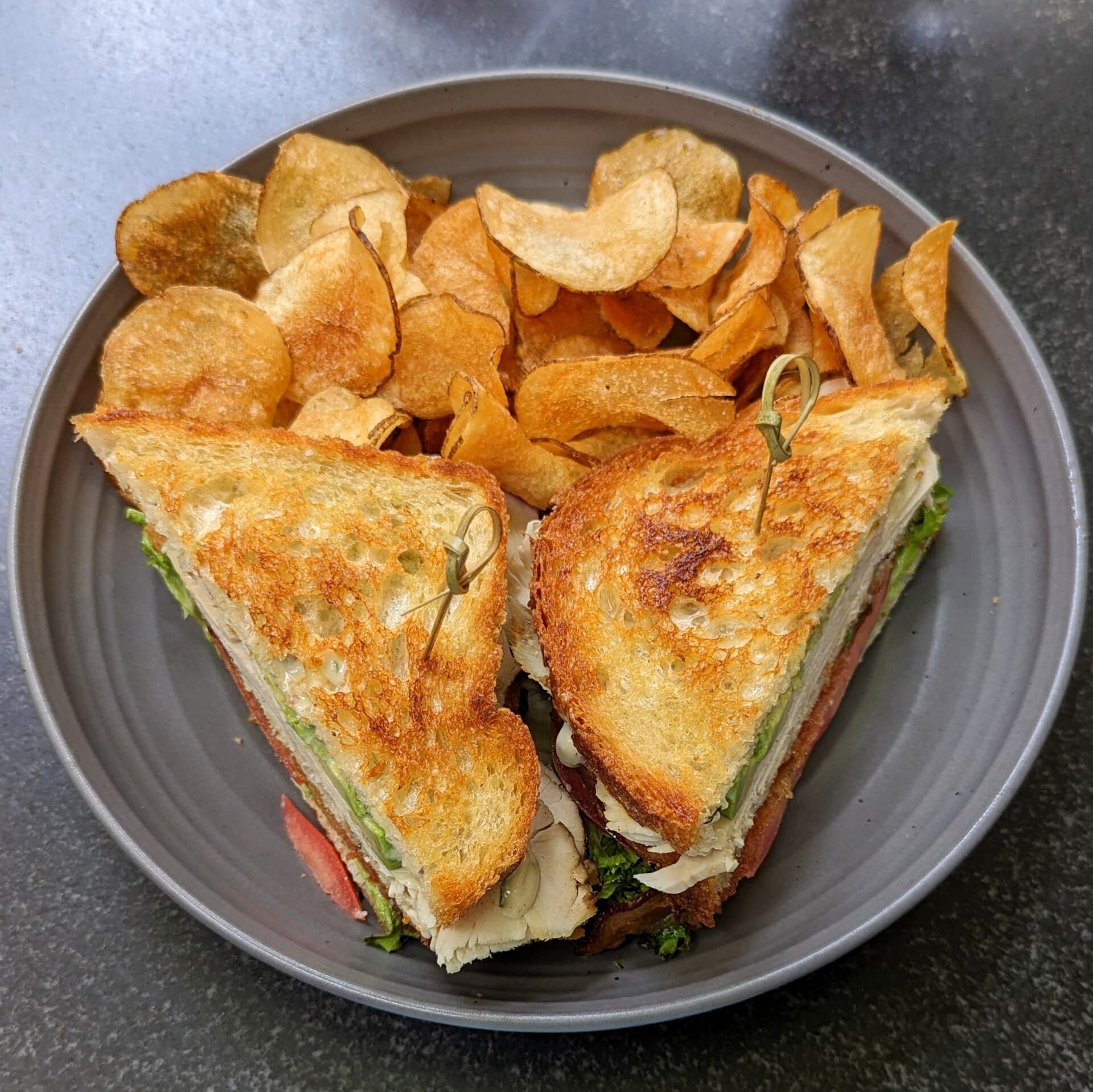
1861-1900
The Club Sandwich is a layered triple-decker sandwich featuring sliced turkey or chicken, crispy bacon, lettuce, tomato, and mayonnaise on toasted bread. It first appeared in American diners and lunch counters during the early 20th century and quickly became popular as a convenient, filling meal. The Club reflects immigrant dining hall influences and the rise of urban lunch culture, notably served at state fairs and public eateries.
1900-1929
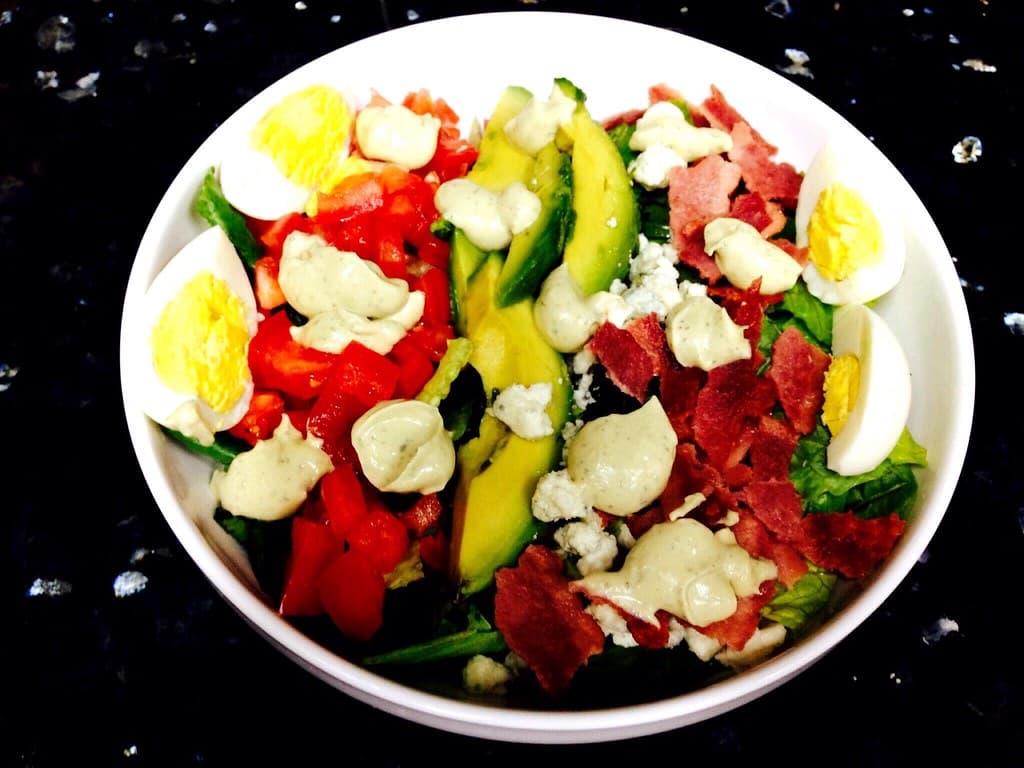
Cobb Salad consists of chopped greens, tomatoes, bacon, chicken, hard-boiled eggs, avocado, chives, and blue cheese, often served with red wine vinaigrette. It originated on the West Coast as a restaurant dish and became an iconic American salad celebrated for its variety and nutritional balance. The Cobb exemplifies regional California fresh produce combined with classic American diner influences, beloved for lunch and light dinners.
America's Melting Pot
Coca-Cola Salad photo coming soon
1946-1969
Coca-Cola Salad is a nostalgic mid-20th-century American side dish that uniquely integrates Coca-Cola soda into a sweet gelatin-based salad. Popular in the post-World War II era, it reflects the inventive and playful use of convenience ingredients like Jell-O and soft drinks in suburban home cooking during the 1946-1969 period.
America's Melting Pot
Cocktail Wieners photo coming soon
1946-1969
Cocktail Wieners are bite-sized sausages often simmered in a flavorful sauce, making them popular appetizers for cocktail parties and gatherings in the post-World War II American suburban era. They epitomize easy, crowd-pleasing finger foods suited to informal entertaining from 1946 to 1969.
Community recipe submission
Log in to submit a recipe, format it with the cooking companion, and send it for review.
Log in to Submit