
Loading
Setting the table...
Fetching the latest recipes from the archive.
Loading
Fetching the latest recipes from the archive.
Recipe archive
Recipe archive
Search the archive by title, region, ingredient, tag, or era, then sort the table by the view that fits your kitchen.
This archive is growing through recipes, photos, family recipes, and historical context shared by the community.
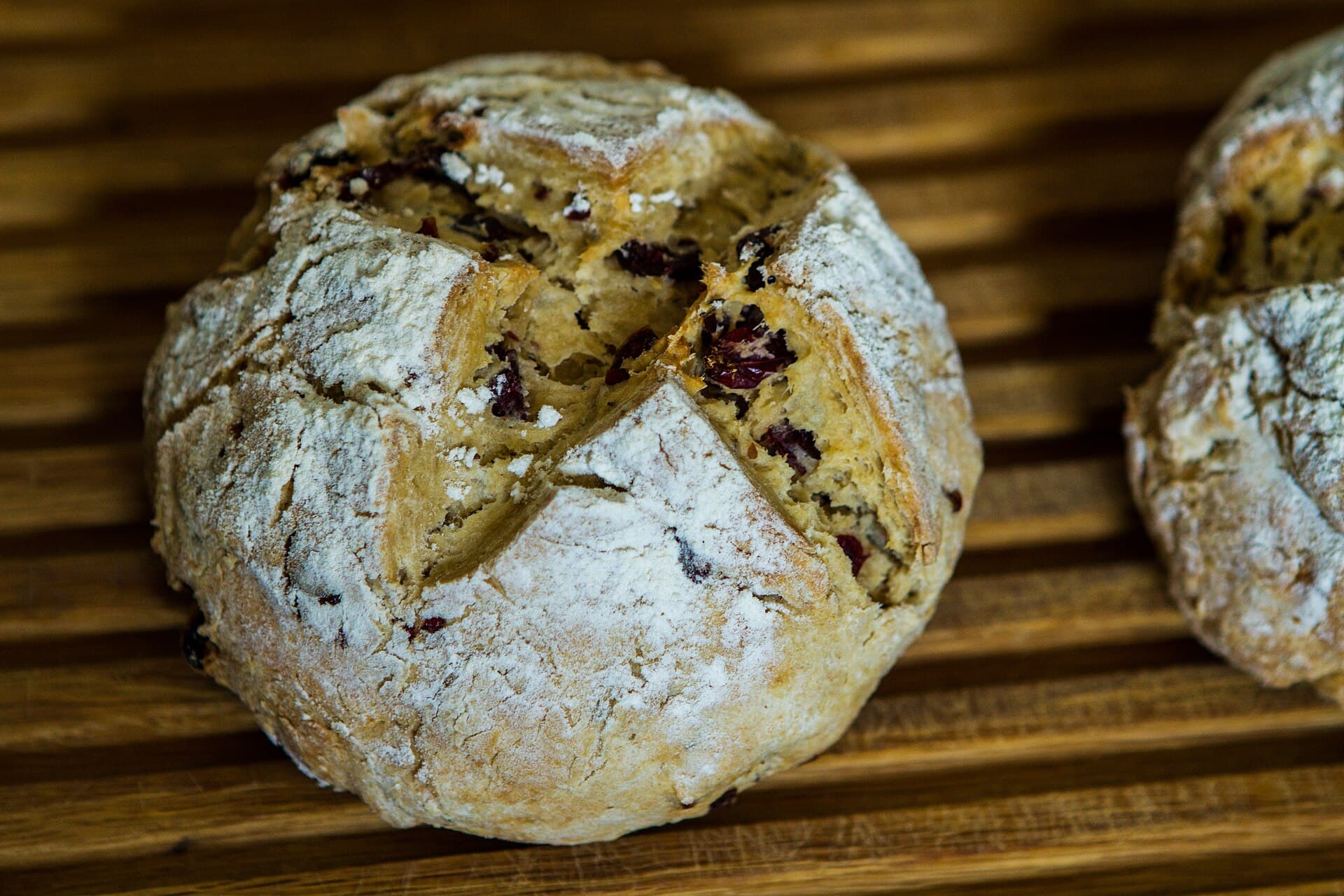
1800-1860
This Irish soda bread recipe uses baking soda as a leavening agent, reflecting a practical bread-making tradition brought by Irish immigrants to America in the 19th century, adapted for home kitchens today.
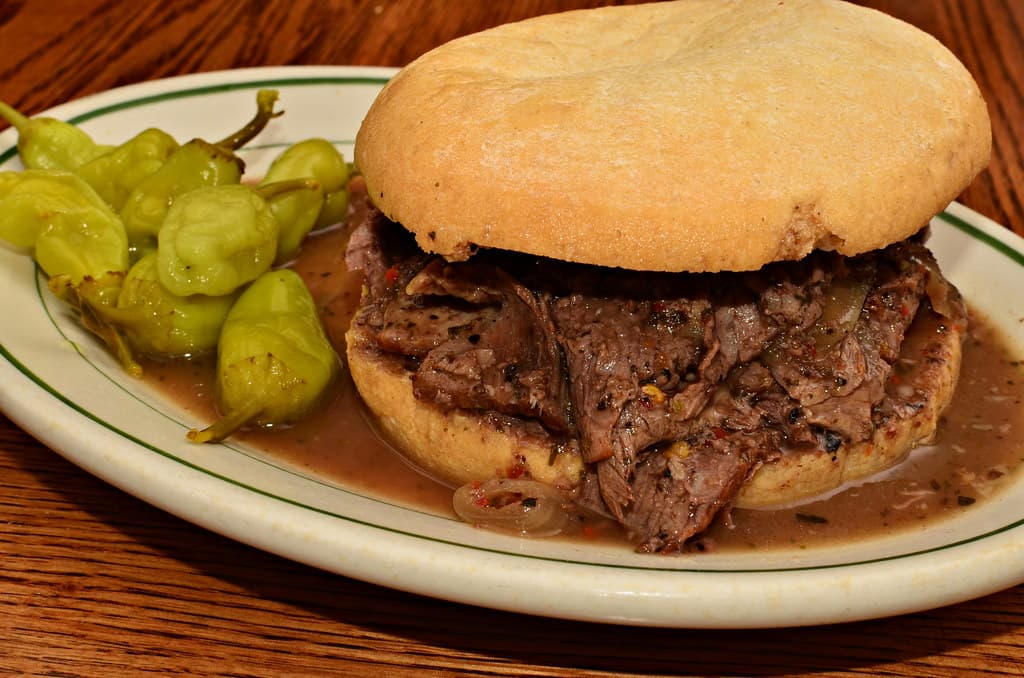
1946-1969
A staple of Chicago cuisine, this Italian beef sandwich features thinly sliced seasoned roast beef dipped in its own jus, served on a roll with optional giardiniera or sweet peppers.
America's Melting Pot
Italian Beef Giardiniera Oil photo coming soon
Cross-era
Italian Beef Giardiniera Oil is a sandwich sauce with real American table personality: Chicago sandwich condiment. It brings flavor from Chicago and the Upper Midwest to cookouts, counters, lunch plates, potlucks, and weeknight suppers.
America's Melting Pot
Italian Soda, American Coffeehouse Style photo coming soon
1900-1929
Italian Soda, American Coffeehouse Style is fizzy Americana from the soda-fountain counter: Syrup, soda, and cream, popularized in American cafes.
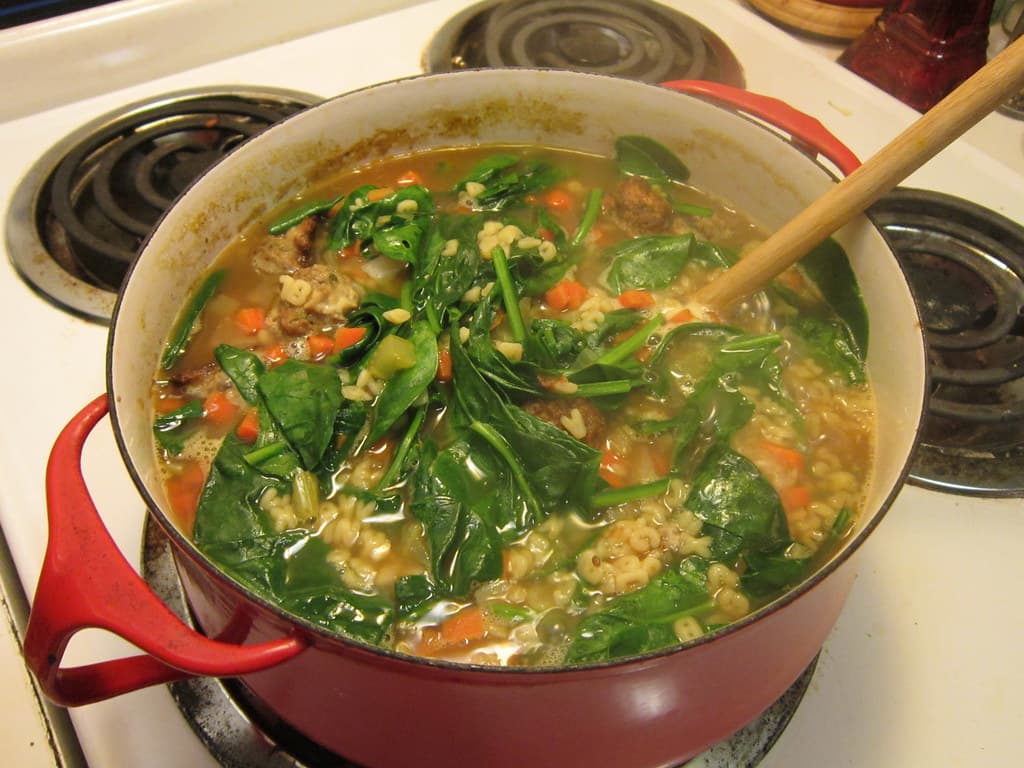
1861-1900
This Italian wedding soup combines flavorful meatballs, leafy greens, and small pasta in a savory broth, a comforting dish rooted in Italian-American tradition from the late 19th century.
America's Melting Pot
Italian-American Dressing photo coming soon
1946-1969
Italian-American Dressing is a dressing with real American table personality: Bottled oregano-garlic-vinegar dressing used on salads, subs, pasta salad, and grilled chicken. It brings flavor from coast-to-coast American tables to cookouts, counters, lunch plates, potlucks, and weeknight suppers.
America's Melting Pot
Jalapeno Jelly photo coming soon
Cross-era
Jalapeno Jelly is a preserve with real American table personality: Texas/Southwest/Southern sweet-hot jelly. It brings flavor from the American South to cookouts, counters, lunch plates, potlucks, and weeknight suppers.
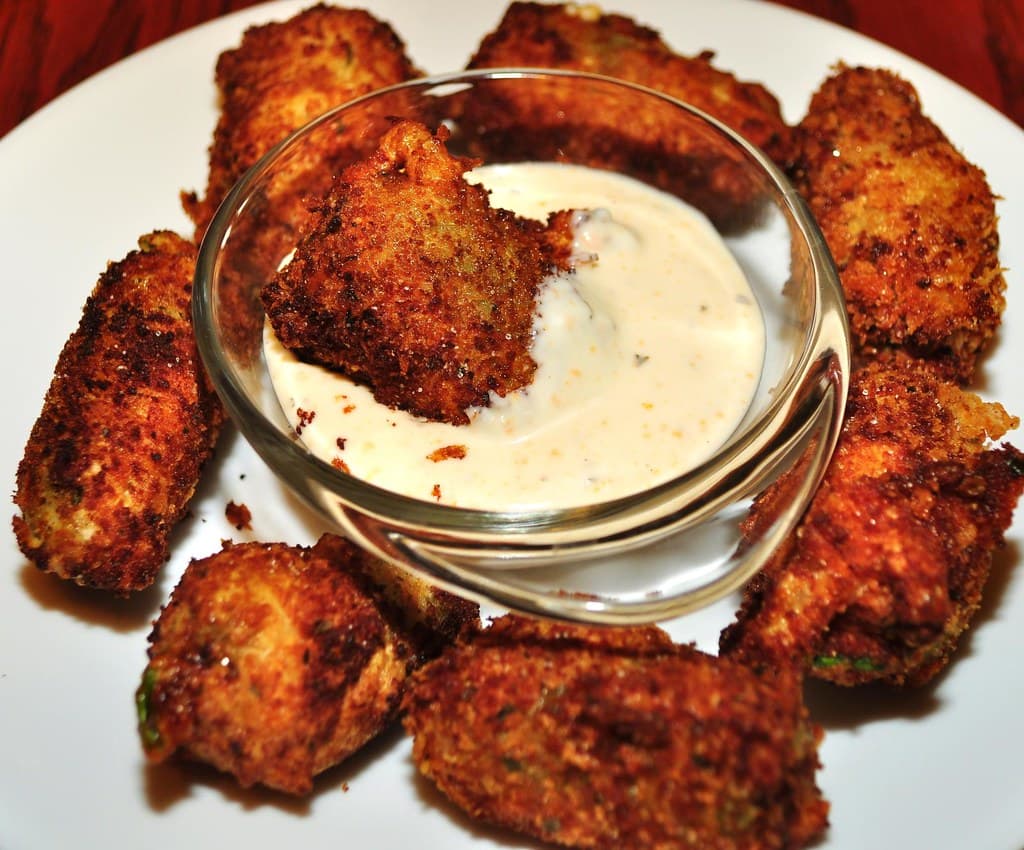
1990-2009
Jalapeno poppers are finger foods consisting of jalapeno peppers filled with creamy cheese, breaded, and fried. Popularized in American casual dining and party food culture during the 1990s and 2000s, they are a classic game-day appetizer.
America's Melting Pot
Jalapeno Ranch photo coming soon
Modern Melting Pot
Jalapeno Ranch is a dressing with real American table personality: Tex-Mex, food truck, and chain-restaurant favorite. It brings flavor from Texas and the Southwest to cookouts, counters, lunch plates, potlucks, and weeknight suppers.
1800-1860
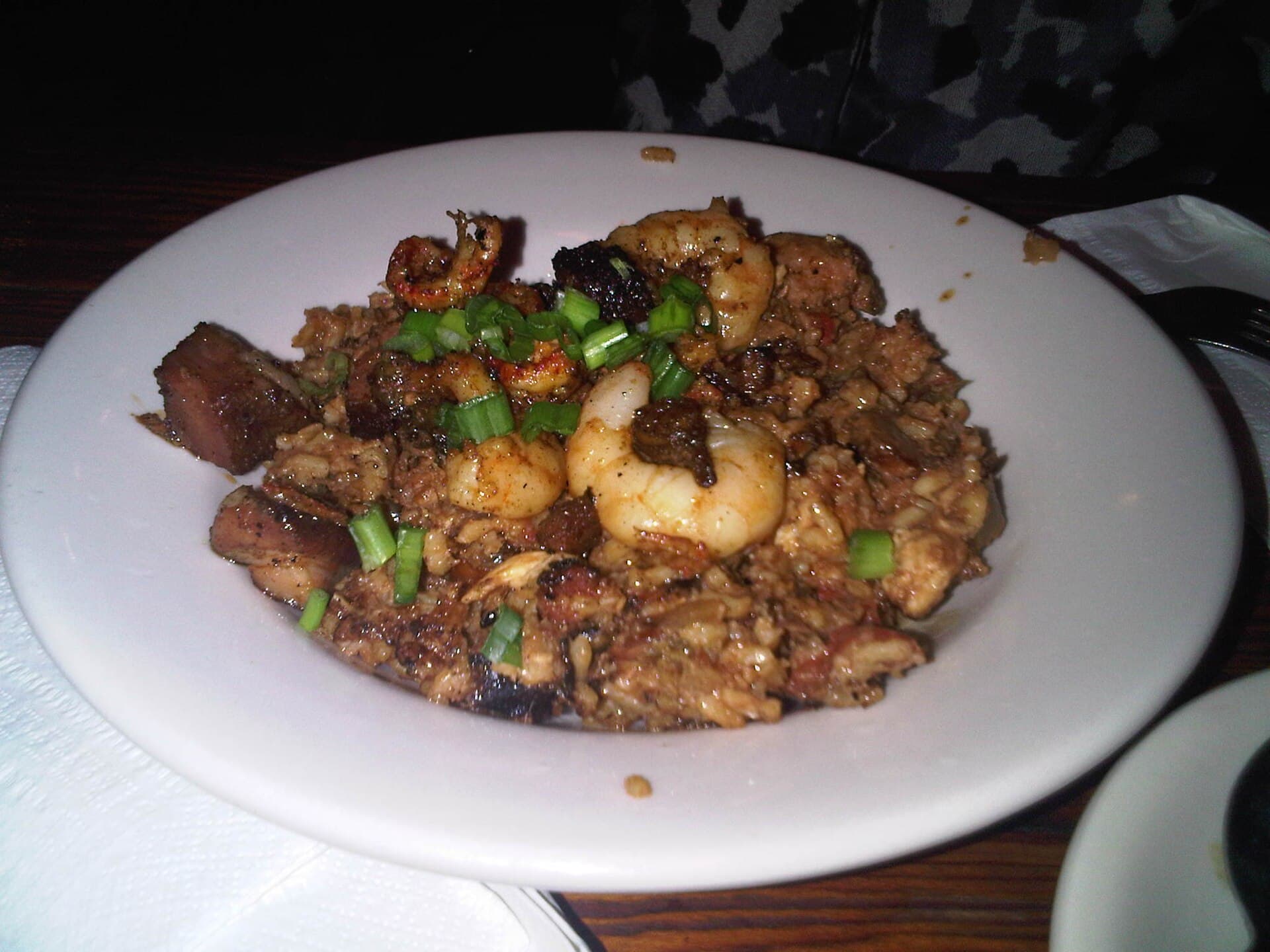
Jambalaya is a flavorful, hearty rice dish originating in Louisiana, blending Spanish, French, and Creole culinary influences. Traditionally made with meats such as sausage, chicken, and seafood, along with the "holy trinity" of Creole vegetables-onions, celery, and bell pepper-this dish reflects the cultural melting pot of the American South during the early 19th century.
America's Melting Pot
Java Chip Blended Coffee photo coming soon
Modern Melting Pot
Java Chip Blended Coffee blends coffeehouse America with milkshake-style fun: Dessert coffee drink.
America's Melting Pot
Jell-O Salad photo coming soon
1900-1929
Jell-O salad, popular in early 20th-century American school, church, and community gatherings, is a molded gelatin dish incorporating fruit, nuts, and sometimes vegetables. It became a festive side or dessert during the 1900-1929 period, reflecting innovation in convenience foods and the era's fondness for bright, decorative dishes.
America's Melting Pot
Jellied Cranberry Sauce photo coming soon
Founding Era
Jellied Cranberry Sauce is a preserve with real American table personality: Thanksgiving can-shaped icon. It brings flavor from New England to cookouts, counters, lunch plates, potlucks, and weeknight suppers.
1970-1989
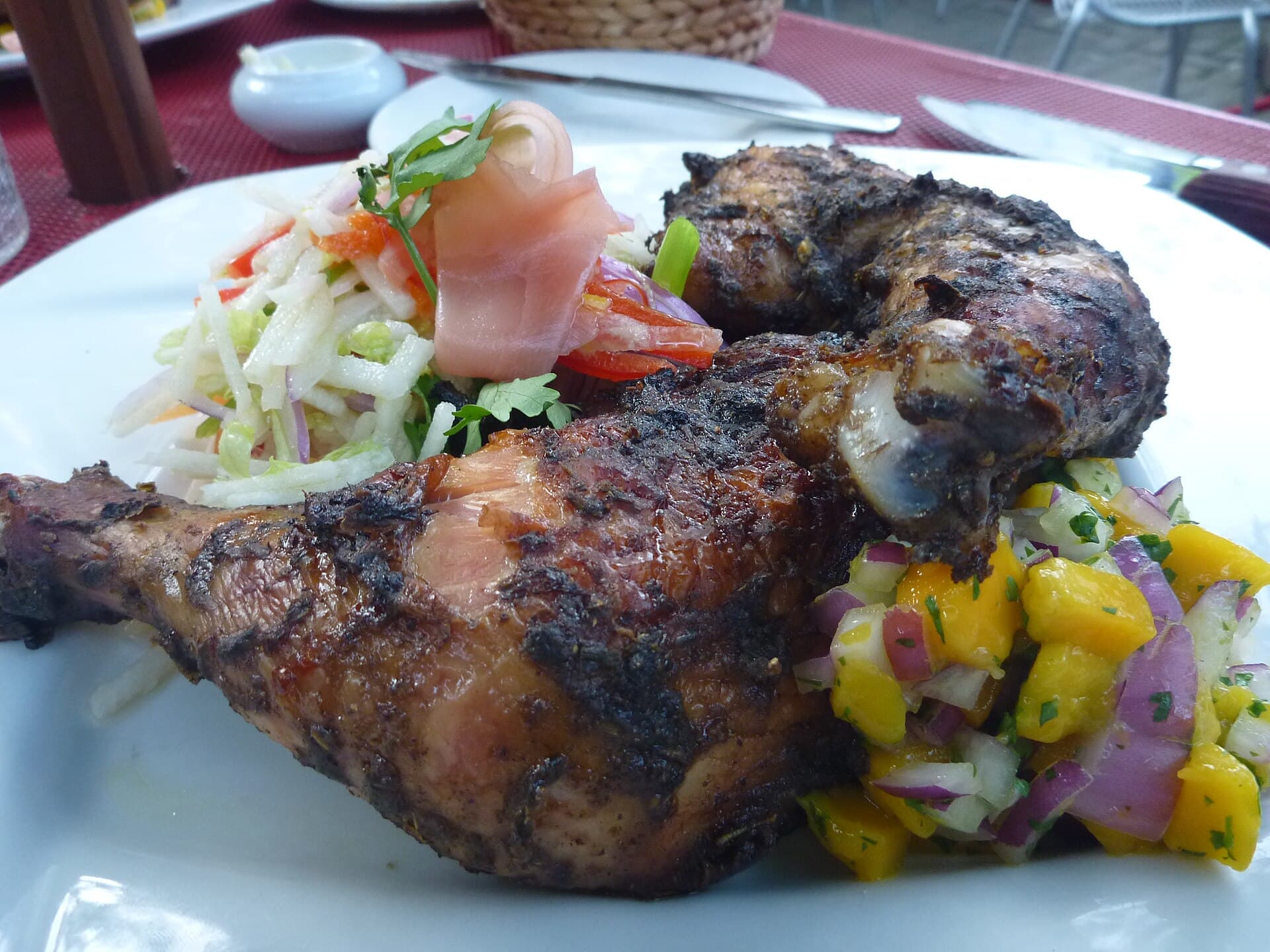
Jerk chicken is a spicy grilled poultry dish originating from Jamaica, adapted into suburban American cooking in the 1990s and 2000s. It features chicken marinated in a blend of Scotch bonnet peppers, allspice, thyme, and other herbs, bringing Caribbean flavors to American backyards and supermarkets.
America's Melting Pot
Jezebel Sauce photo coming soon
Cross-era
Jezebel Sauce is a condiment with real American table personality: Southern sweet-hot sauce, usually pineapple preserves, apple jelly, horseradish, mustard, and pepper. It brings flavor from the American South to cookouts, counters, lunch plates, potlucks, and weeknight suppers.
America's Melting Pot
Jezebel Sauce over Cream Cheese photo coming soon
1946-1969
Jezebel sauce, a bright combination of fruit preserves, mustard, horseradish, and chili flakes, is served chilled over cream cheese as a classic American appetizer. Popularized in the postwar suburban era, this dish reflects mid-20th-century cocktail party trends emphasizing easy-to-prepare yet visually appealing party foods.
Before 1776
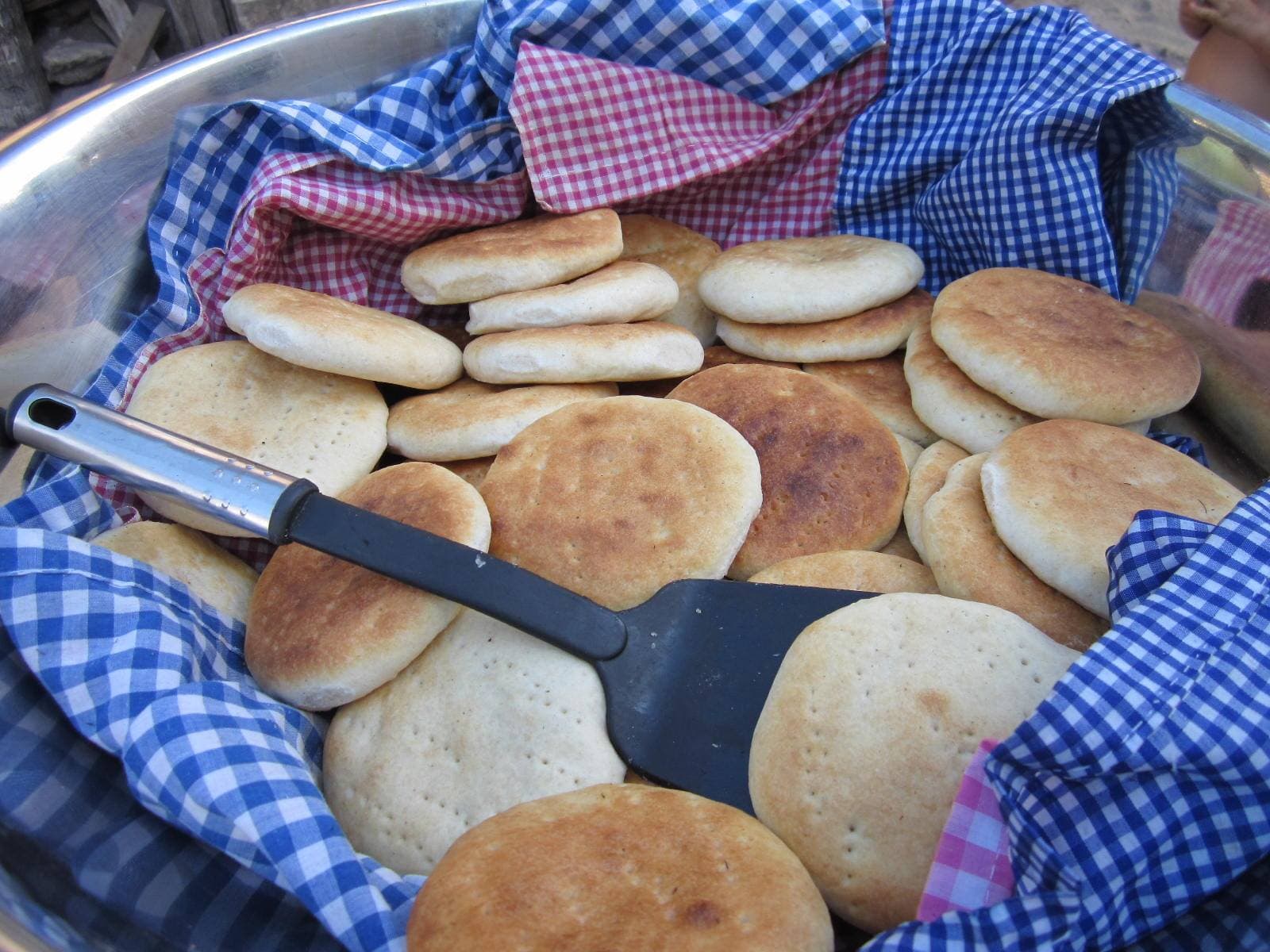
Johnny Cakes, as known in Puerto Rican, Chamorro, Filipino-American, and Virgin Islands cuisines, are fried cornmeal cakes served as snacks or side dishes. This cross-era preparation exemplifies the cultural blending in American island territories, combining influences from indigenous, Spanish, and Pacific Islander cooking.
1946-1969
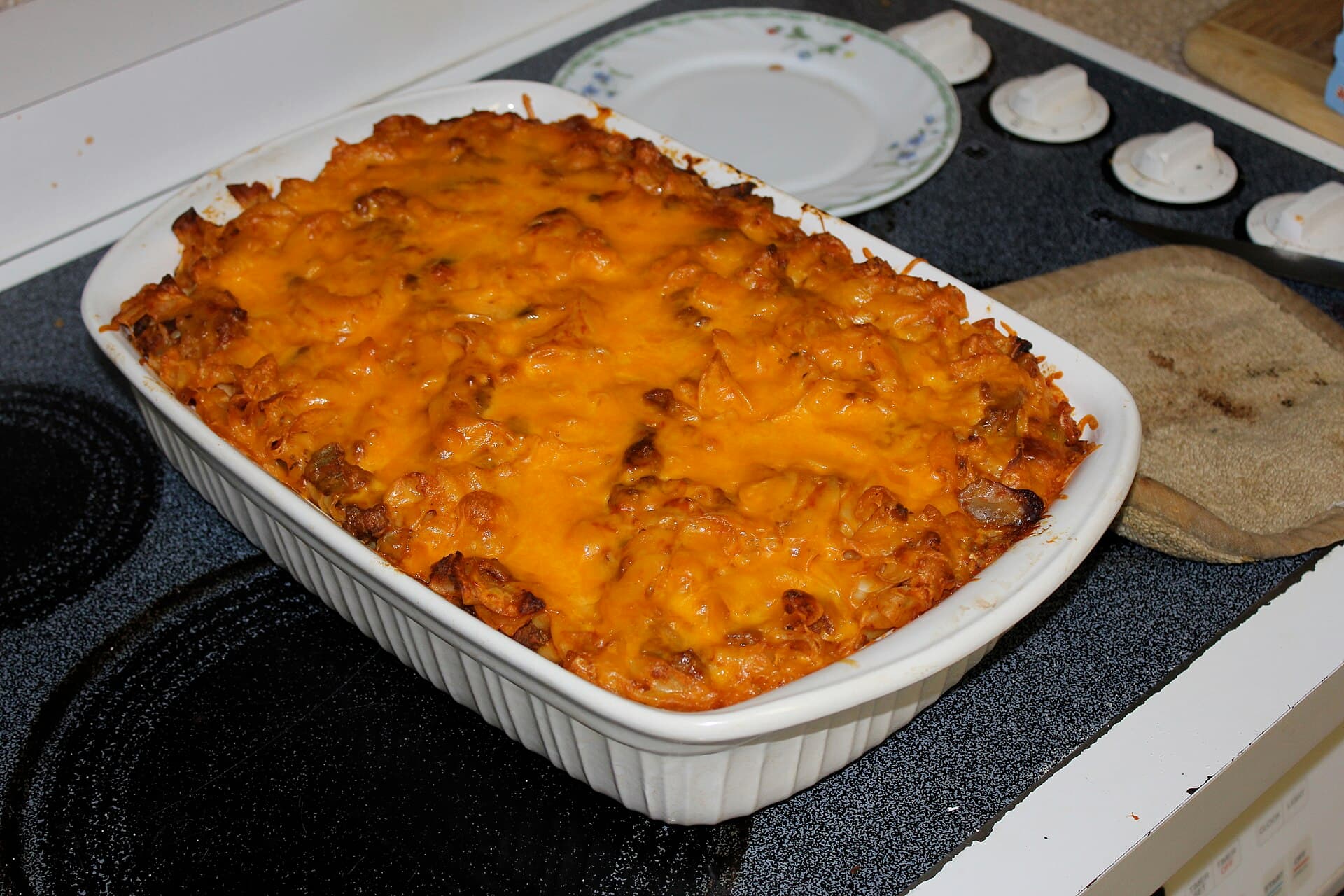
Johnny Marzetti is a comforting casserole originating in the Midwestern United States during the postwar era, combining pasta, ground beef, tomato sauce, and cheese. Popular in the decades following World War II, it reflects suburban family cooking focused on easy, satisfying one-dish meals that could feed a crowd.
America's Melting Pot
Johnnycakes photo coming soon
1776-1800
Johnnycakes are simple, pan-fried cornmeal flatbreads traditionally eaten for breakfast in New England during the late 18th century. Made primarily from cornmeal, water, and salt, they reflect Native American influences combined with colonial foodways, serving as an economical and filling meal for settlers and indigenous peoples alike.
America's Melting Pot
Juicy Lucy photo coming soon
1970-1989
The Juicy Lucy is a popular Midwestern variation on the hamburger, featuring cheese stuffed inside the beef patty to create a molten center. Emerging between 1970 and 1989, this indulgent fast food and tailgate favorite reflects the regional pride and innovation in American sandwich making.
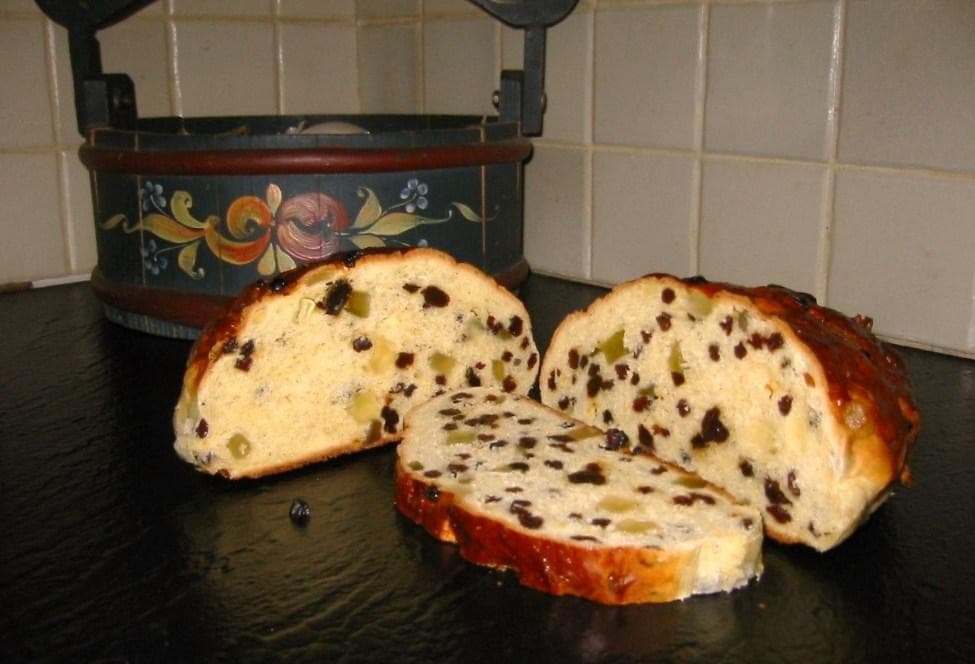
1861-1900
Julekake is a traditional Norwegian Christmas bread flavored with cardamom, studded with raisins, candied citrus peel, and sometimes almonds. Brought to the American Midwest by Scandinavian immigrants between 1861 and 1900, it remains a festive bread symbolizing heritage and holiday celebration.
America's Melting Pot
Kale Pineapple Smoothie photo coming soon
Modern Melting Pot
Kale Pineapple Smoothie brings juice-bar color and American smoothie-counter energy to the glass: 2010s health-food flavor.
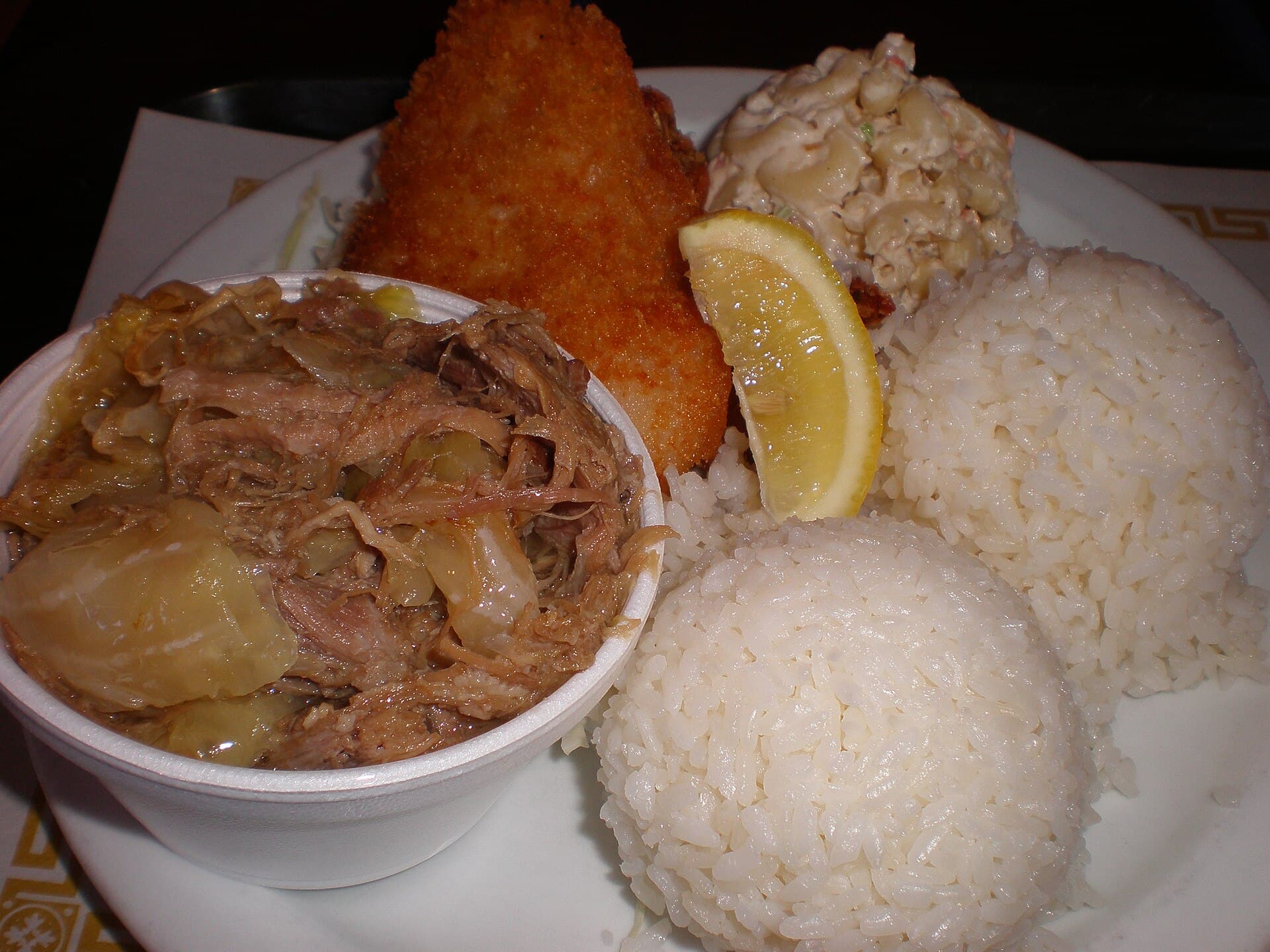
Native Foodways and Continuity
Kalua pork is a Hawaiian dish featuring whole pork shoulder or butt slow-cooked with liquid smoke or in an imu (underground oven) until tender and smoky. It blends indigenous Hawaiian cooking methods with influences from Asian and Portuguese immigrants, becoming a centerpiece of Hawaiian luaus and celebrations.
America's Melting Pot
Kansas City Barbecue Sauce photo coming soon
Founding Era
Kansas City Barbecue Sauce is a barbecue sauce with real American table personality: Thick, sweet, tomato-molasses sauce. It brings flavor from American barbecue regions to cookouts, counters, lunch plates, potlucks, and weeknight suppers.
Community recipe submission
Log in to submit a recipe, format it with the cooking companion, and send it for review.
Log in to Submit