
Loading
Setting the table...
Fetching the latest recipes from the archive.
Loading
Fetching the latest recipes from the archive.
Recipe archive
Recipe archive
Search the archive by title, region, ingredient, tag, or era, then sort the table by the view that fits your kitchen.
This archive is growing through recipes, photos, family recipes, and historical context shared by the community.
America's Melting Pot
Kansas City Burnt Ends photo coming soon
1900-1929
Kansas City burnt ends are specially cooked, caramelized, and smoky cubes of beef brisket point, a barbecue delicacy known for its flavorful crust and tender interior. This barbecue tradition, spanning multiple eras, showcases the regional mastery of smoking meats and represents Kansas City's identity in American barbecue.
America's Melting Pot
Kansas City Ribs photo coming soon
1900-1929
Kansas City ribs are pork ribs slow-smoked and coated with a sweet, tangy dry rub and barbecue sauce, epitomizing the regional barbecue style. These ribs, cherished across many decades, highlight the balance of smoky flavor and sugary glaze characteristic of Kansas City barbecue traditions.
America's Melting Pot
Kentucky Black Barbecue Sauce photo coming soon
Cross-era
Kentucky Black Barbecue Sauce is a barbecue sauce with real American table personality: Worcestershire-heavy sauce for mutton, especially Owensboro-style barbecue. It brings flavor from Appalachia and Pennsylvania Dutch country to cookouts, counters, lunch plates, potlucks, and weeknight suppers.
America's Melting Pot
Kentucky Mutton photo coming soon
1800-1860
Kentucky mutton barbecue involves slow-smoked mutton or sheep meat, often served with vinegar-based sauces. This tradition, maintained across generations, highlights regional barbecue practices distinct from more common pork or beef varieties and reflects Kentucky's unique culinary heritage.

1776-1800
Kettle corn is a lightly sweetened, salted popcorn snack traditionally prepared by cooking popcorn with sugar and salt in a large kettle. Popular at early 20th-century state fairs and carnivals, kettle corn represents an entertaining snack reflecting immigrant adaptations and commercial fair foods in the United States.
America's Melting Pot
Key Lime Pie Shake photo coming soon
Postwar & Diner Age
Key Lime Pie Shake brings drive-in, carhop, and fast-food dessert-counter energy to the table: Florida dessert influence.
1900-1929
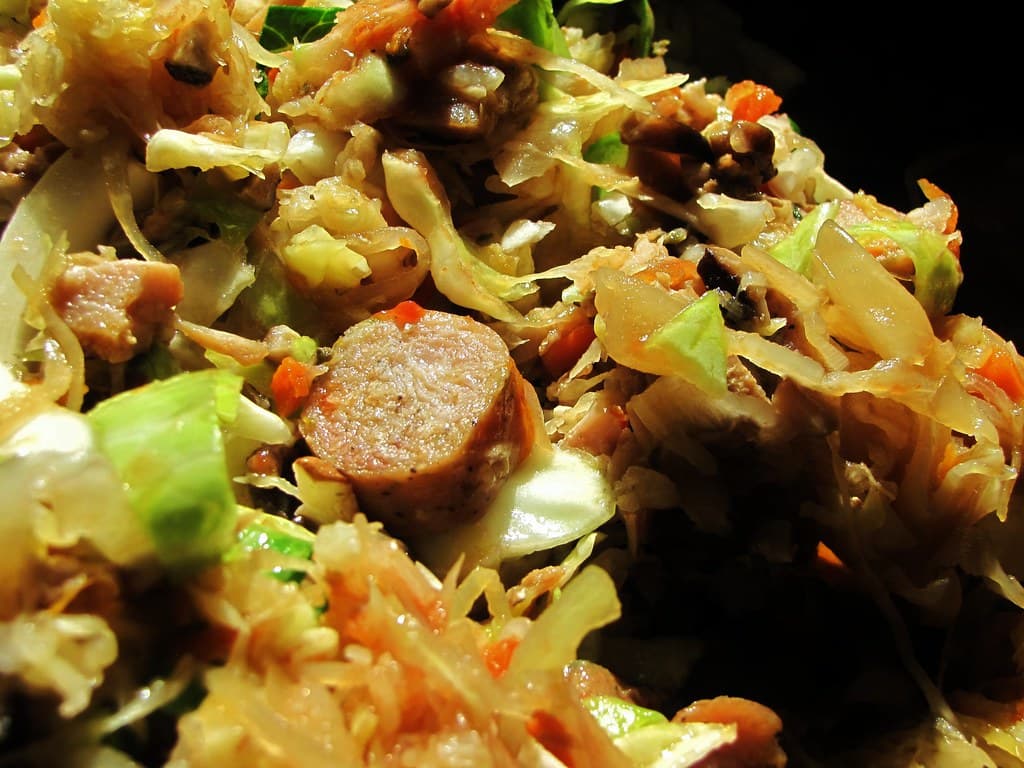
Kielbasa and sauerkraut is a traditional Eastern European dish combining smoked sausage with tangy fermented cabbage. Immigrant communities brought this hearty comfort food to American diners, state fairs, and holiday tables during the early 20th century, representing cultural preservation in new urban environments.
1861-1900
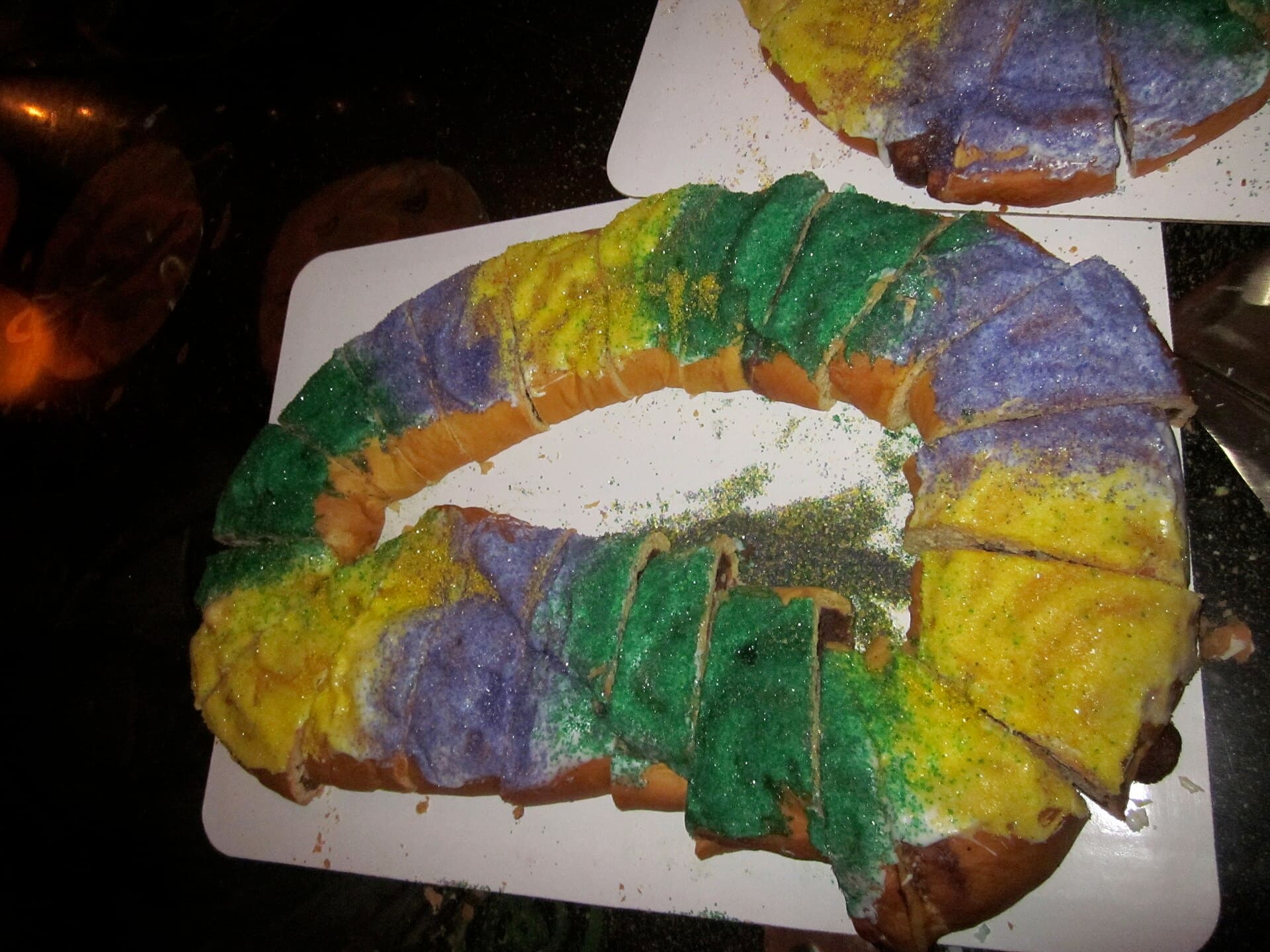
King cake is a sweet, ring-shaped cake traditionally decorated in purple, green, and gold sugars, associated with Mardi Gras and New Year's celebrations. Originating from European Epiphany customs, the king cake became an emblem of holiday festivity in the southern United States, especially New Orleans, blending cultural symbolism with regional baking.
1945-2000
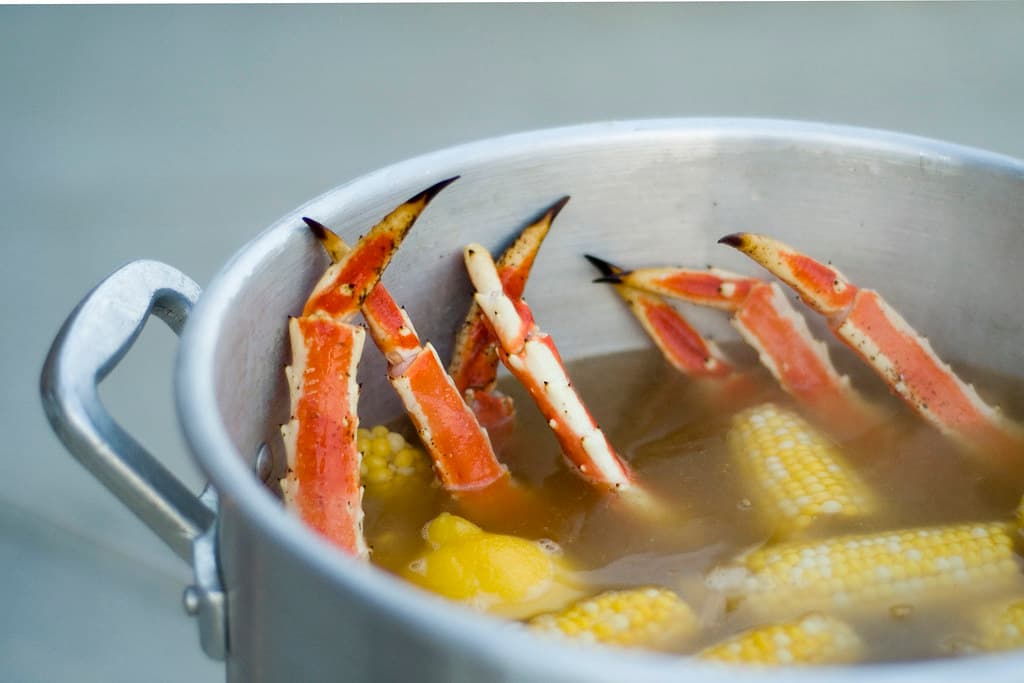
King crab boil is a communal seafood feast popular in Alaska, featuring Alaskan king crab legs cooked in seasoned boiling water with spices, potatoes, corn, and other accompaniments. This method emphasizes the freshness of regional shellfish and is integral to Alaskan coastal celebrations.
1946-1969
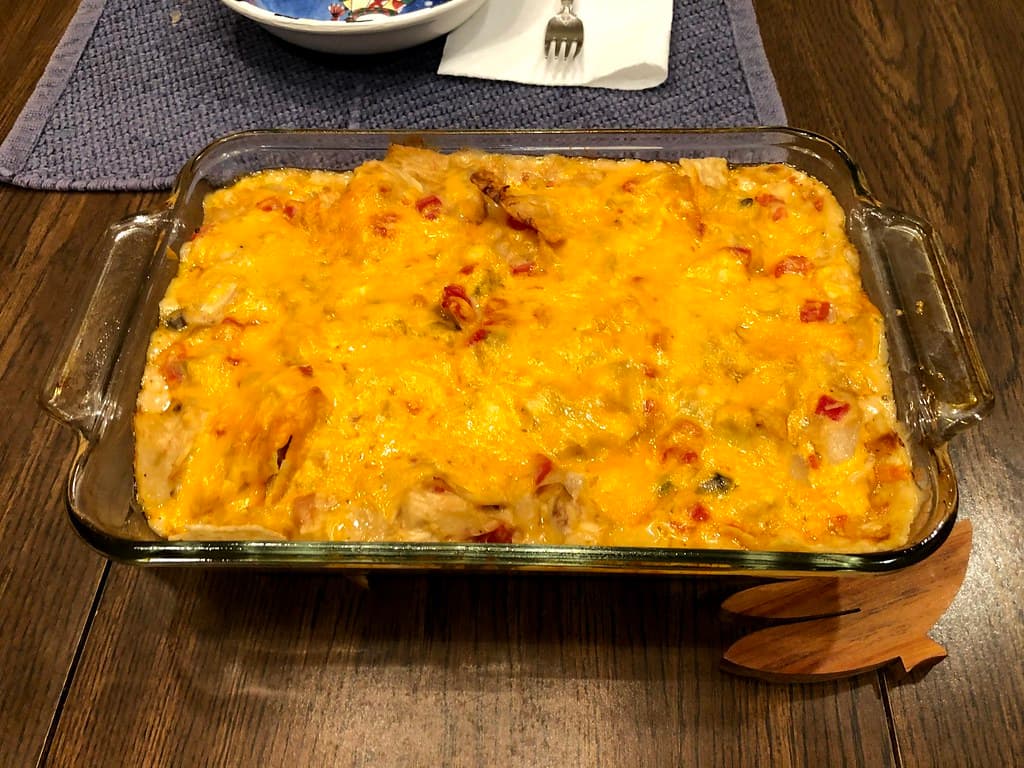
King Ranch chicken is a layered casserole from the American Southwest combining cooked chicken, tortillas, cheese, and a creamy tomato-chile sauce. This dish gained popularity during the postwar suburban era, symbolizing convenient comfort food blending Mexican and Anglo-American culinary influences.
1861-1900
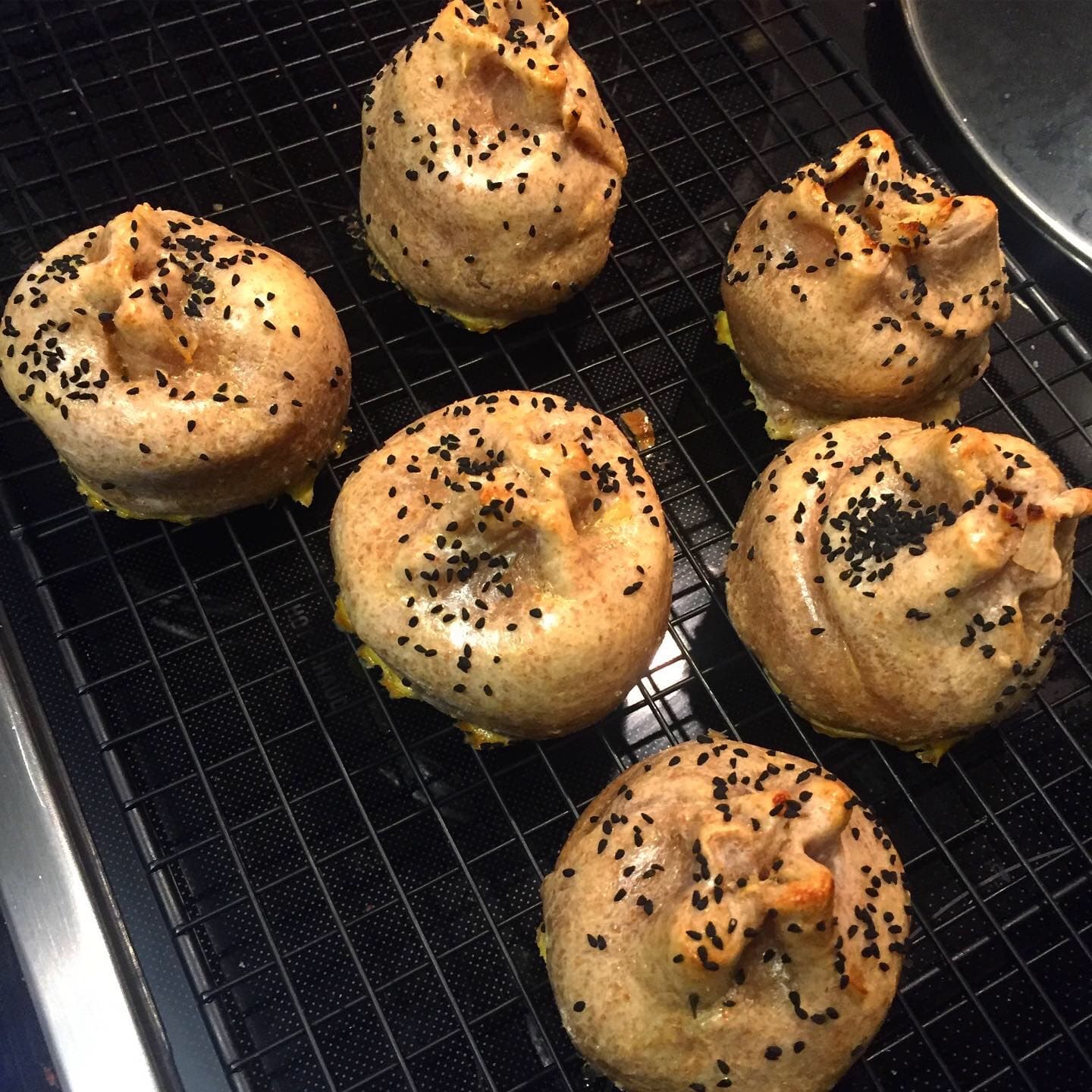
Knishes are baked or fried dough pockets traditionally filled with mashed potatoes, meat, or kasha, brought to America by Eastern European Jewish immigrants during the late 19th century. These portable snacks became popular in urban centers, symbolizing cultural heritage and adaptation in new environments.
America's Melting Pot
Knoephla Soup photo coming soon
1970-1989
Knoephla soup is a hearty, creamy potato and dumpling soup originating with German-Russian immigrants in the Upper Midwest and Great Plains during the late 20th century. This comforting stew features small flour-based dumplings simmered with potatoes and chicken in a creamy broth, celebrated as a regional favorite at family tables and tailgate gatherings.
1900-1929
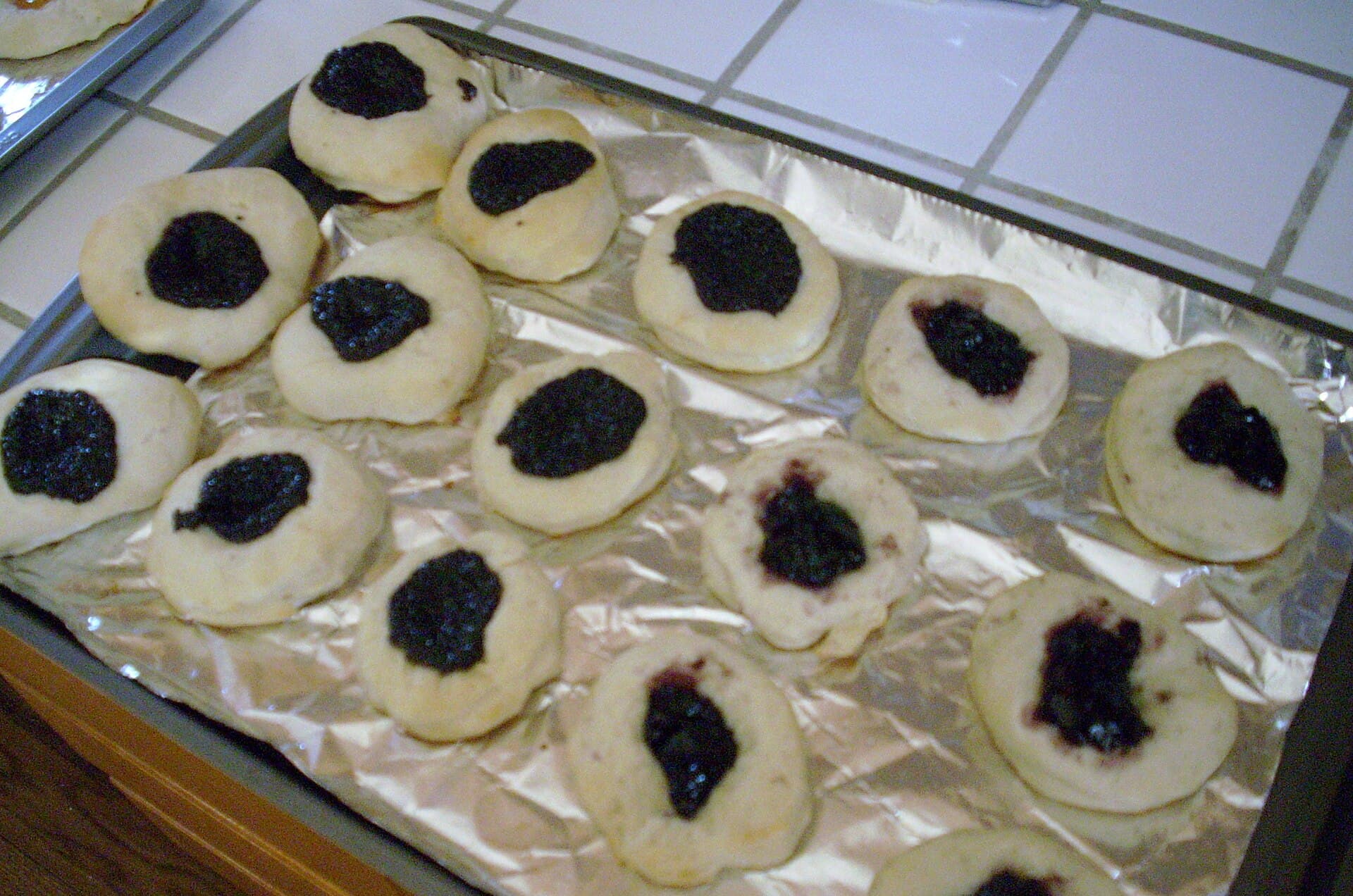
Kolaches are soft yeast dough pastries filled with fruit jams, cream cheese, or savory meats. They became popular in the Great Plains through Polish, Czech, Slovak, and other Eastern European immigrant communities. These treats are traditionally enjoyed at church gatherings, state fairs, and holiday celebrations like Easter, symbolizing community and heritage.
1970-1989
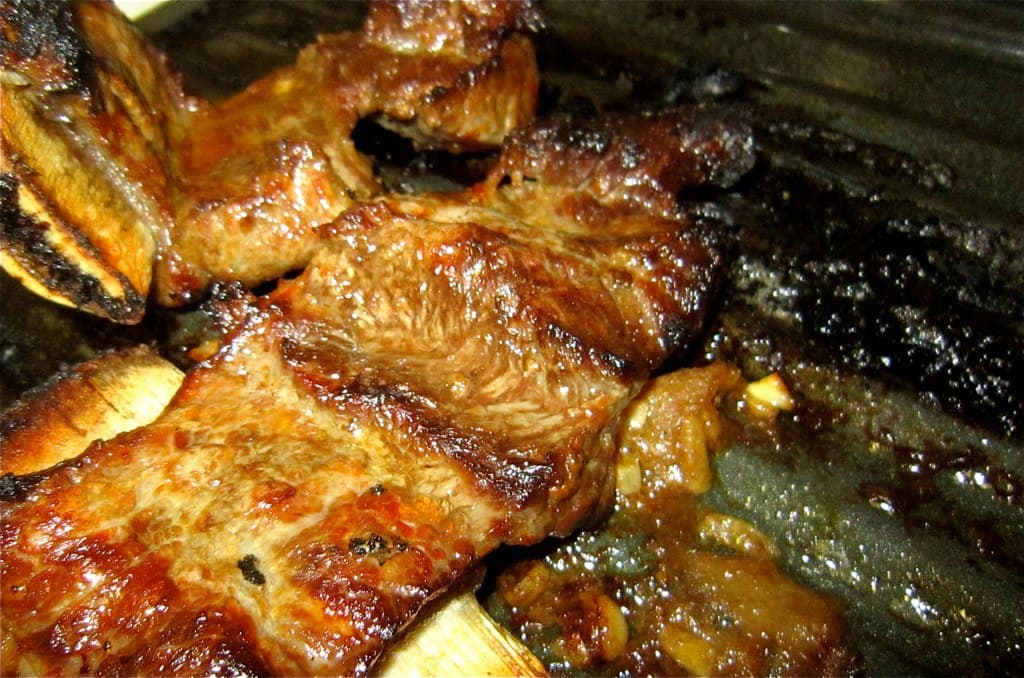
Korean BBQ short ribs, known as galbi, have been adapted into American barbecue culture particularly in suburban areas from the 1990s onward. Marinated in a flavorful blend of soy sauce, garlic, sugar, and sesame oil, these ribs bring a global fusion touch to backyard grills and are featured prominently at gatherings and sports events.
2010-2026
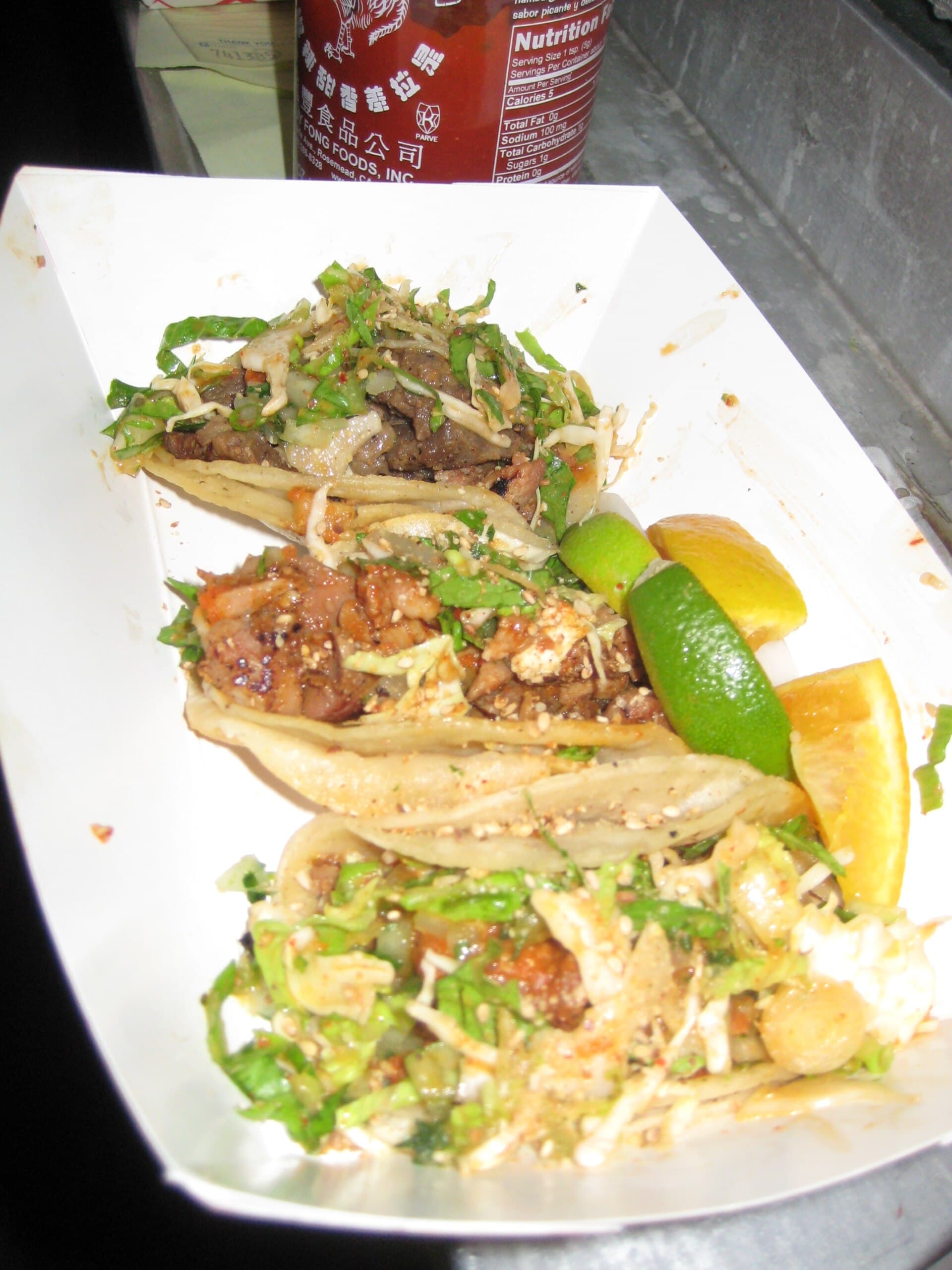
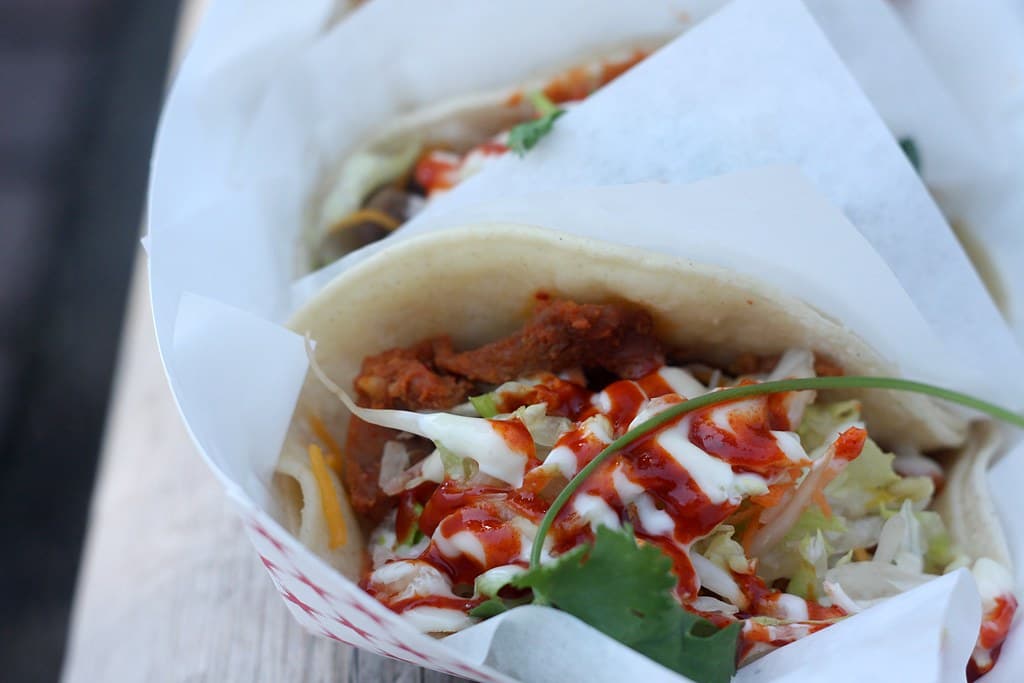
Korean BBQ tacos originated as a culinary fusion in the 2010s blending Korean marinated meats with traditional Mexican taco elements. Popularized in food trucks and markets, these tacos feature grilled Korean-style beef or pork topped with fresh slaw, kimchi, and spicy sauces, reflecting dynamic cultural intersections in American street food.
2000-beyond
Korean tacos blend traditional Mexican taco basics with Korean flavors and ingredients, reflecting fusion trends on the U.S. West Coast. Using marinated meats, pickled vegetables, and spicy sauces, this dish showcases regional adaptation and cultural exchange in American food history.
America's Melting Pot
Kringla photo coming soon
1861-1900
Kringla is a lightly sweet, buttery Scandinavian cookie shaped like a pretzel, traditionally associated with church and holiday celebrations in the Midwest. Norwegian immigrants brought this recipe during the 19th century, where it became part of Christmas and Easter gatherings, symbolizing cultural continuity in immigrant farming communities.
1861-1900
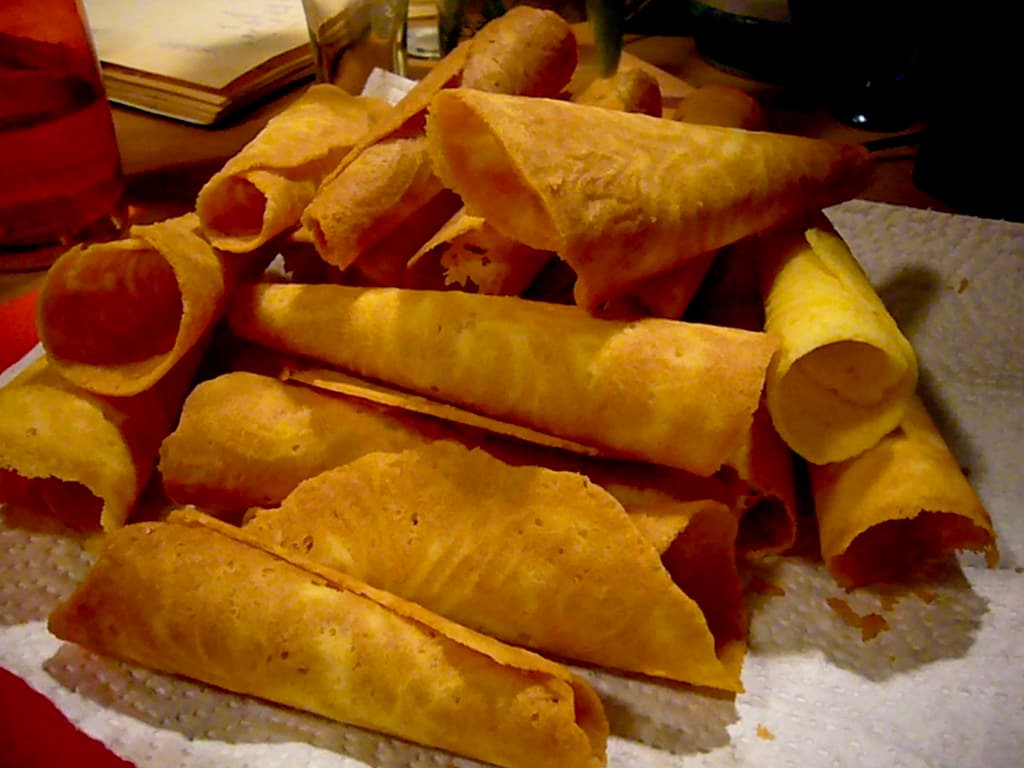
Krumkake are thin, crisp Norwegian waffle cookies rolled into cones, often filled with whipped cream or preserved fruit. Introduced by Scandinavian settlers to the Midwest in the late 19th century, krumkake became holiday staples for Christmas and family celebrations, highlighting continuity of heritage and festive customs.
1800-1860
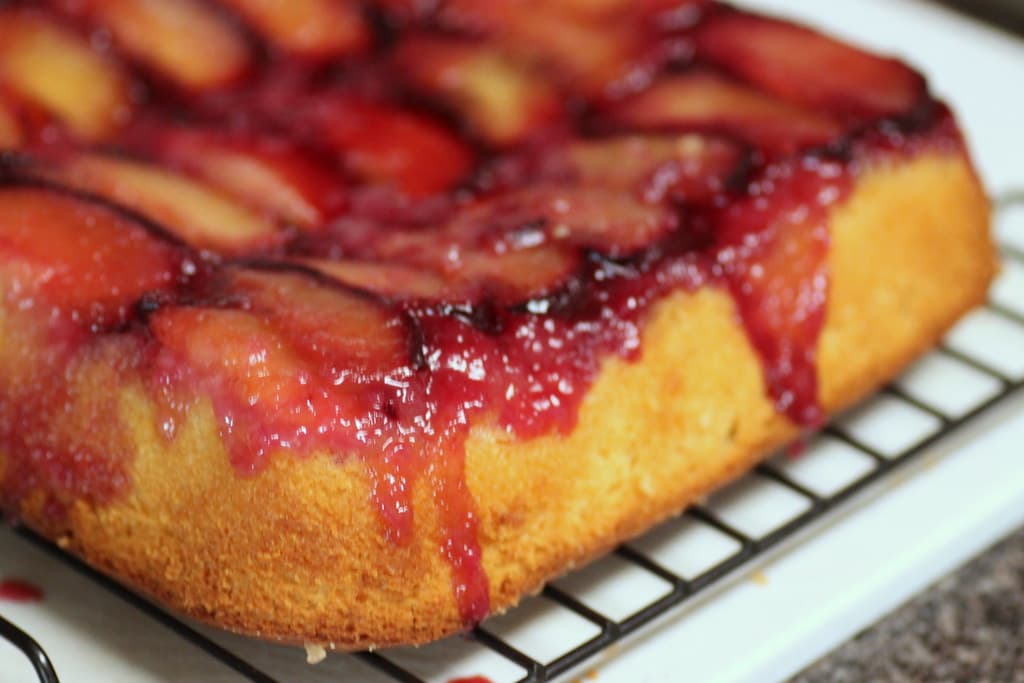
Kuchen, German for cake, refers to a variety of fruit or custard-topped cakes introduced to American Great Plains by German immigrants in the 19th century. These cakes were often baked for social and family occasions, reflecting adaptation of old-world recipes to local fruits and dairy, making them a staple in immigrant households.
1861-1900
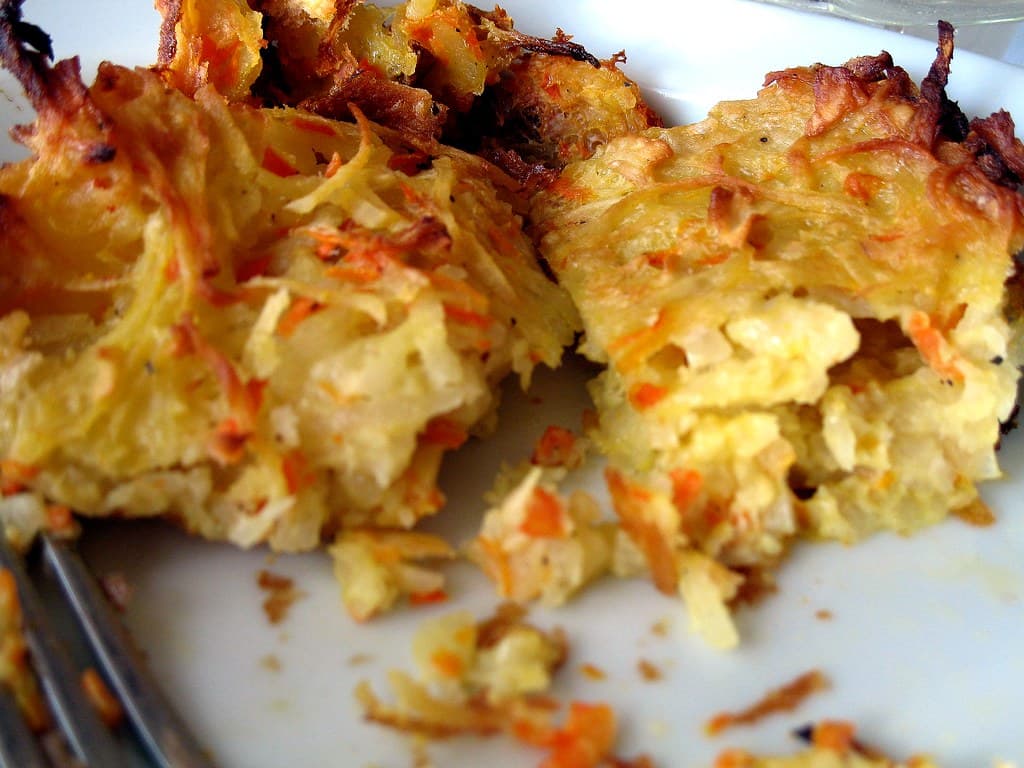
Kugel is a traditional Jewish casserole dish made with noodles or potatoes, baked with eggs and seasonings. It was brought to the United States by Jewish immigrants during the Civil War and Reconstruction era and became a staple at holiday meals and Shabbat dinners, showcasing Ashkenazi culinary heritage adapted to American ingredients.
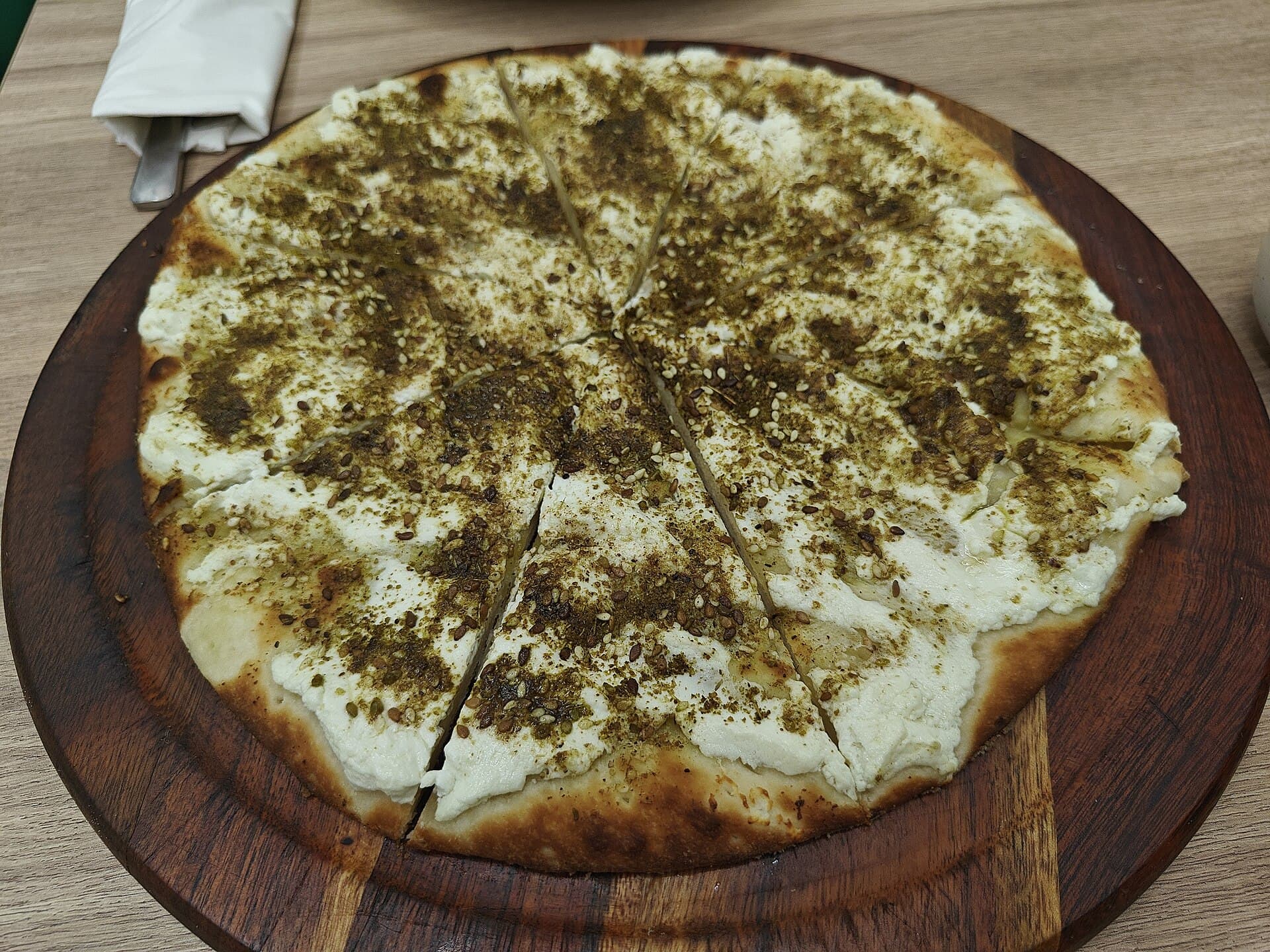
American Dairy Age
Labneh / Yogurt Cheese, Middle Eastern-American Home Style is a Middle Eastern-American yogurt cheese made by salting cultured yogurt, draining it cold, and serving it fresh.
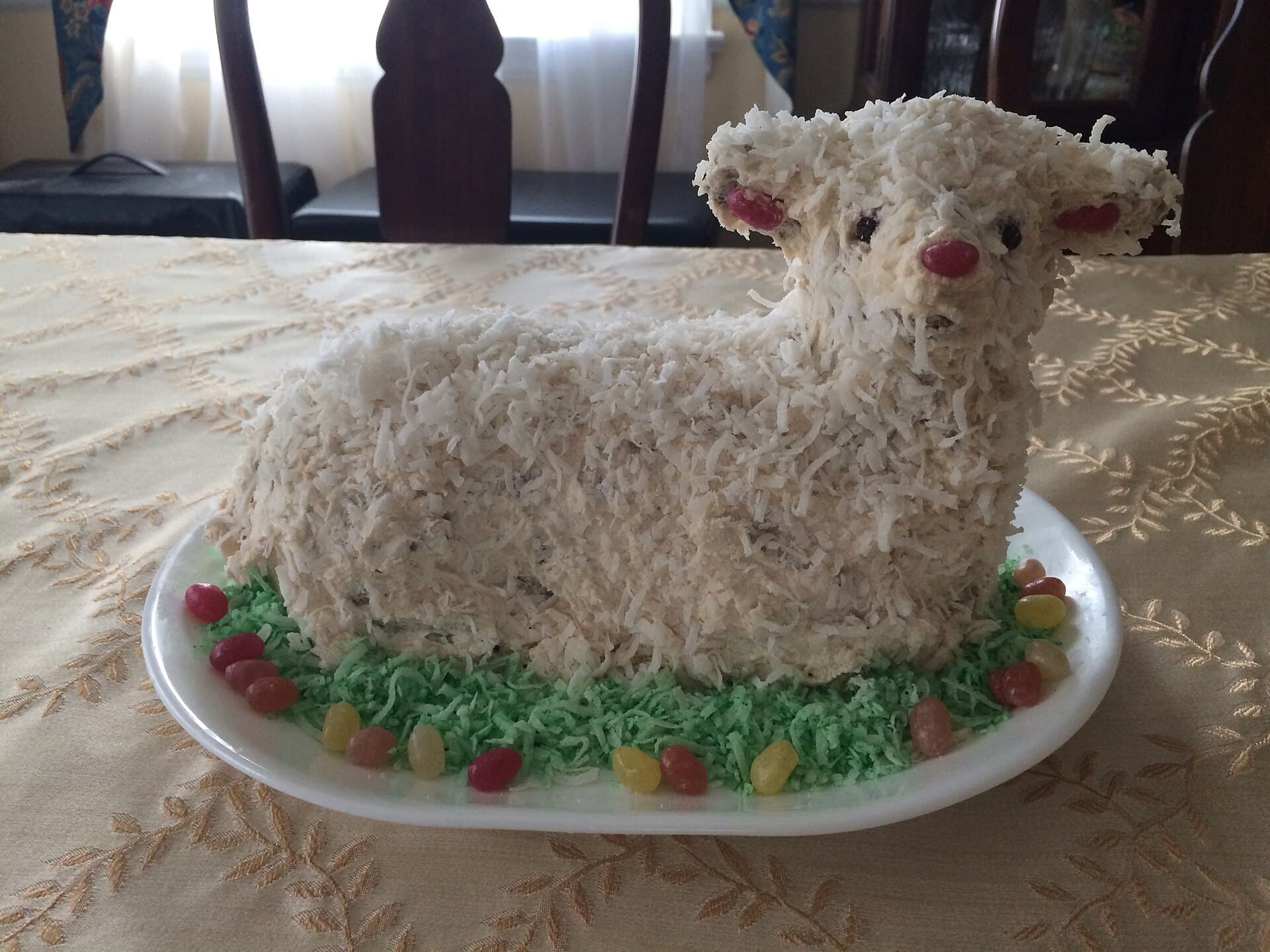
1900-1929
Lamb cake is a dessert shaped into a lamb, traditionally served at Easter celebrations in various American communities. The cake symbolizes purity and resurrection, often made using a molded pan and decorated with frosting to resemble wool. Its cross-era presence illustrates the blending of European Easter customs with American holiday traditions.
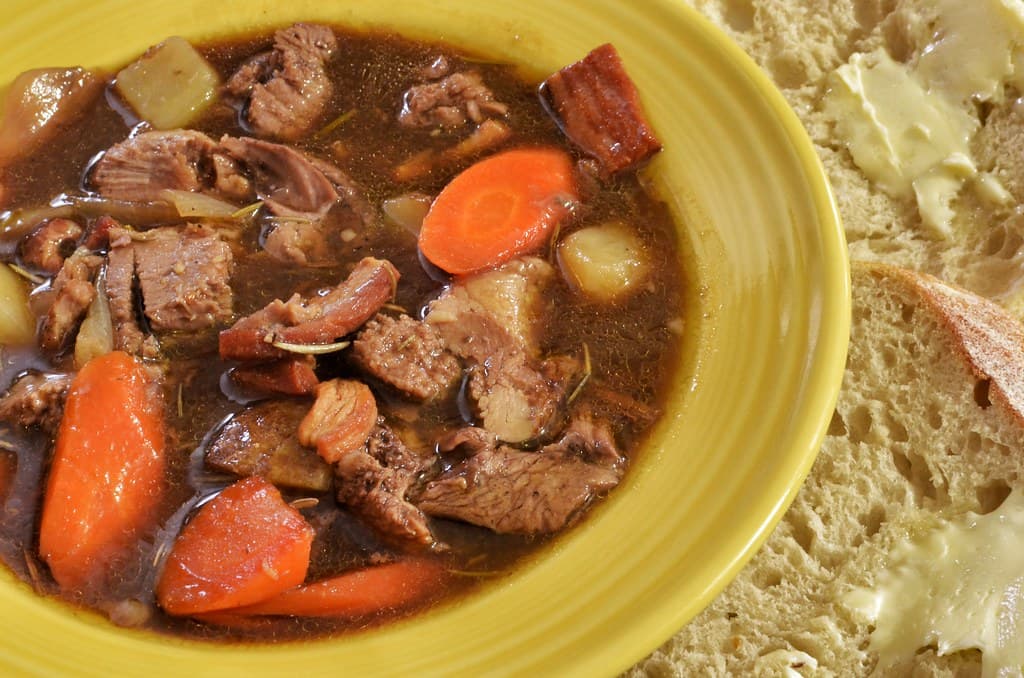
1800-1860
Lamb stew is a savory dish featuring tender lamb pieces simmered with root vegetables and herbs. Irish immigrants brought such recipes to the United States during the early 19th century, adapting them to American ingredients. The stew reflects sustenance cooking suited to family gatherings and everyday meals in immigrant households.
America's Melting Pot
Lane Cake photo coming soon
1800-1860
Lane cake is a traditional Southern dessert featuring layered cake filled with custard, raisins, coconut, and sometimes a hint of whiskey. Established in the 19th century South, it became a celebratory dish for holidays and special gatherings, representing Southern hospitality and culinary ingenuity with pantry staples.
Community recipe submission
Log in to submit a recipe, format it with the cooking companion, and send it for review.
Log in to Submit