
Loading
Setting the table...
Fetching the latest recipes from the archive.
Loading
Fetching the latest recipes from the archive.
Recipe archive
Recipe archive
Search the archive by title, region, ingredient, tag, or era, then sort the table by the view that fits your kitchen.
This archive is growing through recipes, photos, family recipes, and historical context shared by the community.
America's Melting Pot
Benedictine Spread photo coming soon
Cross-era
Benedictine Spread is a party dip with real American table personality: Kentucky cucumber-cream cheese spread, especially associated with Louisville. It brings flavor from Appalachia and Pennsylvania Dutch country to cookouts, counters, lunch plates, potlucks, and weeknight suppers.
America's Melting Pot
Berry Jam photo coming soon
1800-1860
Berry jam is the flavor of American summer preservation: short-season fruit cooked with sugar so it can brighten biscuits, toast, and winter breakfasts. Home canning, commercial pectin, and extension-tested recipes made jam a dependable household project.
America's Melting Pot
Berry Julius photo coming soon
Postwar & Diner Age
Berry Julius carries the bright, frothy spirit of American mall counters: Shopping mall smoothie crossover.
America's Melting Pot
Bialys photo coming soon
Late 1800s-present
Bialys are not bagels without holes. They are their own Ashkenazi bread: baked rather than boiled, dimpled in the center, and traditionally filled with onion and sometimes poppy seeds. Polish Jewish immigrants brought them to New York, where bakeries kept the tradition alive.
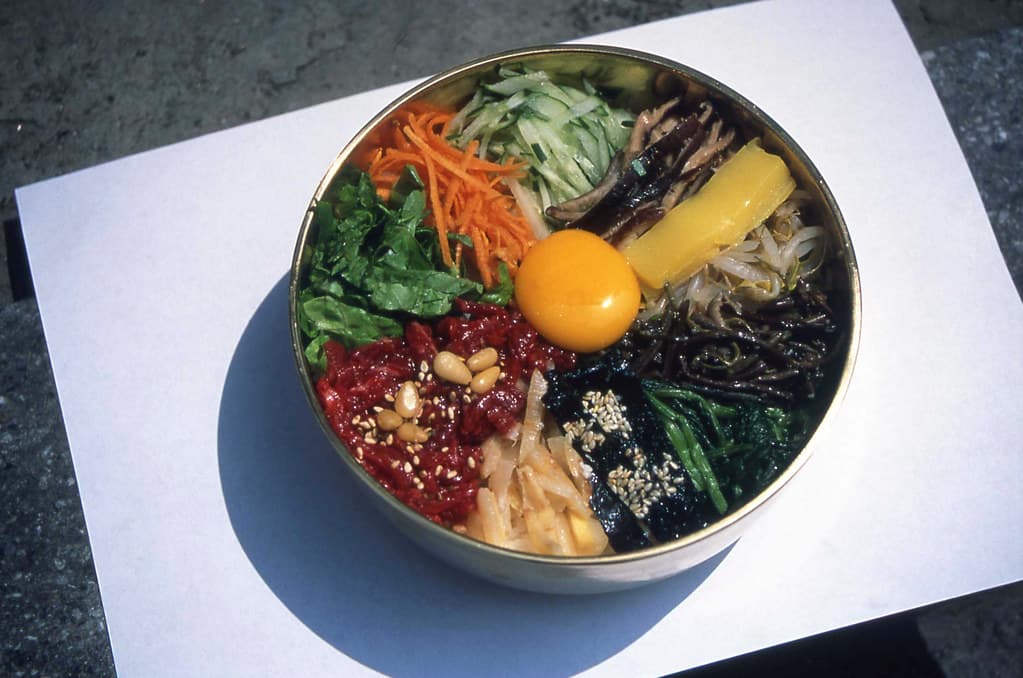
1960s-present
Bibimbap is a Korean classic with several origin stories, from palace meals to farmers mixing available vegetables. In the United States it became a Korean American restaurant and home-cooking staple because the format is flexible, colorful, and practical.
America's Melting Pot
Bierocks photo coming soon
1870s-present
Bierocks traveled with Volga German communities into Kansas, Nebraska, and the Great Plains. They are field food and comfort food at once: portable bread pockets filled with seasoned beef and cabbage, closely related to Nebraska runzas.
America's Melting Pot
Birch Beer Float photo coming soon
Gilded Age & Progressive Era
Birch Beer Float is fizzy Americana from the soda-fountain counter: Pennsylvania/Mid-Atlantic regional variation.
America's Melting Pot
Birria Pizza photo coming soon
2010s-present
Birria pizza extends the quesabirria boom into food-truck and social-media territory. It takes slow-braised chile-spiced birria, the melted-cheese pull of quesabirria, and the shareable shape of pizza.
America's Melting Pot
Birria Ramen photo coming soon
2010s-present
Birria ramen, or birriamen, became a modern Mexican and Mexican American fusion dish as cooks paired Japanese-style noodles with birria broth. The appeal is direct: a rich chile consomme already wants noodles.
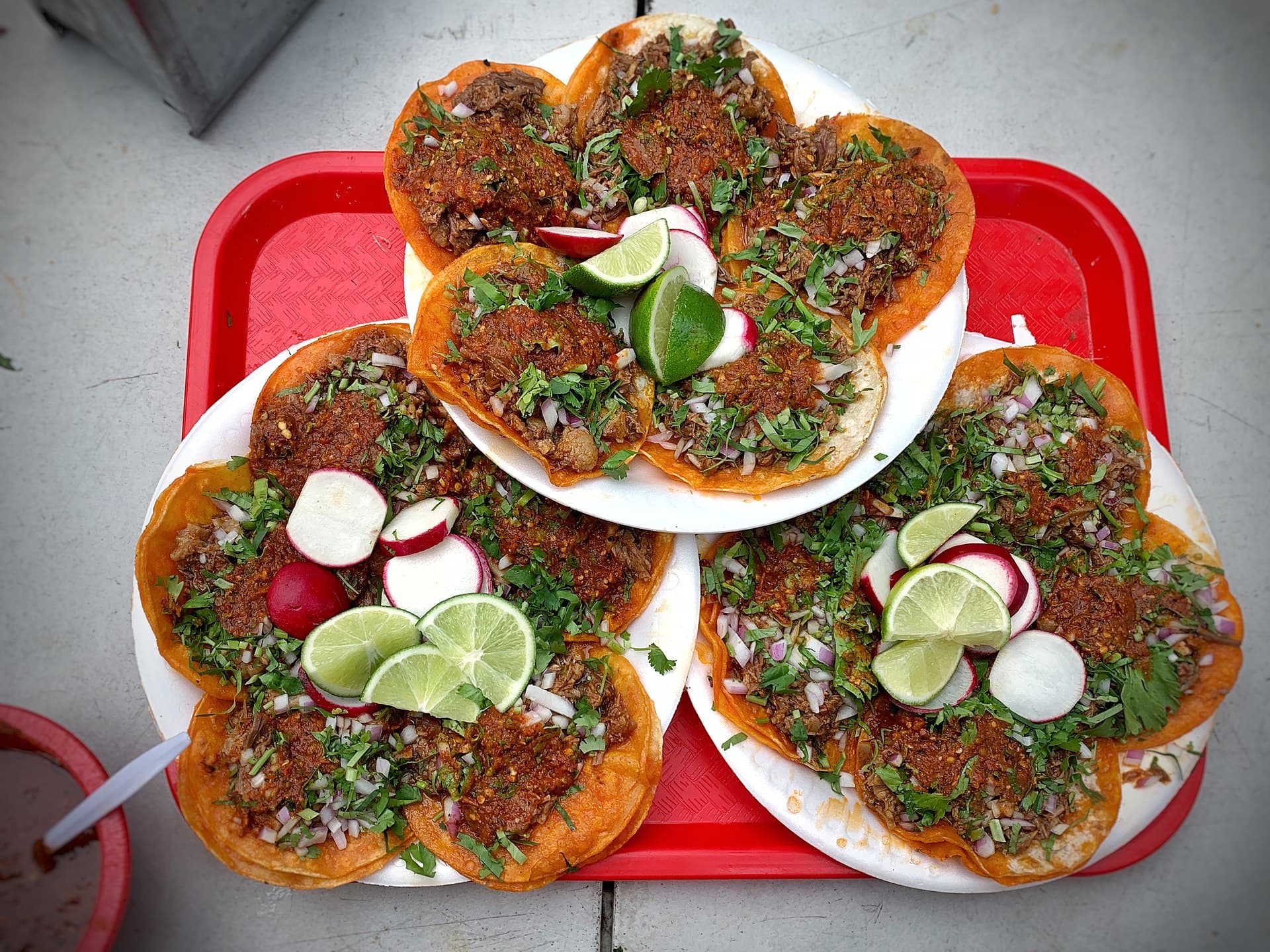
2010s-present
Birria tacos, especially quesabirria, moved from Tijuana into Los Angeles and then across the United States through trucks, pop-ups, Instagram, and TikTok. They turn celebratory birria into a crunchy, cheesy, dip-able street-food icon.
America's Melting Pot
Birthday Cake Shake photo coming soon
1900-1929
Birthday Cake Shake brings drive-in, carhop, and fast-food dessert-counter energy to the table: Modern chain flavor.
America's Melting Pot
Biscuits and Gravy photo coming soon
1800s-present
Biscuits and gravy grew from practical working food: cheap flour biscuits, pork drippings, milk, and enough richness to carry a hard morning. Modern sausage gravy is the familiar diner version, but older versions often used salt pork or any available pork fat.
America's Melting Pot
Biscuits with Molasses photo coming soon
1800s-present
Biscuits with molasses are less a formal recipe than a habit of American farm and Southern tables: make simple biscuits, split them hot, and drizzle on a dark sweetener that was cheaper and more available than refined treats.
America's Melting Pot
Biscuits with Salt Pork Gravy photo coming soon
1861-1900
Before sausage gravy became the default, cooks could make a filling breakfast from salt pork, flour, and milk. The method fits chuckwagon, farm, and 19th-century working kitchens where cured pork traveled well and every bit of fat mattered.
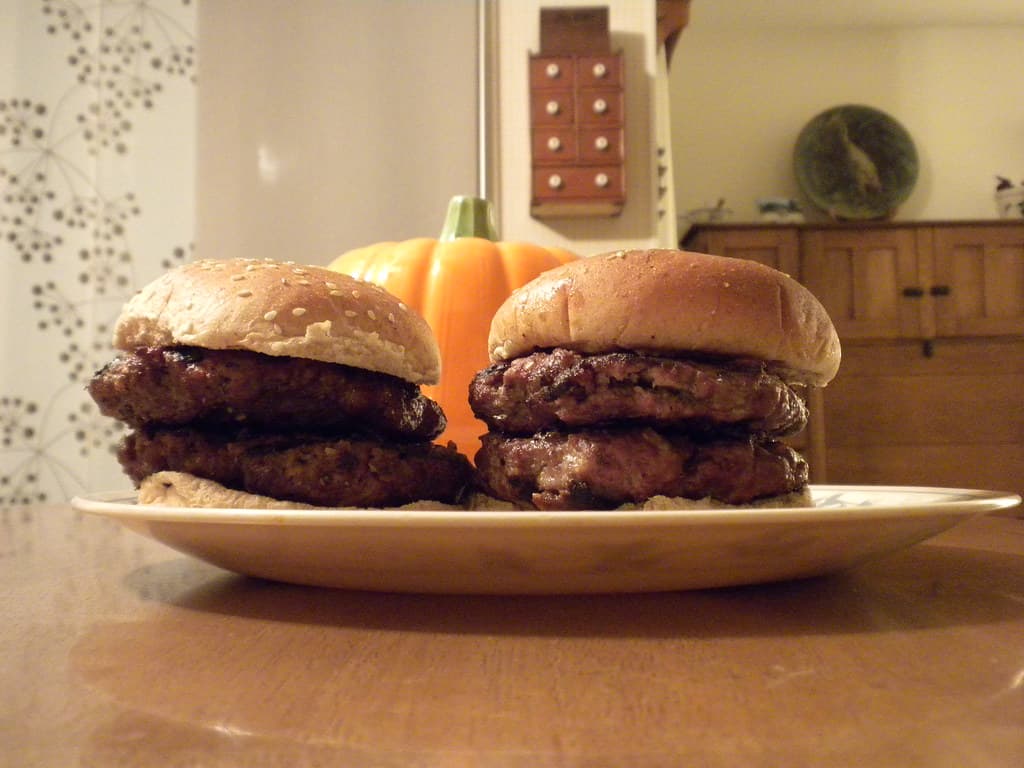
1980s-present
Bison burgers are a modern restaurant and backyard form of a much older Great Plains food story. Bison sustained Indigenous nations for centuries; after near-destruction in the 19th century, ranching and restoration made bison meat more available again.
America's Melting Pot
Bison Stew photo coming soon
Native Foodways and Continuity
Bison stew can be a modern way to honor older Indigenous food relationships when it is framed carefully. Bison supplied meat, fat, hides, tools, and ceremony for many Plains nations; corn, beans, and squash add a broader Native agricultural foundation.
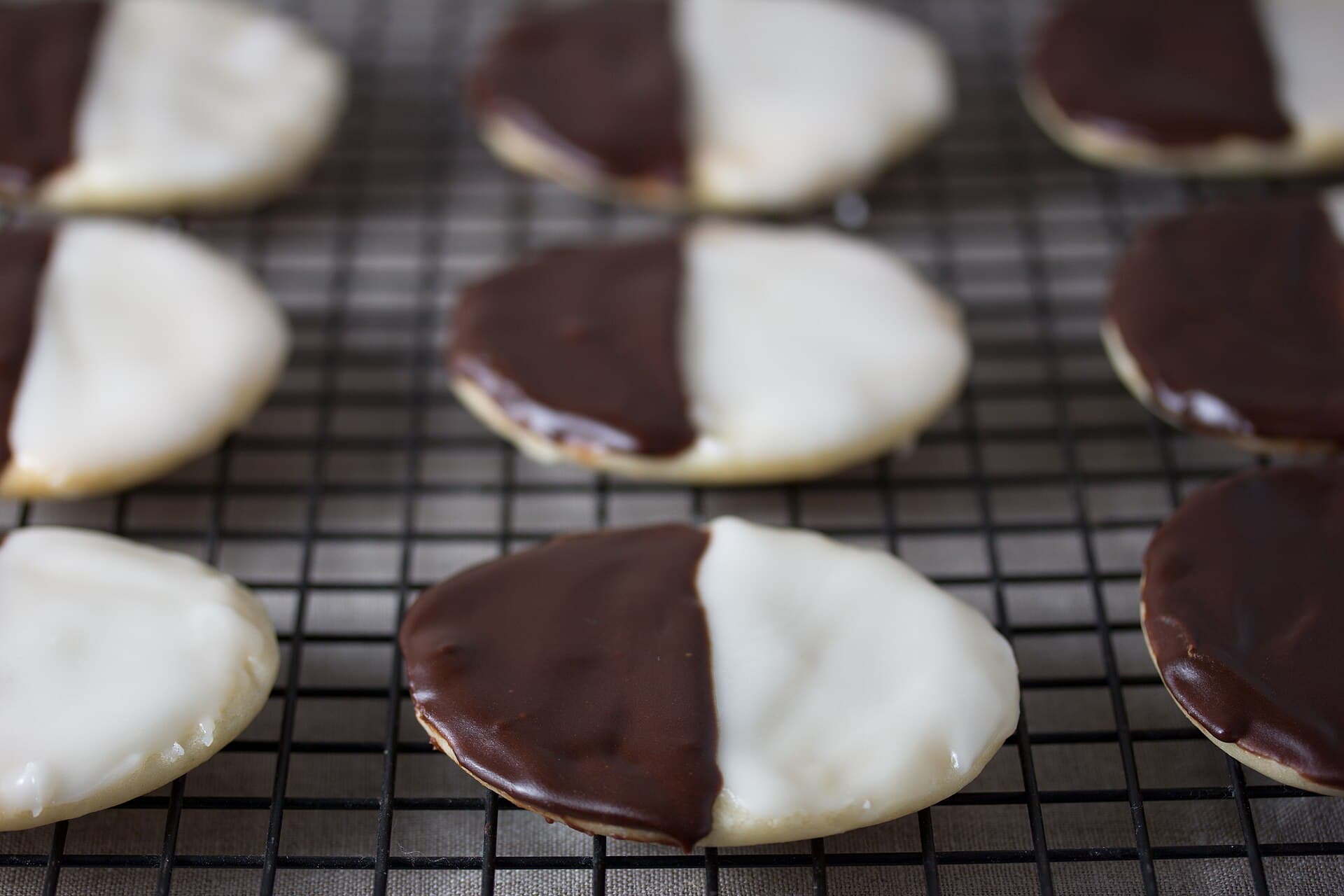
1900s-present
Black and white cookies are New York bakery icons, commonly linked to Glaser Bake Shop in Yorkville and to German Jewish bakery traditions. Their half-vanilla, half-chocolate tops made them instantly recognizable on deli and bakery counters.
America's Melting Pot
Black and White Malt photo coming soon
1900-1929
Black and White Malt pours old-school malt-shop cheer into a cold glass: Vanilla malt with chocolate syrup.
America's Melting Pot
Black and White Shake photo coming soon
Postwar & Diner Age
Black and White Shake pours old-school malt-shop cheer into a cold glass: Vanilla ice cream with chocolate syrup, especially New York diner style.
1900s-present
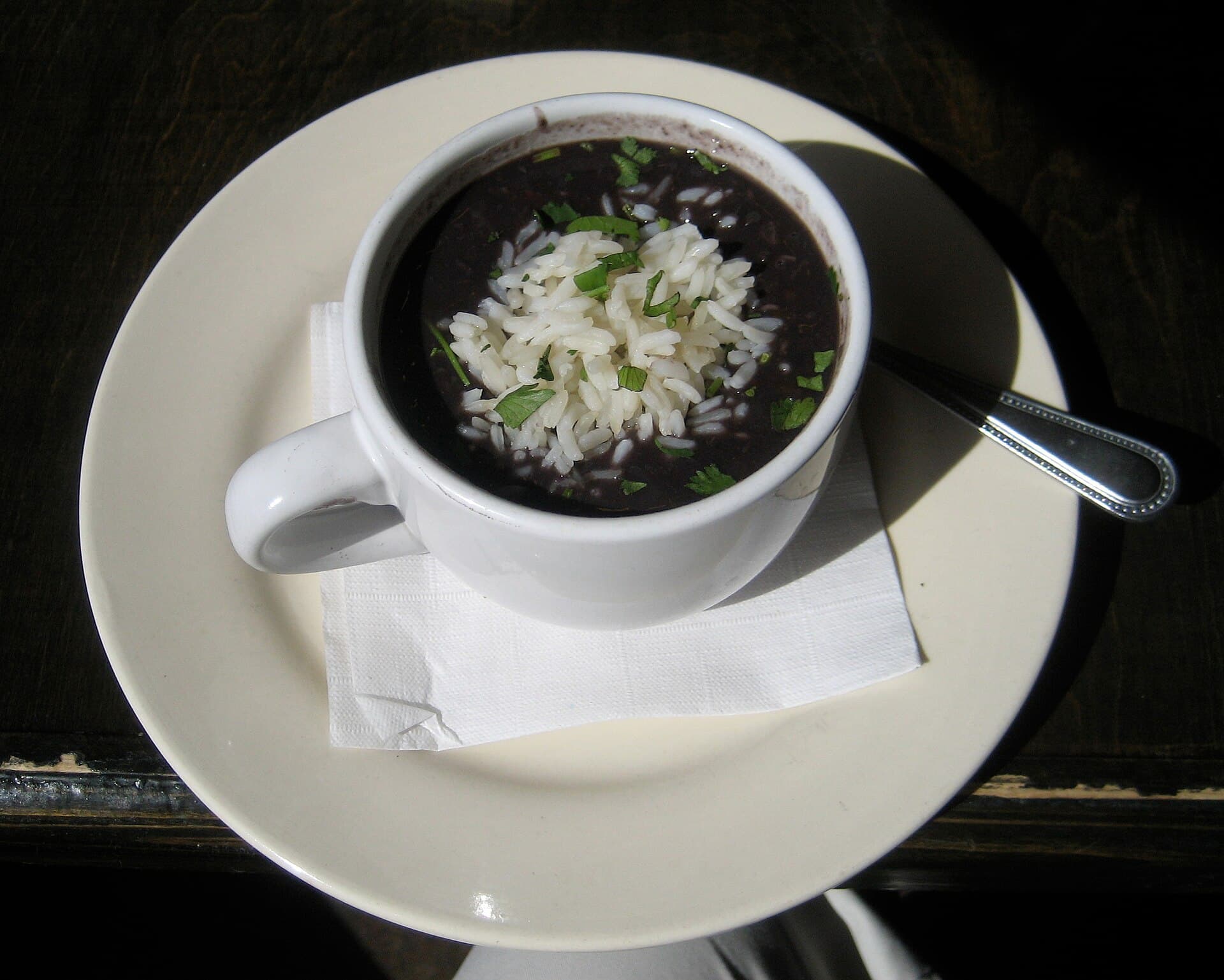
Black bean soup connects Caribbean, Spanish, and Cuban cooking traditions with American tables through Florida, Cuban American restaurants, and home kitchens. It is economical, filling, and deeply flavored when the beans are simmered slowly.
America's Melting Pot
Black Cow photo coming soon
Gilded Age & Progressive Era
Black Cow is fizzy Americana from the soda-fountain counter: Often root beer float or root beer mixed with ice cream; name varies by region.
1960s-present
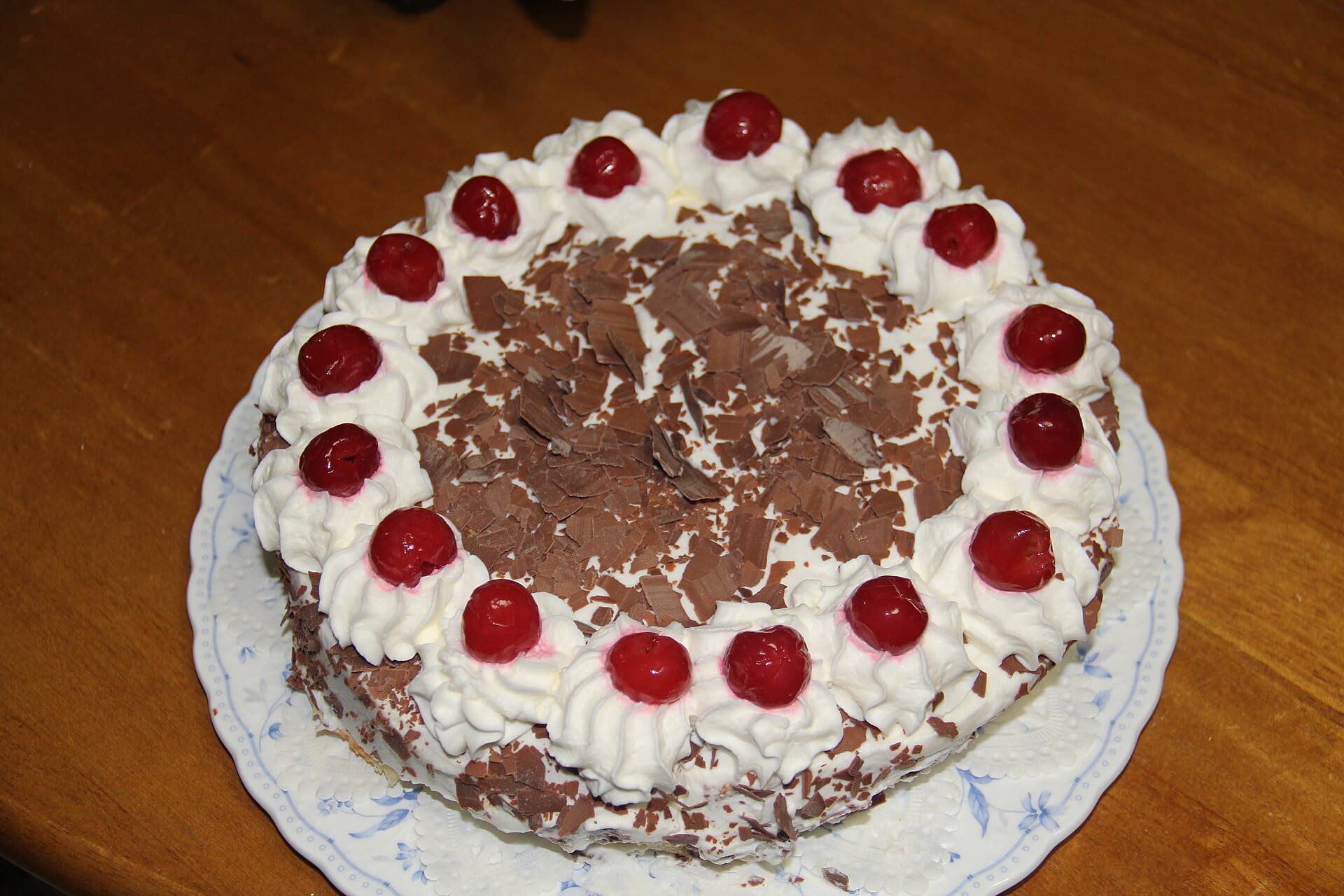
Black Forest cake, or Schwarzwalder Kirschtorte, came from German pastry traditions and became popular in the United States in the mid-20th century. American versions often soften the kirsch element but keep chocolate, cherries, and whipped cream.
America's Melting Pot
Black Raspberry Frappe photo coming soon
Postwar & Diner Age
Black Raspberry Frappe celebrates New England dairy-bar pride in a cold glass: New England ice cream stand flavor.
America's Melting Pot
Black Raspberry Jam photo coming soon
Cross-era
Black Raspberry Jam is a preserve with real American table personality: Midwest, Appalachia, and Pennsylvania tradition. It brings flavor from the Midwest and Great Lakes to cookouts, counters, lunch plates, potlucks, and weeknight suppers.
Community recipe submission
Log in to submit a recipe, format it with the cooking companion, and send it for review.
Log in to Submit