
Loading
Setting the table...
Fetching the latest recipes from the archive.
Loading
Fetching the latest recipes from the archive.
Recipe archive
Recipe archive
Search the archive by title, region, ingredient, tag, or era, then sort the table by the view that fits your kitchen.
This archive is growing through recipes, photos, family recipes, and historical context shared by the community.
American Dairy Age
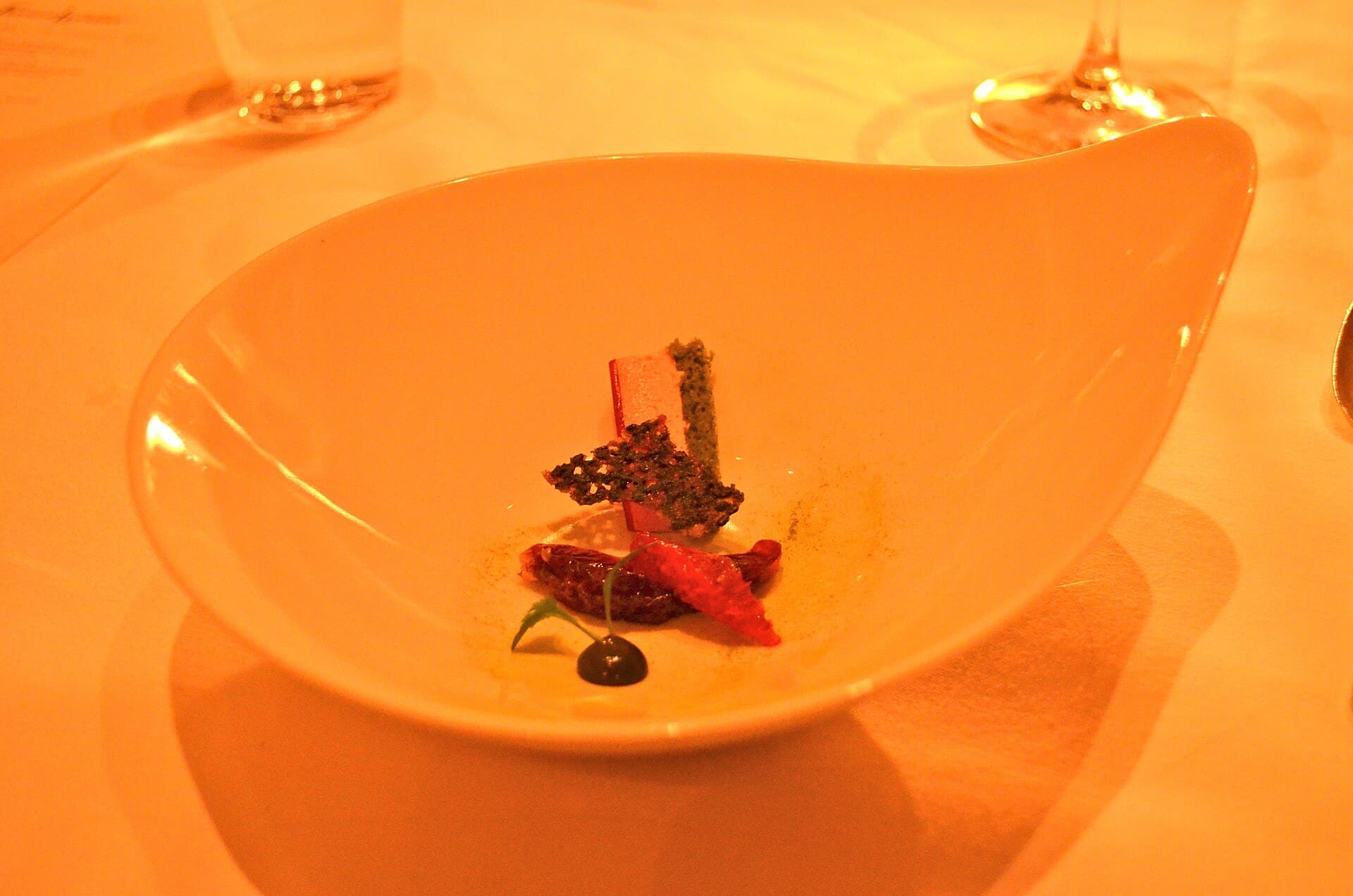
Bandaged American Cheddar is a home-scale American cheddar with measured culture, rennet setting, cheddaring, pressing, salting, and controlled aging.
1970s-present
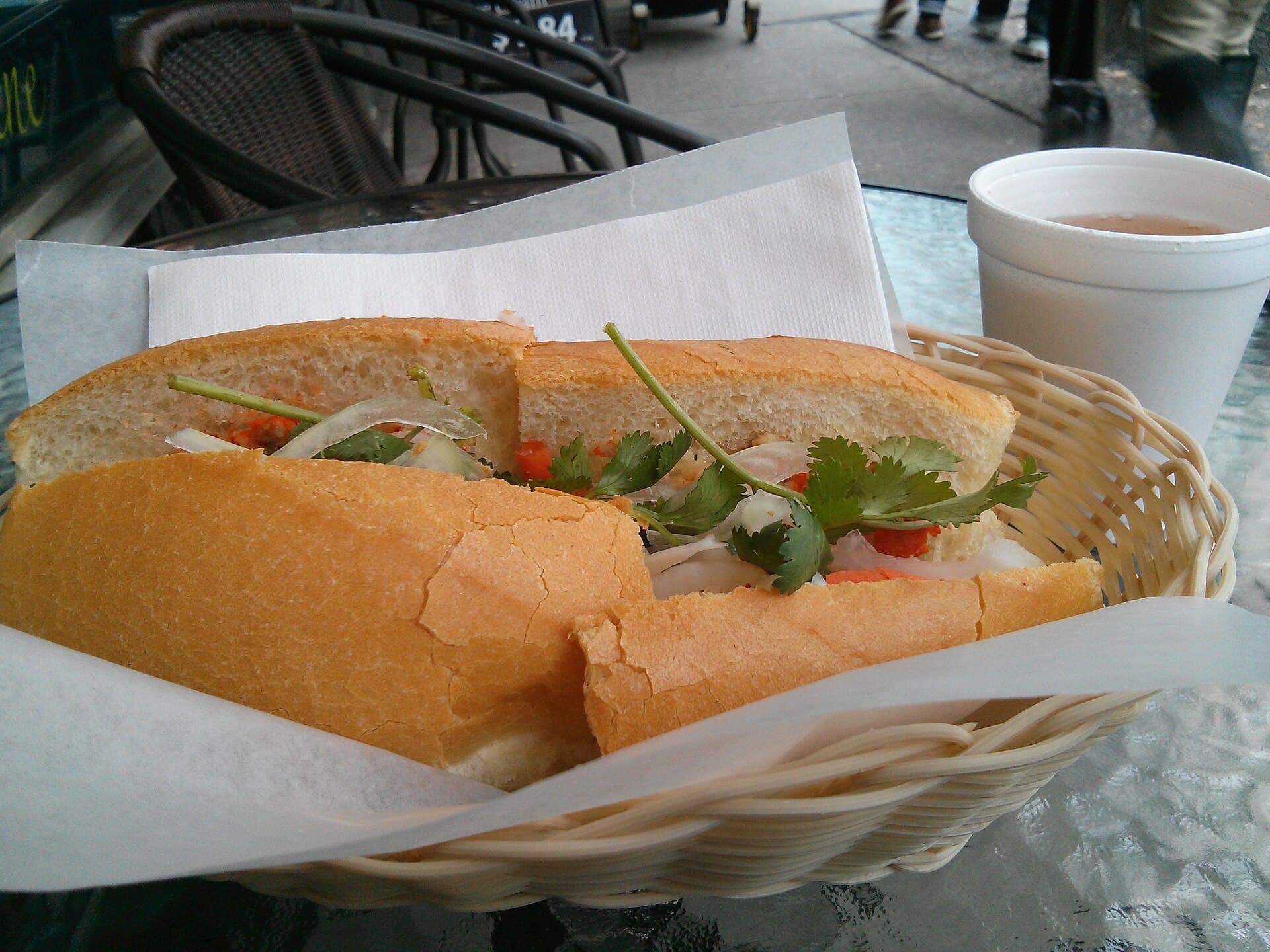
A Vietnamese American banh mi sandwich with crisp baguette, mayonnaise, pate, pork or tofu, pickled carrot and daikon, cucumber, jalapeno, and cilantro.
2000s-present
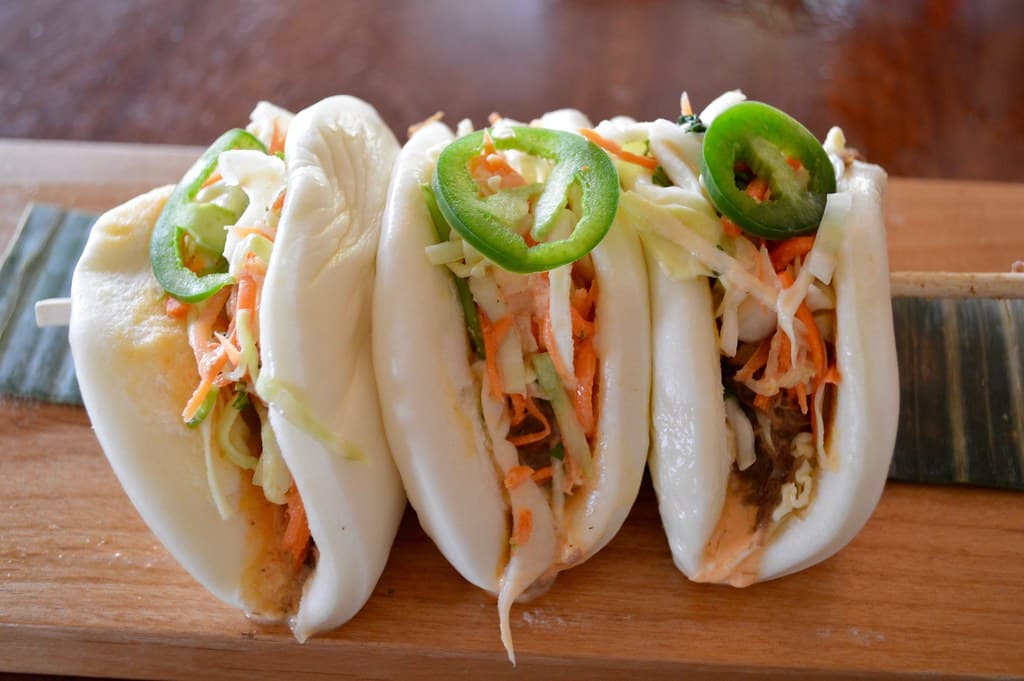
Soft steamed buns filled with pork belly or tofu, hoisin, cucumber, scallions, pickles, and peanuts, framed as a Taiwanese gua bao-inspired American restaurant favorite.
America's Melting Pot
Barbecue photo coming soon
1600s-present
A foundational Southern barbecue recipe for smoked pork shoulder seasoned with a dry rub and served with a vinegar-forward sauce.
1900s-present
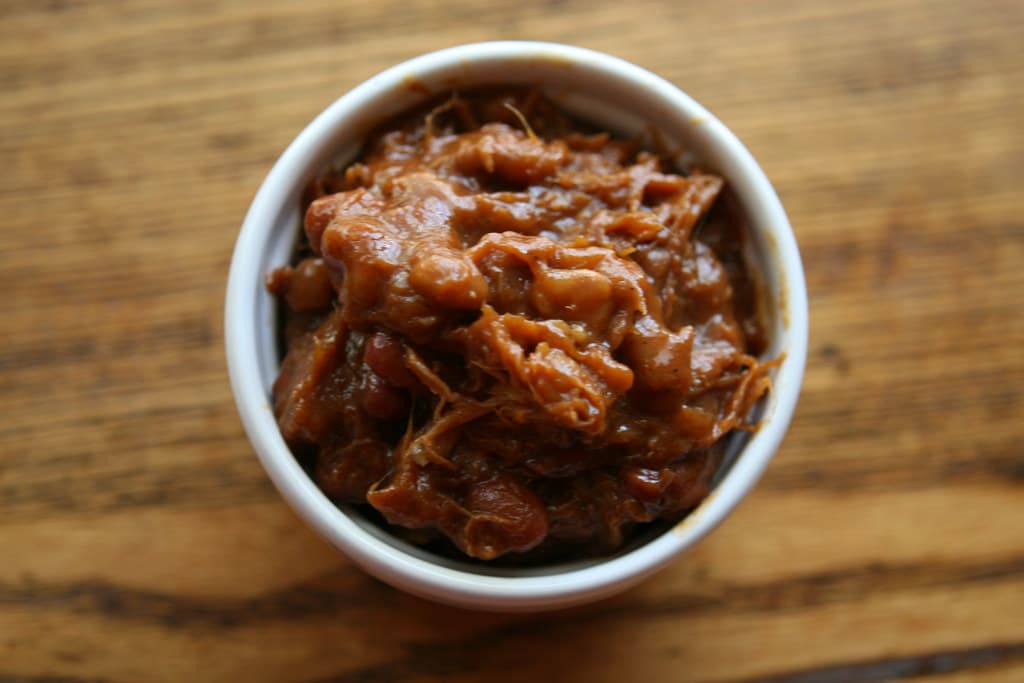
A barbecue side dish of beans baked with bacon, onion, molasses, tomato, brown sugar, mustard, and barbecue sauce until thick and smoky.
1946-present
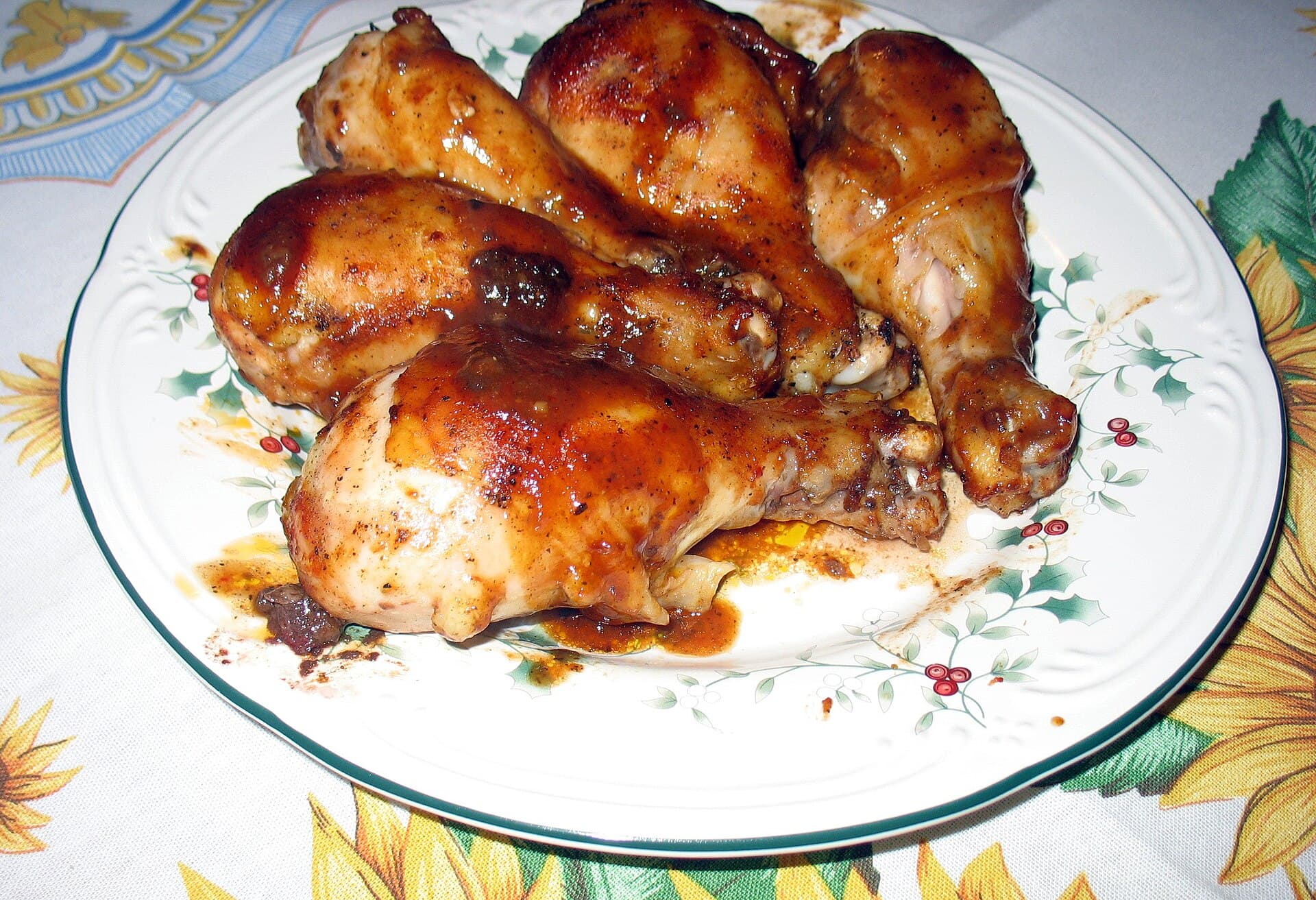
A backyard barbecued chicken recipe with bone-in chicken pieces cooked over indirect heat and brushed with vinegar-tomato barbecue sauce.
American Dairy Age
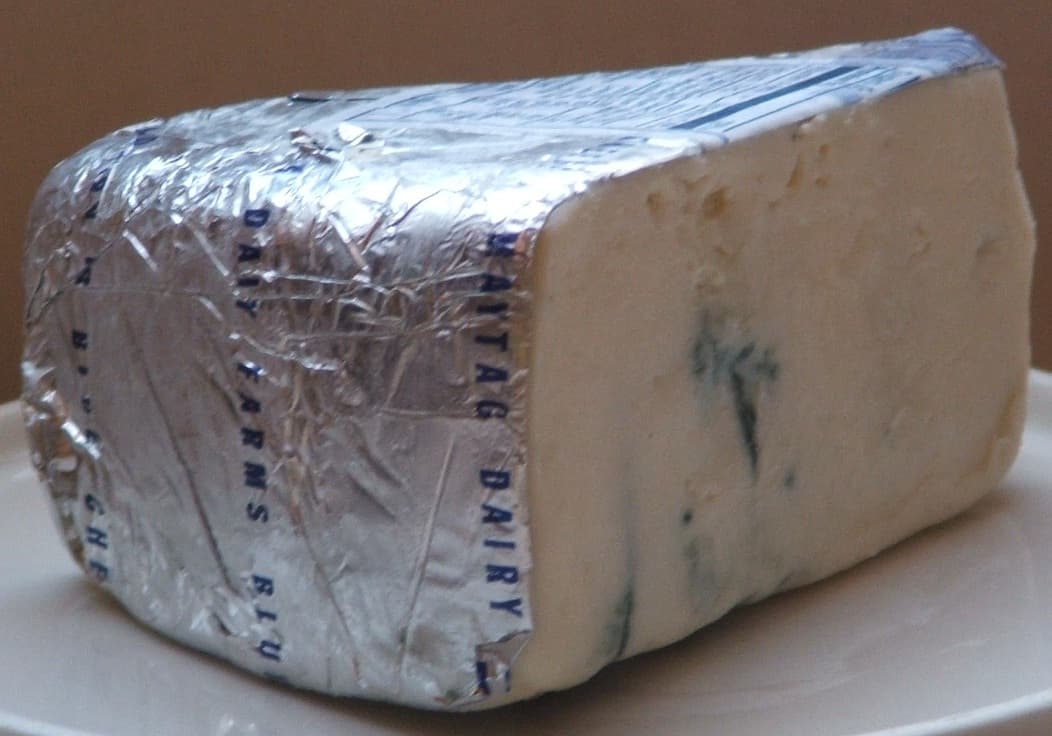
Bayley Hazen Blue-style Cheese is a blue-veined American cheese with measured mold culture, loose curd handling, piercing, humid aging, and careful moisture control.
America's Melting Pot
BBQ Beef Sandwiches photo coming soon
1970s-present
This sandwich turns pot roast into crowd food: cook beef until it pulls apart, simmer it in barbecue sauce, and serve it from a slow cooker or Dutch oven. It fits the late-20th-century world of booster clubs, church suppers, and game-day tables, where economical roasts could feed a line of hungry fans.
1985-present
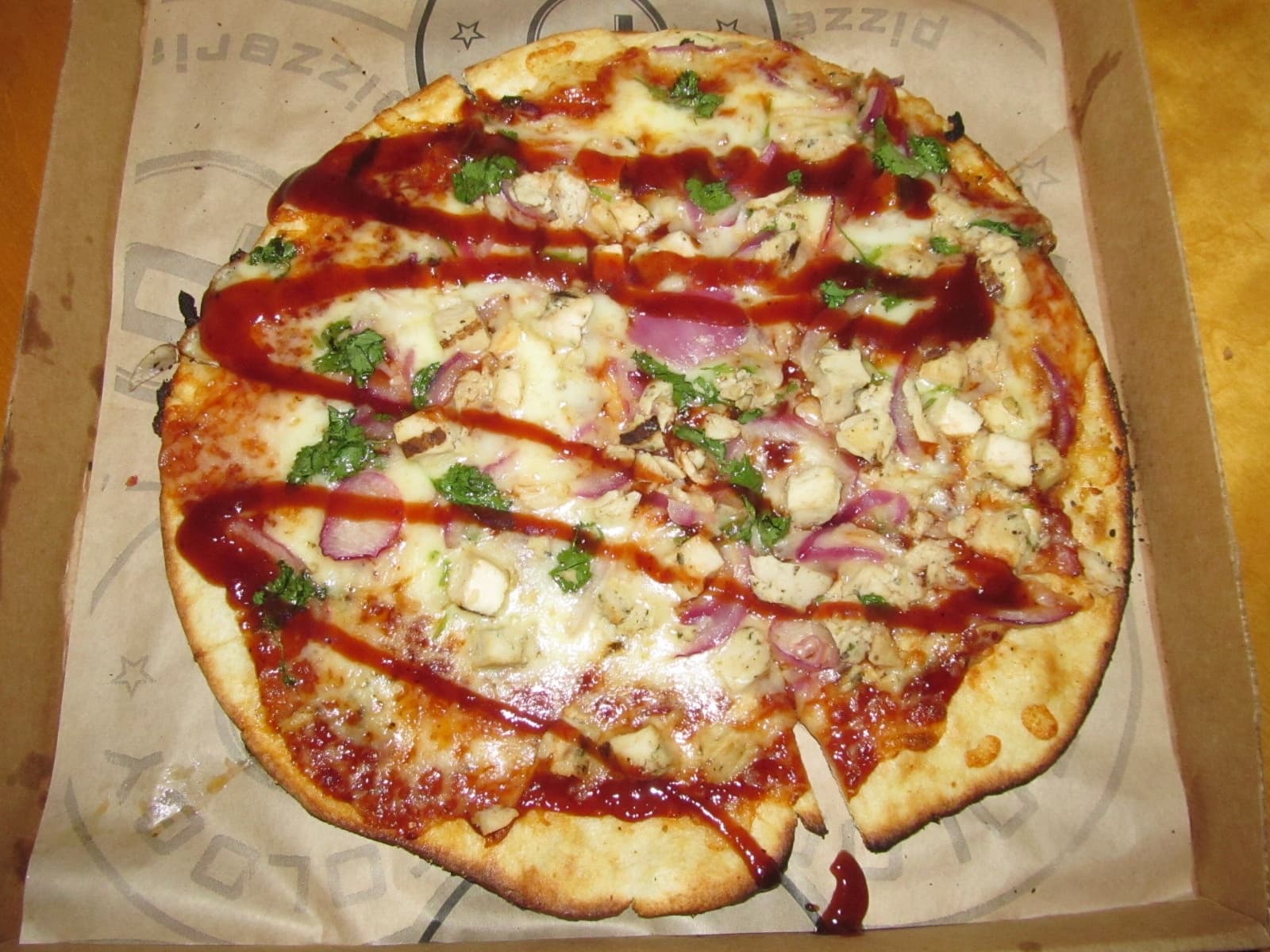
BBQ chicken pizza became a national restaurant-chain signature after chef Ed LaDou developed it for California Pizza Kitchen in the 1980s. It is pure late-20th-century American fusion: Italian American pizza form, California creativity, smoky-sweet barbecue sauce, and a weeknight-friendly topping lineup.
America's Melting Pot
BBQ Meatballs photo coming soon
1946-1969
BBQ meatballs are a descendant of midcentury cocktail meatballs, especially the grape-jelly-and-chili-sauce party formula that kept showing up at buffets and church gatherings. Swapping in barbecue sauce made the dish feel at home on game-day tables: easy to spear with toothpicks, easy to keep warm, and unapologetically sweet-savory.
America's Melting Pot
BBQ Pulled Pork Sandwich photo coming soon
1920s-present
The pulled pork sandwich carries Southern barbecue into a portable form. Pork shoulder is cooked low and slow until it can be pulled apart, then served chopped or shredded on a bun. In Memphis and the Carolinas, slaw on the sandwich is part of the experience; elsewhere the sauce and smoke take the lead.
1920s-present
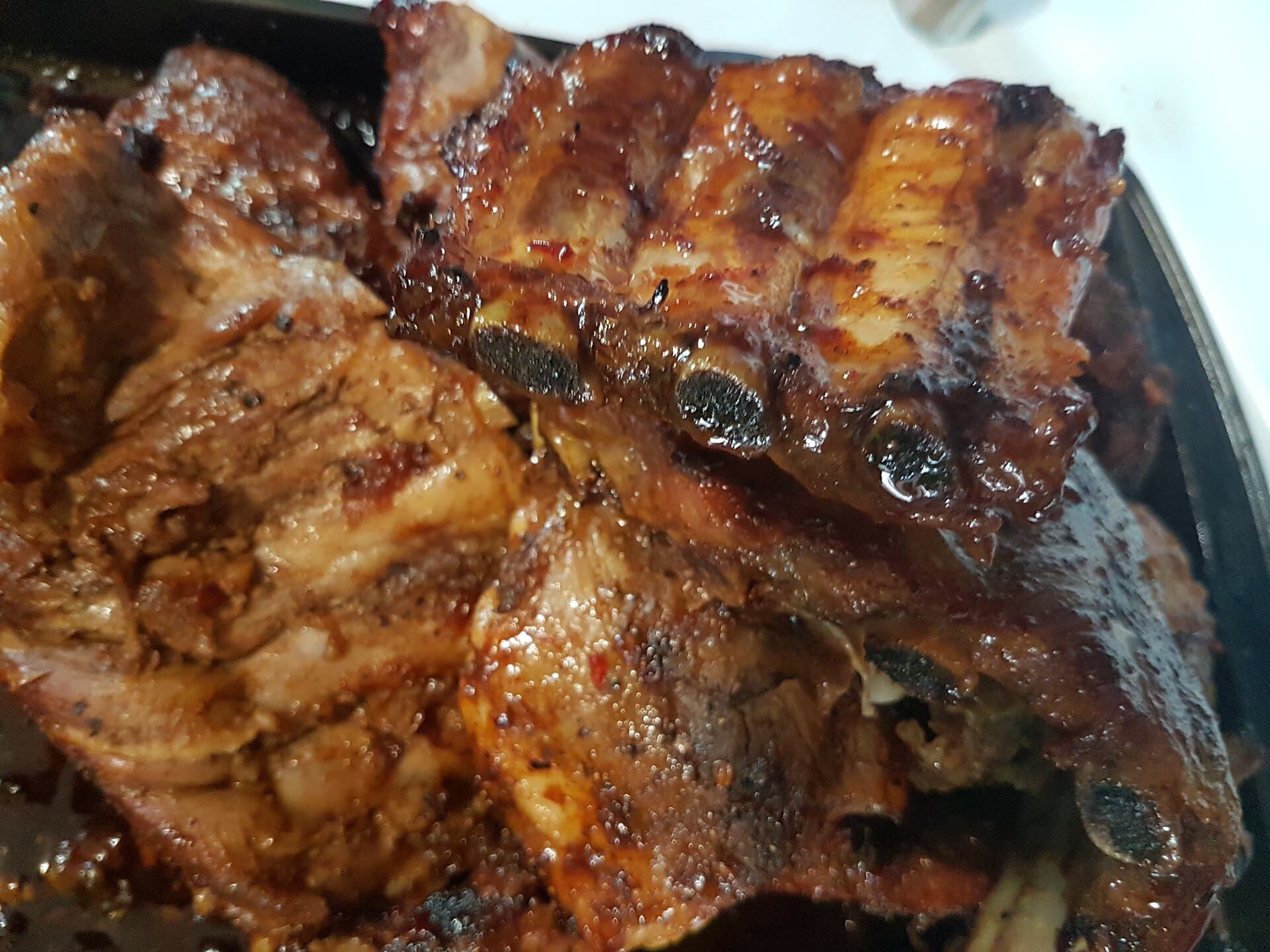
Modern barbecued ribs are newer than their old-fashioned reputation suggests. They rose with commercial meatpacking, refrigeration, barbecue stands, and postwar backyard grilling. Today ribs are a holiday and cookout centerpiece, especially when cooked gently and sauced near the end so the glaze sets instead of scorches.
America's Melting Pot
Beach Plum Jelly photo coming soon
Cross-era
Beach Plum Jelly is a preserve with real American table personality: Coastal New England and Mid-Atlantic preserve. It brings flavor from New England to cookouts, counters, lunch plates, potlucks, and weeknight suppers.
America's Melting Pot
Bean Porridge photo coming soon
1776-1800
Bean porridge sits close to the everyday cooking of early America: beans or peas, water, a little meat when available, and meal to thicken the pot. It was plain food, but practical food, made in a kettle and stretched for households that needed warmth, calories, and thrift more than ceremony.
1800-1860
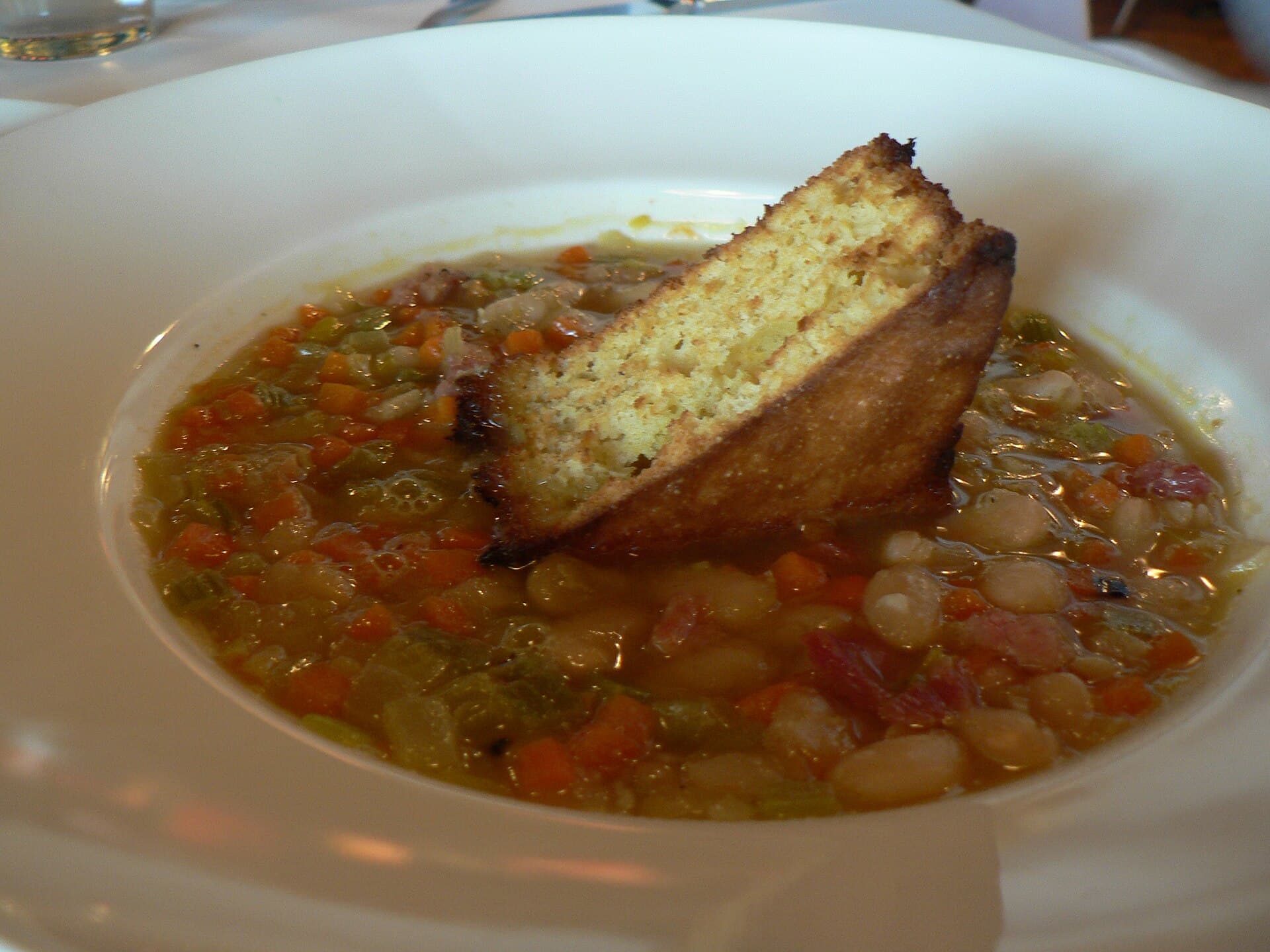
Bean soup is a humble American constant: inexpensive dried beans, water or stock, onion, and a ham bone when one was available. During hard times, that kind of pot could stretch flavor and protein across several meals. The U.S. Senate version made navy bean soup famous, but home kitchens kept it practical.
America's Melting Pot
Beef and Noodles photo coming soon
1861-1900
Beef and noodles is plainspoken comfort food: slow-cooked beef, rich broth, and egg noodles served as a main dish or over mashed potatoes. It fits the railroad, boardinghouse, and settlement table because it stretches a roast into a filling meal and reflects German and Amish noodle traditions carried into the Midwest and Great Plains.
Native Foodways and Continuity
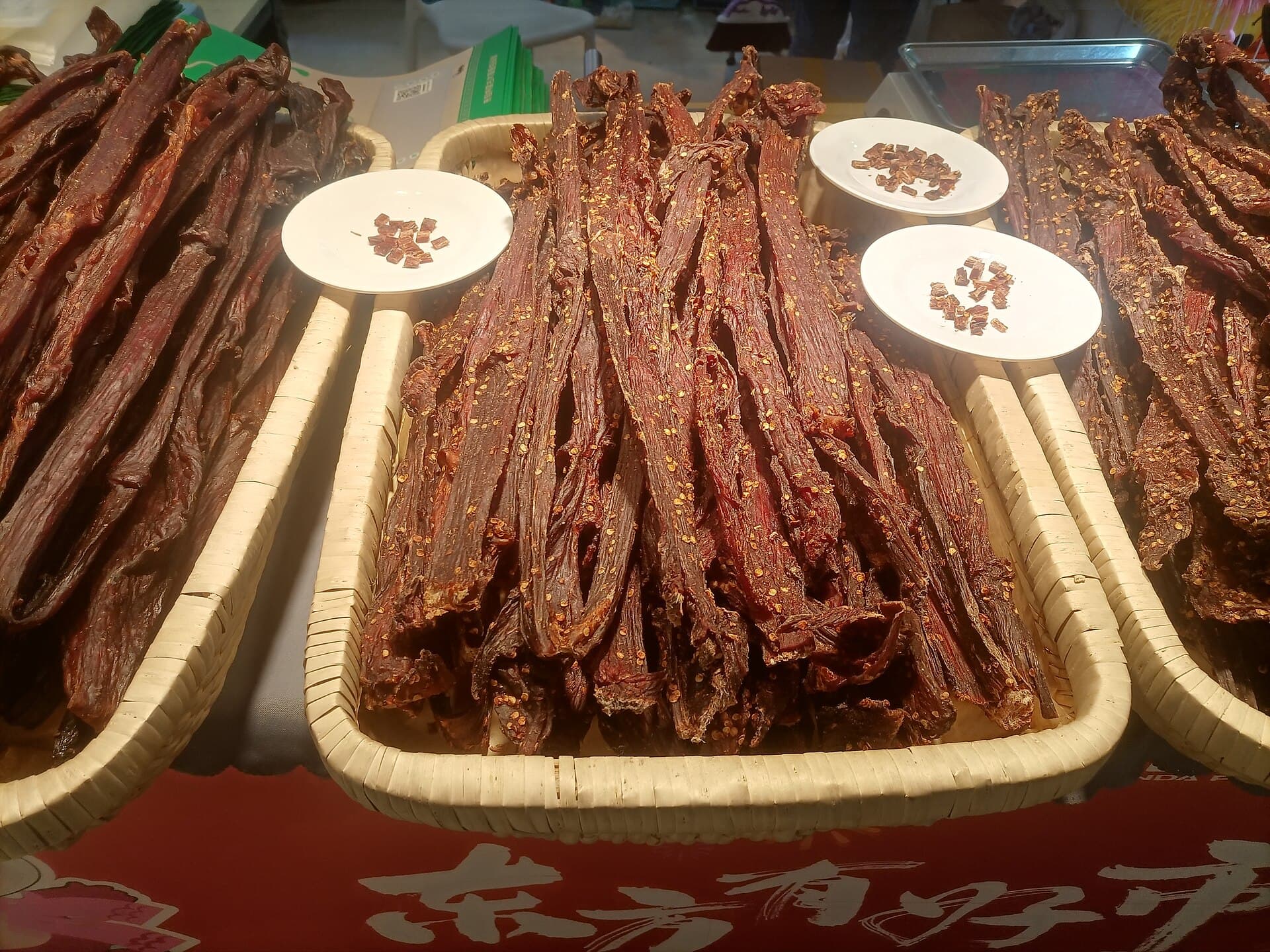
Jerky is preservation food before it is snack food. Indigenous drying traditions, pemmican, pioneer travel, soldiers, cowboys, and later road-trip convenience all helped make dried meat part of American food culture.
1800s-present
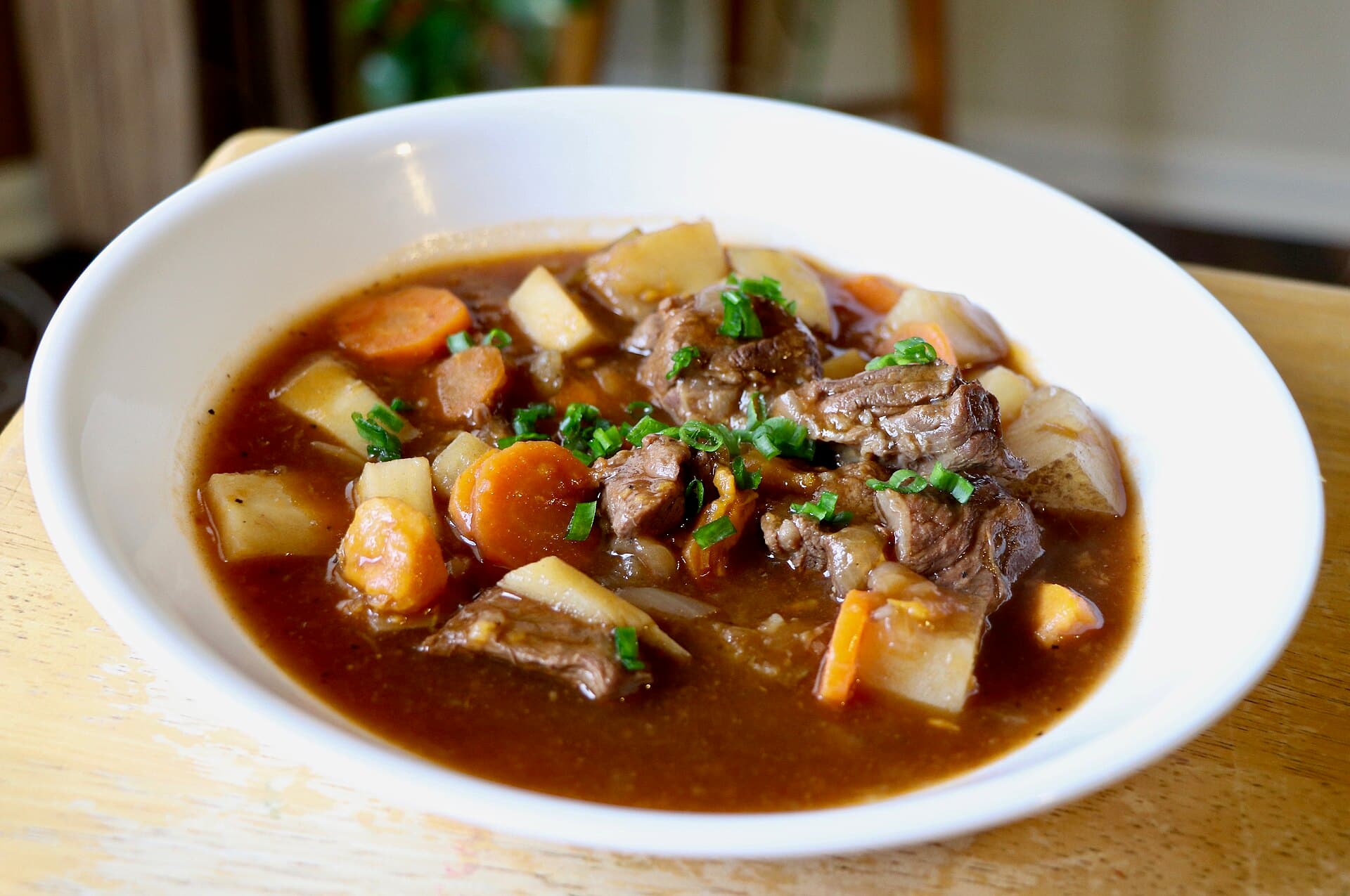
Beef stew is old-world pot cooking adapted to American beef country, boardinghouses, and family kitchens. Browning the meat, simmering it gently, and adding vegetables in stages turns inexpensive chuck into a cold-weather meal.
America's Melting Pot
Beer Cheese Dip photo coming soon
1930s-present
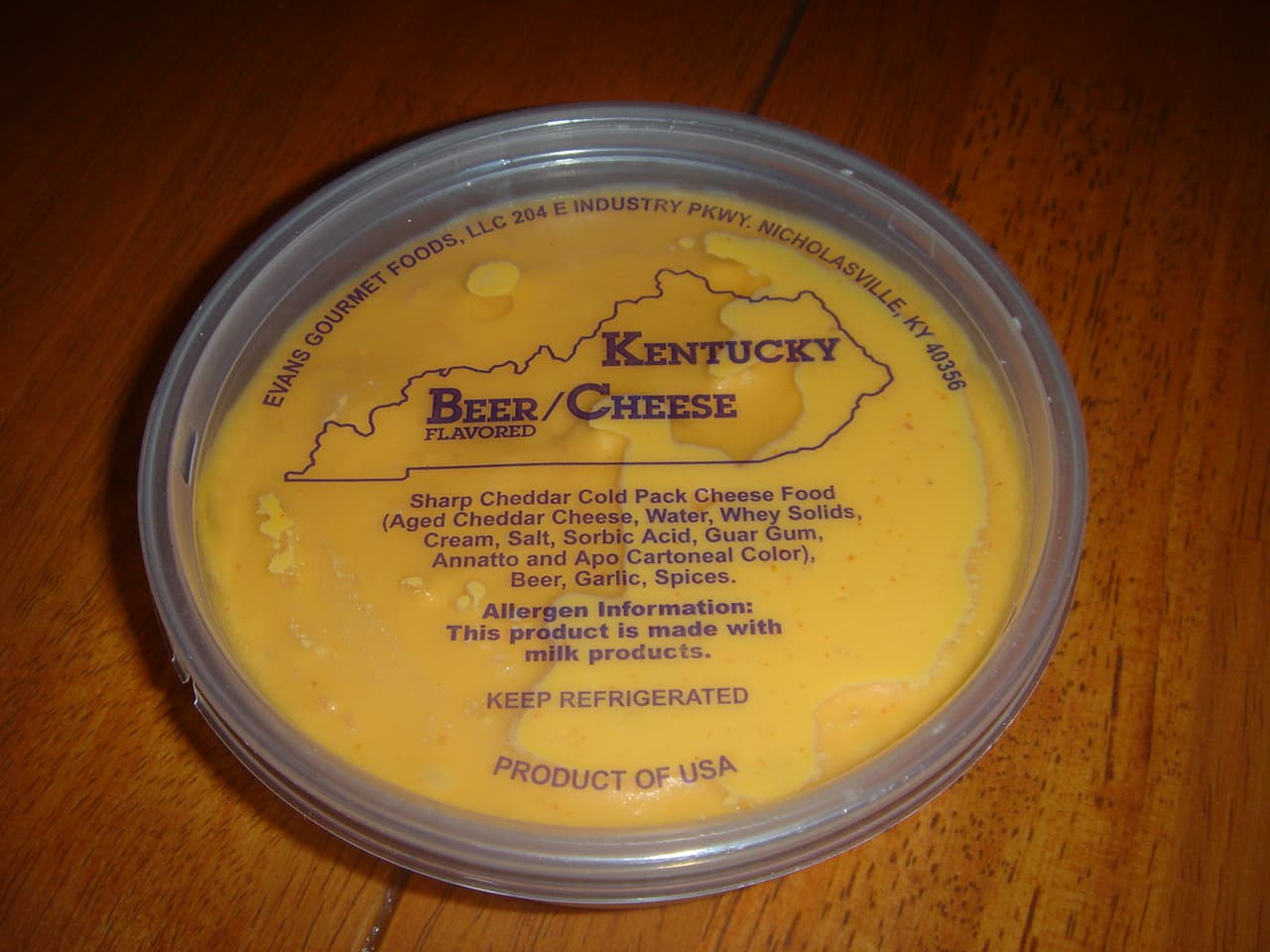
Kentucky beer cheese is a Central Kentucky bar snack with a loyal regional following. The usual story traces it to chef Joe Allman in the 1930s, where salty, spicy cheese spread helped sell another round of beer.
1900s-present
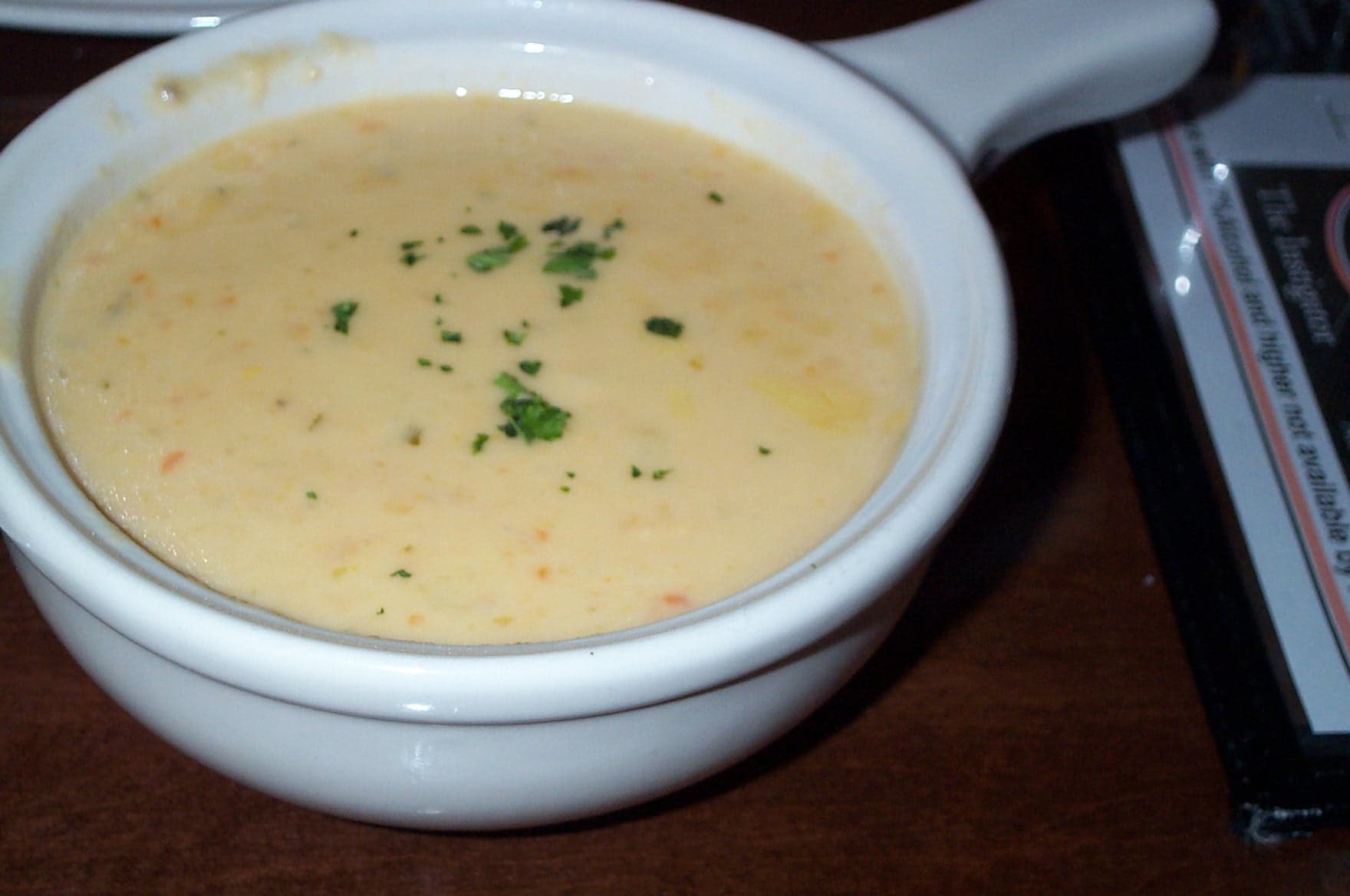
Beer cheese soup is a Wisconsin-style comfort dish where dairy country meets brewing culture. It echoes European beer soups but becomes distinctly Midwestern with cheddar, lager, supper-club richness, and sometimes popcorn or pretzels on top.
American Dairy Age
Beer Cheese Spread is a finished American cheese spread for crackers, sandwiches, and snack boards, with clear mixing, chilling, and storage guidance.
America's Melting Pot
Beet Berry Smoothie photo coming soon
1970-1989
Beet Berry Smoothie brings juice-bar color and American smoothie-counter energy to the glass: Modern wellness smoothie.
1700s-present
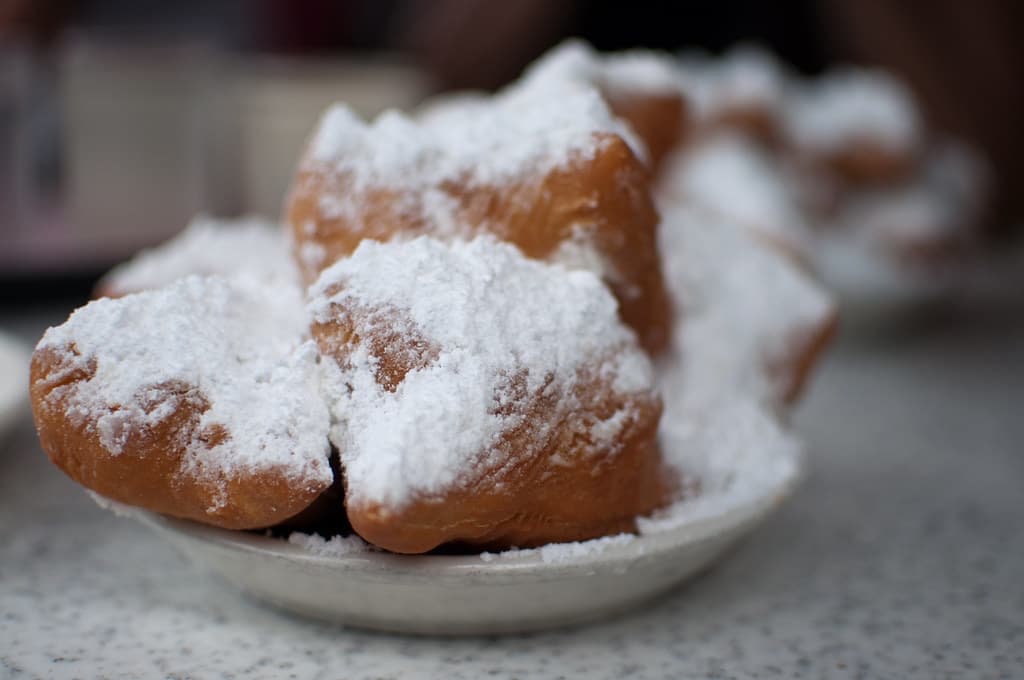
Beignets carry French and Acadian roots into Louisiana, where New Orleans coffee stands made them a breakfast and late-night ritual. The familiar square, sugar-dusted version is now inseparable from cafe au lait and the French Quarter.
Cross-era
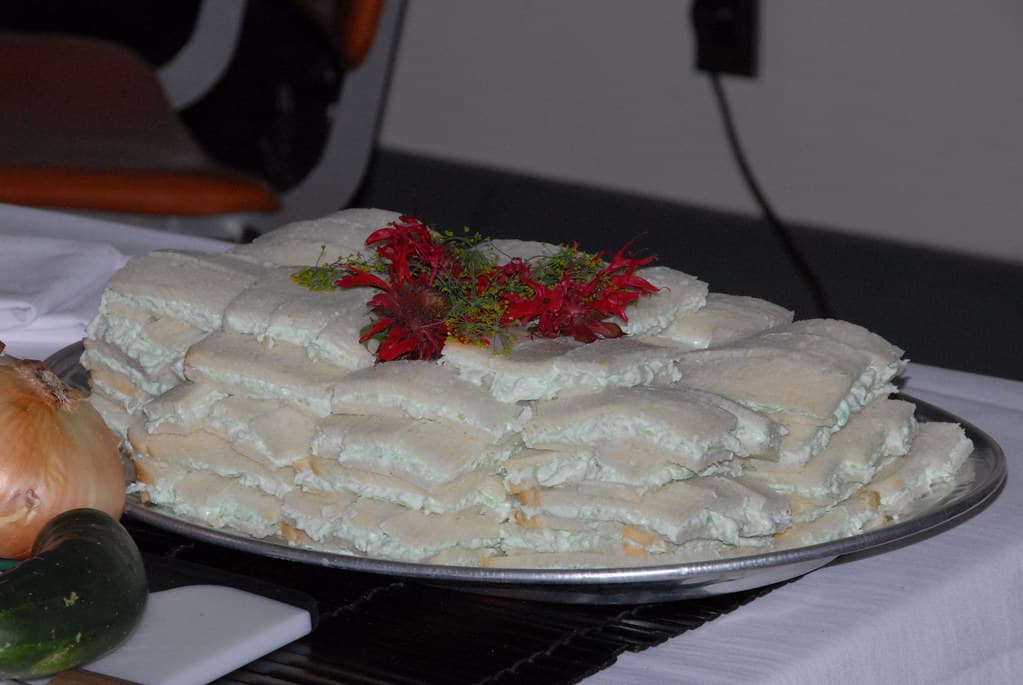
Benedictine is a spread with real American table personality: Louisville cucumber spread. It brings flavor from Appalachia and Pennsylvania Dutch country to cookouts, counters, lunch plates, potlucks, and weeknight suppers.
Community recipe submission
Log in to submit a recipe, format it with the cooking companion, and send it for review.
Log in to Submit