1860s-1890s
The Chuckwagon, America's Working Kitchen on Wheels
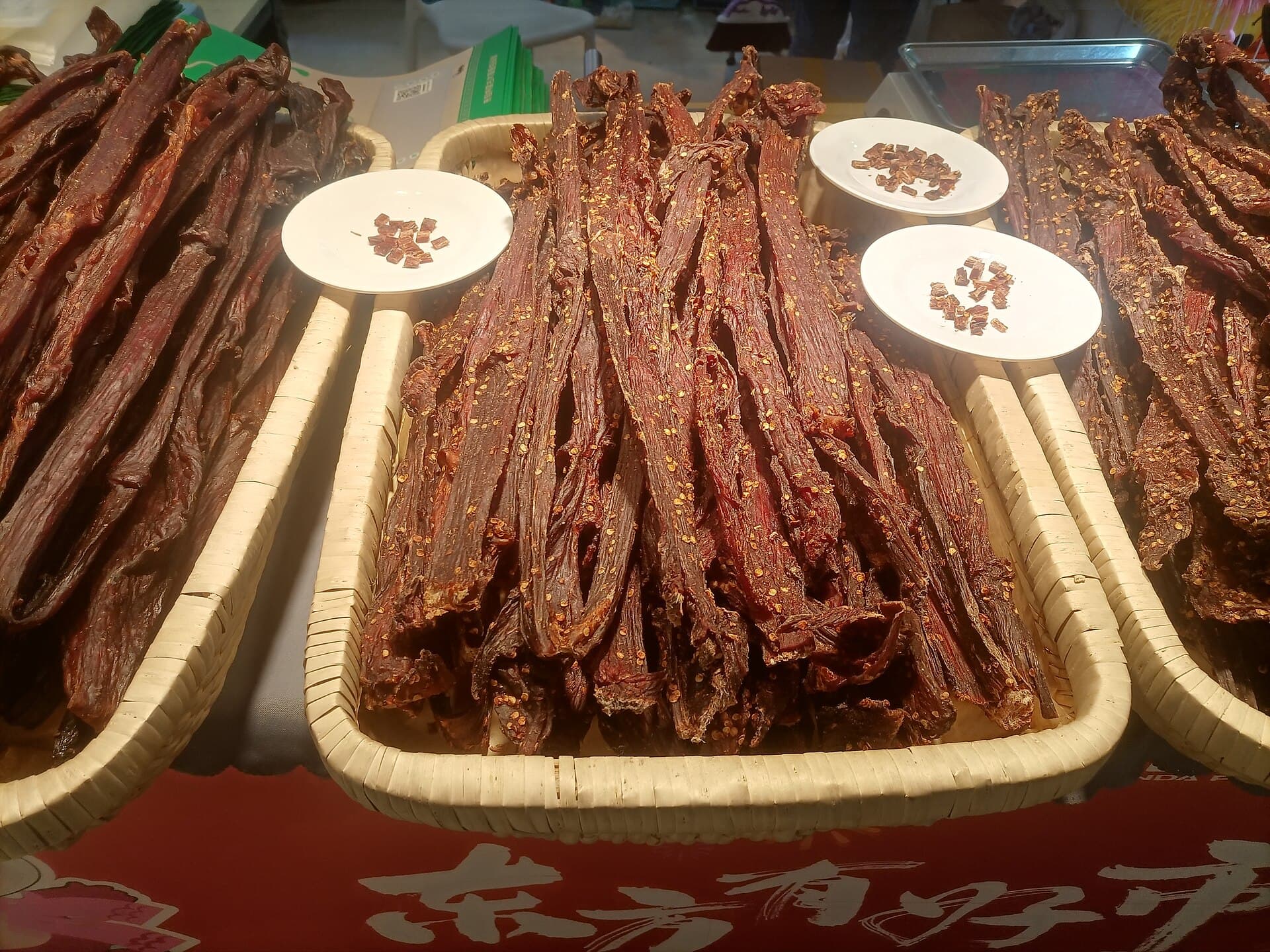
The chuckwagon was a rolling kitchen and a center of order on the open range. Beans, sourdough, dried meat, coffee, potatoes, rice, onions, lard, and Dutch-oven desserts kept crews moving through hard country.
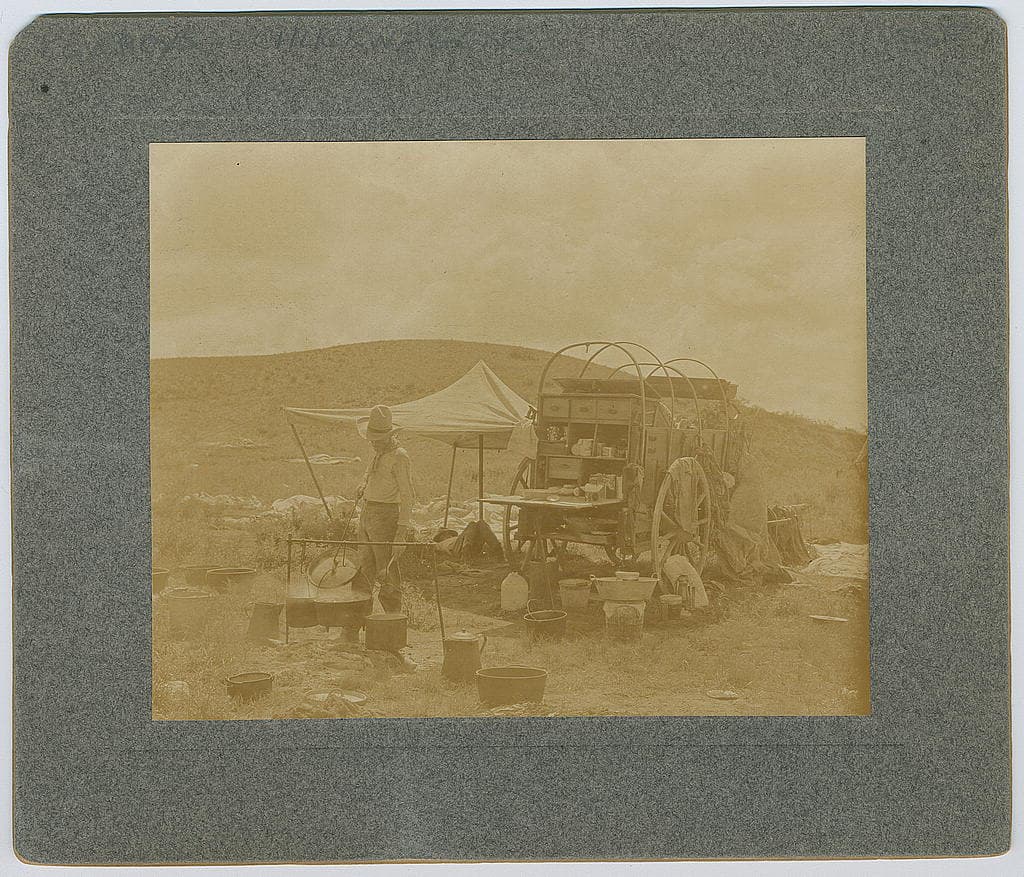
The chuckwagon belongs to the American imagination because it solved a plain problem: how to feed working people far from town, railroad, kitchen, or store. Cattle drives and roundups needed food that could travel, keep, and satisfy men doing dangerous outdoor labor. The wagon carried cookware, flour, beans, coffee, lard, dried fruit, cured meat, potatoes, rice, onions, molasses, and the tools that made camp possible.
The cook was more than a cook. He drove the wagon, chose the camp, protected supplies, made bread, boiled coffee before daylight, planned meals around weather and distance, and often served as a steadying authority. A good cook mattered because food mattered. Coffee, beans, sourdough biscuits, stews, fried meat, and Dutch-oven cobblers did not make the work easy, but they gave order to a hard day.
Chuckwagon food was shaped by limits. Fresh vegetables were rare. Meat could be tough. Water might be scarce. Flour and beans became dependable anchors. Coffee was a necessity and a ritual. The Dutch oven turned coals into a stove. The meal was not fancy, but it was disciplined, portable, and communal.
A chuckwagon was a kitchen, pantry, repair shop, office, and morale station. Its design mattered because every inch carried a purpose: a fold-down work surface, storage boxes, coffee pot, water barrel, Dutch ovens, bedrolls, sacks of flour, and provisions that could survive heat and dust. The wagon had to arrive before the herd, set up quickly, and serve food before daylight if the drive was moving. Bad timing meant hungry workers and lost order.
The menu reflected labor more than romance. Beans were dependable because they were filling, cheap, and durable. Coffee was boiled strong because mornings began early and nights could be cold. Dried fruit cut through monotony. Sourdough and quick breads made flour useful without a town bakery. Meat, when available, was cooked hard and simply. A cook might not have fresh produce, but he could still give the camp rhythm.
The chuckwagon story also belongs to a wider, more diverse West than the postcard version. Trail work included Mexican vaqueros, Black cowboys, Native people, immigrants, and poor white laborers whose food habits crossed borders and languages. Chili, beans, tortillas, coffee, jerky, Dutch-oven bread, and camp stews all traveled through this mixed working world. The open range was never culturally empty. Its food shows contact, adaptation, and necessity.
What survives in the American imagination is not only the flavor but the arrangement of people around a fire. A camp meal created a brief home where no house stood. It established rules, conversation, complaint, joking, and quiet. In a hard trade, the cook gave the crew something regular enough to trust.
Charles Goodnight is often credited with adapting a military-style wagon into the chuckwagon form after the Civil War, but the larger story belongs to working people who made the design useful. The wagon had to travel with cattle, endure bad roads, hold provisions, carry tools, and unfold into a kitchen without wasting time. Its rear box turned into a work surface, and its compartments kept flour, coffee, utensils, medicine, spices, and records where the cook could find them in the dark.
Coffee was the camp clock. It boiled before sunrise, after night guard, during storms, and at the end of a hard ride. A crew might complain about beans, tough meat, dust, or weather, but coffee marked the day and steadied the body. It was hot, bitter, shared, and dependable. Around it, the cook could gather news, settle irritation, and prepare men for work that might be dangerous before breakfast was finished.
Beans carried the range because beans tolerated distance. Pinto beans, navy beans, and other dried beans could ride for weeks, cook in large quantities, and take flavor from salt pork, onions, chiles, molasses, or drippings. Sourdough biscuits, corn dodgers, dried meat, potatoes, rice, dried apples, and Dutch-oven cobblers gave the menu more shape. The work was repetitive, but repetition was part of the comfort.
The West that ate from chuckwagons was more mixed than the simplest myth allows. Mexican vaqueros contributed cattle knowledge, gear, words, and food habits. Black cowboys worked drives and ranches after emancipation. Native people traded, worked, resisted, guided, and fed themselves in the same contested spaces. Immigrants from Europe and elsewhere joined ranch labor. Camp food absorbed all of that contact: beans, chiles, tortillas, coffee, jerky, stews, sourdough, and cast iron all belonged to a border-crossing world.
The chuckwagon also shows the authority of the cook. In camp, the cook could be cook, quartermaster, medic, banker, clerk, and disciplinarian. Cowboys were expected not to crowd the fire, not to use the cook's worktable casually, and not to complain without cause. These rules were not precious ceremony. They protected order in a mobile workplace where hunger could turn fatigue into conflict.
What survived was a memory of a hot meal under a big sky, but the real achievement was logistical. The chuckwagon made labor possible where permanent kitchens did not exist. It turned sacks, barrels, water, fire, and timing into breakfast and supper. American food history often honors restaurants and home kitchens; the range wagon deserves a place beside them as one of the country's most practical working kitchens.
Cattle drives also depended on preservation. Before mechanical refrigeration spread, beef on the hoof could move itself to railheads, but the crew still needed food that did not spoil easily. Salt, smoke, drying, lard, flour sacks, bean sacks, coffee tins, dried apples, molasses, and canned goods were technologies of distance. The chuckwagon carried those technologies across grass, mud, heat, and river crossings.
The cook had to read weather as closely as appetite. Rain could ruin flour, wind could scatter ash, heat could sour supplies, and bad water could make a camp sick. A Dutch oven buried in coals turned a patch of ground into a bakery. A coffee pot blackened by fire became a piece of equipment as important as any saddle. Camp cooking was practical engineering.
Many chuckwagon dishes later entered American nostalgia, but their first job was stamina. A rider who had spent hours in the saddle needed salt, fat, starch, heat, and caffeine. Beans and biscuits were not quaint; they were fuel. Dried fruit fought monotony and helped digestion. Onions and chiles carried flavor when fresh produce was scarce. The menu made sense because the work made demands.
The chuckwagon became a symbol because it joined movement and belonging. A cattle crew might sleep under the sky, cross unfamiliar country, and face danger, but supper gathered them into a temporary household. The wagon did not soften the West into romance. It shows how laboring people made order in motion with fire, iron, sacks, barrels, skill, and rules.
This story is part of American culinary history because it shows food as infrastructure. The open range was not only horses and cattle. It was logistics, labor, fire, cast iron, storage, timing, and appetite. The chuckwagon carried the American promise that even on the move, under a big sky, people deserved hot food and a place to gather.
From the archive
Listen and read deeper
National Park Service
The Chuckwagon
National Park Service overview of the chuckwagon as a practical mobile kitchen for cattle drives and roundups.
Library of Congress
Feast Your Eyes: Chuck Wagon Roundup
Library of Congress post featuring Erwin E. Smith chuckwagon photographs and the foodways of range work.
Recipes from this story
Cook from the chapter
America's Melting Pot
Chuckwagon Beans photo coming soon
1861-1900
Chuckwagon Beans
Chuckwagon Beans were a staple side dish for cattle drivers and settlers in the Great Plains during the late 19th century. Cooked slowly over open fires, these beans offered a nutritious, filling, and portable food suited to the long cattle drives and frontier life, combining simple pantry staples with smoked or cured pork.
1866-1890s
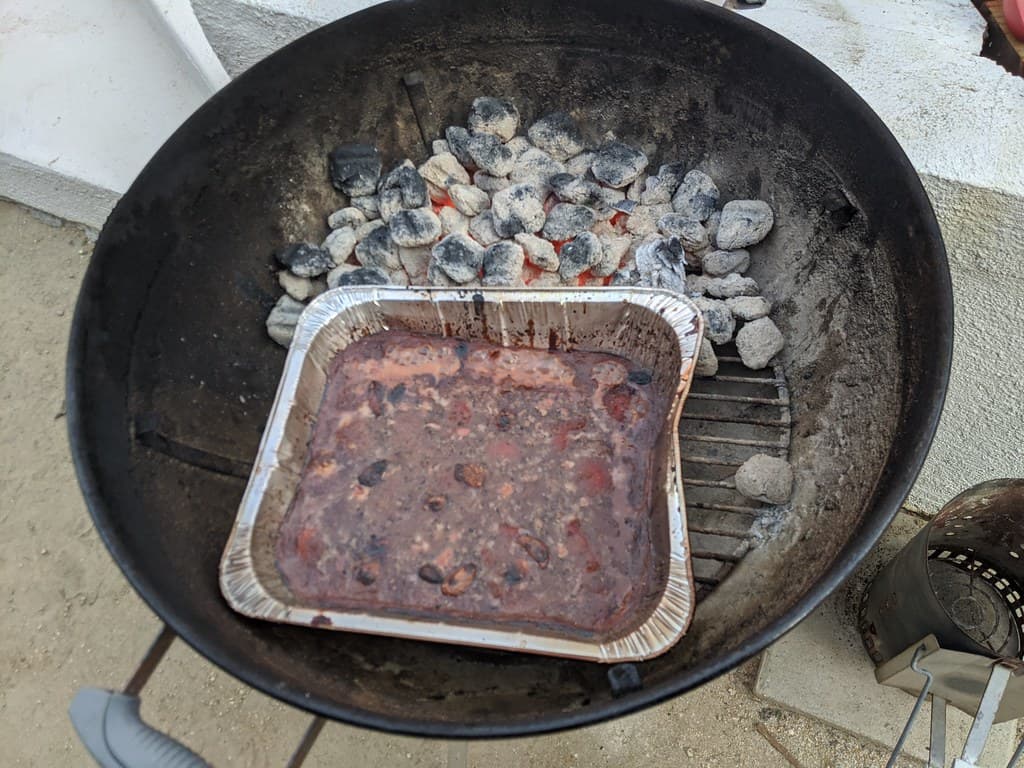
Cowboy Beans
A hearty side of slow-cooked beans flavored with smoky bacon, onion, and a touch of sweetness. Cowboy beans reflect the practical meals of cattlemen and frontier cooks who needed filling, flavorful food that could be made over an open fire or stove.
Keep reading
Related stories
1930s Dust Bowl
Dust Bowl Cooking When the Land Blew Away
The Dust Bowl turned farming into a battle with wind, drought, and debt. In migrant camps and roadside kitchens, food became proof that a family was still a family.
World War II
Ration Books, Shared Sacrifice, and Supper
World War II rationing asked Americans to treat fairness as a kitchen duty. Sugar, coffee, meat, fats, gasoline, and other goods were managed so troops and civilians could both be supplied.
1776-early republic
A Young Republic Learns to Cook for Itself
The new nation had to feed itself in war, in taverns, in farm kitchens, and on working plantations. By 1796, Amelia Simmons's American Cookery gave printed form to a cuisine using American ingredients and American names.