1930s Dust Bowl
Dust Bowl Cooking When the Land Blew Away
The Dust Bowl turned farming into a battle with wind, drought, and debt. In migrant camps and roadside kitchens, food became proof that a family was still a family.
The Dust Bowl was an agricultural disaster and a household disaster. Drought, wind erosion, debt, and economic collapse turned parts of the Great Plains into a place where soil itself moved through the air. Dust entered houses, cupboards, beds, lungs, and food. Cooking in that world meant wiping, covering, saving, improvising, and enduring.
The disaster did not come from weather alone. During and after World War I, wheat prices and mechanized farming encouraged deeper plowing and more acres under cultivation. Native grasses that had held the southern plains in place were torn out. Then drought came. Without grass roots to anchor the soil, wind turned fields into moving walls. The kitchen felt the consequence: gritty dishes, covered water buckets, food stored under cloth, and meals cooked while the sky itself seemed hostile.
For farm families, crop failure was not an abstraction. It meant notes due at the bank, seed bills unpaid, livestock short of feed, gardens ruined, and children coughing at the table. A family that had once measured security in sacks of flour, jars of canned vegetables, smoked meat, laying hens, and a milk cow could suddenly be reduced to beans, potatoes, cornmeal, bread, coffee, and whatever relief supplies could be obtained. A pantry can look patriotic in a war poster; in the Dust Bowl it often looked like a last defense.
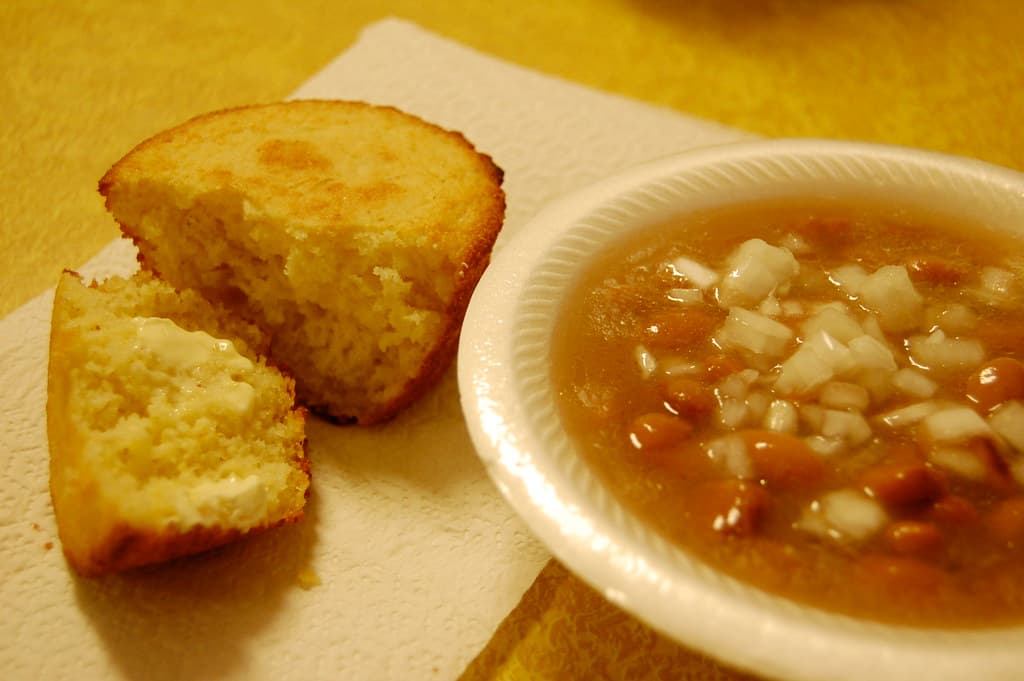
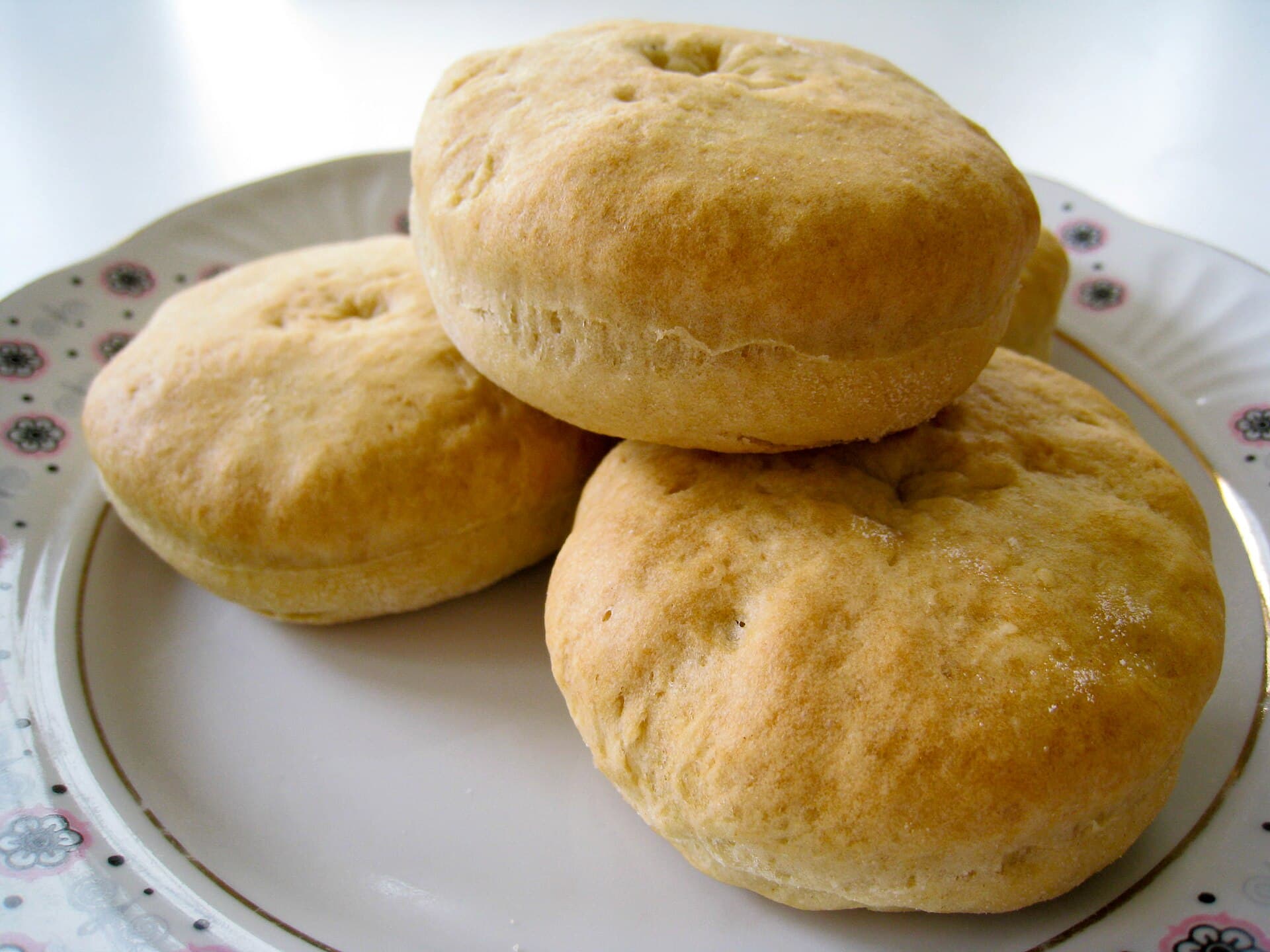
Food stretched because cash disappeared. Beans could be soaked overnight and simmered into soup beans, pinto beans and cornbread, or a pot carried through several meals. Cornmeal could become cornmeal pancakes in the morning and cornbread at supper. Leather britches beans, made from dried green beans, were a memory of older preservation habits that still mattered when fresh vegetables were uncertain. Biscuits or bread filled out a plate when meat was scarce. Coffee gave adults warmth, routine, and a little dignity before another day of looking for work.
Some families slaughtered animals they could no longer feed. Some sold tools, furniture, or land for less than it was worth. Some stayed and waited for rain. Others packed skillets, quilts, children, spare clothes, jars, a Bible, and hope into cars that were already worn thin. Migration west was not adventure. It was a decision made when staying no longer fed the family.
California looked like promise from a distance. The growing season was long, the crops varied, and handbills and rumors suggested that work waited for anyone willing to pick cotton, fruit, vegetables, or potatoes. Route 66 and other roads turned that hope into movement. But the families who arrived found a labor market crowded with people just as desperate as they were. Wages fell because too many hands chased too few jobs. A family could work and still not have enough.
Food followed the harvest. When cotton was ready, workers needed to be near cotton. When oranges, peas, potatoes, or grapes needed picking, people moved again. That meant meals had to travel: skillets, coffee pots, sacks of flour and cornmeal, dried beans, bacon grease if there was any, potatoes, canned milk, and the memory of how to make something filling from little. The migrant kitchen was often a campfire, a stove in a cabin, a ditchbank setup, or a corner of a government camp shelter.
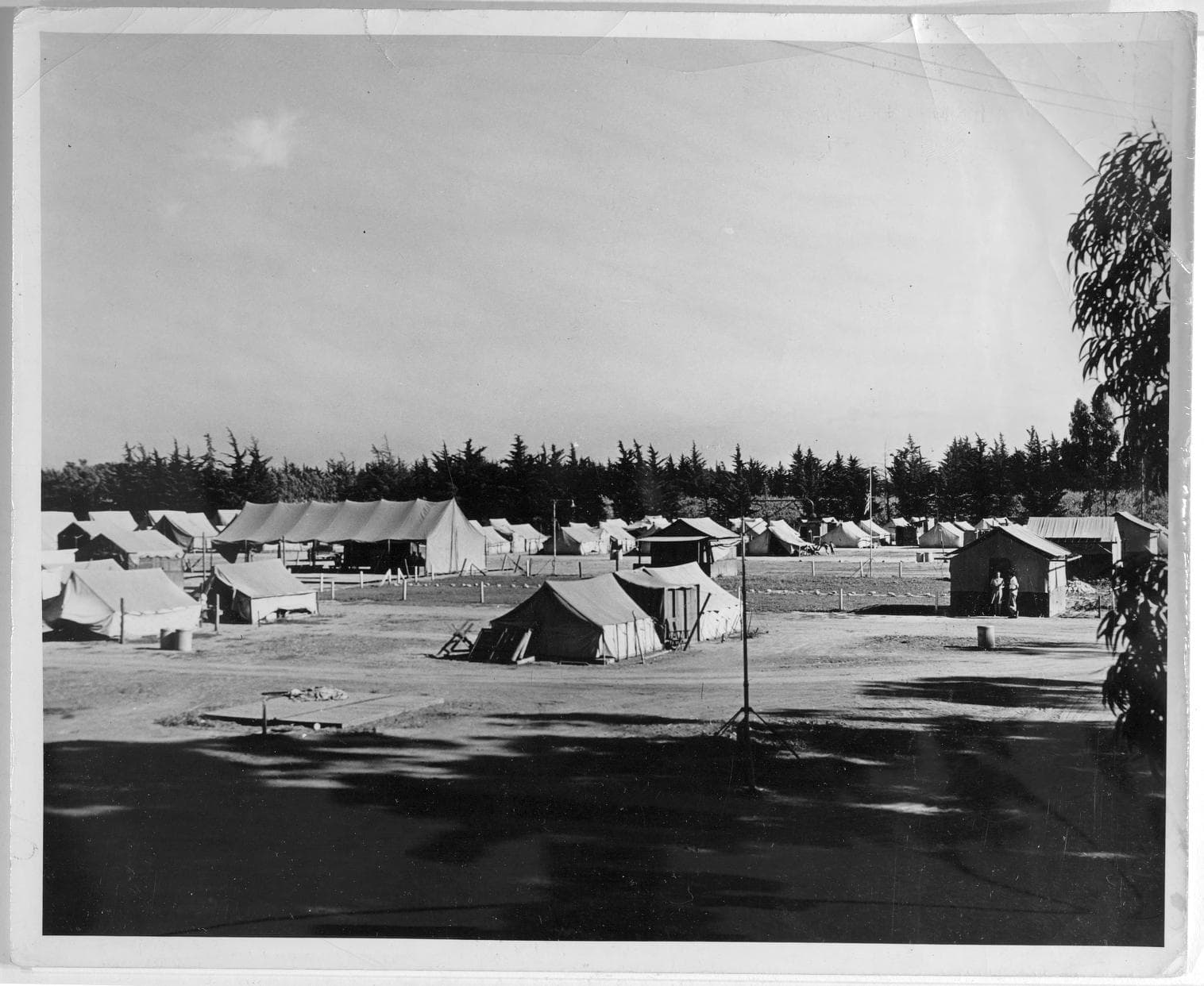
In ditchbank camps and roadside stops, cooking was also sanitation and safety. Bad water, crowding, flies, heat, and exhaustion could turn poverty into sickness. The Farm Security Administration camps tried to answer that with cleaner facilities, organized camp life, and a measure of self-government. They did not solve everything, but they gave some families a place where laundry, cooking, meetings, music, and children’s lives could become orderly again.
The Library of Congress collection Voices from the Dust Bowl exists because Charles L. Todd and Robert Sonkin took recording equipment into California migrant camps in 1940 and 1941. They documented residents of FSA camps in places including Arvin, Bakersfield, El Rio, Shafter, Visalia, and Firebaugh. The collection includes hundreds of audio titles, photographs, field notes, song texts, recording logs, newsletters, council meetings, court proceedings, conversations, and personal-experience narratives. It keeps the Dust Bowl audible as speech and song, not only visible as a photograph.
The songs have names, but music is only one doorway into the record. Jack Bryant’s Sunny Cal was recorded at Firebaugh in 1940 and stands for a larger camp-made tradition of hardship songs, work songs, gospel numbers, fiddle tunes, and newly written verses about California disappointment. Woody Guthrie carried a related public voice after living through Black Sunday in Texas and recording Dust Bowl Ballads in 1940. Hunger, homesickness, land loss, and the search for work were important enough that people sang them into memory.
The interviews are just as important as the songs. In the Arvin recording titled Interview about dust storms, sleet storms, and tall stories, Charlie Spurlock, Willie Judd, and Tom Johnson talk in the plain, social rhythm of men remembering weather that had become almost unbelievable. Public-radio excerpts from the Todd and Sonkin material identify migrants speaking about being stopped in New Mexico, living conditions in Arkansas, government camps, California promises, and one short judgment that says plenty: “it’s pitiful.” Those fragments are not polished speeches. They are working people describing their own lives.
The collection also complicates the word “Okie.” California often used the term broadly for newcomers, even though the migrants came from Oklahoma, Texas, Arkansas, Missouri, and other places. The Library of Congress notes that only about one fifth were from Oklahoma. The label could flatten people into a stereotype, but the recordings push back. They let listeners hear names, accents, jokes, songs, religious habits, family pride, prejudices, neighborliness, homesickness, and practical intelligence. A crowd becomes a community again when its members can speak for themselves.
Food sits in the middle of those voices. Migrants sang and talked after work, around shelters, in recreation halls, and in camps where meals still had to be made. A pot of beans over a fire, coffee boiled in the morning, biscuits or bread, fruit picked for wages, and meals shared among people with little cash became a way to remain human under pressure. Camp food carried manners, family, and neighbor duty into places where scarcity tried to erase all three.
The photographs tell the same story in another register. The Stratford, Texas dust-storm photograph shows a wall of soil moving toward homes and fields. Arthur Rothstein’s Kansas farmer and soil-drift photographs show the farm consequences after the storm: barns crowded by blown earth, fields stripped, and a man standing in a landscape that could no longer promise food. A wide shot of a migrant camp then shows what happened when the food system broke at the farm and remade itself on the road. Children under a Farm Security Administration sign at El Rio remind us that migrant labor was never only Anglo “Okie” history; Mexican and other non-Anglo farm workers were already central to American agriculture, and the Library of Congress specifically notes that Mexican immigrants had long been integral to farm production.
A Dust Bowl kitchen could be proud without being comfortable. Pride meant feeding children first. It meant making breakfast from cornmeal, supper from beans, coffee from grounds used carefully, and bread from whatever flour remained. It meant keeping a skillet clean when dust wanted everything dirty. It meant moving toward work without pretending the road was kind.
The story also includes policy learning. The land failed, markets failed, and old assumptions failed. Soil conservation, federal camps, relief programs, documentary photography, and public recording projects were all part of a country trying to understand what had happened. America did not respond perfectly. Many migrants faced discrimination, low wages, and miserable living conditions. But the record that survives shows a nation forced to see agricultural labor, land stewardship, hunger, and dignity as connected.
Dust Bowl food history belongs in a living cookbook. The recipes are humble, but they are not small. Cornbread, soup beans, cowboy coffee, biscuits, and dried beans carry a world of weather, debt, road dust, campfire smoke, government reform, and family endurance. A meal can be a primary source too. It can tell what people had, what they lacked, and what they refused to surrender.
The Dust Bowl food story carries a patriotic message in its honesty about failure and perseverance. The land failed, markets failed, and policy had to change. Yet families cooked, moved, worked, planted again, and told what happened. Their memory belongs in the American kitchen.
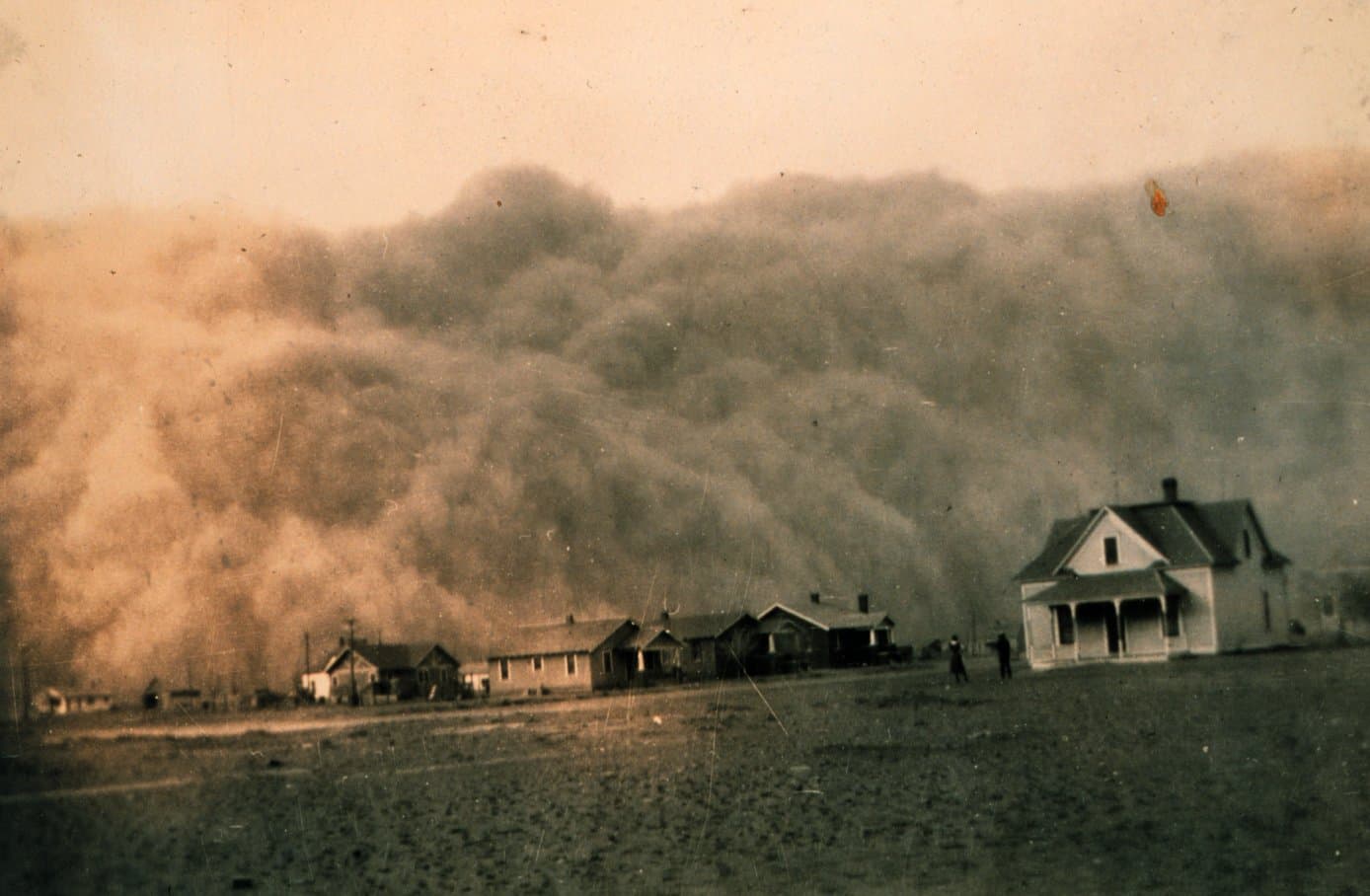
A wall of dust approaching a Texas town shows why food history here begins with land. The storm threatened homes, wells, barns, fields, livestock, and every meal that depended on them.
Photo: George Marsh/United States Coast and Geodetic Survey, U.S. Fish and Wildlife Service, public domain. View source
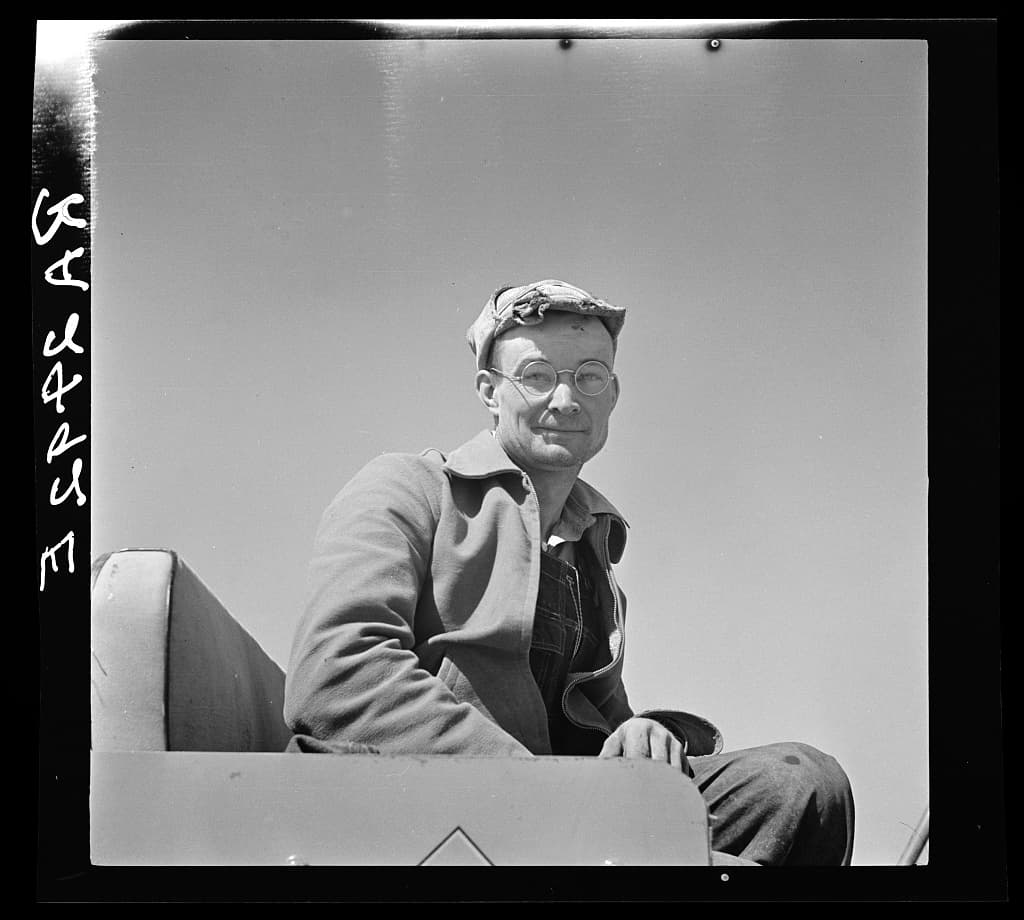
Arthur Rothstein photographed farmers, families, soil drifts, and abandoned farms for the federal documentary project. The human face matters because crop failure became dinner-table failure.
Photo: Arthur Rothstein photograph, Farm Security Administration/Library of Congress. View source
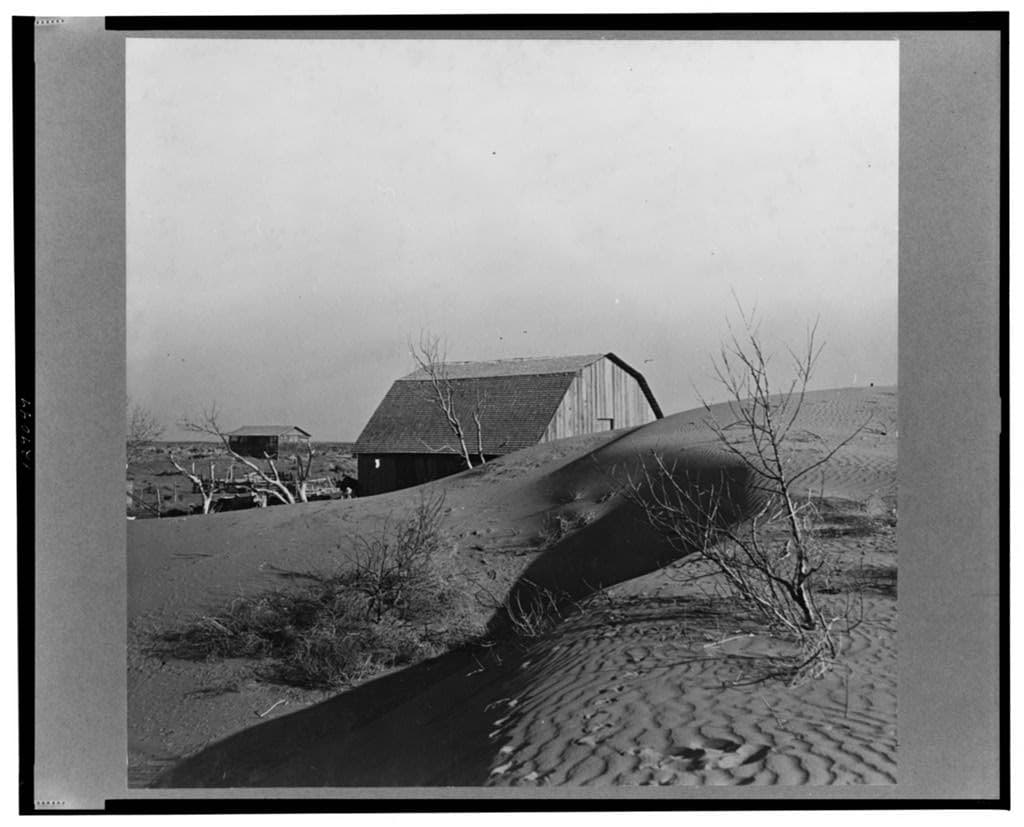
Soil drifted like snow against barns and outbuildings near Liberal, Kansas. This is a food-system photograph: it shows the land itself moving away from the farm.
Photo: Arthur Rothstein photograph, Farm Security Administration/Library of Congress. View source
From the archive
Listen and read deeper
Interview
Interview about dust storms, sleet storms, and tall stories
A 1940 Arvin FSA Camp conversation with Charlie Spurlock, Willie Judd, and Tom Johnson about dust storms, sleet storms, and tall stories. This is the kind of first-person recording that turns a general disaster into individual memory.
Recorded at Arvin FSA Camp, July 28, 1940.
Song
Sunny Cal
Jack Bryant wrote and performed this camp song at Firebaugh in 1940. The Library of Congress essay names it as one of the songs that speaks directly about hardship, disappointment, and the wish to return home.
Transcript
Voices from the Dust Bowl transcript excerpts
In NPR and Lost and Found Sound excerpts from the Todd/Sonkin recordings, migrants are identified discussing stops in New Mexico, living conditions in Arkansas, government camps, and California promises.
"stopped in NM" / "come on over in CA" / "it's pitiful"
Recipes from this story
Cook from the chapter
1600s-present
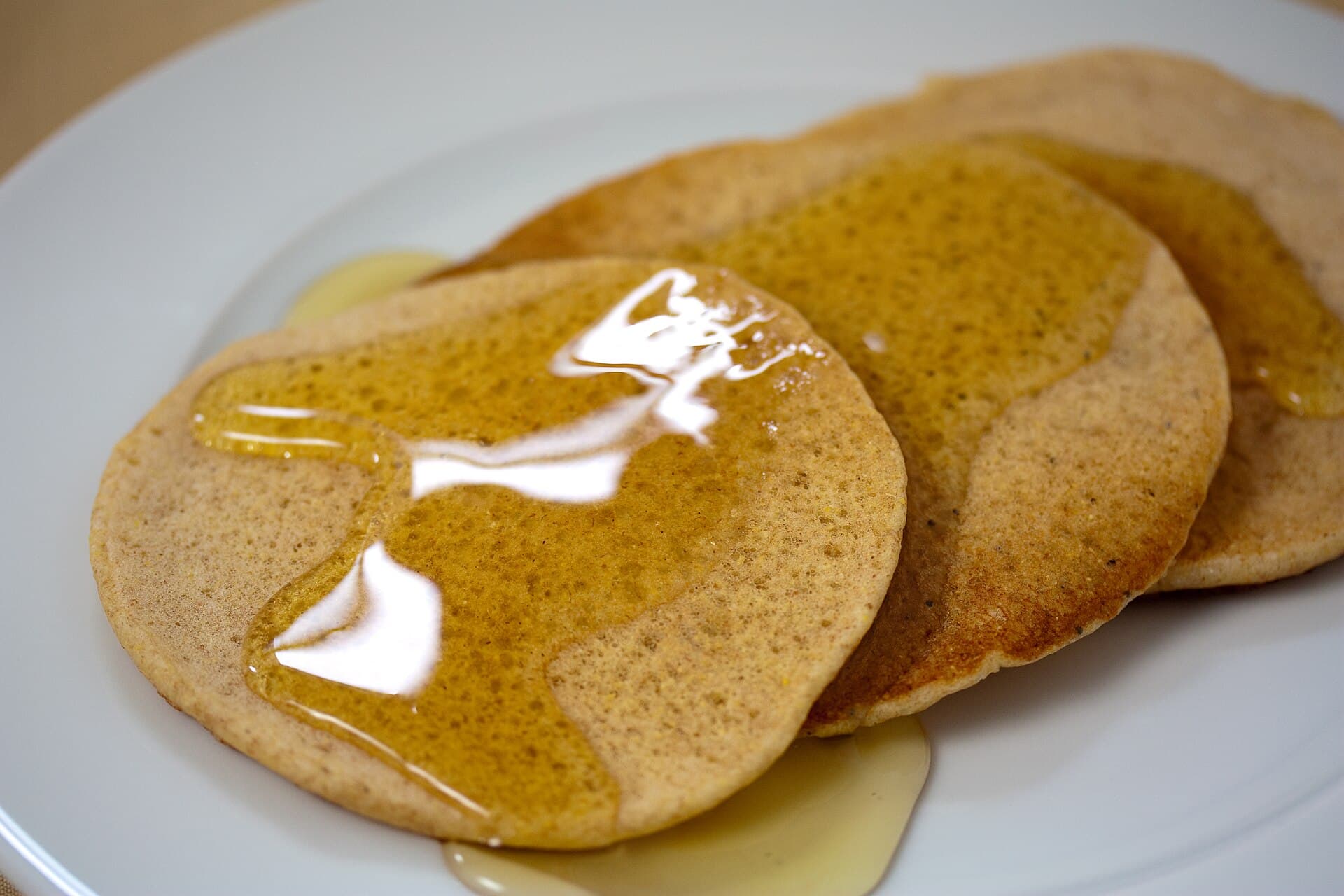
Cornmeal Pancakes
Cornmeal pancakes were a practical and hearty breakfast staple during the Depression and Dust Bowl years, offering an affordable, nourishing start to the day in rural and urban kitchens alike. Using simple pantry staples like cornmeal and flour, these pancakes sustained families through hard economic times and food shortages.
America's Melting Pot
Cornbread and Beans photo coming soon
1930s-present
Cornbread and Beans
Cornbread and beans was a nutritional and affordable meal staple during the Great Depression, combining inexpensive ingredients to create a filling dish. Beans, often pinto or kidney varieties, provided protein and fiber, while cornbread offered a comforting starch. This pairing sustained many American families through economic hardship and is now a symbolic representation of depression-era resourcefulness in foodways.
Keep reading
Related stories
1930s
Depression Tables: Stretching Food Without Losing Dignity
During the Great Depression, hunger met a stubborn American habit: stretch, share, and keep going. Soup kitchens, church relief, school lunches, and federal food programs became part of the landscape.
1860s-1890s
The Chuckwagon, America's Working Kitchen on Wheels
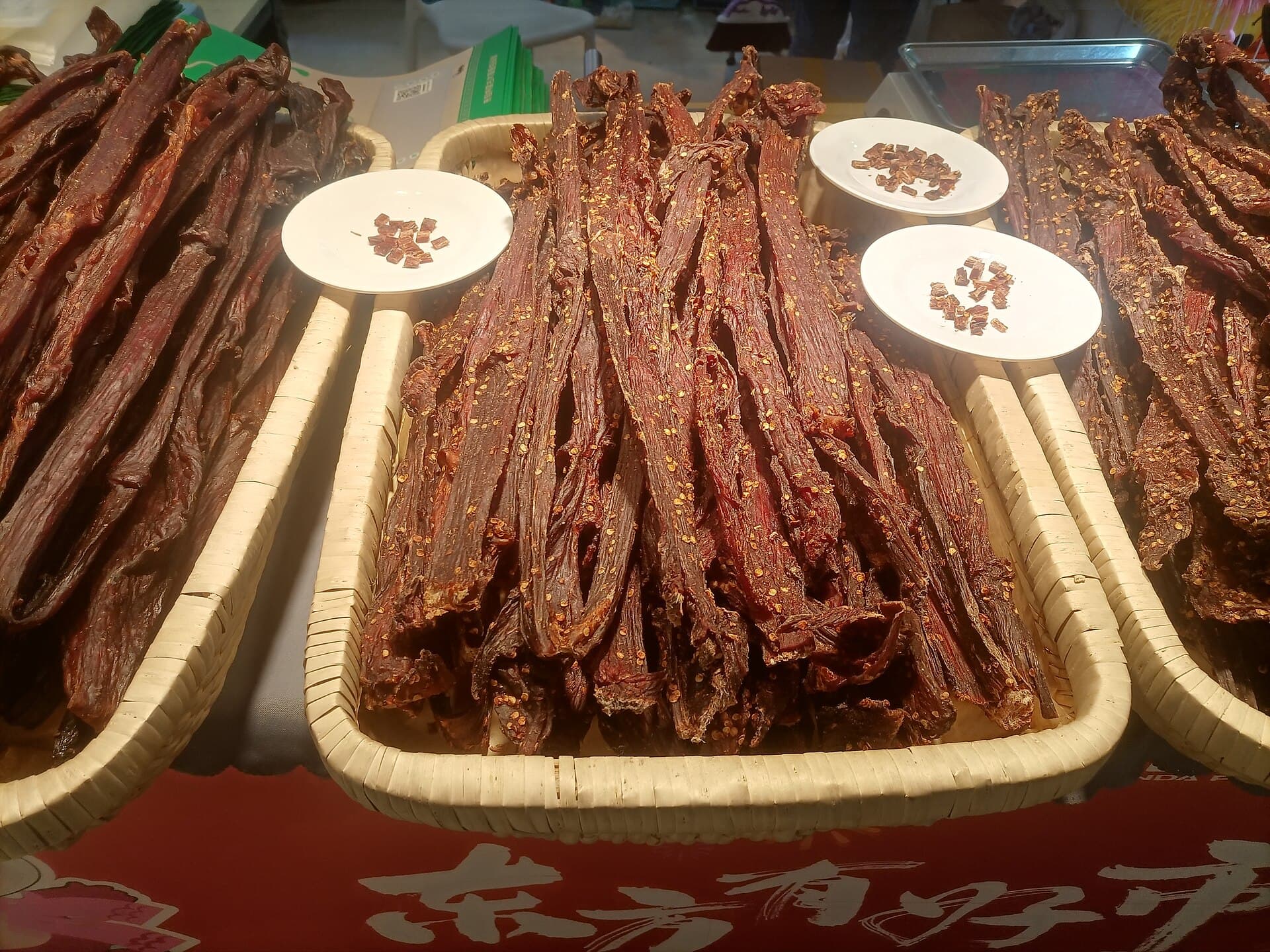
The chuckwagon was a rolling kitchen and a center of order on the open range. Beans, sourdough, dried meat, coffee, potatoes, rice, onions, lard, and Dutch-oven desserts kept crews moving through hard country.
1917-1945
Victory Gardens and the Patriotism of Seeds
War gardens and victory gardens made patriotism practical. Families planted beans, potatoes, peas, onions, tomatoes, and greens so farms, rail lines, and ships could feed soldiers and allies.