World War II
Ration Books, Shared Sacrifice, and Supper
World War II rationing asked Americans to treat fairness as a kitchen duty. Sugar, coffee, meat, fats, gasoline, and other goods were managed so troops and civilians could both be supplied.
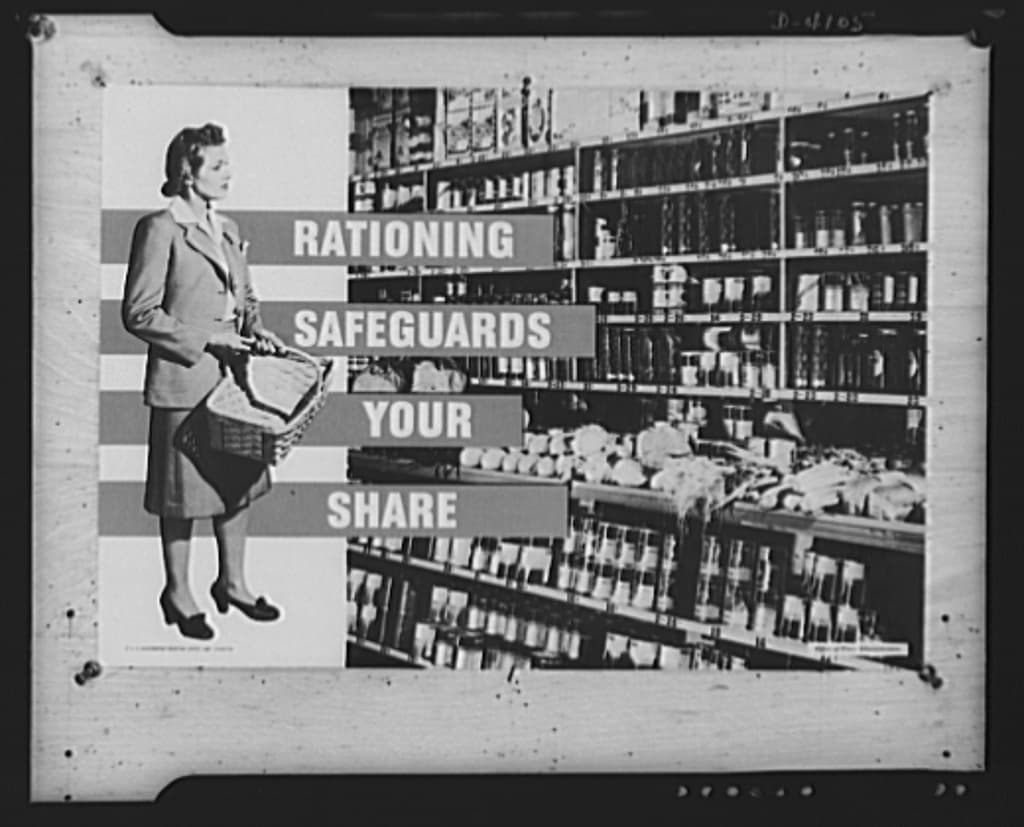
World War II rationing brought the war into grocery stores and kitchens. Americans used ration books, stamps, and point systems to buy limited goods such as sugar, coffee, meat, fats, canned foods, and gasoline. The purpose was not only scarcity management. It was fairness. Rationing was meant to prevent hoarding and make sure soldiers, allies, and civilians all had a share.
Home cooks adapted quickly. They saved bacon grease, stretched meat with beans or grains, baked with less sugar, used seasonal produce, learned substitutions, and planned menus around points. Cookbooks, posters, newspapers, radio programs, and government guidance turned the kitchen into a classroom for wartime discipline.
Rationing also created a moral language around food. Taking only one's share became patriotic. Waste became suspect. A full pantry carried responsibility. The grocery line, the butcher counter, and the supper table were all connected to ships, factories, farms, and battlefields.
Rationing changed the emotional life of shopping. A shopper needed money, points, stamps, patience, and arithmetic. Meat, sugar, butter, coffee, canned goods, and fats carried different meanings when each purchase used a limited allowance. The grocery counter became a place where national policy met family appetite.
Home cooks became translators of scarcity. They learned meatless meals, egg-saving cakes, sugar-stretched desserts, vegetable-heavy suppers, and ways to make leftovers look intentional. Newspapers and government pamphlets supplied recipes, but families supplied judgment. They knew which substitutions children would accept and which ones would return untouched.
Rationing also exposed inequality. Some families had gardens, farms, chickens, or relatives who could help. Others depended entirely on stores. Black markets and hoarding tested the system. Yet the basic democratic idea was powerful: in a national emergency, fairness mattered enough to organize.
That is why ration books belong in food history. They were not recipes, but they shaped recipes. They turned home cooking into a daily act of citizenship, asking Americans to connect appetite with soldiers, allies, ships, factories, and neighbors they would never meet.
Rationing began as a fairness system. Without rules, people with more money, storage space, or speed could buy up scarce goods while others went without. Ration books, stamps, and point values created a public language for limits. Sugar, coffee, meat, butter, fats, canned goods, and gasoline became household reminders that the war was not far away.
Shopping became arithmetic. A family needed cash and points, appetite and patience. A butcher counter could require calculation before it required cooking. Canned foods had point values. Meat cuts differed. Sugar had to be saved for birthdays, jam, coffee, or preserves. Coffee rationing changed morning habits. Waste felt disloyal because every ounce seemed connected to ships, factories, farms, and soldiers.
Home cooks improvised with pride and irritation. They stretched meat with beans, rice, oatmeal, potatoes, gravy, and vegetables. They saved bacon grease, reused drippings, baked eggless or sugar-light cakes, and planned leftovers before the first meal was served. Newspapers, radio programs, women's magazines, extension agents, and government pamphlets offered suggestions, but each household had to decide what would actually be eaten.
Victory gardens and rationing worked together. A garden could supply seasonal produce without points. Canning could preserve local abundance, though sugar for preserves had to be managed carefully. A chicken, a farm relative, or a backyard plot could make one family more secure than another. Rationing tried to make scarcity fair, but it could not erase every difference in land, money, race, region, and access.
The black market revealed the strain. Some people cheated, hoarded, forged, or bought outside the rules. Others judged them harshly because rationing depended on public trust. The point system asked millions of people to accept inconvenience for strangers. That was not always easy, but the idea was democratic: the burden of war should be shared rather than auctioned to the fastest shopper.
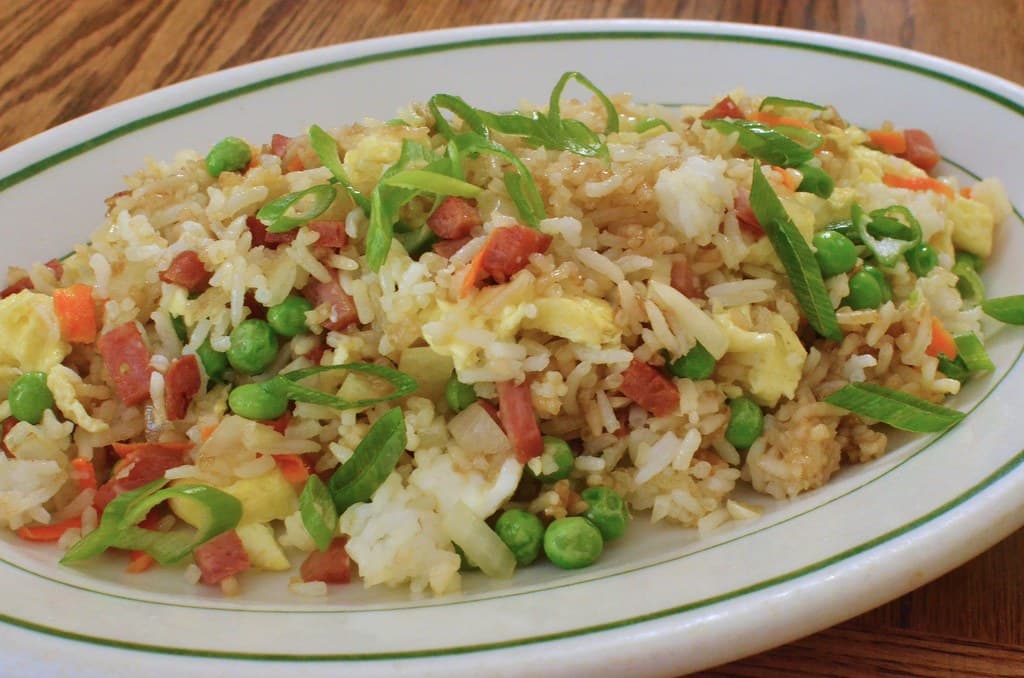
Ration books shaped recipes even when they contained no recipes. Navy bean soup, rice and gravy, victory garden soup, corned beef hash, Spam fried rice, meat-stretched casseroles, and sugar-sparing desserts all carried the logic of the home front. Supper became a daily practice of shared sacrifice.
Sugar rationing reached deep into American ritual. Birthdays, pies, coffee, jam, preserves, holiday cookies, church suppers, and children's treats all had to be planned around limits. Cooks learned to use molasses, corn syrup, honey, fruit, spices, or smaller portions. Sweetness became something to budget rather than assume.
Meat rationing changed the center of the plate. Families used cheaper cuts, organ meats, casseroles, hash, beans, eggs, cheese, fish when available, and vegetable suppers. A roast could become sandwiches, hash, soup, and gravy across several meals. The skill was not only cooking meat; it was making meat's flavor travel farther than the meat itself.
Fats mattered because they connected home kitchens to war industries. Grease could be saved and turned in for glycerin production, and posters encouraged households to treat drippings as useful material. Bacon fat, lard, butter, margarine, and cooking oils became part of the home-front economy. Nothing felt entirely private.
Rationing made children aware of national limits. They saw stamps pasted, points counted, sugar saved, and adults debating what could be bought. Some children collected scrap or helped gardens while also learning that candy and treats were not guaranteed. Wartime food discipline entered memory through small disappointments and shared routines.
When the war ended, rationing did not disappear from memory immediately. The habits of saving, stretching, substituting, and refusing waste remained in many households. A generation carried those lessons into postwar abundance, sometimes with pride and sometimes with fatigue.
Rationing also affected hospitality. Hosts had to decide whether to spend sugar, coffee, meat points, or butter on guests. A cake, a pot of coffee, or a meat supper carried extra meaning because it used limited household resources. Generosity did not disappear; it became more deliberate.
The system trained Americans to think nationally at the stove. A cook planning supper might not know the soldier, sailor, merchant mariner, factory worker, or ally affected by supply decisions, but rationing asked her to cook as if those distant people mattered. That discipline gave ordinary meals a public dimension.
The story is powerful because it shows a democracy asking millions of households to cooperate. People complained, improvised, traded recipes, and sometimes bent rules, but the broad achievement remains impressive. Supper became one of the ways Americans practiced shared sacrifice.
From the archive
Listen and read deeper
Recipes from this story
Cook from the chapter
1900s-present
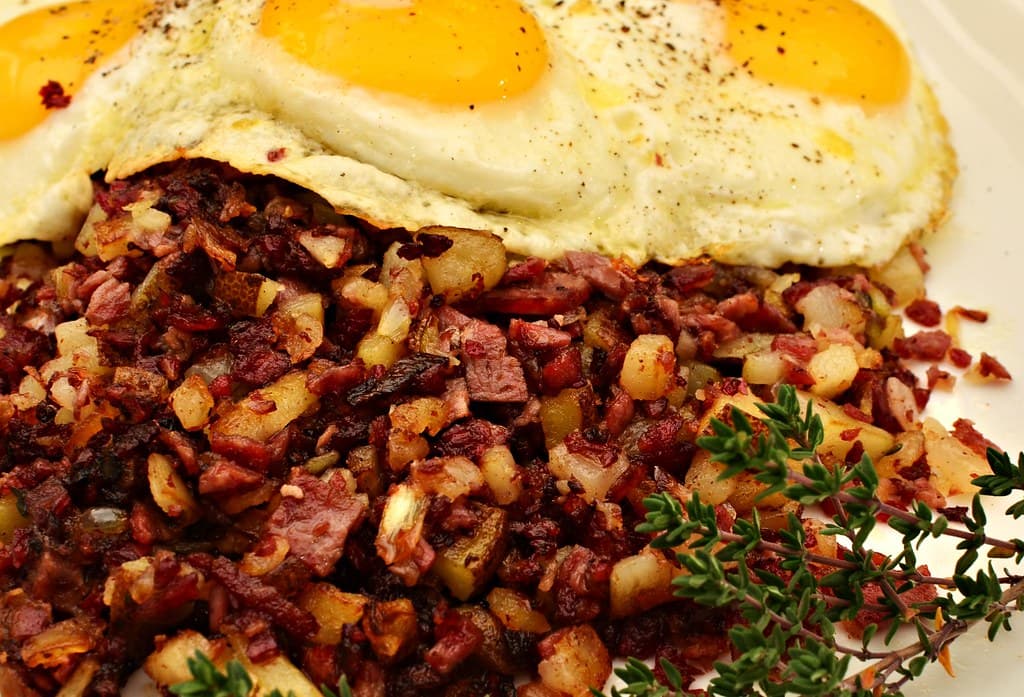
Corned Beef Hash
Corned beef hash is a simple blend of chopped corned beef, potatoes, and onions, pan-fried to a crispy breakfast dish popular on the World War II home front.
America's Melting Pot
Navy Bean Soup photo coming soon
1900s-present
Navy Bean Soup
Navy Bean Soup is a simple, hearty soup featuring white navy beans simmered with vegetables and ham or pork, widely consumed during the Great Depression and wartime for its affordability and sustenance. The soup became a staple in military and civilian kitchens alike.
Keep reading
Related stories
1917-1945
Victory Gardens and the Patriotism of Seeds
War gardens and victory gardens made patriotism practical. Families planted beans, potatoes, peas, onions, tomatoes, and greens so farms, rail lines, and ships could feed soldiers and allies.
1930s
Depression Tables: Stretching Food Without Losing Dignity
During the Great Depression, hunger met a stubborn American habit: stretch, share, and keep going. Soup kitchens, church relief, school lunches, and federal food programs became part of the landscape.
2020-2021
COVID-19 and the Reinvention of Food Access
When COVID-19 closed restaurants, schools, and workplaces, Americans saw empty shelves and long food-bank lines, even as federal agencies stressed that the national food supply itself remained strong.