
Loading
Setting the table...
Fetching the latest recipes from the archive.
Loading
Fetching the latest recipes from the archive.
Recipe archive
Recipe archive
Search the archive by title, region, ingredient, tag, or era, then sort the table by the view that fits your kitchen.
This archive is growing through recipes, photos, family recipes, and historical context shared by the community.
America's Melting Pot
Butterscotch Malt photo coming soon
1900-1929
Butterscotch Malt pours old-school malt-shop cheer into a cold glass: Old-fashioned soda fountain flavor.
America's Melting Pot
Butterscotch Sauce photo coming soon
Gilded Age & Progressive Era
Butterscotch Sauce is a sweet sauce with real American table personality: Ice cream parlor classic. It brings flavor from coast-to-coast American tables to cookouts, counters, lunch plates, potlucks, and weeknight suppers.
America's Melting Pot
Cabbage and Bacon photo coming soon
1800s-present
Cabbage and bacon points back to Irish bacon-and-cabbage traditions more directly than corned beef and cabbage does. Irish American cooks adapted the pairing with the bacon available in American markets, turning it into a quick skillet or boiled side.
America's Melting Pot
Cabbage and Noodles photo coming soon
1900s-present
Cabbage and noodles is Depression-friendly comfort food with Central and Eastern European roots. In American Polish, Slovak, Czech, Hungarian, and Appalachian communities, buttered cabbage and noodles became a cheap dish that could feed many people.
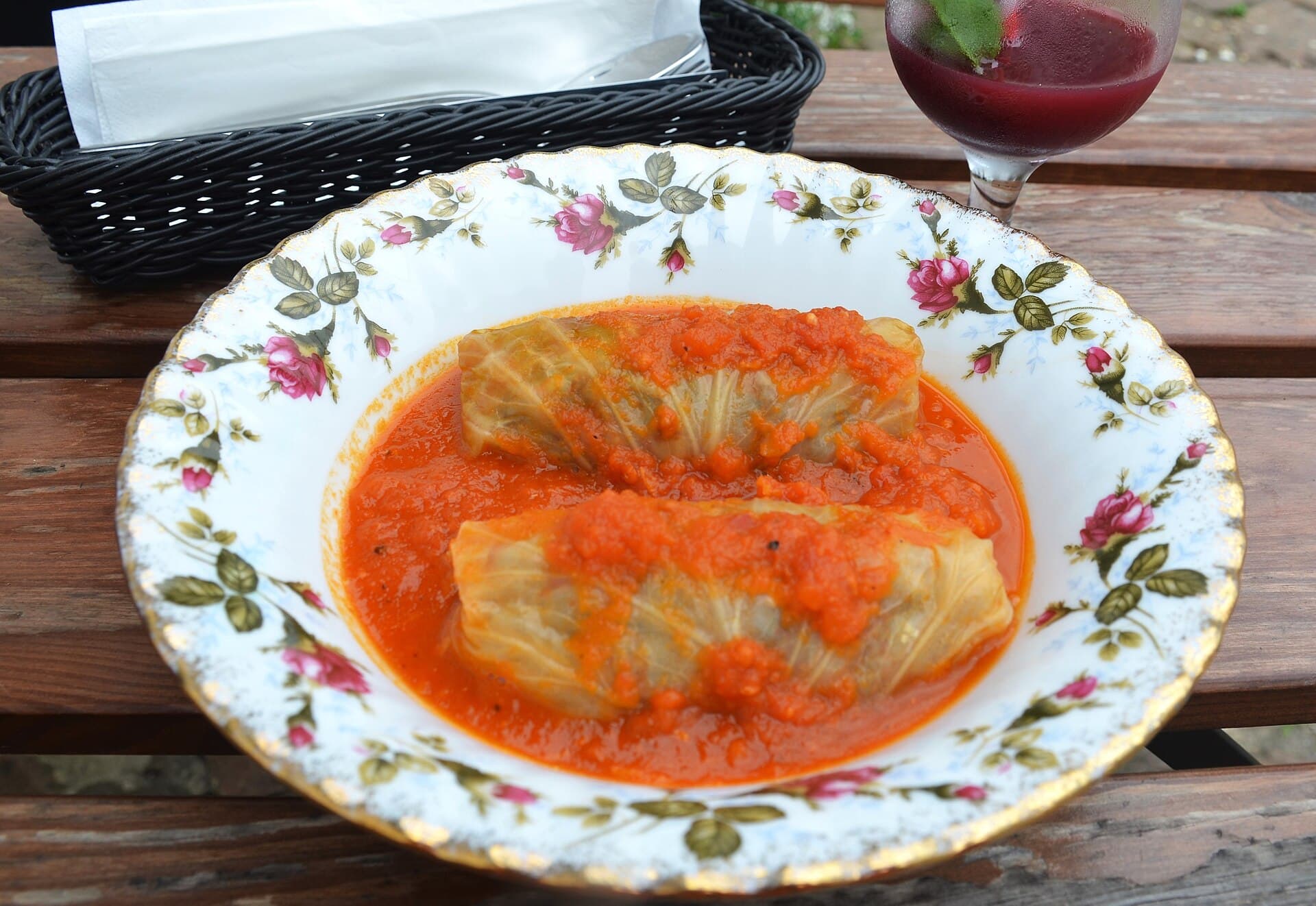
1900s-present
Cabbage rolls came to American tables through many Eastern European and Jewish immigrant communities. Polish golabki, Ukrainian holubtsi, Slovak holubky, Jewish holishkes, and related dishes all wrap humble cabbage around a filling that stretches meat with rice or grain.
America's Melting Pot
Cabbage Soup photo coming soon
1800s-present
Cabbage soup is old-world thrift cooking that fit American boardinghouses, mining camps, immigrant kitchens, and wartime tables. Cabbage stored well, stretched broth, and could become a light vegetable soup or a heartier meal with potatoes, beans, or meat.
America's Melting Pot
Cajun Blackened Fish photo coming soon
1980s-present
Blackened fish became a national sensation through New Orleans chef Paul Prudhomme, whose blackened redfish helped bring Cajun cooking to American restaurant culture in the 1980s. The method is intense: butter, spices, high heat, and a smoky cast-iron crust.
America's Melting Pot
Cajun Boil Butter photo coming soon
Cross-era
Cajun Boil Butter is a spread with real American table personality: Gulf Coast seafood boil table sauce. It brings flavor from the American South to cookouts, counters, lunch plates, potlucks, and weeknight suppers.
America's Melting Pot
Cajun Butter Sauce photo coming soon
Cross-era
Cajun Butter Sauce is a seafood sauce with real American table personality: Seafood boil bag culture. It brings flavor from the American South to cookouts, counters, lunch plates, potlucks, and weeknight suppers.
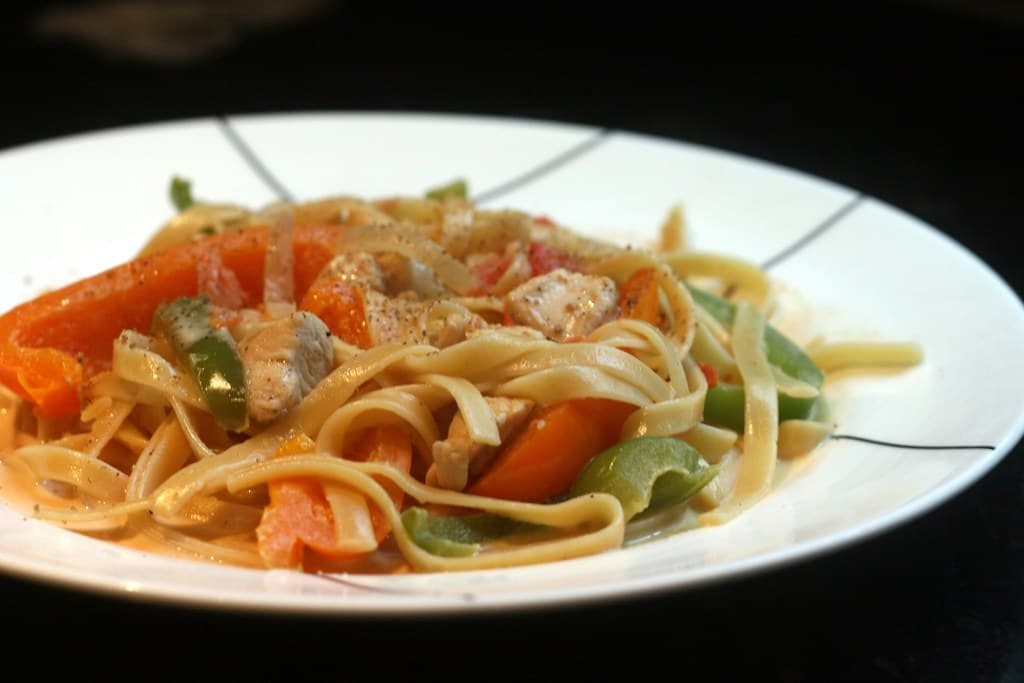
1990s-present
Cajun chicken pasta is American fusion in family-restaurant form. It borrows the spice profile and blackening language popularized by Cajun restaurant cooking, then folds it into creamy pasta for a 1990s-style chain and mall-restaurant favorite.
America's Melting Pot
Cajun Garlic Hot Sauce photo coming soon
Cross-era
Cajun Garlic Hot Sauce is a condiment with real American table personality: Louisiana seafood boil, po' boy, and gumbo table condiment. It brings flavor from the American South to cookouts, counters, lunch plates, potlucks, and weeknight suppers.
America's Melting Pot
Cajun Ranch photo coming soon
Modern Melting Pot
Cajun Ranch is a dressing with real American table personality: Sports bar and fried-food dipping sauce. It brings flavor from the American South to cookouts, counters, lunch plates, potlucks, and weeknight suppers.
America's Melting Pot
Cajun Remoulade photo coming soon
Cross-era
Cajun Remoulade is a condiment with real American table personality: Louisiana version of French remoulade, often spicier and redder. It brings flavor from the American South to cookouts, counters, lunch plates, potlucks, and weeknight suppers.
America's Melting Pot
Cajun Seafood Boil Bags photo coming soon
2000s-present
Cajun seafood boil bags grew from Gulf Coast seafood boils and the Viet-Cajun restaurant boom in Louisiana, Texas, and Houston. The modern bag format lets diners shake boiled seafood with a rich garlic-butter sauce and spice level chosen at the table.
America's Melting Pot
Cake Batter Shake photo coming soon
1900-1929
Cake Batter Shake pours old-school malt-shop cheer into a cold glass: Birthday-party Americana in a cup.
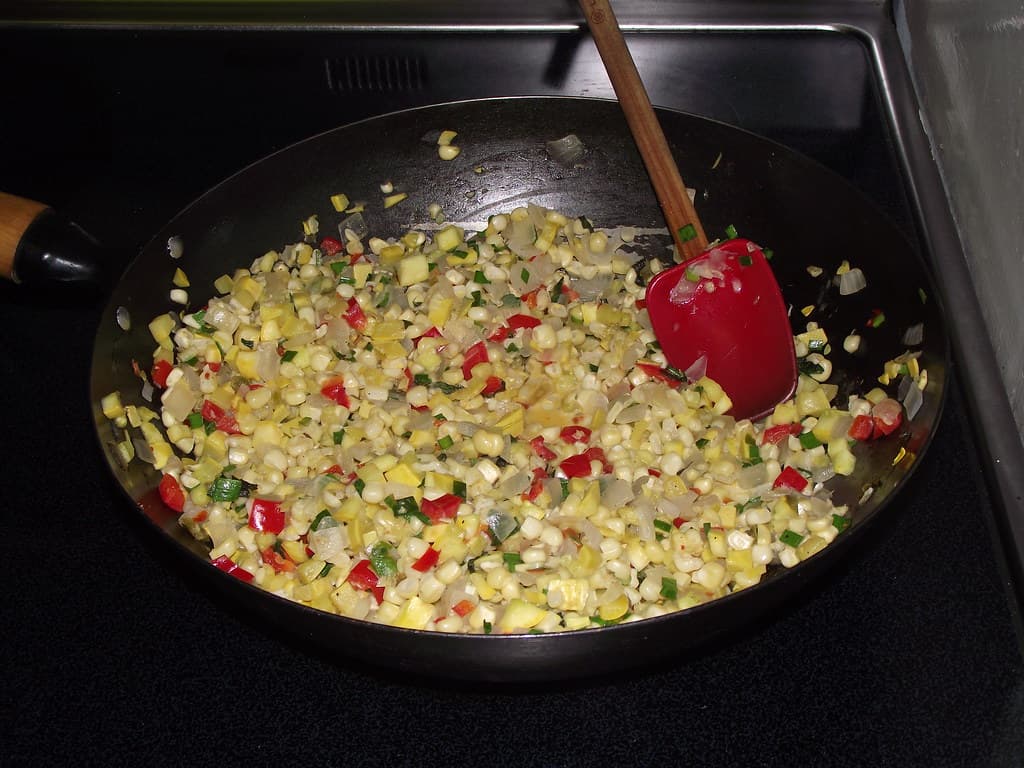
1800s-present
Calabacitas means little squash, and in New Mexico it names a fast summer vegetable dish of squash, corn, and green chile. It reflects Indigenous, Spanish borderlands, Mexican, and Mexican American foodways across the Southwest.
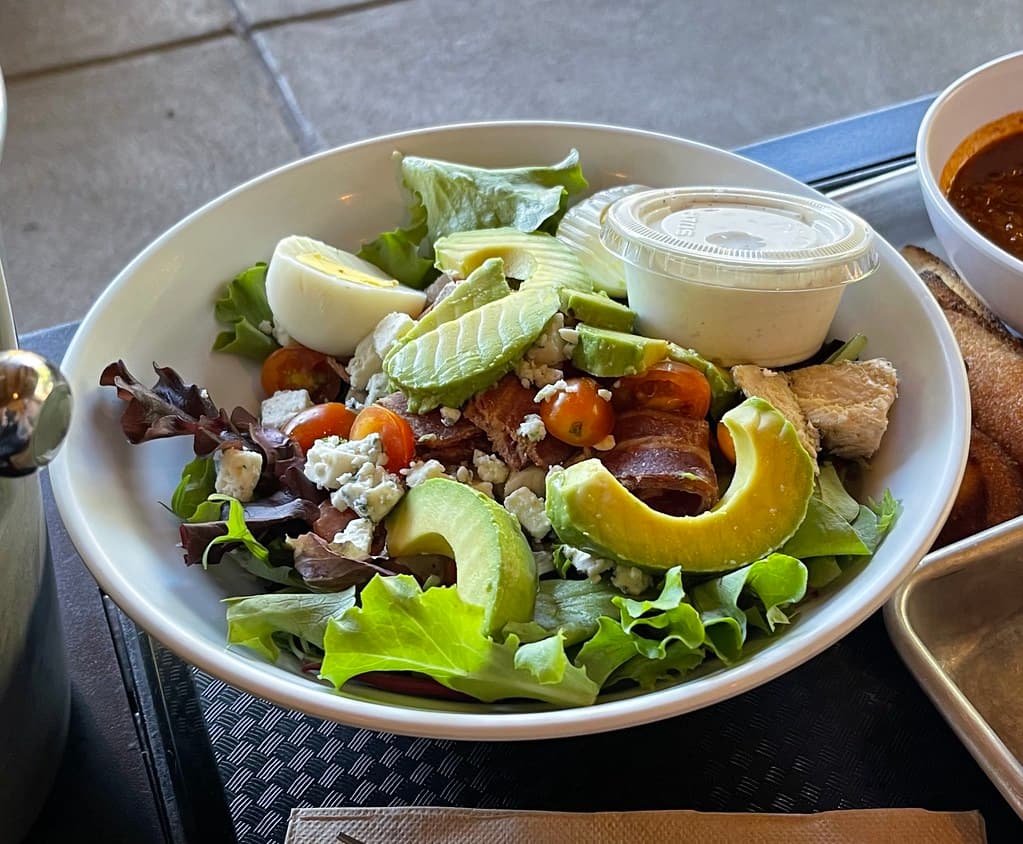
1930s-present
The Cobb salad is closely tied to the Brown Derby restaurant in Hollywood and Bob Cobb in the 1930s. Its rows of chopped ingredients made it a California restaurant icon: hearty enough for a meal, bright with avocado and tomato, and theatrical enough for Hollywood.
America's Melting Pot
California Date Shake photo coming soon
Cross-era
California Date Shake salutes regional fruit country and the American dairy-stand tradition: Coachella Valley/Palm Springs.
America's Melting Pot
California Fresh Goat Cheese photo coming soon
American Dairy Age
California Fresh Goat Cheese is a fresh American goat cheese made with pasteurized goat milk, slow culturing, gentle draining, salting, and refrigeration.
America's Melting Pot
California Pizza photo coming soon
1980s-present
California pizza emerged around 1980 as chefs in Berkeley, San Francisco, and Los Angeles put California cuisine toppings onto thin-crust pizza. Alice Waters at Chez Panisse, Ed LaDou, Wolfgang Puck at Spago, and later California Pizza Kitchen helped spread the style.
America's Melting Pot
California Roll photo coming soon
1960s-present
The California roll helped make sushi approachable for many American diners by putting rice on the outside and using familiar cooked crab, avocado, and cucumber. Its origin is contested between Los Angeles and Vancouver claims, but its influence on American sushi is clear.
America's Melting Pot
Campfire Beans photo coming soon
1800s-present
Campfire beans belong to outdoor American cooking: beans simmered near a fire or baked in a Dutch oven for campers, hunters, ranch hands, and backyard cookouts. The modern version often uses canned beans and smoky meat for a quick, filling side.
America's Melting Pot
Candy Cane Shake photo coming soon
1900-1929
Candy Cane Shake brings drive-in, carhop, and fast-food dessert-counter energy to the table: Christmas seasonal shake.
America's Melting Pot
Cane Syrup photo coming soon
Cross-era
Cane Syrup is a sweet sauce with real American table personality: Gulf South and Southern breakfast table. It brings flavor from the American South to cookouts, counters, lunch plates, potlucks, and weeknight suppers.
Community recipe submission
Log in to submit a recipe, format it with the cooking companion, and send it for review.
Log in to Submit