
Loading
Setting the table...
Fetching the latest recipes from the archive.
Loading
Fetching the latest recipes from the archive.
Recipe archive
Recipe archive
Search the archive by title, region, ingredient, tag, or era, then sort the table by the view that fits your kitchen.
This archive is growing through recipes, photos, family recipes, and historical context shared by the community.
America's Melting Pot
Canned Corned Beef Hash photo coming soon
1910s-present
Canned corned beef hash moved through military rations, Depression-era thrift, and diner breakfasts because it was shelf-stable, filling, and quick. The key home technique is simple: spread it in a hot skillet and let it brown before turning.
America's Melting Pot
Canned Oyster Stew photo coming soon
1800s-present
Oyster stew has long been part of American coastal, holiday, and Lenten cooking. Canned oysters made the dish possible far from oyster beds and useful for military, railroad, boardinghouse, and pantry meals.
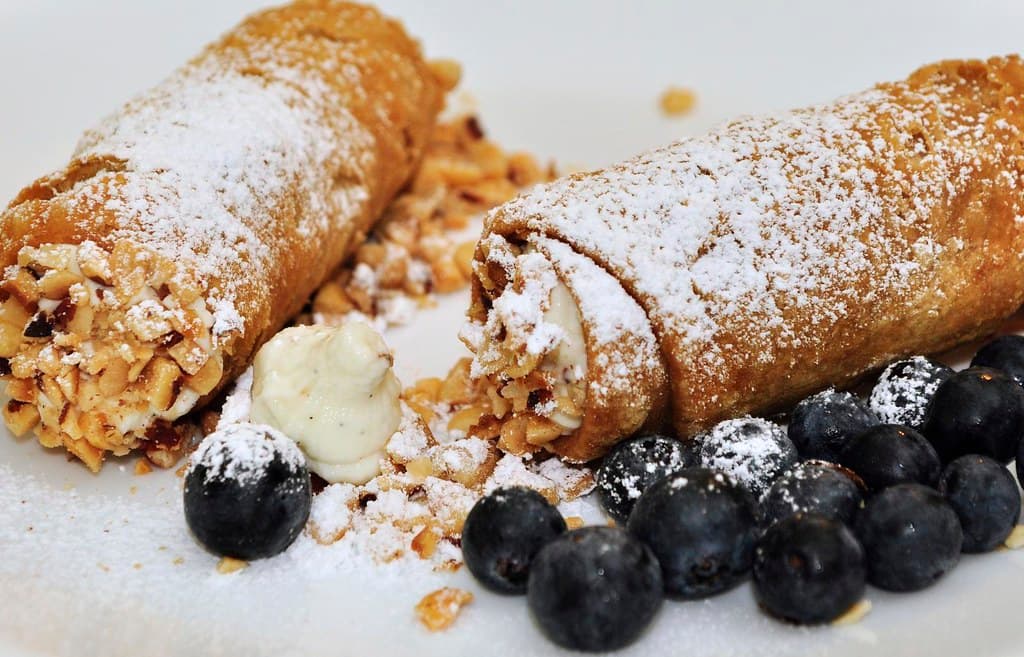
1900s-present
Cannoli came to Italian American bakeries from Sicily, where fried pastry shells and ricotta filling have deep carnival and regional roots. In the United States, Little Italy bakeries made cannoli a signature Italian American dessert, often sweeter and larger than Sicilian versions.
America's Melting Pot
Caramel Apple Shake photo coming soon
Postwar & Diner Age
Caramel Apple Shake pours old-school malt-shop cheer into a cold glass: Fall fair and orchard flavor.
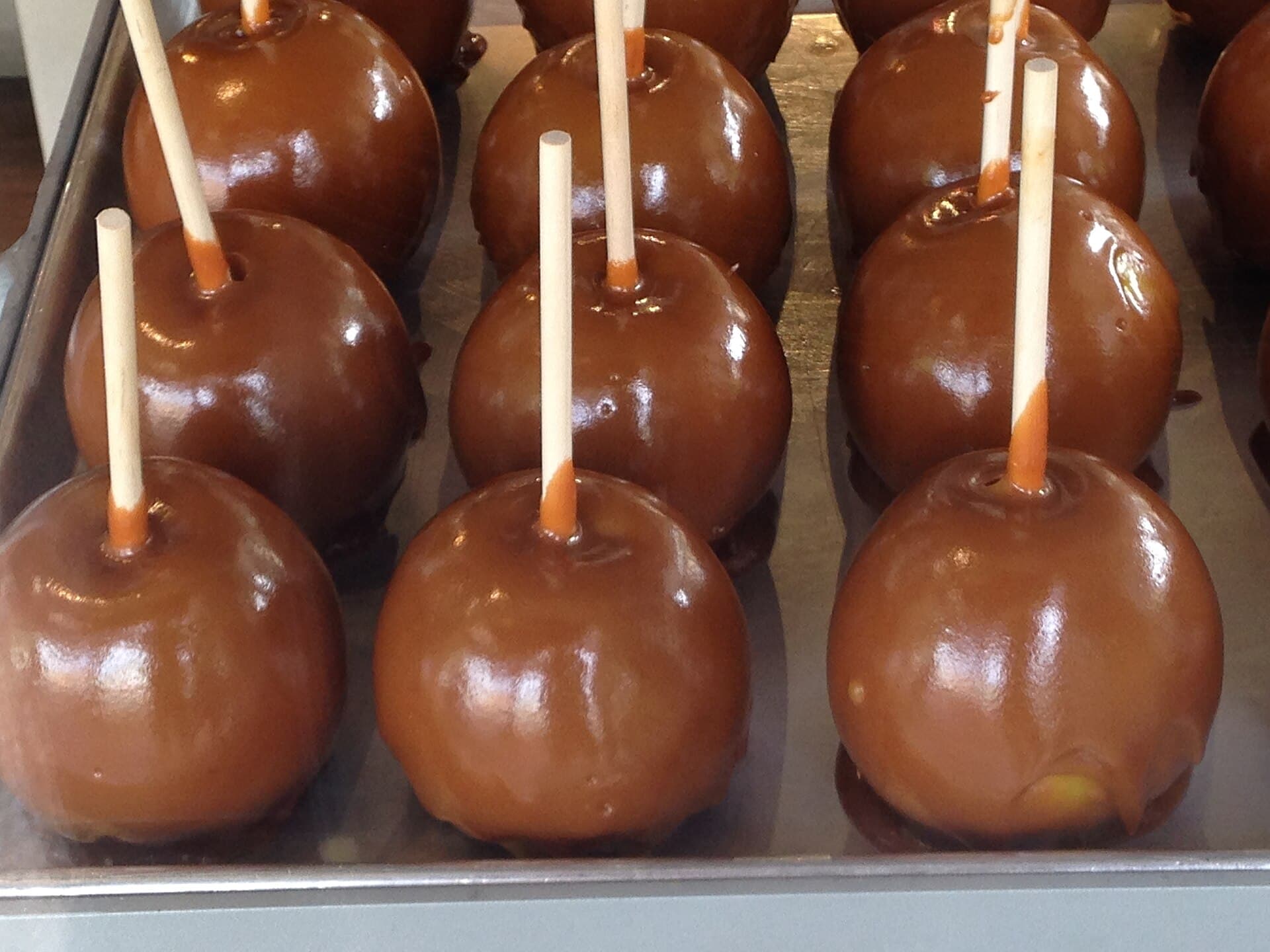
1950s-present
Caramel apples followed candy apples but became their own American fall tradition. Kraft employee Dan Walker is widely credited with developing the caramel apple in the 1950s while experimenting with leftover Halloween caramels.
America's Melting Pot
Caramel Blended Coffee photo coming soon
Modern Melting Pot
Caramel Blended Coffee blends coffeehouse America with milkshake-style fun: 1990s-2000s coffee-chain staple.
America's Melting Pot
Caramel Malt photo coming soon
1900-1929
Caramel Malt pours old-school malt-shop cheer into a cold glass: Butterscotch/caramel malt-shop flavor.
America's Melting Pot
Caramel Rolls photo coming soon
1920s-present
Caramel rolls are a beloved North Dakota and Upper Midwest bakery, church, and cafe treat. They resemble cinnamon rolls or sticky buns, but the defining feature is a generous caramel sauce that bakes under the rolls and becomes the top after turning out.
America's Melting Pot
Caramel Sauce photo coming soon
Gilded Age & Progressive Era
Caramel Sauce is a sweet sauce with real American table personality: Sundaes, apple dipping, coffee drinks. It brings flavor from coast-to-coast American tables to cookouts, counters, lunch plates, potlucks, and weeknight suppers.
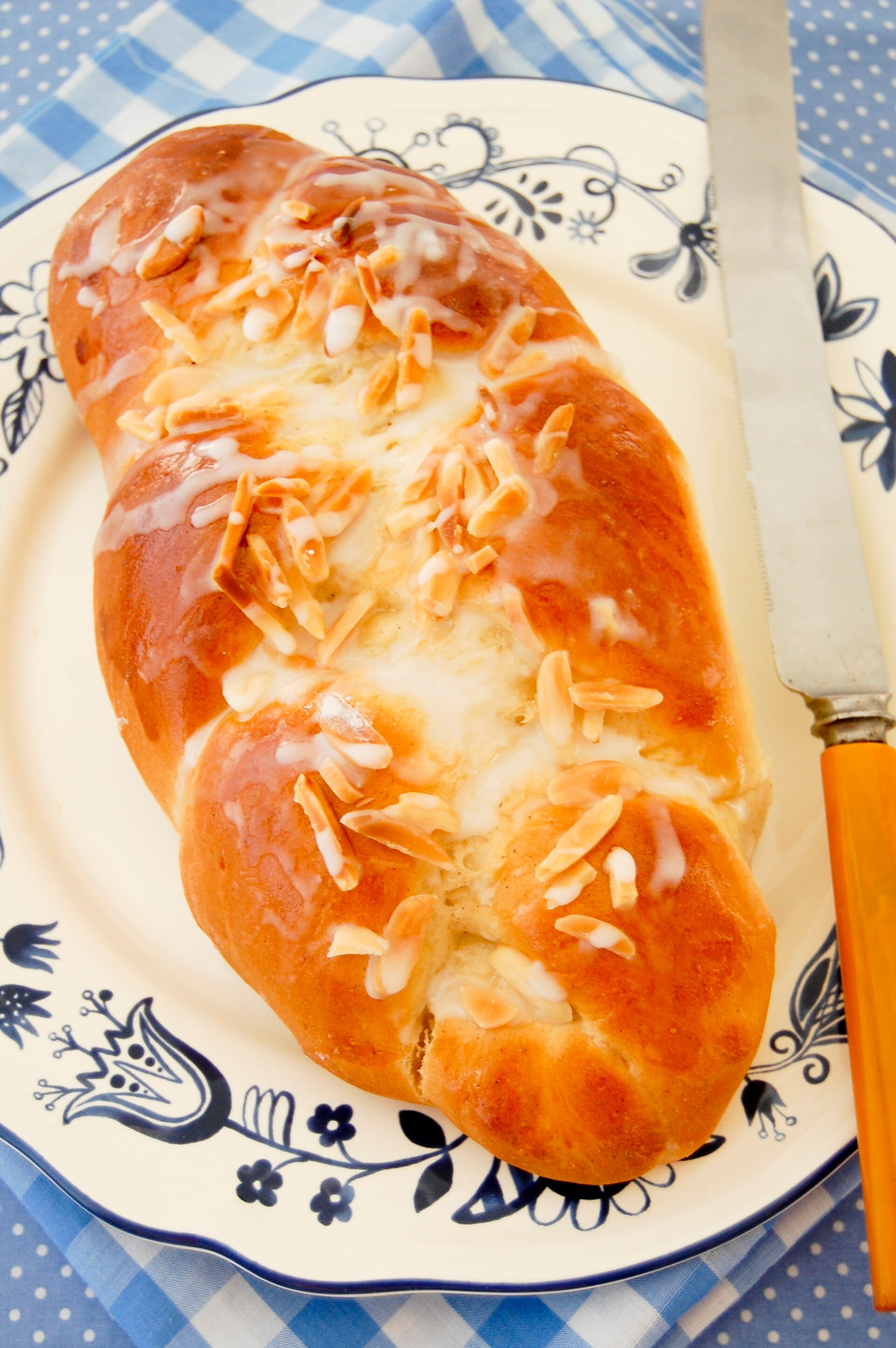
1800s-present
Cardamom bread came into Upper Midwest kitchens with Finnish, Swedish, Norwegian, and other Scandinavian immigrants. Finnish pulla and Swedish cardamom breads became coffee-table, holiday, and family celebration loaves in Scandinavian American communities.
America's Melting Pot
Carne Asada photo coming soon
1800s-present
Carne asada means grilled meat, and in northern Mexico and the American Southwest it is both a recipe and a gathering. Mexican American families, taquerias, and backyard cooks made thin grilled steak a staple for tacos, burritos, plates, and weekend cookouts.
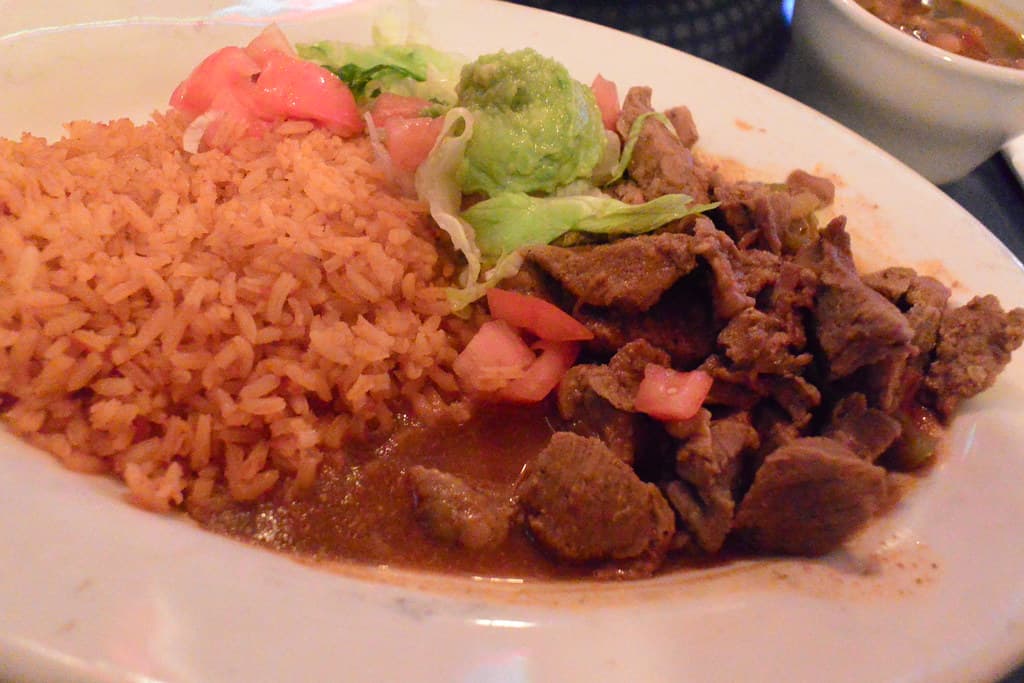
1800s-present
Carne guisada means stewed meat, and in Texas it is a beloved Mexican American home-cooking and Tex-Mex restaurant dish. Cubed beef cooks slowly with chiles, tomatoes, aromatics, and gravy until it can be spooned into tortillas or served as a plate lunch.
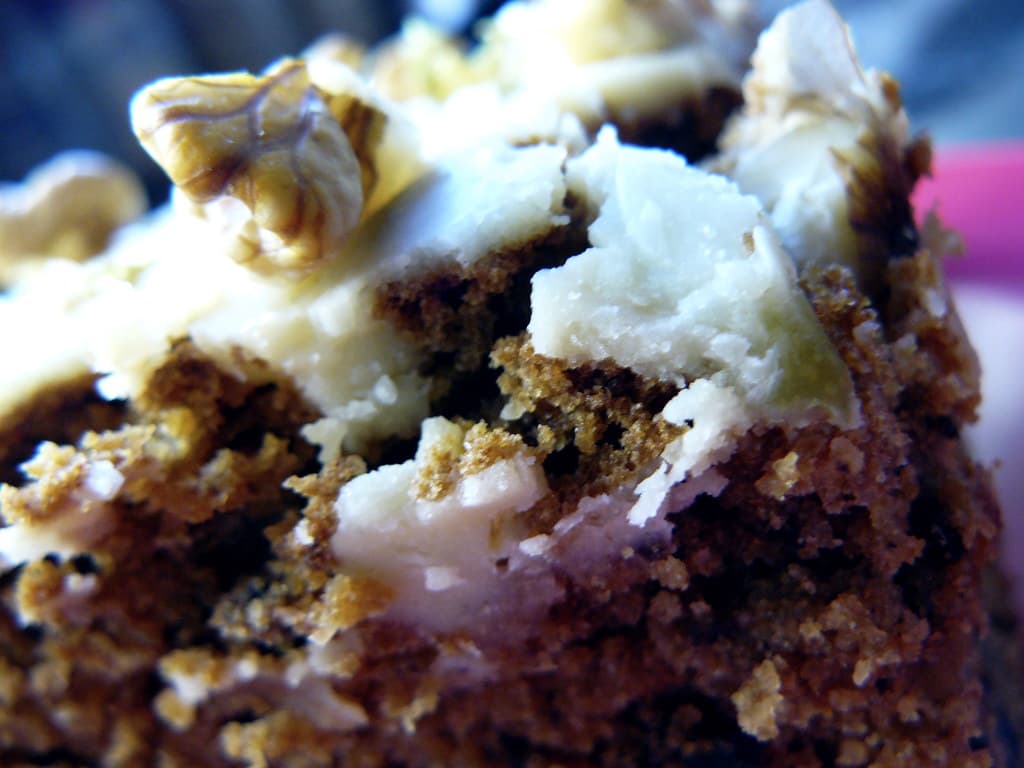
1960s-present
Carrot cake has older European roots in carrot puddings and cakes, but the American layer cake with oil, warm spices, nuts, and cream cheese frosting surged in the 1960s and 1970s. It became a party, bakery, and Easter-table classic.
America's Melting Pot
Carrot Juice photo coming soon
1970-1989
Carrot Juice brings juice-bar color and American smoothie-counter energy to the glass: Health-food store classic.
America's Melting Pot
Carrot Marmalade photo coming soon
1910s-1940s
Carrot marmalade became useful in wartime kitchens because carrots were available, productive in victory gardens, and naturally sweet. Recipes appeared during World War I and returned during World War II as cooks stretched scarce citrus and sugar.
America's Melting Pot
Carrot Orange Smoothie photo coming soon
1970-1989
Carrot Orange Smoothie brings juice-bar color and American smoothie-counter energy to the glass: Juice-bar health drink.
America's Melting Pot
Carrot Raisin Salad photo coming soon
1940s-present
Carrot raisin salad belongs to the American category of sweet mayonnaise salads that showed up in cafeterias, potlucks, and chain-restaurant side dishes. Chick-fil-A made one especially familiar before retiring it, and the recipe still circulates as a nostalgic copycat.
America's Melting Pot
Catalina Dressing photo coming soon
Postwar & Diner Age
Catalina Dressing is a dressing with real American table personality: Sweet red dressing, especially tied to midcentury salads and taco salads. It brings flavor from coast-to-coast American tables to cookouts, counters, lunch plates, potlucks, and weeknight suppers.
American Dairy Age
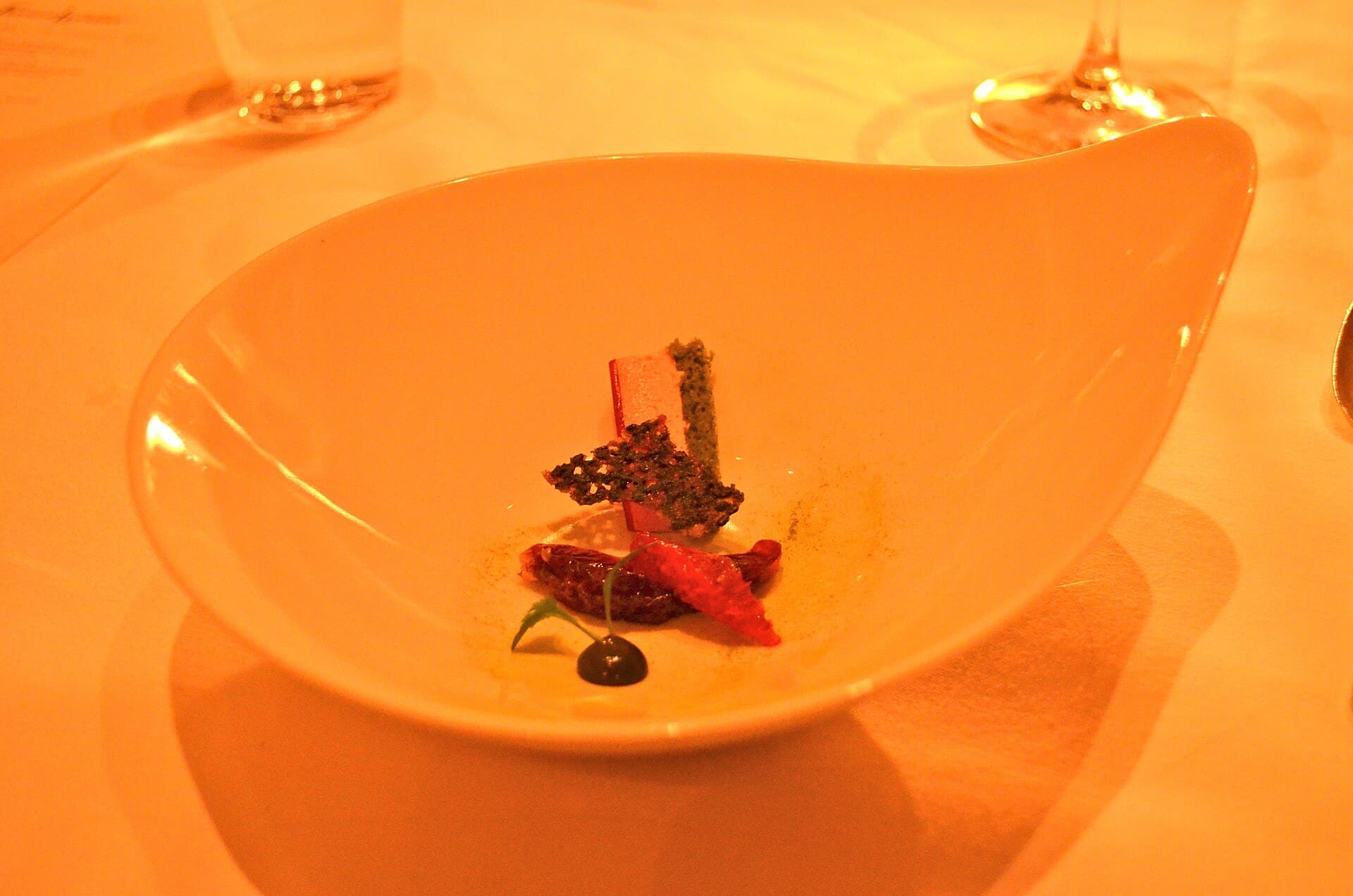
Cave-Aged American Cheddar is a home-scale American cheddar with measured culture, rennet setting, cheddaring, pressing, salting, and controlled aging.
America's Melting Pot
Celery Juice photo coming soon
1970-1989
Celery Juice brings juice-bar color and American smoothie-counter energy to the glass: Modern wellness trend.
America's Melting Pot
Celery Seed Slaw Dressing photo coming soon
Cross-era
Celery Seed Slaw Dressing is a dressing with real American table personality: Sweet-sour dressing for coleslaw, especially Midwest and Southern picnic tables. It brings flavor from the American South to cookouts, counters, lunch plates, potlucks, and weeknight suppers.
America's Melting Pot
Central Texas Beef Ribs photo coming soon
1900s-present
Central Texas beef ribs are a modern craft-barbecue showpiece rooted in the region's old beef barbecue culture. Plate ribs became especially visible through Texas barbecue joints that treated them like brisket on the bone: simple seasoning, post oak smoke, and patient cooking.
America's Melting Pot
Central Texas Sauce photo coming soon
Cross-era
Central Texas Sauce is a barbecue sauce with real American table personality: Often minimal or optional; meat-first barbecue culture. It brings flavor from Texas and the Southwest to cookouts, counters, lunch plates, potlucks, and weeknight suppers.
America's Melting Pot
Cereal Milk Shake photo coming soon
1900-1929
Cereal Milk Shake brings drive-in, carhop, and fast-food dessert-counter energy to the table: Modern dessert-shop flavor.
Community recipe submission
Log in to submit a recipe, format it with the cooking companion, and send it for review.
Log in to Submit