
Loading
Setting the table...
Fetching the latest recipes from the archive.
Loading
Fetching the latest recipes from the archive.
Recipe archive
Recipe archive
Search the archive by title, region, ingredient, tag, or era, then sort the table by the view that fits your kitchen.
This archive is growing through recipes, photos, family recipes, and historical context shared by the community.
America's Melting Pot
Falafel Wraps photo coming soon
1946-1969
Falafel wraps are falafel patties served inside flatbreads or pita pockets with fresh vegetables and sauces, a popular street food and food truck item since 2010. This handheld meal blends traditional Middle Eastern flavors with American street food culture and new fusion trends.
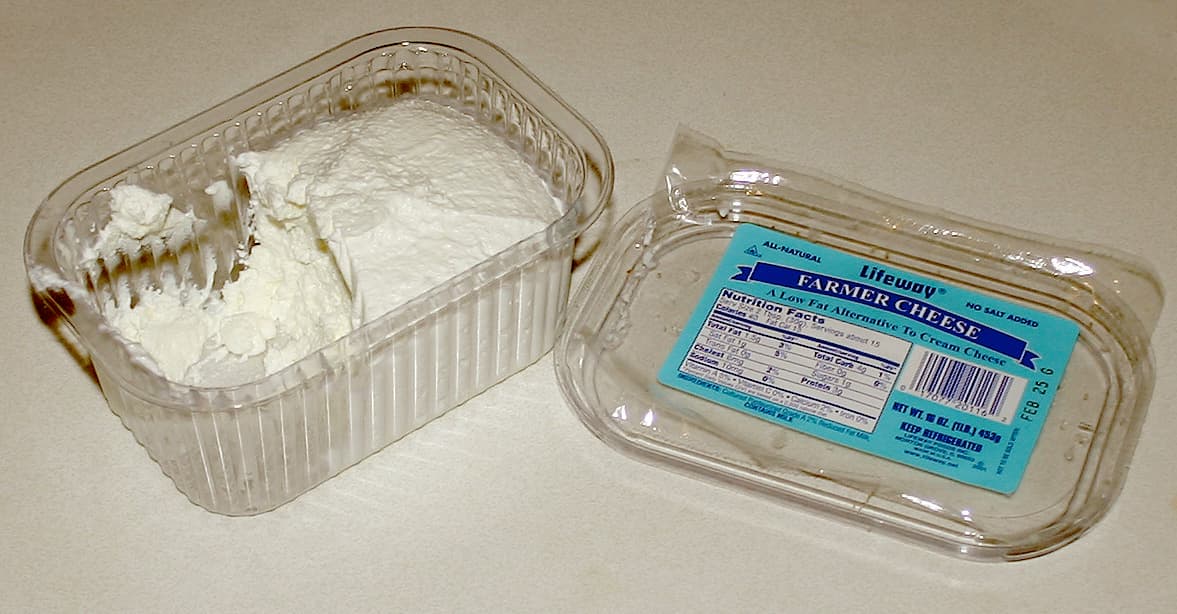
American Dairy Age
Farmer Cheese is a fresh cultured American home cheese made with pasteurized dairy, clean handling, slow culturing, draining, salting, and refrigeration.
America's Melting Pot
Farmers Market Salad photo coming soon
1945-2000
Farmers Market Salad highlights fresh, seasonal vegetables often available at local markets on the West Coast. This salad emphasizes simplicity and freshness, popular as a healthy side dish that showcases regionally grown produce across eras.
America's Melting Pot
Farmhouse Hash photo coming soon
1930-1945
Farmhouse Hash is a resourceful, filling dish combining potatoes, root vegetables, and available proteins cooked together, typical of Depression-era and Dust Bowl survival cooking. It reflects home cooks' adaptability during austerity, utilizing garden and pantry staples in one-pan meals.
America's Melting Pot
Fastnachts photo coming soon
1800-1860
Fastnachts are dense, fried doughnuts traditionally prepared by German-American communities in the U.S. during the 19th century, especially for Shrove Tuesday. These simple pastries reflect German immigrant influence on American regional baking traditions during early expansion and immigration periods.
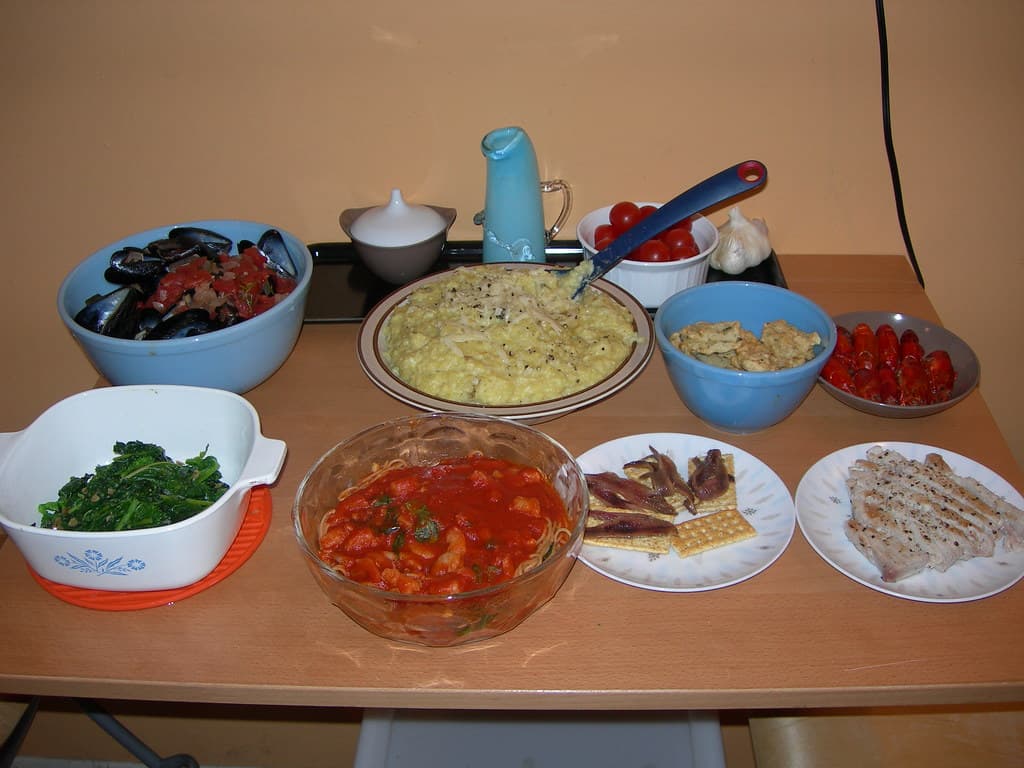
1900-1929
The Feast of the Seven Fishes is a traditional Italian-American Christmas Eve celebration featuring seven different seafood dishes. Rooted in Italian Catholic fasting customs, it has evolved into a special communal meal enjoyed throughout the United States across eras as part of holiday traditions.
America's Melting Pot
Feta Omelet photo coming soon
1900-1929
Feta Omelet is a savory breakfast or brunch dish featuring eggs cooked with salty feta cheese and often fresh herbs. Rooted in Greek-American culinary influence, it was popular in American diners, lunch counters, and state fairs in the early 20th century.
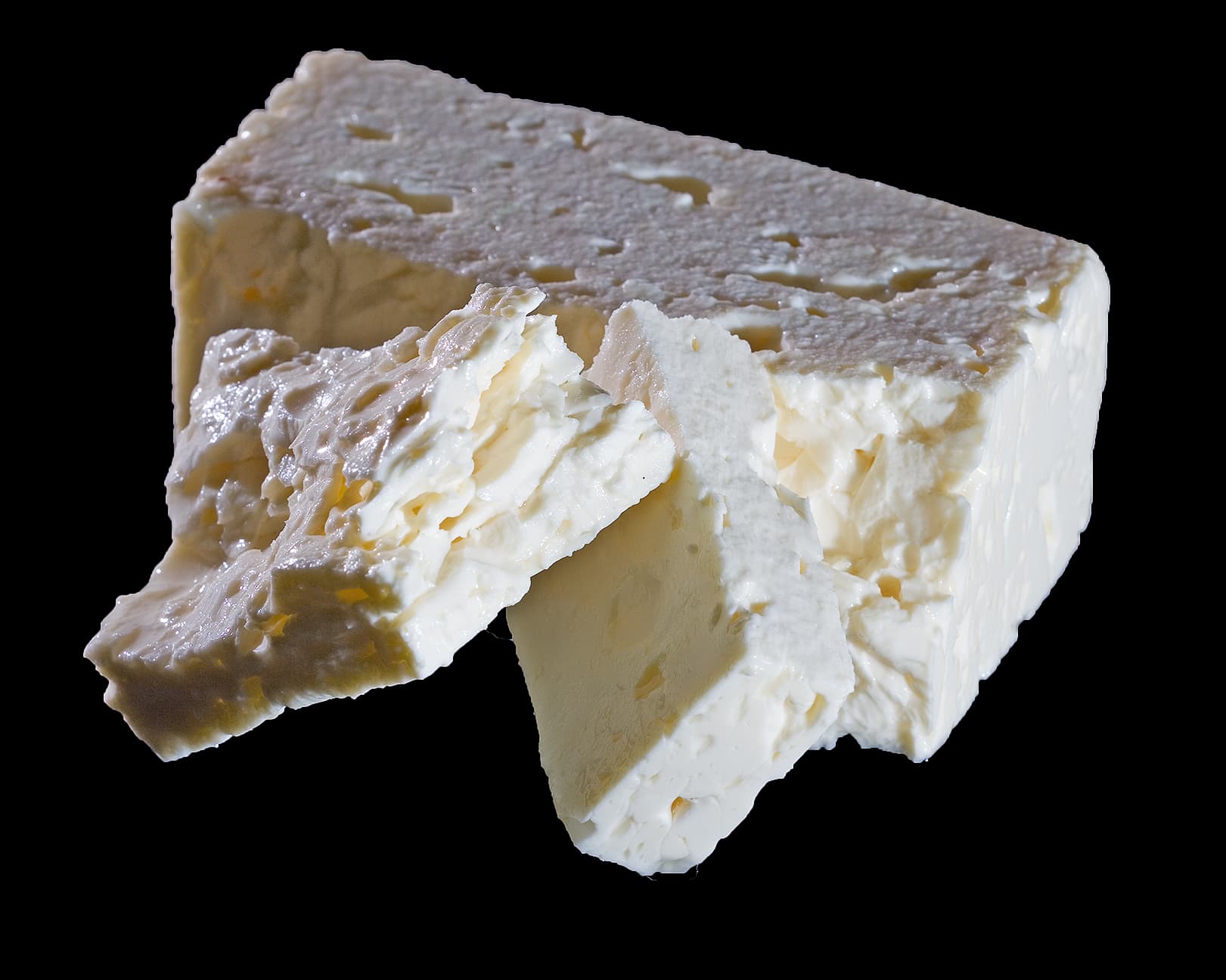
American Dairy Age
Feta, Greek-American Style is a brined American farmstead-style cheese with clean milk handling, measured culture, rennet setting, draining, salting, and brine aging.
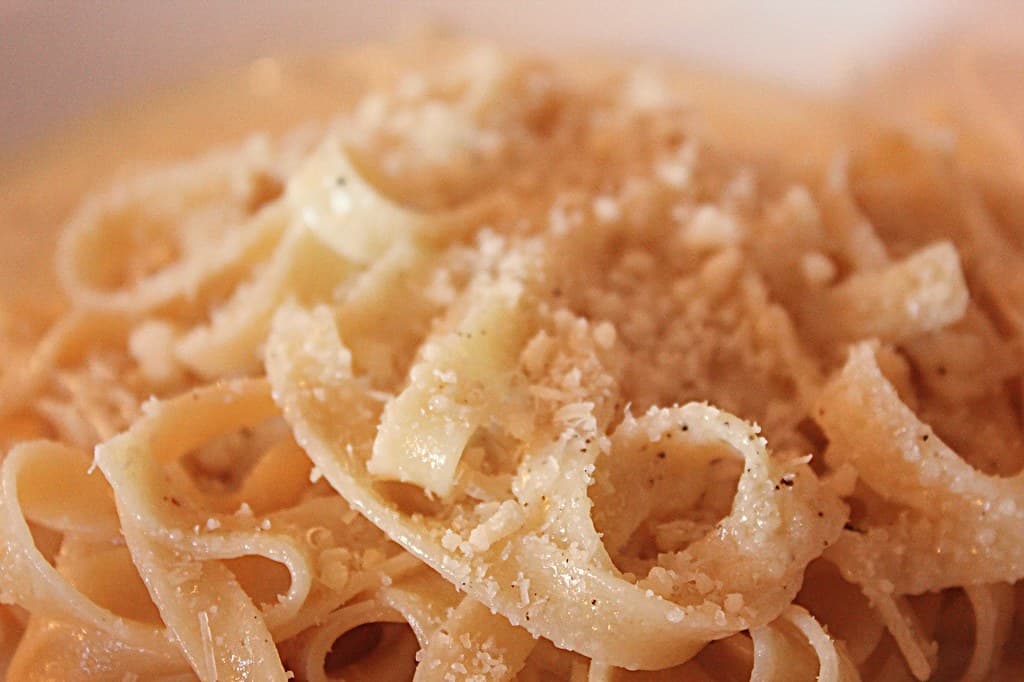
1900-1929
Fettuccine Alfredo is a rich pasta dish made with fettuccine noodles tossed in a creamy sauce of butter and Parmesan cheese. Though originating in Italy, it became widely popularized and adapted in American family restaurants and chain eateries during the late 20th and early 21st centuries.
America's Melting Pot
Field Biscuits photo coming soon
1930-1945
Field Biscuits are basic, hearty biscuits commonly prepared for military meals and mess halls during the Great Depression and World War II. They exemplify economical baking with minimal ingredients designed for mass production and nourishment.
America's Melting Pot
Field Peas with Ham Hock photo coming soon
1861-1900
Field Peas with Ham Hock is a traditional Southern dish combining slow-cooked field peas and savory ham hock for a flavorful, hearty side or main. This dish dates back to post-Civil War Reconstruction era Southern resilience and resourcefulness in cooking.
America's Melting Pot
Fig Preserves photo coming soon
Cross-era
Fig Preserves is a preserve with real American table personality: Southern and Gulf Coast tradition. It brings flavor from the American South to cookouts, counters, lunch plates, potlucks, and weeknight suppers.
America's Melting Pot
Firecracker Hot Dogs photo coming soon
2010-2026
Firecracker Hot Dogs are grilled or fried hot dogs dressed with spicy sauces, salsas, and various garnishes for a bold flavor experience. Popularized in the 2010s by food trucks and urban street food vendors, they exemplify new American fusion and viral street fare.
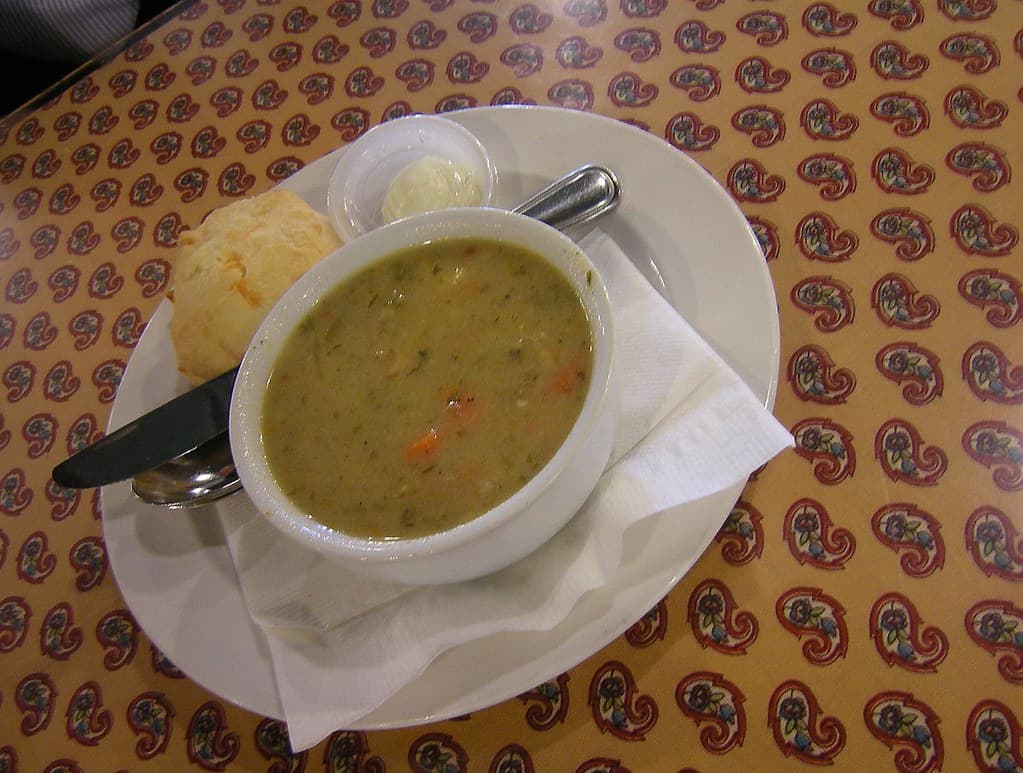
1776-1800
Fish Chowder is a thick, creamy soup made with white fish, potatoes, and onions, traditionally served in coastal American communities. Documented since the Revolutionary era, fish chowder reflects early American pottage and stew practices blending local seafood with hearty vegetables.
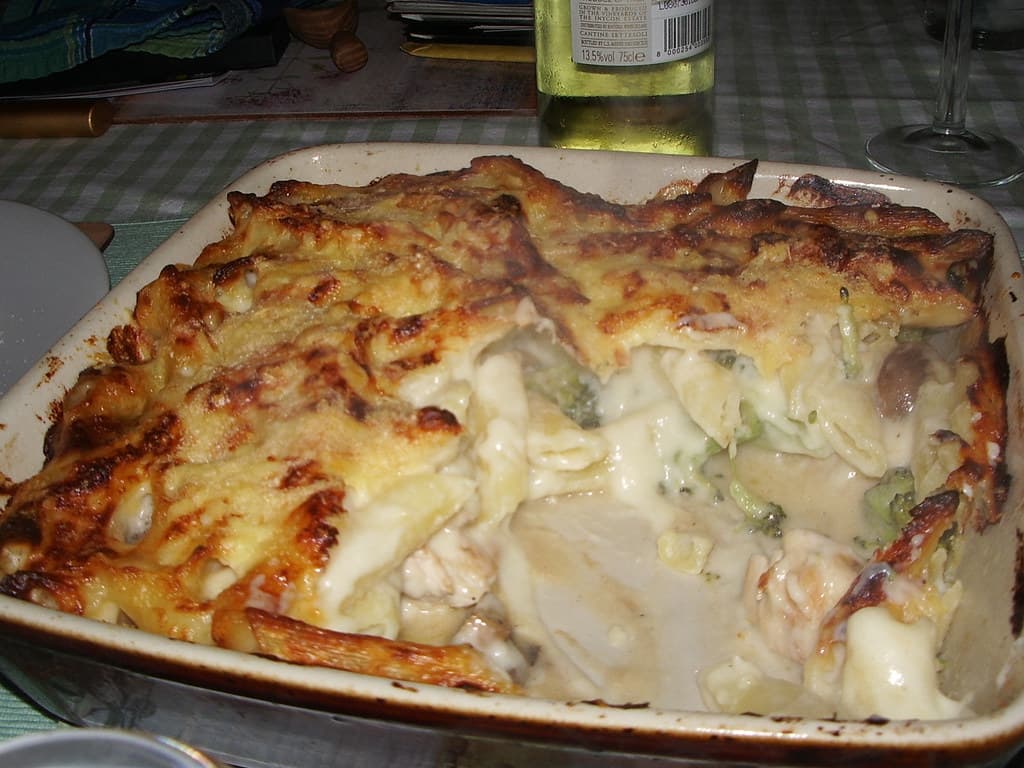
1800-1860
Fish Pie combines cooked fish and creamy sauce topped with mashed potatoes, baked into a savory pie. Brought by Irish immigrants to America during the 19th century, it represents adaptation of traditional Irish comfort foods using available seafood and pantry staples.
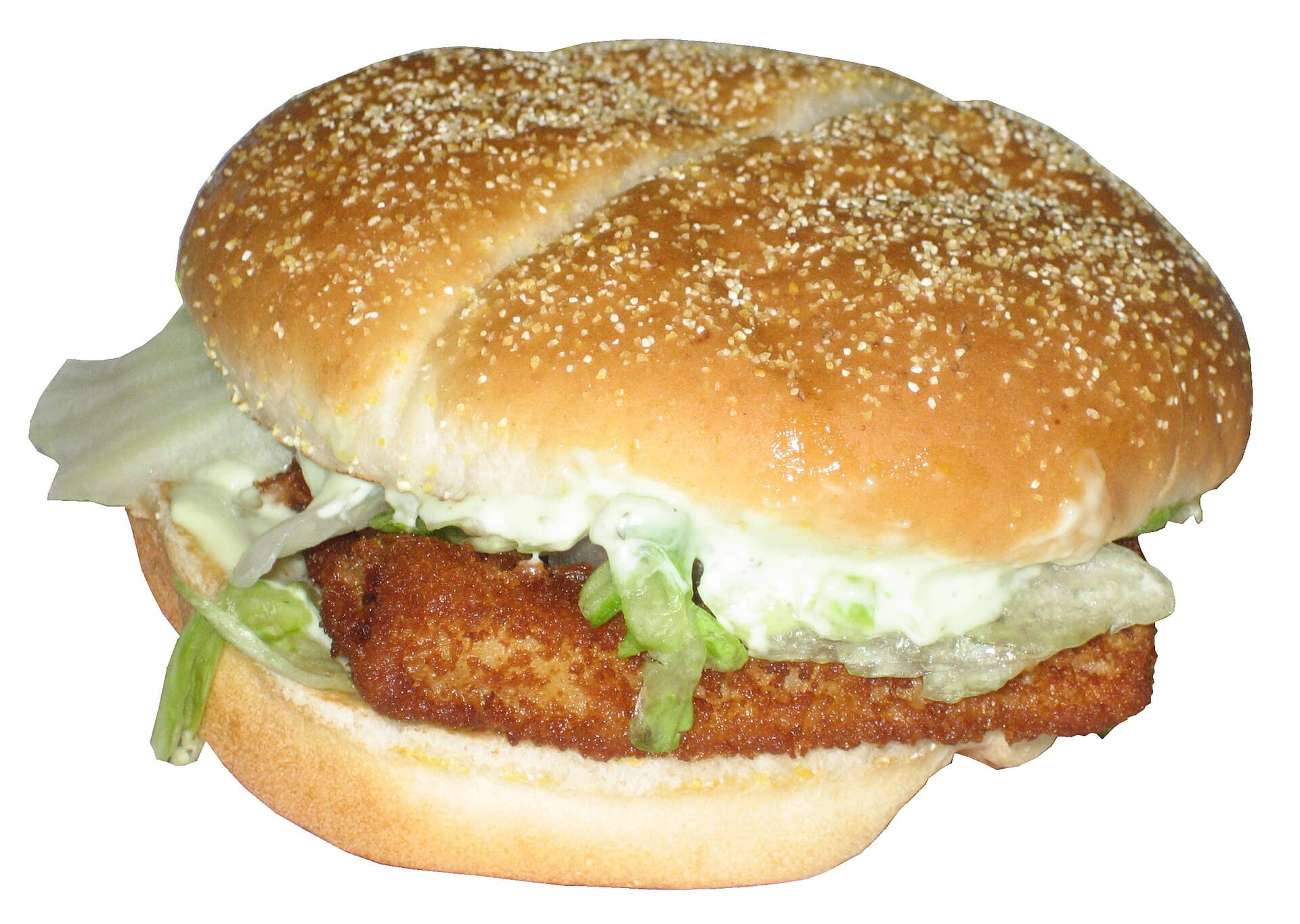
1946-1969
Fish Sandwich is a simple breaded or fried fish fillet served inside sandwich bread or a bun with condiments and lettuce, a popular quick meal across American dining. This cross-era dish reflects the expansion of seafood into fast food and casual eateries nationwide.
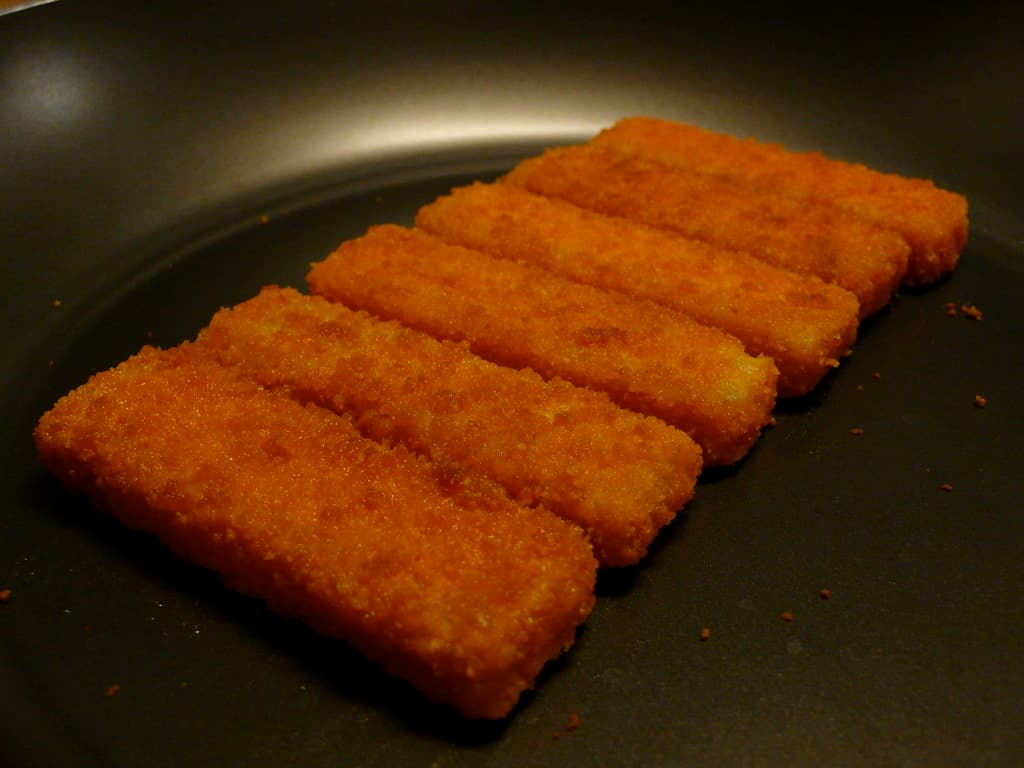
1946-1969
Fish Sticks are small breaded and fried or baked fish pieces packaged typically as kid-friendly convenience food. Popularized in the postwar suburban period during 1946-1969, fish sticks became a staple in American school lunches and home freezers as easy-to-prepare main dishes.
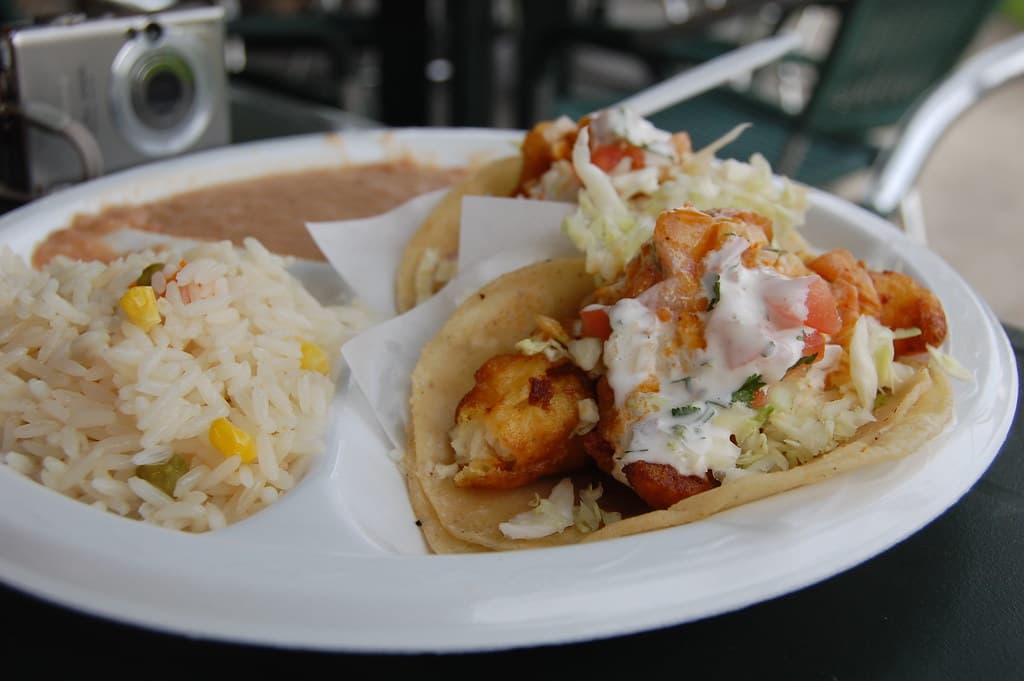
1945-2000
Fish tacos combine crispy fried or grilled fish with fresh toppings wrapped in a warm corn tortilla. Originating in Baja California and popularized on the U.S. West Coast, they exemplify Mexican-American culinary adaptation featuring bright flavors and easy assembly.
America's Melting Pot
Flag Cake photo coming soon
1990-2009
Flag cake is a festive dessert featuring layers of cake decorated to resemble the American flag. It often uses red, white, and blue ingredients or decorations, making it a popular choice for Fourth of July and patriotic celebrations.
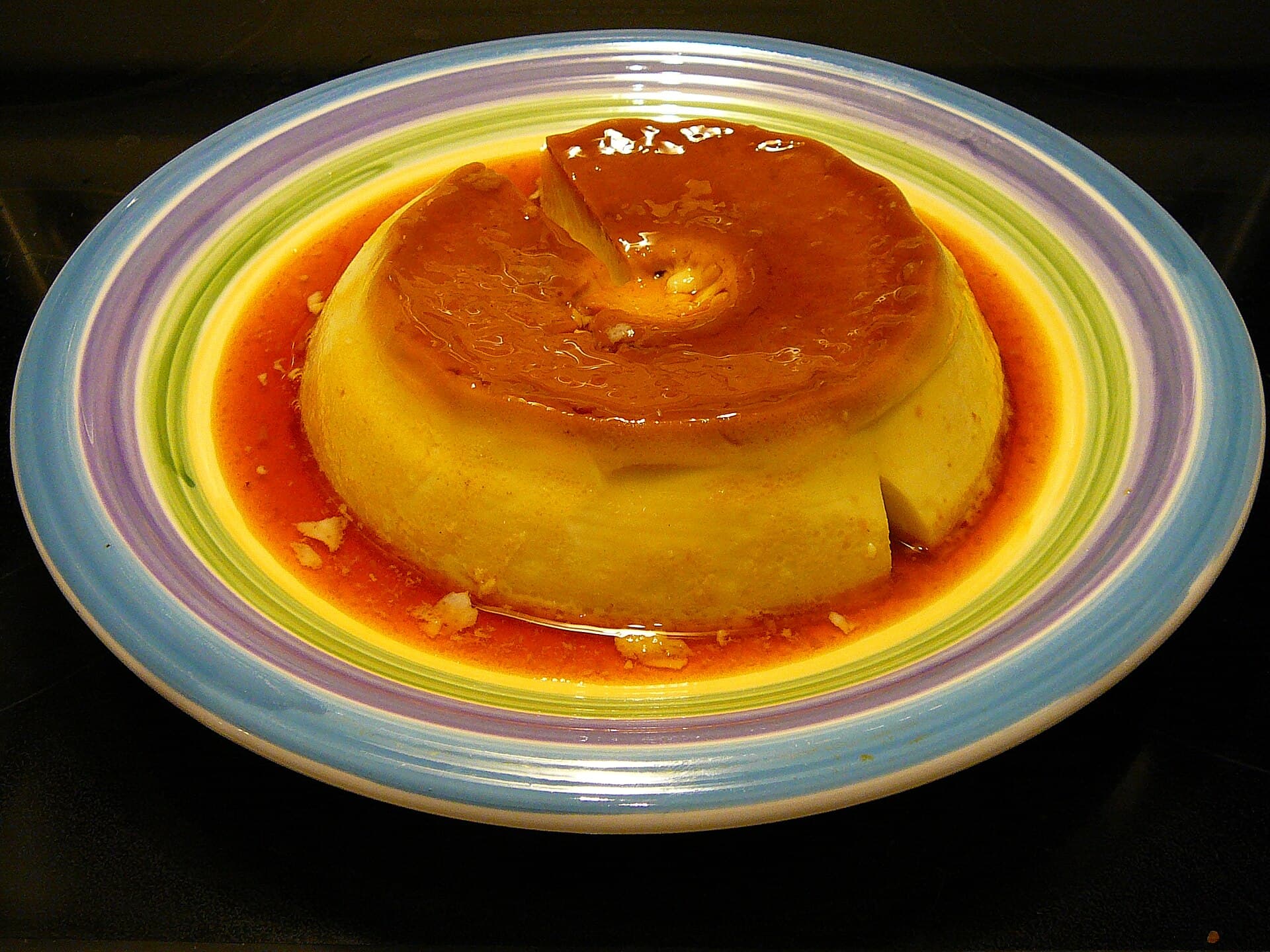
Before 1776
Flan is a smooth baked custard dessert topped with a layer of soft caramel. Popular in Puerto Rico, the Philippines, Guam, and Virgin Islands, it reflects colonial and cultural exchange blending Spanish dessert traditions with local ingredients.
America's Melting Pot
Florida Key Lime Shake photo coming soon
Cross-era
Florida Key Lime Shake salutes regional fruit country and the American dairy-stand tradition: Florida.
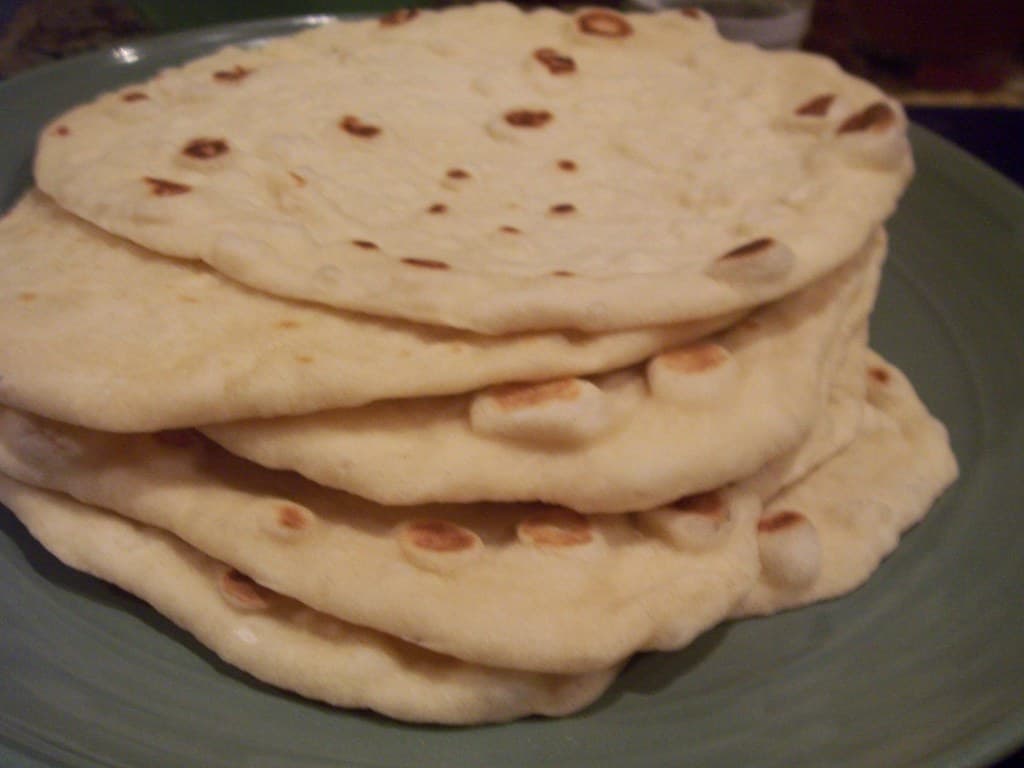
1800-1860
Flour tortillas are a staple soft flatbread made from wheat flour, water, fat, and salt. Originating in the Spanish borderlands and Mexican-American traditions, they became widespread in the U.S. Southwest by the mid-19th century, essential for wraps, tacos, and sandwiches.
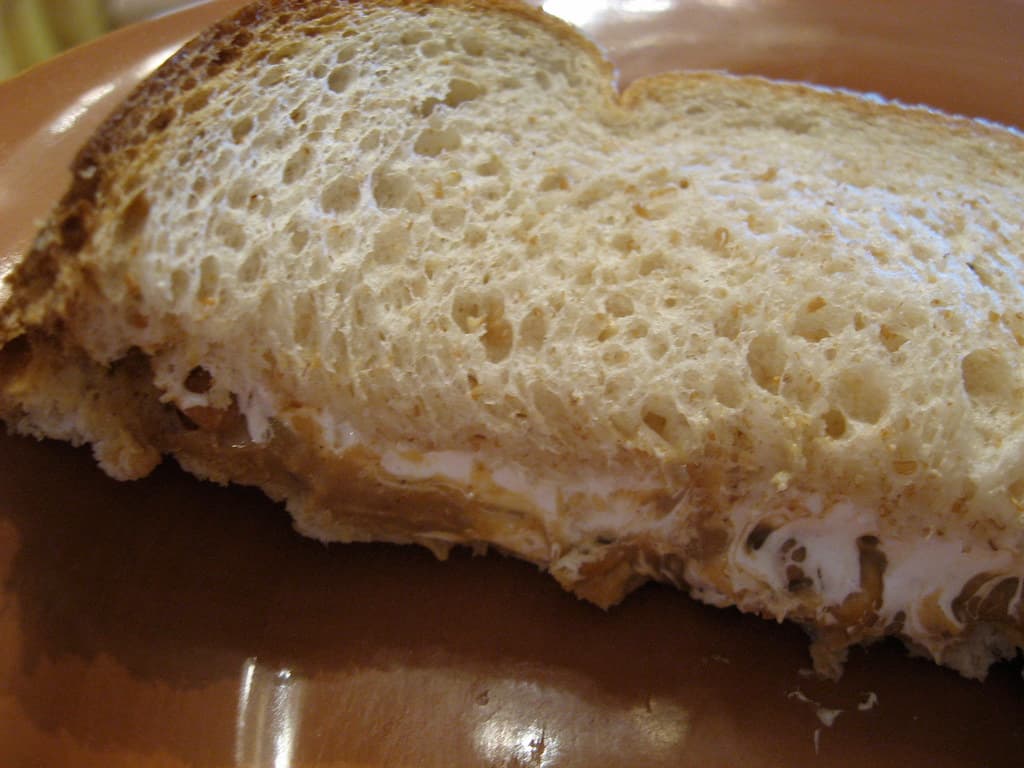
1900-1929
Fluffernutter sandwiches combine creamy peanut butter with sweet marshmallow fluff spread between slices of white bread. Originating in the Northeastern United States, this simple sandwich became a beloved comfort food symbolizing childhood nostalgia.
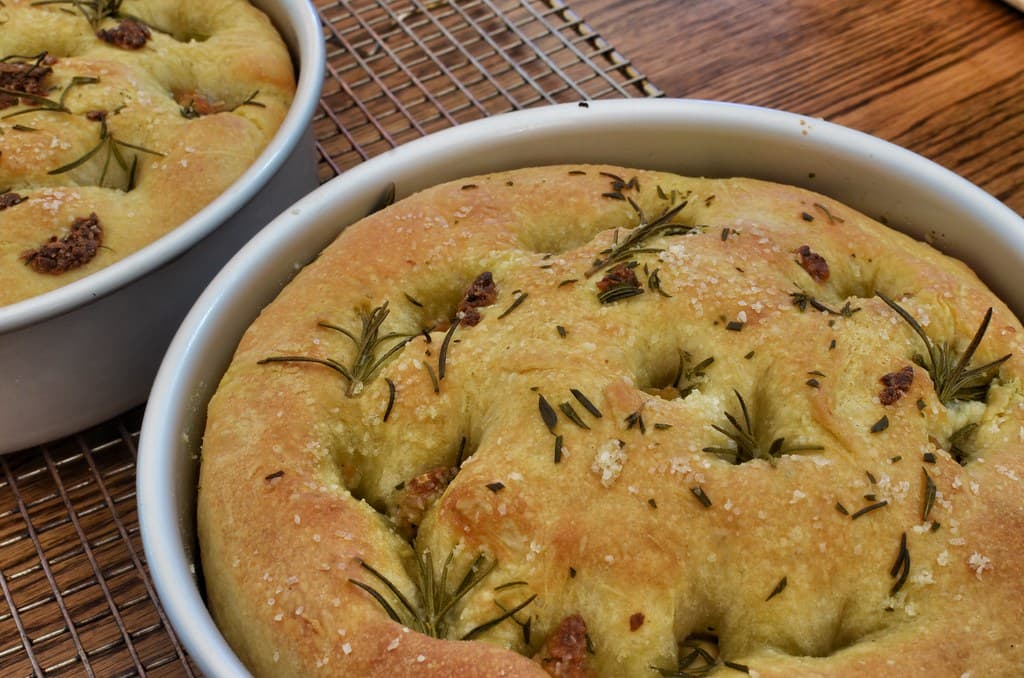
1900-1929
Focaccia is a flat Italian-style bread seasoned with olive oil, herbs, and often sea salt. Italian immigrants introduced focaccia to the United States during the late 19th century, adapting Old World baking techniques to American ingredients, thus becoming a beloved Italian-American staple bread.
Community recipe submission
Log in to submit a recipe, format it with the cooking companion, and send it for review.
Log in to Submit