
Loading
Setting the table...
Fetching the latest recipes from the archive.
Loading
Fetching the latest recipes from the archive.
Recipe archive
Recipe archive
Search the archive by title, region, ingredient, tag, or era, then sort the table by the view that fits your kitchen.
This archive is growing through recipes, photos, family recipes, and historical context shared by the community.
America's Melting Pot
New York Egg Cream photo coming soon
Gilded Age & Progressive Era
New York Egg Cream is fizzy Americana from the soda-fountain counter: Milk, seltzer, and chocolate syrup; despite the name, no egg and no cream. Its exact origin is debated, but it is closely tied to New York soda fountains, Jewish delis, and candy stores.
America's Melting Pot
New York Pizza photo coming soon
1900-1929
New York Pizza is a regional pizza style characterized by large, thin, hand-tossed crust and foldable slices topped with tomato sauce and mozzarella. Descended from Italian immigrant traditions, it is a cultural icon of New York City and the wider Mid-Atlantic region.
1946-1969
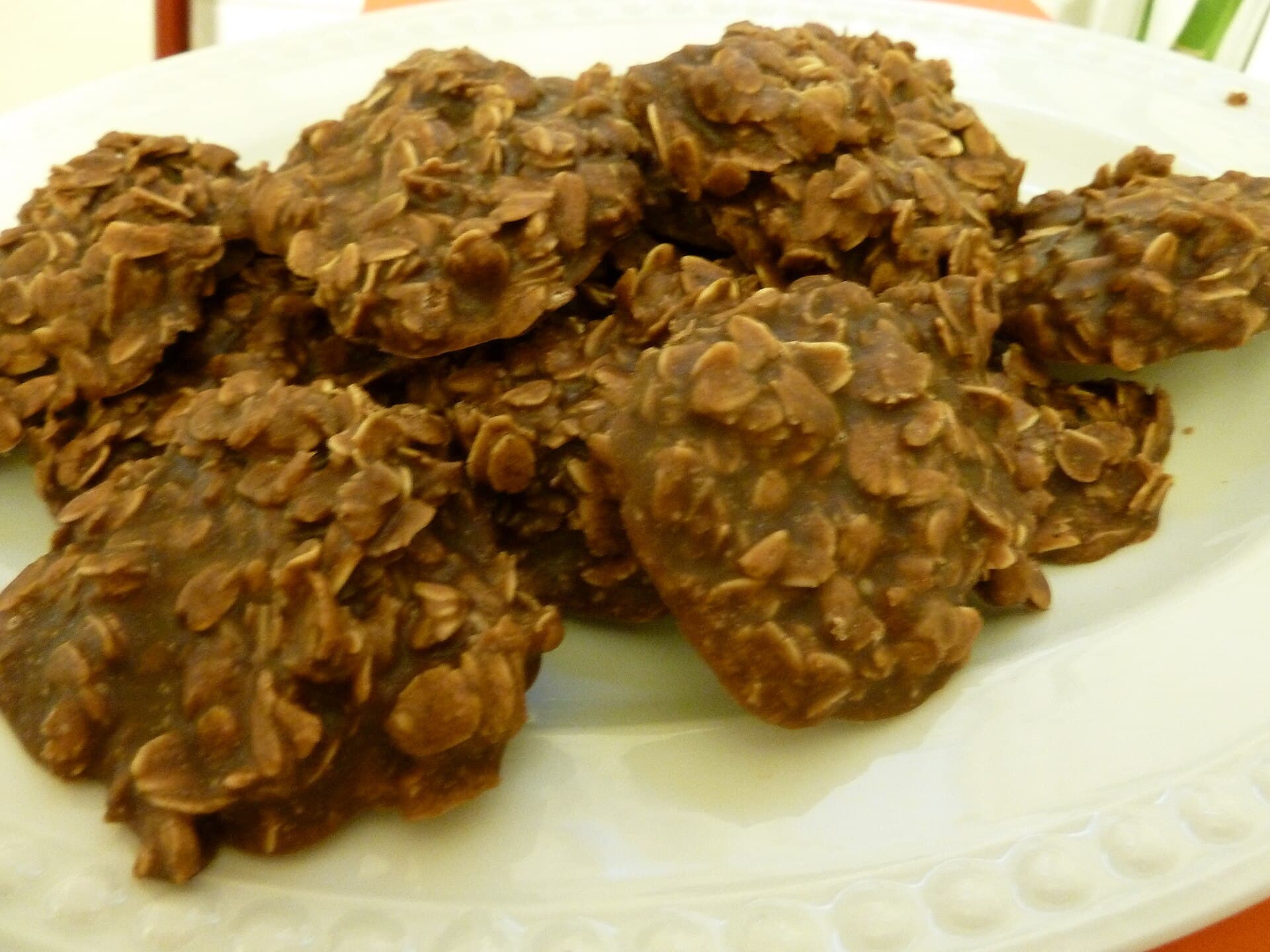
No-Bake Cookies are a quick, easy treat popular in American school cafeterias and concession stands. This dessert requires no oven baking and combines simple pantry staples into a chewy chocolate and oatmeal cookie form. A nostalgic and economical sweet snack loved across generations.
America's Melting Pot
North Dakota Knoephla Soup photo coming soon
2010-2026
Knoephla Soup is a comforting creamy dumpling soup tied to German-Russian immigrant heritage in North Dakota and the Upper Midwest. Featuring small dough dumplings simmered in a savory broth with potatoes and often chicken, this regional icon offers rich fusion flavors representative of immigrant adaptation and local ingredients.
America's Melting Pot
Norwegian Meatballs photo coming soon
1861-1900
Norwegian Meatballs are tender, flavorful meatballs influenced by Scandinavian immigrants who settled in the American Midwest during the 19th century. Blended with traditional spices and baked or pan-fried, these meatballs reflect immigrant culinary adaptation in new lands, often served with gravy or lingonberry sauce.
1900-1929
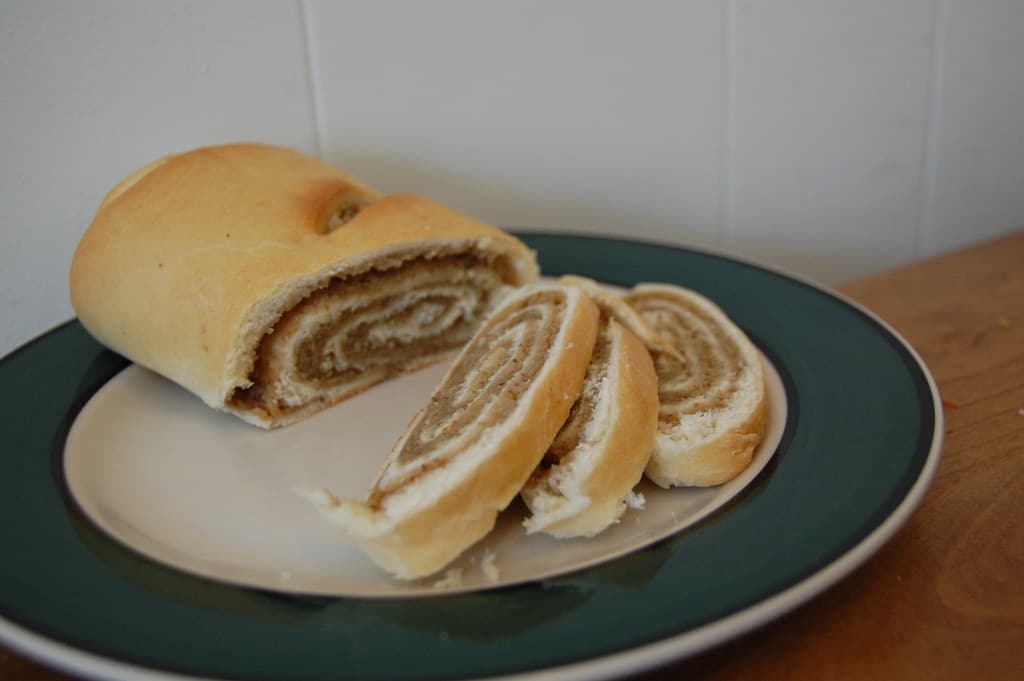
Nut Roll is a rich yeast dough rolled with a sweet, spiced nut and sugar filling, popular among Polish, Czech, Slovak, and other Eastern European immigrant communities. This sweet bread often appears at Easter and fairs, symbolizing cultural continuity amidst new American settings.
America's Melting Pot
Oatcakes photo coming soon
1800-1860
Oatcakes are wholesome, crunchy biscuits or cookies associated with Irish culinary heritage and popular among Irish-American communities in the 19th century. Made with basic pantry ingredients, they make a satisfying dessert or tea accompaniment reflecting simpler times and immigrant food traditions.
1861-1900
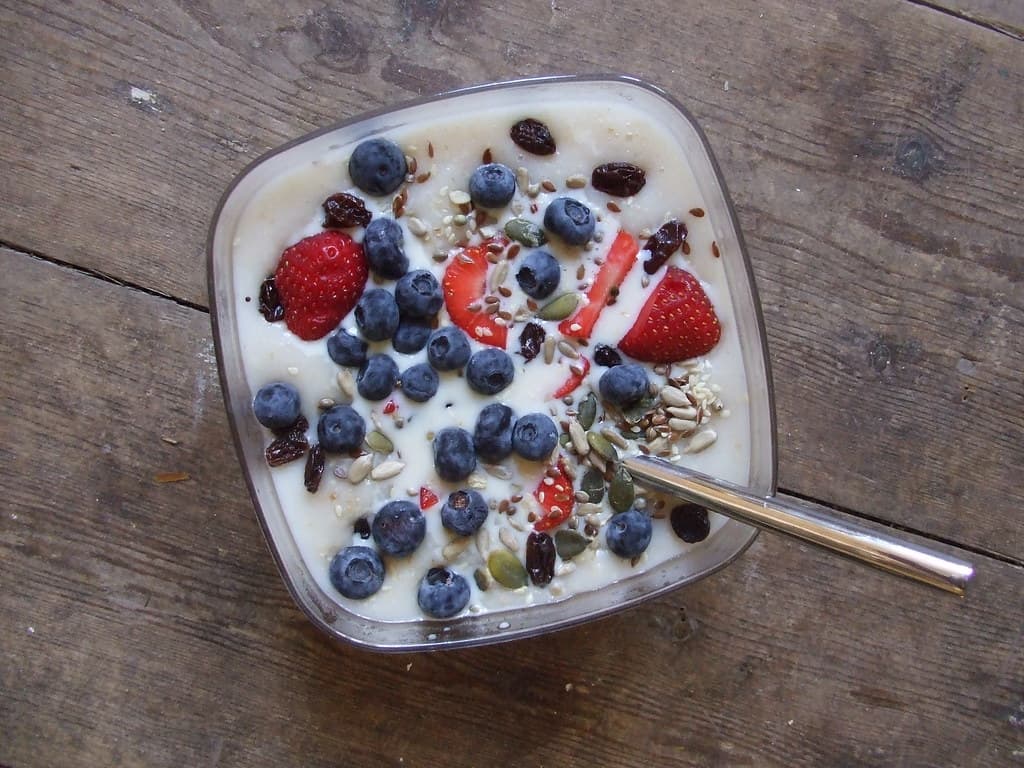
Oatmeal is a traditional, hearty breakfast cereal made by cooking oats in water or milk until creamy. Known across American households for its versatility and nutritional value, oatmeal has long been a staple on breakfast tables, celebrated for warmth and comfort.
America's Melting Pot
Oatmeal Cream Pies photo coming soon
1930-1945
Oatmeal Cream Pies are soft, sandwich-style cookies filled with creamy vanilla filling. Popularized in mid-20th century America, especially postwar suburbs, these treats combined convenience with nostalgic comfort, becoming a lunchbox and snack staple representative of American childhood.
America's Melting Pot
Oatmeal Meatloaf photo coming soon
1930-1945
Oatmeal Meatloaf combines ground meat with oatmeal as an extender and binder, reflecting Depression and World War II-era home cooking focused on stretching ingredients during rationing and scarcity. This practical dish provided nourishment and comfort during challenging times in American kitchens.
America's Melting Pot
Oaxaca-style American-made String Cheese photo coming soon
American Dairy Age
Oaxaca-style American-made String Cheese is a fresh stretched-curd cheese with pasteurized milk, measured acid, rennet setting, hot stretching, salting, and short refrigerated storage.
America's Melting Pot
Okra Stew photo coming soon
1800-1860
Okra Stew is a hearty Southern dish featuring tender okra simmered with tomatoes and spices to create a flavorful soup or stew. Reflecting culinary influences within the South, it is rooted in African American and Southern cooking traditions dating back to the 19th century, showcasing local produce and simple ingredients.
America's Melting Pot
Olallieberry Jam photo coming soon
Cross-era
Olallieberry Jam is a preserve with real American table personality: California coastal berry preserve. It brings flavor from California, Hawaii, and the West Coast to cookouts, counters, lunch plates, potlucks, and weeknight suppers.
America's Melting Pot
Old Bay Butter photo coming soon
Cross-era
Old Bay Butter is a spread with real American table personality: Chesapeake seafood condiment. It brings flavor from Chesapeake and Mid-Atlantic to cookouts, counters, lunch plates, potlucks, and weeknight suppers.
America's Melting Pot
Old Bay Mayo photo coming soon
Cross-era
Old Bay Mayo is a seafood sauce with real American table personality: Chesapeake seafood seasoning meets mayo. It brings flavor from Chesapeake and Mid-Atlantic to cookouts, counters, lunch plates, potlucks, and weeknight suppers.
1900-1929
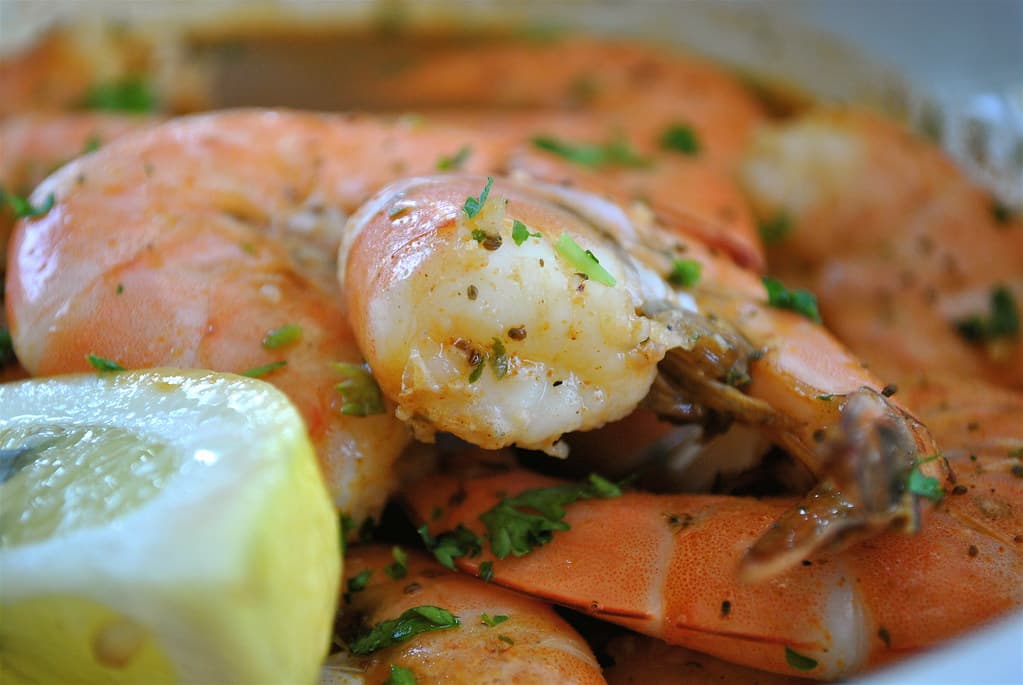
Old Bay Shrimp is a simple, flavorful seafood dish featuring shrimp seasoned with Old Bay, a proprietary blend of herbs and spices iconic to the Mid-Atlantic region. Served hot or chilled, this recipe reflects the region's affinity for spice blends and seafood traditions.
America's Melting Pot
Old Forge Pizza photo coming soon
1900-1929
Old Forge Pizza is a distinctive rectangular pizza with a thick, braided crust, topped with a unique blend of cheeses and toppings. Rooted in Italian-American immigrant traditions in Pennsylvania, this pizza style has become a beloved regional favorite showcasing adaptation and innovation within Italian-American cuisine.
America's Melting Pot
Olive Salad photo coming soon
Cross-era
Olive Salad is a relish with real American table personality: New Orleans muffuletta essential. It brings flavor from the American South to cookouts, counters, lunch plates, potlucks, and weeknight suppers.

1946-1969
Olive Spread is a smooth, flavorful paste featuring olives and complementary ingredients, ideal for serving at cocktail parties and as an appetizer. Popular in mid-20th century suburban America, this spread reflects the era's embrace of easy-to-serve, flavorful hors d'oeuvres.
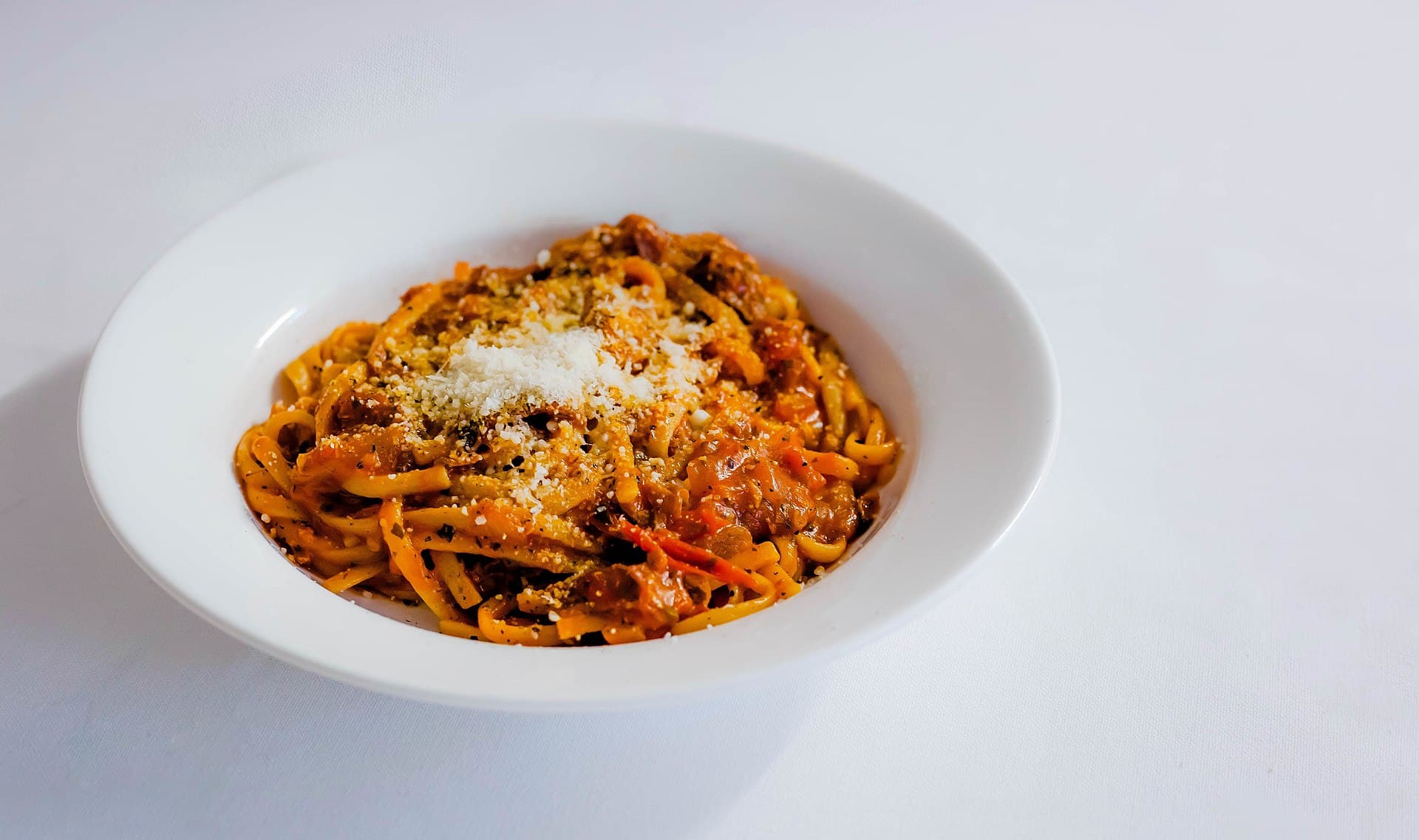
2010-2026
One-Pot Pasta is a convenient, popular recipe where pasta cooks simultaneously with sauce ingredients in one pot, minimizing cleanup. Gaining viral popularity in the 2010s, it reflects modern American cooking preferences for fast, flavorful meals with minimal effort, suited to kitchen gadgets and contemporary life.
America's Melting Pot
Onion Dip photo coming soon
1946-1969
Onion Dip is a creamy, savory dip made by combining sour cream and onion flavors, commonly served with chips at social gatherings. Widely popular in post-World War II America, this dip reflects mid-century culinary trends emphasizing convenience foods and easy entertaining.
America's Melting Pot
Onion Gravy photo coming soon
Cross-era
Onion Gravy is a condiment with real American table personality: Meatloaf, hamburger steak, pot roast. It brings flavor from coast-to-coast American tables to cookouts, counters, lunch plates, potlucks, and weeknight suppers.
America's Melting Pot
Onion Jam photo coming soon
Modern Melting Pot
Onion Jam is a preserve with real American table personality: Modern steakhouse and burger condiment. It brings flavor from coast-to-coast American tables to cookouts, counters, lunch plates, potlucks, and weeknight suppers.
America's Melting Pot
Oof-da Tacos photo coming soon
1900-1929
Oof-da Tacos are a unique fusion dish blending Mexican-American taco concepts with Scandinavian-American influences in the Midwest. Known from state fair and carnival food scenes, these tacos typically feature distinctive toppings and flavors that celebrate immigrant cultural mixing and regional reinterpretation.
Community recipe submission
Log in to submit a recipe, format it with the cooking companion, and send it for review.
Log in to Submit