
Loading
Setting the table...
Fetching the latest recipes from the archive.
Loading
Fetching the latest recipes from the archive.
Stories by era
Railroads, migration, cattle drives, sharecropping, lunch counters, canneries, school meals, Depression relief, and wartime rationing carried local dishes across state lines.
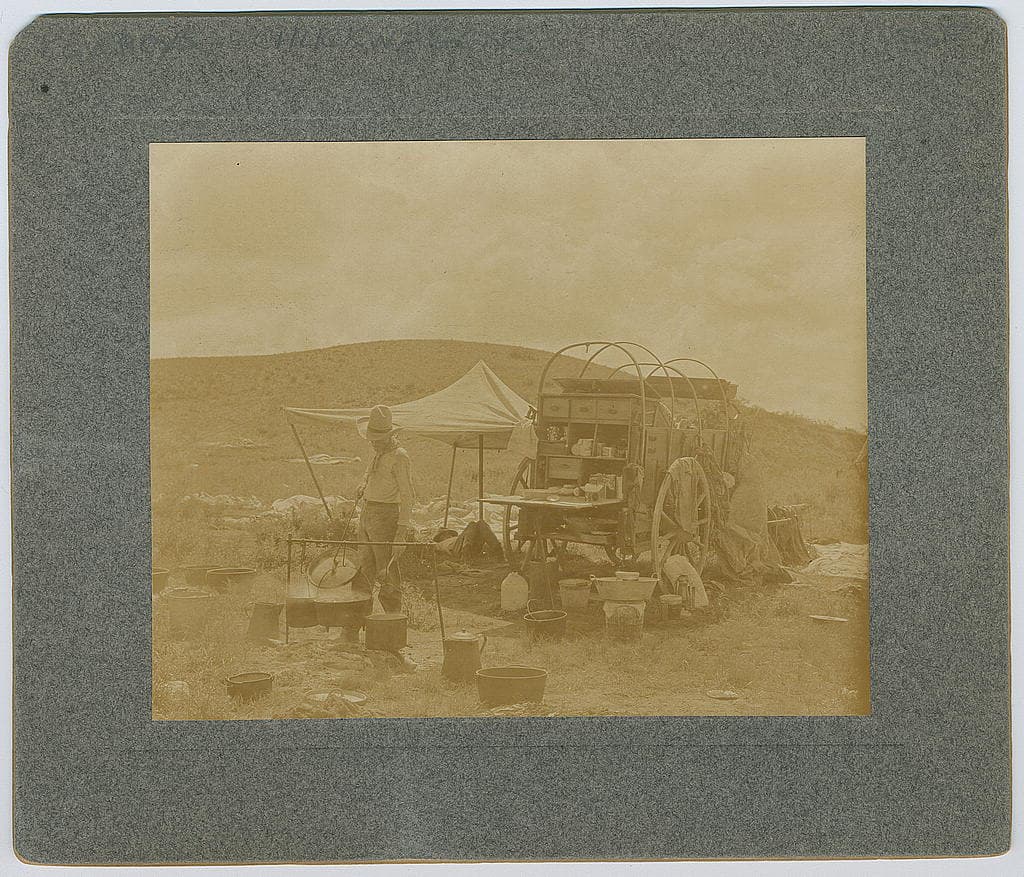
1860s-1890s
The chuckwagon was a rolling kitchen and a center of order on the open range. Beans, sourdough, dried meat, coffee, potatoes, rice, onions, lard, and Dutch-oven desserts kept crews moving through hard country.
Read the full story
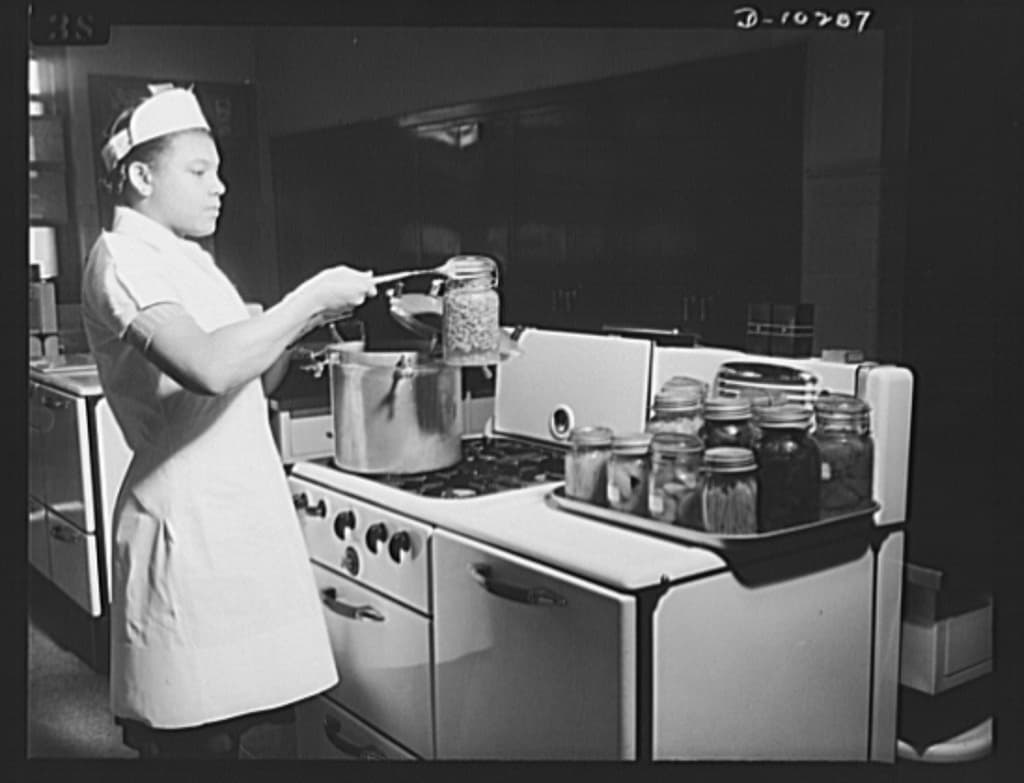
1865-1930s
Black foodways are central to the American table. Rice knowledge, field peas, greens, oysters, barbecue, red beans, baking, market vending, church suppers, and Juneteenth foods carry stories of survival, skill, enterprise, and celebration.
Read the full story
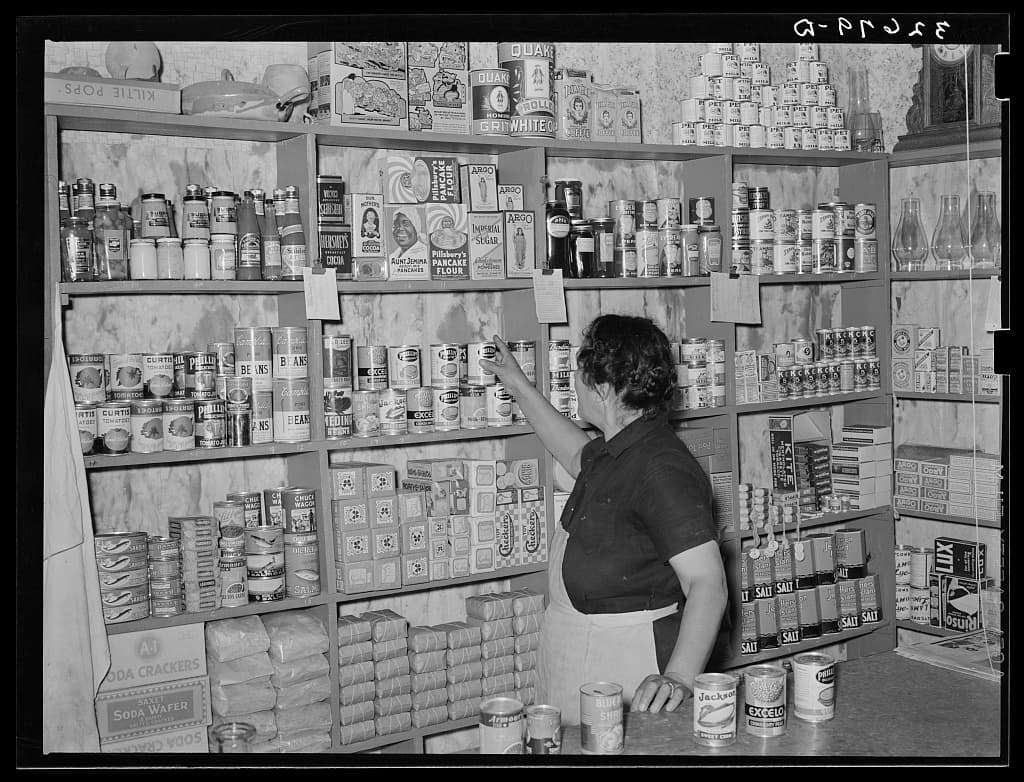
1880s-today
Immigrant and migrant families kept home alive through food, then changed the country by sharing it. Delis, taquerias, noodle shops, fish fries, bakeries, church kitchens, bodegas, food trucks, farmers markets, and family restaurants made America bigger.
Read the full story
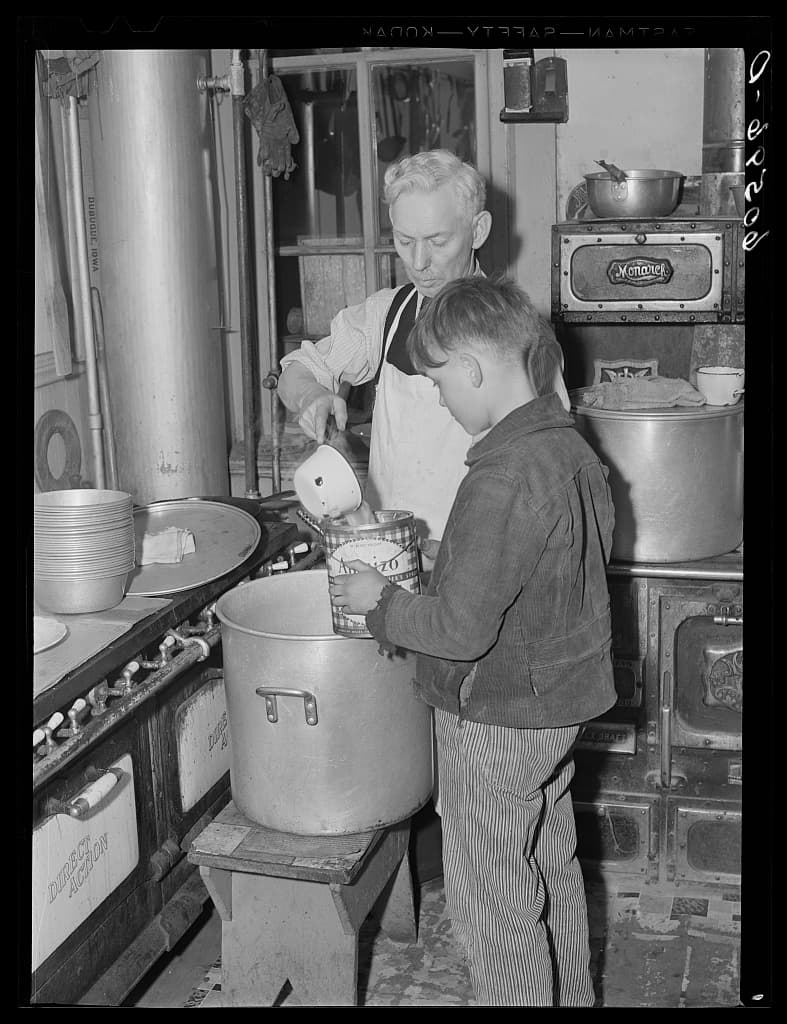
1930s
During the Great Depression, hunger met a stubborn American habit: stretch, share, and keep going. Soup kitchens, church relief, school lunches, and federal food programs became part of the landscape.
Read the full story
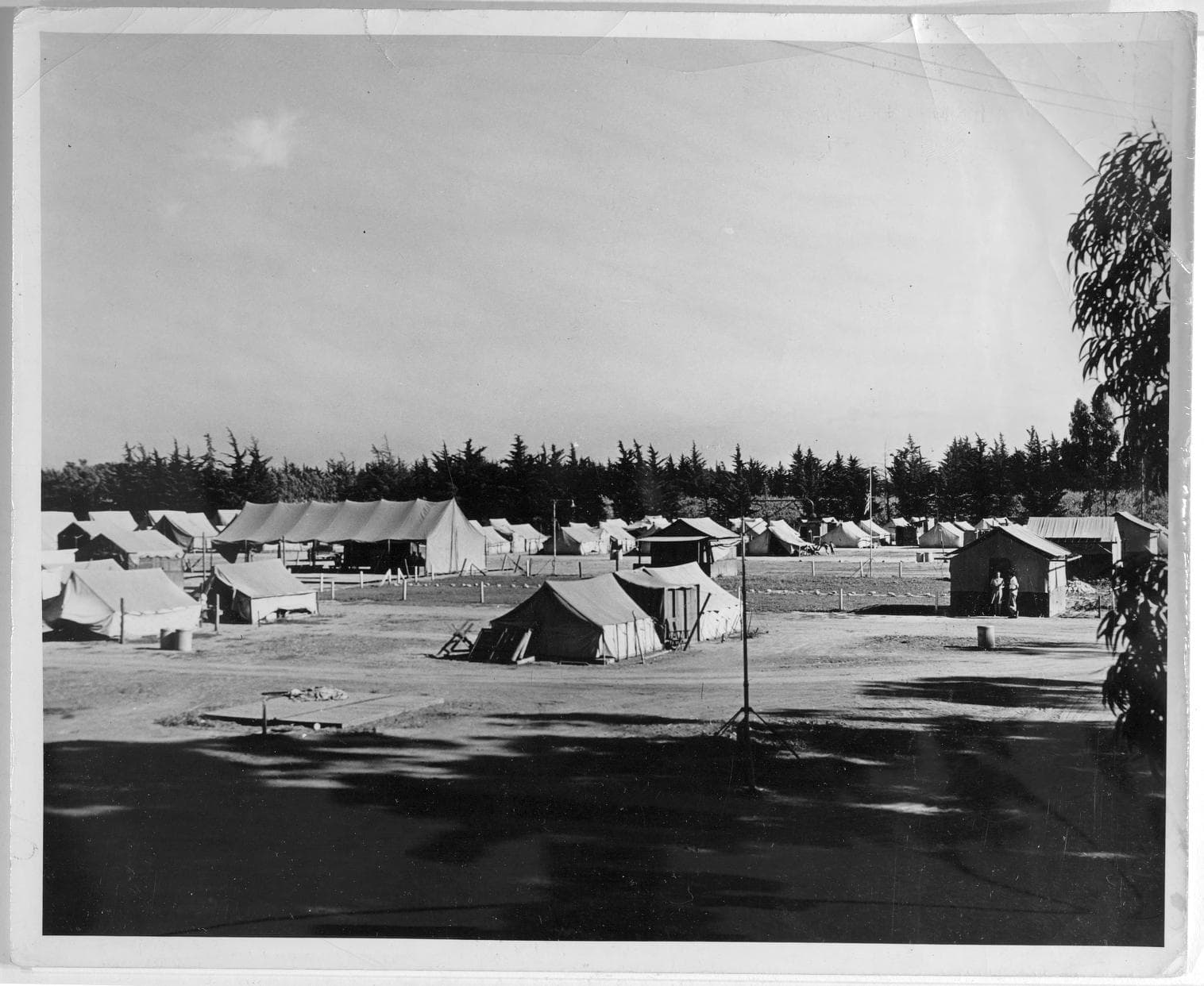
1930s Dust Bowl
The Dust Bowl turned farming into a battle with wind, drought, and debt. In migrant camps and roadside kitchens, food became proof that a family was still a family.
Read the full story
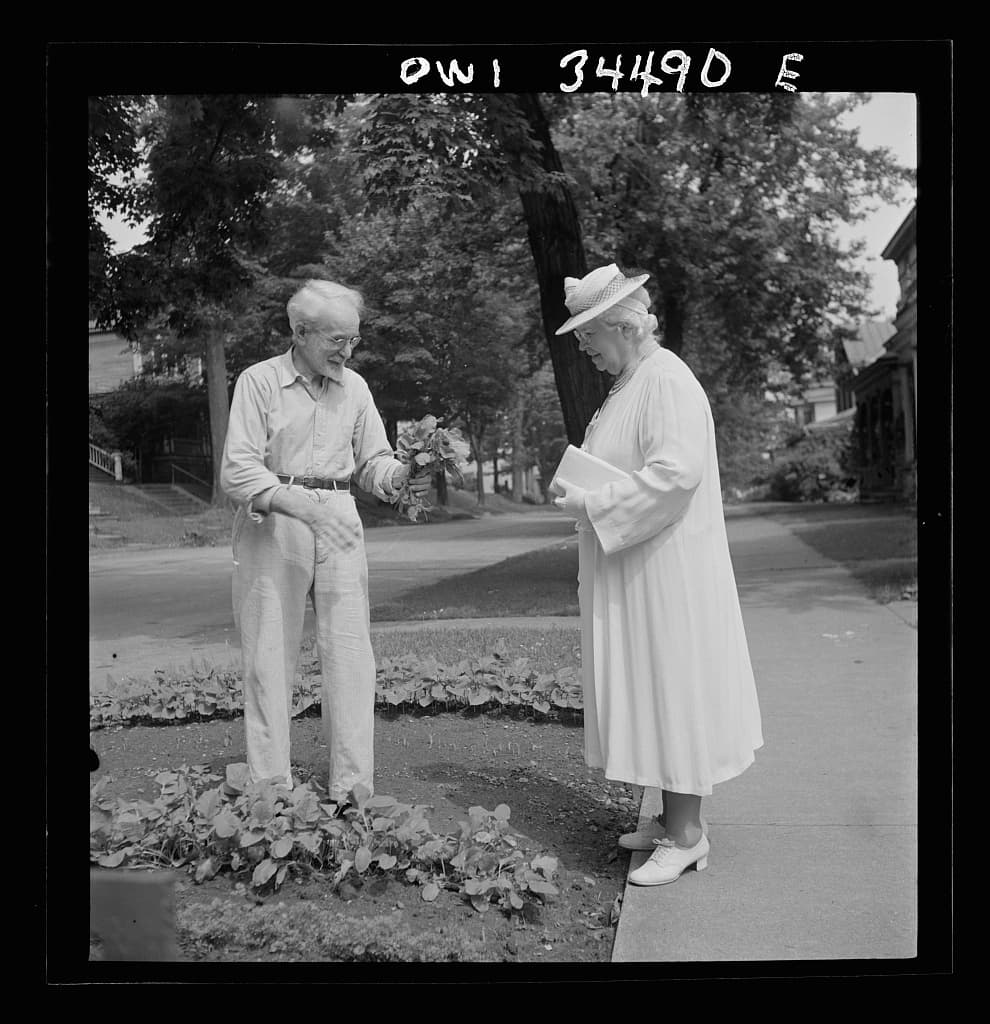
1917-1945
War gardens and victory gardens made patriotism practical. Families planted beans, potatoes, peas, onions, tomatoes, and greens so farms, rail lines, and ships could feed soldiers and allies.
Read the full story
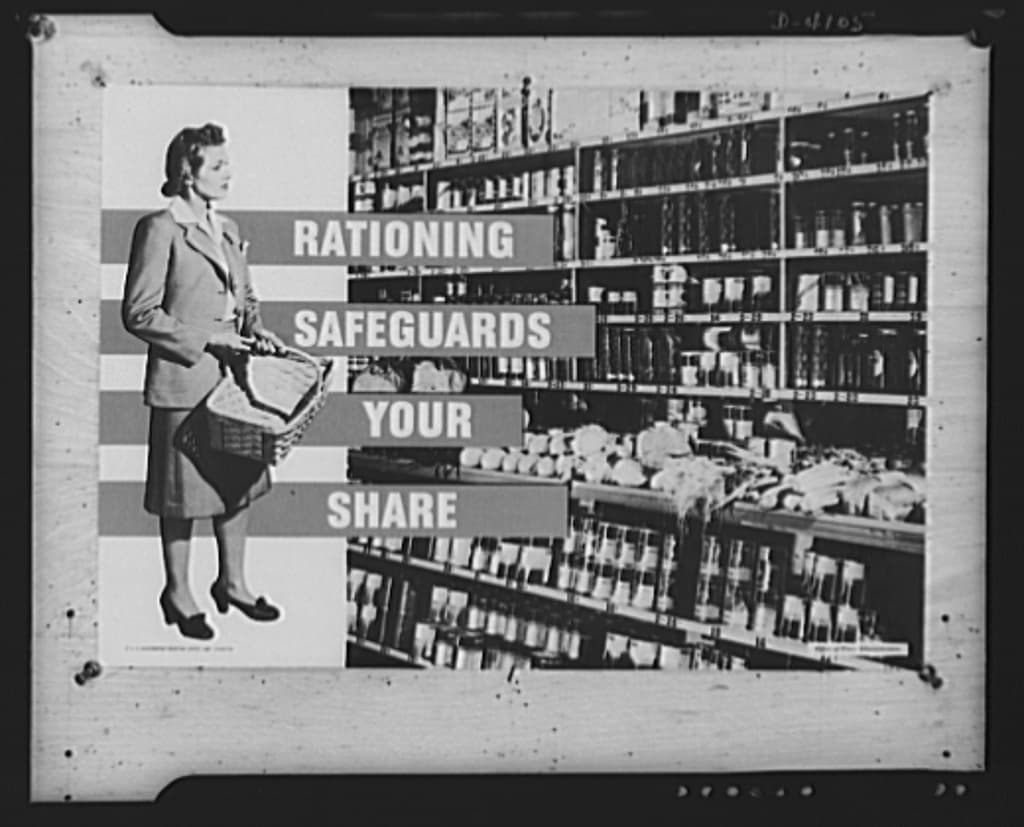
World War II
World War II rationing asked Americans to treat fairness as a kitchen duty. Sugar, coffee, meat, fats, gasoline, and other goods were managed so troops and civilians could both be supplied.
Read the full story