
Loading
Setting the table...
Fetching the latest recipes from the archive.
Loading
Fetching the latest recipes from the archive.
Recipe archive
Recipe archive
Search the archive by title, region, ingredient, tag, or era, then sort the table by the view that fits your kitchen.
This archive is growing through recipes, photos, family recipes, and historical context shared by the community.
America's Melting Pot
Green Smoothie photo coming soon
1970-1989
Green Smoothie brings juice-bar color and American smoothie-counter energy to the glass: Spinach/kale, fruit, juice, yogurt.
America's Melting Pot
Green Tomato Preserves photo coming soon
Frontier & Expansion
Green Tomato Preserves is a preserve with real American table personality: Farm garden economy. It brings flavor from coast-to-coast American tables to cookouts, counters, lunch plates, potlucks, and weeknight suppers.
America's Melting Pot
Green Tomato Relish photo coming soon
Frontier & Expansion
Green Tomato Relish is a relish with real American table personality: End-of-season garden preservation. It brings flavor from coast-to-coast American tables to cookouts, counters, lunch plates, potlucks, and weeknight suppers.
America's Melting Pot
Greens photo coming soon
Before 1776
Cooked greens have been a traditional Southern American dish associated with New Year's and good luck. Derived from African American and Southern settlements, the dish typically involves collard, mustard, or turnip greens slow-cooked with smoked meat for rich flavor. Its cultural significance endures.
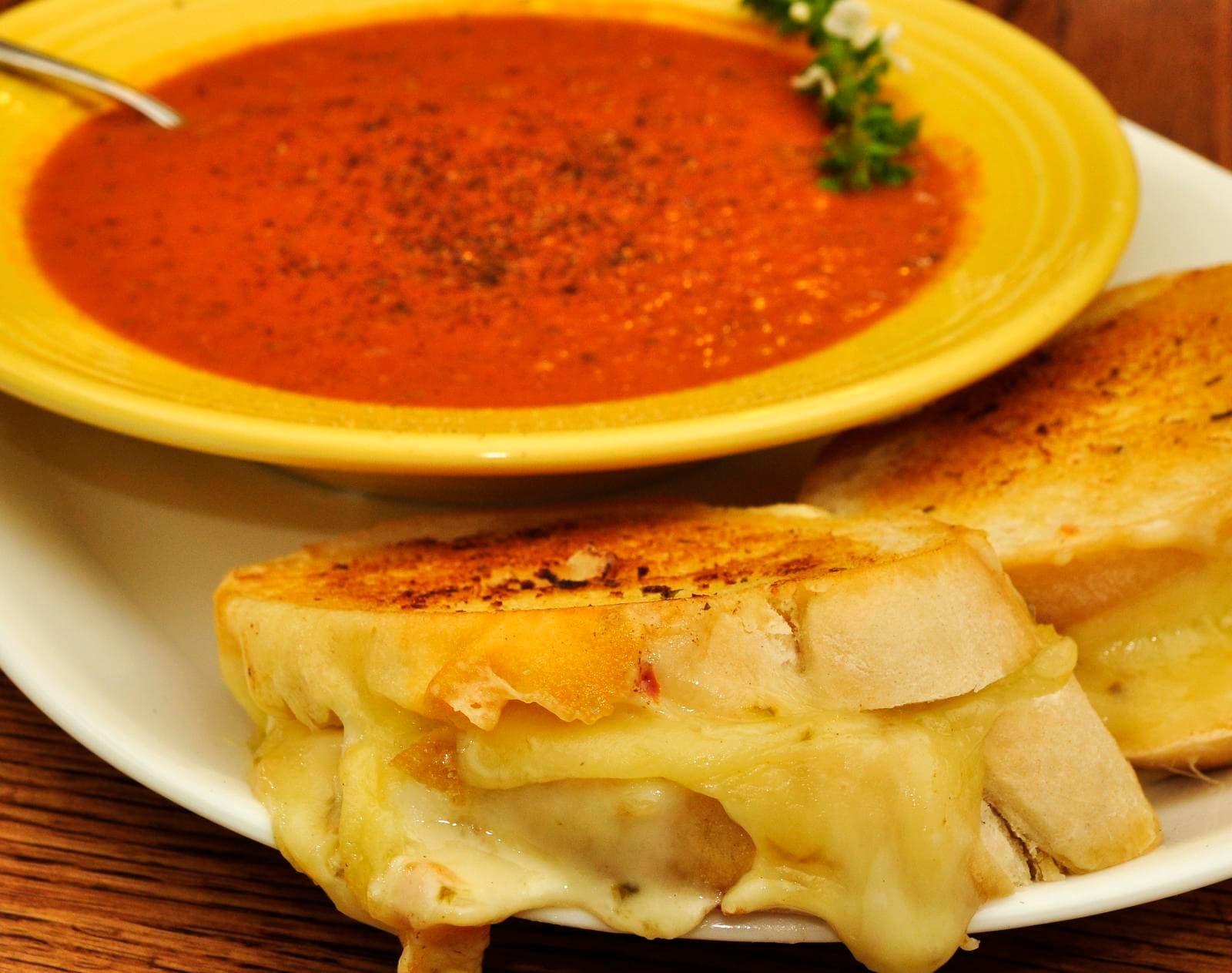
1930-1945
Grilled Cheese sandwich rose to prominence after World War II, embodying convenience and childhood comfort food in American households. Featuring melted cheese between buttered toasted bread, it became emblematic of suburban life, lunchboxes, and quick dinners across the United States.
America's Melting Pot
Grilled Chicken Salad photo coming soon
1990-2009
Grilled Chicken Salad became popular in American suburbs and coffee shops during the 1990s-2000s as a health-oriented dish. Featuring marinated grilled chicken over mixed greens with fresh vegetables and vinaigrette, it is common at Super Bowl gatherings and casual dining venues.
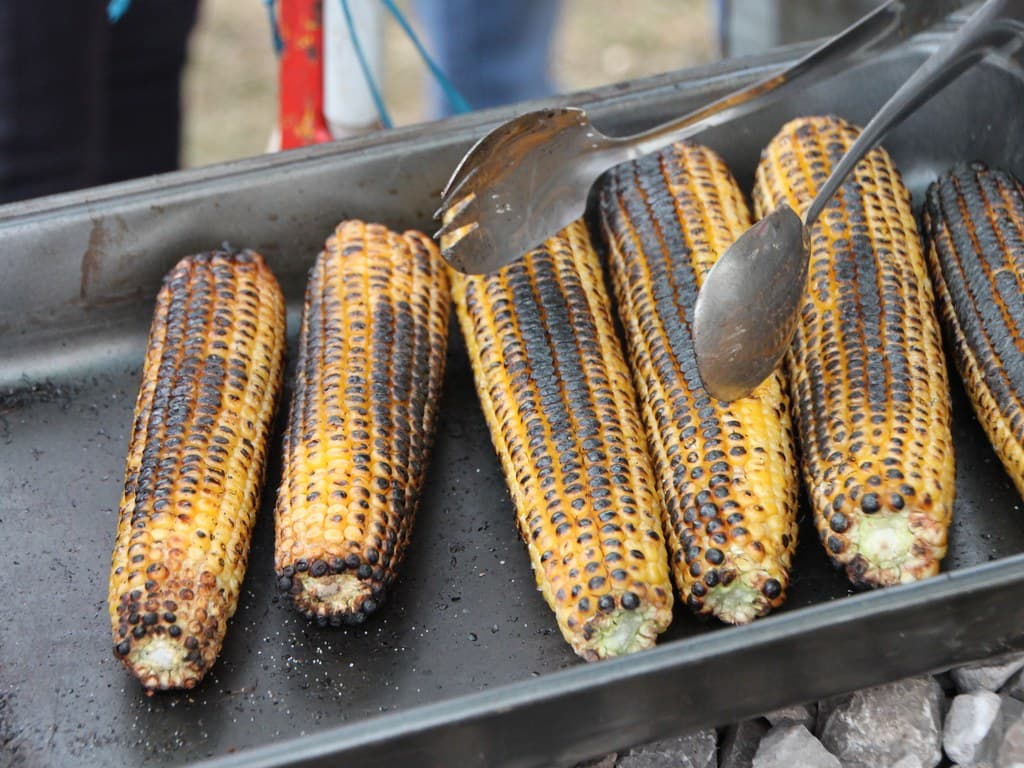
1946-1969
Grilled Corn gained popularity in American suburbs and backyards during the postwar period, representing easy and affordable patio food. Often served as a summer barbecue staple, corn is grilled in the husk or directly on the grill for smoky flavor and tender texture.
America's Melting Pot
Grilled Corn with Chili Lime Butter photo coming soon
2010-2026
This modern celebration dish showcases grilled corn enhanced with chili lime butter, blending Mexican-American influences with new American food trends. Popular since 2010 at food trucks and farmers markets, it offers vibrant flavors and viral appeal.
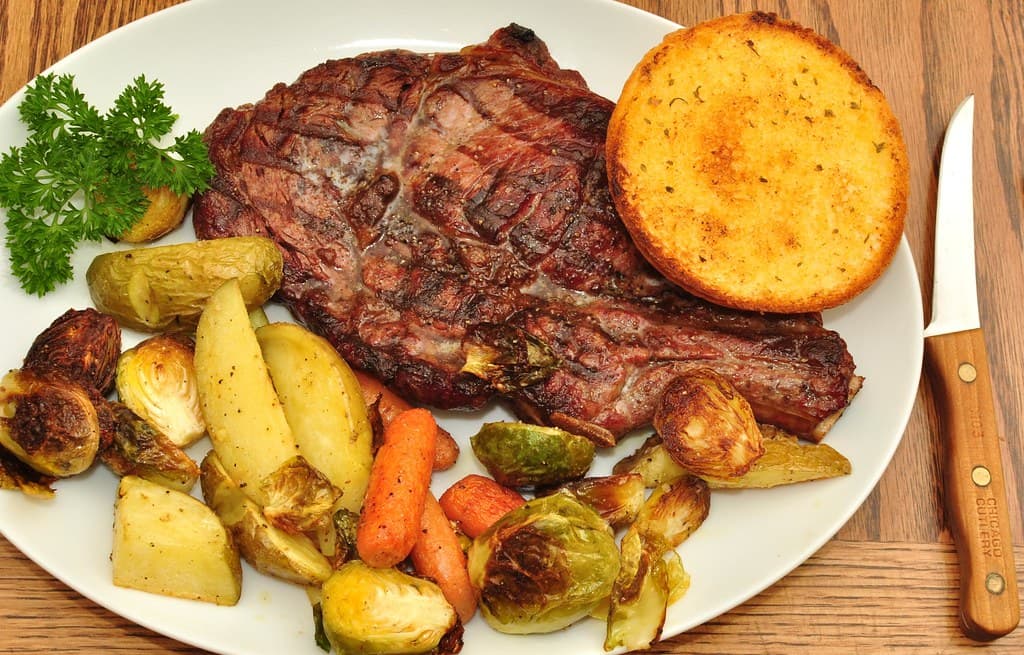
1946-1969
Grilled steak has been a centerpiece of American backyard barbecues since the postwar suburban boom. Typically prepared with simple seasoning and cooked over charcoal or gas grills, it represents a traditional approach to meat preparation for outdoor hospitality and family gatherings.
America's Melting Pot
Grits photo coming soon
Before 1776
Grits, made from ground corn, are a Southern breakfast cornerstone in American cuisine across many eras. Simple and adaptable, grits are often served creamy with butter, cheese, or savory toppings, symbolizing Southern hospitality and regional identity.
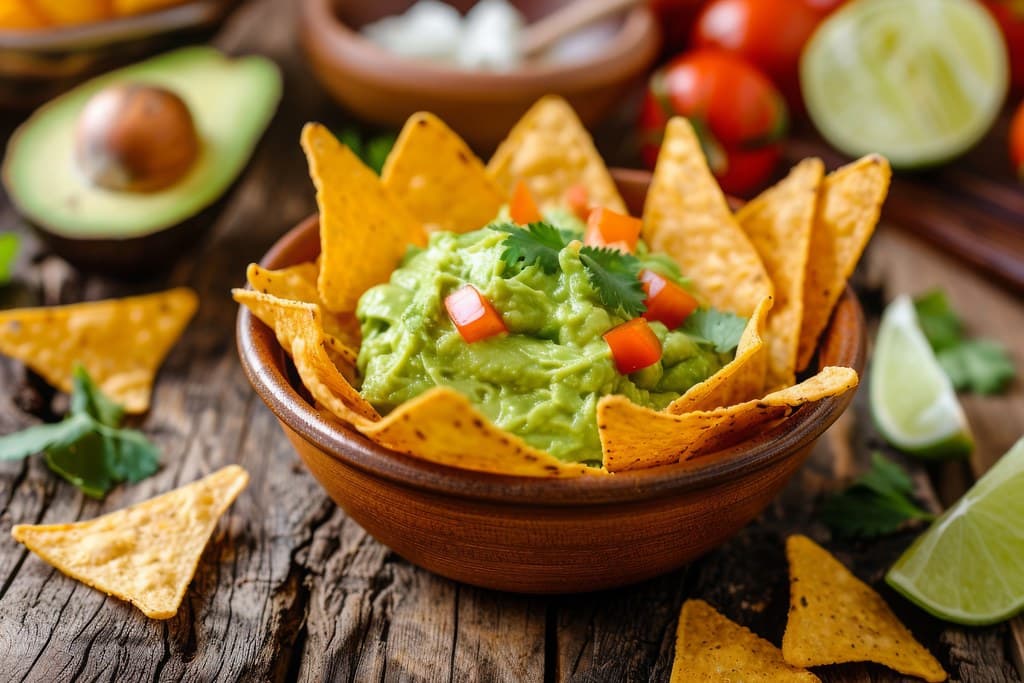
1990-2009
Guacamole, a mashed avocado-based dip, became widespread in American party and game day cuisine during the 1990s-2000s. Its creamy texture combined with fresh lime, onion, and cilantro made it a staple for gatherings, reflecting both Mexican and American tastes.
America's Melting Pot
Guam Kelaguen photo coming soon
Before 1776
Kelaguen is a traditional Chamorro dish from Guam, consisting of marinated meat or seafood typically chopped and served cold. Blending influences from Chamorro, Filipino, Puerto Rican, and other island cultures, it remains a cherished part of island American territories' food traditions.
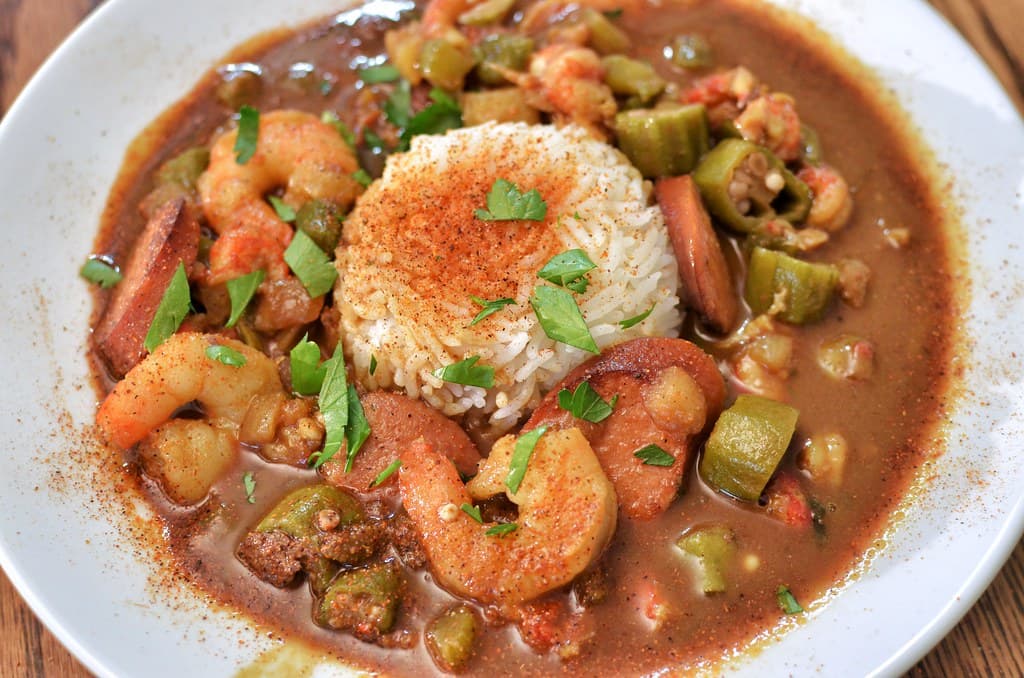
1800-1860
Gumbo is a renowned stew from Louisiana, combining West African, French Creole, and Native American culinary traditions. Dating between 1800 and 1860, gumbo integrates local seafood, sausage, and the 'holy trinity' of vegetables into a thickened, flavorful stew emblematic of Southern and Creole identity.
America's Melting Pot
Gumbo Z'Herbes photo coming soon
1970-1989
Gumbo Z'Herbes is a green vegetable variation of traditional gumbo favored in Louisiana, especially during the 1970s-1980s. It is a hearty stew of assorted greens and herbs, often served during festive events and tailgate gatherings reflecting regional pride and culinary diversity.
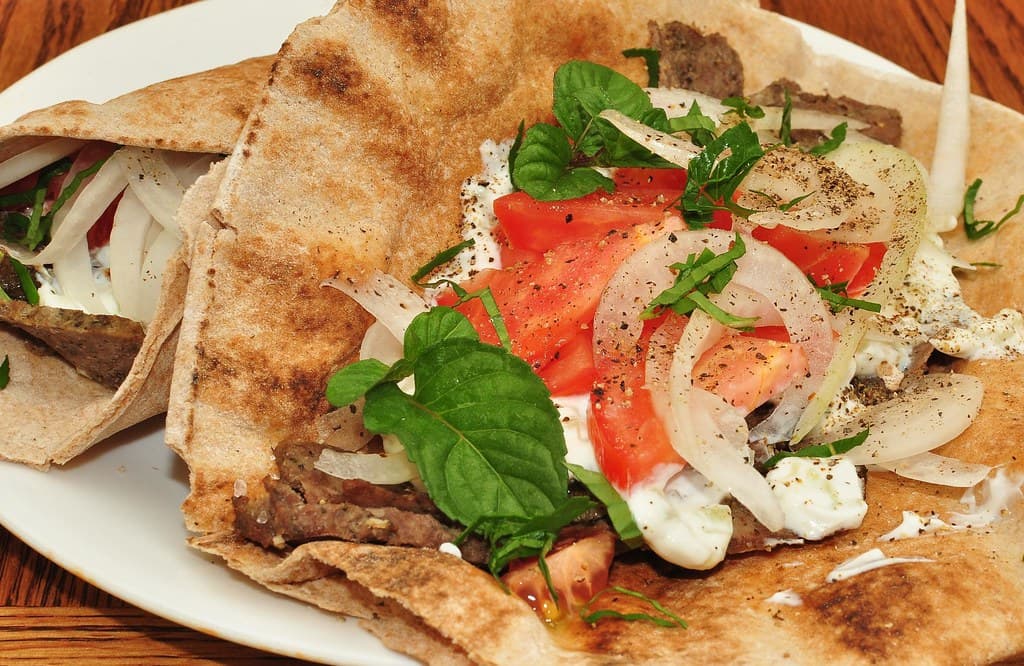
1946-1969
Gyros entered American urban dining and state fairs in the early 20th century, popularized by Greek immigrants. Featuring spiced meat sliced from vertical rotisserie, with tomatoes, onions, and tzatziki in pita bread, it represents immigrant adaptation and diner cuisine fusion.
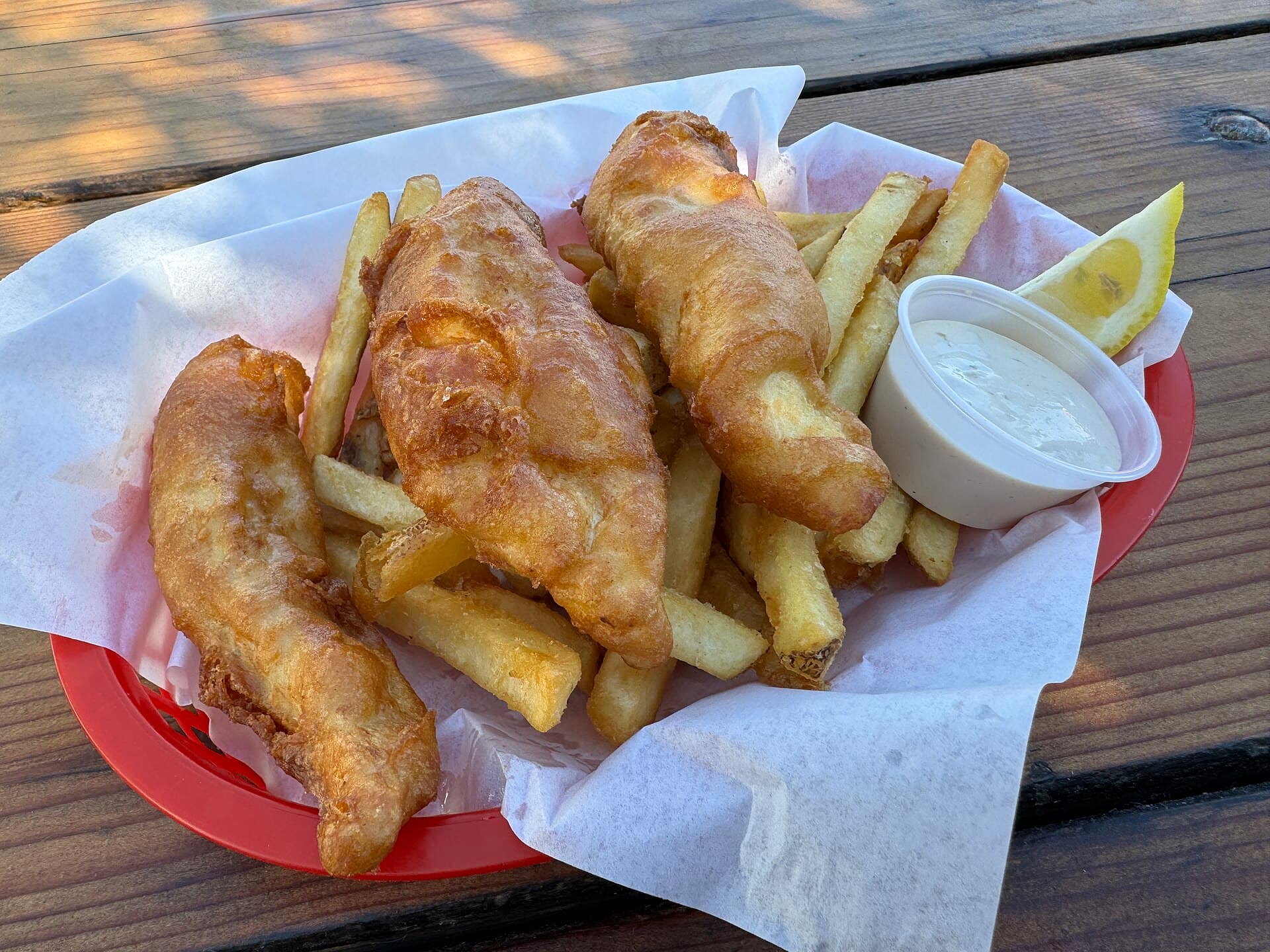
1900-1929
Halibut Fish and Chips is a regional Alaskan adaptation of the classic British-origin fish and chips, substituting cod with locally abundant halibut. This dish reflects Alaska's fishing economy and the integration of local seafood into familiar American and British dining formats.
America's Melting Pot
Haluski photo coming soon
1900-1929
Haluski is a traditional dish of Polish, Czech, Slovak, and Eastern European origins consisting of noodles, fried cabbage, and onions. Brought to the United States by immigrants in the early 20th century, it became comfort food commonly served at diners and state fairs, especially around Easter.
America's Melting Pot
Ham photo coming soon
1776-1800
Ham is a traditional centerpiece in American holiday meals, especially during New Year's celebrations where it symbolizes good fortune and prosperity. Its preservation and curing methods vary regionally, reflecting diverse cultural influences across the United States. This recipe explores practical home preparation of ham suitable for festive occasions.
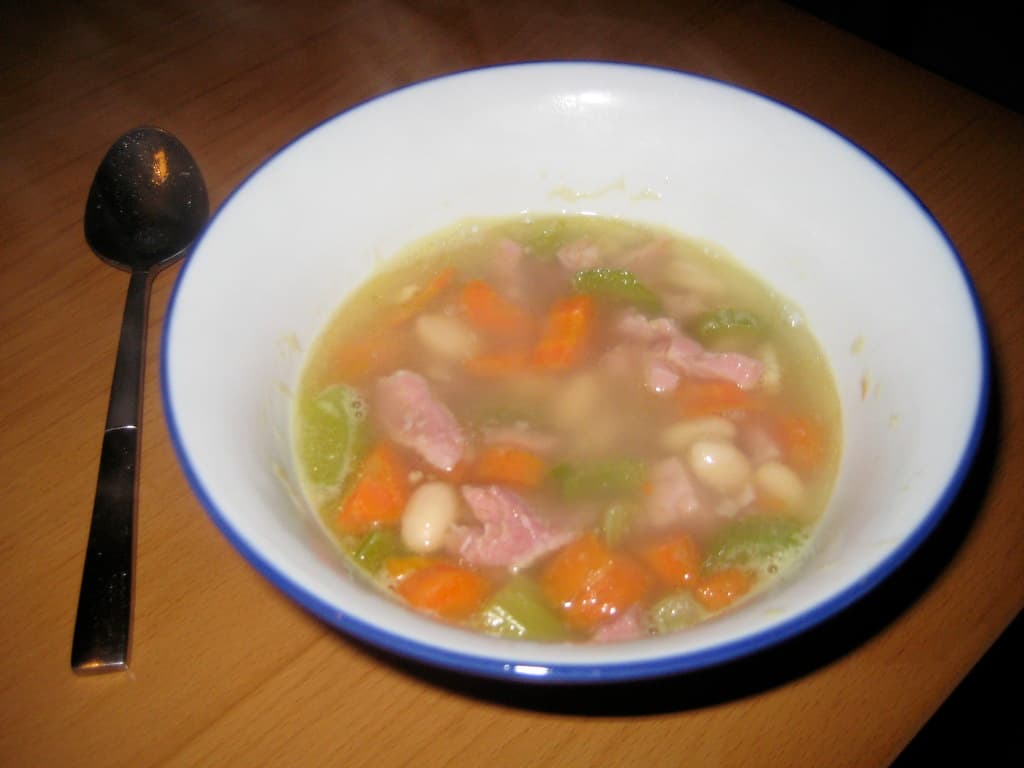
1800-1860
Ham and bean soup is a hearty, economical stew that sustained workers in American railroads, mining camps, and boardinghouses during the late 19th century. Utilizing leftover ham and dried beans, it embodies practical, resourceful cooking of the Reconstruction and settlement era.
America's Melting Pot
Ham and Pickle Roll-Ups photo coming soon
1946-1969
Ham and pickle roll-ups are a quick, savory finger food popularized during the 1970s as party appetizers and tailgate snacks. Combining sliced ham and crunchy pickles into simple roll-ups reflects the era's emphasis on convenience and fun casual entertaining.
America's Melting Pot
Ham Balls photo coming soon
1900-1929
Ham balls are savory meatballs made from ground ham mixed with breadcrumbs or crackers, often glazed and baked. Common in American school cafeterias, church suppers, and community events during the early 20th century, they showcase economical and crowd-pleasing cooking.
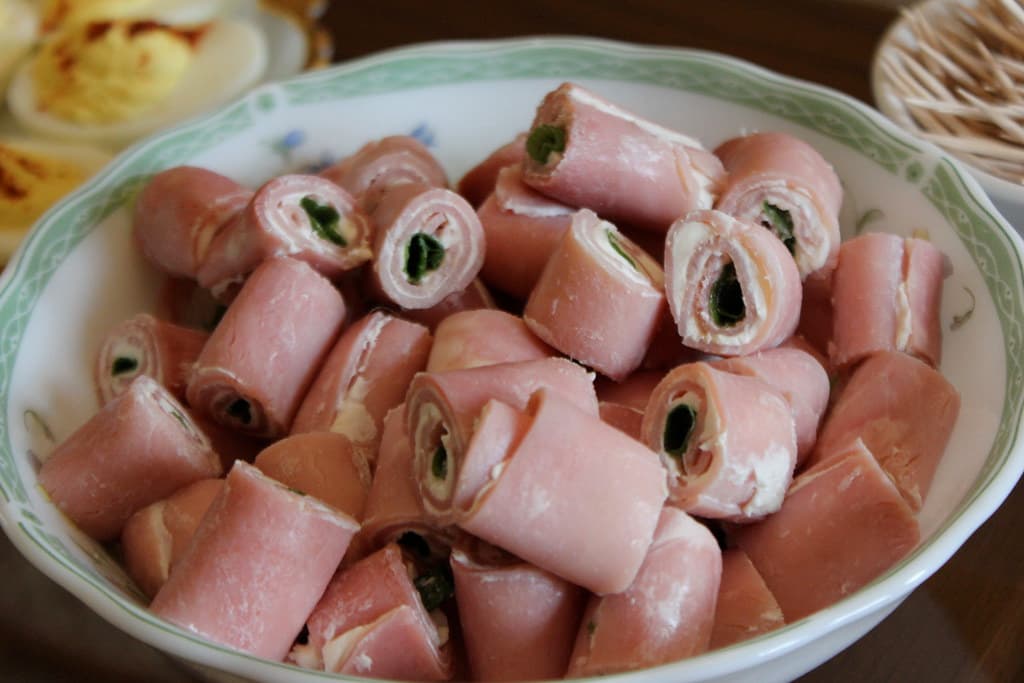
1946-1969
Ham roll-ups are bite-sized appetizers made by rolling sliced ham with cheese, spreads, or pickles. Popular in suburban American cocktail parties from the 1940s through the 1960s, they exemplify easy-to-prepare, crowd-pleasing hors d'oeuvres.
America's Melting Pot
Ham Salad Spread photo coming soon
1900-1929
Ham Salad Spread is a spread with real American table personality: Church supper and sandwich spread. It brings flavor from coast-to-coast American tables to cookouts, counters, lunch plates, potlucks, and weeknight suppers.

1861-1900
Hamantaschen are triangular filled pastries traditionally made for the Jewish holiday of Purim. Brought by Jewish-American communities in the 19th century, these pastries feature a variety of fillings and shapes symbolizing folklore tied to the festival.
Community recipe submission
Log in to submit a recipe, format it with the cooking companion, and send it for review.
Log in to Submit