
Loading
Setting the table...
Fetching the latest recipes from the archive.
Loading
Fetching the latest recipes from the archive.
Recipe archive
Recipe archive
Search the archive by title, region, ingredient, tag, or era, then sort the table by the view that fits your kitchen.
This archive is growing through recipes, photos, family recipes, and historical context shared by the community.
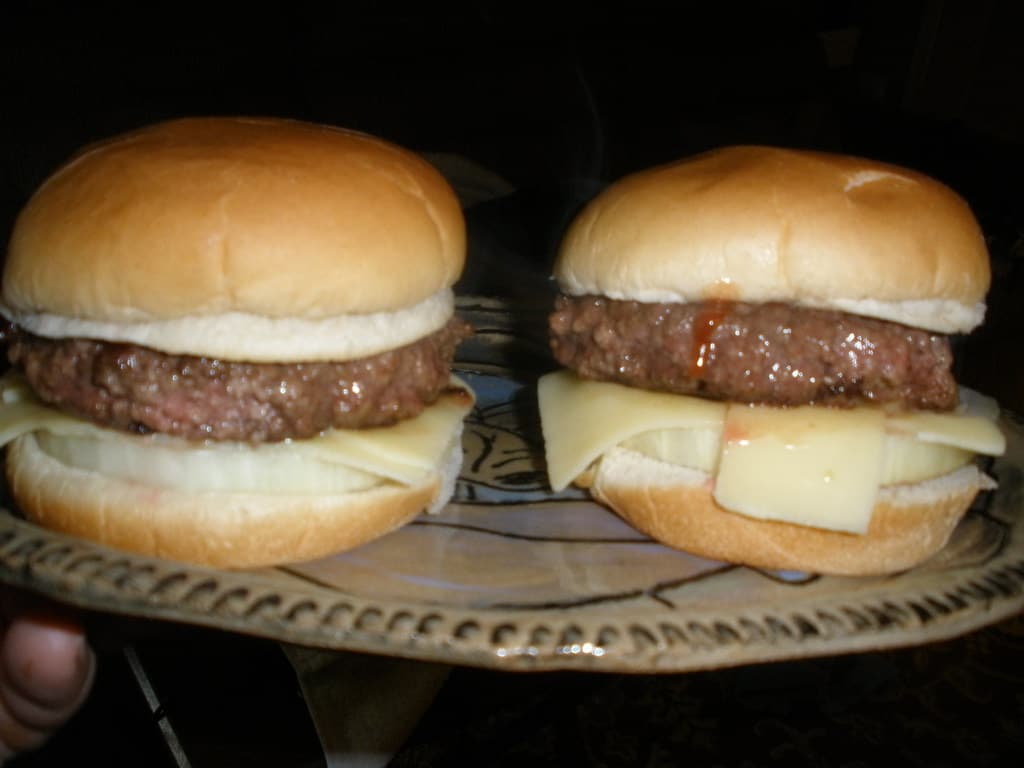
1900-1929
The hamburger is a ground beef patty cooked and served inside a split bun or roll, often garnished with condiments and vegetables. Emerging in early 20th-century America, hamburgers became an iconic and enduring symbol of American fast and casual dining.
America's Melting Pot
Hamburger Hotdish photo coming soon
1946-1969
Hamburger hotdish is a layered casserole popular in the Midwest, combining ground beef, noodles or potatoes, and a creamy sauce baked until bubbly. Developing during the postwar suburban era, this casserole highlights convenience and freezer-friendly family meals.
America's Melting Pot
Hand-Spun Shake photo coming soon
Postwar & Diner Age
Hand-Spun Shake is thick, spoonable frozen-custard stand fun: Diner/drive-in phrase for a real ice cream shake.
America's Melting Pot
Hard-Shell Tacos photo coming soon
1970-1989
Hard-shell tacos feature crispy fried corn tortillas filled with seasoned ground beef, lettuce, cheese, and salsa. This Americanized version grew popular in the 1970s as convenience food and tailgate fare, blending Mexican culinary origins with fast food culture.
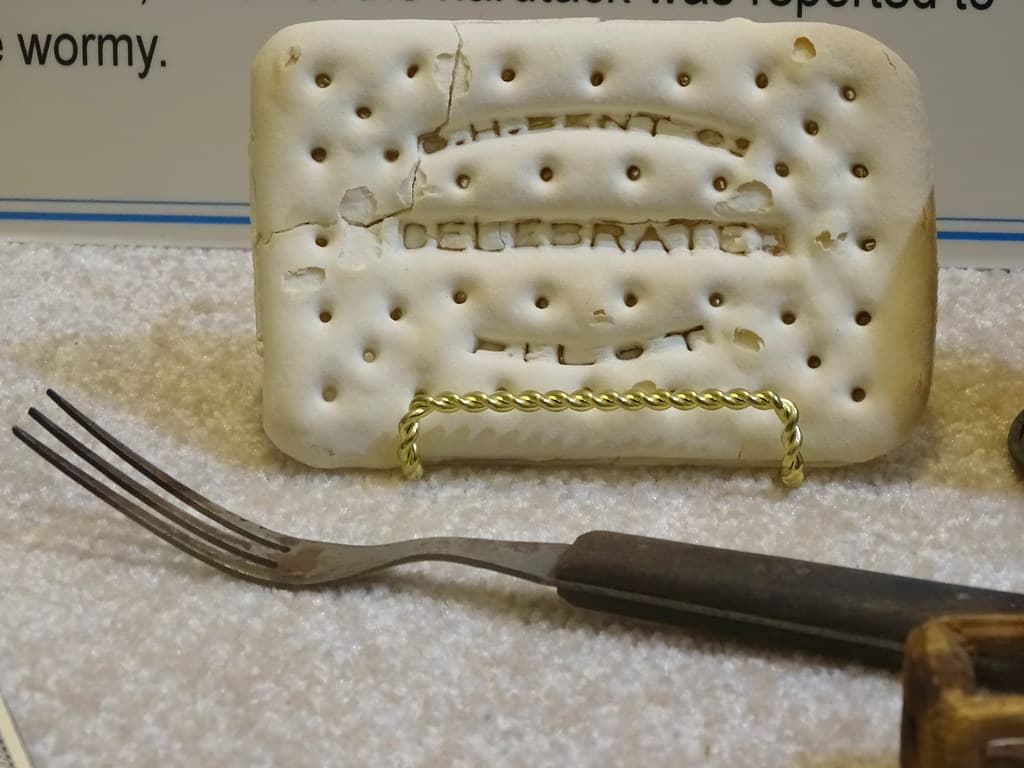
1861-1900
Hardtack is a simple, dense biscuit made from flour, water, and sometimes salt, designed as long-lasting hard bread for soldiers and sailors. It was a fundamental ration during the American Civil War and frontier settlement, valued for shelf stability despite its hardness.
America's Melting Pot
Harvey Wallbanger Cake photo coming soon
1970-1989
Harvey Wallbanger cake is a layered cake inspired by the popular Harvey Wallbanger cocktail of the 1970s. Featuring orange-flavored cake and a boozy glaze, it reflects the decade's enthusiasm for themed party desserts and adult-friendly sweets.
America's Melting Pot
Hash photo coming soon
1861-1900
Hash is a savory dish combining chopped cooked meat, potatoes, onions, and seasoning, originally made to use leftovers efficiently. It was a practical meal served in American railroad camps, mining towns, and boardinghouses during the late 19th century.
America's Melting Pot
Hash Browns photo coming soon
1900-1929
Hash browns are shredded or diced potatoes pan-fried until golden and crisp, popularized in American diners and lunch counters during the early 20th century. Served primarily at breakfast, they embody simple, rustic comfort food.
America's Melting Pot
Hasty Pudding photo coming soon
Before 1776
Hasty pudding is a simple cornmeal porridge traditionally eaten for breakfast, traced to colonial America and The Revolutionary Table era. It historically used accessible grains and minimal ingredients to provide warm sustenance.
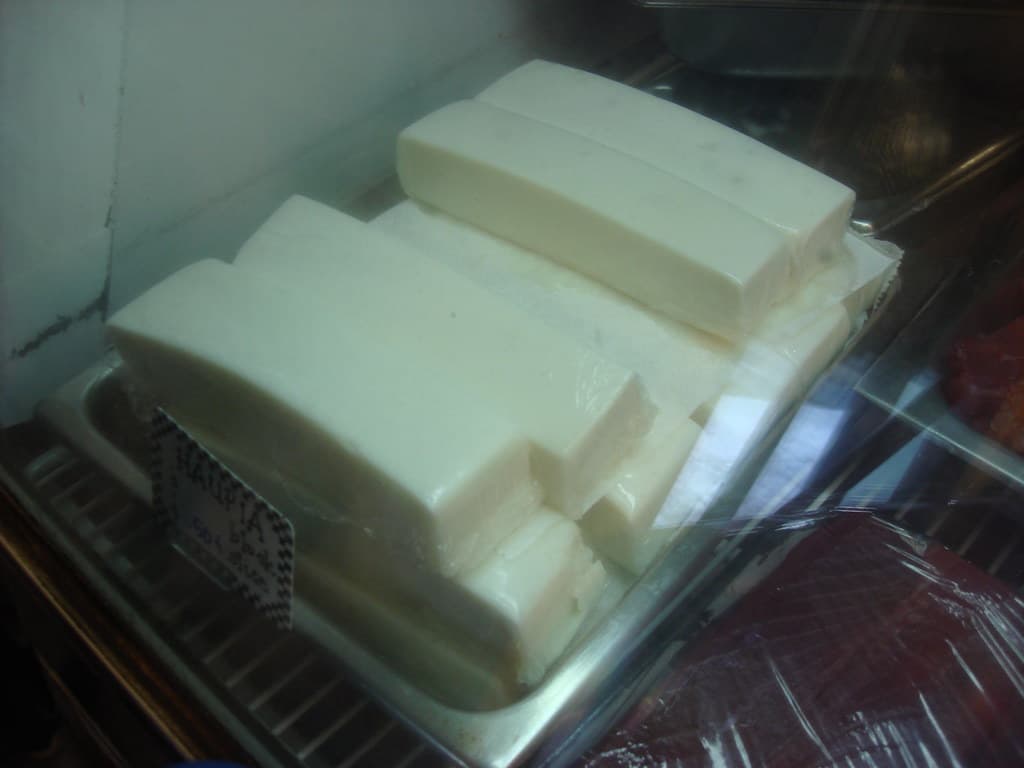
Native Foodways and Continuity
Haupia is a coconut milk-based pudding native to Hawaii often used in traditional and modern desserts. This dairy-free, gelatinous treat reflects Hawaiian cuisine's use of local ingredients and cultural fusion including Asian and Portuguese influences.
America's Melting Pot
Hawaii Haupia Shake photo coming soon
Cross-era
Hawaii Haupia Shake salutes regional fruit country and the American dairy-stand tradition: Hawaii coconut dessert influence.
America's Melting Pot
Hawaii Pineapple Shake photo coming soon
Cross-era
Hawaii Pineapple Shake salutes regional fruit country and the American dairy-stand tradition: Hawaii.
America's Melting Pot
Hawaiian Huli Huli Chicken photo coming soon
1945-2000
Huli Huli chicken is a Hawaiian grilled chicken marinated in a sweet-savory teriyaki-style sauce, cooked on a spit or grill. It captures Hawaii's barbecue culture blending native and immigrant flavors and is a festive dish for outdoor gatherings.
America's Melting Pot
Hawaiian Huli Huli Sauce photo coming soon
Cross-era
Hawaiian Huli Huli Sauce is a barbecue sauce with real American table personality: Soy, sugar, ginger, garlic, pineapple/tropical sweetness; Hawaiian barbecue culture. It brings flavor from California, Hawaii, and the West Coast to cookouts, counters, lunch plates, potlucks, and weeknight suppers.
America's Melting Pot
Hawaiian Plate Lunch photo coming soon
2010-2026
The Hawaiian plate lunch is a popular meal combining rice, macaroni salad, and a main protein such as teriyaki chicken or kalua pork. It embodies Hawaii's multicultural culinary influences and is a favored casual dining staple in contemporary Hawaiian food culture.
America's Melting Pot
Hazelnut Cake photo coming soon
1900-1929
Hazelnut cake showcases toasted Northwest hazelnuts incorporated into a moist cake, often layered and frosted. This dessert highlights the Pacific Northwest's rich nut harvests and fusion of American baking traditions.
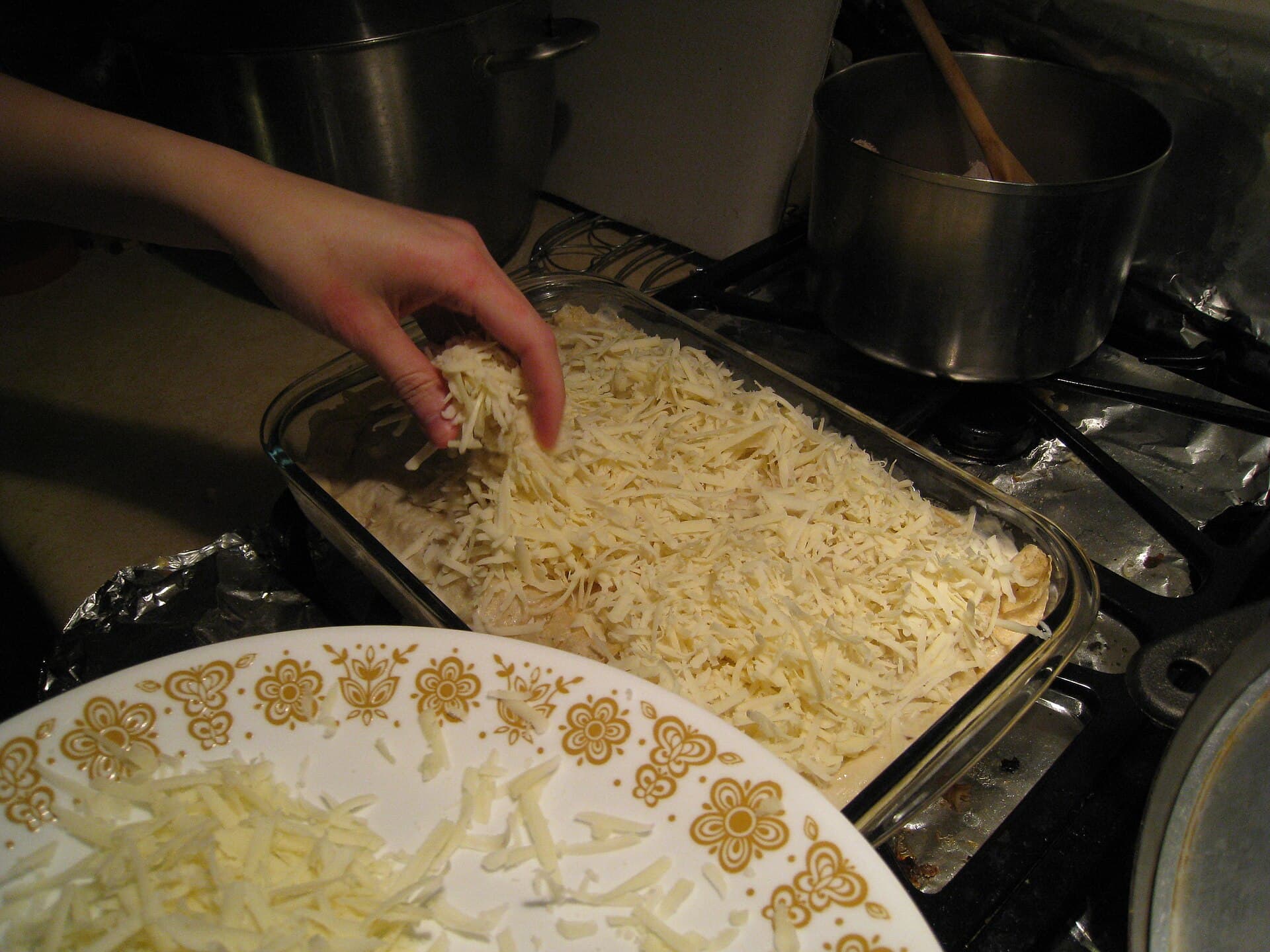
American Dairy Age
Herb Jack is a mild American Jack-family cheese with clean milk handling, careful curd cooking, optional flavoring, pressing, and controlled aging.
America's Melting Pot
Hoecakes photo coming soon
Before 1776
Hoecakes are simple cornmeal flatbreads or pancakes cooked on a griddle. Dating to the Revolutionary era, they provided a quick, hearty breakfast or side dish using native grains with minimal ingredients.
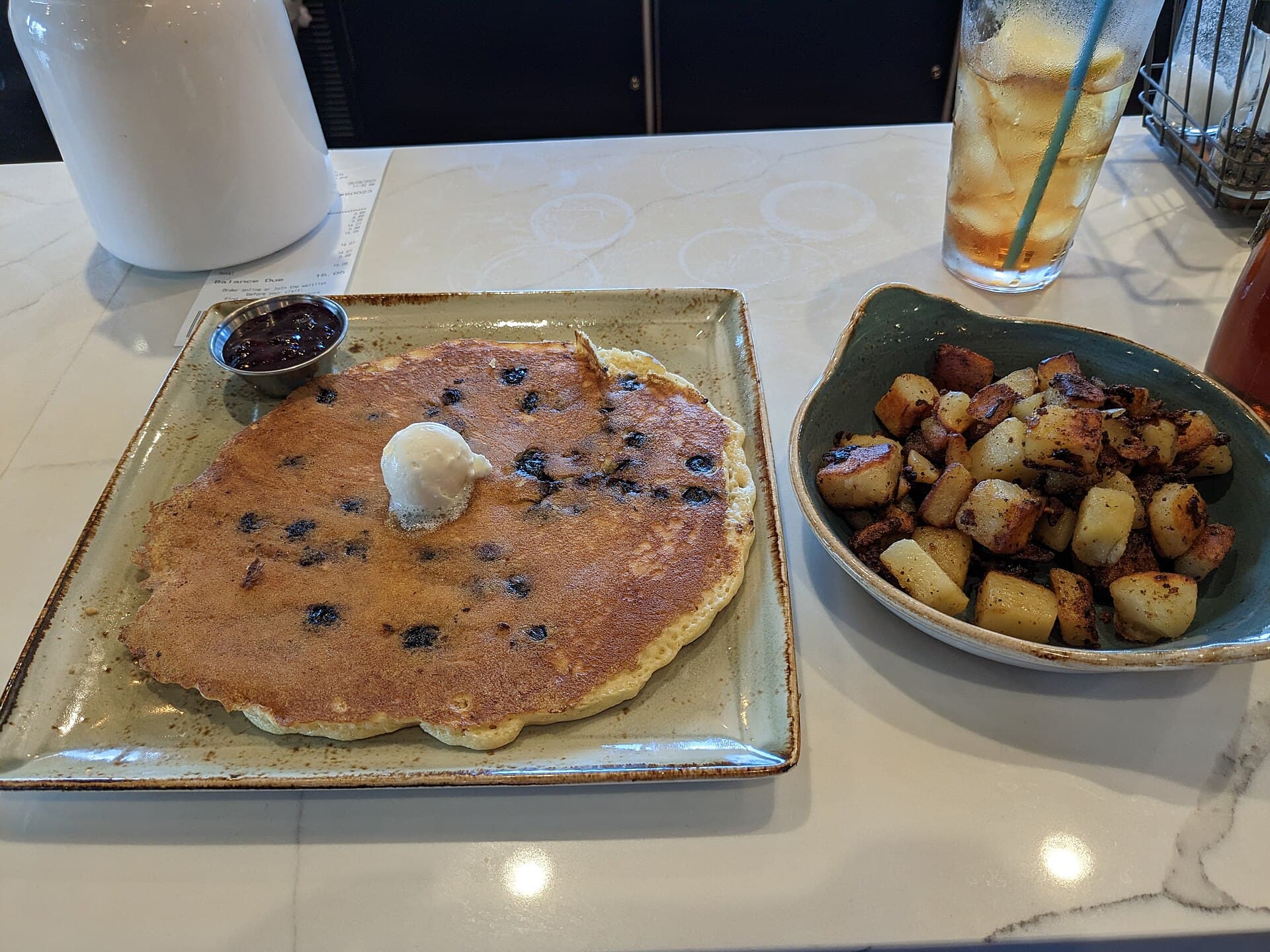
1900-1929
Home fries are diced or sliced potatoes pan-fried with onions and seasoning, commonly served at American diners with breakfast. Emerging in early 20th-century immigrant cities, they offer a warm and crispy potato side dish.
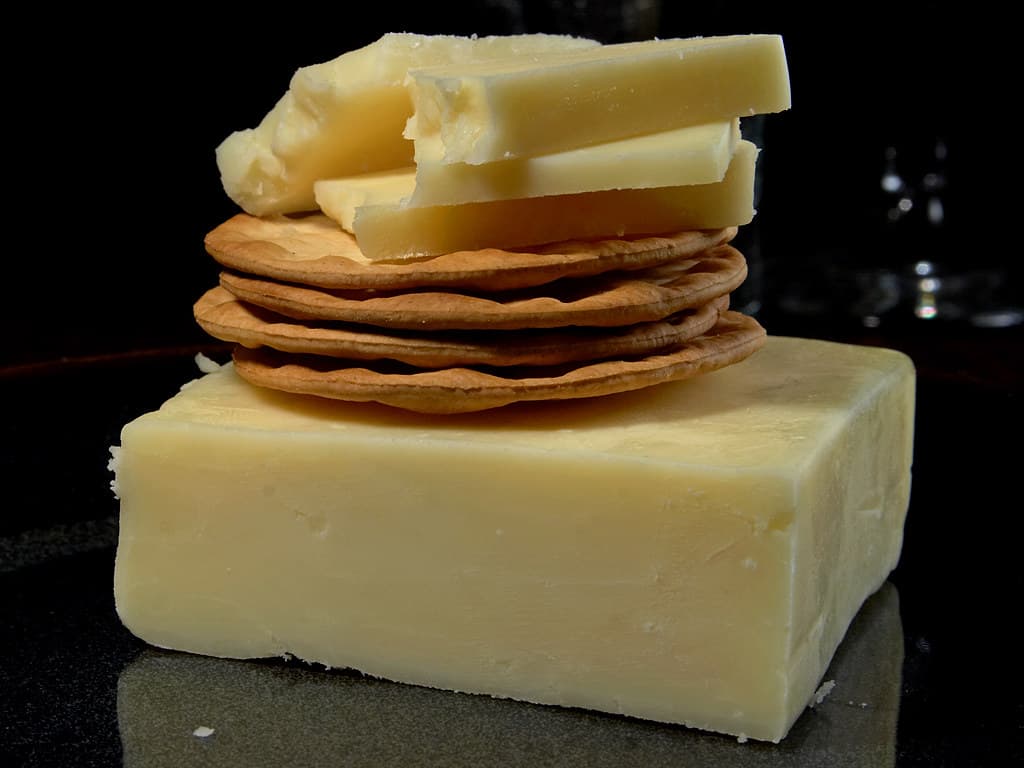
American Dairy Age
Homemade Cheddar Cheese is a home-scale American cheddar with measured culture, rennet setting, cheddaring, pressing, salting, and controlled aging.
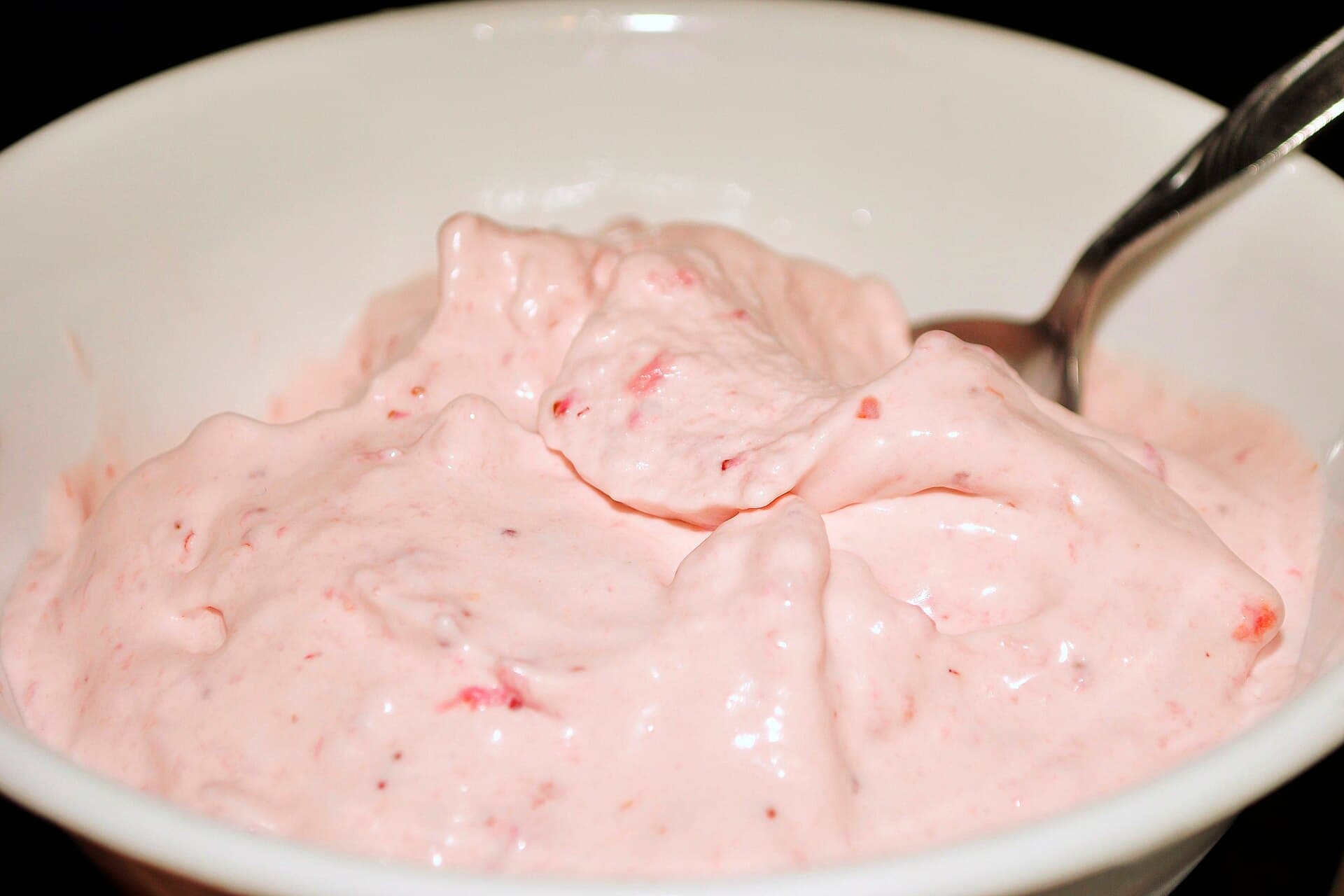
1861-1900
Homemade ice cream is a beloved treat enjoyed across the United States, especially during warm weather and holidays like the Fourth of July. This recipe captures the timeless tradition of making rich, creamy ice cream at home using simple ingredients. While commercial ice cream became widely available in the 20th century, homemade versions date back to earlier periods and remain a festive family activity.
America's Melting Pot
Hominy photo coming soon
1776-1800
Hominy is dried maize kernels treated with an alkali to remove the hull and germ, a process known as nixtamalization. It has been a staple food for Indigenous peoples in North America and later incorporated widely into American cooking. This versatile ingredient appears in many traditional dishes across different regions, valued for its unique texture and nutritional content.
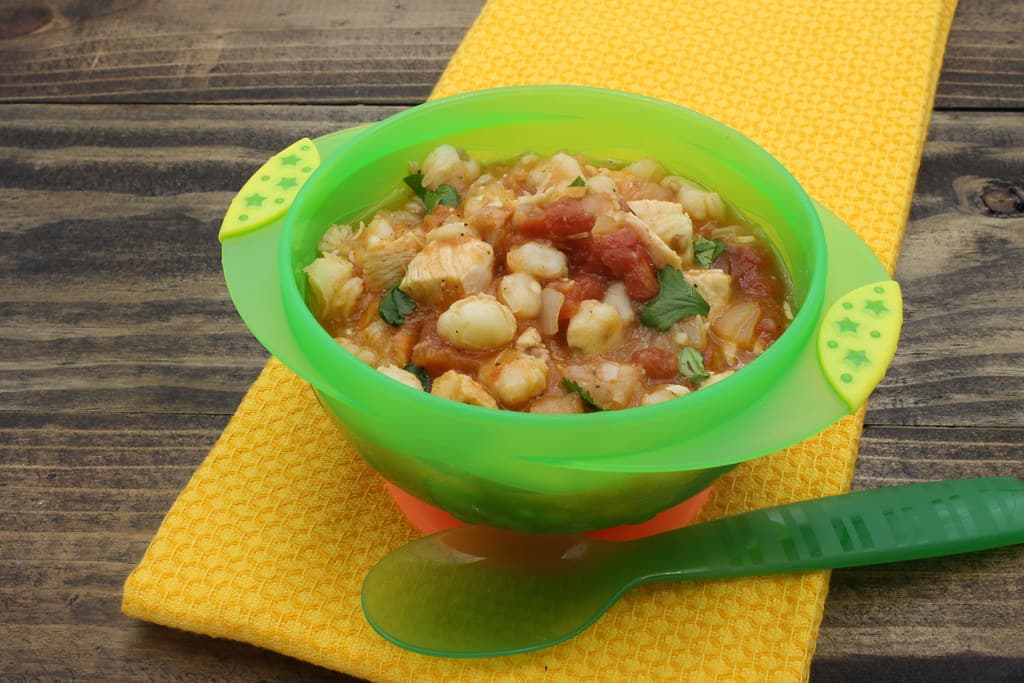
Before 1776
Hominy stew is a traditional Indigenous American dish combining hominy with meat and vegetables to create a hearty, nourishing meal. This recipe reflects how Indigenous foodways influenced American cooking during the 1800-1860 period, using local ingredients and slow cooking methods.
America's Melting Pot
Honey BBQ Wing Sauce photo coming soon
1970-1989
Honey BBQ Wing Sauce is a sandwich sauce with real American table personality: Mild wing chain staple. It brings flavor from coast-to-coast American tables to cookouts, counters, lunch plates, potlucks, and weeknight suppers.
Community recipe submission
Log in to submit a recipe, format it with the cooking companion, and send it for review.
Log in to Submit