
Loading
Setting the table...
Fetching the latest recipes from the archive.
Loading
Fetching the latest recipes from the archive.
Recipe archive
Recipe archive
Search the archive by title, region, ingredient, tag, or era, then sort the table by the view that fits your kitchen.
This archive is growing through recipes, photos, family recipes, and historical context shared by the community.
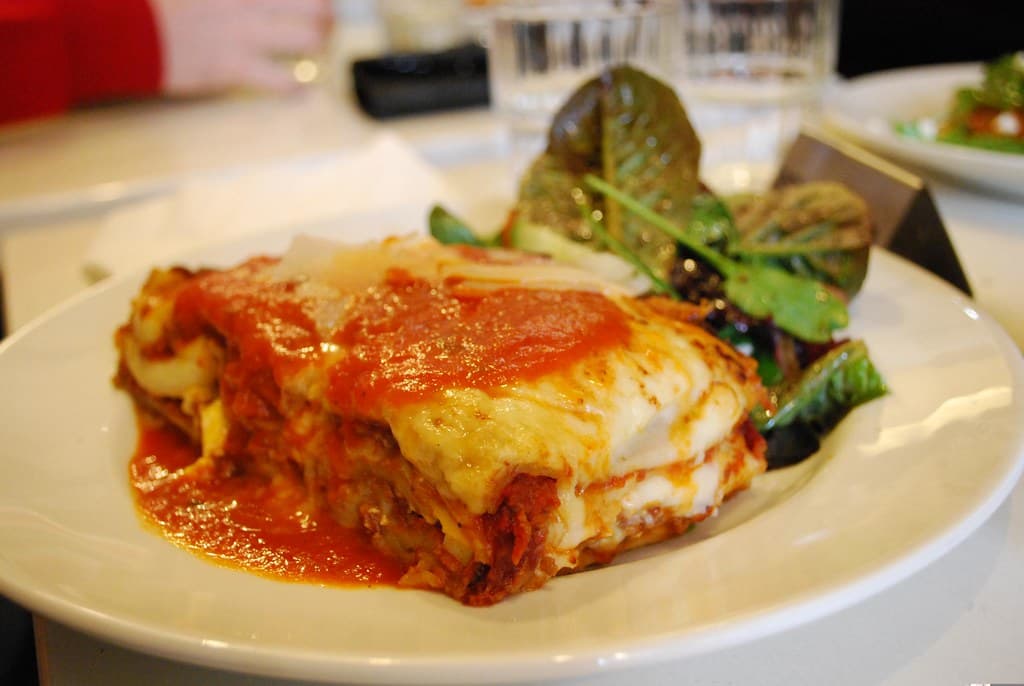
1861-1900
Lasagna is a layered baked casserole with pasta sheets, meat sauce, cheese, and often tomato and herbs. Italian immigrants introduced it to the U.S., where it became a holiday tradition and staple comfort food, especially during Christmas. Its layered nature symbolizes family and richness in American Italian cooking heritage.
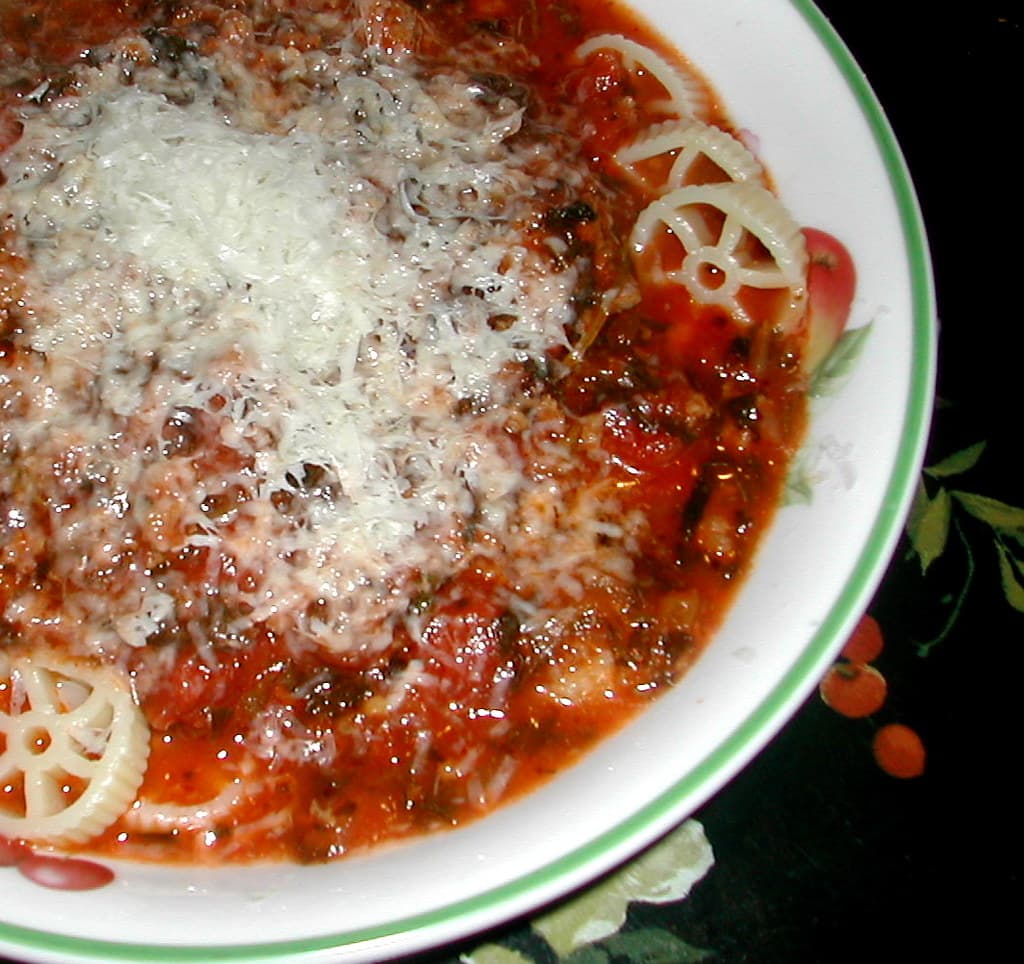
2010-2026
Lasagna soup captures the iconic flavors of baked lasagna in a warm, brothy soup form. Emerging as a viral recipe in the 2010s in American food trends, it adapts traditional elements like tomato, ground meat, noodles, and cheese into a hearty, easy-to-prepare dish popular at markets and food trucks.
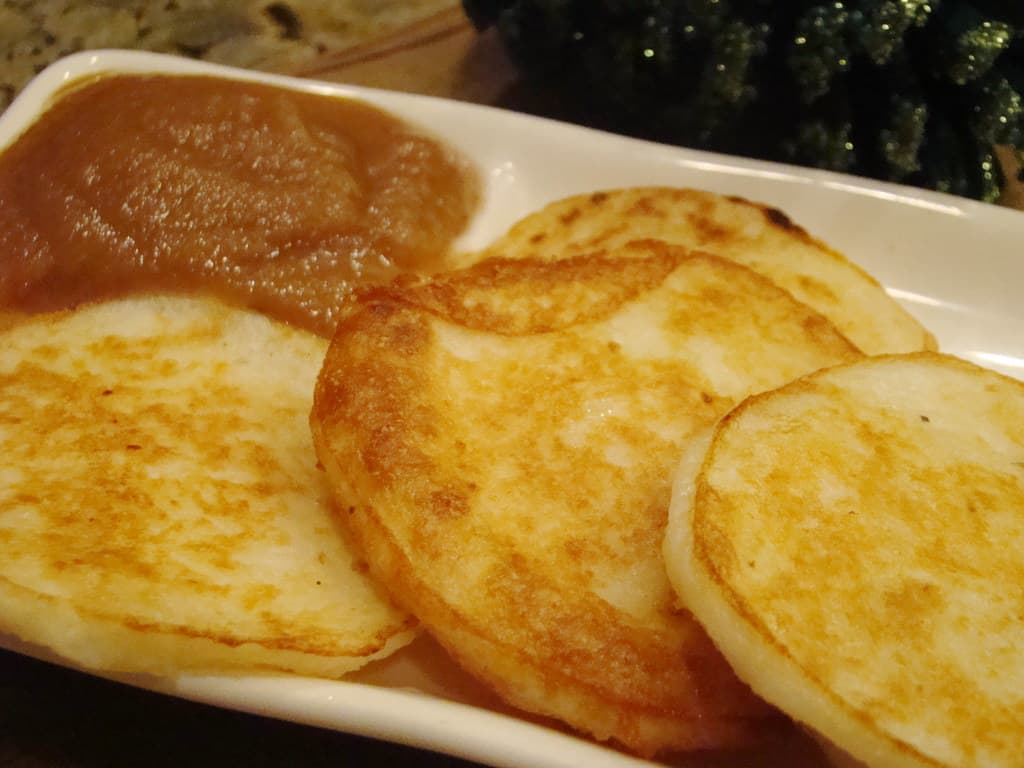
1861-1900
Latkes are fried potato pancakes traditionally served during Hanukkah, tracing back to Jewish communities of Eastern Europe. Brought to America by Jewish immigrants in the late 19th century, latkes symbolize cultural resilience and holiday observance, made from grated potatoes, onions, and eggs, fried to golden crispness and served with applesauce or sour cream.

1990-2009
Lava cake is a rich dessert featuring individual chocolate cakes with a gooey molten center. Popularized in American family restaurants and chains from the 1990s onward, it uses minimal ingredients to create a dramatic dessert that combines chocolate cake and fondant-like filling, appealing broadly across age groups and occasions.
America's Melting Pot
Leather Britches Beans photo coming soon
1800-1860
Leather Britches Beans are dried beans soaked and slow-cooked until tender, a staple in Appalachian and frontier American diets. Dating from the early 19th century, this simple yet hearty side dish reflects the resourcefulness of settlers and mountain communities using preserved legumes and basic seasonings.
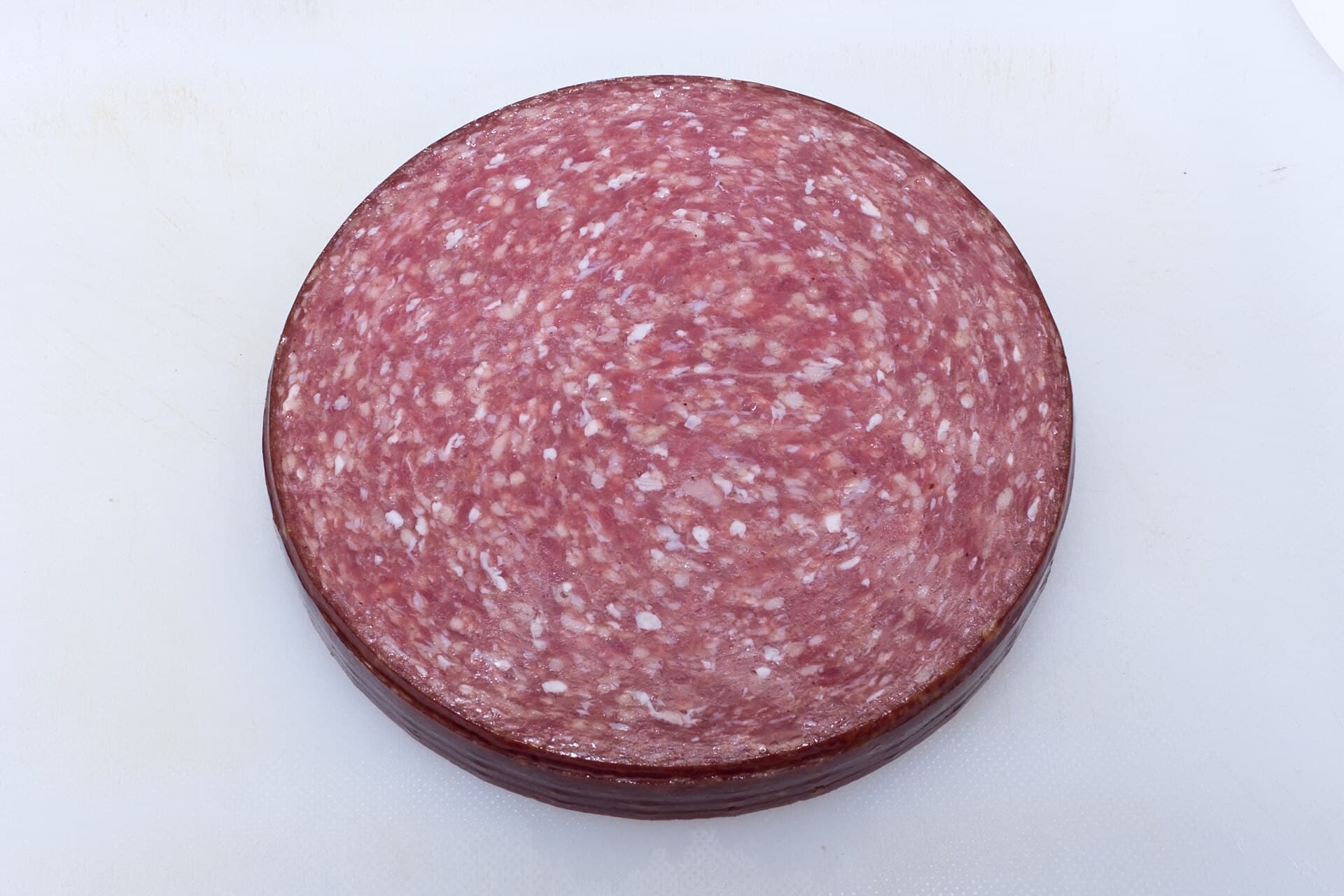
1800-1860
Lebanon Bologna is a smoked, cured sausage traditionally produced by German-American communities, particularly in Pennsylvania, since the 19th century. Known for its spiced flavor and fine texture, it is typically sliced and served cold or fried, representing German sausage-making techniques adapted in America.
1800-1860
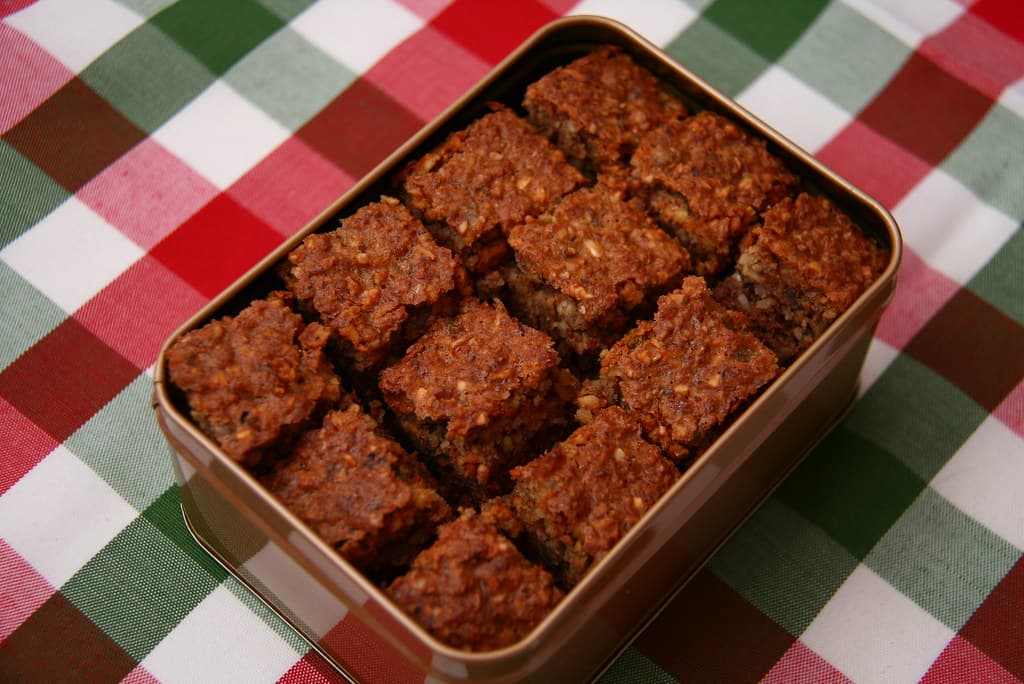
Lebkuchen are dense, spiced cookies resembling gingerbread, traditional in German holiday baking. Immigrants brought lebkuchen recipes to America in the 1800s, particularly to Great Plains settlements. These cookies combine honey, spices, nuts, and sometimes candied fruit and are enjoyed especially around Christmas time.
1861-1900
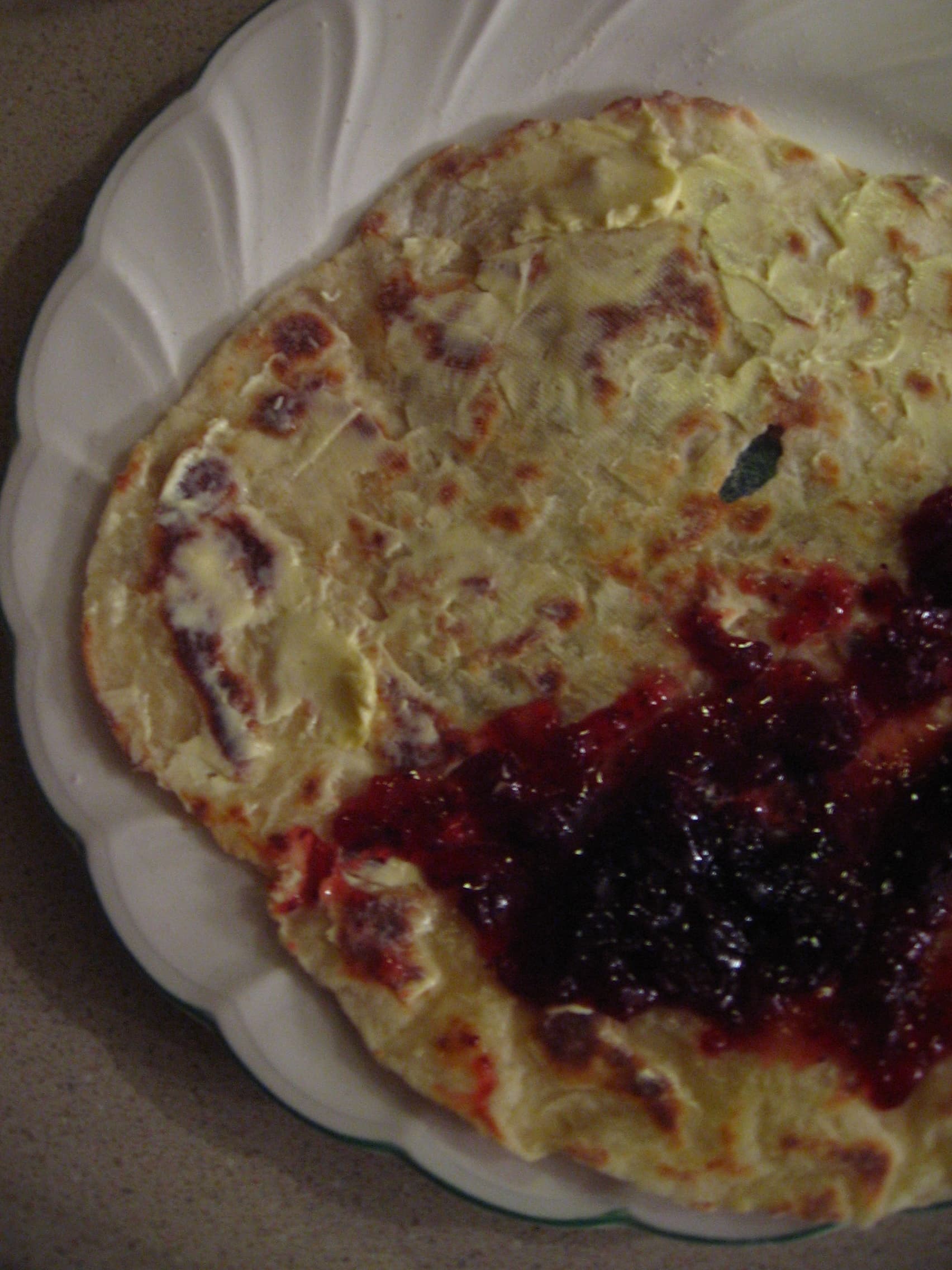
Lefse is a soft, thin flatbread made from potatoes, flour, and cream, traditionally cooked on a griddle. Norwegian immigrants brought lefse to the American Midwest in the late 19th century, where it became a festive and everyday staple enjoyed with butter, sugar, or savory fillings during holiday and church celebrations.
America's Melting Pot
Lefse with Butter and Sugar photo coming soon
1970-1989
Lefse with butter and sugar is a simple preparation of traditional Norwegian flatbread spread with butter and sprinkled with sugar, rolled and sliced. Popular in Midwestern tailgate and fast food culture from the 1970s-1980s, it offers a quick, sweet snack reflecting immigrant roots adapted to convenience foods and regional pride.
1946-1969
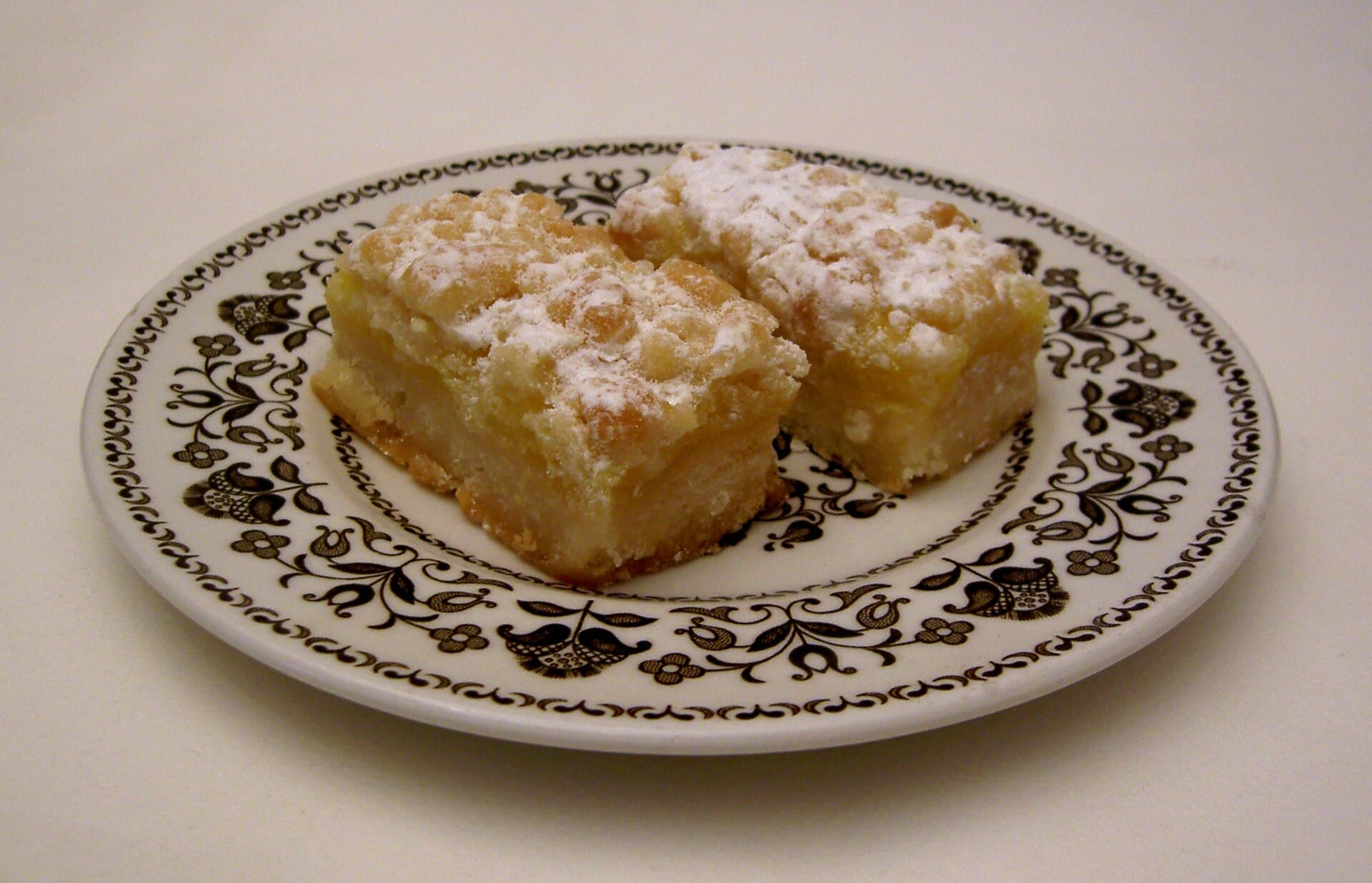
Lemon bars are a popular American dessert featuring a shortbread crust topped with a bright, tangy lemon custard. Widely enjoyed at tailgates, booster clubs, and church gatherings from the 1970s to 1980s, lemon bars combine convenience with fresh citrus flavor.
America's Melting Pot
Lemon Coke photo coming soon
Gilded Age & Progressive Era
Lemon Coke is fizzy Americana from the soda-fountain counter: Diner counter variation.
America's Melting Pot
Lemon Freeze photo coming soon
Postwar & Diner Age
Lemon Freeze carries the bright, frothy spirit of American mall counters: Frozen lemonade plus ice cream/sherbet.
1990-2009
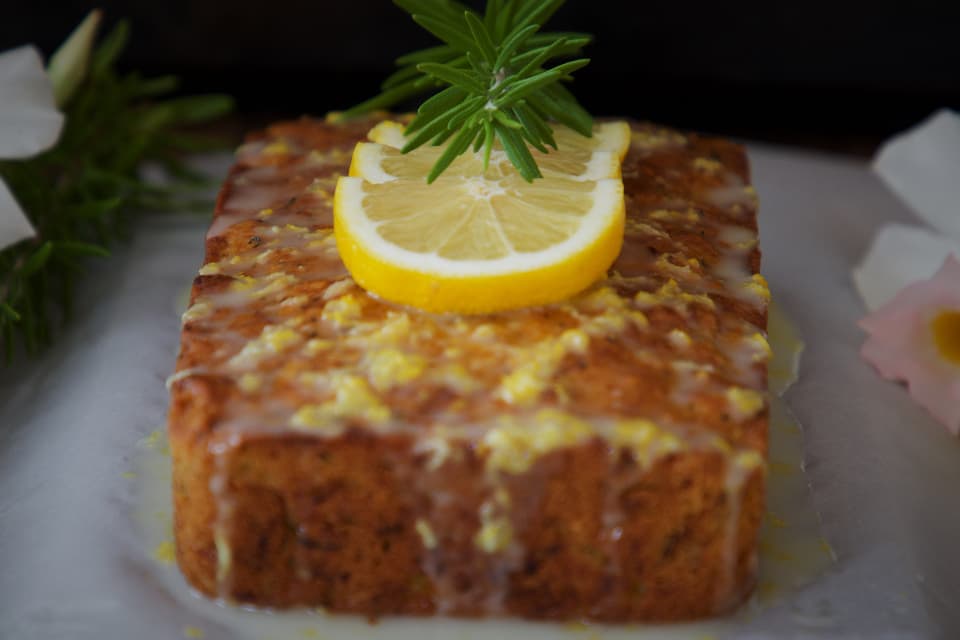
Lemon loaf is a soft, moist quick bread flavored with lemon zest and juice, topped with a sweet lemon glaze. It gained popularity in American coffee shops and bakeries in the 1990s and 2000s as a bright, fresh counterpart to traditional morning breads and snack cakes.
America's Melting Pot
Lemon Phosphate photo coming soon
Gilded Age & Progressive Era
Lemon Phosphate is fizzy Americana from the soda-fountain counter: Soda fountain refresher.
America's Melting Pot
Lemon Potatoes photo coming soon
1900-1929
Lemon potatoes are a classic Greek-American side featuring roasted potato wedges cooked with lemon, olive oil, garlic, and herbs. Introduced to American diners and lunch counters in early 20th century immigrant cities, they remain a flavorful accompaniment to many meals.

1900-1929
Lemon Shake pours old-school malt-shop cheer into a cold glass: Tart summer ice cream stand drink.
America's Melting Pot
Lemon Shake-Up photo coming soon
1900-1929
Lemon Shake-Up brings juice-bar color and American smoothie-counter energy to the glass: State fair and county fair staple.
America's Melting Pot
Lemon Shake-Ups photo coming soon
1900-1929
Lemon Shake-Ups are a refreshing, roadside fair drink made by shaking fresh lemon slices, sugar, and ice together to create an icy, tart beverage popular at early 20th century American state fairs and carnivals.
America's Melting Pot
Lemon-Caper Fish Sauce photo coming soon
Modern Melting Pot
Lemon-Caper Fish Sauce is a seafood sauce with real American table personality: American restaurant fish special staple. It brings flavor from coast-to-coast American tables to cookouts, counters, lunch plates, potlucks, and weeknight suppers.

1776-1800
Lemonade is a simple, refreshing drink made from lemon juice, water, and sugar, popularized in American suburbs during the postwar boom. Served at backyard barbecues and holiday gatherings, especially on the Fourth of July, it embodies summer refreshment and casual entertaining.
Modern Melting Pot
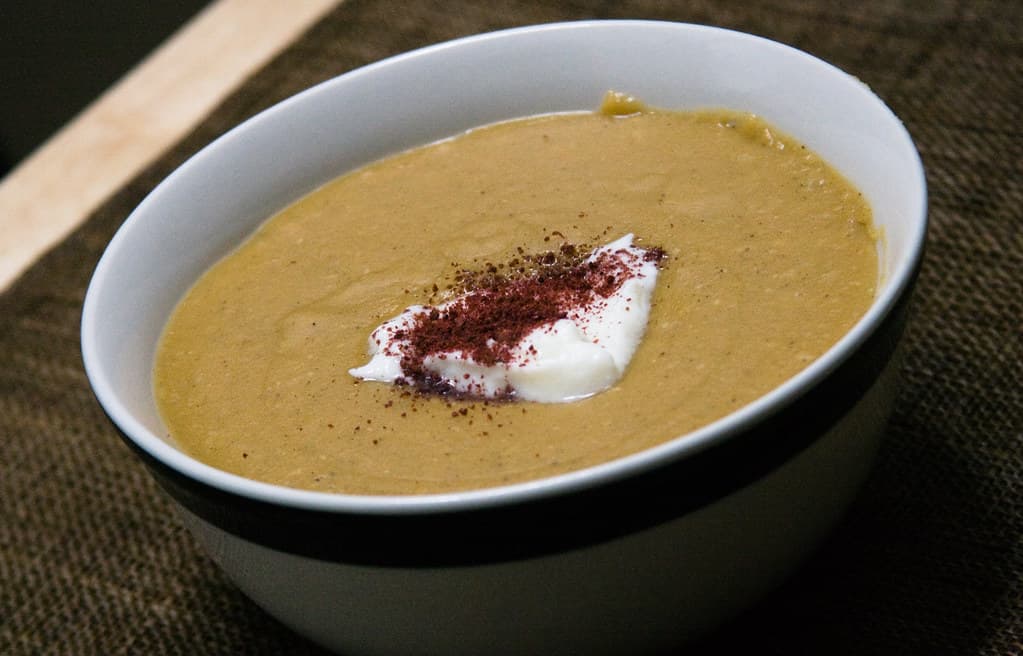
Lentil soup is a nourishing stew made from lentils, vegetables, and herbs, commonly prepared in American households during New Year's celebrations as a symbol of prosperity and good fortune.
America's Melting Pot
Lexington Dip photo coming soon
Cross-era
Lexington Dip is a barbecue sauce with real American table personality: Western North Carolina vinegar sauce with tomato/ketchup added. It brings flavor from the American South to cookouts, counters, lunch plates, potlucks, and weeknight suppers.
America's Melting Pot
Lexington-Style Pork Shoulder photo coming soon
1900-1929
Lexington-Style Pork Shoulder is a North Carolina barbecue dish featuring slow-cooked pork shoulder served with a tangy vinegar and tomato-based sauce. This distinct style is a regional barbecue tradition, emphasizing sharp, bright, and spicy flavors.
American Dairy Age
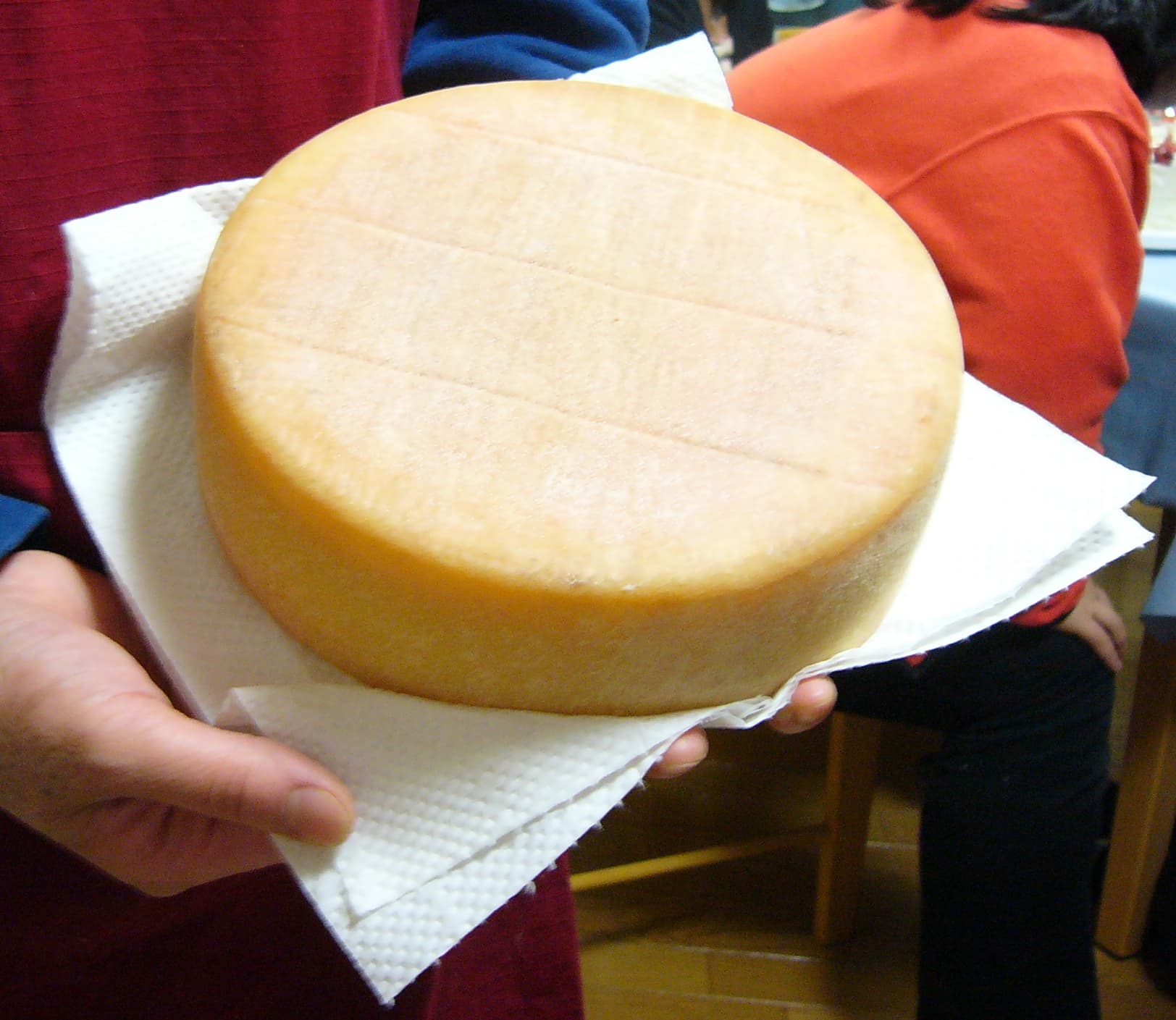
Liederkranz-style American Washed-Rind Cheese is a washed-rind American cheese with measured starter, careful draining, brining, regular rind washing, and controlled humid aging.
Community recipe submission
Log in to submit a recipe, format it with the cooking companion, and send it for review.
Log in to Submit