
Loading
Setting the table...
Fetching the latest recipes from the archive.
Loading
Fetching the latest recipes from the archive.
Recipe archive
Recipe archive
Search the archive by title, region, ingredient, tag, or era, then sort the table by the view that fits your kitchen.
This archive is growing through recipes, photos, family recipes, and historical context shared by the community.
America's Melting Pot
Double Chocolate Malt photo coming soon
1900-1929
Double Chocolate Malt pours old-school malt-shop cheer into a cold glass: Chocolate ice cream plus chocolate syrup.
1776-1800
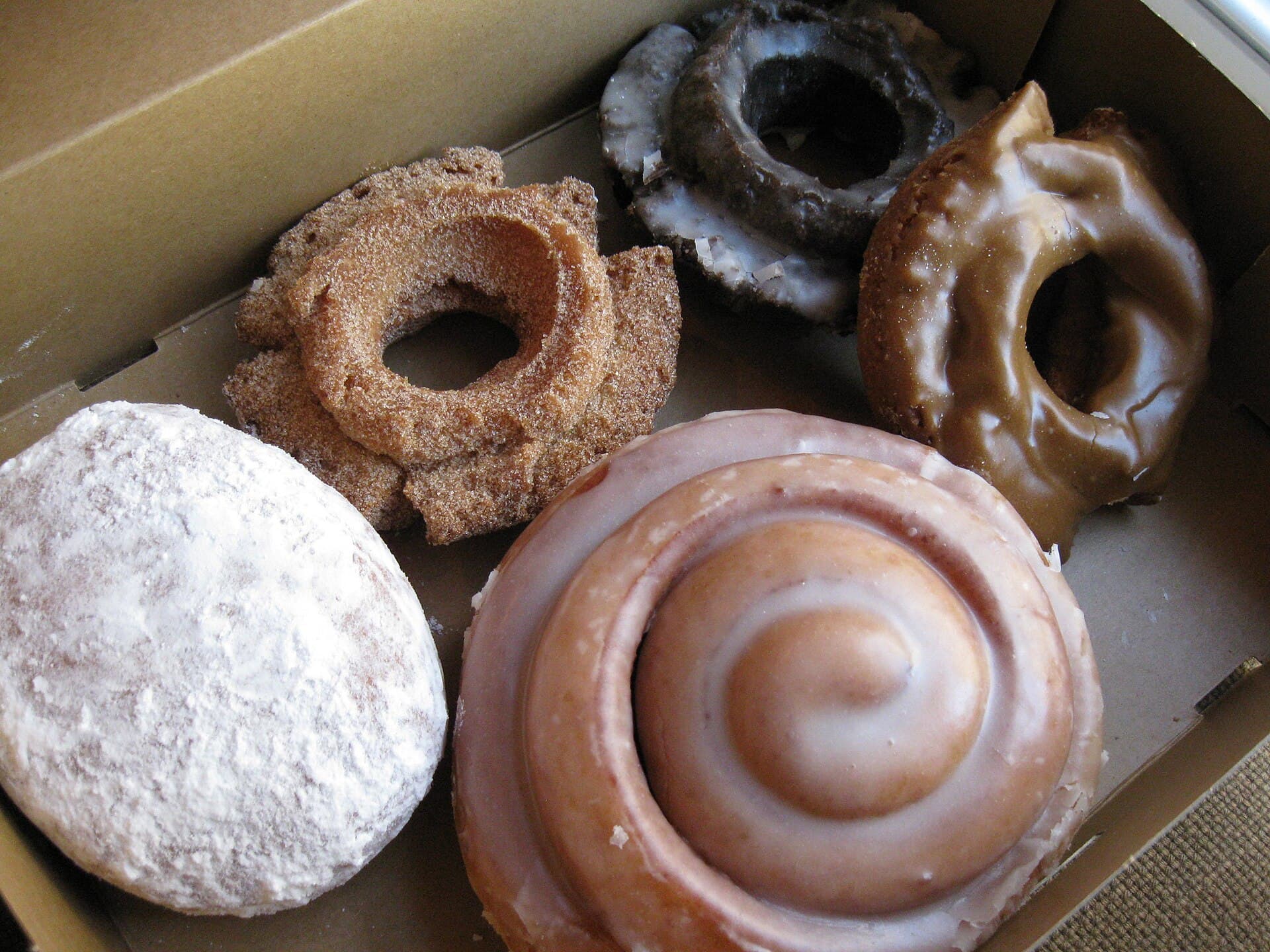
Doughnuts are a beloved American breakfast and snack originating from various immigrant influences, consisting of fried dough rings or balls coated in sugar or glaze. The recipe has evolved over centuries and become a cross-era staple with numerous regional variations.
America's Melting Pot
Dr Pepper Barbecue Sauce photo coming soon
Cross-era
Dr Pepper Barbecue Sauce is a barbecue sauce with real American table personality: Soda-pop barbecue culture. It brings flavor from American barbecue regions to cookouts, counters, lunch plates, potlucks, and weeknight suppers.
America's Melting Pot
Dr Pepper Float photo coming soon
Gilded Age & Progressive Era
Dr Pepper Float is fizzy Americana from the soda-fountain counter: Texas/Southern soda fountain favorite.
America's Melting Pot
Drawn Butter photo coming soon
Cross-era
Drawn Butter is a seafood sauce with real American table personality: Lobster, crab, clams, and New England shore dinner tradition. It brings flavor from New England to cookouts, counters, lunch plates, potlucks, and weeknight suppers.
America's Melting Pot
Drawn Butter with Lemon photo coming soon
Cross-era
Drawn Butter with Lemon is a spread with real American table personality: Lobster shack culture. It brings flavor from New England to cookouts, counters, lunch plates, potlucks, and weeknight suppers.
America's Melting Pot
Dreamsicle Shake photo coming soon
Postwar & Diner Age
Dreamsicle Shake carries the bright, frothy spirit of American mall counters: Orange and vanilla shake.
America's Melting Pot
Dried Apple Pie photo coming soon
1800-1860
Dried apple pie became common during the Civil War and Reconstruction periods when fresh fruit was scarce, utilizing dried apples to preserve seasonal flavor in a sweet, spiced pie. It exemplifies military and pioneer adaptations in American desserts.
1930-1945
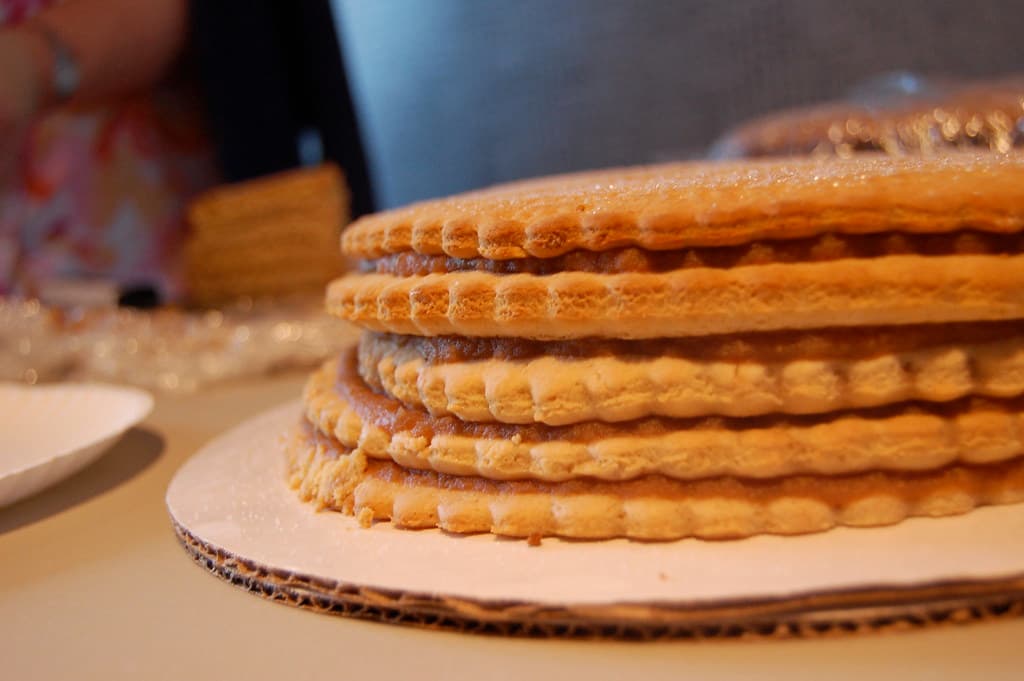
The dried apple stack cake is a layered cake made with dried apple filling between thin cakes, originating in Appalachia during the Dust Bowl and Depression era. It was a practical dessert using dried fruit, emblematic of resourceful farm survival cooking.
American Dairy Age
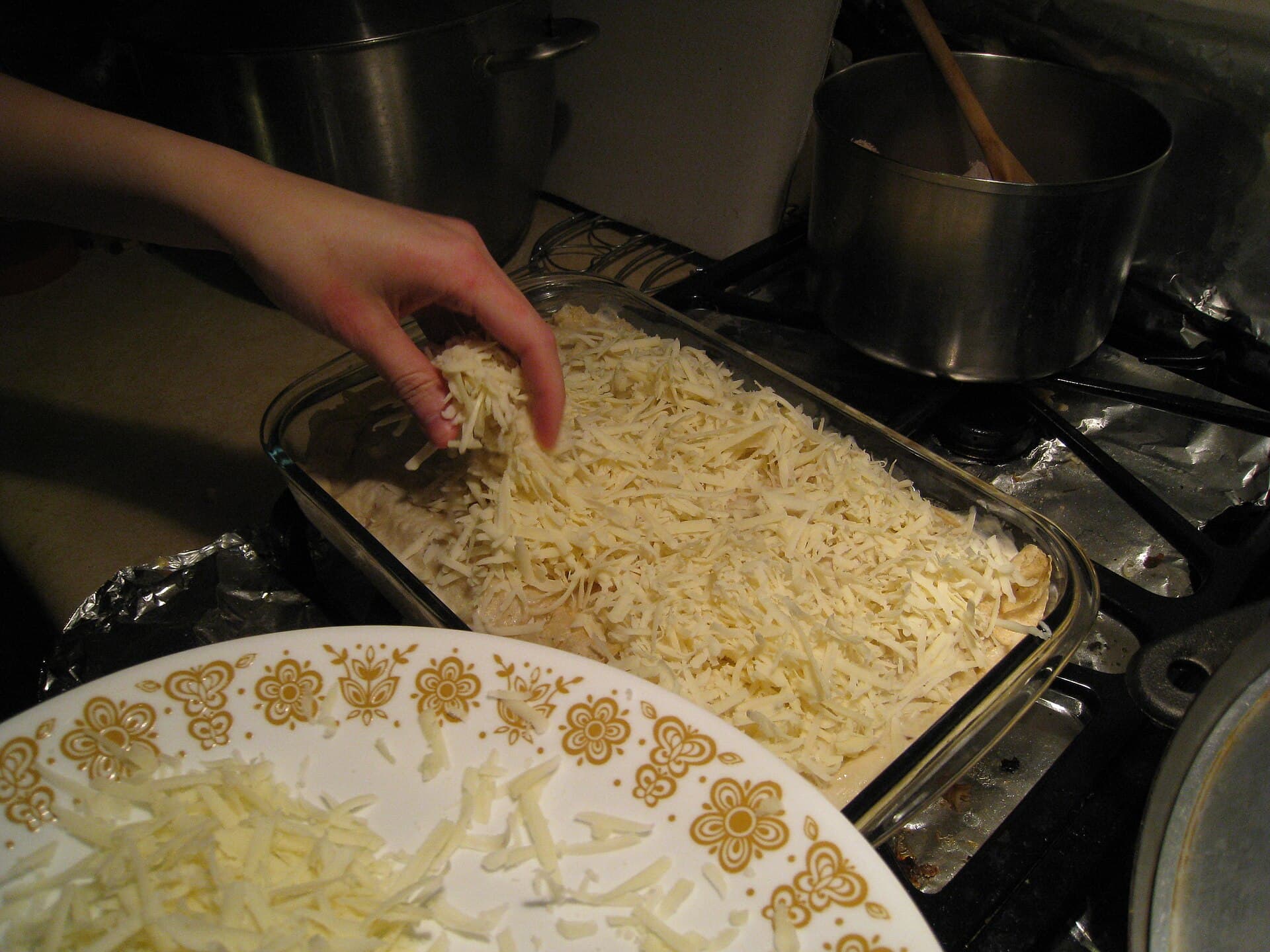
Dry Jack Cheese is a mild American Jack-family cheese with clean milk handling, careful curd cooking, optional flavoring, pressing, and controlled aging.
America's Melting Pot
Duck Gumbo photo coming soon
1800-1860
Duck gumbo is a hearty Louisiana Creole soup-stew blending wild duck, smoked sausage, okra, and a dark roux base. Rooted in West African and French Creole culinary traditions, it has been a beloved comfort food across southern hunting and fishing camps and cabins for generations.
America's Melting Pot
Dumplings photo coming soon
1800-1860
Dumplings are versatile dough balls cooked by steaming or boiling, commonly served with gravies or soups. In late 20th century American suburbs, immigrant and adaptation influences popularized various dumpling recipes at coffee shops and as comfort food during social events.
1861-1900
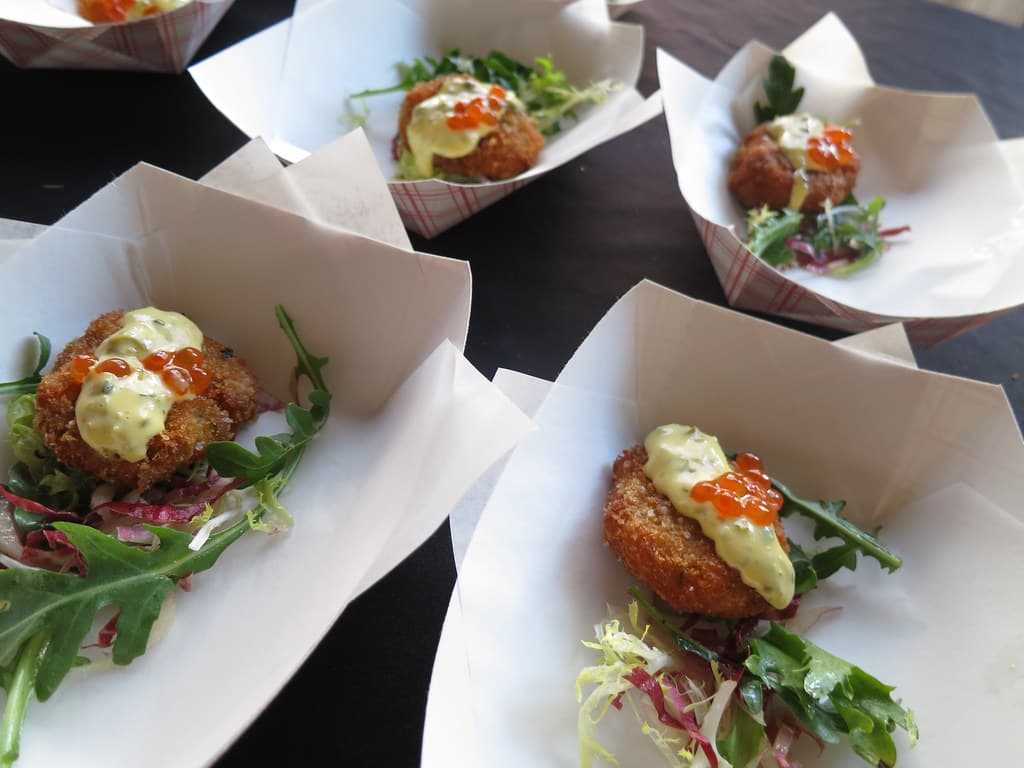
Dungeness crab cakes are a regional specialty drawing on the abundant seafood of the Pacific Northwest and Mid-Atlantic coasts. These crab cakes combine fresh Dungeness crab meat with breadcrumbs and seasonings, lightly pan-fried to showcase local marine bounty in approachable American appetizers.
1900-1929
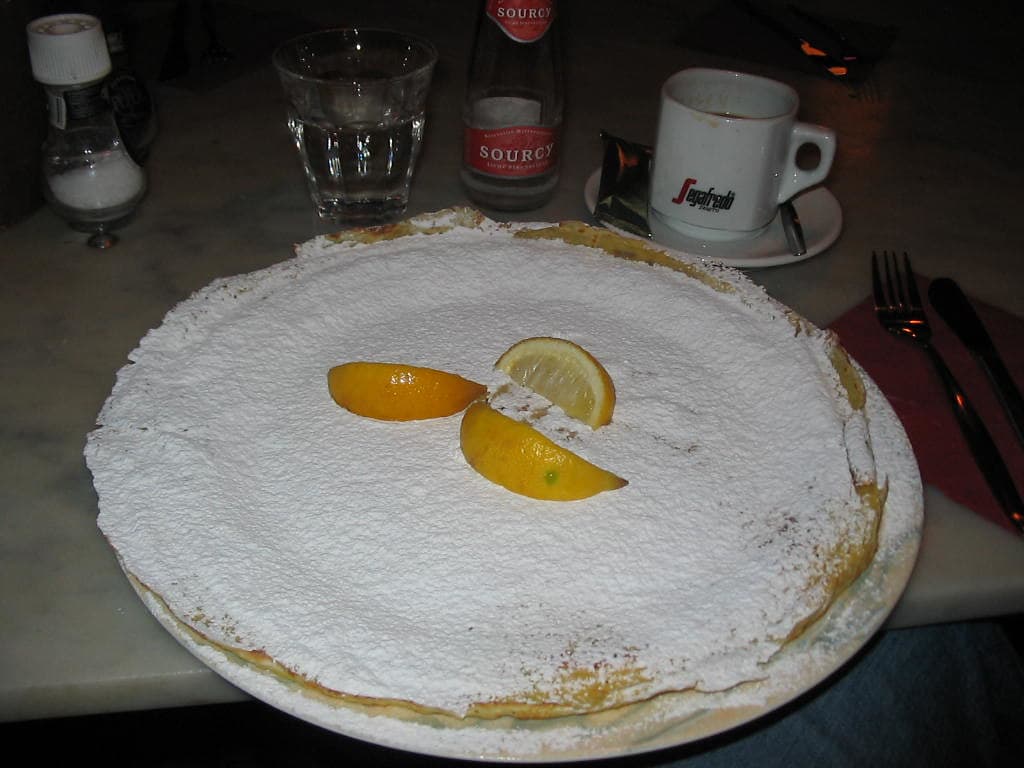
The Dutch Baby is a large, puffy, oven-baked pancake known for its golden, crisp edges and soft, custardy center. It is typically flavored with lemon or powdered sugar and served hot. Thought to have origins tied to German pancakes and popularized in American brunch culture, it offers a simple yet impressive breakfast treat.
1900-1929
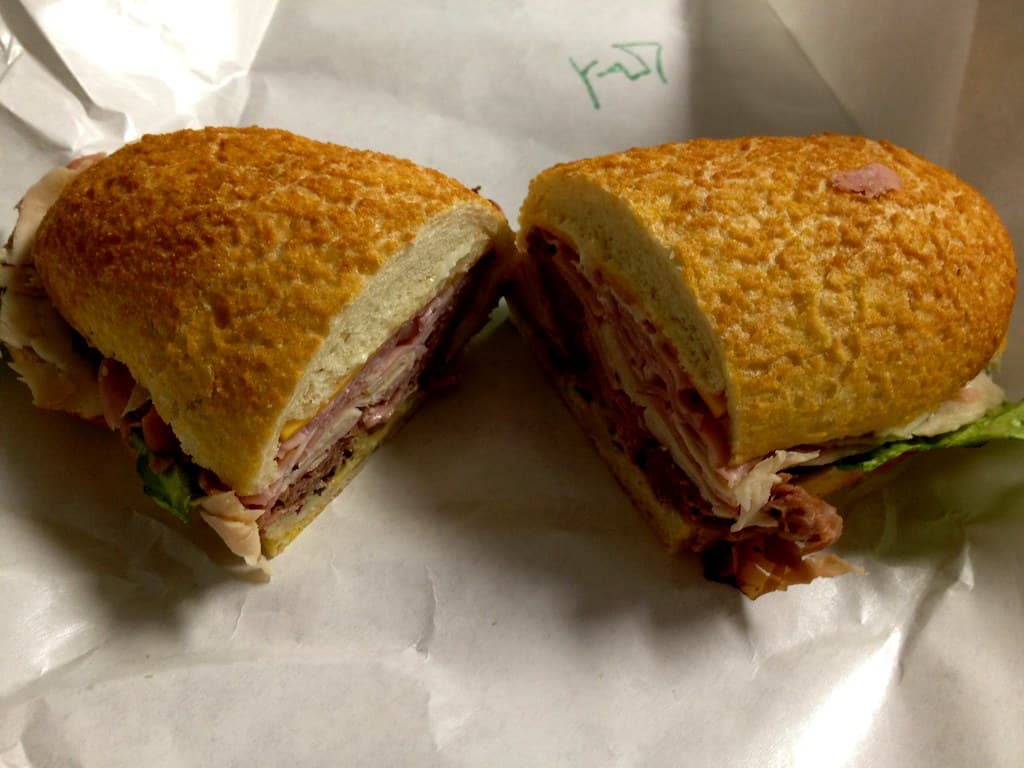
A sandwich made with Dutch Crunch bread, characterized by its crackly, mottled crust. Filled typically with deli meats, cheese, and vegetables, this sandwich is a West Coast regional favorite named for its distinctive bread texture rather than any Dutch origin.
America's Melting Pot
Dutch Oven Cobbler photo coming soon
Frontier & Expansion
A classic outdoor dessert, the Dutch Oven Cobbler combines fresh or canned fruit topped with a simple biscuit or cake-like batter, baked in a cast iron Dutch oven over coals or an open fire. A favored treat at camps and cabins, it's valued for ease of preparation and comforting, warm sweetness.
America's Melting Pot
Dutch Oven Peach Cobbler photo coming soon
1861-1900
This classic peach cobbler bakes juicy sweet peaches under a biscuit-like topping inside a cast iron Dutch oven. Originating from cattle camps and chuckwagon cooking on the Great Plains during late 19th century, it is a rustic comfort dessert reflecting resourceful frontier foodways.
America's Melting Pot
East Texas Barbecue Sauce photo coming soon
Cross-era
East Texas Barbecue Sauce is a barbecue sauce with real American table personality: Sweeter, tomato-based sauce often used with chopped beef and pork. It brings flavor from Texas and the Southwest to cookouts, counters, lunch plates, potlucks, and weeknight suppers.
America's Melting Pot
East Texas Chopped Beef photo coming soon
1900-1929
East Texas Chopped Beef is a barbecue style where beef brisket or chuck is smoked low and slow, then chopped and mixed with a tangy tomato-based sauce. The chopped meat is typically served on sandwich buns with pickles and onions, embodying East Texas barbecue traditions.
America's Melting Pot
Eastern North Carolina Vinegar Sauce photo coming soon
Cross-era
Eastern North Carolina Vinegar Sauce is a barbecue sauce with real American table personality: Thin vinegar, pepper, and pork fat tradition for whole hog barbecue. It brings flavor from the American South to cookouts, counters, lunch plates, potlucks, and weeknight suppers.
America's Melting Pot
Eastern North Carolina Whole Hog photo coming soon
Before 1776
Eastern North Carolina Whole Hog barbecue is a traditional slow-cooked pork technique where an entire hog is cooked over wood coals and served with a tangy, vinegar-based sauce. This style emphasizes simplicity, smoky flavor, and communal preparation often associated with regional celebrations.

1900-1929
An Egg Cream is a nostalgic New York City fountain drink made from milk, carbonated water, and chocolate syrup. Despite its name, it contains no egg or cream and is served iced in a tall glass, celebrated for its frothy head and sweet, chocolatey flavor.
1861-1900
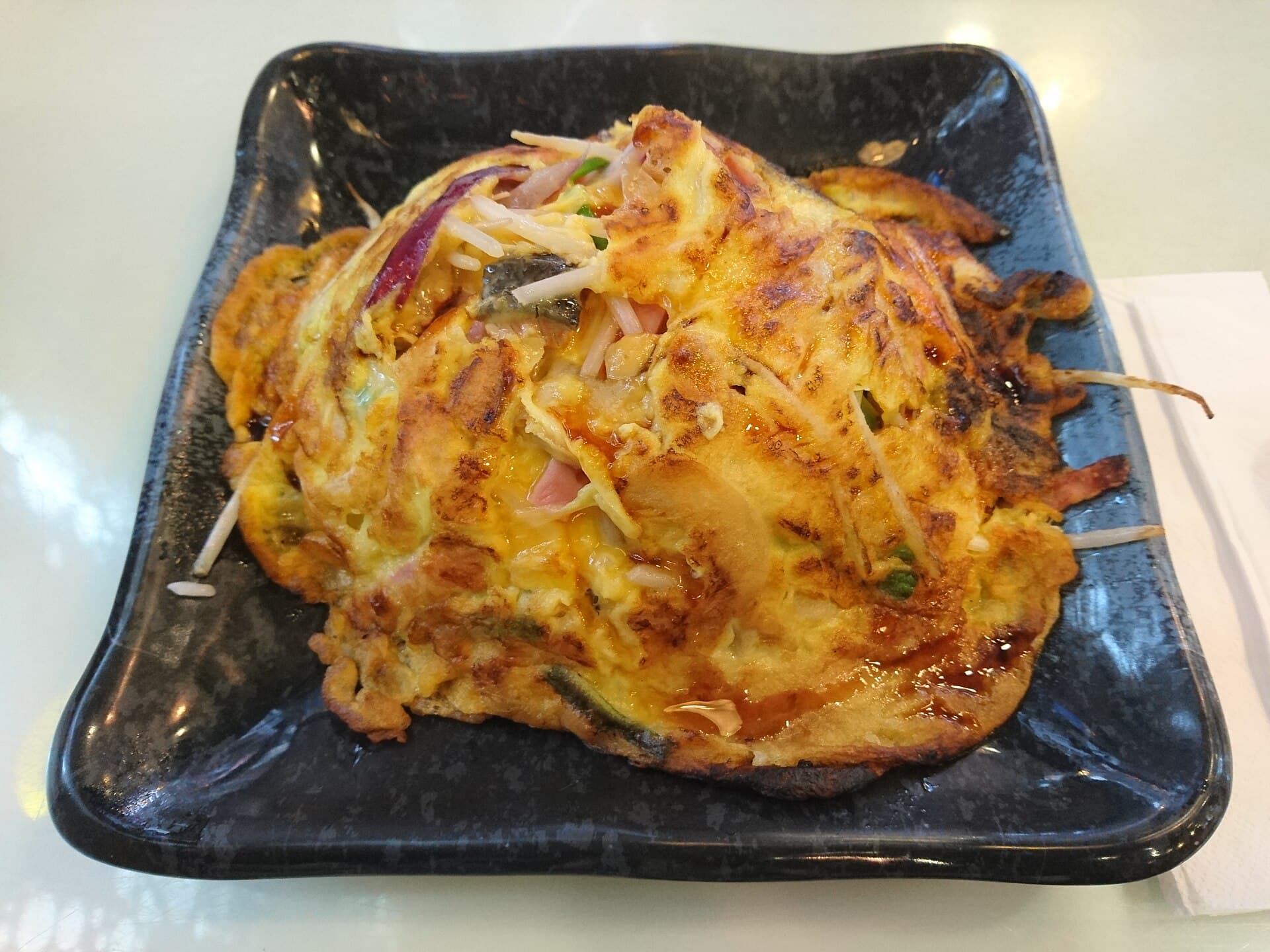
Egg Foo Young is a omelette dish with roots in Chinese-American cuisine, featuring beaten eggs mixed with vegetables, meats, or seafood, then fried and topped with a savory brown gravy. Adapted by Chinese immigrants for American tastes, it has become a diner and lunch counter favorite.
America's Melting Pot
Egg Noodles photo coming soon
1800-1860
Egg noodles are thin, flat pasta made with flour and eggs, common in various American and immigrant cuisines. During the Depression and Dust Bowl, egg noodles were easy to prepare and adaptable to many meals, from soups to casseroles, featuring prominently in farm and wartime kitchens.
Community recipe submission
Log in to submit a recipe, format it with the cooking companion, and send it for review.
Log in to Submit