
Loading
Setting the table...
Fetching the latest recipes from the archive.
Loading
Fetching the latest recipes from the archive.
Recipe archive
Recipe archive
Search the archive by title, region, ingredient, tag, or era, then sort the table by the view that fits your kitchen.
This archive is growing through recipes, photos, family recipes, and historical context shared by the community.
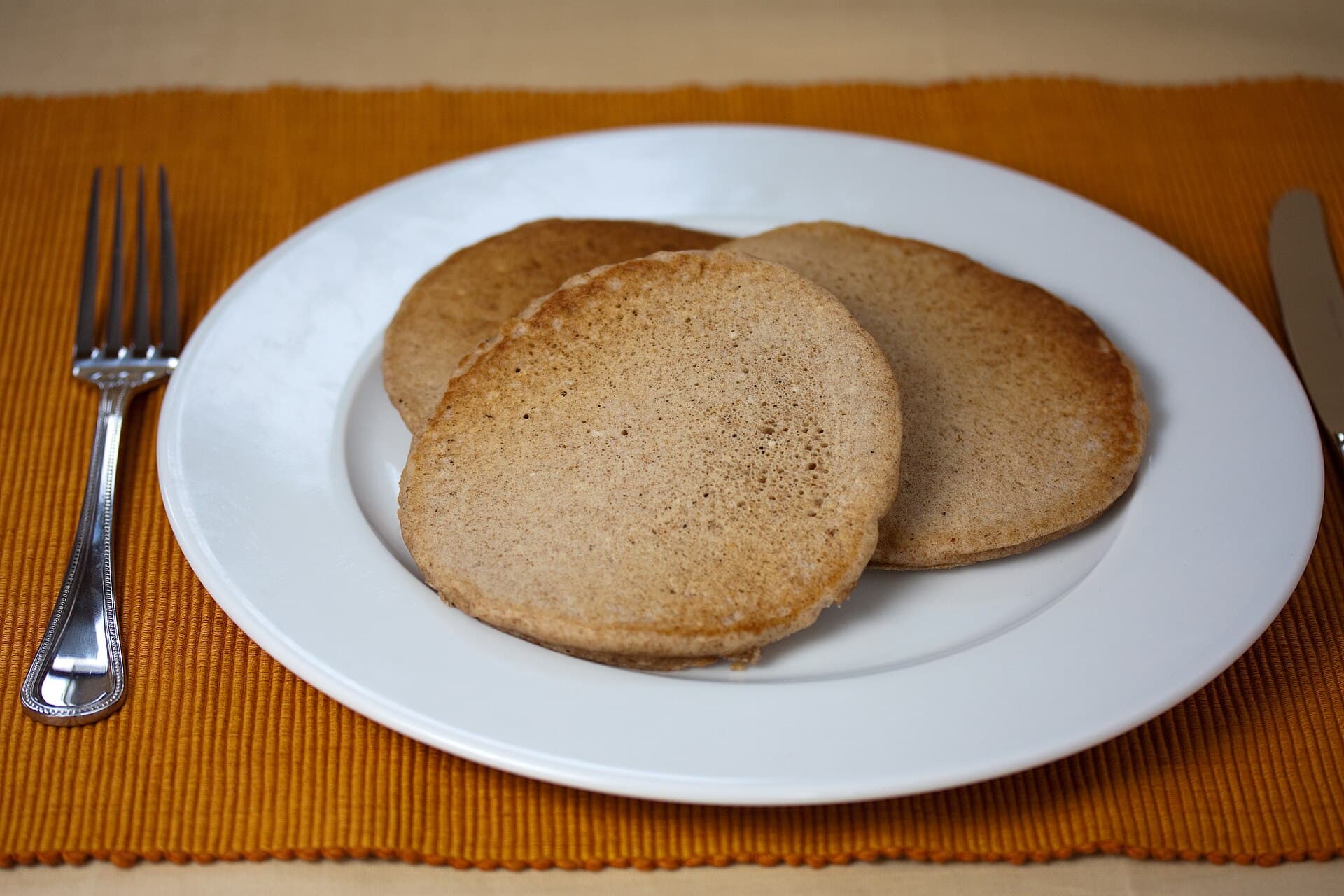
1861-1900
Sourdough Pancakes use naturally leavened starter to produce fluffy, tangy pancakes popular in Alaska and West Coast regions. Inspired by traditional sourdough practices, these pancakes offer a flavorful breakfast option rooted in frontier heritage.
America's Melting Pot
South Carolina Mustard Barbecue photo coming soon
Before 1776
South Carolina Mustard Barbecue features a unique tangy yellow mustard-based sauce often paired with slow-cooked pork. This style reflects regional preferences distinct to South Carolina, blending sharpness and sweetness in barbecue traditions.
America's Melting Pot
South Carolina Mustard Sauce / Carolina Gold photo coming soon
Cross-era
South Carolina Mustard Sauce / Carolina Gold is a barbecue sauce with real American table personality: German immigrant influence plus Southern pork barbecue. It brings flavor from the American South to cookouts, counters, lunch plates, potlucks, and weeknight suppers.
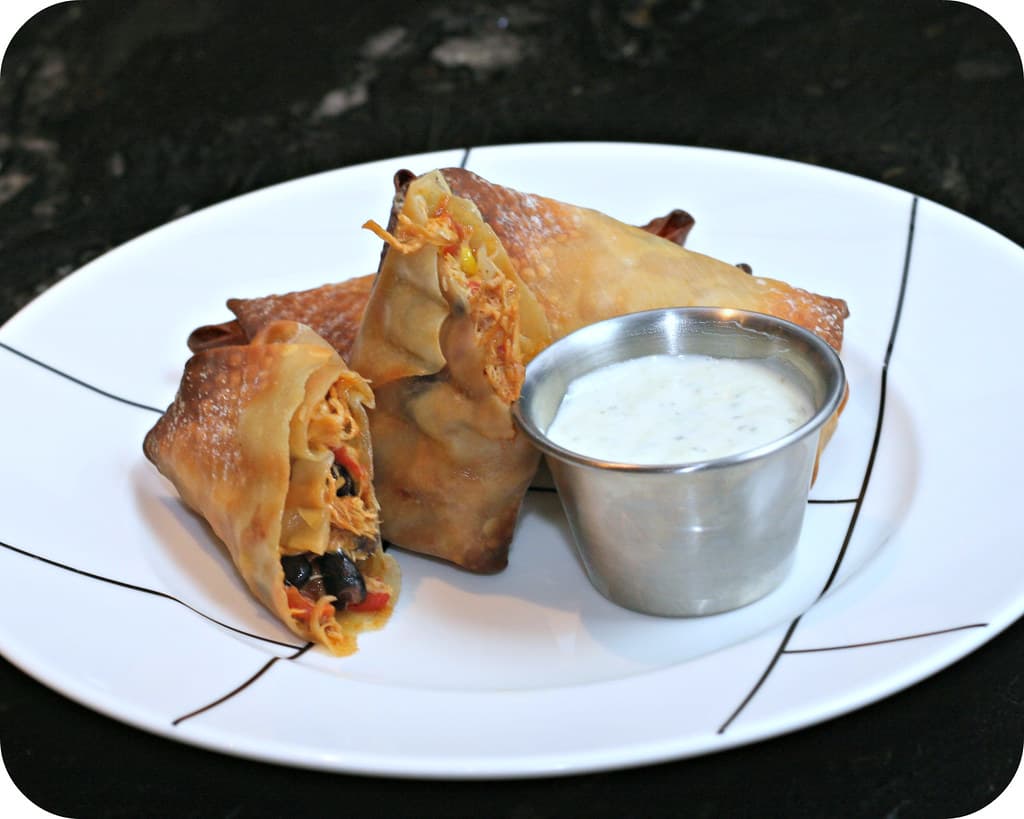
1990-2009
Southwest Egg Rolls blend traditional egg roll wrappers with fillings inspired by Southwestern cuisine, such as black beans, corn, peppers, and cheese. Popularized in family restaurants and chain eateries in the 1990s and 2000s, they offer a fusion appetizer with bold flavors.
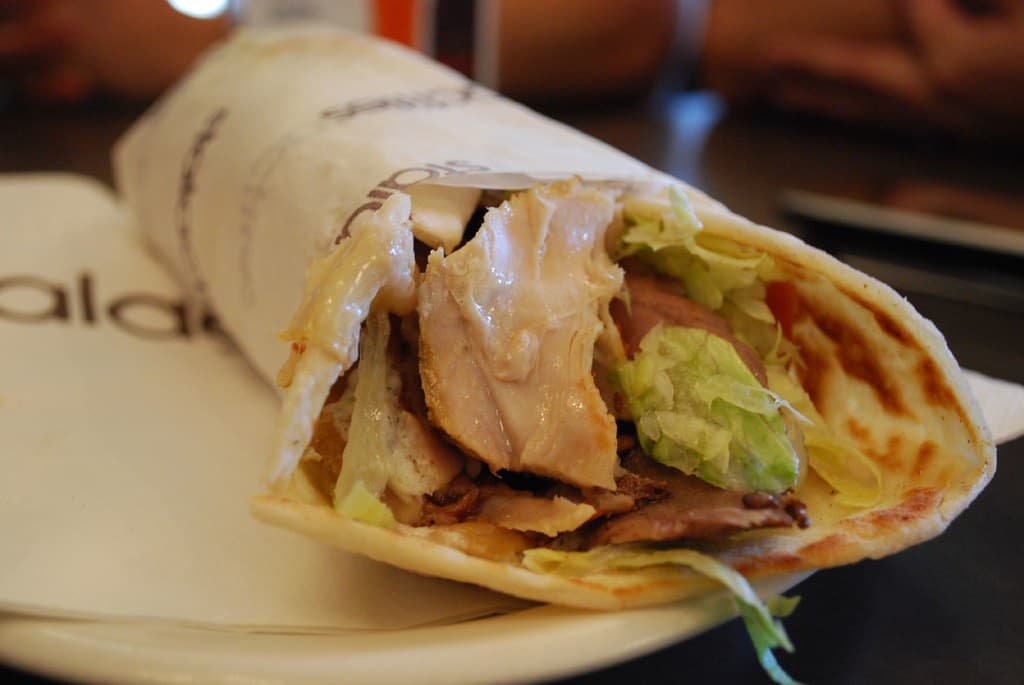
1900-1929
Souvlaki, a traditional Greek grilled meat skewer, became a popular American lunchtime dish during Greek immigration waves in the early 1900s. Commonly served in diners and food stands, it embodies both immigrant culinary traditions and American street food culture.
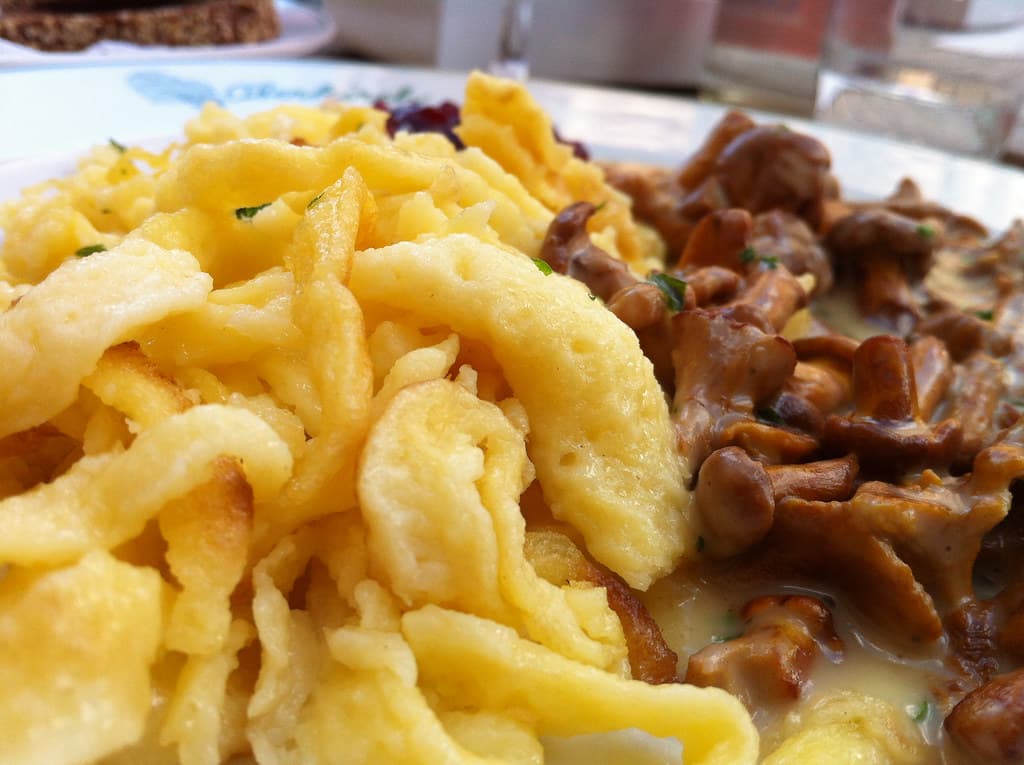
1800-1860
Spaetzle are soft egg noodles brought to America by German immigrants in the 1800s. Often served as a side to meat dishes, they reflect culinary traditions of German-speaking settlers adapting to new ingredients and kitchens in expanding American communities.
America's Melting Pot
Spaghetti with Tomato Gravy photo coming soon
1861-1900
Spaghetti with tomato gravy is an Italian-American staple that emerged during waves of Italian immigration in the late 1800s. This simple pasta dish features spaghetti topped with a seasoned tomato sauce often called 'gravy' in Italian-American parlance, showing culinary adaptation and community identity during post-Civil War settlement.
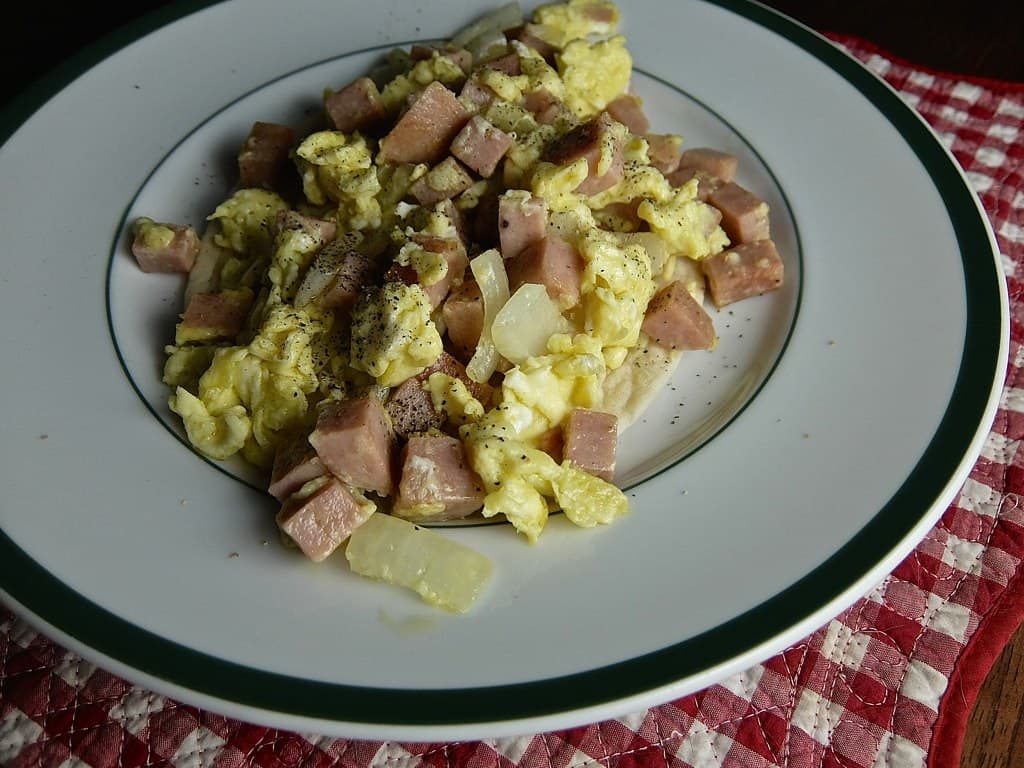
1930-1945
Spam and eggs became a practical breakfast during the 1930s-40s, when wartime rationing and economic hardship made canned meat a convenient protein source. It reflects American home front adaptations to food scarcity combined with comfort food ideas.
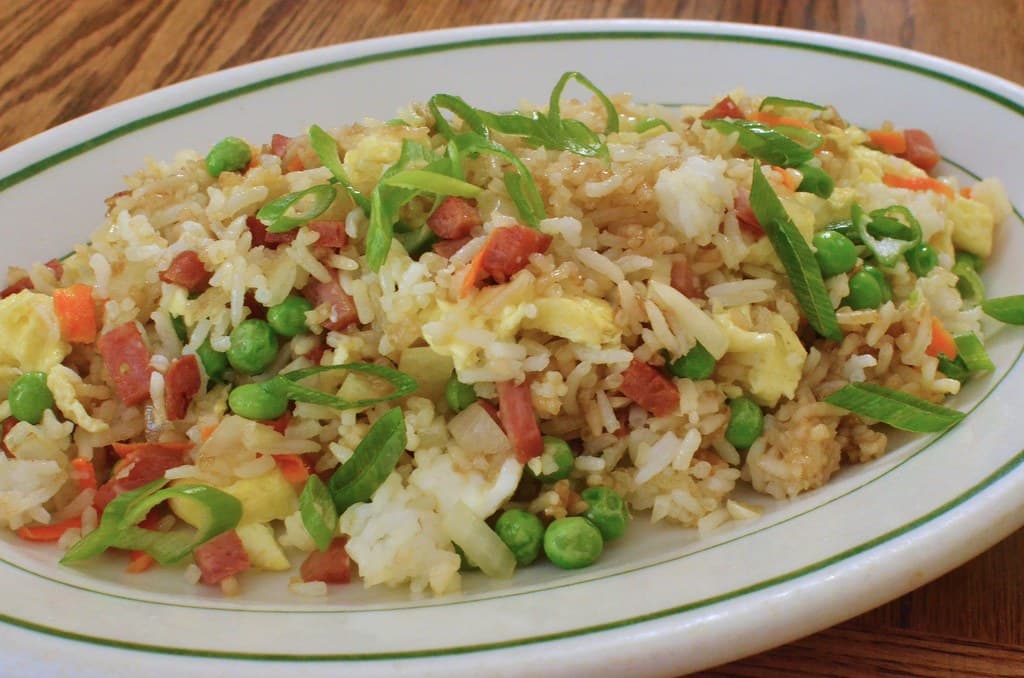
1930-1945
Spam fried rice arose during World War II when ingredients like fresh meat were scarce, especially in Pacific and Asian-American communities. The dish combines fried rice with Spam, reflecting resourcefulness and fusion during wartime kitchens.
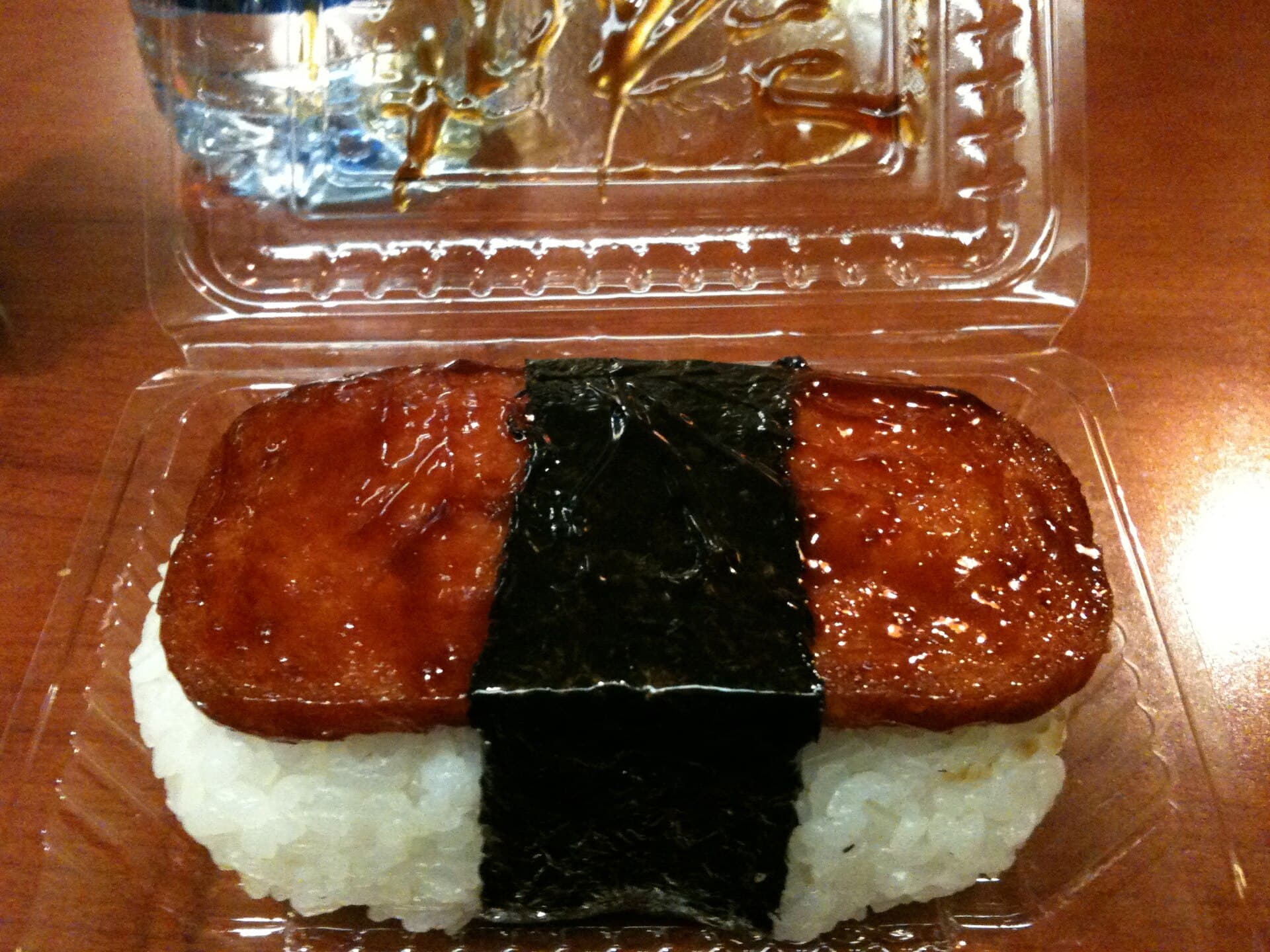
1930-1945
Spam musubi is a beloved Hawaiian snack that blends Japanese onigiri traditions with American canned meat from World War II. It symbolizes Hawaii's multicultural food culture and postwar adaptations.
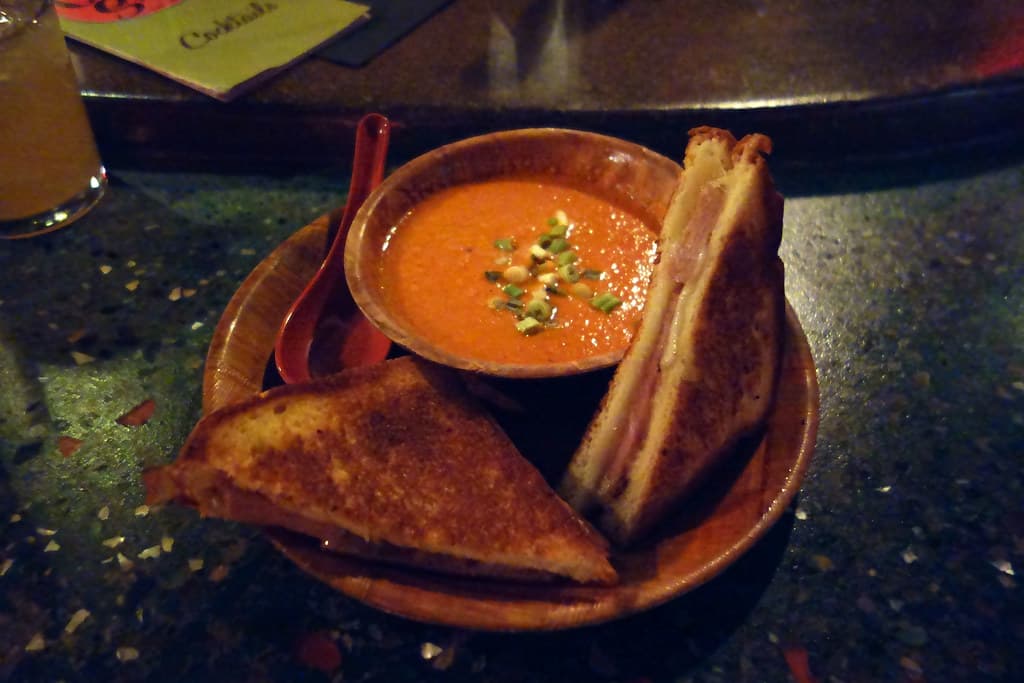
1930-1945
Spam sandwiches were common in military mess halls and American homes during the 1930s-40s, reflecting economical use of canned meat in meals. They illustrate practical culinary approaches in wartime America.
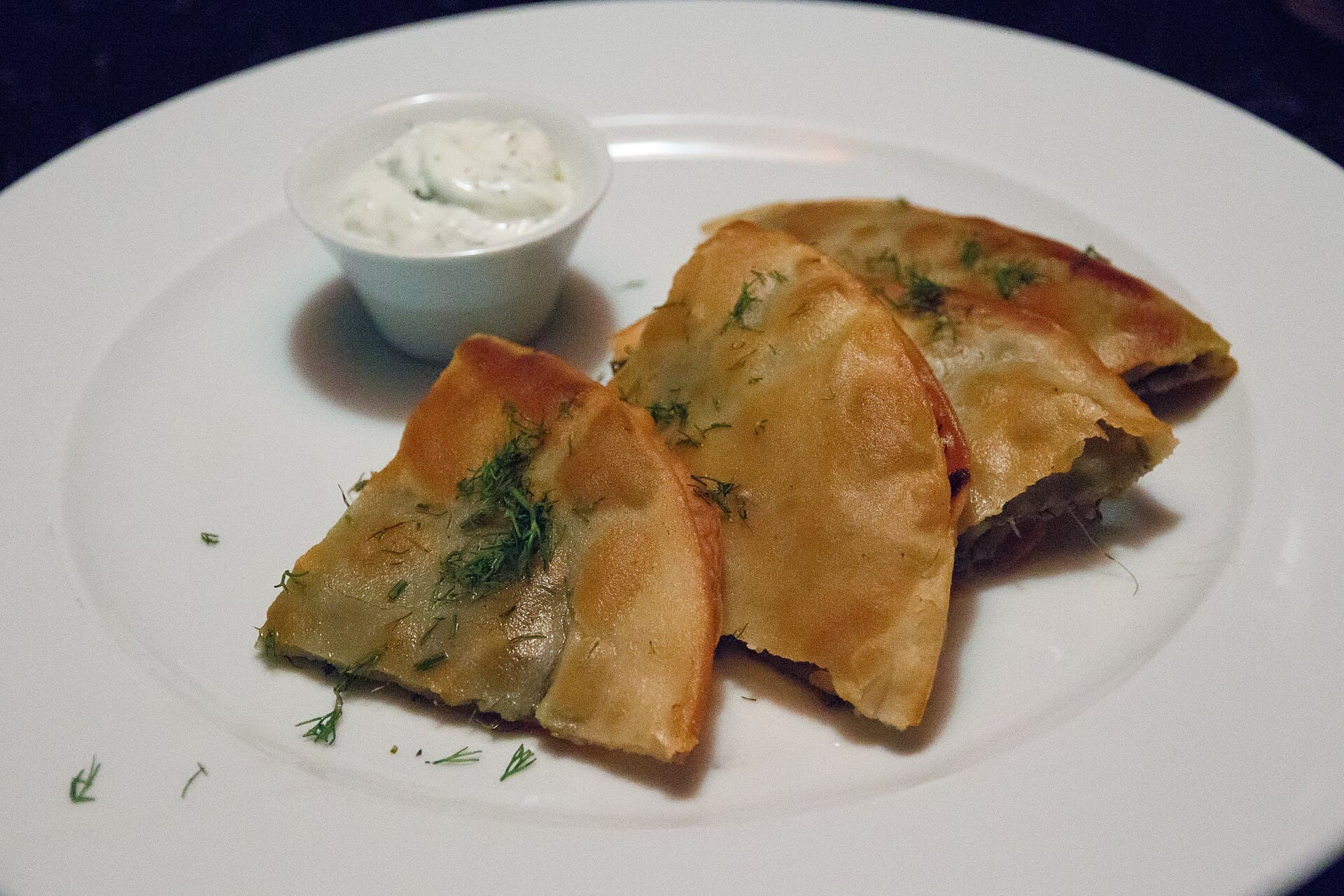
1900-1929
Spanakopita is a savory Greek spinach and feta-filled pastry, introduced to America by early Greek immigrants operating diners and lunch counters. It became a popular snack and side dish in urban immigrant communities between 1900 and 1929.
America's Melting Pot
Special K Bars photo coming soon
1945-2000
Special K Bars are a no-bake dessert featuring Special K cereal, nuts, and sweet binding agents popular in Midwestern community potlucks and church gatherings. They exemplify simple, accessible treats favored in collective kitchens.
America's Melting Pot
Special Sauce photo coming soon
1946-1969
Special Sauce is a sandwich sauce with real American table personality: Thousand-Island-like burger sauce, fast food, diners, and backyard burgers. It brings flavor from coast-to-coast American tables to cookouts, counters, lunch plates, potlucks, and weeknight suppers.
America's Melting Pot
Spicy Tuna Roll photo coming soon
1980-1989
The spicy tuna roll is a sushi roll popularized in American suburbs and restaurants during the 1990s and 2000s. Combining raw tuna with spicy mayonnaise and rice wrapped in seaweed, it reflects globalization and immigrant food fusions in convenience dining.
America's Melting Pot
Spinach Artichoke Dip photo coming soon
1946-1969
Spinach artichoke dip became a popular American party dish in the 1990s and 2000s, known for its creamy richness and suitability for casual entertaining. It combines spinach, artichokes, cheese, and mayonnaise in a warm dip typically served with crackers or bread.
America's Melting Pot
Spinach Dip in a Bread Bowl photo coming soon
1970-1989
Spinach Dip in a Bread Bowl is a party dip with real American table personality: 1980s-1990s party table icon. It brings flavor from coast-to-coast American tables to cookouts, counters, lunch plates, potlucks, and weeknight suppers.
America's Melting Pot
Spinach Dip in Bread Bowl photo coming soon
1970-1989
Spinach dip in a bread bowl became a festive party centerpiece in the 1970s and 1980s, combining convenience foods with eye-catching presentation. It consists of creamy spinach dip served inside a hollowed round loaf, making it both edible and functional.

1900-1929
Greek-American spinach pie is a savory pastry filled with spinach, feta cheese, herbs, and sometimes eggs, wrapped in phyllo dough or a dough crust. Its presence in American diners and fairs reflects immigrant foodways from 1900 to 1929.
America's Melting Pot
Spinach Salad with Strawberries photo coming soon
Modern Melting Pot
Spinach salad with strawberries is a fresh American salad that gained popularity in suburban and casual dining settings between 1990 and 2009, emphasizing healthy, colorful ingredients often dressed with sweet vinaigrette.
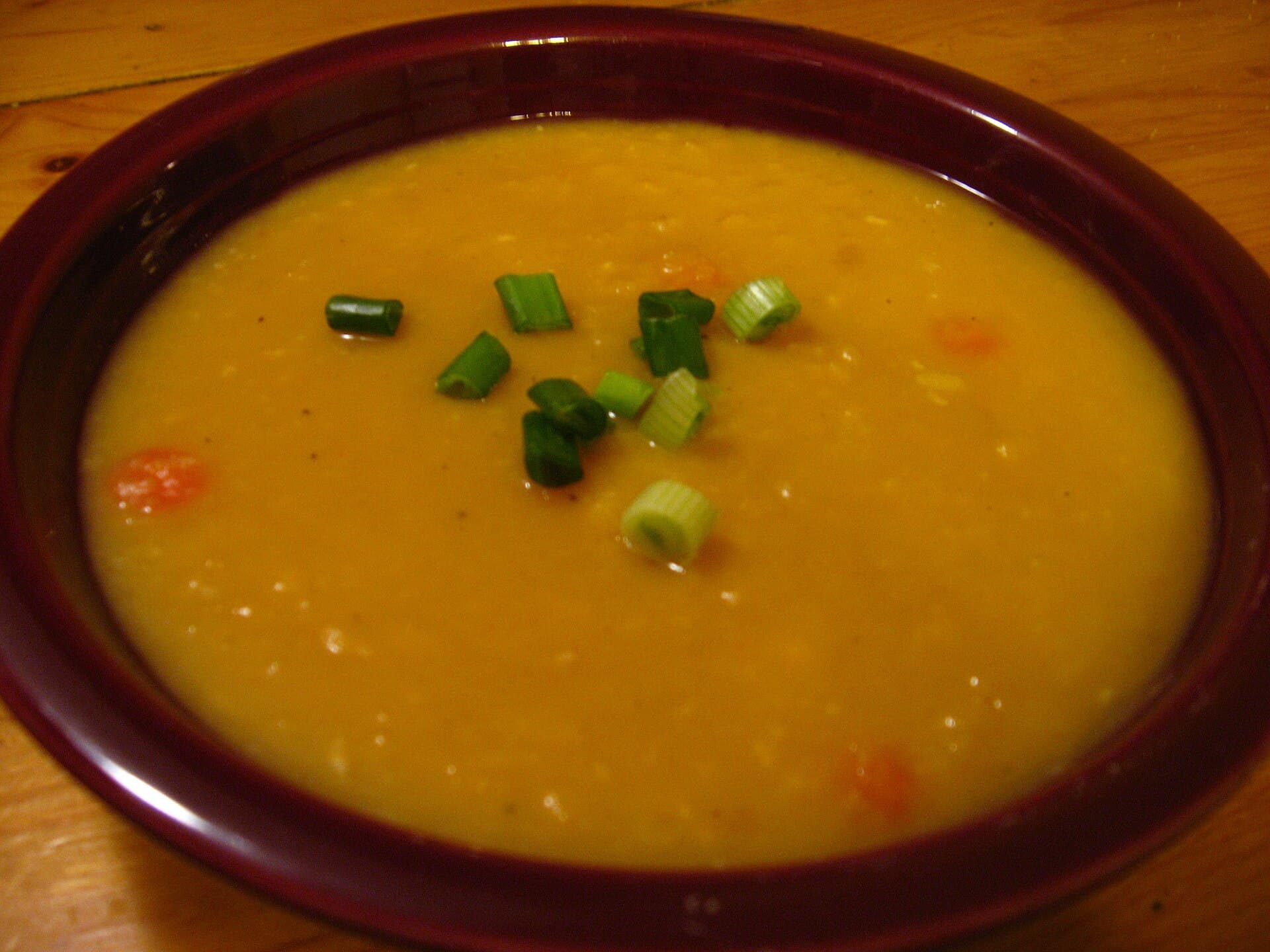
1800-1860
Split pea soup is a hearty, thick soup often made with dried peas, ham, vegetables, and seasonings, a staple of American one-pot cooking across many eras, prized for economy and nutrition.
America's Melting Pot
Spoon Shake photo coming soon
Postwar & Diner Age
Spoon Shake is thick, spoonable frozen-custard stand fun: Shake so thick it needs a spoon.
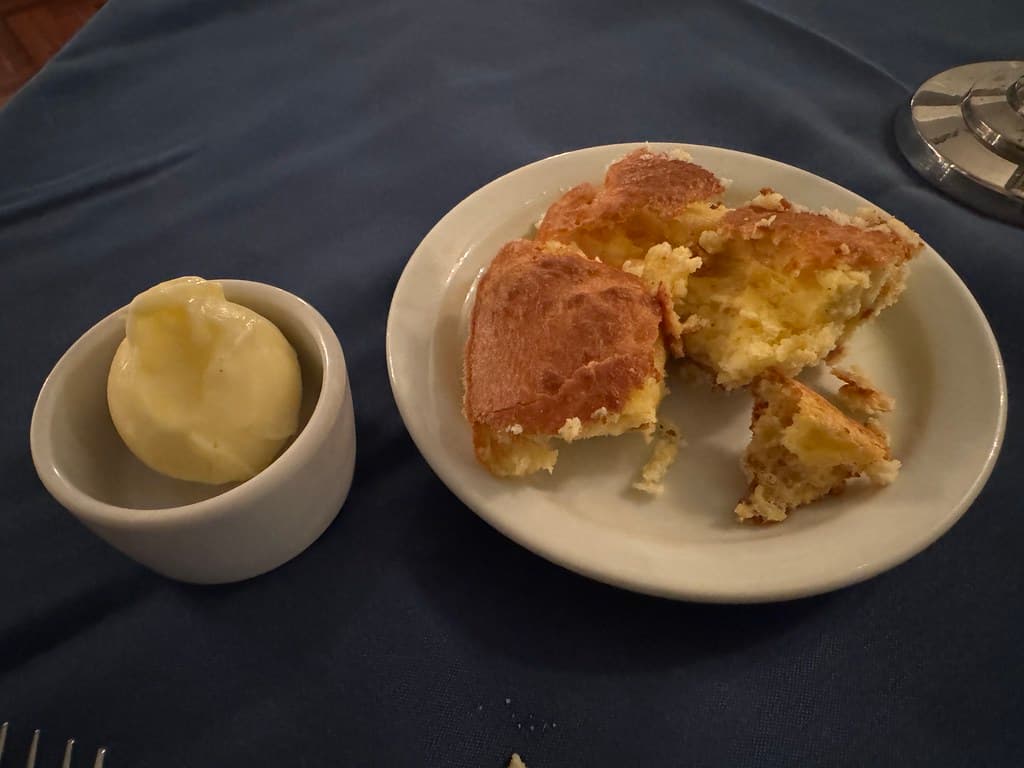
1776-1800
Spoonbread is a moist, custard-like cornmeal dish eaten with a spoon, popular in American homes since the Revolutionary era. It exemplifies colonial and early American adaptations of cornmeal into breakfast and side dishes.
America's Melting Pot
Sport Pepper Brine photo coming soon
Cross-era
Sport Pepper Brine is a sandwich sauce with real American table personality: Chicago hot dog culture. It brings flavor from Chicago and the Upper Midwest to cookouts, counters, lunch plates, potlucks, and weeknight suppers.
Community recipe submission
Log in to submit a recipe, format it with the cooking companion, and send it for review.
Log in to Submit