
Loading
Setting the table...
Fetching the latest recipes from the archive.
Loading
Fetching the latest recipes from the archive.
Recipe archive
Recipe archive
Search the archive by title, region, ingredient, tag, or era, then sort the table by the view that fits your kitchen.
This archive is growing through recipes, photos, family recipes, and historical context shared by the community.
America's Melting Pot
Smoked Salmon photo coming soon
Native Foodways and Continuity
Smoked salmon is a time-honored food of Alaska, where indigenous and local peoples have long used smoking as a preservation method. This recipe showcases classic methods combining curing with cold and hot smoking techniques that impart rich flavor and increased shelf life, integral to Alaskan regional identity.
1945-2000
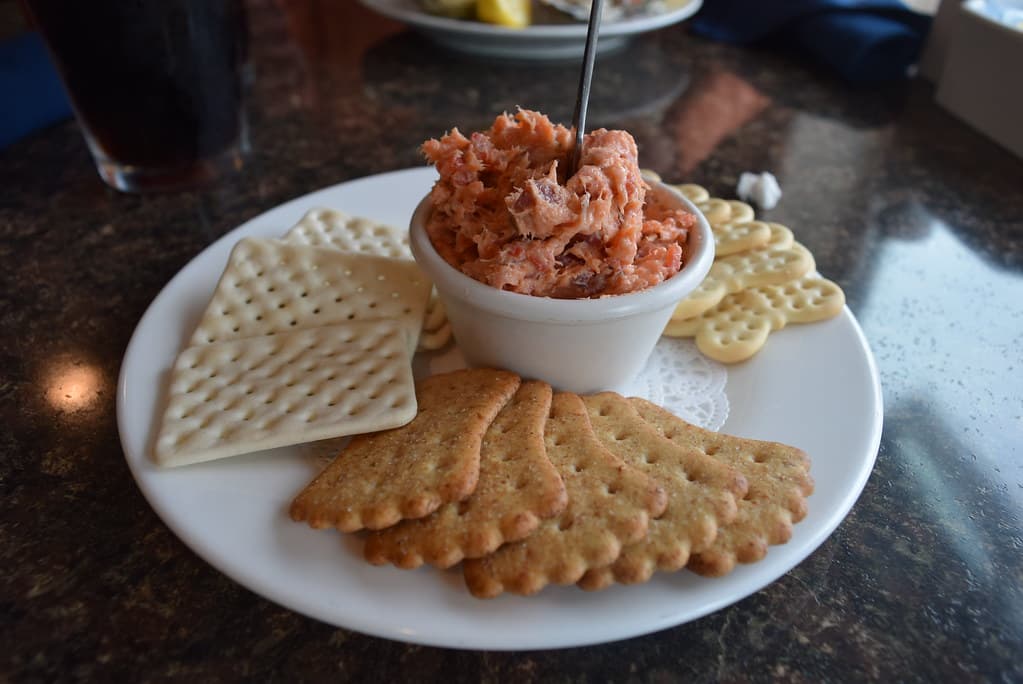
Smoked salmon dip is a popular appetizer in the Pacific Northwest reflecting the abundance of local smoked salmon. This dip combines smoky fish with creamy bases and complementary herbs, offering a versatile dish common at gatherings and celebrations in the region.
America's Melting Pot
Smoked Salmon Spread photo coming soon
Cross-era
Smoked Salmon Spread is a seafood sauce with real American table personality: Alaska, Pacific Northwest, Great Lakes. It brings flavor from the Midwest and Great Lakes to cookouts, counters, lunch plates, potlucks, and weeknight suppers.
1990-2009
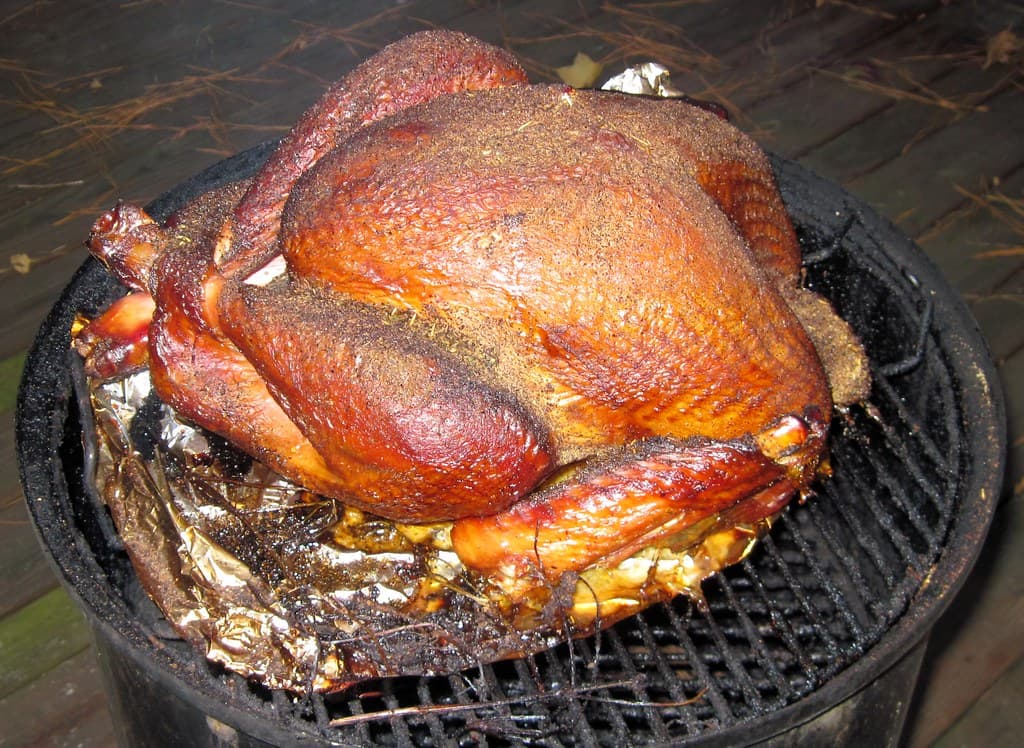
Smoked turkey has gained popularity in recent American barbecue culture, featured prominently by food trucks and farmers markets since 2010. This recipe captures the essence of slow-smoking turkey to retain moisture and infuse rich, smoky flavors ideal for celebrations and casual dining.

1970-1989
Smoothies became a widespread American beverage from the 1970s through the 1980s, associated with mall food courts, health food movements, and regional popularity. These fruit-based blended drinks combine fresh ingredients with dairy or alternatives, serving as convenient refreshments for tailgates, fast food, and casual occasions.
1861-1900
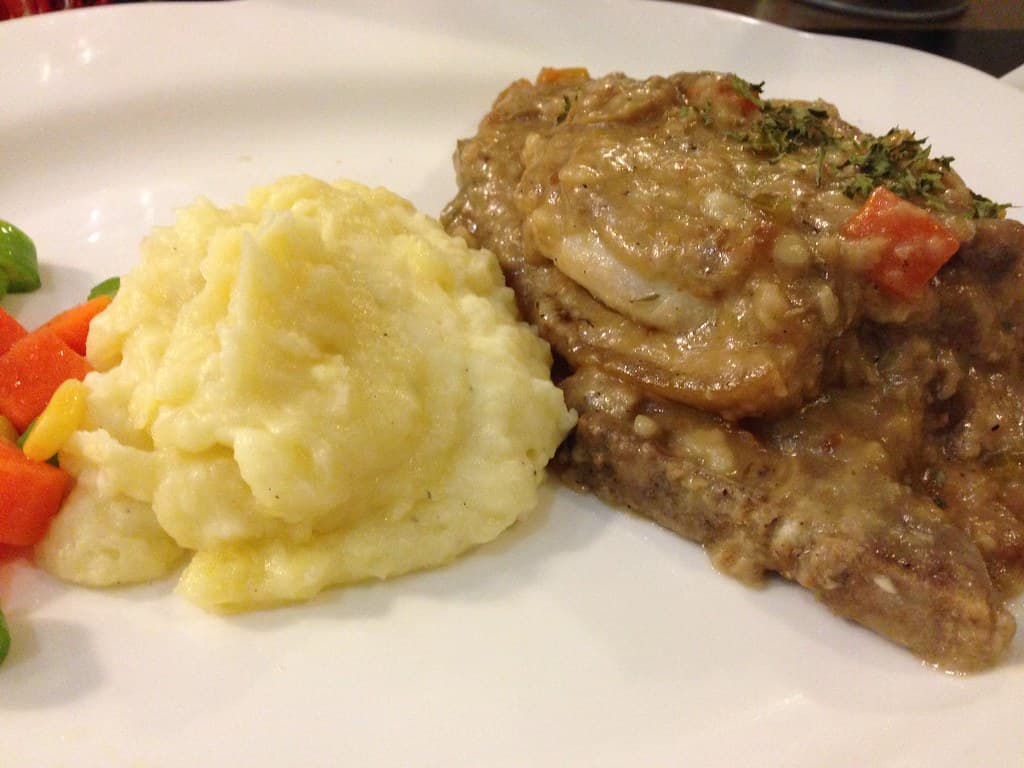
Smothered pork chops are a classic Southern dish featuring pork chops cooked slowly in a rich onion gravy. This comforting recipe reflects Southern resilience and resourcefulness during and after the Civil War, when affordable cuts and flavorful preparation were essential.
1946-1969
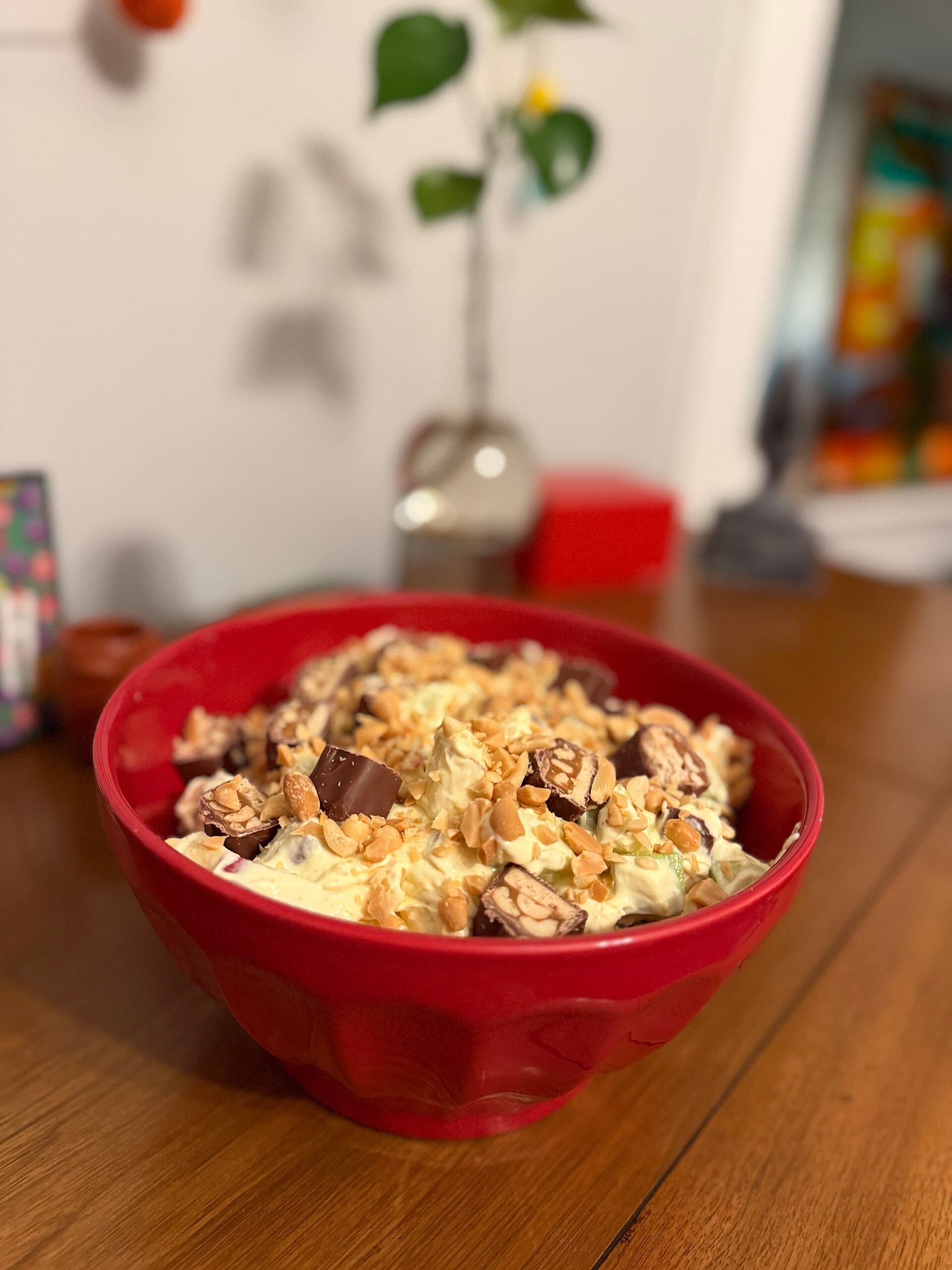
Snickers Salad combines chopped Snickers bars, apples, whipped topping, and sometimes pudding mix into a creamy fruit salad. Popular in mid-20th century American suburbs, it illustrates the era's fascination with sweet, easy-to-assemble salads served at potlucks and family dinners.
America's Melting Pot
Snickers Salad Dressing photo coming soon
Cross-era
Snickers Salad Dressing is a spread with real American table personality: Upper Midwest "salad" that is absolutely dessert. It brings flavor from the Midwest and Great Lakes to cookouts, counters, lunch plates, potlucks, and weeknight suppers.

1970-1989
Soft pretzels are twisted, chewy bread snacks with a glossy, salted crust. This recipe is inspired by the tailgate and concession stand traditions in the Mid-Atlantic, where pretzels have long been a favored portable treat at sporting events, schools, and fairs.
America's Melting Pot
Son-of-a-Gun Stew photo coming soon
1861-1900
Son-of-a-Gun Stew is a hearty stew associated with cattle drivers and chuckwagon cooks of the Great Plains during westward expansion and post-Civil War settlement. Made with various meats, vegetables, and basic seasonings, this stew reflects resourcefulness and sustenance on the trail.
America's Melting Pot
Sonoran Cheese Crisp photo coming soon
1800-1860
Sonoran Cheese Crisp consists of a crispy fried or baked tortilla topped with melted cheese and optional toppings. Originating in the Mexican-American and Spanish borderlands of the Southwest, it highlights the fusion of cultures and local flavors in this region.
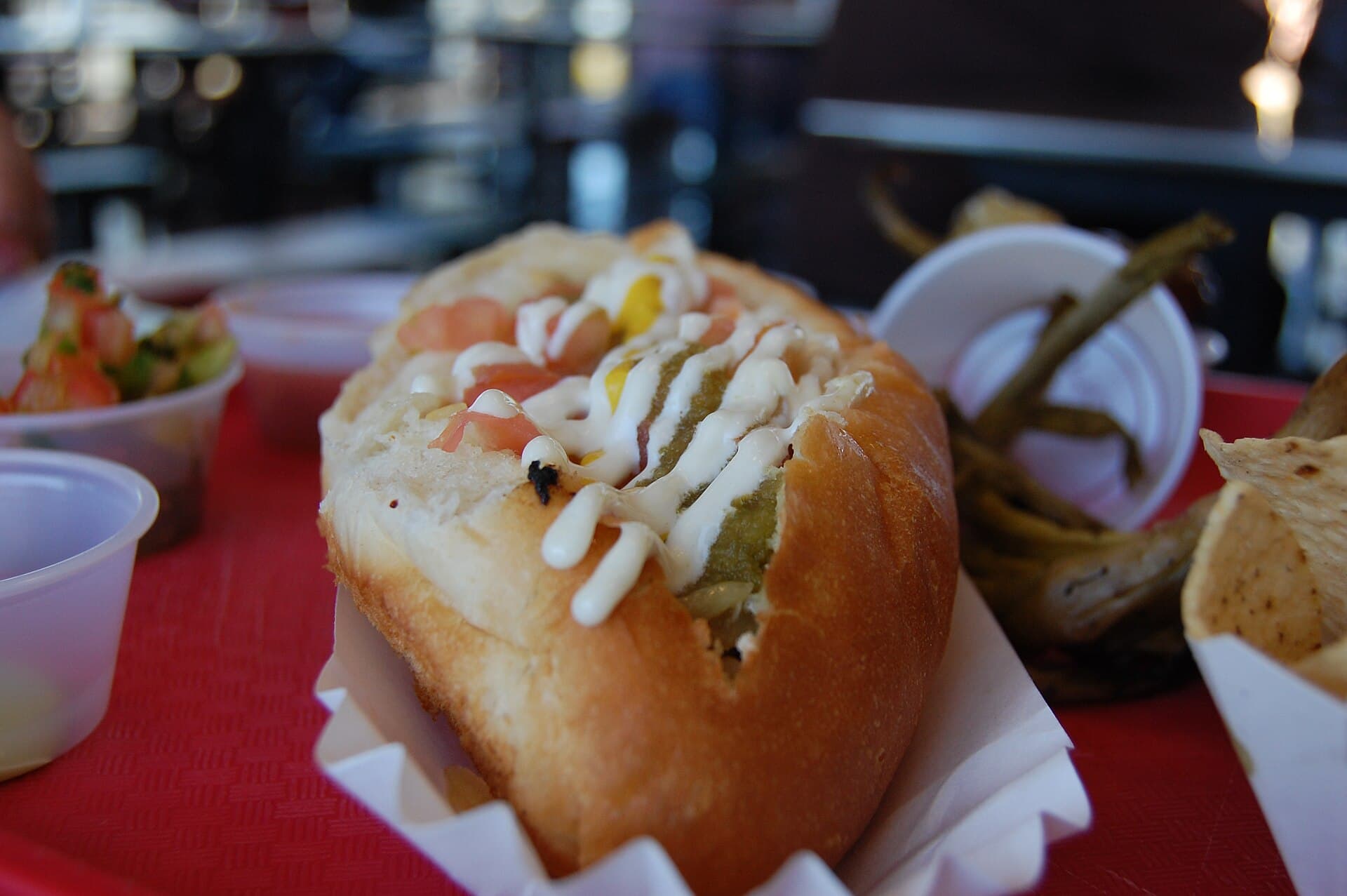
1945-2000
The Sonoran Hot Dog is a regional specialty from the Southwest featuring a hot dog wrapped in bacon and topped with ingredients like tomatoes, onions, jalapenos, and beans, usually served on a bolillo-style bun. It reflects the blending of Mexican and American culinary influences in this border area.
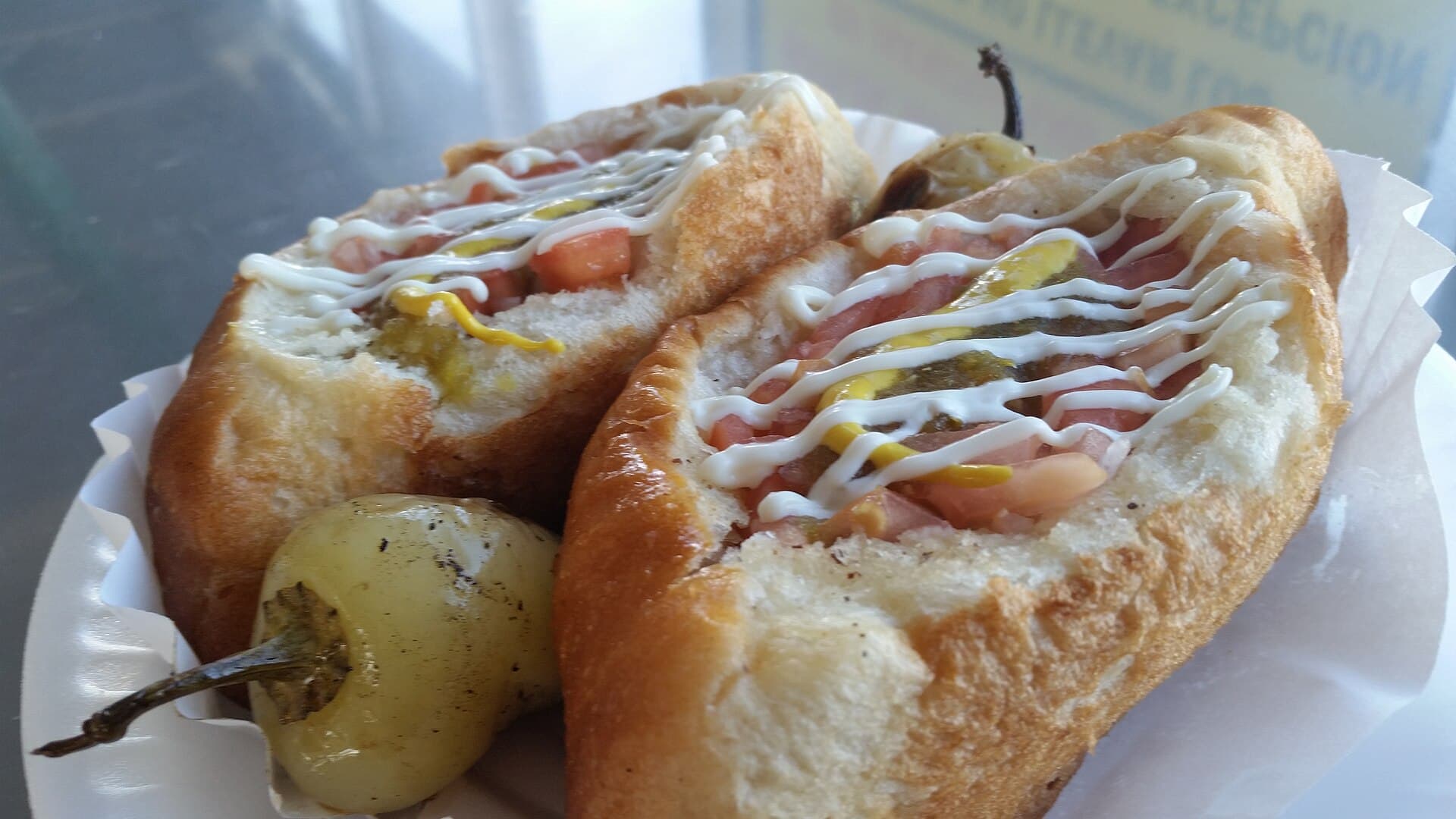
2010-2026
Sonoran Hot Dogs as a modern food truck and fusion dish highlight the popularity of Southwestern flavors combined with Southern elements. These hot dogs expand the traditional recipe with regional adaptations, appealing to contemporary palates and viral food culture.
America's Melting Pot
Sopa de Fideo photo coming soon
1800-1860
Sopa de Fideo is a light tomato-based soup featuring thin noodles, typical of Mexican and Southwestern home cooking. Its simple ingredients and preparation made it a staple in borderlands kitchens from the 19th century, providing a comforting, nourishing meal.
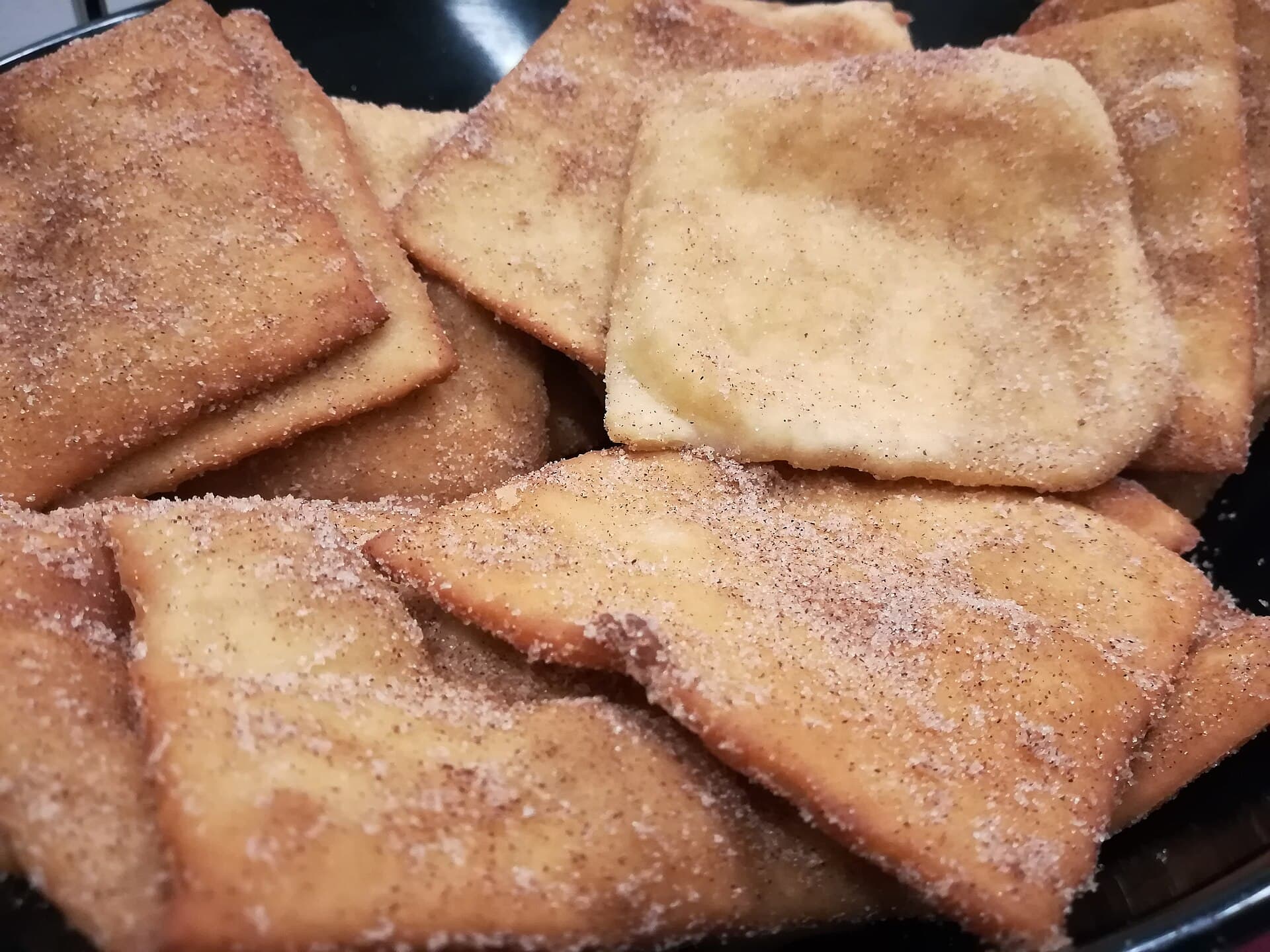
1800-1860
Sopapillas are puffy, fried dough pastries that puff up when cooked, creating a hollow interior perfect for stuffing or drizzling with honey. Enjoyed in Southwestern and Southern cuisines, they are versatile for savory or sweet preparations, reflecting cultural exchanges in these regions.
America's Melting Pot
Sorghum Cookies photo coming soon
1930-1945
Sorghum Cookies use sorghum molasses to create rich, sweet cookies that provided affordable treats during the 1930s Dust Bowl and Depression. This recipe exemplifies home baking focused on maximizing pantry staples to nourish families economically.
America's Melting Pot
Sorghum Molasses Bread photo coming soon
1930-1945
Sorghum Molasses Bread is a hearty bread sweetened by sorghum molasses, popular during and after the Civil War as a sustaining food. Its simple ingredients and dense texture made it suitable for military and frontier kitchens, reflecting practical baking in austere conditions.
America's Melting Pot
Sorghum Syrup photo coming soon
Frontier & Expansion
Sorghum Syrup is a sweet sauce with real American table personality: Southern/Appalachian sweetener from sorghum cane. It brings flavor from Appalachia and Pennsylvania Dutch country to cookouts, counters, lunch plates, potlucks, and weeknight suppers.
America's Melting Pot
SOS photo coming soon
1900-1929
This main dish version of SOS consists of creamed dried chipped beef served over toast, a staple during the Great Depression. The recipe embodies economical cooking by stretching preserved ingredients into a filling comfort meal.
America's Melting Pot
SOS photo coming soon
1930-1945
SOS is a staple dish consisting of creamed chipped dried beef served over toasted bread, common in military and working-class kitchens during the Great Depression and World War II. Known for its economical use of preserved ingredients, it's a quick, savory comfort food.
America's Melting Pot
SOS Creamed Beef Sauce photo coming soon
1900-1929
SOS Creamed Beef Sauce is a condiment with real American table personality: Military and diner "cream chipped beef on toast.". It brings flavor from coast-to-coast American tables to cookouts, counters, lunch plates, potlucks, and weeknight suppers.
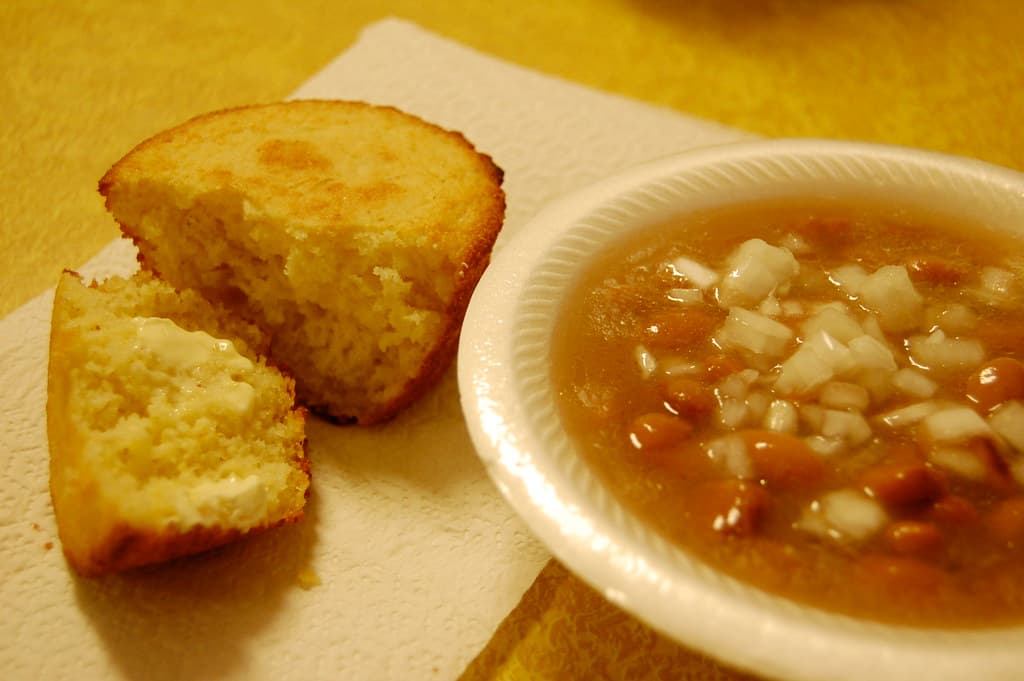
1800-1860
Soup Beans are a traditional slow-cooked bean stew popular in Appalachia and frontier regions during early American settlement. This dish is a humble, nourishing staple made with dried beans and minimal seasoning, reflecting the resourceful cooking of early settlers.
1861-1900
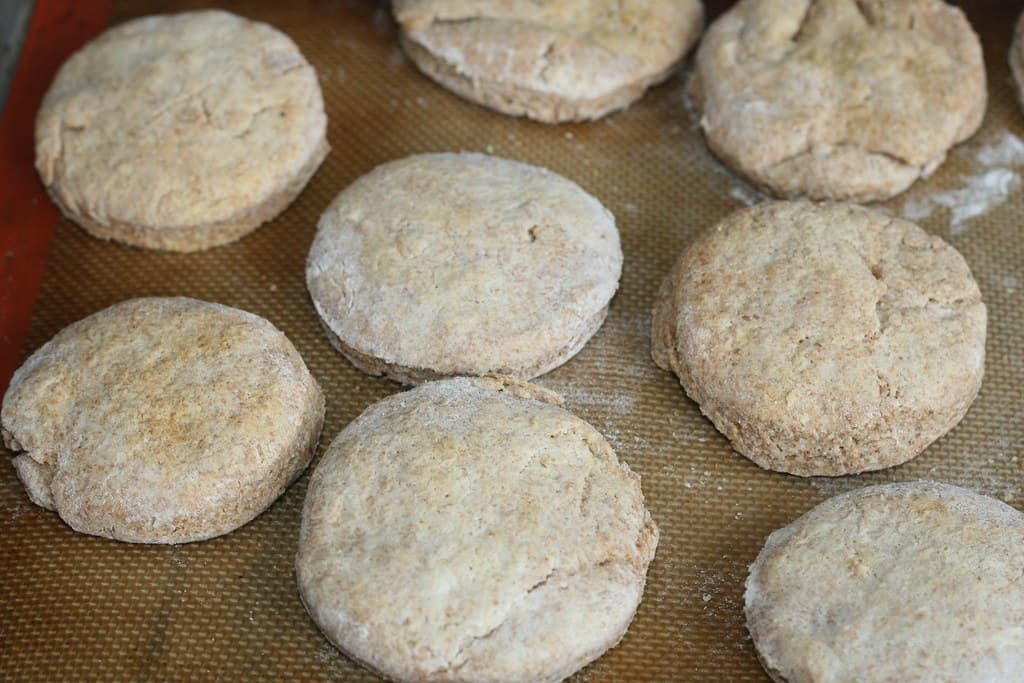
Sourdough Biscuits utilize natural fermentation for leavening, resulting in light and flavorful biscuits that were staples for chuckwagon cooks and settlers on the Great Plains and West Coast during late 19th century expansion.
America's Melting Pot
Sourdough Bread photo coming soon
1800-1860
Sourdough Bread is a crusty loaf leavened by naturally occurring wild yeasts from a fermented starter. It has been a staple throughout the West Coast from the Gold Rush through modern artisan baking, prized for its tangy flavor and chewy crumb.
Community recipe submission
Log in to submit a recipe, format it with the cooking companion, and send it for review.
Log in to Submit