
Loading
Setting the table...
Fetching the latest recipes from the archive.
Loading
Fetching the latest recipes from the archive.
Recipe archive
Recipe archive
Search the archive by title, region, ingredient, tag, or era, then sort the table by the view that fits your kitchen.
This archive is growing through recipes, photos, family recipes, and historical context shared by the community.
America's Melting Pot
Mocha Malt photo coming soon
1900-1929
Mocha Malt pours old-school malt-shop cheer into a cold glass: Coffee and chocolate.
America's Melting Pot
Mock Apple Pie photo coming soon
1930-1945
Mock Apple Pie is a resourceful dessert developed during the Civil War era and later, using crackers instead of apples to simulate the texture and flavor of apple pie. This affordable and wartime-inspired pie substituted scarce or expensive ingredients with accessible ones while maintaining familiar comforting flavors. It represents American ingenuity during times of scarcity in the late 19th century.
America's Melting Pot
Mock Whipped Cream photo coming soon
1930-1945
Mock Whipped Cream is an inventive, non-dairy topping created during the Great Depression and World War II era when cream was scarce or rationed. This economical recipe uses gelatin, milk, and sugar to simulate whipped cream's light texture and sweetness. It illustrates American homefront adaptations to food shortages, fitting within the context of victory gardens, rationing, and wartime ingenuity in domestic cooking.
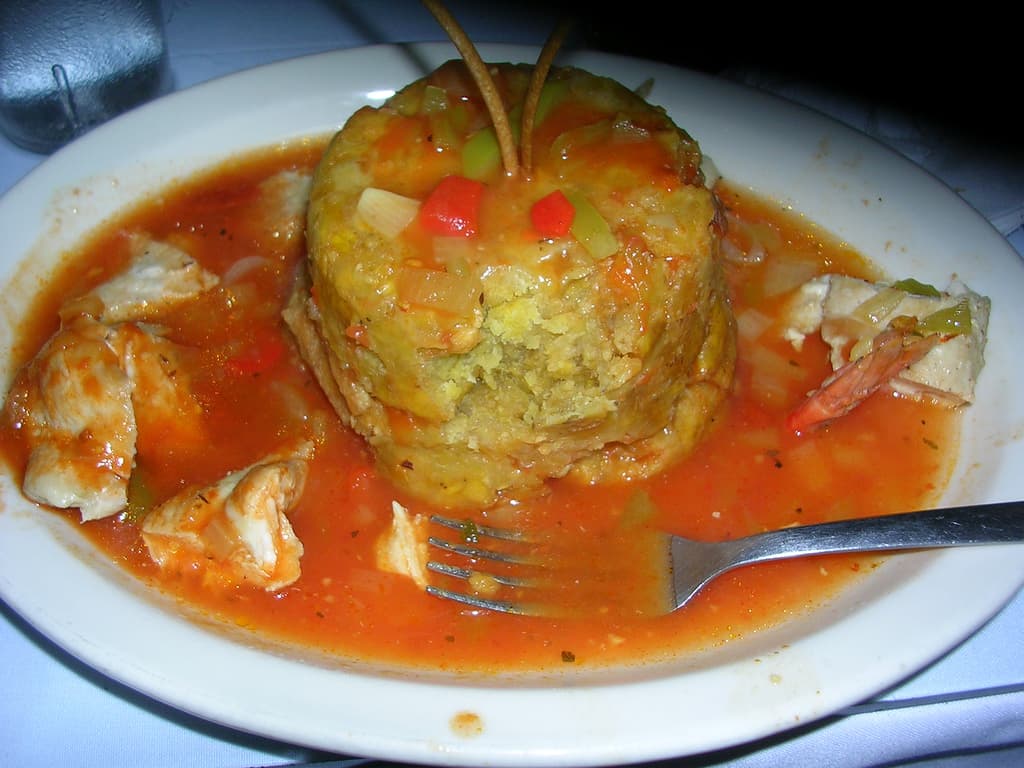
Before 1776
Mofongo is a traditional dish of mashed fried plantains combined with garlic, olive oil, and pork cracklings, originating from Puerto Rican and other Caribbean island communities. It holds a cross-era place in Territories and Island America foodways, blending African, Spanish, and indigenous influences. Mofongo is a staple in Puerto Rican, Chamorro, Filipino-American, and Virgin Islands kitchens, embodying diverse island cultural heritage.
America's Melting Pot
Molasses photo coming soon
Founding Era
Molasses is a sweet sauce with real American table personality: Colonial, Southern, Caribbean trade, and early American baking. It brings flavor from the American South to cookouts, counters, lunch plates, potlucks, and weeknight suppers.
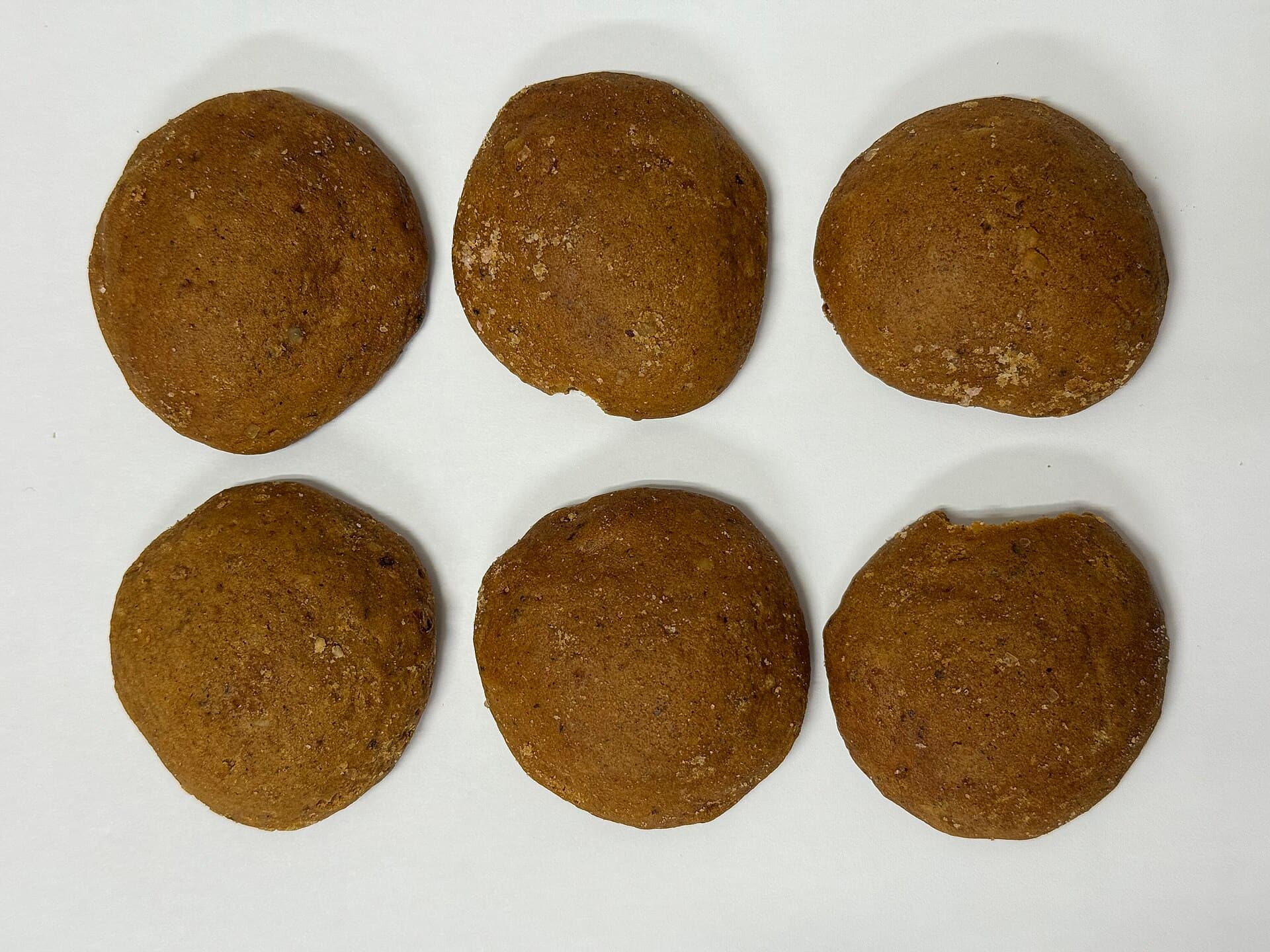
1776-1800
Molasses Cookies are chewy, spiced gingerbread-style cookies sweetened with rich molasses, reflecting early Appalachian and Revolutionary-era American baking traditions. These cookies were popular among settlers who used molasses as an affordable sweetener and incorporated warming spices for flavor. They became a staple of military rations and domestic kitchens during the Civil War era, offering comfort and energy.
America's Melting Pot
Molasses Cornbread photo coming soon
1776-1800
Molasses Cornbread is a slightly sweet cornmeal bread flavored with molasses, common in early American households during the Revolutionary era. Combining locally grown cornmeal with molasses provided a hearty and economical bread that complemented savory dishes and breakfast tables alike. Its enduring popularity reflects early American adaptation of indigenous and imported ingredients.
America's Melting Pot
Molasses Pound Cake photo coming soon
1861-1900
Molasses Pound Cake is a rich, moist cake sweetened with molasses, characteristic of Southern American desserts during the Reconstruction era. The cake features traditional pound cake proportions with the addition of molasses and warm spices, reflecting the culinary adaptation to available and affordable sweeteners post-Civil War. It embodies Southern resilience and culinary identity in comfort baking.
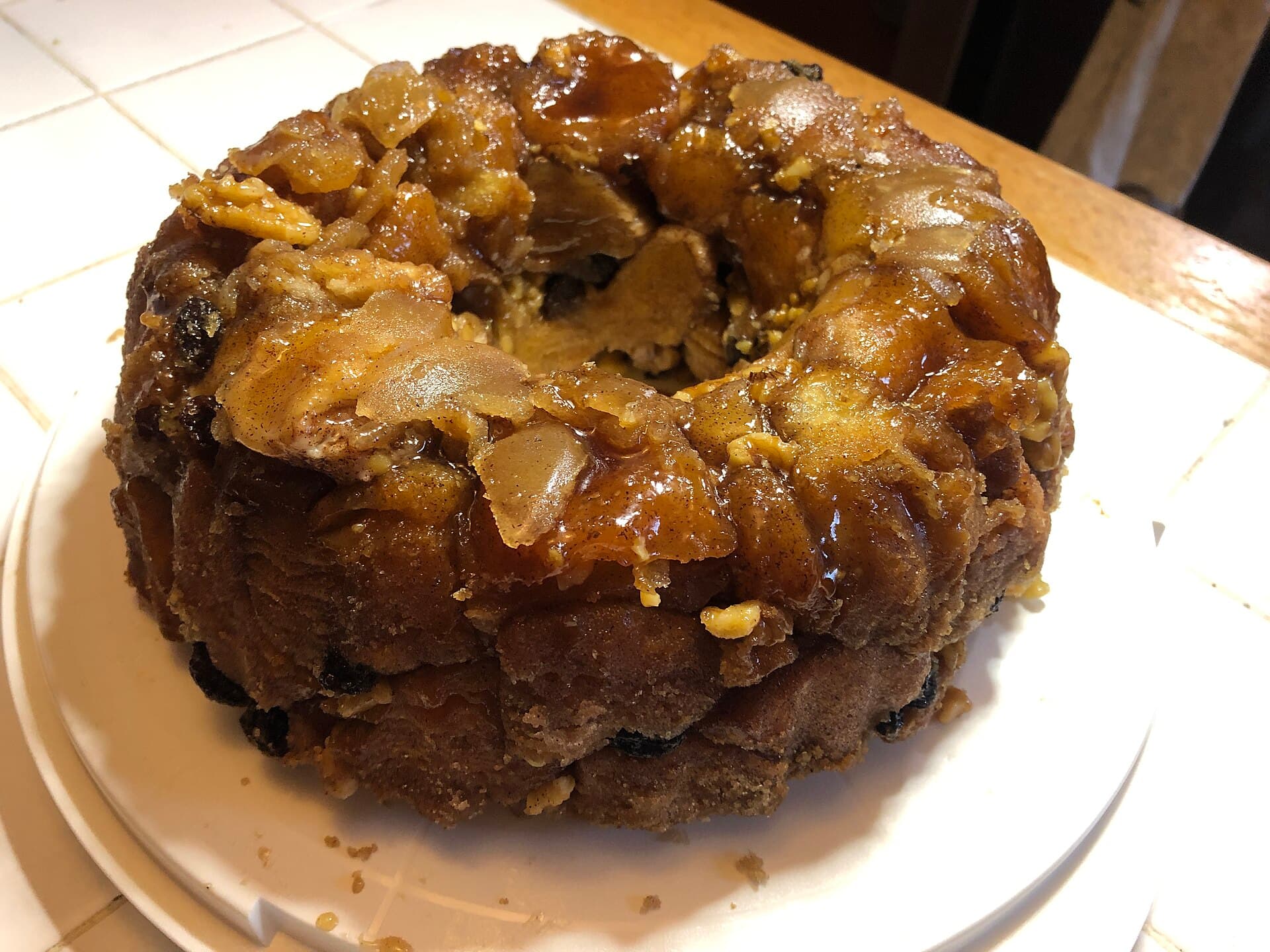
1946-1969
Monkey Bread is a sweet, sticky pull-apart bread made from individual dough pieces coated in cinnamon sugar and baked together. Though its precise origins are unclear, Monkey Bread became popular as a Christmas treat across the United States, embodying festive conviviality. Its interactive eating style and sweet, rich flavor capture the spirit of American holiday baking traditions.
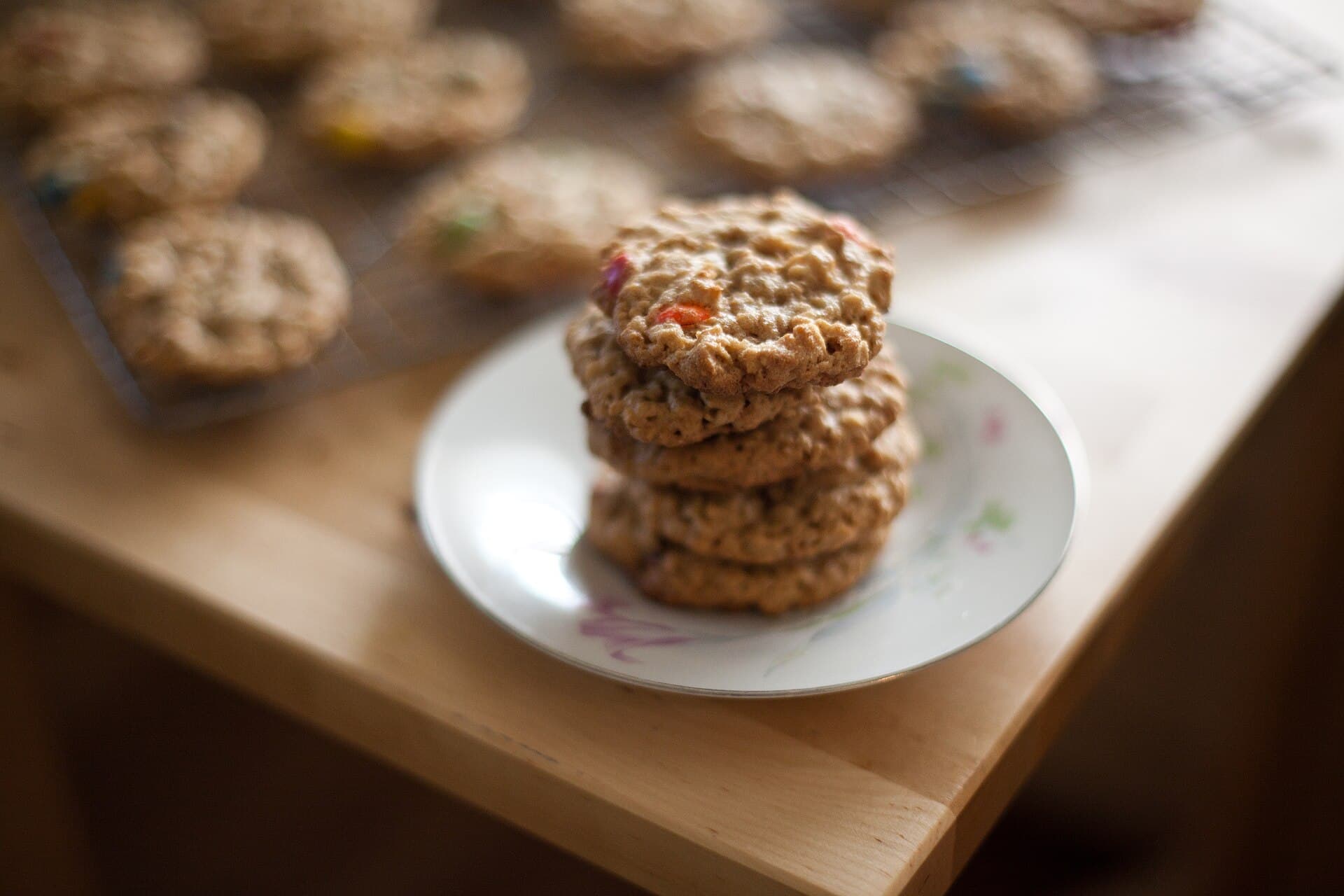
1970-1989
Monster Cookies are generously sized cookies featuring rolled oats, peanut butter, chocolate chips, and often M&Ms, favored at tailgate parties and church events since the 1970s and 1980s. These cookies embody post-industrial American preferences for convenience, fusion of flavors, and regional pride, becoming a staple of fast food snacking and bake sale culture.
America's Melting Pot
Montana Huckleberry Shake photo coming soon
Cross-era
Montana Huckleberry Shake salutes regional fruit country and the American dairy-stand tradition: Montana.
America's Melting Pot
Monte Cristo photo coming soon
1946-1969
Monte Cristo is a fried ham and cheese sandwich dipped in egg batter and often served with fruit jam or powdered sugar. Originating in the post-World War II era, it became a diner and family restaurant staple across the United States, blending French croque-monsieur influences with American tastes for indulgent sandwiches and carnival-style foods.
America's Melting Pot
Monterey Chicken photo coming soon
1990-2009
Monterey Chicken is a grilled or broiled American main dish featuring chicken breasts topped with cheddar cheese, bacon bits, and salsa. Popularized in chain and family restaurants during the 1990s and 2000s, this recipe exemplifies fusion of Tex-Mex flavors with mainstream American casual dining, suited for suburban and Super Bowl gatherings.
American Dairy Age
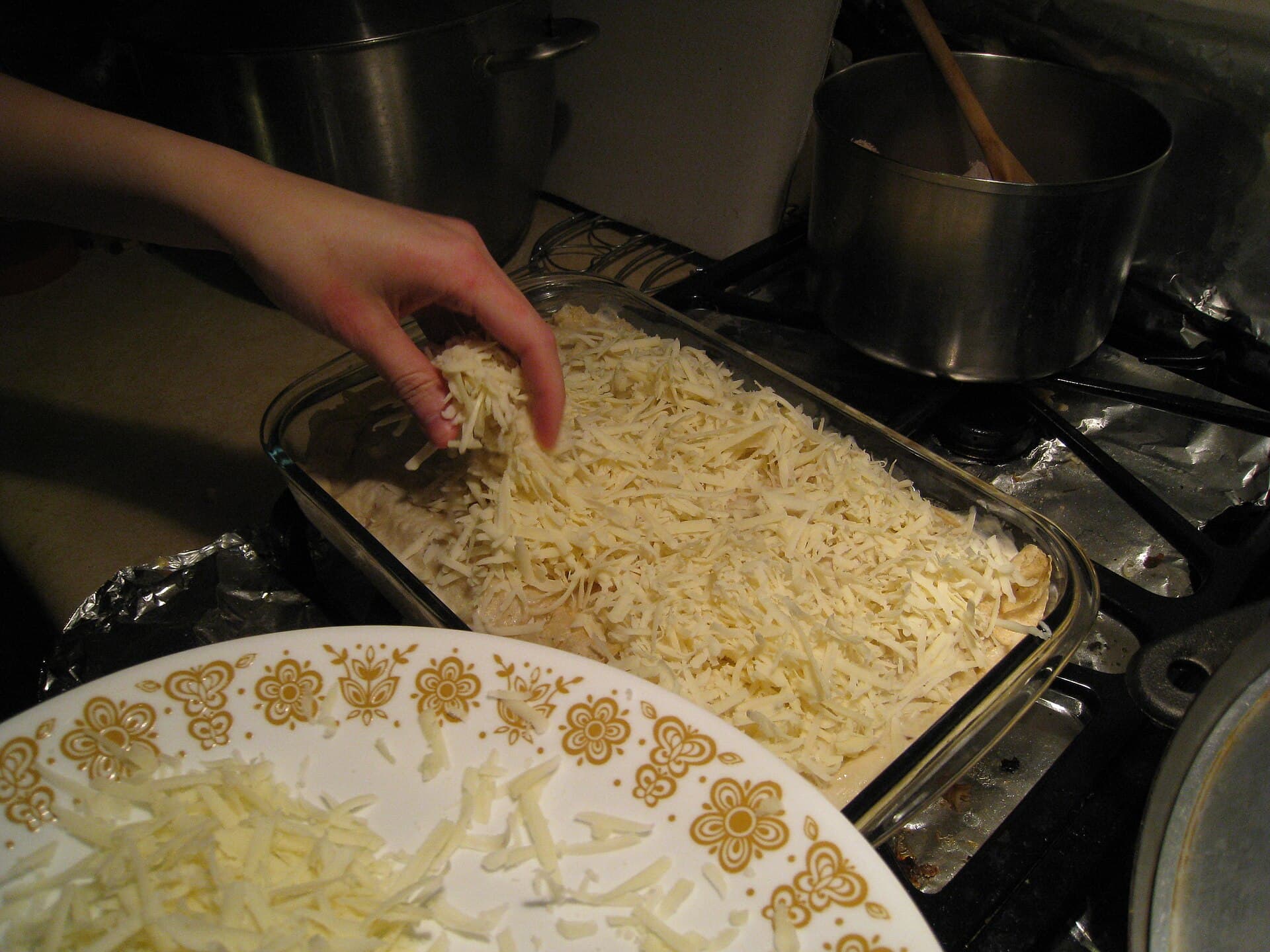
Monterey Jack Cheese is a mild American Jack-family cheese with clean milk handling, careful curd cooking, optional flavoring, pressing, and controlled aging.
America's Melting Pot
Moo Goo Gai Pan photo coming soon
1900-1929
Moo Goo Gai Pan is a staple Chinese-American dish featuring sliced chicken, mushrooms, and vegetables quickly cooked in a mild, savory sauce. It became established in American immigrant cities and diners from the early 20th century, catering to changing local tastes while retaining familiar Cantonese influences. The dish exemplifies the immigrant city culinary adaptations to American palates during early 1900s.
Native Foodways and Continuity
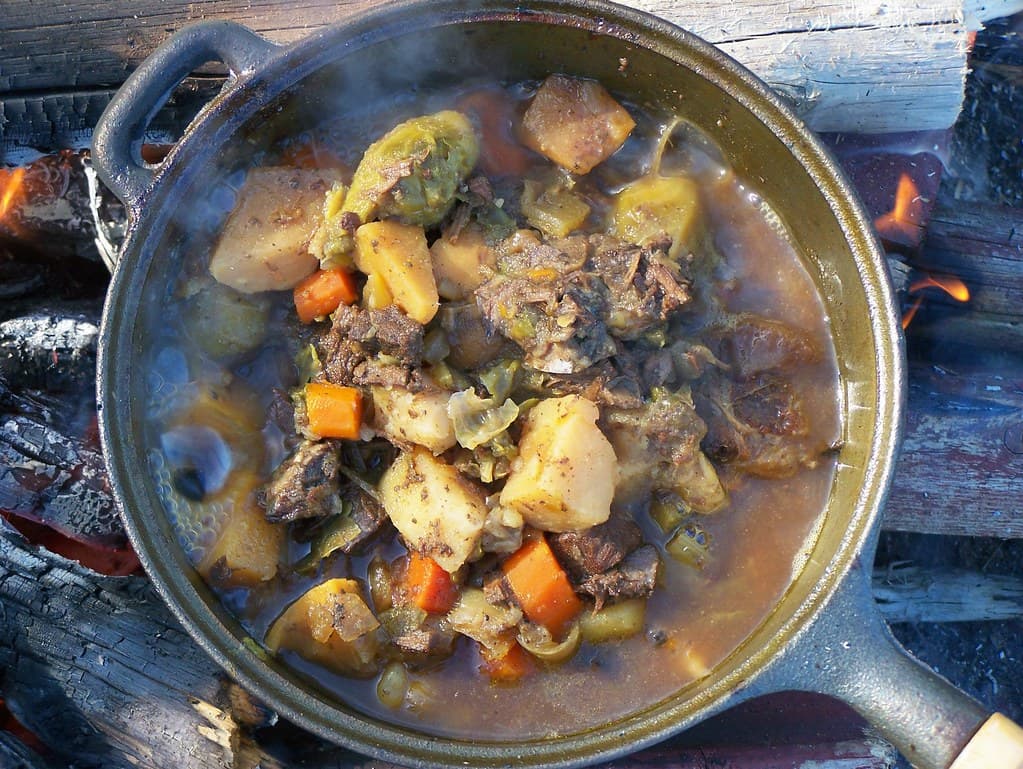
Moose Stew is a nourishing, slow-cooked stew featuring moose meat and root vegetables, traditional in Alaska's hunting and subsistence cultures. Its preparation embraces rustic methods suited to remote environments, offering warmth and sustenance year-round. This dish represents Alaska's regional food heritage and resourceful use of local wildlife across eras.
1900-1929
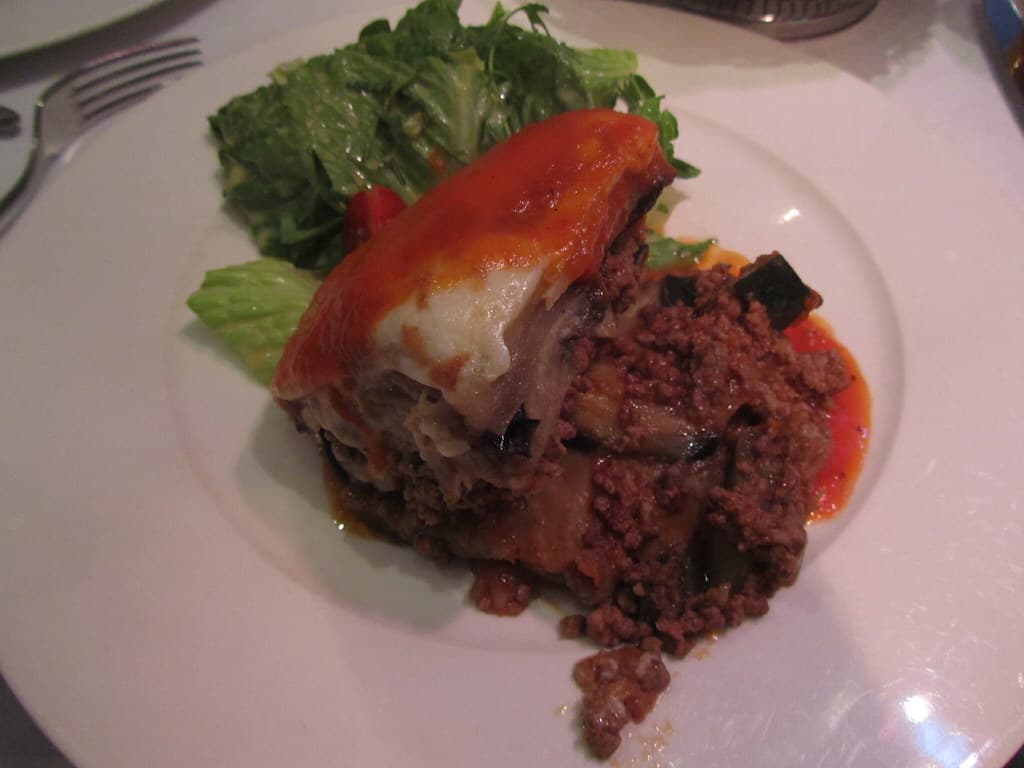
Moussaka is a layered casserole combining eggplant, ground meat, tomato sauce, and creamy bechamel, introduced to American diners by Greek immigrants in the early 20th century. It became popular in immigrant cities and lunch counters, blending Mediterranean traditions with American comfort food culture. This hearty dish is a hallmark of Greek-American cuisine and diner fare.

1970-1989
Mozzarella Sticks are battered, breaded, and deep-fried sticks of mozzarella cheese, served hot and commonly accompanied by marinara sauce. This popular snack emerged in American family restaurants and casual dining during the 1990s and 2000s, fitting into game day and party food categories favored across suburban and urban settings.
American Dairy Age
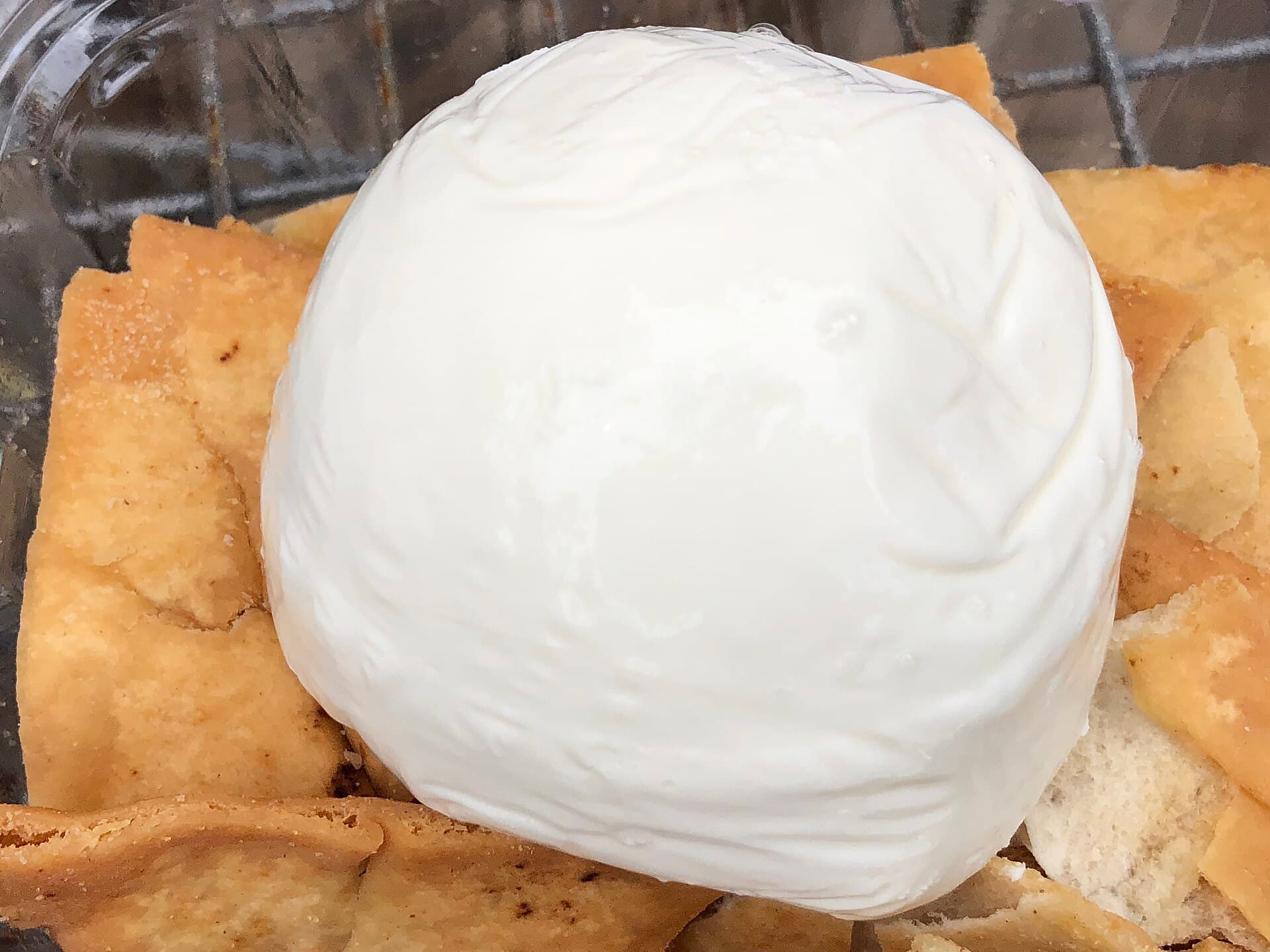
Mozzarella, Italian-American Home Style is a fresh stretched-curd cheese with pasteurized milk, measured acid, rennet setting, hot stretching, salting, and short refrigerated storage.
America's Melting Pot
Mrs. Fields-Style Cookies photo coming soon
1970-1989
Mrs. Fields-Style Cookies are soft, thick chocolate chip cookies known for their chewy texture and rich flavor. These cookies became iconic in American malls and chain food outlets during the late 20th century. Reflecting convenience and indulgence trends, they blend traditional chocolate chip cookie elements with modern commercial baking techniques.
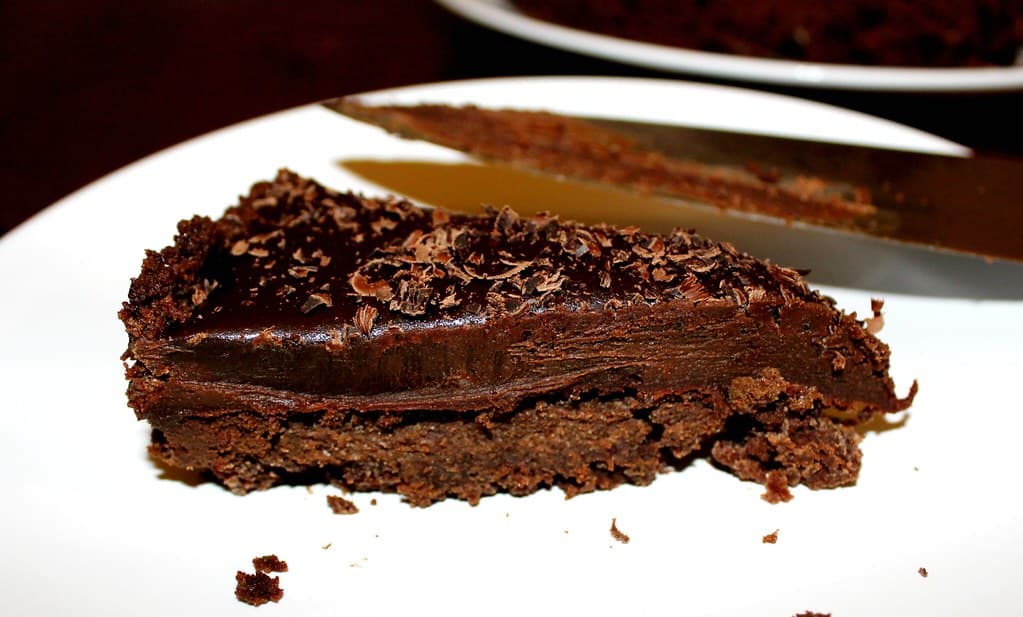
1970-1989
Mud Pie is a decadent chocolate-based pie featuring rich fudge or chocolate cookie crust, layered filling, and whipped cream topping. It gained popularity in American family restaurants and casual dining settings during the 1990s and 2000s as an indulgent dessert option. Mud Pie showcases the era's dessert trends emphasizing rich textures and bold chocolate flavors.
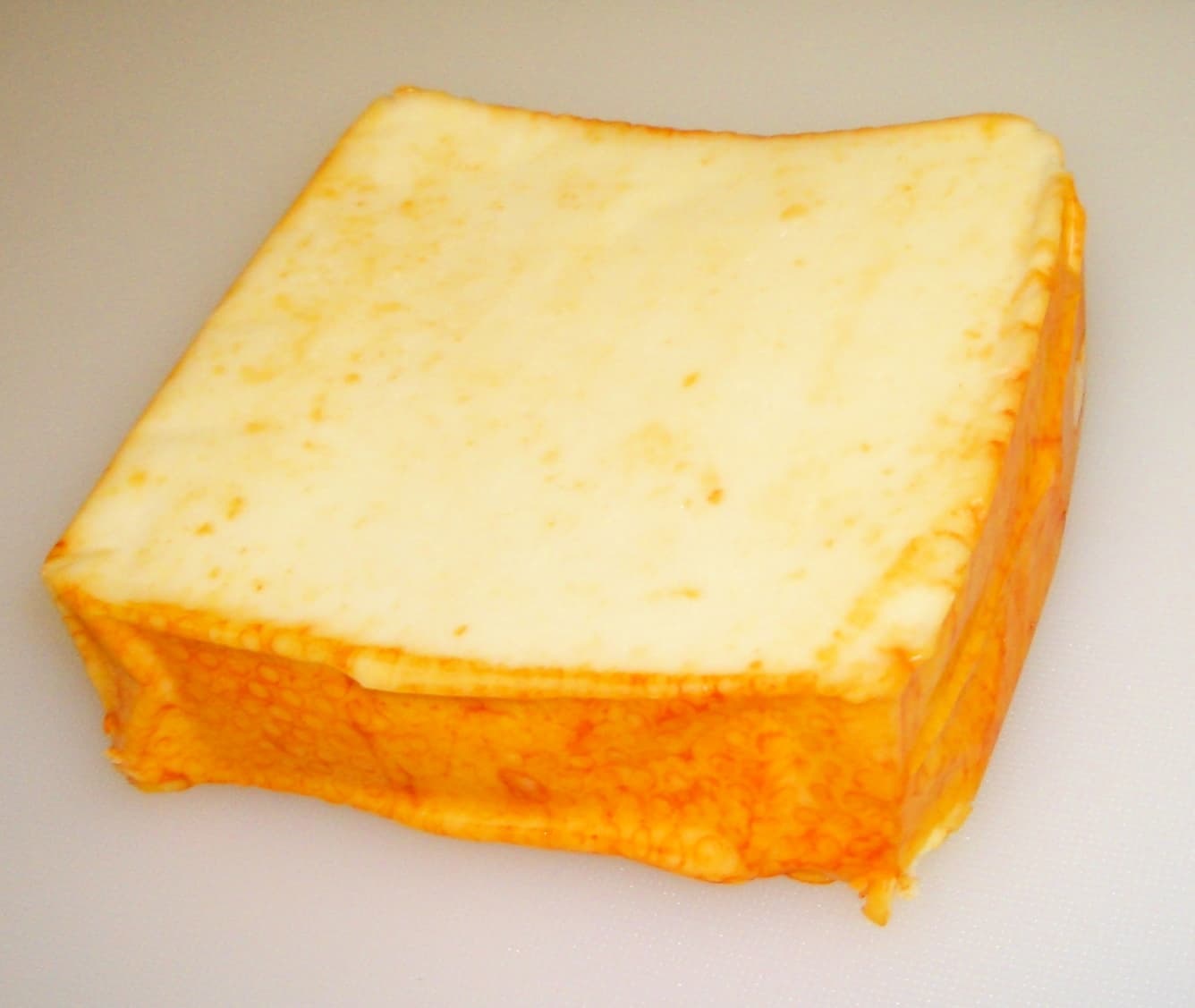
American Dairy Age
Muenster, American-style is a washed-rind American cheese with measured starter, careful draining, brining, regular rind washing, and controlled humid aging.
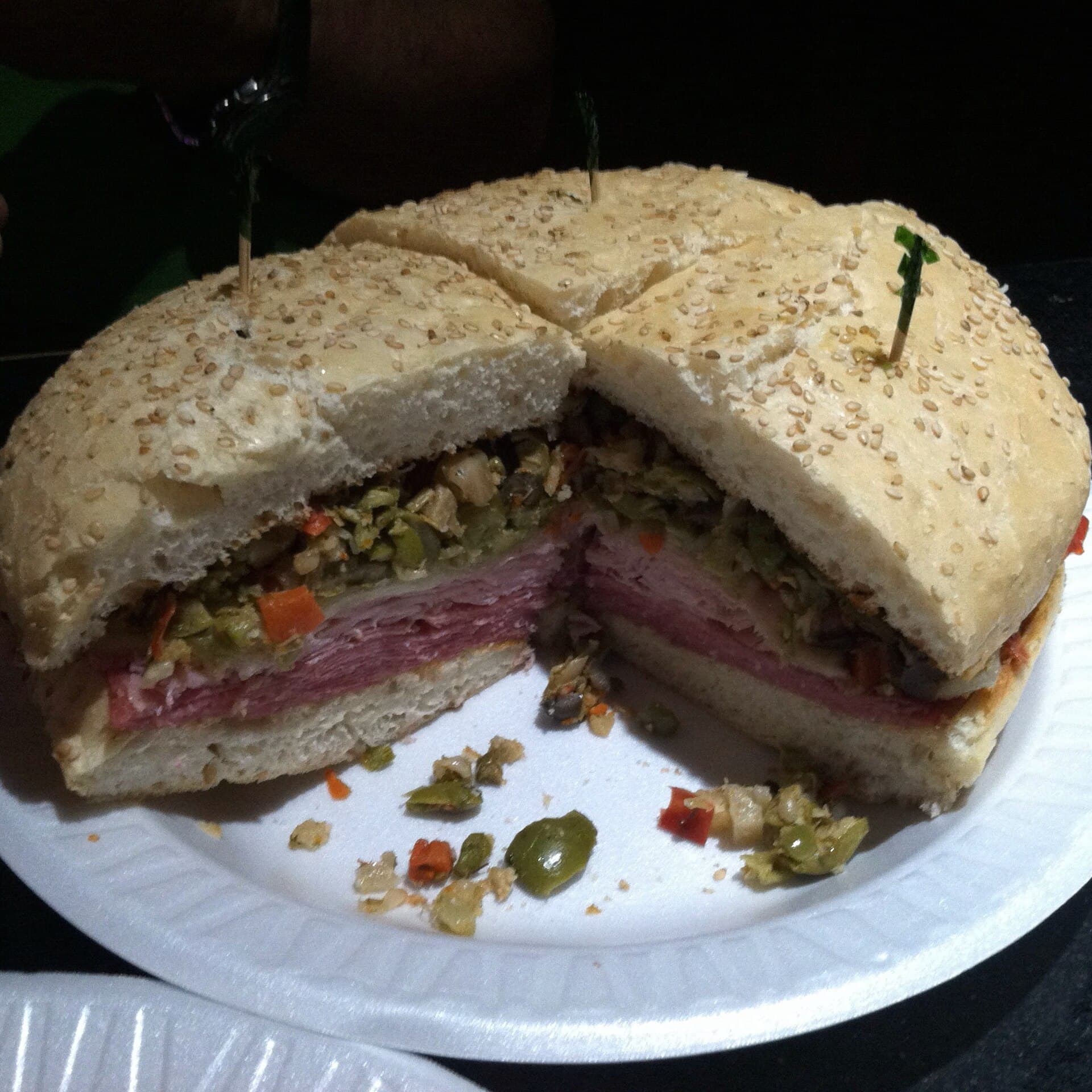
1946-1969
Muffuletta is a large, round sandwich originating in New Orleans, featuring layers of cold cuts, cheese, and a distinctive olive salad on a sturdy sesame loaf. Popularized after World War II, it became a beloved postwar regional icon blending Italian-American deli traditions with Southern food culture, often enjoyed at picnics and gatherings.
America's Melting Pot
Mulligan Stew photo coming soon
1930-1945
Mulligan Stew is a traditional American soup-stew known for its flexible, resourceful use of available ingredients, emerging prominently during the Great Depression and wartime rationing. This dish reflects a practical approach to feeding many with limited resources, often combining leftover meats, vegetables, and whatever was on hand in a one-pot meal.
Community recipe submission
Log in to submit a recipe, format it with the cooking companion, and send it for review.
Log in to Submit