
Loading
Setting the table...
Fetching the latest recipes from the archive.
Loading
Fetching the latest recipes from the archive.
Recipe archive
Recipe archive
Search the archive by title, region, ingredient, tag, or era, then sort the table by the view that fits your kitchen.
This archive is growing through recipes, photos, family recipes, and historical context shared by the community.
America's Melting Pot
Root Beer photo coming soon
1861-1900
Root beer is a traditional American soft drink originally made by fermenting roots, bark, herbs, and spices. This recipe recreates an early version from the late 18th century, emphasizing natural flavors and a slight effervescence common to homemade brews before commercial mass production.
America's Melting Pot
Root Beer Barbecue Sauce photo coming soon
Cross-era
Root Beer Barbecue Sauce is a barbecue sauce with real American table personality: Sweet, nostalgic American grilling sauce. It brings flavor from American barbecue regions to cookouts, counters, lunch plates, potlucks, and weeknight suppers.
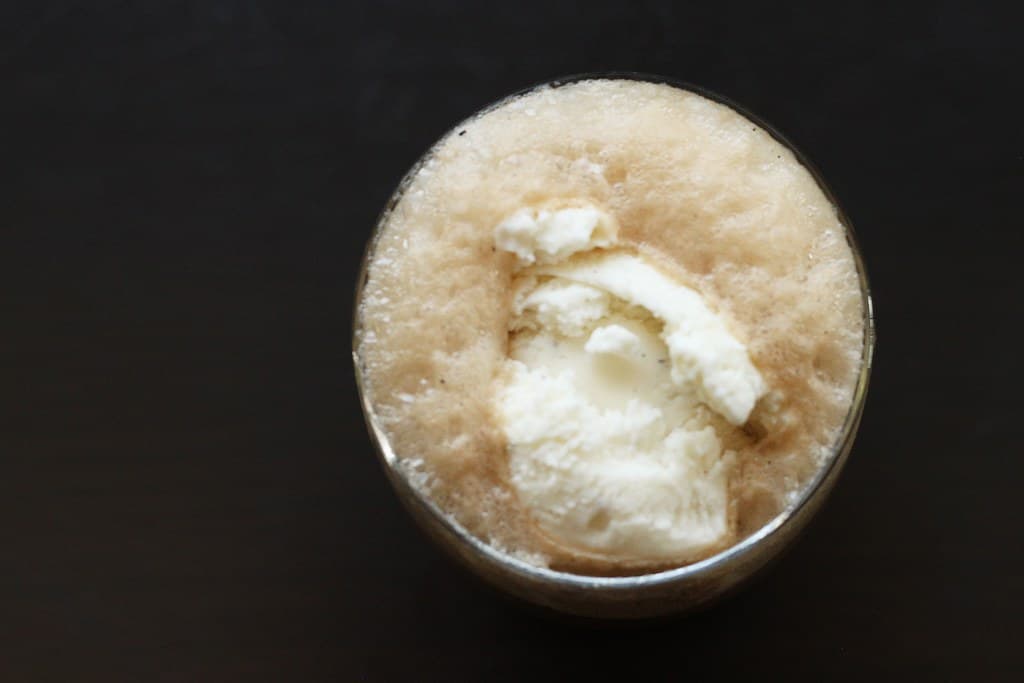
Gilded Age & Progressive Era
The root beer float combines cold root beer with vanilla ice cream to create a creamy fizzy dessert drink popularized in early 20th-century American diners and soda fountains. This nostalgic treat remains a favorite for its simplicity and delightful flavors.
America's Melting Pot
Root Beer Floats photo coming soon
Gilded Age & Progressive Era
Root beer floats have evolved into popular festive beverages served at food trucks, farmers markets, and holiday celebrations across the United States. Often garnished creatively and incorporating craft or specialty root beers, these floats highlight a modern American twist on a classic treat, especially popular during Fourth of July and summer holidays.
America's Melting Pot
Root Beer Malt photo coming soon
1900-1929
Root Beer Malt pours old-school malt-shop cheer into a cold glass: Root beer float and malt crossover.
America's Melting Pot
Root Beer Shake photo coming soon
1900-1929
Root Beer Shake pours old-school malt-shop cheer into a cold glass: Root beer float flavor blended into shake form.
America's Melting Pot
Rosettes photo coming soon
1861-1900
Rosettes are delicate, deep-fried Scandinavian pastries made from a thin batter shaped in flower forms using a special iron mold. Brought by Norwegian and Swedish immigrants to the Midwest in the 19th century, rosettes remain a festive treat often served during holidays and celebrations.
America's Melting Pot
Rotel Queso photo coming soon
Cross-era
Rotel Queso is a party dip with real American table personality: Processed cheese plus canned tomatoes/chiles; Tex-Mex meets American convenience food. It brings flavor from Texas and the Southwest to cookouts, counters, lunch plates, potlucks, and weeknight suppers.
America's Melting Pot
Rotisserie Chicken Enchiladas photo coming soon
2010-2026
Rotisserie chicken enchiladas combine pre-cooked chicken with tortillas and a flavorful sauce, ideal for weeknight meals. This dish reflects modern Southwestern American home cooking and food truck adaptations focusing on convenience without sacrificing flavor.
America's Melting Pot
Rotisserie Chicken Noodle Soup photo coming soon
1990-2009
This rotisserie chicken noodle soup combines store-bought roasted chicken with vegetables and egg noodles to create a hearty, comforting dish. It reflects modern American weeknight comfort food influenced by convenience cooking and food truck menus.
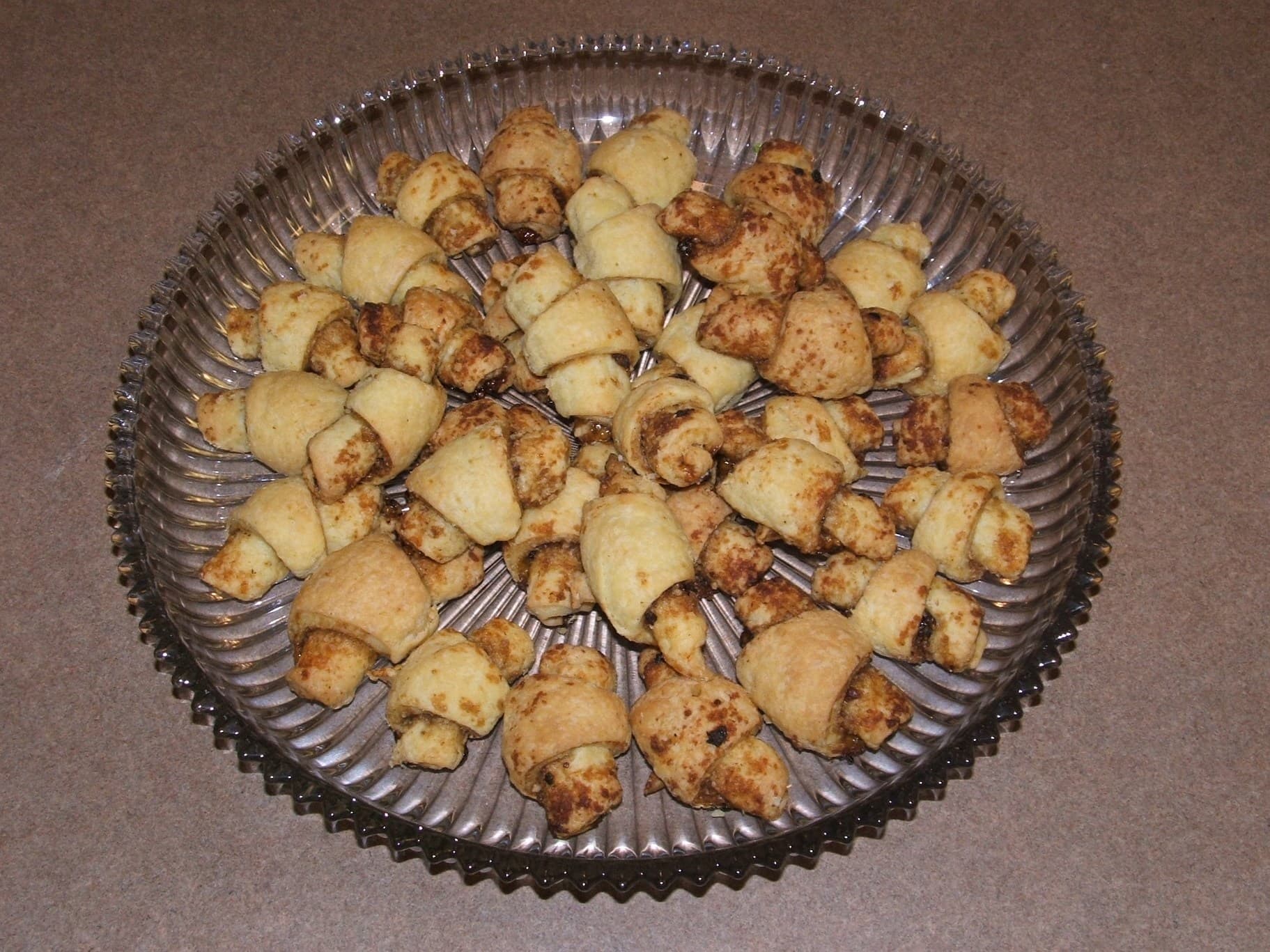
1861-1900
Rugelach are traditional Jewish pastries made from cream cheese dough folded with fillings such as nuts, raisins, or fruit preserves, shaped into crescent rolls. Brought to America by Eastern European Jewish immigrants, rugelach has become a beloved baked good beyond its origins.
America's Melting Pot
Rumaki photo coming soon
1946-1969
Rumaki is an appetizer featuring water chestnuts and chicken liver wrapped in bacon, marinated and baked or fried. Popularized during the postwar suburban cocktail party era, rumaki reflects mid-20th century American tastes and fascination with exotic flavors.
America's Melting Pot
Runza photo coming soon
1946-1969
Runza is a yeast-leavened bread pocket filled with seasoned ground beef, cabbage, onions, and spices. Of German-Russian origin, it became a regional favorite in the American Midwest and Great Plains, especially Nebraska, during the postwar era as a convenient savory meal.
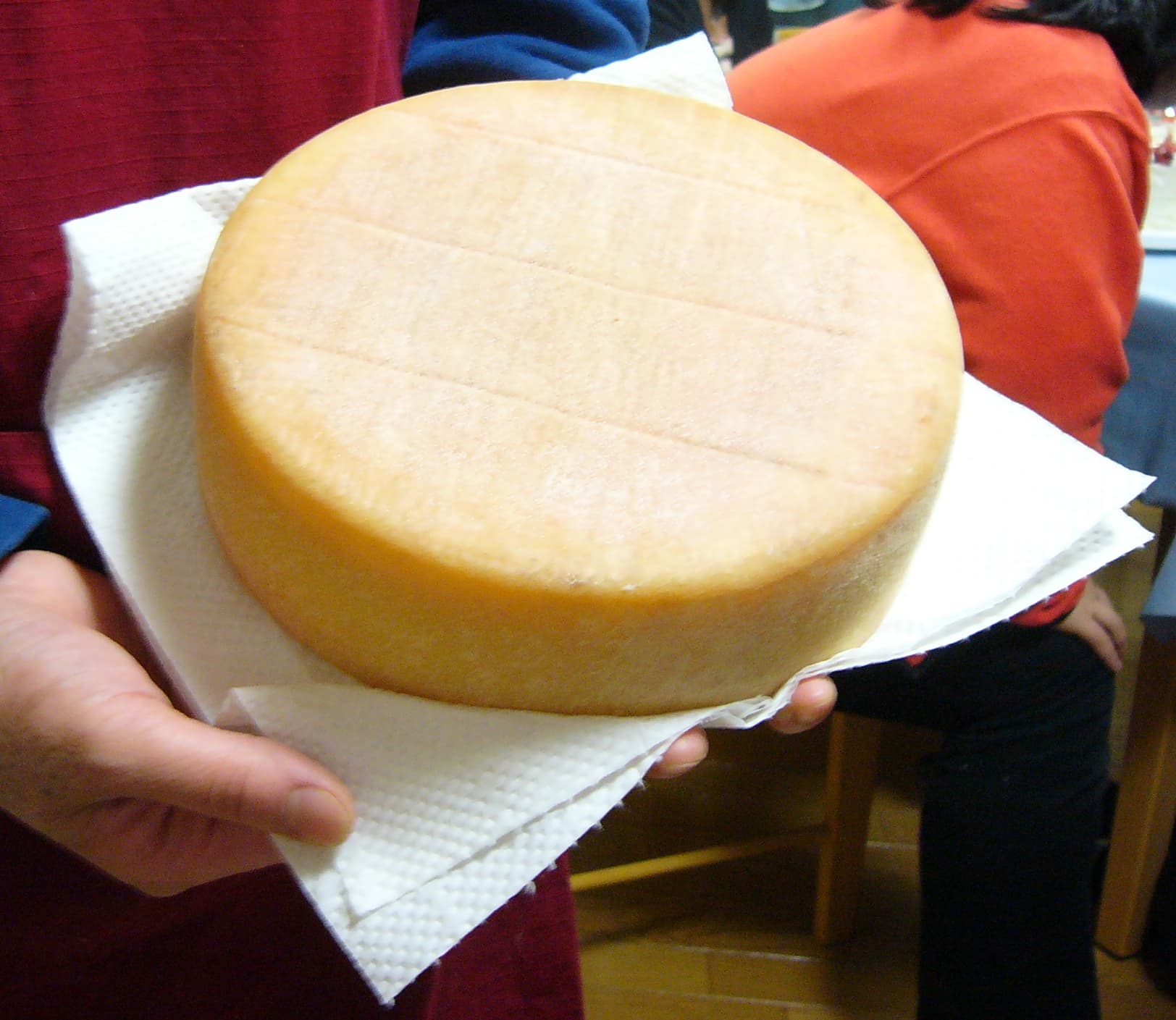
American Dairy Age
Rush Creek Reserve-style Soft-Ripened Cheese is a soft-ripened American cheese with careful culturing, gentle handling, rind development, and controlled refrigerated aging.
America's Melting Pot
Russian Dressing photo coming soon
Cross-era
Russian Dressing is a dressing with real American table personality: American-born despite the name; usually mayo, chili sauce/ketchup, horseradish, and spices. It brings flavor from Texas and the Southwest to cookouts, counters, lunch plates, potlucks, and weeknight suppers.
America's Melting Pot
Rye and Indian Bread photo coming soon
1776-1800
This bread combines rye flour and cornmeal (referred to historically as Indian meal) to create a rustic, hearty loaf common in late 18th-century American households. It reflects grain availability and regional adaptation in early Revolutionary-era American baking.
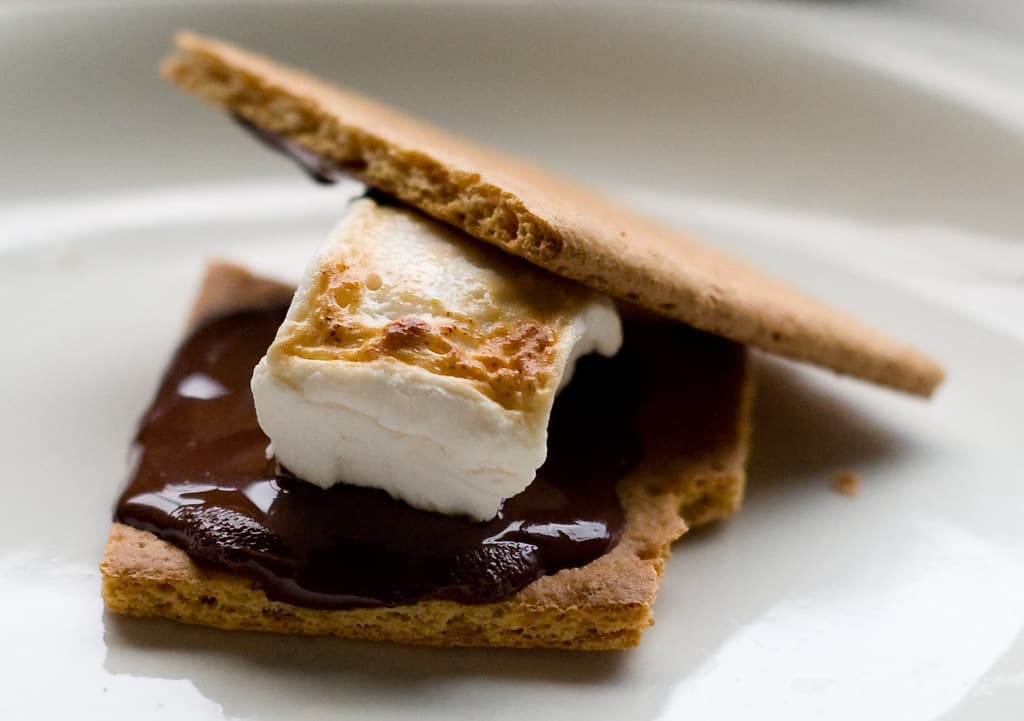
1900-1929
S'mores are a nostalgic treat involving marshmallows toasted over an open flame and sandwiched between graham crackers and chocolate. Popularized during the postwar boom in backyard grilling and camping culture, this recipe captures a simple, family-friendly indulgence that reflects American suburban leisure and outdoor tradition.
America's Melting Pot
S'mores Shake photo coming soon
1900-1929
S'mores Shake pours old-school malt-shop cheer into a cold glass: Campfire nostalgia shake.
1900-1929
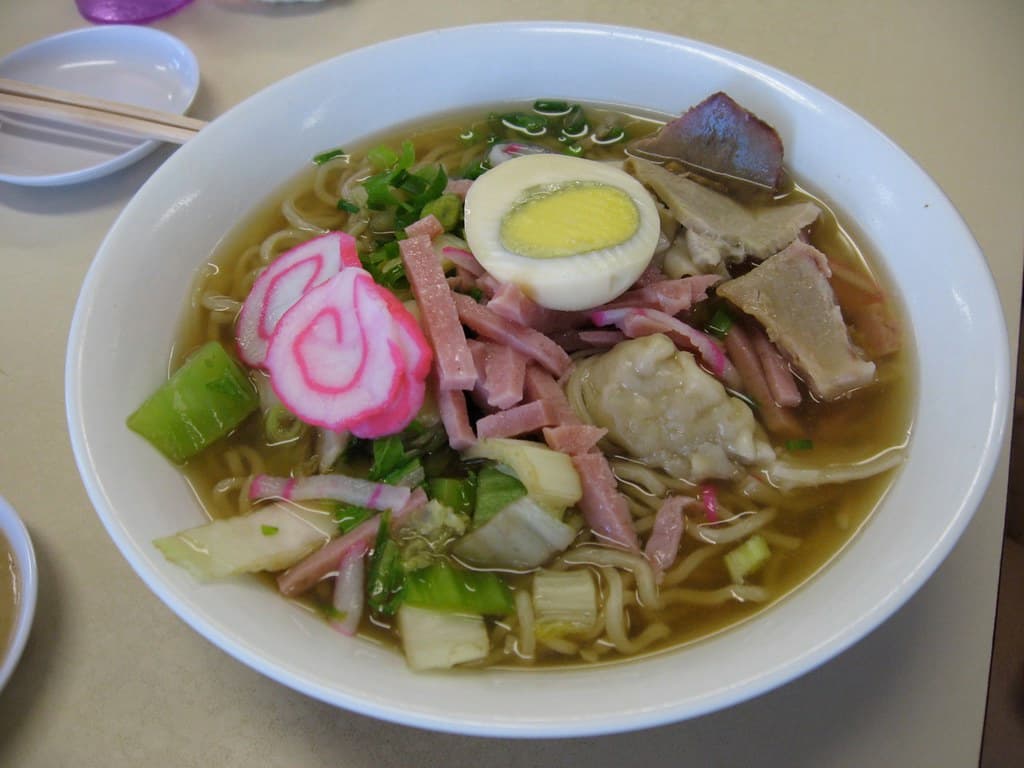
Saimin is a noodle soup combining wheat noodles in a light broth with garnishes such as green onions, char siu pork, and seaweed. It emerged in Hawaii through fusion of Hawaiian, Asian-Pacific American, and Portuguese-American culinary traditions reflecting diverse immigration patterns.
America's Melting Pot
Sally Lunn Bread photo coming soon
1776-1800
Sally Lunn bread is a large, rich, slightly sweet yeast bread similar to brioche, originally from England and adopted in early America. This bread was common in late 18th-century American kitchens as a breakfast or tea-time bread owing to its tender crumb and buttery flavor.
America's Melting Pot
Salmon Burger Dill Sauce photo coming soon
Cross-era
Salmon Burger Dill Sauce is a seafood sauce with real American table personality: Pacific Northwest and Alaska-style seafood condiment. It brings flavor from the Pacific Northwest and Mountain West to cookouts, counters, lunch plates, potlucks, and weeknight suppers.
1900-1929
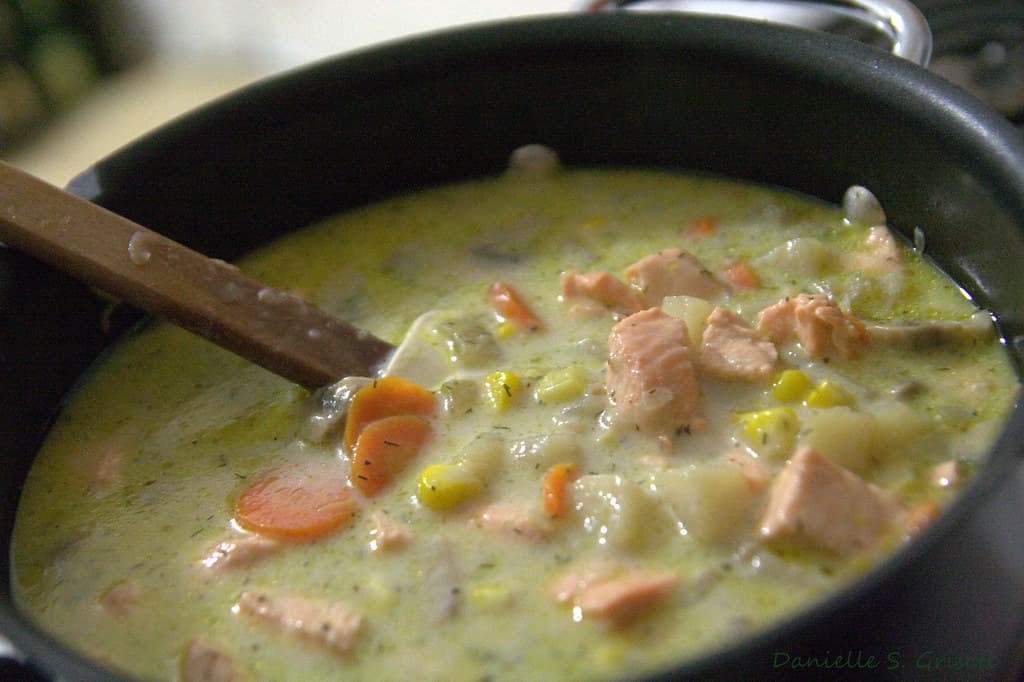
Salmon chowder is a creamy, satisfying soup made with fresh or canned salmon, potatoes, onions, and cream. Popular in Alaska and coastal regions, this chowder reflects resourceful cooking with local seafood in rustic camp and cabin settings.
Native Foodways and Continuity
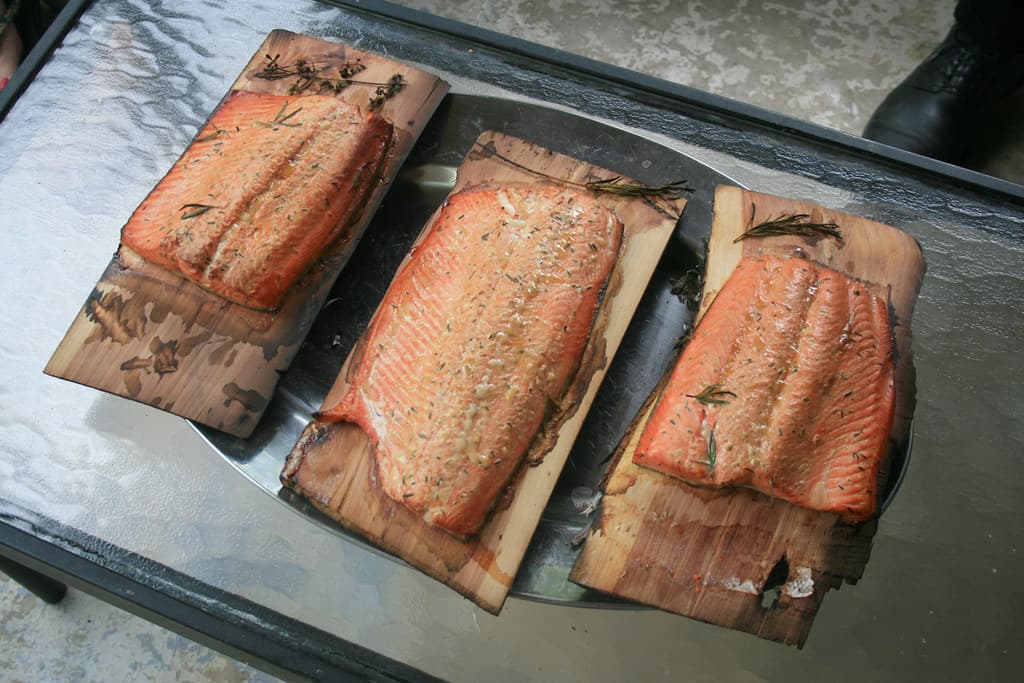
This dish features salmon fillets cooked on cedar planks to infuse smoky, aromatic flavors typical in Pacific Northwest Indigenous and settler culinary traditions. With minimal seasoning, the technique highlights the fish's natural flavor while respecting cultural methods.
1800-1860
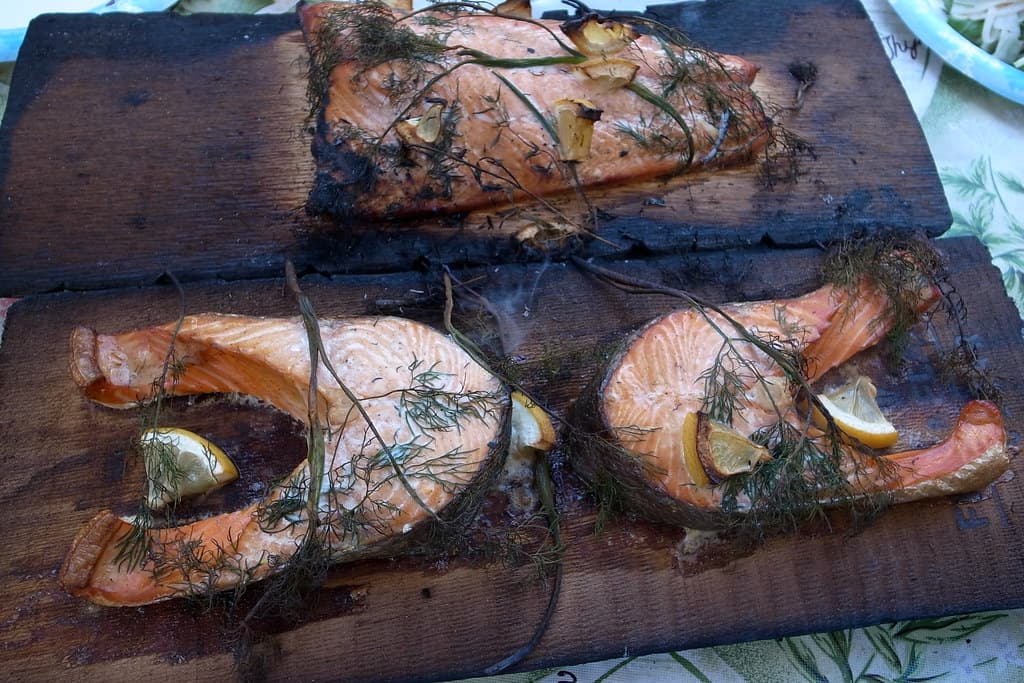
This preparation method involves roasting whole salmon on cedar boards, a traditional Indigenous American technique practiced in the Pacific Northwest prior to widespread European settlement. The method imparts smoky aroma and tender texture, reflecting sustainable harvesting and cooking practices.
Community recipe submission
Log in to submit a recipe, format it with the cooking companion, and send it for review.
Log in to Submit