
Loading
Setting the table...
Fetching the latest recipes from the archive.
Loading
Fetching the latest recipes from the archive.
Recipe archive
Recipe archive
Search the archive by title, region, ingredient, tag, or era, then sort the table by the view that fits your kitchen.
This archive is growing through recipes, photos, family recipes, and historical context shared by the community.
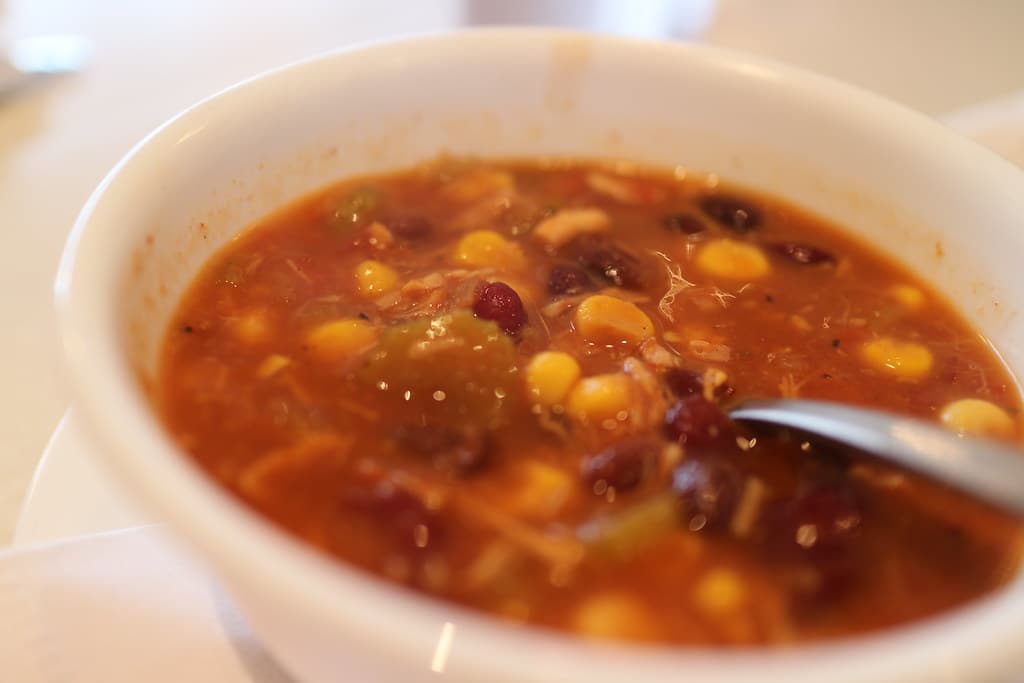
1970-1989
Taco soup gained popularity in the 1970s and 1980s as a hearty, easy-to-make soup incorporating ground beef, beans, tomatoes, and taco spices. It became a favored tailgate and family meal, representing Mexican-American food adaptation to American home cooking.
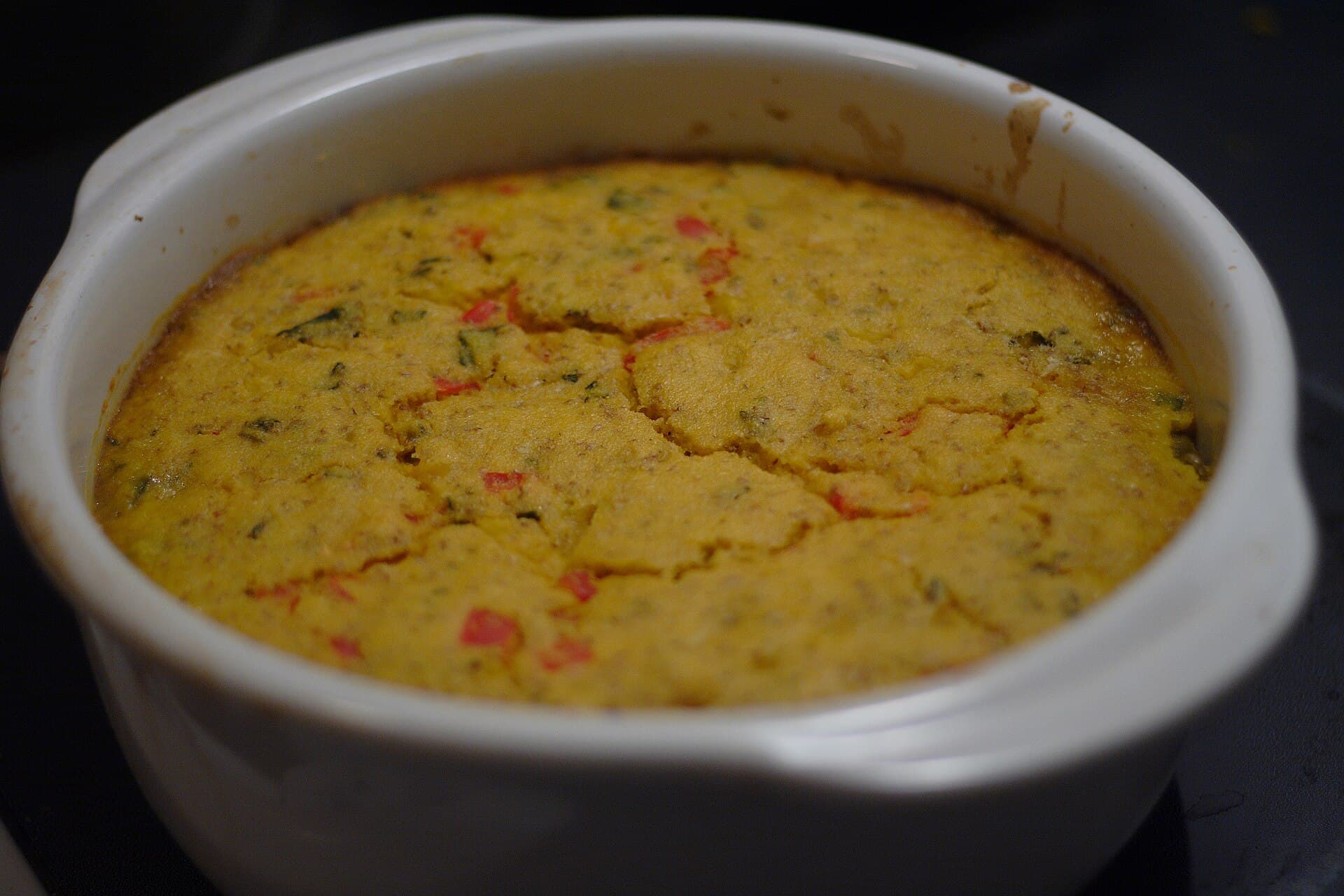
1946-1969
Tamale pie became a popular casserole in the Midwest and Southwest during the postwar decades, combining seasoned ground meat with a cornmeal crust reminiscent of traditional tamales. It served as a convenient comfort food blending Mexican and American culinary elements.
America's Melting Pot
Tartar Sauce photo coming soon
1900-1929
Tartar Sauce is a seafood sauce with real American table personality: American fish fry, fried clam, and fast-food fish sandwich staple. It brings flavor from coast-to-coast American tables to cookouts, counters, lunch plates, potlucks, and weeknight suppers.
America's Melting Pot
Tater Tot Hotdish photo coming soon
Postwar & Diner Age
A practical Upper Midwest casserole layered with seasoned beef, vegetables, creamy sauce, cheese, and crisp tater tots.
America's Melting Pot
Tater Tots photo coming soon
1946-1969
Tater tots, small cylinders of grated potato, were developed in the 1950s and became a popular oven- or fryer-prepared side dish in Midwestern American school cafeterias and family meals. They epitomize postwar convenience and the rise of processed foods in American diets.
America's Melting Pot
Taverns photo coming soon
1900-1929
Taverns, also known as loose meat sandwiches, originated in early 20th century American diners and lunch counters, especially in immigrant and industrial cities. The sandwich features seasoned ground beef served on a bun without forming a patty, popular at schools, churches, and state fairs.
America's Melting Pot
Tea Cakes photo coming soon
1800-1860
Tea Cakes are tender, sweet biscuits popular in the American South during the 19th century. These lightly sweetened cakes were often served at teatime or after dinner and embody Southern hospitality and simple ingredients typical of the era. Their crisp exterior and soft interior make them a beloved traditional dessert.
America's Melting Pot
Teriyaki Burger Sauce photo coming soon
Cross-era
Teriyaki Burger Sauce is a sandwich sauce with real American table personality: Hawaiian/West Coast/Japanese-American fusion. It brings flavor from California, Hawaii, and the West Coast to cookouts, counters, lunch plates, potlucks, and weeknight suppers.
America's Melting Pot
Tex-Mex Chopped Salad photo coming soon
Postwar & Diner Age
Tex-Mex Chopped Salad turns the taco-salad idea into a bright, fork-friendly supper: crisp lettuce, warm seasoned beef or beans, sweet corn, black beans, tomatoes, avocado, cheese, tortilla crunch, and a tangy lime-ranch dressing.
America's Melting Pot
Texas Mop Sauce photo coming soon
Cross-era
Texas Mop Sauce is a barbecue sauce with real American table personality: Thin sauce for basting beef, often with vinegar, spices, drippings, chile, or stock. It brings flavor from Texas and the Southwest to cookouts, counters, lunch plates, potlucks, and weeknight suppers.
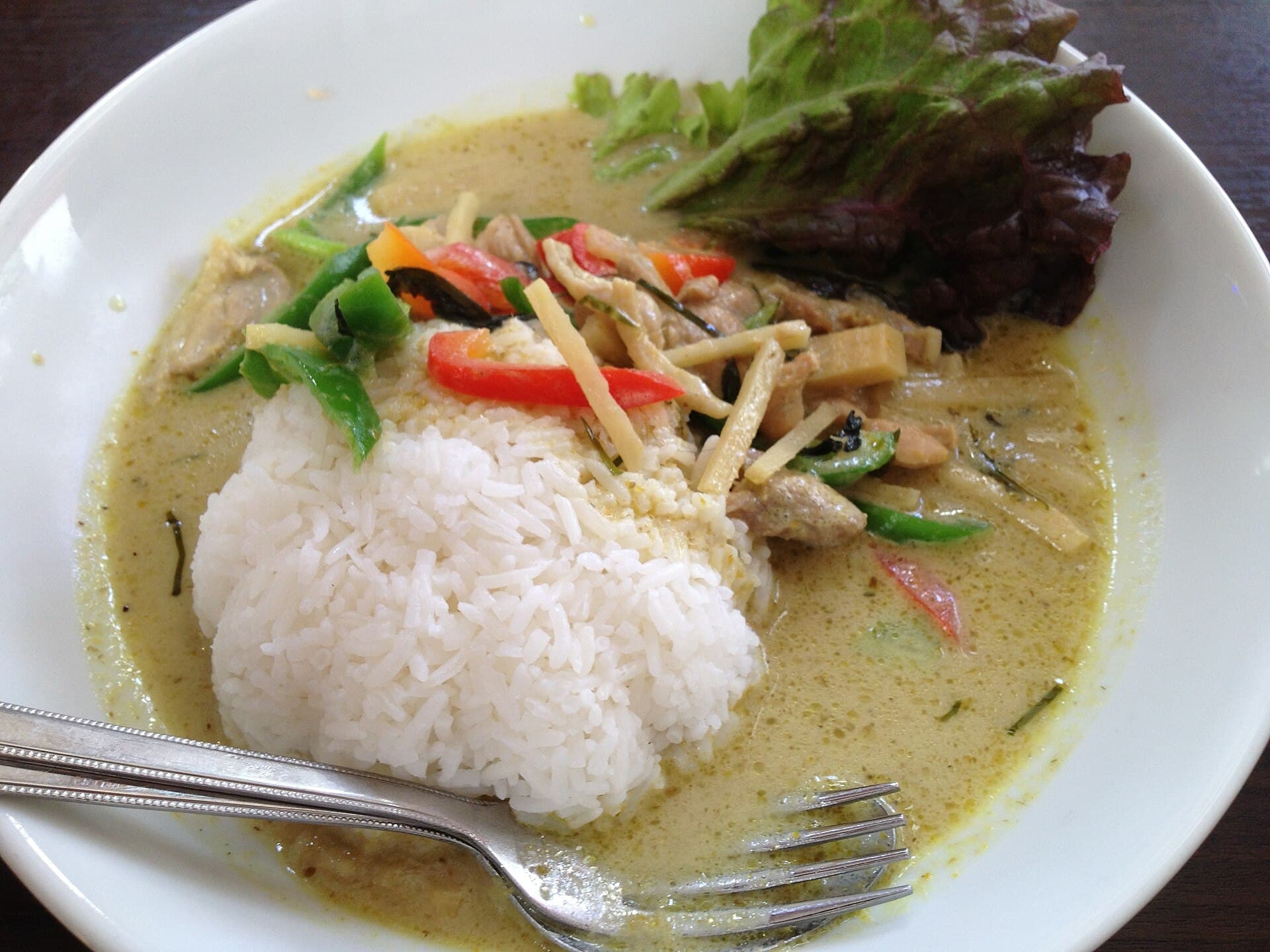
1970-1989
Thai Curry is a richly spiced stew or sauce dish that entered American kitchens during the growth of global suburban and fusion cuisine in the 1990s and 2000s. This recipe adapts traditional Southeast Asian curry pastes and coconut milk into accessible forms, reflecting immigrant influences and adventurous American palates blending global flavors into everyday cooking.
America's Melting Pot
Thermos Tomato Soup photo coming soon
Gilded Age & Progressive Era
Thermos Tomato Soup is a warm, comforting tomato soup that became a popular lunchbox staple in American suburbs during the postwar period. Packaged for convenient reheating and consumption, it offered a nostalgic, kid-friendly meal combining simplicity and portability, emblematic of mid-20th century household food habits.
America's Melting Pot
Thousand Island Dressing photo coming soon
Cross-era
Thousand Island Dressing is a dressing with real American table personality: Popularized in the Thousand Islands region along the New York/Canada border; later became the basis for many "special sauces.". It brings flavor from coast-to-coast American tables to cookouts, counters, lunch plates, potlucks, and weeknight suppers.
America's Melting Pot
Three Sisters Stew photo coming soon
Before 1776
Three Sisters Stew features the traditional Indigenous American agricultural trio of corn, beans, and squash simmered into a hearty, nourishing stew. Reflecting centuries-old Native foodways, this dish celebrates indigenous crops and culinary traditions from Expansion through early 19th century America, underscoring sustainable agriculture and seasonal cooking.
America's Melting Pot
Tiger Sauce photo coming soon
Cross-era
Tiger Sauce is a condiment with real American table personality: Baltimore pit beef horseradish sauce. It brings flavor from Chesapeake and Mid-Atlantic to cookouts, counters, lunch plates, potlucks, and weeknight suppers.
America's Melting Pot
Tomato Jam photo coming soon
1800-1860
Tomato Jam is a preserve with real American table personality: Garden surplus turned savory-sweet condiment. It brings flavor from coast-to-coast American tables to cookouts, counters, lunch plates, potlucks, and weeknight suppers.
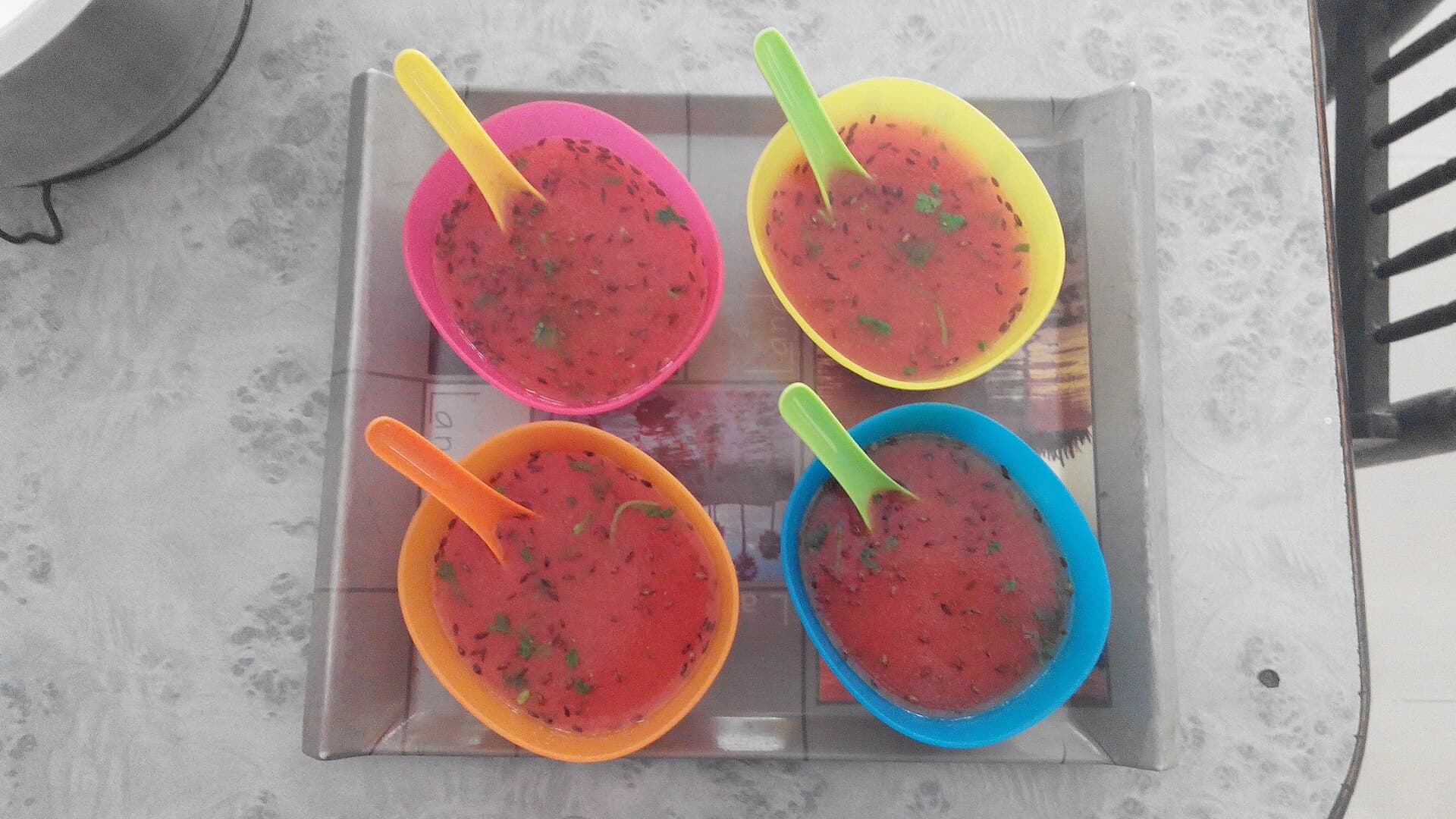
Gilded Age & Progressive Era
Tomato Soup is a smooth, creamy soup made from cooked tomatoes, popular as a comforting dish across the United States. Simple and versatile, it has been widely embraced in American home kitchens and cafeterias as a nourishing soup suitable for year-round enjoyment.
America's Melting Pot
Tortilla Wrap Hack photo coming soon
2010-2026
The Tortilla Wrap Hack is a modern, viral food hack that reinvents tortillas by layering and folding them into compact, flavorful wraps ideal for quick meals and food trucks. Emerging in the 2010s, this hack exemplifies American food truck innovation, viral internet sharing, and fusion food aesthetics popular in New American cuisine.
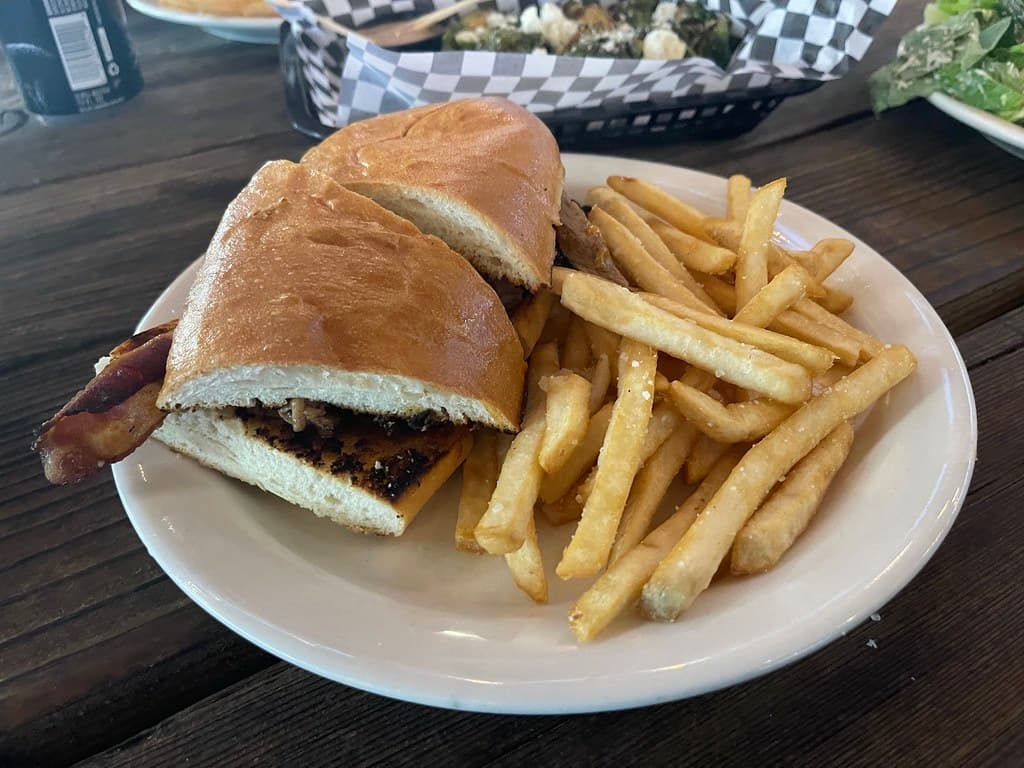
1946-1969
Tri-Tip Sandwiches feature flavorful grilled tri-tip beef served in sandwiches, popularized in contemporary food truck and farmers market cuisine across the United States. These sandwiches showcase local beef cuts and fusion flavors representative of recent American culinary trends emphasizing convenience and regional ingredients.
America's Melting Pot
Troop Ship Stew photo coming soon
1930-1945
Troop Ship Stew is a practical, hearty stew made from available ingredients to feed large groups during wartime deployments. Common in the U.S. military mess halls from the Great Depression through World War II, this stew reflects the resourceful, filling meals necessary for soldiers during challenging periods.
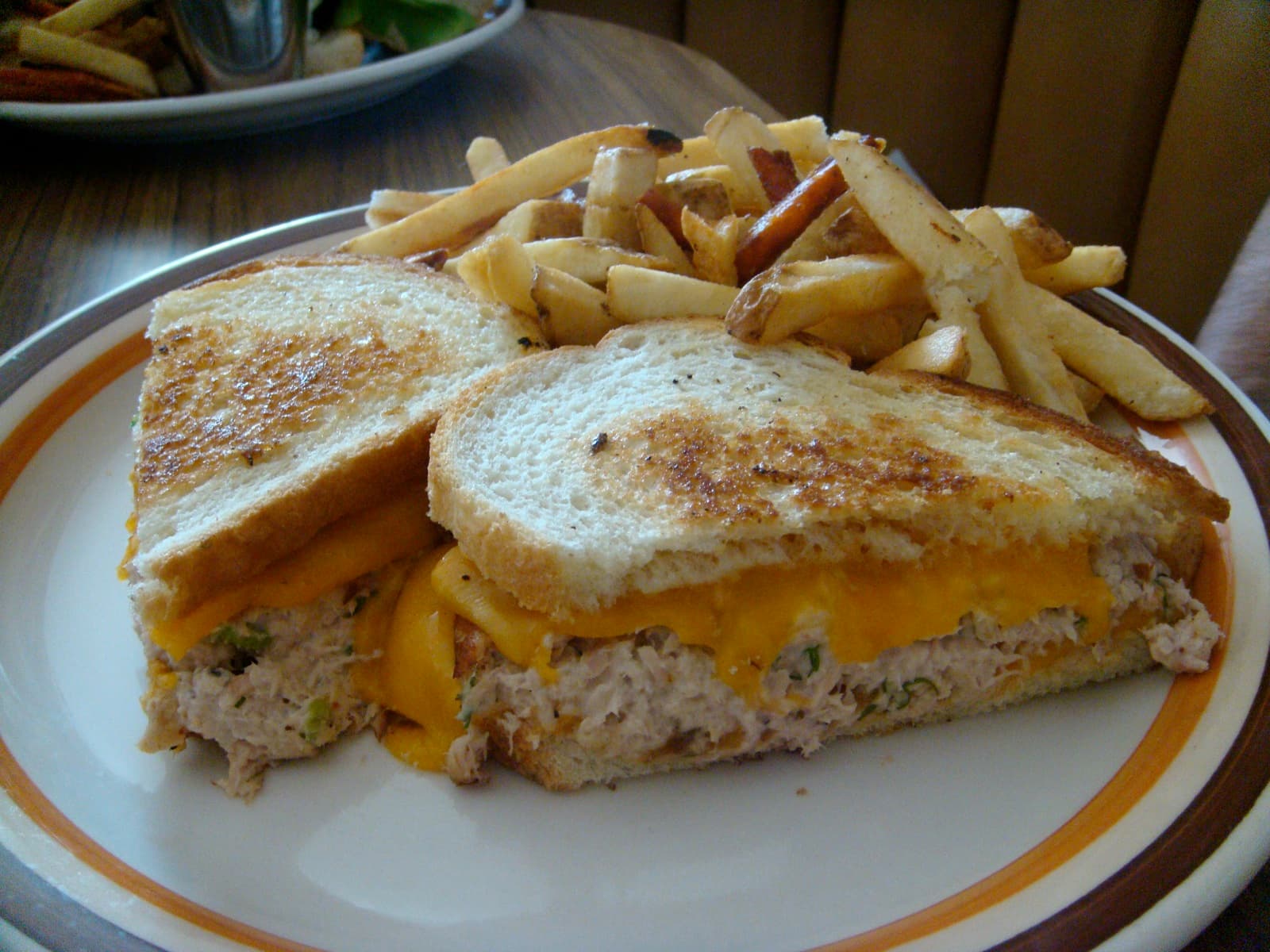
1946-1969
The tuna melt combines tuna salad and melted cheese between toasted bread slices, a staple at American diners and lunch counters in the early 20th century. Its warm, hearty appeal made it a popular comfort food across immigrant city neighborhoods and state fairs.
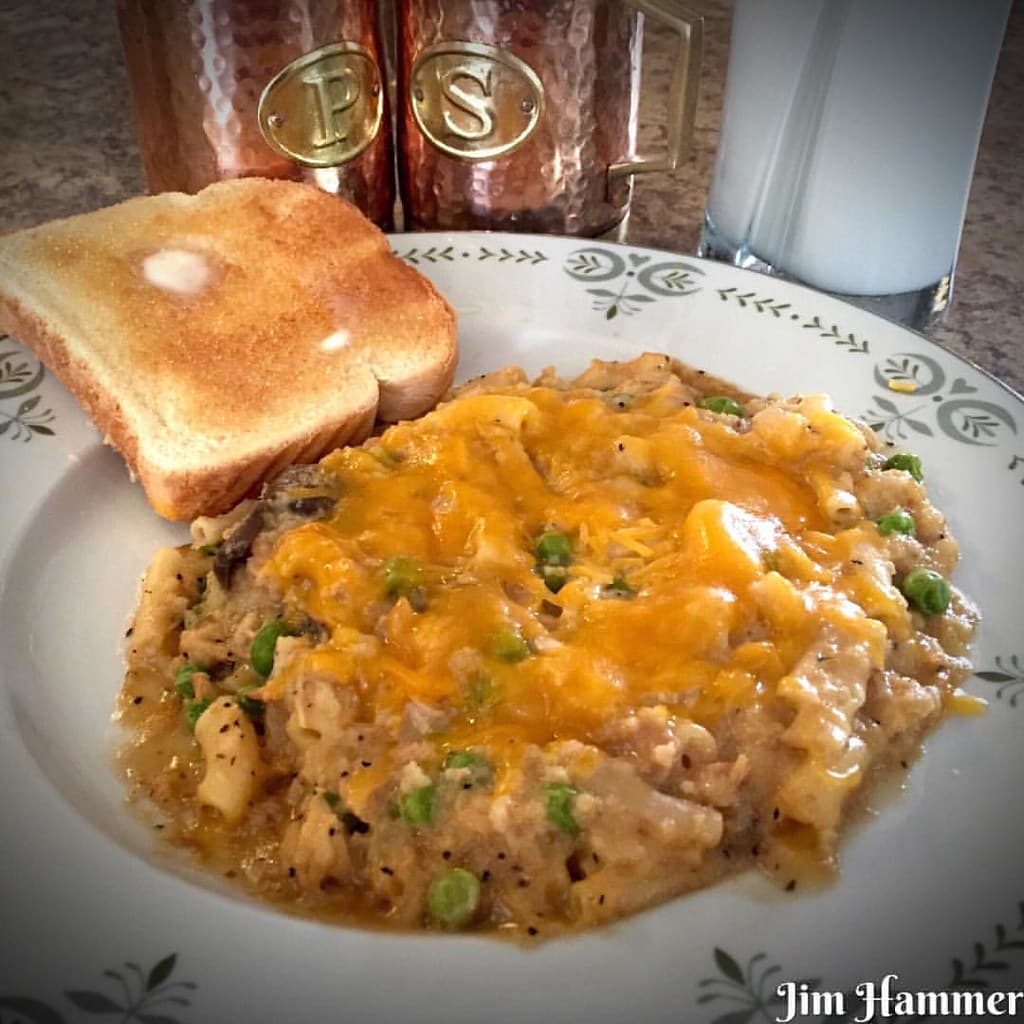
1930-1945
This tuna noodle casserole became a staple during the Great Depression and World War II, leveraging shelf-stable ingredients for affordable, nourishing meals. It reflects Midwestern home cooking traditions and the practicality of wartime and church dinner menus.
America's Melting Pot
Tuna Salad Dressing photo coming soon
1946-1969
Tuna Salad Dressing is a spread with real American table personality: Lunchbox America. It brings flavor from coast-to-coast American tables to cookouts, counters, lunch plates, potlucks, and weeknight suppers.
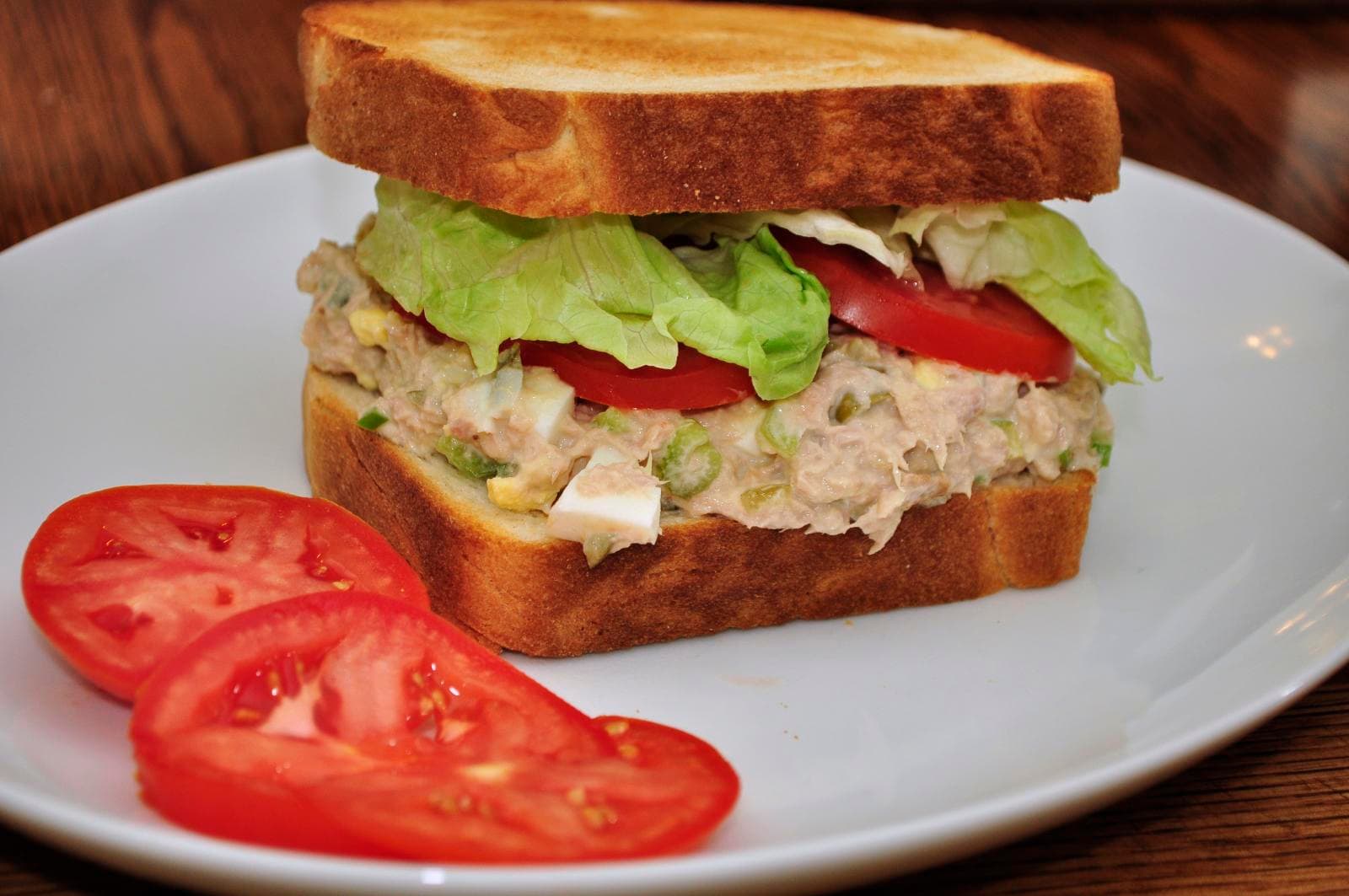
1946-1969
The tuna salad sandwich became a lunchbox staple in the postwar suburban era, combining easy-to-prepare canned tuna with mayonnaise and simple seasonings. It reflects the rise of convenience foods and the growing popularity of packed lunches for children and workers.
America's Melting Pot
Tuna-Stuffed Tomatoes photo coming soon
1946-1969
Tuna-stuffed tomatoes became a popular healthy dish in late 20th-century American cuisine, often featured on cooking shows and at casual gatherings. Fresh tomatoes filled with flavorful tuna salad combine lightness with protein-rich nutrition, suited to modern health-conscious menus.
America's Melting Pot
Turkey Burgers photo coming soon
1990-2009
Turkey burgers emerged as a leaner alternative to beef burgers in late 20th-century American kitchens, gaining popularity through cooking shows and suburban grill culture. These patties combine ground turkey with seasonings to create flavorful, lower-fat sandwiches suitable for contemporary health trends.
1990-2009
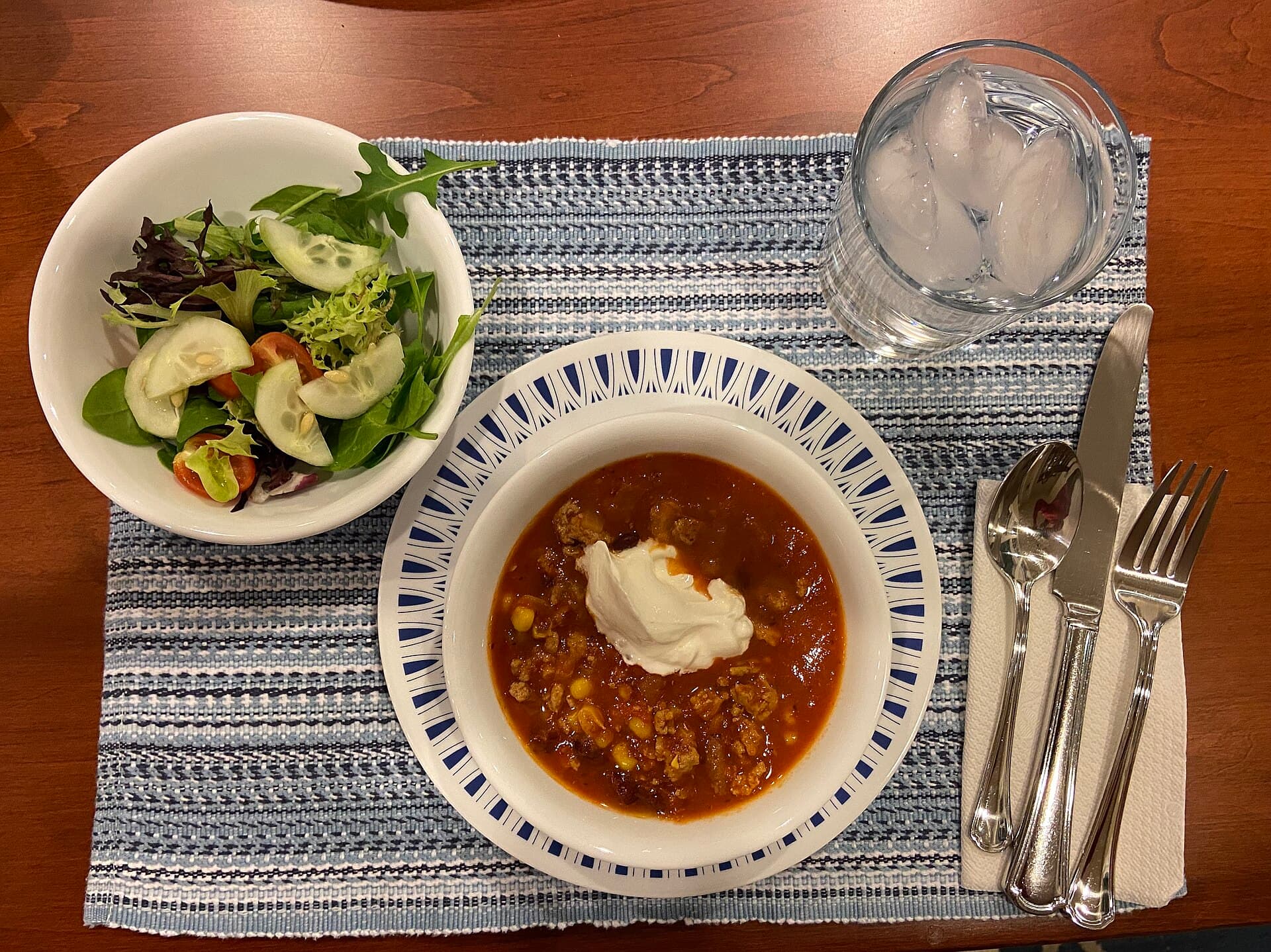
Turkey chili blends lean ground turkey with traditional Southwestern spices and chili peppers, reflecting Texan and Mexican-American culinary influences. Emerging in late 20th-century American kitchens, it offers a healthy, flavorful alternative to classic beef chili, embraced in homes, coffee shops, and during game day gatherings.
America's Melting Pot
Turkey Gravy over Mashed Potatoes photo coming soon
1900-1929
Turkey gravy over mashed potatoes is an American staple especially popular in school cafeterias and concession stands, pairing smooth mashed potatoes with savory gravy to create a comforting, familiar side dish. It represents a cross-generational favorite that supports hearty, affordable meals.
America's Melting Pot
Turtle Soup photo coming soon
1776-1800
Turtle soup was a prized and elegant dish in colonial and early United States dinners, especially around the Revolutionary period. Using snapping turtle meat, it was considered both a delicacy and sustenance, reflecting early American culinary practices and resource utilization.
America's Melting Pot
Union Camp Stew photo coming soon
1930-1945
Union camp stew was a practical, filling dish served to soldiers during the American Civil War, utilizing available meats, vegetables, and staples to sustain troops. It reflects the resourcefulness and necessity of military cooking under challenging conditions.
America's Melting Pot
Veggie Burgers photo coming soon
1990-2009
Veggie burgers gained mainstream popularity in the 1990s and early 2000s as part of the health food movement, offering a plant-based alternative to traditional breakfast and lunch fare. Comprising beans, grains, and vegetables, these burgers cater to vegetarians and those seeking meat alternatives in American diets.
America's Melting Pot
Venison Backstrap photo coming soon
1776-1800
Venison backstrap is a tender cut from deer favored in hunting and cabin cooking across early and modern American outdoors traditions. Grilled or pan-seared to highlight its lean flavor, it represents a direct connection to locally sourced wild game cuisine.
1861-1900
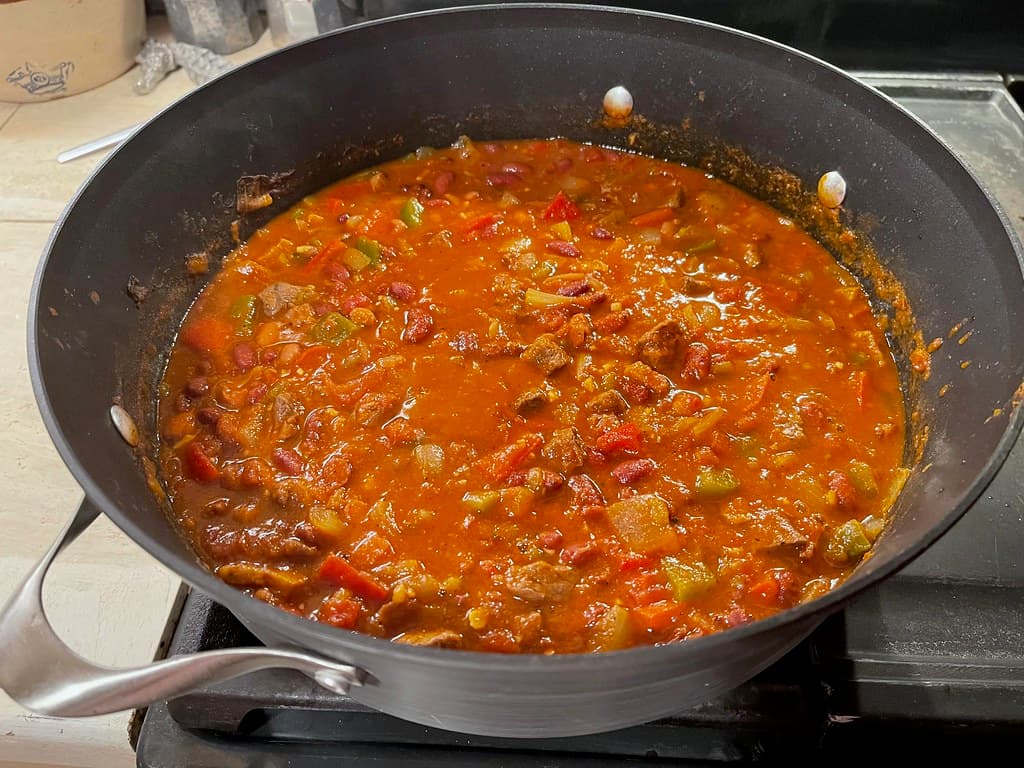
A robust chili featuring tender venison, beans, and Southwestern spices. This recipe reflects the melding of Mexican-American influences and Texas-style chili adapted for game meat, common in hunting camps and cabins where venison is plentiful.
America's Melting Pot
Venison Roast photo coming soon
1776-1800
A simple yet flavorful roast venison main dish reflecting early American culinary practices. Venison was a valued game meat during the Revolutionary era, often roasted with herbs and root vegetables.
America's Melting Pot
Venison Stew photo coming soon
1776-1800
A comforting stew featuring venison and root vegetables slowly simmered to tender perfection. Stewing was a common method in early America to maximize flavor and stretch limited game meat supplies.
America's Melting Pot
Victory Garden Soup photo coming soon
1930-1945
A nourishing vegetable soup made from a mix of garden vegetables typical of American Victory Gardens during World War II. This soup reflects the era's emphasis on homegrown, economical, and nutrient-rich foods.
America's Melting Pot
Vidalia Onion Relish photo coming soon
Cross-era
Vidalia Onion Relish is a relish with real American table personality: Georgia/Southern sweet onion condiment. It brings flavor from the American South to cookouts, counters, lunch plates, potlucks, and weeknight suppers.
America's Melting Pot
Viral Cottage Cheese Flatbread photo coming soon
Modern Melting Pot
Blended cottage cheese and eggs bake into a flexible, protein-rich flatbread used for wraps, sandwiches, and low-carb pizza bases.
1946-1969
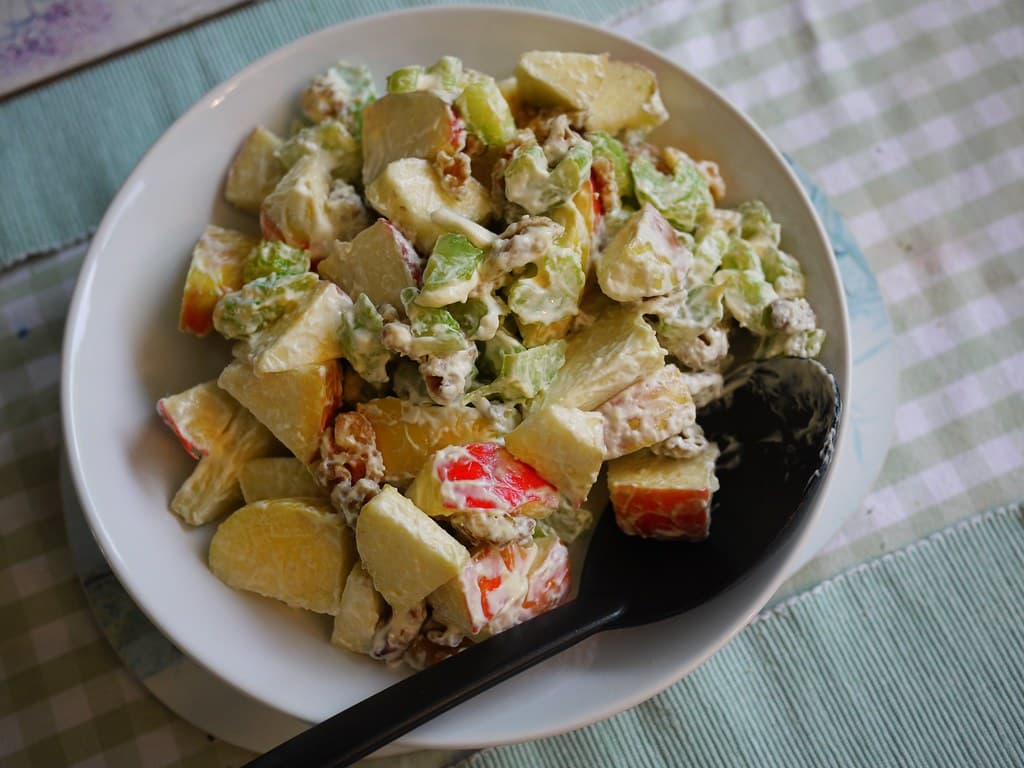
A fresh side dish combining crisp apples, celery, walnuts, and mayonnaise dressing. Originating in the early 20th century, Waldorf Salad became popular during the postwar prosperity era as a simple yet elegant accompaniment.
America's Melting Pot
Waldorf Salad Dressing photo coming soon
Cross-era
Waldorf Salad Dressing is a spread with real American table personality: New York hotel-origin mayonnaise fruit salad culture. It brings flavor from coast-to-coast American tables to cookouts, counters, lunch plates, potlucks, and weeknight suppers.
America's Melting Pot
Walking Banana Split photo coming soon
1946-1969
A handheld version of the classic banana split ice cream dessert, designed for easy eating at schools and concession stands. This treat reflects American dessert innovation for convenience and fun.
America's Melting Pot
Walleye Fry photo coming soon
1900-1929
Walleye Fry is a beloved dish in American fishing and hunting camps featuring tender walleye fish fillets lightly breaded and pan-fried to golden crispness. It represents outdoor and cabin dining traditions centered around locally caught fish.
America's Melting Pot
Watergate Salad Base photo coming soon
1970-1989
Watergate Salad Base is a spread with real American table personality: Pistachio pudding, whipped topping, pineapple, marshmallows. It brings flavor from coast-to-coast American tables to cookouts, counters, lunch plates, potlucks, and weeknight suppers.
America's Melting Pot
Watermelon Rind Pickles photo coming soon
Cross-era
Watermelon Rind Pickles is a relish with real American table personality: Southern and farm no-waste preserving. It brings flavor from the American South to cookouts, counters, lunch plates, potlucks, and weeknight suppers.
America's Melting Pot
Watermelon Rind Preserves photo coming soon
Cross-era
Watermelon Rind Preserves is a preserve with real American table personality: Southern no-waste preserving. It brings flavor from the American South to cookouts, counters, lunch plates, potlucks, and weeknight suppers.
Gilded Age & Progressive Era
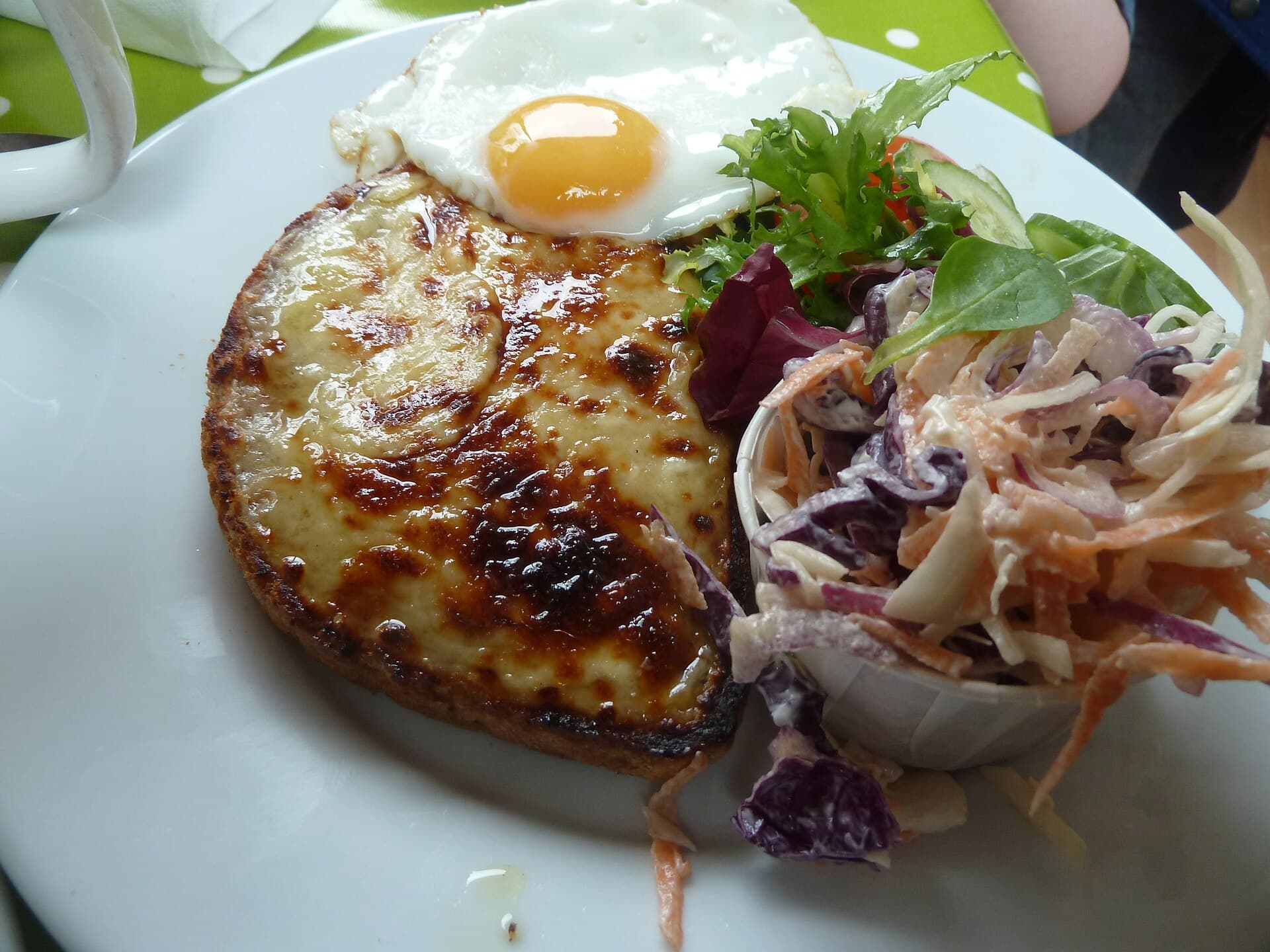
Welsh Rarebit is a rich, cheesy sauce served over toasted bread, popularized in Depression and wartime kitchens as an affordable, hearty meal. Using simple pantry staples, this dish offers comforting warmth and protein, reflecting resource usage during times of scarcity.
America's Melting Pot
Western Dressing photo coming soon
1946-1969
Western Dressing is a dressing with real American table personality: Sweet red dressing associated with bottled grocery-store America. It brings flavor from coast-to-coast American tables to cookouts, counters, lunch plates, potlucks, and weeknight suppers.
America's Melting Pot
Wet Walnuts photo coming soon
1946-1969
Wet Walnuts is a sweet sauce with real American table personality: Old-school ice cream parlor topping. It brings flavor from coast-to-coast American tables to cookouts, counters, lunch plates, potlucks, and weeknight suppers.
America's Melting Pot
White BBQ Burger Sauce photo coming soon
Cross-era
White BBQ Burger Sauce is a sandwich sauce with real American table personality: Alabama white sauce adapted to burgers and sandwiches. It brings flavor from the American South to cookouts, counters, lunch plates, potlucks, and weeknight suppers.
America's Melting Pot
Whole Berry Cranberry Sauce photo coming soon
Founding Era
Whole Berry Cranberry Sauce is a preserve with real American table personality: New England and Thanksgiving classic. It brings flavor from New England to cookouts, counters, lunch plates, potlucks, and weeknight suppers.
America's Melting Pot
Wild Blueberry Jam photo coming soon
Cross-era
Wild Blueberry Jam is a preserve with real American table personality: Maine and northern berry culture. It brings flavor from New England to cookouts, counters, lunch plates, potlucks, and weeknight suppers.
America's Melting Pot
Wild Plum Jelly photo coming soon
1800-1860
Wild Plum Jelly is a preserve with real American table personality: Prairie and farmstead preserving. It brings flavor from coast-to-coast American tables to cookouts, counters, lunch plates, potlucks, and weeknight suppers.
America's Melting Pot
Wild Rice Soup photo coming soon
1800-1860
Wild Rice Soup is a creamy, savory dish featuring indigenous wild rice combined with vegetables and broth, popular in the American Midwest since the early 19th century. It reflects Native American foodways adapted into settler cooking traditions with regional ingredients.

1900-1929
Wonton Soup is a light broth-based soup featuring seasoned minced pork or shrimp-filled wonton dumplings, introduced to American diners in the early 20th century by Chinese immigrants. It became a popular comfort food at diners, lunch counters, and fairs, blending Chinese culinary traditions with American tastes.
America's Melting Pot
Yellow Mustard Ballpark Sauce photo coming soon
Cross-era
Yellow Mustard Ballpark Sauce is a sandwich sauce with real American table personality: Hot dogs, pretzels, burgers, and baseball. It brings flavor from coast-to-coast American tables to cookouts, counters, lunch plates, potlucks, and weeknight suppers.
Community recipe submission
Log in to submit a recipe, format it with the cooking companion, and send it for review.
Log in to Submit