
Loading
Setting the table...
Fetching the latest recipes from the archive.
Loading
Fetching the latest recipes from the archive.
Recipe archive
Recipe archive
Search the archive by title, region, ingredient, tag, or era, then sort the table by the view that fits your kitchen.
This archive is growing through recipes, photos, family recipes, and historical context shared by the community.
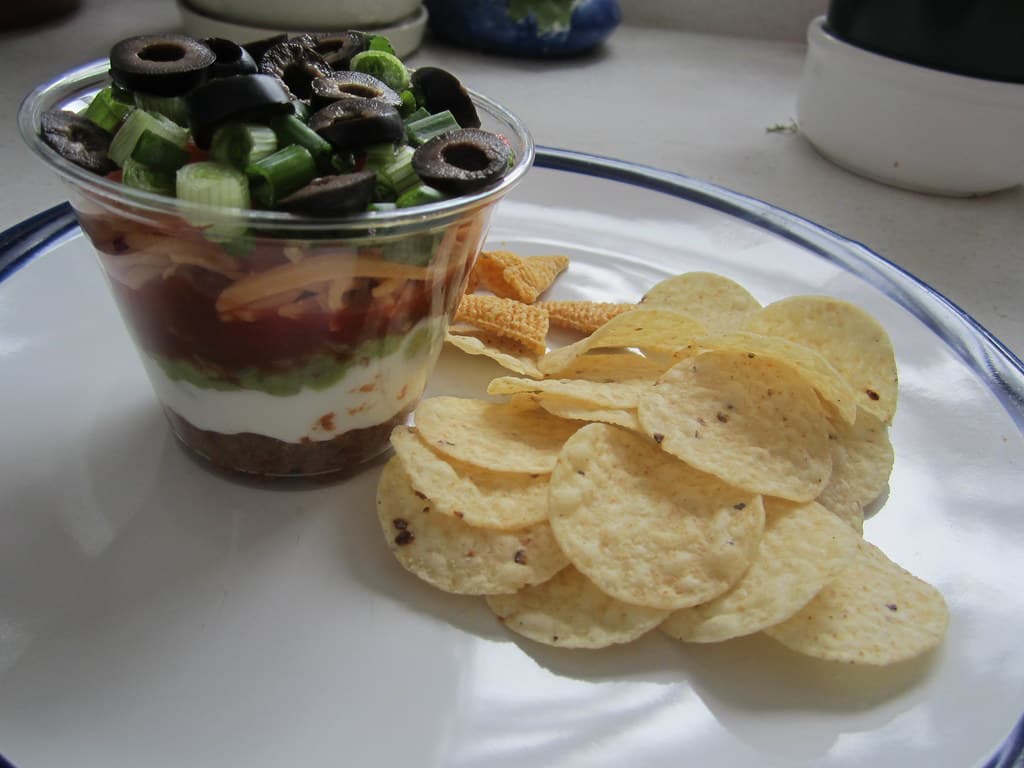
Cross-era
7-Layer Dip is a party dip with real American table personality: Tex-Mex party dish. It brings flavor from Texas and the Southwest to cookouts, counters, lunch plates, potlucks, and weeknight suppers.
America's Melting Pot
Alabama White Sauce Chicken photo coming soon
1920s-present
Grilled or smoked chicken served with Alabama white barbecue sauce, a mayonnaise-and-vinegar sauce associated with Big Bob Gibson Bar-B-Q in Decatur.
America's Melting Pot
Almond Chicken photo coming soon
1900s-present
Crisp boneless chicken served over lettuce with brown gravy, scallions, and toasted almonds.
America's Melting Pot
Ambrosia photo coming soon
Late 1800s-present
A simple old-fashioned ambrosia of oranges, pineapple, coconut, and a little sugar, chilled until juicy.
America's Melting Pot
Ambrosia Dressing photo coming soon
Postwar & Diner Age
Ambrosia Dressing is a spread with real American table personality: Southern/midcentury fruit salad dressing. It brings flavor from the American South to cookouts, counters, lunch plates, potlucks, and weeknight suppers.
America's Melting Pot
American Cocktail Sauce photo coming soon
Cross-era
American Cocktail Sauce is a seafood sauce with real American table personality: Ketchup/chili sauce plus horseradish; shrimp cocktail, oysters, crab claws. It brings flavor from Texas and the Southwest to cookouts, counters, lunch plates, potlucks, and weeknight suppers.
America's Melting Pot
American French Dressing photo coming soon
1900-1929
American French Dressing is a dressing with real American table personality: The bright orange-red, sweet, tomatoey bottled dressing Americans call "French." Not very French, very American. It brings flavor from coast-to-coast American tables to cookouts, counters, lunch plates, potlucks, and weeknight suppers.
America's Melting Pot
Animal-Style Spread photo coming soon
Cross-era
Animal-Style Spread is a sandwich sauce with real American table personality: California drive-in burger culture. It brings flavor from California, Hawaii, and the West Coast to cookouts, counters, lunch plates, potlucks, and weeknight suppers.
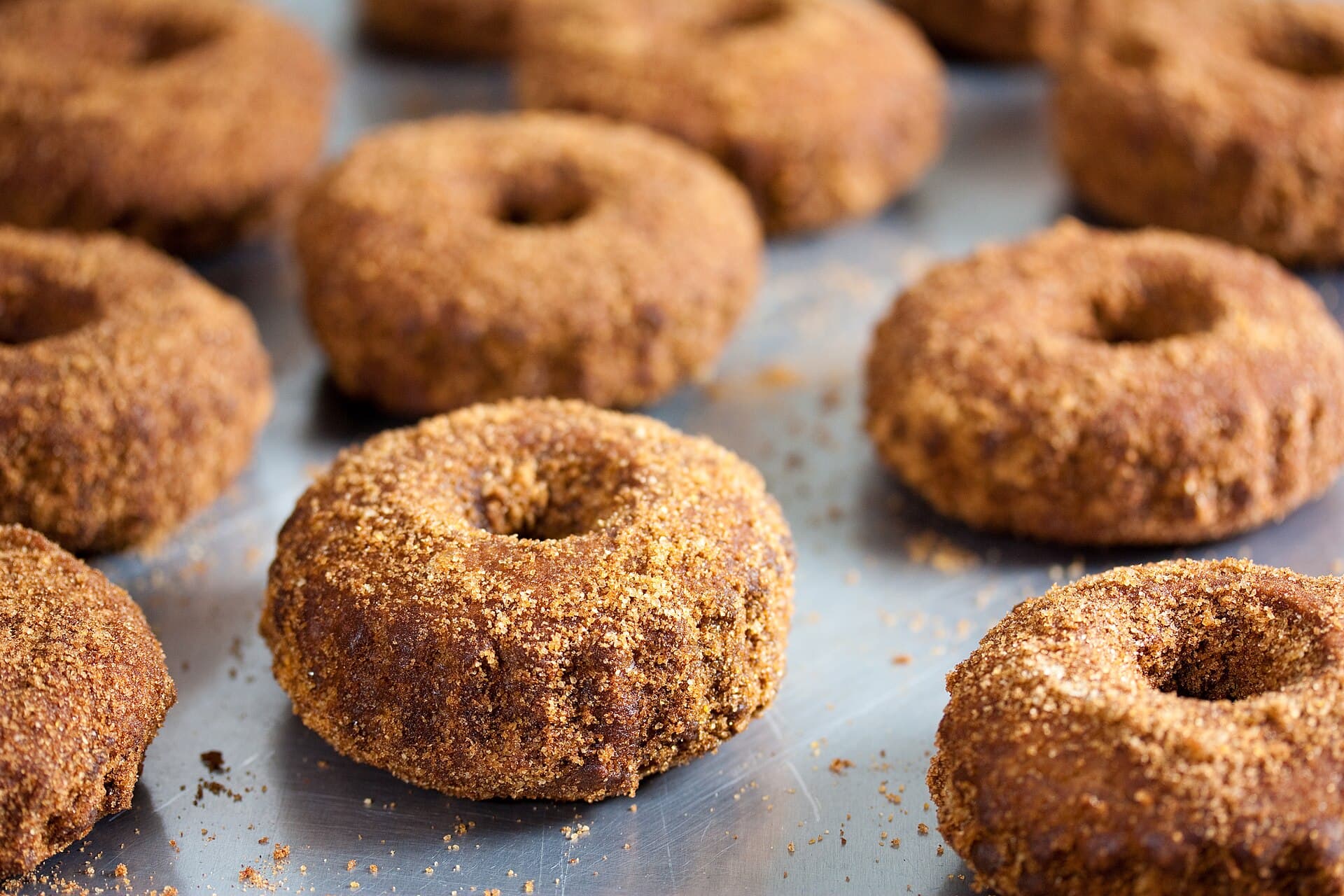
1900s-present
Cake doughnuts flavored with reduced apple cider and rolled in cinnamon sugar.
America's Melting Pot
Apple Cider Milkshake photo coming soon
Cross-era
Apple Cider Milkshake salutes regional fruit country and the American dairy-stand tradition: Orchard country.
America's Melting Pot
Apple Cider Syrup photo coming soon
Cross-era
Apple Cider Syrup is a sweet sauce with real American table personality: Orchard-country reduction sauce. It brings flavor from coast-to-coast American tables to cookouts, counters, lunch plates, potlucks, and weeknight suppers.
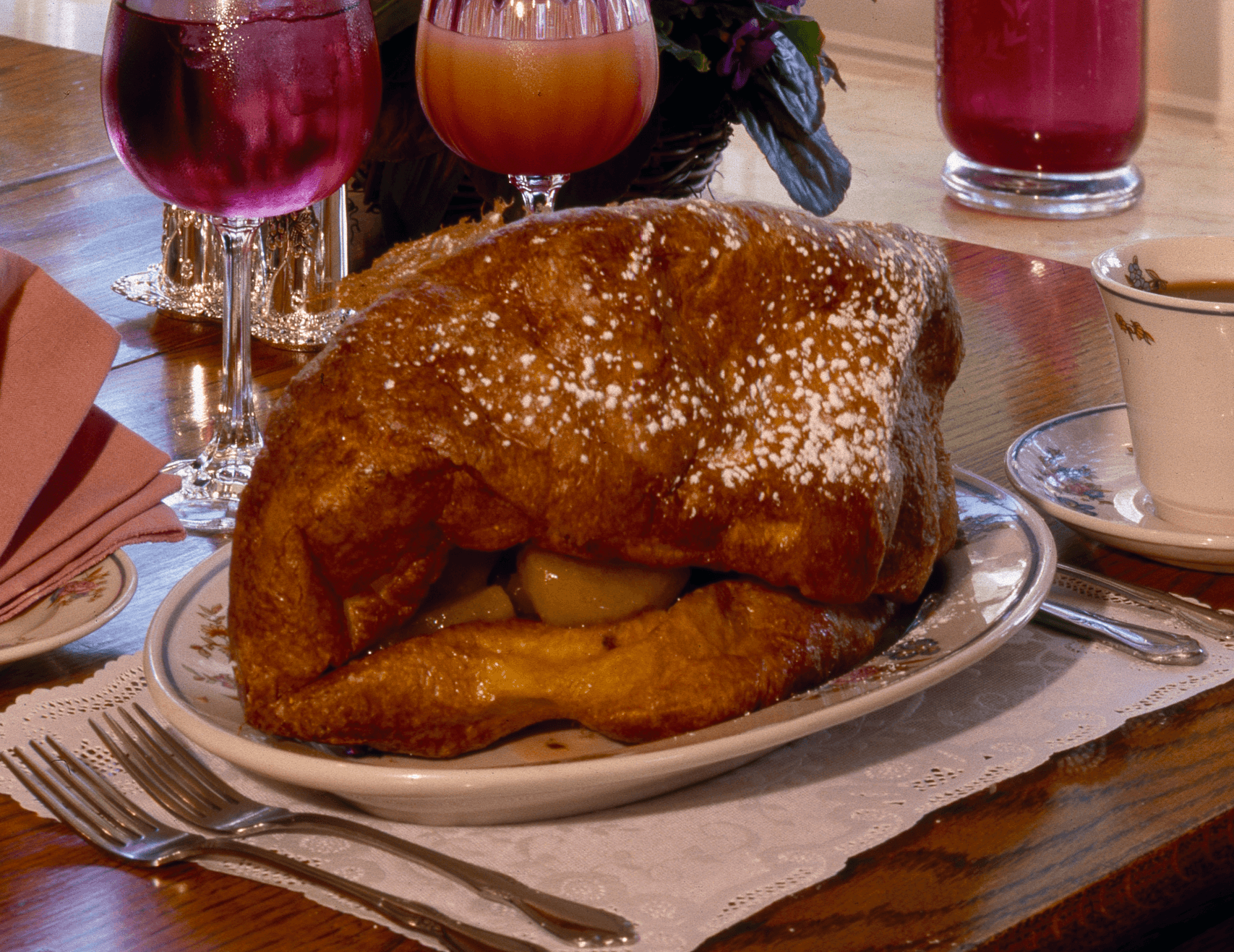
1900s-present
A German-American Dutch baby-style pancake baked over cinnamon apples in a hot skillet.
America's Melting Pot
Apple Pie Shake photo coming soon
1900-1929
Apple Pie Shake brings drive-in, carhop, and fast-food dessert-counter energy to the table: Diner pie a la mode in a cup.
America's Melting Pot
Army Chili photo coming soon
1930-1945
A practical ground-beef chili with beans, tomatoes, onion, chili powder, cumin, and paprika, adapted from Armed Forces chili con carne formulas for a family pot.
America's Melting Pot
Artichoke Dip photo coming soon
Cross-era
Artichoke Dip is a party dip with real American table personality: California-to-suburban-party-table classic. It brings flavor from California, Hawaii, and the West Coast to cookouts, counters, lunch plates, potlucks, and weeknight suppers.
America's Melting Pot
Au Jus photo coming soon
Gilded Age & Progressive Era
Au Jus is a sandwich sauce with real American table personality: French name, but American diner/roadhouse French dip culture. It brings flavor from coast-to-coast American tables to cookouts, counters, lunch plates, potlucks, and weeknight suppers.
America's Melting Pot
Avgolemono Soup photo coming soon
1900-1929
A silky Greek-American chicken, rice, egg, and lemon soup made by tempering eggs into hot broth for a creamy dairy-free finish.
America's Melting Pot
Awful Awful photo coming soon
Postwar & Diner Age
Awful Awful celebrates New England dairy-bar pride in a cold glass: Rhode Island/New England ice milk shake tradition.
America's Melting Pot
Bacon Maple Shake photo coming soon
1900-1929
Bacon Maple Shake brings drive-in, carhop, and fast-food dessert-counter energy to the table: 2010s novelty diner/chain flavor.
America's Melting Pot
Bagel and Lox photo coming soon
1900-1929
A toasted bagel layered with cream cheese, lox, red onion, capers, tomato, and dill in the New York appetizing-shop tradition.
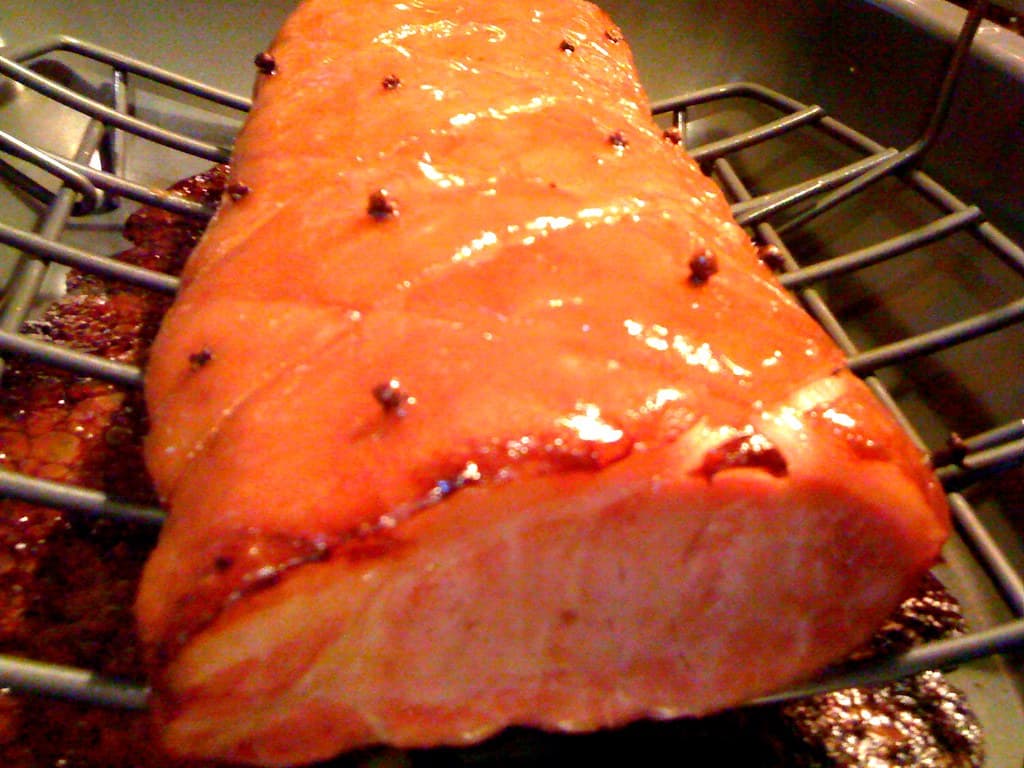
1900s-present
A Christmas and Easter baked ham glazed with brown sugar, mustard, cider vinegar, and cloves, baked until glossy and sliceable.
America's Melting Pot
Baked Whale with Red Wine Marinade photo coming soon
1900-1929
Modern historical recipe writers have preserved baked whale methods that marinate the meat with oil, red wine, garlic, and onion before slow baking.
1900s-present
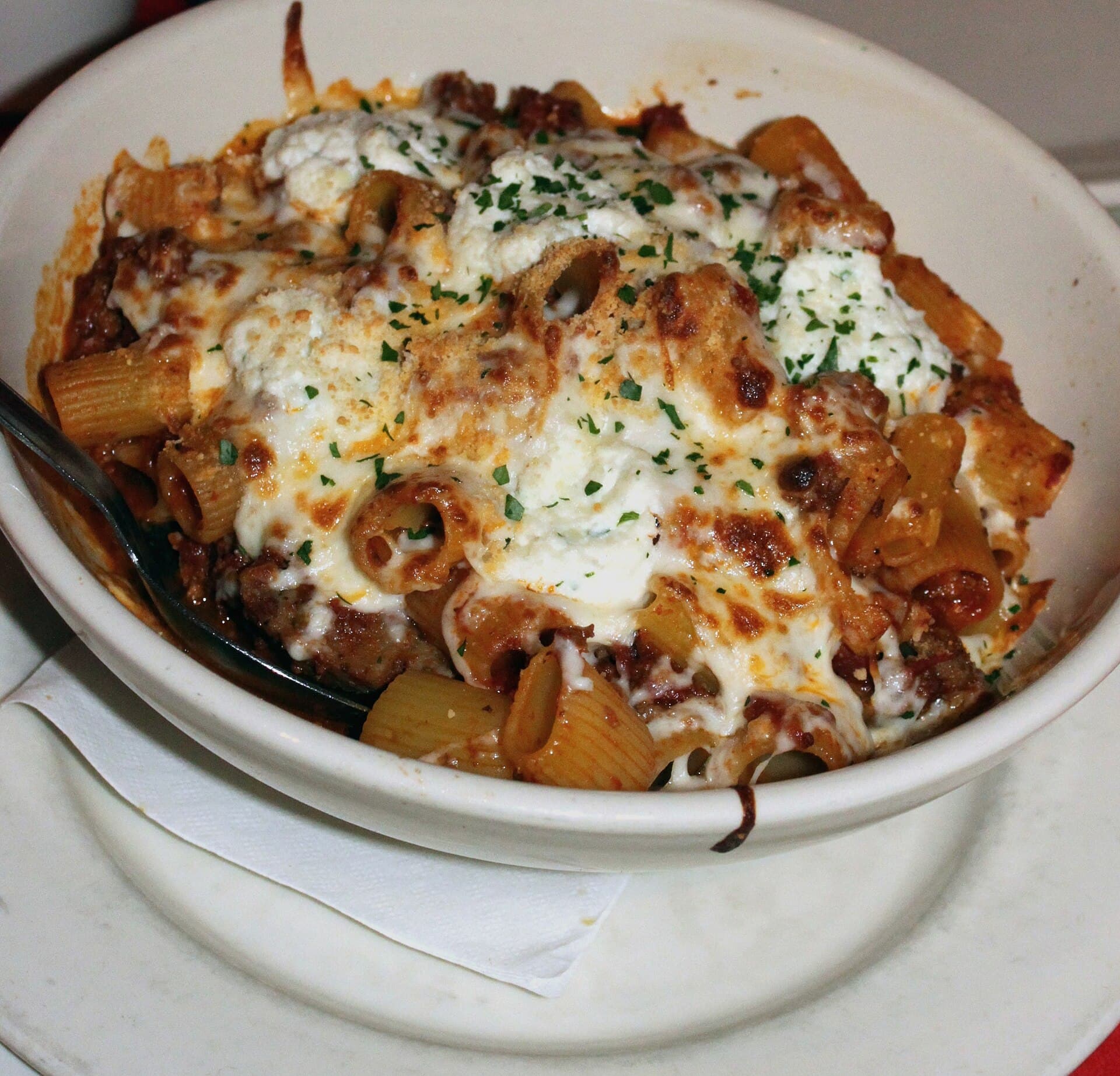
A crowd-friendly baked ziti casserole layered with marinara, ricotta, mozzarella, Parmesan, and optional Italian sausage.
1900s-present
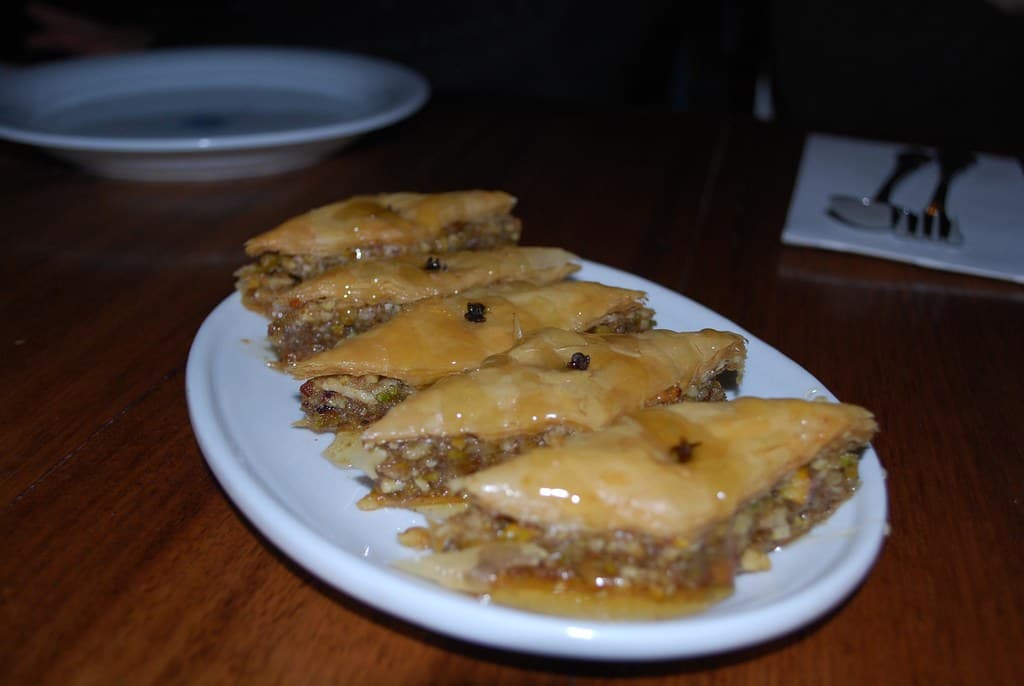
A Greek American-style baklava made with buttered phyllo, walnuts and pistachios, cinnamon, honey syrup, and lemon.
1930s-present
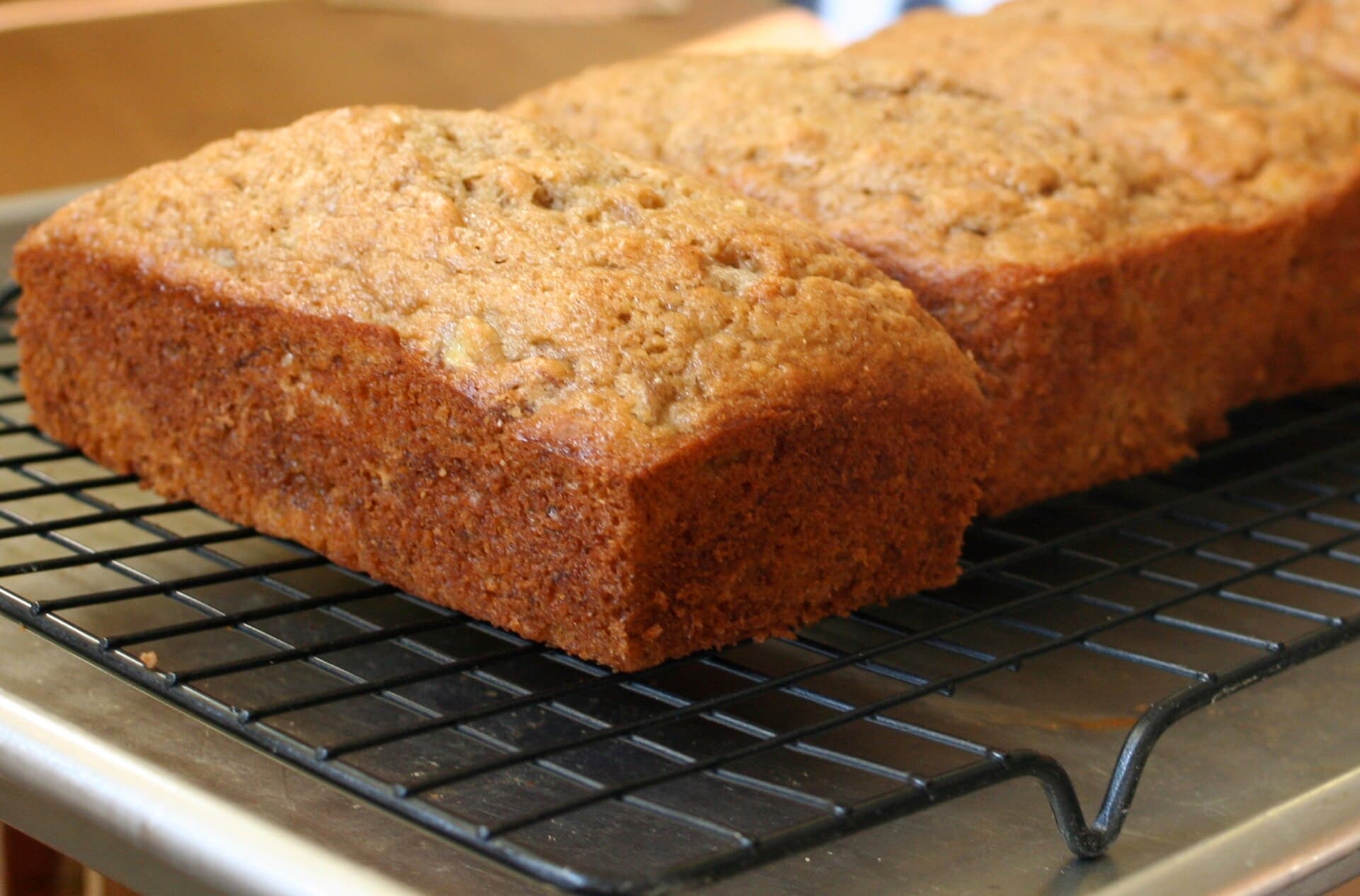
A classic banana bread made with mashed ripe bananas, butter, brown sugar, eggs, flour, baking soda, and optional walnuts.
America's Melting Pot
Banana Cream Pie Shake photo coming soon
1900-1929
Banana Cream Pie Shake brings drive-in, carhop, and fast-food dessert-counter energy to the table: Diner dessert shake.
America's Melting Pot
Banana Licuado photo coming soon
Cross-era
Banana Licuado salutes regional fruit country and the American dairy-stand tradition: Mexican-American breakfast drink.
America's Melting Pot
Banana Malt photo coming soon
1900-1929
Banana Malt pours old-school malt-shop cheer into a cold glass: Classic soda fountain variation.
1880s-present
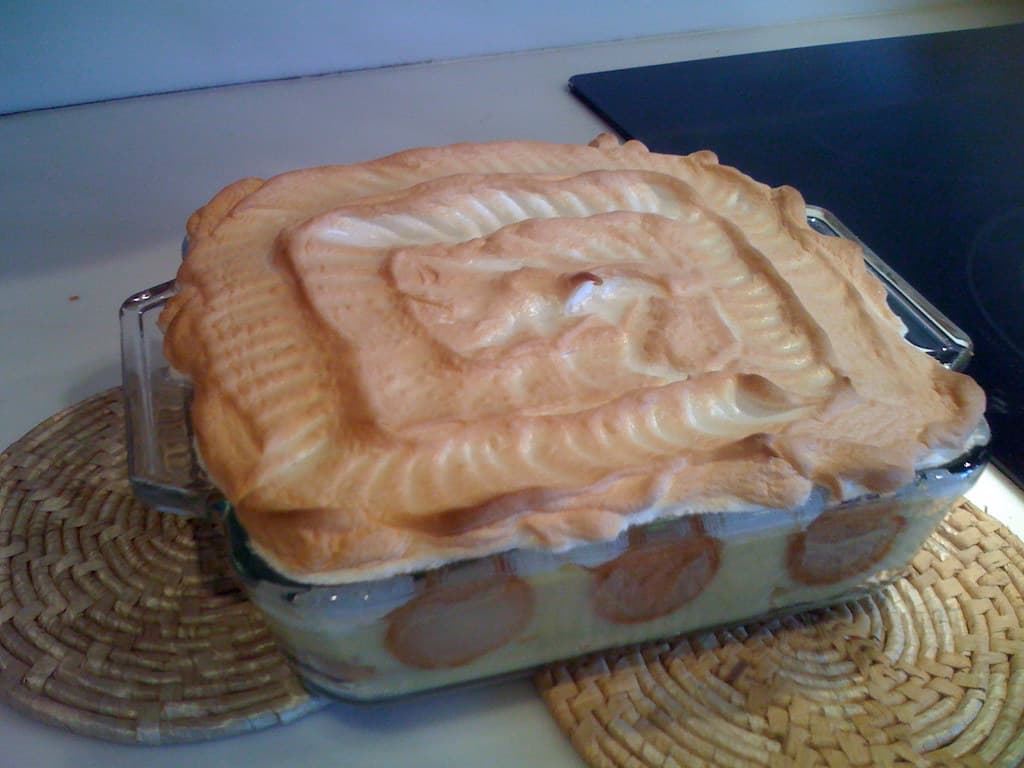
A classic Southern banana pudding layered with vanilla custard, ripe bananas, vanilla wafers, and whipped cream or meringue.
America's Melting Pot
Banana Pudding Ancestor photo coming soon
1880s-1920s
A late-19th-century style banana pudding ancestor layered with custard, sliced bananas, and ladyfingers or sponge cake.
America's Melting Pot
Banana Shake photo coming soon
1900-1929
Banana Shake pours old-school malt-shop cheer into a cold glass: Classic soda fountain flavor.
America's Melting Pot
Banana Split photo coming soon
1900s-present
A classic American banana split made with vanilla, chocolate, and strawberry ice cream, three sauces, whipped cream, nuts, and cherries.
America's Melting Pot
Banana Split Shake photo coming soon
1900-1929
Banana Split Shake pours old-school malt-shop cheer into a cold glass: Inspired by the banana split sundae.
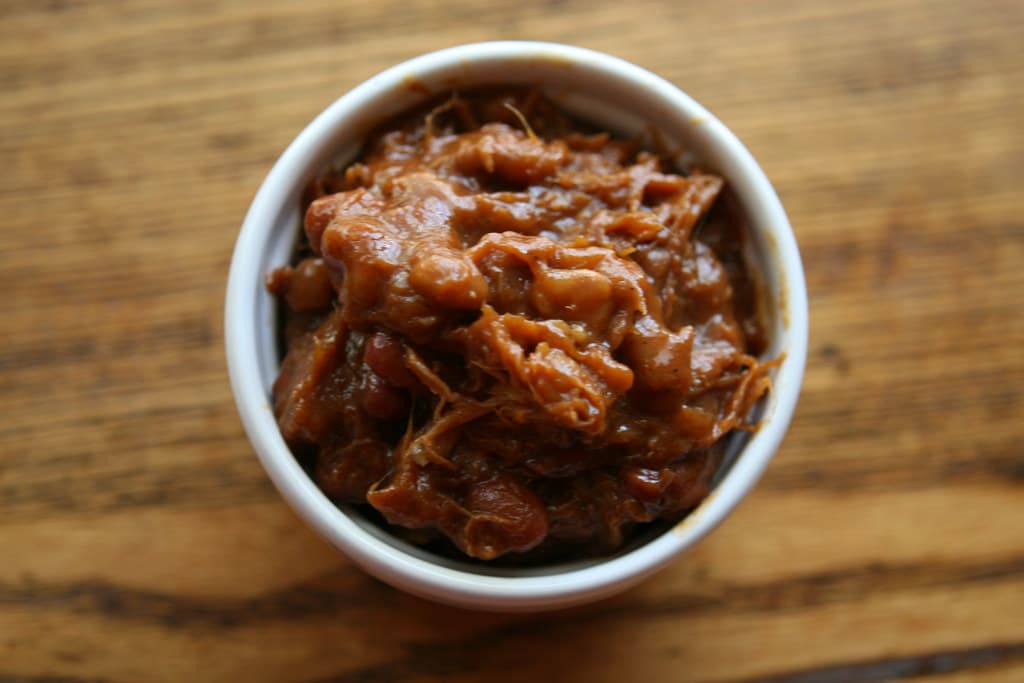
1900s-present
A barbecue side dish of beans baked with bacon, onion, molasses, tomato, brown sugar, mustard, and barbecue sauce until thick and smoky.
America's Melting Pot
BBQ Pulled Pork Sandwich photo coming soon
1920s-present
The pulled pork sandwich carries Southern barbecue into a portable form. Pork shoulder is cooked low and slow until it can be pulled apart, then served chopped or shredded on a bun. In Memphis and the Carolinas, slaw on the sandwich is part of the experience; elsewhere the sauce and smoke take the lead.
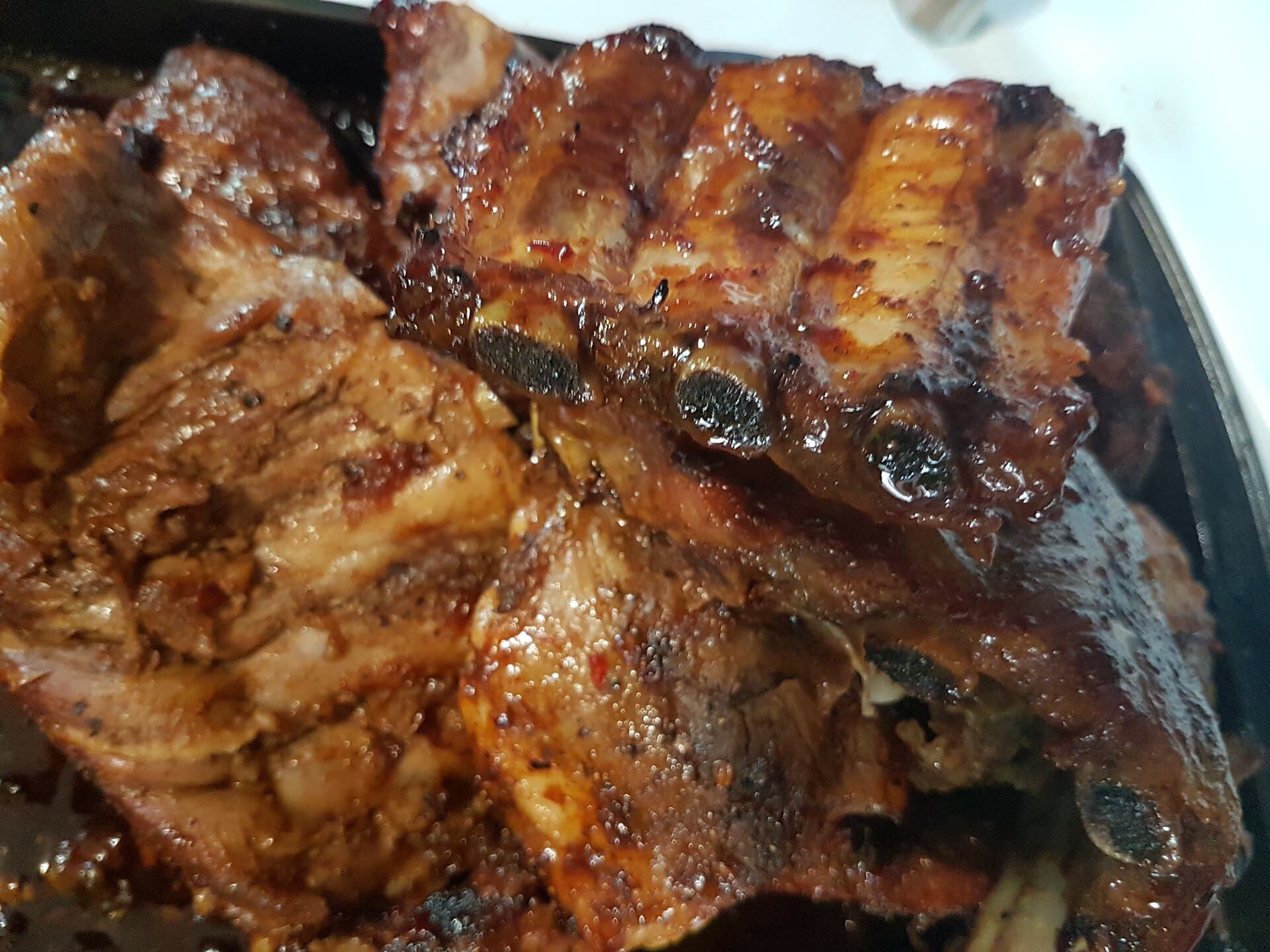
1920s-present
Modern barbecued ribs are newer than their old-fashioned reputation suggests. They rose with commercial meatpacking, refrigeration, barbecue stands, and postwar backyard grilling. Today ribs are a holiday and cookout centerpiece, especially when cooked gently and sauced near the end so the glaze sets instead of scorches.
America's Melting Pot
Beer Cheese Dip photo coming soon
1930s-present
Kentucky beer cheese is a Central Kentucky bar snack with a loyal regional following. The usual story traces it to chef Joe Allman in the 1930s, where salty, spicy cheese spread helped sell another round of beer.
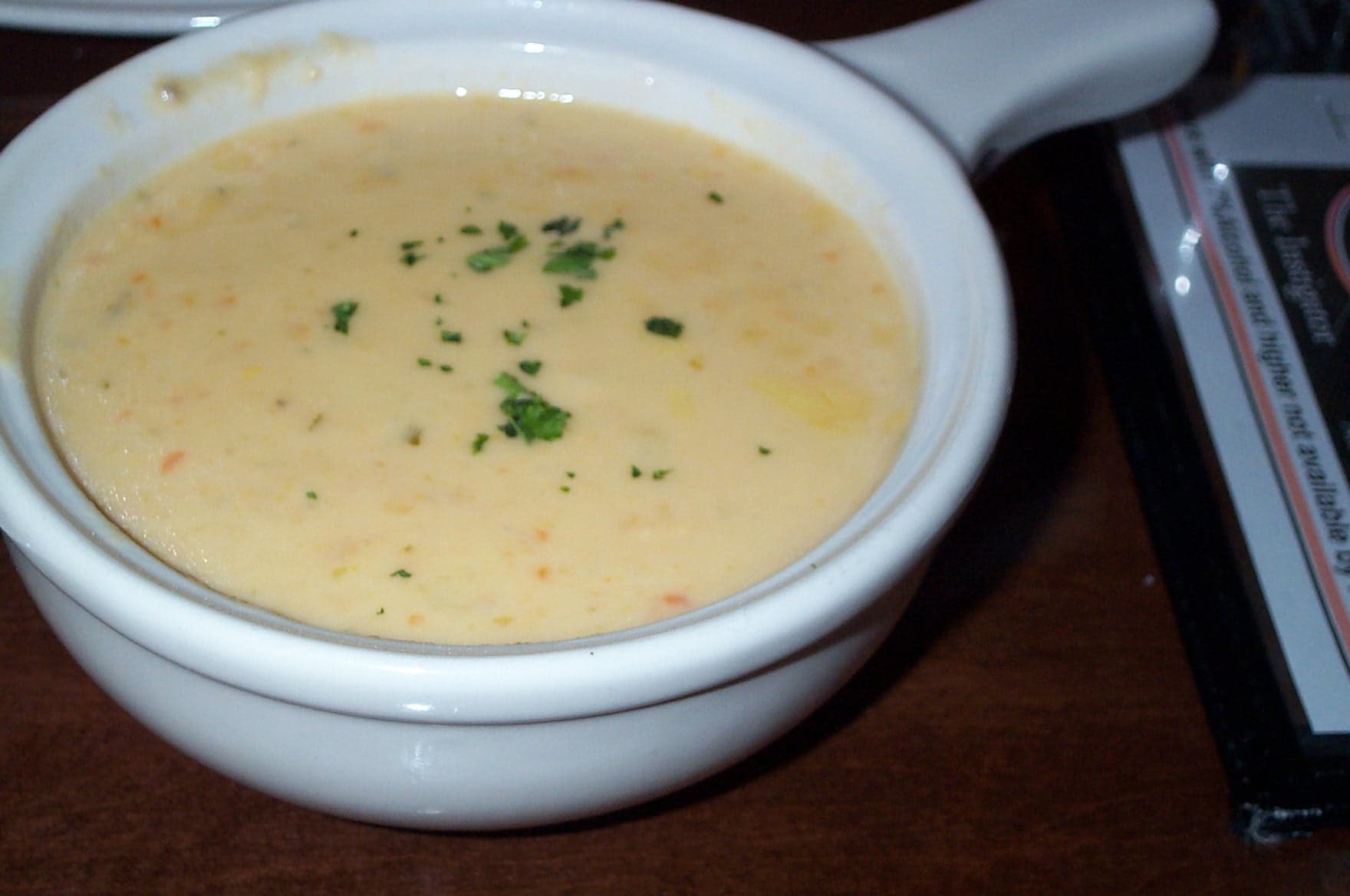
1900s-present
Beer cheese soup is a Wisconsin-style comfort dish where dairy country meets brewing culture. It echoes European beer soups but becomes distinctly Midwestern with cheddar, lager, supper-club richness, and sometimes popcorn or pretzels on top.
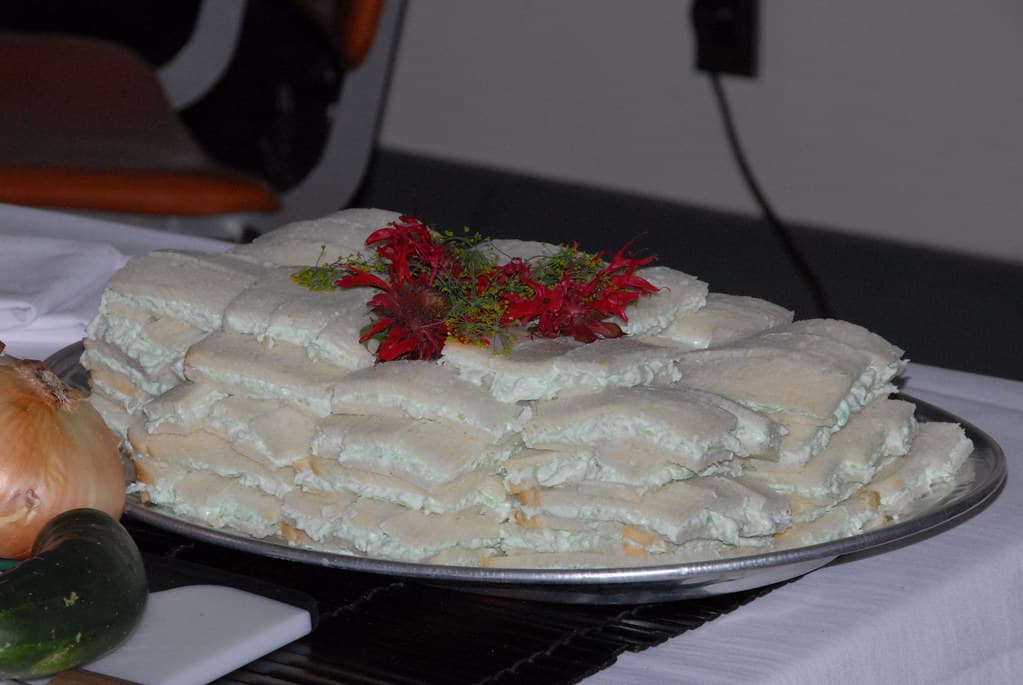
Cross-era
Benedictine is a spread with real American table personality: Louisville cucumber spread. It brings flavor from Appalachia and Pennsylvania Dutch country to cookouts, counters, lunch plates, potlucks, and weeknight suppers.
America's Melting Pot
Benedictine Spread photo coming soon
Cross-era
Benedictine Spread is a party dip with real American table personality: Kentucky cucumber-cream cheese spread, especially associated with Louisville. It brings flavor from Appalachia and Pennsylvania Dutch country to cookouts, counters, lunch plates, potlucks, and weeknight suppers.
America's Melting Pot
Berry Julius photo coming soon
Postwar & Diner Age
Berry Julius carries the bright, frothy spirit of American mall counters: Shopping mall smoothie crossover.
America's Melting Pot
Bialys photo coming soon
Late 1800s-present
Bialys are not bagels without holes. They are their own Ashkenazi bread: baked rather than boiled, dimpled in the center, and traditionally filled with onion and sometimes poppy seeds. Polish Jewish immigrants brought them to New York, where bakeries kept the tradition alive.
America's Melting Pot
Bierocks photo coming soon
1870s-present
Bierocks traveled with Volga German communities into Kansas, Nebraska, and the Great Plains. They are field food and comfort food at once: portable bread pockets filled with seasoned beef and cabbage, closely related to Nebraska runzas.
America's Melting Pot
Birch Beer Float photo coming soon
Gilded Age & Progressive Era
Birch Beer Float is fizzy Americana from the soda-fountain counter: Pennsylvania/Mid-Atlantic regional variation.
America's Melting Pot
Birthday Cake Shake photo coming soon
1900-1929
Birthday Cake Shake brings drive-in, carhop, and fast-food dessert-counter energy to the table: Modern chain flavor.
1900s-present
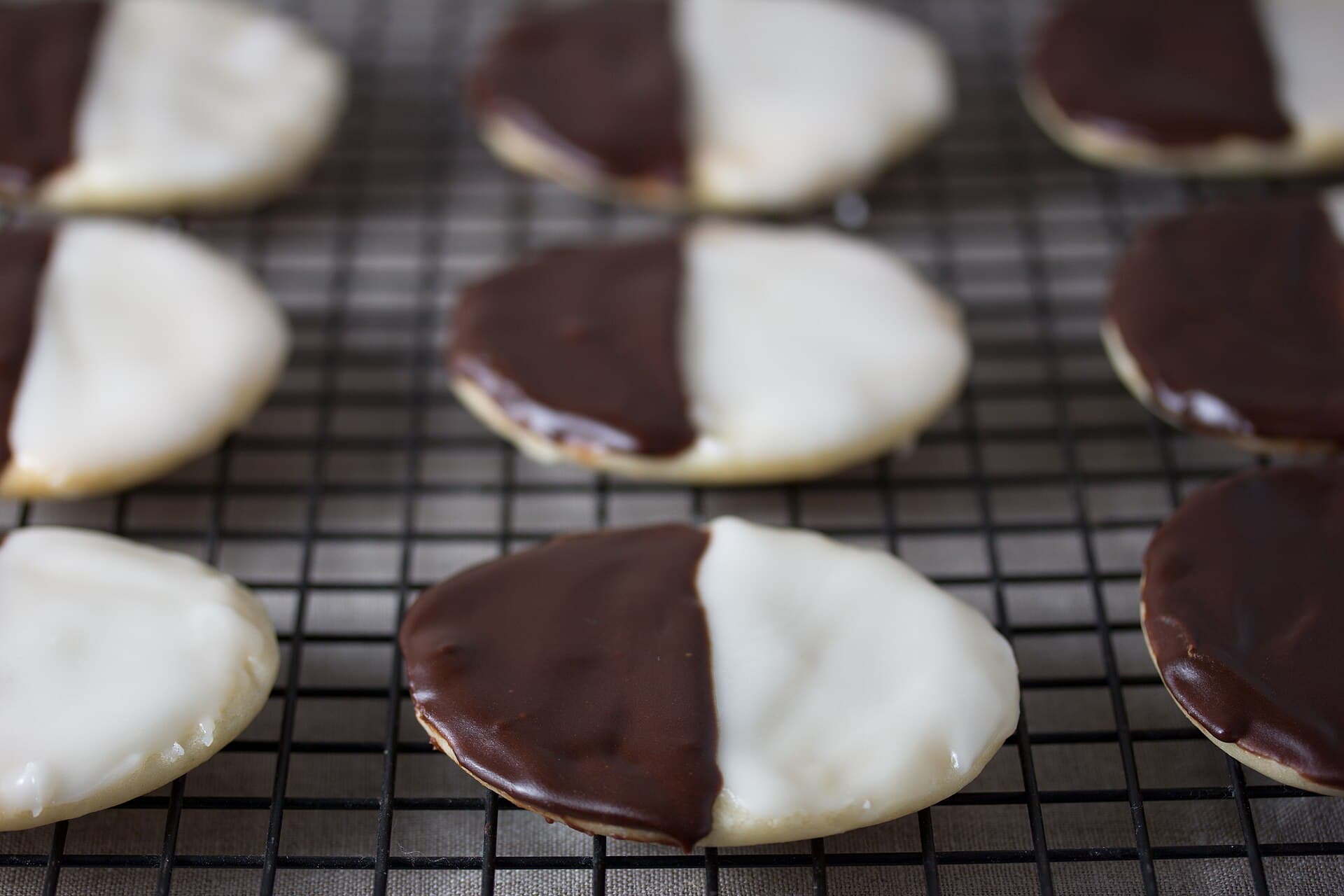
Black and white cookies are New York bakery icons, commonly linked to Glaser Bake Shop in Yorkville and to German Jewish bakery traditions. Their half-vanilla, half-chocolate tops made them instantly recognizable on deli and bakery counters.
America's Melting Pot
Black and White Malt photo coming soon
1900-1929
Black and White Malt pours old-school malt-shop cheer into a cold glass: Vanilla malt with chocolate syrup.
America's Melting Pot
Black and White Shake photo coming soon
Postwar & Diner Age
Black and White Shake pours old-school malt-shop cheer into a cold glass: Vanilla ice cream with chocolate syrup, especially New York diner style.
1900s-present
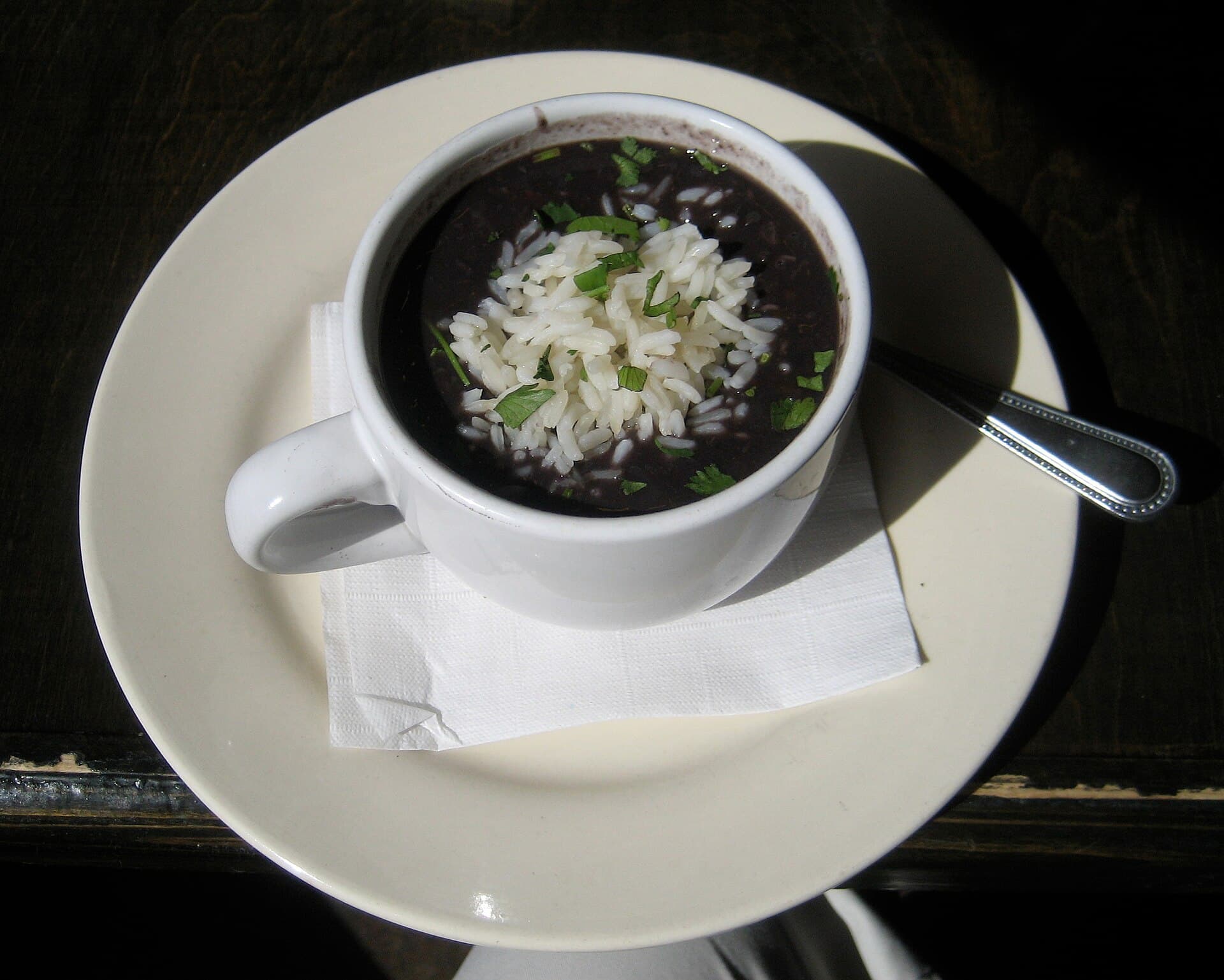
Black bean soup connects Caribbean, Spanish, and Cuban cooking traditions with American tables through Florida, Cuban American restaurants, and home kitchens. It is economical, filling, and deeply flavored when the beans are simmered slowly.
America's Melting Pot
Black Cow photo coming soon
Gilded Age & Progressive Era
Black Cow is fizzy Americana from the soda-fountain counter: Often root beer float or root beer mixed with ice cream; name varies by region.
America's Melting Pot
Black Raspberry Frappe photo coming soon
Postwar & Diner Age
Black Raspberry Frappe celebrates New England dairy-bar pride in a cold glass: New England ice cream stand flavor.
America's Melting Pot
Black Raspberry Shake photo coming soon
Postwar & Diner Age
Black Raspberry Shake pours old-school malt-shop cheer into a cold glass: Midwest, Pennsylvania, and ice cream stand flavor.
America's Melting Pot
Black Walnut Shake photo coming soon
Cross-era
Black Walnut Shake salutes regional fruit country and the American dairy-stand tradition: Midwest/Appalachia.
America's Melting Pot
Blizzard-Style Treat photo coming soon
Postwar & Diner Age
Blizzard-Style Treat is thick, spoonable frozen-custard stand fun: Soft serve blended with candy/cookie pieces.
1900-1929
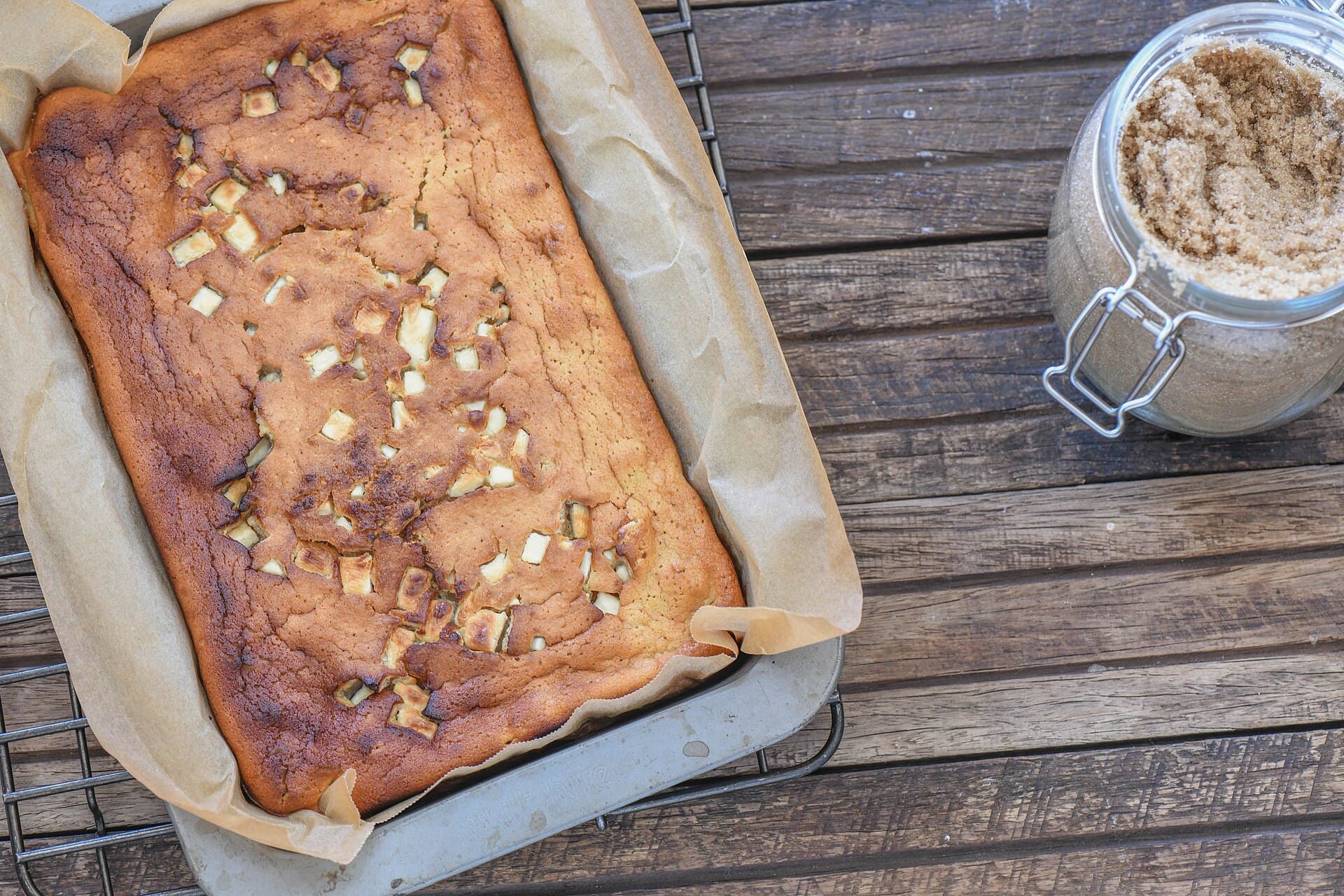
Blondies are American bar cookies built on brown sugar, butter, eggs, and flour. They preserve an older non-chocolate brownie lineage while becoming a lunchbox, bake-sale, and weeknight dessert standard.
1900s-present
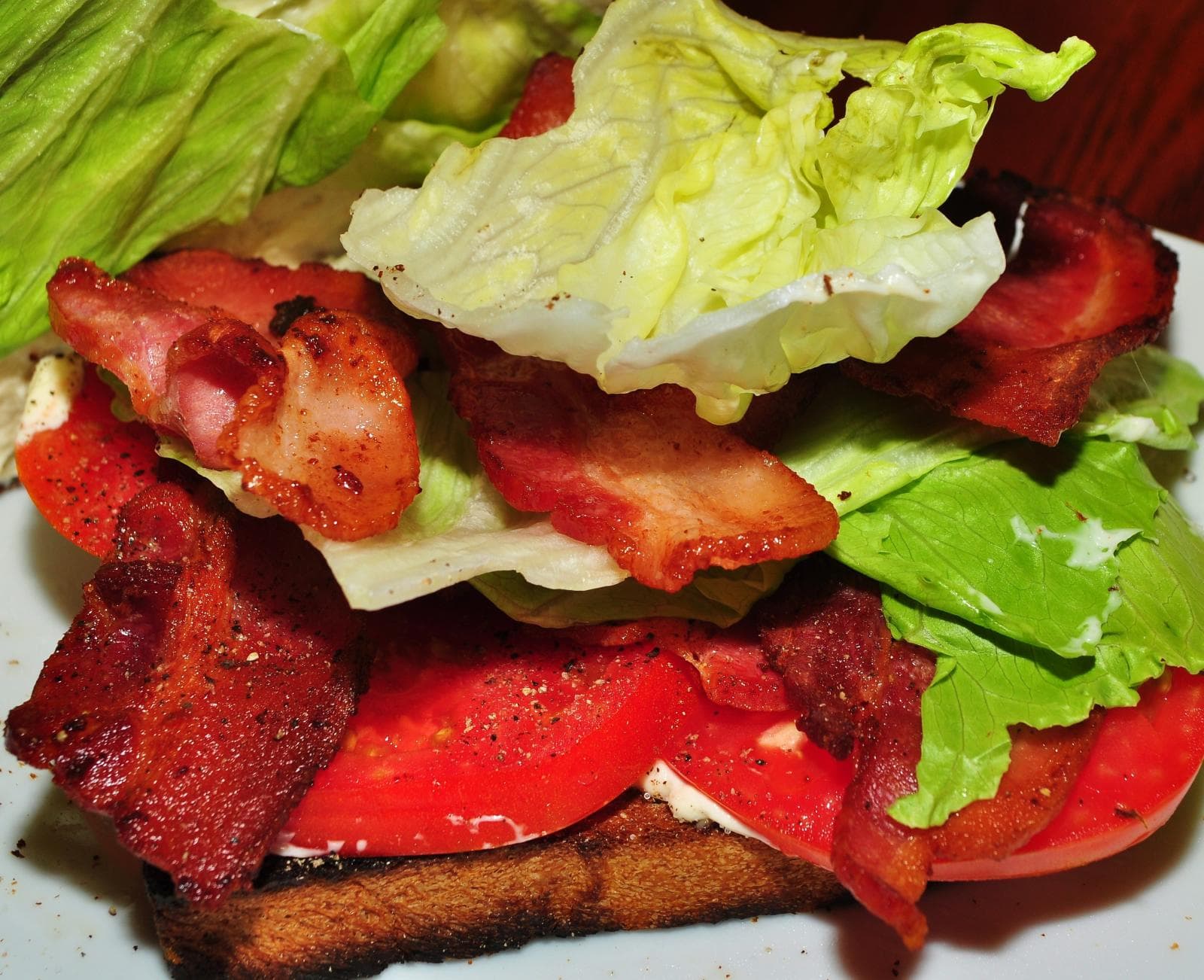
The BLT became a lunch-counter and diner standard in the early 20th century as sliced bread, commercial mayonnaise, bacon, lettuce, and ripe tomatoes converged in American kitchens. Its simplicity is the point: crisp bacon, juicy tomato, cool lettuce, toast, and enough mayonnaise to bind the sandwich.
America's Melting Pot
Blue Cheese Dressing photo coming soon
1900-1929
Blue Cheese Dressing is a dressing with real American table personality: Steakhouse, wing joint, and supper club staple. It brings flavor from coast-to-coast American tables to cookouts, counters, lunch plates, potlucks, and weeknight suppers.
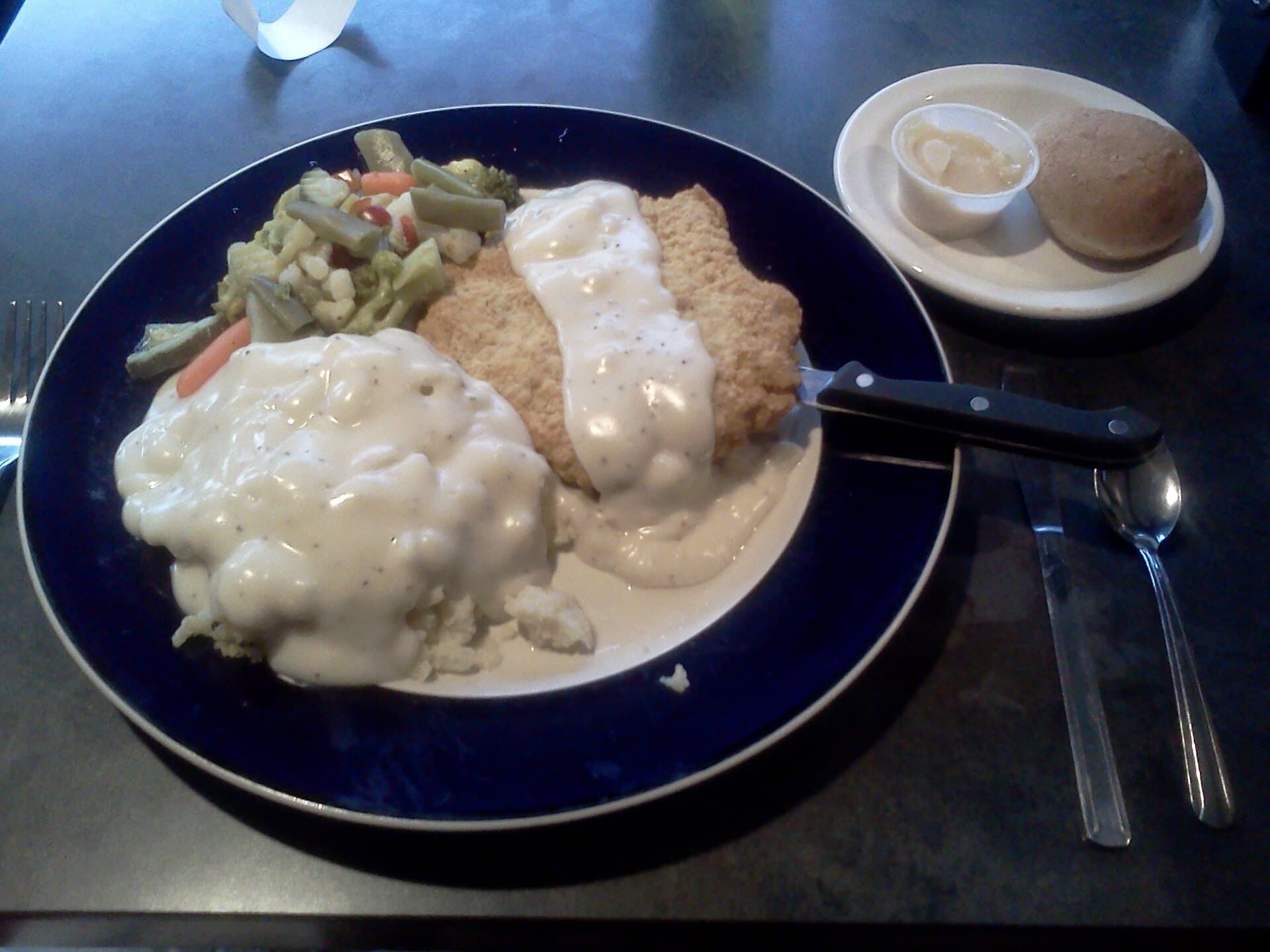
1910s-present
The blue plate special became shorthand for the everyday American diner meal: filling, inexpensive, and quick to order. The phrase was common by the 1920s and 1930s, tied to lunch counters, railroad restaurants, and diners serving one daily set plate.
America's Melting Pot
Blueberry Frappe photo coming soon
Postwar & Diner Age
Blueberry Frappe celebrates New England dairy-bar pride in a cold glass: Maine/New England berry version.
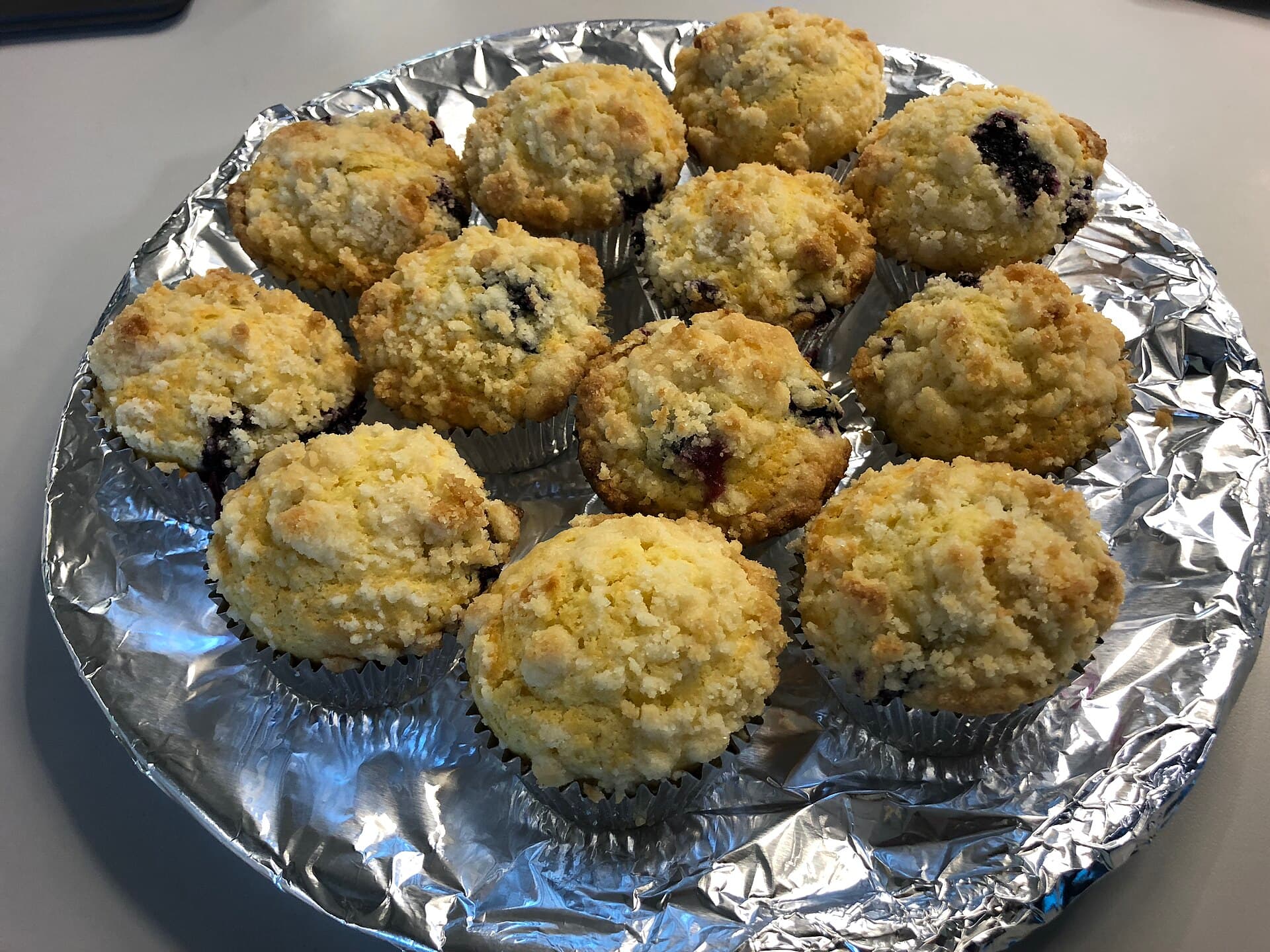
1900s-present
Blueberry muffins are everyday American breakfast baking, but Boston gave them a particular legend through Jordan Marsh department store. The oversized, sugar-topped muffin became a coffee-shop and bakery standard long after the department store disappeared.
America's Melting Pot
Blueberry Shake photo coming soon
Postwar & Diner Age
Blueberry Shake pours old-school malt-shop cheer into a cold glass: Maine/Michigan berry-country shake.
America's Melting Pot
Blueberry Syrup photo coming soon
Cross-era
Blueberry Syrup is a sweet sauce with real American table personality: Maine/Michigan breakfast and pancakes. It brings flavor from New England to cookouts, counters, lunch plates, potlucks, and weeknight suppers.
America's Melting Pot
Boardwalk Fries photo coming soon
1920s-present
Boardwalk fries are beach food stripped to essentials: fresh-cut potatoes, hot oil, salt, and vinegar. Ocean City made the style famous through Thrasher fries, opened in 1929, where ketchup is famously beside the point.
America's Melting Pot
Boiled Coffee Cake photo coming soon
1870s-present
Older American coffee cakes sometimes actually contained coffee. Recipes using cold boiled coffee, molasses, raisins, and spice appeared in late-19th and early-20th-century cookbooks, making a sturdy loaf cake for the coffee table.
America's Melting Pot
Bologna Salad Spread photo coming soon
Cross-era
Bologna Salad Spread is a spread with real American table personality: Rural, Midwest, and lunch counter food. It brings flavor from the Midwest and Great Lakes to cookouts, counters, lunch plates, potlucks, and weeknight suppers.
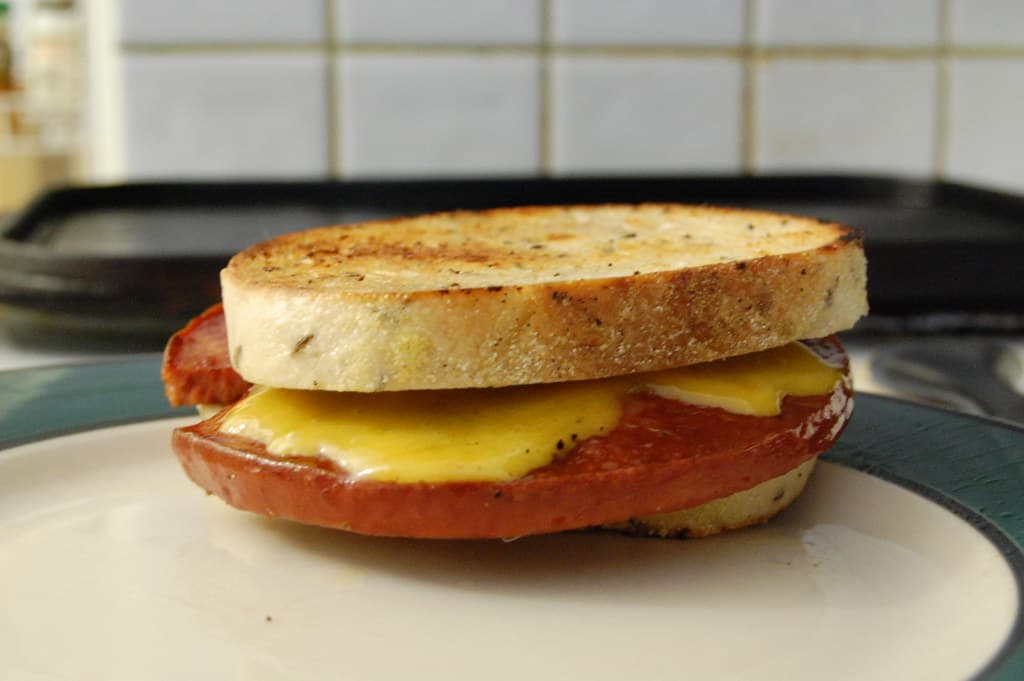
1900s-present
The bologna sandwich is lunchbox America: inexpensive sliced meat, soft bread, and a condiment. Fried bologna versions became especially beloved in Southern diners, Midwestern bars, and home kitchens where a quick skillet turned lunch meat into comfort food.
America's Melting Pot
Boston Cooler photo coming soon
Gilded Age & Progressive Era
Boston Cooler is fizzy Americana from the soda-fountain counter: Ginger ale, often Vernors, blended with vanilla ice cream; strongly associated with Detroit/Michigan.
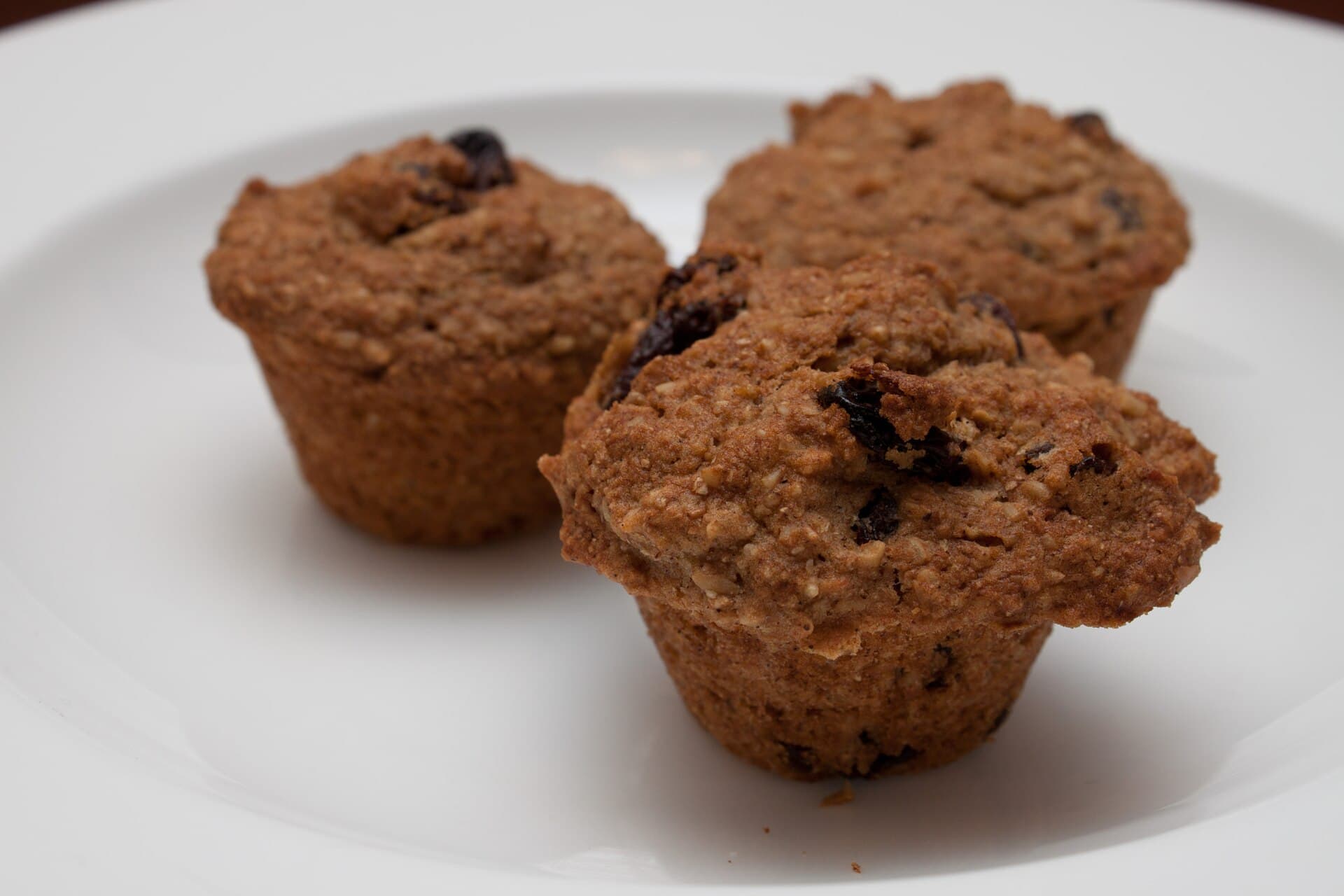
1910s-present
Bran muffins became part of American breakfast culture through cereal marketing, home economics, and recurring waves of interest in fiber and wholesome baking. They can be plain and practical or sweetened with raisins, molasses, honey, or brown sugar.
1900-1929
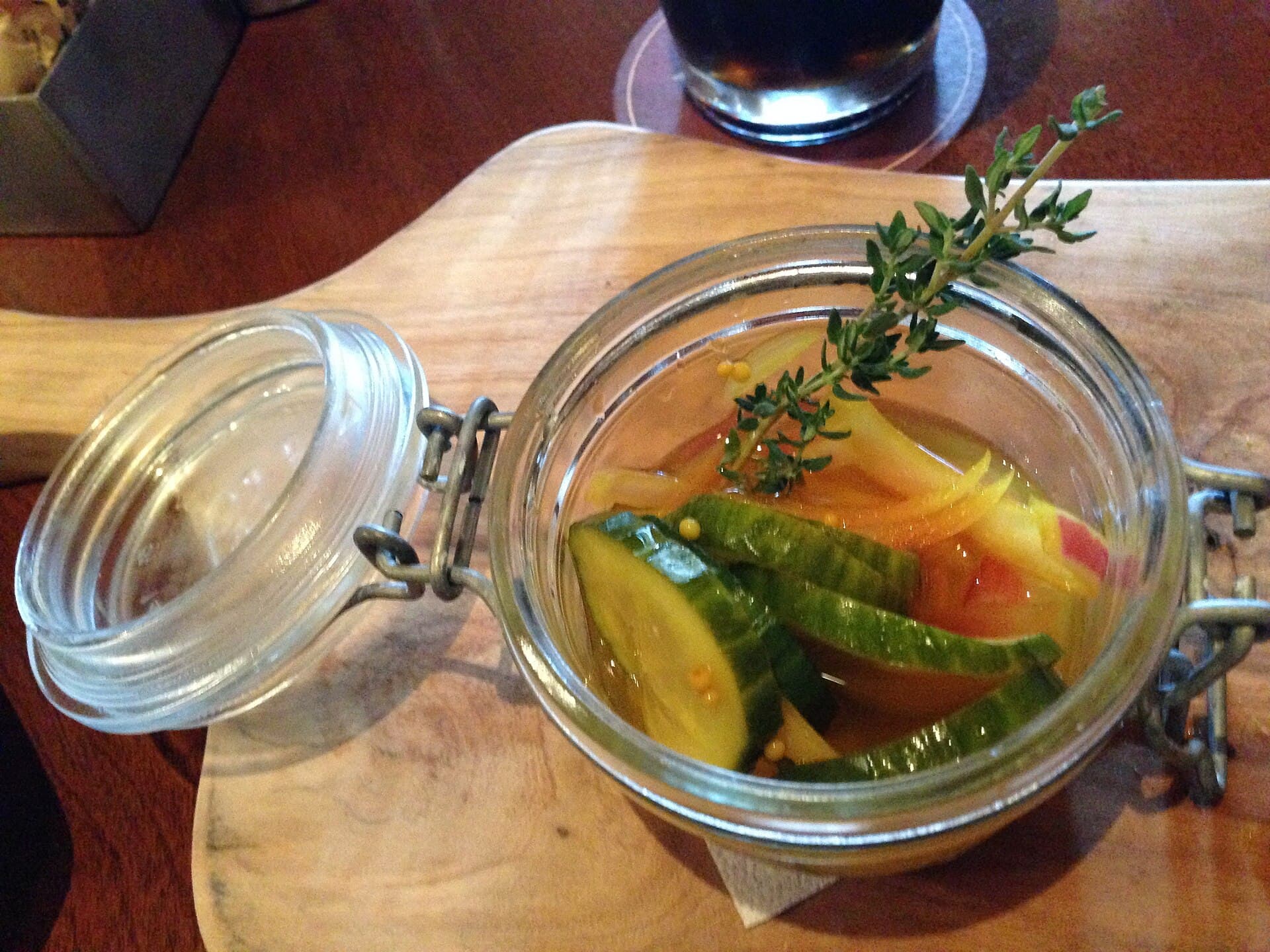
Bread-and-Butter Pickles is a relish with real American table personality: Sweet Depression-era-style pickle tradition. It brings flavor from coast-to-coast American tables to cookouts, counters, lunch plates, potlucks, and weeknight suppers.
1900s-present
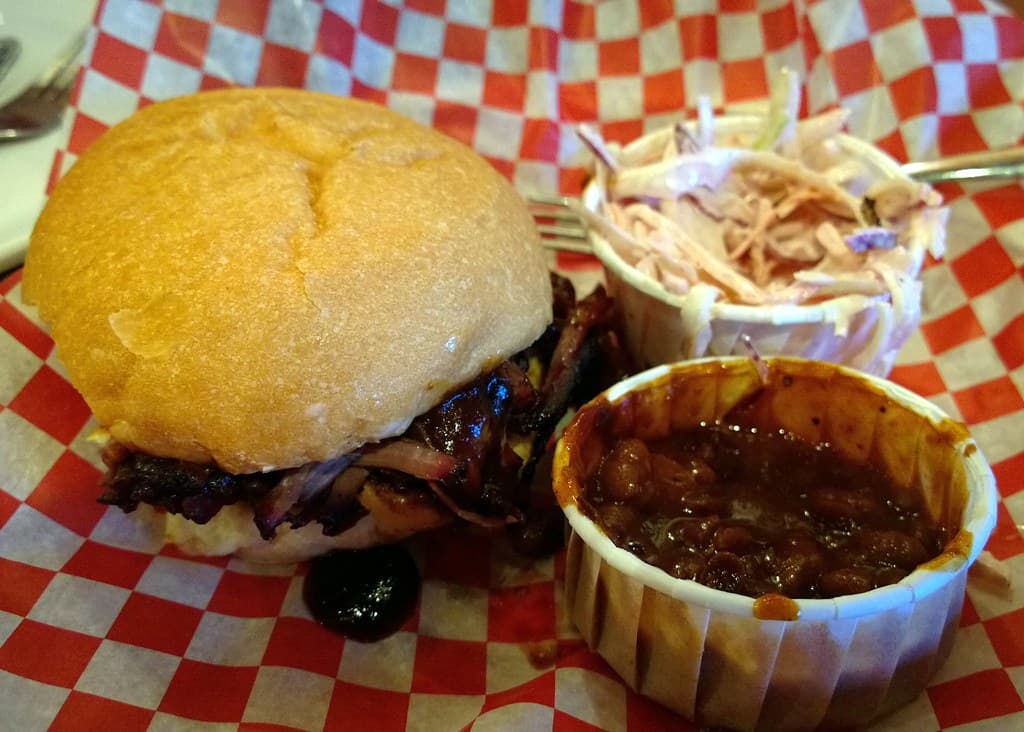
The brisket sandwich can come from two American lines: smoked barbecue brisket on a soft bun, or Jewish deli-style brisket on rye. Both turn slow-cooked beef into a handheld meal, with sharp pickles, mustard, slaw, or sauce balancing the richness.
America's Melting Pot
Brown Cow photo coming soon
Gilded Age & Progressive Era
Brown Cow is fizzy Americana from the soda-fountain counter: Chocolate/root beer float variation in some regions.
America's Melting Pot
Brownie Batter Shake photo coming soon
1900-1929
Brownie Batter Shake pours old-school malt-shop cheer into a cold glass: Modern dessert shake.
America's Melting Pot
Brownie Concrete photo coming soon
Postwar & Diner Age
Brownie Concrete is thick, spoonable frozen-custard stand fun: Custard shop favorite.
America's Melting Pot
Brownie Malt photo coming soon
1900-1929
Brownie Malt pours old-school malt-shop cheer into a cold glass: Modern dessert malt.
1890s-present
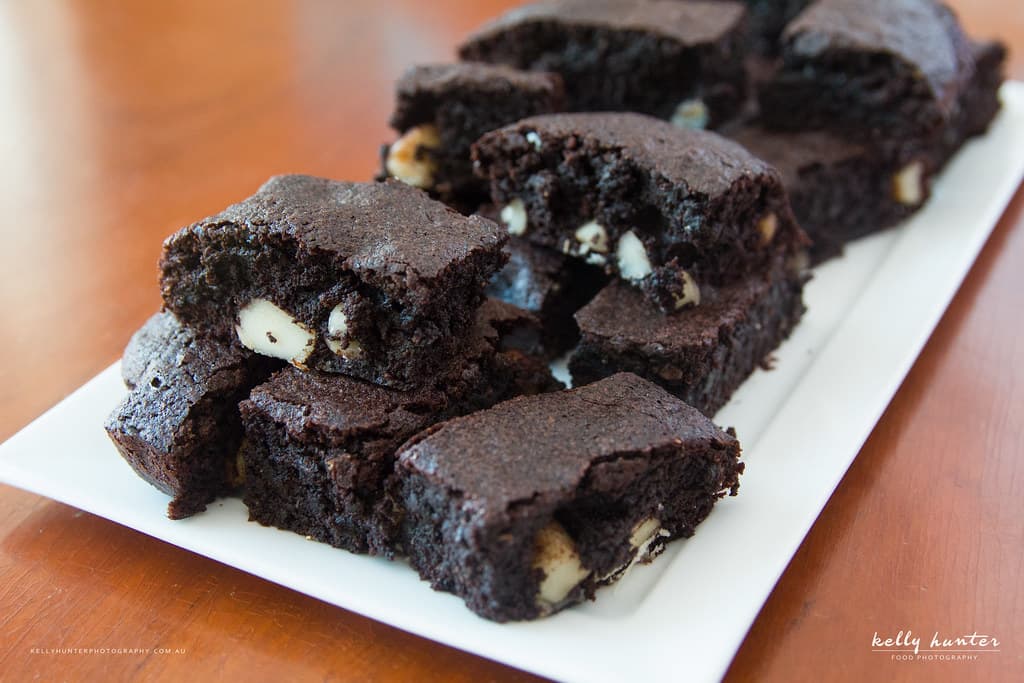
Brownies became an American classic at the meeting point of hotel pastry, home economics, and community baking. Chicago's Palmer House is tied to an early chocolate brownie in 1893, and Fannie Farmer helped standardize brownie recipes for home cooks soon after.
America's Melting Pot
Bubblegum Shake photo coming soon
1900-1929
Bubblegum Shake brings drive-in, carhop, and fast-food dessert-counter energy to the table: Ice cream stand kid classic.
1930s-present
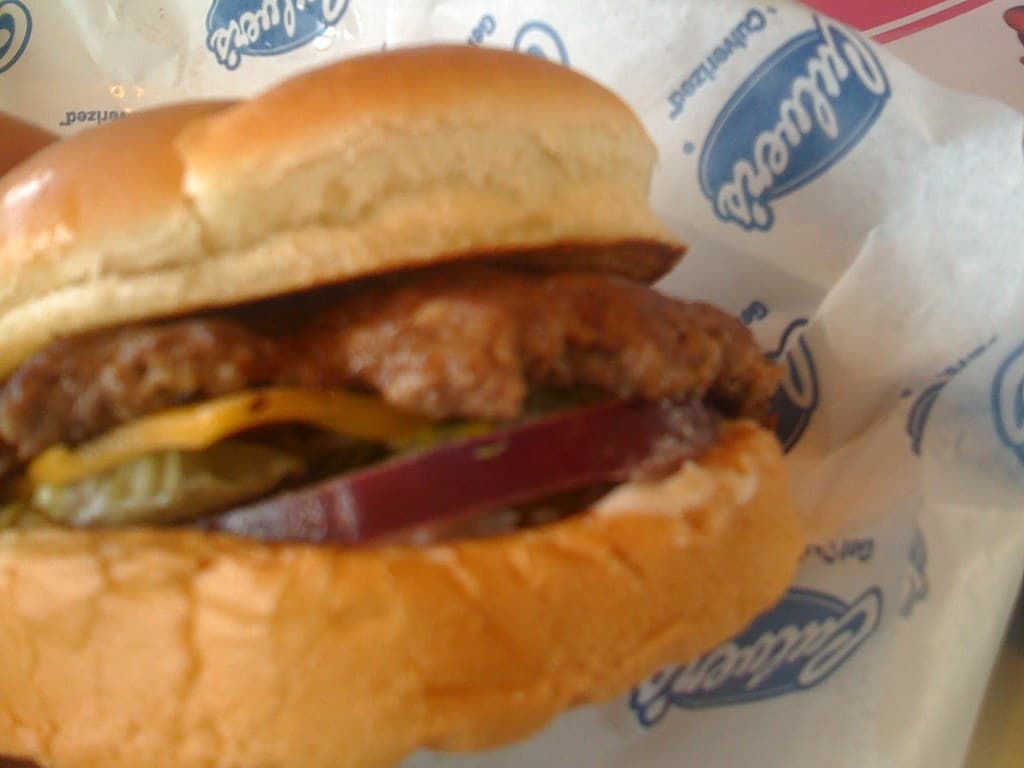
Butter burgers are Wisconsin dairy pride in sandwich form. Local restaurants such as Solly's and Kroll's helped popularize butter-topped burgers in the 1930s, while Culver's later carried a buttered-bun version far beyond Wisconsin.
1900s-present
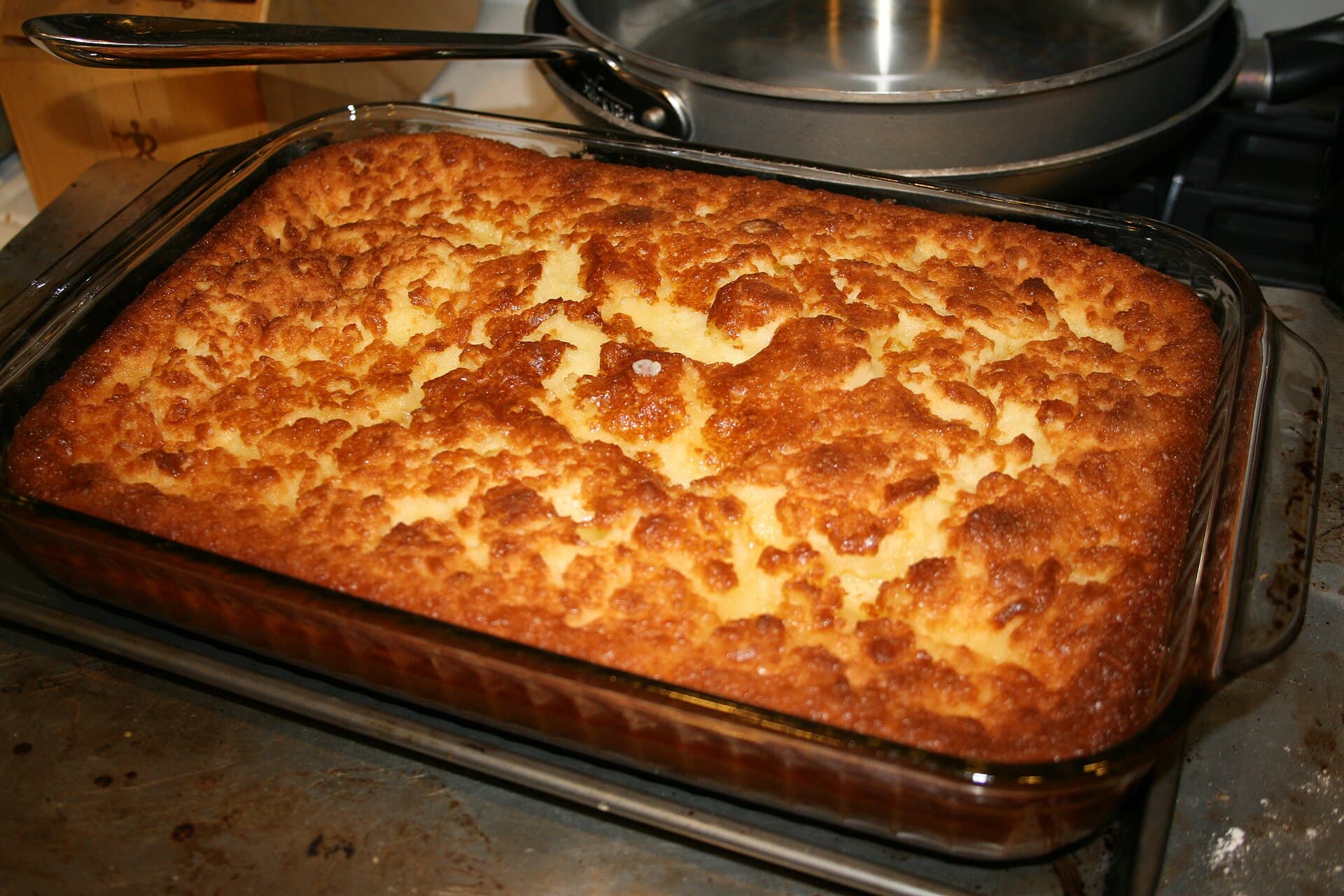
Butter mochi is beloved local Hawaii potluck food, with a chewy custard texture that reflects the islands' layered Japanese, Filipino, Portuguese, and local baking influences. It is easy to mix, travels well, and cuts into snackable squares.
America's Melting Pot
Butter Pecan Shake photo coming soon
Postwar & Diner Age
Butter Pecan Shake pours old-school malt-shop cheer into a cold glass: Southern and ice cream parlor flavor.
America's Melting Pot
Butterfinger Blizzard-Style Treat photo coming soon
Postwar & Diner Age
Butterfinger Blizzard-Style Treat is thick, spoonable frozen-custard stand fun: 1980s/1990s fast-food dessert energy.
America's Melting Pot
Butterfinger Concrete photo coming soon
Postwar & Diner Age
Butterfinger Concrete is thick, spoonable frozen-custard stand fun: Candy mix-in classic.
America's Melting Pot
Butterscotch Malt photo coming soon
1900-1929
Butterscotch Malt pours old-school malt-shop cheer into a cold glass: Old-fashioned soda fountain flavor.
America's Melting Pot
Butterscotch Sauce photo coming soon
Gilded Age & Progressive Era
Butterscotch Sauce is a sweet sauce with real American table personality: Ice cream parlor classic. It brings flavor from coast-to-coast American tables to cookouts, counters, lunch plates, potlucks, and weeknight suppers.
America's Melting Pot
Cabbage and Noodles photo coming soon
1900s-present
Cabbage and noodles is Depression-friendly comfort food with Central and Eastern European roots. In American Polish, Slovak, Czech, Hungarian, and Appalachian communities, buttered cabbage and noodles became a cheap dish that could feed many people.
1900s-present
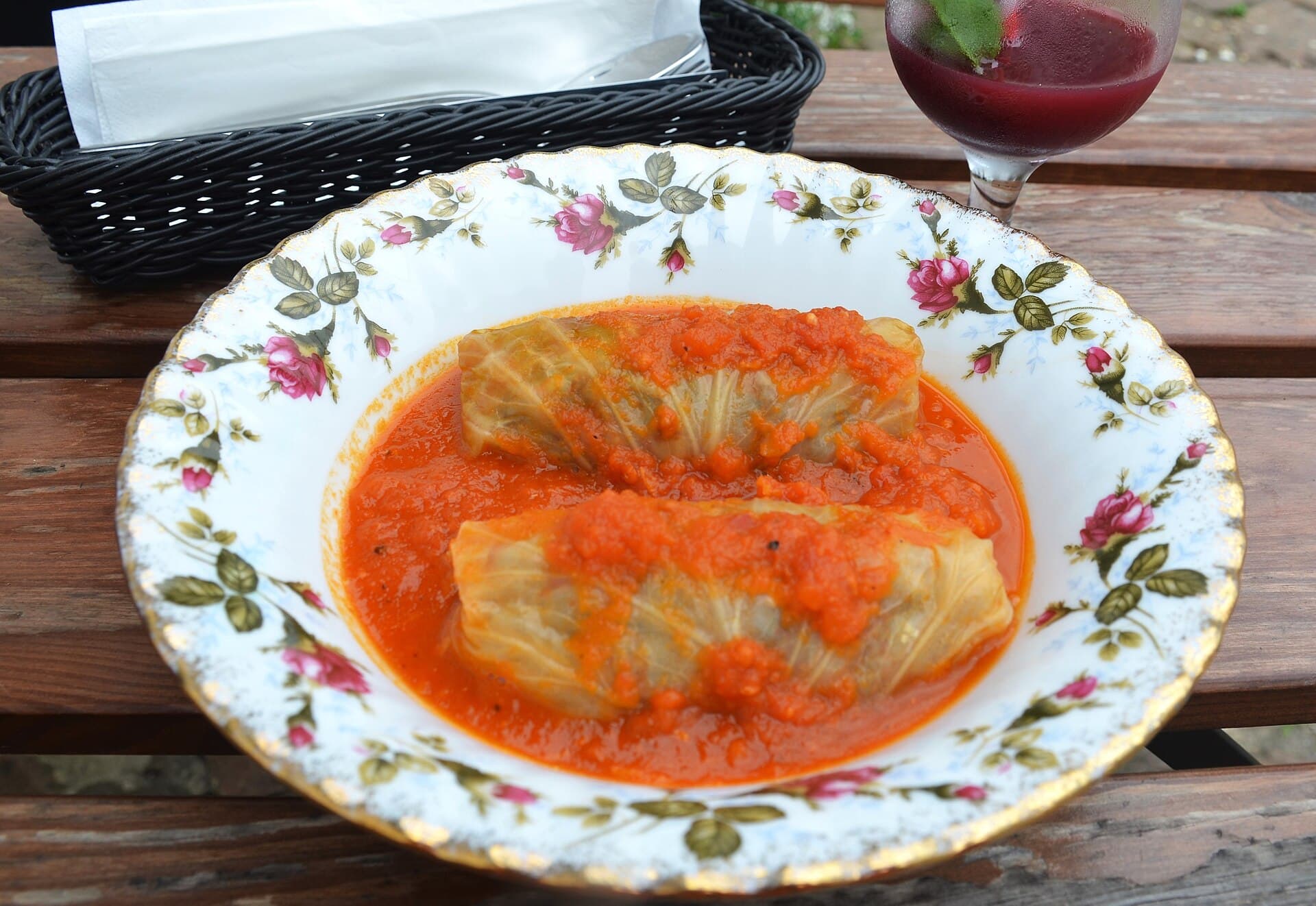
Cabbage rolls came to American tables through many Eastern European and Jewish immigrant communities. Polish golabki, Ukrainian holubtsi, Slovak holubky, Jewish holishkes, and related dishes all wrap humble cabbage around a filling that stretches meat with rice or grain.
America's Melting Pot
Cajun Boil Butter photo coming soon
Cross-era
Cajun Boil Butter is a spread with real American table personality: Gulf Coast seafood boil table sauce. It brings flavor from the American South to cookouts, counters, lunch plates, potlucks, and weeknight suppers.
America's Melting Pot
Cajun Butter Sauce photo coming soon
Cross-era
Cajun Butter Sauce is a seafood sauce with real American table personality: Seafood boil bag culture. It brings flavor from the American South to cookouts, counters, lunch plates, potlucks, and weeknight suppers.
America's Melting Pot
Cake Batter Shake photo coming soon
1900-1929
Cake Batter Shake pours old-school malt-shop cheer into a cold glass: Birthday-party Americana in a cup.
1930s-present
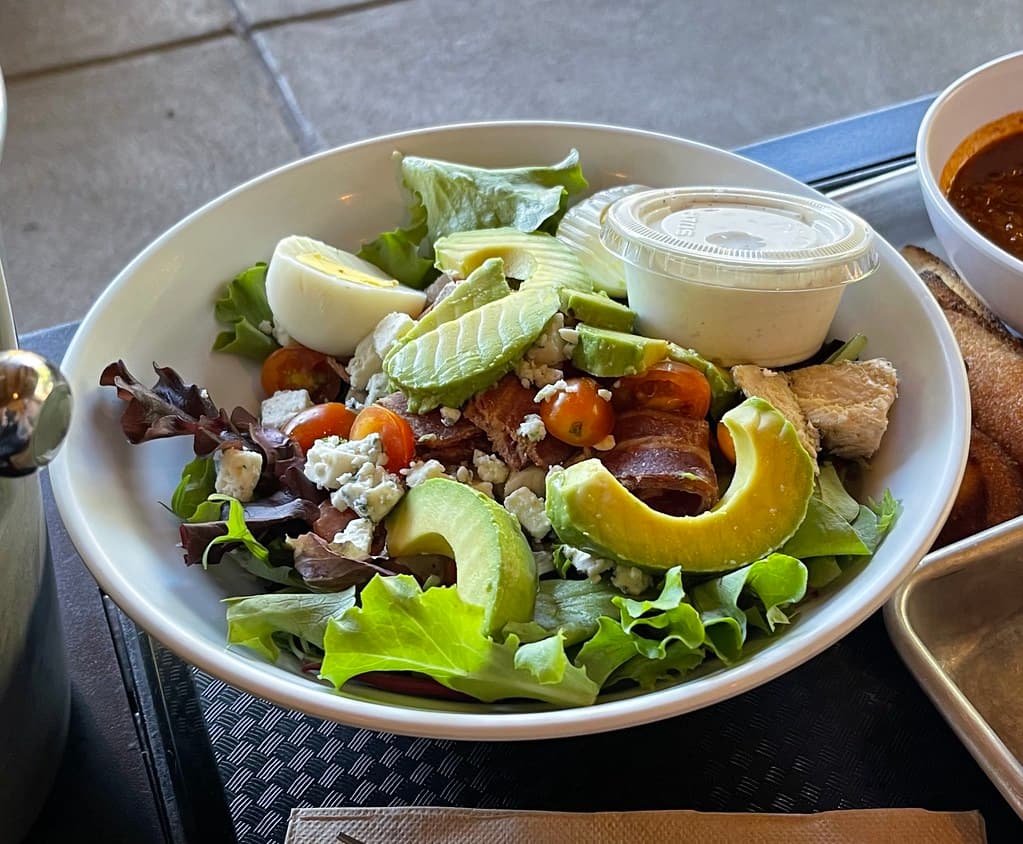
The Cobb salad is closely tied to the Brown Derby restaurant in Hollywood and Bob Cobb in the 1930s. Its rows of chopped ingredients made it a California restaurant icon: hearty enough for a meal, bright with avocado and tomato, and theatrical enough for Hollywood.
America's Melting Pot
California Date Shake photo coming soon
Cross-era
California Date Shake salutes regional fruit country and the American dairy-stand tradition: Coachella Valley/Palm Springs.
America's Melting Pot
Candy Cane Shake photo coming soon
1900-1929
Candy Cane Shake brings drive-in, carhop, and fast-food dessert-counter energy to the table: Christmas seasonal shake.
America's Melting Pot
Cane Syrup photo coming soon
Cross-era
Cane Syrup is a sweet sauce with real American table personality: Gulf South and Southern breakfast table. It brings flavor from the American South to cookouts, counters, lunch plates, potlucks, and weeknight suppers.
America's Melting Pot
Canned Corned Beef Hash photo coming soon
1910s-present
Canned corned beef hash moved through military rations, Depression-era thrift, and diner breakfasts because it was shelf-stable, filling, and quick. The key home technique is simple: spread it in a hot skillet and let it brown before turning.
1900s-present
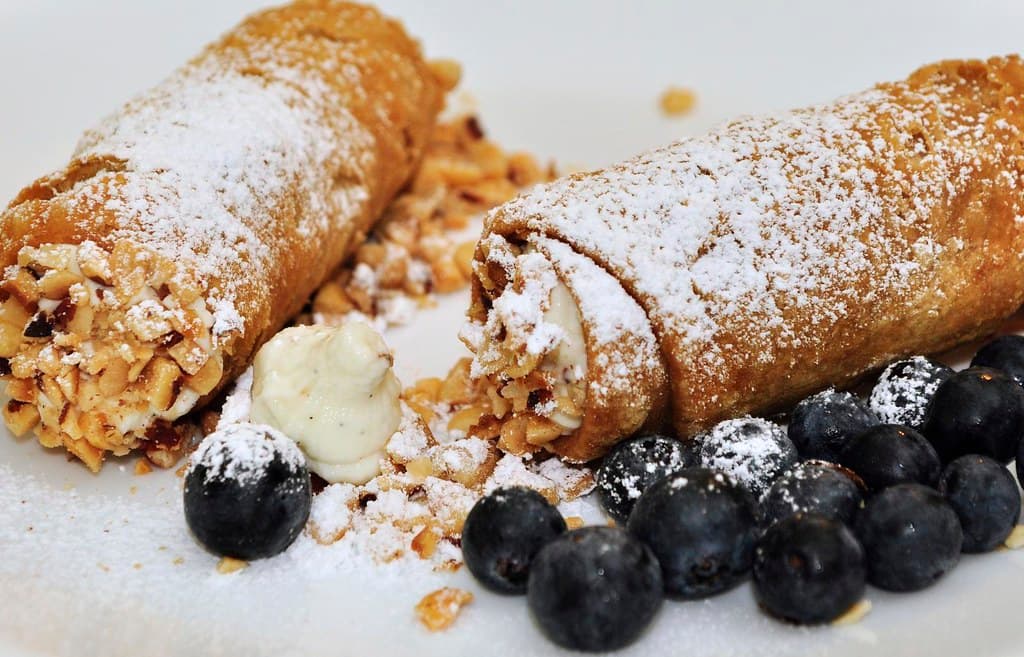
Cannoli came to Italian American bakeries from Sicily, where fried pastry shells and ricotta filling have deep carnival and regional roots. In the United States, Little Italy bakeries made cannoli a signature Italian American dessert, often sweeter and larger than Sicilian versions.
America's Melting Pot
Caramel Apple Shake photo coming soon
Postwar & Diner Age
Caramel Apple Shake pours old-school malt-shop cheer into a cold glass: Fall fair and orchard flavor.
America's Melting Pot
Caramel Malt photo coming soon
1900-1929
Caramel Malt pours old-school malt-shop cheer into a cold glass: Butterscotch/caramel malt-shop flavor.
Community recipe submission
Log in to submit a recipe, format it with the cooking companion, and send it for review.
Log in to Submit