
Loading
Setting the table...
Fetching the latest recipes from the archive.
Loading
Fetching the latest recipes from the archive.
Recipe archive
Recipe archive
Search the archive by title, region, ingredient, tag, or era, then sort the table by the view that fits your kitchen.
This archive is growing through recipes, photos, family recipes, and historical context shared by the community.
America's Melting Pot
Caramel Rolls photo coming soon
1920s-present
Caramel rolls are a beloved North Dakota and Upper Midwest bakery, church, and cafe treat. They resemble cinnamon rolls or sticky buns, but the defining feature is a generous caramel sauce that bakes under the rolls and becomes the top after turning out.
America's Melting Pot
Caramel Sauce photo coming soon
Gilded Age & Progressive Era
Caramel Sauce is a sweet sauce with real American table personality: Sundaes, apple dipping, coffee drinks. It brings flavor from coast-to-coast American tables to cookouts, counters, lunch plates, potlucks, and weeknight suppers.
America's Melting Pot
Carrot Marmalade photo coming soon
1910s-1940s
Carrot marmalade became useful in wartime kitchens because carrots were available, productive in victory gardens, and naturally sweet. Recipes appeared during World War I and returned during World War II as cooks stretched scarce citrus and sugar.
America's Melting Pot
Catalina Dressing photo coming soon
Postwar & Diner Age
Catalina Dressing is a dressing with real American table personality: Sweet red dressing, especially tied to midcentury salads and taco salads. It brings flavor from coast-to-coast American tables to cookouts, counters, lunch plates, potlucks, and weeknight suppers.
America's Melting Pot
Celery Seed Slaw Dressing photo coming soon
Cross-era
Celery Seed Slaw Dressing is a dressing with real American table personality: Sweet-sour dressing for coleslaw, especially Midwest and Southern picnic tables. It brings flavor from the American South to cookouts, counters, lunch plates, potlucks, and weeknight suppers.
America's Melting Pot
Central Texas Beef Ribs photo coming soon
1900s-present
Central Texas beef ribs are a modern craft-barbecue showpiece rooted in the region's old beef barbecue culture. Plate ribs became especially visible through Texas barbecue joints that treated them like brisket on the bone: simple seasoning, post oak smoke, and patient cooking.
America's Melting Pot
Cereal Milk Shake photo coming soon
1900-1929
Cereal Milk Shake brings drive-in, carhop, and fast-food dessert-counter energy to the table: Modern dessert-shop flavor.
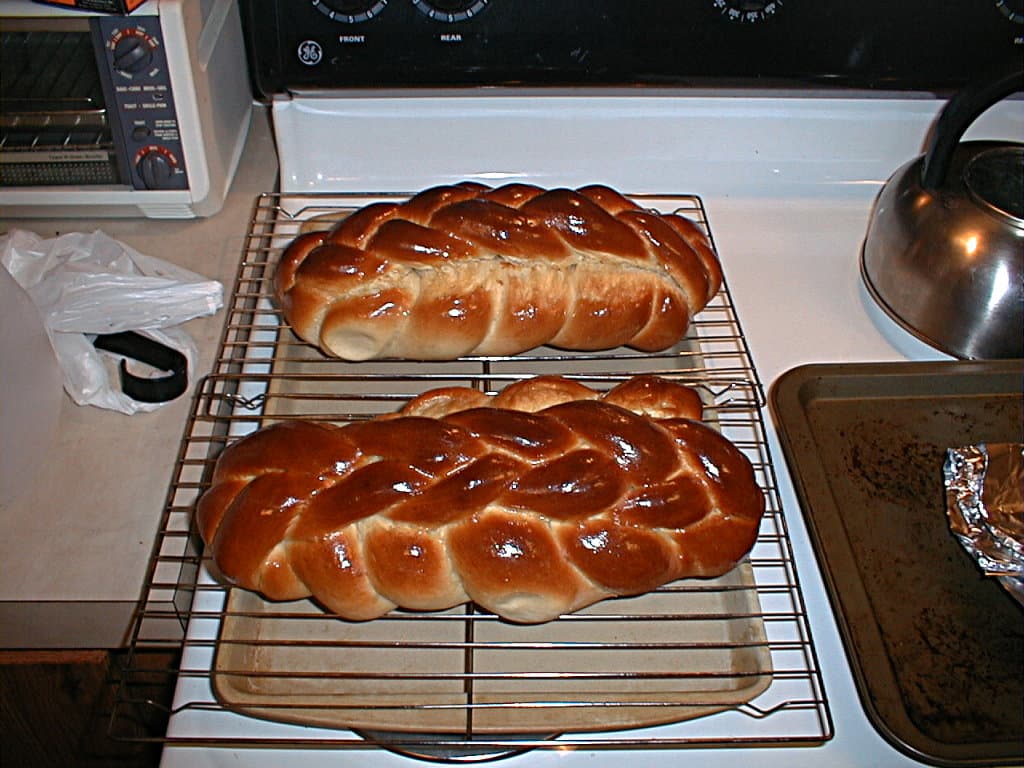
1880s-present
A tender braided egg bread with a glossy crust, lightly sweet crumb, and deep Jewish American Shabbat and holiday meaning.
America's Melting Pot
Chamorro Barbecue photo coming soon
1900s-present
A Guam fiesta-table barbecue of chicken, ribs, or beef marinated in a tangy soy-vinegar mixture and grilled over hot coals.
America's Melting Pot
Cheese Curds photo coming soon
1900s-present
A Wisconsin dairy-country snack of fresh cheddar curds, either eaten squeaky and fresh or battered and fried until crisp outside and molten inside.
America's Melting Pot
Cheeseburger photo coming soon
1920s-present
A classic griddled cheeseburger with American cheese, pickles, onion, ketchup, mustard, and a toasted bun.
America's Melting Pot
Cherry Coke photo coming soon
Gilded Age & Progressive Era
Cherry Coke is fizzy Americana from the soda-fountain counter: Soda fountain syrup tradition.
America's Melting Pot
Cherry Lime Rickey photo coming soon
Gilded Age & Progressive Era
Cherry Lime Rickey is fizzy Americana from the soda-fountain counter: Drive-in and soda fountain favorite.
America's Melting Pot
Cherry Limeade Shake photo coming soon
1900-1929
Cherry Limeade Shake brings drive-in, carhop, and fast-food dessert-counter energy to the table: Drive-in soda flavor turned shake.
America's Melting Pot
Cherry Malt photo coming soon
1900-1929
Cherry Malt pours old-school malt-shop cheer into a cold glass: Drive-in flavor.
America's Melting Pot
Cherry Phosphate photo coming soon
Gilded Age & Progressive Era
Cherry Phosphate is fizzy Americana from the soda-fountain counter: Old soda fountain tart cherry drink.
America's Melting Pot
Cherry Shake photo coming soon
1900-1929
Cherry Shake pours old-school malt-shop cheer into a cold glass: Diner and burger stand flavor.
America's Melting Pot
Cherry Soda Float photo coming soon
1861-1900
Cherry Soda Float is fizzy Americana from the soda-fountain counter: Soda fountain classic.
America's Melting Pot
Cherry Vanilla Shake photo coming soon
1900-1929
Cherry Vanilla Shake pours old-school malt-shop cheer into a cold glass: Common at drive-ins and ice cream counters.
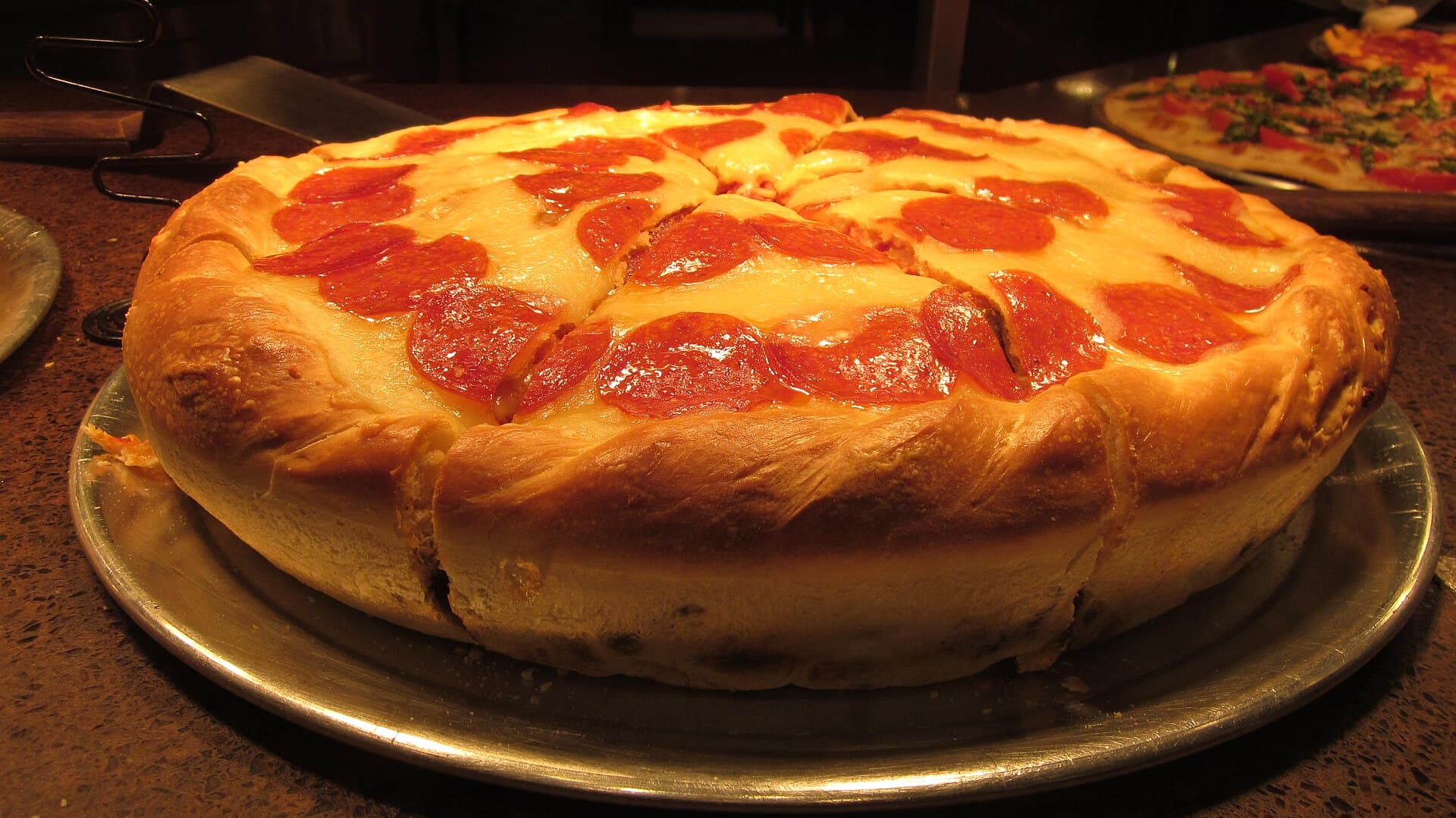
1940s-present
A broad Chicago deep-dish recipe with a sturdy pan crust, mozzarella, sausage or vegetables, and chunky tomato sauce baked in a deep pan.
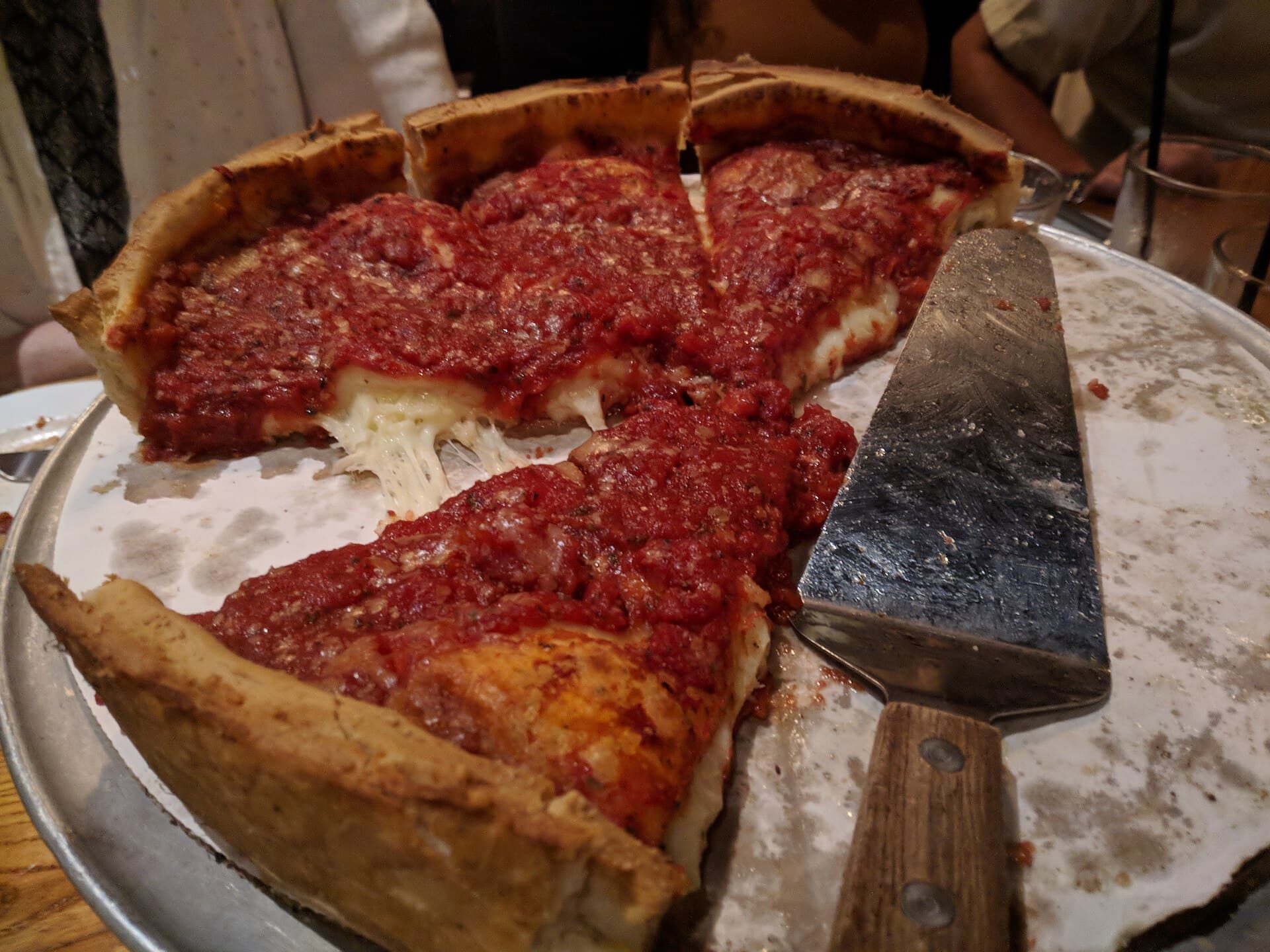
1940s-present
A sausage Chicago deep-dish pizza with buttery dough, mozzarella under the fillings, chunky tomato sauce, and Parmesan on top.
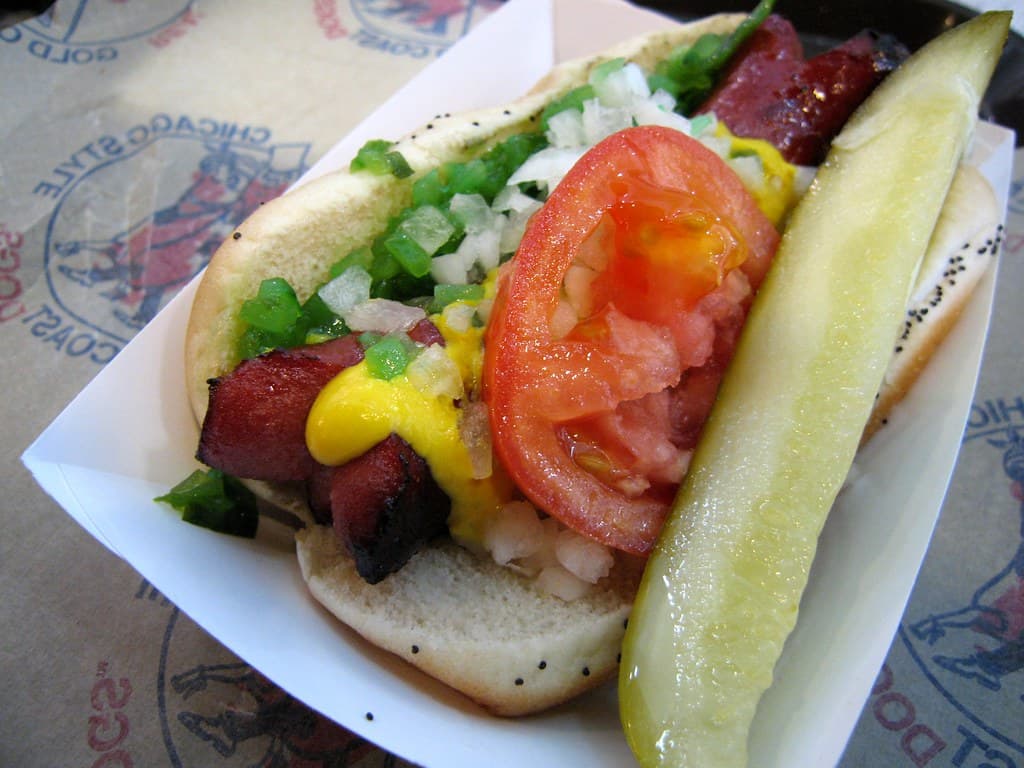
1930s-present
A classic Chicago-style hot dog on a poppy seed bun with yellow mustard, neon relish, onion, tomato, pickle spear, sport peppers, and celery salt.
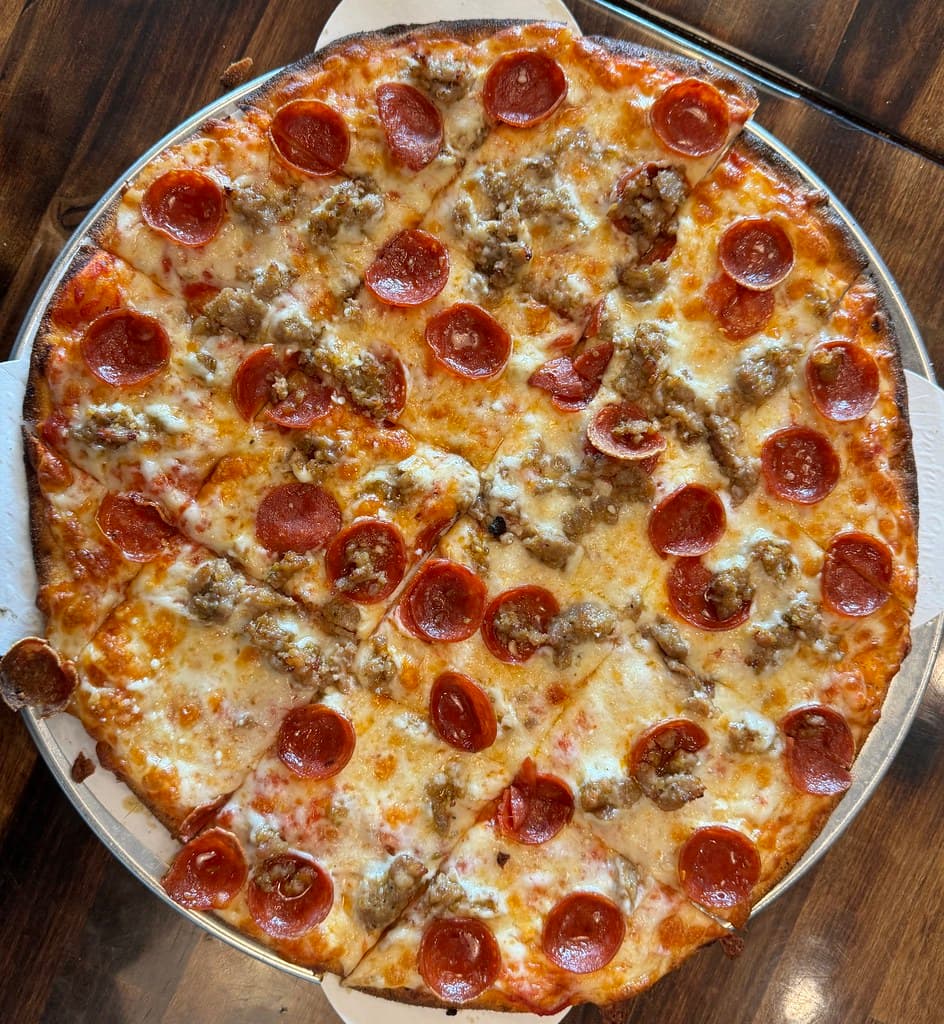
1940s-present
A cracker-thin Chicago tavern-style pizza with edge-to-edge toppings, a crisp crust, and small square slices.
America's Melting Pot
Chicago-Style Neon Relish photo coming soon
Cross-era
Chicago-Style Neon Relish is a sandwich sauce with real American table personality: Bright green relish essential to Chicago hot dogs. It brings flavor from Chicago and the Upper Midwest to cookouts, counters, lunch plates, potlucks, and weeknight suppers.
America's Melting Pot
Chicken a la King photo coming soon
1890s-present
Tender chicken and mushrooms in a rich cream sauce with pimentos and sherry, served over toast, pastry shells, rice, or biscuits.
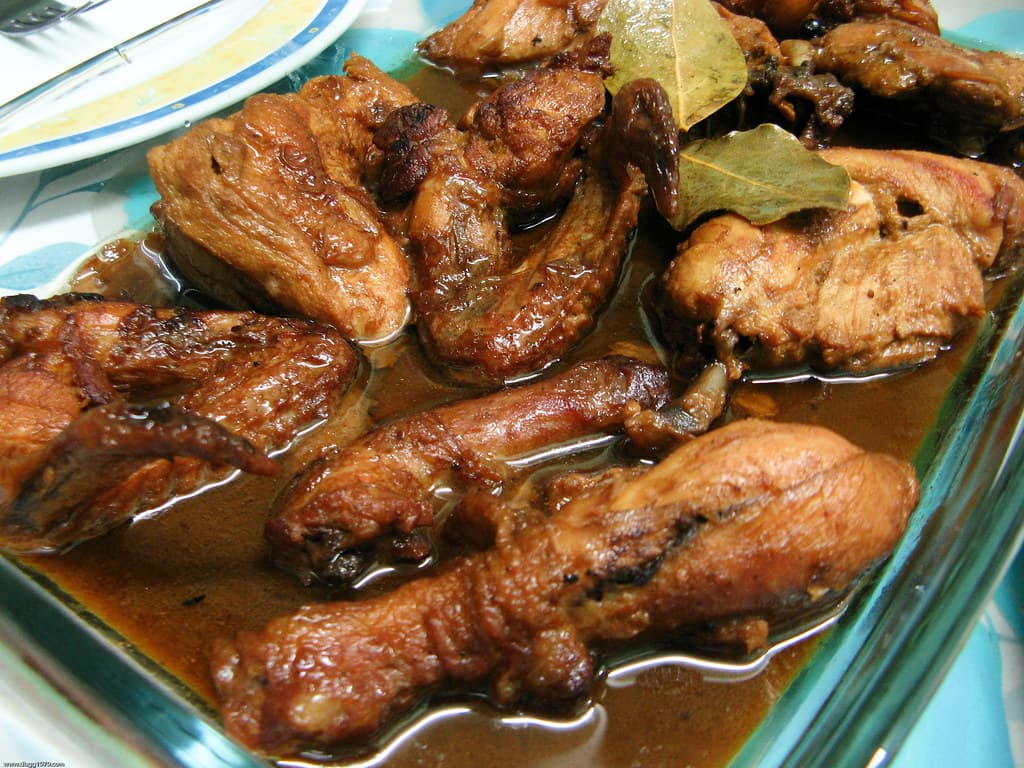
1900s-present
A Filipino and Filipino American staple of chicken simmered until tender in vinegar, soy sauce, garlic, bay leaves, and black pepper.
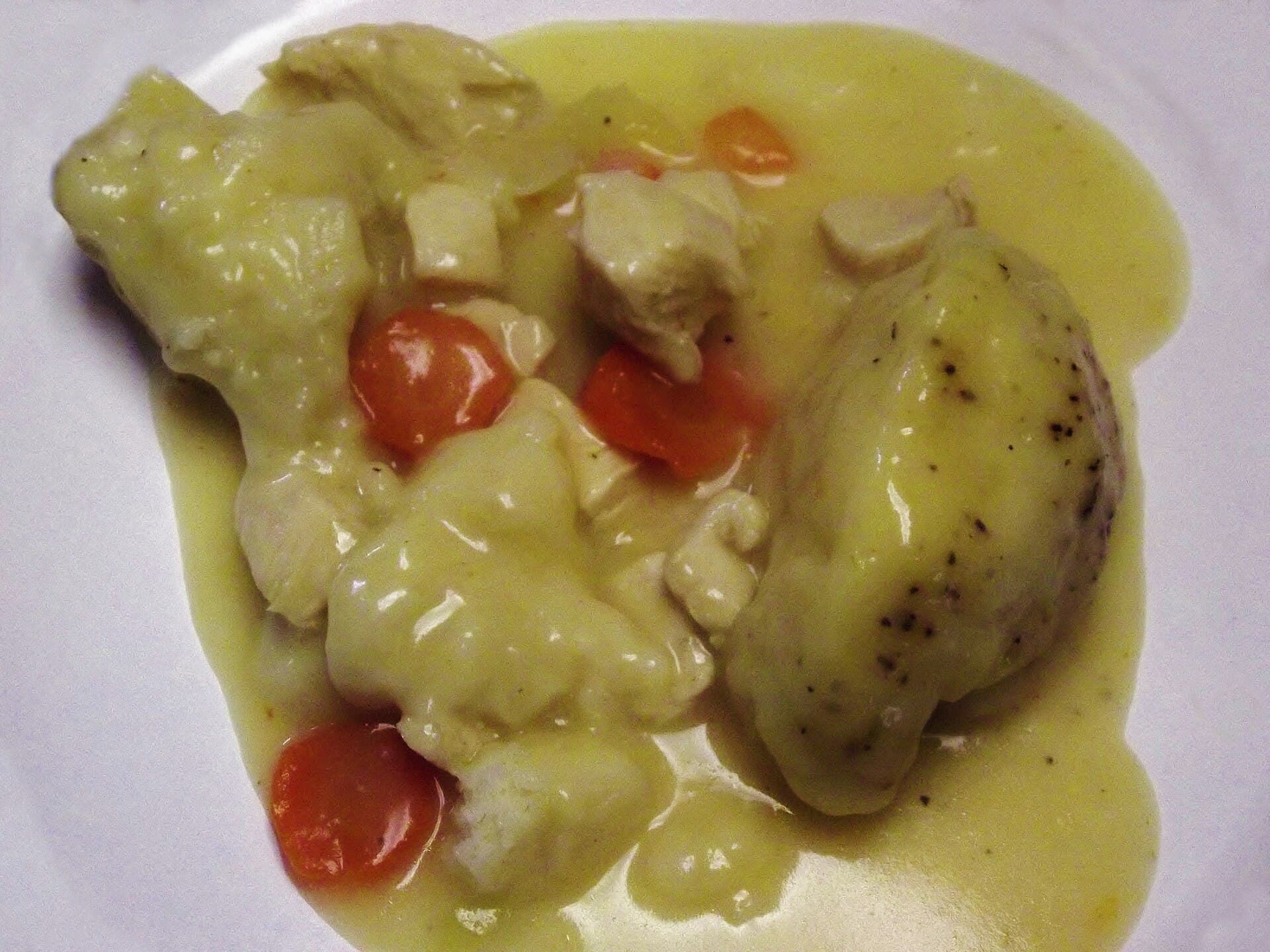
1800s-present
Tender chicken in rich broth with soft dumplings, finished as a thick, comforting Southern and Appalachian main dish.
America's Melting Pot
Chicken and Noodles photo coming soon
1900s-present
Tender chicken and egg noodles simmered in rich broth until thick, hearty, and ready for a Midwestern supper.
America's Melting Pot
Chicken and Rice Casserole photo coming soon
1940s-present
A comforting chicken and rice casserole made with uncooked rice, chicken pieces, condensed cream soup, broth, and a simple baked finish.
America's Melting Pot
Chicken Bog photo coming soon
1920s-present
A Pee Dee and Horry County chicken-and-rice dish with smoked sausage, moist rice, and enough broth to stay boggy.
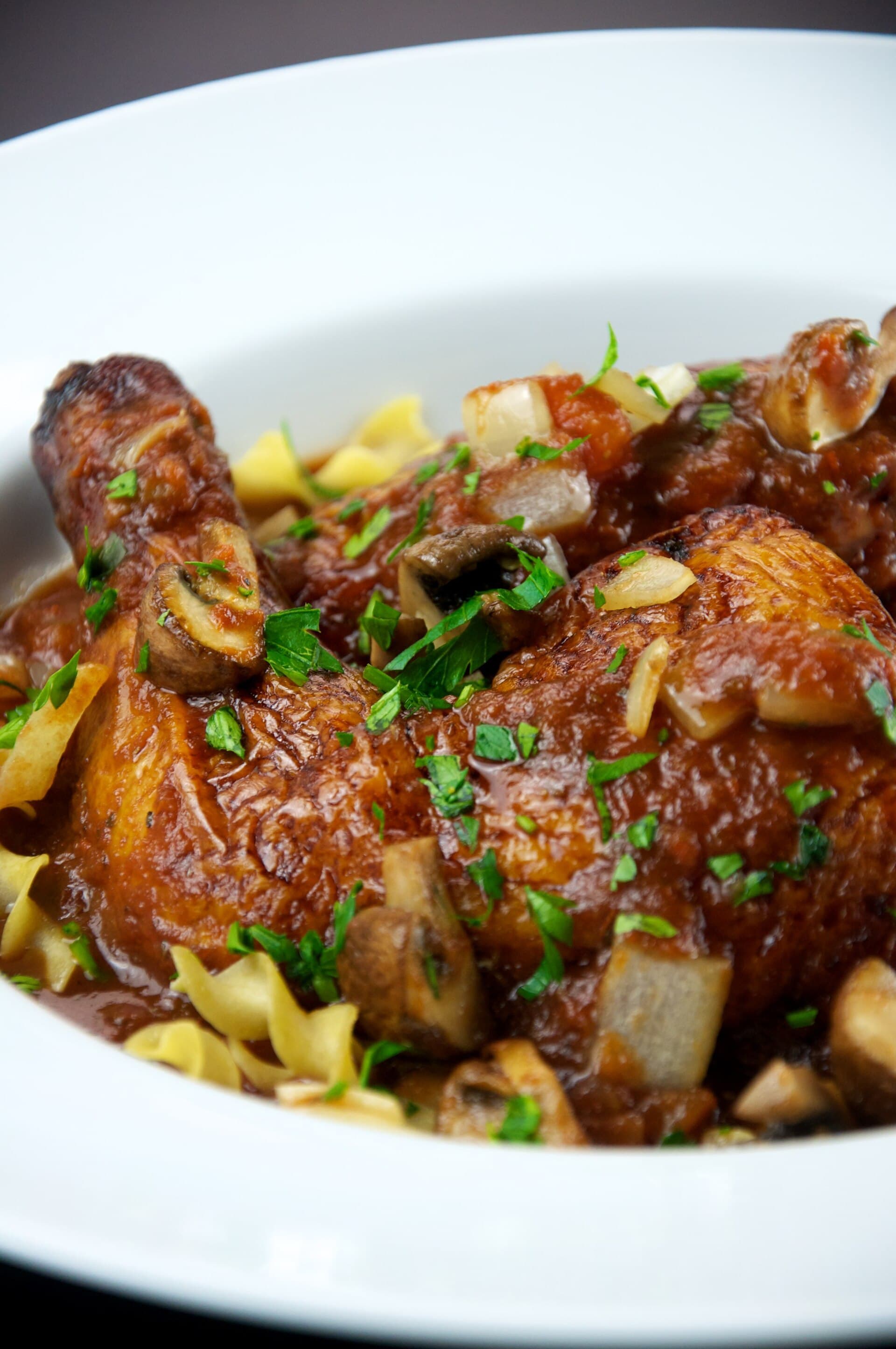
1900s-present
Bone-in chicken browned and simmered with tomatoes, wine, peppers, mushrooms, onions, garlic, and herbs in the Italian American style.
America's Melting Pot
Chicken Liver Spread photo coming soon
1861-1900
Chicken Liver Spread is a smooth pate made from sauteed chicken livers, onions, and seasonings, often served as a hearty appetizer or sandwich topping within Jewish-American communities. Rooted in mid-19th century culinary traditions during and after the Civil War, this dish reflects immigrant adaptation and resourcefulness.
America's Melting Pot
Chicken Noodle Soup photo coming soon
1930-1945
Chicken Noodle Soup is a comforting one-pot dish made by simmering chicken, vegetables, broth, and egg noodles into a nourishing soup. A staple across American kitchens for generations, it highlights simplicity, warmth, and adaptability in soups and stews throughout the country's culinary evolution.
America's Melting Pot
Chili and Cinnamon Rolls photo coming soon
1945-2000
Chili and Cinnamon Rolls is a unique Midwestern comfort food pairing commonly found in school cafeterias and concession stands. Combining a warm bowl of chili with sweet, soft cinnamon rolls offers a blend of savory and sweet flavors reflecting regional preferences in informal or institutional American dining. This meal represents practical, hearty food designed for broad appeal and sustenance in communal eating contexts.
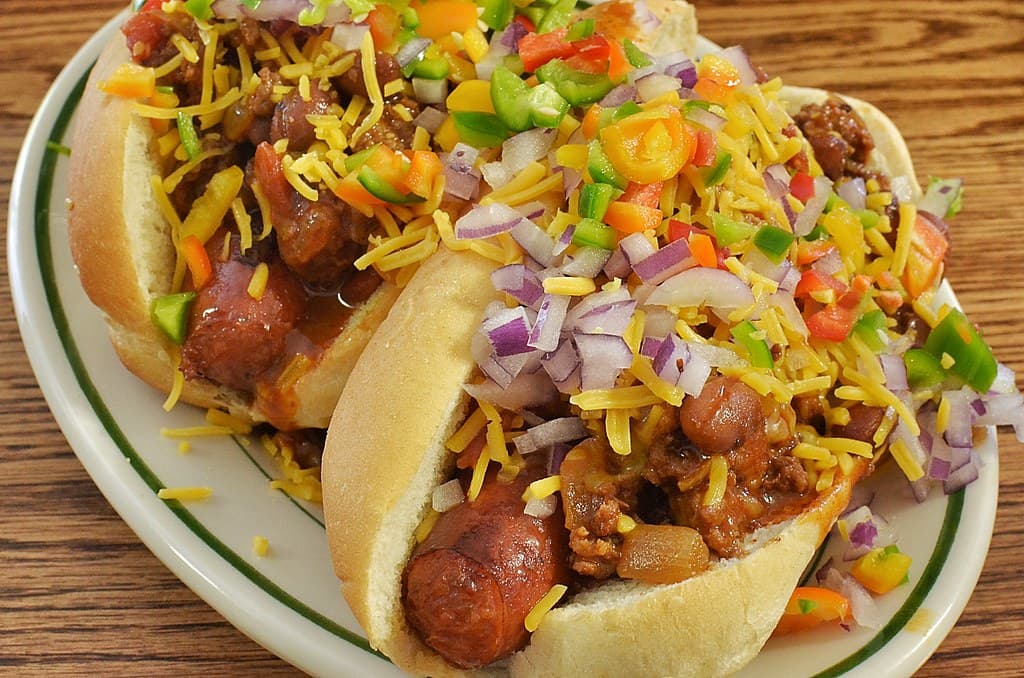
1900-1929
The Chili Dog is a popular American sandwich featuring a hot dog topped with chili, cheese, onions, and mustard. Merging the convenience of the classic hot dog with the bold flavors of chili con carne, this dish reflects American innovation in casual dining and fast food culture. Its origins are broad but rooted in Southwestern and Texan culinary traditions combined with urban sandwich trends, making it a ubiquitous comfort food nationwide.
America's Melting Pot
Chili Dog Sauce photo coming soon
Cross-era
Chili Dog Sauce is a sandwich sauce with real American table personality: Regional hot dog sauce from diners, drive-ins, and ballparks. It brings flavor from Texas and the Southwest to cookouts, counters, lunch plates, potlucks, and weeknight suppers.
America's Melting Pot
Chocolate Cake for a Crowd photo coming soon
1930-1945
Chocolate Cake for a Crowd is a dessert designed to serve many people economically during the Depression and World War II eras (1930-1945). This cake reflects military and mess hall kitchens' need for practical, filling, and easily produced sweets using limited ingredients. Its simple yet rich chocolate flavor made it a favorite for community events, schools, and military gatherings where feeding large numbers was essential.
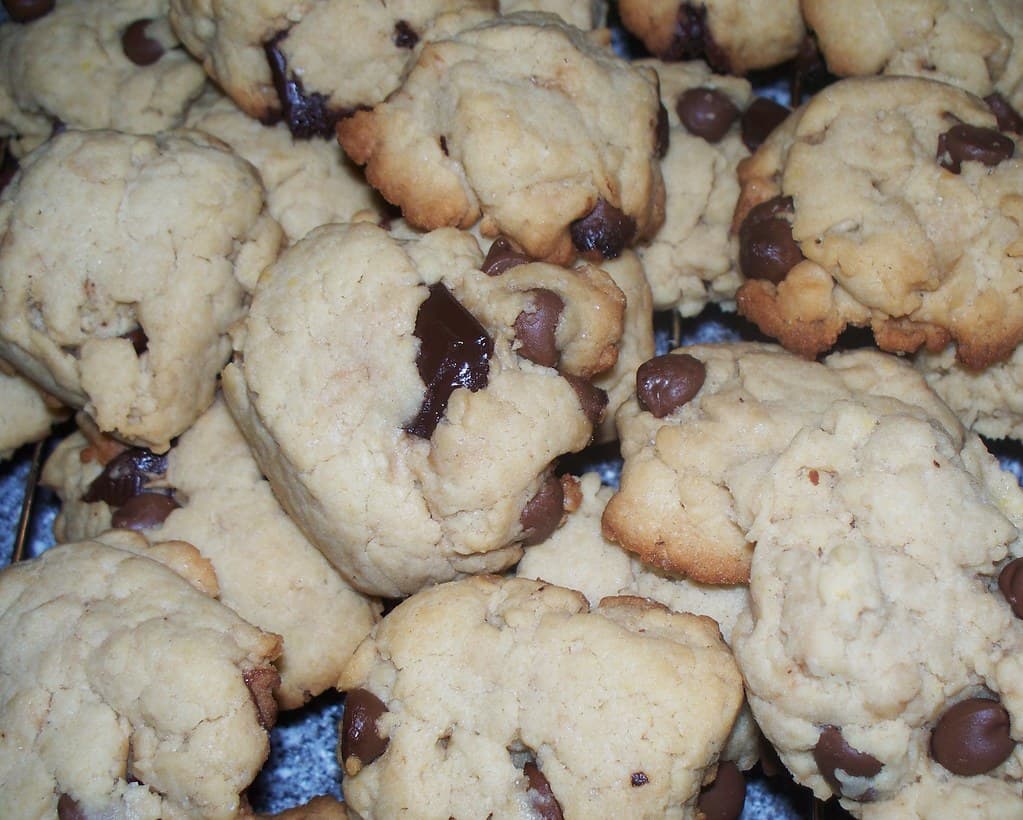
1930-1945
Chocolate Chip Cookies became a quintessential American dessert in the postwar period (1946-1969), favored by families and children alike for lunchboxes and snacks. This recipe features a soft yet chewy texture with generous chocolate chips, embodying suburban baking traditions and the rise of accessible mass-produced chocolate chips. These cookies remain a nostalgic and beloved treat across the country.
America's Melting Pot
Chocolate Coke photo coming soon
Gilded Age & Progressive Era
Chocolate Coke is fizzy Americana from the soda-fountain counter: Old soda counter flavor.
America's Melting Pot
Chocolate Concrete photo coming soon
Postwar & Diner Age
Chocolate Concrete is thick, spoonable frozen-custard stand fun: Chocolate custard concrete.
America's Melting Pot
Chocolate Custard Shake photo coming soon
Postwar & Diner Age
Chocolate Custard Shake is thick, spoonable frozen-custard stand fun: Richer than a typical shake.
America's Melting Pot
Chocolate Ice Cream Soda photo coming soon
1861-1900
Chocolate Ice Cream Soda is fizzy Americana from the soda-fountain counter: Chocolate syrup, milk/cream, seltzer, ice cream.
America's Melting Pot
Chocolate Malt photo coming soon
1900-1929
Chocolate Malt pours old-school malt-shop cheer into a cold glass: 1950s soda fountain icon.
America's Melting Pot
Chocolate Malted Milk photo coming soon
1861-1900
Chocolate Malted Milk is fizzy Americana from the soda-fountain counter: Soda fountain malt drink before modern shakes.
America's Melting Pot
Chocolate Milk photo coming soon
1900-1929
Chocolate Milk is a sweetened chocolate-flavored dairy drink widely served in American school lunch programs, cafeterias, and concession stands throughout many eras. Valued for its nutritional content and appealing taste among children, chocolate milk remains a ubiquitous beverage offering, often produced commercially for easy distribution and convenience.
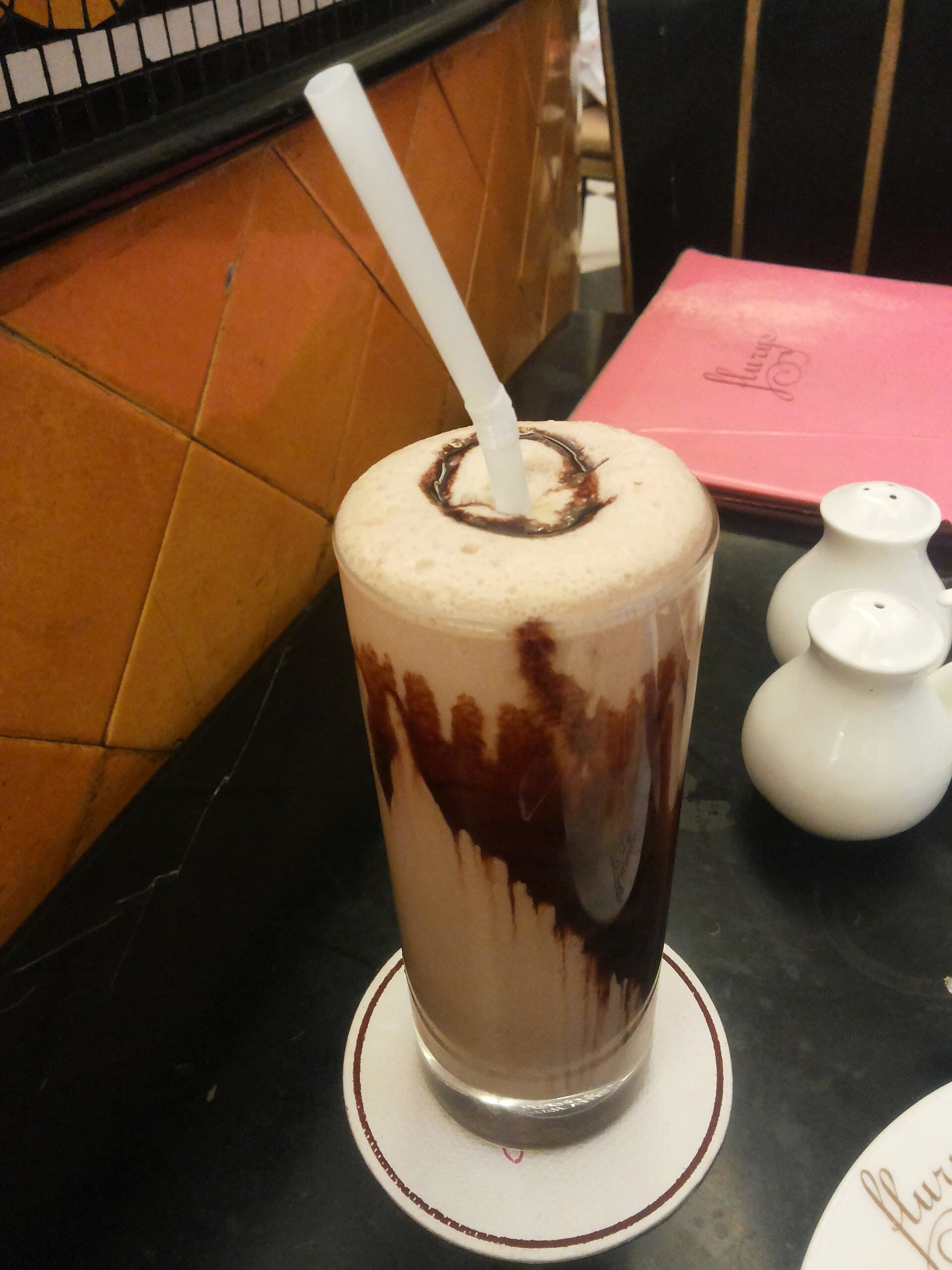
1900-1929
Chocolate Milkshake pours old-school malt-shop cheer into a cold glass: Soda fountain, fast food, and drive-in staple.
America's Melting Pot
Chocolate Peanut Butter Drive-In Shake photo coming soon
1900-1929
Chocolate Peanut Butter Drive-In Shake brings drive-in, carhop, and fast-food dessert-counter energy to the table: A classic carhop flavor.
America's Melting Pot
Chocolate Phosphate photo coming soon
Gilded Age & Progressive Era
Chocolate Phosphate is fizzy Americana from the soda-fountain counter: Soda fountain chocolate syrup, acid phosphate, and seltzer.
America's Melting Pot
Chocolate Syrup photo coming soon
1900-1929
Chocolate Syrup is a sweet sauce with real American table personality: Ice cream sodas, chocolate milk, diners. It brings flavor from coast-to-coast American tables to cookouts, counters, lunch plates, potlucks, and weeknight suppers.
America's Melting Pot
Chop Suey photo coming soon
1861-1900
Chop Suey is a stir-fried dish made with meat, vegetables, and a savory sauce, developed by Chinese-American cooks. It became a popular dish in American Chinese restaurants and diners during the early 1900s, adapting Chinese techniques and ingredients to American tastes and locally available produce.
America's Melting Pot
Church Basement Ham Buns photo coming soon
1900-1929
Church Basement Ham Buns are a classic main dish served at church socials, school events, and community potlucks in early 20th-century America. These soft buns filled with ham and a creamy cheese sauce reflect the communal spirit and practicality of home cooks providing affordable, large-batch foods for gatherings, drawing on regional comfort food traditions.
America's Melting Pot
Church Basement Ham Sandwiches photo coming soon
1900-1929
Church Basement Ham Sandwiches are straightforward yet beloved sandwiches served at church gatherings, funerals, and potlucks, often featuring sliced ham on bread with mustard or mayonnaise. These sandwiches represent practical, no-fuss fare designed to feed large groups affordably, emblematic of communal meal-sharing in American social traditions.
America's Melting Pot
Church Punch photo coming soon
1900-1929
Church Punch is a refreshing, sweet non-alcoholic beverage often served at church socials, school functions, and community gatherings from the early 20th century. Made from fruit juices, soda, and sometimes sherbet, it provides a festive, family-friendly drink that required easily obtainable ingredients and minimal preparation, aligning with temperance values of many communities.
America's Melting Pot
Cinnamon Roll Shake photo coming soon
1900-1929
Cinnamon Roll Shake brings drive-in, carhop, and fast-food dessert-counter energy to the table: Mall/fast-food crossover.
America's Melting Pot
Cinnamon Rolls with Chili photo coming soon
1945-2000
A unique breakfast combining the sweet, soft cinnamon roll with a spicy chili twist, reflecting flavor fusions from the Great Plains region influenced by Mexican-American and Southwestern cuisines. This dish pairs the warming spices of cinnamon with hearty chili for a tasty and filling meal that honors regional culinary blending.
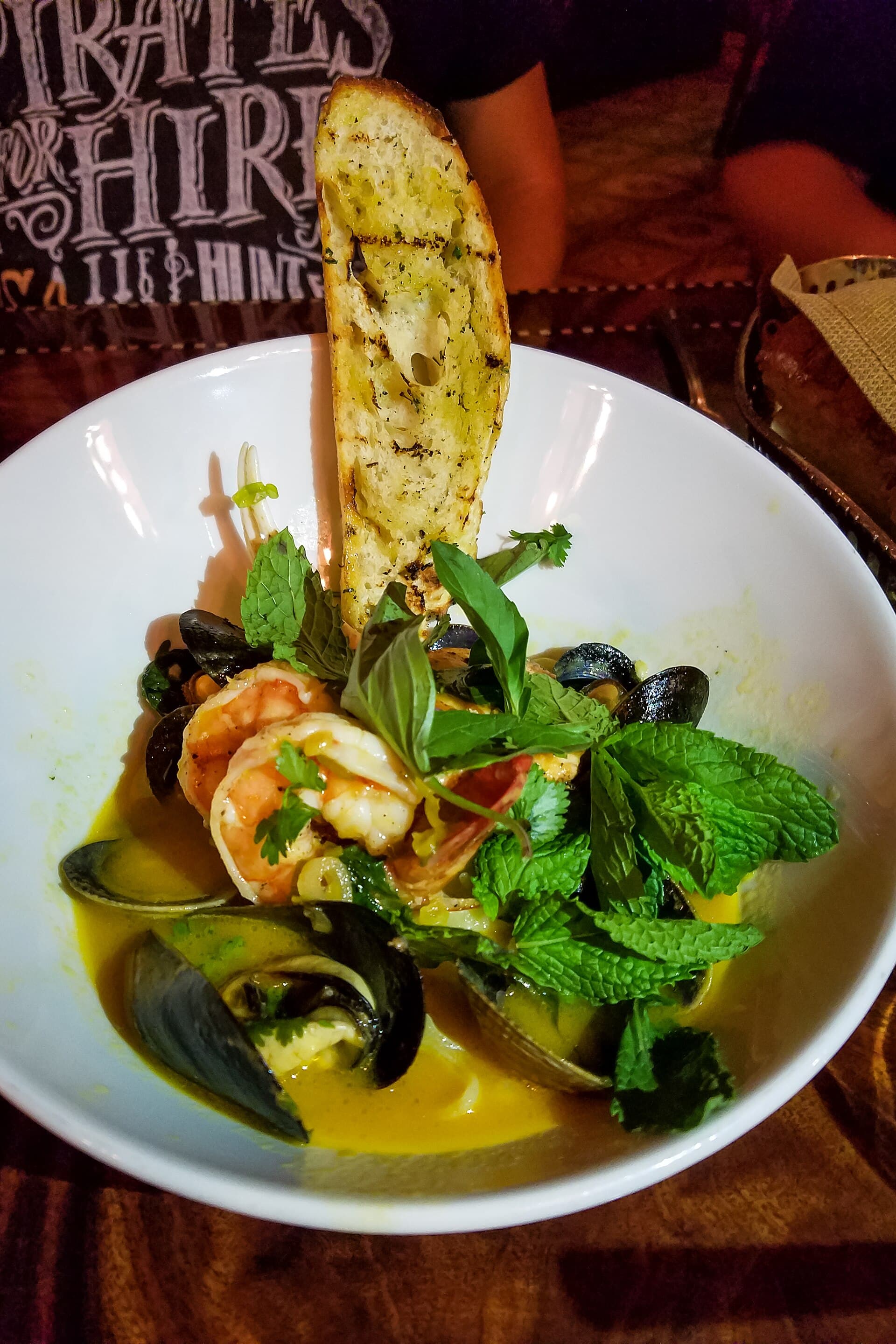
1861-1900
Cioppino is a hearty seafood stew originating from Italian immigrant fishermen on the West Coast, combining various shellfish and fish simmered in a tomato and wine-based broth. Known for its communal, one-pot cooking style, it reflects the fusion of Italian culinary heritage with the maritime bounty of California. Cioppino became especially popular in San Francisco's Italian-American communities, symbolizing immigrant adaptation and local ingredient use.
America's Melting Pot
City Chicken photo coming soon
1930-1945
City Chicken consists of cubes of pork or veal (sometimes a mix), skewered on sticks, breaded, and fried or baked to simulate roasted chicken. It became popular in American industrial cities with large Polish, Czech, Slovak, and other Eastern European immigrant populations in the early 20th century, especially where chicken was expensive or scarce. Served often at diners, lunch counters, and state fairs, it represents resourceful ethnic adaptation and immigrant influence on urban American foodways.
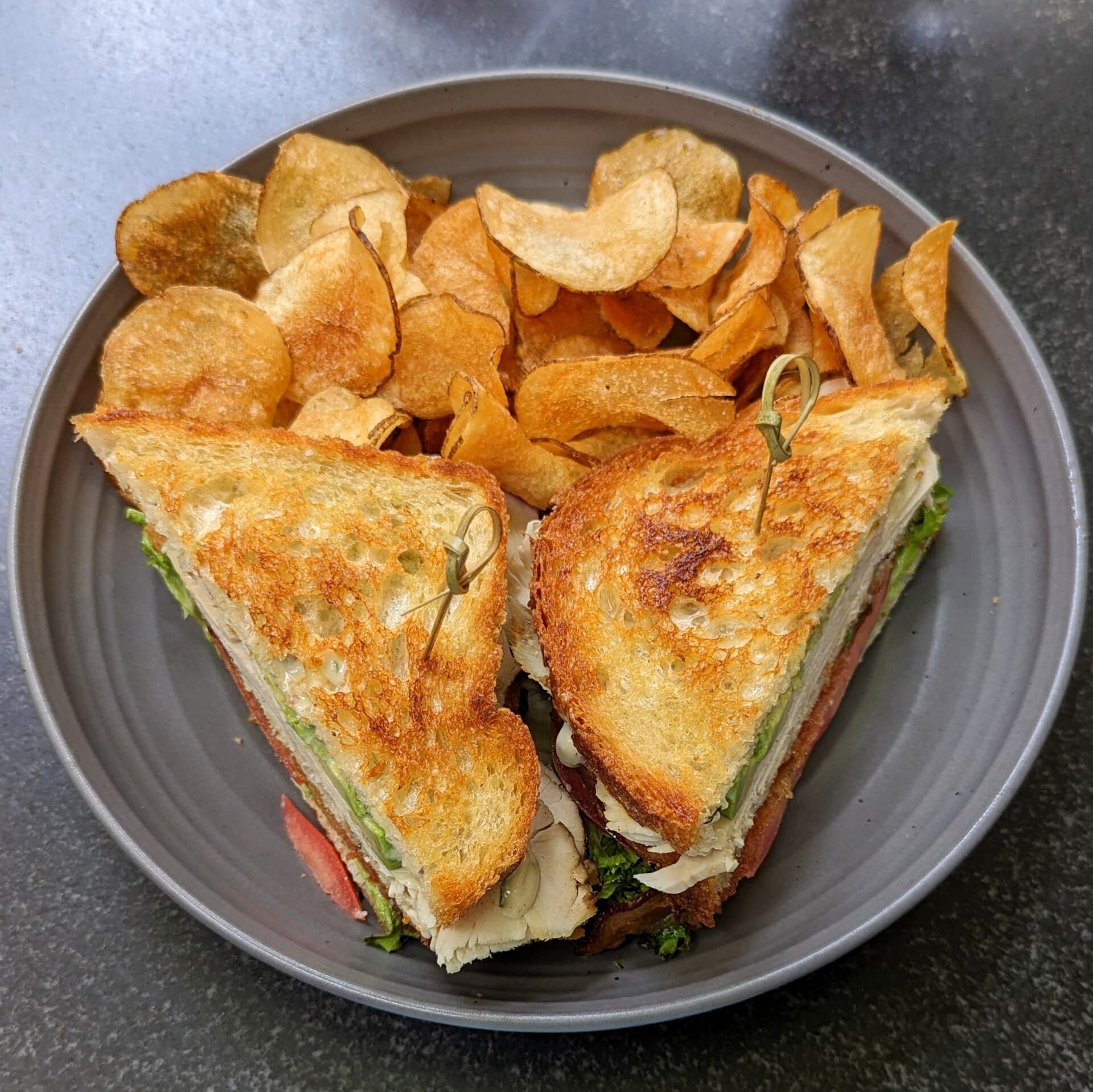
1861-1900
The Club Sandwich is a layered triple-decker sandwich featuring sliced turkey or chicken, crispy bacon, lettuce, tomato, and mayonnaise on toasted bread. It first appeared in American diners and lunch counters during the early 20th century and quickly became popular as a convenient, filling meal. The Club reflects immigrant dining hall influences and the rise of urban lunch culture, notably served at state fairs and public eateries.
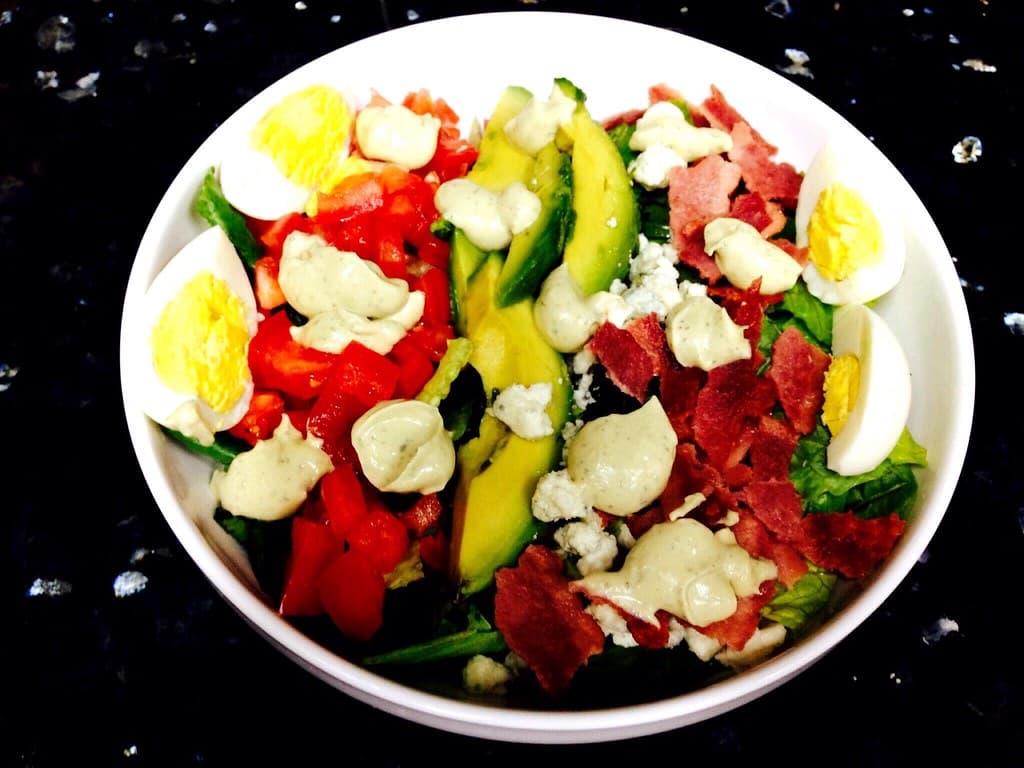
1900-1929
Cobb Salad consists of chopped greens, tomatoes, bacon, chicken, hard-boiled eggs, avocado, chives, and blue cheese, often served with red wine vinaigrette. It originated on the West Coast as a restaurant dish and became an iconic American salad celebrated for its variety and nutritional balance. The Cobb exemplifies regional California fresh produce combined with classic American diner influences, beloved for lunch and light dinners.
America's Melting Pot
Coconut Cream Pie Shake photo coming soon
1900-1929
Coconut Cream Pie Shake brings drive-in, carhop, and fast-food dessert-counter energy to the table: Pie-shop flavor.
America's Melting Pot
Coconut Shake photo coming soon
1900-1929
Coconut Shake pours old-school malt-shop cheer into a cold glass: Tropical, diner, and regional coastal variation.
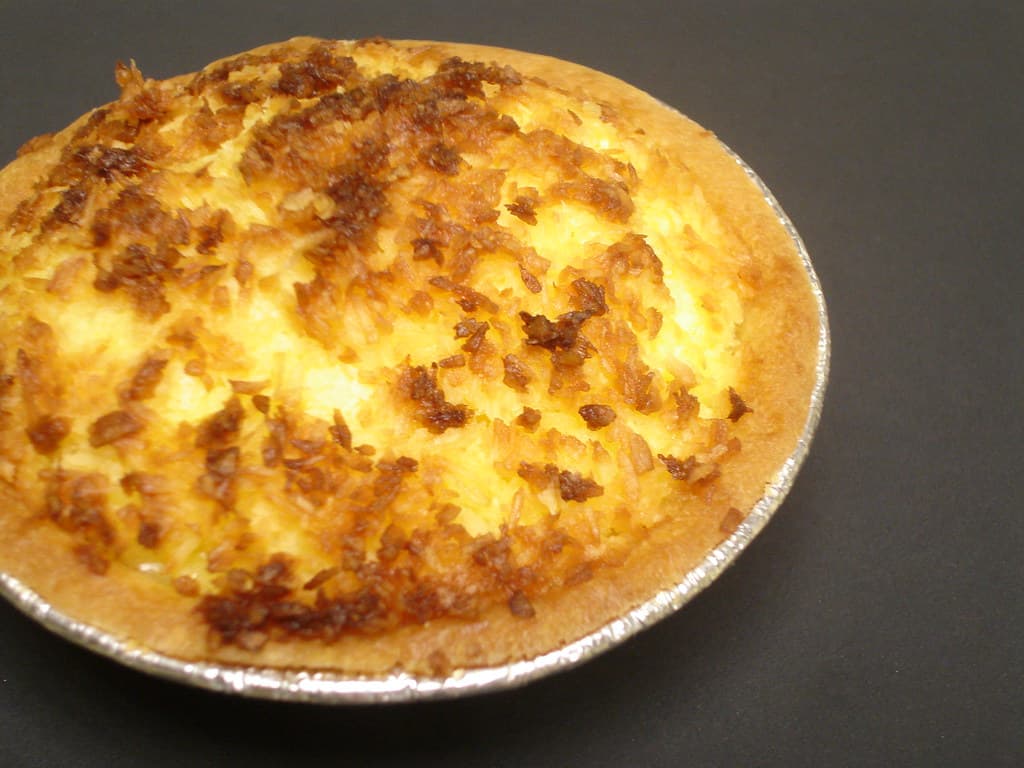
1900-1929
Coconut Tart is a traditional dessert found across U.S. territories and island communities such as Puerto Rico, Guam (Chamorro), the Philippines, and the U.S. Virgin Islands. This recipe features a flaky crust filled with sweetened coconut custard, highlighting indigenous and colonial culinary influences that span eras and geographies in American territories.
America's Melting Pot
Coffee by the Gallon photo coming soon
1930-1945
Coffee by the gallon was a practical preparation method used in military mess halls during the Great Depression and World War II to provide troops with consistent coffee servings. Brewed strong and in massive batches, this coffee kept soldiers energized and connected through shared routine.
America's Melting Pot
Coffee Frappe photo coming soon
Postwar & Diner Age
Coffee Frappe celebrates New England dairy-bar pride in a cold glass: Coffee syrup or coffee ice cream blended with milk and ice cream.
America's Melting Pot
Coffee Malt photo coming soon
1900-1929
Coffee Malt pours old-school malt-shop cheer into a cold glass: Great old-school soda fountain flavor.
America's Melting Pot
Coffee Milk photo coming soon
Postwar & Diner Age
Coffee Milk celebrates New England dairy-bar pride in a cold glass: Rhode Island state drink; milk mixed with coffee syrup.
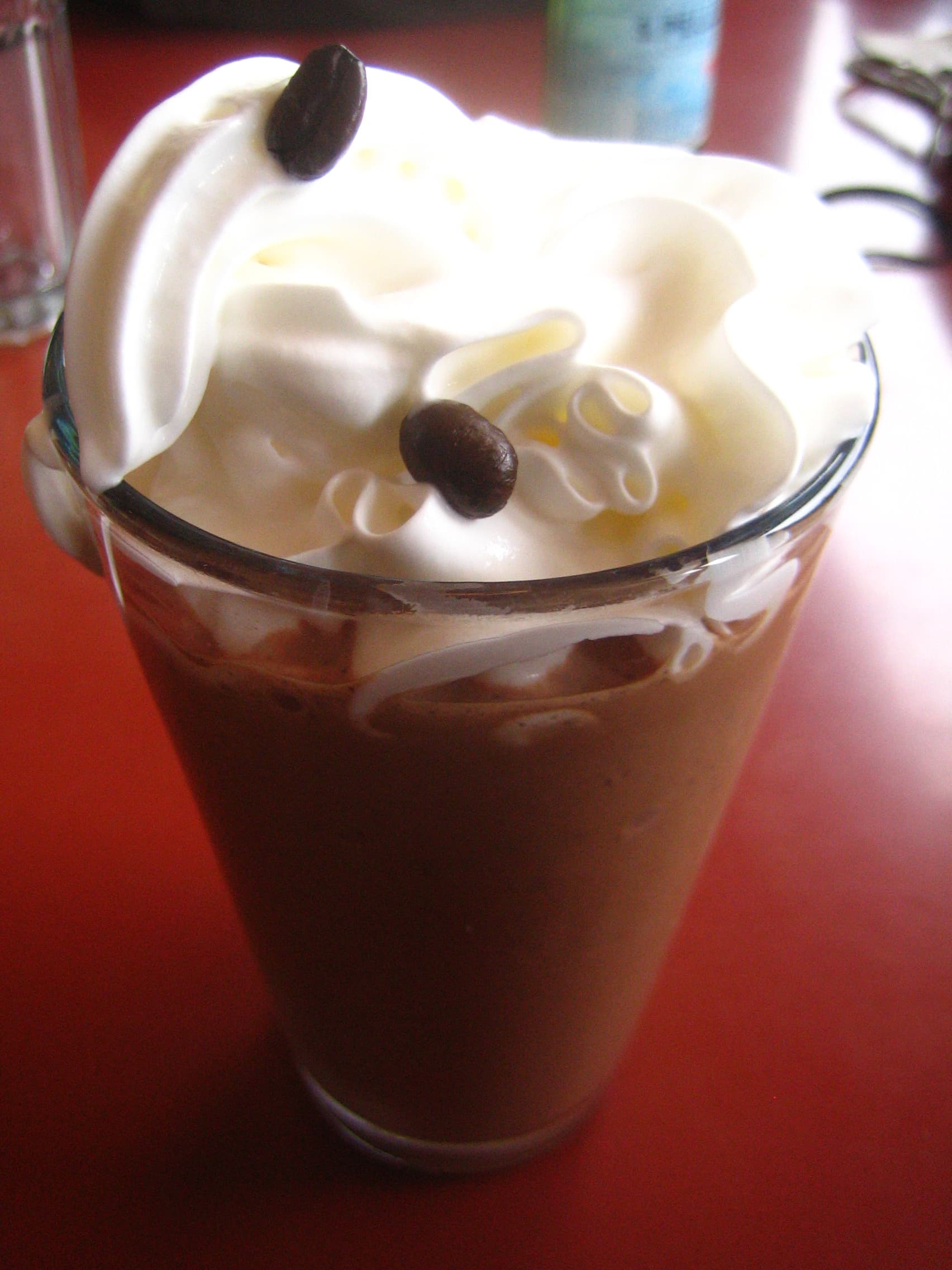
Postwar & Diner Age
Coffee Milkshake pours old-school malt-shop cheer into a cold glass: Diner and New England favorite.
America's Melting Pot
Coffee Oreo Frappe photo coming soon
Postwar & Diner Age
Coffee Oreo Frappe celebrates New England dairy-bar pride in a cold glass: Modern New England dairy-bar flavor.
America's Melting Pot
Coke Float photo coming soon
Gilded Age & Progressive Era
Coke Float is fizzy Americana from the soda-fountain counter: Coca-Cola and vanilla ice cream.
America's Melting Pot
Comeback Sauce photo coming soon
Cross-era
Comeback Sauce is a sandwich sauce with real American table personality: Mississippi sauce from Jackson restaurant culture; mayo, ketchup/chili sauce, Worcestershire, garlic, and spice. It brings flavor from the American South to cookouts, counters, lunch plates, potlucks, and weeknight suppers.
America's Melting Pot
Comeback Sauce for Fried Seafood photo coming soon
Cross-era
Comeback Sauce for Fried Seafood is a seafood sauce with real American table personality: Mississippi and Gulf Coast fried shrimp/oyster sauce. It brings flavor from the American South to cookouts, counters, lunch plates, potlucks, and weeknight suppers.
America's Melting Pot
Compound Steak Butter photo coming soon
Modern Melting Pot
Compound Steak Butter is a spread with real American table personality: American steakhouse finishing sauce. It brings flavor from coast-to-coast American tables to cookouts, counters, lunch plates, potlucks, and weeknight suppers.
America's Melting Pot
Concession Stand Hot Dogs photo coming soon
1861-1900
Concession stand hot dogs are simple, affordable sandwiches featuring cooked frankfurter sausages in a soft bun, often topped with mustard, ketchup, onions, or relish. They have been a ubiquitous American food at schools, sports events, and fairs across multiple eras. These hot dogs reflect practical street and event food culture, offering quick nourishment and familiar flavors to all ages.
1861-1900
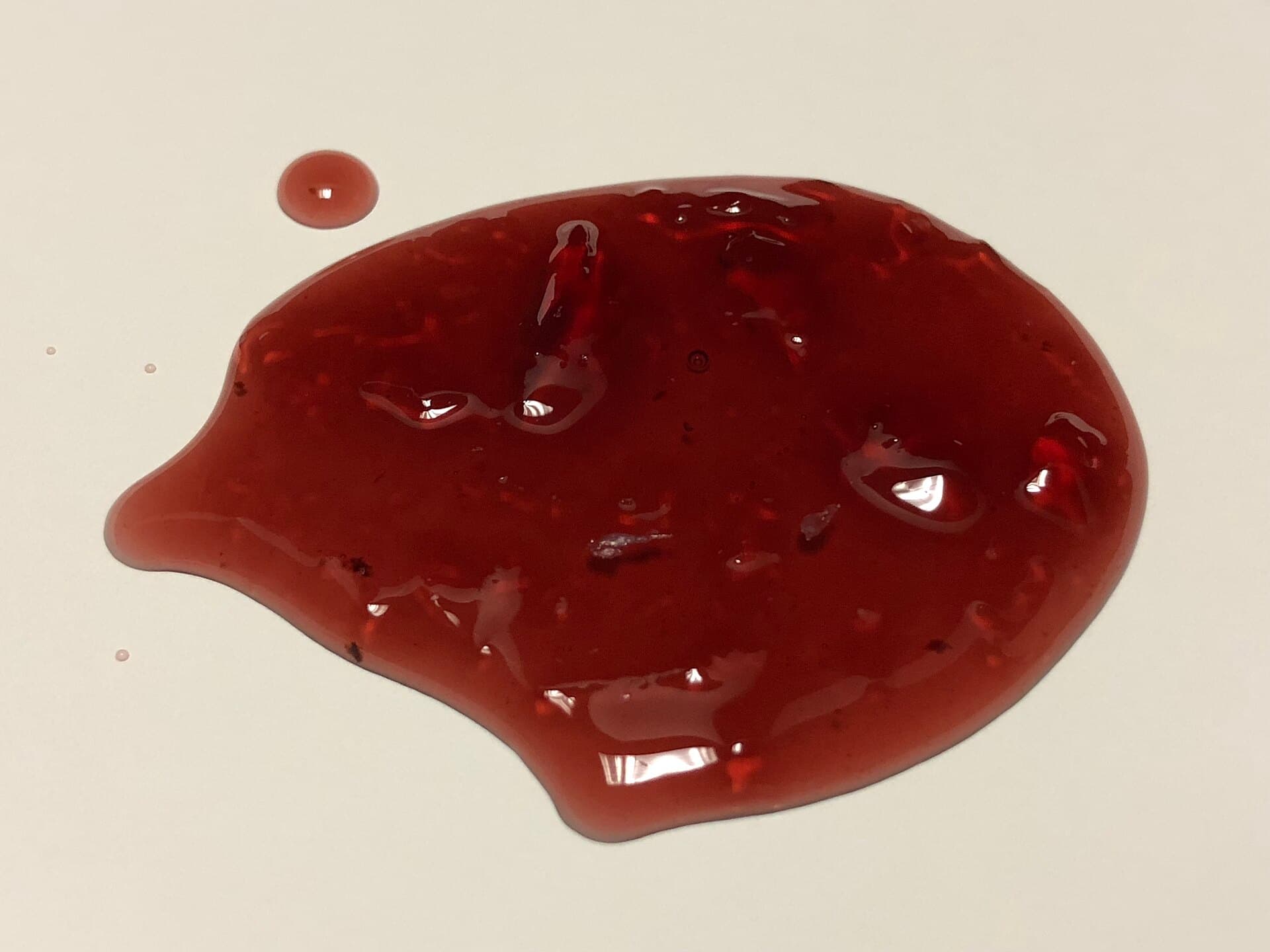
Concord Grape Jelly is a preserve with real American table personality: Northeastern American grape culture. It brings flavor from coast-to-coast American tables to cookouts, counters, lunch plates, potlucks, and weeknight suppers.
America's Melting Pot
Concrete photo coming soon
Postwar & Diner Age
Concrete is thick, spoonable frozen-custard stand fun: Thick frozen custard blend served with mix-ins; associated with places like St. Louis custard culture.
America's Melting Pot
Coney Dogs photo coming soon
1900-1929
The Coney dog is a hot dog topped with a savory meat chili sauce, mustard, and onions, originating from Greek immigrant communities in Midwestern U.S. cities during the early 20th century. It became popular at diners, lunch counters, and state fairs as an affordable, flavorful meal. The dish blends immigrant culinary traditions with American fast food culture, reflecting urban foodways and ethnic entrepreneurship.
America's Melting Pot
Coney Sauce photo coming soon
Cross-era
Coney Sauce is a sandwich sauce with real American table personality: Spiced meat sauce for hot dogs, especially Detroit, Flint, Jackson, Cincinnati, and Greek-American diner traditions. It brings flavor from coast-to-coast American tables to cookouts, counters, lunch plates, potlucks, and weeknight suppers.
America's Melting Pot
Congealed Salad photo coming soon
1900-1929
Congealed salad is a cold dish featuring gelatin with mixed ingredients such as fruit, vegetables, mayo, or cottage cheese, molded into decorative shapes. Popular in American homes and potlucks from 1946 to 1969, it reflects mid-century fascination with convenience foods and playful presentation. Though less common today, it remains a nostalgic symbol of postwar suburban family menus and holiday tables.
America's Melting Pot
Cookie Dough Blizzard-Style Treat photo coming soon
Postwar & Diner Age
Cookie Dough Blizzard-Style Treat is thick, spoonable frozen-custard stand fun: Modern chain classic.
America's Melting Pot
Cookie Dough Shake photo coming soon
1900-1929
Cookie Dough Shake pours old-school malt-shop cheer into a cold glass: Ice cream shop favorite.
America's Melting Pot
Cookie Malt photo coming soon
1900-1929
Cookie Malt pours old-school malt-shop cheer into a cold glass: Cookies-and-cream malt variation.
1900-1929
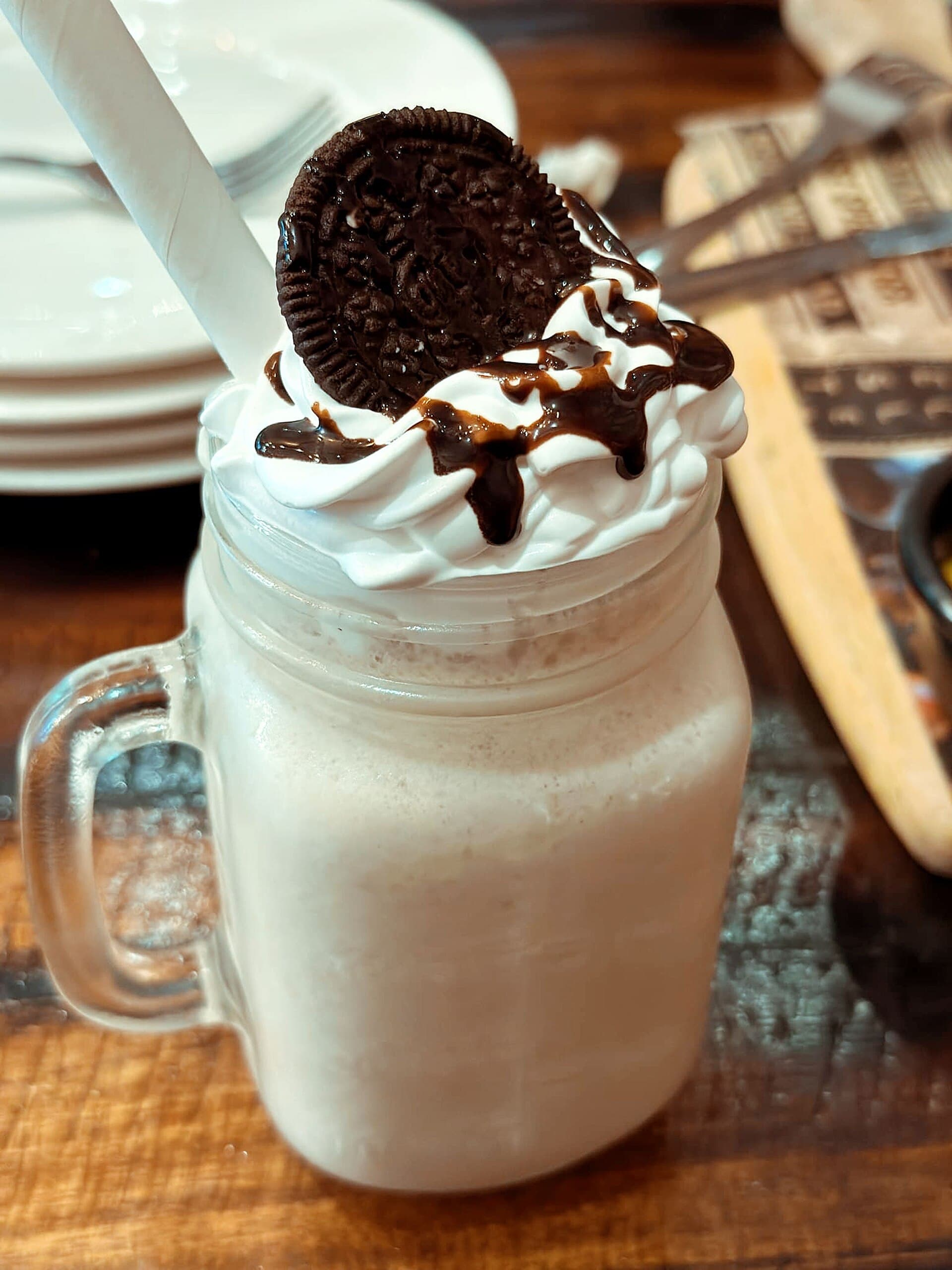
Cookies and Cream Shake pours old-school malt-shop cheer into a cold glass: Modern fast-food and ice cream shop staple.
America's Melting Pot
Corn Dip photo coming soon
Cross-era
Corn Dip is a party dip with real American table personality: Southwestern/Midwestern potluck food. It brings flavor from the American South to cookouts, counters, lunch plates, potlucks, and weeknight suppers.
1930-1945
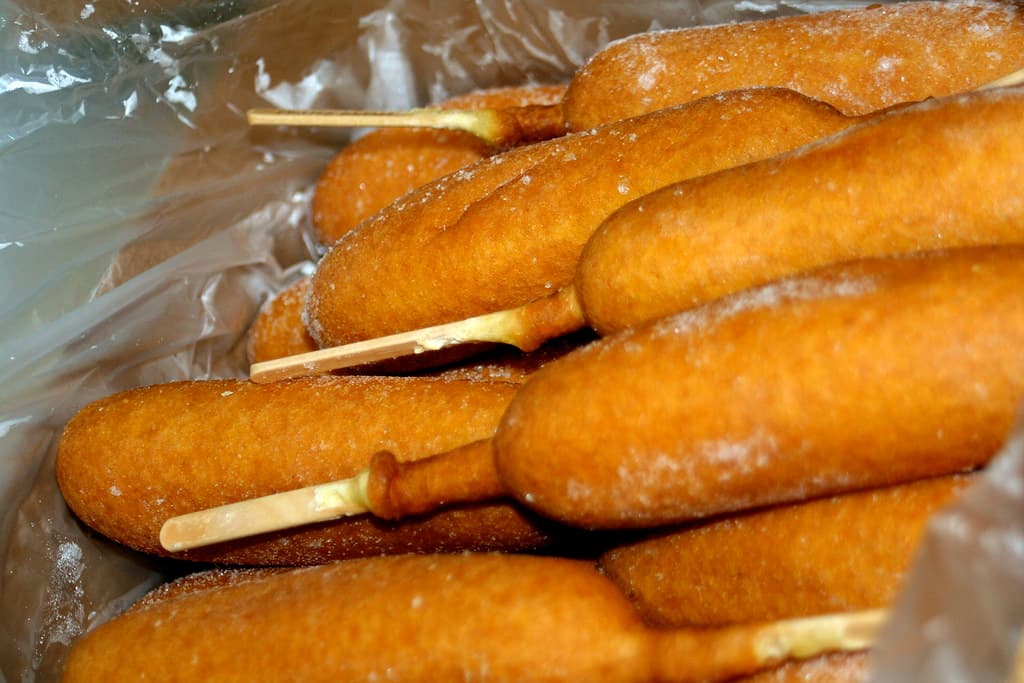
Corn dogs are hot dogs coated in a thick cornmeal batter and fried until golden, a popular carnival and state fair food emerging in early 20th-century America.
America's Melting Pot
Cornbread photo coming soon
1930-1945
Cornbread is a versatile quick bread made primarily from cornmeal, commonly baked or fried in the South and Appalachia during the Great Depression and World War II eras. It was a dietary staple in military mess halls and home kitchens, valued for economical ingredients and satisfying flavor. Often served alongside barbecue and holiday meals, this cornbread represents resilience and regional culinary heritage in trying times.
America's Melting Pot
Cornbread and Beans photo coming soon
1930-1945
Cornbread and beans was a nutritional and affordable meal staple during the Great Depression, combining inexpensive ingredients to create a filling dish. Beans, often pinto or kidney varieties, provided protein and fiber, while cornbread offered a comforting starch. This pairing sustained many American families through economic hardship and is now a symbolic representation of depression-era resourcefulness in foodways.
1900-1929
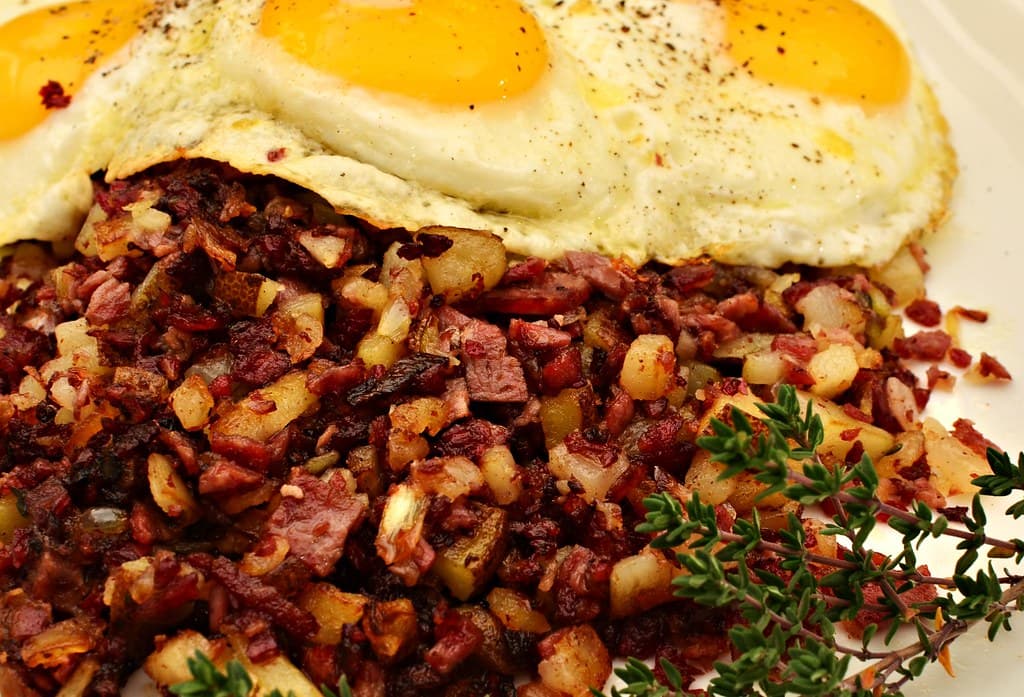
Corned beef hash is a simple blend of chopped corned beef, potatoes, and onions, pan-fried to a crispy breakfast dish popular on the World War II home front.
America's Melting Pot
Cottage Cheese Pie photo coming soon
1930-1945
Cottage cheese pie was a cost-effective and nutritious dessert during the Dust Bowl and Depression years. Utilizing simple, affordable ingredients, it provided a satisfying sweet treat in households facing economic constraints and rationing during the 1930s and 1940s.
America's Melting Pot
Cotton Candy photo coming soon
1900-1929
Cotton candy is a spun sugar candy synonymous with American state fairs and carnivals in the early 20th century. Known for its fluffy texture and bright colors, it was a novelty sweet made possible by mechanized candy-spinning machines introduced around 1900.
America's Melting Pot
Cotton Candy Shake photo coming soon
1900-1929
Cotton Candy Shake brings drive-in, carhop, and fast-food dessert-counter energy to the table: Fairground flavor.
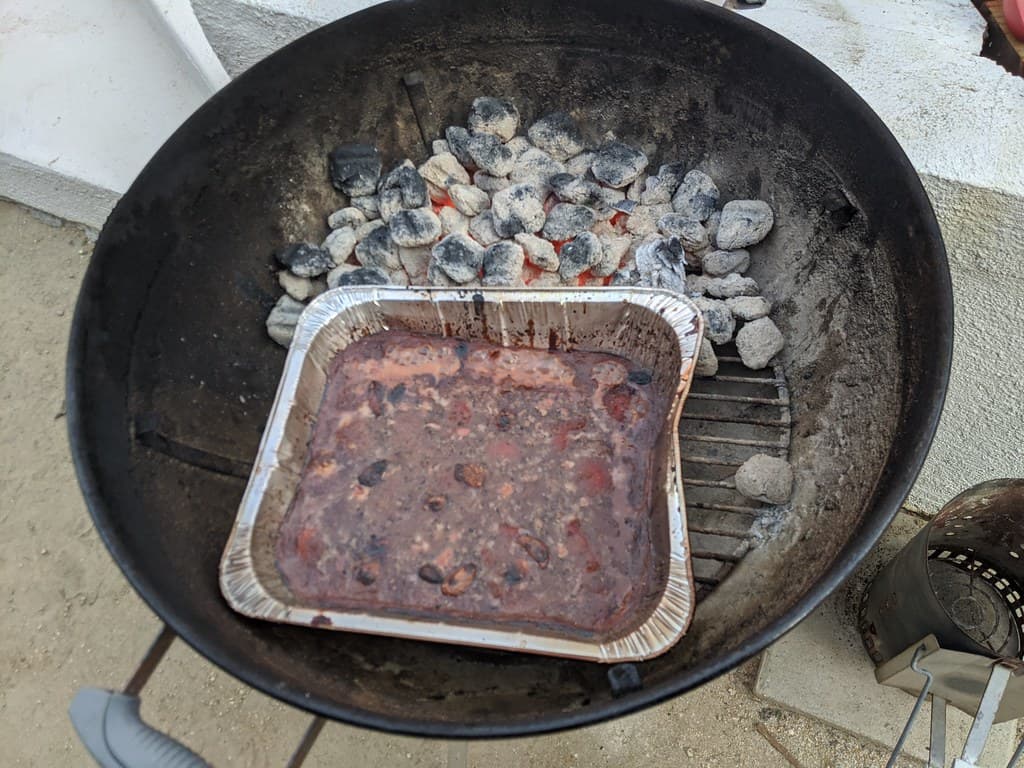
1861-1900
A hearty side of slow-cooked beans flavored with smoky bacon, onion, and a touch of sweetness. Cowboy beans reflect the practical meals of cattlemen and frontier cooks who needed filling, flavorful food that could be made over an open fire or stove.
America's Melting Pot
Crab Cake Sandwich photo coming soon
1900-1929
A hand-held sandwich featuring a crispy crab cake nestled in a soft bun with fresh lettuce and tangy sauces. This Mid-Atlantic sandwich variation showcases regional crab cake traditions in sandwich form for casual meals.
America's Melting Pot
Crab Cake Sauce photo coming soon
Cross-era
Crab Cake Sauce is a seafood sauce with real American table personality: Chesapeake mayo-mustard-lemon style. It brings flavor from Chesapeake and Mid-Atlantic to cookouts, counters, lunch plates, potlucks, and weeknight suppers.
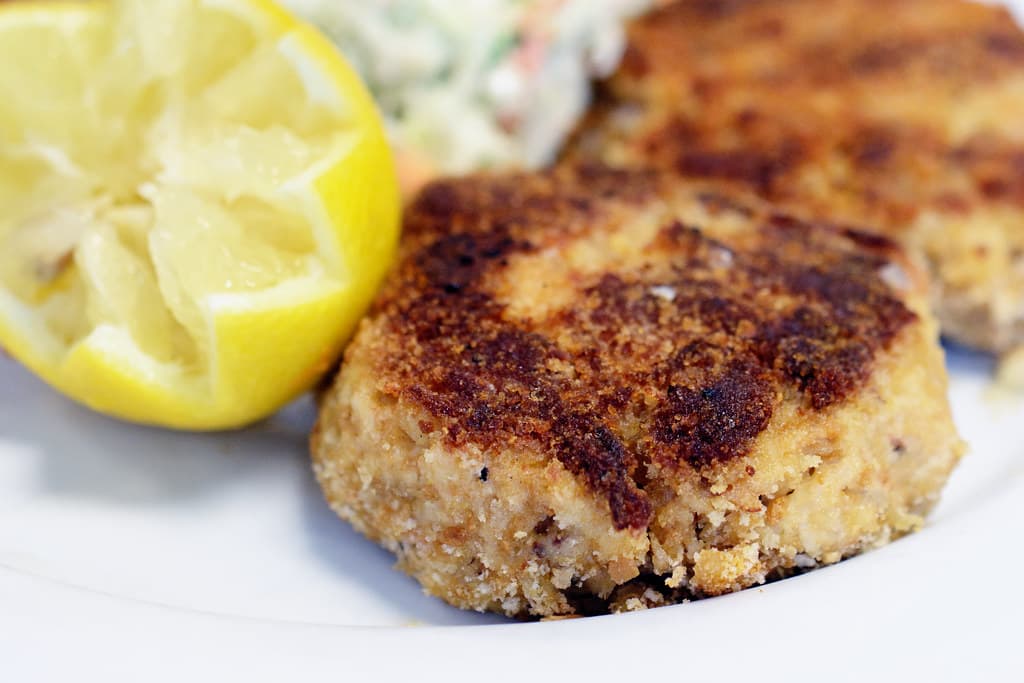
1861-1900
Delicate cakes made of lump crab meat lightly bound with breadcrumbs and seasonings, pan-fried to golden perfection. Crab cakes are a beloved Mid-Atlantic specialty highlighting local seafood in a simple, elegant presentation.
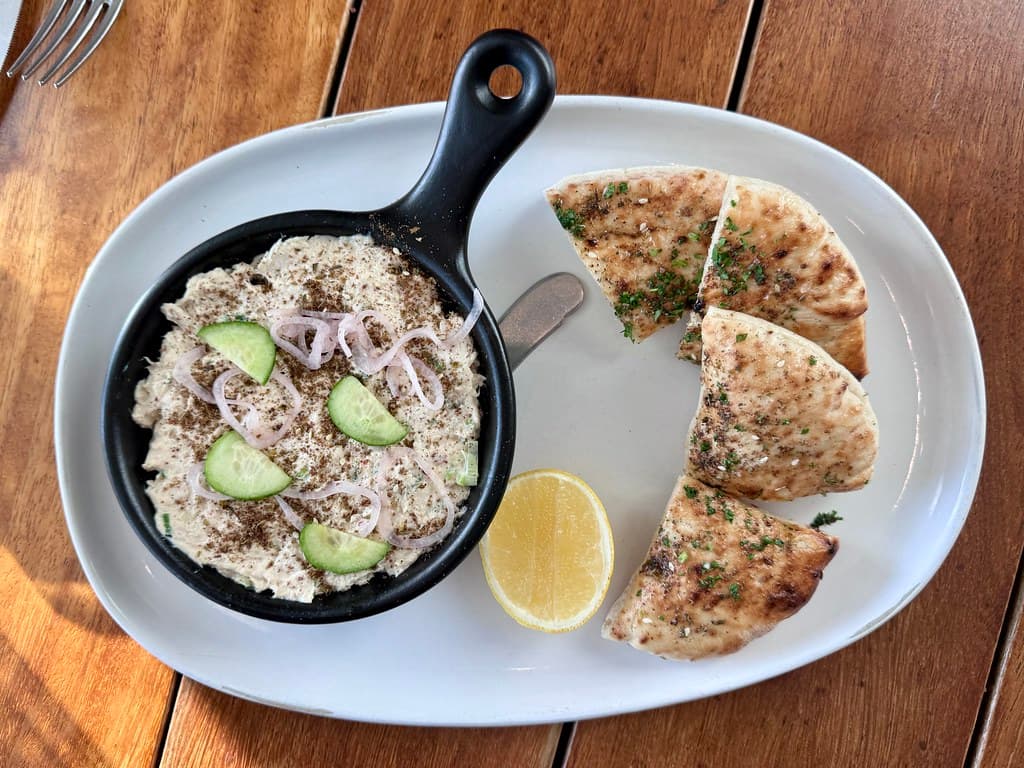
1946-1969
A rich and creamy crab dip combining crab meat with cream cheese, mayonnaise, and seasonings baked until bubbly and golden. Often enjoyed as a popular appetizer during postwar American cocktail parties and gatherings.
America's Melting Pot
Cranberry Fluff photo coming soon
1900-1929
A nostalgic sweet salad combining cranberries, marshmallows, nuts, and whipped topping to create a light, fruity dessert common at churches and schools in New England during the early 20th century.
Community recipe submission
Log in to submit a recipe, format it with the cooking companion, and send it for review.
Log in to Submit