
Loading
Setting the table...
Fetching the latest recipes from the archive.
Loading
Fetching the latest recipes from the archive.
Recipe archive
Recipe archive
Search the archive by title, region, ingredient, tag, or era, then sort the table by the view that fits your kitchen.
This archive is growing through recipes, photos, family recipes, and historical context shared by the community.
America's Melting Pot
Chislic photo coming soon
1970-1989
Chislic is a Great Plains specialty of cubed red meat, typically beef or lamb, skewered and grilled or deep-fried, often served with garlic salt and dipping sauces. Popular from the 1970s through 1980s as a tailgate and fast-food favorite, it reflects the region's meat-centric culinary heritage and influences from immigrant communities who introduced meat skewering traditions. It remains a regional emblem of convenient, flavorful casual dining.
America's Melting Pot
Chocolate Banana Smoothie photo coming soon
1970-1989
Chocolate Banana Smoothie brings juice-bar color and American smoothie-counter energy to the glass: Dessert/fitness hybrid.
America's Melting Pot
Chocolate Coke photo coming soon
Gilded Age & Progressive Era
Chocolate Coke is fizzy Americana from the soda-fountain counter: Old soda counter flavor.
America's Melting Pot
Chocolate Concrete photo coming soon
Postwar & Diner Age
Chocolate Concrete is thick, spoonable frozen-custard stand fun: Chocolate custard concrete.
America's Melting Pot
Chocolate Custard Shake photo coming soon
Postwar & Diner Age
Chocolate Custard Shake is thick, spoonable frozen-custard stand fun: Richer than a typical shake.
America's Melting Pot
Chocolate Gravy photo coming soon
Frontier & Expansion
Chocolate Gravy is a condiment with real American table personality: Appalachian/Southern breakfast sauce for biscuits. It brings flavor from Appalachia and Pennsylvania Dutch country to cookouts, counters, lunch plates, potlucks, and weeknight suppers.
America's Melting Pot
Chocolate Ice Cream Soda photo coming soon
1861-1900
Chocolate Ice Cream Soda is fizzy Americana from the soda-fountain counter: Chocolate syrup, milk/cream, seltzer, ice cream.
America's Melting Pot
Chocolate Malt photo coming soon
1900-1929
Chocolate Malt pours old-school malt-shop cheer into a cold glass: 1950s soda fountain icon.
America's Melting Pot
Chocolate Malted Milk photo coming soon
1861-1900
Chocolate Malted Milk is fizzy Americana from the soda-fountain counter: Soda fountain malt drink before modern shakes.
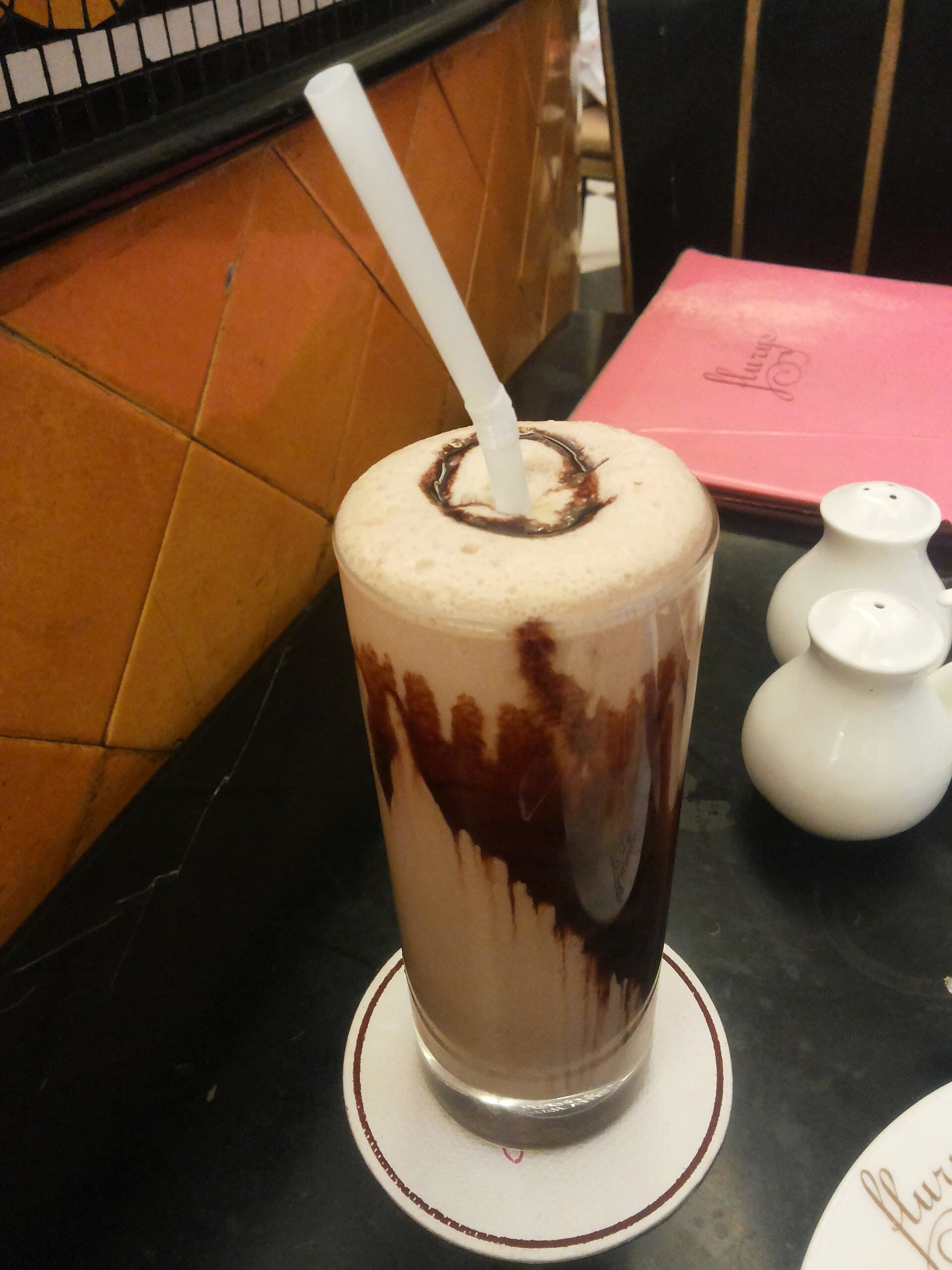
1900-1929
Chocolate Milkshake pours old-school malt-shop cheer into a cold glass: Soda fountain, fast food, and drive-in staple.
America's Melting Pot
Chocolate Peanut Butter Drive-In Shake photo coming soon
1900-1929
Chocolate Peanut Butter Drive-In Shake brings drive-in, carhop, and fast-food dessert-counter energy to the table: A classic carhop flavor.
America's Melting Pot
Chocolate Peanut Butter Protein Smoothie photo coming soon
1970-1989
Chocolate Peanut Butter Protein Smoothie brings juice-bar color and American smoothie-counter energy to the glass: Gym America.
America's Melting Pot
Chocolate Phosphate photo coming soon
Gilded Age & Progressive Era
Chocolate Phosphate is fizzy Americana from the soda-fountain counter: Soda fountain chocolate syrup, acid phosphate, and seltzer.
America's Melting Pot
Chocolate Protein Shake photo coming soon
1970-1989
Chocolate Protein Shake brings juice-bar color and American smoothie-counter energy to the glass: Most common gym shake.
America's Melting Pot
Chow-Chow photo coming soon
Frontier & Expansion
Chow-Chow is a relish with real American table personality: Southern/Appalachian chopped vegetable relish. It brings flavor from Appalachia and Pennsylvania Dutch country to cookouts, counters, lunch plates, potlucks, and weeknight suppers.
America's Melting Pot
Chow-Chow Pepper Relish photo coming soon
Frontier & Expansion
Chow-Chow Pepper Relish is a condiment with real American table personality: Southern/Appalachian preserved garden relish. It brings flavor from Appalachia and Pennsylvania Dutch country to cookouts, counters, lunch plates, potlucks, and weeknight suppers.
America's Melting Pot
Church Basement Ham Buns photo coming soon
1900-1929
Church Basement Ham Buns are a classic main dish served at church socials, school events, and community potlucks in early 20th-century America. These soft buns filled with ham and a creamy cheese sauce reflect the communal spirit and practicality of home cooks providing affordable, large-batch foods for gatherings, drawing on regional comfort food traditions.
America's Melting Pot
Church Punch photo coming soon
1900-1929
Church Punch is a refreshing, sweet non-alcoholic beverage often served at church socials, school functions, and community gatherings from the early 20th century. Made from fruit juices, soda, and sometimes sherbet, it provides a festive, family-friendly drink that required easily obtainable ingredients and minimal preparation, aligning with temperance values of many communities.
America's Melting Pot
Cider photo coming soon
1776-1800
Cider, made from fermented or fresh-pressed apple juice, has been an important American drink since colonial times. Both hard (alcoholic) and sweet (non-alcoholic) varieties were common, used at meals and celebrations, embodying early American fruit preservation and local agriculture.
America's Melting Pot
Cincinnati Chili photo coming soon
1946-1969
Cincinnati Chili is a unique meat sauce featuring warm spices like cinnamon and cloves, served over spaghetti or hot dogs. Originating in the Midwestern United States during the mid-20th century, it reflects Mediterranean immigrant influences adapted to local tastes and ingredients, creating a distinctive regional comfort food.
America's Melting Pot
Cinnamon Roll Shake photo coming soon
1900-1929
Cinnamon Roll Shake brings drive-in, carhop, and fast-food dessert-counter energy to the table: Mall/fast-food crossover.
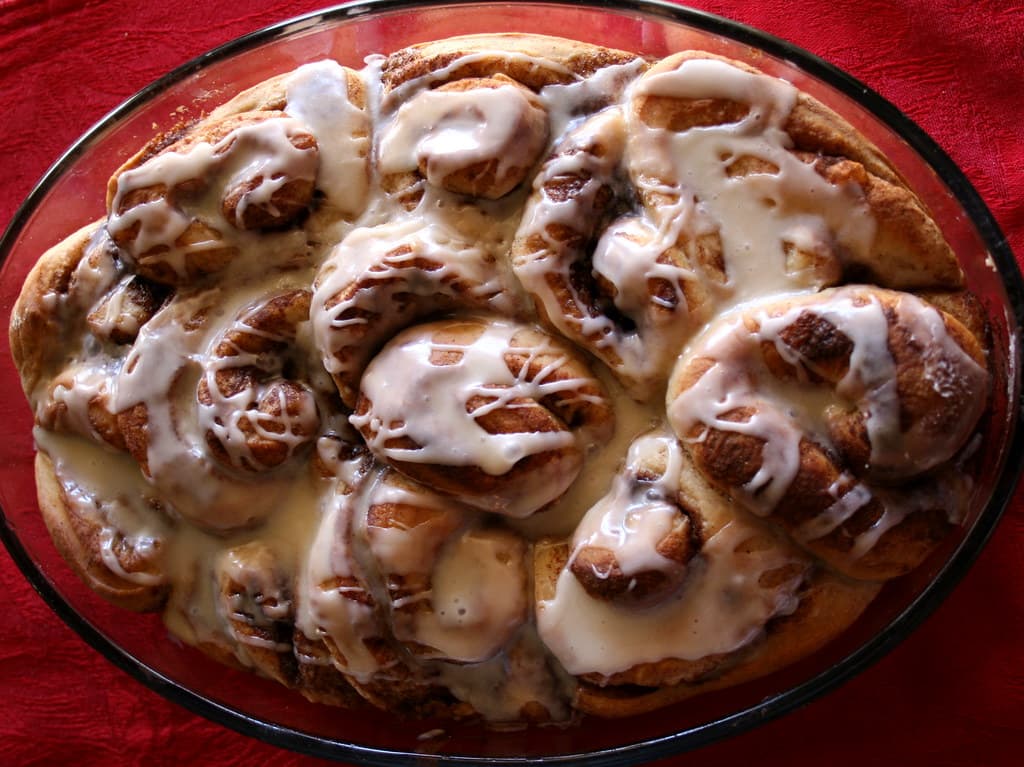
1970-1989
Classic American breakfast sweet rolls featuring a soft, fluffy dough swirled with cinnamon sugar and topped with a sweet glaze. Cinnamon rolls became popular as convenient and comforting treats at tailgate parties, booster clubs, and concession stands in late 20th-century America, especially from the 1970s through the 1980s. Their warm spices and sweetness mark them as a festive favorite around Christmas and other cold-weather celebrations.
America's Melting Pot
Cinnamon Rolls with Chili photo coming soon
1945-2000
A unique breakfast combining the sweet, soft cinnamon roll with a spicy chili twist, reflecting flavor fusions from the Great Plains region influenced by Mexican-American and Southwestern cuisines. This dish pairs the warming spices of cinnamon with hearty chili for a tasty and filling meal that honors regional culinary blending.
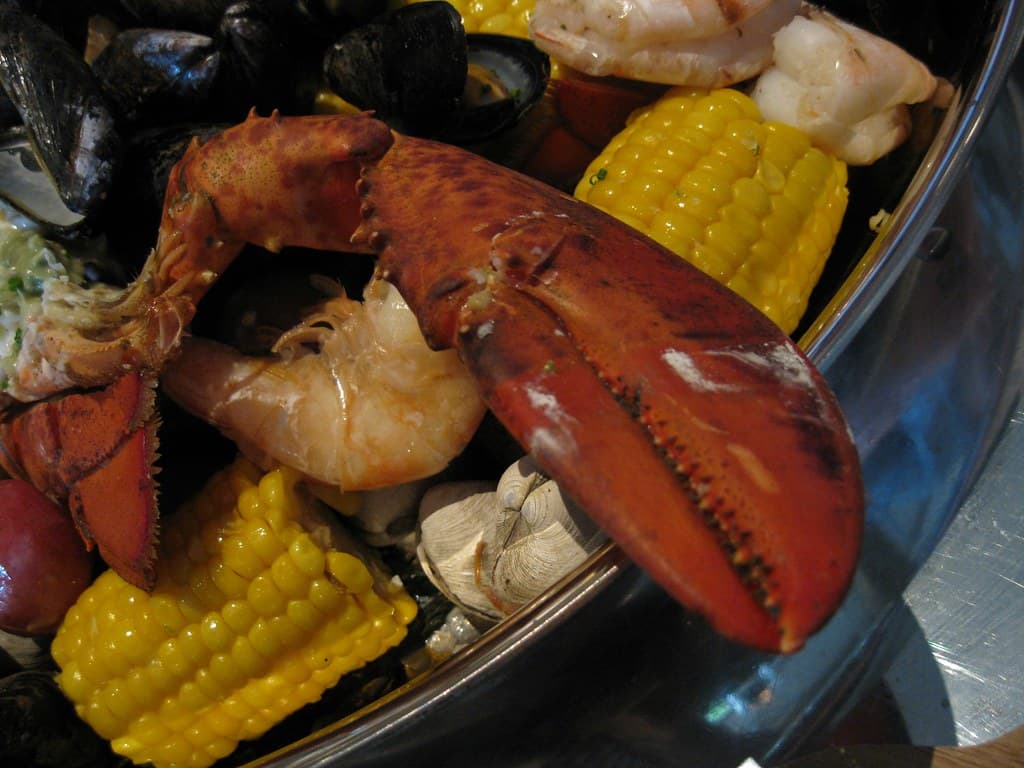
1861-1900
Clam Bake is a communal outdoor cooking method from New England that involves steaming clams, fish, corn, potatoes, and sometimes other shellfish in a pit or pot layered with seaweed. This method celebrates coastal regional ingredients and social dining, historically practiced by Native Americans and adopted by European settlers to feature the bounty of the Atlantic. It remains a hallmark of summer gatherings and fishing camp meals in New England.
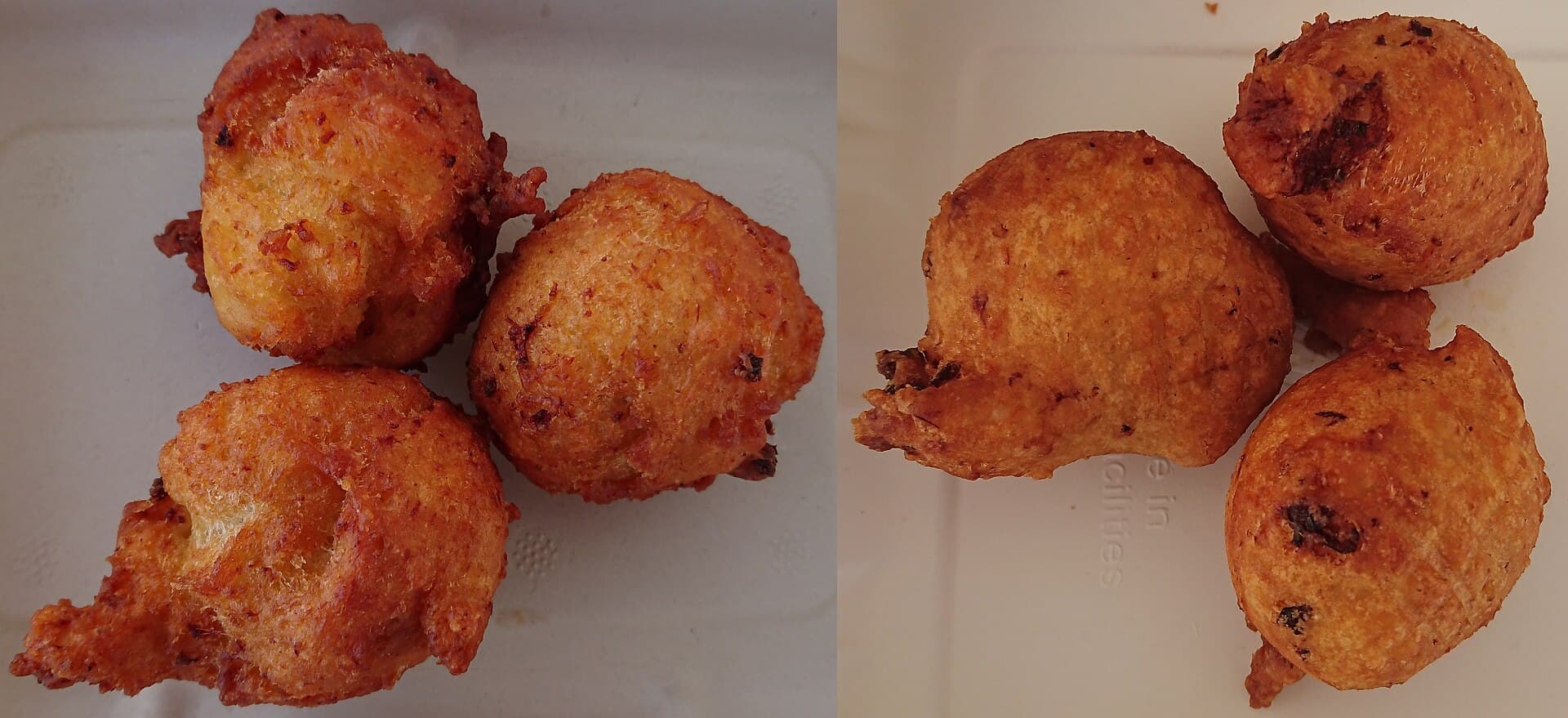
1800-1860
Clam Cakes are deep-fried savory dough balls with minced clams, a staple of coastal New England cuisine dating back to the early 19th century. Typically served as appetizers or snacks, they highlight the region's seafood availability and British-based frying traditions. Clam Cakes exemplify local adaptations celebrating clam harvesting and are commonly found at seafood shacks and fairs throughout New England.
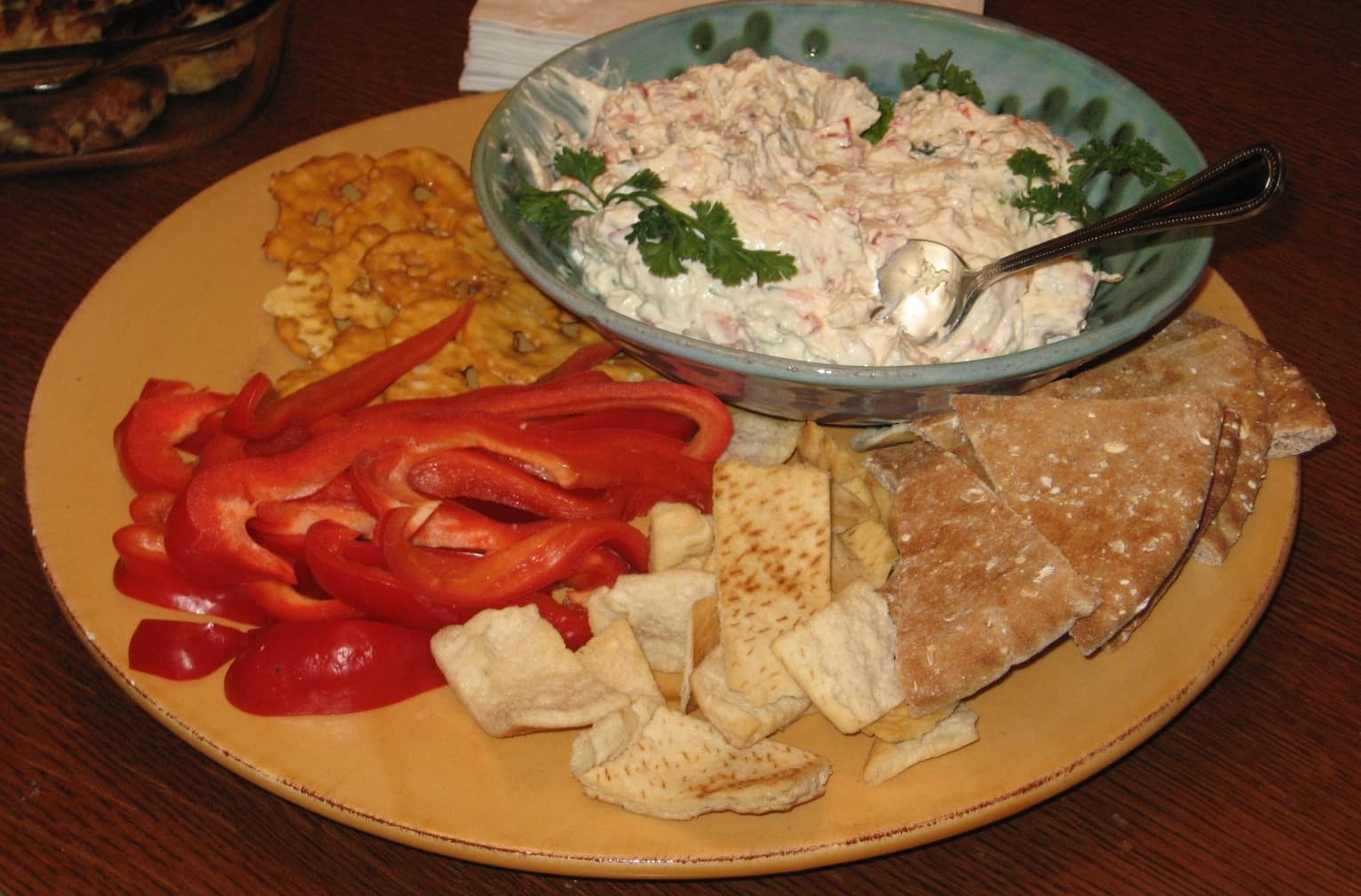
1946-1969
Clam Dip is a creamy, savory appetizer popular in mid-20th-century suburban New England, made with minced clams, cream cheese, mayonnaise, and seasonings. It typifies postwar convenience party foods emphasizing easy preparation and flavorful snacking at cocktail parties and backyard gatherings. The dip captures the era's fascination with frozen and canned seafood products repurposed into casual entertaining dishes.
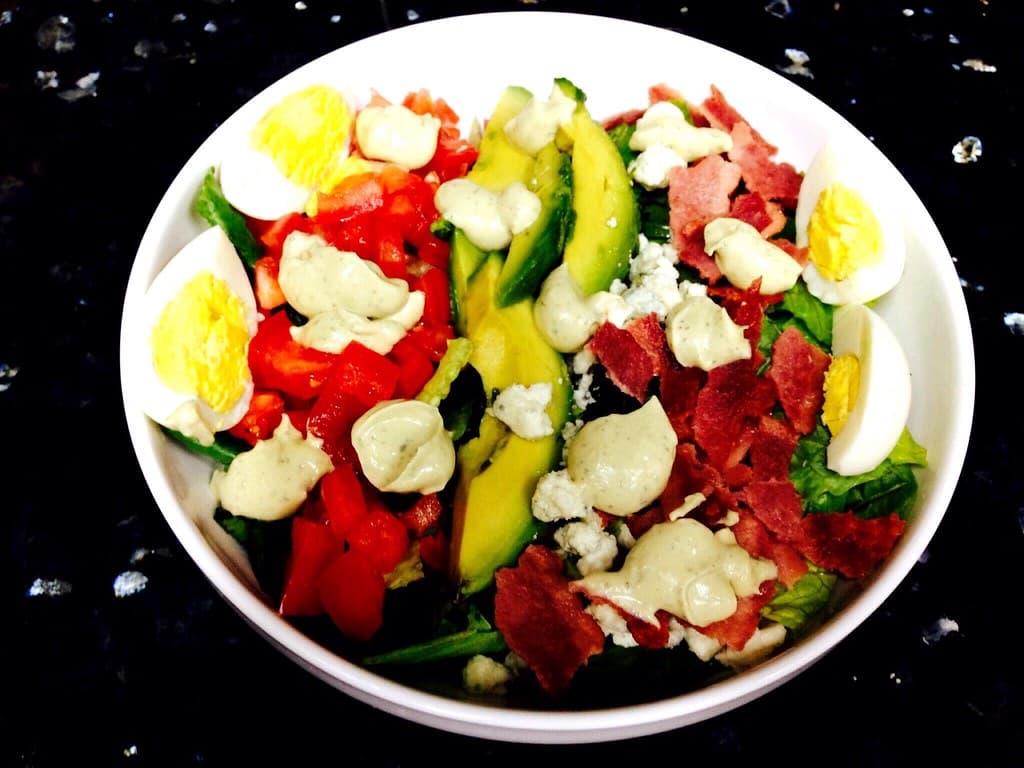
1900-1929
Cobb Salad consists of chopped greens, tomatoes, bacon, chicken, hard-boiled eggs, avocado, chives, and blue cheese, often served with red wine vinaigrette. It originated on the West Coast as a restaurant dish and became an iconic American salad celebrated for its variety and nutritional balance. The Cobb exemplifies regional California fresh produce combined with classic American diner influences, beloved for lunch and light dinners.
America's Melting Pot
Cocktail Wieners photo coming soon
1946-1969
Cocktail Wieners are bite-sized sausages often simmered in a flavorful sauce, making them popular appetizers for cocktail parties and gatherings in the post-World War II American suburban era. They epitomize easy, crowd-pleasing finger foods suited to informal entertaining from 1946 to 1969.
America's Melting Pot
Coconut Cream Pie Shake photo coming soon
1900-1929
Coconut Cream Pie Shake brings drive-in, carhop, and fast-food dessert-counter energy to the table: Pie-shop flavor.
America's Melting Pot
Coconut Shake photo coming soon
1900-1929
Coconut Shake pours old-school malt-shop cheer into a cold glass: Tropical, diner, and regional coastal variation.
America's Melting Pot
Codfish Balls photo coming soon
1800-1860
Codfish Balls are a classic New England fried dish made from salt cod mixed with potatoes, herbs, and seasonings, shaped into balls, and deep-fried until golden. Common in the early 19th century, they represent resourceful use of preserved fish and local staples in the region's culinary traditions during 1800-1860.
America's Melting Pot
Codfish Cakes photo coming soon
1776-1800
Codfish cakes are a traditional dish featuring salted cod blended with potatoes and seasonings, then fried to golden perfection. Reminiscent of early American coastal cooking around the Revolutionary period, these patties were a practical and flavorful way to enjoy preserved fish.
America's Melting Pot
Coffee Barbecue Sauce photo coming soon
Cross-era
Coffee Barbecue Sauce is a barbecue sauce with real American table personality: Texas/Southwest-style bitter-sweet beef sauce. It brings flavor from the American South to cookouts, counters, lunch plates, potlucks, and weeknight suppers.
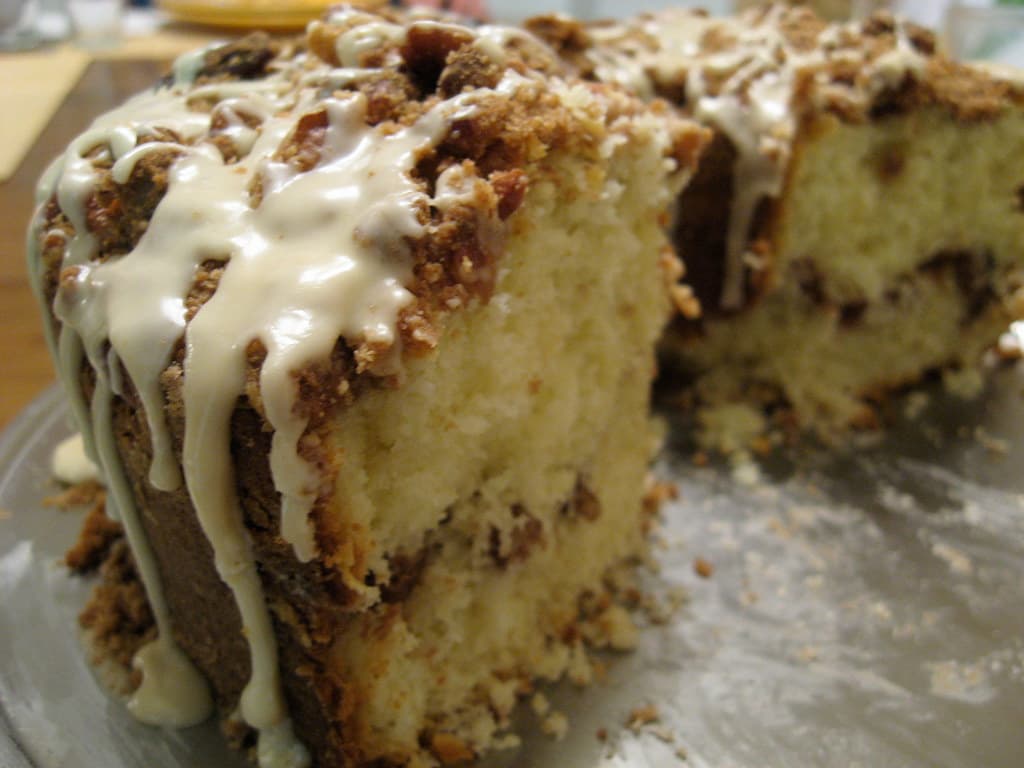
1861-1900
Coffee cake is a moist, sweet cake often topped with cinnamon sugar streusel, enjoyed in schools, churches, and diners during the early 1900s. This American breakfast favorite embodies community gathering traditions and immigrant influences melding into everyday comfort food.
America's Melting Pot
Coffee Frappe photo coming soon
Postwar & Diner Age
Coffee Frappe celebrates New England dairy-bar pride in a cold glass: Coffee syrup or coffee ice cream blended with milk and ice cream.
America's Melting Pot
Coffee Malt photo coming soon
1900-1929
Coffee Malt pours old-school malt-shop cheer into a cold glass: Great old-school soda fountain flavor.
America's Melting Pot
Coffee Milk photo coming soon
Postwar & Diner Age
Coffee Milk celebrates New England dairy-bar pride in a cold glass: Rhode Island state drink; milk mixed with coffee syrup.
America's Melting Pot
Coffee Milk Smoothie photo coming soon
Modern Melting Pot
Coffee Milk Smoothie blends coffeehouse America with milkshake-style fun: Rhode Island coffee syrup meets smoothie bar.
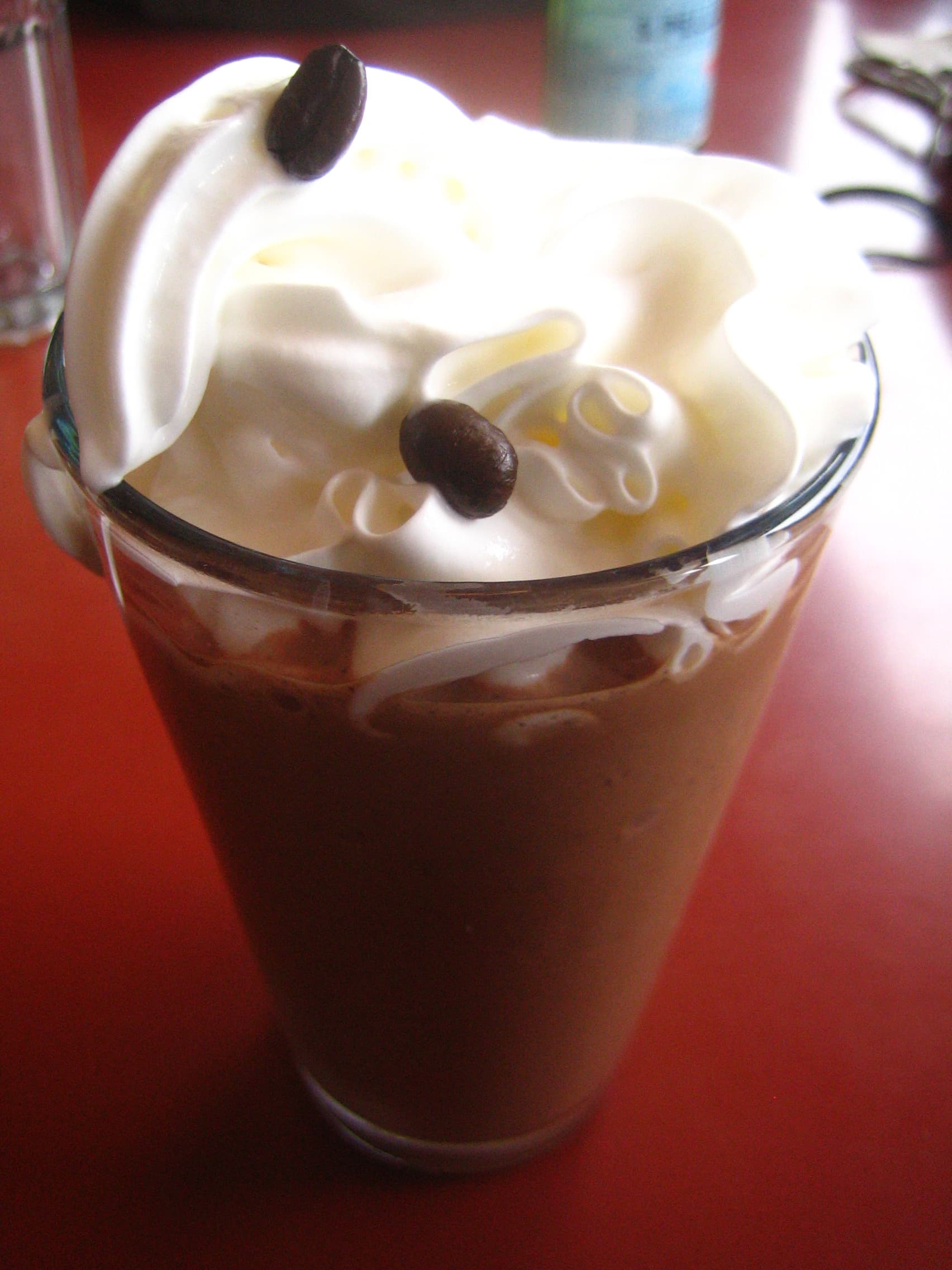
Postwar & Diner Age
Coffee Milkshake pours old-school malt-shop cheer into a cold glass: Diner and New England favorite.
America's Melting Pot
Coffee Oreo Frappe photo coming soon
Postwar & Diner Age
Coffee Oreo Frappe celebrates New England dairy-bar pride in a cold glass: Modern New England dairy-bar flavor.
America's Melting Pot
Coffee Protein Smoothie photo coming soon
1970-1989
Coffee Protein Smoothie brings juice-bar color and American smoothie-counter energy to the glass: Breakfast and gym crossover.
America's Melting Pot
Coffee Shop Scones photo coming soon
1945-2000
Coffee shop scones are tender, buttery pastries with a crisp exterior and soft crumb, popular in Pacific Northwest cafes. Typically served with coffee, these scones reflect regional preferences and European pastry influences adapted to local tastes across eras.
America's Melting Pot
Coke Float photo coming soon
Gilded Age & Progressive Era
Coke Float is fizzy Americana from the soda-fountain counter: Coca-Cola and vanilla ice cream.
America's Melting Pot
Colby-Jack Cheese photo coming soon
American Dairy Age
Colby-Jack Cheese is a washed-curd American cheese with gentle cooking, curd washing, salting, pressing, and a short controlled aging period.
America's Melting Pot
Cold-Pack Cheddar Spread photo coming soon
American Dairy Age
Cold-Pack Cheddar Spread is a finished American cheese spread for crackers, sandwiches, and snack boards, with clear mixing, chilling, and storage guidance.
America's Melting Pot
Compound Steak Butter photo coming soon
Modern Melting Pot
Compound Steak Butter is a spread with real American table personality: American steakhouse finishing sauce. It brings flavor from coast-to-coast American tables to cookouts, counters, lunch plates, potlucks, and weeknight suppers.
America's Melting Pot
Concrete photo coming soon
Postwar & Diner Age
Concrete is thick, spoonable frozen-custard stand fun: Thick frozen custard blend served with mix-ins; associated with places like St. Louis custard culture.
America's Melting Pot
Coney Dogs photo coming soon
1900-1929
The Coney dog is a hot dog topped with a savory meat chili sauce, mustard, and onions, originating from Greek immigrant communities in Midwestern U.S. cities during the early 20th century. It became popular at diners, lunch counters, and state fairs as an affordable, flavorful meal. The dish blends immigrant culinary traditions with American fast food culture, reflecting urban foodways and ethnic entrepreneurship.
America's Melting Pot
Coney Sauce photo coming soon
Cross-era
Coney Sauce is a sandwich sauce with real American table personality: Spiced meat sauce for hot dogs, especially Detroit, Flint, Jackson, Cincinnati, and Greek-American diner traditions. It brings flavor from coast-to-coast American tables to cookouts, counters, lunch plates, potlucks, and weeknight suppers.
America's Melting Pot
Cookie Dough Blizzard-Style Treat photo coming soon
Postwar & Diner Age
Cookie Dough Blizzard-Style Treat is thick, spoonable frozen-custard stand fun: Modern chain classic.
America's Melting Pot
Cookie Dough Shake photo coming soon
1900-1929
Cookie Dough Shake pours old-school malt-shop cheer into a cold glass: Ice cream shop favorite.
America's Melting Pot
Cookie Malt photo coming soon
1900-1929
Cookie Malt pours old-school malt-shop cheer into a cold glass: Cookies-and-cream malt variation.
America's Melting Pot
Cookies and Cream Blended Coffee photo coming soon
Modern Melting Pot
Cookies and Cream Blended Coffee blends coffeehouse America with milkshake-style fun: Coffee shop/milkshake crossover.
America's Melting Pot
Cookies and Cream Protein Shake photo coming soon
1970-1989
Cookies and Cream Protein Shake brings juice-bar color and American smoothie-counter energy to the glass: Modern supplement flavor.
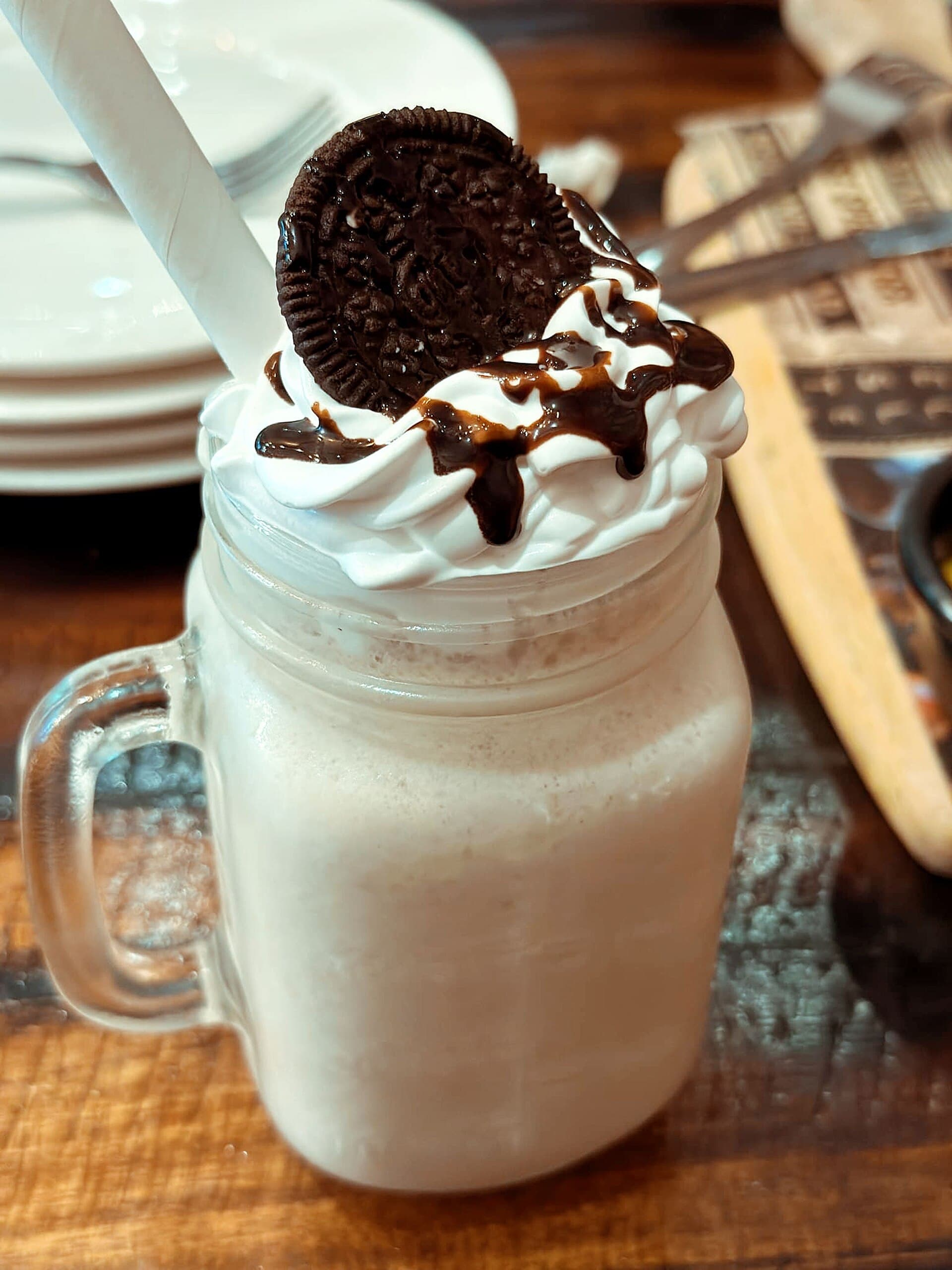
1900-1929
Cookies and Cream Shake pours old-school malt-shop cheer into a cold glass: Modern fast-food and ice cream shop staple.
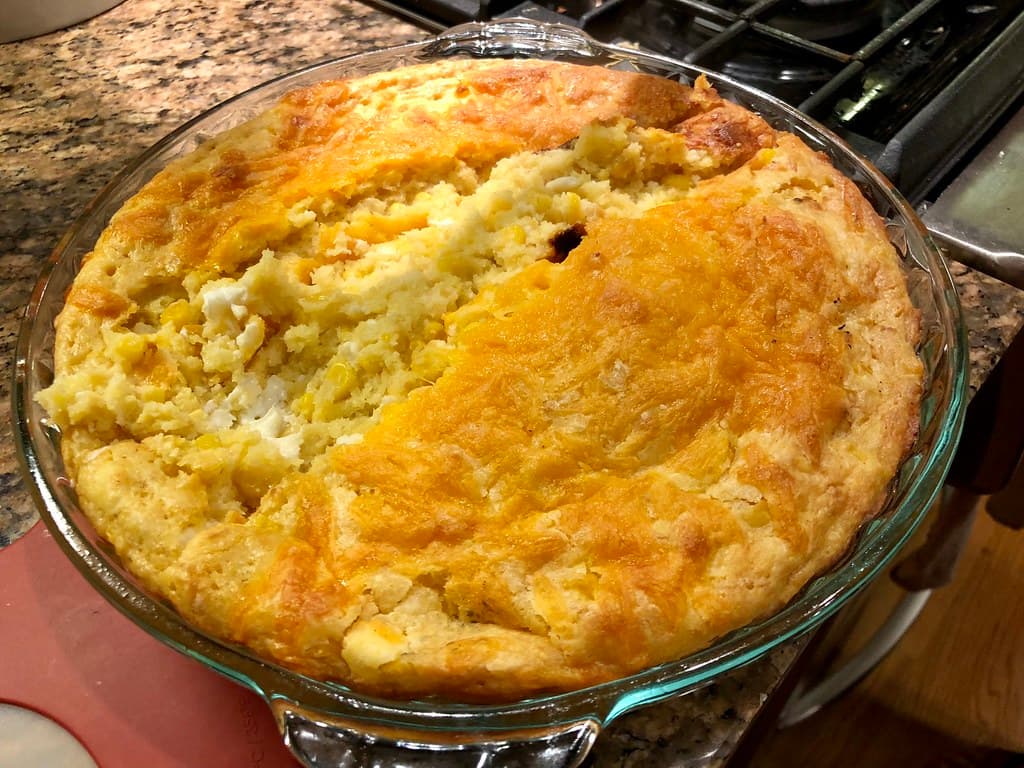
1946-1969
Corn casserole is a comforting baked dish combining whole kernel and creamed corn with a custard base, popular in the Midwest and Great Plains from the postwar era through the 1960s.
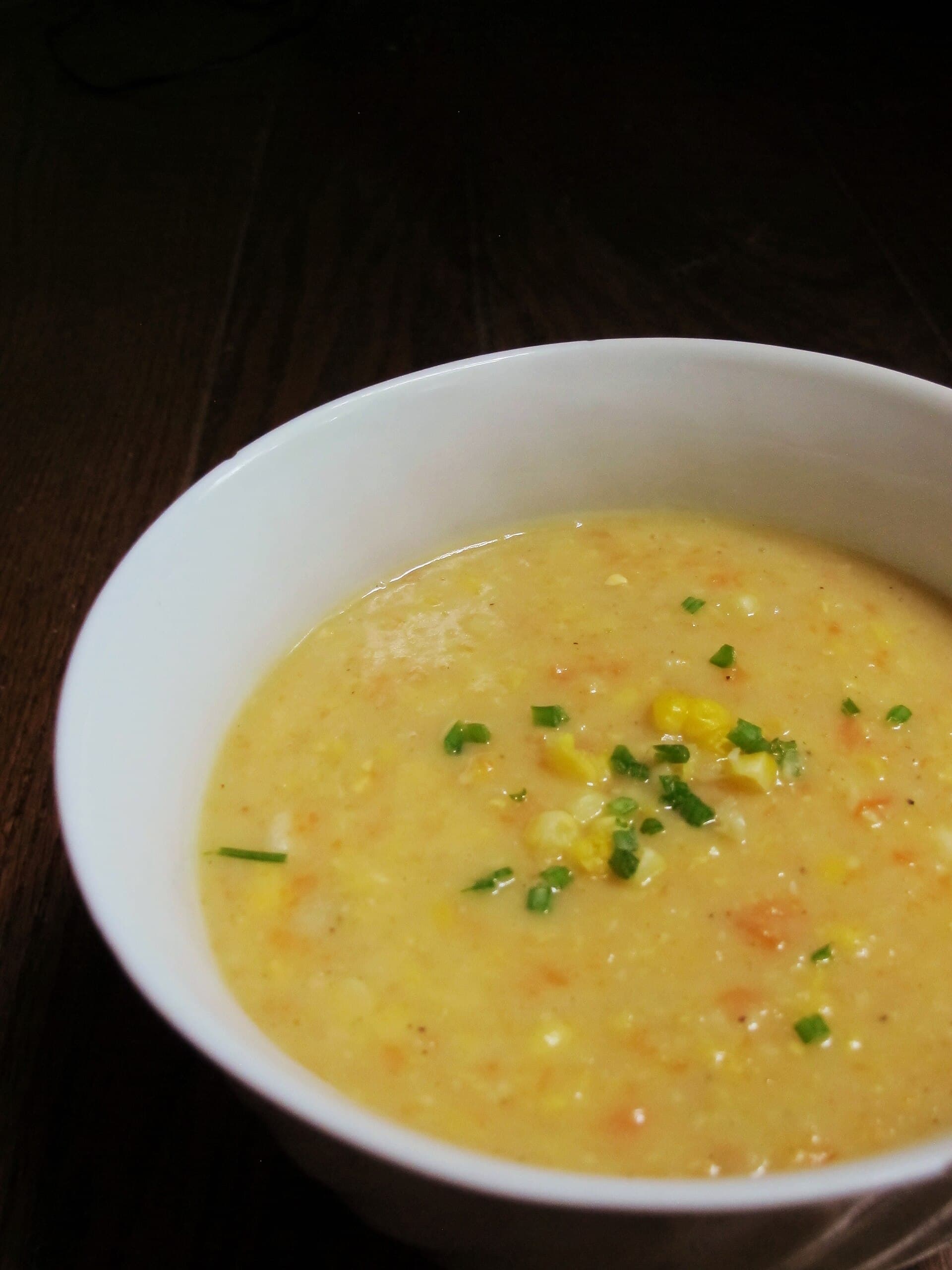
1776-1800
Corn chowder is a creamy and filling soup showcasing fresh or canned corn with potatoes, onions, and occasionally bacon or salt pork, enjoyed across the United States over multiple eras.
America's Melting Pot
Corn Dip photo coming soon
Cross-era
Corn Dip is a party dip with real American table personality: Southwestern/Midwestern potluck food. It brings flavor from the American South to cookouts, counters, lunch plates, potlucks, and weeknight suppers.
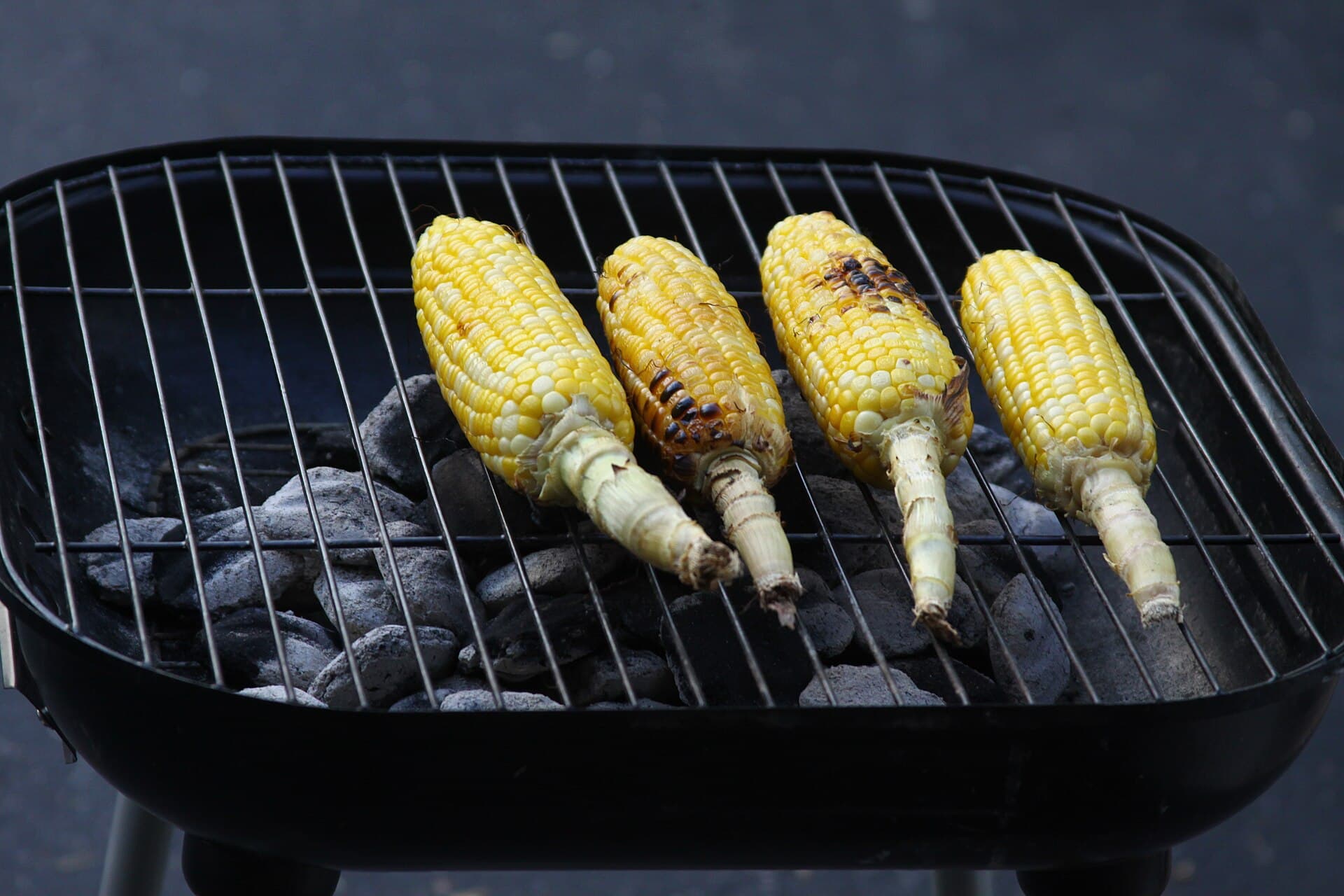
Before 1776
Corn on the cob is a simple, beloved summer side dish traditionally enjoyed at Fourth of July celebrations and backyard cookouts across the United States. Boiled or grilled fresh corn with butter and salt has long been a staple of American holiday tables.
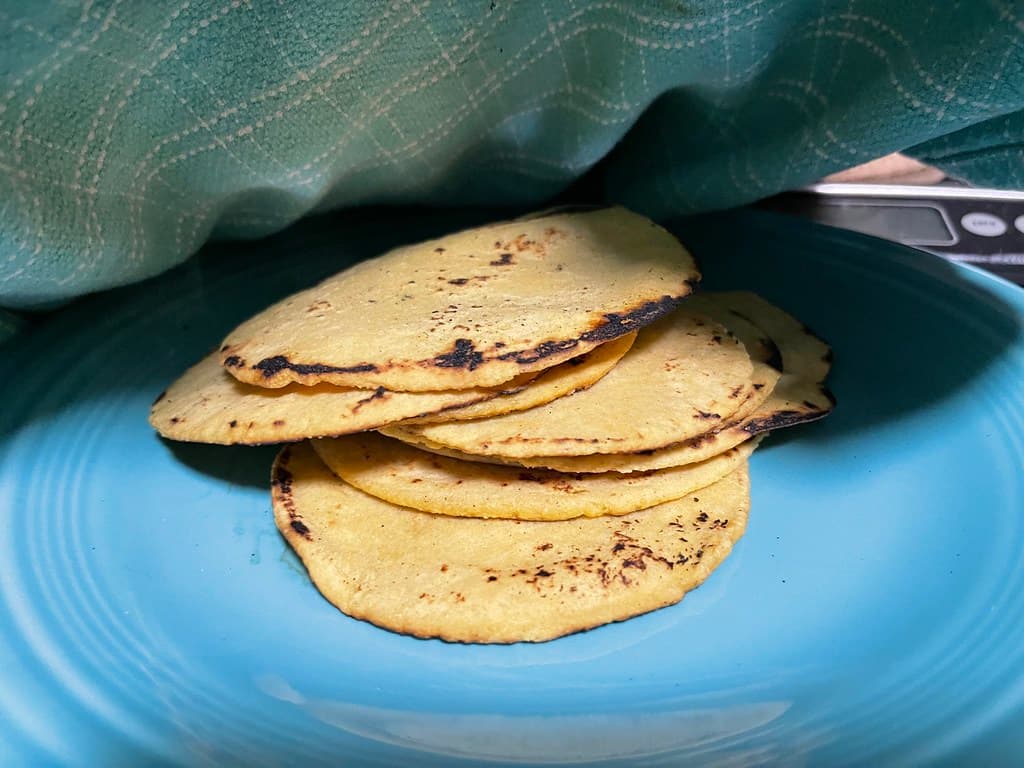
1800-1860
Corn tortillas are a fundamental staple of Mexican and Southwestern cuisine, made from nixtamalized corn masa. In the early 19th century, these tortillas were widely consumed in Spanish borderlands and Mexican-American communities, providing a versatile bread substitute.
America's Melting Pot
Cornbread photo coming soon
1930-1945
Cornbread is a versatile quick bread made primarily from cornmeal, commonly baked or fried in the South and Appalachia during the Great Depression and World War II eras. It was a dietary staple in military mess halls and home kitchens, valued for economical ingredients and satisfying flavor. Often served alongside barbecue and holiday meals, this cornbread represents resilience and regional culinary heritage in trying times.
America's Melting Pot
Cornbread and Beans photo coming soon
1930-1945
Cornbread and beans was a nutritional and affordable meal staple during the Great Depression, combining inexpensive ingredients to create a filling dish. Beans, often pinto or kidney varieties, provided protein and fiber, while cornbread offered a comforting starch. This pairing sustained many American families through economic hardship and is now a symbolic representation of depression-era resourcefulness in foodways.
America's Melting Pot
Cornbread and Milk photo coming soon
1800-1860
Cornbread and milk represent a modest, nourishing staple from Appalachian frontier kitchens between 1800 and 1860. This pairing reflects the daily diets of settlers who relied on readily available cornmeal and dairy.
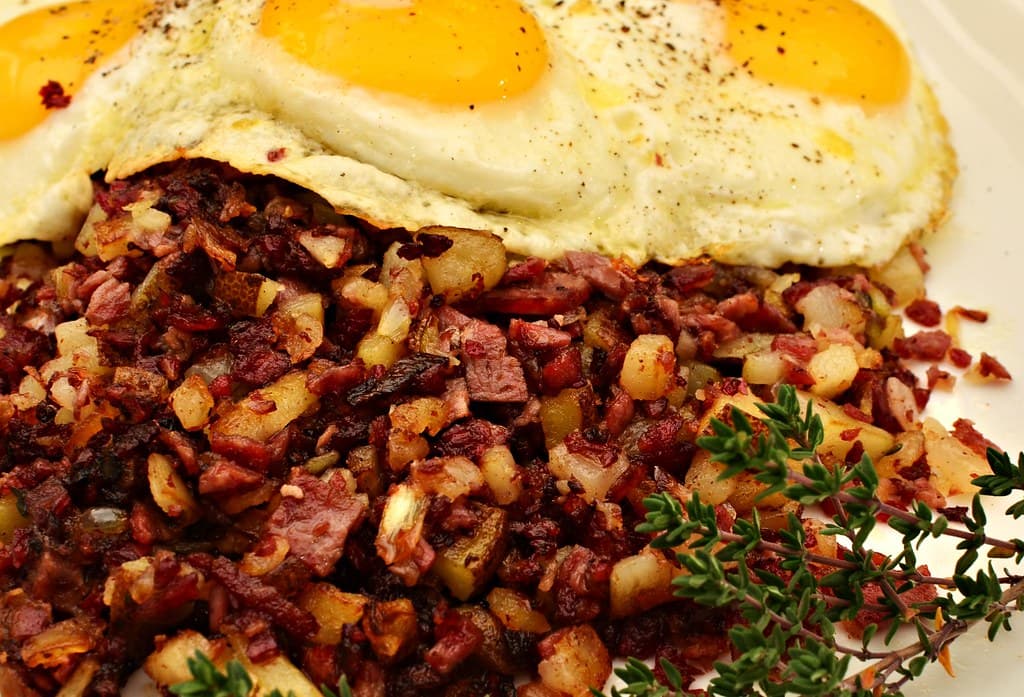
1900-1929
Corned beef hash is a simple blend of chopped corned beef, potatoes, and onions, pan-fried to a crispy breakfast dish popular on the World War II home front.
America's Melting Pot
Cornmeal Mush photo coming soon
1800-1860
Cornmeal mush is a soft, cooked porridge made from cornmeal boiled in water or milk, often served sliced and fried or with syrup, common in Appalachian diets before and through the Civil War.
America's Melting Pot
Cornmeal-Crusted Trout photo coming soon
1800-1860
Cornmeal-crusted trout is a simple early American dish where fresh trout fillets are coated in seasoned cornmeal and pan-fried, common during the Revolutionary period.
America's Melting Pot
Cotton Candy Shake photo coming soon
1900-1929
Cotton Candy Shake brings drive-in, carhop, and fast-food dessert-counter energy to the table: Fairground flavor.
America's Melting Pot
Country Gravy / White Gravy photo coming soon
Frontier & Expansion
Country Gravy / White Gravy is a condiment with real American table personality: Chicken-fried steak, mashed potatoes, biscuits. It brings flavor from coast-to-coast American tables to cookouts, counters, lunch plates, potlucks, and weeknight suppers.
America's Melting Pot
Country Sausage photo coming soon
1800-1860
A simple, flavorful country-style pork sausage widely made in Appalachian and frontier communities during the early 19th century. This sausage uses traditional seasoning and curing techniques for a hearty, rustic sausage link.
America's Melting Pot
Cowboy Candy photo coming soon
Cross-era
Cowboy Candy is a relish with real American table personality: Sweet pickled jalapenos. It brings flavor from Texas and the Southwest to cookouts, counters, lunch plates, potlucks, and weeknight suppers.
America's Melting Pot
Cowboy Candy Syrup photo coming soon
Cross-era
Cowboy Candy Syrup is a condiment with real American table personality: Sweet pickled jalapeno syrup used on cream cheese, burgers, and barbecue. It brings flavor from Texas and the Southwest to cookouts, counters, lunch plates, potlucks, and weeknight suppers.
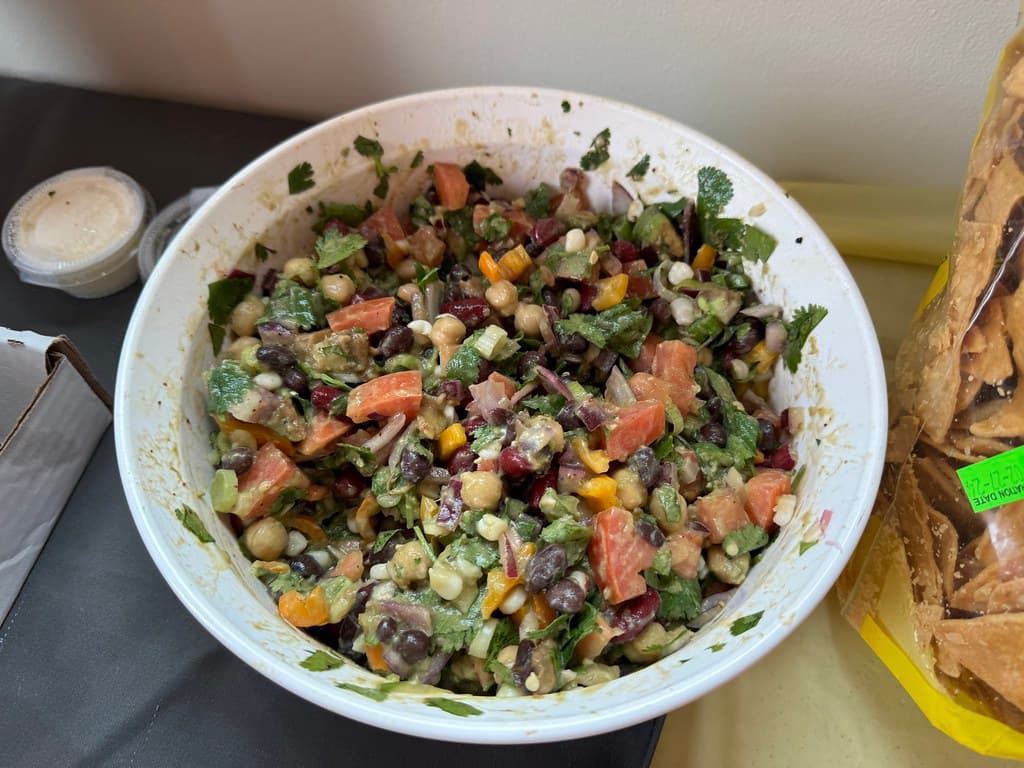
2010-2026
A colorful, fresh salad of black-eyed peas, corn, tomatoes, and peppers dressed with a tangy vinaigrette. Known as Cowboy Caviar, it is popular at casual outdoor gatherings and reflects Southwestern and Tex-Mex flavors in a healthy, easy-to-prepare salad.
America's Melting Pot
Crab Cake Sandwich photo coming soon
1900-1929
A hand-held sandwich featuring a crispy crab cake nestled in a soft bun with fresh lettuce and tangy sauces. This Mid-Atlantic sandwich variation showcases regional crab cake traditions in sandwich form for casual meals.
America's Melting Pot
Cranberry Bean Stew photo coming soon
1800-1860
A robust stew featuring cranberry beans slow-cooked with vegetables and herbs, inspired by Indigenous American foodways of New England and early colonial adaptations.
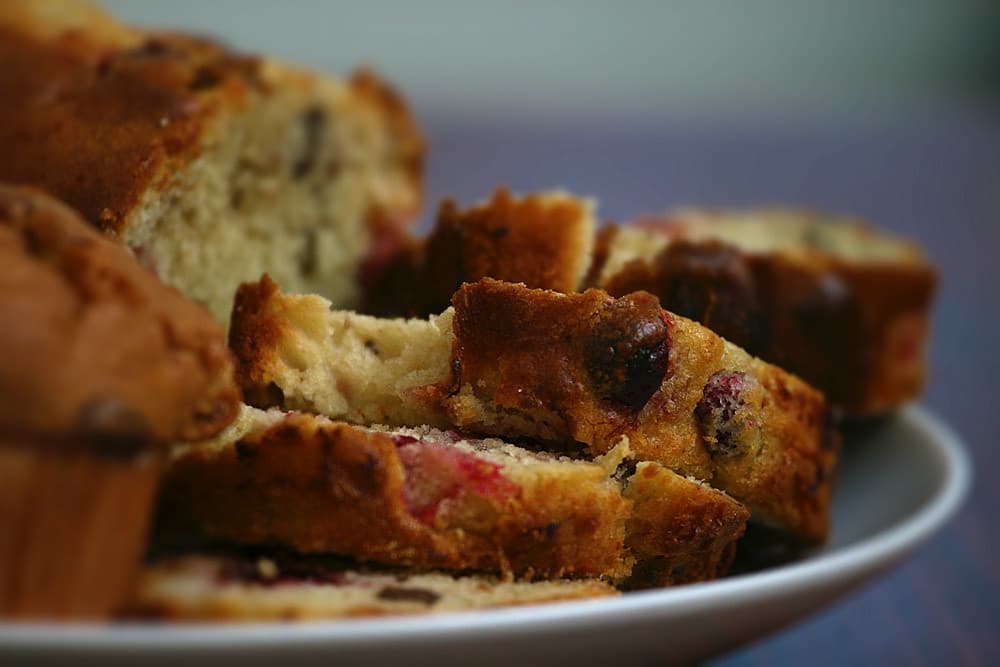
1800-1860
Moist quick bread studded with fresh cranberries, offering a balance of tart and sweet flavors. A traditional New England baked good enjoyed during the fall and winter months.
America's Melting Pot
Cranberry Fluff photo coming soon
1900-1929
A nostalgic sweet salad combining cranberries, marshmallows, nuts, and whipped topping to create a light, fruity dessert common at churches and schools in New England during the early 20th century.
America's Melting Pot
Cranberry Juice Cocktail photo coming soon
1930-1945
Cranberry Juice Cocktail brings juice-bar color and American smoothie-counter energy to the glass: American cranberry industry drink.
America's Melting Pot
Cranberry Orange Relish photo coming soon
Founding Era
Cranberry Orange Relish is a preserve with real American table personality: Holiday table condiment. It brings flavor from New England to cookouts, counters, lunch plates, potlucks, and weeknight suppers.
America's Melting Pot
Cranberry Orange Smoothie photo coming soon
Cross-era
Cranberry Orange Smoothie salutes regional fruit country and the American dairy-stand tradition: New England.
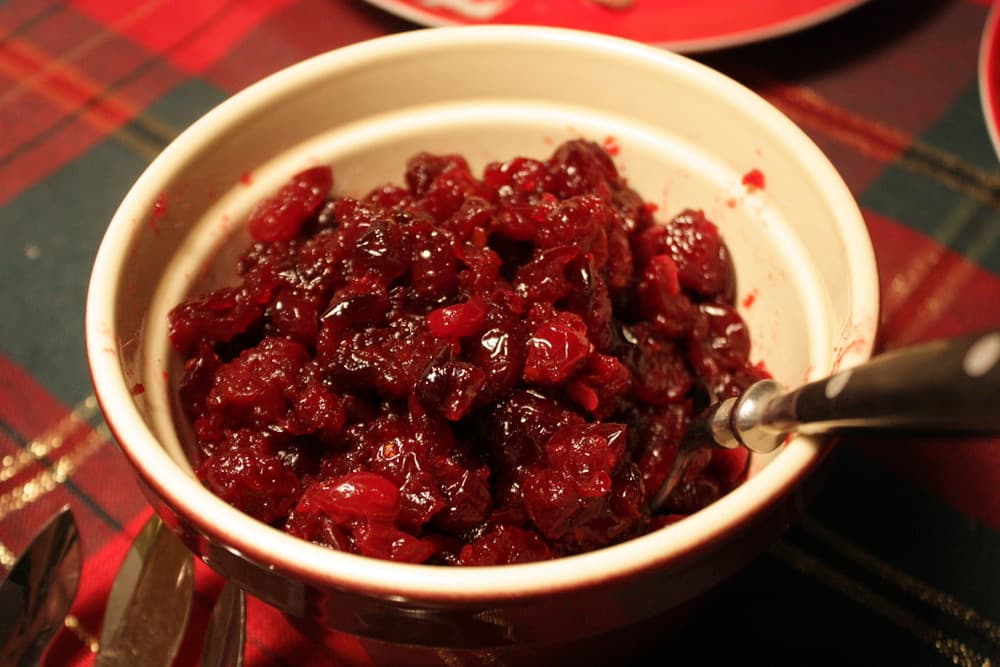
1900-1929
A bright and tangy relish made from freshly chopped cranberries, orange peel, and sugar. A traditional New England side dish commonly served at Thanksgiving and holiday meals.
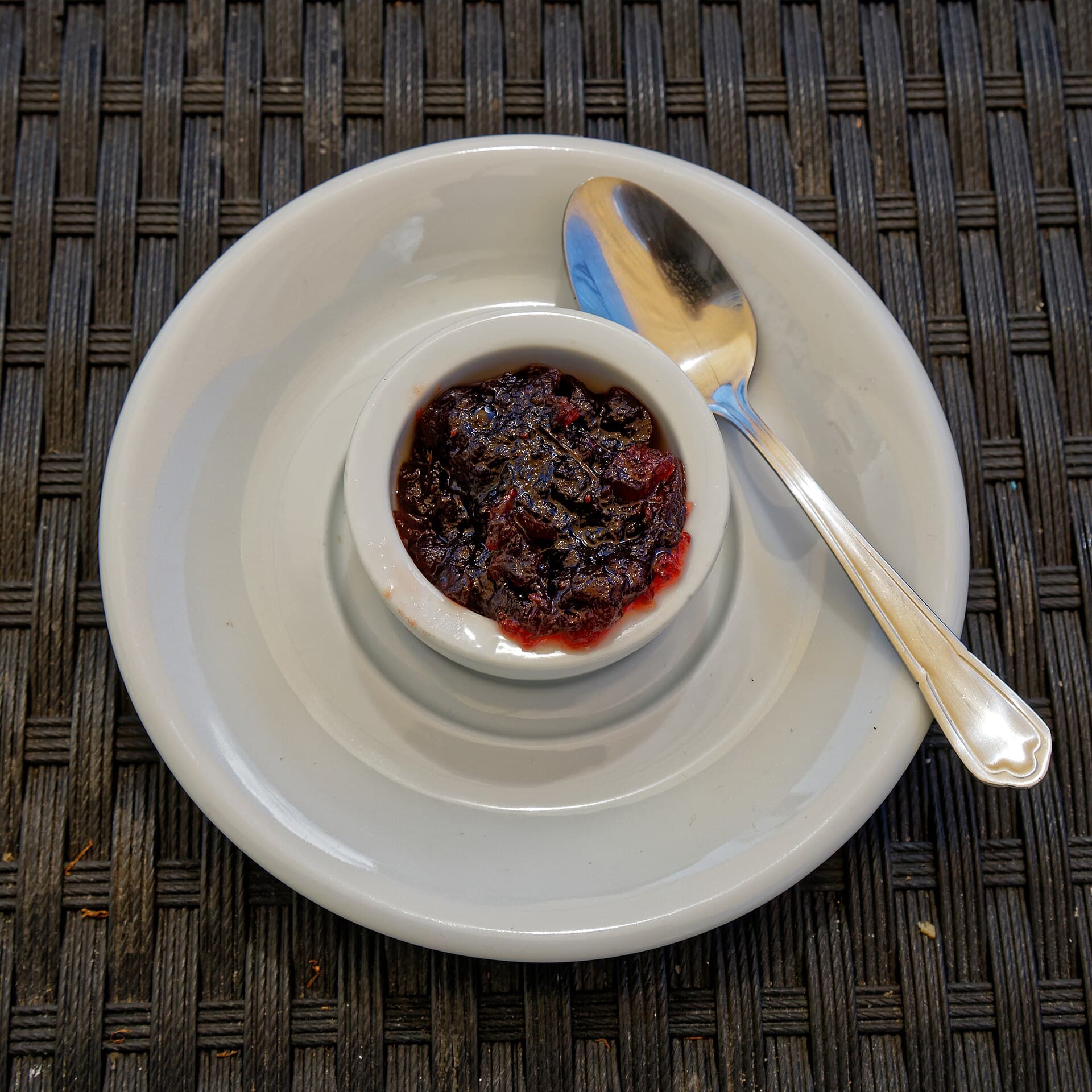
1776-1800
A traditional cooked cranberry sauce simmered with sugar and citrus, served as a tart condiment during Thanksgiving feasts in New England since the late 18th century.
America's Melting Pot
Cranberry Slush photo coming soon
1946-1969
Cranberry Slush brings juice-bar color and American smoothie-counter energy to the glass: Holiday punch and party drink.
America's Melting Pot
Cranberry Tart photo coming soon
1776-1800
A baked pastry tart filled with a sweetened cranberry custard or jelly filling. This dessert emphasizes New England's historic use of local cranberries in festive baked goods.
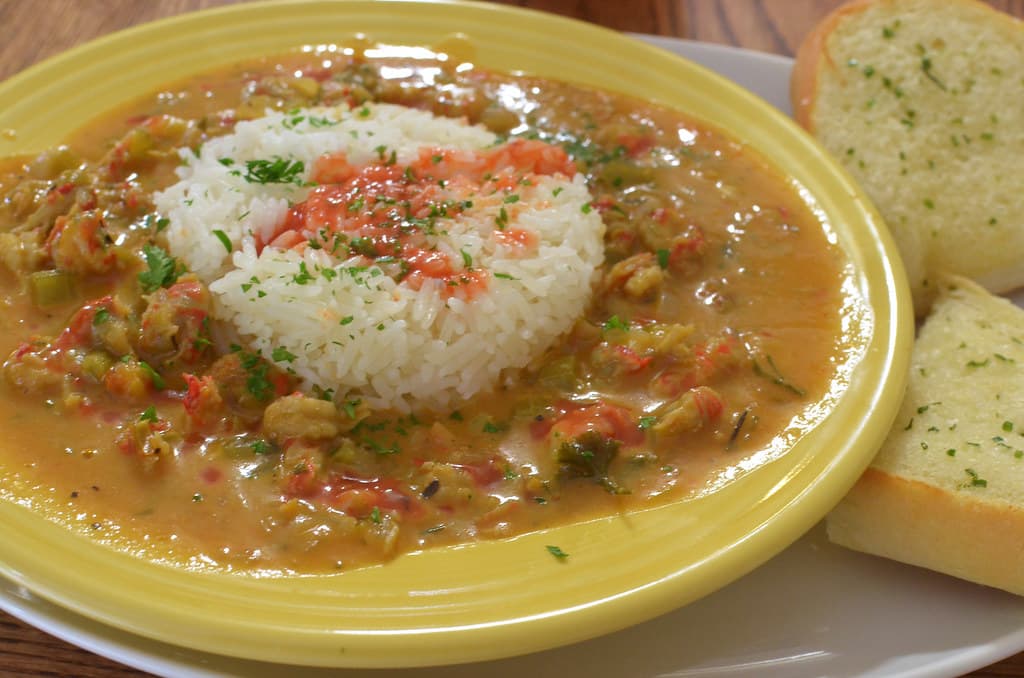
1970-1989
A richly seasoned Louisiana stew featuring crawfish smothered in a flavorful roux and vegetable sauce served over rice. A signature dish of Cajun and Creole cuisine with strong regional pride and festive appeal.
America's Melting Pot
Cream Cheese and Jezebel Sauce photo coming soon
Cross-era
Cream Cheese and Jezebel Sauce is a spread with real American table personality: Southern holiday tray. It brings flavor from the American South to cookouts, counters, lunch plates, potlucks, and weeknight suppers.
America's Melting Pot
Cream Cheese and Pepper Jelly photo coming soon
Cross-era
Cream Cheese and Pepper Jelly is a spread with real American table personality: Southern party appetizer. It brings flavor from the American South to cookouts, counters, lunch plates, potlucks, and weeknight suppers.
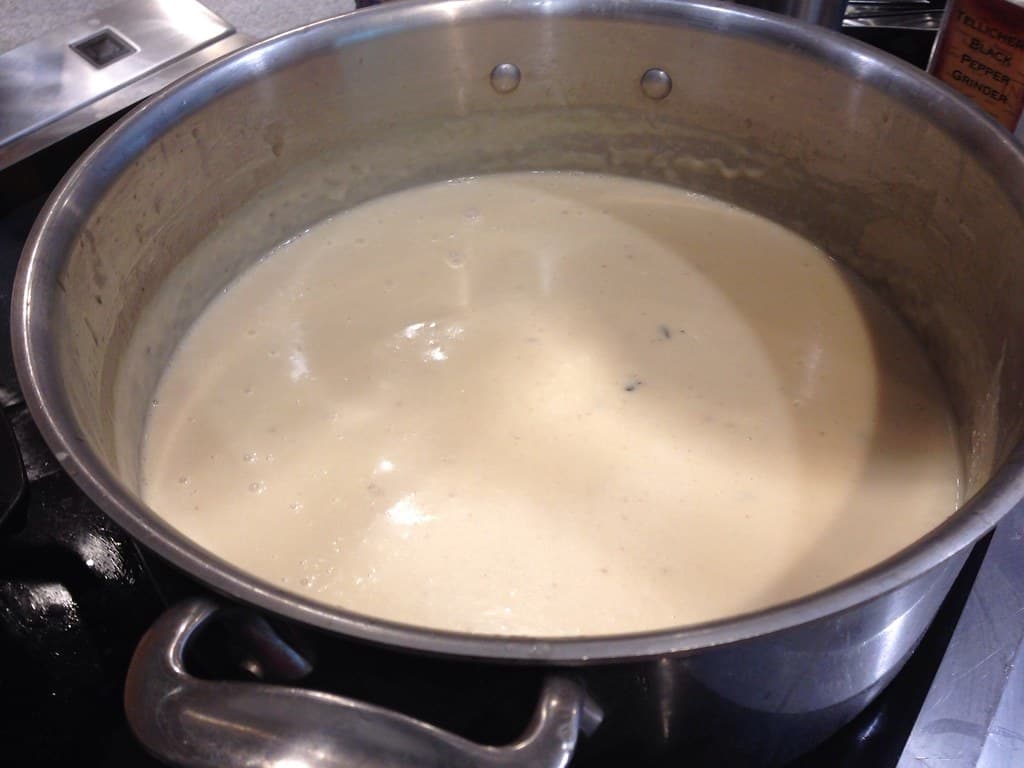
Frontier & Expansion
Cream Gravy is a condiment with real American table personality: Fried chicken and chicken-fried steak. It brings flavor from coast-to-coast American tables to cookouts, counters, lunch plates, potlucks, and weeknight suppers.
America's Melting Pot
Cream Soda photo coming soon
1800-1860
Cream Soda is fizzy Americana from the soda-fountain counter: Old American soda flavor.
America's Melting Pot
Cream Soda Float photo coming soon
1861-1900
Cream Soda Float is fizzy Americana from the soda-fountain counter: Very old-fashioned flavor.
America's Melting Pot
Creamed Cod on Toast photo coming soon
1800-1860
A traditional New England dish of tender cod in a creamy white sauce served over toasted bread, exemplifying regional seafood and dairy combinations from the 19th century.
America's Melting Pot
Creamed Corn photo coming soon
1776-1800
A comforting side of corn kernels cooked gently in cream or milk, often with butter and mild seasonings. Popular during the Depression and Dust Bowl era as an economical vegetable dish.
America's Melting Pot
Creamed Onions photo coming soon
1776-1800
Creamed Onions are a traditional side dish popular in late 18th-century America, featuring pearl onions simmered in a creamy, buttery sauce. Common at holiday tables, especially Thanksgiving, this dish reflects early American adaptations of European cooking techniques using accessible vegetables and dairy.
America's Melting Pot
Creamed Peas on Toast photo coming soon
1930-1945
Creamed Peas on Toast was a frugal, filling dish common during the Great Depression era, making use of canned or fresh peas in a creamy sauce served over toasted bread. It provided an economical, nourishing meal when resources were scarce, and remains a nostalgic example of Depression-era cooking.
America's Melting Pot
Creamy Cucumber Dressing photo coming soon
1946-1969
Creamy Cucumber Dressing is a dressing with real American table personality: Garden, potluck, and summer supper classic. It brings flavor from coast-to-coast American tables to cookouts, counters, lunch plates, potlucks, and weeknight suppers.
America's Melting Pot
Creole Mustard Sauce photo coming soon
Cross-era
Creole Mustard Sauce is a condiment with real American table personality: Louisiana mustard culture for po' boys, seafood, and meats. It brings flavor from the American South to cookouts, counters, lunch plates, potlucks, and weeknight suppers.
America's Melting Pot
Crockpot Apple Butter photo coming soon
1970-1989
Crockpot Apple Butter is a convenient modern adaptation of traditional apple butter, slow-cooked fruit preserves spiced with cinnamon and cloves. It features in American regional and tailgate cooking, offering a spread or condiment with deep, concentrated apple flavor achieved through slow cooking.
Community recipe submission
Log in to submit a recipe, format it with the cooking companion, and send it for review.
Log in to Submit