
Loading
Setting the table...
Fetching the latest recipes from the archive.
Loading
Fetching the latest recipes from the archive.
Recipe archive
Recipe archive
Search the archive by title, region, ingredient, tag, or era, then sort the table by the view that fits your kitchen.
This archive is growing through recipes, photos, family recipes, and historical context shared by the community.
America's Melting Pot
Lime Freeze photo coming soon
Postwar & Diner Age
Lime Freeze carries the bright, frothy spirit of American mall counters: Lime sherbet/ice cream soda fountain drink.
America's Melting Pot
Lime Rickey photo coming soon
Gilded Age & Progressive Era
Lime Rickey is fizzy Americana from the soda-fountain counter: Lime, soda water, and syrup; nonalcoholic soda fountain version.
America's Melting Pot
Lime Shake photo coming soon
1900-1929
Lime Shake pours old-school malt-shop cheer into a cold glass: Often tied to old soda fountain lime flavors.
America's Melting Pot
Limeade Slush photo coming soon
Modern Melting Pot
Limeade Slush brings juice-bar color and American smoothie-counter energy to the glass: Drive-in and fair drink.
America's Melting Pot
Loaded Freakshake photo coming soon
2010-2026
Loaded Freakshake brings drive-in, carhop, and fast-food dessert-counter energy to the table: Over-the-top shake with whipped cream, cake, candy, cookies, syrup.
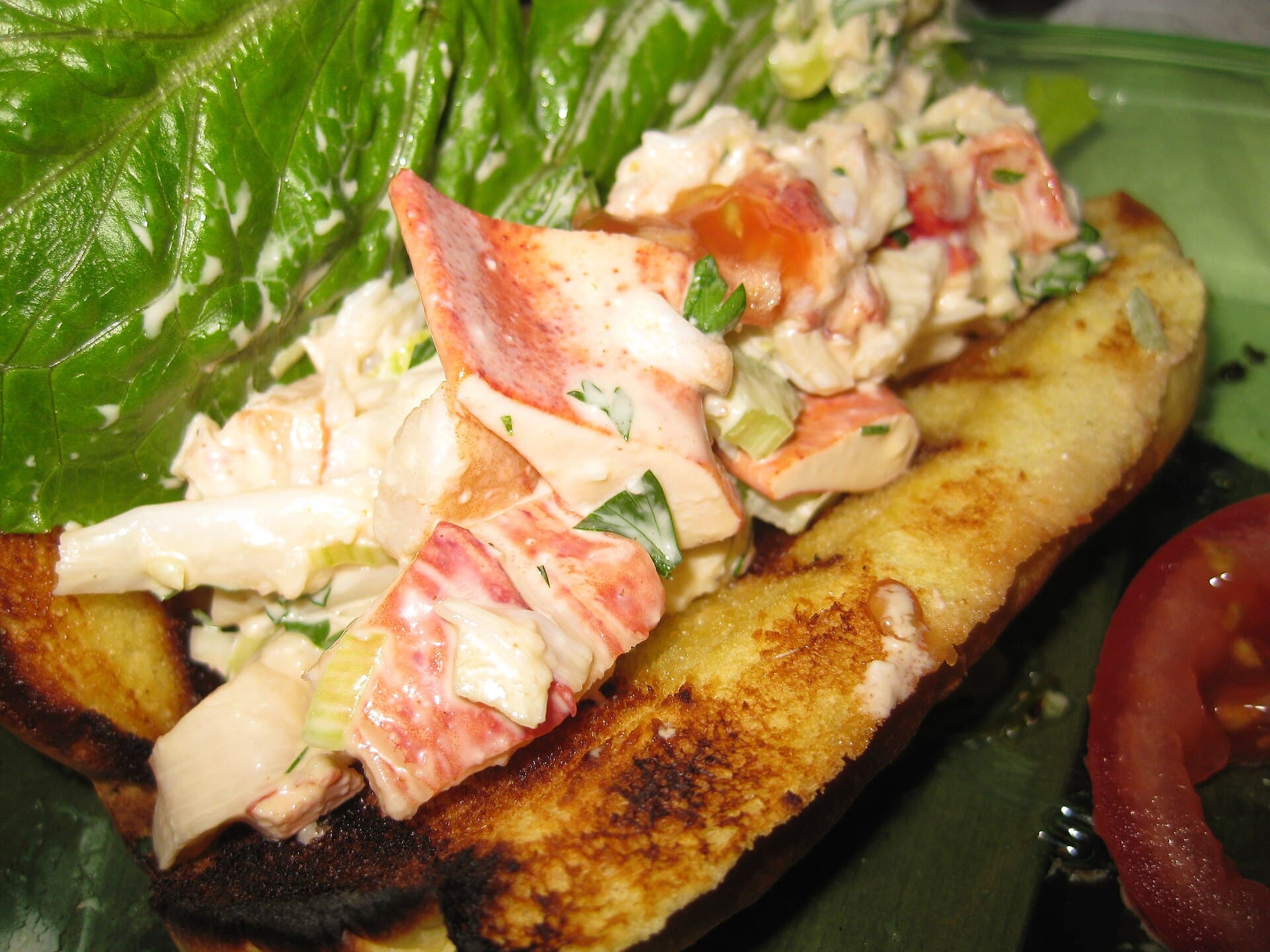
2010-2026
The lobster roll is a sandwich featuring tender lobster meat tossed in mayonnaise or drawn butter and served in a toasted bun. It is a hallmark of New England seafood cuisine and has gained visibility through food trucks and farmers markets in recent decades.
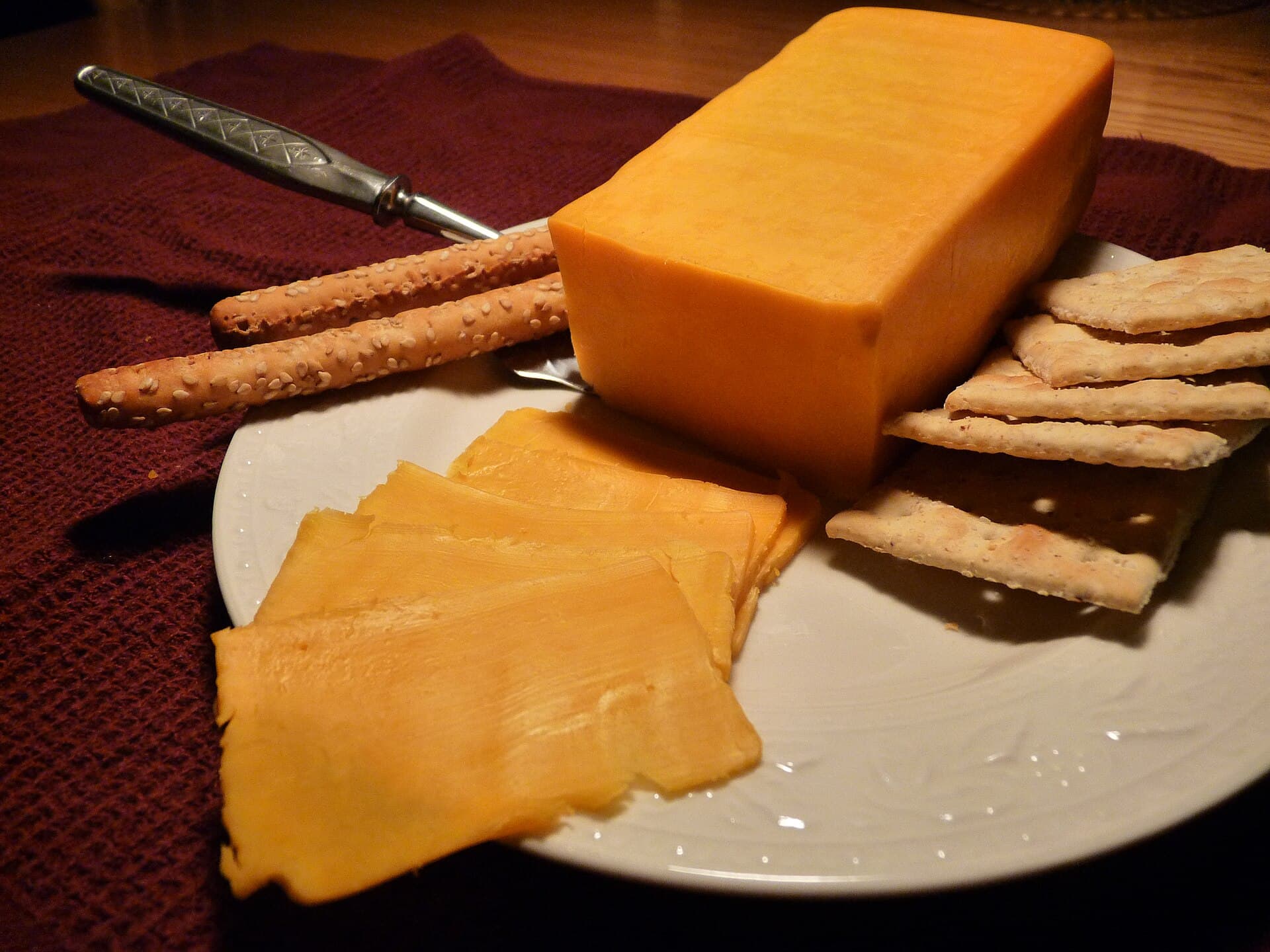
American Dairy Age
Longhorn Colby is a washed-curd American cheese with gentle cooking, curd washing, salting, pressing, and a short controlled aging period.
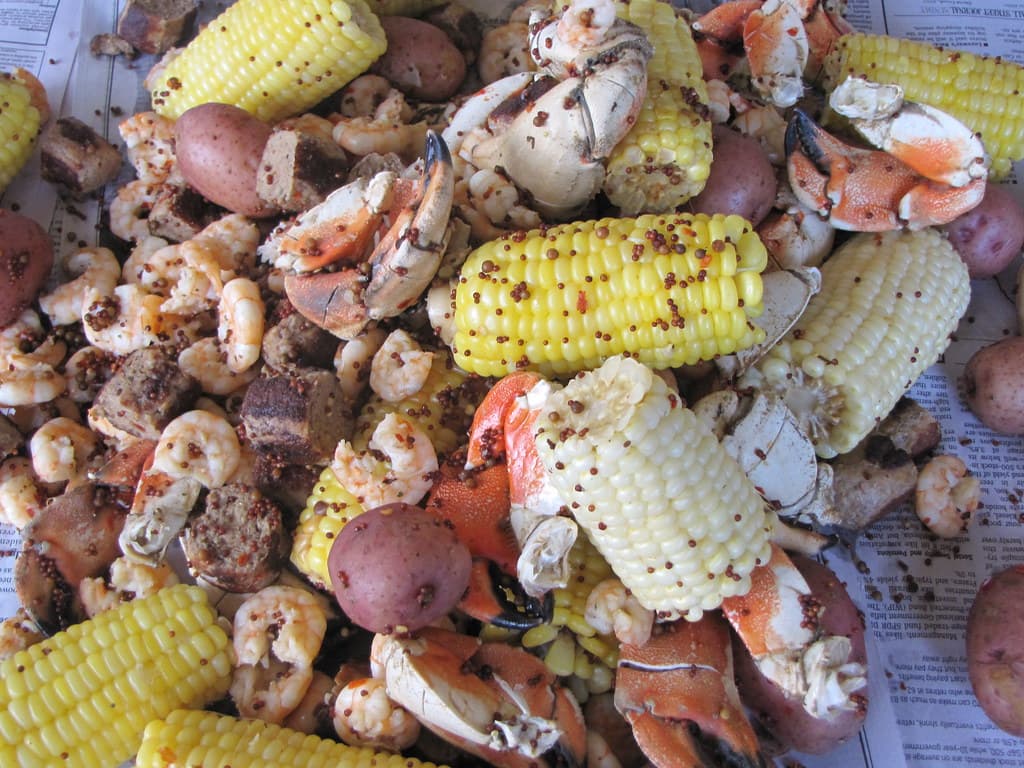
1970-1989
Lowcountry boil is a South Carolina coastal communal seafood dish featuring boiled shrimp, smoked sausage, corn on the cob, and red potatoes. Typically prepared outdoors in large pots, it became a popular regional and tailgate favorite in the 1970s and 1980s.
America's Melting Pot
Lunchroom Peanut Butter Cookies photo coming soon
1861-1900
These peanut butter cookies were a staple dessert in American school lunchrooms and concession stands, offering a simple, sweet treat accessible to children across many decades. Known for their distinctive crisscross fork marks and soft, chewy texture, they reflect modest, budget-friendly baking typical of institutional kitchens.
America's Melting Pot
Lunchroom Pizza photo coming soon
1970-1989
Lunchroom pizza became a widespread comfort food during postwar America, reflecting Italian-American influences adapted for school cafeterias and home kitchens. Characterized by simple tomato sauce, mild cheeses, and a straightforward crust, this pizza is a nostalgic favorite of suburban childhoods and freezable casseroles.
America's Melting Pot
Lutefisk photo coming soon
1861-1900
Lutefisk is a preserved whitefish dish made by soaking dried cod or whitefish in lye and water, then rinsing and cooking it before serving. Brought by Scandinavian immigrants settling the Midwest during the late 19th century, lutefisk remains a holiday tradition, especially at Christmas, reflecting the cultural preservation of heritage foods amid American immigrant history.
America's Melting Pot
Mac and Cheese Bowls photo coming soon
2010-2026
Mac and Cheese Bowls represent a modern twist on classic macaroni and cheese, served as crispy, portable handheld bowls popularized by food trucks and street food vendors since the 2010s. Utilizing techniques like air frying, these bowls combine creamy cheese pasta with a crunchy exterior for a viral, fusion-style snack that energizes American comfort food traditions.
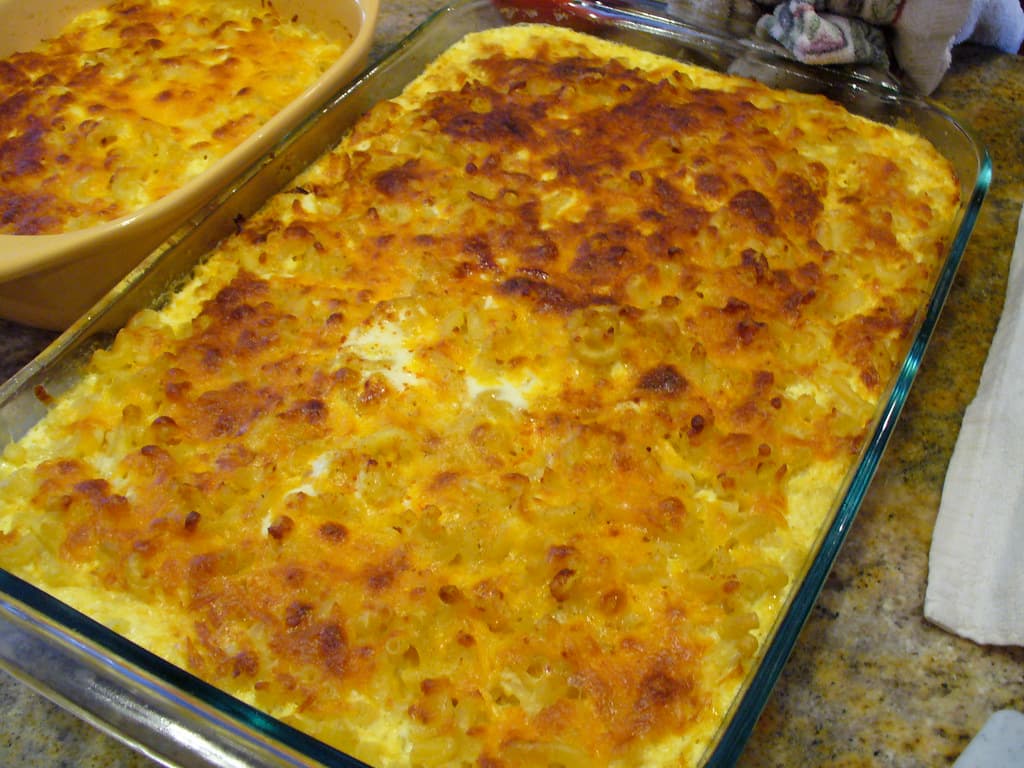
1776-1800
Macaroni and cheese became a beloved American staple during the Great Depression and World War II through its affordability, ease of preparation, and comfort. Featuring tender macaroni enveloped in creamy cheese sauce, this dish was served in schools, homes, and holiday tables, reflecting both economic frugality and festive tradition.
America's Melting Pot
Maid-Rite photo coming soon
1900-1929
The Maid-Rite sandwich is a loose ground beef sandwich typically served on a bun without traditional burger toppings. Originating in the Midwest, it offered a quick, affordable alternative to hamburgers and became a steady favorite in casual dining, reflecting American innovation in sandwich culture with a focus on simple, savory meat served hot.
America's Melting Pot
Maid-Rite Loose Meat Sandwich photo coming soon
1946-1969
The Maid-Rite loose meat sandwich, popularized in the postwar period, features seasoned ground beef cooked loose rather than formed into patties. Eaten on bun, often with mustard and pickles, this sandwich highlights simple, hearty Midwestern flavors in casual dining. Its legacy endures in regional restaurants and reflects developments in fast, affordable American sandwich variants after WWII.
2010-2026
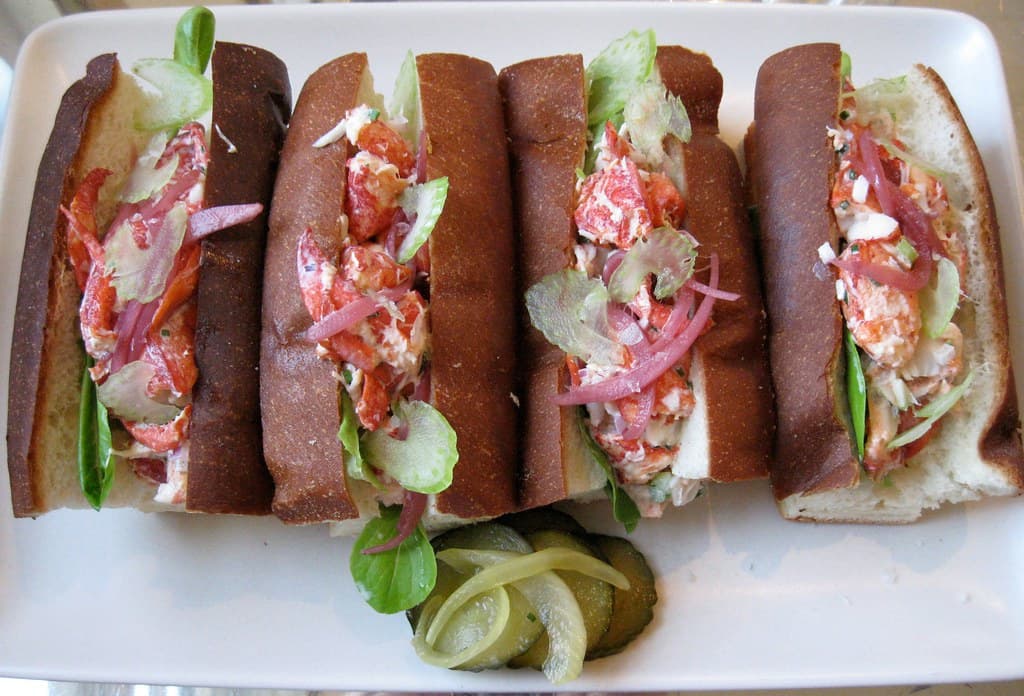
Maine lobster rolls are an iconic New England sandwich featuring tender lobster meat served chilled or warm in a buttered, toasted split-top bun. Since the early 20th century, this sandwich has been a regional favorite at seafood shacks, fairs, and food trucks, embodying the maritime heritage and casual dining culture of the Northeastern United States.
America's Melting Pot
Maine Wild Blueberry Shake photo coming soon
Cross-era
Maine Wild Blueberry Shake salutes regional fruit country and the American dairy-stand tradition: Maine.
America's Melting Pot
Malt photo coming soon
1900-1929
Malt, or malted milkshake, was a staple of American diners, lunch counters, and state fairs from the early 1900s, offering a creamy, frothy beverage blending milk, malted milk powder, and ice cream. This nostalgic treat evokes the immigrant city food culture, where malt shops served as social hubs and classic American diner experiences.
America's Melting Pot
Malted Milk Ball Shake photo coming soon
1900-1929
Malted Milk Ball Shake pours old-school malt-shop cheer into a cold glass: Whoppers-style modern malt.
America's Melting Pot
Malted Milk, Unfrozen photo coming soon
1900-1929
Malted Milk, Unfrozen is fizzy Americana from the soda-fountain counter: Pre-shake health drink/soda fountain drink.
America's Melting Pot
Mango Julius photo coming soon
Postwar & Diner Age
Mango Julius carries the bright, frothy spirit of American mall counters: Modern fruit-bar version.
America's Melting Pot
Mango Lassi Smoothie, American Cafe Version photo coming soon
Cross-era
Mango Lassi Smoothie, American Cafe Version salutes regional fruit country and the American dairy-stand tradition: Indian-American adaptation.
America's Melting Pot
Mango Pineapple Smoothie photo coming soon
Modern Melting Pot
Mango Pineapple Smoothie brings juice-bar color and American smoothie-counter energy to the glass: Mall and airport smoothie bar flavor.
1990-2009
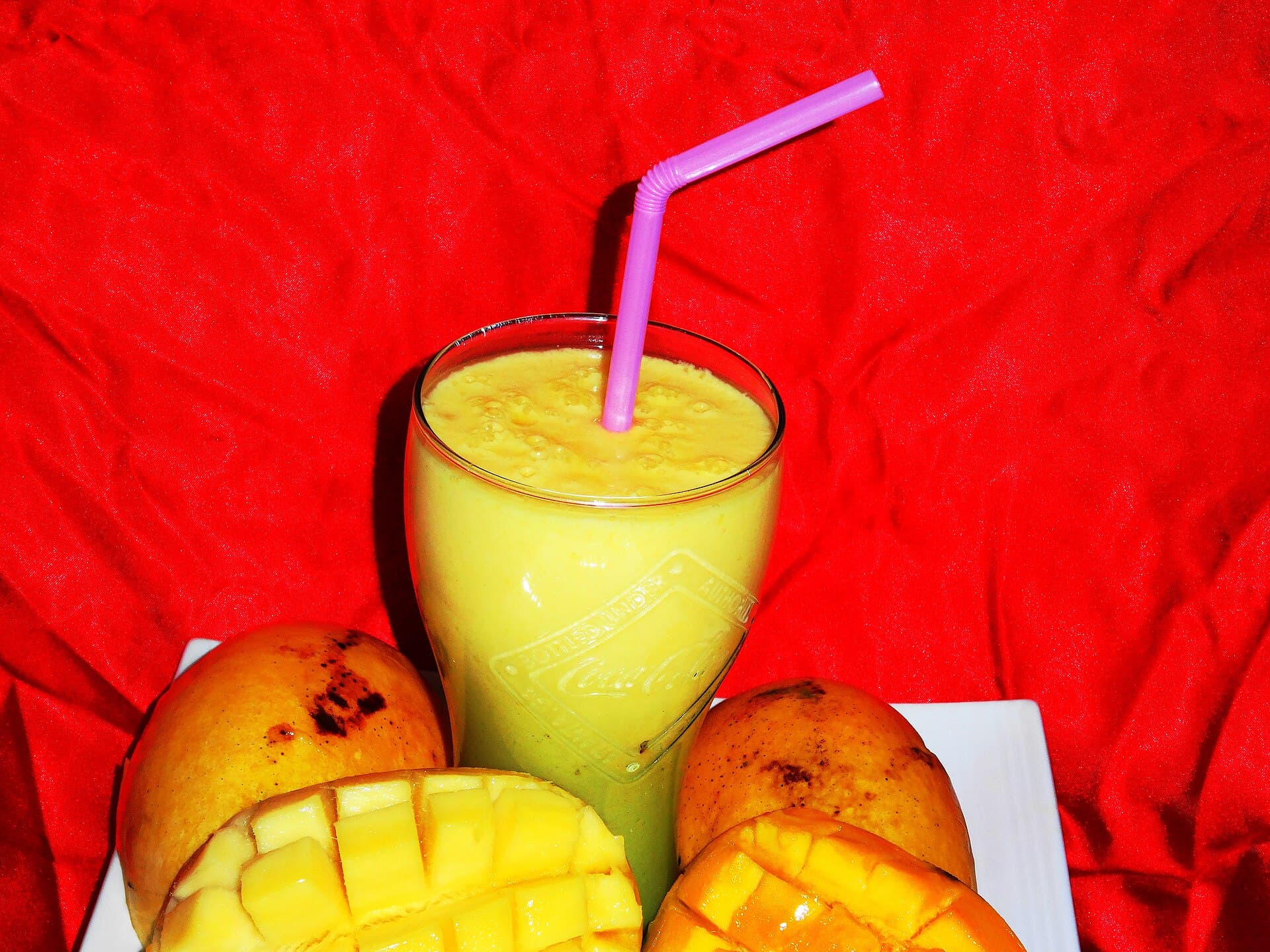
Mango Smoothie brings juice-bar color and American smoothie-counter energy to the glass: Tropical smoothie-shop favorite.
America's Melting Pot
Maple Creemee Shake photo coming soon
Cross-era
Maple Creemee Shake salutes regional fruit country and the American dairy-stand tradition: Vermont/New England.
America's Melting Pot
Maple Frappe photo coming soon
Postwar & Diner Age
Maple Frappe celebrates New England dairy-bar pride in a cold glass: New England maple variation.
America's Melting Pot
Maple Malt photo coming soon
Postwar & Diner Age
Maple Malt pours old-school malt-shop cheer into a cold glass: New England/Upper Midwest candidate.
1800-1860
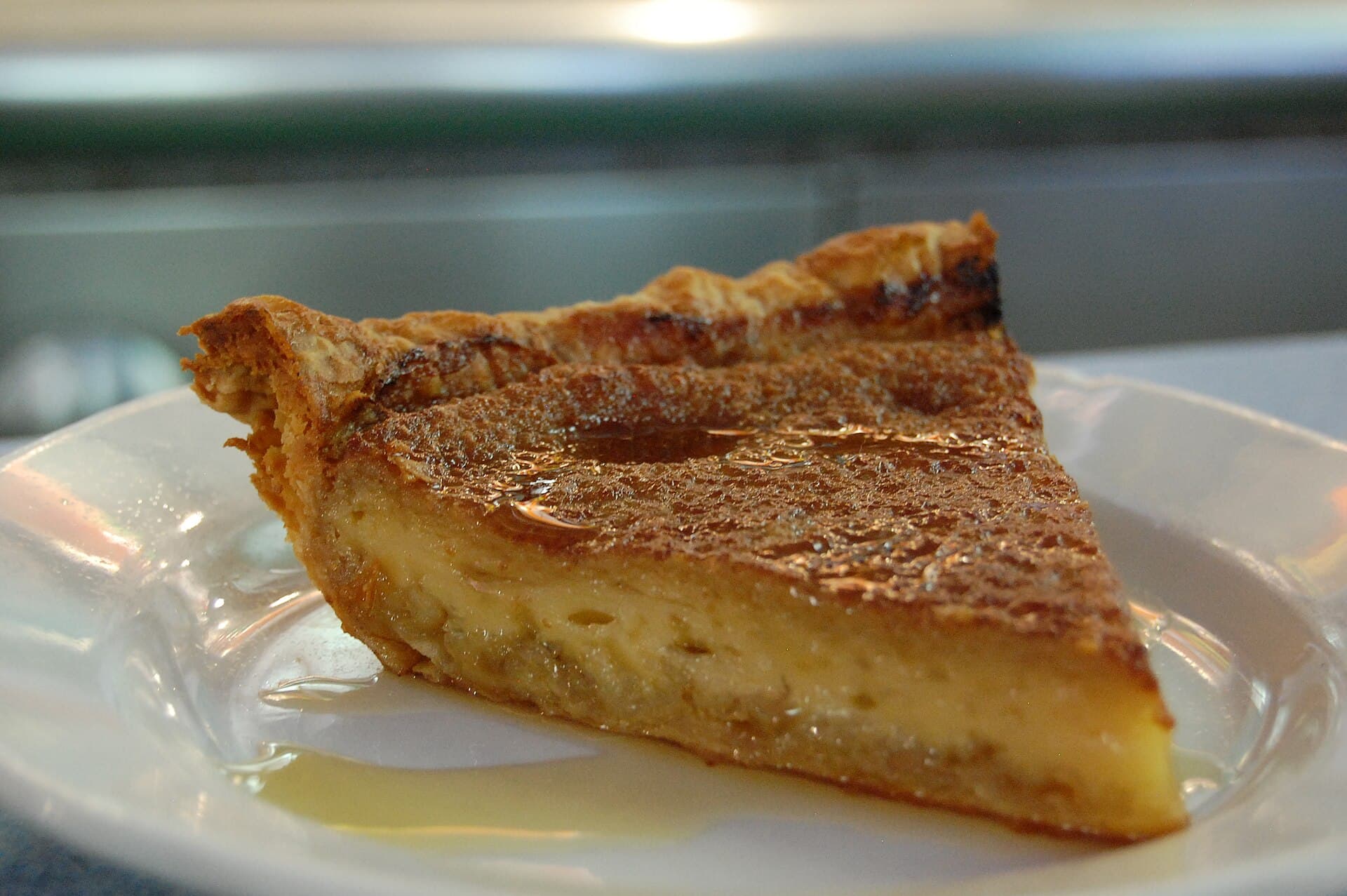
Maple pie is a classic New England dessert featuring rich filling made from pure maple syrup layered in a flaky pie crust. Celebrated for its deep caramelized sweetness and regional ingredient heritage, maple pie symbolizes the importance of maple syrup production and festive baking customs in Northeastern American households.
America's Melting Pot
Maple Shake photo coming soon
Postwar & Diner Age
Maple Shake pours old-school malt-shop cheer into a cold glass: New England and Upper Midwest potential.
America's Melting Pot
Maple-Roasted Squash photo coming soon
1800-1860
Maple-roasted squash is a straightforward side dish combining seasonal winter squash roasted with butter and maple syrup glaze. It reflects Indigenous American foodways and early American frontier cooking that utilized native crops and natural sweeteners, emphasizing simplicity and seasonal ingredients.

American Dairy Age
Marieke Gouda-style American Farmstead Gouda is a washed-curd American cheese with gentle cooking, curd washing, salting, pressing, and a short controlled aging period.
1945-2000
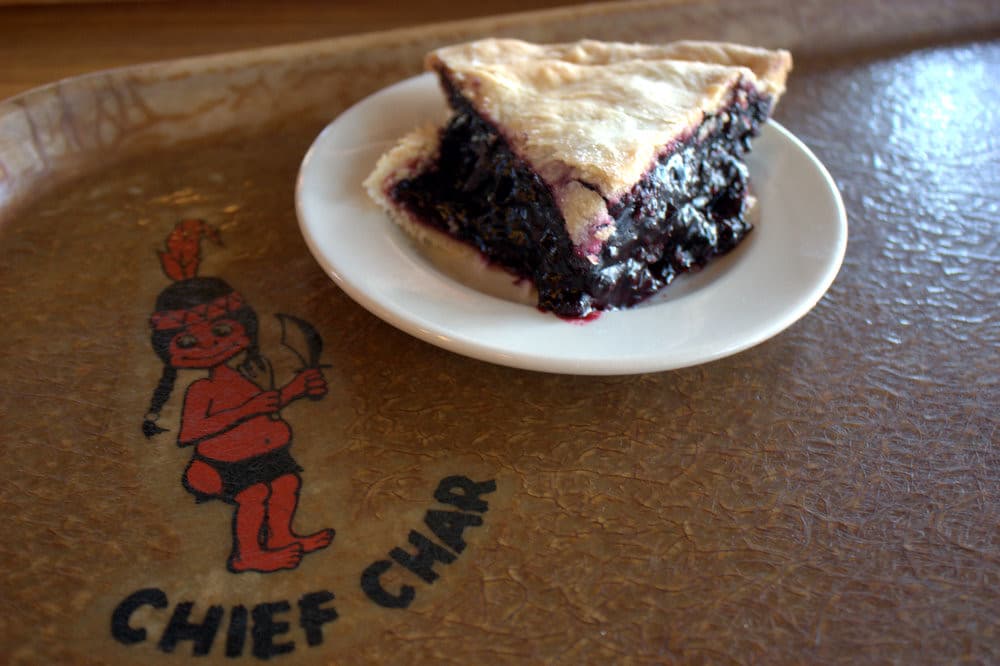
Marionberry pie showcases the marionberry, a blackberry variety developed in Oregon, baked into a sweet-tart pie that highlights Pacific Northwest fruit agriculture. The pie has become a regional dessert favorite, representing local farming innovation and the Pacific Northwest's berry-rich culinary tradition.
America's Melting Pot
Marionberry Shake photo coming soon
Postwar & Diner Age
Marionberry Shake pours old-school malt-shop cheer into a cold glass: Oregon berry-country flavor.
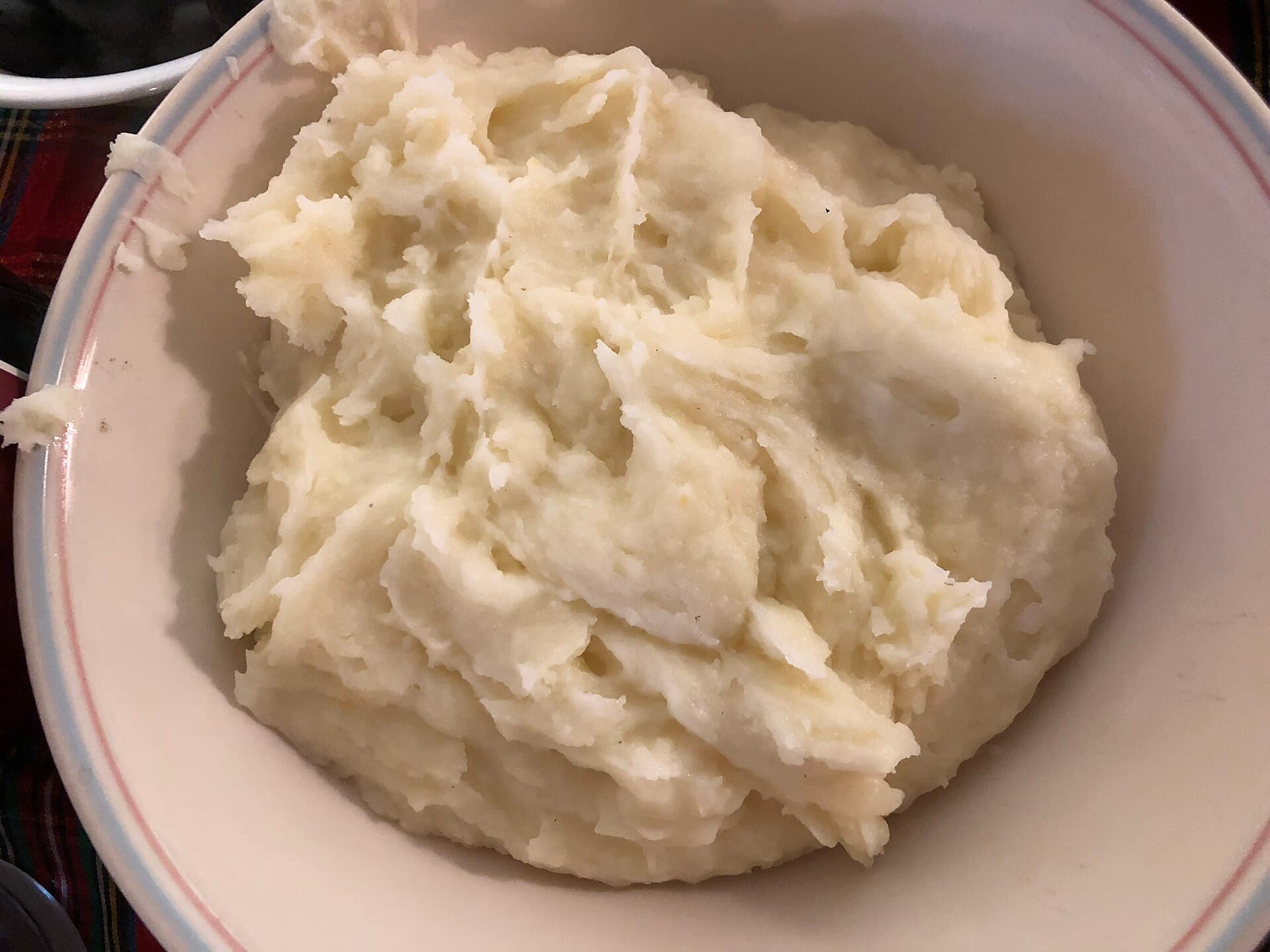
1800-1860
A creamy and comforting side dish popular across the United States, especially during Thanksgiving and other holiday meals. Mashed potatoes blend simple ingredients to create a satisfying accompaniment to main courses.
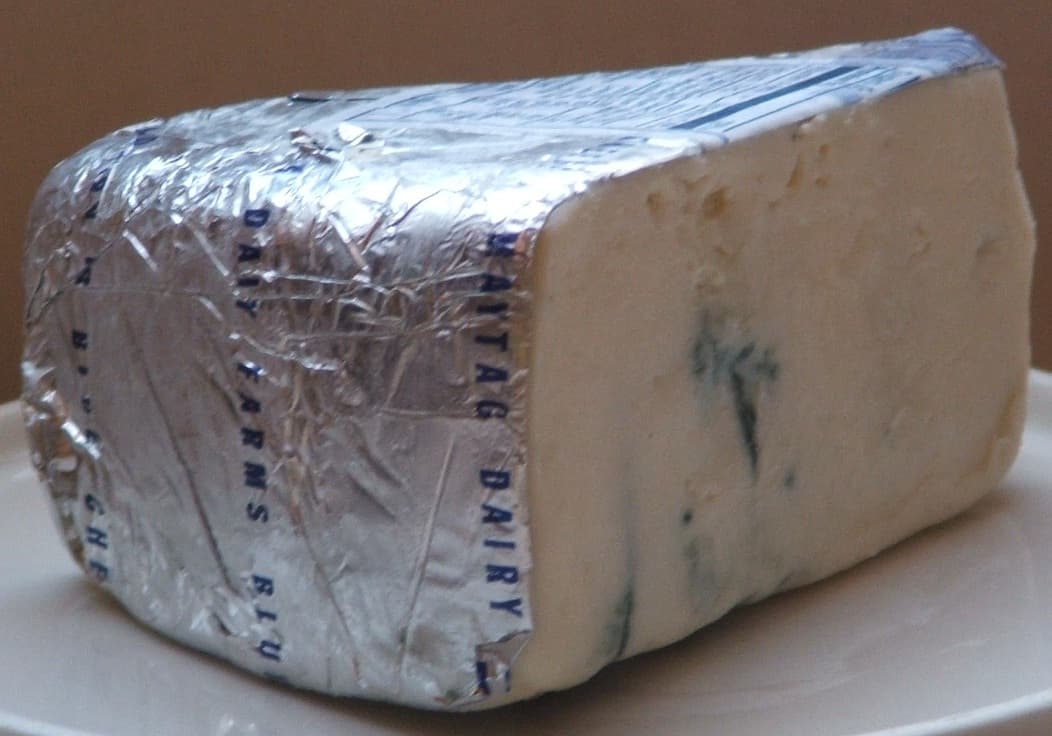
American Dairy Age
Maytag Blue-style American Blue Cheese is a blue-veined American cheese with measured mold culture, loose curd handling, piercing, humid aging, and careful moisture control.
America's Melting Pot
Meal Replacement Smoothie photo coming soon
1970-1989
Meal Replacement Smoothie brings juice-bar color and American smoothie-counter energy to the glass: 1990s-2000s diet culture.
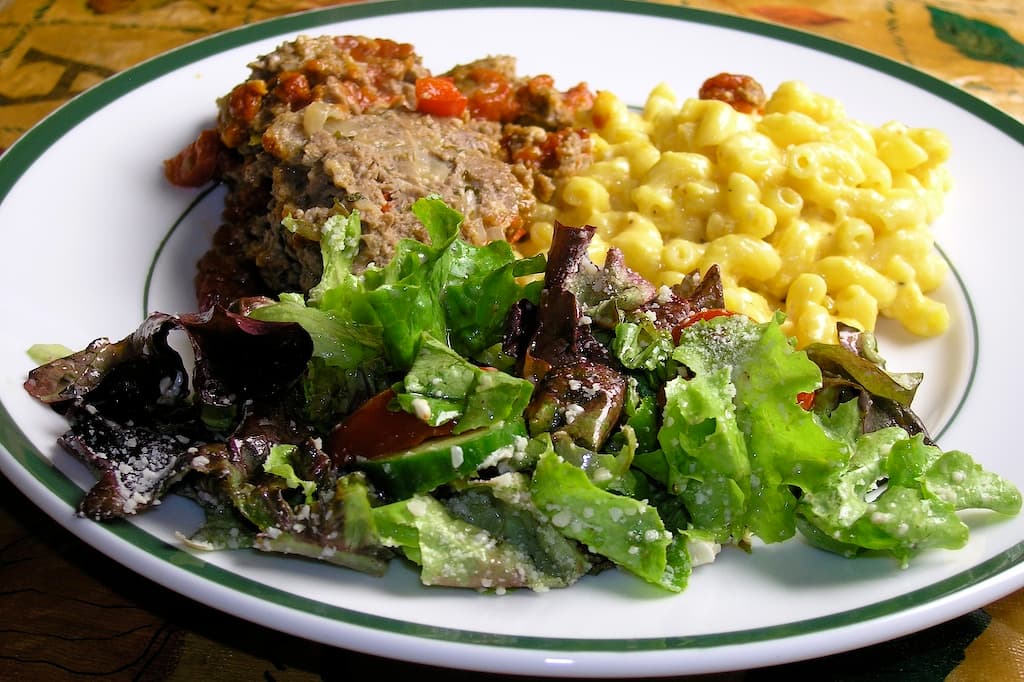
1990-2009
Traditional meatloaf served as a diner lunch or dinner with classic sides such as mashed potatoes and vegetables. A fixture of 20th-century American roadside, state fair, and lunch counter dining experiences.
America's Melting Pot
Memphis Ribs photo coming soon
1945-2000
Memphis ribs are a hallmark of American barbecue tradition, featuring tender pork ribs seasoned with a dry rub or coated in tangy barbecue sauce and slow-cooked over indirect heat. This recipe highlights the deep smoky flavors and rich history of Tennessee barbecue.
America's Melting Pot
Mexican-American Strawberry Licuado photo coming soon
Cross-era
Mexican-American Strawberry Licuado salutes regional fruit country and the American dairy-stand tradition: Borderlands/Latino-American drink.
America's Melting Pot
Michigan Blueberry Shake photo coming soon
Cross-era
Michigan Blueberry Shake salutes regional fruit country and the American dairy-stand tradition: Michigan.

1900-1929
The American milkshake is a sweet, creamy beverage made from milk, ice cream, and flavored syrups, emblematic of early 20th-century diners and lunch counters. This recipe captures its nostalgic appeal and simple preparation, frequently enjoyed at state fairs and social gatherings.
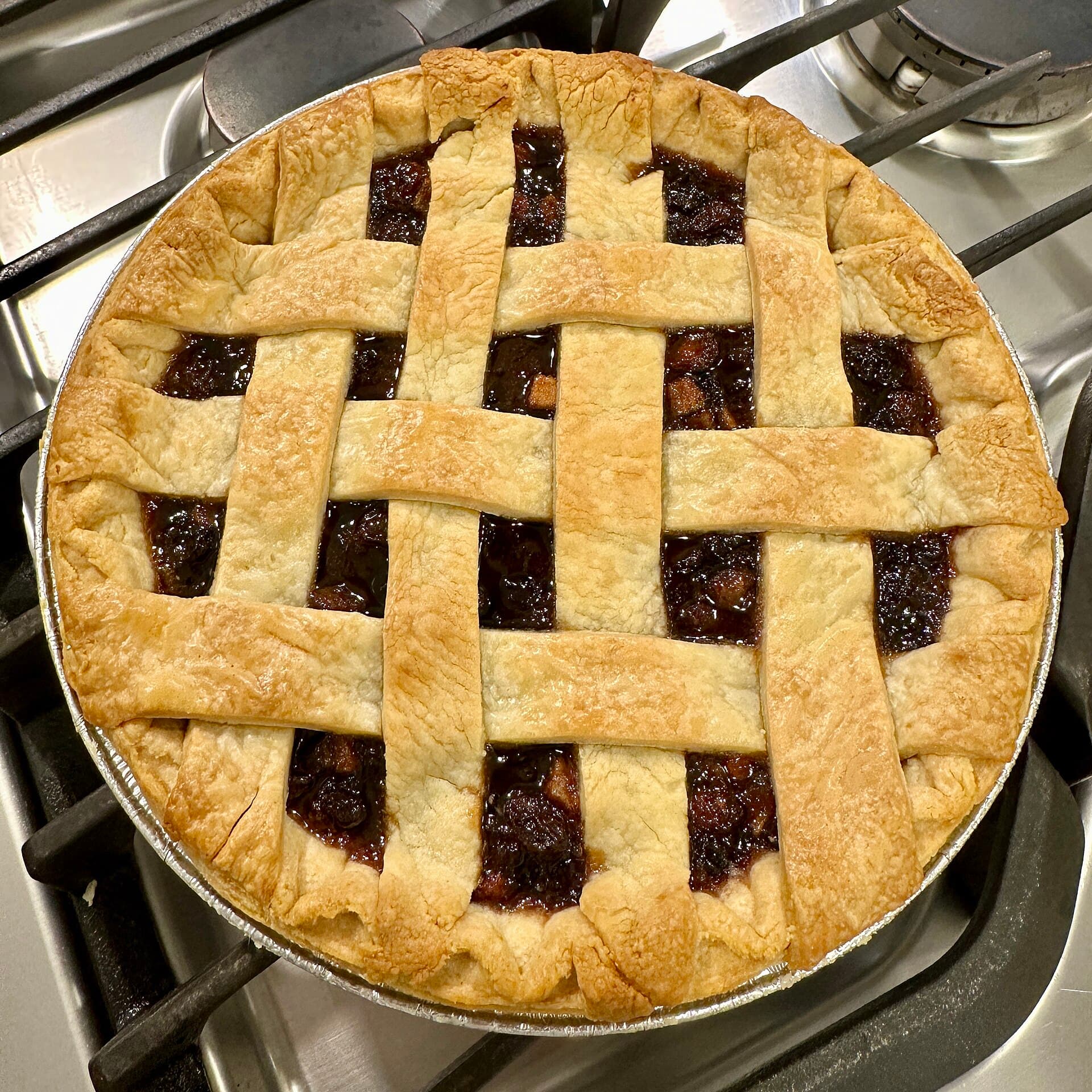
1776-1800
Mincemeat pie is a classic American dessert featuring a spiced filling of chopped dried fruits, suet or beef fat, and sometimes minced meat, enclosed in a flaky pastry crust. Historically enjoyed during Thanksgiving and holiday seasons, it blends English colonial heritage with American ingredients.
1776-1800
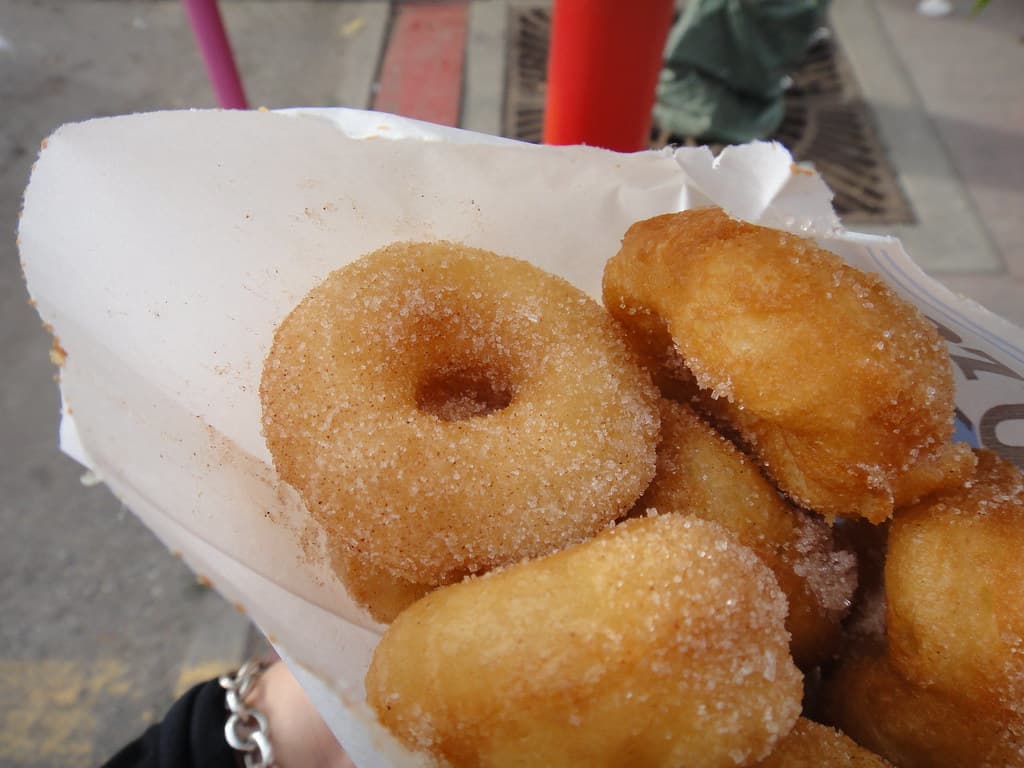
Mini donuts are tiny, fried doughnuts commonly enjoyed at American state fairs, carnivals, and diners during the early 20th century. Their small size made them a convenient treat for fairgoers and lunch counter patrons. This recipe captures the simplicity and nostalgic appeal of these sweet bites, featuring a light dough fried to golden perfection and lightly dusted with cinnamon sugar.
America's Melting Pot
Mint Chocolate Chip Shake photo coming soon
1900-1929
Mint Chocolate Chip Shake pours old-school malt-shop cheer into a cold glass: Ice cream parlor standard.
America's Melting Pot
Miracle Whip-Style Dressing photo coming soon
1930-1945
Miracle Whip-Style Dressing is a dressing with real American table personality: Tangy-sweet American sandwich and salad spread culture. It brings flavor from coast-to-coast American tables to cookouts, counters, lunch plates, potlucks, and weeknight suppers.
America's Melting Pot
Mixed Berry Smoothie photo coming soon
1970-1989
Mixed Berry Smoothie brings juice-bar color and American smoothie-counter energy to the glass: Smoothie shop staple.
America's Melting Pot
Mocha Cabinet photo coming soon
Postwar & Diner Age
Mocha Cabinet celebrates New England dairy-bar pride in a cold glass: Coffee cabinet with chocolate.
America's Melting Pot
Mocha Malt photo coming soon
1900-1929
Mocha Malt pours old-school malt-shop cheer into a cold glass: Coffee and chocolate.
America's Melting Pot
Montana Huckleberry Shake photo coming soon
Cross-era
Montana Huckleberry Shake salutes regional fruit country and the American dairy-stand tradition: Montana.
American Dairy Age
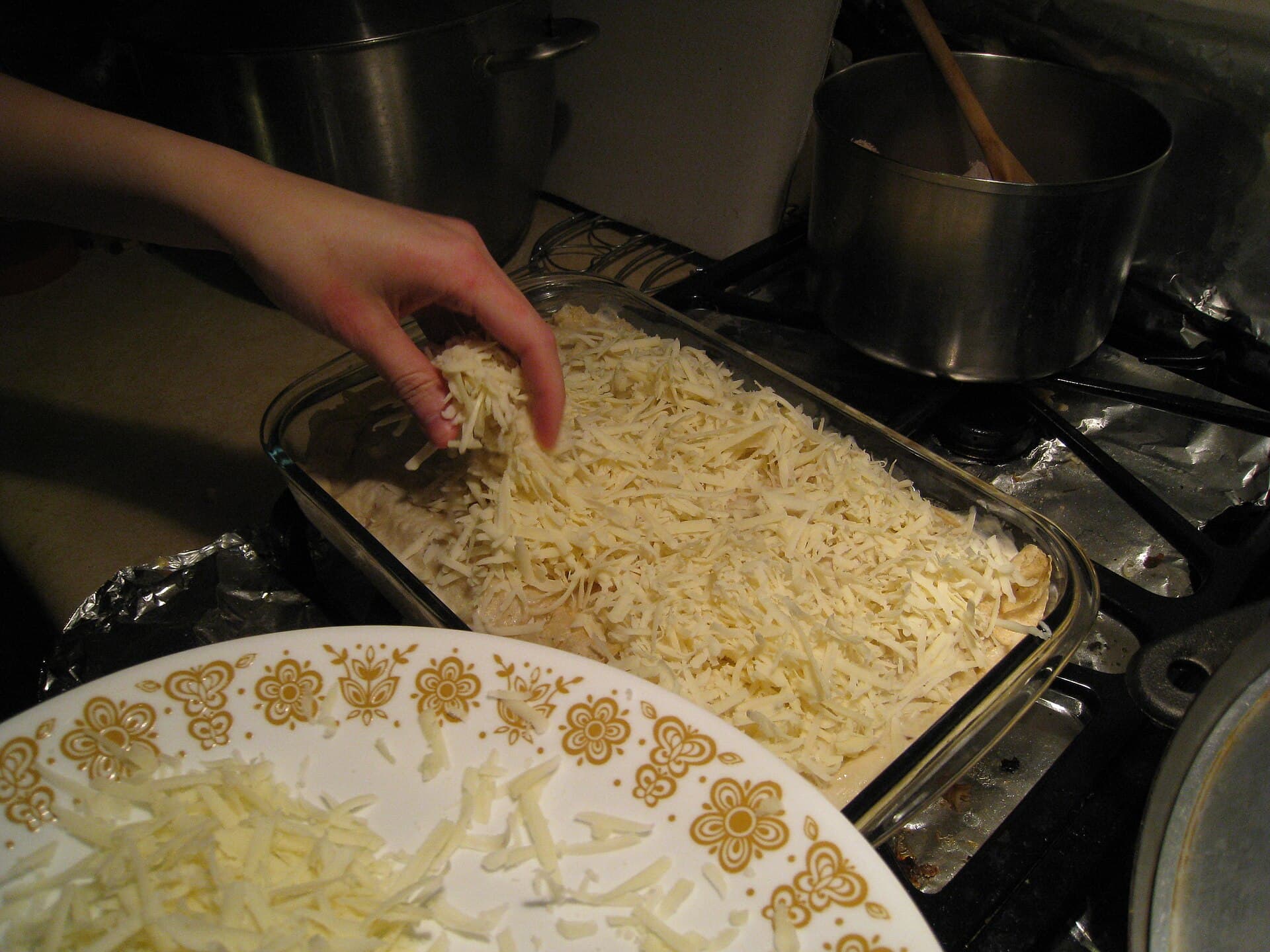
Monterey Jack Cheese is a mild American Jack-family cheese with clean milk handling, careful curd cooking, optional flavoring, pressing, and controlled aging.
American Dairy Age
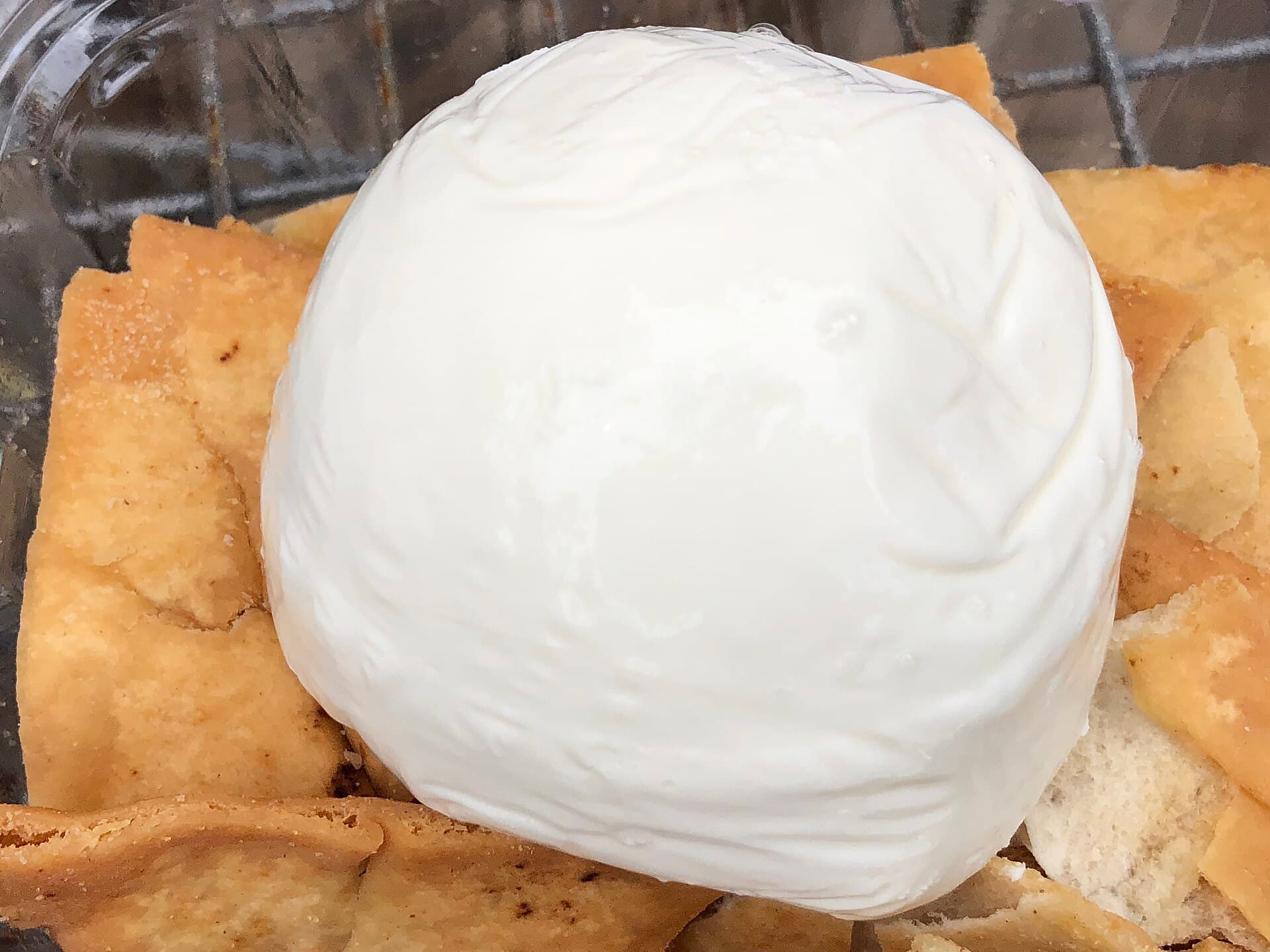
Mozzarella, Italian-American Home Style is a fresh stretched-curd cheese with pasteurized milk, measured acid, rennet setting, hot stretching, salting, and short refrigerated storage.
American Dairy Age
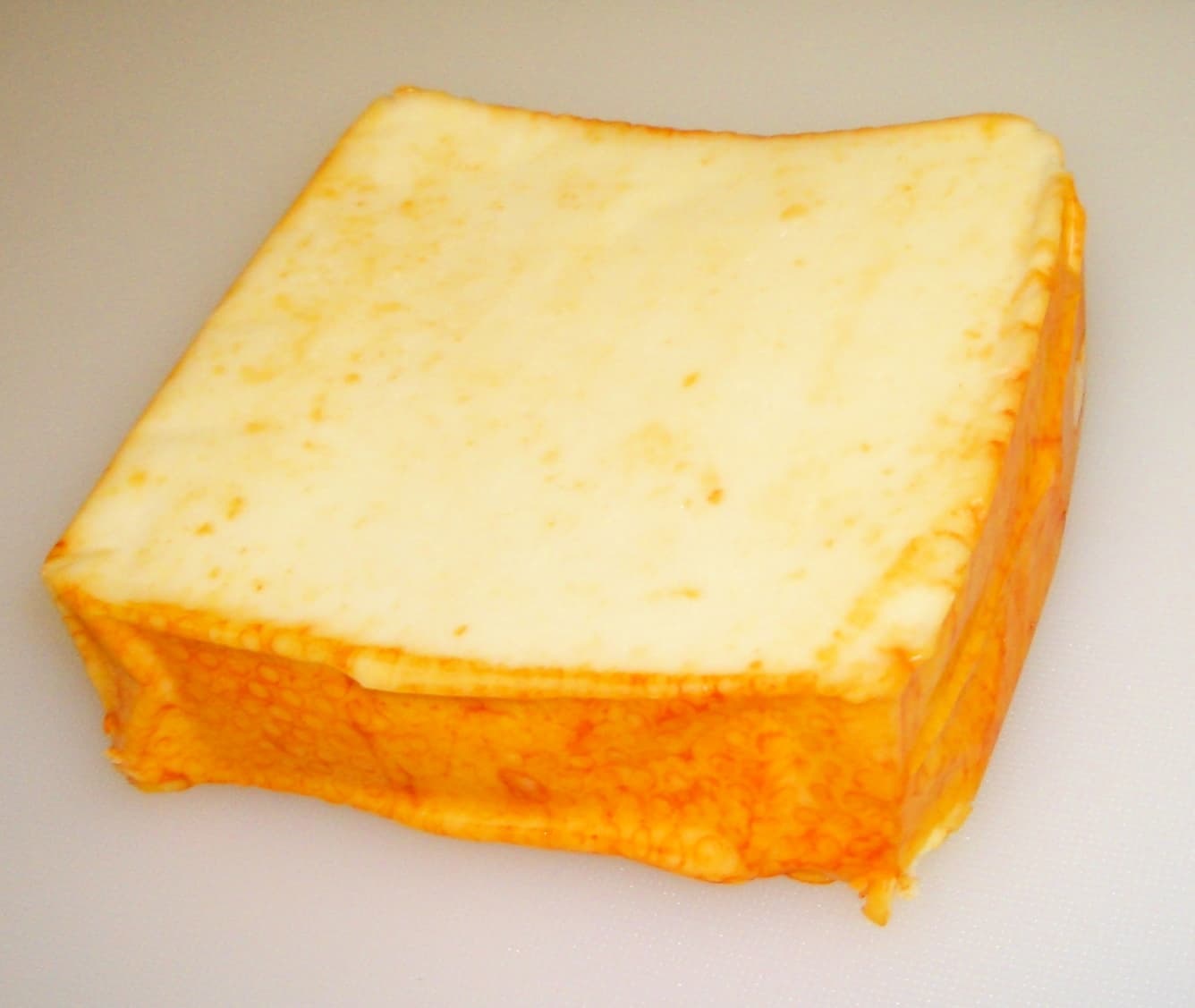
Muenster, American-style is a washed-rind American cheese with measured starter, careful draining, brining, regular rind washing, and controlled humid aging.
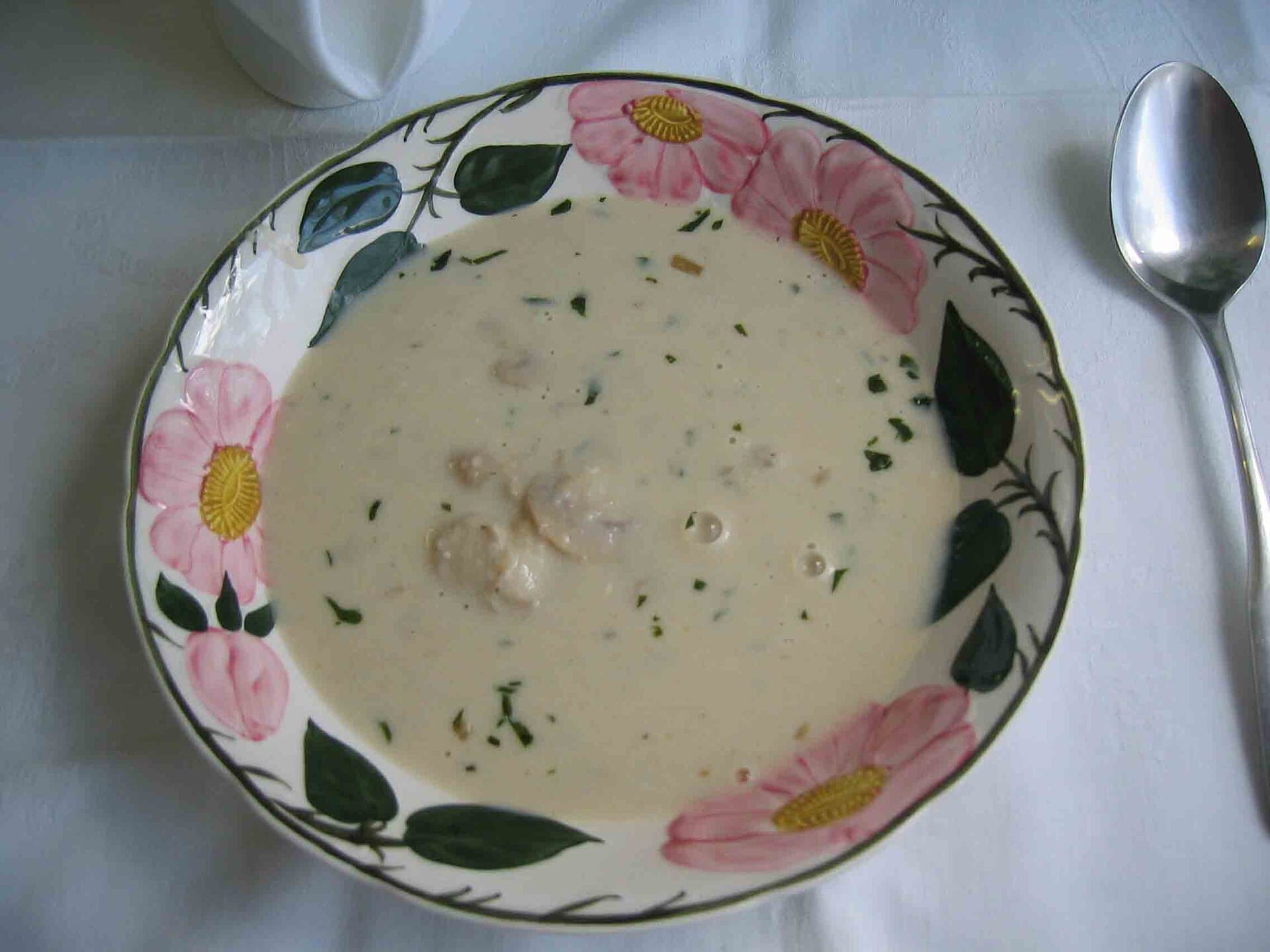
1900-1929
Mushroom Soup is a comforting dish featuring the diverse wild and cultivated mushrooms found in the Pacific Northwest, combined with broth and cream for a rich flavor. It celebrates the region's natural bounty and forest-to-table traditions.
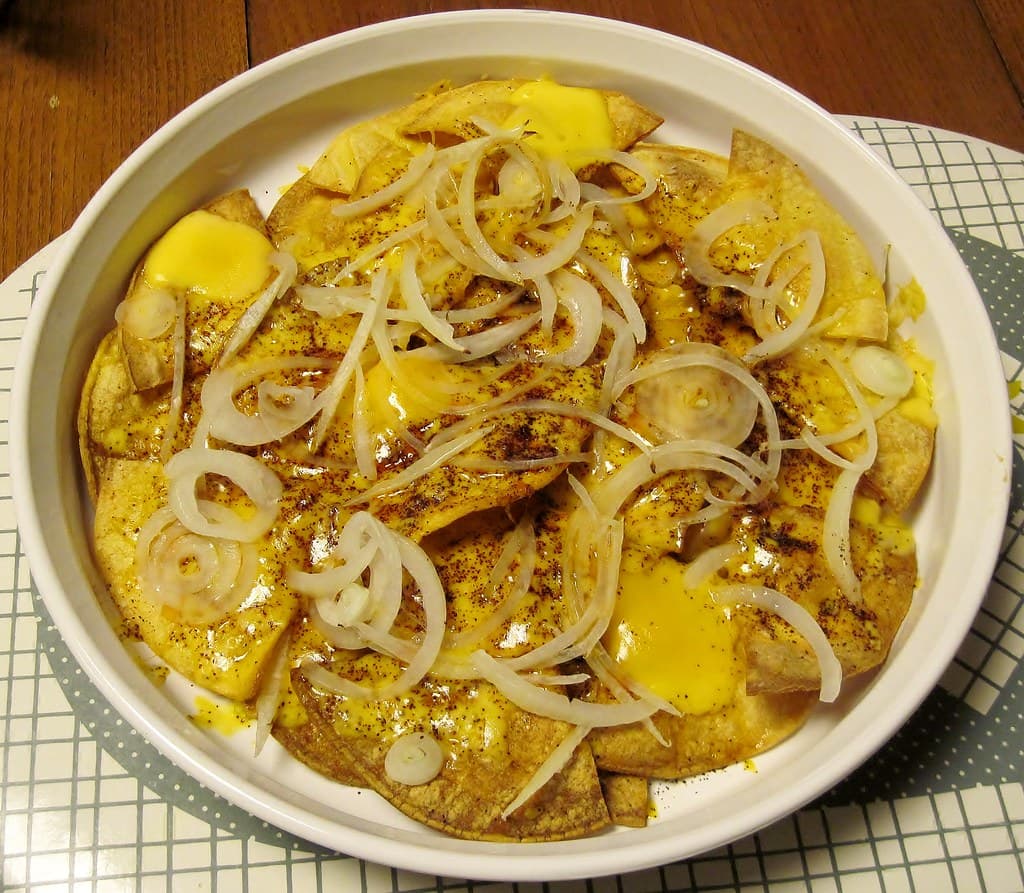
1970-1989
Nacho Cheese and Chips is a simple, popular snack originating from American convenience and concession food culture. Warm melted cheese sauce is served over crispy tortilla chips, perfect for tailgate parties, booster club events, and casual gatherings.
America's Melting Pot
Nachos Supreme photo coming soon
1990-2009
Nachos Supreme is a fuller, meal-sized version of classic nachos, including seasoned ground beef or chicken, cheese, beans, lettuce, tomatoes, sour cream, and guacamole. Popularized from the 1990s onward, it serves as a favored game day and party food.
America's Melting Pot
Nashville Hot Chicken photo coming soon
2010-2026
Nashville Hot Chicken is a spicy fried chicken specialty from the American South known for its crispy, deep-fried exterior coated in a cayenne pepper-based paste. Gaining widespread fame through food trucks and viral internet food culture in the 2010s and beyond, it embodies the bold flavors of modern Southern cooking.
America's Melting Pot
Nashville Hot Chicken Sandwich photo coming soon
2010-2026
The Nashville Hot Chicken Sandwich is a street food variant that sandwiches the spicy fried chicken between bread with pickles and condiments. Emerging in the 2010s alongside food truck culture, it combines classic Southern heat with handheld convenience.
America's Melting Pot
Neapolitan Shake photo coming soon
1900-1929
Neapolitan Shake pours old-school malt-shop cheer into a cold glass: Chocolate, vanilla, and strawberry together.
America's Melting Pot
New England Boiled Dinner photo coming soon
1800-1860
New England Boiled Dinner is a classic dish of salted meat boiled with cabbage, potatoes, carrots, and other root vegetables. Popular during the early 19th century, it reflects Irish and New England working-class food traditions merging colonial and immigrant influences.
America's Melting Pot
New England Frappe photo coming soon
Postwar & Diner Age
New England Frappe celebrates New England dairy-bar pride in a cold glass: Milkshake with ice cream; regional name.
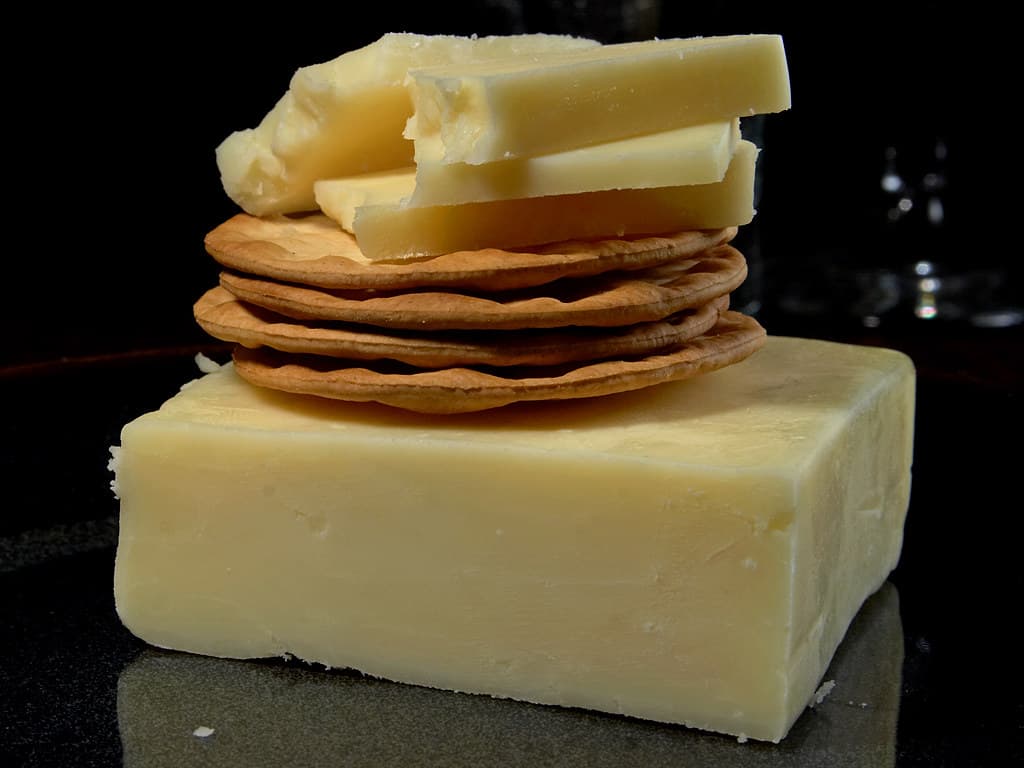
American Dairy Age
New York Cheddar is a home-scale American cheddar with measured culture, rennet setting, cheddaring, pressing, salting, and controlled aging.
America's Melting Pot
New York Egg Cream photo coming soon
Gilded Age & Progressive Era
New York Egg Cream is fizzy Americana from the soda-fountain counter: Milk, seltzer, and chocolate syrup; despite the name, no egg and no cream. Its exact origin is debated, but it is closely tied to New York soda fountains, Jewish delis, and candy stores.
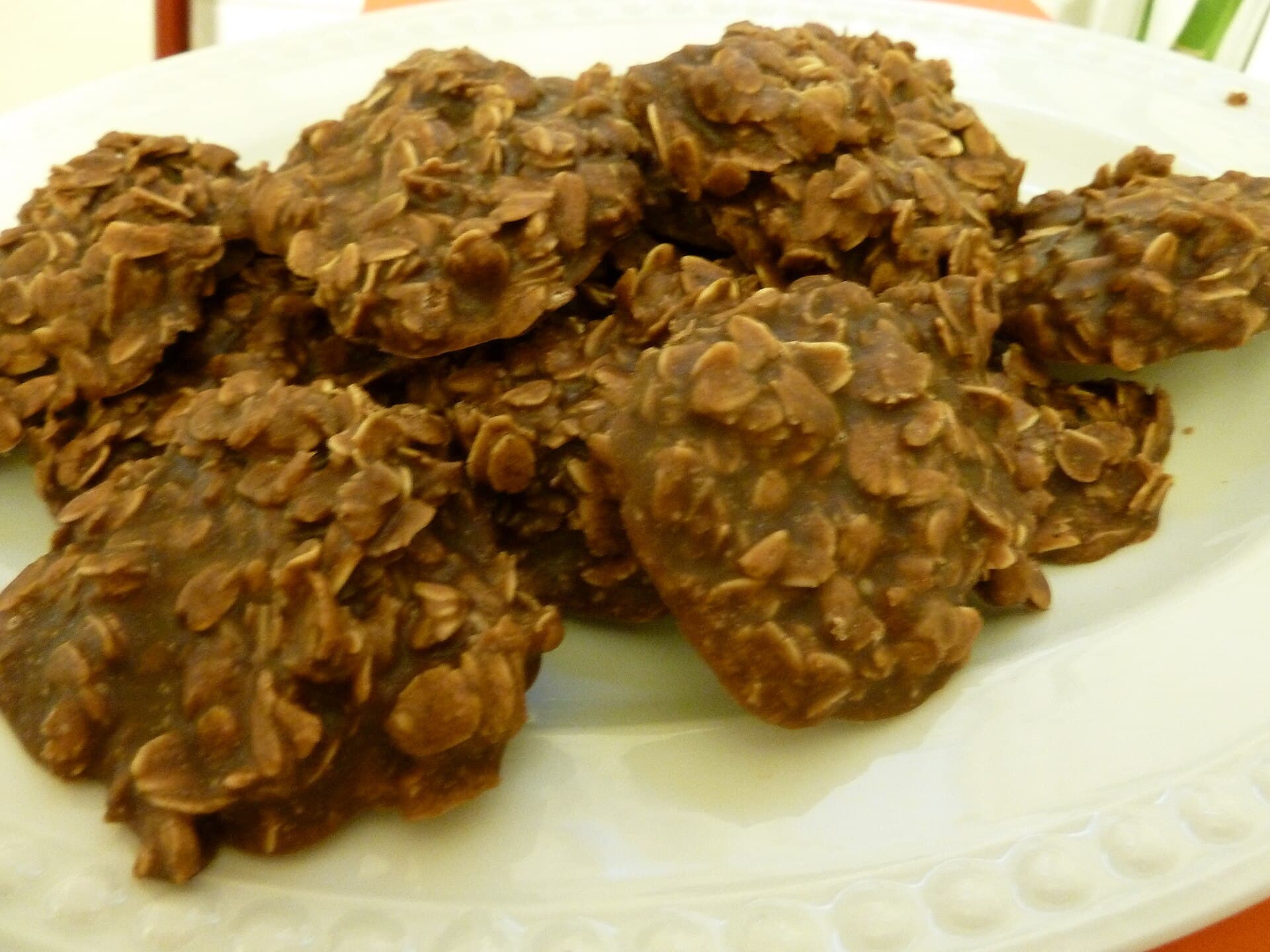
1946-1969
No-Bake Cookies are a quick, easy treat popular in American school cafeterias and concession stands. This dessert requires no oven baking and combines simple pantry staples into a chewy chocolate and oatmeal cookie form. A nostalgic and economical sweet snack loved across generations.
1861-1900
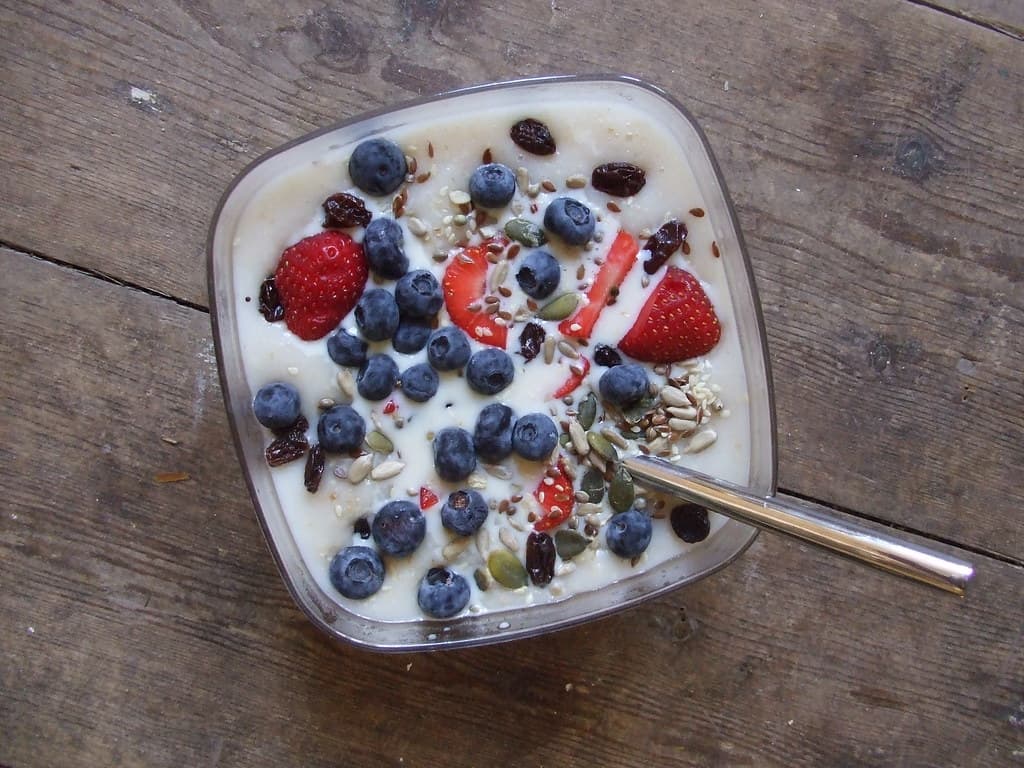
Oatmeal is a traditional, hearty breakfast cereal made by cooking oats in water or milk until creamy. Known across American households for its versatility and nutritional value, oatmeal has long been a staple on breakfast tables, celebrated for warmth and comfort.
America's Melting Pot
Oatmeal Cream Pies photo coming soon
1930-1945
Oatmeal Cream Pies are soft, sandwich-style cookies filled with creamy vanilla filling. Popularized in mid-20th century America, especially postwar suburbs, these treats combined convenience with nostalgic comfort, becoming a lunchbox and snack staple representative of American childhood.
America's Melting Pot
Oaxaca-style American-made String Cheese photo coming soon
American Dairy Age
Oaxaca-style American-made String Cheese is a fresh stretched-curd cheese with pasteurized milk, measured acid, rennet setting, hot stretching, salting, and short refrigerated storage.
America's Melting Pot
Old Forge Pizza photo coming soon
1900-1929
Old Forge Pizza is a distinctive rectangular pizza with a thick, braided crust, topped with a unique blend of cheeses and toppings. Rooted in Italian-American immigrant traditions in Pennsylvania, this pizza style has become a beloved regional favorite showcasing adaptation and innovation within Italian-American cuisine.
America's Melting Pot
Onion Dip photo coming soon
1946-1969
Onion Dip is a creamy, savory dip made by combining sour cream and onion flavors, commonly served with chips at social gatherings. Widely popular in post-World War II America, this dip reflects mid-century culinary trends emphasizing convenience foods and easy entertaining.
America's Melting Pot
Oof-da Tacos photo coming soon
1900-1929
Oof-da Tacos are a unique fusion dish blending Mexican-American taco concepts with Scandinavian-American influences in the Midwest. Known from state fair and carnival food scenes, these tacos typically feature distinctive toppings and flavors that celebrate immigrant cultural mixing and regional reinterpretation.
1900-1929
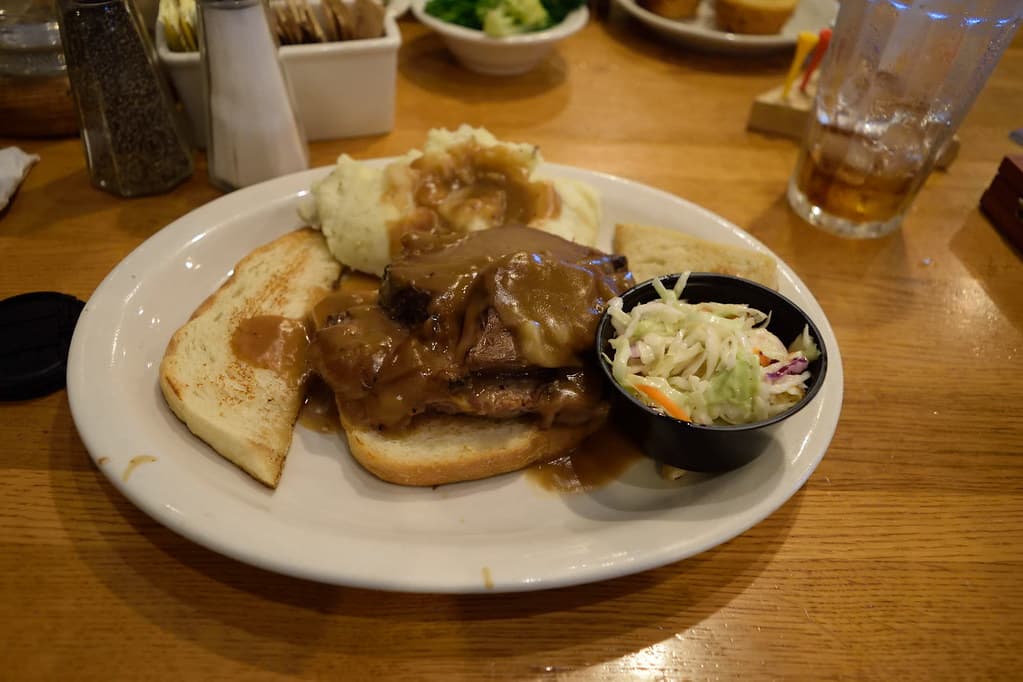
The Open-Faced Roast Beef Sandwich features thinly sliced roast beef served over toasted bread slices, covered with gravy, often accompanied by mashed potatoes. Popularized in American diners and lunch counters, this hearty sandwich is a staple of comfort food and practical meals.
America's Melting Pot
Orange Carrot Ginger Smoothie photo coming soon
1970-1989
Orange Carrot Ginger Smoothie brings juice-bar color and American smoothie-counter energy to the glass: Juice bar staple.
1970-1989
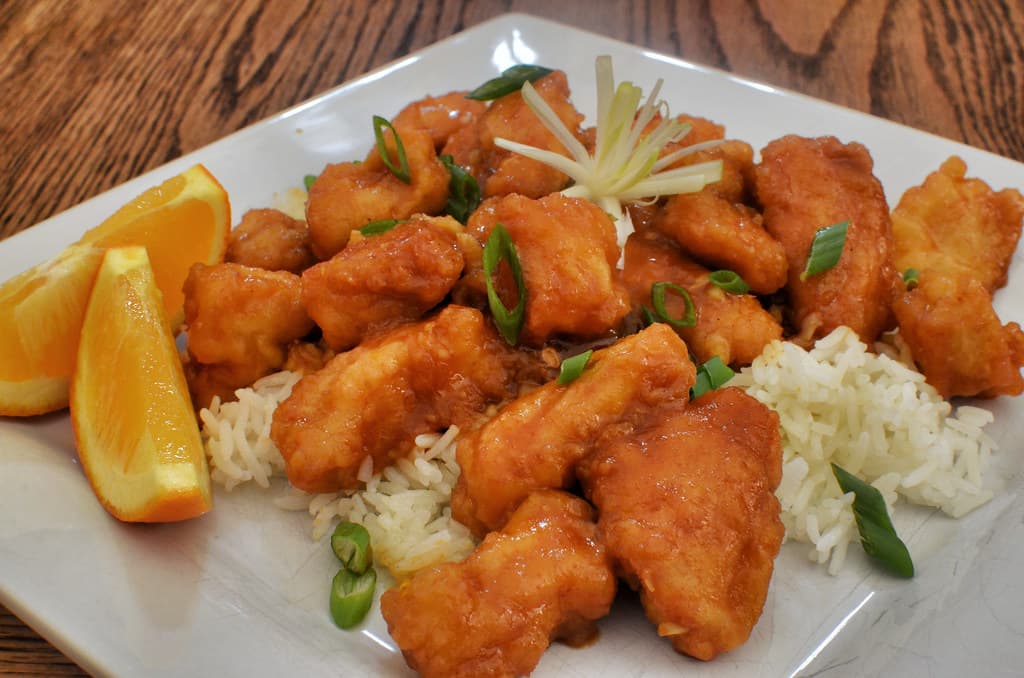
Orange Chicken is a popular Chinese-American fried chicken dish coated in a sweet, tangy orange-flavored sauce. Emerging from Chinese immigrant restaurant cuisines in early 20th century America, it has become a ubiquitous menu item blending American tastes with Chinese culinary techniques.
America's Melting Pot
Orange Cream Julius photo coming soon
Postwar & Diner Age
Orange Cream Julius carries the bright, frothy spirit of American mall counters: Creamsicle-like variation.
1900-1929
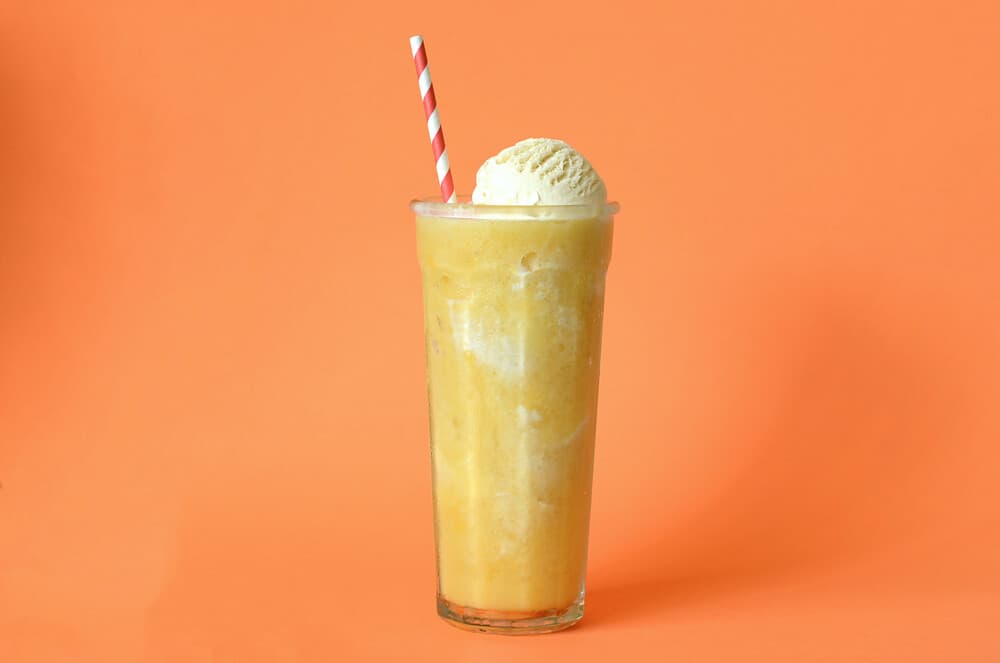
Orange Cream Shake pours old-school malt-shop cheer into a cold glass: Creamsicle-style flavor.
America's Melting Pot
Orange Freeze photo coming soon
Postwar & Diner Age
Orange Freeze carries the bright, frothy spirit of American mall counters: Ice cream stand orange-and-vanilla blended drink.
America's Melting Pot
Orange Malt photo coming soon
1900-1929
Orange Malt pours old-school malt-shop cheer into a cold glass: Orange Julius meets malt shop.
America's Melting Pot
Orange Sherbet Shake photo coming soon
Postwar & Diner Age
Orange Sherbet Shake carries the bright, frothy spirit of American mall counters: Creamsicle soda fountain cousin.
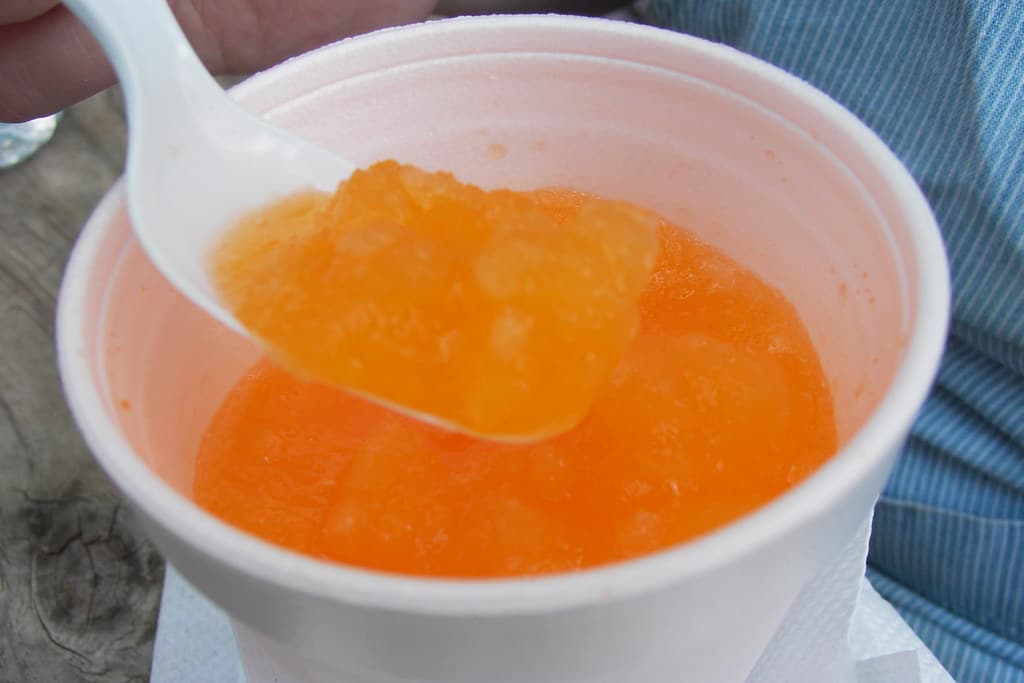
Modern Melting Pot
Orange Slush brings juice-bar color and American smoothie-counter energy to the glass: Ballpark and concession drink.
America's Melting Pot
Orange Soda Float photo coming soon
1861-1900
Orange Soda Float is fizzy Americana from the soda-fountain counter: Creamsicle-like float.
America's Melting Pot
Orange-Banana Julius photo coming soon
Postwar & Diner Age
Orange-Banana Julius carries the bright, frothy spirit of American mall counters: 1980s-1990s mall smoothie flavor.
America's Melting Pot
Orange-Pineapple Julius photo coming soon
Postwar & Diner Age
Orange-Pineapple Julius carries the bright, frothy spirit of American mall counters: Tropical mall classic.
America's Melting Pot
Oregon Marionberry Shake photo coming soon
Cross-era
Oregon Marionberry Shake salutes regional fruit country and the American dairy-stand tradition: Oregon.
American Dairy Age
Oregon/Tillamook-style Cheddar is a home-scale American cheddar with measured culture, rennet setting, cheddaring, pressing, salting, and controlled aging.
America's Melting Pot
Oreo Concrete photo coming soon
Postwar & Diner Age
Oreo Concrete is thick, spoonable frozen-custard stand fun: Modern custard shop standard.
America's Melting Pot
Oreo Shake photo coming soon
1900-1929
Oreo Shake pours old-school malt-shop cheer into a cold glass: Possibly the king of chain-restaurant shakes.
America's Melting Pot
Original Orange Julius photo coming soon
Postwar & Diner Age
Original Orange Julius carries the bright, frothy spirit of American mall counters: Orange juice, dairy/egg-white-style foam tradition, sugar, vanilla; mall America icon.
America's Melting Pot
Ovaltine Malt photo coming soon
1900-1929
Ovaltine Malt pours old-school malt-shop cheer into a cold glass: Home pantry malted drink influence.
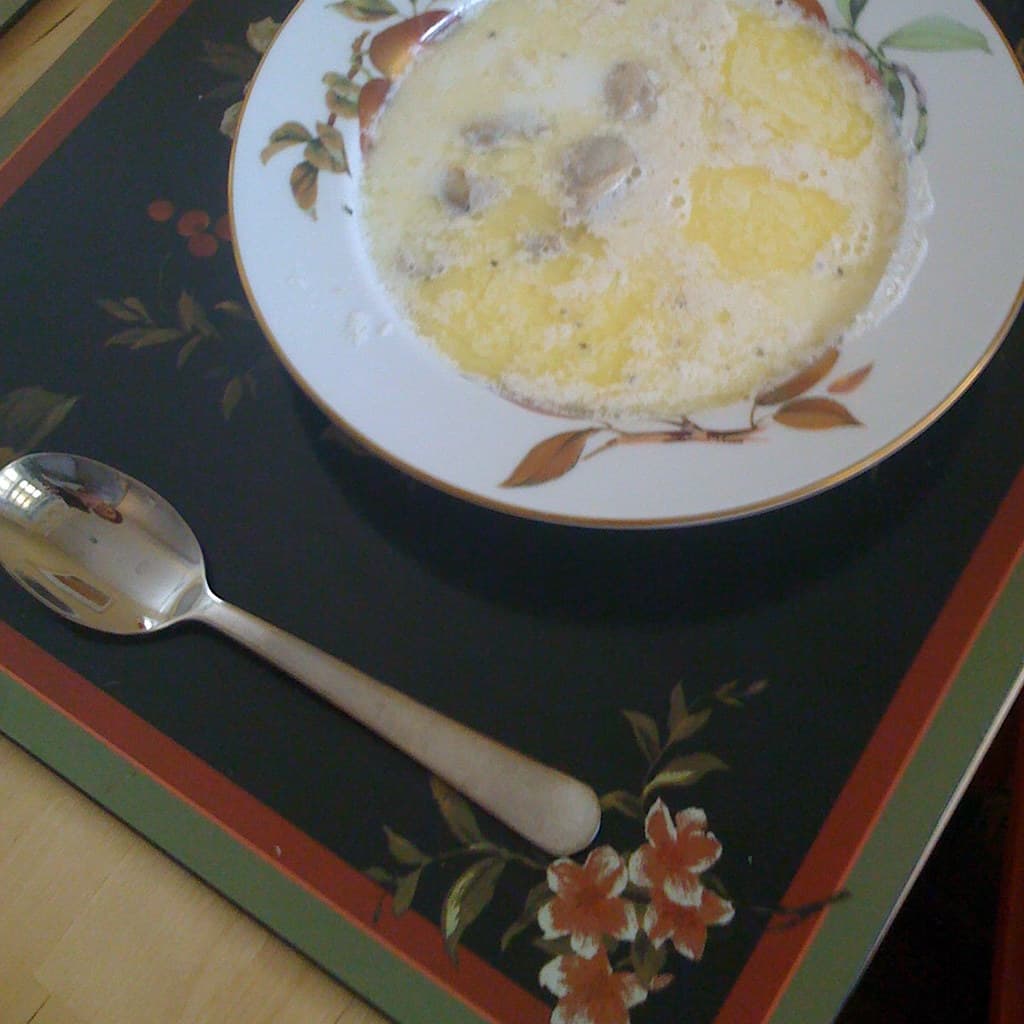
1776-1800
Oyster stew is a traditional American soup popular during the late 18th century, especially in coastal regions. This creamy stew features fresh oysters simmered in milk or cream with subtle seasonings, reflecting colonial America's use of locally sourced seafood.
America's Melting Pot
Oyster Stuffing photo coming soon
Before 1776
Oyster stuffing is a classic American side dish often served during Thanksgiving and other holiday meals. It blends fresh oysters with breadcrumbs, herbs, and aromatics to create a flavorful accompaniment traditionally baked within poultry or as a separate dish.
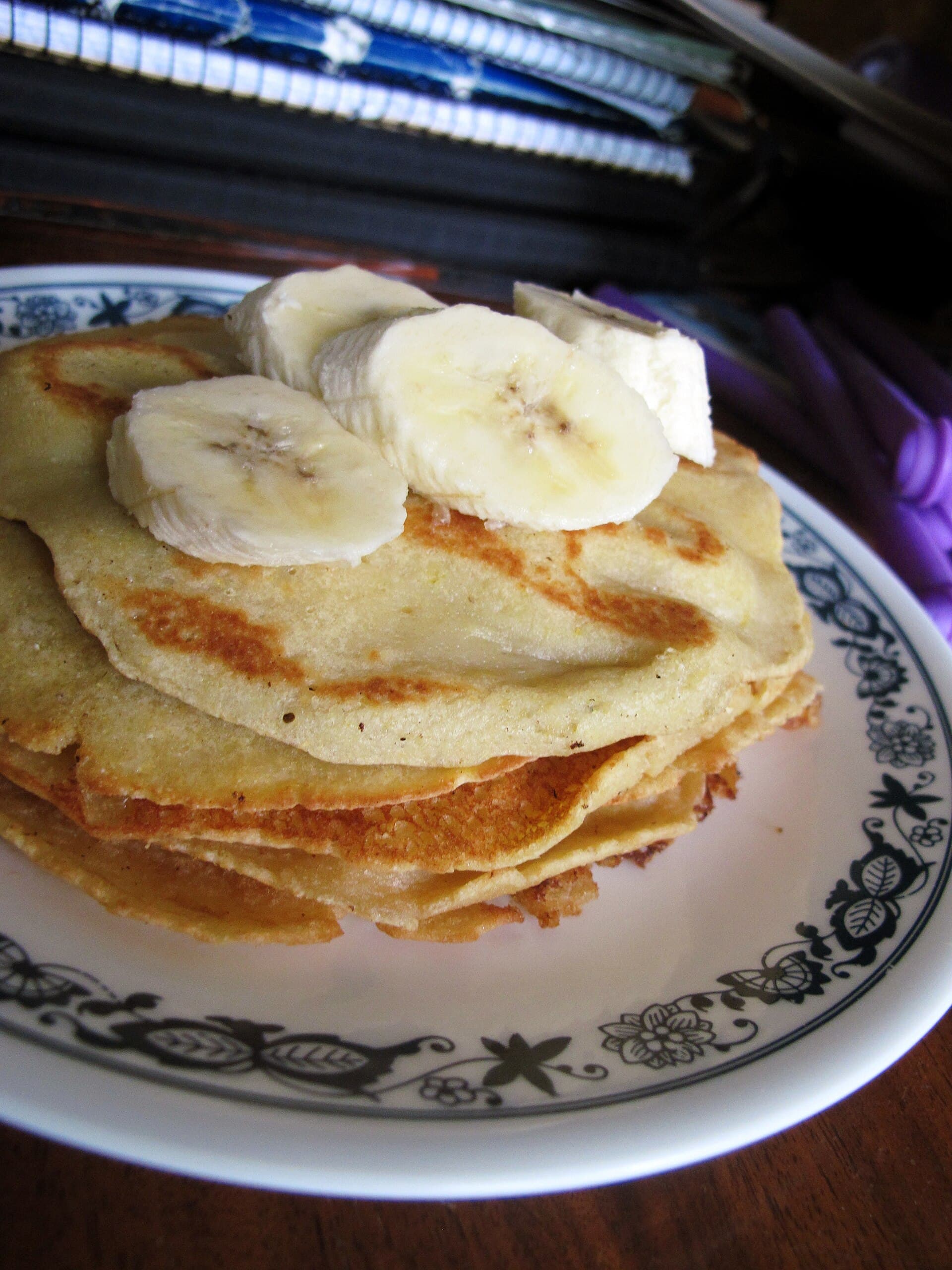
1776-1800
Pancakes are a quintessential American breakfast food consisting of flat, round cakes made from a simple batter of flour, eggs, milk, and leavening. They are typically cooked on a griddle and served with syrup, butter, or fruit toppings.
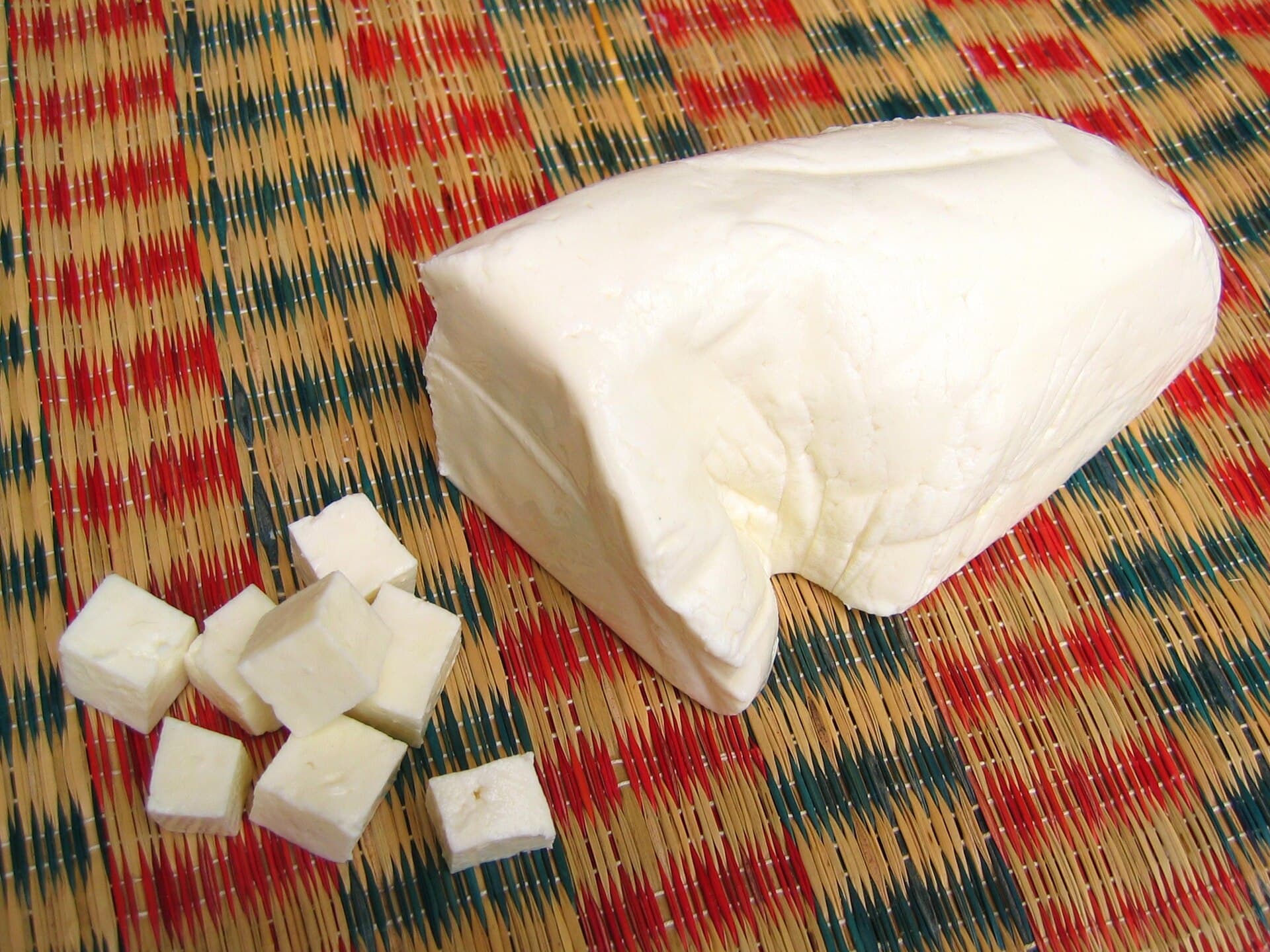
American Dairy Age
Paneer, Indian-American Home Cheese is a fresh Indian-American home cheese made by acid-setting pasteurized milk, draining, pressing, chilling, and cooking within a few days.
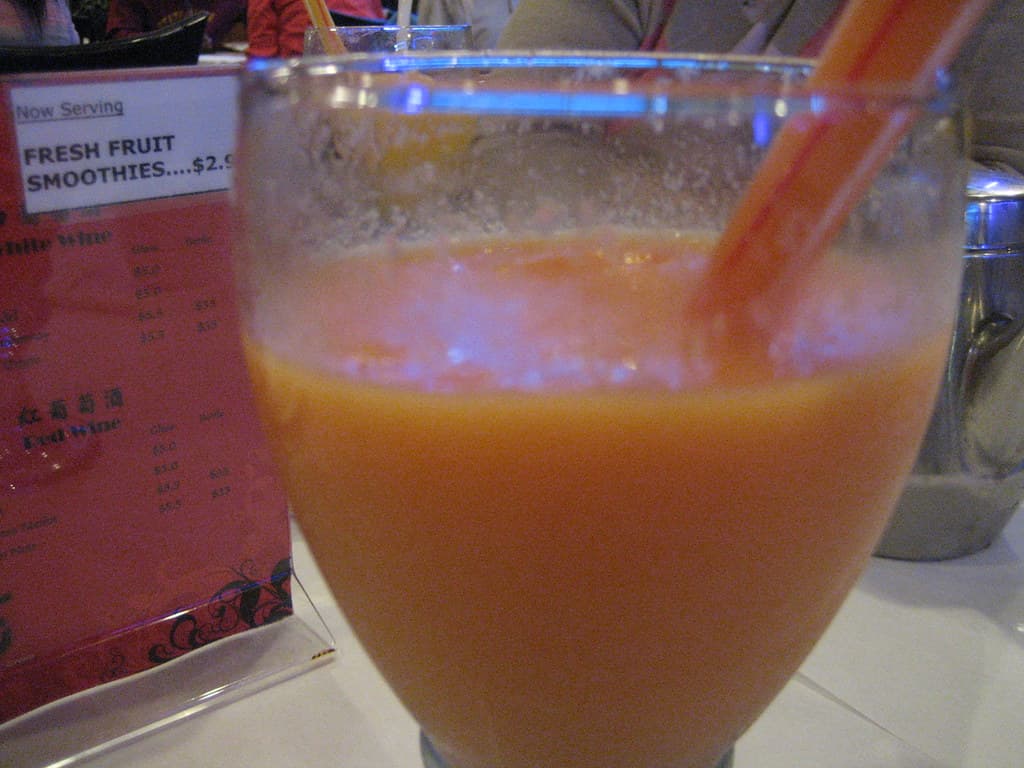
Cross-era
Papaya Smoothie salutes regional fruit country and the American dairy-stand tradition: Florida/Caribbean-American.
America's Melting Pot
Parsnip Cakes photo coming soon
1776-1800
Parsnip cakes are savory fried patties made from grated parsnips mixed with simple seasonings, common in late 18th-century American cooking. They highlight root vegetable use in early colonial diets, offering a wholesome side or dessert option depending on seasoning.
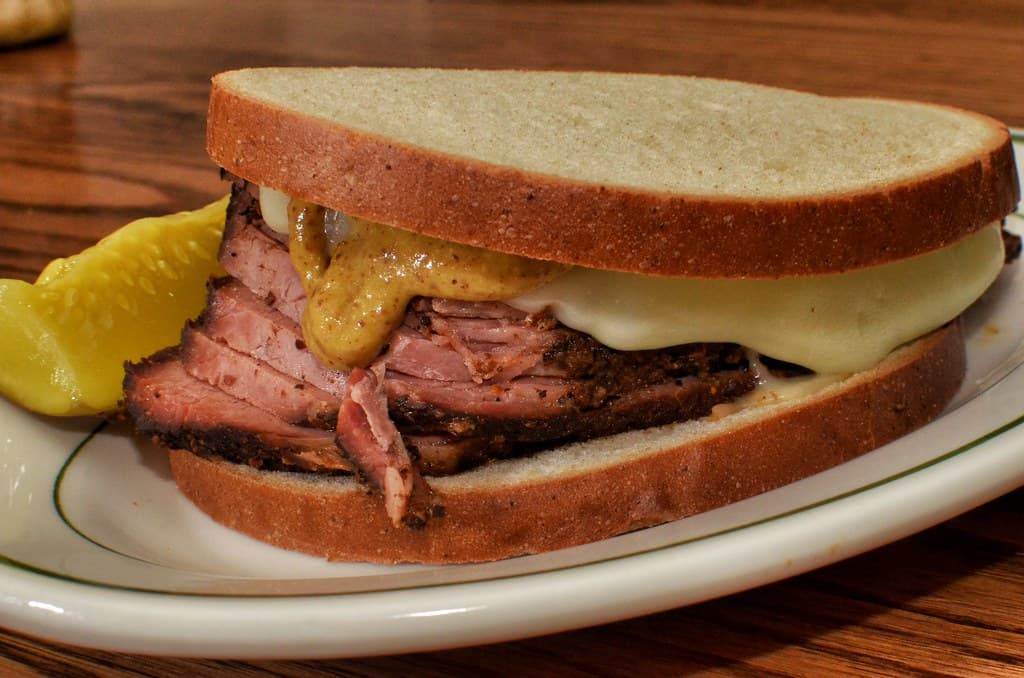
1861-1900
Pastrami on rye is a signature Jewish-American deli sandwich featuring spiced cured pastrami piled on rye bread, often served with mustard. It became emblematic of New York's Mid-Atlantic deli culture during the late 19th century.
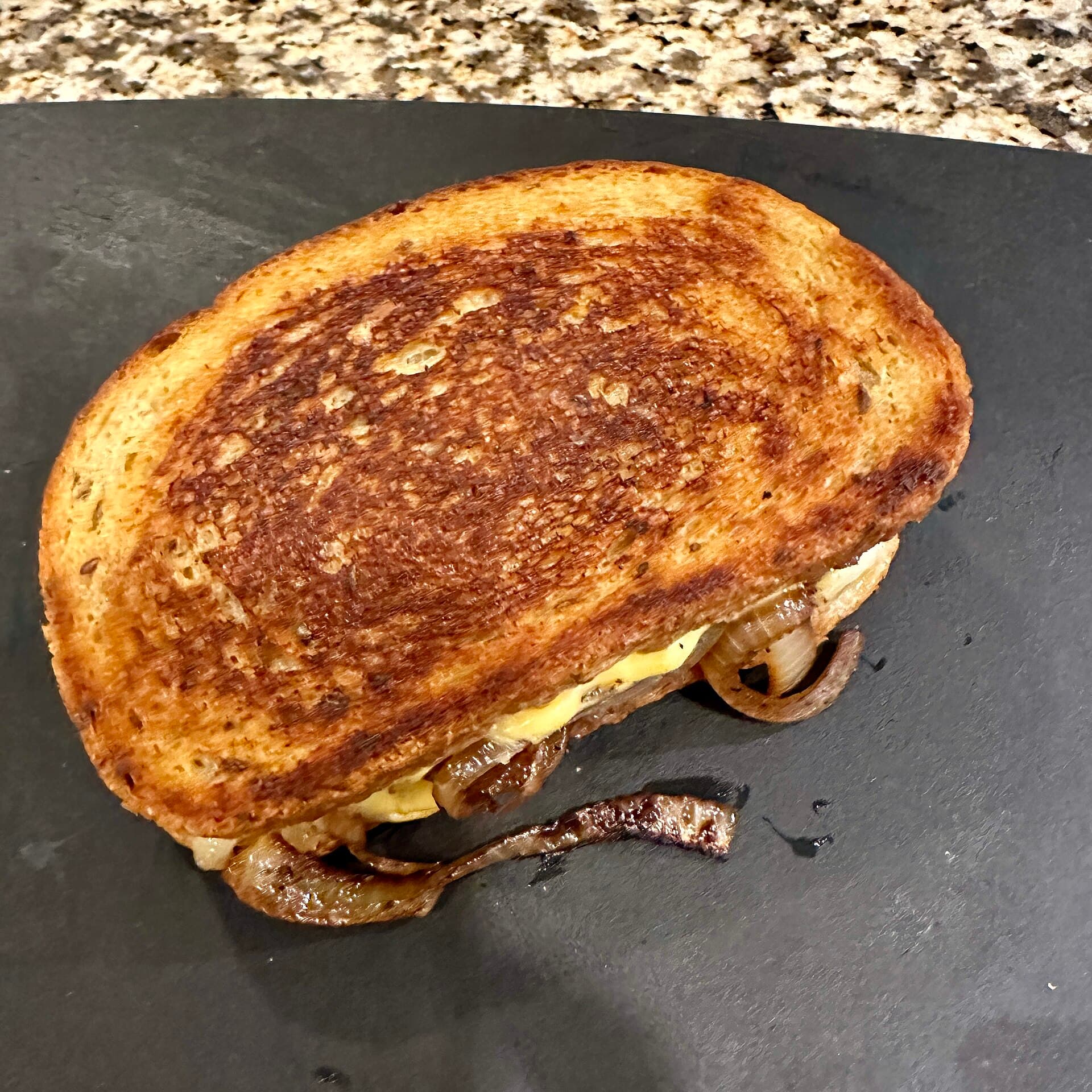
1946-1969
The patty melt is a classic American diner sandwich consisting of a seasoned ground beef patty grilled between slices of rye bread with melted cheese and sauteed onions, often served with pickles or fries.
America's Melting Pot
Pawpaw Shake photo coming soon
Cross-era
Pawpaw Shake salutes regional fruit country and the American dairy-stand tradition: Appalachia/Midwest native fruit.
Community recipe submission
Log in to submit a recipe, format it with the cooking companion, and send it for review.
Log in to Submit