
Loading
Setting the table...
Fetching the latest recipes from the archive.
Loading
Fetching the latest recipes from the archive.
Recipe archive
Recipe archive
Search the archive by title, region, ingredient, tag, or era, then sort the table by the view that fits your kitchen.
This archive is growing through recipes, photos, family recipes, and historical context shared by the community.
America's Melting Pot
Egg Noodles photo coming soon
1800-1860
Egg noodles are thin, flat pasta made with flour and eggs, common in various American and immigrant cuisines. During the Depression and Dust Bowl, egg noodles were easy to prepare and adaptable to many meals, from soups to casseroles, featuring prominently in farm and wartime kitchens.
1861-1900
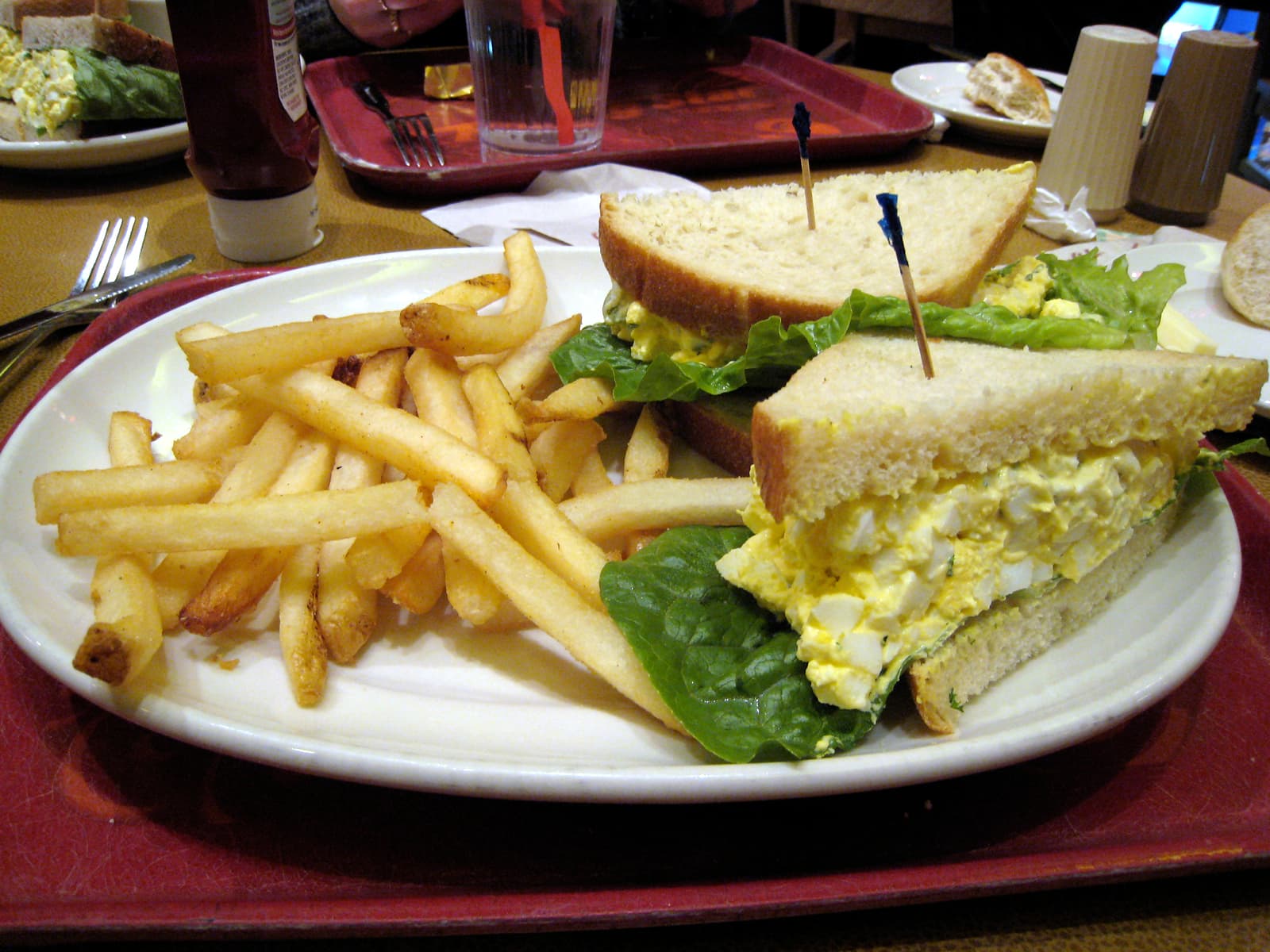
The Egg Salad Sandwich features chopped hard-boiled eggs mixed with mayonnaise and seasonings, served between slices of bread. A staple of American diners and lunch counters since the early 20th century, simple yet satisfying with variations in add-ins and bread choice.
1861-1900
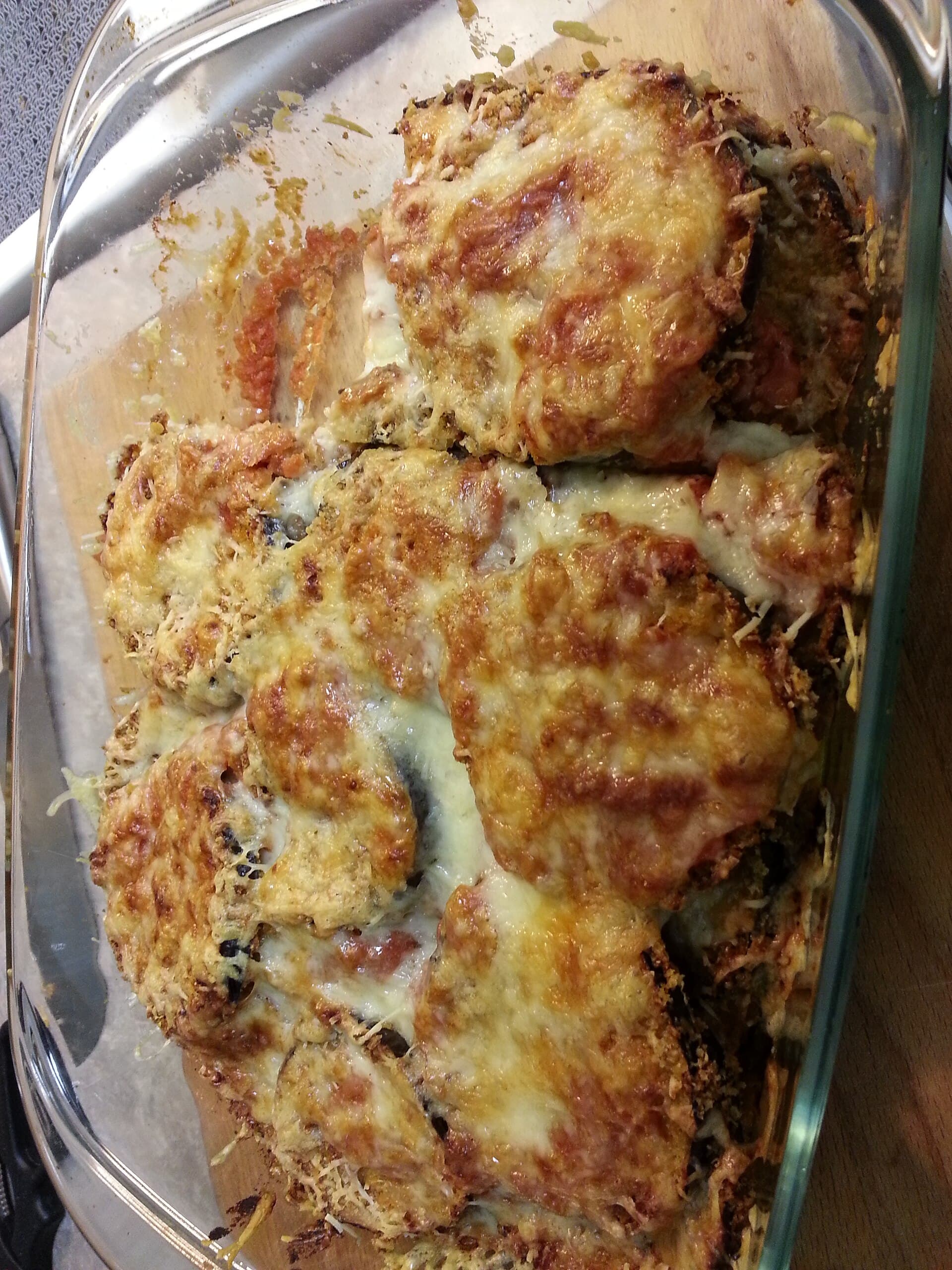
Eggplant Parmesan is an Italian-American casserole featuring breaded, fried eggplant slices layered with tomato sauce, mozzarella, and Parmesan cheese, baked until bubbly and golden. Popularized in Italian-American communities post-Civil War settlement era, it exemplifies adaptation of Italian culinary traditions in America.
America's Melting Pot
Elk Burgers photo coming soon
1900s-present
Elk Burgers offer a lean and flavorful alternative to traditional beef, made popular in hunting and cabin contexts. The ground elk meat is seasoned and grilled or pan-fried, served in sandwich form, representing a connection to American hunting and outdoor culinary traditions.
2010-2026
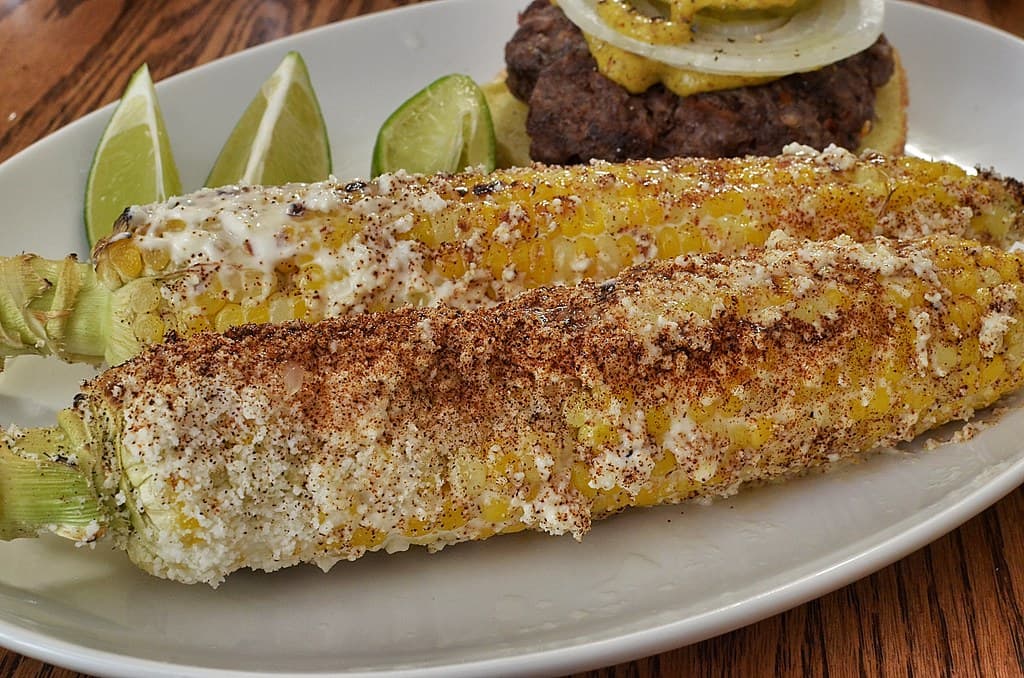
Elote is grilled corn on the cob slathered with mayonnaise, sour cream, cheese, chili powder, and lime juice. A staple of Mexican street food, it has gained widespread popularity in American food trucks and farmers markets as an iconic, flavorful snack.
1970-1989
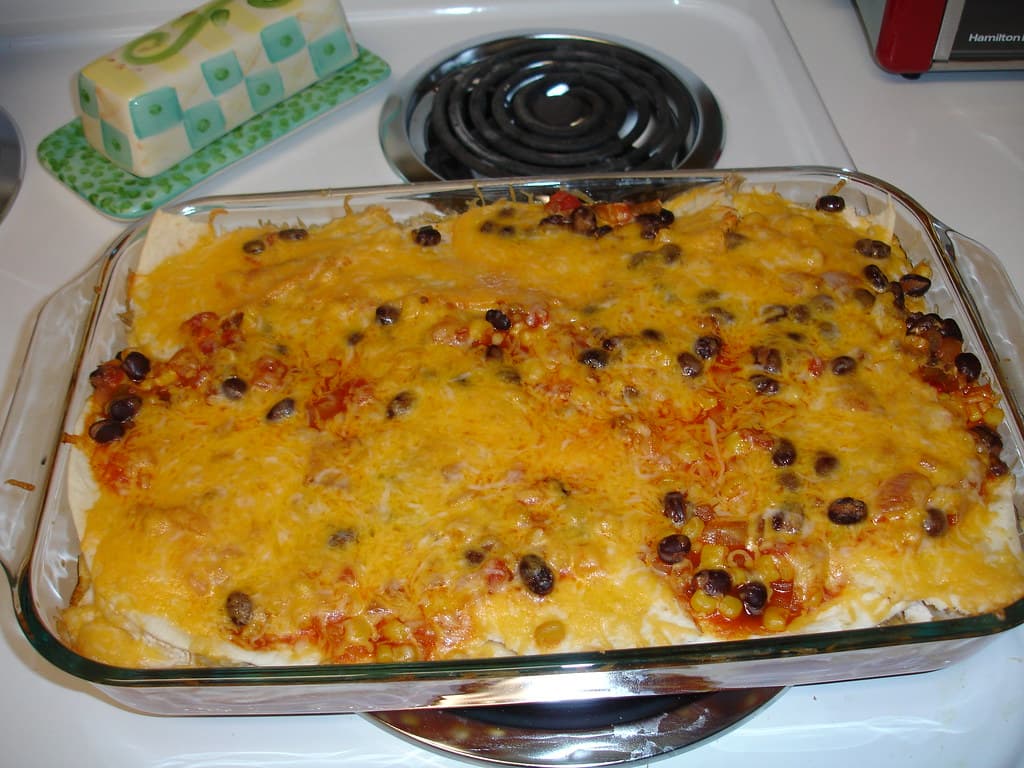
Enchilada Casserole is a hearty layered dish combining tortillas, meats, cheeses, and flavorful sauces baked into a convenient casserole form. This family-friendly dish gained popularity in the Southwest during the late 20th century as a fusion of traditional Mexican enchiladas with American casserole style, perfect for gatherings and tailgate parties.
America's Melting Pot
Enchiladas photo coming soon
1800-1860
Classic enchiladas consist of rolled corn tortillas filled with seasoned fillings and covered in chili sauce and cheese. Rooted in Mexican and Spanish borderlands cuisine, enchiladas evolved in the American Southwest during the 19th century blending indigenous and European influences into a favorite regional dish.
America's Melting Pot
Esquites photo coming soon
2010-2026
Esquites is a popular Mexican street food salad of grilled or boiled corn kernels mixed with mayonnaise, cheese, lime, and spices served in cups as a savory snack. Its modern popularity in the U.S. food truck and farmers market scenes reflects ongoing trends in New American fusion and viral foods since 2010.

1900-1929
Etouffee is a classic Cajun stew made by smothering shellfish in a rich, flavorful roux-based sauce with vegetables and spices. This versatile one-pot dish has deep roots in Louisiana's culinary traditions and is a staple in Southern U.S. cuisine, enjoyed across eras.
1946-1969
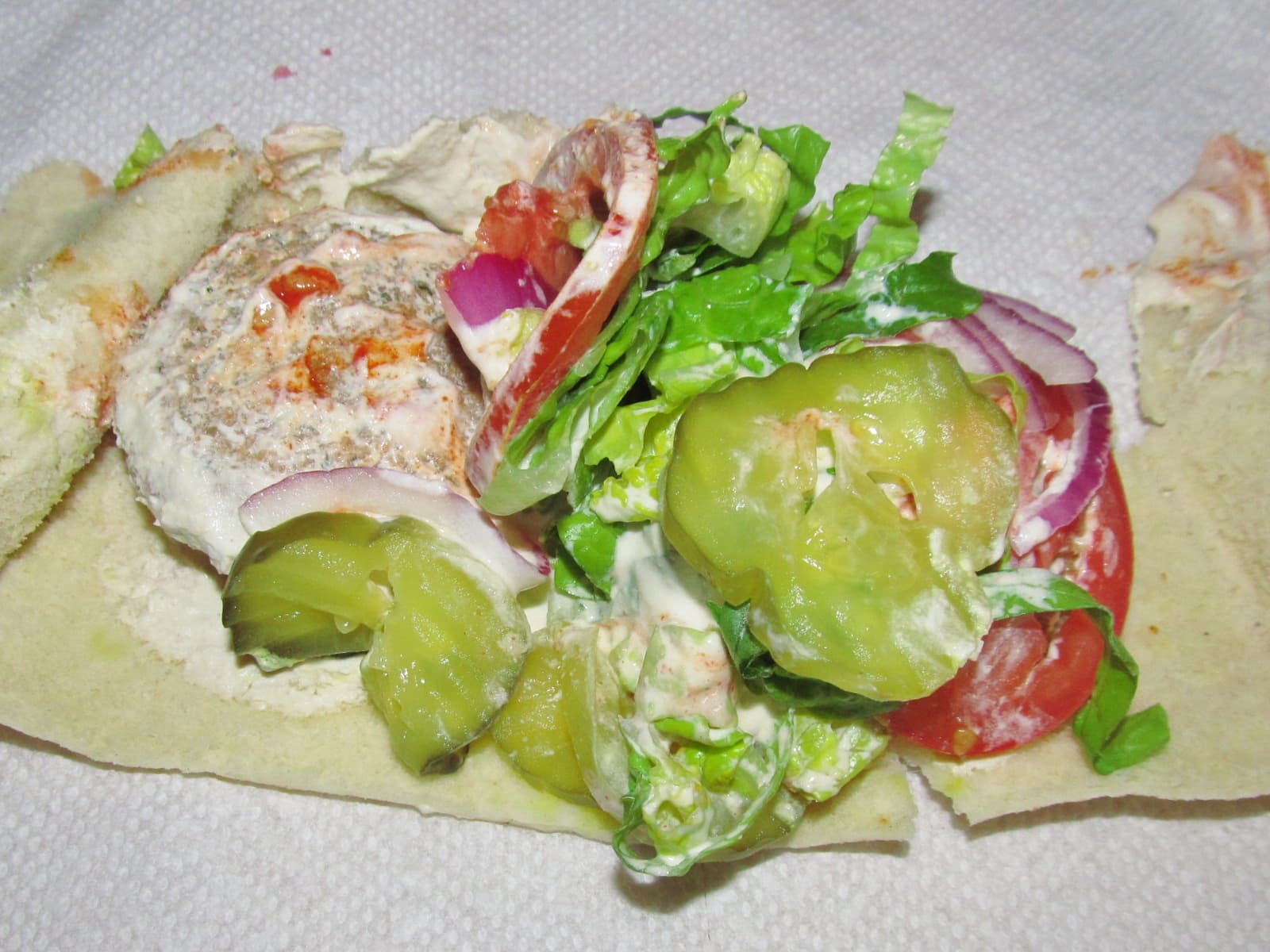
Falafel are deep-fried patties or balls made primarily from chickpeas and herbs, common in Middle Eastern cuisine and widely adopted in the U.S. by immigrant communities. From 1990 to 2009, falafel became a staple of global suburban American diets, featured in food networks and growing coffee shop menus as a popular vegetarian sandwich source.
America's Melting Pot
Falafel Wraps photo coming soon
1946-1969
Falafel wraps are falafel patties served inside flatbreads or pita pockets with fresh vegetables and sauces, a popular street food and food truck item since 2010. This handheld meal blends traditional Middle Eastern flavors with American street food culture and new fusion trends.
America's Melting Pot
Farmhouse Hash photo coming soon
1930-1945
Farmhouse Hash is a resourceful, filling dish combining potatoes, root vegetables, and available proteins cooked together, typical of Depression-era and Dust Bowl survival cooking. It reflects home cooks' adaptability during austerity, utilizing garden and pantry staples in one-pan meals.
1900-1929
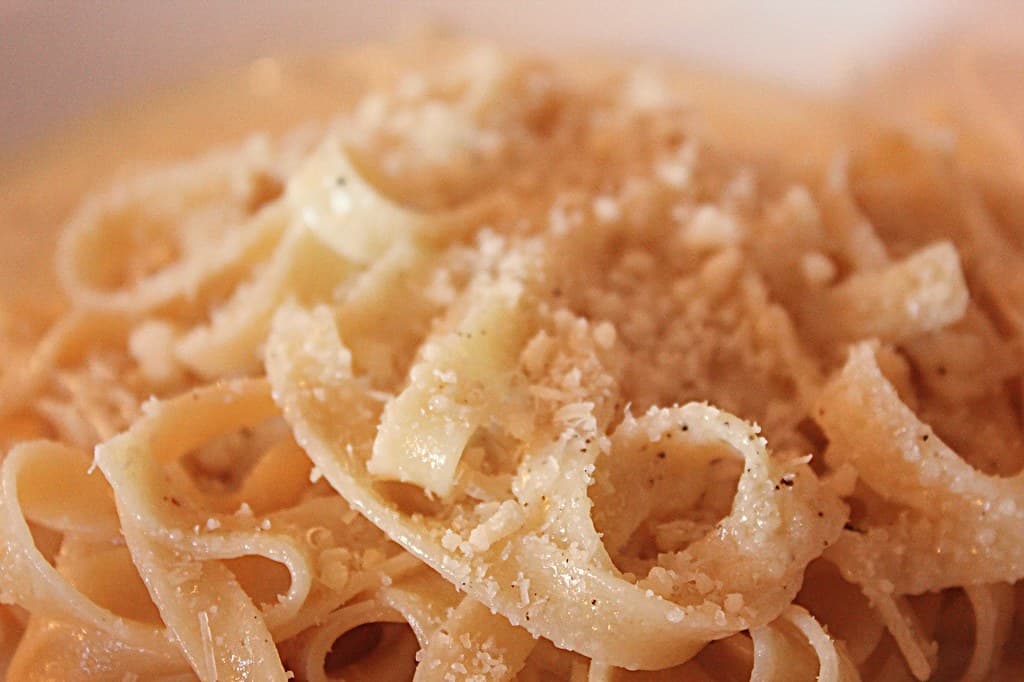
Fettuccine Alfredo is a rich pasta dish made with fettuccine noodles tossed in a creamy sauce of butter and Parmesan cheese. Though originating in Italy, it became widely popularized and adapted in American family restaurants and chain eateries during the late 20th and early 21st centuries.
America's Melting Pot
Field Peas with Ham Hock photo coming soon
1861-1900
Field Peas with Ham Hock is a traditional Southern dish combining slow-cooked field peas and savory ham hock for a flavorful, hearty side or main. This dish dates back to post-Civil War Reconstruction era Southern resilience and resourcefulness in cooking.
America's Melting Pot
Firecracker Hot Dogs photo coming soon
2010-2026
Firecracker Hot Dogs are grilled or fried hot dogs dressed with spicy sauces, salsas, and various garnishes for a bold flavor experience. Popularized in the 2010s by food trucks and urban street food vendors, they exemplify new American fusion and viral street fare.
1776-1800
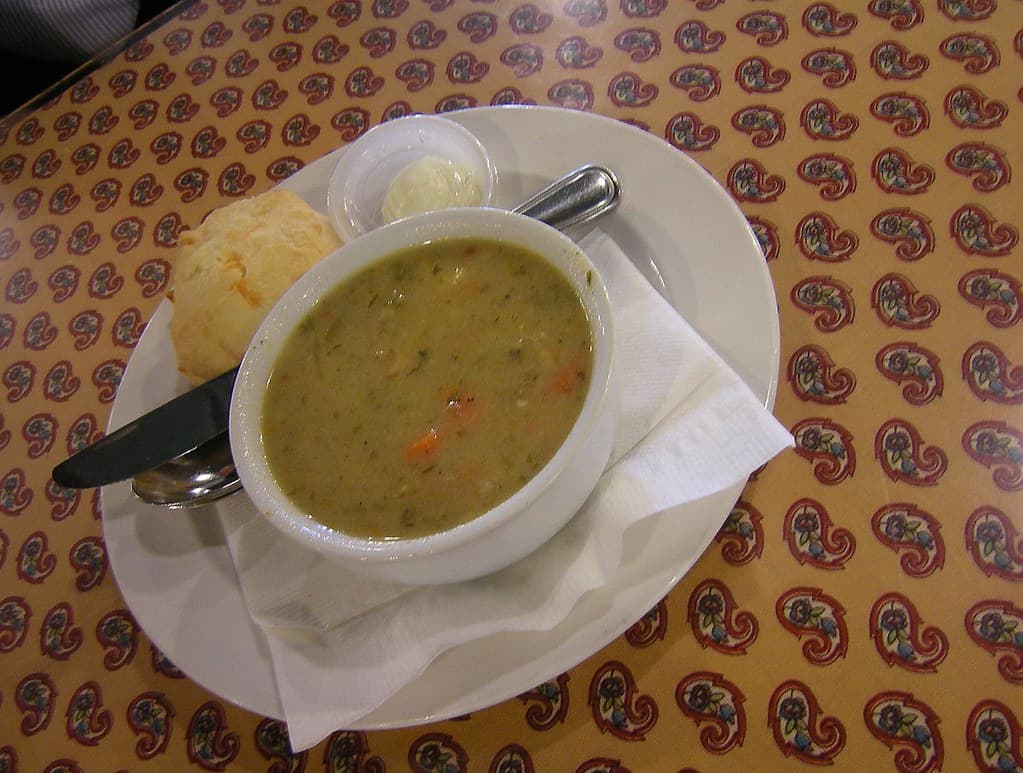
Fish Chowder is a thick, creamy soup made with white fish, potatoes, and onions, traditionally served in coastal American communities. Documented since the Revolutionary era, fish chowder reflects early American pottage and stew practices blending local seafood with hearty vegetables.
1800-1860
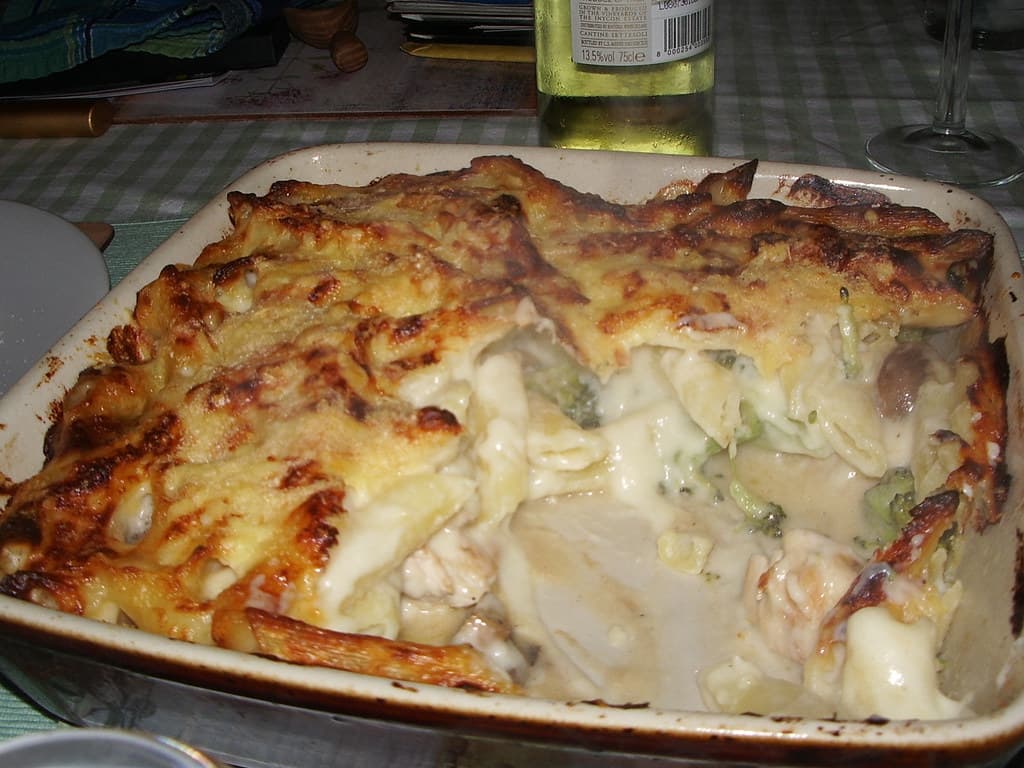
Fish Pie combines cooked fish and creamy sauce topped with mashed potatoes, baked into a savory pie. Brought by Irish immigrants to America during the 19th century, it represents adaptation of traditional Irish comfort foods using available seafood and pantry staples.
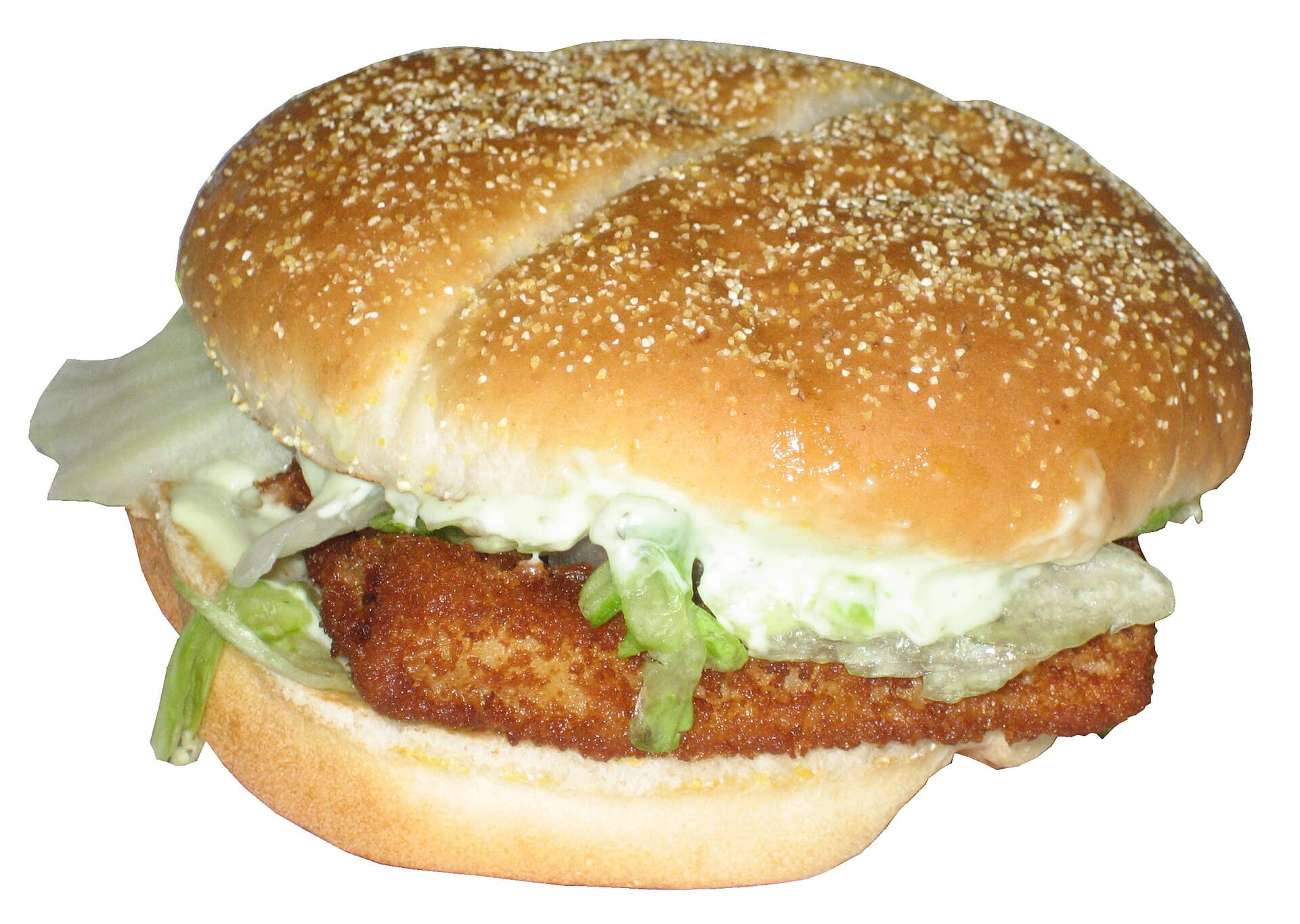
1946-1969
Fish Sandwich is a simple breaded or fried fish fillet served inside sandwich bread or a bun with condiments and lettuce, a popular quick meal across American dining. This cross-era dish reflects the expansion of seafood into fast food and casual eateries nationwide.
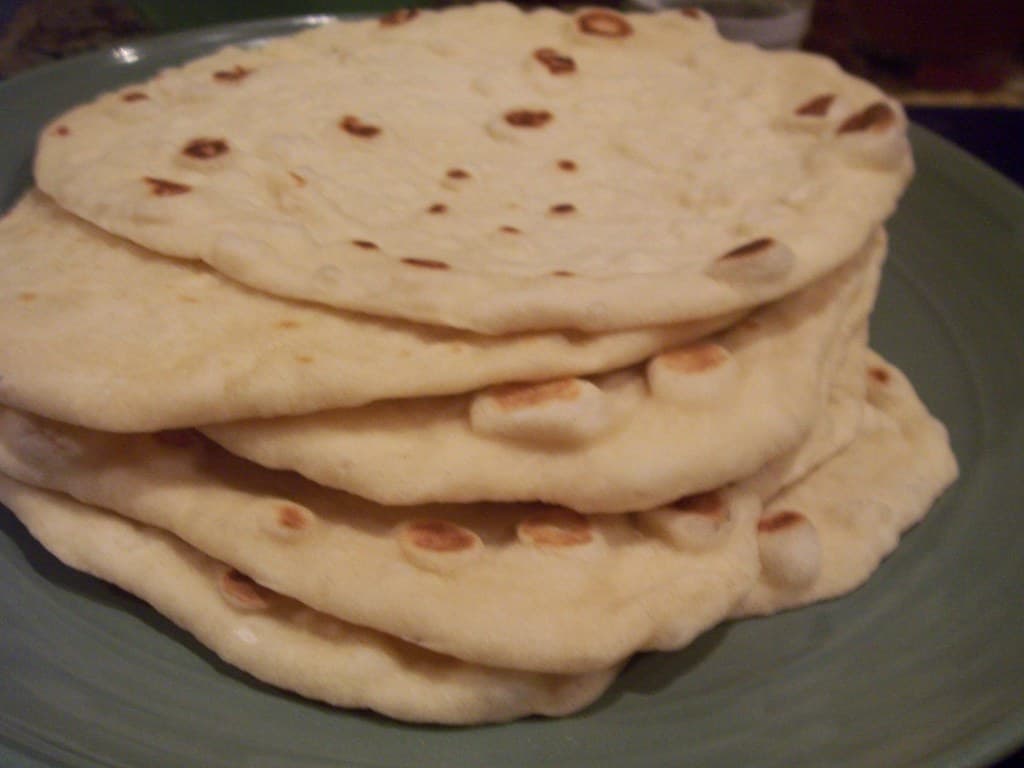
1800-1860
Flour tortillas are a staple soft flatbread made from wheat flour, water, fat, and salt. Originating in the Spanish borderlands and Mexican-American traditions, they became widespread in the U.S. Southwest by the mid-19th century, essential for wraps, tacos, and sandwiches.
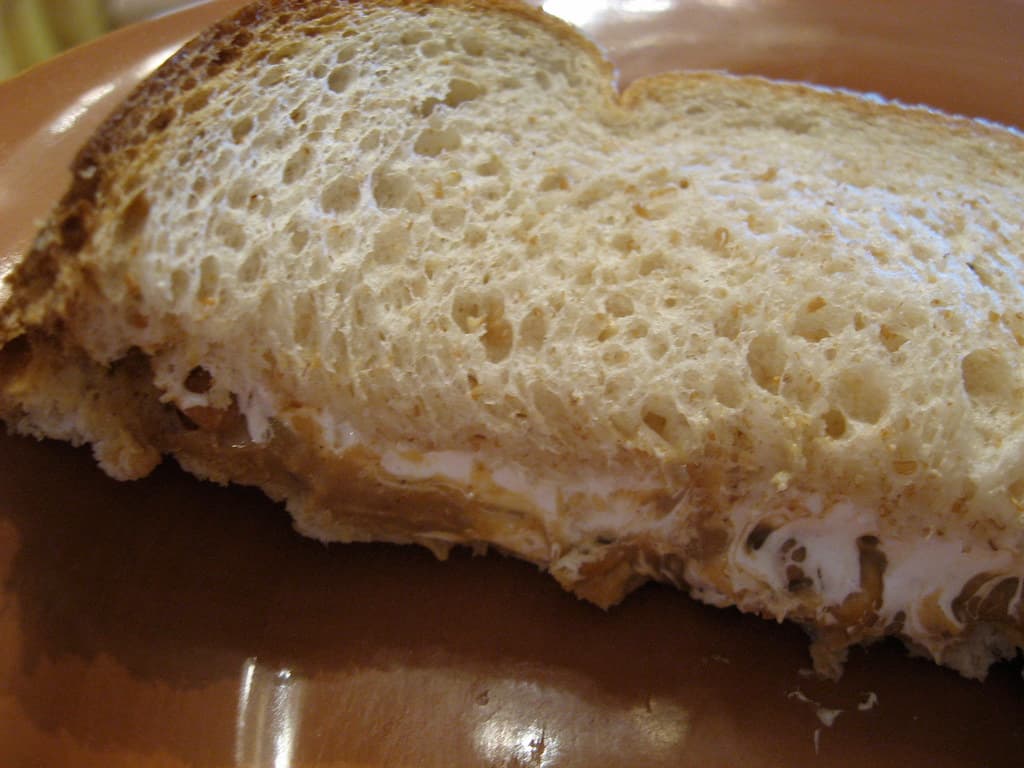
1900-1929
Fluffernutter sandwiches combine creamy peanut butter with sweet marshmallow fluff spread between slices of white bread. Originating in the Northeastern United States, this simple sandwich became a beloved comfort food symbolizing childhood nostalgia.
America's Melting Pot
Foil Packet Dinners photo coming soon
1946-1969
Foil packet dinners are meals assembled and sealed in aluminum foil for cooking on grills, ovens, or campfires. Popularized during postwar suburban growth, these flexible recipes emphasize ease, portability, and minimal cleanup for casual family meals and outdoor gatherings.
America's Melting Pot
Food Court Stromboli photo coming soon
1946-1969
Food court stromboli is a folded pizza-like dough filled with meats, cheeses, and vegetables, baked until golden. Its origins lie in Italian-American cuisine and gained widespread popularity in U.S. mall food courts and casual dining during the late 20th century.
America's Melting Pot
Fourth of July Burger Bar photo coming soon
1990-2009
The Fourth of July burger bar features grilled beef or plant-based burgers with a variety of toppings and condiments arranged for guests to assemble their own sandwiches. It reflects contemporary American celebration food trends prioritizing customization and casual outdoor dining.
America's Melting Pot
French Dip photo coming soon
1900-1929
The French dip sandwich features thin roasted beef piled in a crusty roll and served with a side of hot beef broth (au jus) for dipping. Originating in mid-20th-century America, it became a restaurant staple embodying casual dining appreciation for French-style meats and sauces.
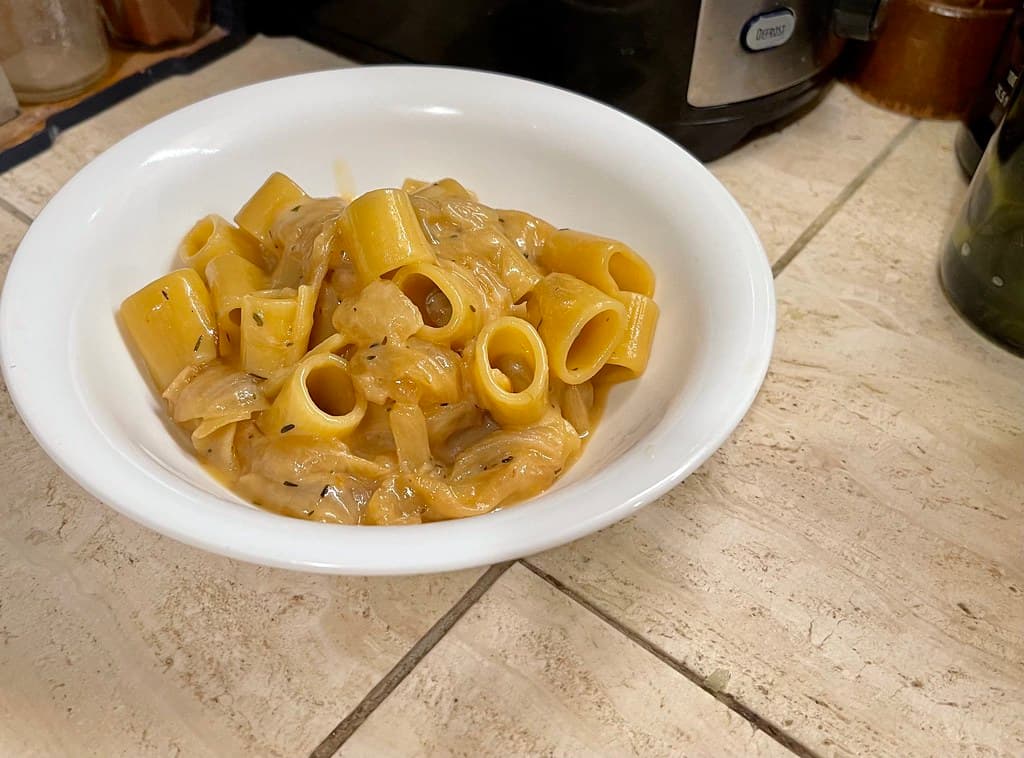
2010-2026
French onion pasta is a creamy, savory pasta dish that incorporates caramelized onions, beef broth, and cheese to evoke French onion soup flavors. It is a recent viral and food truck-inspired American fusion recipe.
America's Melting Pot
Fried Bologna Sandwich photo coming soon
1930-1945
The fried bologna sandwich consists of slices of bologna pan-fried until browned, served on white bread with condiments. A simple, nostalgic sandwich commonly found in American delis and home kitchens throughout the 20th century.
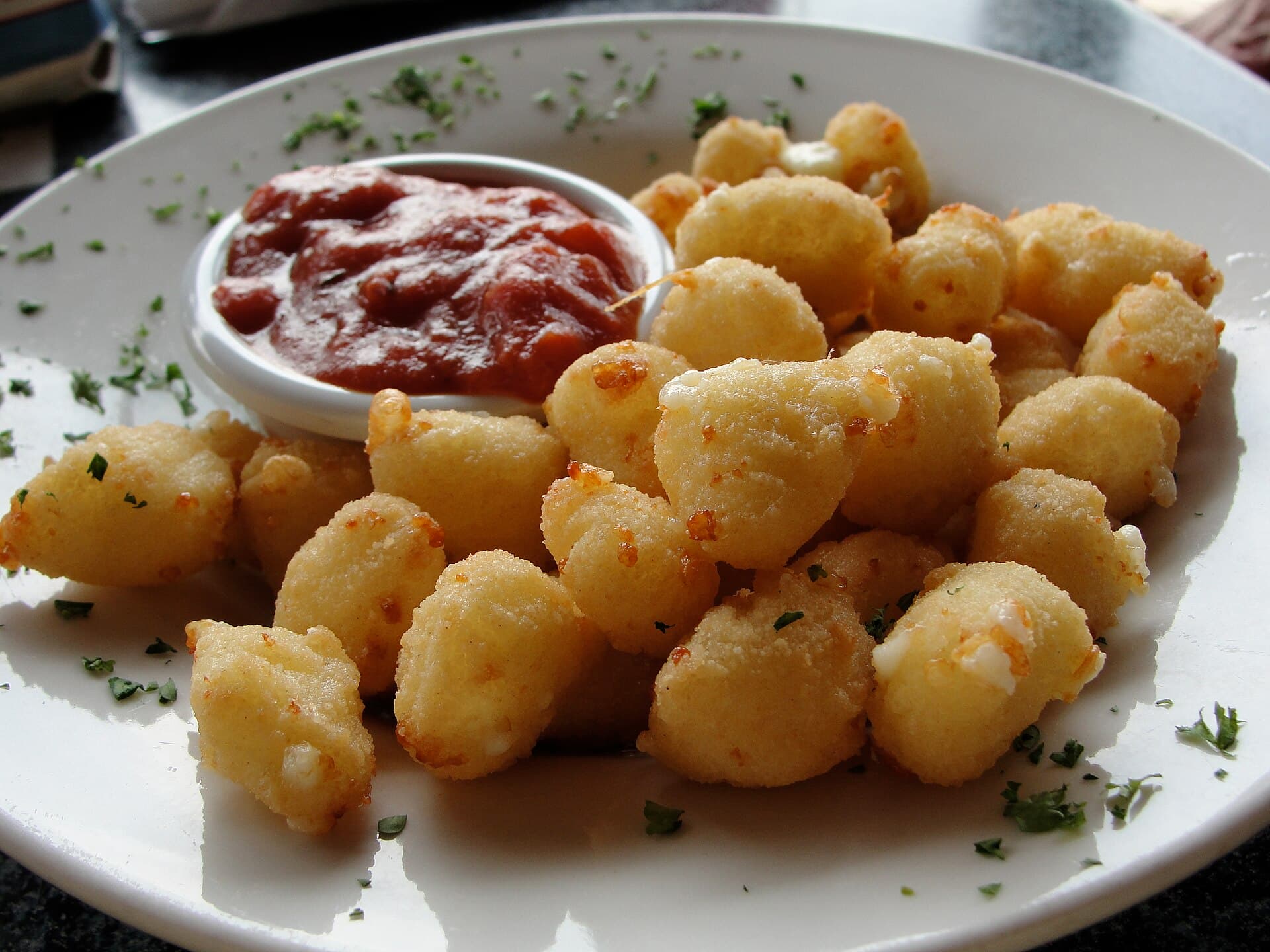
1900-1929
Fried cheese curds are a popular snack in the Midwest featuring bite-sized fresh cheese curds, breaded and deep fried until golden and melty. Often found at state fairs and diners, this dish showcases immigrant-influenced comfort food from early 20th century America.
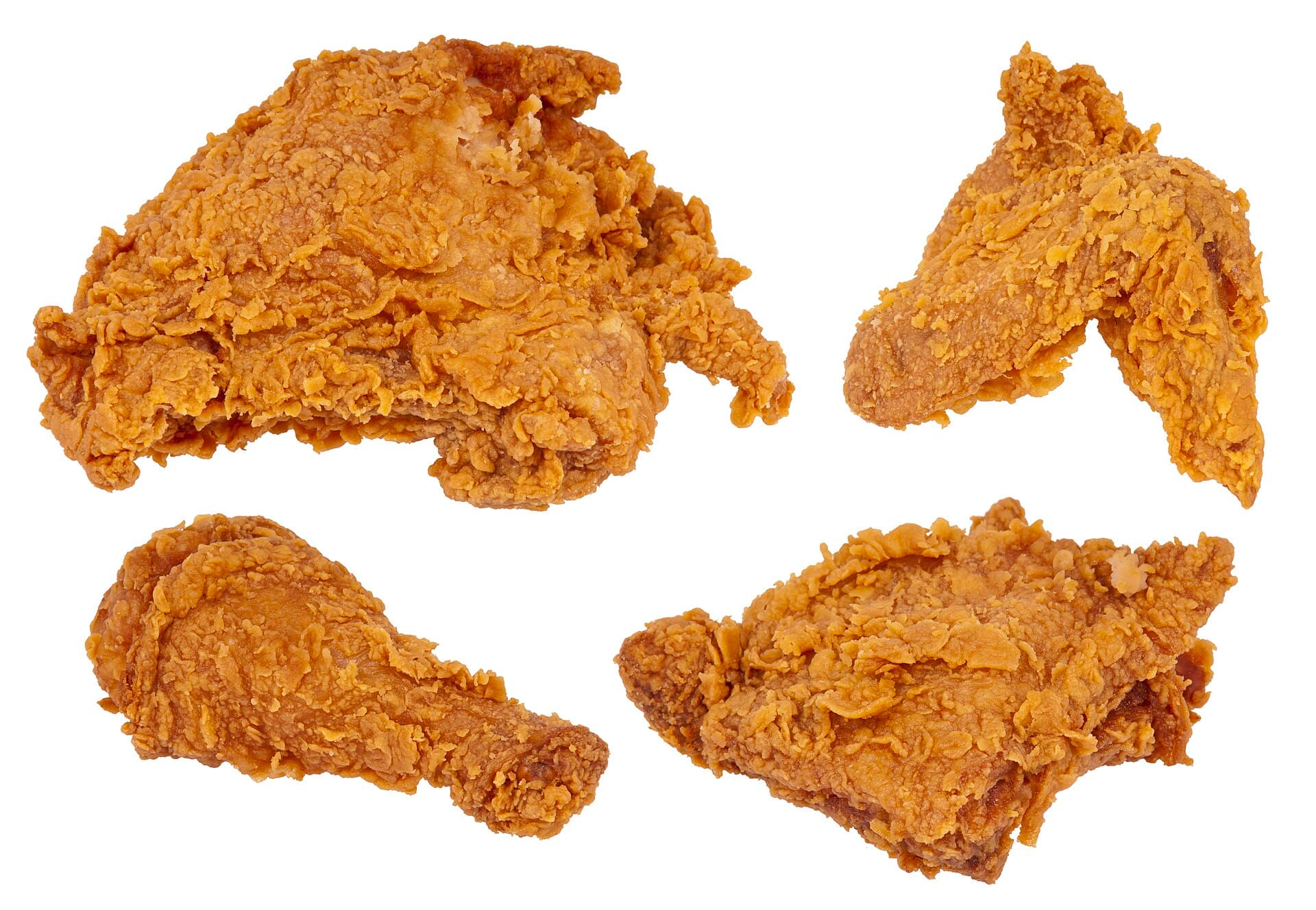
1800-1860
Fried chicken is a Southern classic featuring chicken pieces seasoned, battered, and deep fried to a crispy golden crust. This dish has been beloved across the South since the early 19th century and remains a cornerstone of American comfort food.
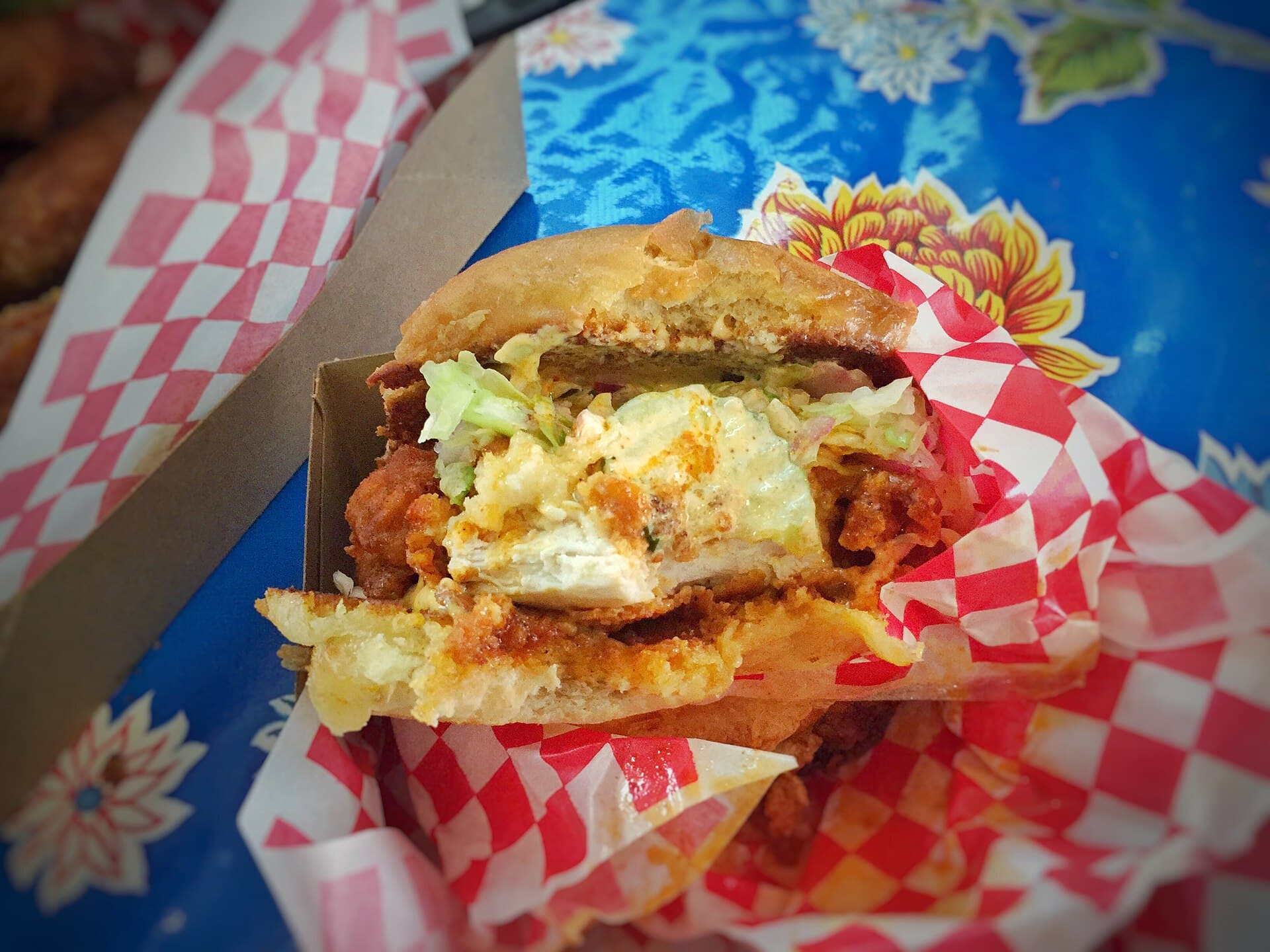
1945-2000
The fried chicken sandwich features a crisp fried chicken filet sandwiched between soft bread with pickles and condiments. A popular cross-era American sandwich offering, it blends Southern fried chicken tradition with fast casual sandwich culture.
America's Melting Pot
Fried Mush photo coming soon
1930-1945
Fried mush is a simple comfort food made from cooled cornmeal mush sliced and fried until crisp. Popular in Depression-era America, it reflects economical and filling farm and rural cooking traditions.
America's Melting Pot
Frijoles de Olla photo coming soon
1800-1860
Frijoles de olla are a simple, slow-cooked pinto bean stew flavored with garlic, onion, and sometimes herbs. A staple in Southwestern and Mexican American kitchens reflecting Spanish and indigenous influences from the early 19th century onward.
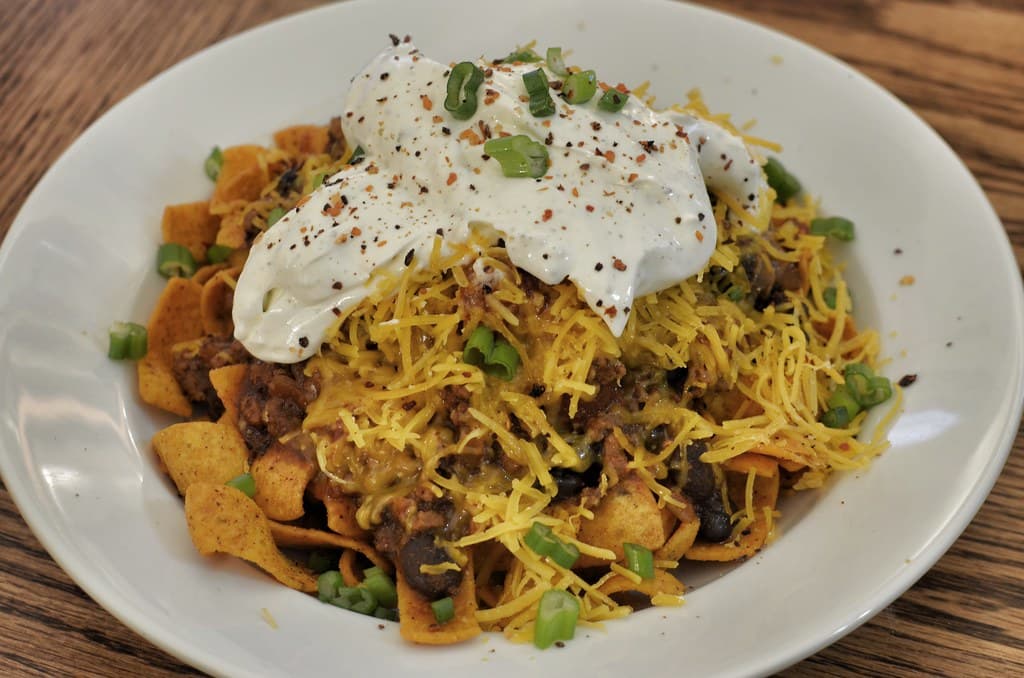
1970-1989
Frito pie is a layered Tex-Mex casserole combining Fritos corn chips, chili, cheese, and toppings. A convenient, flavorful dish emerging in the late 20th century combining Texan and Southwestern tastes for casual dining and tailgating.
America's Melting Pot
Frogmore Stew photo coming soon
1970-1989
Frogmore Stew is a one-pot Southern boil including shrimp, sausage, corn, and potatoes simmered with spices. Popular since the 1970s as a casual regional meal for gatherings and tailgates.
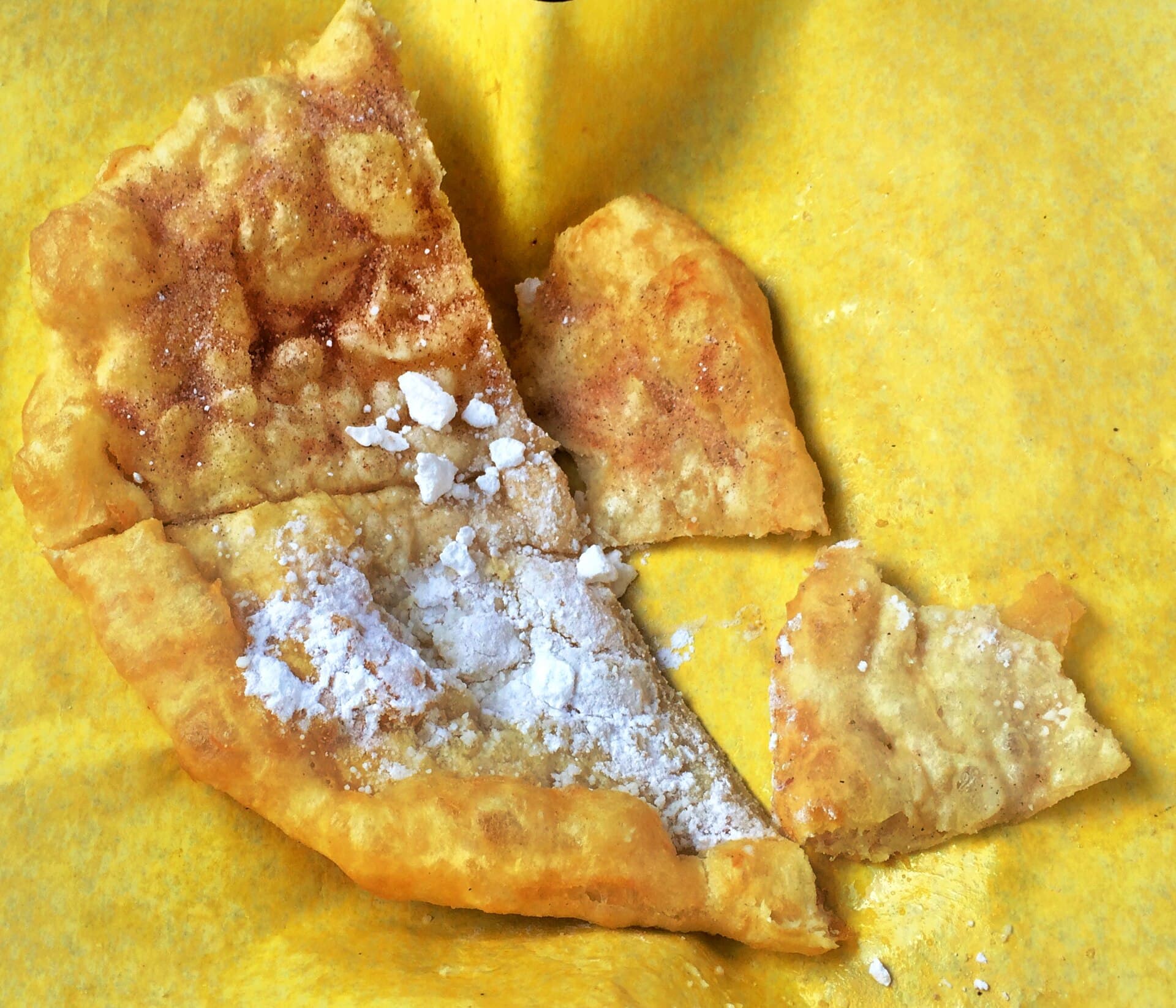
1800-1860
Fry bread is a soft, puffy fried bread with crispy edges, an iconic food in many Indigenous communities across the Great Plains and Alaska. Originating as a resourceful response to government-provided rations during the 19th century, fry bread today serves as both a staple and comfort food, featuring as a base for various toppings or eaten plain.
America's Melting Pot
Fry Sauce photo coming soon
Postwar & Diner Age
Fry Sauce is a sandwich sauce with real American table personality: Utah/Intermountain West condiment, usually ketchup and mayonnaise; often linked to Arctic Circle and Don Carlos Edwards in the 1950s. It brings flavor from Intermountain West to cookouts, counters, lunch plates, potlucks, and weeknight suppers.
America's Melting Pot
Funeral Potatoes photo coming soon
1900-1929
Funeral potatoes are a creamy, cheesy potato casserole commonly served at Midwestern community events such as church functions and family gatherings. Featuring hash browns, sour cream, cheese, and crunchy topping, this comforting dish is beloved as a staple side, especially in funerals and potlucks dating back to the early 20th century.
America's Melting Pot
Garbage Plate photo coming soon
1946-1969
The Garbage Plate is a well-known comfort food originating in Rochester, New York, combining multiple protein and starch components on one plate. Typically featuring cheeseburgers or hot dogs accompanied by home fries, macaroni salad, and beans, it is a regional specialty that exemplifies postwar American working-class cuisine with practical, plentiful ingredients.
America's Melting Pot
Garlic Parmesan Wing Sauce photo coming soon
1970-1989
Garlic Parmesan Wing Sauce is a sandwich sauce with real American table personality: American sports bar wing flavor. It brings flavor from coast-to-coast American tables to cookouts, counters, lunch plates, potlucks, and weeknight suppers.
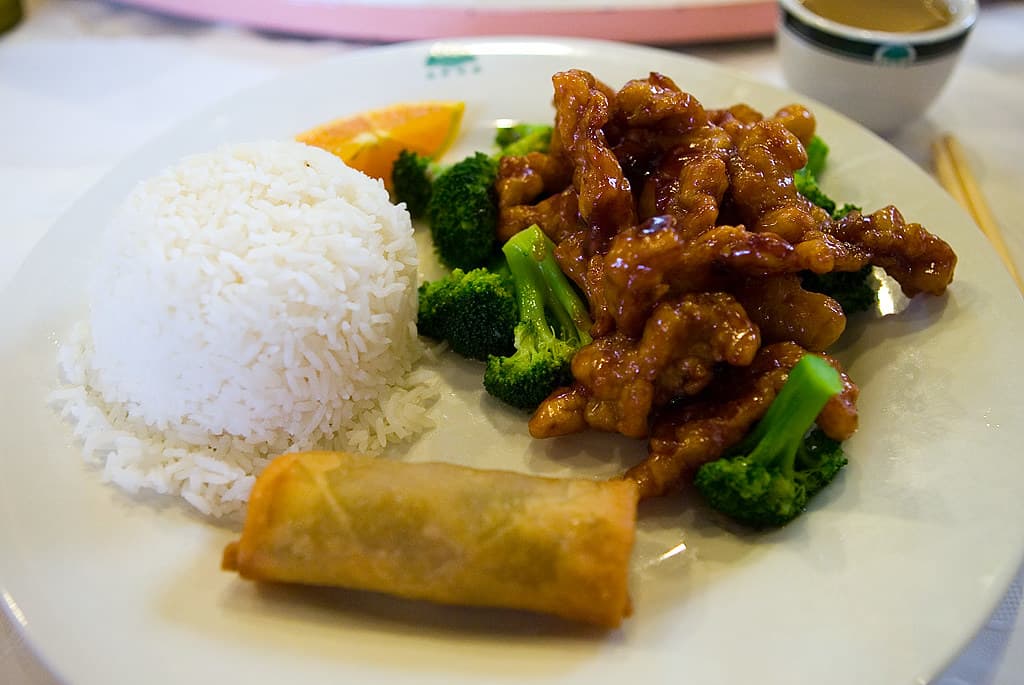
1970-1989
General Tso's chicken is a Chinese-American dish featuring battered and fried chicken pieces coated in a sweet, tangy, and slightly spicy sauce. Popularized in American diners and state fairs in the early 20th century, it has become a staple of Americanized Chinese cuisine, often characterized by its bold flavor and crispy texture.
America's Melting Pot
Giardiniera, Chicago Style photo coming soon
Cross-era
Giardiniera, Chicago Style is a relish with real American table personality: Italian-American Chicago sandwich condiment, especially Italian beef. It brings flavor from Chicago and the Upper Midwest to cookouts, counters, lunch plates, potlucks, and weeknight suppers.
America's Melting Pot
Giblet Gravy photo coming soon
1776-1800
Giblet Gravy is a condiment with real American table personality: Thanksgiving turkey gravy with giblets. It brings flavor from coast-to-coast American tables to cookouts, counters, lunch plates, potlucks, and weeknight suppers.
America's Melting Pot
Girl Dinner photo coming soon
2010-2026
Girl dinner is a trendy informal meal concept featuring a selection of light snacks such as cheese, crackers, fruits, nuts, and charcuterie. Popularized in 21st-century social media, it emphasizes ease, sharing, and snacking over formal dining, reflecting contemporary casual eating habits and viral food culture.
America's Melting Pot
Goulash, American Style photo coming soon
1946-1969
American-style goulash is a one-dish casserole combining ground beef, elbow macaroni, tomatoes, and cheese, popular in Midwestern households post-World War II. This comfort food version differs from traditional Hungarian goulash, emphasizing simplicity and affordability in home cooking during the mid-20th century.
America's Melting Pot
Gourmet Grilled Cheese photo coming soon
1990-2009
Gourmet grilled cheese sandwiches feature high-quality bread and a blend of specialty cheeses, often including extras like caramelized onions, tomatoes, or herbs. Emerging in the 2010s food truck and artisanal sandwich movements, this upgrade on a classic comfort food presents creative variations that emphasize texture and flavor balance.
America's Melting Pot
Greek-Style Burgers photo coming soon
1900-1929
Greek-Style Burgers are an adaptation of the American hamburger with flavors inspired by Greek cuisine, featuring herbs, spices, and toppings like feta or tzatziki sauce. Emerging in immigrant cities during the early 20th century, this sandwich represents cultural fusion at diners and lunch counters.
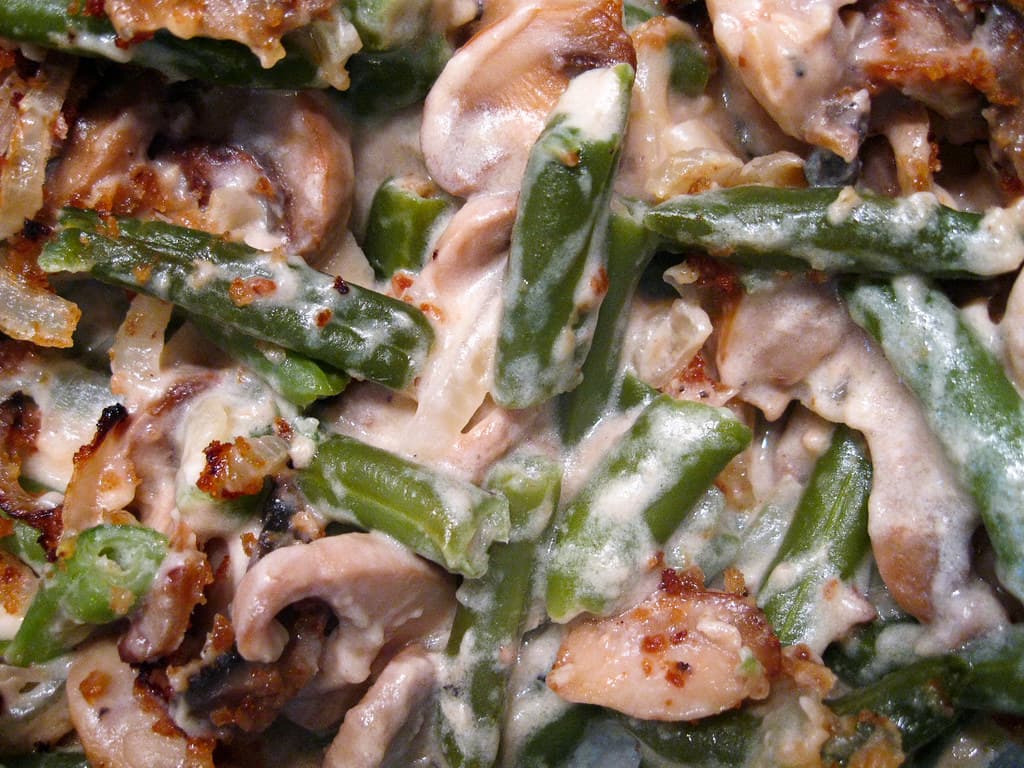
1900-1929
Green Bean Casserole is a staple side dish in Midwestern American holiday tables, church suppers, and school gatherings. Combining green beans, cream of mushroom soup, and crispy fried onions, it became widely popular in the early 20th century and remains a comforting, familiar casserole.
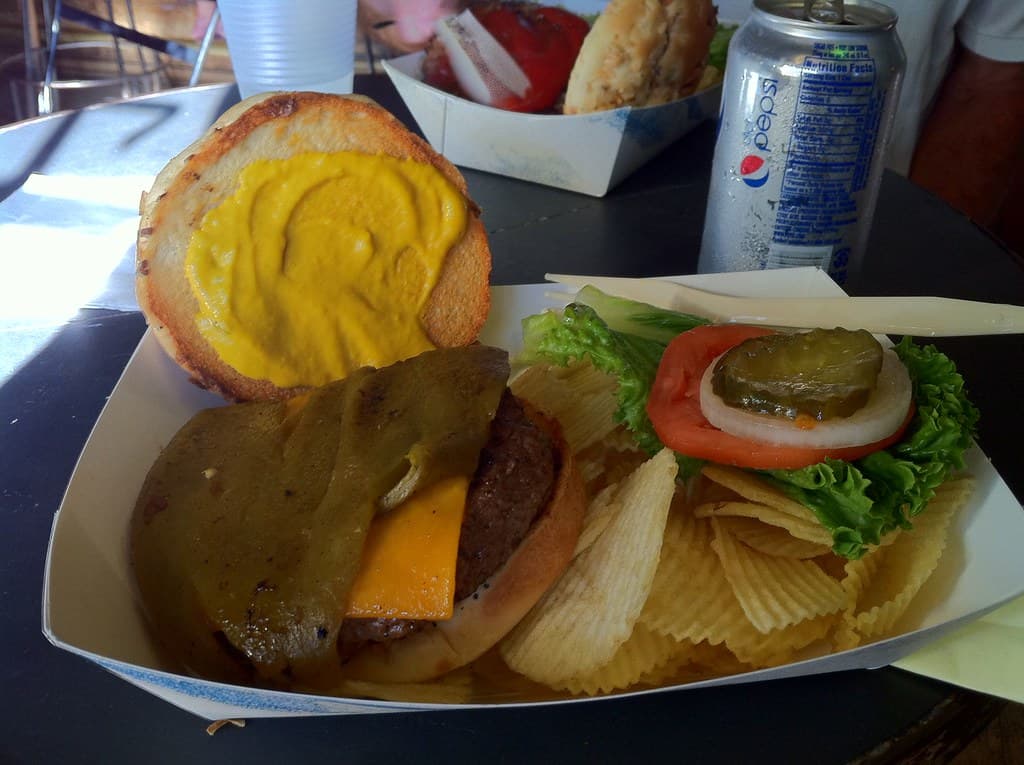
1970-1989
The Green Chile Cheeseburger came to prominence in the Southwest and Southern United States during the 1970s and 1980s, combining classic American cheeseburgers with roasted green chiles to add distinctive regional heat and flavor. It is popular at tailgates and regional eateries.
America's Melting Pot
Green Chile Cheeseburgers photo coming soon
2010-2026
Green Chile Cheeseburgers gained renewed popularity from 2010 onward, especially via food trucks, farmers markets, and viral food culture. They showcase modern New American fusion trends, combining tradition with innovative preparations such as air frying and creative toppings reflecting Southwest culinary identity.
America's Melting Pot
Green Chile Stew photo coming soon
Before 1776
Green Chile Stew is a traditional one-pot dish from the Southwest and South, combining local green chiles with meats and vegetables. Its history spans multiple eras and reflects a melding of Native American, Mexican, and Anglo culinary influences, helping define regional stew traditions.
America's Melting Pot
Green Tomato Relish photo coming soon
Frontier & Expansion
Green Tomato Relish is a relish with real American table personality: End-of-season garden preservation. It brings flavor from coast-to-coast American tables to cookouts, counters, lunch plates, potlucks, and weeknight suppers.
1930-1945
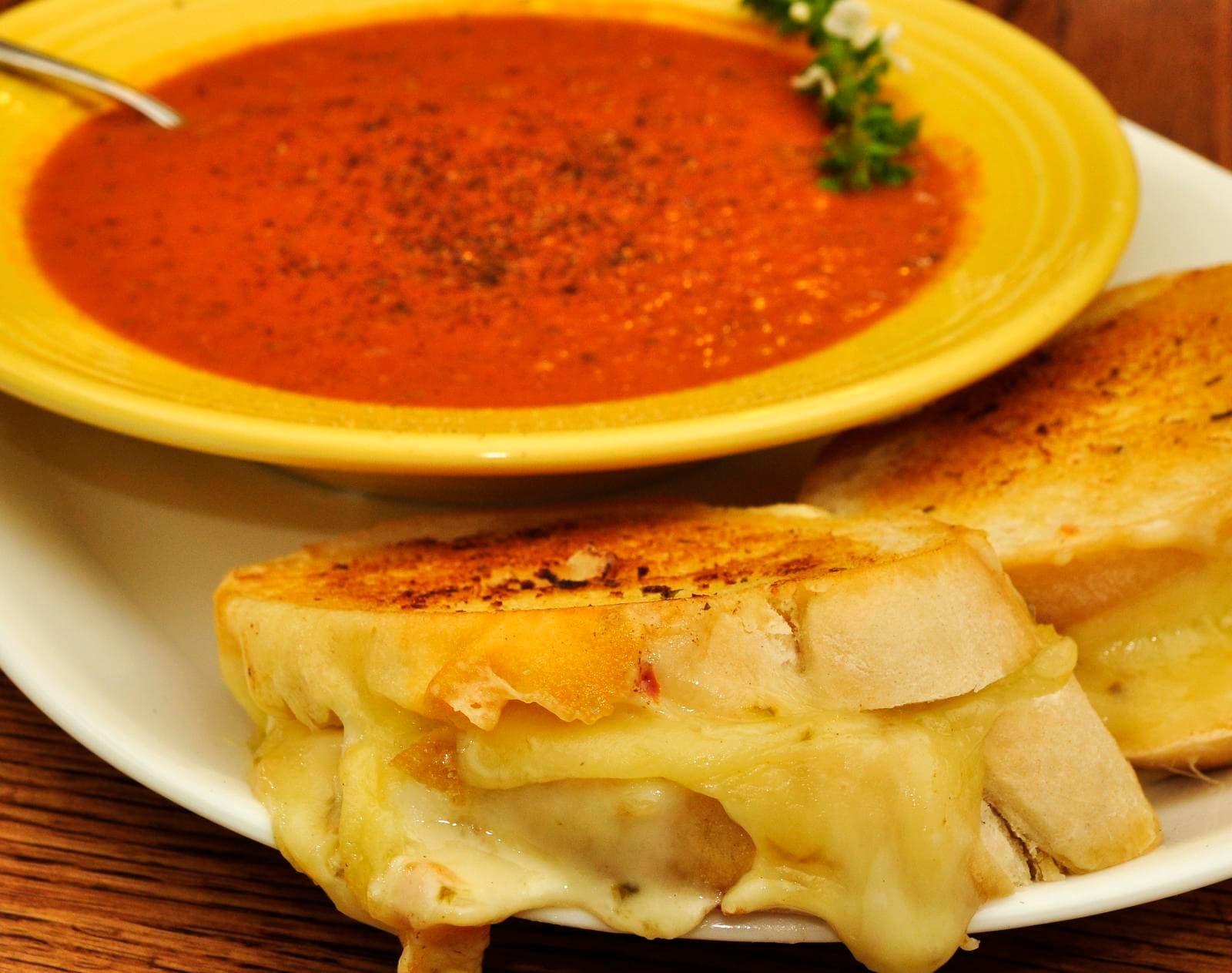
Grilled Cheese sandwich rose to prominence after World War II, embodying convenience and childhood comfort food in American households. Featuring melted cheese between buttered toasted bread, it became emblematic of suburban life, lunchboxes, and quick dinners across the United States.
America's Melting Pot
Grilled Corn with Chili Lime Butter photo coming soon
2010-2026
This modern celebration dish showcases grilled corn enhanced with chili lime butter, blending Mexican-American influences with new American food trends. Popular since 2010 at food trucks and farmers markets, it offers vibrant flavors and viral appeal.
1800-1860
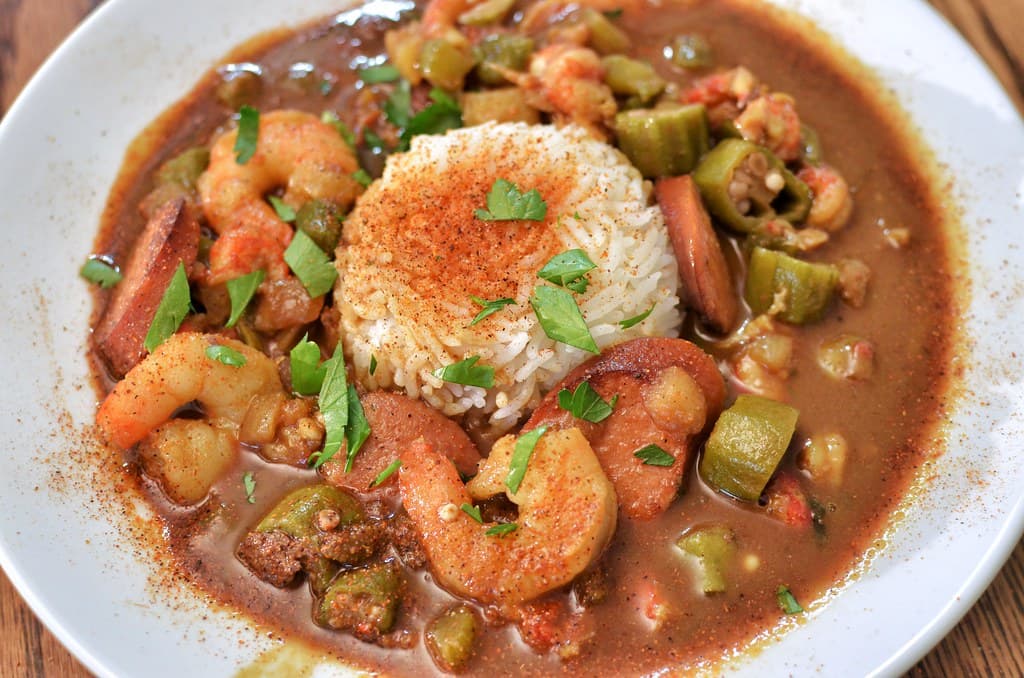
Gumbo is a renowned stew from Louisiana, combining West African, French Creole, and Native American culinary traditions. Dating between 1800 and 1860, gumbo integrates local seafood, sausage, and the 'holy trinity' of vegetables into a thickened, flavorful stew emblematic of Southern and Creole identity.
America's Melting Pot
Gumbo Z'Herbes photo coming soon
1970-1989
Gumbo Z'Herbes is a green vegetable variation of traditional gumbo favored in Louisiana, especially during the 1970s-1980s. It is a hearty stew of assorted greens and herbs, often served during festive events and tailgate gatherings reflecting regional pride and culinary diversity.
1946-1969
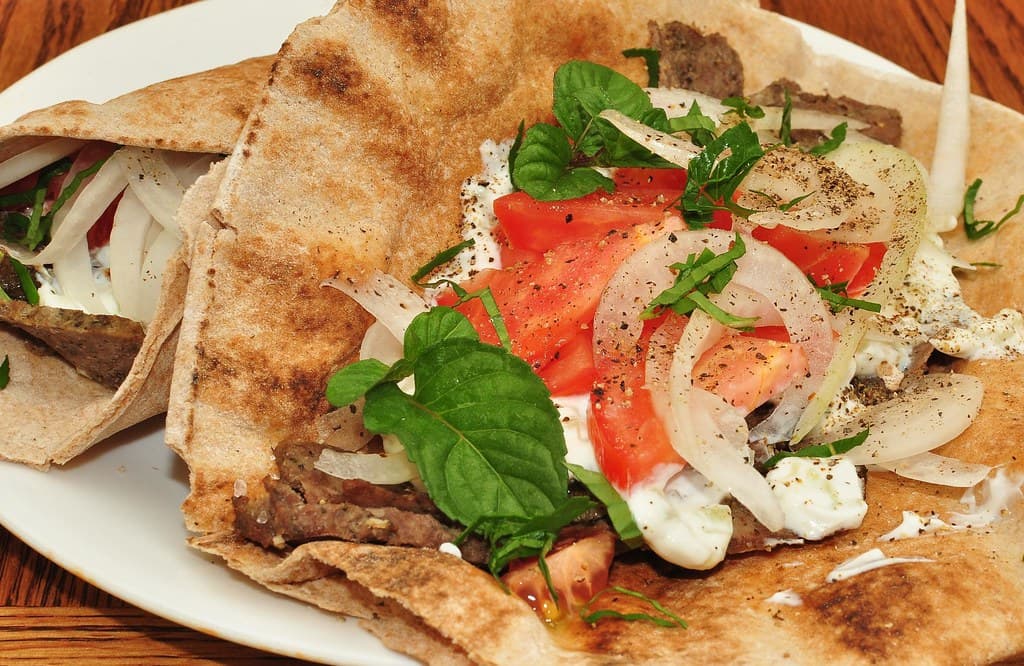
Gyros entered American urban dining and state fairs in the early 20th century, popularized by Greek immigrants. Featuring spiced meat sliced from vertical rotisserie, with tomatoes, onions, and tzatziki in pita bread, it represents immigrant adaptation and diner cuisine fusion.
America's Melting Pot
Haluski photo coming soon
1900-1929
Haluski is a traditional dish of Polish, Czech, Slovak, and Eastern European origins consisting of noodles, fried cabbage, and onions. Brought to the United States by immigrants in the early 20th century, it became comfort food commonly served at diners and state fairs, especially around Easter.
1800-1860
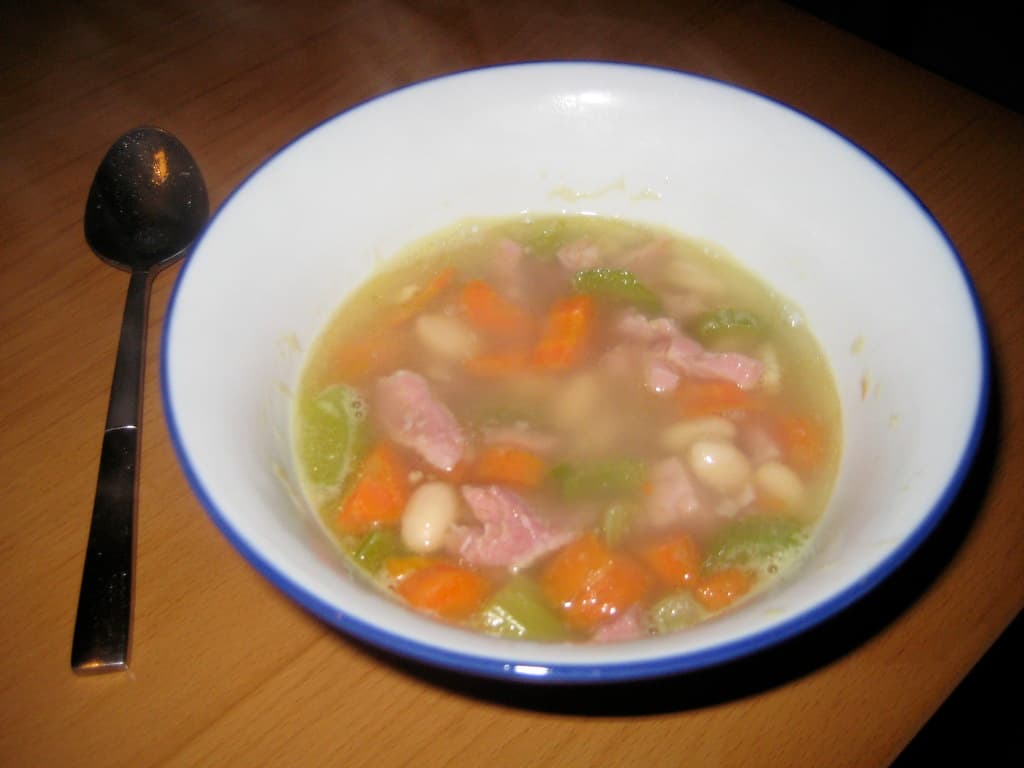
Ham and bean soup is a hearty, economical stew that sustained workers in American railroads, mining camps, and boardinghouses during the late 19th century. Utilizing leftover ham and dried beans, it embodies practical, resourceful cooking of the Reconstruction and settlement era.
America's Melting Pot
Ham and Pickle Roll-Ups photo coming soon
1946-1969
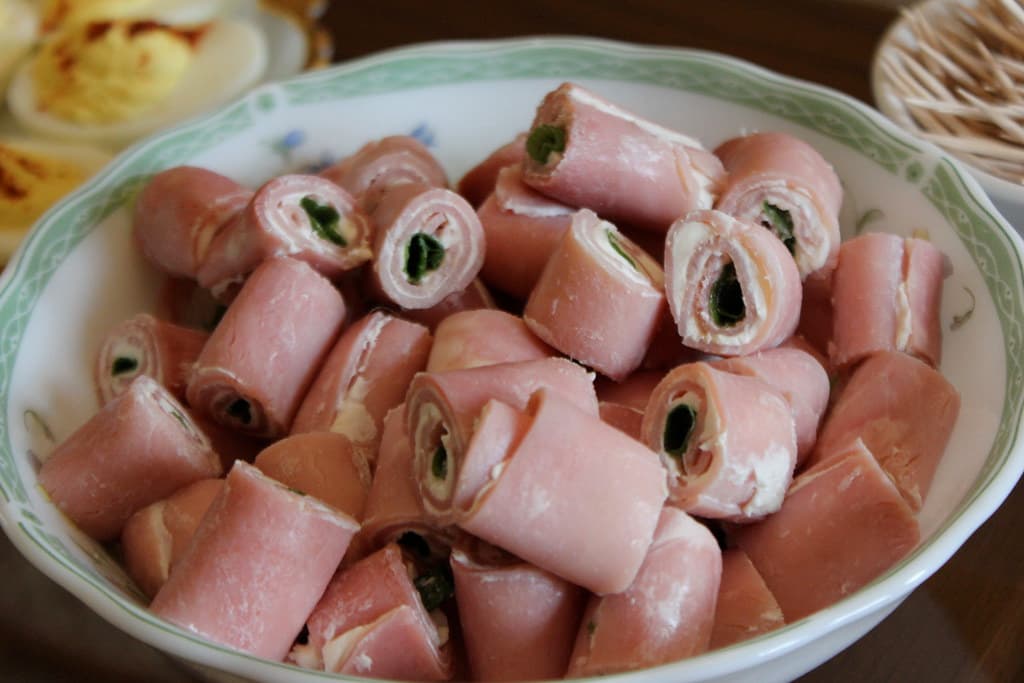
Ham and pickle roll-ups are a quick, savory finger food popularized during the 1970s as party appetizers and tailgate snacks. Combining sliced ham and crunchy pickles into simple roll-ups reflects the era's emphasis on convenience and fun casual entertaining.
1946-1969
Ham roll-ups are bite-sized appetizers made by rolling sliced ham with cheese, spreads, or pickles. Popular in suburban American cocktail parties from the 1940s through the 1960s, they exemplify easy-to-prepare, crowd-pleasing hors d'oeuvres.
America's Melting Pot
Ham Salad Spread photo coming soon
1900-1929
Ham Salad Spread is a spread with real American table personality: Church supper and sandwich spread. It brings flavor from coast-to-coast American tables to cookouts, counters, lunch plates, potlucks, and weeknight suppers.
1900-1929
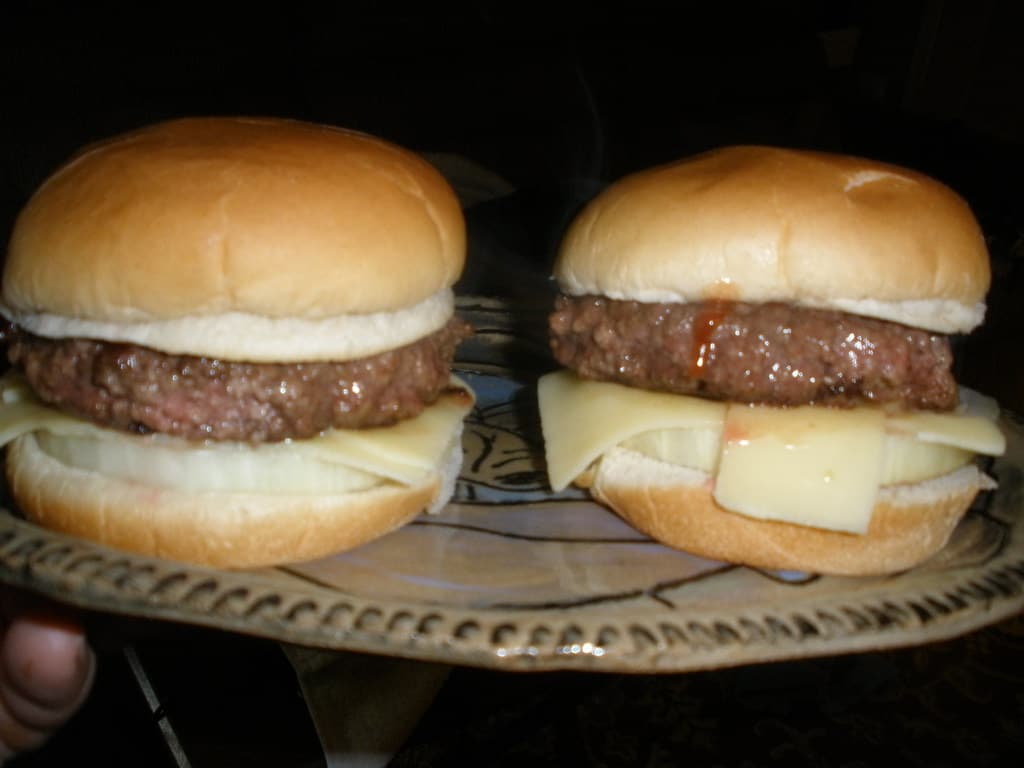
The hamburger is a ground beef patty cooked and served inside a split bun or roll, often garnished with condiments and vegetables. Emerging in early 20th-century America, hamburgers became an iconic and enduring symbol of American fast and casual dining.
America's Melting Pot
Hamburger Hotdish photo coming soon
1946-1969
Hamburger hotdish is a layered casserole popular in the Midwest, combining ground beef, noodles or potatoes, and a creamy sauce baked until bubbly. Developing during the postwar suburban era, this casserole highlights convenience and freezer-friendly family meals.
America's Melting Pot
Hash photo coming soon
1861-1900
Hash is a savory dish combining chopped cooked meat, potatoes, onions, and seasoning, originally made to use leftovers efficiently. It was a practical meal served in American railroad camps, mining towns, and boardinghouses during the late 19th century.
America's Melting Pot
Hash Browns photo coming soon
1900-1929
Hash browns are shredded or diced potatoes pan-fried until golden and crisp, popularized in American diners and lunch counters during the early 20th century. Served primarily at breakfast, they embody simple, rustic comfort food.
Before 1776
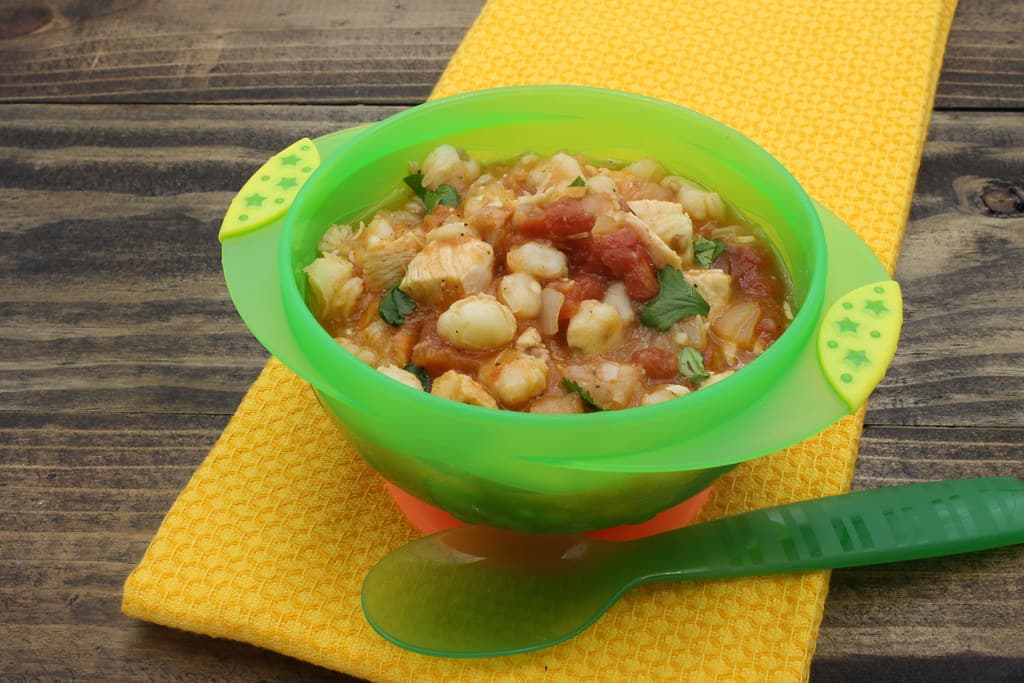
Hominy stew is a traditional Indigenous American dish combining hominy with meat and vegetables to create a hearty, nourishing meal. This recipe reflects how Indigenous foodways influenced American cooking during the 1800-1860 period, using local ingredients and slow cooking methods.
America's Melting Pot
Honey BBQ Wing Sauce photo coming soon
1970-1989
Honey BBQ Wing Sauce is a sandwich sauce with real American table personality: Mild wing chain staple. It brings flavor from coast-to-coast American tables to cookouts, counters, lunch plates, potlucks, and weeknight suppers.
America's Melting Pot
Hoover Stew photo coming soon
1930-1945
Hoover Stew emerged during the Great Depression as a simple, affordable, and nourishing meal using available pantry staples. Named (sometimes colloquially) after President Hoover, it typifies Depression-era cooking that utilized minimal ingredients stretched for multiple servings. The stew often combines canned goods and inexpensive proteins to create a filling dish suited to hard times.
America's Melting Pot
Horseradish Cheddar Spread photo coming soon
American Dairy Age
Horseradish Cheddar Spread is a finished American cheese spread for crackers, sandwiches, and snack boards, with clear mixing, chilling, and storage guidance.
America's Melting Pot
Horseradish Cream Sauce photo coming soon
Gilded Age & Progressive Era
Horseradish Cream Sauce is a sandwich sauce with real American table personality: Prime rib, pit beef, roast beef sandwiches. It brings flavor from coast-to-coast American tables to cookouts, counters, lunch plates, potlucks, and weeknight suppers.
America's Melting Pot
Horseshoe Sandwich photo coming soon
1946-1969
The Horseshoe Sandwich is a Midwestern American comfort food featuring thick-sliced bread topped with meat, French fries, and rich cheese sauce. Originating in Illinois during the postwar era, it became a regional favorite combining diner food, casseroles, and backyard cooking influences. This substantial dish serves as a casual meal synonymous with tailgates and family gatherings.
1946-1969
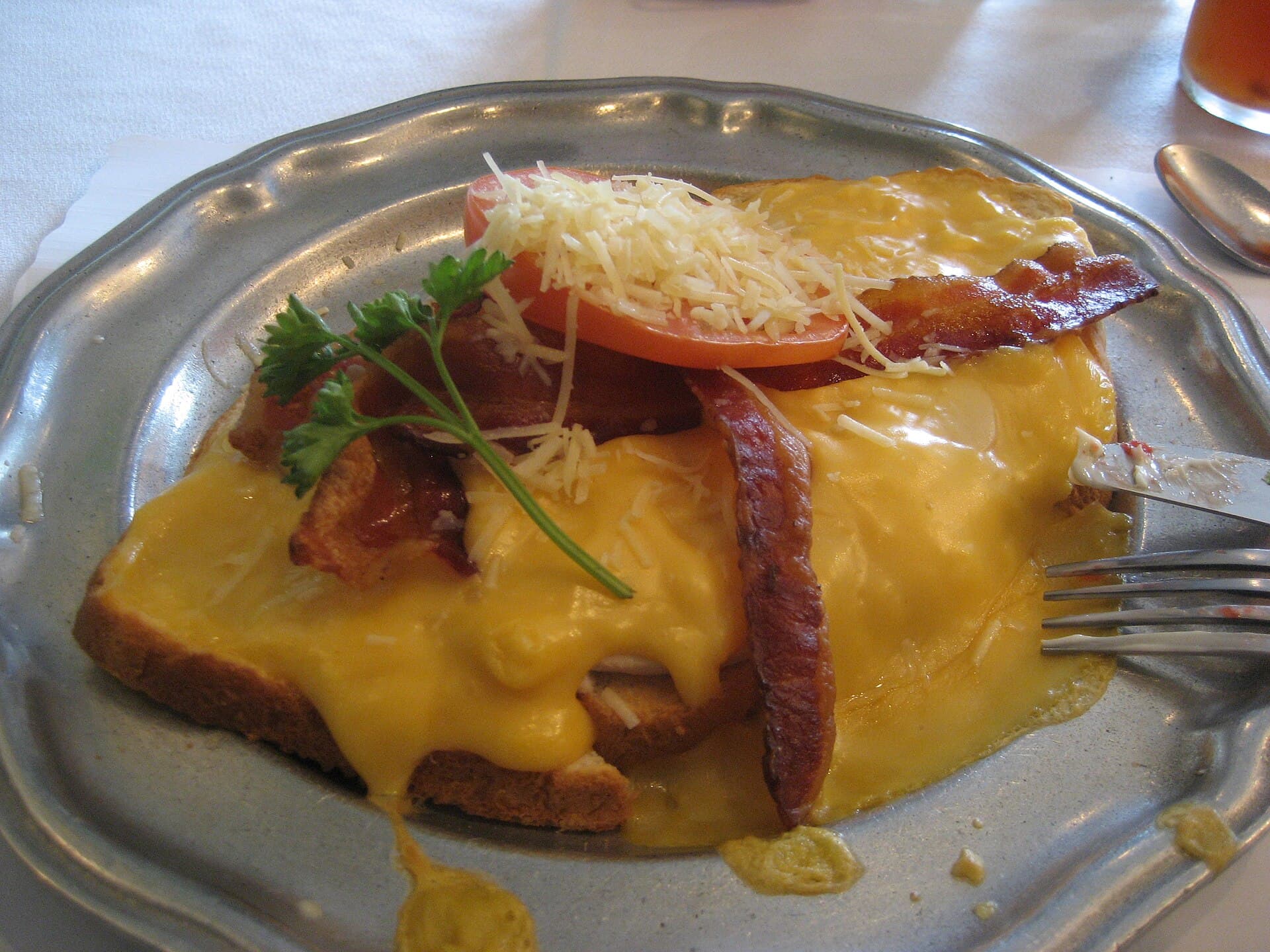
The Hot Brown is an open-faced sandwich developed in Louisville, Kentucky during the mid-20th century. Featuring turkey or chicken, bacon, tomato, and covered in Mornay (cheese) sauce, it became a regional icon in Southern postwar dining. This dish reflects the influences of European sauces blended with American diner-style comfort food between 1946 and 1969.
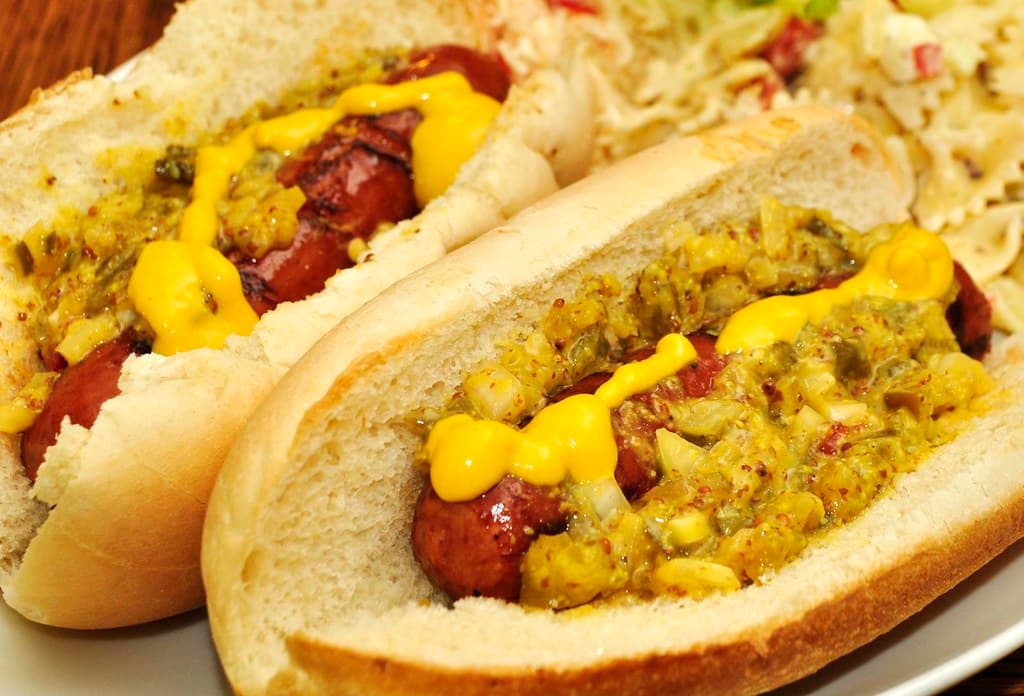
1861-1900
Hot dogs are grilled or boiled sausages served in a sliced bun, a quintessential American backyard and tailgate food. Their widespread popularity in postwar America coincided with suburban expansion, backyard grills, and convenient frozen foods from 1946 to 1969. Often associated with holidays like the Fourth of July, hot dogs remain an iconic symbol of casual American dining.
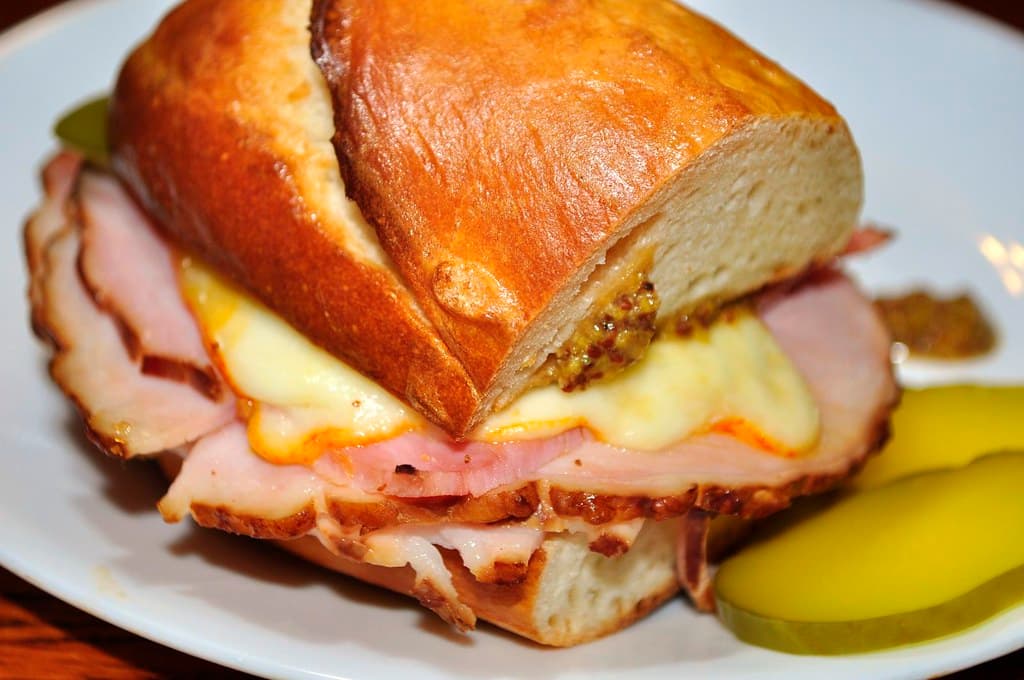
1946-1969
The hot ham and cheese sandwich is a comforting and convenient American cafeteria and lunchbox staple served hot. Featuring sliced ham and melted cheese on bread, it is popular in school lunches and concession stands, easy to prepare and widely loved across generations. Its timeless appeal lies in simple ingredients and satisfying warmth.
America's Melting Pot
Hot Honey photo coming soon
2010-2026
Hot Honey is a condiment with real American table personality: Modern American pizza, fried chicken, and biscuit condiment. It brings flavor from coast-to-coast American tables to cookouts, counters, lunch plates, potlucks, and weeknight suppers.
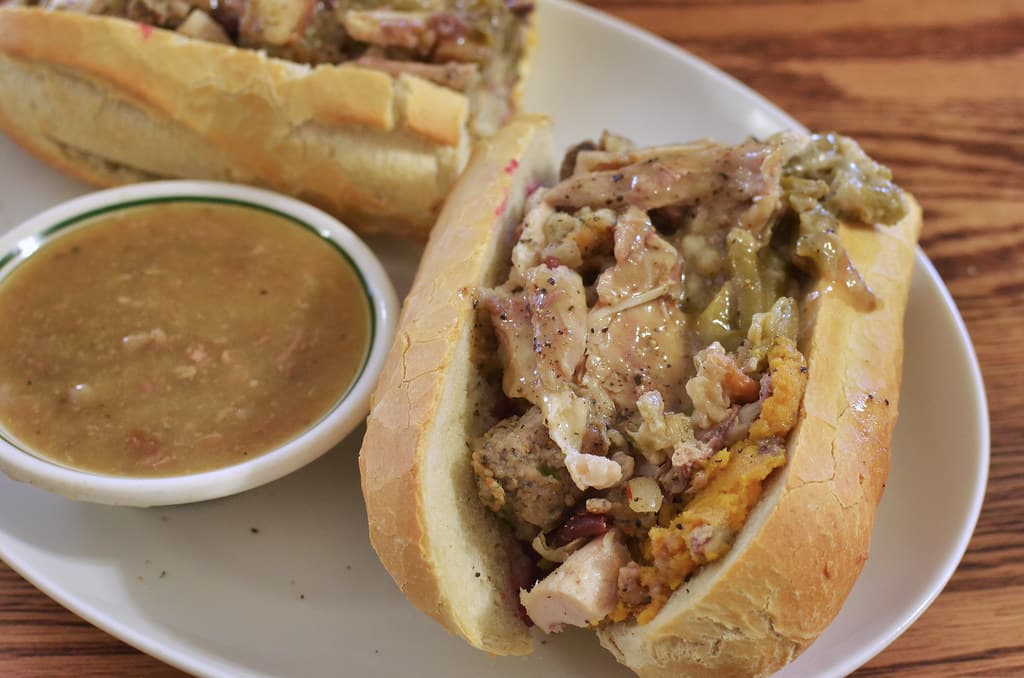
1900-1929
The hot turkey sandwich is an American diner and lunch counter classic featuring sliced roasted turkey on bread covered with rich gravy. Popular during the early 20th century, it was a practical, hearty meal in immigrant city diners and state fairs from 1900-1929, serving as a comforting use of leftover turkey.
America's Melting Pot
Hot Turkey Sandwich Gravy photo coming soon
1900-1929
Hot Turkey Sandwich Gravy is a condiment with real American table personality: Diner open-faced sandwich staple. It brings flavor from coast-to-coast American tables to cookouts, counters, lunch plates, potlucks, and weeknight suppers.
America's Melting Pot
Hotdish photo coming soon
1900-1929
Hotdish is a type of casserole popular in the American Midwest, especially associated with community gatherings, church suppers, and state fairs during the early 20th century. Combining a starch, protein (often ground meat or tuna), canned soup, and vegetables, it exemplifies economical, filling cuisine typical of immigrant and rural communities from 1900 to 1929.
America's Melting Pot
Huckleberry Syrup photo coming soon
Cross-era
Huckleberry Syrup is a sweet sauce with real American table personality: Mountain West pancakes and ice cream. It brings flavor from the Pacific Northwest and Mountain West to cookouts, counters, lunch plates, potlucks, and weeknight suppers.
America's Melting Pot
In-N-Out-Style Burger photo coming soon
1945-2000
This In-N-Out-style burger replicates the iconic West Coast fast-food staple known for its simple yet flavorful double patties and fresh toppings. It reflects the widespread adoption of fast-casual burger culture characteristic of the West Coast culinary scene across multiple eras.
America's Melting Pot
Instant Pot Butter Chicken photo coming soon
2010-2026
Instant Pot Butter Chicken combines traditional Indian flavors with modern pressure cooker technology to create a flavorful weeknight meal popular in American food trucks, farmers markets, and fusion food scenes from 2010 onward. This recipe highlights New American Fusion cooking and viral food trends.
America's Melting Pot
Instant Pot Chili photo coming soon
2010-2026
A robust chili recipe combining beef, beans, and spices made efficiently in the Instant Pot, inspired by Texas and Southwestern influences. Perfect for weeknight meals or casual gatherings.
America's Melting Pot
Instant Pot Mac and Cheese photo coming soon
2010-2026
This Instant Pot mac and cheese recipe delivers creamy, cheesy comfort food quickly, blending traditional American comfort with modern cooking convenience. Ready for weeknight dinners or casual entertaining.
America's Melting Pot
Instant Pot Pho-Inspired Soup photo coming soon
2010-2026
A quick pho-inspired soup that captures the essence of Vietnamese broth with spices and fresh herbs, made accessible to home cooks using the Instant Pot for rich flavor in less time.
America's Melting Pot
Instant Pot Pot Roast photo coming soon
2010-2026
This pot roast recipe uses the Instant Pot to produce tender, flavorful beef and vegetables in significantly less time than traditional methods, ideal for comforting family meals.
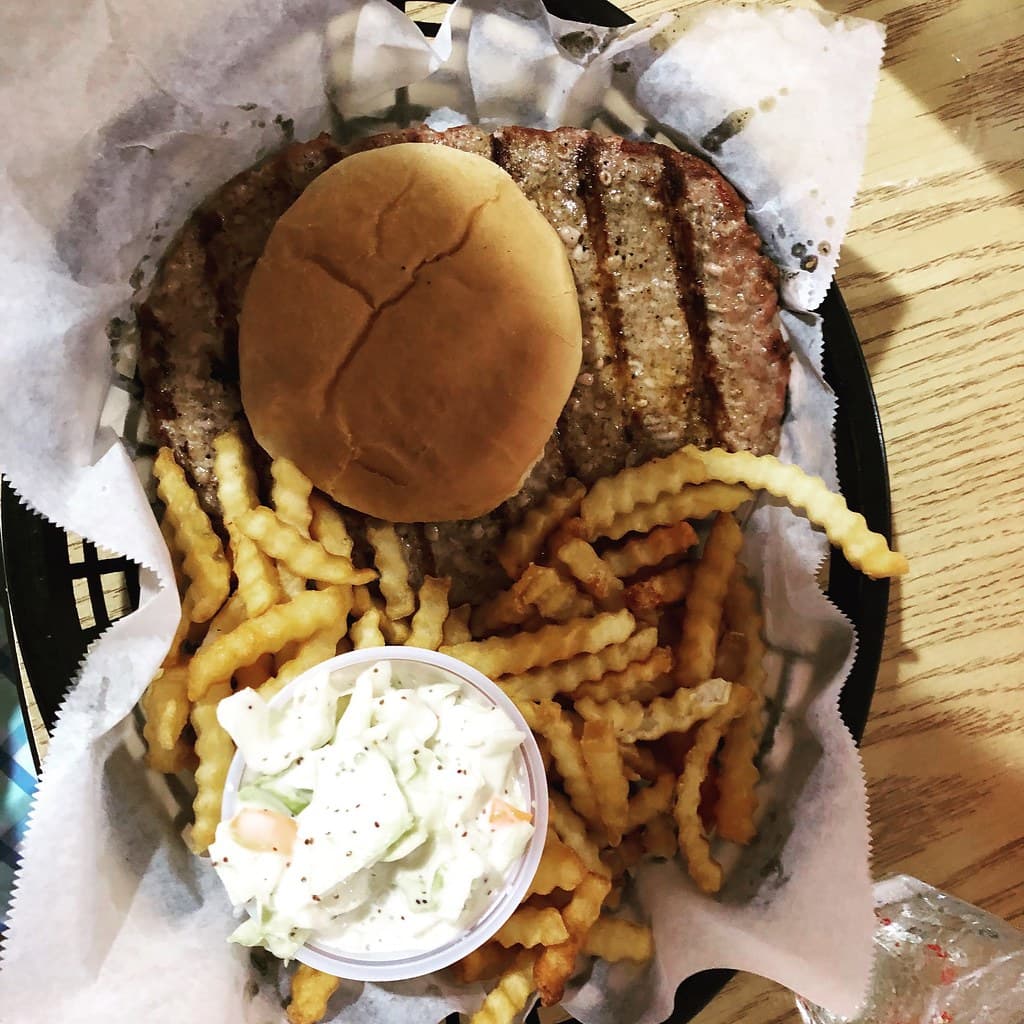
2010-2026
This recipe features the iconic Iowa pork tenderloin sandwich, showcasing a breaded and fried pork cutlet served on a bun with classic condiments, a beloved Midwestern comfort food.
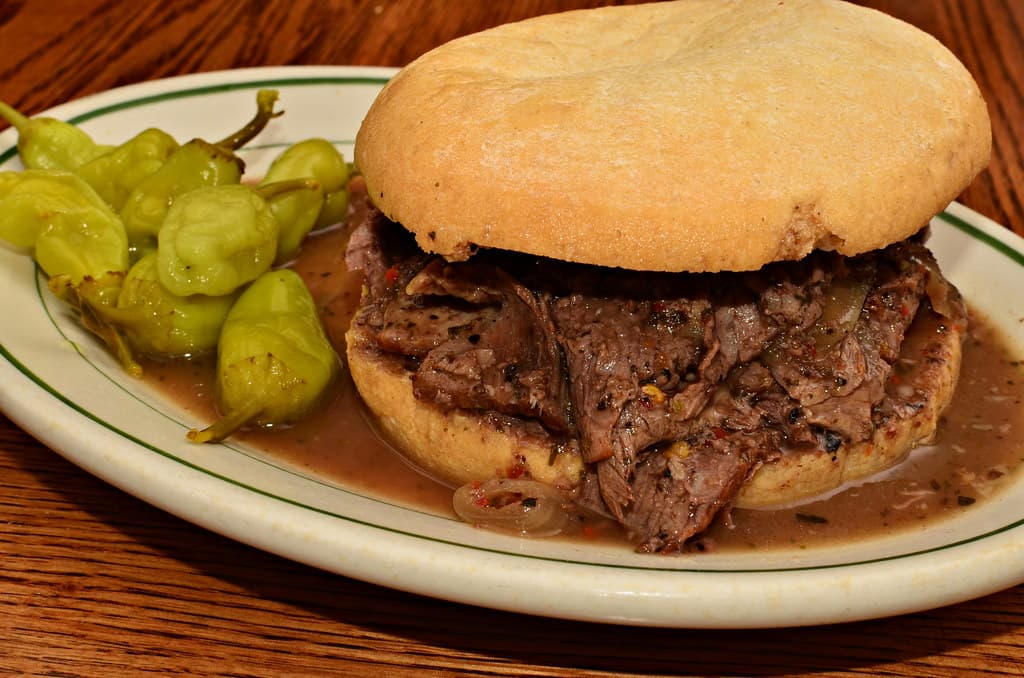
1946-1969
A staple of Chicago cuisine, this Italian beef sandwich features thinly sliced seasoned roast beef dipped in its own jus, served on a roll with optional giardiniera or sweet peppers.
America's Melting Pot
Italian Beef Giardiniera Oil photo coming soon
Cross-era
Italian Beef Giardiniera Oil is a sandwich sauce with real American table personality: Chicago sandwich condiment. It brings flavor from Chicago and the Upper Midwest to cookouts, counters, lunch plates, potlucks, and weeknight suppers.
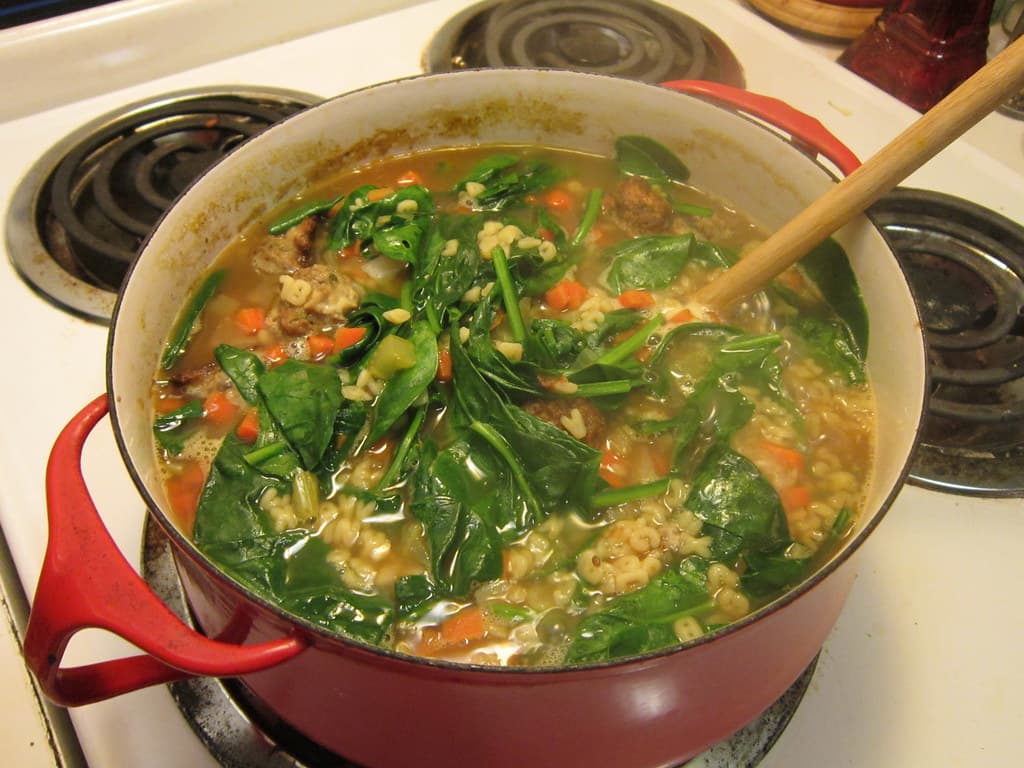
1861-1900
This Italian wedding soup combines flavorful meatballs, leafy greens, and small pasta in a savory broth, a comforting dish rooted in Italian-American tradition from the late 19th century.
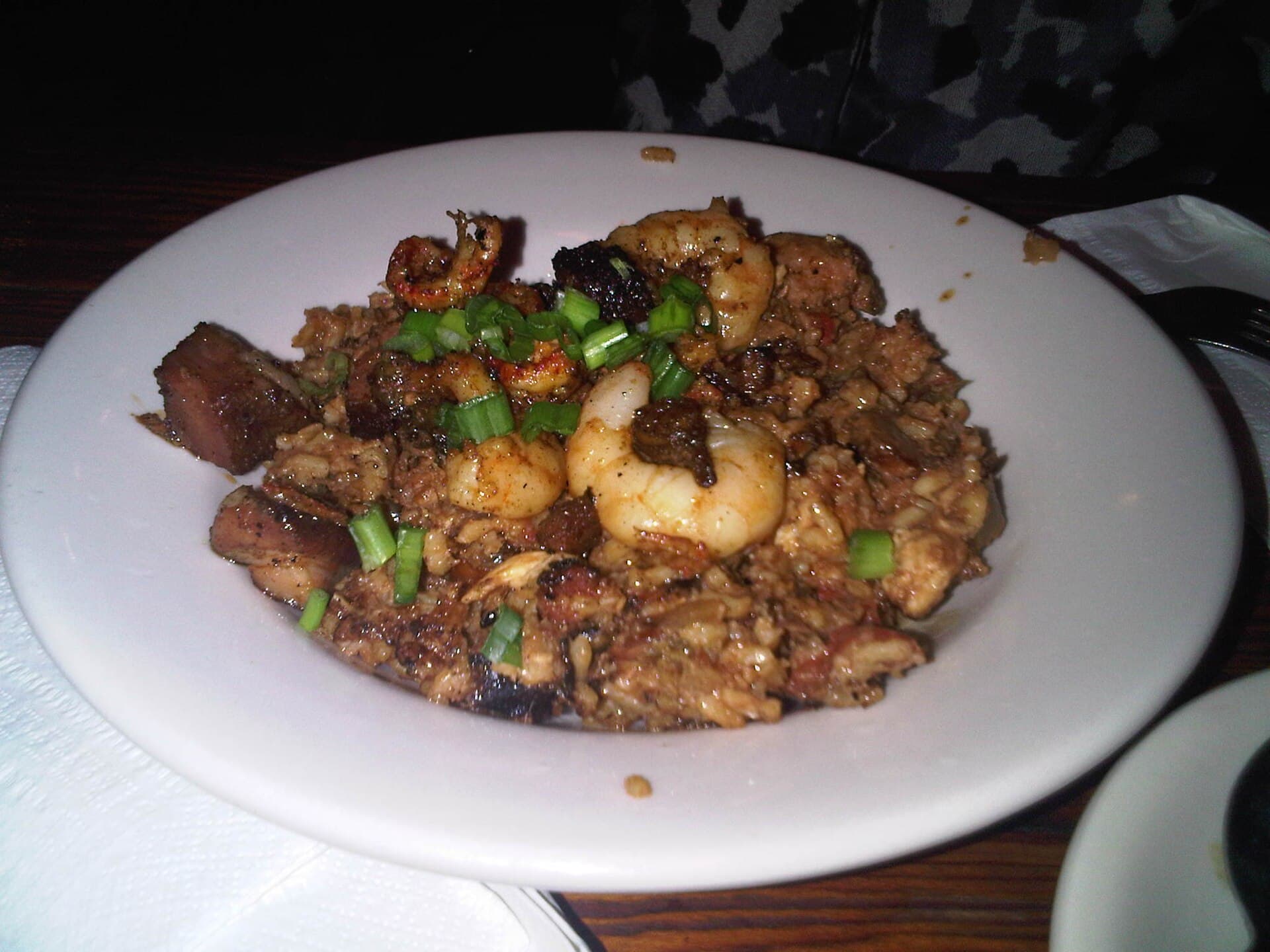
1800-1860
Jambalaya is a flavorful, hearty rice dish originating in Louisiana, blending Spanish, French, and Creole culinary influences. Traditionally made with meats such as sausage, chicken, and seafood, along with the "holy trinity" of Creole vegetables-onions, celery, and bell pepper-this dish reflects the cultural melting pot of the American South during the early 19th century.
America's Melting Pot
Jezebel Sauce over Cream Cheese photo coming soon
1946-1969
Jezebel sauce, a bright combination of fruit preserves, mustard, horseradish, and chili flakes, is served chilled over cream cheese as a classic American appetizer. Popularized in the postwar suburban era, this dish reflects mid-20th-century cocktail party trends emphasizing easy-to-prepare yet visually appealing party foods.
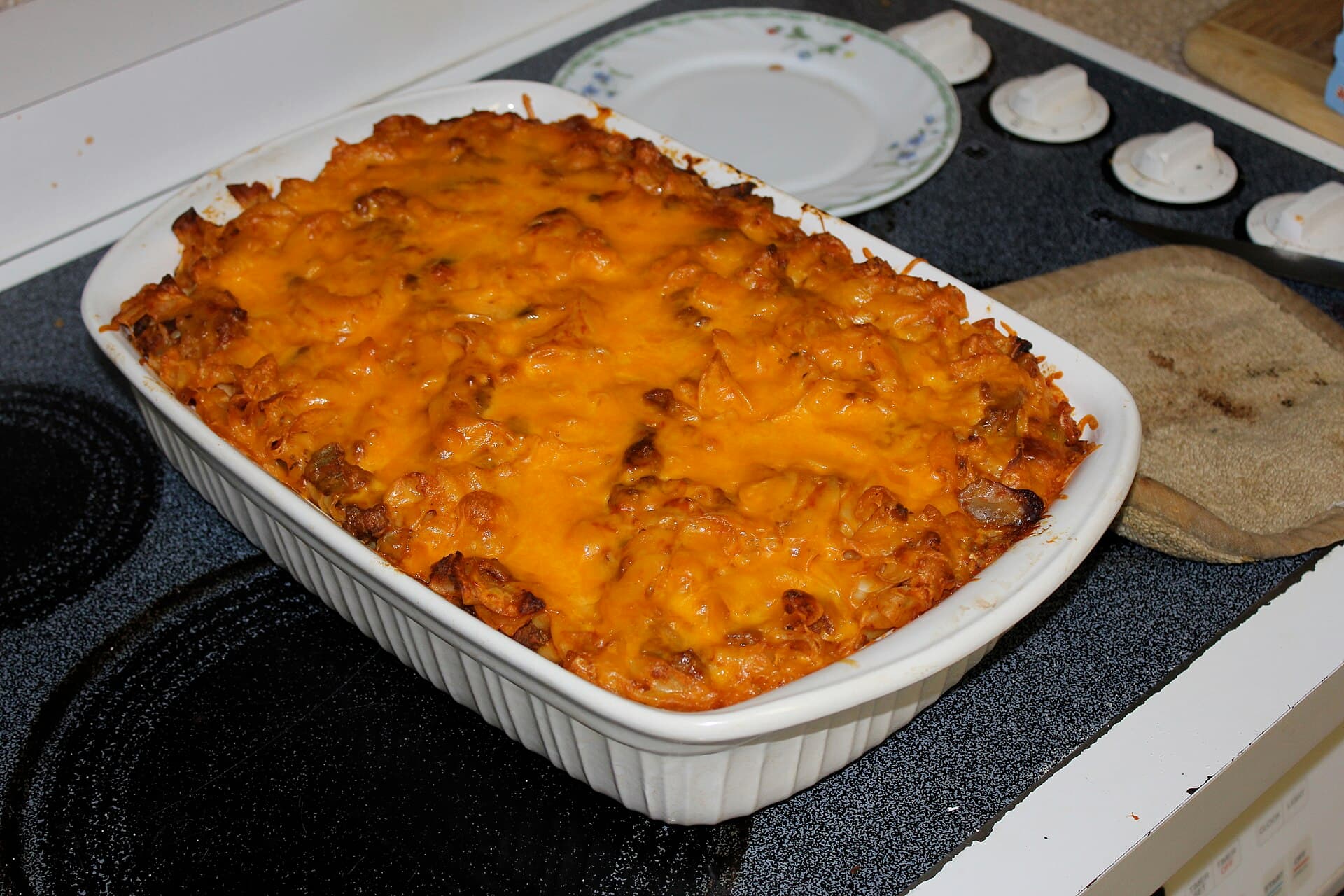
1946-1969
Johnny Marzetti is a comforting casserole originating in the Midwestern United States during the postwar era, combining pasta, ground beef, tomato sauce, and cheese. Popular in the decades following World War II, it reflects suburban family cooking focused on easy, satisfying one-dish meals that could feed a crowd.
America's Melting Pot
Juicy Lucy photo coming soon
1970-1989
The Juicy Lucy is a popular Midwestern variation on the hamburger, featuring cheese stuffed inside the beef patty to create a molten center. Emerging between 1970 and 1989, this indulgent fast food and tailgate favorite reflects the regional pride and innovation in American sandwich making.
1900-1929
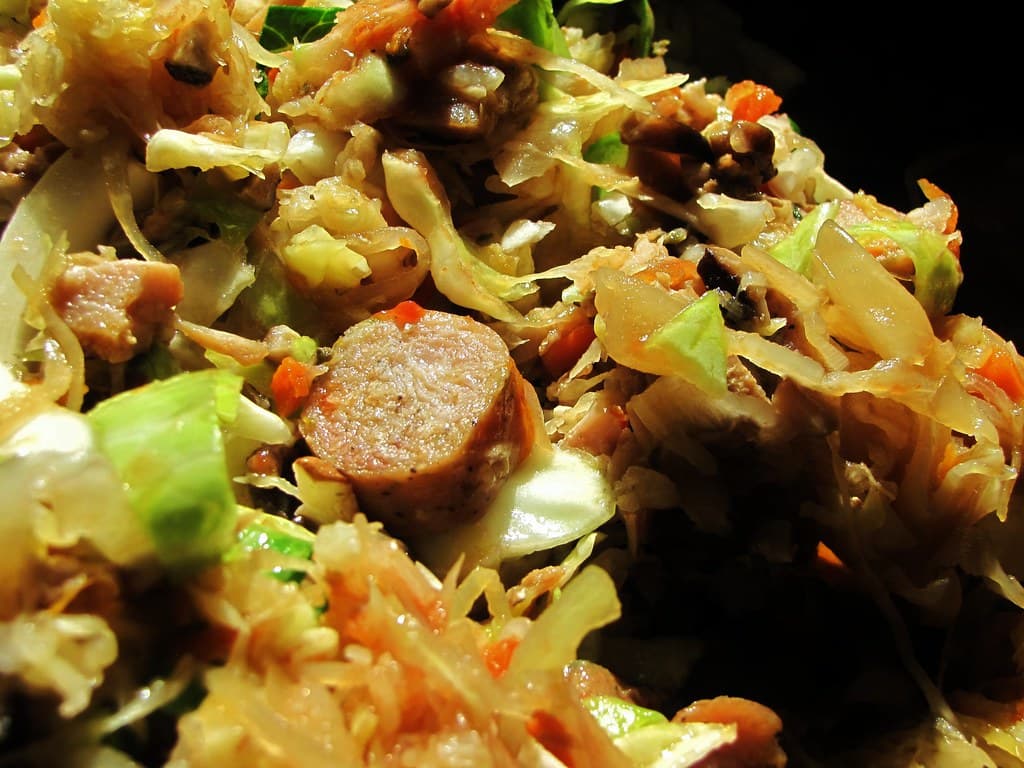
Kielbasa and sauerkraut is a traditional Eastern European dish combining smoked sausage with tangy fermented cabbage. Immigrant communities brought this hearty comfort food to American diners, state fairs, and holiday tables during the early 20th century, representing cultural preservation in new urban environments.
1946-1969
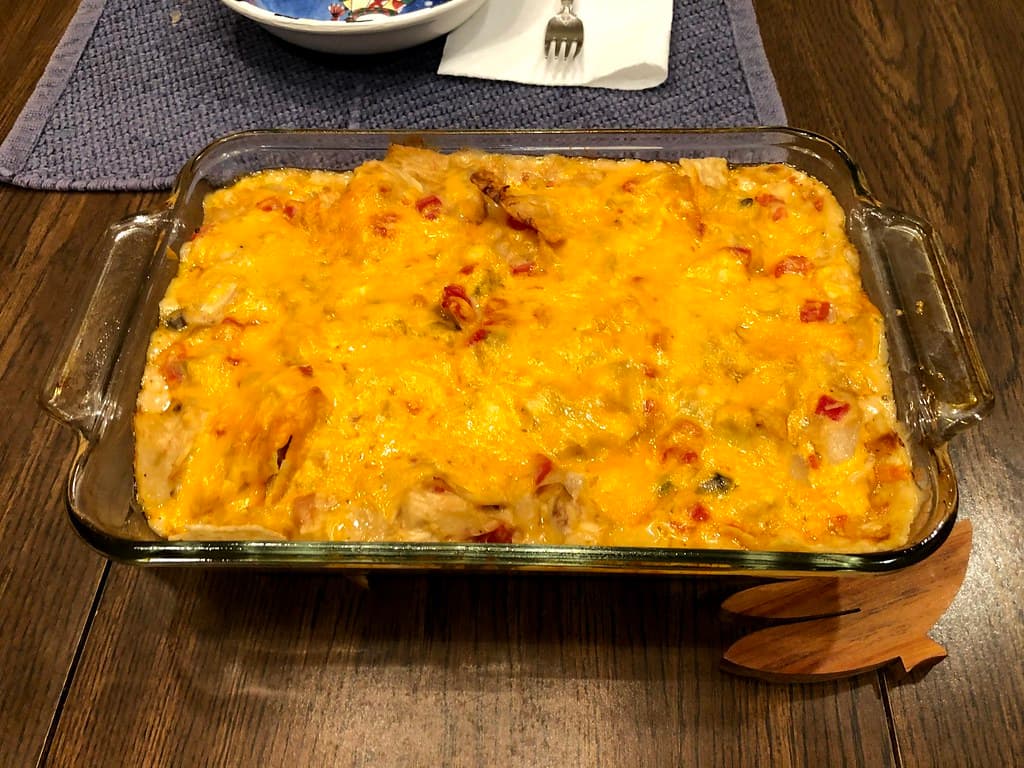
King Ranch chicken is a layered casserole from the American Southwest combining cooked chicken, tortillas, cheese, and a creamy tomato-chile sauce. This dish gained popularity during the postwar suburban era, symbolizing convenient comfort food blending Mexican and Anglo-American culinary influences.
America's Melting Pot
Knoephla Soup photo coming soon
1970-1989
Knoephla soup is a hearty, creamy potato and dumpling soup originating with German-Russian immigrants in the Upper Midwest and Great Plains during the late 20th century. This comforting stew features small flour-based dumplings simmered with potatoes and chicken in a creamy broth, celebrated as a regional favorite at family tables and tailgate gatherings.
1861-1900
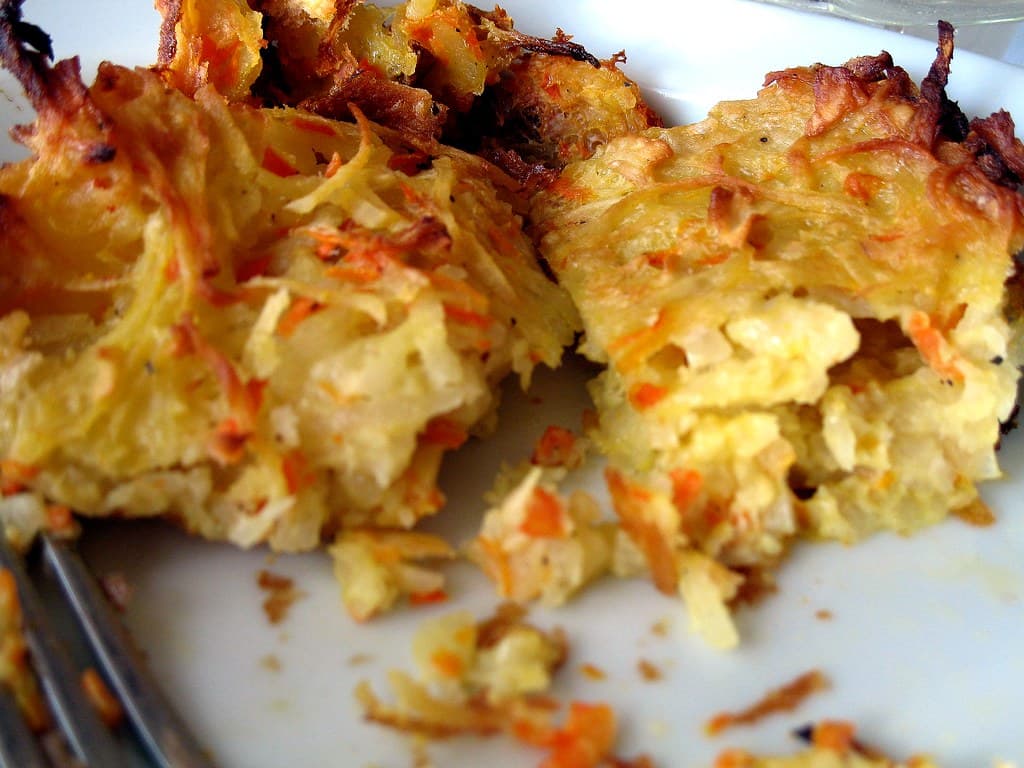
Kugel is a traditional Jewish casserole dish made with noodles or potatoes, baked with eggs and seasonings. It was brought to the United States by Jewish immigrants during the Civil War and Reconstruction era and became a staple at holiday meals and Shabbat dinners, showcasing Ashkenazi culinary heritage adapted to American ingredients.
Community recipe submission
Log in to submit a recipe, format it with the cooking companion, and send it for review.
Log in to Submit