
Loading
Setting the table...
Fetching the latest recipes from the archive.
Loading
Fetching the latest recipes from the archive.
Recipe archive
Recipe archive
Search the archive by title, region, ingredient, tag, or era, then sort the table by the view that fits your kitchen.
This archive is growing through recipes, photos, family recipes, and historical context shared by the community.
America's Melting Pot
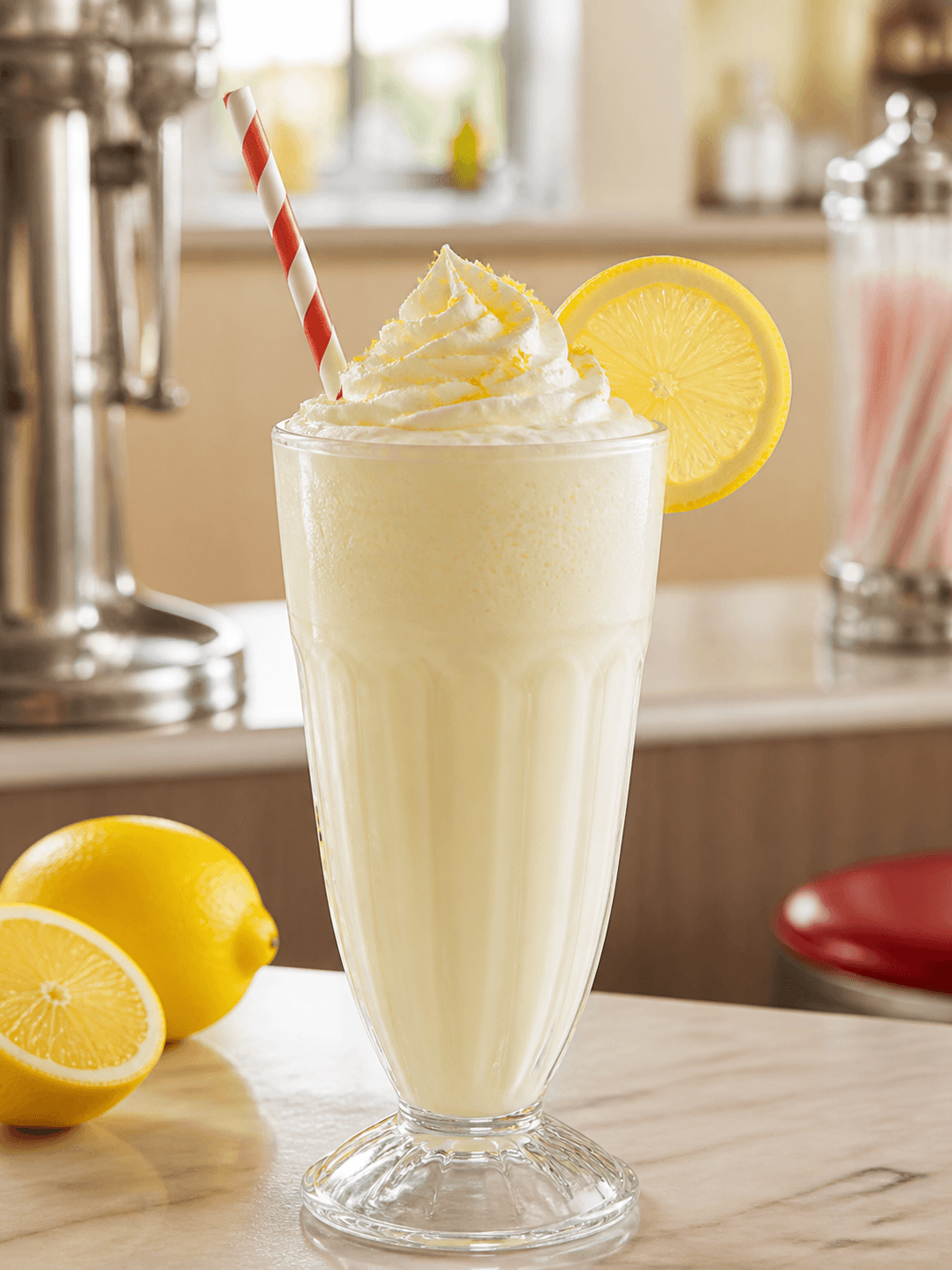
Lemon Phosphate photo coming soon
Gilded Age & Progressive Era
Lemon Phosphate is fizzy Americana from the soda-fountain counter: Soda fountain refresher.
1900-1929
Lemon Shake pours old-school malt-shop cheer into a cold glass: Tart summer ice cream stand drink.
America's Melting Pot
Lemon Shake-Up photo coming soon
1900-1929
Lemon Shake-Up brings juice-bar color and American smoothie-counter energy to the glass: State fair and county fair staple.
America's Melting Pot
Lexington-Style Pork Shoulder photo coming soon
1900-1929
Lexington-Style Pork Shoulder is a North Carolina barbecue dish featuring slow-cooked pork shoulder served with a tangy vinegar and tomato-based sauce. This distinct style is a regional barbecue tradition, emphasizing sharp, bright, and spicy flavors.
America's Melting Pot
Lime Coke photo coming soon
Gilded Age & Progressive Era
Lime Coke is fizzy Americana from the soda-fountain counter: Drive-in variation.
America's Melting Pot
Lime Freeze photo coming soon
Postwar & Diner Age
Lime Freeze carries the bright, frothy spirit of American mall counters: Lime sherbet/ice cream soda fountain drink.
America's Melting Pot
Lime Rickey photo coming soon
Gilded Age & Progressive Era
Lime Rickey is fizzy Americana from the soda-fountain counter: Lime, soda water, and syrup; nonalcoholic soda fountain version.
America's Melting Pot
Lime Shake photo coming soon
1900-1929
Lime Shake pours old-school malt-shop cheer into a cold glass: Often tied to old soda fountain lime flavors.
America's Melting Pot
Limeade Slush photo coming soon
Modern Melting Pot
Limeade Slush brings juice-bar color and American smoothie-counter energy to the glass: Drive-in and fair drink.
America's Melting Pot
Loaded Freakshake photo coming soon
2010-2026
Loaded Freakshake brings drive-in, carhop, and fast-food dessert-counter energy to the table: Over-the-top shake with whipped cream, cake, candy, cookies, syrup.
America's Melting Pot
Lunch Pail Pasties photo coming soon
1861-1900
Lunch Pail Pasties are baked hand pies filled with ground meat, potatoes, and vegetables. Popular among railroad and mining workers in late 19th century America, they were portable, filling meals suited for physically demanding labor.
America's Melting Pot
Lunchroom Peanut Butter Cookies photo coming soon
1861-1900
These peanut butter cookies were a staple dessert in American school lunchrooms and concession stands, offering a simple, sweet treat accessible to children across many decades. Known for their distinctive crisscross fork marks and soft, chewy texture, they reflect modest, budget-friendly baking typical of institutional kitchens.
America's Melting Pot
Maine Wild Blueberry Shake photo coming soon
Cross-era
Maine Wild Blueberry Shake salutes regional fruit country and the American dairy-stand tradition: Maine.
1861-1900
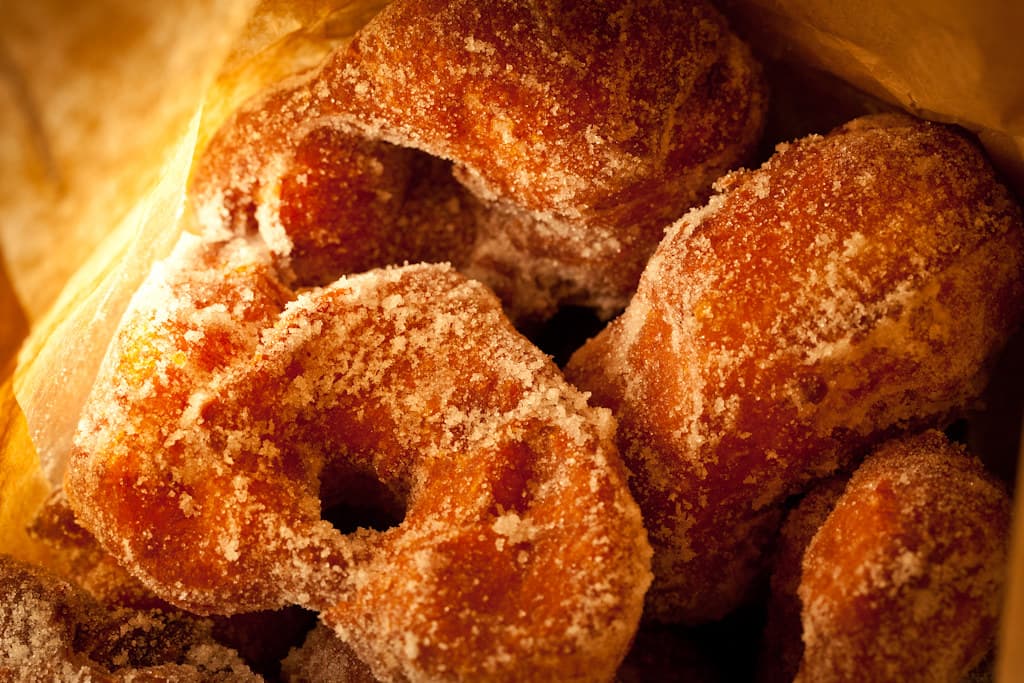
Malasadas are Portuguese-style fried doughnuts, soft and fluffy, rolled in sugar, introduced to Hawaii by Portuguese immigrant workers. Adopted widely in Hawaiian breakfasts and celebrations, malasadas exemplify the blending of immigrant traditions with local food culture, enjoyed across generations and served in bakeries and breakfast tables across the islands.
America's Melting Pot
Malt photo coming soon
1900-1929
Malt, or malted milkshake, was a staple of American diners, lunch counters, and state fairs from the early 1900s, offering a creamy, frothy beverage blending milk, malted milk powder, and ice cream. This nostalgic treat evokes the immigrant city food culture, where malt shops served as social hubs and classic American diner experiences.
America's Melting Pot
Malted Milk Ball Shake photo coming soon
1900-1929
Malted Milk Ball Shake pours old-school malt-shop cheer into a cold glass: Whoppers-style modern malt.
America's Melting Pot
Malted Milk, Unfrozen photo coming soon
1900-1929
Malted Milk, Unfrozen is fizzy Americana from the soda-fountain counter: Pre-shake health drink/soda fountain drink.
America's Melting Pot
Mango Julius photo coming soon
Postwar & Diner Age
Mango Julius carries the bright, frothy spirit of American mall counters: Modern fruit-bar version.
America's Melting Pot
Mango Lassi Smoothie, American Cafe Version photo coming soon
Cross-era
Mango Lassi Smoothie, American Cafe Version salutes regional fruit country and the American dairy-stand tradition: Indian-American adaptation.
America's Melting Pot
Mango Pineapple Smoothie photo coming soon
Modern Melting Pot
Mango Pineapple Smoothie brings juice-bar color and American smoothie-counter energy to the glass: Mall and airport smoothie bar flavor.
1990-2009
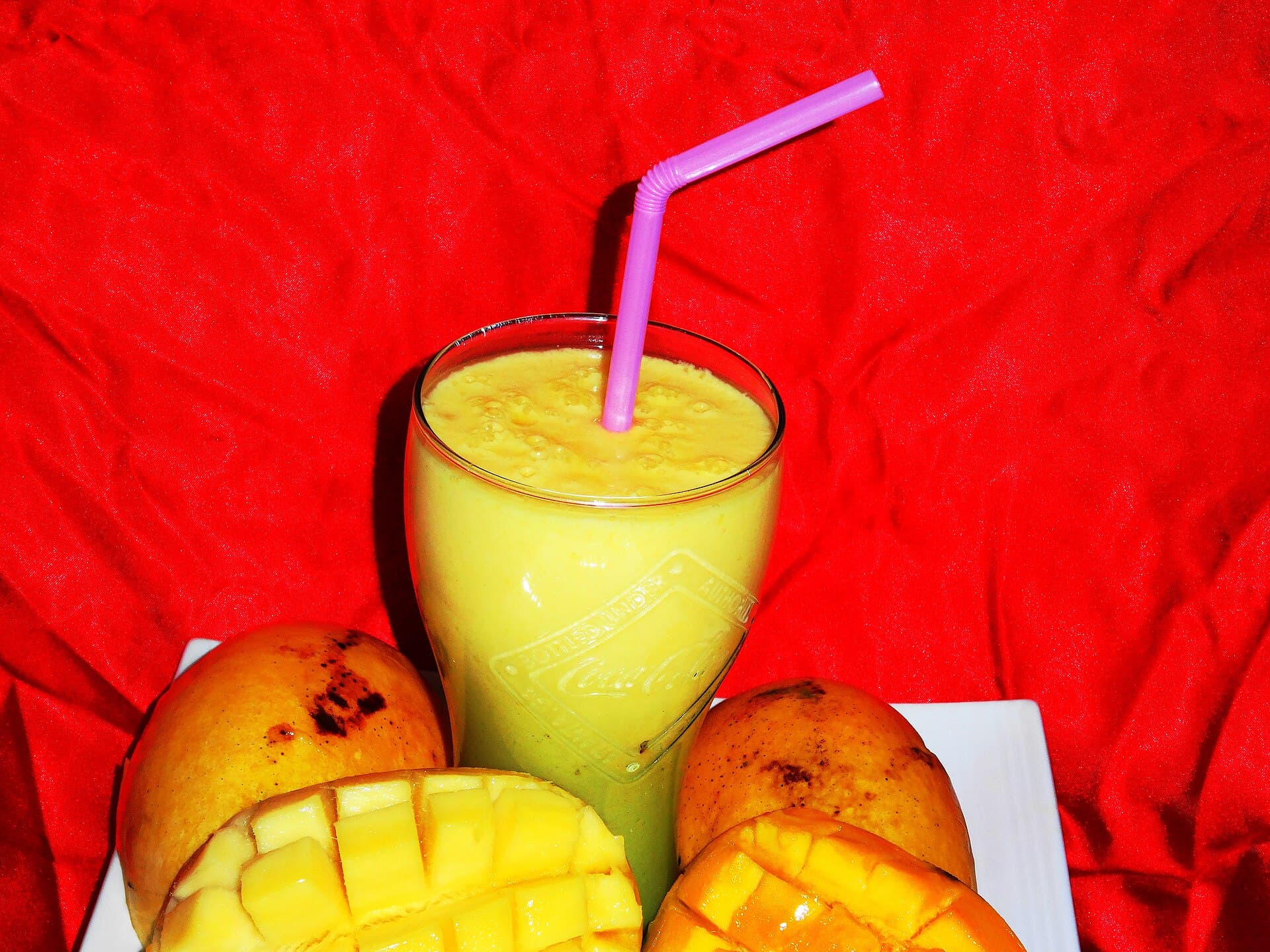
Mango Smoothie brings juice-bar color and American smoothie-counter energy to the glass: Tropical smoothie-shop favorite.
America's Melting Pot
Maple Creemee Shake photo coming soon
Cross-era
Maple Creemee Shake salutes regional fruit country and the American dairy-stand tradition: Vermont/New England.
America's Melting Pot
Maple Frappe photo coming soon
Postwar & Diner Age
Maple Frappe celebrates New England dairy-bar pride in a cold glass: New England maple variation.
America's Melting Pot
Maple Malt photo coming soon
Postwar & Diner Age
Maple Malt pours old-school malt-shop cheer into a cold glass: New England/Upper Midwest candidate.
1800-1860
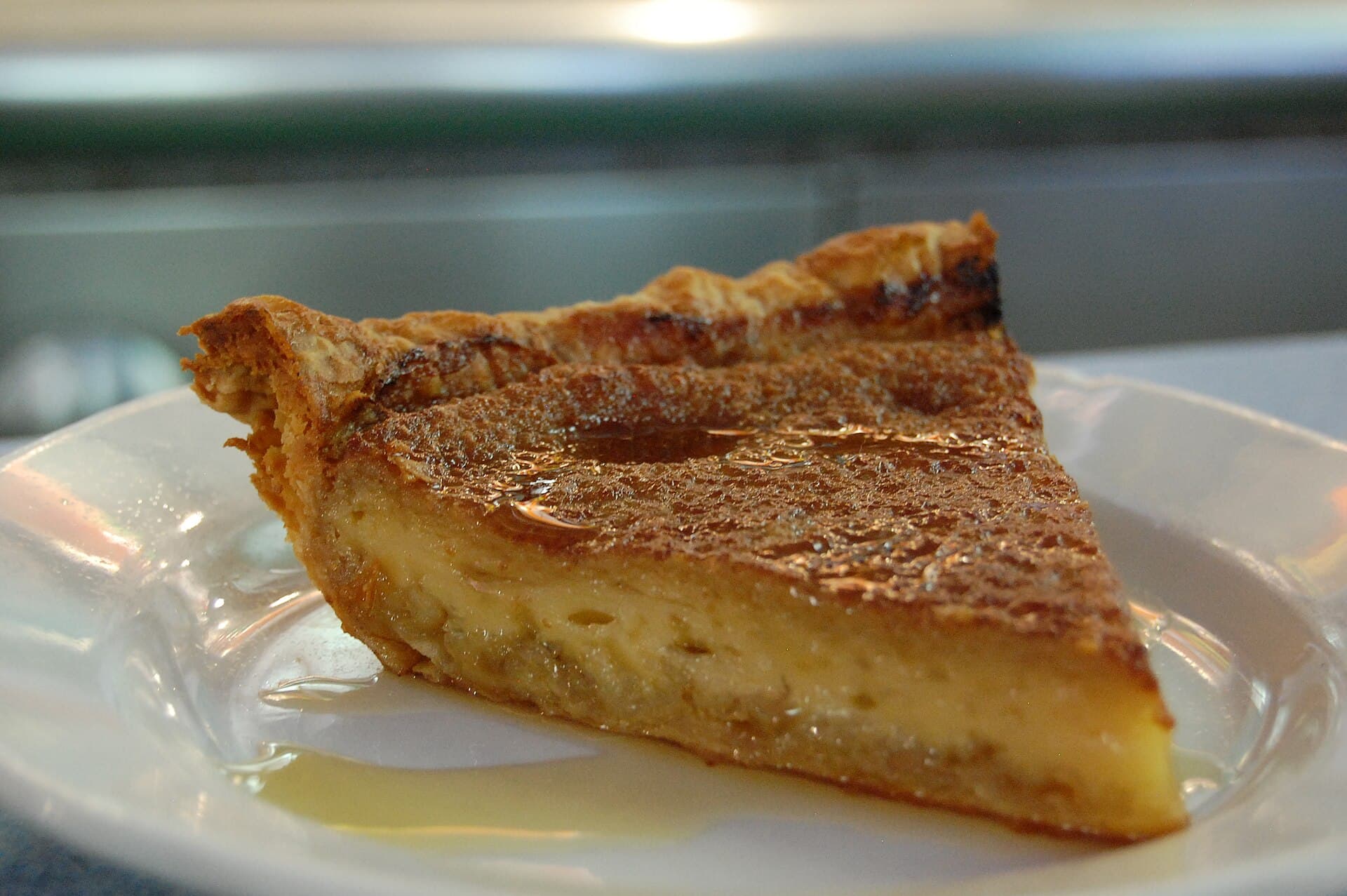
Maple pie is a classic New England dessert featuring rich filling made from pure maple syrup layered in a flaky pie crust. Celebrated for its deep caramelized sweetness and regional ingredient heritage, maple pie symbolizes the importance of maple syrup production and festive baking customs in Northeastern American households.
America's Melting Pot
Maple Shake photo coming soon
Postwar & Diner Age
Maple Shake pours old-school malt-shop cheer into a cold glass: New England and Upper Midwest potential.
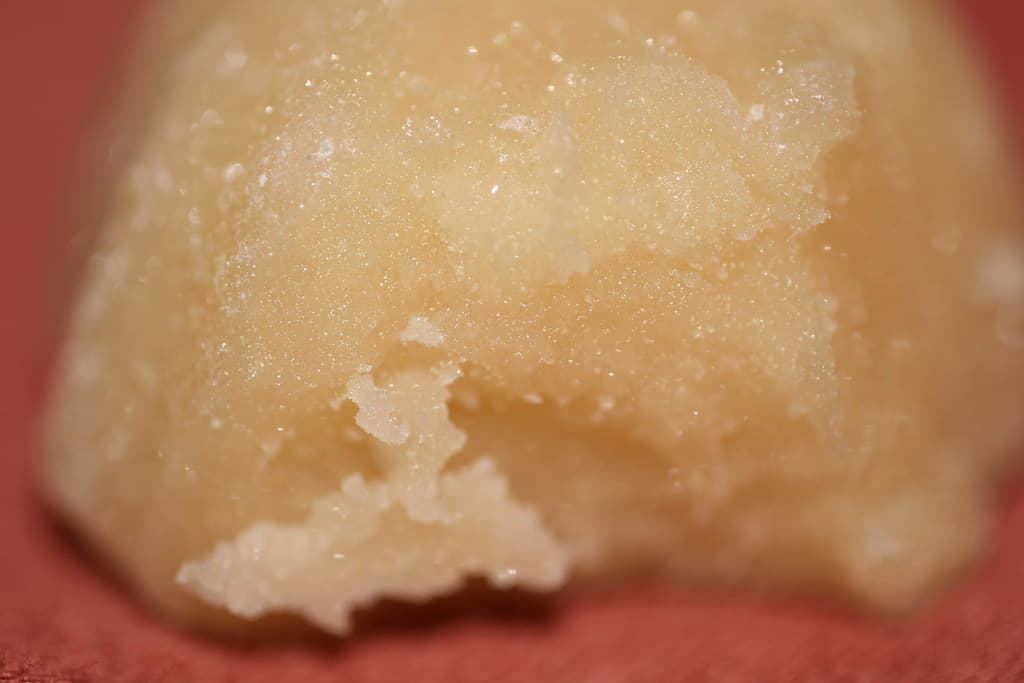
Before 1776
Maple sugar candy is a traditional treat made by concentrating and cooling pure maple syrup until crystallized into small, rich candies. Popular in colonial and early American celebrations, this confection celebrates the maple harvest and resourcefulness in using local maple products for sweets.

Founding Era
Maple Syrup is a sweet sauce with real American table personality: Indigenous North American foodway adopted and commercialized across New England and the Upper Midwest. It brings flavor from New England to cookouts, counters, lunch plates, potlucks, and weeknight suppers.
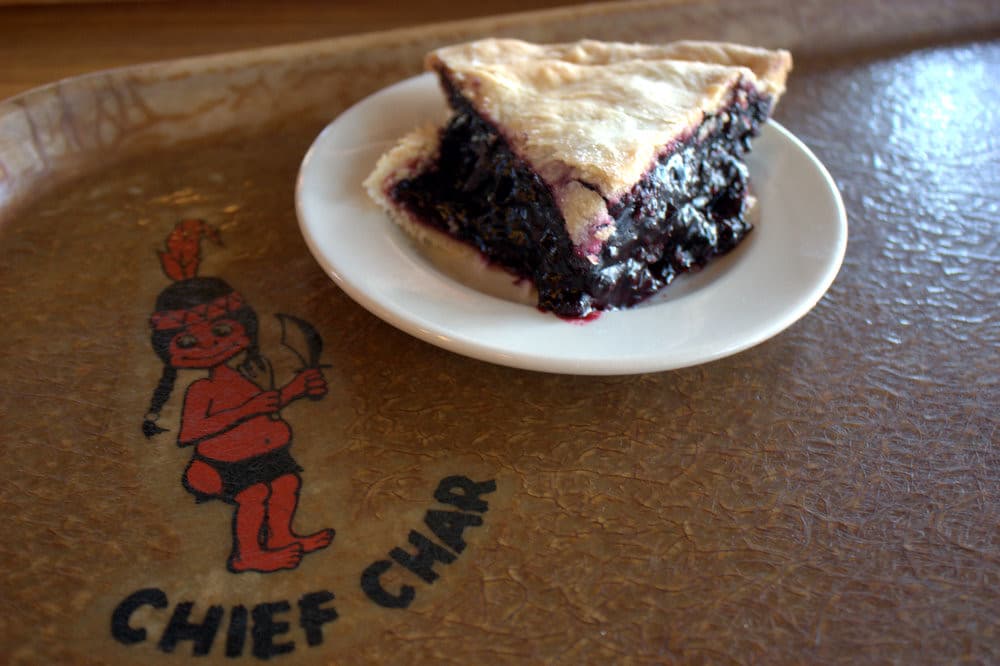
1945-2000
Marionberry pie showcases the marionberry, a blackberry variety developed in Oregon, baked into a sweet-tart pie that highlights Pacific Northwest fruit agriculture. The pie has become a regional dessert favorite, representing local farming innovation and the Pacific Northwest's berry-rich culinary tradition.
America's Melting Pot
Marionberry Shake photo coming soon
Postwar & Diner Age
Marionberry Shake pours old-school malt-shop cheer into a cold glass: Oregon berry-country flavor.
America's Melting Pot
Marshmallow Creme / Fluff photo coming soon
Cross-era
Marshmallow Creme / Fluff is a sweet sauce with real American table personality: New England fluffernutter and dessert culture. It brings flavor from New England to cookouts, counters, lunch plates, potlucks, and weeknight suppers.
America's Melting Pot
Mayonnaise Cake photo coming soon
1930-1945
A simple and moist chocolate cake using mayonnaise as a substitute for eggs and butter. Popular during the Great Depression when traditional baking ingredients were scarce or expensive.
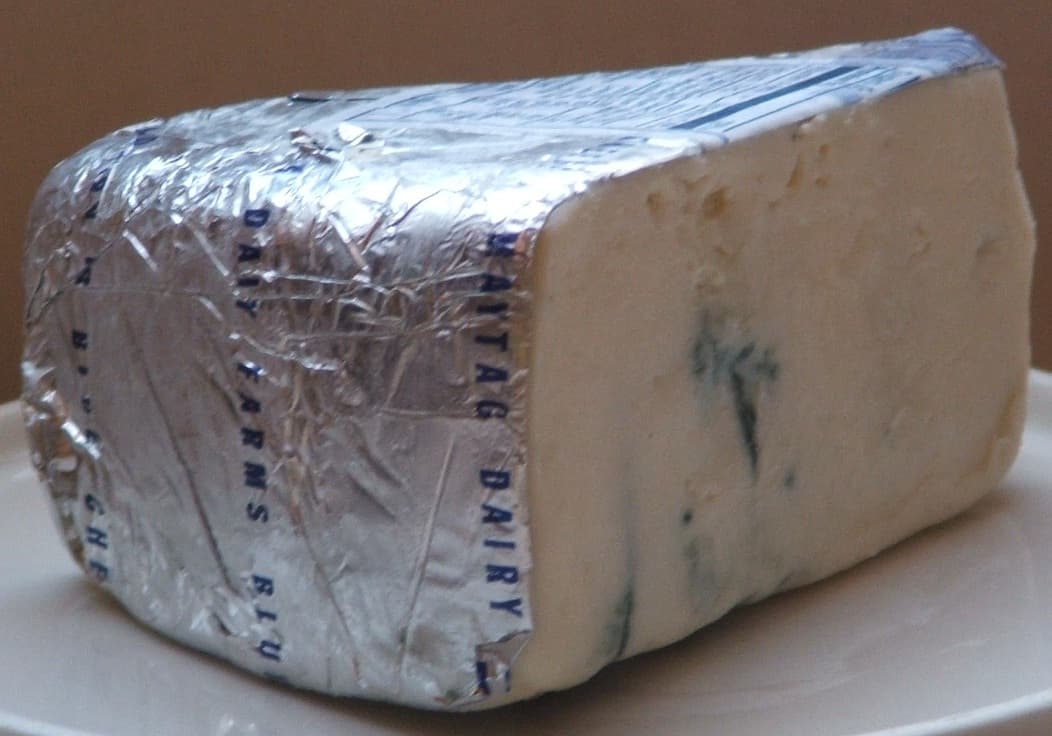
American Dairy Age
Maytag Blue-style American Blue Cheese is a blue-veined American cheese with measured mold culture, loose curd handling, piercing, humid aging, and careful moisture control.
America's Melting Pot
Meal Replacement Smoothie photo coming soon
1970-1989
Meal Replacement Smoothie brings juice-bar color and American smoothie-counter energy to the glass: 1990s-2000s diet culture.
America's Melting Pot
Mexican-American Strawberry Licuado photo coming soon
Cross-era
Mexican-American Strawberry Licuado salutes regional fruit country and the American dairy-stand tradition: Borderlands/Latino-American drink.
America's Melting Pot
Michigan Blueberry Shake photo coming soon
Cross-era
Michigan Blueberry Shake salutes regional fruit country and the American dairy-stand tradition: Michigan.
America's Melting Pot
Michigan Pasties photo coming soon
2010-2026
Michigan pasties are portable meat pies filled with seasoned ground beef, potatoes, and vegetables, originally brought to the Upper Peninsula by Cornish miners. This recipe celebrates the enduring legacy of immigrant miners' hearty meals adapted for cold climates and hard labor.

1900-1929
The American milkshake is a sweet, creamy beverage made from milk, ice cream, and flavored syrups, emblematic of early 20th-century diners and lunch counters. This recipe captures its nostalgic appeal and simple preparation, frequently enjoyed at state fairs and social gatherings.
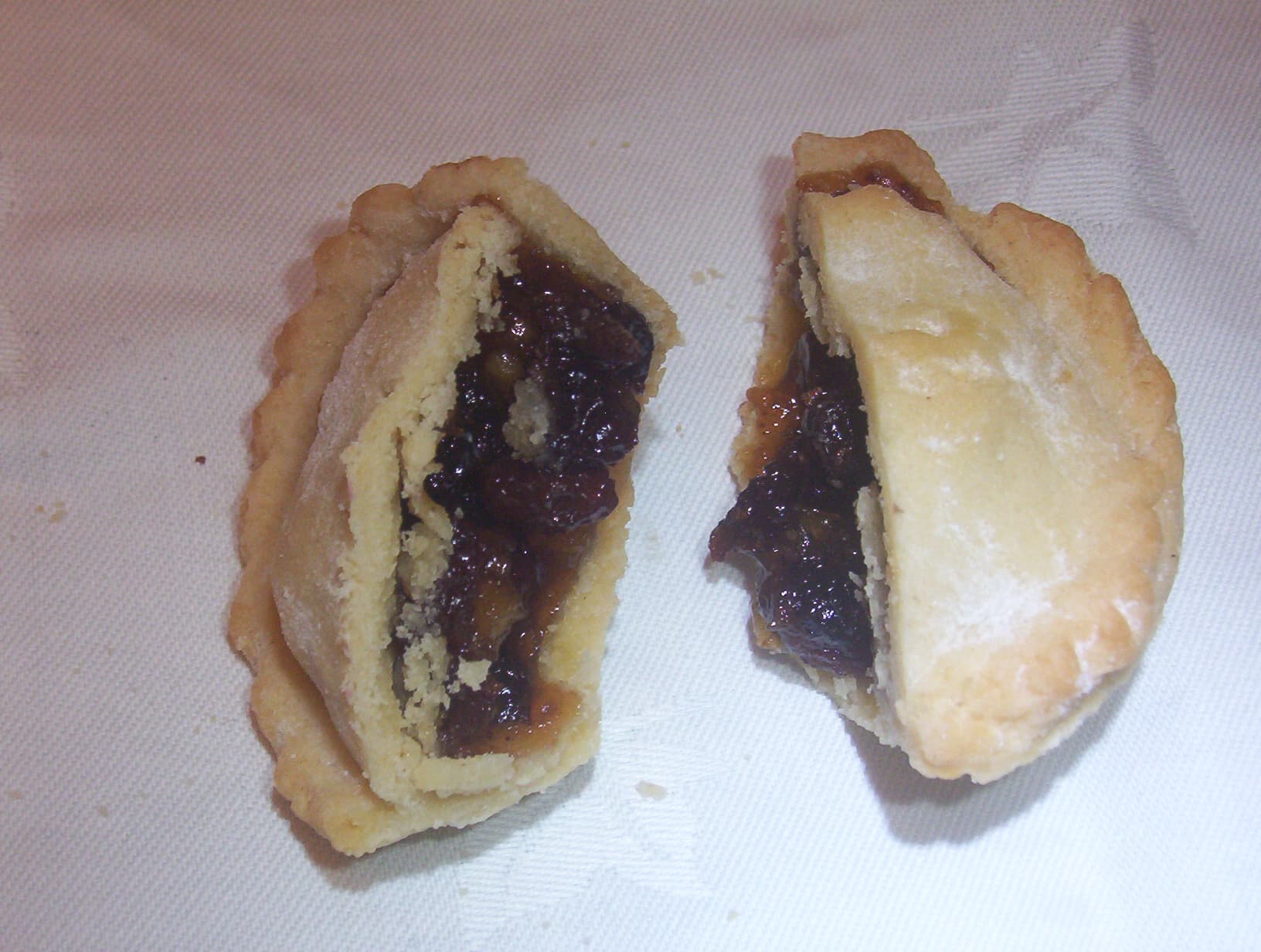
1776-1800
Mince pie is a small, rich pastry filled with spiced dried fruits, suet, and sometimes minced meat, traditionally served during the late 18th century in America. The recipe captures colonial American tastes influenced by English baking customs during the Revolutionary era.
1776-1800
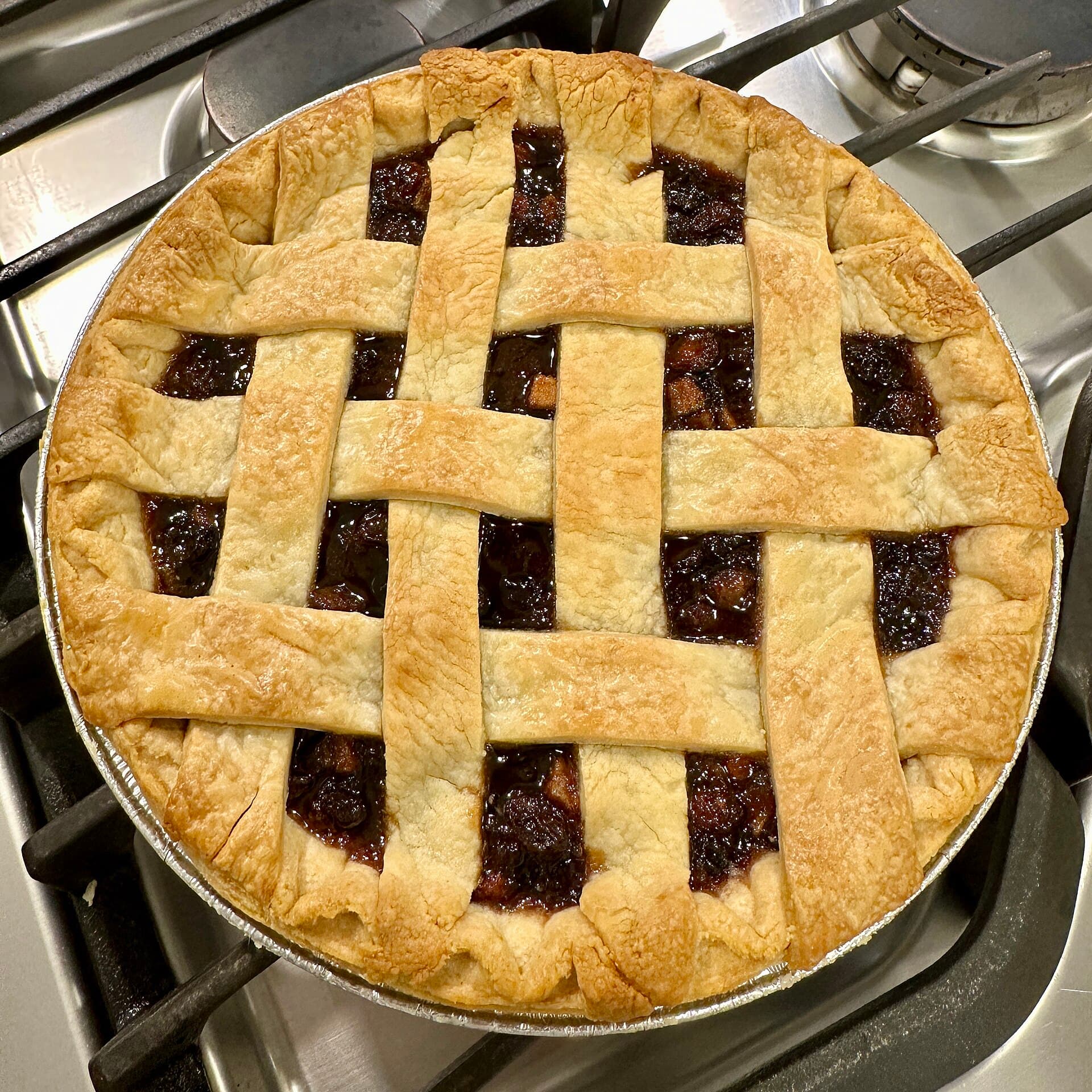
Mincemeat pie is a classic American dessert featuring a spiced filling of chopped dried fruits, suet or beef fat, and sometimes minced meat, enclosed in a flaky pastry crust. Historically enjoyed during Thanksgiving and holiday seasons, it blends English colonial heritage with American ingredients.
America's Melting Pot
Mint Chocolate Chip Shake photo coming soon
1900-1929
Mint Chocolate Chip Shake pours old-school malt-shop cheer into a cold glass: Ice cream parlor standard.
America's Melting Pot
Mixed Berry Smoothie photo coming soon
1970-1989
Mixed Berry Smoothie brings juice-bar color and American smoothie-counter energy to the glass: Smoothie shop staple.
America's Melting Pot
Mocha Cabinet photo coming soon
Postwar & Diner Age
Mocha Cabinet celebrates New England dairy-bar pride in a cold glass: Coffee cabinet with chocolate.
America's Melting Pot
Mocha Malt photo coming soon
1900-1929
Mocha Malt pours old-school malt-shop cheer into a cold glass: Coffee and chocolate.
America's Melting Pot
Mock Apple Pie photo coming soon
1930-1945
Mock Apple Pie is a resourceful dessert developed during the Civil War era and later, using crackers instead of apples to simulate the texture and flavor of apple pie. This affordable and wartime-inspired pie substituted scarce or expensive ingredients with accessible ones while maintaining familiar comforting flavors. It represents American ingenuity during times of scarcity in the late 19th century.
America's Melting Pot
Mock Whipped Cream photo coming soon
1930-1945
Mock Whipped Cream is an inventive, non-dairy topping created during the Great Depression and World War II era when cream was scarce or rationed. This economical recipe uses gelatin, milk, and sugar to simulate whipped cream's light texture and sweetness. It illustrates American homefront adaptations to food shortages, fitting within the context of victory gardens, rationing, and wartime ingenuity in domestic cooking.
America's Melting Pot
Molasses photo coming soon
Founding Era
Molasses is a sweet sauce with real American table personality: Colonial, Southern, Caribbean trade, and early American baking. It brings flavor from the American South to cookouts, counters, lunch plates, potlucks, and weeknight suppers.
1776-1800
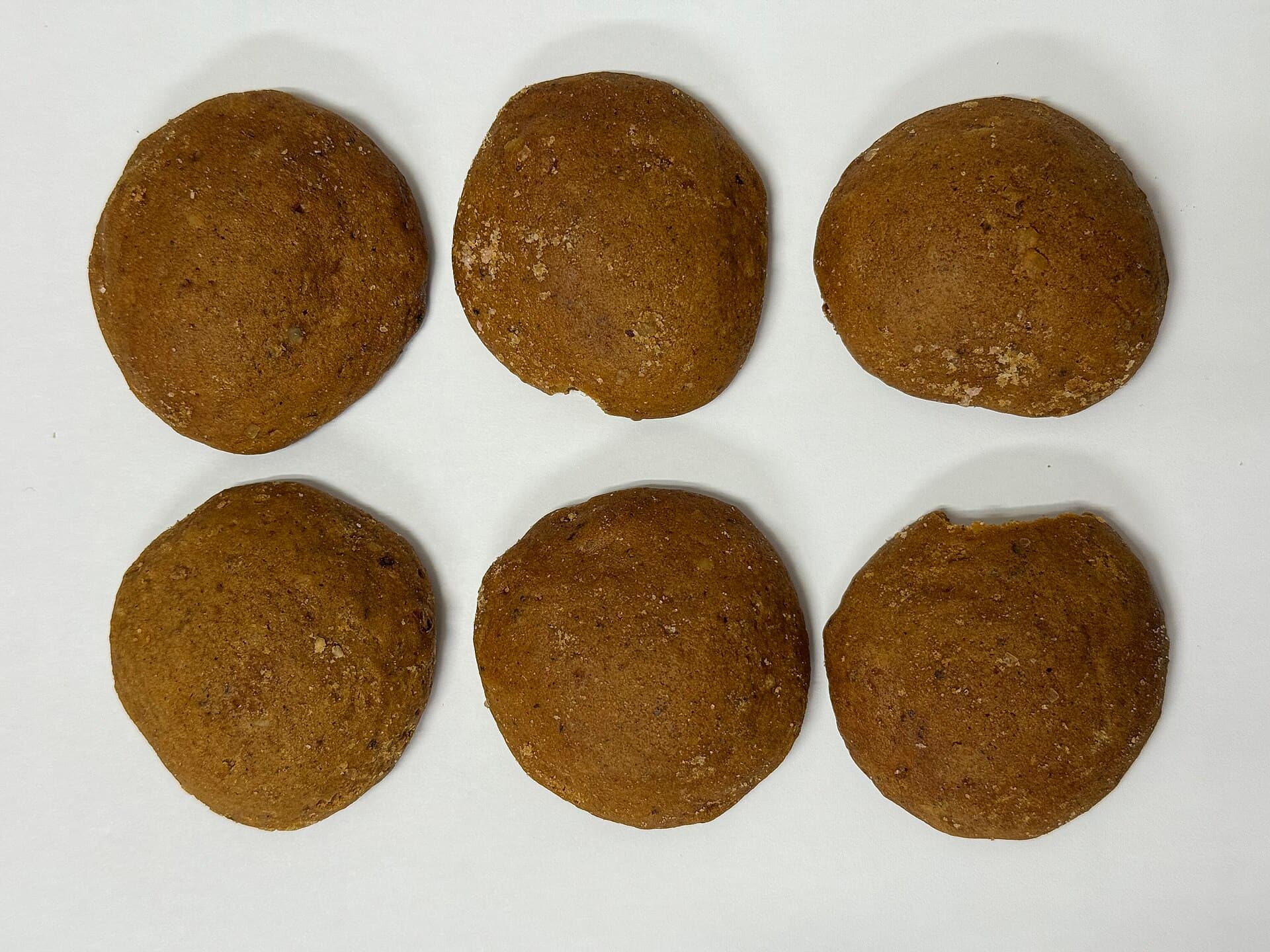
Molasses Cookies are chewy, spiced gingerbread-style cookies sweetened with rich molasses, reflecting early Appalachian and Revolutionary-era American baking traditions. These cookies were popular among settlers who used molasses as an affordable sweetener and incorporated warming spices for flavor. They became a staple of military rations and domestic kitchens during the Civil War era, offering comfort and energy.
America's Melting Pot
Molasses Pound Cake photo coming soon
1861-1900
Molasses Pound Cake is a rich, moist cake sweetened with molasses, characteristic of Southern American desserts during the Reconstruction era. The cake features traditional pound cake proportions with the addition of molasses and warm spices, reflecting the culinary adaptation to available and affordable sweeteners post-Civil War. It embodies Southern resilience and culinary identity in comfort baking.
1946-1969
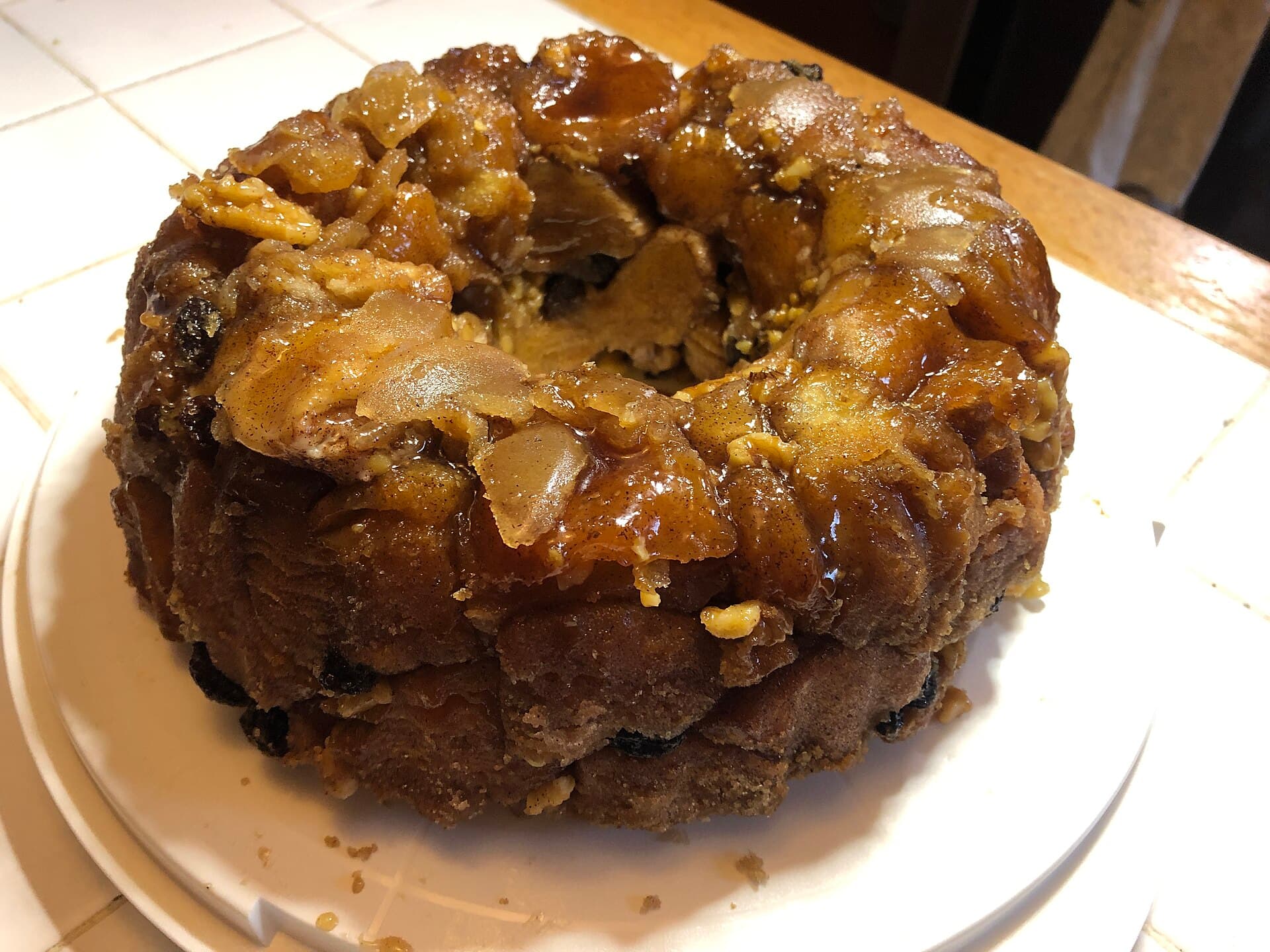
Monkey Bread is a sweet, sticky pull-apart bread made from individual dough pieces coated in cinnamon sugar and baked together. Though its precise origins are unclear, Monkey Bread became popular as a Christmas treat across the United States, embodying festive conviviality. Its interactive eating style and sweet, rich flavor capture the spirit of American holiday baking traditions.
1970-1989
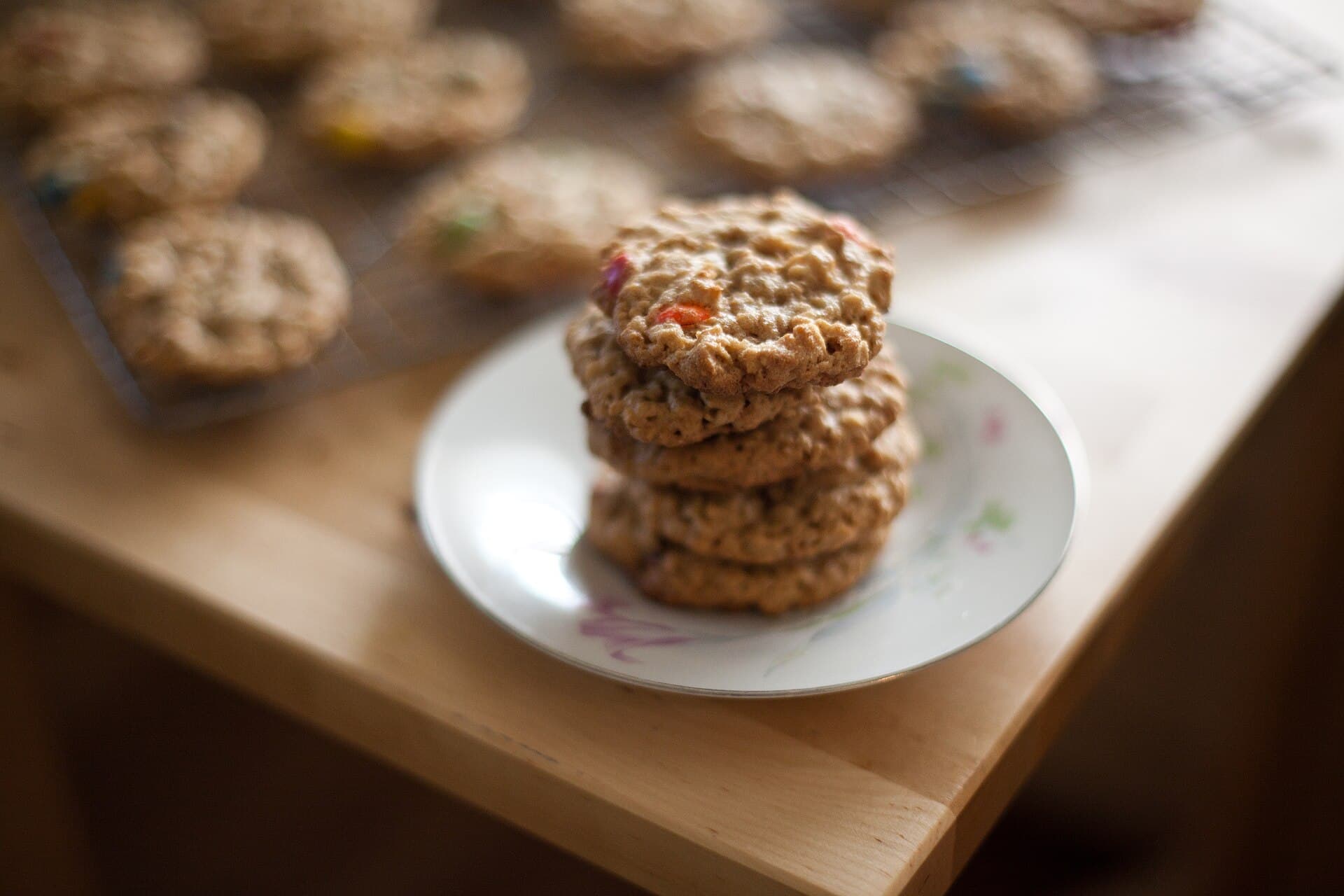
Monster Cookies are generously sized cookies featuring rolled oats, peanut butter, chocolate chips, and often M&Ms, favored at tailgate parties and church events since the 1970s and 1980s. These cookies embody post-industrial American preferences for convenience, fusion of flavors, and regional pride, becoming a staple of fast food snacking and bake sale culture.
America's Melting Pot
Montana Huckleberry Shake photo coming soon
Cross-era
Montana Huckleberry Shake salutes regional fruit country and the American dairy-stand tradition: Montana.
America's Melting Pot
Mrs. Fields-Style Cookies photo coming soon
1970-1989
Mrs. Fields-Style Cookies are soft, thick chocolate chip cookies known for their chewy texture and rich flavor. These cookies became iconic in American malls and chain food outlets during the late 20th century. Reflecting convenience and indulgence trends, they blend traditional chocolate chip cookie elements with modern commercial baking techniques.
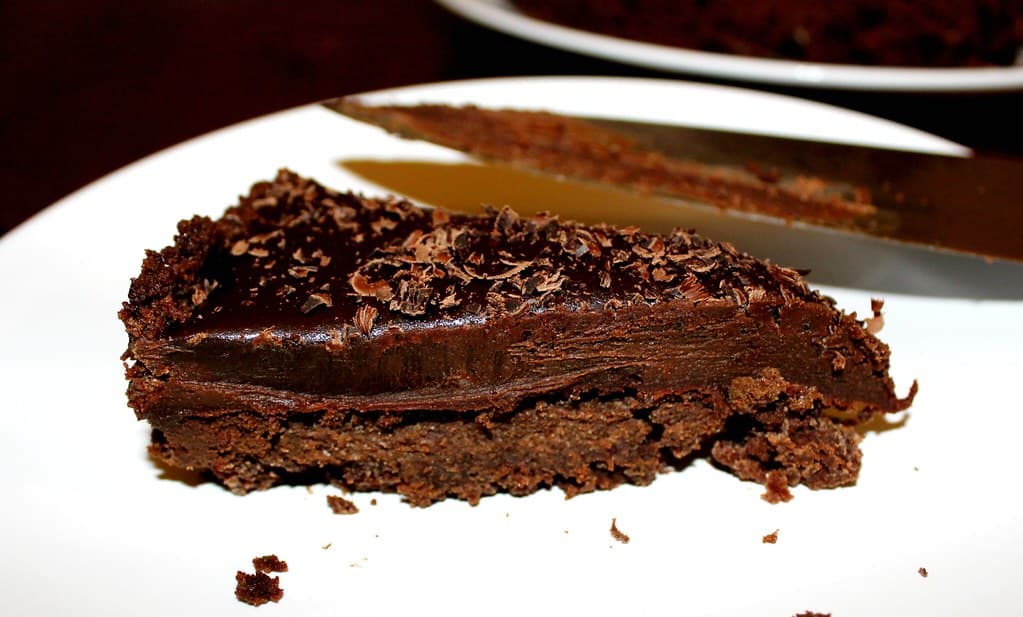
1970-1989
Mud Pie is a decadent chocolate-based pie featuring rich fudge or chocolate cookie crust, layered filling, and whipped cream topping. It gained popularity in American family restaurants and casual dining settings during the 1990s and 2000s as an indulgent dessert option. Mud Pie showcases the era's dessert trends emphasizing rich textures and bold chocolate flavors.
America's Melting Pot
Nachos with Cheese Sauce photo coming soon
1930-1945
Nachos with Cheese Sauce features crispy tortilla chips topped with a creamy melted cheese sauce, commonly served in school cafeterias and concession stands across the U.S. The simplicity and appeal of this snack have made it a beloved comfort food for children and adults alike.
America's Melting Pot
Neapolitan Shake photo coming soon
1900-1929
Neapolitan Shake pours old-school malt-shop cheer into a cold glass: Chocolate, vanilla, and strawberry together.
America's Melting Pot
New England Frappe photo coming soon
Postwar & Diner Age
New England Frappe celebrates New England dairy-bar pride in a cold glass: Milkshake with ice cream; regional name.
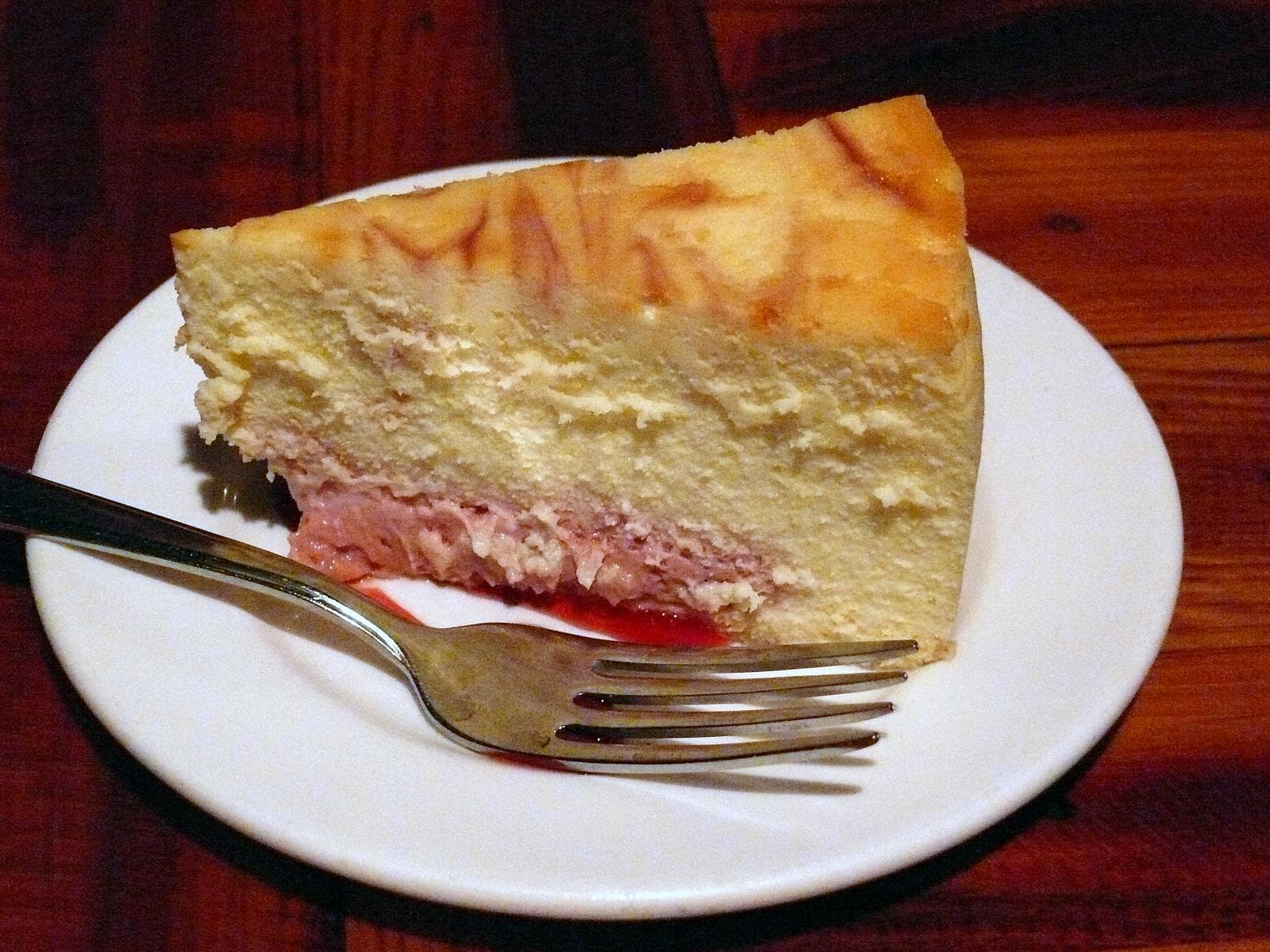
1946-1969
New York Cheesecake is a rich, dense dessert made with cream cheese, eggs, sugar, and a graham cracker crust. Emerging after World War II, it became a symbol of mid-20th-century American prosperity and indulgence, particularly associated with New York City bakeries.
America's Melting Pot
New York Egg Cream photo coming soon
Gilded Age & Progressive Era
New York Egg Cream is fizzy Americana from the soda-fountain counter: Milk, seltzer, and chocolate syrup; despite the name, no egg and no cream. Its exact origin is debated, but it is closely tied to New York soda fountains, Jewish delis, and candy stores.
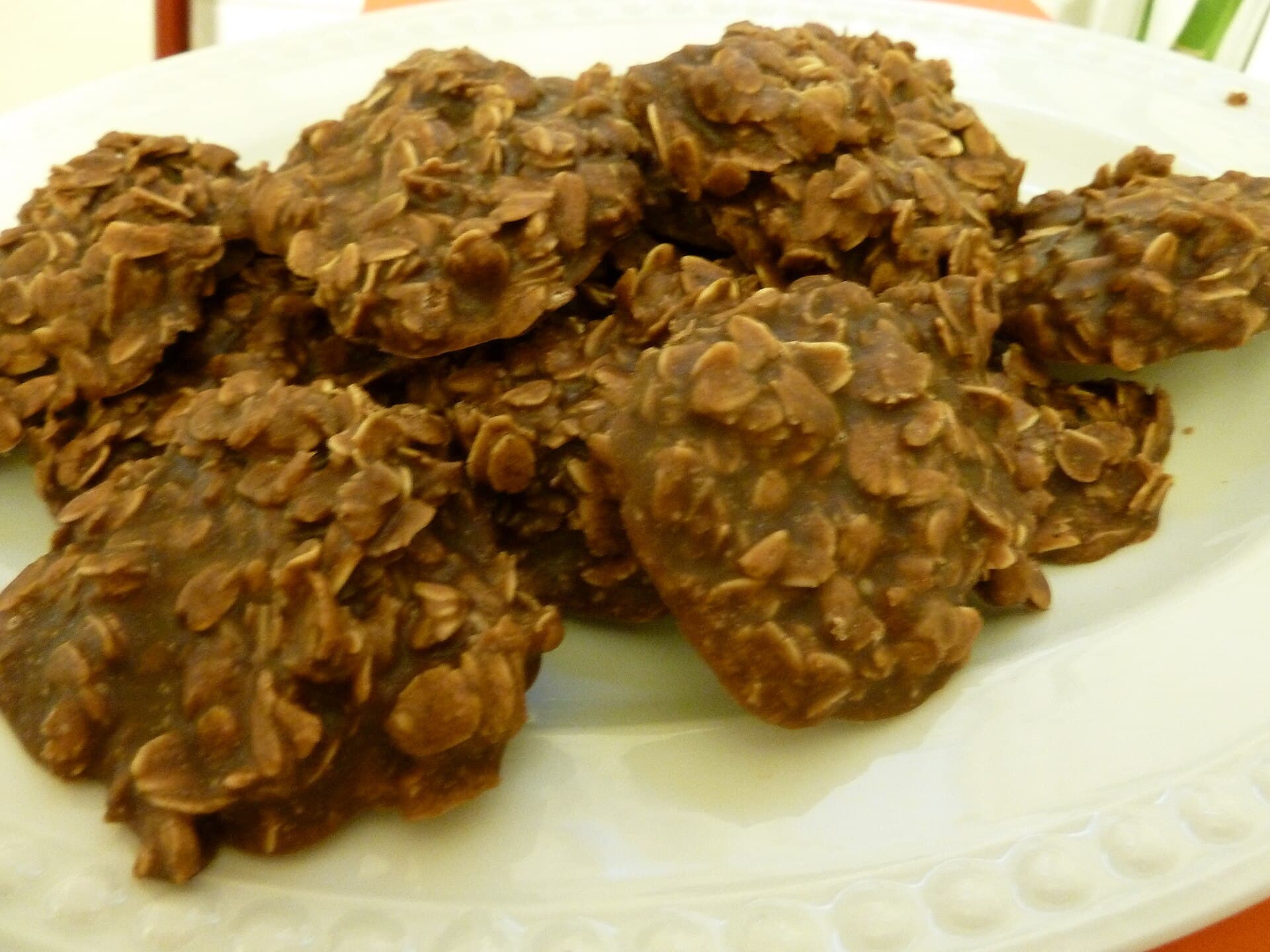
1946-1969
No-Bake Cookies are a quick, easy treat popular in American school cafeterias and concession stands. This dessert requires no oven baking and combines simple pantry staples into a chewy chocolate and oatmeal cookie form. A nostalgic and economical sweet snack loved across generations.
America's Melting Pot
Oatcakes photo coming soon
1800-1860
Oatcakes are wholesome, crunchy biscuits or cookies associated with Irish culinary heritage and popular among Irish-American communities in the 19th century. Made with basic pantry ingredients, they make a satisfying dessert or tea accompaniment reflecting simpler times and immigrant food traditions.
America's Melting Pot
Oatmeal Cream Pies photo coming soon
1930-1945
Oatmeal Cream Pies are soft, sandwich-style cookies filled with creamy vanilla filling. Popularized in mid-20th century America, especially postwar suburbs, these treats combined convenience with nostalgic comfort, becoming a lunchbox and snack staple representative of American childhood.
America's Melting Pot
Orange Carrot Ginger Smoothie photo coming soon
1970-1989
Orange Carrot Ginger Smoothie brings juice-bar color and American smoothie-counter energy to the glass: Juice bar staple.
America's Melting Pot
Orange Cream Julius photo coming soon
Postwar & Diner Age
Orange Cream Julius carries the bright, frothy spirit of American mall counters: Creamsicle-like variation.
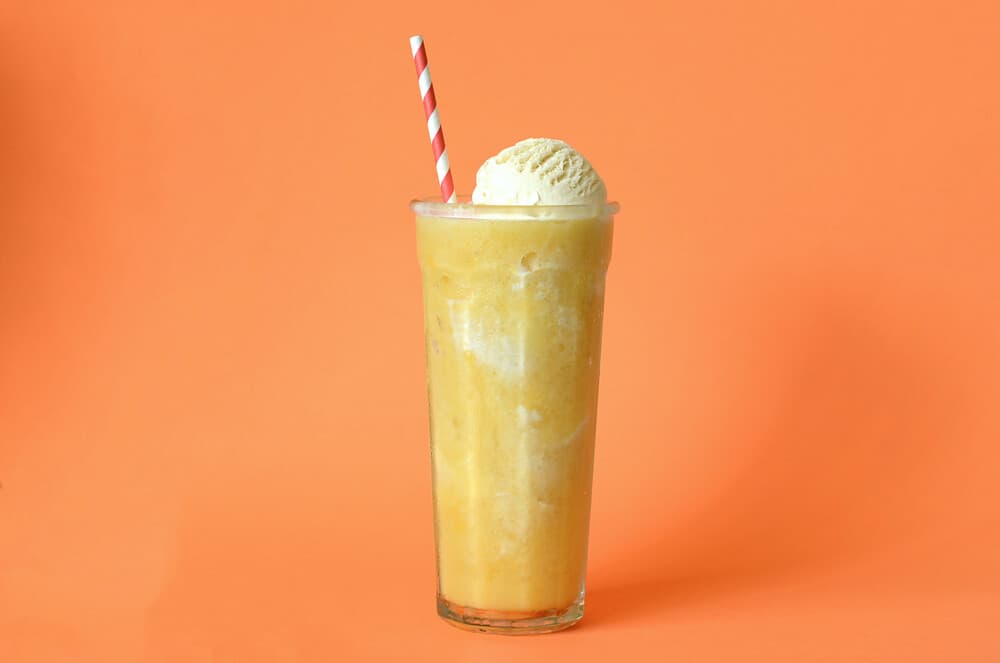
1900-1929
Orange Cream Shake pours old-school malt-shop cheer into a cold glass: Creamsicle-style flavor.
America's Melting Pot
Orange Freeze photo coming soon
Postwar & Diner Age
Orange Freeze carries the bright, frothy spirit of American mall counters: Ice cream stand orange-and-vanilla blended drink.
America's Melting Pot
Orange Malt photo coming soon
1900-1929
Orange Malt pours old-school malt-shop cheer into a cold glass: Orange Julius meets malt shop.
America's Melting Pot
Orange Sherbet Jell-O photo coming soon
1900-1929
Orange Sherbet Jell-O is a nostalgic gelatin-based dessert combining orange-flavored Jell-O and orange sherbet. Popular in mid-20th century America, especially during the postwar era, it exemplifies the era's fondness for refrigerated molded desserts often served at family gatherings and potlucks.
America's Melting Pot
Orange Sherbet Shake photo coming soon
Postwar & Diner Age
Orange Sherbet Shake carries the bright, frothy spirit of American mall counters: Creamsicle soda fountain cousin.
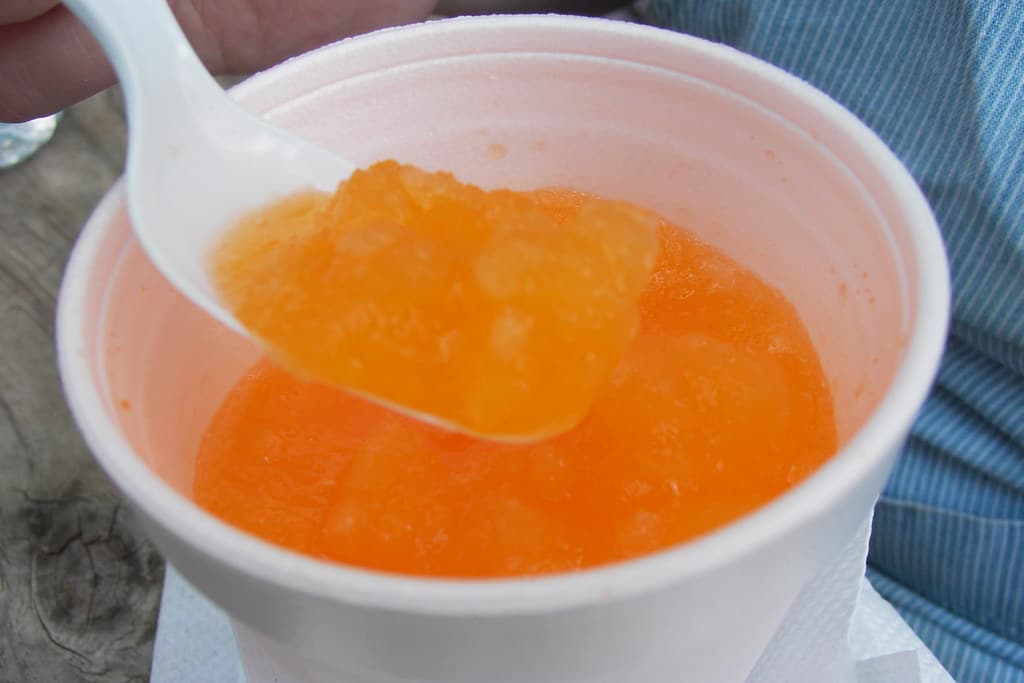
Modern Melting Pot
Orange Slush brings juice-bar color and American smoothie-counter energy to the glass: Ballpark and concession drink.
America's Melting Pot
Orange Soda Float photo coming soon
1861-1900
Orange Soda Float is fizzy Americana from the soda-fountain counter: Creamsicle-like float.
America's Melting Pot
Orange-Banana Julius photo coming soon
Postwar & Diner Age
Orange-Banana Julius carries the bright, frothy spirit of American mall counters: 1980s-1990s mall smoothie flavor.
America's Melting Pot
Orange-Pineapple Julius photo coming soon
Postwar & Diner Age
Orange-Pineapple Julius carries the bright, frothy spirit of American mall counters: Tropical mall classic.
America's Melting Pot
Oregon Marionberry Shake photo coming soon
Cross-era
Oregon Marionberry Shake salutes regional fruit country and the American dairy-stand tradition: Oregon.
America's Melting Pot
Oreo Concrete photo coming soon
Postwar & Diner Age
Oreo Concrete is thick, spoonable frozen-custard stand fun: Modern custard shop standard.
America's Melting Pot
Oreo Shake photo coming soon
1900-1929
Oreo Shake pours old-school malt-shop cheer into a cold glass: Possibly the king of chain-restaurant shakes.
America's Melting Pot
Original Orange Julius photo coming soon
Postwar & Diner Age
Original Orange Julius carries the bright, frothy spirit of American mall counters: Orange juice, dairy/egg-white-style foam tradition, sugar, vanilla; mall America icon.
America's Melting Pot
Ovaltine Malt photo coming soon
1900-1929
Ovaltine Malt pours old-school malt-shop cheer into a cold glass: Home pantry malted drink influence.
America's Melting Pot
Oyster Pie photo coming soon
1800-1860
Oyster Pie is a savory pie filled with oysters and often combined with vegetables and seasonings, baked in a flaky crust. As a traditional New England dish from the early immigration and expansion era, it reflects coastal harvests and colonial cooking styles preserving regional seafood heritage.
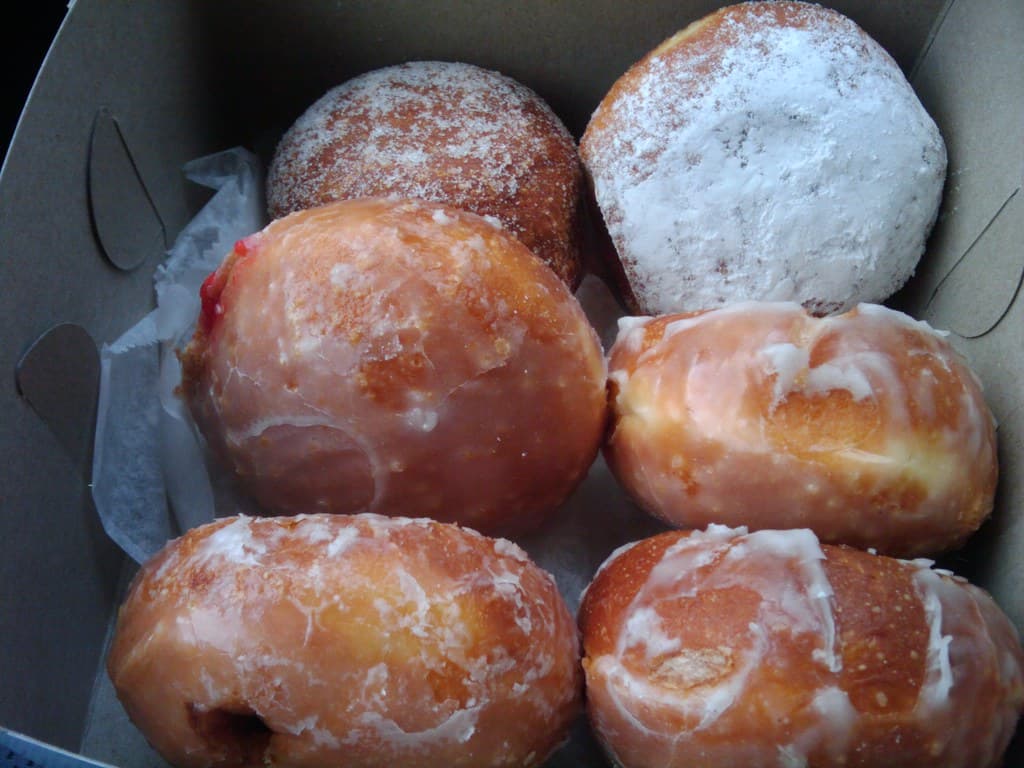
1900-1929
Paczki are rich, deep-fried Polish-style doughnuts filled with sweet fruit preserves or cream. Popular among Polish, Czech, Slovak, and other Eastern European communities in the US, they became a festive treat especially around Mardi Gras and Easter.
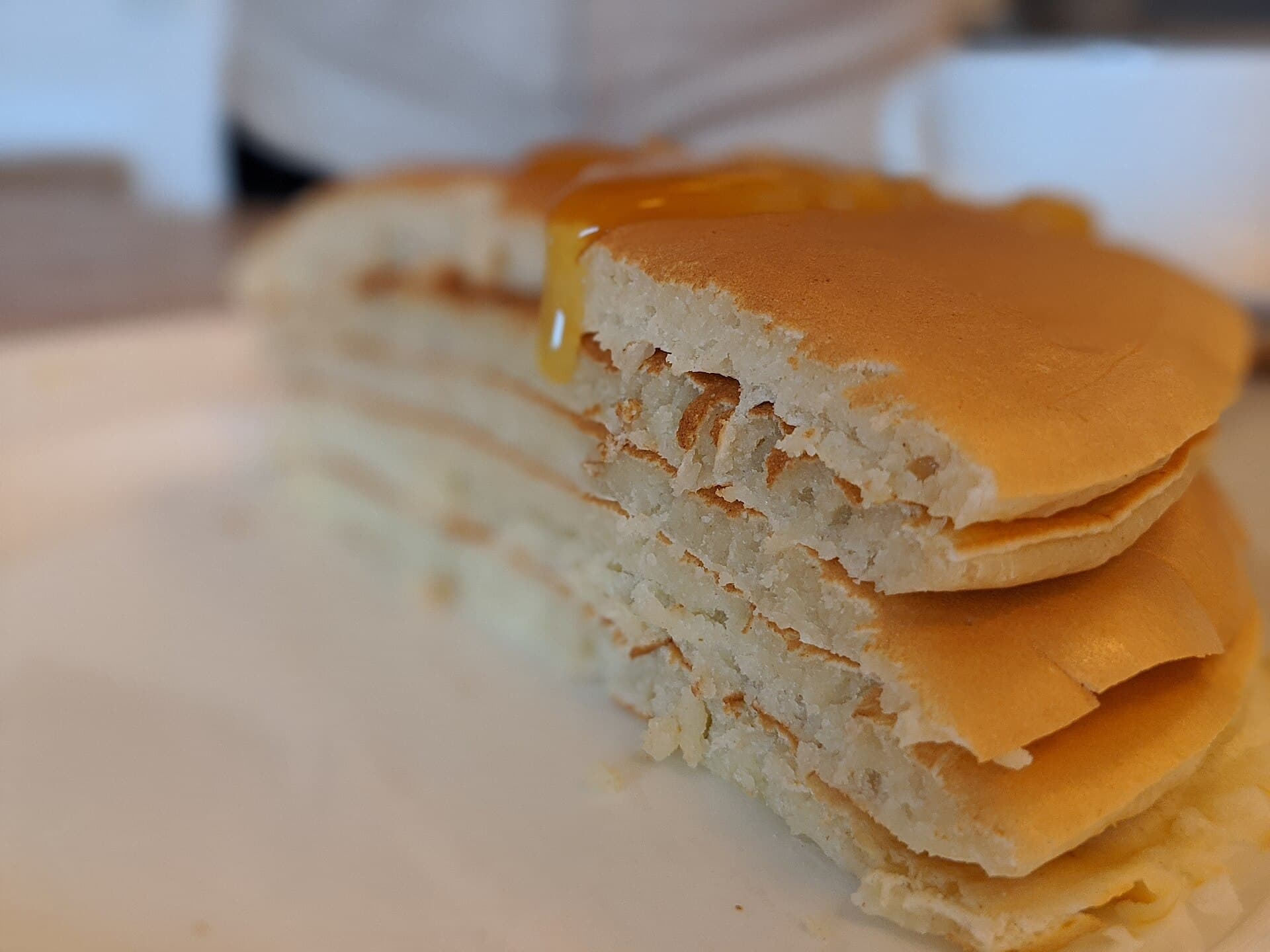
1776-1800
A tall stack of fluffy pancakes commonly served in American family restaurants and breakfast chains, often topped with butter, syrup, and sometimes fruit or whipped cream.
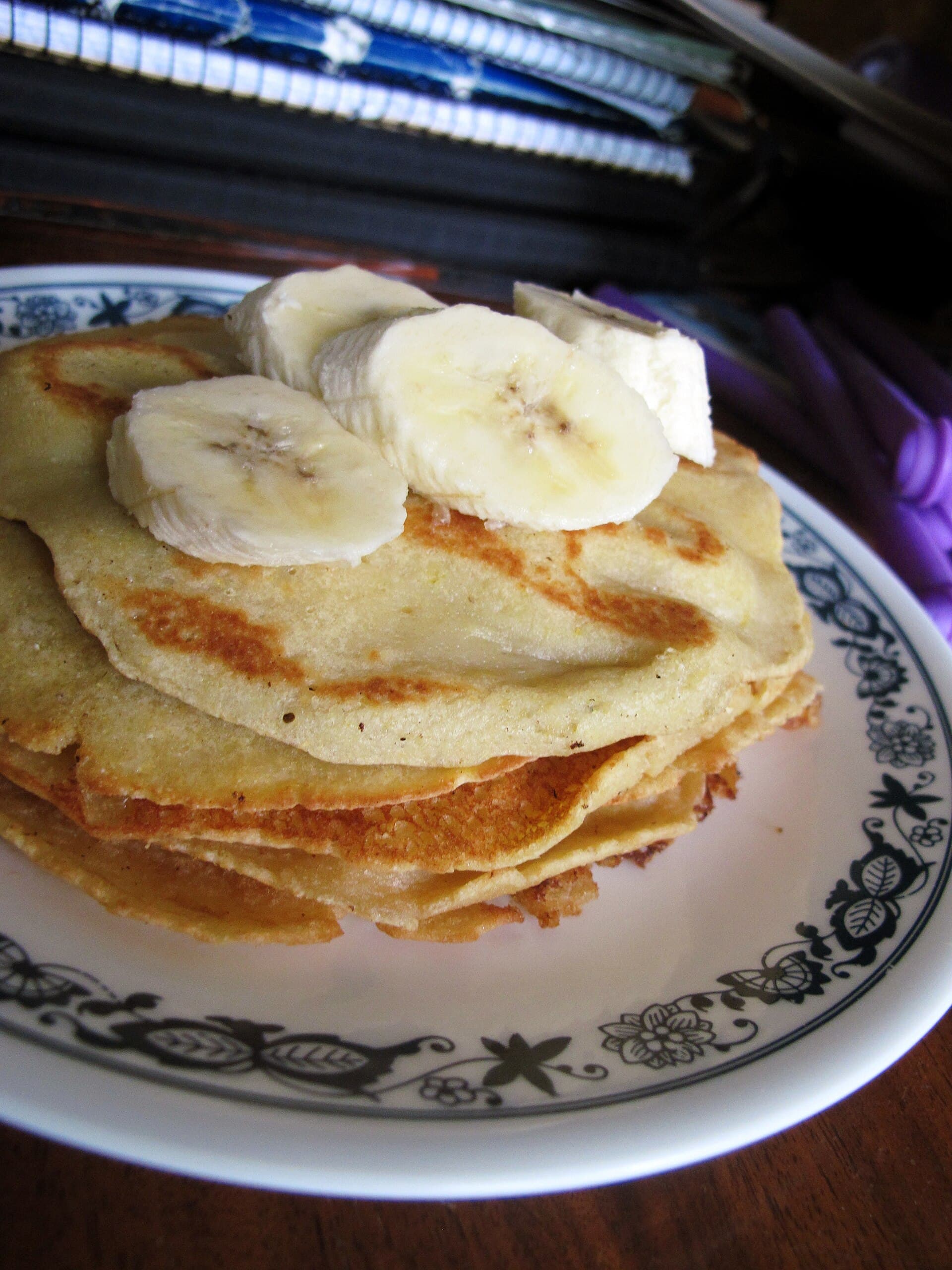
1776-1800
Pancakes are a quintessential American breakfast food consisting of flat, round cakes made from a simple batter of flour, eggs, milk, and leavening. They are typically cooked on a griddle and served with syrup, butter, or fruit toppings.
1776-1800
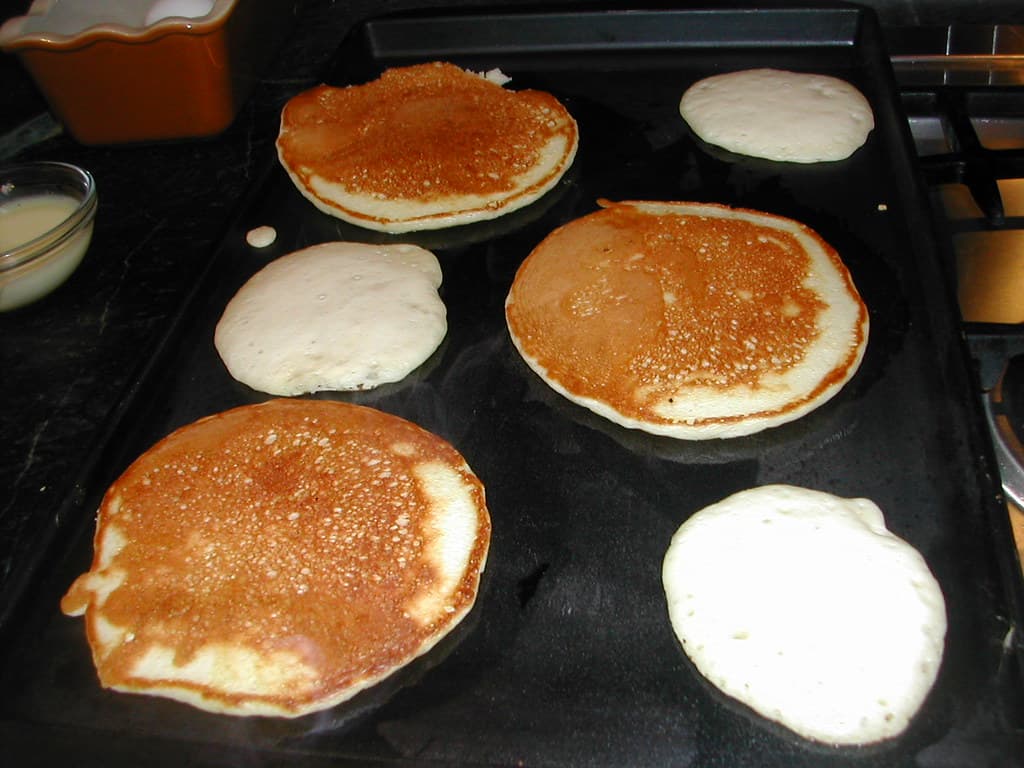
These pancakes reflect traditional camp and cabin cooking methods, using a straightforward batter cooked directly on a griddle or open fire. They are popular in hunting and fishing camps and rustic outdoor settings.
Cross-era
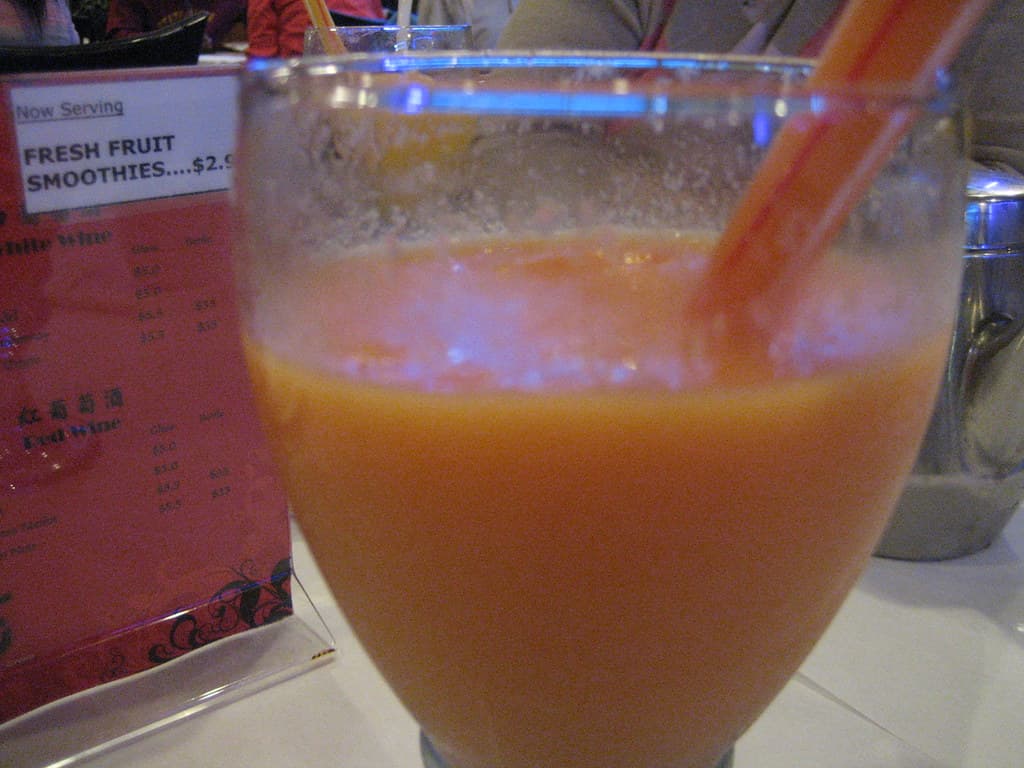
Papaya Smoothie salutes regional fruit country and the American dairy-stand tradition: Florida/Caribbean-American.
America's Melting Pot
Parsnip Cakes photo coming soon
1776-1800
Parsnip cakes are savory fried patties made from grated parsnips mixed with simple seasonings, common in late 18th-century American cooking. They highlight root vegetable use in early colonial diets, offering a wholesome side or dessert option depending on seasoning.
America's Melting Pot
Patriotic Berry Shortcake photo coming soon
1990-2009
Patriotic berry shortcake is a vibrant American dessert featuring layers of sweet biscuits or cake topped with fresh strawberries, blueberries, and whipped cream, celebrating national colors and festive occasions.
America's Melting Pot
Pawpaw Pudding photo coming soon
1800-1860
Pawpaw pudding is a traditional dessert from Appalachia made using the native pawpaw fruit, combined with sugar, eggs, and spices, resulting in a custardy, fruit-based pudding reflecting early American regional cooking.
America's Melting Pot
Pawpaw Shake photo coming soon
Cross-era
Pawpaw Shake salutes regional fruit country and the American dairy-stand tradition: Appalachia/Midwest native fruit.
1861-1900
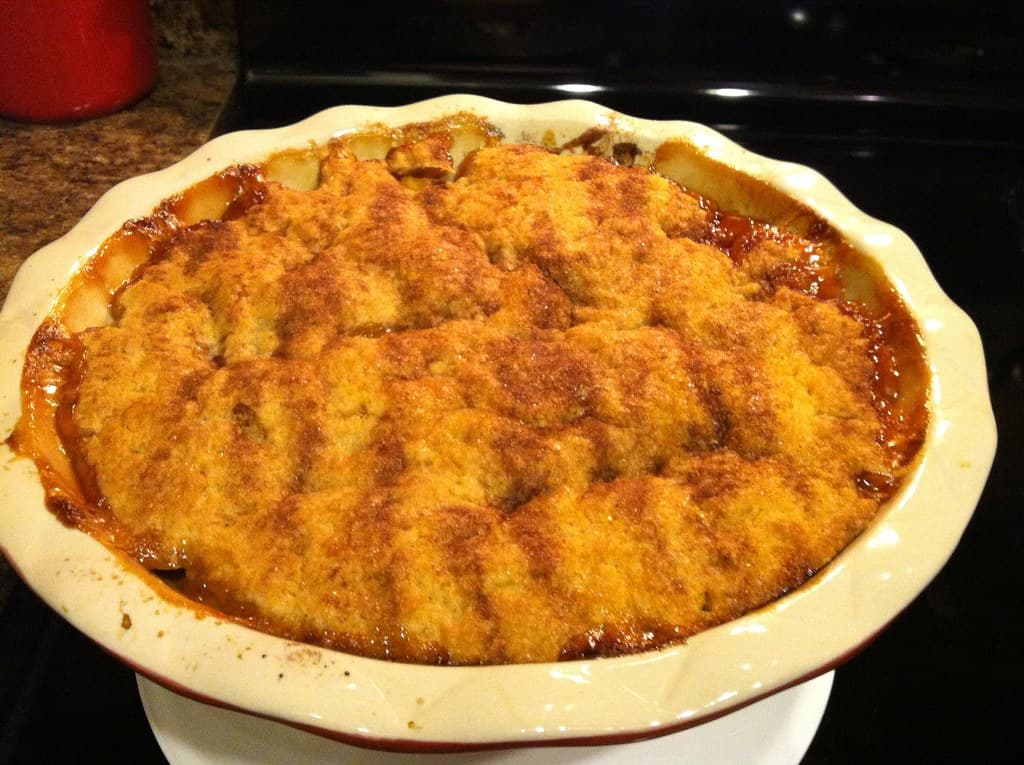
Peach cobbler is a comforting southern baked dessert featuring sweetened peaches topped with a biscuit or batter crust, baked until golden and bubbly. Widely enjoyed throughout the South, its origins trace to Reconstruction-era adaptations.
America's Melting Pot
Peach Cobbler Shake photo coming soon
Postwar & Diner Age
Peach Cobbler Shake brings drive-in, carhop, and fast-food dessert-counter energy to the table: Southern summer shake.
America's Melting Pot
Peach Mango Smoothie photo coming soon
1990-2009
Peach Mango Smoothie brings juice-bar color and American smoothie-counter energy to the glass: Chain smoothie standard.
America's Melting Pot
Peach Smoothie photo coming soon
Modern Melting Pot
Peach Smoothie brings juice-bar color and American smoothie-counter energy to the glass: Southern/farmstand flavor.
America's Melting Pot
Peanut Butter photo coming soon
1861-1900
Peanut Butter is a spread with real American table personality: Not exclusively American in concept, but deeply American in culture: PB&J, lunchboxes, cookies, pie. It brings flavor from coast-to-coast American tables to cookouts, counters, lunch plates, potlucks, and weeknight suppers.
1861-1900
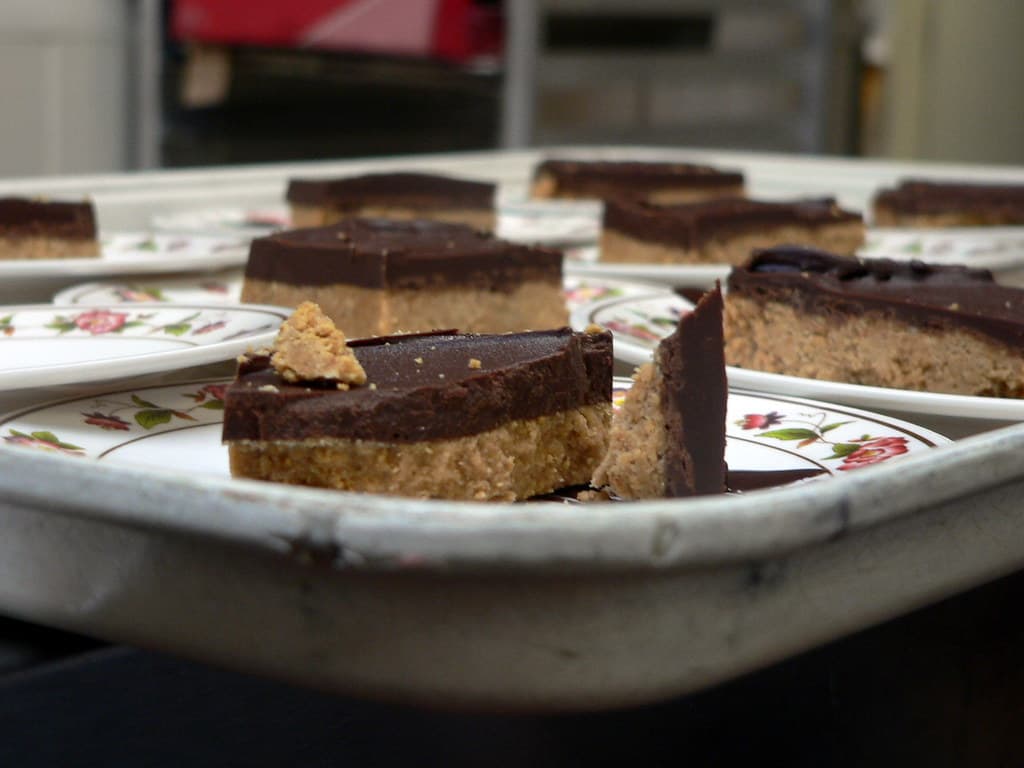
These peanut butter bars are a favorite treat served in American school cafeterias and concession stands, combining simple pantry ingredients into a sweet, chewy dessert. Enjoyed across various schools and events, their easy preparation and satisfying flavor make them a nostalgic and popular snack.
America's Melting Pot
Peanut Butter Chocolate Malt photo coming soon
1900-1929
Peanut Butter Chocolate Malt pours old-school malt-shop cheer into a cold glass: Candy-shop malt.
America's Melting Pot
Peanut Butter Chocolate Shake photo coming soon
1900-1929
Peanut Butter Chocolate Shake pours old-school malt-shop cheer into a cold glass: Candy-bar-style American shake.
Community recipe submission
Log in to submit a recipe, format it with the cooking companion, and send it for review.
Log in to Submit