
Loading
Setting the table...
Fetching the latest recipes from the archive.
Loading
Fetching the latest recipes from the archive.
Recipe archive
Recipe archive
Search the archive by title, region, ingredient, tag, or era, then sort the table by the view that fits your kitchen.
This archive is growing through recipes, photos, family recipes, and historical context shared by the community.
America's Melting Pot
Green Smoothie photo coming soon
1970-1989
Green Smoothie brings juice-bar color and American smoothie-counter energy to the glass: Spinach/kale, fruit, juice, yogurt.
America's Melting Pot
Green Tomato Preserves photo coming soon
Frontier & Expansion
Green Tomato Preserves is a preserve with real American table personality: Farm garden economy. It brings flavor from coast-to-coast American tables to cookouts, counters, lunch plates, potlucks, and weeknight suppers.
America's Melting Pot
Grilled Chicken Salad photo coming soon
1990-2009
Grilled Chicken Salad became popular in American suburbs and coffee shops during the 1990s-2000s as a health-oriented dish. Featuring marinated grilled chicken over mixed greens with fresh vegetables and vinaigrette, it is common at Super Bowl gatherings and casual dining venues.
America's Melting Pot
Grits photo coming soon
Before 1776
Grits, made from ground corn, are a Southern breakfast cornerstone in American cuisine across many eras. Simple and adaptable, grits are often served creamy with butter, cheese, or savory toppings, symbolizing Southern hospitality and regional identity.
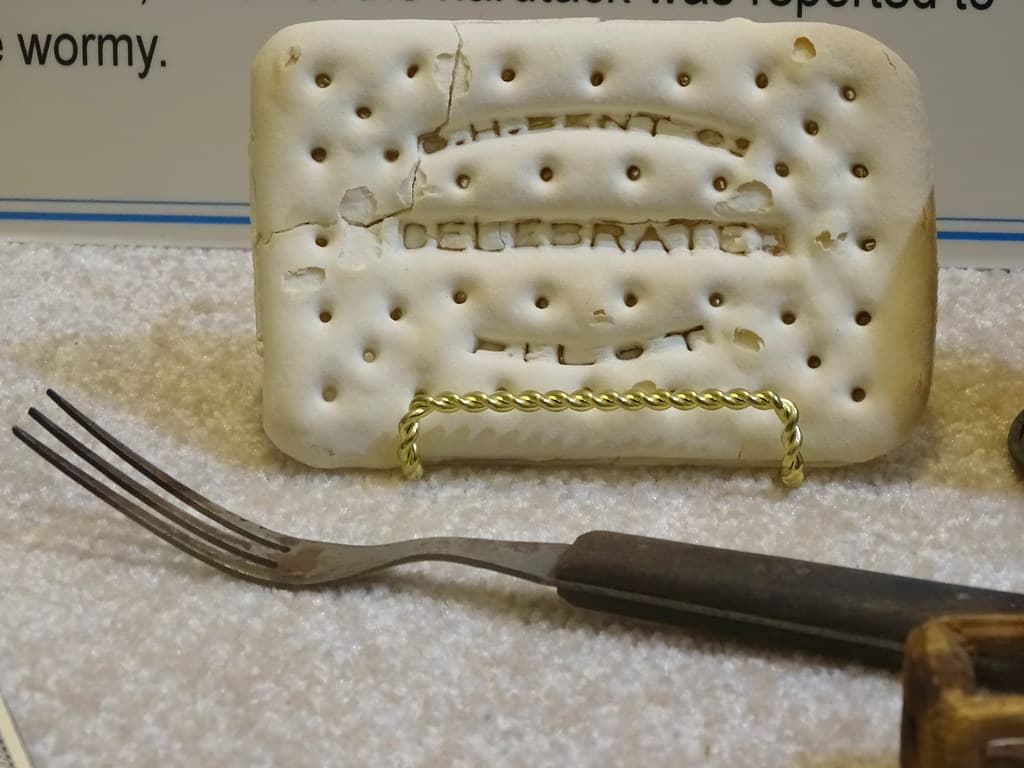
1861-1900
Hardtack is a simple, dense biscuit made from flour, water, and sometimes salt, designed as long-lasting hard bread for soldiers and sailors. It was a fundamental ration during the American Civil War and frontier settlement, valued for shelf stability despite its hardness.
America's Melting Pot
Hash photo coming soon
1861-1900
Hash is a savory dish combining chopped cooked meat, potatoes, onions, and seasoning, originally made to use leftovers efficiently. It was a practical meal served in American railroad camps, mining towns, and boardinghouses during the late 19th century.
America's Melting Pot
Hash Browns photo coming soon
1900-1929
Hash browns are shredded or diced potatoes pan-fried until golden and crisp, popularized in American diners and lunch counters during the early 20th century. Served primarily at breakfast, they embody simple, rustic comfort food.
America's Melting Pot
Hasty Pudding photo coming soon
Before 1776
Hasty pudding is a simple cornmeal porridge traditionally eaten for breakfast, traced to colonial America and The Revolutionary Table era. It historically used accessible grains and minimal ingredients to provide warm sustenance.
America's Melting Pot
Hoecakes photo coming soon
Before 1776
Hoecakes are simple cornmeal flatbreads or pancakes cooked on a griddle. Dating to the Revolutionary era, they provided a quick, hearty breakfast or side dish using native grains with minimal ingredients.
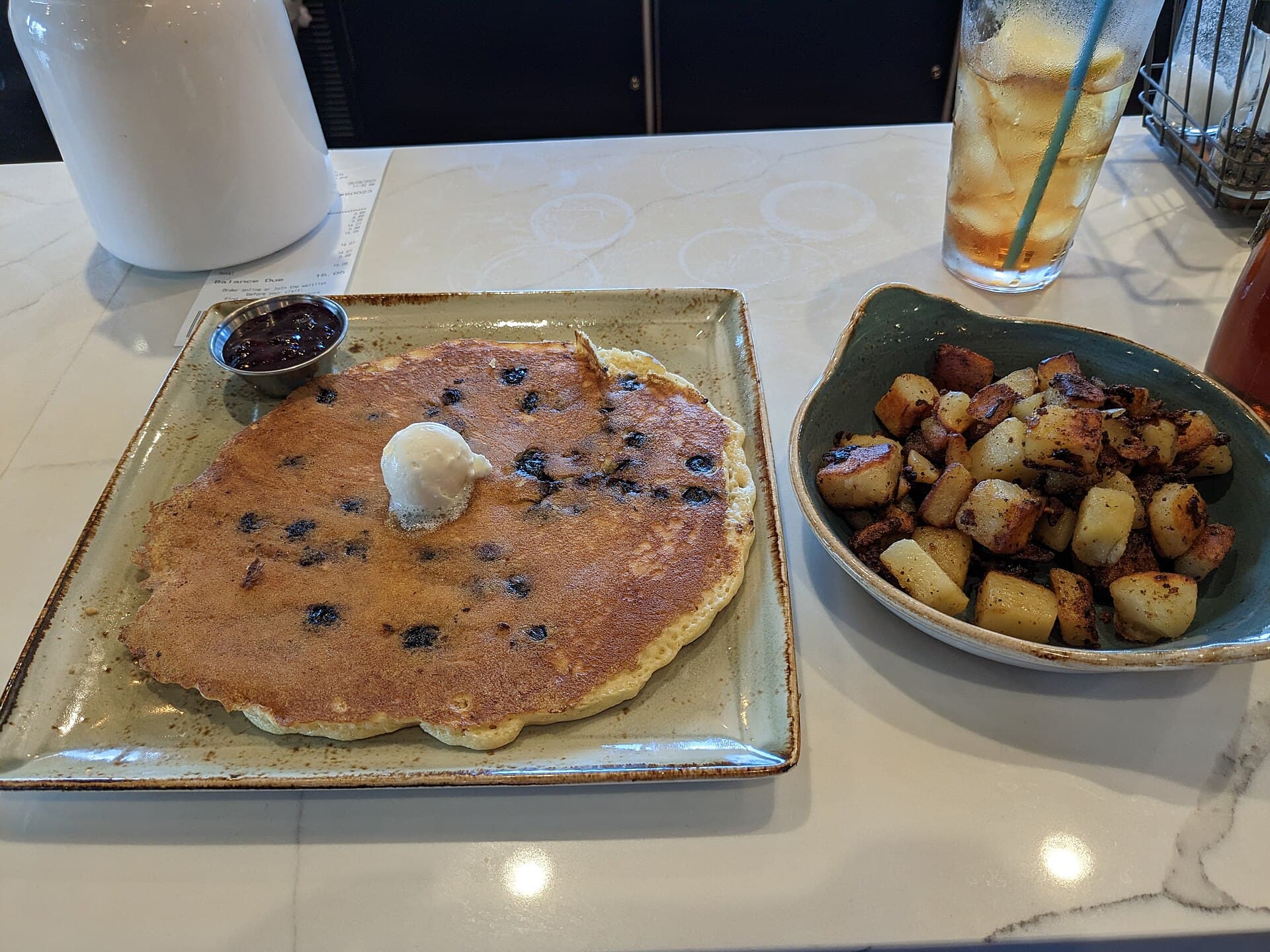
1900-1929
Home fries are diced or sliced potatoes pan-fried with onions and seasoning, commonly served at American diners with breakfast. Emerging in early 20th-century immigrant cities, they offer a warm and crispy potato side dish.
America's Melting Pot
Hot Honey photo coming soon
2010-2026
Hot Honey is a condiment with real American table personality: Modern American pizza, fried chicken, and biscuit condiment. It brings flavor from coast-to-coast American tables to cookouts, counters, lunch plates, potlucks, and weeknight suppers.
America's Melting Pot
Hot Pepper Jelly photo coming soon
Cross-era
Hot Pepper Jelly is a condiment with real American table personality: Southern party staple, often served over cream cheese. It brings flavor from the American South to cookouts, counters, lunch plates, potlucks, and weeknight suppers.
America's Melting Pot
Hot Turkey Sandwich Gravy photo coming soon
1900-1929
Hot Turkey Sandwich Gravy is a condiment with real American table personality: Diner open-faced sandwich staple. It brings flavor from coast-to-coast American tables to cookouts, counters, lunch plates, potlucks, and weeknight suppers.
America's Melting Pot
Huckleberry Jam photo coming soon
Cross-era
Huckleberry Jam is a preserve with real American table personality: Montana, Idaho, Pacific Northwest, and mountain West. It brings flavor from the Pacific Northwest and Mountain West to cookouts, counters, lunch plates, potlucks, and weeknight suppers.
America's Melting Pot
Huckleberry Syrup photo coming soon
Cross-era
Huckleberry Syrup is a sweet sauce with real American table personality: Mountain West pancakes and ice cream. It brings flavor from the Pacific Northwest and Mountain West to cookouts, counters, lunch plates, potlucks, and weeknight suppers.
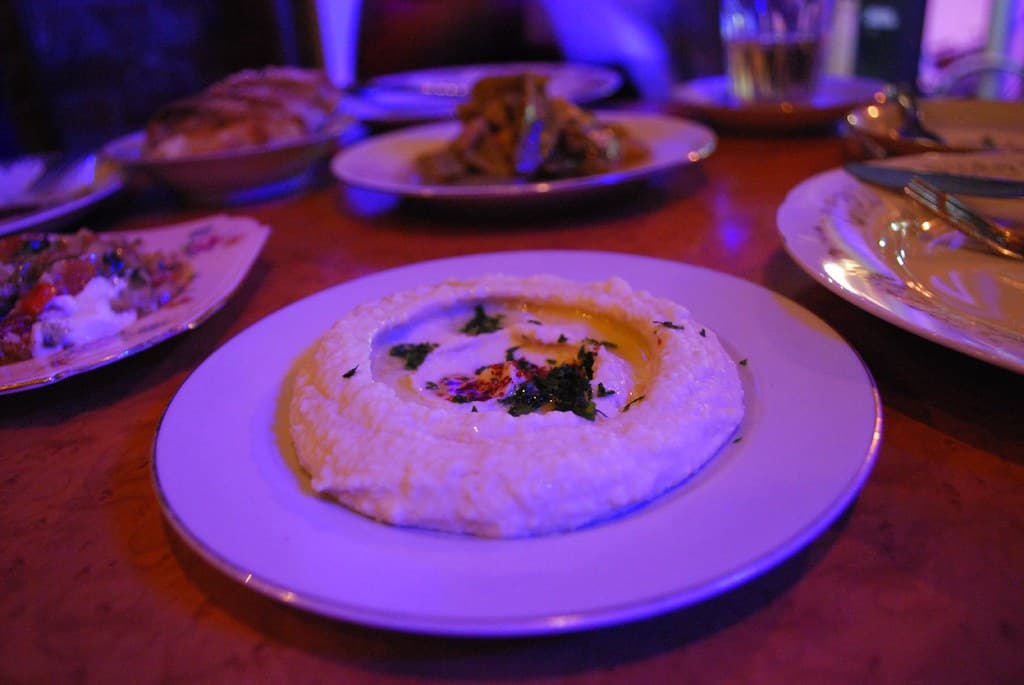
1946-1969
This classic hummus recipe, now a staple in American suburban households and coffee shops, reflects the successful immigrant adaptation of Middle Eastern flavors into American food culture from 1990 to 2009. It gained notable popularity as a healthy and flavorful snack and Super Bowl food item.
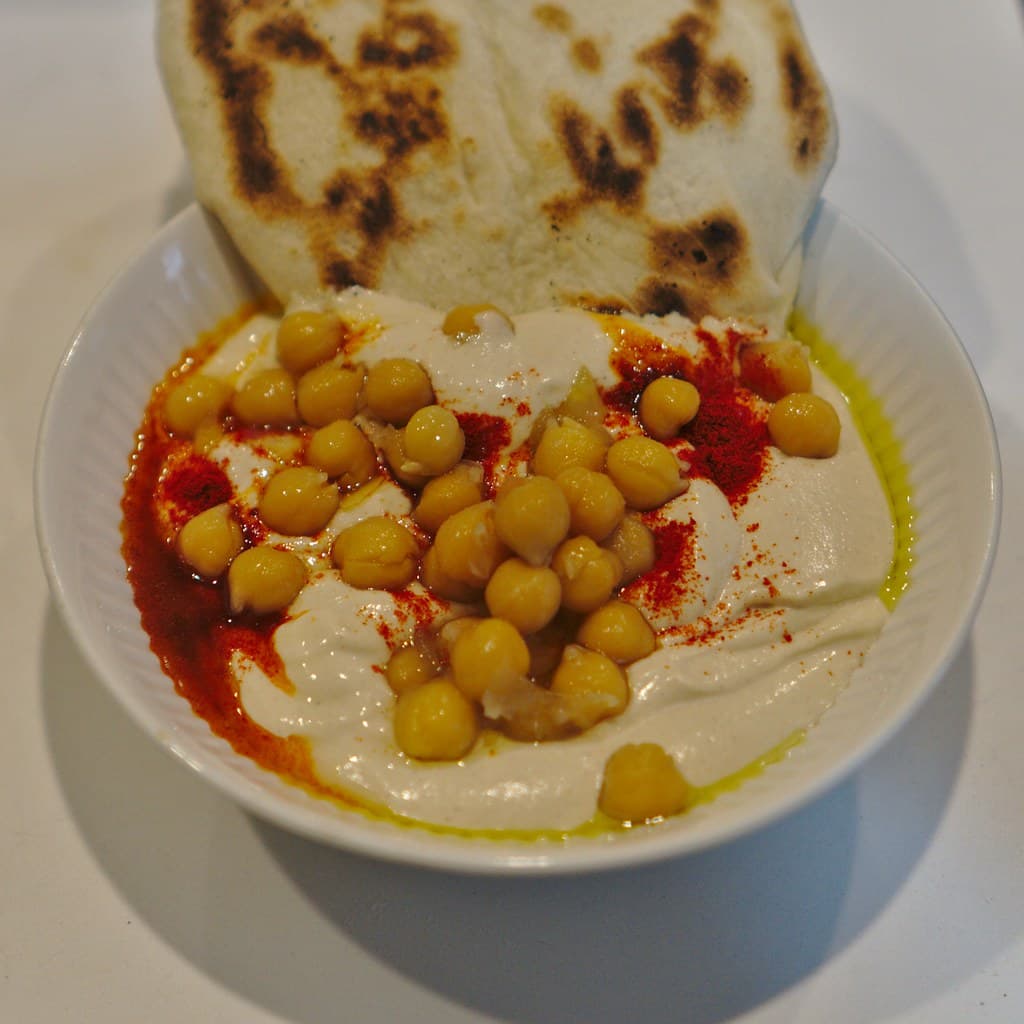
1946-1969
Hummus paired with pita bread became a popular combination in American suburbs during the 1990-2009 era, often featured in coffee shops and casual Super Bowl gatherings. This pairing highlights the meeting of Middle Eastern culinary staples with American casual dining culture.
America's Melting Pot
Iced Coffee photo coming soon
1990-2009
Iced coffee became a widely enjoyed beverage in American coffee shops and bakeries during the 1990s to 2009. Its popularity grew as consumers sought refreshing coffee drinks, especially in warmer months, linked with suburban and urban coffee culture expansion.
America's Melting Pot
Italian Soda, American Coffeehouse Style photo coming soon
1900-1929
Italian Soda, American Coffeehouse Style is fizzy Americana from the soda-fountain counter: Syrup, soda, and cream, popularized in American cafes.
America's Melting Pot
Jalapeno Jelly photo coming soon
Cross-era
Jalapeno Jelly is a preserve with real American table personality: Texas/Southwest/Southern sweet-hot jelly. It brings flavor from the American South to cookouts, counters, lunch plates, potlucks, and weeknight suppers.
America's Melting Pot
Java Chip Blended Coffee photo coming soon
Modern Melting Pot
Java Chip Blended Coffee blends coffeehouse America with milkshake-style fun: Dessert coffee drink.
America's Melting Pot
Jellied Cranberry Sauce photo coming soon
Founding Era
Jellied Cranberry Sauce is a preserve with real American table personality: Thanksgiving can-shaped icon. It brings flavor from New England to cookouts, counters, lunch plates, potlucks, and weeknight suppers.
America's Melting Pot
Jezebel Sauce photo coming soon
Cross-era
Jezebel Sauce is a condiment with real American table personality: Southern sweet-hot sauce, usually pineapple preserves, apple jelly, horseradish, mustard, and pepper. It brings flavor from the American South to cookouts, counters, lunch plates, potlucks, and weeknight suppers.
America's Melting Pot
Johnnycakes photo coming soon
1776-1800
Johnnycakes are simple, pan-fried cornmeal flatbreads traditionally eaten for breakfast in New England during the late 18th century. Made primarily from cornmeal, water, and salt, they reflect Native American influences combined with colonial foodways, serving as an economical and filling meal for settlers and indigenous peoples alike.
America's Melting Pot
Kale Pineapple Smoothie photo coming soon
Modern Melting Pot
Kale Pineapple Smoothie brings juice-bar color and American smoothie-counter energy to the glass: 2010s health-food flavor.
1800-1860
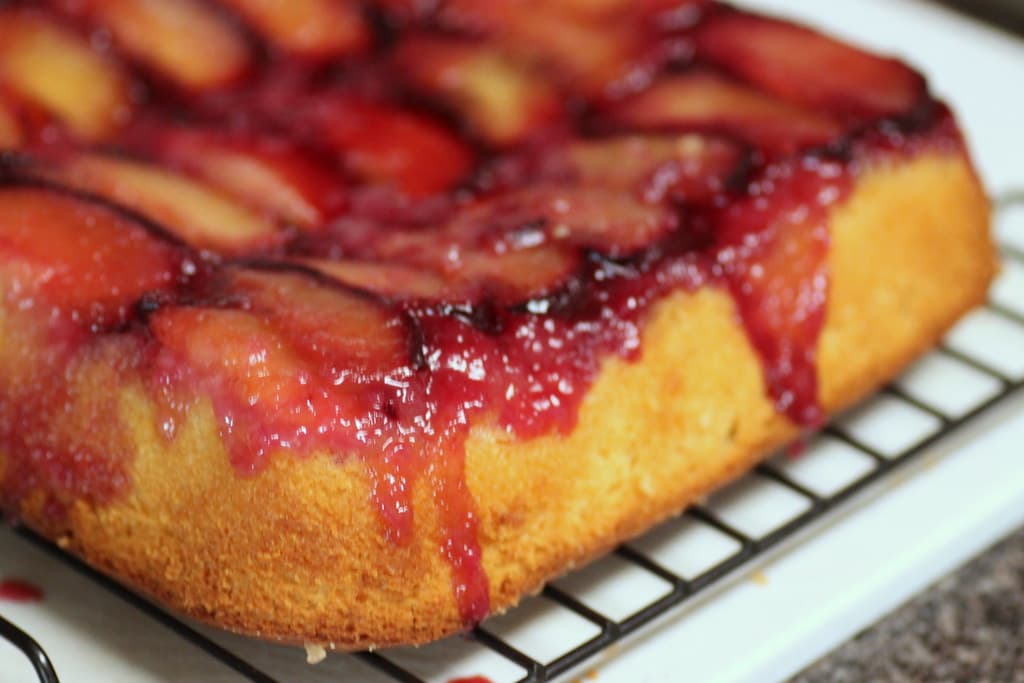
Kuchen, German for cake, refers to a variety of fruit or custard-topped cakes introduced to American Great Plains by German immigrants in the 19th century. These cakes were often baked for social and family occasions, reflecting adaptation of old-world recipes to local fruits and dairy, making them a staple in immigrant households.
1861-1900
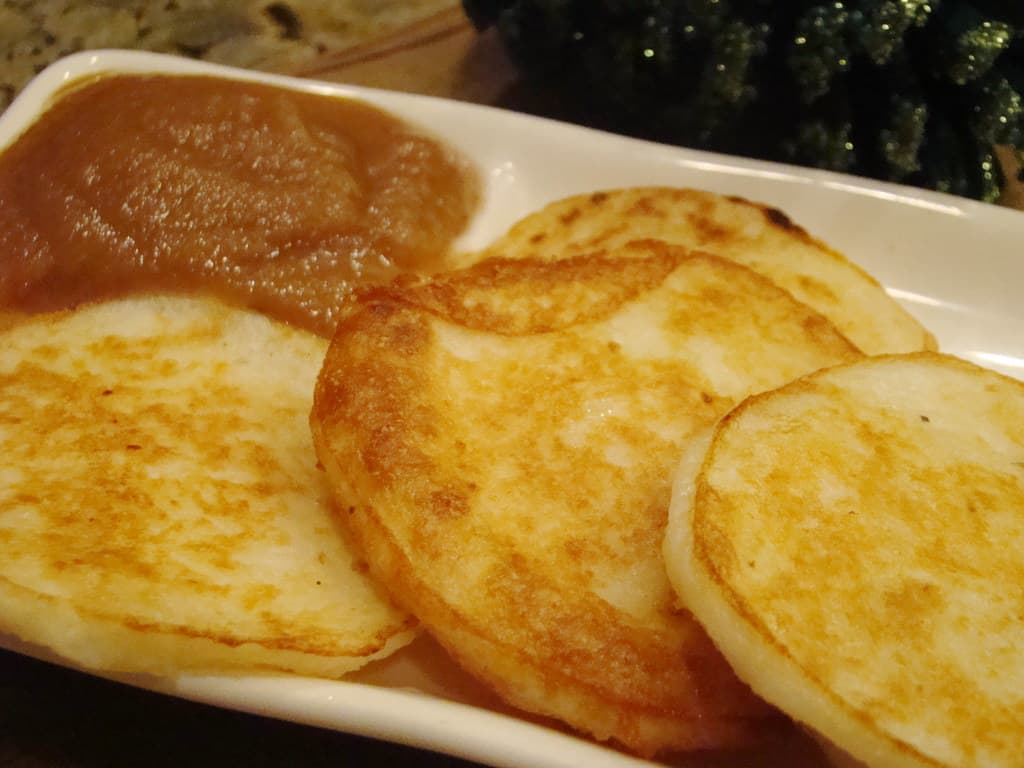
Latkes are fried potato pancakes traditionally served during Hanukkah, tracing back to Jewish communities of Eastern Europe. Brought to America by Jewish immigrants in the late 19th century, latkes symbolize cultural resilience and holiday observance, made from grated potatoes, onions, and eggs, fried to golden crispness and served with applesauce or sour cream.
1990-2009
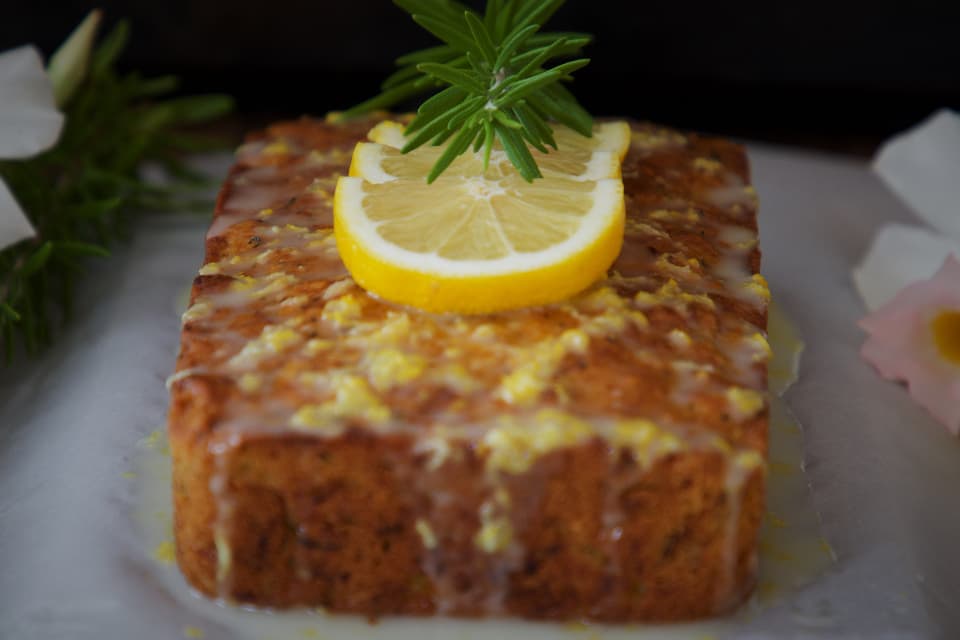
Lemon loaf is a soft, moist quick bread flavored with lemon zest and juice, topped with a sweet lemon glaze. It gained popularity in American coffee shops and bakeries in the 1990s and 2000s as a bright, fresh counterpart to traditional morning breads and snack cakes.
America's Melting Pot
Lemon Shake-Up photo coming soon
1900-1929
Lemon Shake-Up brings juice-bar color and American smoothie-counter energy to the glass: State fair and county fair staple.
America's Melting Pot
Limeade Slush photo coming soon
Modern Melting Pot
Limeade Slush brings juice-bar color and American smoothie-counter energy to the glass: Drive-in and fair drink.
America's Melting Pot
Low-Fat Muffins photo coming soon
1970-1989
Low-fat muffins are moist quick breads with reduced fat content, often made with fruit or whole grain ingredients. They became popular in American coffee shops and health food circles during the 1990s and 2000s as people sought healthier breakfast and snack options.
America's Melting Pot
Machaca photo coming soon
1800-1860
Machaca is a traditional dried and shredded beef dish originating from the Mexican borderlands and adapted by Southwestern US communities. Often rehydrated then cooked with eggs, peppers, or served in tortillas, machaca represents resourceful preservation of meat in frontier economies, combining Spanish and Indigenous culinary techniques prevalent prior to and during early American expansion.
1861-1900
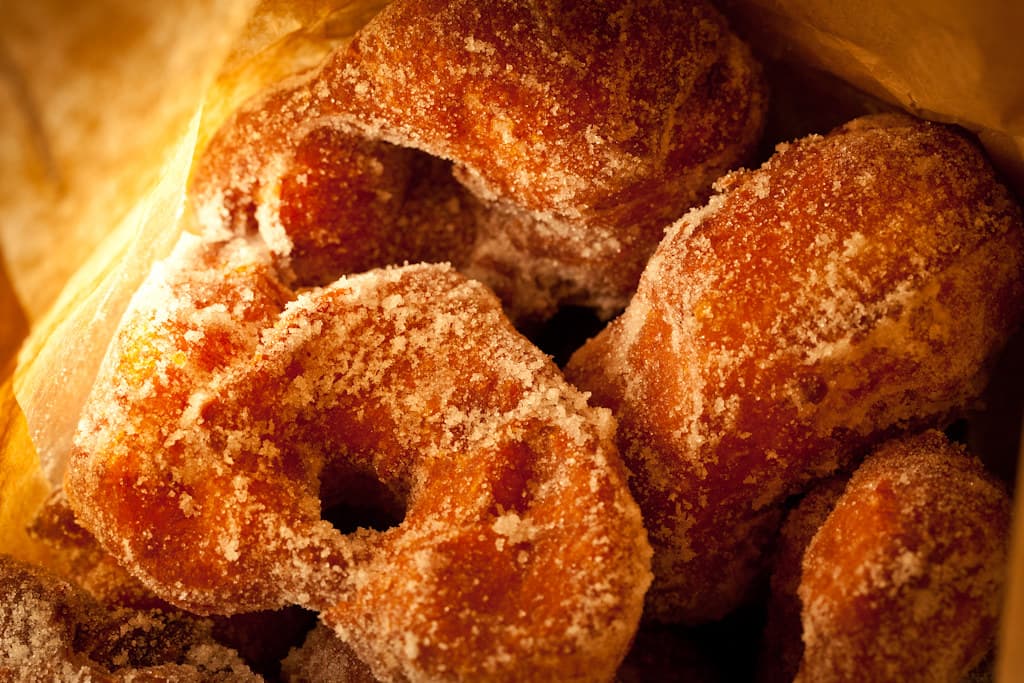
Malasadas are Portuguese-style fried doughnuts, soft and fluffy, rolled in sugar, introduced to Hawaii by Portuguese immigrant workers. Adopted widely in Hawaiian breakfasts and celebrations, malasadas exemplify the blending of immigrant traditions with local food culture, enjoyed across generations and served in bakeries and breakfast tables across the islands.
America's Melting Pot
Malt-O-Meal photo coming soon
1900-1929
Malt-O-Meal is a hot breakfast cereal made from toasted wheat, known for its quick cooking and comforting, malty flavor. Positioned as a convenient alternative to traditional oatmeal or cream of wheat, this cereal reflects American adaptations of grain-based breakfast porridges and the rise of packaged breakfast convenience foods across the 20th century.
America's Melting Pot
Mango Pineapple Smoothie photo coming soon
Modern Melting Pot
Mango Pineapple Smoothie brings juice-bar color and American smoothie-counter energy to the glass: Mall and airport smoothie bar flavor.
1990-2009
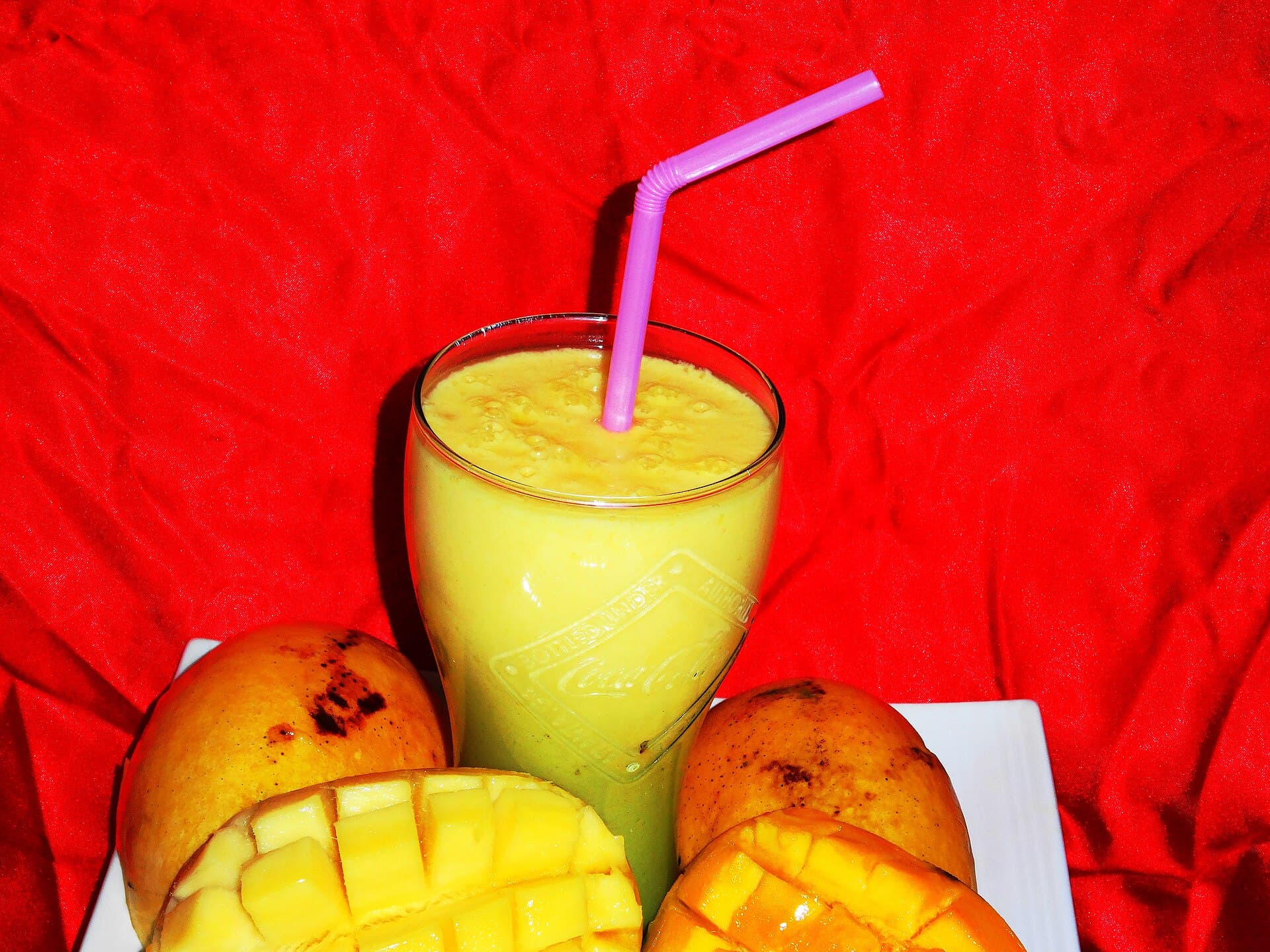
Mango Smoothie brings juice-bar color and American smoothie-counter energy to the glass: Tropical smoothie-shop favorite.
America's Melting Pot
Maple Apple Butter photo coming soon
Frontier & Expansion
Maple Apple Butter is a preserve with real American table personality: New England/Appalachian mashup. It brings flavor from New England to cookouts, counters, lunch plates, potlucks, and weeknight suppers.
America's Melting Pot
Maple Frappe photo coming soon
Postwar & Diner Age
Maple Frappe celebrates New England dairy-bar pride in a cold glass: New England maple variation.
Founding Era
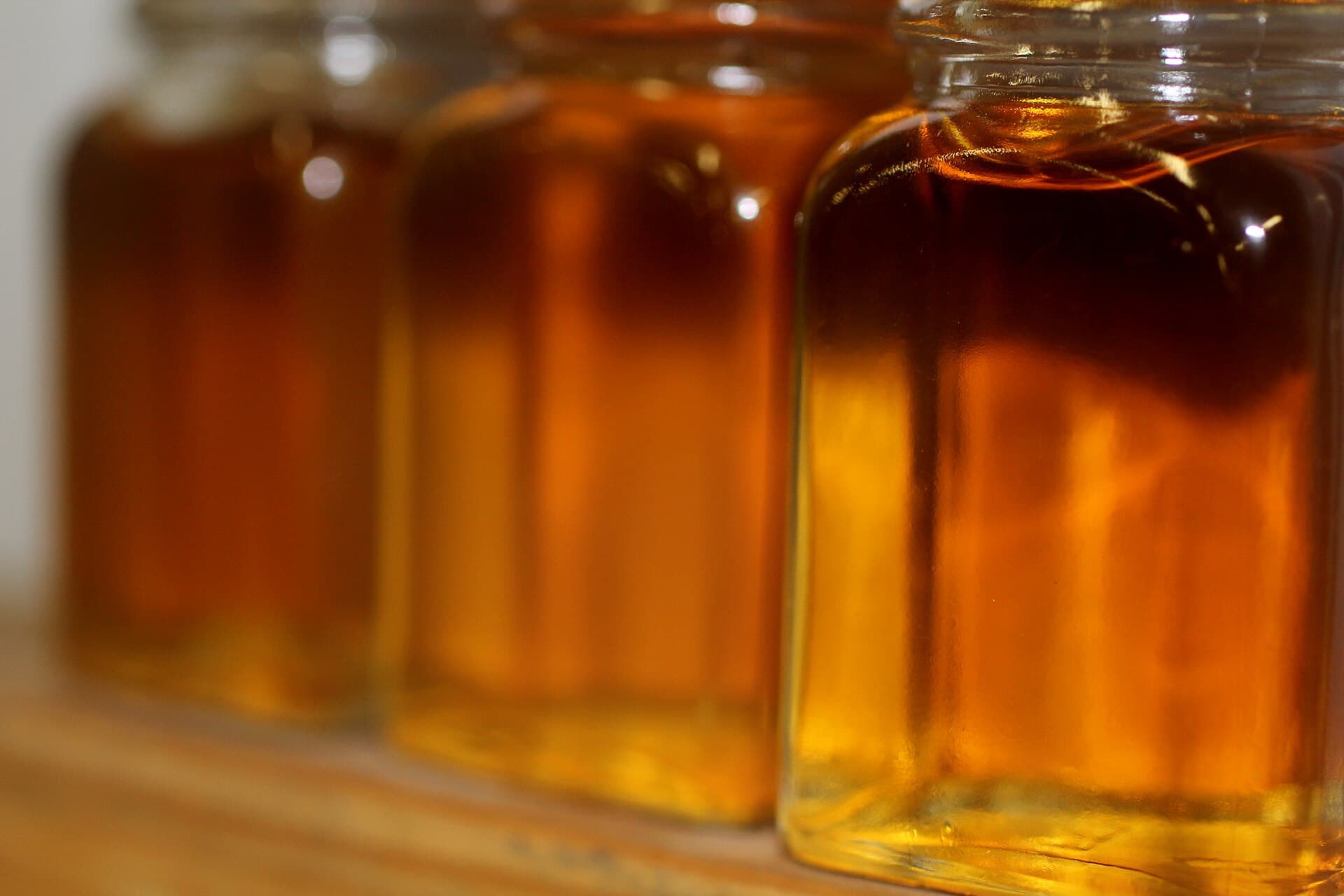
Maple Syrup is a sweet sauce with real American table personality: Indigenous North American foodway adopted and commercialized across New England and the Upper Midwest. It brings flavor from New England to cookouts, counters, lunch plates, potlucks, and weeknight suppers.
America's Melting Pot
Marionberry Jam photo coming soon
Cross-era
Marionberry Jam is a preserve with real American table personality: Oregon original blackberry cultivar released in 1956 by USDA/OSU and named for Marion County, Oregon. It brings flavor from the Pacific Northwest and Mountain West to cookouts, counters, lunch plates, potlucks, and weeknight suppers.
America's Melting Pot
Mayhaw Jelly photo coming soon
Cross-era
Mayhaw Jelly is a preserve with real American table personality: Southern wetland fruit jelly; mayhaws are native to the southern U.S. It brings flavor from the American South to cookouts, counters, lunch plates, potlucks, and weeknight suppers.
America's Melting Pot
Meal Replacement Smoothie photo coming soon
1970-1989
Meal Replacement Smoothie brings juice-bar color and American smoothie-counter energy to the glass: 1990s-2000s diet culture.
America's Melting Pot
Mesquite Jelly/Syrup photo coming soon
Cross-era
Mesquite Jelly/Syrup is a preserve with real American table personality: Southwestern desert pantry. It brings flavor from the American South to cookouts, counters, lunch plates, potlucks, and weeknight suppers.
America's Melting Pot
Milk Gravy photo coming soon
Frontier & Expansion
Milk Gravy is a condiment with real American table personality: Farmhouse pan gravy. It brings flavor from coast-to-coast American tables to cookouts, counters, lunch plates, potlucks, and weeknight suppers.
America's Melting Pot
Milk Toast photo coming soon
1930-1945
Milk Toast is a comforting dish that emerged during the Great Depression, combining plain toasted bread soaked in warm milk. This modest recipe reflects the era's frugality and need for simple, easy-to-digest nourishment during challenging economic times.
1776-1800
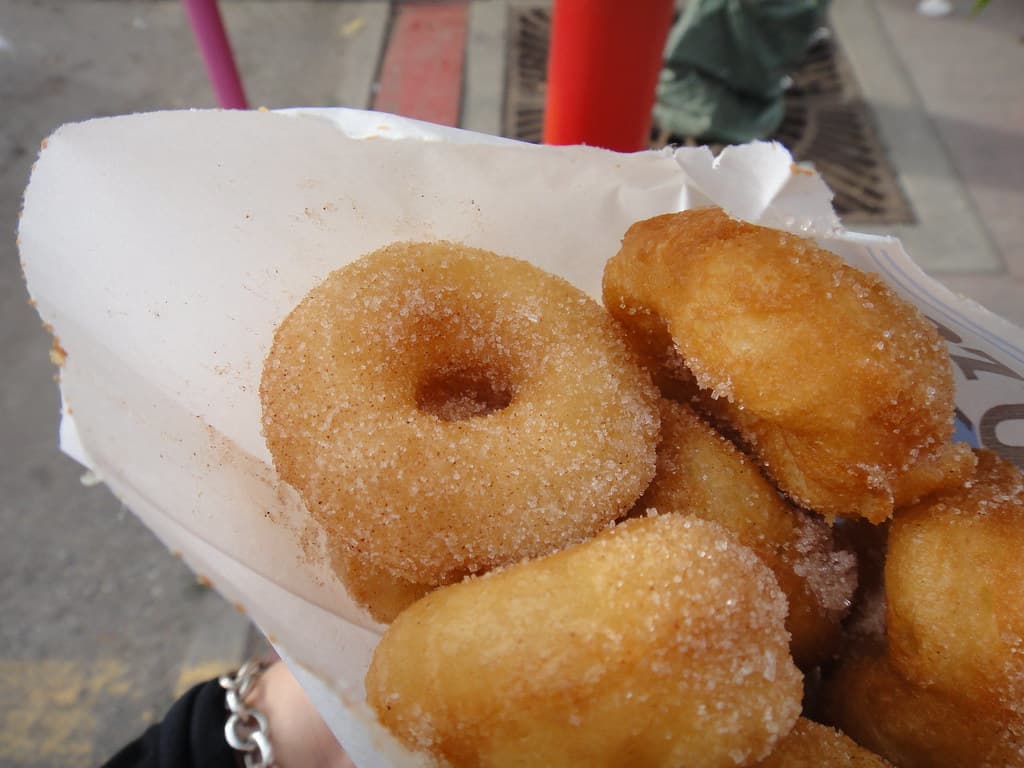
Mini donuts are tiny, fried doughnuts commonly enjoyed at American state fairs, carnivals, and diners during the early 20th century. Their small size made them a convenient treat for fairgoers and lunch counter patrons. This recipe captures the simplicity and nostalgic appeal of these sweet bites, featuring a light dough fried to golden perfection and lightly dusted with cinnamon sugar.
America's Melting Pot
Mixed Berry Smoothie photo coming soon
1970-1989
Mixed Berry Smoothie brings juice-bar color and American smoothie-counter energy to the glass: Smoothie shop staple.
America's Melting Pot
Mocha Cabinet photo coming soon
Postwar & Diner Age
Mocha Cabinet celebrates New England dairy-bar pride in a cold glass: Coffee cabinet with chocolate.
America's Melting Pot
Mocha Malt photo coming soon
1900-1929
Mocha Malt pours old-school malt-shop cheer into a cold glass: Coffee and chocolate.
America's Melting Pot
Molasses Cornbread photo coming soon
1776-1800
Molasses Cornbread is a slightly sweet cornmeal bread flavored with molasses, common in early American households during the Revolutionary era. Combining locally grown cornmeal with molasses provided a hearty and economical bread that complemented savory dishes and breakfast tables alike. Its enduring popularity reflects early American adaptation of indigenous and imported ingredients.
America's Melting Pot
Monte Cristo photo coming soon
1946-1969
Monte Cristo is a fried ham and cheese sandwich dipped in egg batter and often served with fruit jam or powdered sugar. Originating in the post-World War II era, it became a diner and family restaurant staple across the United States, blending French croque-monsieur influences with American tastes for indulgent sandwiches and carnival-style foods.
America's Melting Pot
Muscadine Jelly photo coming soon
Cross-era
Muscadine Jelly is a preserve with real American table personality: Southern native grape preserve. It brings flavor from the American South to cookouts, counters, lunch plates, potlucks, and weeknight suppers.
America's Melting Pot
Mush and Milk photo coming soon
1776-1800
Mush and Milk is a traditional breakfast dish from late 18th-century America, consisting of cornmeal cooked into a soft porridge (mush) and served simply with milk. It was a staple among frontier and rural households due to its inexpensive ingredients and easy preparation.
America's Melting Pot
Mushroom Gravy photo coming soon
Cross-era
Mushroom Gravy is a condiment with real American table personality: Salisbury steak and casserole America. It brings flavor from coast-to-coast American tables to cookouts, counters, lunch plates, potlucks, and weeknight suppers.
America's Melting Pot
New England Frappe photo coming soon
Postwar & Diner Age
New England Frappe celebrates New England dairy-bar pride in a cold glass: Milkshake with ice cream; regional name.
America's Melting Pot
Oatcakes photo coming soon
1800-1860
Oatcakes are wholesome, crunchy biscuits or cookies associated with Irish culinary heritage and popular among Irish-American communities in the 19th century. Made with basic pantry ingredients, they make a satisfying dessert or tea accompaniment reflecting simpler times and immigrant food traditions.
1861-1900
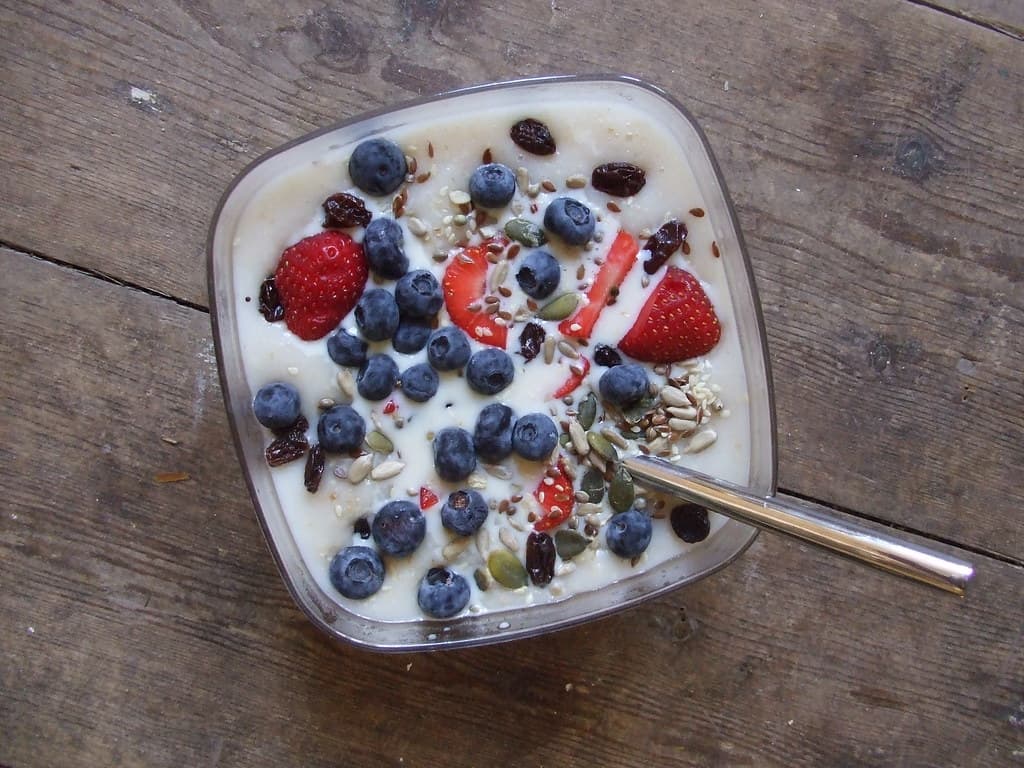
Oatmeal is a traditional, hearty breakfast cereal made by cooking oats in water or milk until creamy. Known across American households for its versatility and nutritional value, oatmeal has long been a staple on breakfast tables, celebrated for warmth and comfort.
America's Melting Pot
Oatmeal Cream Pies photo coming soon
1930-1945
Oatmeal Cream Pies are soft, sandwich-style cookies filled with creamy vanilla filling. Popularized in mid-20th century America, especially postwar suburbs, these treats combined convenience with nostalgic comfort, becoming a lunchbox and snack staple representative of American childhood.
America's Melting Pot
Oatmeal Meatloaf photo coming soon
1930-1945
Oatmeal Meatloaf combines ground meat with oatmeal as an extender and binder, reflecting Depression and World War II-era home cooking focused on stretching ingredients during rationing and scarcity. This practical dish provided nourishment and comfort during challenging times in American kitchens.
America's Melting Pot
Olallieberry Jam photo coming soon
Cross-era
Olallieberry Jam is a preserve with real American table personality: California coastal berry preserve. It brings flavor from California, Hawaii, and the West Coast to cookouts, counters, lunch plates, potlucks, and weeknight suppers.
America's Melting Pot
Old Bay Butter photo coming soon
Cross-era
Old Bay Butter is a spread with real American table personality: Chesapeake seafood condiment. It brings flavor from Chesapeake and Mid-Atlantic to cookouts, counters, lunch plates, potlucks, and weeknight suppers.
America's Melting Pot
Onion Gravy photo coming soon
Cross-era
Onion Gravy is a condiment with real American table personality: Meatloaf, hamburger steak, pot roast. It brings flavor from coast-to-coast American tables to cookouts, counters, lunch plates, potlucks, and weeknight suppers.
America's Melting Pot
Onion Jam photo coming soon
Modern Melting Pot
Onion Jam is a preserve with real American table personality: Modern steakhouse and burger condiment. It brings flavor from coast-to-coast American tables to cookouts, counters, lunch plates, potlucks, and weeknight suppers.
America's Melting Pot
Orange Carrot Ginger Smoothie photo coming soon
1970-1989
Orange Carrot Ginger Smoothie brings juice-bar color and American smoothie-counter energy to the glass: Juice bar staple.
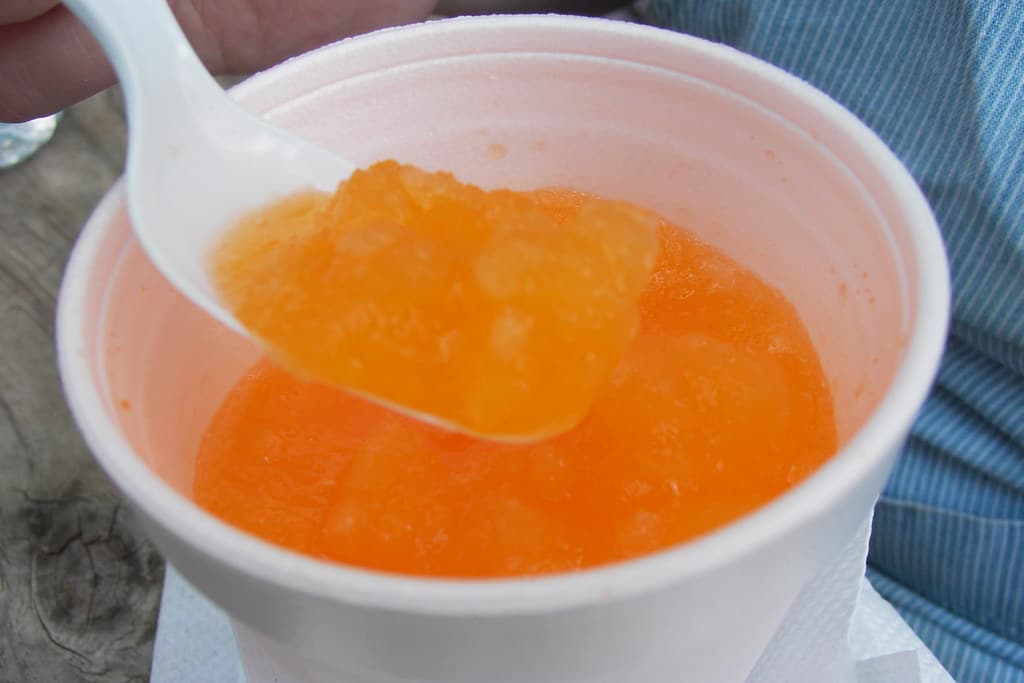
Modern Melting Pot
Orange Slush brings juice-bar color and American smoothie-counter energy to the glass: Ballpark and concession drink.

1861-1900
Overnight Oats are a convenient, no-cook breakfast preparation where oats soak overnight in liquid, resulting in creamy, ready-to-eat oatmeal. Popularized via social media and internet food trends since 2010, this dish represents modern American preferences for quick, healthy, customizable breakfasts.
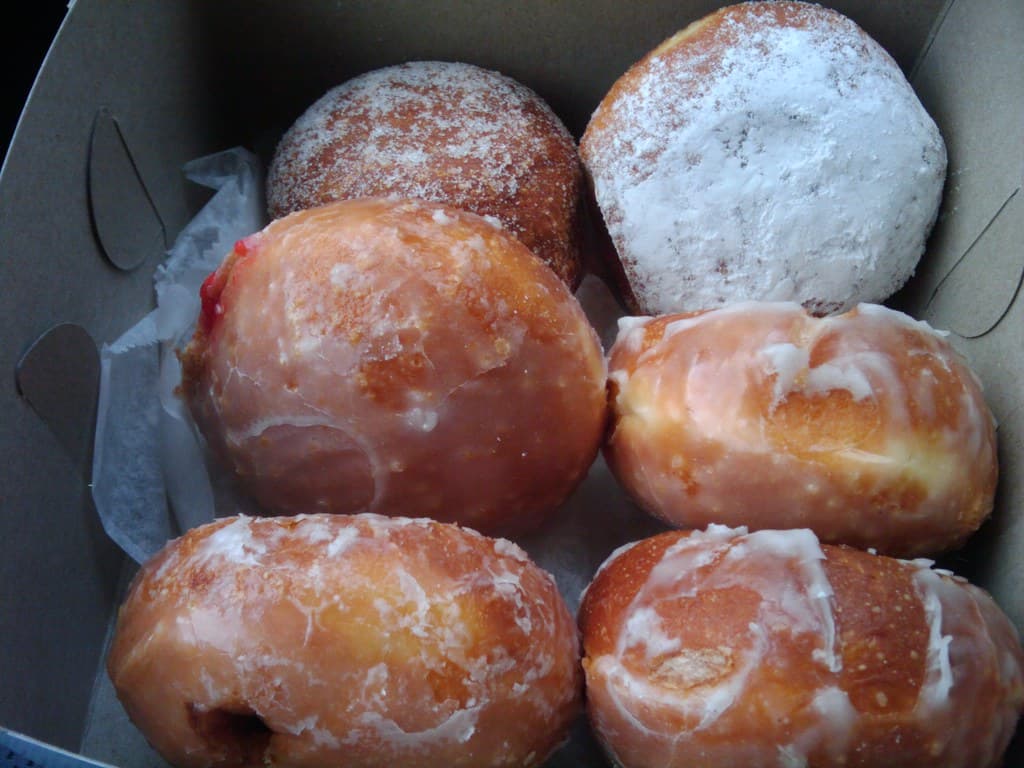
1900-1929
Paczki are rich, deep-fried Polish-style doughnuts filled with sweet fruit preserves or cream. Popular among Polish, Czech, Slovak, and other Eastern European communities in the US, they became a festive treat especially around Mardi Gras and Easter.
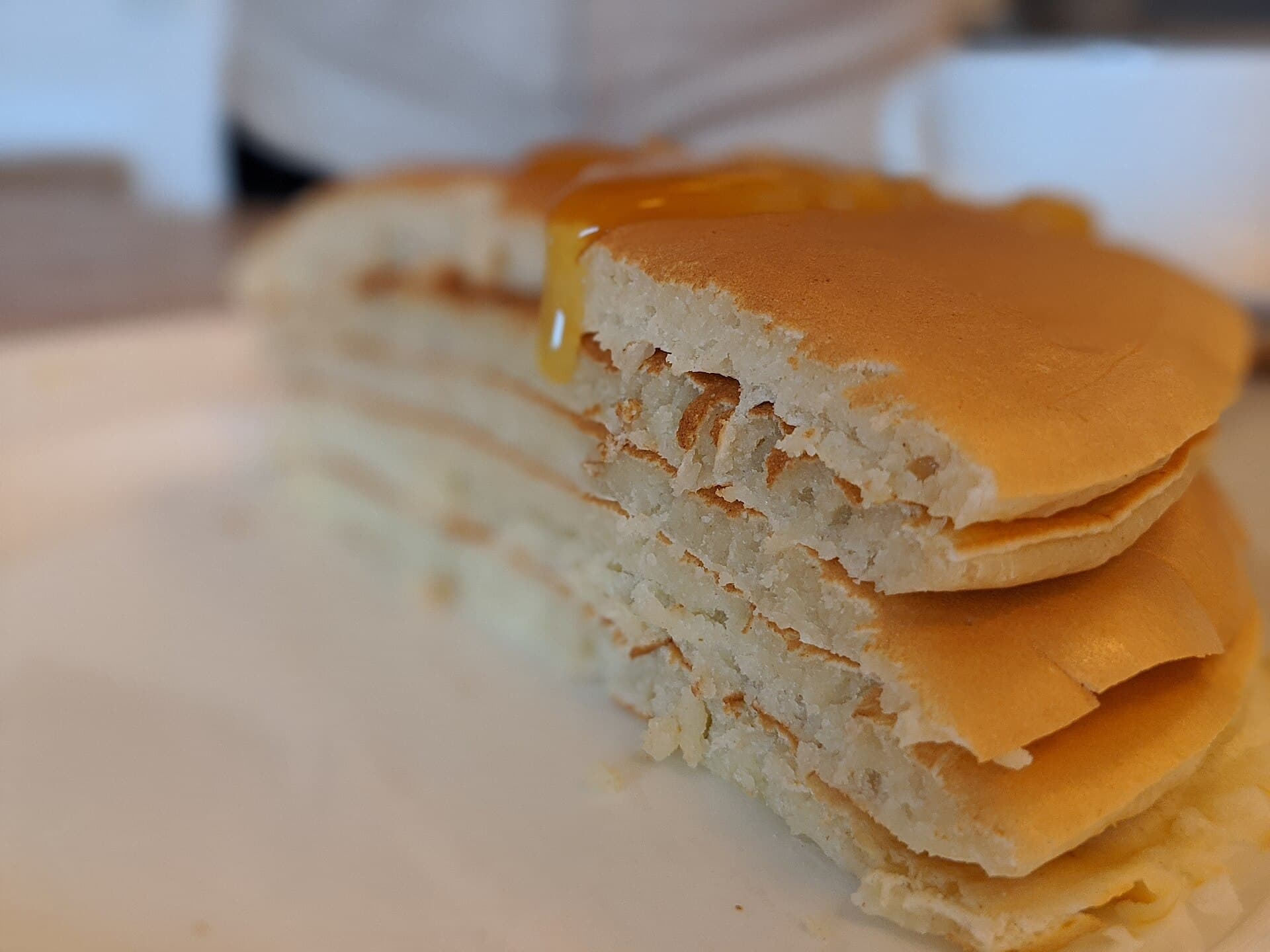
1776-1800
A tall stack of fluffy pancakes commonly served in American family restaurants and breakfast chains, often topped with butter, syrup, and sometimes fruit or whipped cream.
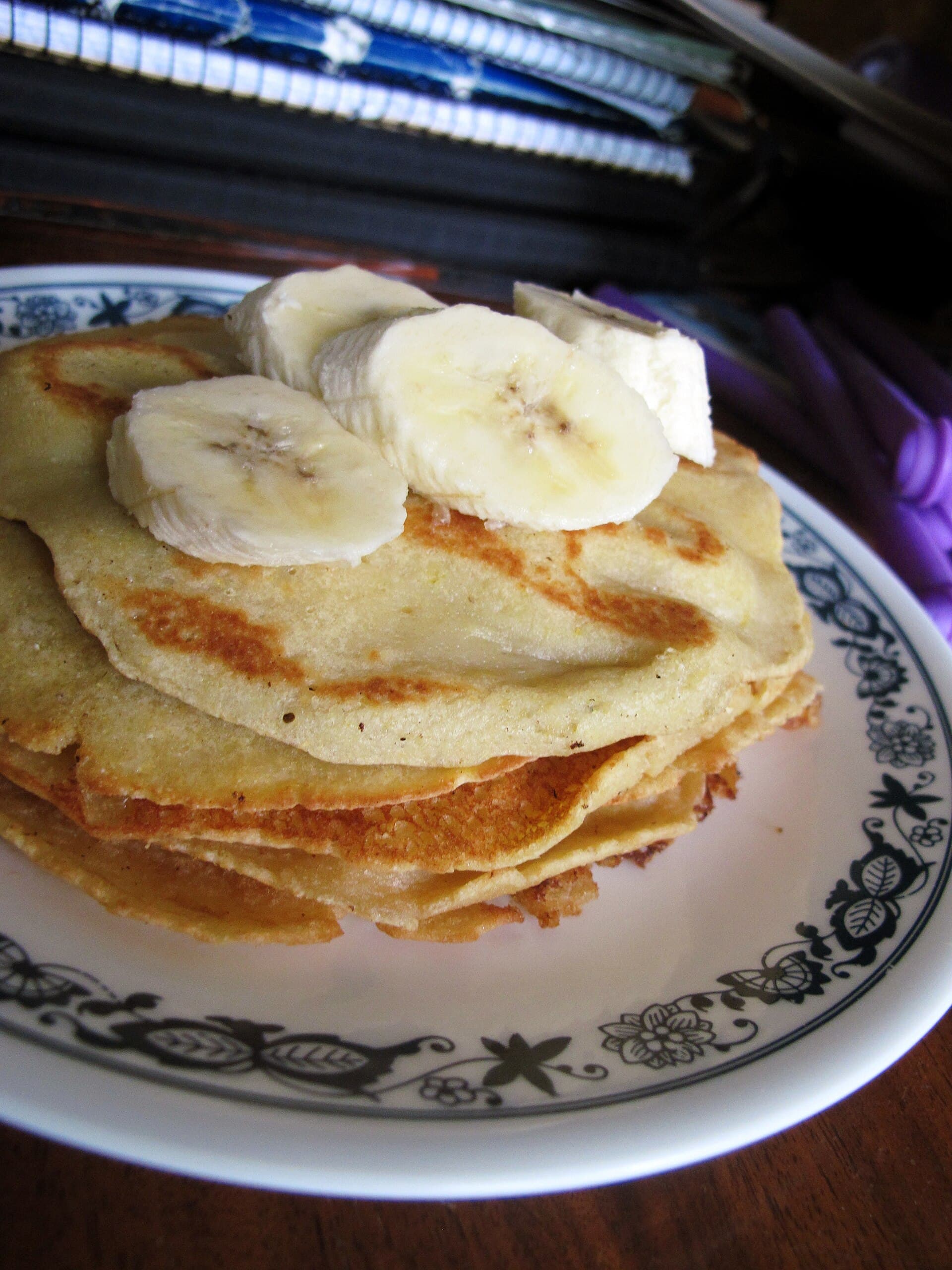
1776-1800
Pancakes are a quintessential American breakfast food consisting of flat, round cakes made from a simple batter of flour, eggs, milk, and leavening. They are typically cooked on a griddle and served with syrup, butter, or fruit toppings.
1776-1800
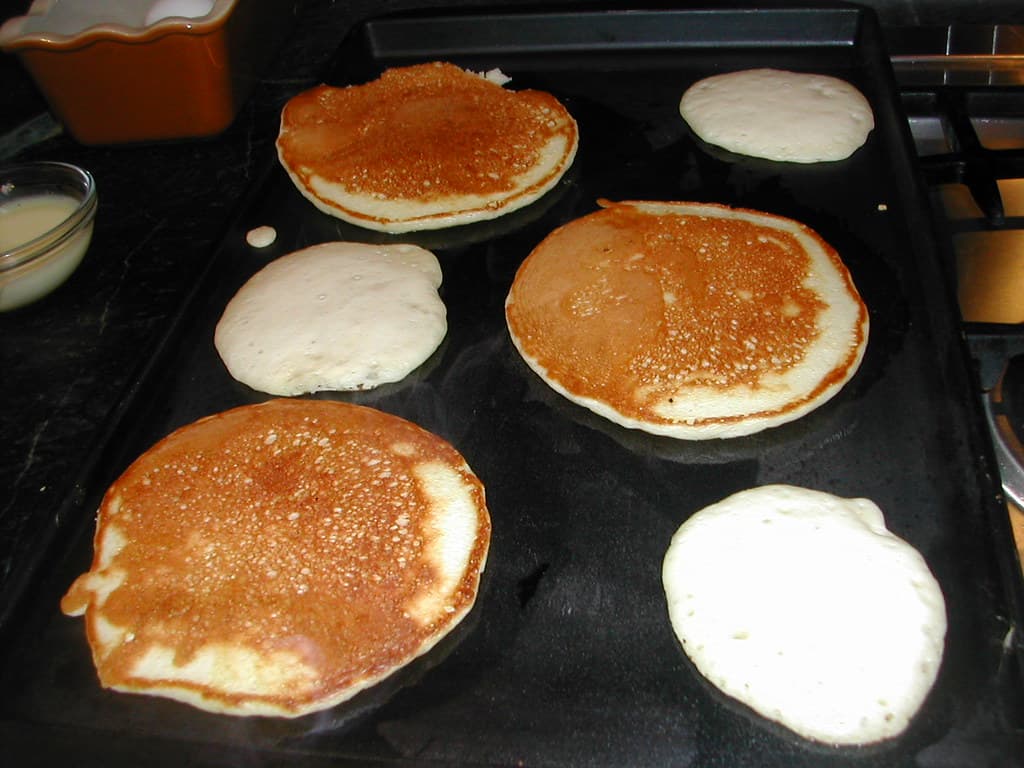
These pancakes reflect traditional camp and cabin cooking methods, using a straightforward batter cooked directly on a griddle or open fire. They are popular in hunting and fishing camps and rustic outdoor settings.
America's Melting Pot
Patriotic Berry Shortcake photo coming soon
1990-2009
Patriotic berry shortcake is a vibrant American dessert featuring layers of sweet biscuits or cake topped with fresh strawberries, blueberries, and whipped cream, celebrating national colors and festive occasions.
1946-1969
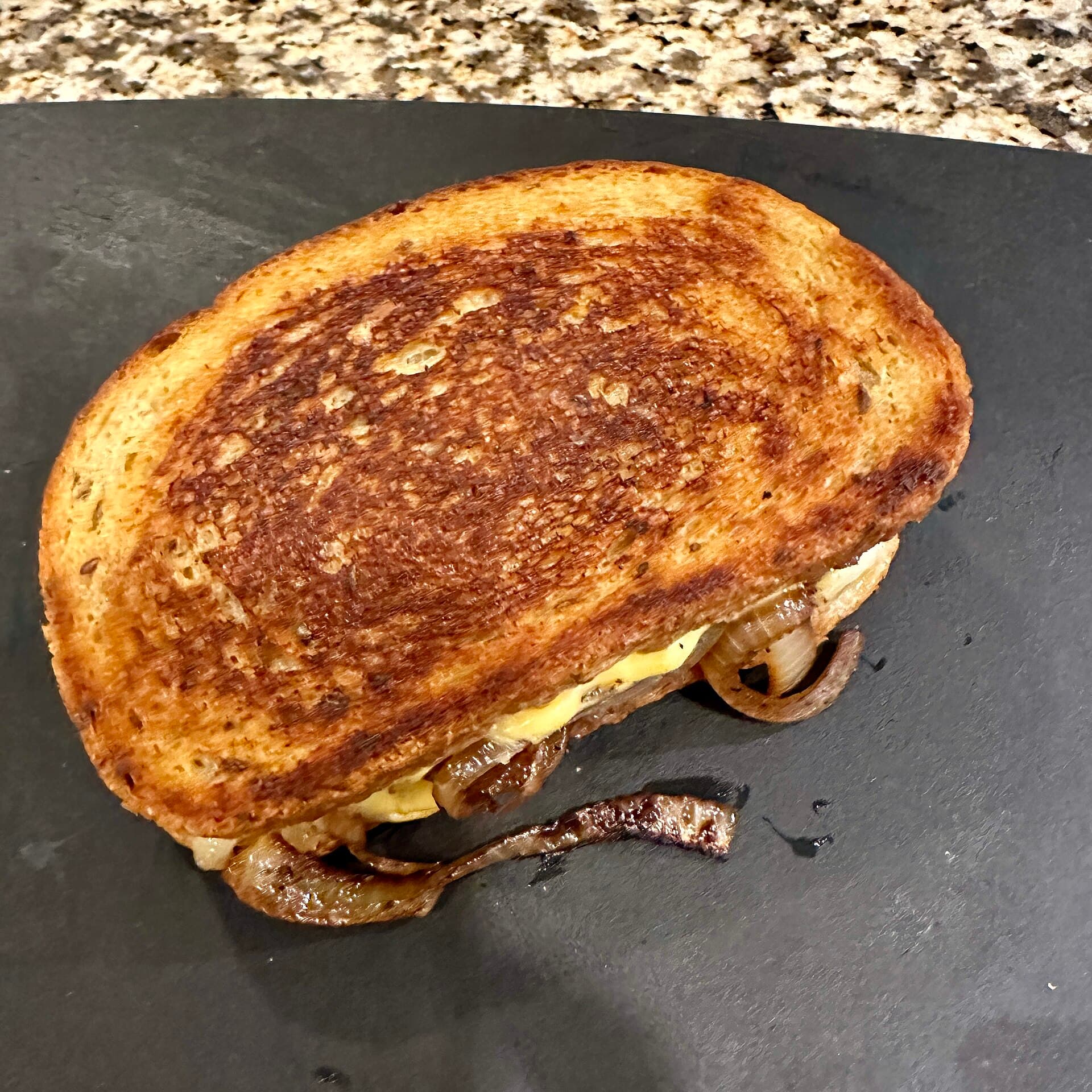
The patty melt is a classic American diner sandwich consisting of a seasoned ground beef patty grilled between slices of rye bread with melted cheese and sauteed onions, often served with pickles or fries.
America's Melting Pot
Pawpaw Butter photo coming soon
Frontier & Expansion
Pawpaw Butter is a preserve with real American table personality: Appalachian/Midwestern native fruit spread. It brings flavor from Appalachia and Pennsylvania Dutch country to cookouts, counters, lunch plates, potlucks, and weeknight suppers.
1861-1900
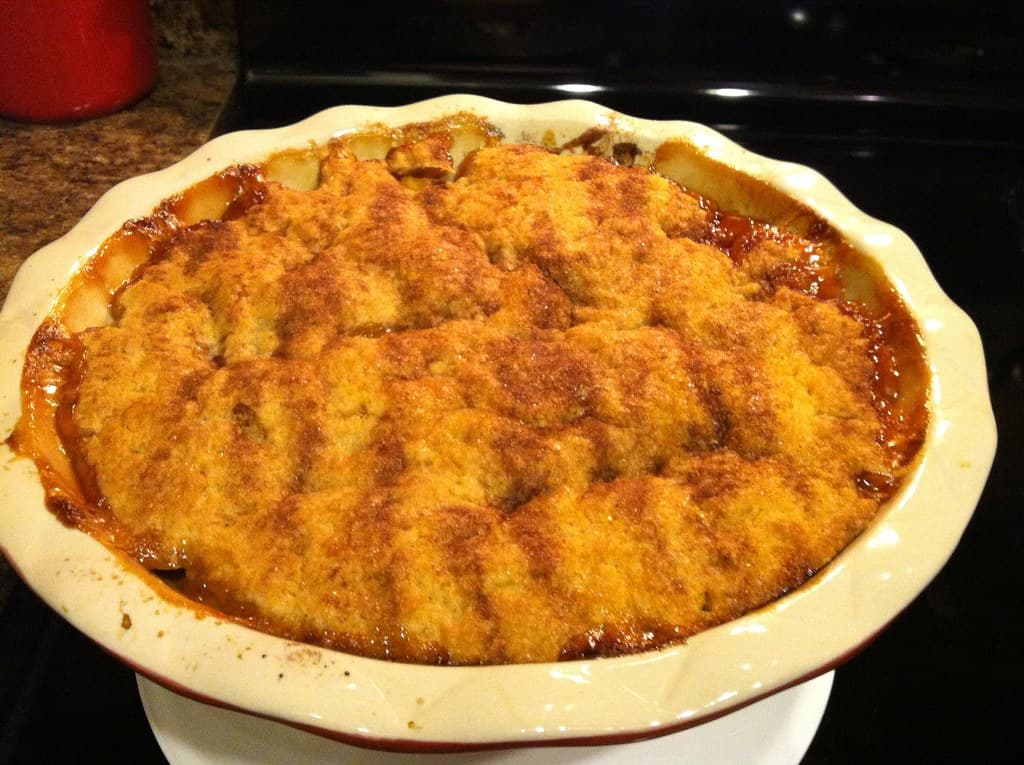
Peach cobbler is a comforting southern baked dessert featuring sweetened peaches topped with a biscuit or batter crust, baked until golden and bubbly. Widely enjoyed throughout the South, its origins trace to Reconstruction-era adaptations.
America's Melting Pot
Peach Mango Smoothie photo coming soon
1990-2009
Peach Mango Smoothie brings juice-bar color and American smoothie-counter energy to the glass: Chain smoothie standard.
America's Melting Pot
Peach Preserves photo coming soon
Cross-era
Peach Preserves is a preserve with real American table personality: Southern and orchard-country classic. It brings flavor from the American South to cookouts, counters, lunch plates, potlucks, and weeknight suppers.
America's Melting Pot
Peach Smoothie photo coming soon
Modern Melting Pot
Peach Smoothie brings juice-bar color and American smoothie-counter energy to the glass: Southern/farmstand flavor.
America's Melting Pot
Peanut Butter photo coming soon
1861-1900
Peanut Butter is a spread with real American table personality: Not exclusively American in concept, but deeply American in culture: PB&J, lunchboxes, cookies, pie. It brings flavor from coast-to-coast American tables to cookouts, counters, lunch plates, potlucks, and weeknight suppers.
America's Melting Pot
Peanut Butter Sauce photo coming soon
Postwar & Diner Age
Peanut Butter Sauce is a sweet sauce with real American table personality: Ice cream parlor and Midwest dessert bars. It brings flavor from the Midwest and Great Lakes to cookouts, counters, lunch plates, potlucks, and weeknight suppers.
Cross-era
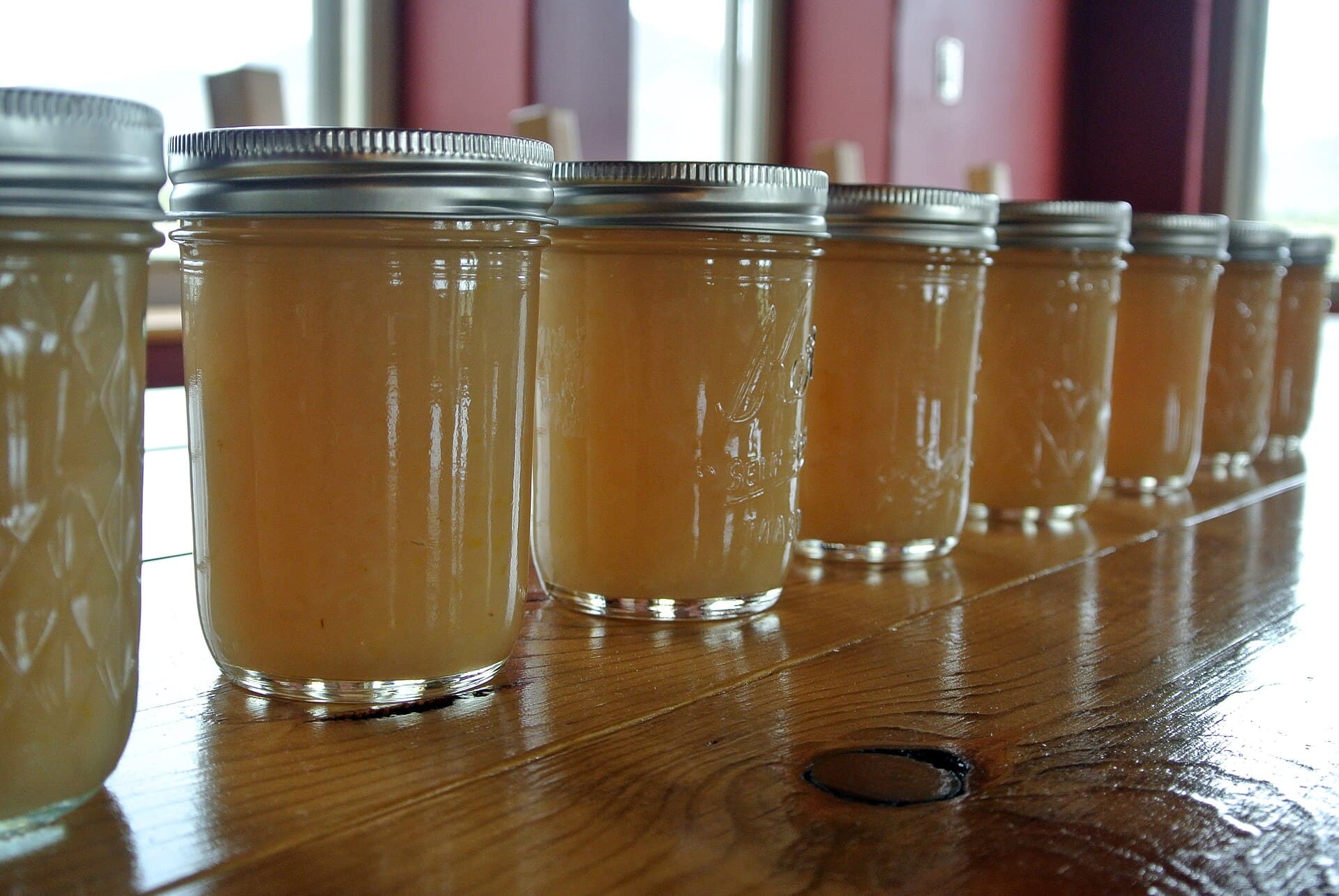
Pear Preserves is a preserve with real American table personality: Southern farm kitchens. It brings flavor from the American South to cookouts, counters, lunch plates, potlucks, and weeknight suppers.
America's Melting Pot
Pepper Gravy photo coming soon
Frontier & Expansion
Pepper Gravy is a condiment with real American table personality: Steakhouse and diner gravy. It brings flavor from coast-to-coast American tables to cookouts, counters, lunch plates, potlucks, and weeknight suppers.
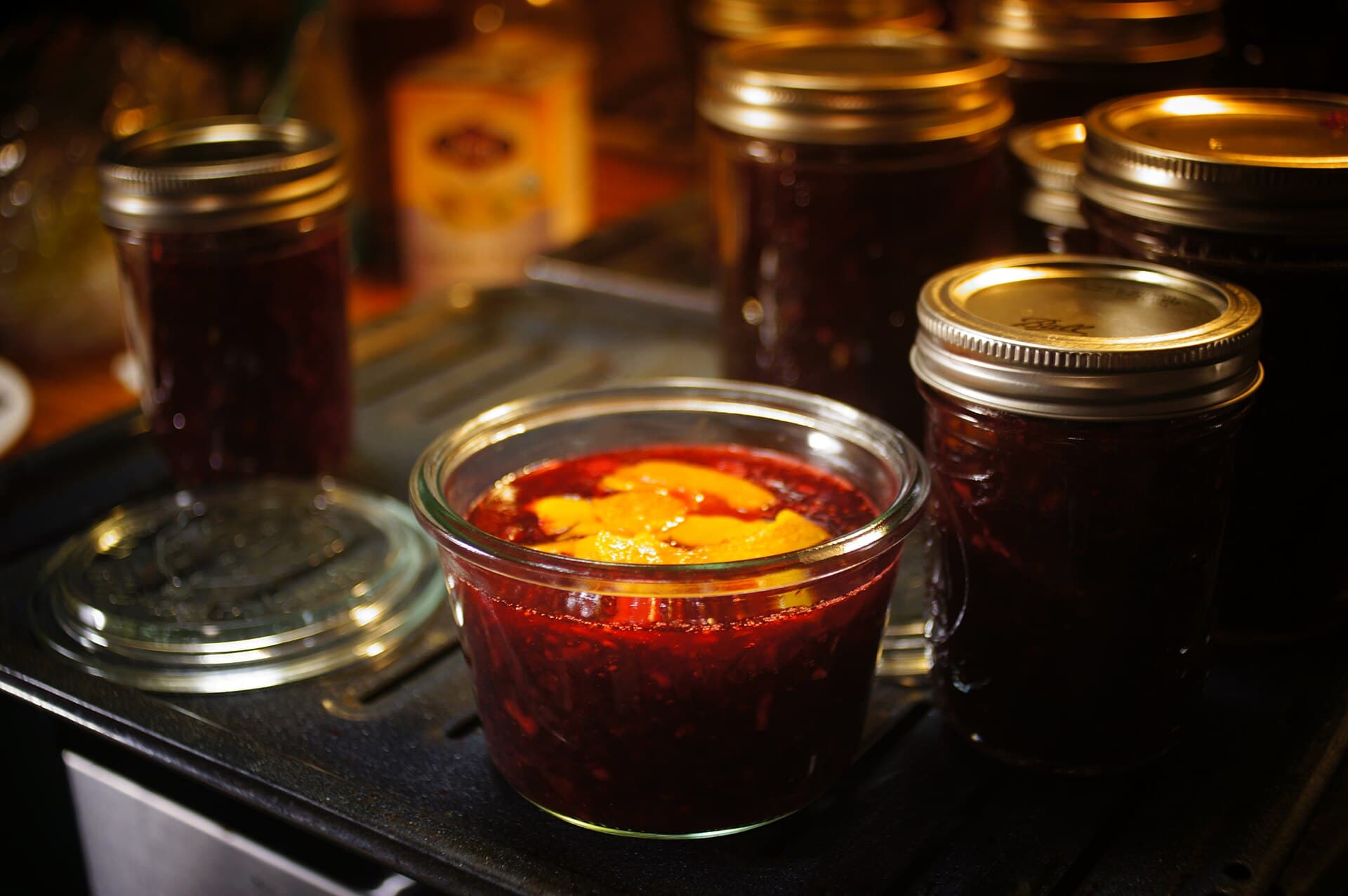
Cross-era
Pepper Jelly is a preserve with real American table personality: Southern party and cream-cheese-board staple. It brings flavor from the American South to cookouts, counters, lunch plates, potlucks, and weeknight suppers.
America's Melting Pot
Peppermint Mocha Frappe-Style Drink photo coming soon
Modern Melting Pot
Peppermint Mocha Frappe-Style Drink blends coffeehouse America with milkshake-style fun: Holiday coffee culture.
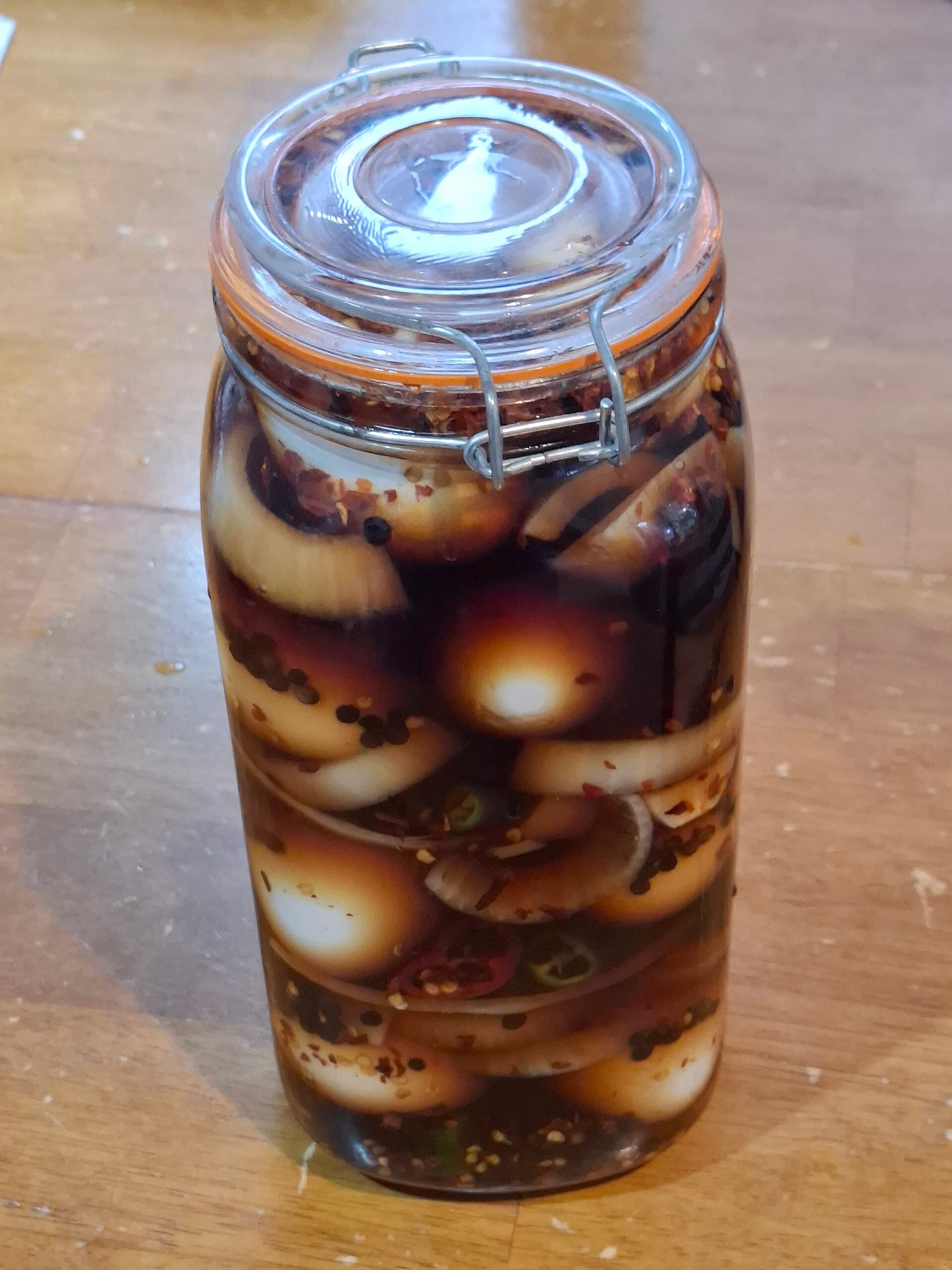
1800-1860
Pickled eggs were a popular preserved egg dish among German-American communities between 1800 and 1860, particularly during celebrations like Easter. They combine hard-boiled eggs with vinegar and spices to extend shelf life and add flavor.
America's Melting Pot
Pickled Ramps photo coming soon
Frontier & Expansion
Pickled Ramps is a relish with real American table personality: Appalachian spring preserve. It brings flavor from Appalachia and Pennsylvania Dutch country to cookouts, counters, lunch plates, potlucks, and weeknight suppers.
America's Melting Pot
Pineapple Coconut Smoothie photo coming soon
Modern Melting Pot
Pineapple Coconut Smoothie brings juice-bar color and American smoothie-counter energy to the glass: Pina colada without the booze.
America's Melting Pot
Pitaya / Dragon Fruit Smoothie photo coming soon
1990-2009
Pitaya / Dragon Fruit Smoothie brings juice-bar color and American smoothie-counter energy to the glass: Smoothie bowl and Instagram-era drink.
America's Melting Pot
Pork Roll/Taylor Ham Sandwich photo coming soon
1800-1860
The Pork Roll/Taylor Ham Sandwich is a distinctive breakfast sandwich from the Mid-Atlantic, featuring fried slices of pork roll encased in a soft roll, often complemented with egg and cheese. It showcases regional taste and identity.
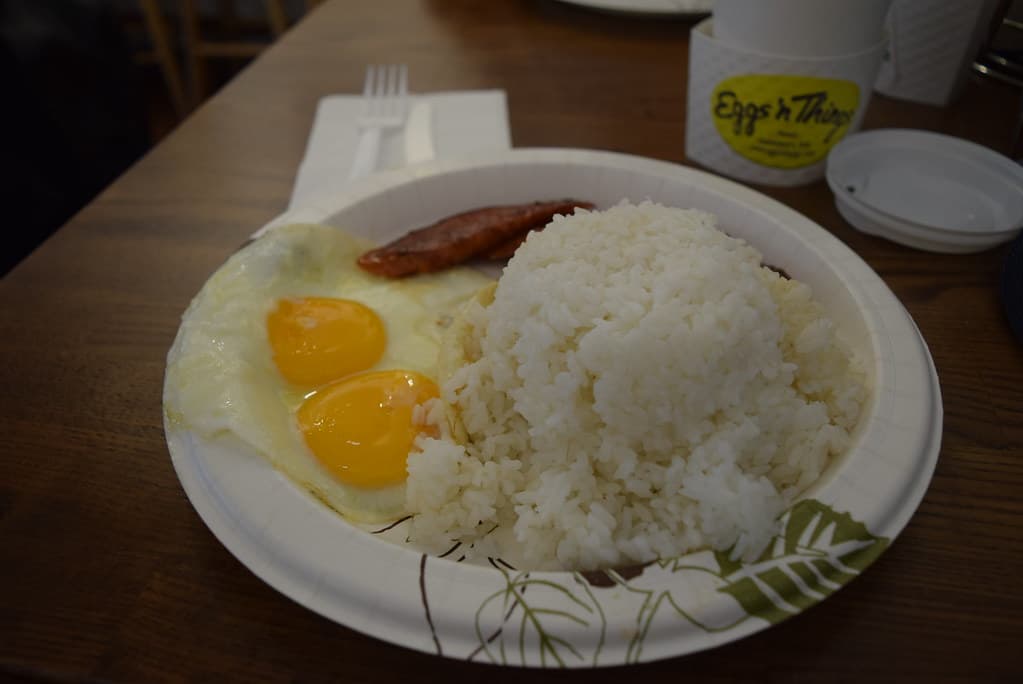
1861-1900
Portuguese Sausage and Eggs is a popular traditional breakfast in Hawaii combining savory Portuguese sausage with fried eggs to reflect immigrant influence on local food culture.
America's Melting Pot
Post-Workout Recovery Shake photo coming soon
1970-1989
Post-Workout Recovery Shake brings juice-bar color and American smoothie-counter energy to the glass: Fitness and supplement culture.
America's Melting Pot
Pot Roast Gravy photo coming soon
Gilded Age & Progressive Era
Pot Roast Gravy is a condiment with real American table personality: Sunday dinner sauce. It brings flavor from coast-to-coast American tables to cookouts, counters, lunch plates, potlucks, and weeknight suppers.
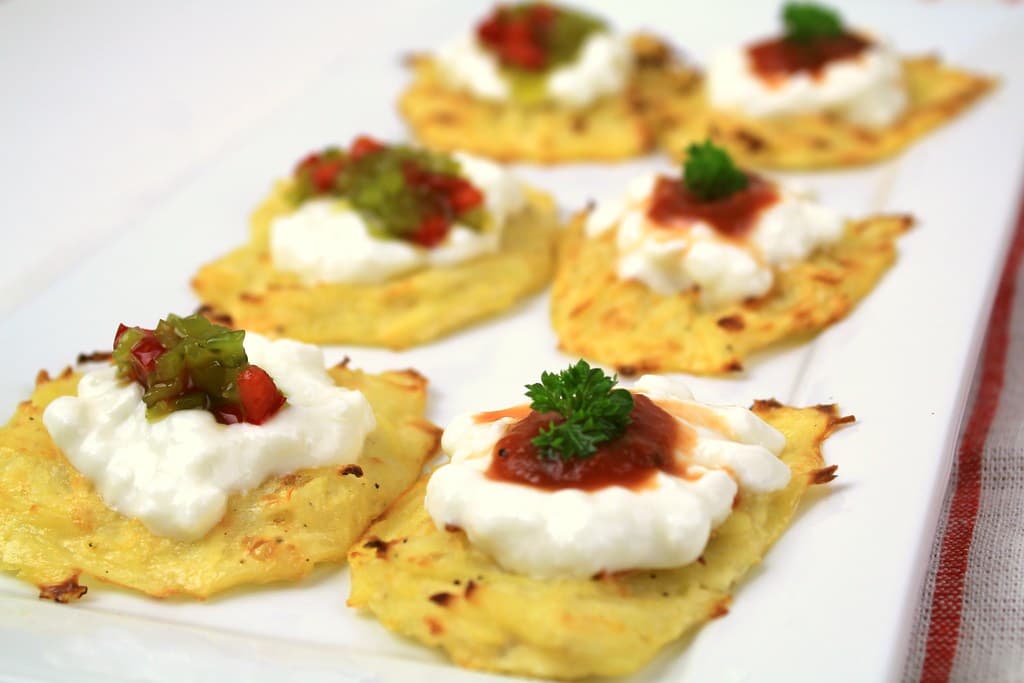
1800-1860
Potato Pancakes are a breakfast favorite among German-American communities, consisting of grated potatoes mixed with onions and eggs, fried to a crisp golden brown.
America's Melting Pot
Powdered Egg Scramble photo coming soon
1930-1945
Powdered Egg Scramble was common in U.S. military and mess halls during the Great Depression and World War II, offering a quick, portable breakfast using powdered eggs due to rationing and preservation challenges. It reflects resourcefulness in American wartime kitchens.
America's Melting Pot
Pre-Workout Smoothie photo coming soon
1970-1989
Pre-Workout Smoothie brings juice-bar color and American smoothie-counter energy to the glass: Gym-chain drink.
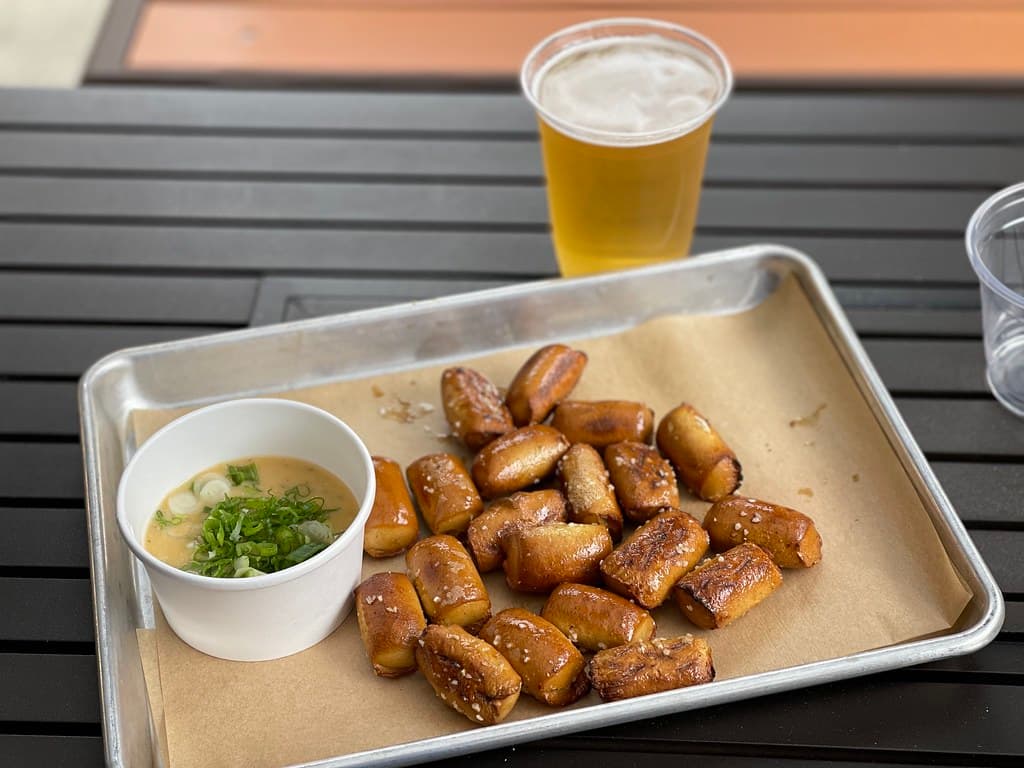
1990-2009
Pretzel Bites became a popular snack in American homes and sports bars from the 1990s onward, especially during game day parties and casual gatherings. These soft, salty treats offer a convenient finger food with various dipping options.
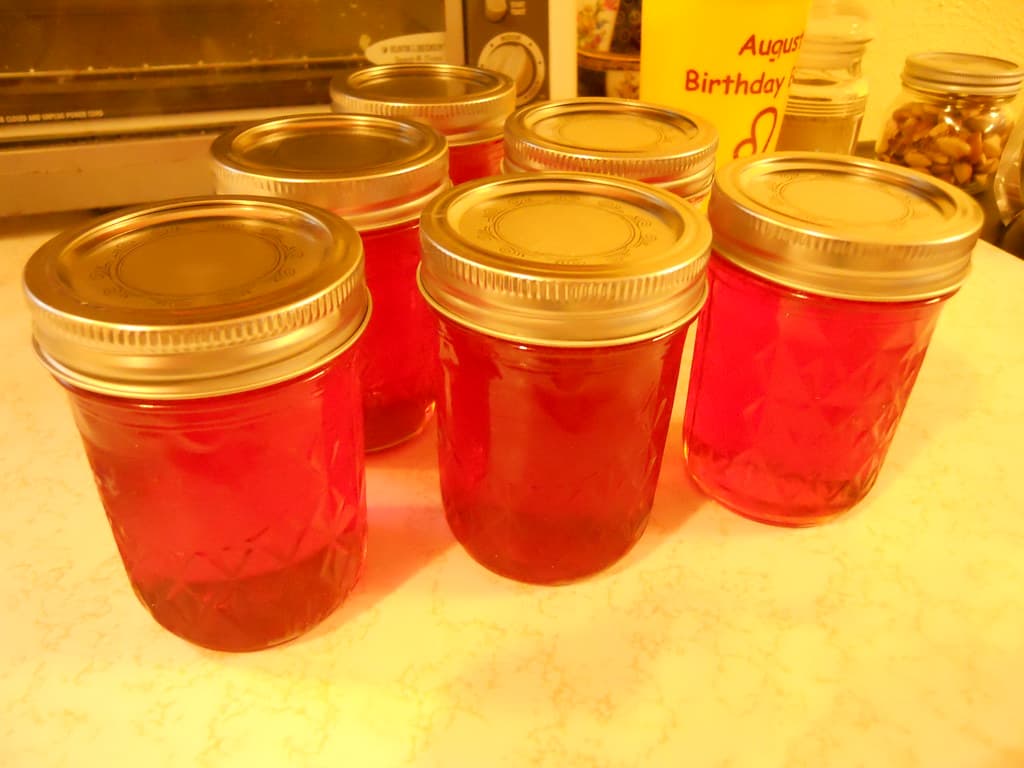
Cross-era
Prickly Pear Jelly is a preserve with real American table personality: Southwest desert fruit preserve. It brings flavor from the American South to cookouts, counters, lunch plates, potlucks, and weeknight suppers.
Community recipe submission
Log in to submit a recipe, format it with the cooking companion, and send it for review.
Log in to Submit