
Loading
Setting the table...
Fetching the latest recipes from the archive.
Loading
Fetching the latest recipes from the archive.
Recipe archive
Recipe archive
Search the archive by title, region, ingredient, tag, or era, then sort the table by the view that fits your kitchen.
This archive is growing through recipes, photos, family recipes, and historical context shared by the community.
America's Melting Pot
New England Frappe photo coming soon
Postwar & Diner Age
New England Frappe celebrates New England dairy-bar pride in a cold glass: Milkshake with ice cream; regional name.
1900-1929
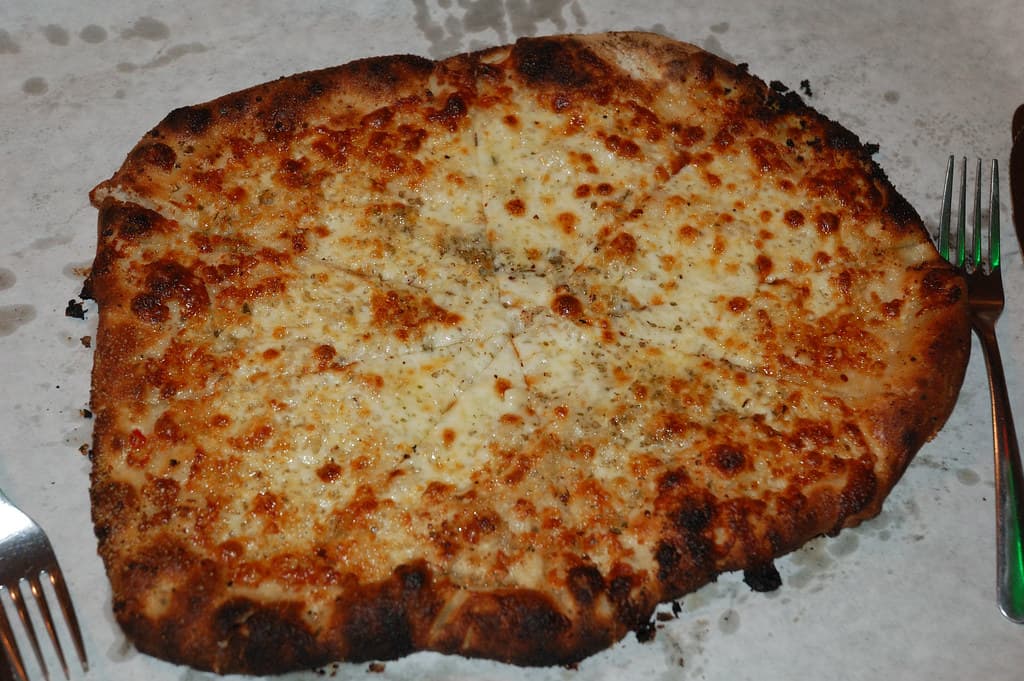
New Haven Apizza is a regional pizza style with a thin, charred crust, sparse tomato sauce, and minimal toppings, popular in Connecticut's Italian-American community. Known for its distinctive smoky flavor from coal-fired ovens, it reflects Italian immigrant baking traditions adapted to American tastes.
America's Melting Pot
New York Egg Cream photo coming soon
Gilded Age & Progressive Era
New York Egg Cream is fizzy Americana from the soda-fountain counter: Milk, seltzer, and chocolate syrup; despite the name, no egg and no cream. Its exact origin is debated, but it is closely tied to New York soda fountains, Jewish delis, and candy stores.
America's Melting Pot
New York Pizza photo coming soon
1900-1929
New York Pizza is a regional pizza style characterized by large, thin, hand-tossed crust and foldable slices topped with tomato sauce and mozzarella. Descended from Italian immigrant traditions, it is a cultural icon of New York City and the wider Mid-Atlantic region.
1900-1929
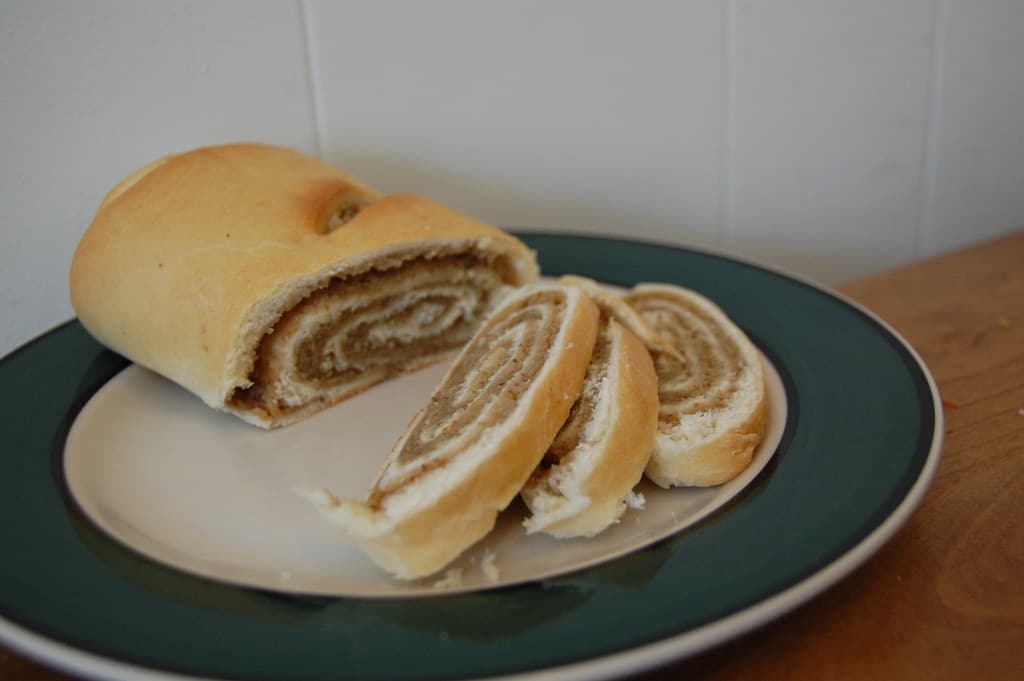
Nut Roll is a rich yeast dough rolled with a sweet, spiced nut and sugar filling, popular among Polish, Czech, Slovak, and other Eastern European immigrant communities. This sweet bread often appears at Easter and fairs, symbolizing cultural continuity amidst new American settings.
1861-1900
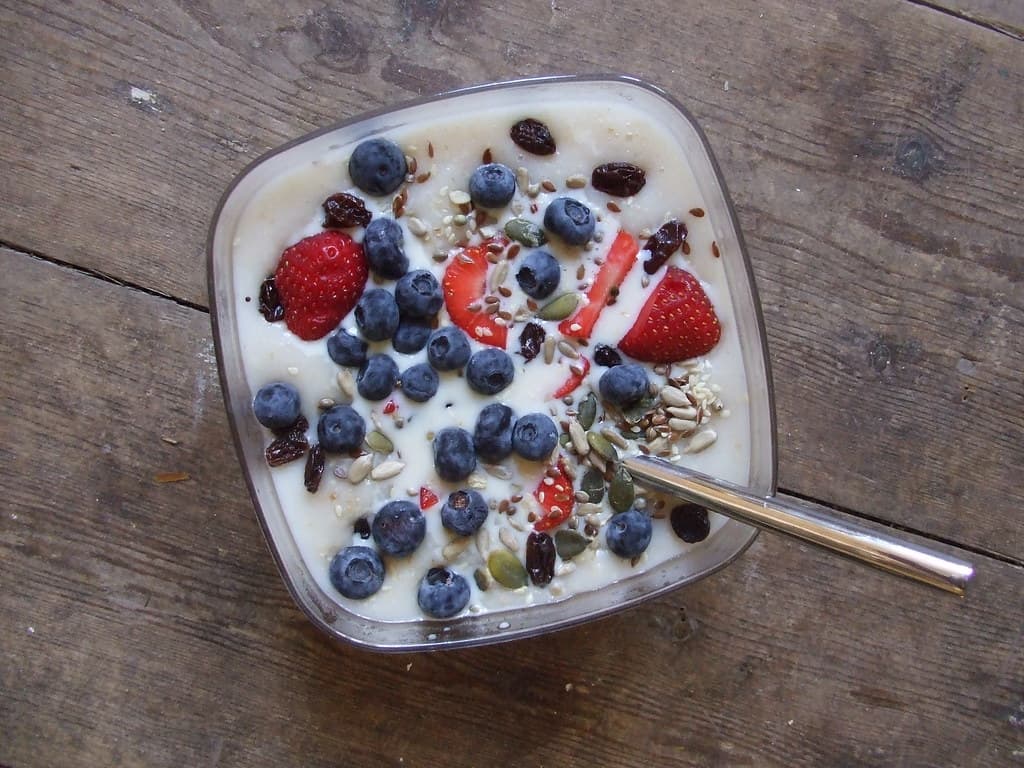
Oatmeal is a traditional, hearty breakfast cereal made by cooking oats in water or milk until creamy. Known across American households for its versatility and nutritional value, oatmeal has long been a staple on breakfast tables, celebrated for warmth and comfort.
America's Melting Pot
Oatmeal Cream Pies photo coming soon
1930-1945
Oatmeal Cream Pies are soft, sandwich-style cookies filled with creamy vanilla filling. Popularized in mid-20th century America, especially postwar suburbs, these treats combined convenience with nostalgic comfort, becoming a lunchbox and snack staple representative of American childhood.
America's Melting Pot
Oatmeal Meatloaf photo coming soon
1930-1945
Oatmeal Meatloaf combines ground meat with oatmeal as an extender and binder, reflecting Depression and World War II-era home cooking focused on stretching ingredients during rationing and scarcity. This practical dish provided nourishment and comfort during challenging times in American kitchens.
America's Melting Pot
Old Bay Butter photo coming soon
Cross-era
Old Bay Butter is a spread with real American table personality: Chesapeake seafood condiment. It brings flavor from Chesapeake and Mid-Atlantic to cookouts, counters, lunch plates, potlucks, and weeknight suppers.
America's Melting Pot
Old Bay Mayo photo coming soon
Cross-era
Old Bay Mayo is a seafood sauce with real American table personality: Chesapeake seafood seasoning meets mayo. It brings flavor from Chesapeake and Mid-Atlantic to cookouts, counters, lunch plates, potlucks, and weeknight suppers.
1900-1929
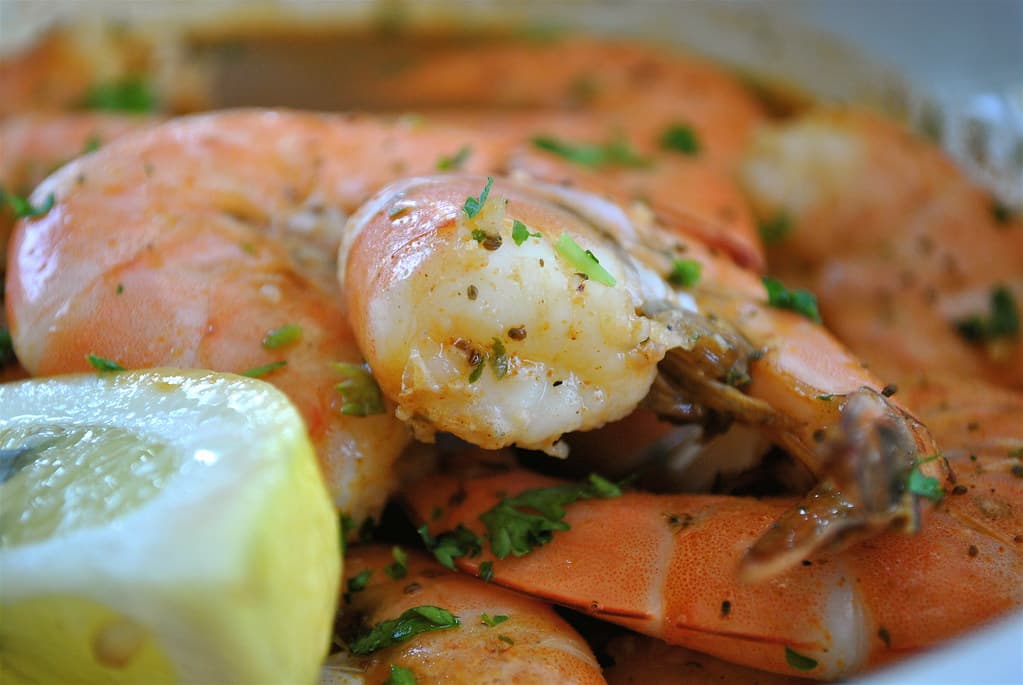
Old Bay Shrimp is a simple, flavorful seafood dish featuring shrimp seasoned with Old Bay, a proprietary blend of herbs and spices iconic to the Mid-Atlantic region. Served hot or chilled, this recipe reflects the region's affinity for spice blends and seafood traditions.
America's Melting Pot
Old Forge Pizza photo coming soon
1900-1929
Old Forge Pizza is a distinctive rectangular pizza with a thick, braided crust, topped with a unique blend of cheeses and toppings. Rooted in Italian-American immigrant traditions in Pennsylvania, this pizza style has become a beloved regional favorite showcasing adaptation and innovation within Italian-American cuisine.

1946-1969
Olive Spread is a smooth, flavorful paste featuring olives and complementary ingredients, ideal for serving at cocktail parties and as an appetizer. Popular in mid-20th century suburban America, this spread reflects the era's embrace of easy-to-serve, flavorful hors d'oeuvres.
America's Melting Pot
Onion Jam photo coming soon
Modern Melting Pot
Onion Jam is a preserve with real American table personality: Modern steakhouse and burger condiment. It brings flavor from coast-to-coast American tables to cookouts, counters, lunch plates, potlucks, and weeknight suppers.
America's Melting Pot
Oof-da Tacos photo coming soon
1900-1929
Oof-da Tacos are a unique fusion dish blending Mexican-American taco concepts with Scandinavian-American influences in the Midwest. Known from state fair and carnival food scenes, these tacos typically feature distinctive toppings and flavors that celebrate immigrant cultural mixing and regional reinterpretation.
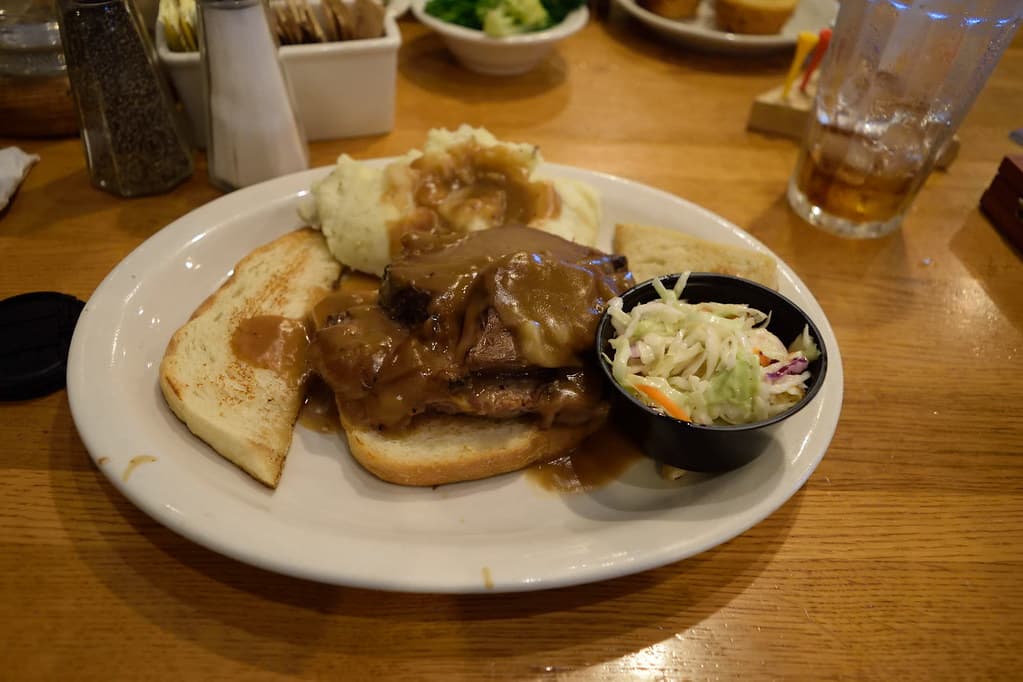
1900-1929
The Open-Faced Roast Beef Sandwich features thinly sliced roast beef served over toasted bread slices, covered with gravy, often accompanied by mashed potatoes. Popularized in American diners and lunch counters, this hearty sandwich is a staple of comfort food and practical meals.
America's Melting Pot
Orange Cream Julius photo coming soon
Postwar & Diner Age
Orange Cream Julius carries the bright, frothy spirit of American mall counters: Creamsicle-like variation.
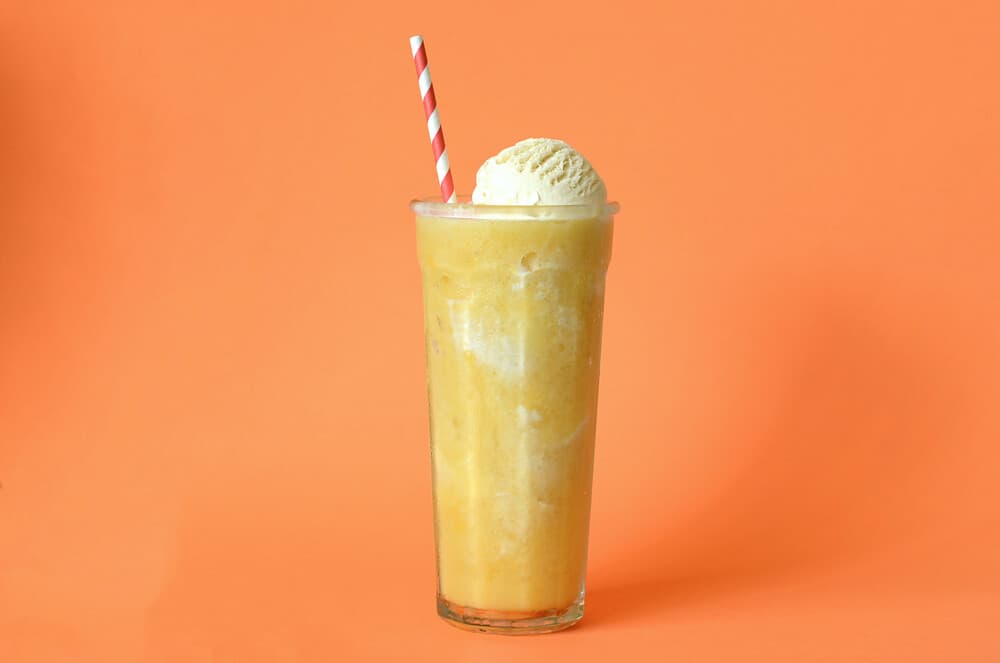
1900-1929
Orange Cream Shake pours old-school malt-shop cheer into a cold glass: Creamsicle-style flavor.
America's Melting Pot
Orange Freeze photo coming soon
Postwar & Diner Age
Orange Freeze carries the bright, frothy spirit of American mall counters: Ice cream stand orange-and-vanilla blended drink.
America's Melting Pot
Orange Malt photo coming soon
1900-1929
Orange Malt pours old-school malt-shop cheer into a cold glass: Orange Julius meets malt shop.
America's Melting Pot
Orange Sherbet Jell-O photo coming soon
1900-1929
Orange Sherbet Jell-O is a nostalgic gelatin-based dessert combining orange-flavored Jell-O and orange sherbet. Popular in mid-20th century America, especially during the postwar era, it exemplifies the era's fondness for refrigerated molded desserts often served at family gatherings and potlucks.
America's Melting Pot
Orange Sherbet Shake photo coming soon
Postwar & Diner Age
Orange Sherbet Shake carries the bright, frothy spirit of American mall counters: Creamsicle soda fountain cousin.
America's Melting Pot
Orange Soda Float photo coming soon
1861-1900
Orange Soda Float is fizzy Americana from the soda-fountain counter: Creamsicle-like float.
America's Melting Pot
Orange-Banana Julius photo coming soon
Postwar & Diner Age
Orange-Banana Julius carries the bright, frothy spirit of American mall counters: 1980s-1990s mall smoothie flavor.
America's Melting Pot
Orange-Pineapple Julius photo coming soon
Postwar & Diner Age
Orange-Pineapple Julius carries the bright, frothy spirit of American mall counters: Tropical mall classic.
America's Melting Pot
Oregon Marionberry Shake photo coming soon
Cross-era
Oregon Marionberry Shake salutes regional fruit country and the American dairy-stand tradition: Oregon.
America's Melting Pot
Oreo Concrete photo coming soon
Postwar & Diner Age
Oreo Concrete is thick, spoonable frozen-custard stand fun: Modern custard shop standard.
America's Melting Pot
Oreo Shake photo coming soon
1900-1929
Oreo Shake pours old-school malt-shop cheer into a cold glass: Possibly the king of chain-restaurant shakes.
America's Melting Pot
Original Orange Julius photo coming soon
Postwar & Diner Age
Original Orange Julius carries the bright, frothy spirit of American mall counters: Orange juice, dairy/egg-white-style foam tradition, sugar, vanilla; mall America icon.
America's Melting Pot
Ovaltine Malt photo coming soon
1900-1929
Ovaltine Malt pours old-school malt-shop cheer into a cold glass: Home pantry malted drink influence.

1861-1900
Overnight Oats are a convenient, no-cook breakfast preparation where oats soak overnight in liquid, resulting in creamy, ready-to-eat oatmeal. Popularized via social media and internet food trends since 2010, this dish represents modern American preferences for quick, healthy, customizable breakfasts.
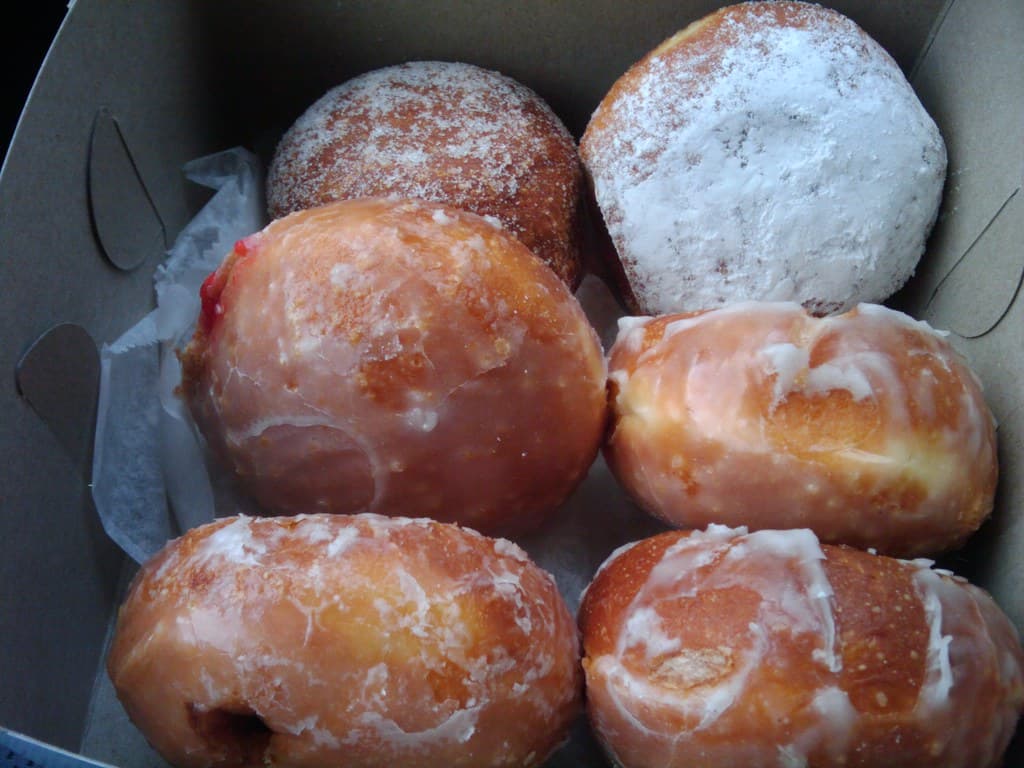
1900-1929
Paczki are rich, deep-fried Polish-style doughnuts filled with sweet fruit preserves or cream. Popular among Polish, Czech, Slovak, and other Eastern European communities in the US, they became a festive treat especially around Mardi Gras and Easter.
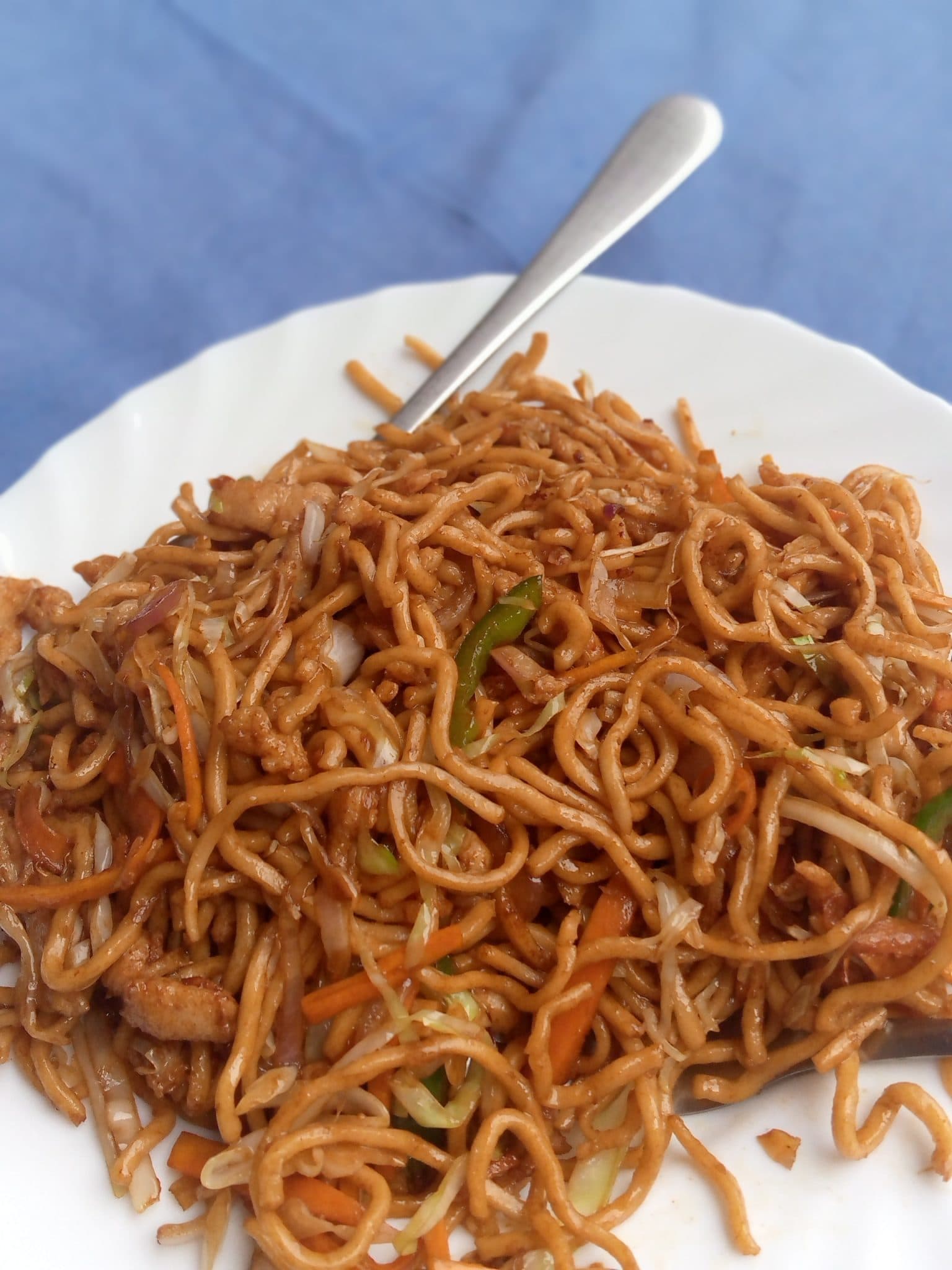
1900-1929
Pancit is a traditional Filipino noodle dish adapted in American territories and communities, combining rice noodles with stir-fried vegetables, meats, and seasonings. It is a staple at celebrations and represents cultural heritage in various US island and territorial communities.
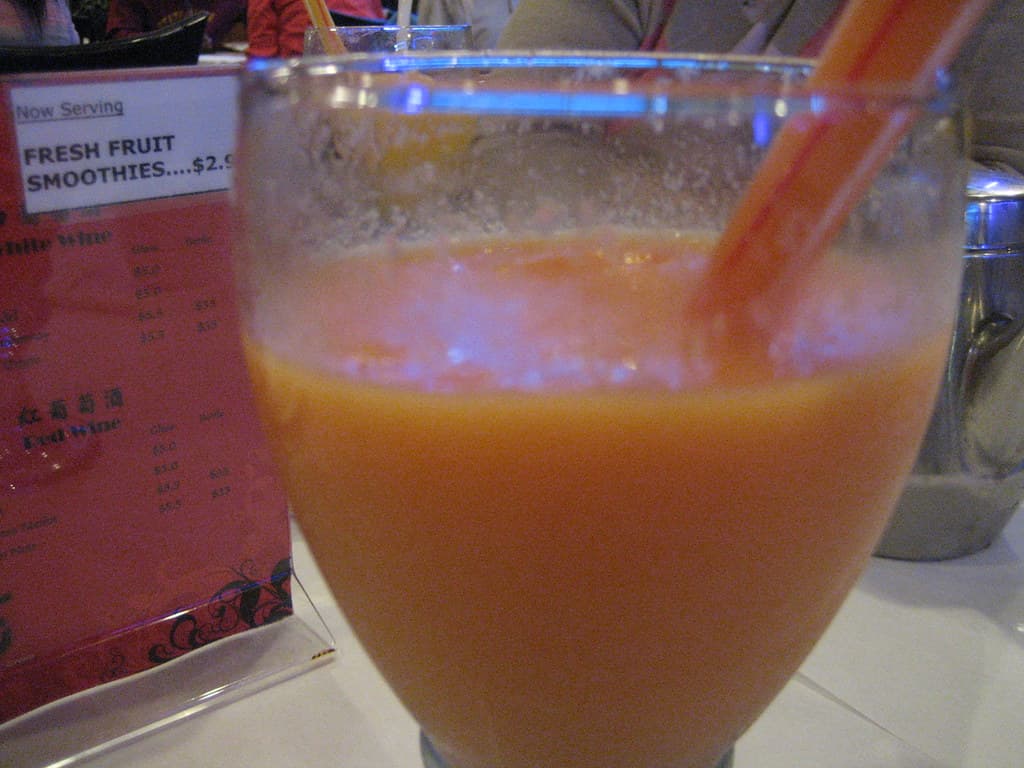
Cross-era
Papaya Smoothie salutes regional fruit country and the American dairy-stand tradition: Florida/Caribbean-American.
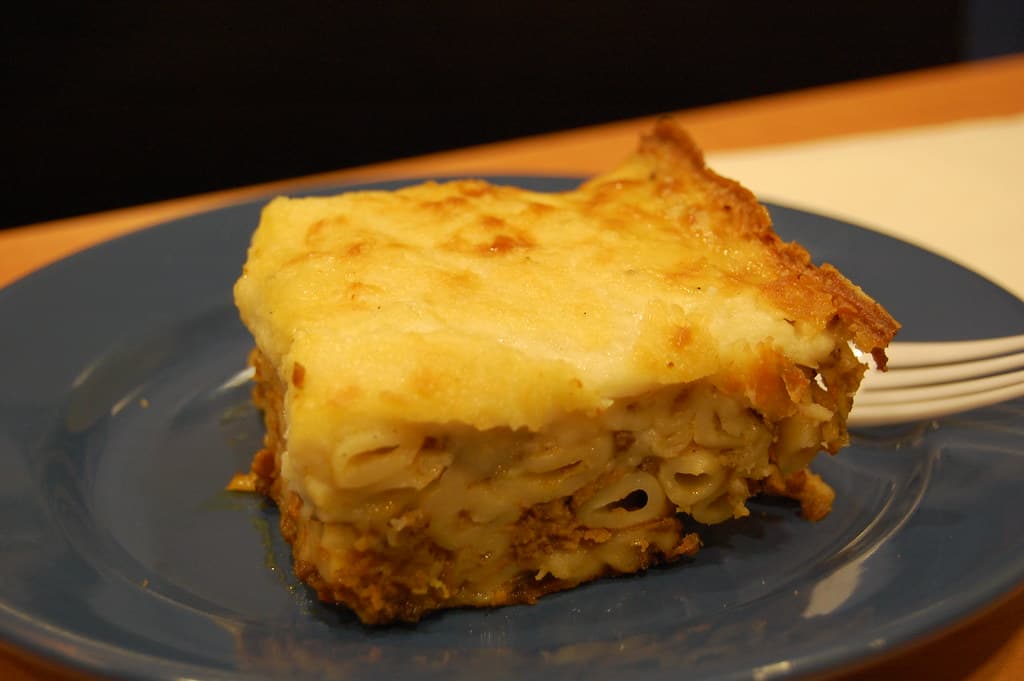
1900-1929
Pastitsio is a Greek-American comfort casserole featuring layers of pasta, seasoned ground meat, and bechamel sauce baked until golden. Popular in Greek immigrant communities, it reflects traditional Greek cuisine adapted in American diners and lunch counters.
America's Melting Pot
Pawpaw Shake photo coming soon
Cross-era
Pawpaw Shake salutes regional fruit country and the American dairy-stand tradition: Appalachia/Midwest native fruit.
America's Melting Pot
Peanut Butter photo coming soon
1861-1900
Peanut Butter is a spread with real American table personality: Not exclusively American in concept, but deeply American in culture: PB&J, lunchboxes, cookies, pie. It brings flavor from coast-to-coast American tables to cookouts, counters, lunch plates, potlucks, and weeknight suppers.
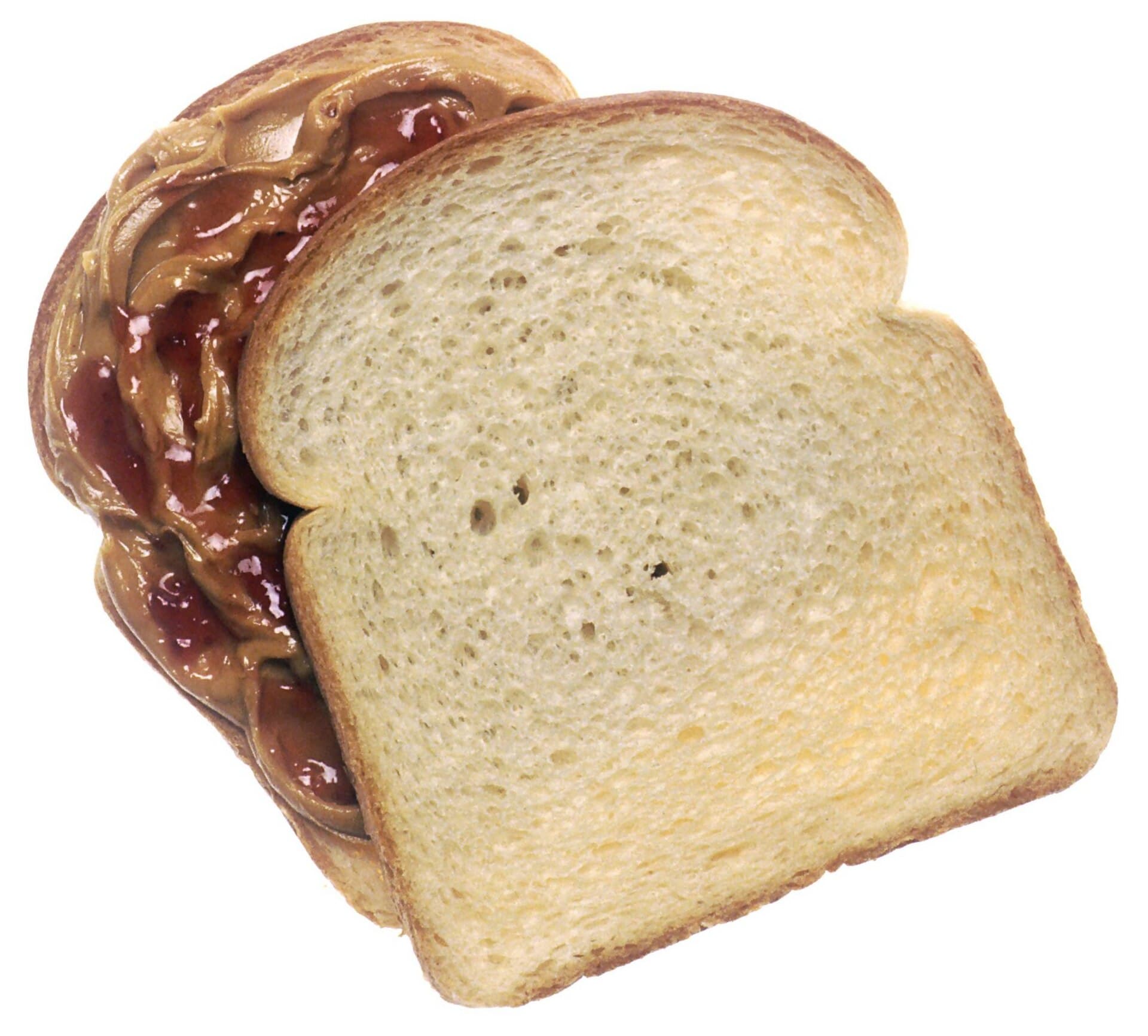
1900-1929
Peanut butter and jelly sandwich is a simple, iconic American lunch made by spreading peanut butter and fruit jelly between slices of bread. Popularized in the mid-20th century, it remains a staple in school lunches and casual meals.
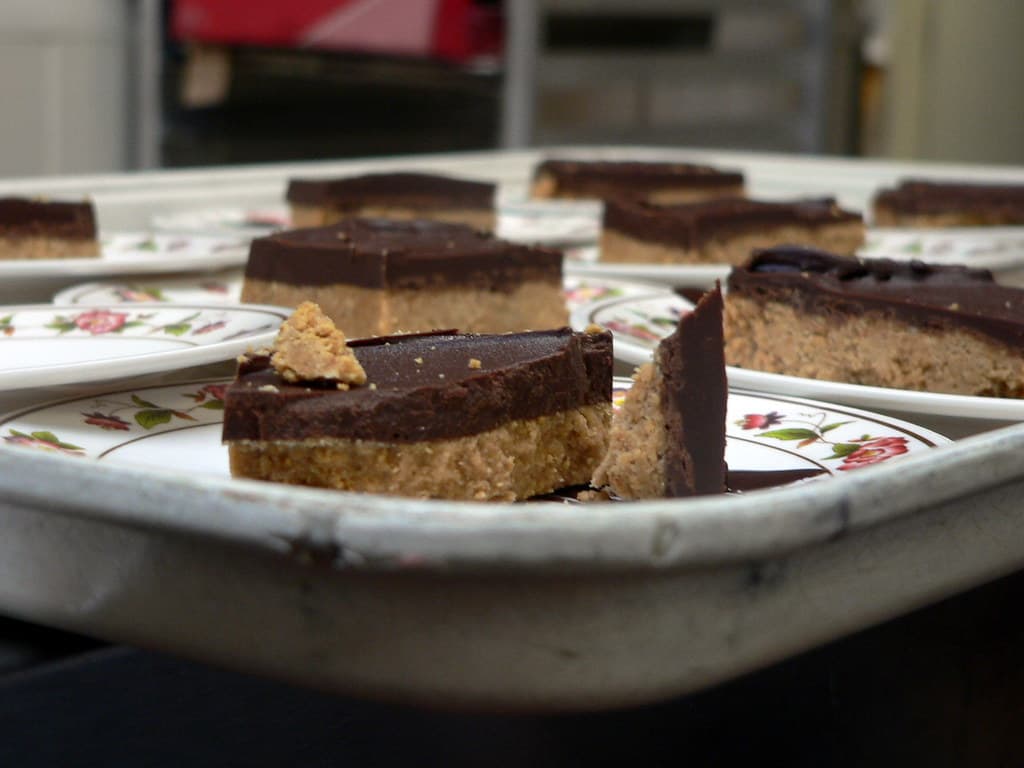
1861-1900
These peanut butter bars are a favorite treat served in American school cafeterias and concession stands, combining simple pantry ingredients into a sweet, chewy dessert. Enjoyed across various schools and events, their easy preparation and satisfying flavor make them a nostalgic and popular snack.
America's Melting Pot
Peanut Butter Bread photo coming soon
1861-1900
Peanut butter bread emerged during the Great Depression as a practical way to enrich simple bread dough with added protein and flavor. This bread combines pantry staples to create a satisfying loaf ideal for stretching limited resources affordably.
America's Melting Pot
Peanut Butter Chocolate Malt photo coming soon
1900-1929
Peanut Butter Chocolate Malt pours old-school malt-shop cheer into a cold glass: Candy-shop malt.
America's Melting Pot
Peanut Butter Chocolate Shake photo coming soon
1900-1929
Peanut Butter Chocolate Shake pours old-school malt-shop cheer into a cold glass: Candy-bar-style American shake.
1861-1900
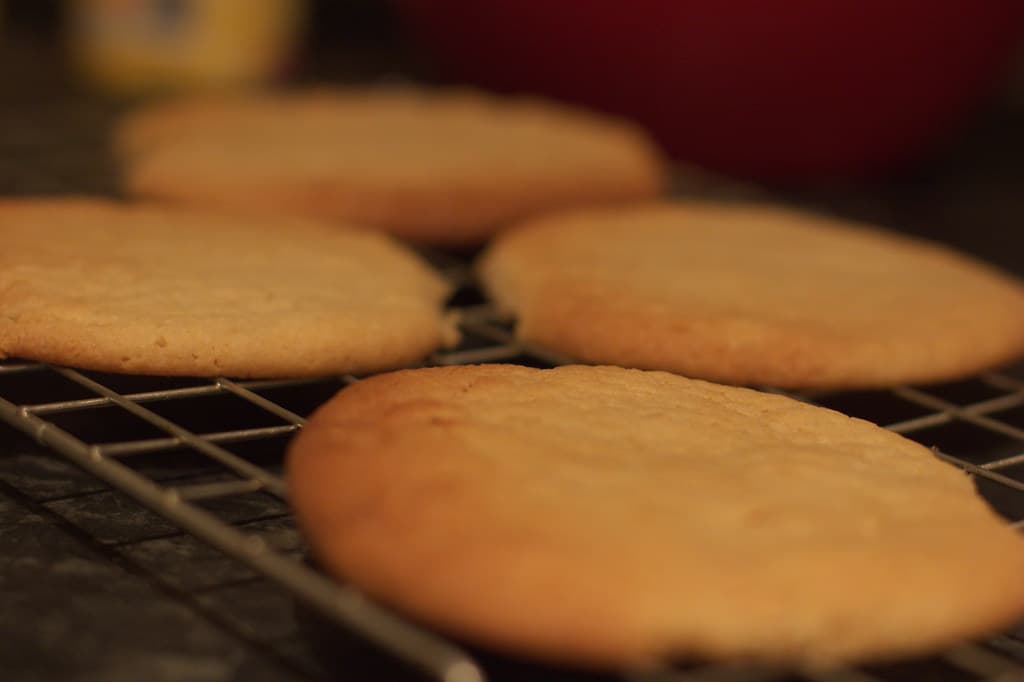
Peanut butter cookies became popular during World War II when sugar and butter were rationed. These cookies offer a simple treat using pantry staples, providing comforting sweetness and energy in challenging times.
America's Melting Pot
Peanut Butter Malt photo coming soon
1900-1929
Peanut Butter Malt pours old-school malt-shop cheer into a cold glass: Very American, very rich.
America's Melting Pot
Peanut Butter Sauce photo coming soon
Postwar & Diner Age
Peanut Butter Sauce is a sweet sauce with real American table personality: Ice cream parlor and Midwest dessert bars. It brings flavor from the Midwest and Great Lakes to cookouts, counters, lunch plates, potlucks, and weeknight suppers.
America's Melting Pot
Peanut Butter Shake photo coming soon
Postwar & Diner Age
Peanut Butter Shake pours old-school malt-shop cheer into a cold glass: Drive-in and Midwestern favorite.
America's Melting Pot
Pecan Praline Sauce photo coming soon
Cross-era
Pecan Praline Sauce is a sweet sauce with real American table personality: New Orleans/Southern dessert topping. It brings flavor from the American South to cookouts, counters, lunch plates, potlucks, and weeknight suppers.
America's Melting Pot
Peppermint Shake photo coming soon
1900-1929
Peppermint Shake pours old-school malt-shop cheer into a cold glass: Holiday shake, especially with crushed candy cane.
America's Melting Pot
Pepsi Float photo coming soon
Gilded Age & Progressive Era
Pepsi Float is fizzy Americana from the soda-fountain counter: Pepsi and vanilla ice cream.
America's Melting Pot
Pheasant and Wild Rice photo coming soon
1900-1929
This recipe pairs pheasant, a game bird, with wild rice, a native grain, commonly prepared in hunting and fishing camps or rustic cabins. It highlights simplicity and resourcefulness in outdoor American cooking traditions.
America's Melting Pot
Pickled Green Beans / Dilly Beans photo coming soon
1900-1929
Pickled Green Beans / Dilly Beans is a relish with real American table personality: Garden preserving and Bloody Mary garnish. It brings flavor from coast-to-coast American tables to cookouts, counters, lunch plates, potlucks, and weeknight suppers.
America's Melting Pot
Pickles and Onions photo coming soon
1900-1929
Pickles and Onions is a classic American barbecue side dish that pairs crisp dill pickles sliced with rings of raw onion to complement grilled meats. This simple combination adds acidity and pungency that cuts through rich, smoky barbecue flavors, making it a staple at cookouts and backyard grills throughout U.S. barbecue traditions.
America's Melting Pot
Pie by the Slice photo coming soon
1900-1929
Pie by the Slice refers to the tradition of serving a single slice of pie as a dessert or snack in American diners, lunch counters, and state fairs. Popular from the early 20th century onward, this practice highlights the accessibility and communal spirit of pie as an all-American favorite, offering a variety of fruit, cream, or custard pies available by the slice for quick enjoyment.
1900-1929
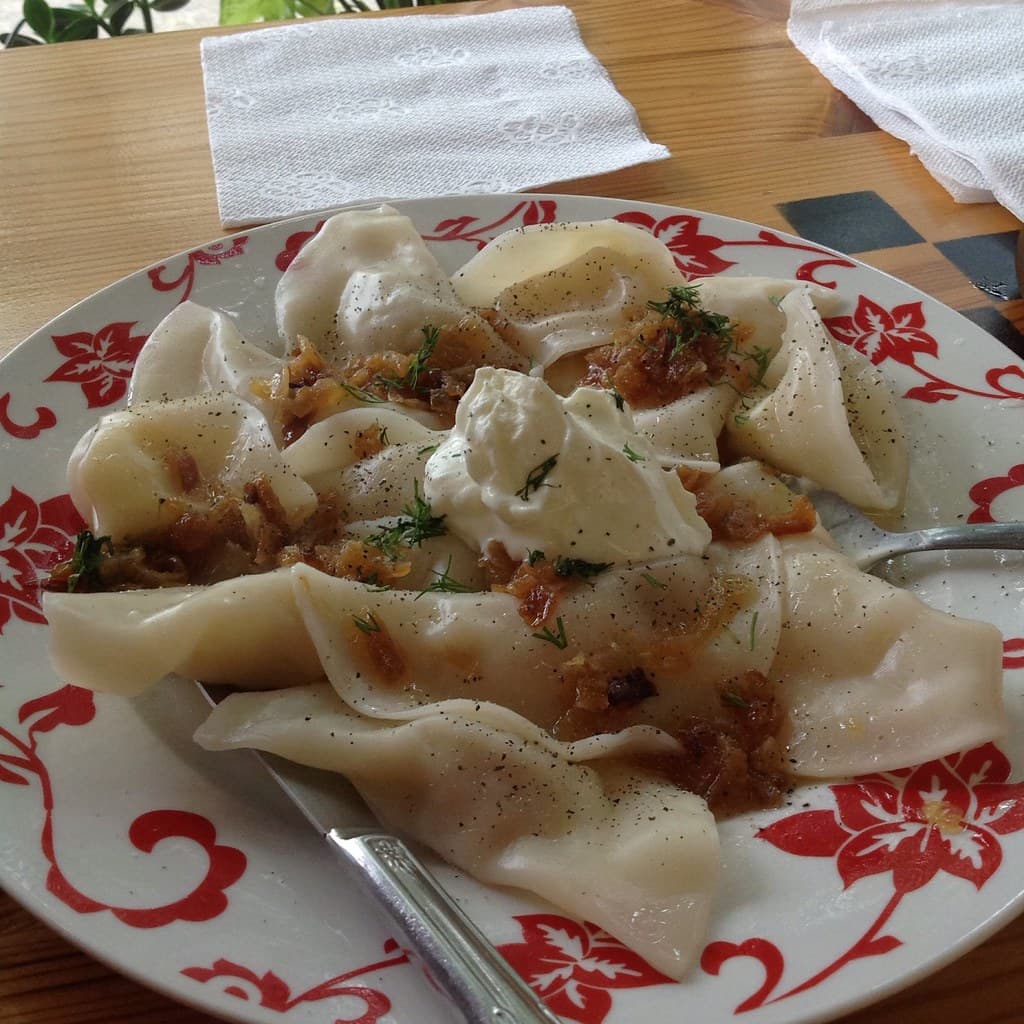
Pierogi are dumplings of Polish, Czech, Slovak, and other Eastern European origin widely embraced by immigrant communities in American cities during the early 20th century. Filled with sweet or savory ingredients, they became a comfort food at diners, lunch counters, and celebrations like Easter, helping preserve cultural traditions while integrating into American cuisine.
1946-1969
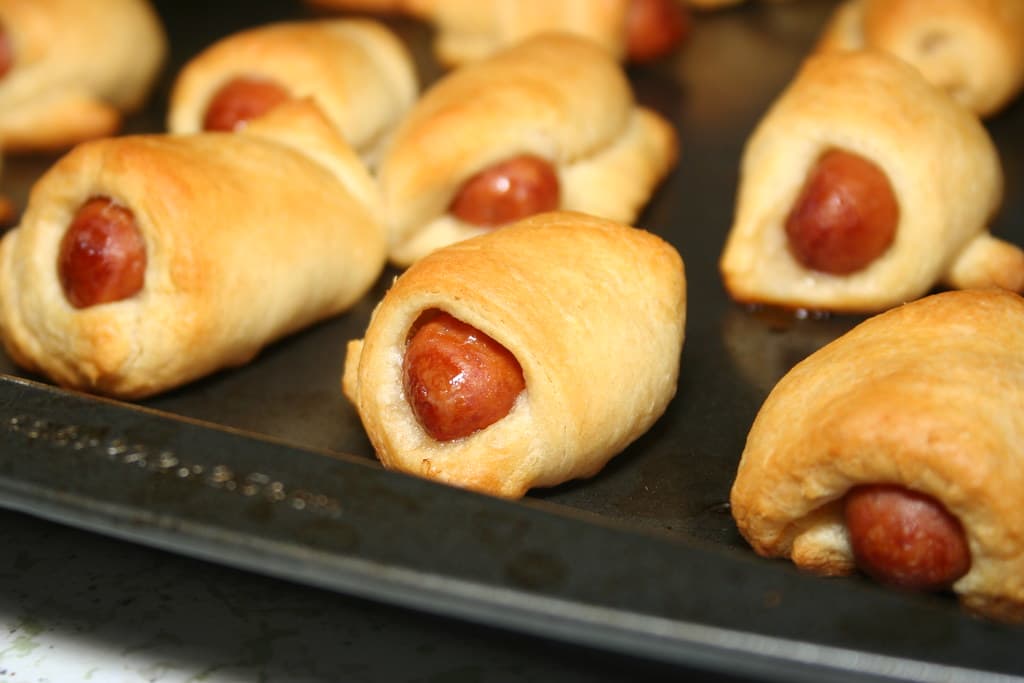
Pigs in a Blanket are bite-sized sausages or hot dogs wrapped in dough and baked until golden. Emerging prominently in mid-20th-century American cocktail parties and appetizer menus, they remain a nostalgic and favorite finger food in home and party settings across the country.
America's Melting Pot
Pimento Cheese Sandwich photo coming soon
1900-1929
The Pimento Cheese Sandwich is a simple, beloved American sandwich featuring creamy pimento cheese spread served between slices of white or toast bread. It exemplifies Southern casual dining and snack culture across generations, offering a quick and tasty meal or snack.
America's Melting Pot
Pineapple Julius photo coming soon
Postwar & Diner Age
Pineapple Julius carries the bright, frothy spirit of American mall counters: Tropical variation.
America's Melting Pot
Pineapple Malt photo coming soon
Postwar & Diner Age
Pineapple Malt pours old-school malt-shop cheer into a cold glass: Tropical old soda fountain style.
America's Melting Pot
Pineapple Shake photo coming soon
Postwar & Diner Age
Pineapple Shake pours old-school malt-shop cheer into a cold glass: Tropical soda fountain flavor.
America's Melting Pot
Pineapple Sundae Topping photo coming soon
Gilded Age & Progressive Era
Pineapple Sundae Topping is a sweet sauce with real American table personality: Banana split essential. It brings flavor from coast-to-coast American tables to cookouts, counters, lunch plates, potlucks, and weeknight suppers.
1900-1929
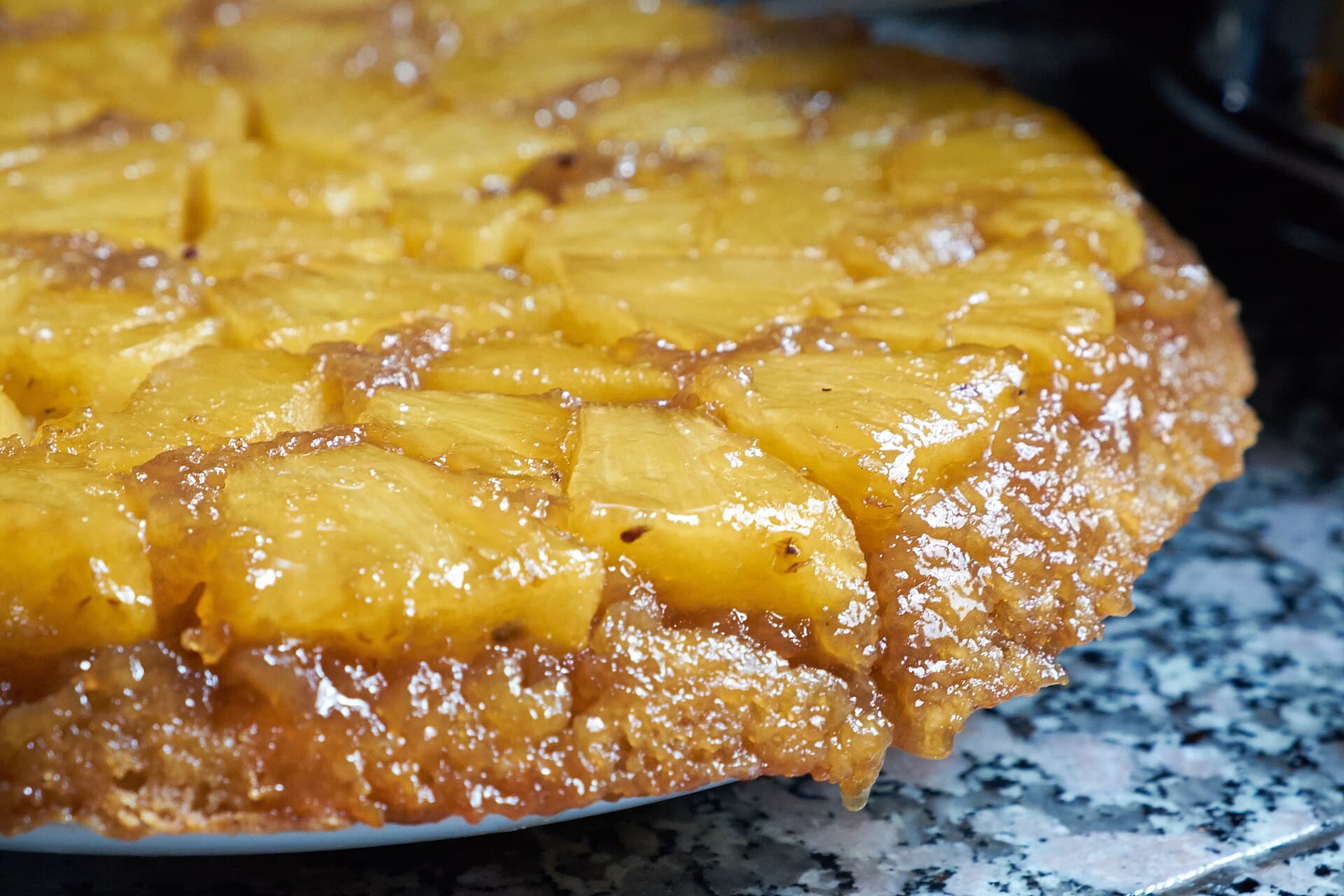
Pineapple Upside-Down Cake is a classic 1970s American dessert featuring pineapple rings caramelized in brown sugar and butter atop a moist yellow cake. Baked upside down and flipped for serving, it became a popular party and tailgate dessert showcasing tropical flavors in a home-friendly format.
America's Melting Pot
Pineapple Vanilla Shake photo coming soon
Postwar & Diner Age
Pineapple Vanilla Shake pours old-school malt-shop cheer into a cold glass: Old-school ice cream stand flavor.
America's Melting Pot
Pinto Beans and Cornbread photo coming soon
1930-1945
Pinto Beans and Cornbread is a classic side dish originating during the Dust Bowl and Great Depression as an affordable, nutritious meal. Pinto beans are slow-cooked and served alongside moist cornbread, reflecting resourcefulness and Southern traditions of the 1930s and 1940s urban and rural kitchens.

1900-1929
Pizza by the Slice offers quick, casual access to pizza portions sold individually, popularized in American malls and chain eateries during the late 20th century. Offering many toppings on single slices, this style reflects convenience and on-the-go American eating habits for tailgates and urban fast food.
America's Melting Pot
Pizza, Early American Style photo coming soon
1900-1929
Pizza, Early American Style reflects the introduction and adaptation of Italian pizza recipes by Italian-American immigrants during and after the Civil War through the late 19th century. Characterized by simple dough, tomato sauce, and modest toppings, this style marks the beginnings of American pizza culture in immigrant communities.
1861-1900
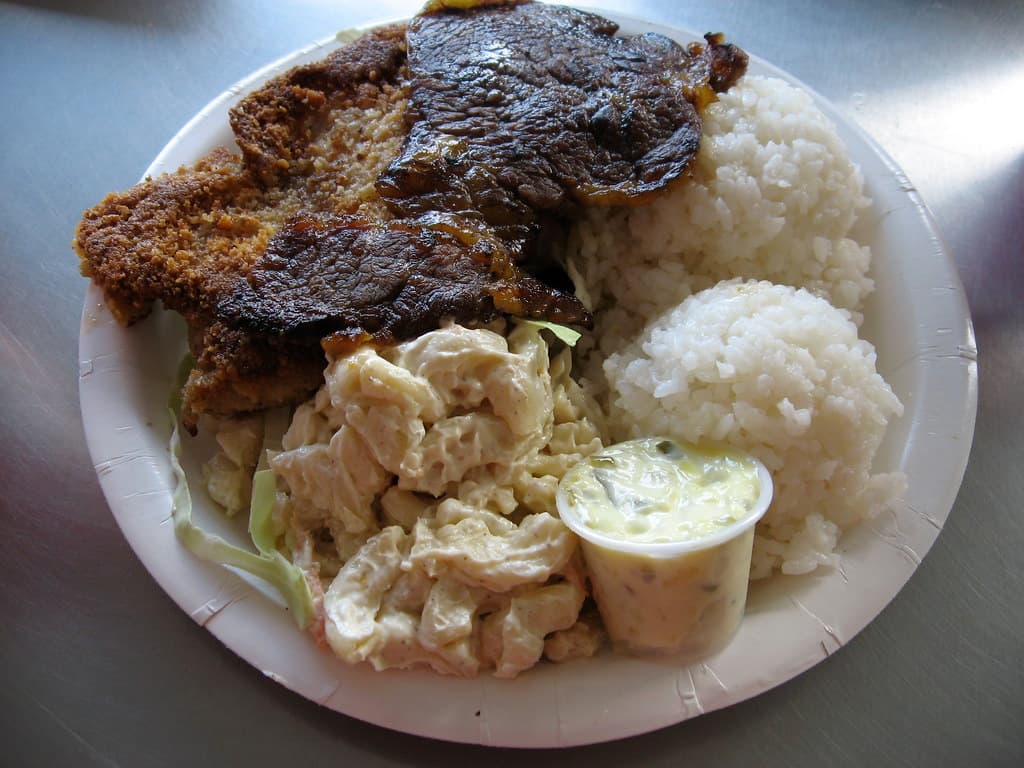
Plate Lunch is a Hawaiian staple featuring a protein portion served with rice and macaroni salad, showcasing Asian-Pacific, Hawaiian, and Portuguese influences. It embodies Hawaii's multicultural heritage by combining native and immigrant culinary traditions accessible throughout the islands.
1900-1929
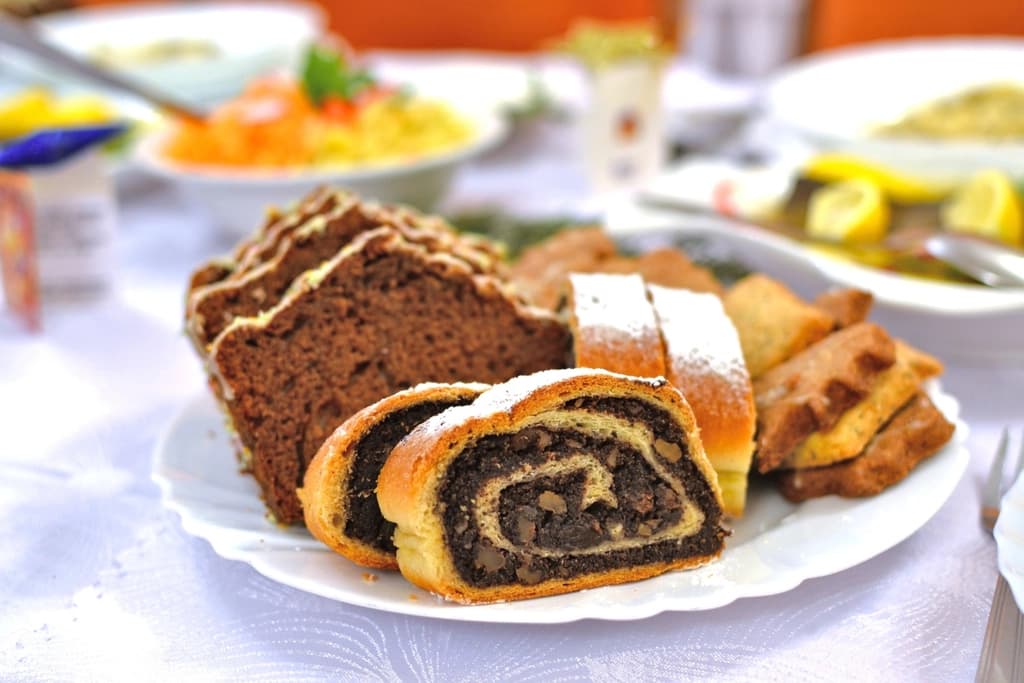
Poppy Seed Roll is a traditional Eastern European sweet yeast bread rolled around a dense poppy seed filling. This dessert became popular among Polish, Czech, and Slovak immigrant communities in American cities during the early 20th century.
1861-1900
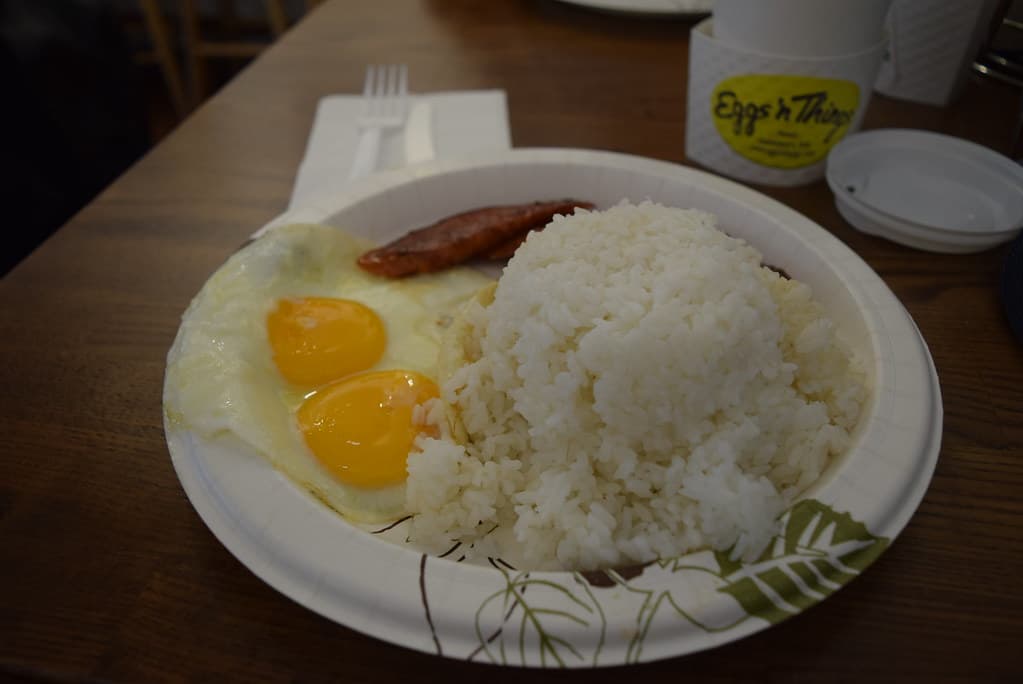
Portuguese Sausage and Eggs is a popular traditional breakfast in Hawaii combining savory Portuguese sausage with fried eggs to reflect immigrant influence on local food culture.
America's Melting Pot
Pot Roast Gravy photo coming soon
Gilded Age & Progressive Era
Pot Roast Gravy is a condiment with real American table personality: Sunday dinner sauce. It brings flavor from coast-to-coast American tables to cookouts, counters, lunch plates, potlucks, and weeknight suppers.
America's Melting Pot
Potato Dumplings photo coming soon
1900-1929
Potato Dumplings are traditional dumplings from Polish, Czech, Slovak, and other Eastern European cuisines, often served boiled and accompanied by savory or sweet sauces. Immigrant communities carried this beloved comfort food into the American culinary landscape.
America's Melting Pot
Powdered Egg Scramble photo coming soon
1930-1945
Powdered Egg Scramble was common in U.S. military and mess halls during the Great Depression and World War II, offering a quick, portable breakfast using powdered eggs due to rationing and preservation challenges. It reflects resourcefulness in American wartime kitchens.
America's Melting Pot
Praline Shake photo coming soon
Postwar & Diner Age
Praline Shake pours old-school malt-shop cheer into a cold glass: New Orleans/Southern dessert influence.
America's Melting Pot
Prickly Pear Smoothie photo coming soon
Cross-era
Prickly Pear Smoothie salutes regional fruit country and the American dairy-stand tradition: Southwest.
America's Melting Pot
Prickly Pear Syrup photo coming soon
Cross-era
Prickly Pear Syrup is a sweet sauce with real American table personality: Southwest drinks and desserts. It brings flavor from the American South to cookouts, counters, lunch plates, potlucks, and weeknight suppers.
America's Melting Pot
Primanti Bros.-Style Sandwich photo coming soon
1930-1945
The Primanti Bros.-Style Sandwich originated in Pittsburgh in the 1970s and 1980s as a hearty, convenient meal combining grilled meat, coleslaw, tomatoes, and french fries stacked inside Italian bread. It reflects regional pride and fast food fusion in post-industrial American cities.
Gilded Age & Progressive Era
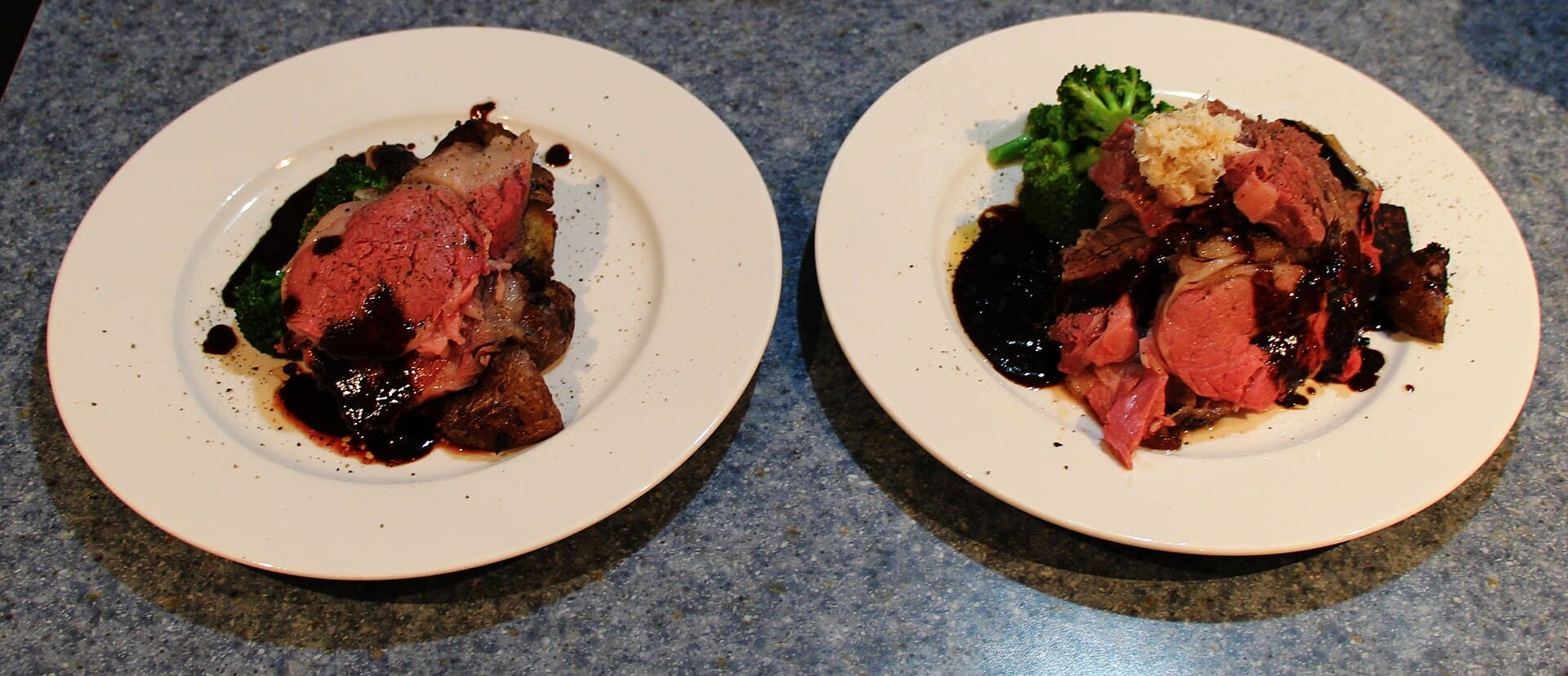
Prime Rib is a festive, slow-roasted beef cut traditionally featured at Christmas dinners and holiday celebrations across the United States. Its rich flavor and tender texture make it a centerpiece for special occasions.
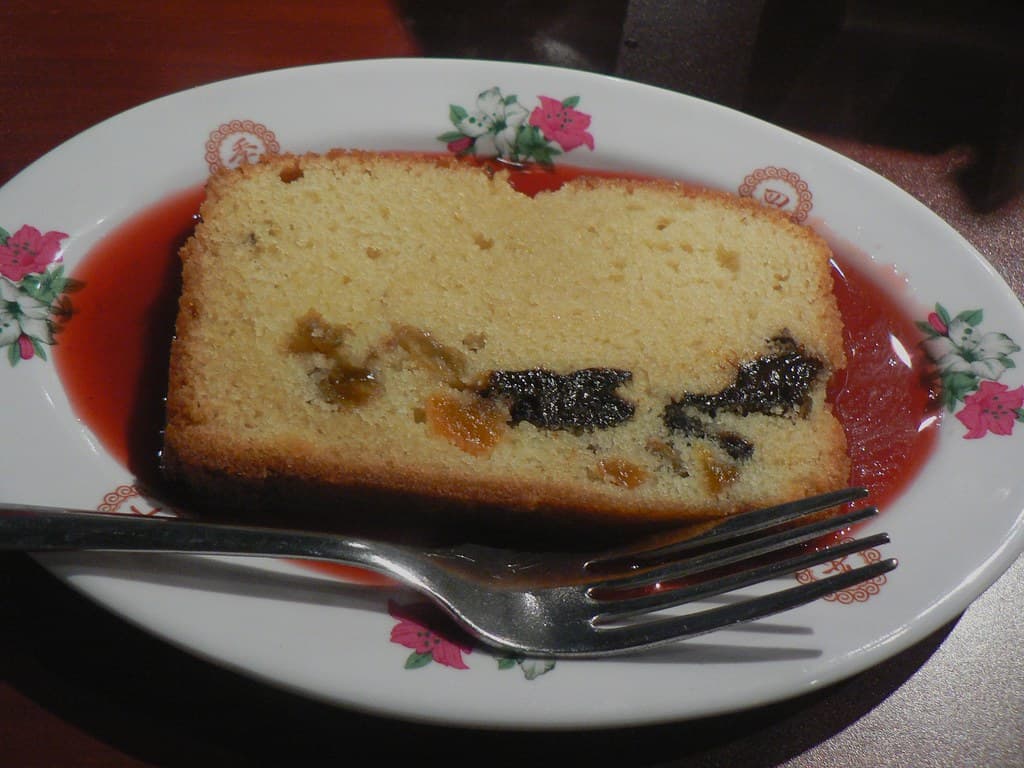
1930-1945
Prune Cake is a moist, spiced dessert that became popular during the Great Depression, utilizing affordable and shelf-stable prunes as a key ingredient. It reflects resourceful baking amid economic hardship.
America's Melting Pot
Puerto Rican Mamey Shake photo coming soon
Cross-era
Puerto Rican Mamey Shake salutes regional fruit country and the American dairy-stand tradition: Puerto Rican-American kitchens.
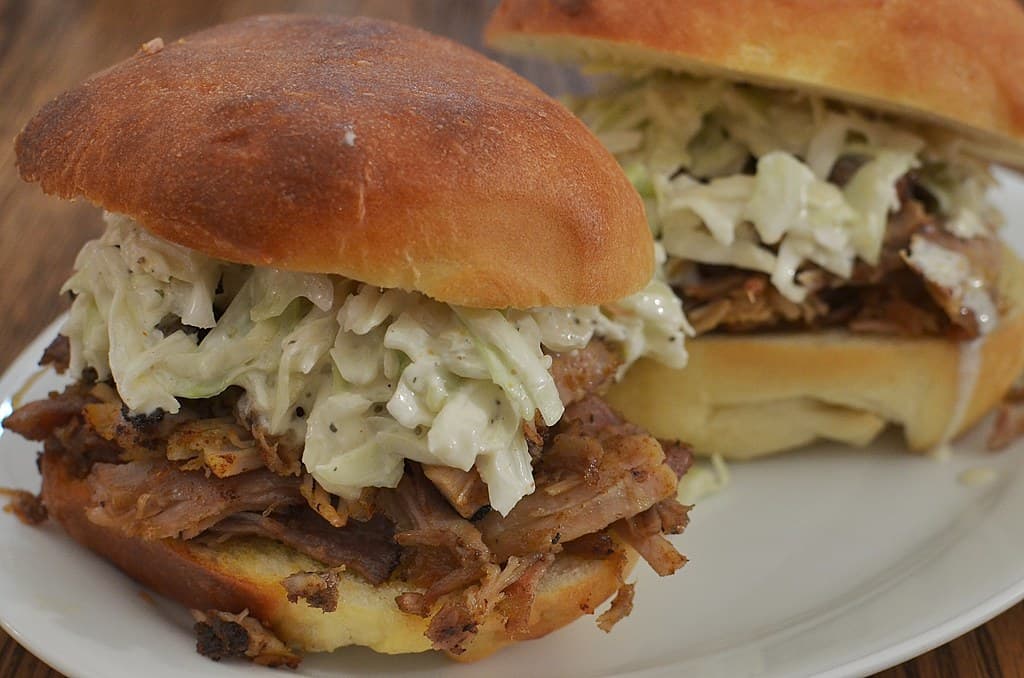
1900-1929
Pulled Pork Buns offer a convenient, shareable way to enjoy barbecue pork at church basements, funeral receptions, and potluck meals. They reflect communal food traditions in American social gatherings.
America's Melting Pot
Pumpkin Custard Shake photo coming soon
Cross-era
Pumpkin Custard Shake salutes regional fruit country and the American dairy-stand tradition: Midwest/South fall flavor.
America's Melting Pot
Pumpkin Malt photo coming soon
1900-1929
Pumpkin Malt pours old-school malt-shop cheer into a cold glass: Fall seasonal malt.
America's Melting Pot
Pumpkin Pie Shake photo coming soon
1900-1929
Pumpkin Pie Shake pours old-school malt-shop cheer into a cold glass: Autumn fast-food and custard-stand flavor.
America's Melting Pot
Purple Cow photo coming soon
Gilded Age & Progressive Era
Purple Cow is fizzy Americana from the soda-fountain counter: Grape soda or grape juice with ice cream, depending on region.
America's Melting Pot
Rachel photo coming soon
1900-1929
The Rachel sandwich is a variation of the Reuben, swapping corned beef for turkey and often coleslaw for sauerkraut, layered with Swiss cheese and Russian or Thousand Island dressing on rye bread. This popular American sandwich offers a lighter yet flavorful alternative, becoming common in delis and diners nationwide.
America's Melting Pot
Railroad Pie photo coming soon
1900-1929
Railroad Pie is a traditional American fruit pie historically linked to railroad and mining communities during the Civil War and Reconstruction era. Made with seasonal fruits and a sturdy crust, it was a portable and energy-rich dessert for workers and settlers.
America's Melting Pot
Ranch Powder Seasoning photo coming soon
Cross-era
Ranch Powder Seasoning is a spread with real American table personality: The dry-mix form of ranch: popcorn, crackers, pretzels, chicken, potatoes, and dips. It brings flavor from coast-to-coast American tables to cookouts, counters, lunch plates, potlucks, and weeknight suppers.
America's Melting Pot
Raspberry Lime Rickey photo coming soon
Gilded Age & Progressive Era
Raspberry Lime Rickey is fizzy Americana from the soda-fountain counter: New England/New York soda fountain flavor.
America's Melting Pot
Ration Cake photo coming soon
1930-1945
Ration Cake is a simple, resourceful cake born out of ingredient shortages during World War II. It showcases how American home cooks adapted typical baking with limited sugar and fat, often using alternative sweeteners and basic pantry staples to create a modest yet comforting dessert during the Depression and Wartime eras.
America's Melting Pot
Reese's Blizzard-Style Shake photo coming soon
Postwar & Diner Age
Reese's Blizzard-Style Shake is thick, spoonable frozen-custard stand fun: Peanut butter cup mix-in.
America's Melting Pot
Reindeer Sausage photo coming soon
1861-1900
Reindeer Sausage is a smoked, seasoned sausage made from reindeer or caribou meat, commonly found in Alaska. It is a hearty, flavorful protein often enjoyed grilled or pan-fried, reflecting indigenous and local food traditions unique to the region's environment.
America's Melting Pot
Remoulade, Louisiana Style photo coming soon
Cross-era
Remoulade, Louisiana Style is a seafood sauce with real American table personality: Creole/Cajun seafood sauce, often red or paprika-heavy. It brings flavor from the American South to cookouts, counters, lunch plates, potlucks, and weeknight suppers.
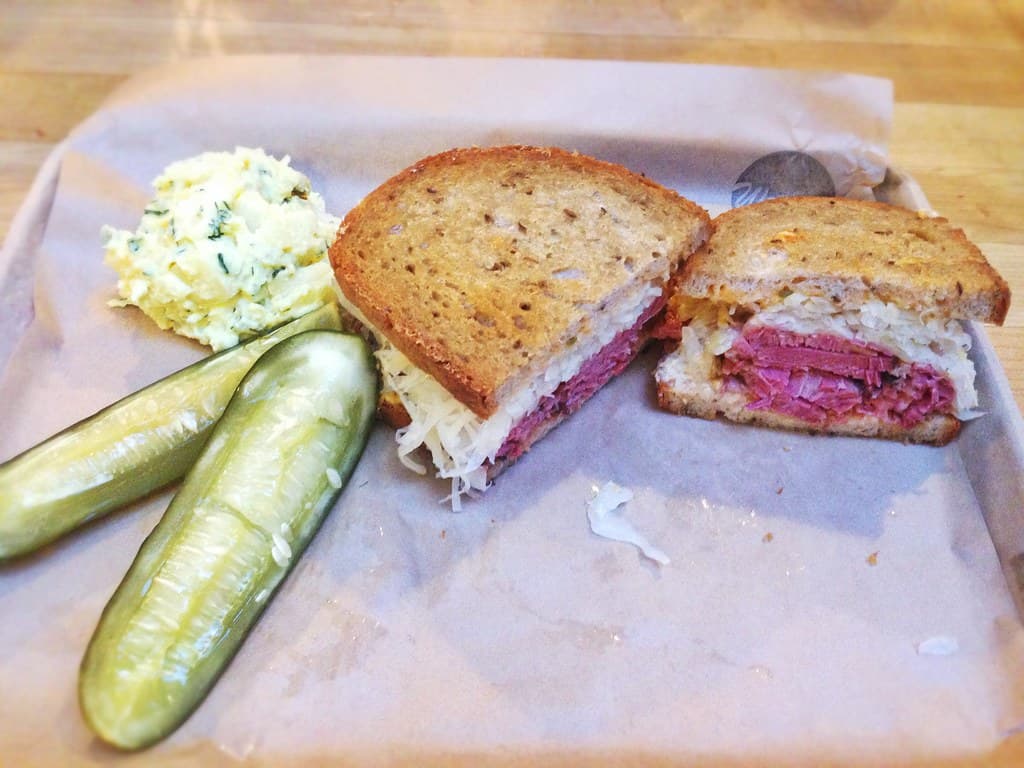
1900-1929
The Reuben sandwich is a hearty deli sandwich made with corned beef, sauerkraut, Swiss cheese, and Russian or Thousand Island dressing on rye bread, grilled to perfection. Emerging in American diners and lunch counters between 1900 and 1929, it combines immigrant flavors into an iconic comfort food.
America's Melting Pot
Rhode Island Coffee Cabinet photo coming soon
Postwar & Diner Age
Rhode Island Coffee Cabinet celebrates New England dairy-bar pride in a cold glass: Coffee syrup, milk, and ice cream.
America's Melting Pot
Rice Krispies Treats photo coming soon
1930-1945
Rice Krispies Treats are a simple no-bake dessert made with puffed rice cereal and melted marshmallows, often buttered for richness. Popularized in American homes during the postwar era, particularly in lunchboxes, church gatherings, and tailgate parties, this treat remains a nostalgic favorite.
America's Melting Pot
Roasted Corn photo coming soon
1946-1969
Roasted Corn is a classic American side dish featuring ears of corn cooked over open flame or oven-roasted until charred and tender. Common at state fairs and diners from the early 20th century, it remains a nostalgic favorite for its sweet, smoky flavor and simplicity.
America's Melting Pot
Root Beer photo coming soon
1861-1900
Root beer is a traditional American soft drink originally made by fermenting roots, bark, herbs, and spices. This recipe recreates an early version from the late 18th century, emphasizing natural flavors and a slight effervescence common to homemade brews before commercial mass production.
Community recipe submission
Log in to submit a recipe, format it with the cooking companion, and send it for review.
Log in to Submit