
Loading
Setting the table...
Fetching the latest recipes from the archive.
Loading
Fetching the latest recipes from the archive.
Recipe archive
Recipe archive
Search the archive by title, region, ingredient, tag, or era, then sort the table by the view that fits your kitchen.
This archive is growing through recipes, photos, family recipes, and historical context shared by the community.
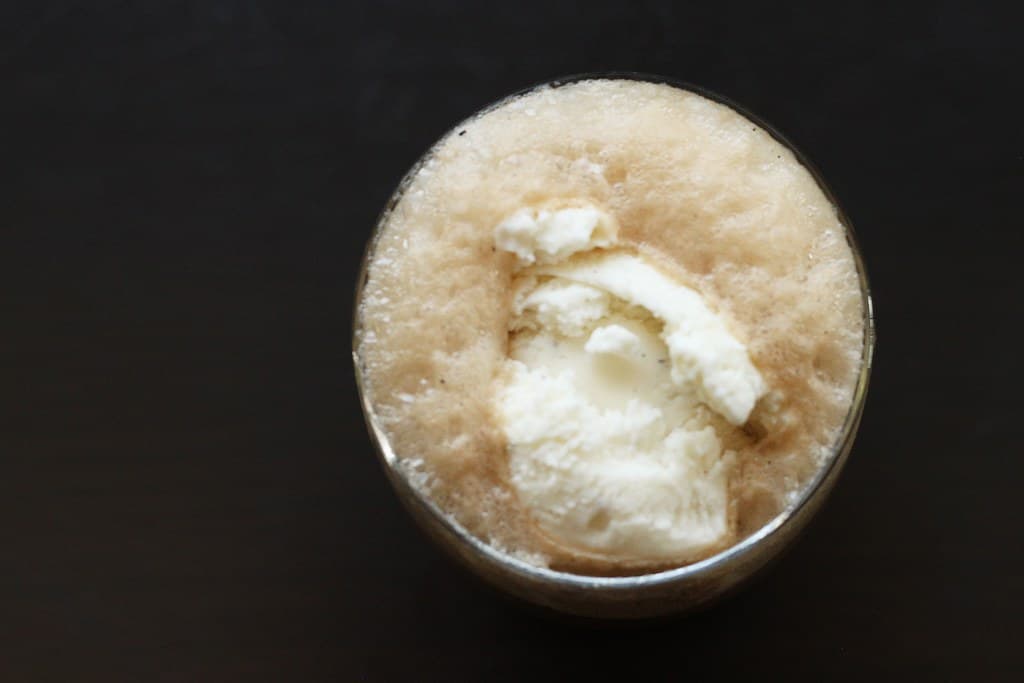
Gilded Age & Progressive Era
The root beer float combines cold root beer with vanilla ice cream to create a creamy fizzy dessert drink popularized in early 20th-century American diners and soda fountains. This nostalgic treat remains a favorite for its simplicity and delightful flavors.
America's Melting Pot
Root Beer Floats photo coming soon
Gilded Age & Progressive Era
Root beer floats have evolved into popular festive beverages served at food trucks, farmers markets, and holiday celebrations across the United States. Often garnished creatively and incorporating craft or specialty root beers, these floats highlight a modern American twist on a classic treat, especially popular during Fourth of July and summer holidays.
America's Melting Pot
Root Beer Malt photo coming soon
1900-1929
Root Beer Malt pours old-school malt-shop cheer into a cold glass: Root beer float and malt crossover.
America's Melting Pot
Root Beer Shake photo coming soon
1900-1929
Root Beer Shake pours old-school malt-shop cheer into a cold glass: Root beer float flavor blended into shake form.
America's Melting Pot
Rotel Queso photo coming soon
Cross-era
Rotel Queso is a party dip with real American table personality: Processed cheese plus canned tomatoes/chiles; Tex-Mex meets American convenience food. It brings flavor from Texas and the Southwest to cookouts, counters, lunch plates, potlucks, and weeknight suppers.
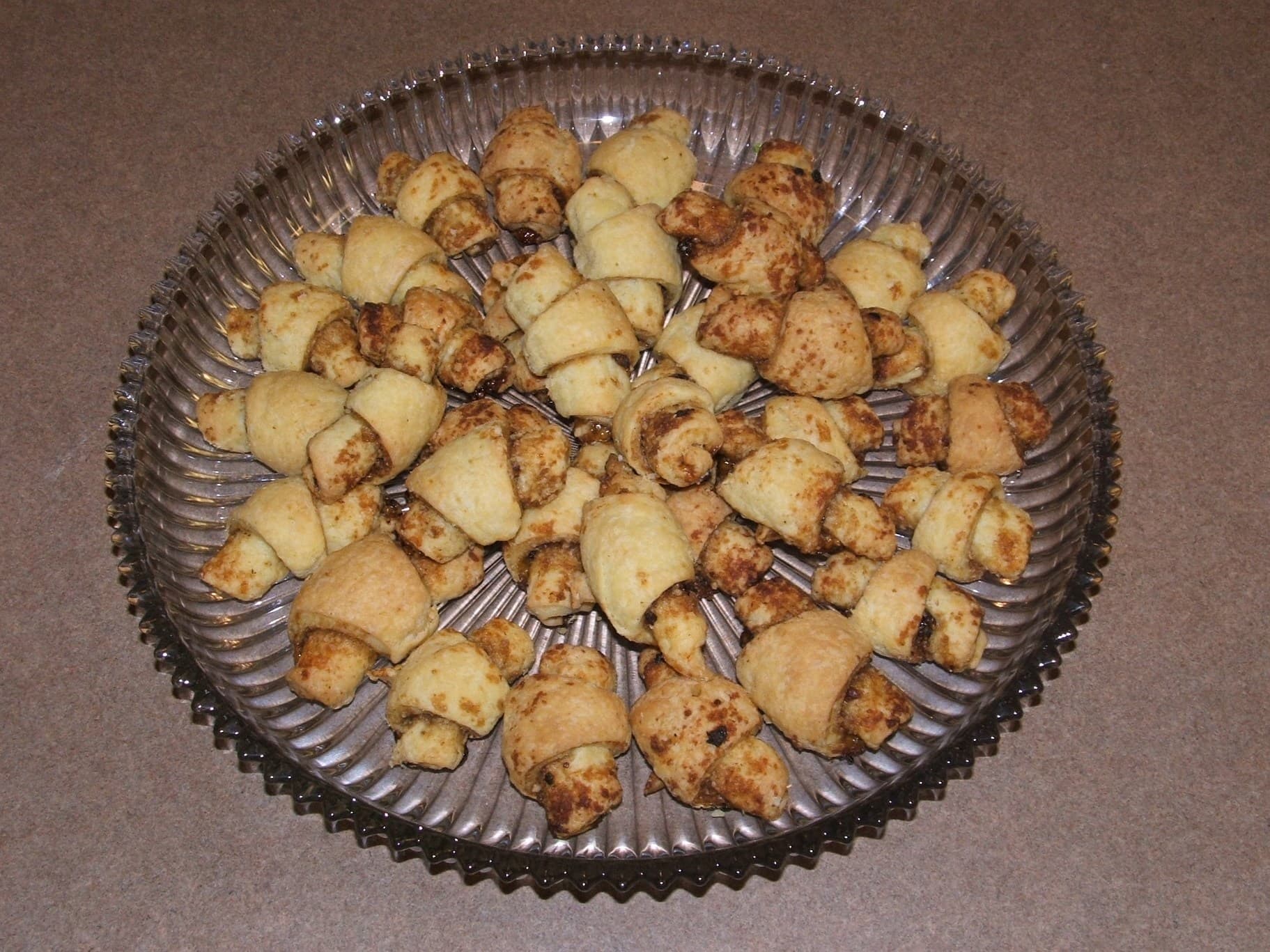
1861-1900
Rugelach are traditional Jewish pastries made from cream cheese dough folded with fillings such as nuts, raisins, or fruit preserves, shaped into crescent rolls. Brought to America by Eastern European Jewish immigrants, rugelach has become a beloved baked good beyond its origins.
America's Melting Pot
Rumaki photo coming soon
1946-1969
Rumaki is an appetizer featuring water chestnuts and chicken liver wrapped in bacon, marinated and baked or fried. Popularized during the postwar suburban cocktail party era, rumaki reflects mid-20th century American tastes and fascination with exotic flavors.
America's Melting Pot
Russian Dressing photo coming soon
Cross-era
Russian Dressing is a dressing with real American table personality: American-born despite the name; usually mayo, chili sauce/ketchup, horseradish, and spices. It brings flavor from Texas and the Southwest to cookouts, counters, lunch plates, potlucks, and weeknight suppers.
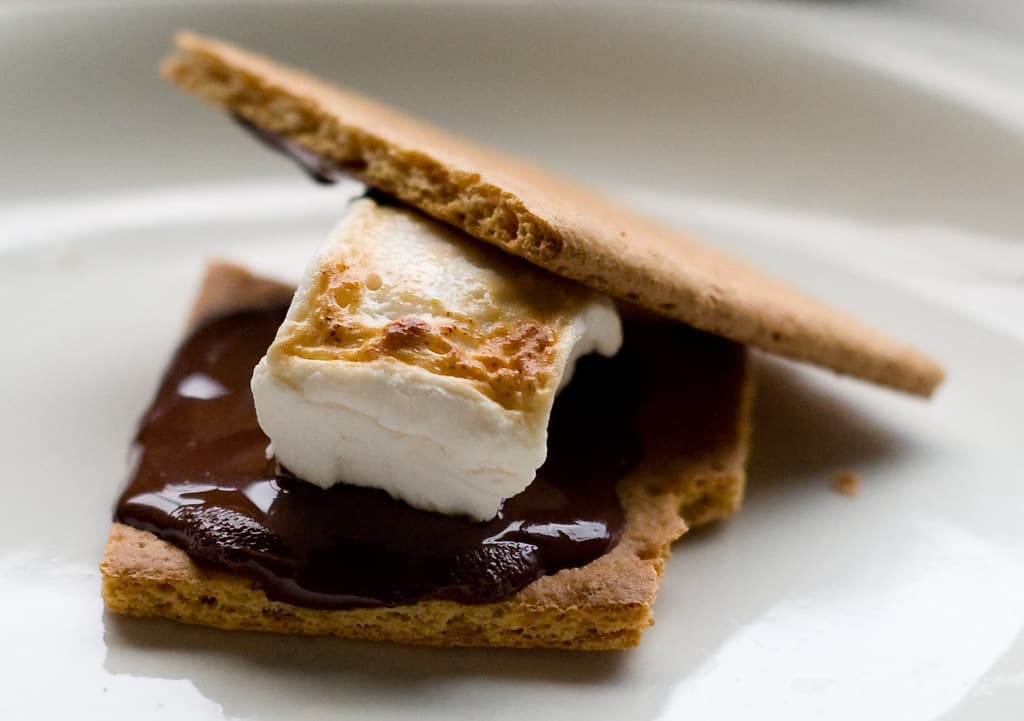
1900-1929
S'mores are a nostalgic treat involving marshmallows toasted over an open flame and sandwiched between graham crackers and chocolate. Popularized during the postwar boom in backyard grilling and camping culture, this recipe captures a simple, family-friendly indulgence that reflects American suburban leisure and outdoor tradition.
America's Melting Pot
S'mores Shake photo coming soon
1900-1929
S'mores Shake pours old-school malt-shop cheer into a cold glass: Campfire nostalgia shake.
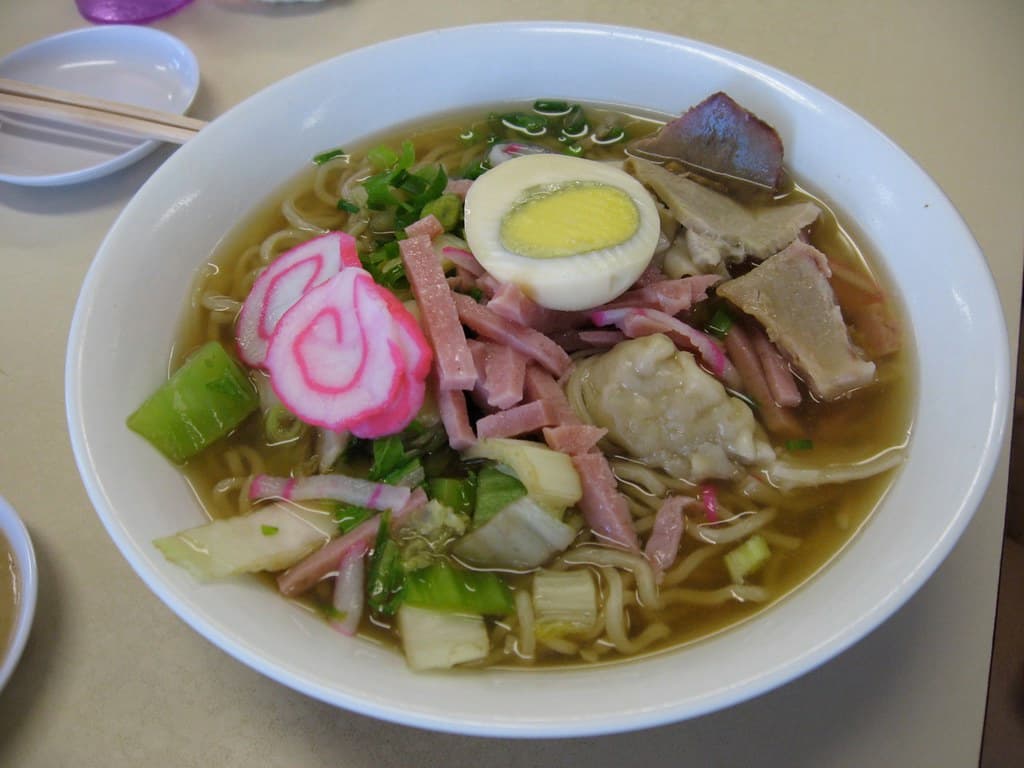
1900-1929
Saimin is a noodle soup combining wheat noodles in a light broth with garnishes such as green onions, char siu pork, and seaweed. It emerged in Hawaii through fusion of Hawaiian, Asian-Pacific American, and Portuguese-American culinary traditions reflecting diverse immigration patterns.
America's Melting Pot
Salmon Burger Dill Sauce photo coming soon
Cross-era
Salmon Burger Dill Sauce is a seafood sauce with real American table personality: Pacific Northwest and Alaska-style seafood condiment. It brings flavor from the Pacific Northwest and Mountain West to cookouts, counters, lunch plates, potlucks, and weeknight suppers.
1900-1929
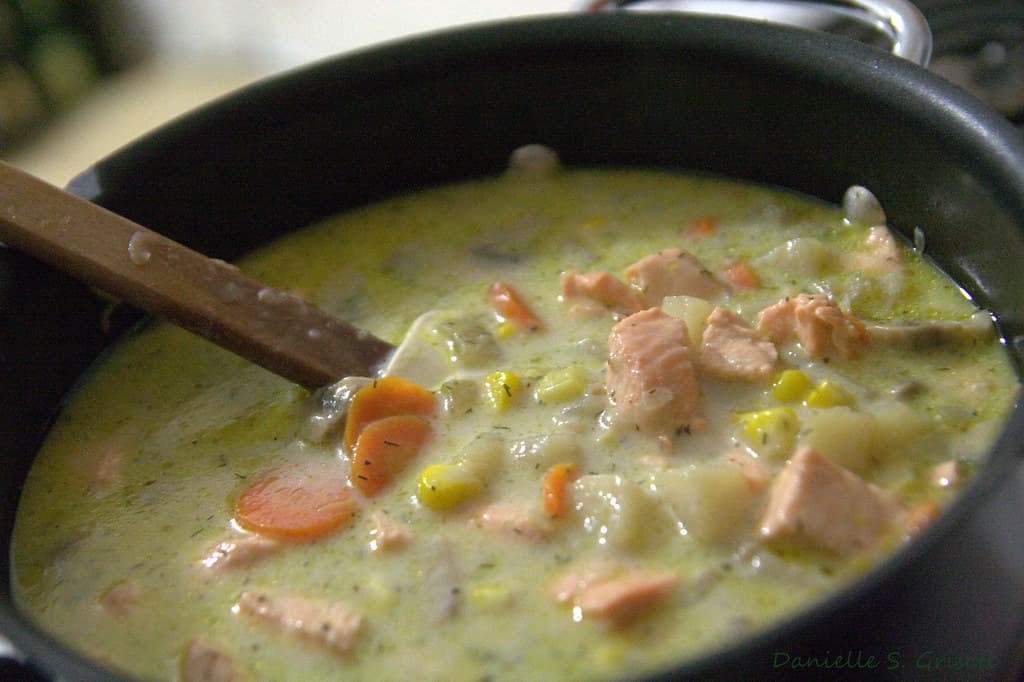
Salmon chowder is a creamy, satisfying soup made with fresh or canned salmon, potatoes, onions, and cream. Popular in Alaska and coastal regions, this chowder reflects resourceful cooking with local seafood in rustic camp and cabin settings.
America's Melting Pot
Salted Caramel Shake photo coming soon
1900-1929
Salted Caramel Shake pours old-school malt-shop cheer into a cold glass: Modern diner/coffeehouse crossover.
America's Melting Pot
Sarsaparilla Float photo coming soon
1861-1900
Sarsaparilla Float is fizzy Americana from the soda-fountain counter: Old West/soda fountain throwback.
America's Melting Pot
Sauerkraut Soup photo coming soon
1900-1929
Sauerkraut Soup is a traditional hearty soup popular among Polish, Czech, Slovak, and other Eastern European immigrants in early 20th century America. Made with sauerkraut, potatoes, sausage, and root vegetables, it was a common comforting dish at diners, lunch counters, and state fairs reflecting immigrant food heritage.
1900-1929
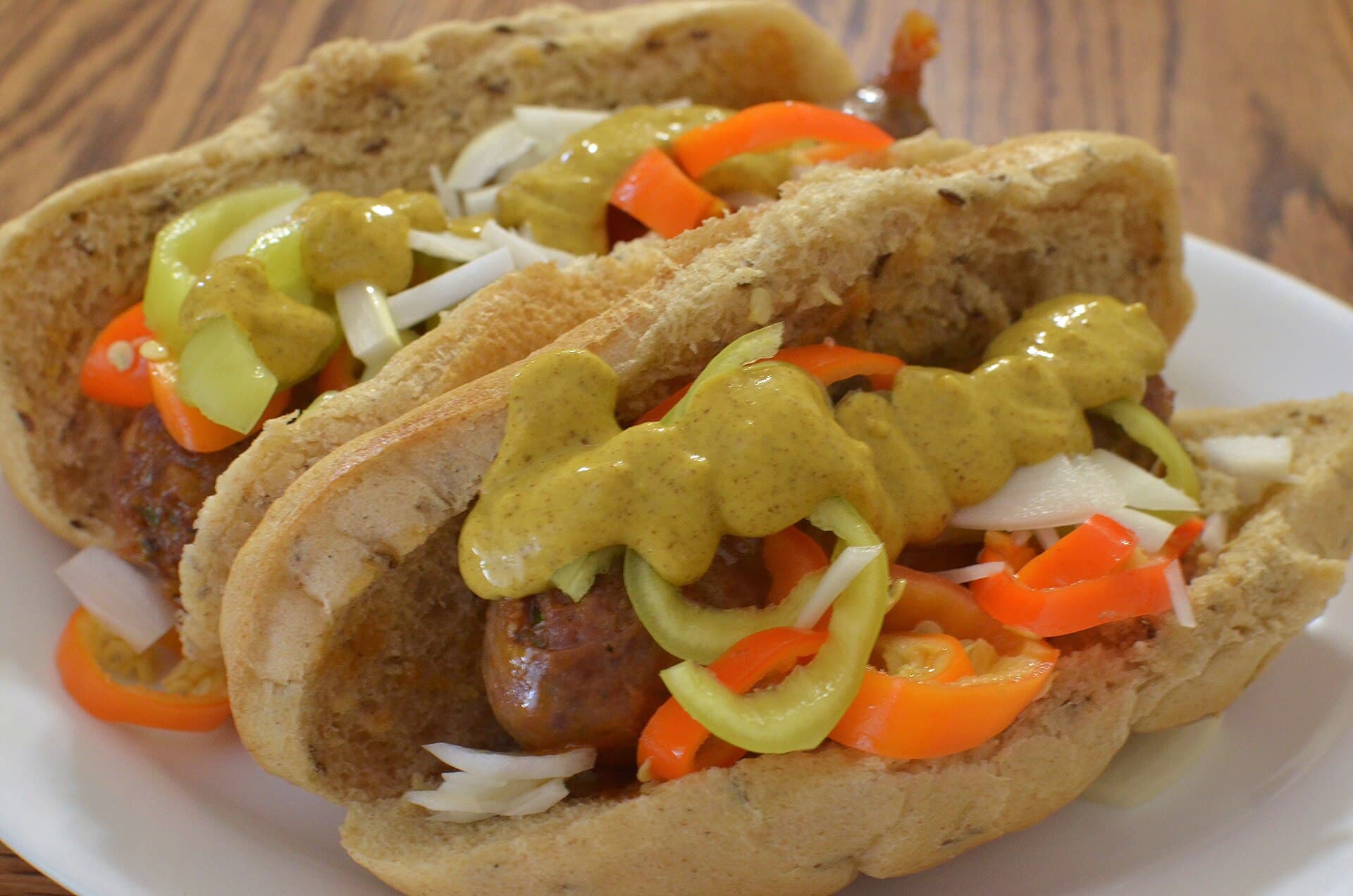
Sausage and Peppers is a vibrant Italian-American dish featuring sweet or hot Italian sausage cooked with sauteed bell peppers, onions, and tomato sauce. Popularized in the late 19th century during Italian immigration, it became a staple at state fairs, diners, and community gatherings across America.
1990-2009
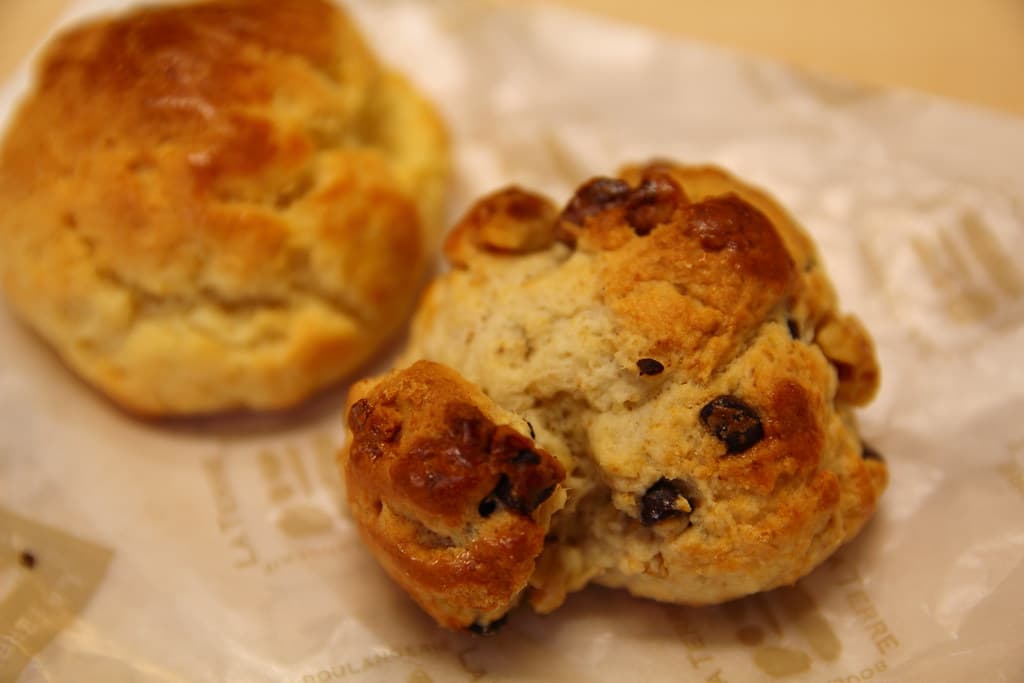
American scones are soft, lightly sweetened quick breads often served at coffee shops and bakeries. Adapted from British origins, the 1990s saw a surge in popularity in suburban and cafe culture across the U.S., becoming a favored breakfast or snack item.
America's Melting Pot
Seafoam Salad photo coming soon
1900-1929
Seafoam Salad is a light, frothy gelatin salad featuring lime Jell-O, crushed pineapple, marshmallows, and cottage cheese or whipped topping. Popular in mid-20th century American suburbs, especially during 1946-1969, it was a fixture of potlucks and holiday dinners symbolizing postwar convenience foods adapted into celebratory menus.
America's Melting Pot
Senate Bean Soup photo coming soon
1900-1929
Senate Bean Soup is a simple, hearty soup featuring navy beans, ham hock, onions, and herbs. Known as a longstanding menu item in the U.S. Senate dining room, it represents traditional American soup and stew culture emphasizing slow cooking and humble ingredients.
America's Melting Pot
Shamrock-Style Mint Shake photo coming soon
1900-1929
Shamrock-Style Mint Shake brings drive-in, carhop, and fast-food dessert-counter energy to the table: St. Patrick's Day fast-food tradition.
1900-1929
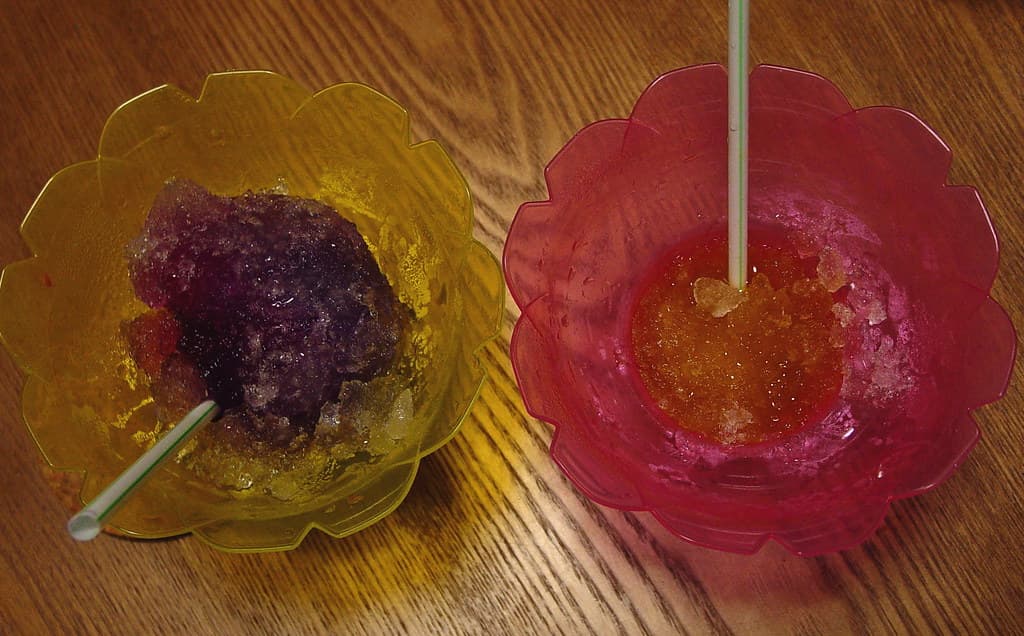
Shave Ice is a finely shaved ice dessert popular in Hawaii featuring colorful flavored syrups and often toppings such as sweetened beans or mochi. It reflects the blending of native Hawaiian, Asian-Pacific, and Portuguese-American influences and remains a beloved tropical refreshment.
America's Melting Pot
Shawarma photo coming soon
1946-1969
Shawarma is a Middle Eastern seasoned meat preparation typically shaved from a vertical spit, wrapped in flatbread with toppings and sauces. Its American adaptation became widely popular in suburban food scenes and coffee shops in the late 20th century as a flavorful fast meal.
America's Melting Pot
Sheet Cake photo coming soon
1946-1969
Sheet Cake is a simple, large-format cake baked in a rectangular pan, often frosted and decorated for community gatherings, school events, and church socials. Its easy preparation and service made it a staple dessert in early American communal dining spaces.
1946-1969
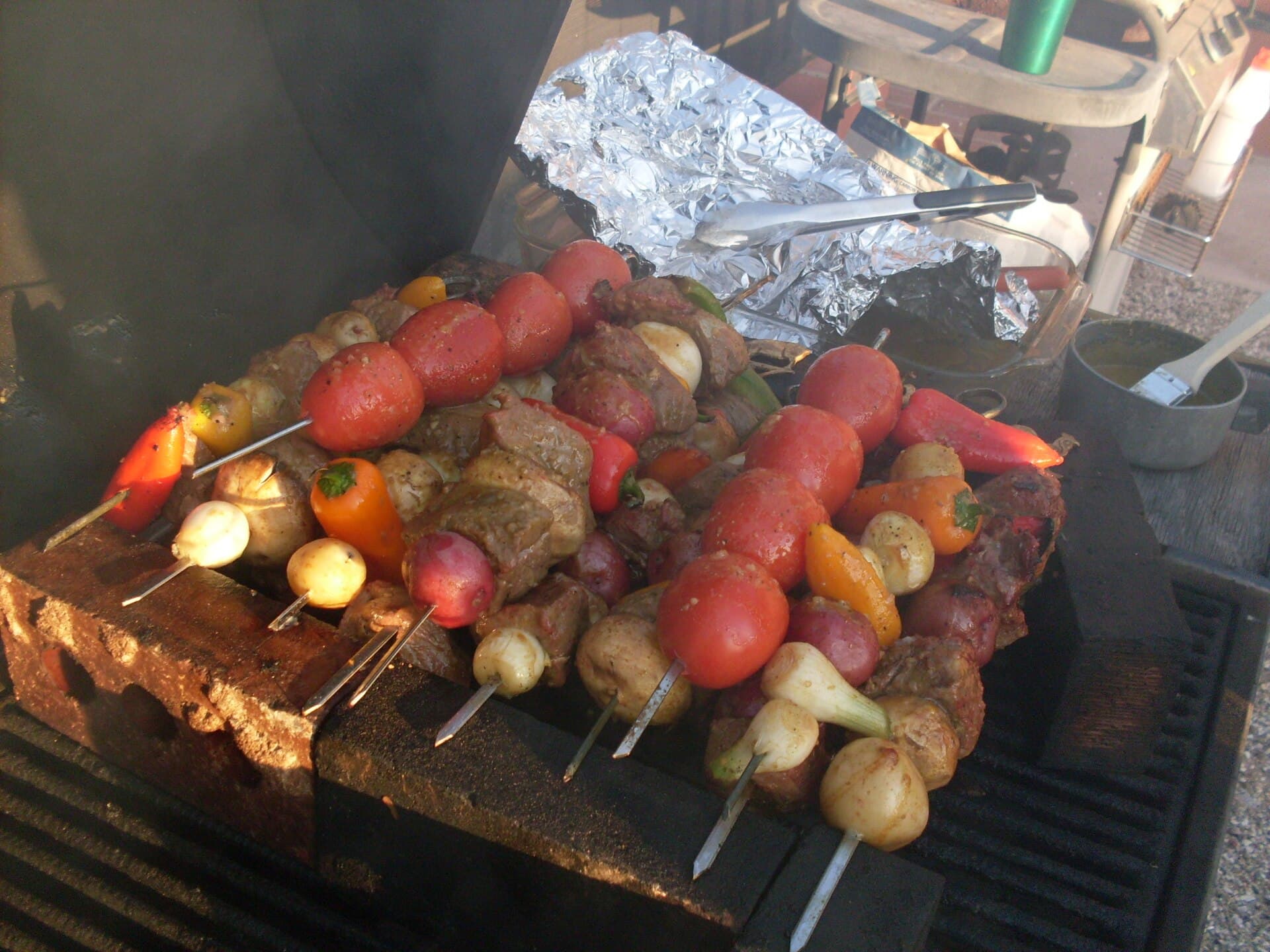
Shish Kebabs are skewered chunks of marinated meat and vegetables grilled to smoky perfection. Rising in popularity during postwar suburban backyard cookouts, they became emblematic of American outdoor grilling culture in the mid-20th century.
America's Melting Pot
Shore Lunch Potatoes photo coming soon
1900-1929
Shore Lunch Potatoes are hearty pan-fried potatoes prepared outdoors, traditionally served at fishing and hunting camps. They complement fresh-caught fish meals and reflect rustic American cabin cooking traditions.
1900-1929
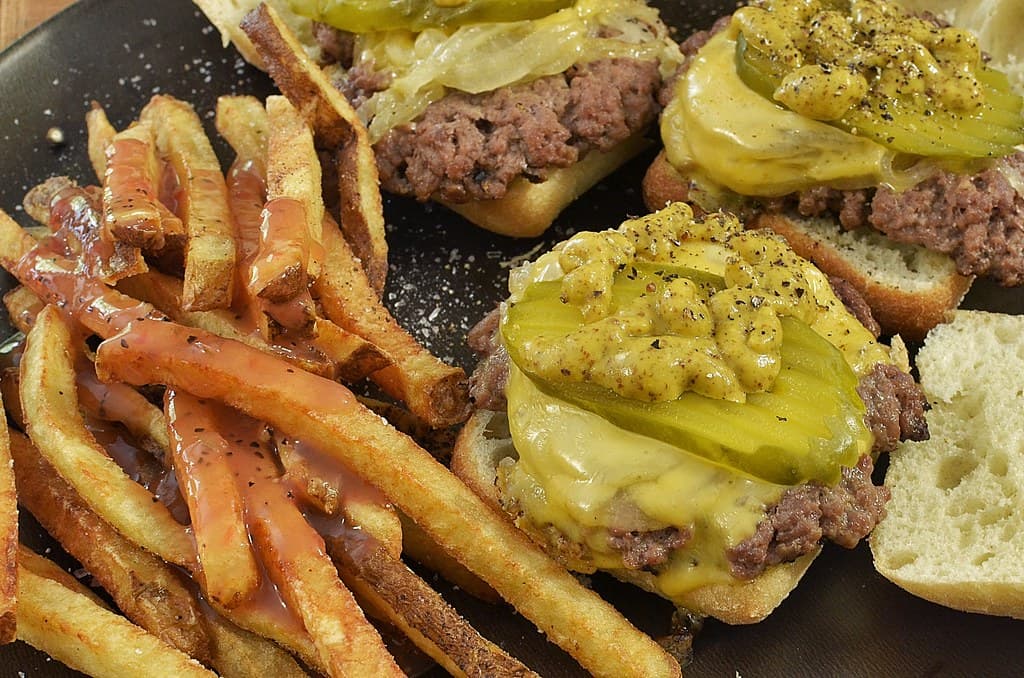
Sliders are small hamburgers or sandwiches traditionally served as party food or game day snacks across American households. Popularized during the late 20th century, they offer a bite-sized, flavorful option perfect for sharing at casual gatherings.
1900-1929
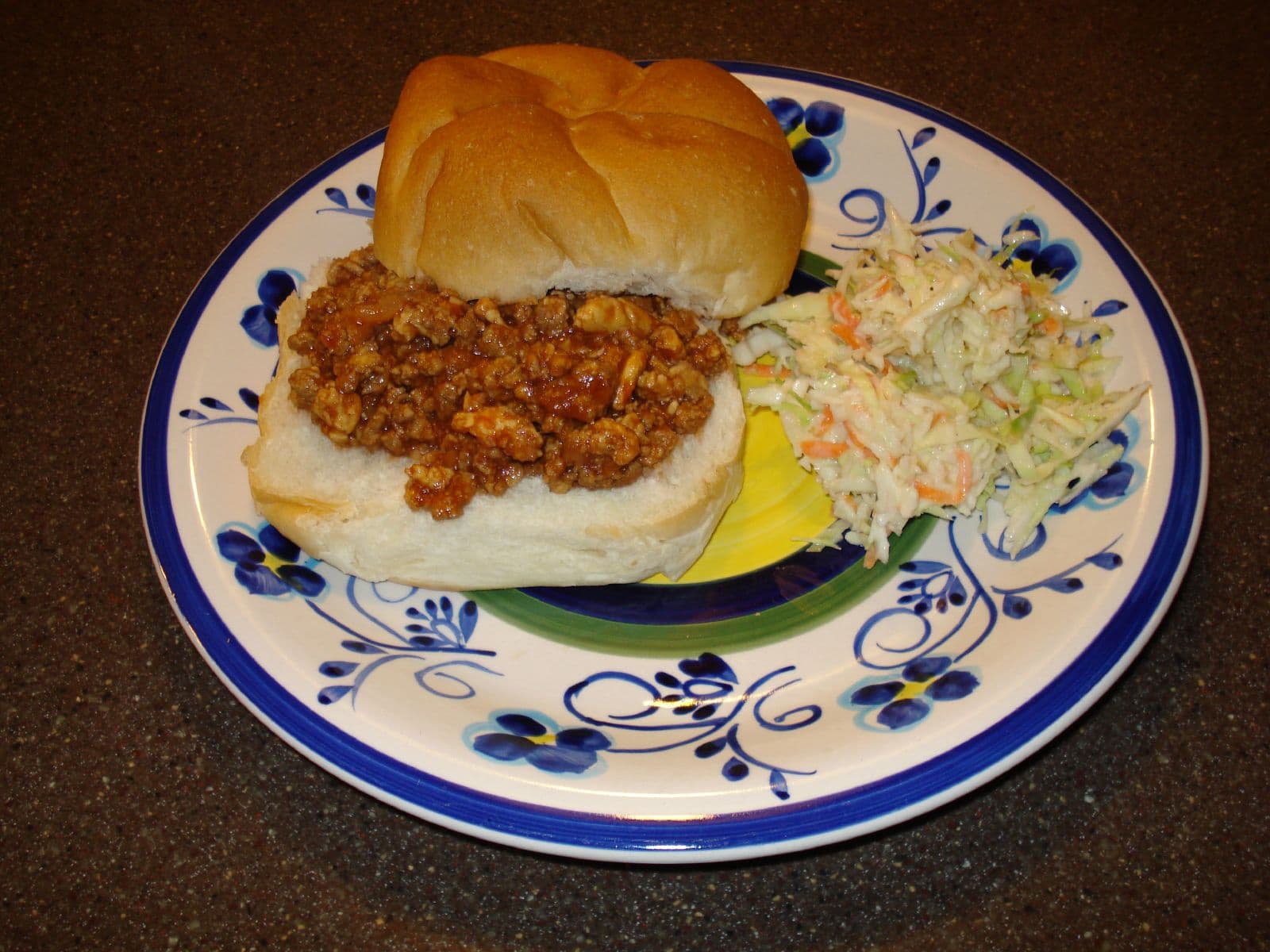
The Sloppy Joe is a casual American sandwich combining seasoned ground beef in a tangy tomato-based sauce served on a sandwich bun. Beloved for its indulgent flavor and ease of preparation, it became popular mid-20th century as an affordable family meal and lunch counter staple.
America's Melting Pot
Sloppy Joe Sauce photo coming soon
1930-1945
Sloppy Joe Sauce is a sandwich sauce with real American table personality: Sweet tomato-meat sandwich sauce. It brings flavor from coast-to-coast American tables to cookouts, counters, lunch plates, potlucks, and weeknight suppers.
1900-1929
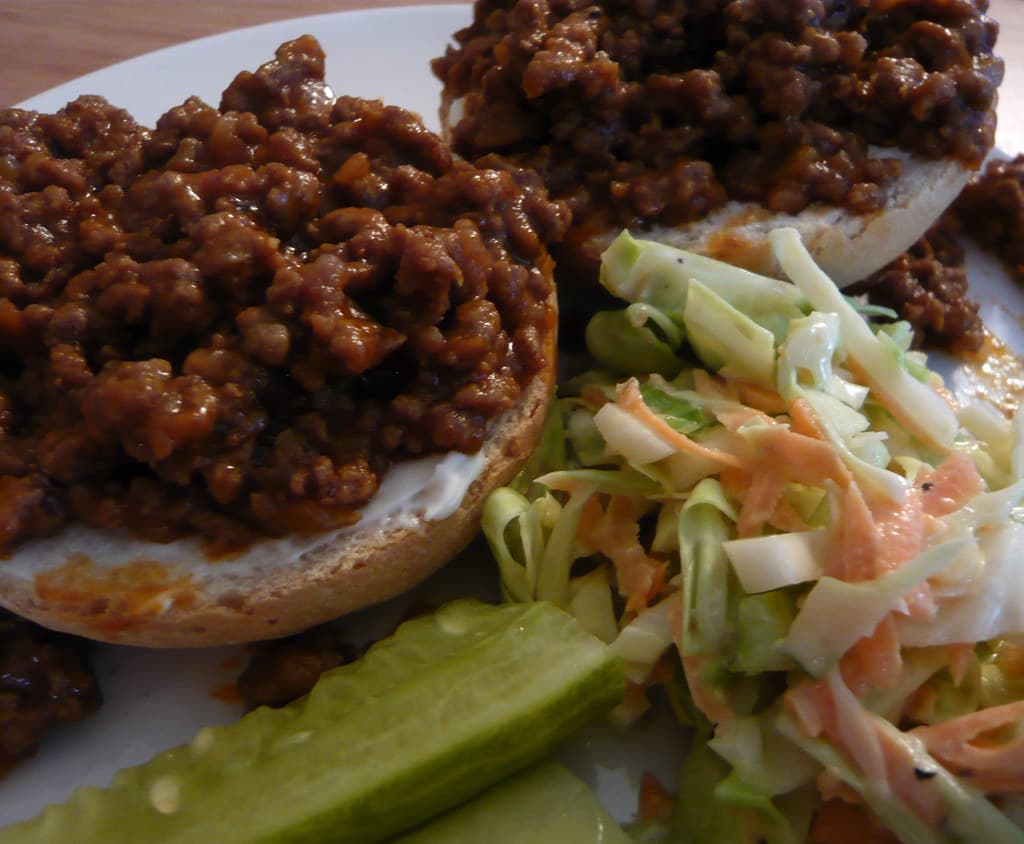
Sloppy Joes are ground beef sandwiches served in a savory tomato sauce on hamburger buns. Popular from the early 20th century in diners, schools, and community gatherings, they became a staple of affordable American social dining, especially at state fairs and church suppers.
America's Melting Pot
Smoked Fish Dip photo coming soon
Cross-era
Smoked Fish Dip is a party dip with real American table personality: Great Lakes, Florida, Gulf Coast, and Pacific Northwest versions. It brings flavor from the American South to cookouts, counters, lunch plates, potlucks, and weeknight suppers.
America's Melting Pot
Smoked Salmon Spread photo coming soon
Cross-era
Smoked Salmon Spread is a seafood sauce with real American table personality: Alaska, Pacific Northwest, Great Lakes. It brings flavor from the Midwest and Great Lakes to cookouts, counters, lunch plates, potlucks, and weeknight suppers.
America's Melting Pot
Snickers Salad Dressing photo coming soon
Cross-era
Snickers Salad Dressing is a spread with real American table personality: Upper Midwest "salad" that is absolutely dessert. It brings flavor from the Midwest and Great Lakes to cookouts, counters, lunch plates, potlucks, and weeknight suppers.
America's Melting Pot
Sorghum Cookies photo coming soon
1930-1945
Sorghum Cookies use sorghum molasses to create rich, sweet cookies that provided affordable treats during the 1930s Dust Bowl and Depression. This recipe exemplifies home baking focused on maximizing pantry staples to nourish families economically.
America's Melting Pot
Sorghum Molasses Bread photo coming soon
1930-1945
Sorghum Molasses Bread is a hearty bread sweetened by sorghum molasses, popular during and after the Civil War as a sustaining food. Its simple ingredients and dense texture made it suitable for military and frontier kitchens, reflecting practical baking in austere conditions.
America's Melting Pot
SOS photo coming soon
1900-1929
This main dish version of SOS consists of creamed dried chipped beef served over toast, a staple during the Great Depression. The recipe embodies economical cooking by stretching preserved ingredients into a filling comfort meal.
America's Melting Pot
SOS photo coming soon
1930-1945
SOS is a staple dish consisting of creamed chipped dried beef served over toasted bread, common in military and working-class kitchens during the Great Depression and World War II. Known for its economical use of preserved ingredients, it's a quick, savory comfort food.
America's Melting Pot
SOS Creamed Beef Sauce photo coming soon
1900-1929
SOS Creamed Beef Sauce is a condiment with real American table personality: Military and diner "cream chipped beef on toast.". It brings flavor from coast-to-coast American tables to cookouts, counters, lunch plates, potlucks, and weeknight suppers.
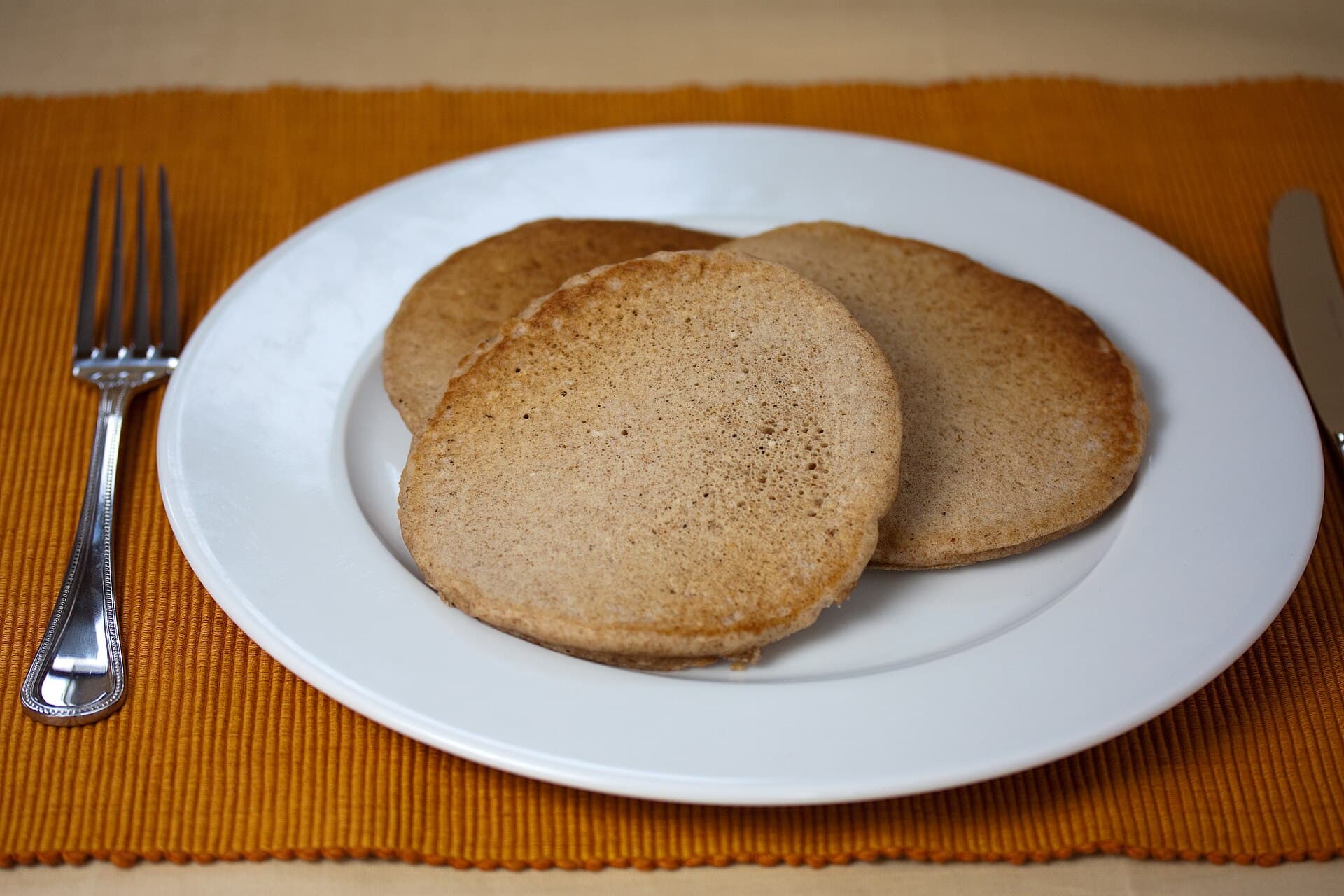
1861-1900
Sourdough Pancakes use naturally leavened starter to produce fluffy, tangy pancakes popular in Alaska and West Coast regions. Inspired by traditional sourdough practices, these pancakes offer a flavorful breakfast option rooted in frontier heritage.
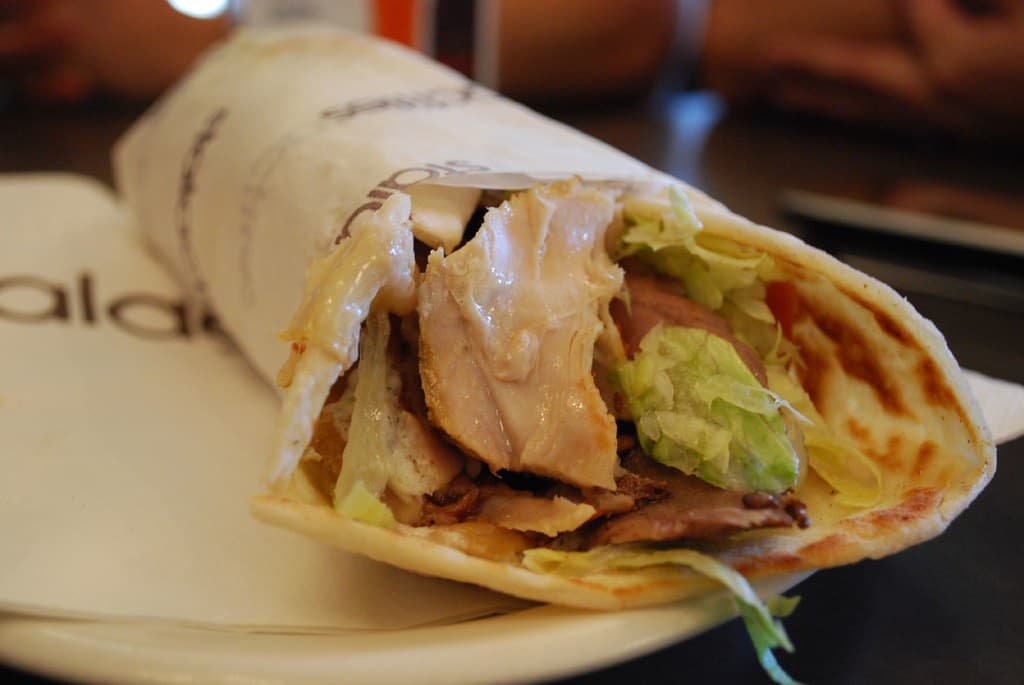
1900-1929
Souvlaki, a traditional Greek grilled meat skewer, became a popular American lunchtime dish during Greek immigration waves in the early 1900s. Commonly served in diners and food stands, it embodies both immigrant culinary traditions and American street food culture.
America's Melting Pot
Spaghetti with Tomato Gravy photo coming soon
1861-1900
Spaghetti with tomato gravy is an Italian-American staple that emerged during waves of Italian immigration in the late 1800s. This simple pasta dish features spaghetti topped with a seasoned tomato sauce often called 'gravy' in Italian-American parlance, showing culinary adaptation and community identity during post-Civil War settlement.
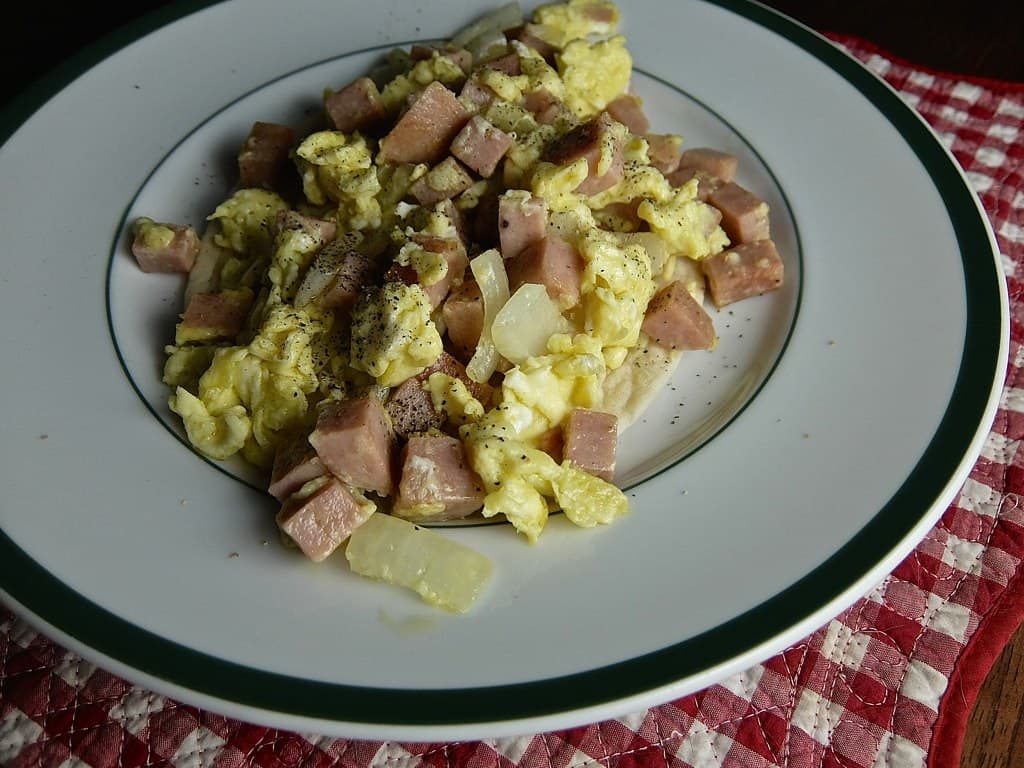
1930-1945
Spam and eggs became a practical breakfast during the 1930s-40s, when wartime rationing and economic hardship made canned meat a convenient protein source. It reflects American home front adaptations to food scarcity combined with comfort food ideas.
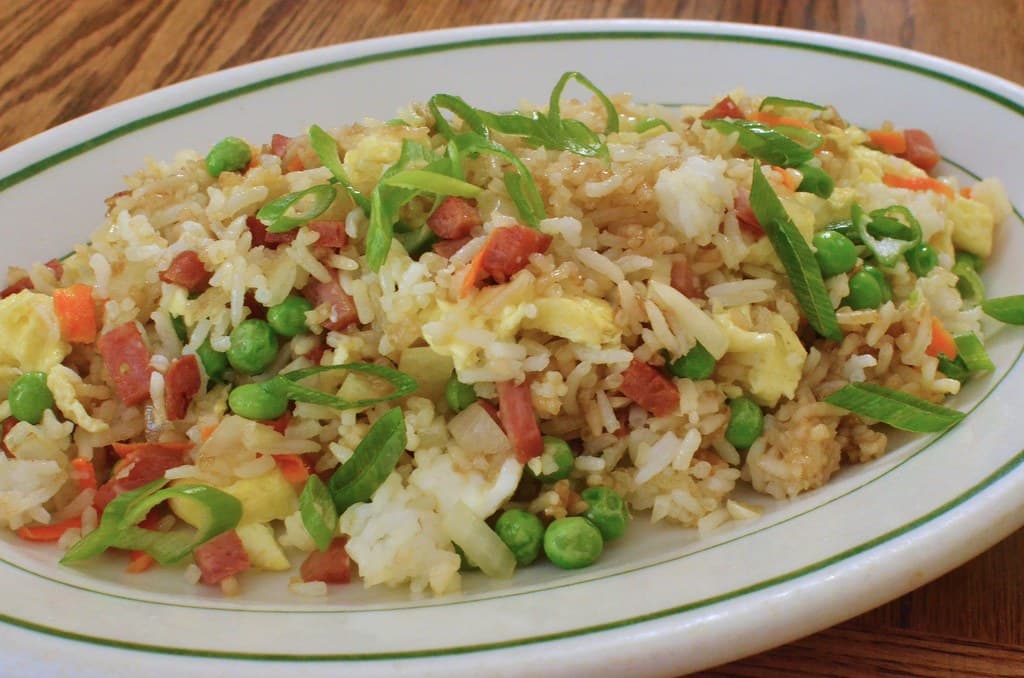
1930-1945
Spam fried rice arose during World War II when ingredients like fresh meat were scarce, especially in Pacific and Asian-American communities. The dish combines fried rice with Spam, reflecting resourcefulness and fusion during wartime kitchens.
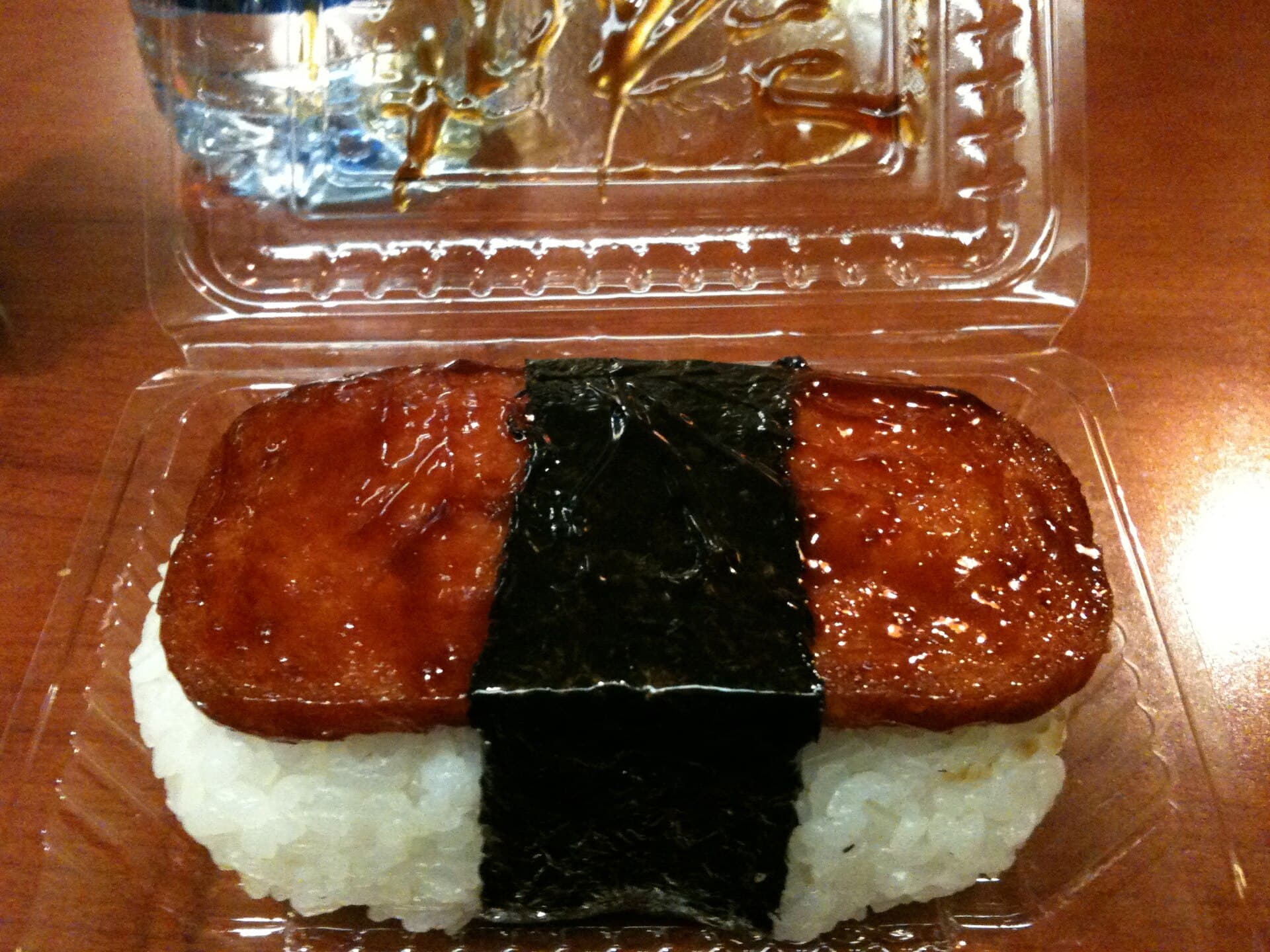
1930-1945
Spam musubi is a beloved Hawaiian snack that blends Japanese onigiri traditions with American canned meat from World War II. It symbolizes Hawaii's multicultural food culture and postwar adaptations.
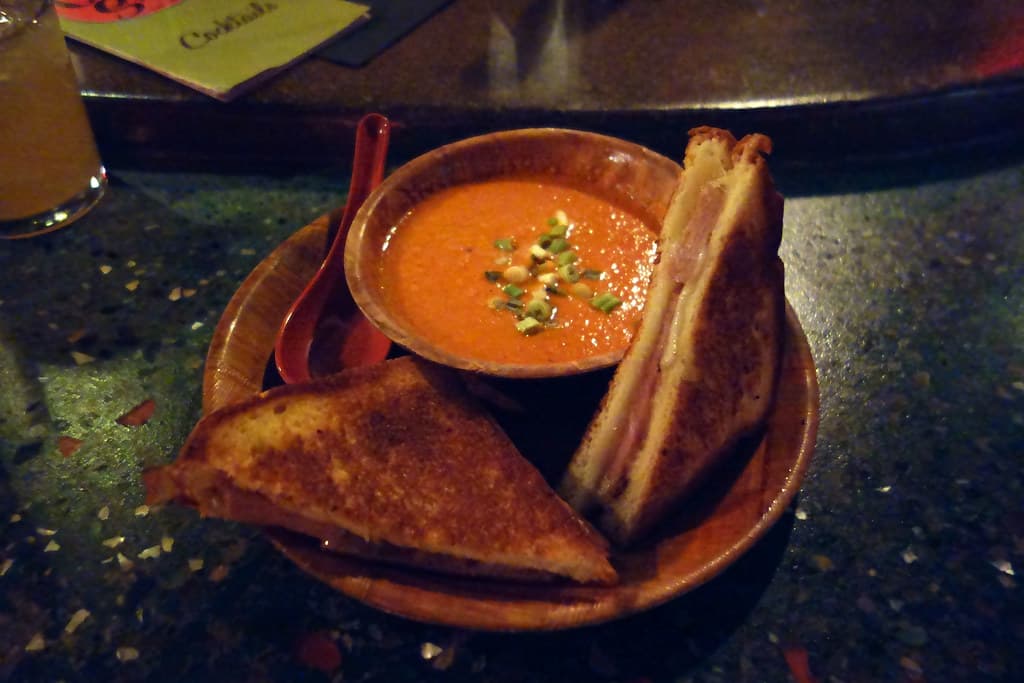
1930-1945
Spam sandwiches were common in military mess halls and American homes during the 1930s-40s, reflecting economical use of canned meat in meals. They illustrate practical culinary approaches in wartime America.
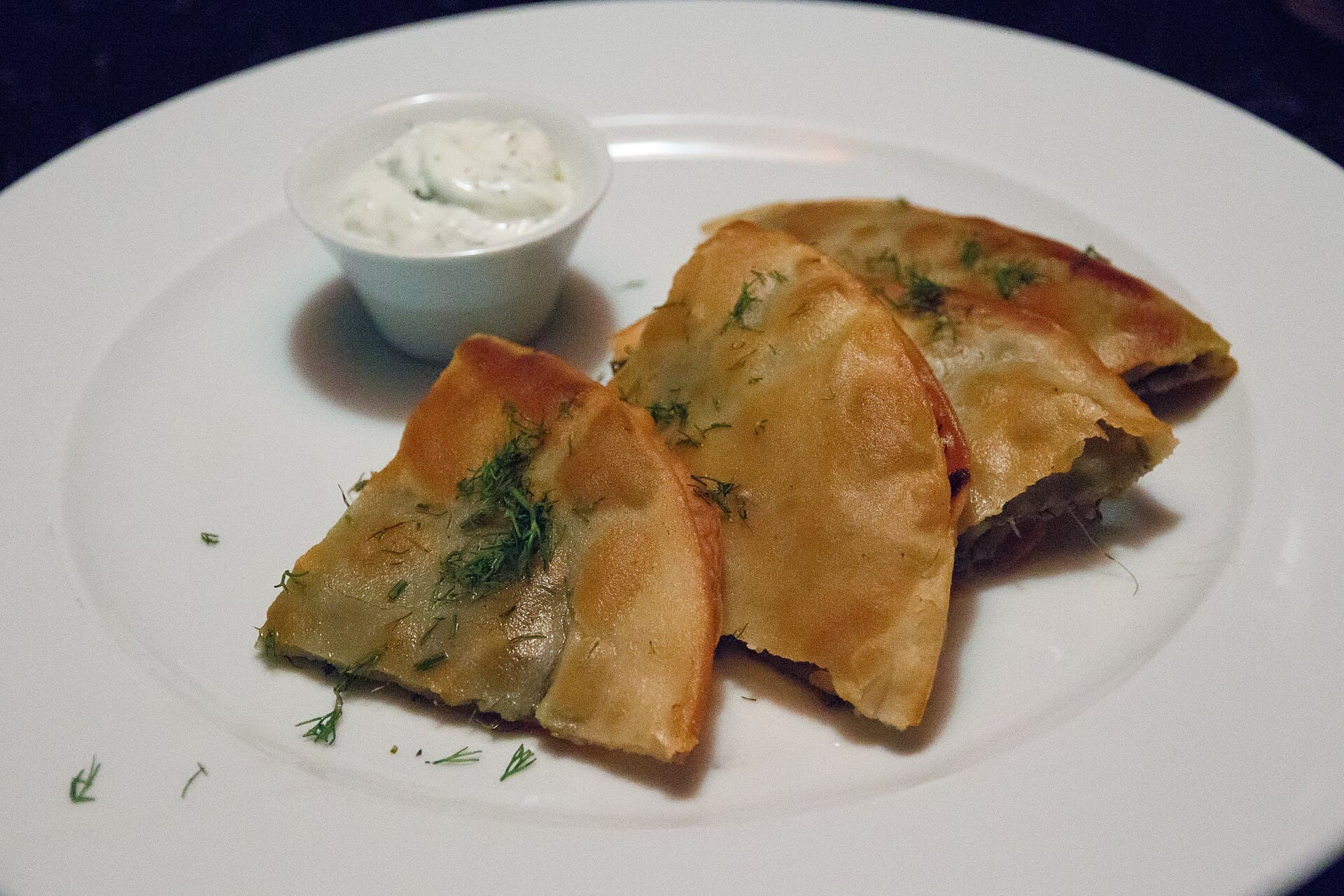
1900-1929
Spanakopita is a savory Greek spinach and feta-filled pastry, introduced to America by early Greek immigrants operating diners and lunch counters. It became a popular snack and side dish in urban immigrant communities between 1900 and 1929.

1900-1929
Greek-American spinach pie is a savory pastry filled with spinach, feta cheese, herbs, and sometimes eggs, wrapped in phyllo dough or a dough crust. Its presence in American diners and fairs reflects immigrant foodways from 1900 to 1929.
America's Melting Pot
Spoon Shake photo coming soon
Postwar & Diner Age
Spoon Shake is thick, spoonable frozen-custard stand fun: Shake so thick it needs a spoon.
America's Melting Pot
Sport Pepper Brine photo coming soon
Cross-era
Sport Pepper Brine is a sandwich sauce with real American table personality: Chicago hot dog culture. It brings flavor from Chicago and the Upper Midwest to cookouts, counters, lunch plates, potlucks, and weeknight suppers.
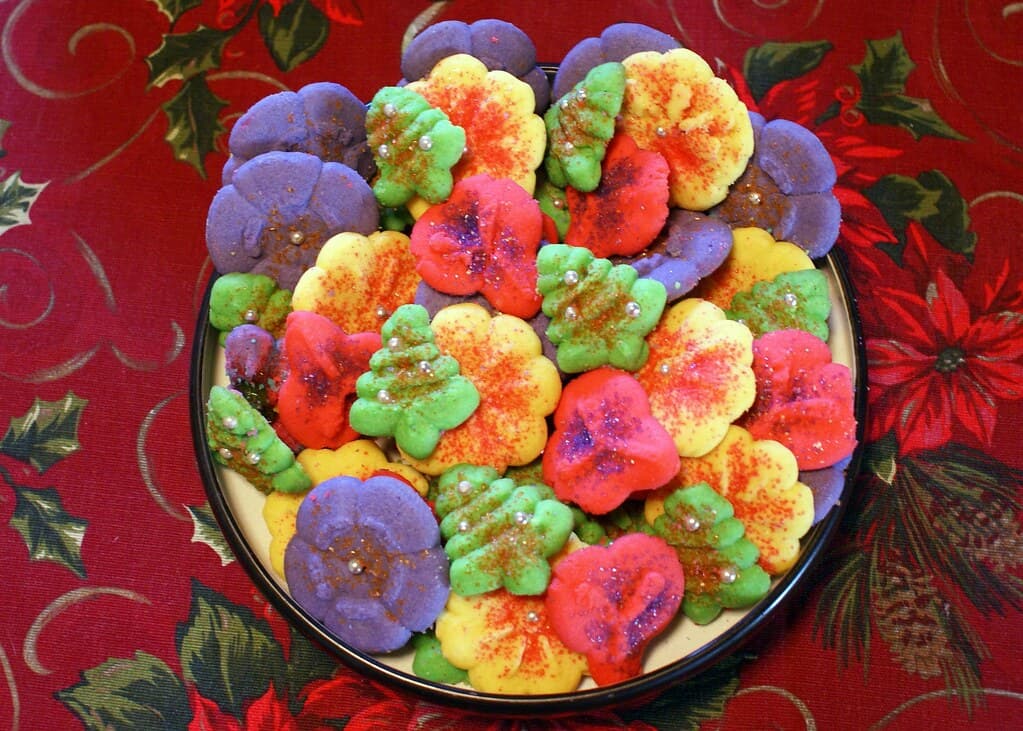
1900-1929
Spritz cookies are buttery, pressed cookies commonly made during Christmas in America, rooted in European immigrant traditions. Their decorative shapes and rich texture make them a festive favorite found broadly in holiday baking.
America's Melting Pot
Sriracha Ranch photo coming soon
Modern Melting Pot
Sriracha Ranch is a dressing with real American table personality: 2000s-2010s American fusion condiment. It brings flavor from coast-to-coast American tables to cookouts, counters, lunch plates, potlucks, and weeknight suppers.
America's Melting Pot
St. Louis Ribs photo coming soon
1900-1929
St. Louis ribs are a regional barbecue staple, characterized by trimmed spareribs cooked slowly and finished with a sweet, tangy tomato-based sauce. This style emphasizes tenderness, smoky flavor, and a balanced sauce, popularized in local barbecue traditions across Missouri and beyond.
America's Melting Pot
Stone Crab Mustard Sauce photo coming soon
Cross-era
Stone Crab Mustard Sauce is a seafood sauce with real American table personality: Florida restaurant classic, especially with chilled stone crab claws. It brings flavor from Florida and the Gulf Coast to cookouts, counters, lunch plates, potlucks, and weeknight suppers.
America's Melting Pot
Strawberry Custard Shake photo coming soon
Postwar & Diner Age
Strawberry Custard Shake is thick, spoonable frozen-custard stand fun: Custard-stand staple.
America's Melting Pot
Strawberry Ice Cream Soda photo coming soon
1861-1900
Strawberry Ice Cream Soda is fizzy Americana from the soda-fountain counter: Strawberry syrup, soda, ice cream.
America's Melting Pot
Strawberry Julius photo coming soon
Postwar & Diner Age
Strawberry Julius carries the bright, frothy spirit of American mall counters: Fruit mall-drink variation.
America's Melting Pot
Strawberry Malt photo coming soon
1900-1929
Strawberry Malt pours old-school malt-shop cheer into a cold glass: Classic diner/malt shop order.

1900-1929
Strawberry Milkshake pours old-school malt-shop cheer into a cold glass: Ice cream parlor classic.
America's Melting Pot
Strawberry Sundae Sauce photo coming soon
1946-1969
Strawberry Sundae Sauce is a sweet sauce with real American table personality: Soda fountain and diner topping. It brings flavor from coast-to-coast American tables to cookouts, counters, lunch plates, potlucks, and weeknight suppers.
America's Melting Pot
Strawberry-Banana Julius photo coming soon
Postwar & Diner Age
Strawberry-Banana Julius carries the bright, frothy spirit of American mall counters: Smoothie-bar bridge drink.
America's Melting Pot
Struffoli photo coming soon
1900-1929
Struffoli are small deep-fried dough balls coated in honey and often decorated with colorful sprinkles, traditionally served during Italian-American Christmas celebrations. This sweet treat traces back to Italian immigrant communities adapting their holiday desserts in the United States during the 19th century.
1900-1929
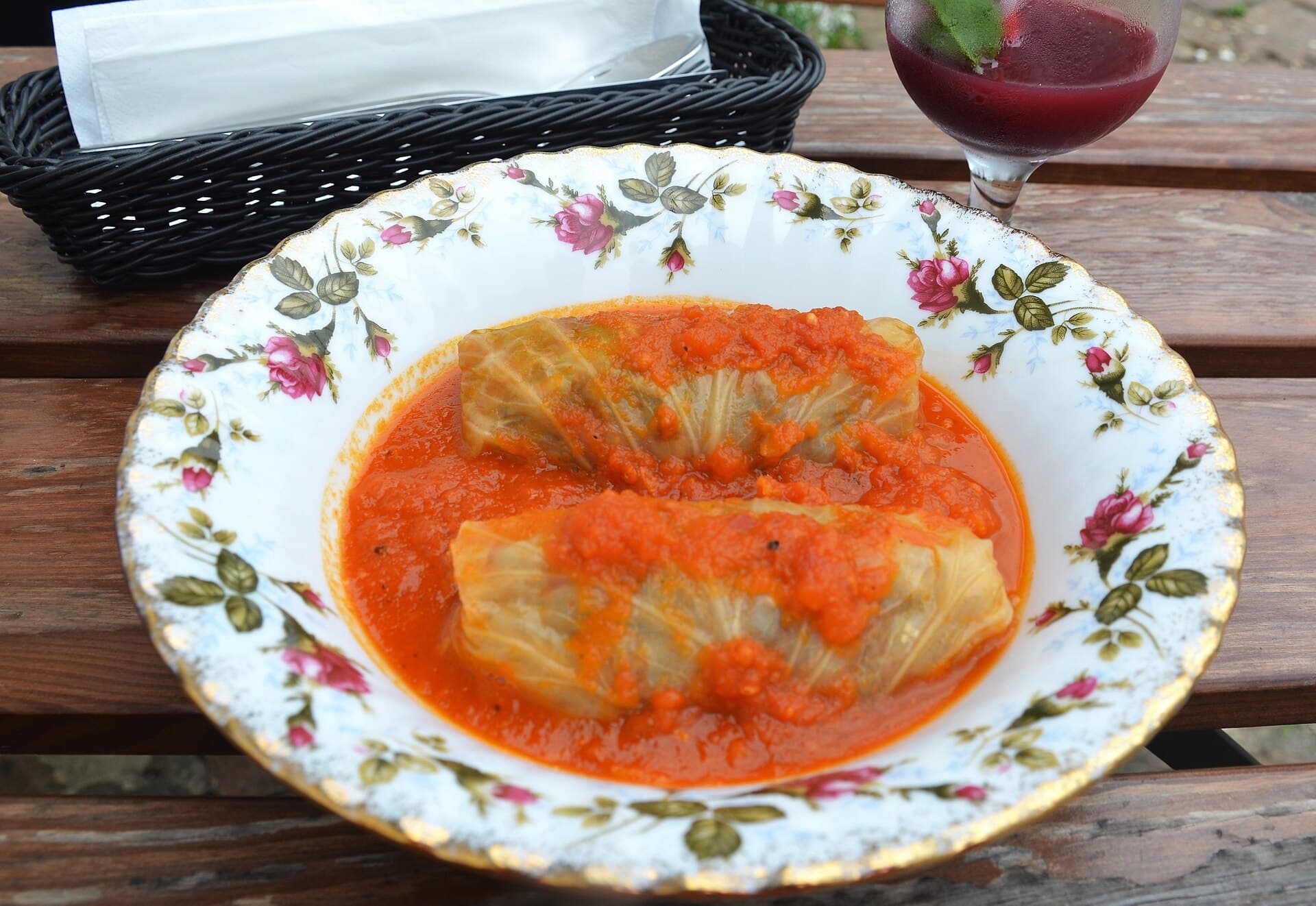
Stuffed cabbage is a beloved dish among Polish, Czech, Slovak, and Eastern European immigrants to America in the early 20th century. Cabbage leaves are filled with a mixture of ground meat, rice, and seasonings, then simmered in a tangy tomato sauce, commonly served at state fairs, diners, and holiday tables.
America's Melting Pot
Stuffed Shells photo coming soon
1900-1929
Stuffed Shells consist of large pasta shells filled with ricotta cheese mixture, covered with tomato sauce and baked until bubbly. This dish traces to Italian-American families in the 19th century and remains a popular comfort food with variations across the U.S.
America's Melting Pot
Sugarless Cookies photo coming soon
1930-1945
Sugarless cookies were developed during World War II on the American home front, reflecting rationing and shortages of sugar. These cookies use alternative sweeteners or rely on natural flavors to create a satisfying treat despite ingredient limitations.
America's Melting Pot
Sun Tea photo coming soon
1946-1969
Sun Tea is an informal iced tea prepared by steeping tea bags in water warmed by sunlight, popularized during America's postwar suburban era as a refreshing outdoor beverage. This method requires minimal equipment and is a staple of backyard gatherings.
1900-1929
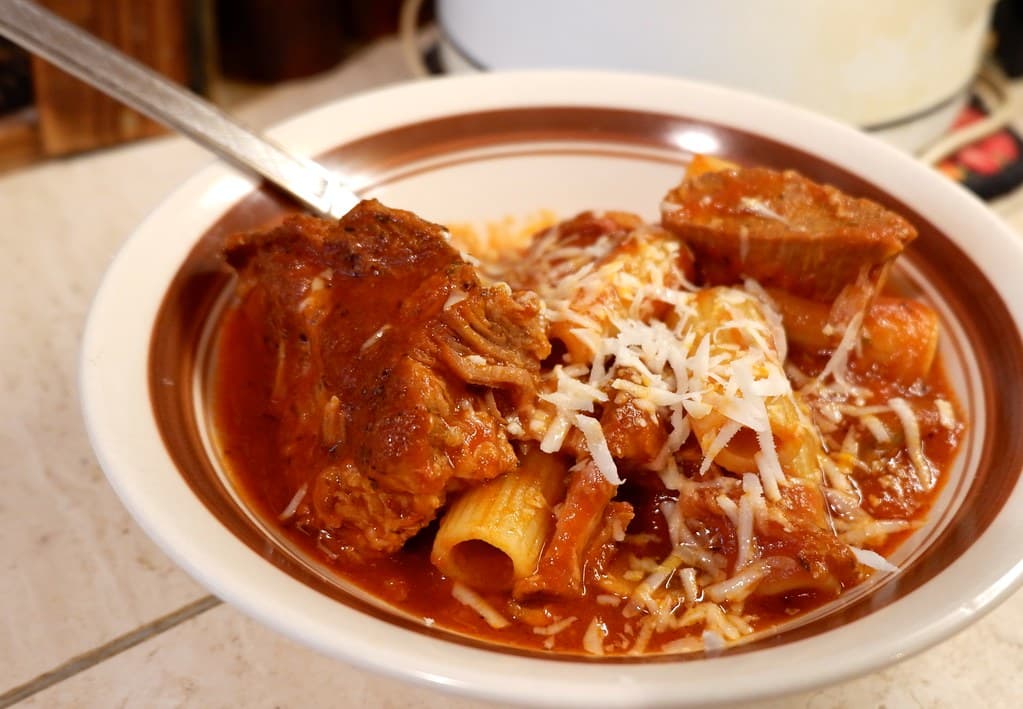
Sunday Gravy is a rich Italian-American tomato sauce slow-simmered with various meats including pork, beef, and sausage, traditionally served after Sunday mass. This communal sauce is foundational to many Italian-American family meals and celebrations.
America's Melting Pot
Sweet Onion Dressing photo coming soon
Modern Melting Pot
Sweet Onion Dressing is a dressing with real American table personality: Common in delis, diners, and sub shops. It brings flavor from coast-to-coast American tables to cookouts, counters, lunch plates, potlucks, and weeknight suppers.
America's Melting Pot
Sweet Pickle Relish photo coming soon
Gilded Age & Progressive Era
Sweet Pickle Relish is a relish with real American table personality: Hot dogs, tuna salad, egg salad, tartar sauce. It brings flavor from coast-to-coast American tables to cookouts, counters, lunch plates, potlucks, and weeknight suppers.
1900-1929
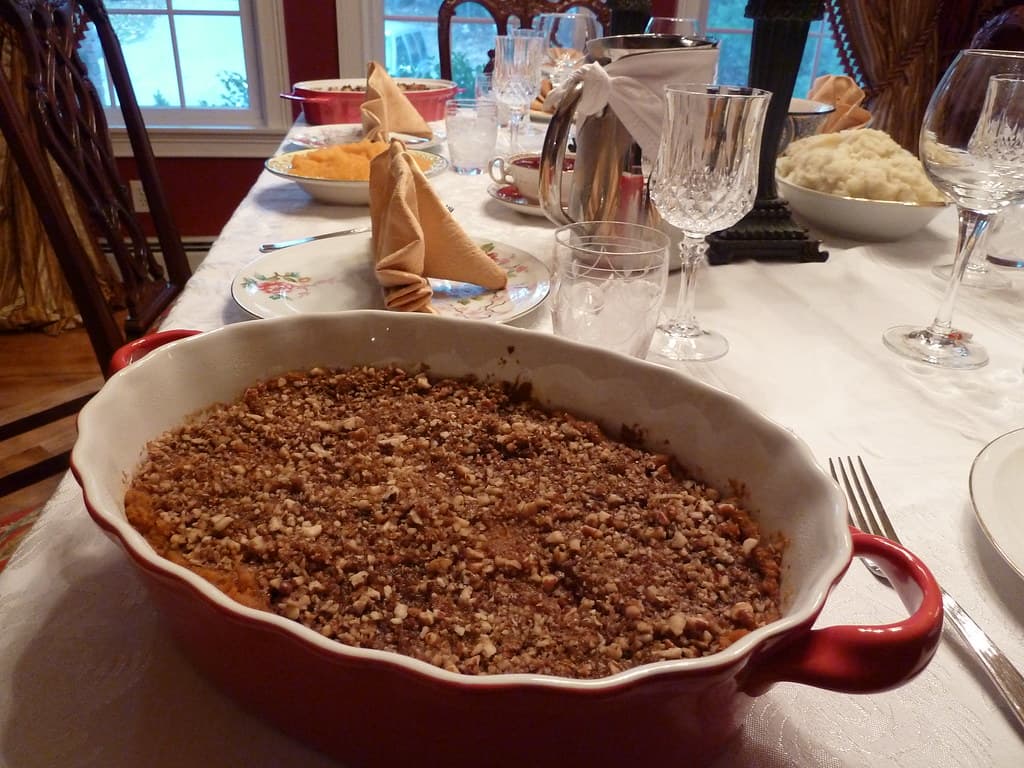
Sweet potato casserole is a beloved Southern side dish traditionally served during holiday celebrations such as Thanksgiving. It features mashed sweet potatoes topped with a crunchy pecan or marshmallow crust, symbolizing Southern hospitality and seasonal flavors.
1946-1969
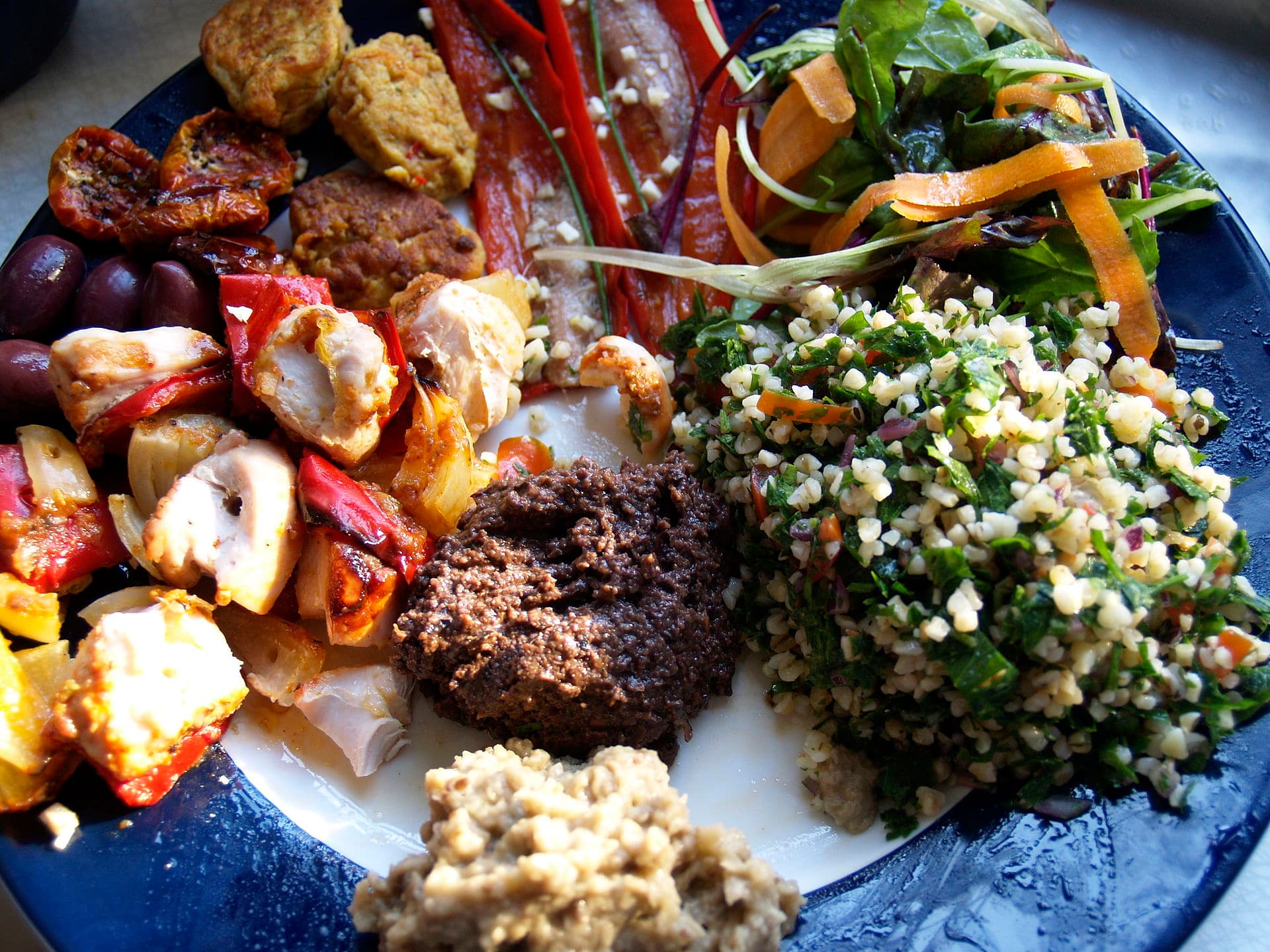
Tabbouleh, a parsley, bulgur, and tomato salad, became popular in American suburbs during the late 20th century through immigrant and foodie influences. Often served as a fresh side or light meal, it reflects the global culinary currents influencing suburban America between 1990 and 2009.
America's Melting Pot
Tartar Sauce photo coming soon
1900-1929
Tartar Sauce is a seafood sauce with real American table personality: American fish fry, fried clam, and fast-food fish sandwich staple. It brings flavor from coast-to-coast American tables to cookouts, counters, lunch plates, potlucks, and weeknight suppers.
America's Melting Pot
Taverns photo coming soon
1900-1929
Taverns, also known as loose meat sandwiches, originated in early 20th century American diners and lunch counters, especially in immigrant and industrial cities. The sandwich features seasoned ground beef served on a bun without forming a patty, popular at schools, churches, and state fairs.
America's Melting Pot
Teriyaki Burger Sauce photo coming soon
Cross-era
Teriyaki Burger Sauce is a sandwich sauce with real American table personality: Hawaiian/West Coast/Japanese-American fusion. It brings flavor from California, Hawaii, and the West Coast to cookouts, counters, lunch plates, potlucks, and weeknight suppers.
America's Melting Pot
Texas Sheet Cake photo coming soon
1945-2000
Texas Sheet Cake is a rich, moist chocolate cake baked in a large rectangular pan and topped with a fudgy chocolate icing. Popular at church basements, funerals, and potlucks across the United States, this cake reveals the communal sharing of regional desserts blending simplicity with indulgence and ease of serving large groups.
America's Melting Pot
Thermos Tomato Soup photo coming soon
Gilded Age & Progressive Era
Thermos Tomato Soup is a warm, comforting tomato soup that became a popular lunchbox staple in American suburbs during the postwar period. Packaged for convenient reheating and consumption, it offered a nostalgic, kid-friendly meal combining simplicity and portability, emblematic of mid-20th century household food habits.
America's Melting Pot
Thousand Island Dressing photo coming soon
Cross-era
Thousand Island Dressing is a dressing with real American table personality: Popularized in the Thousand Islands region along the New York/Canada border; later became the basis for many "special sauces.". It brings flavor from coast-to-coast American tables to cookouts, counters, lunch plates, potlucks, and weeknight suppers.
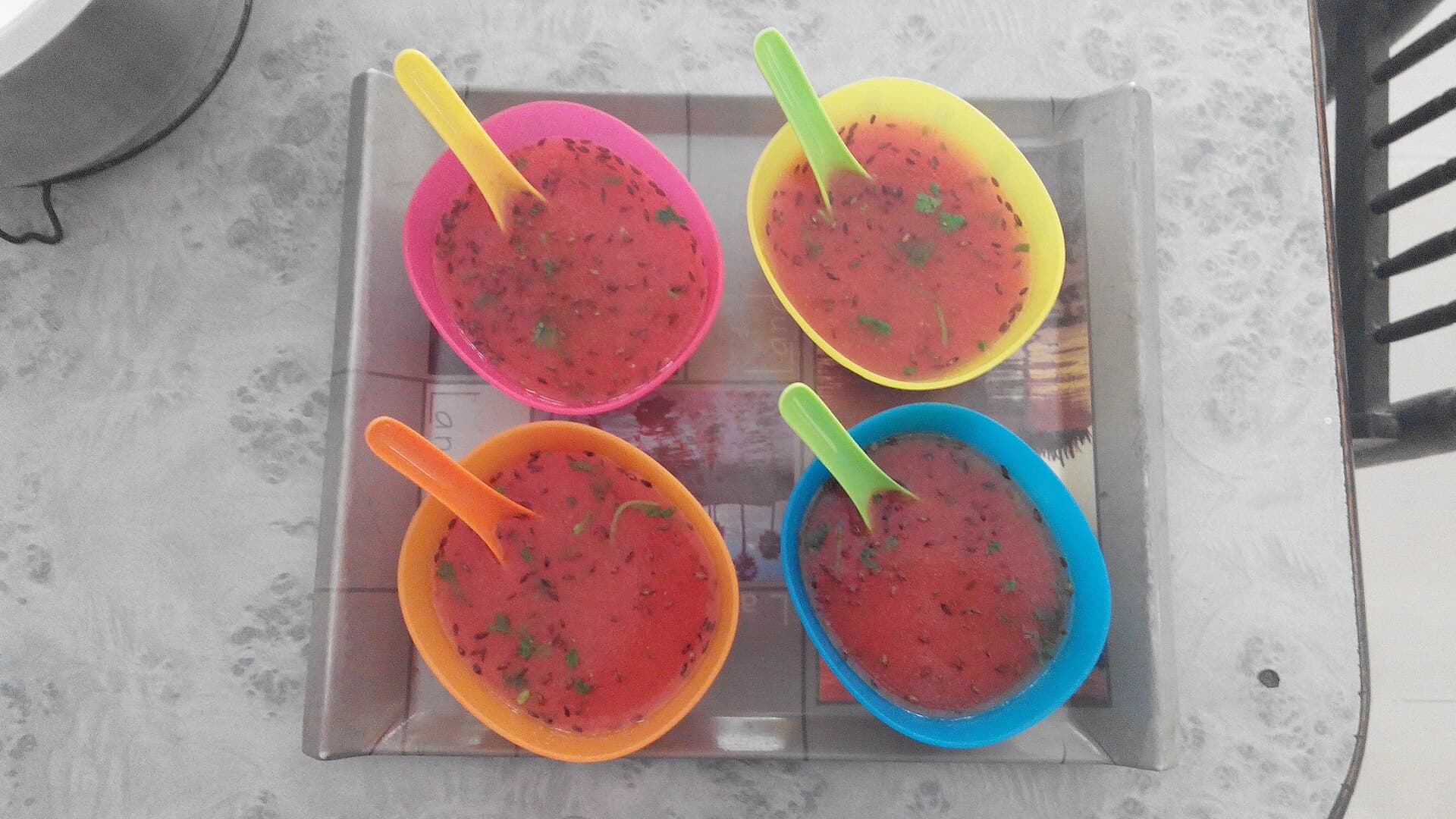
Gilded Age & Progressive Era
Tomato Soup is a smooth, creamy soup made from cooked tomatoes, popular as a comforting dish across the United States. Simple and versatile, it has been widely embraced in American home kitchens and cafeterias as a nourishing soup suitable for year-round enjoyment.
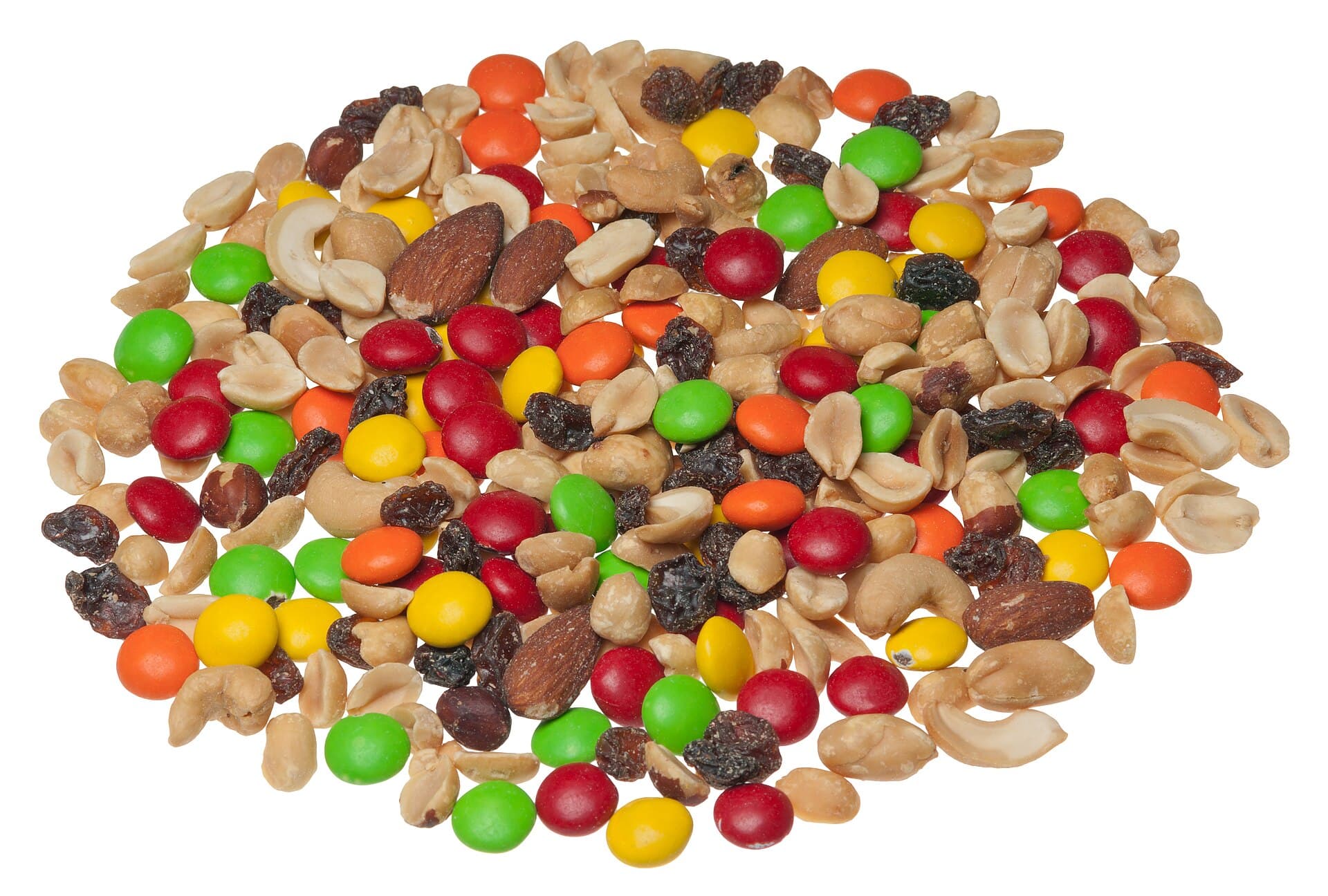
1946-1969
Trail Mix is a portable blend of nuts, dried fruit, and sometimes chocolate or cereal, designed as a nutritious snack for outdoor activities and casual eating. Popularized in the 1990s along with health food trends and active lifestyles, it represents the convenience and wholesomeness valued in modern American snacking.
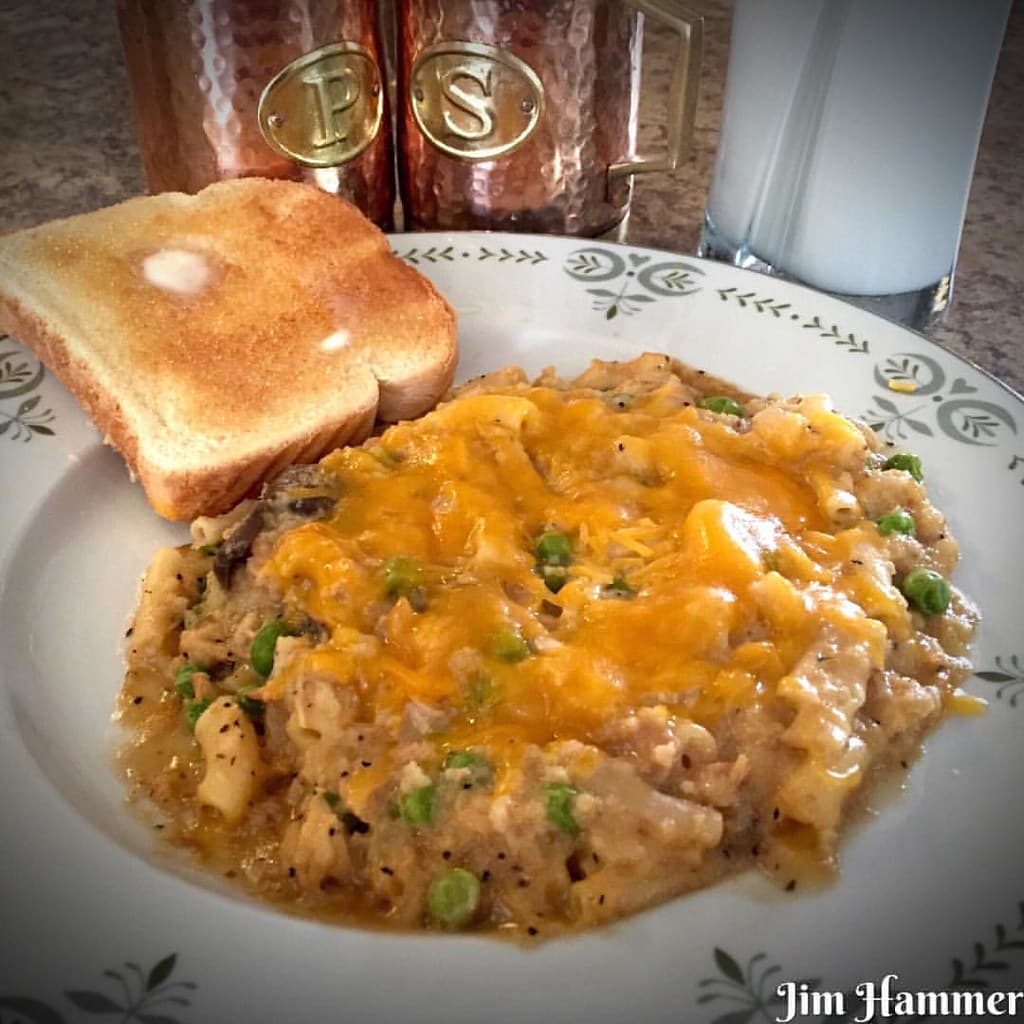
1930-1945
This tuna noodle casserole became a staple during the Great Depression and World War II, leveraging shelf-stable ingredients for affordable, nourishing meals. It reflects Midwestern home cooking traditions and the practicality of wartime and church dinner menus.
America's Melting Pot
Tuna Salad Dressing photo coming soon
1946-1969
Tuna Salad Dressing is a spread with real American table personality: Lunchbox America. It brings flavor from coast-to-coast American tables to cookouts, counters, lunch plates, potlucks, and weeknight suppers.
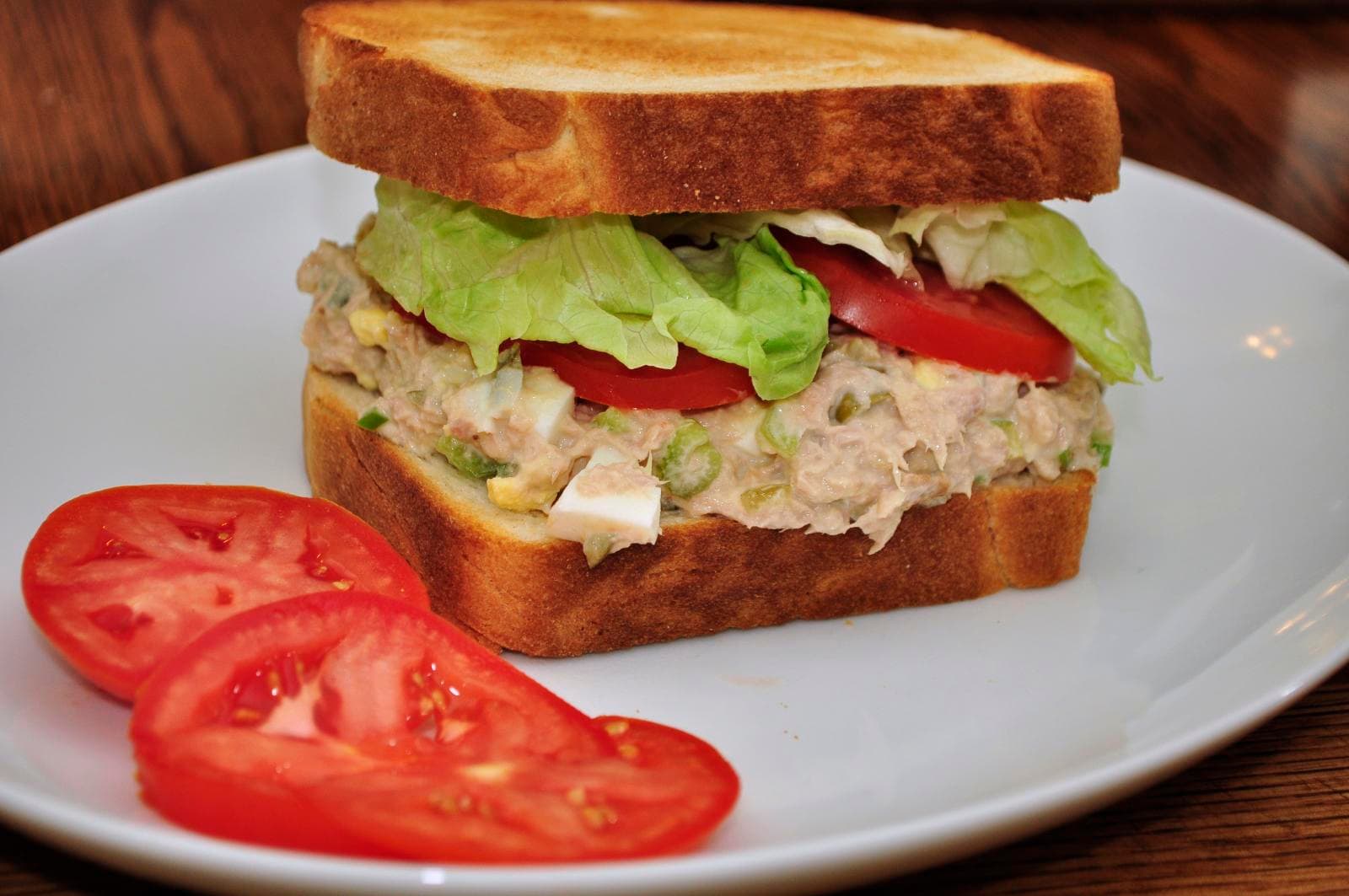
1946-1969
The tuna salad sandwich became a lunchbox staple in the postwar suburban era, combining easy-to-prepare canned tuna with mayonnaise and simple seasonings. It reflects the rise of convenience foods and the growing popularity of packed lunches for children and workers.
America's Melting Pot
Tuna-Stuffed Tomatoes photo coming soon
1946-1969
Tuna-stuffed tomatoes became a popular healthy dish in late 20th-century American cuisine, often featured on cooking shows and at casual gatherings. Fresh tomatoes filled with flavorful tuna salad combine lightness with protein-rich nutrition, suited to modern health-conscious menus.
America's Melting Pot
Turkey Gravy over Mashed Potatoes photo coming soon
1900-1929
Turkey gravy over mashed potatoes is an American staple especially popular in school cafeterias and concession stands, pairing smooth mashed potatoes with savory gravy to create a comforting, familiar side dish. It represents a cross-generational favorite that supports hearty, affordable meals.
America's Melting Pot
Turtle Concrete photo coming soon
Postwar & Diner Age
Turtle Concrete is thick, spoonable frozen-custard stand fun: Pecans, caramel, chocolate.
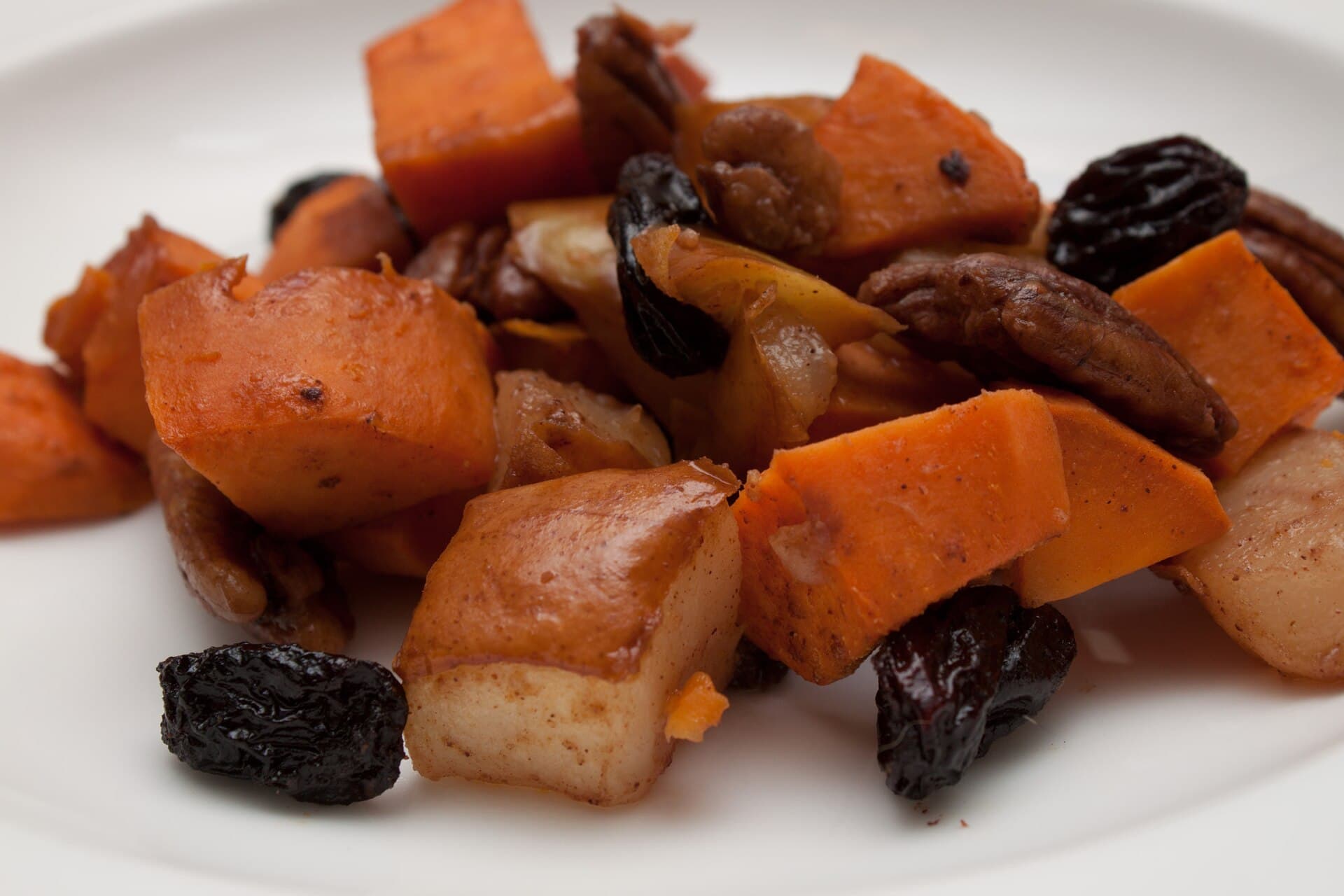
1861-1900
Tzimmes is a sweet potato and carrot stew rooted in Jewish-American communities during the 19th century, reflecting the use of dried fruits and root vegetables in Ashkenazi holiday cooking. It exemplifies cultural continuity and adaptation in American Jewish culinary traditions.
America's Melting Pot
Utah Peach Shake photo coming soon
Cross-era
Utah Peach Shake salutes regional fruit country and the American dairy-stand tradition: Utah fruit-stand culture.
America's Melting Pot
Vanilla Cabinet photo coming soon
Postwar & Diner Age
Vanilla Cabinet celebrates New England dairy-bar pride in a cold glass: Cabinet-style shake without coffee emphasis.
America's Melting Pot
Vanilla Coke photo coming soon
Gilded Age & Progressive Era
Vanilla Coke is fizzy Americana from the soda-fountain counter: Soda fountain and diner classic.
America's Melting Pot
Vanilla Concrete photo coming soon
Postwar & Diner Age
Vanilla Concrete is thick, spoonable frozen-custard stand fun: Basic custard concrete.
America's Melting Pot
Vanilla Custard Shake photo coming soon
Postwar & Diner Age
Vanilla Custard Shake is thick, spoonable frozen-custard stand fun: Custard stand classic.
America's Melting Pot
Vanilla Ice Cream Soda photo coming soon
1861-1900
Vanilla Ice Cream Soda is fizzy Americana from the soda-fountain counter: Vanilla syrup and ice cream.
America's Melting Pot
Vanilla Malt photo coming soon
1900-1929
Vanilla Malt pours old-school malt-shop cheer into a cold glass: The purest malt-shop flavor.
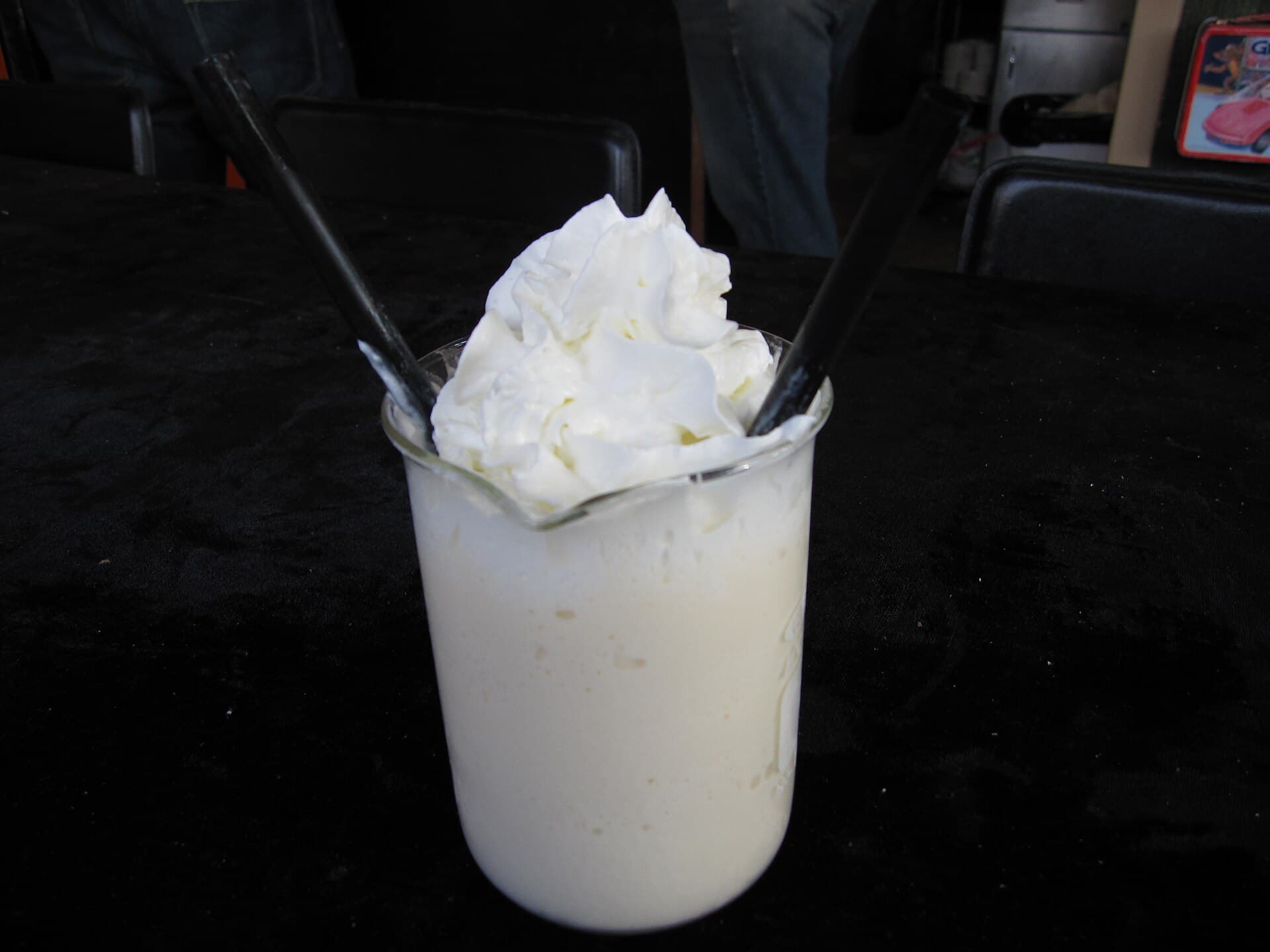
1900-1929
Vanilla Milkshake pours old-school malt-shop cheer into a cold glass: The classic diner baseline.
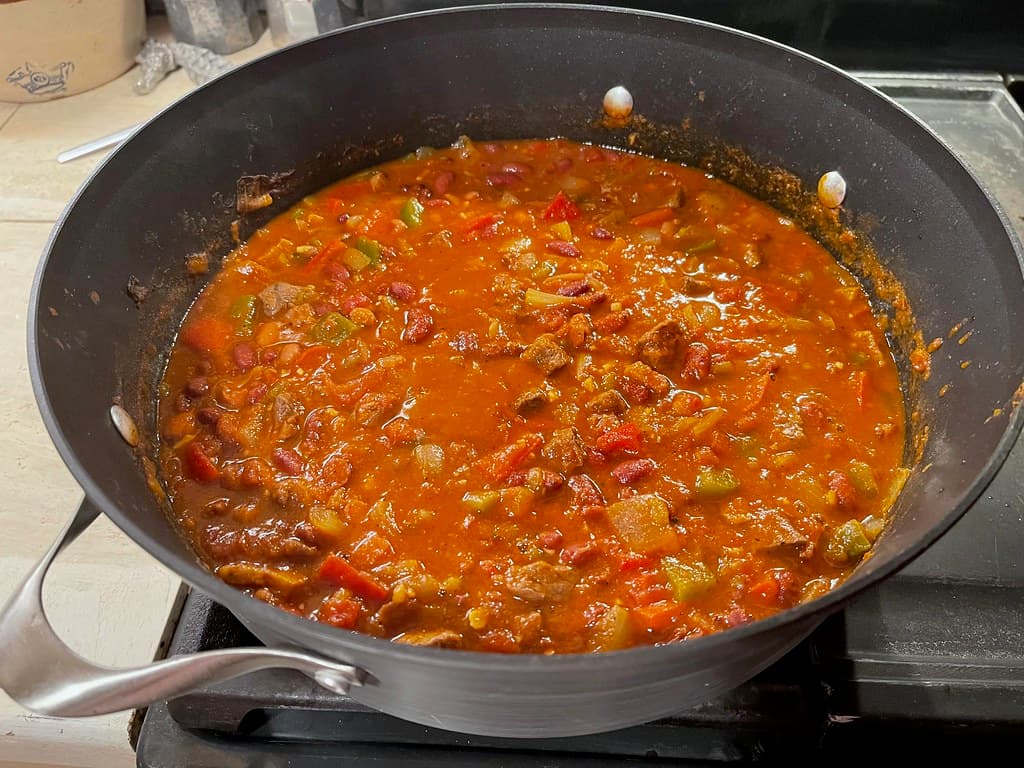
1861-1900
A robust chili featuring tender venison, beans, and Southwestern spices. This recipe reflects the melding of Mexican-American influences and Texas-style chili adapted for game meat, common in hunting camps and cabins where venison is plentiful.
America's Melting Pot
Victory Garden Salad photo coming soon
1930-1945
A simple, economical salad made from homegrown vegetables typical of Victory Gardens. This side dish highlights the wartime focus on self-sufficiency and fresh produce during food rationing in the 1930s and 1940s.
America's Melting Pot
Victory Garden Soup photo coming soon
1930-1945
A nourishing vegetable soup made from a mix of garden vegetables typical of American Victory Gardens during World War II. This soup reflects the era's emphasis on homegrown, economical, and nutrient-rich foods.
Community recipe submission
Log in to submit a recipe, format it with the cooking companion, and send it for review.
Log in to Submit