
Loading
Setting the table...
Fetching the latest recipes from the archive.
Loading
Fetching the latest recipes from the archive.
Recipe archive
Recipe archive
Search the archive by title, region, ingredient, tag, or era, then sort the table by the view that fits your kitchen.
This archive is growing through recipes, photos, family recipes, and historical context shared by the community.
1900-1929
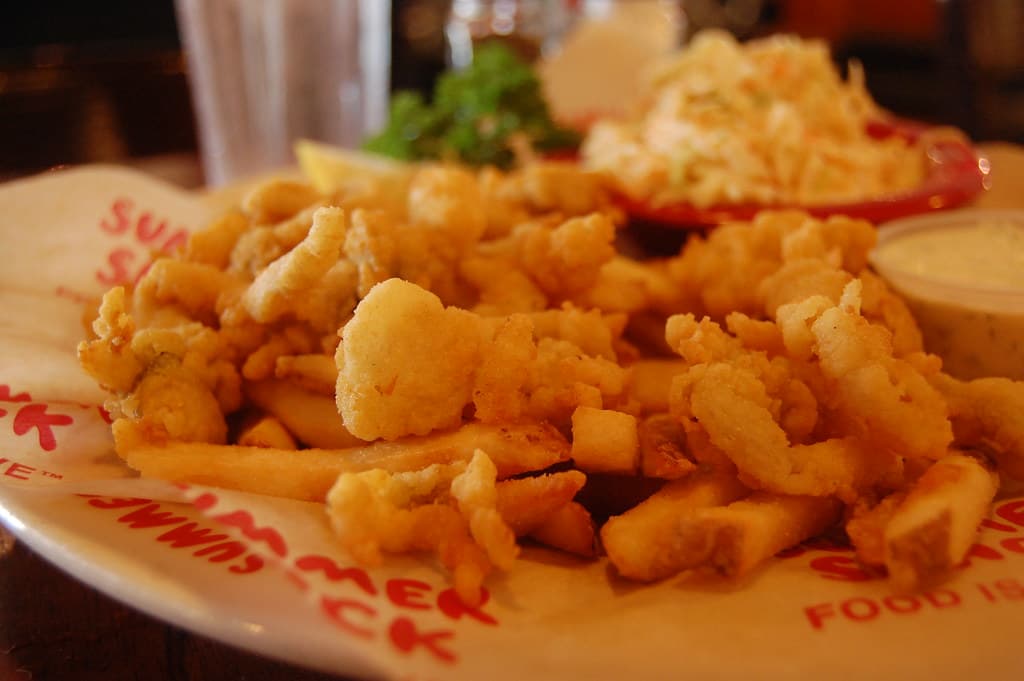
Fried clams are coated fresh clams, breaded and deep fried into a crunchy, flavorful seafood snack or main. A New England classic often served with tartar sauce, this dish has roots in coastal seafood traditions.
America's Melting Pot
Fried Dough photo coming soon
1900-1929
Fried dough is a crispy, golden fried bread dough treat commonly sold at fairs, carnivals, and carnivals across the United States. Topped with powdered sugar or cinnamon sugar, it represents immigrant-influenced American carnival cuisine of the early 20th century.
1990-2009
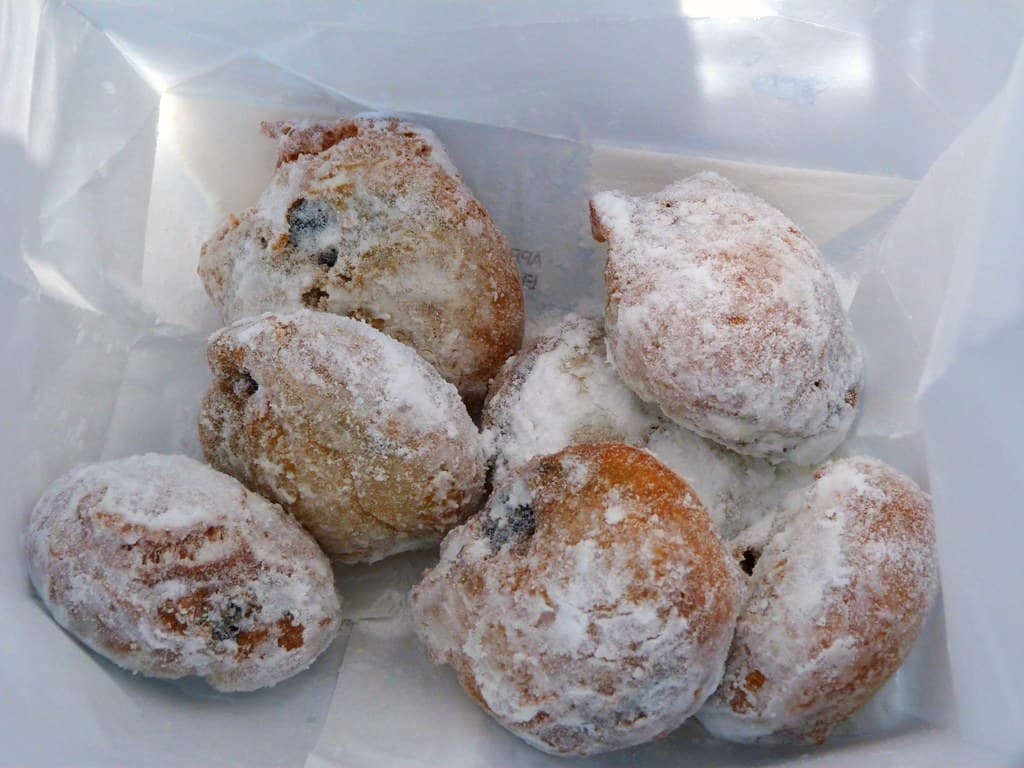
Fried Oreos feature Oreo cookies dipped in batter and deep fried, creating a warm, crispy, and gooey sweet treat. Popularized at American fairs and carnivals in the early 20th century, they blend convenience baking with indulgent frying.
1900-1929
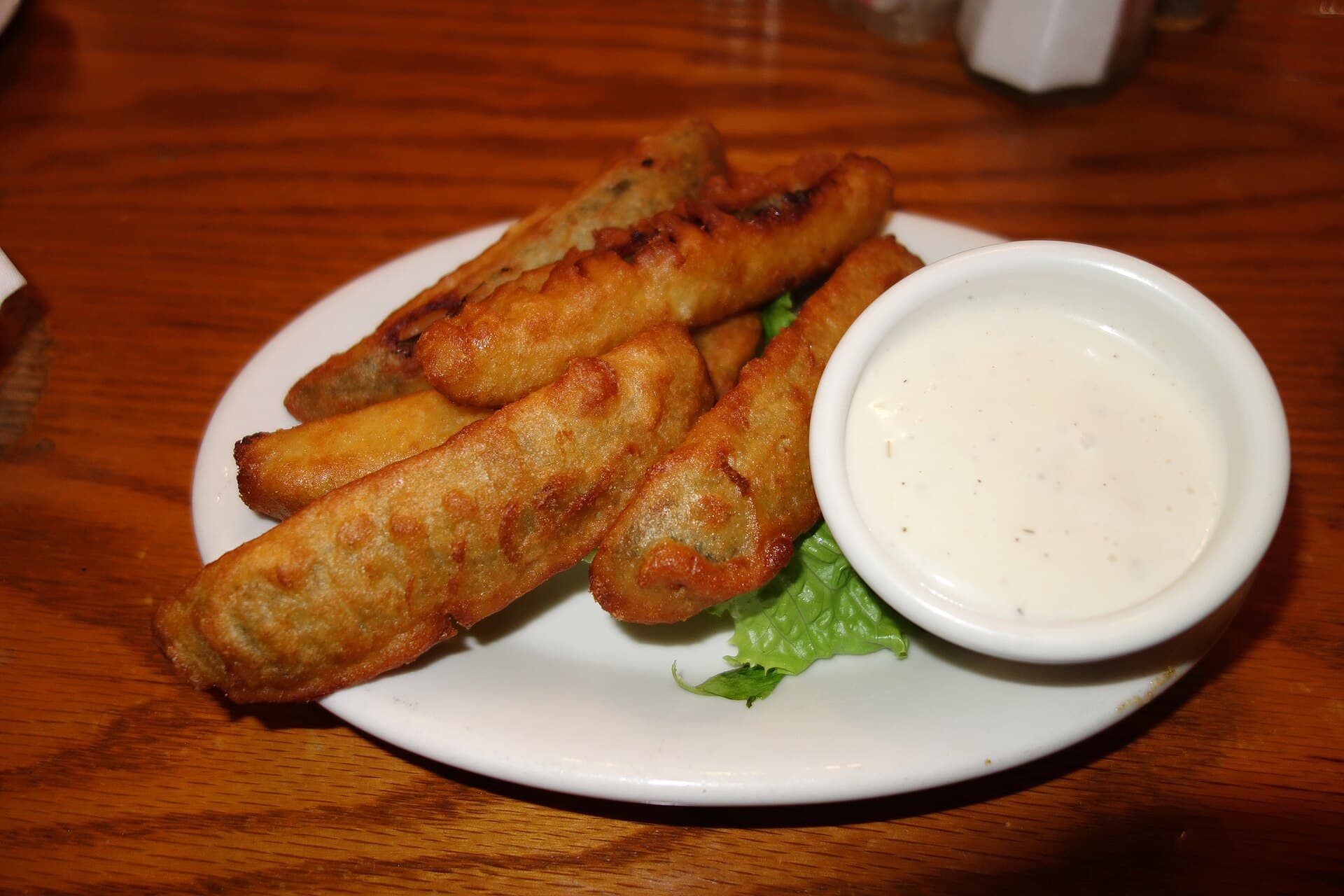
Fried pickles are sliced dill pickles coated in seasoned batter or cornmeal and fried until crispy. This snack food became popular at fairs and diners in the early 20th century and remains a Southern delicacy today.
1970-1989
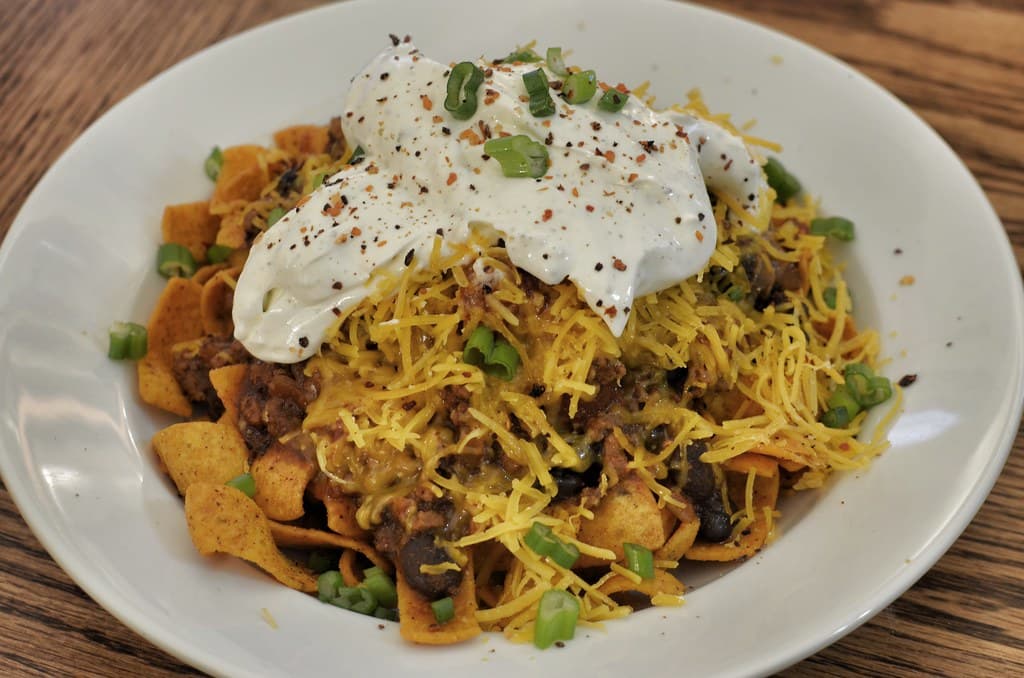
Frito pie is a layered Tex-Mex casserole combining Fritos corn chips, chili, cheese, and toppings. A convenient, flavorful dish emerging in the late 20th century combining Texan and Southwestern tastes for casual dining and tailgating.
America's Melting Pot
Frog Eye Salad Dressing photo coming soon
Cross-era
Frog Eye Salad Dressing is a spread with real American table personality: Utah/Intermountain potluck dessert salad. It brings flavor from Intermountain West to cookouts, counters, lunch plates, potlucks, and weeknight suppers.
America's Melting Pot
Frogmore Stew photo coming soon
1970-1989
Frogmore Stew is a one-pot Southern boil including shrimp, sausage, corn, and potatoes simmered with spices. Popular since the 1970s as a casual regional meal for gatherings and tailgates.
America's Melting Pot
Frosted Lemonade photo coming soon
Postwar & Diner Age
Frosted Lemonade carries the bright, frothy spirit of American mall counters: Lemonade blended with vanilla soft serve.
America's Melting Pot
Frosted Orange Drink photo coming soon
Postwar & Diner Age
Frosted Orange Drink carries the bright, frothy spirit of American mall counters: Fast-food style orange milkshake/smoothie hybrid.
America's Melting Pot
Frosty-Style Dairy Dessert photo coming soon
Postwar & Diner Age
Frosty-Style Dairy Dessert is thick, spoonable frozen-custard stand fun: Wendy's-style thick chocolate shake/frozen dessert.
America's Melting Pot
Frozen Chai photo coming soon
Modern Melting Pot
Frozen Chai blends coffeehouse America with milkshake-style fun: 1990s-2000s cafe drink.
America's Melting Pot
Frozen Coffee Cabinet photo coming soon
Postwar & Diner Age
Frozen Coffee Cabinet celebrates New England dairy-bar pride in a cold glass: Coffee milk culture meets modern blended coffee.
America's Melting Pot
Frozen Coke photo coming soon
Gilded Age & Progressive Era
Frozen Coke brings juice-bar color and American smoothie-counter energy to the glass: Convenience store and theater drink.
America's Melting Pot
Frozen Custard Shake photo coming soon
Postwar & Diner Age
Frozen Custard Shake is thick, spoonable frozen-custard stand fun: Midwest custard stand drink.
America's Melting Pot
Frozen Hot Chocolate photo coming soon
Modern Melting Pot
Frozen Hot Chocolate brings juice-bar color and American smoothie-counter energy to the glass: New York dessert-drink icon.
America's Melting Pot
Frozen Latte photo coming soon
Modern Melting Pot
Frozen Latte blends coffeehouse America with milkshake-style fun: Coffeehouse blended drink.
America's Melting Pot
Frozen Lemonade photo coming soon
1946-1969
Frozen Lemonade brings juice-bar color and American smoothie-counter energy to the glass: Fair, ballpark, and amusement park drink.
America's Melting Pot
Frozen Matcha Latte photo coming soon
Modern Melting Pot
Frozen Matcha Latte blends coffeehouse America with milkshake-style fun: Modern American cafe drink.
America's Melting Pot
Frozen Mocha photo coming soon
Modern Melting Pot
Frozen Mocha blends coffeehouse America with milkshake-style fun: Diner and coffeehouse overlap.
America's Melting Pot
Frozen Root Beer photo coming soon
1900-1929
Frozen Root Beer brings juice-bar color and American smoothie-counter energy to the glass: Drive-in variation.
1970-1989
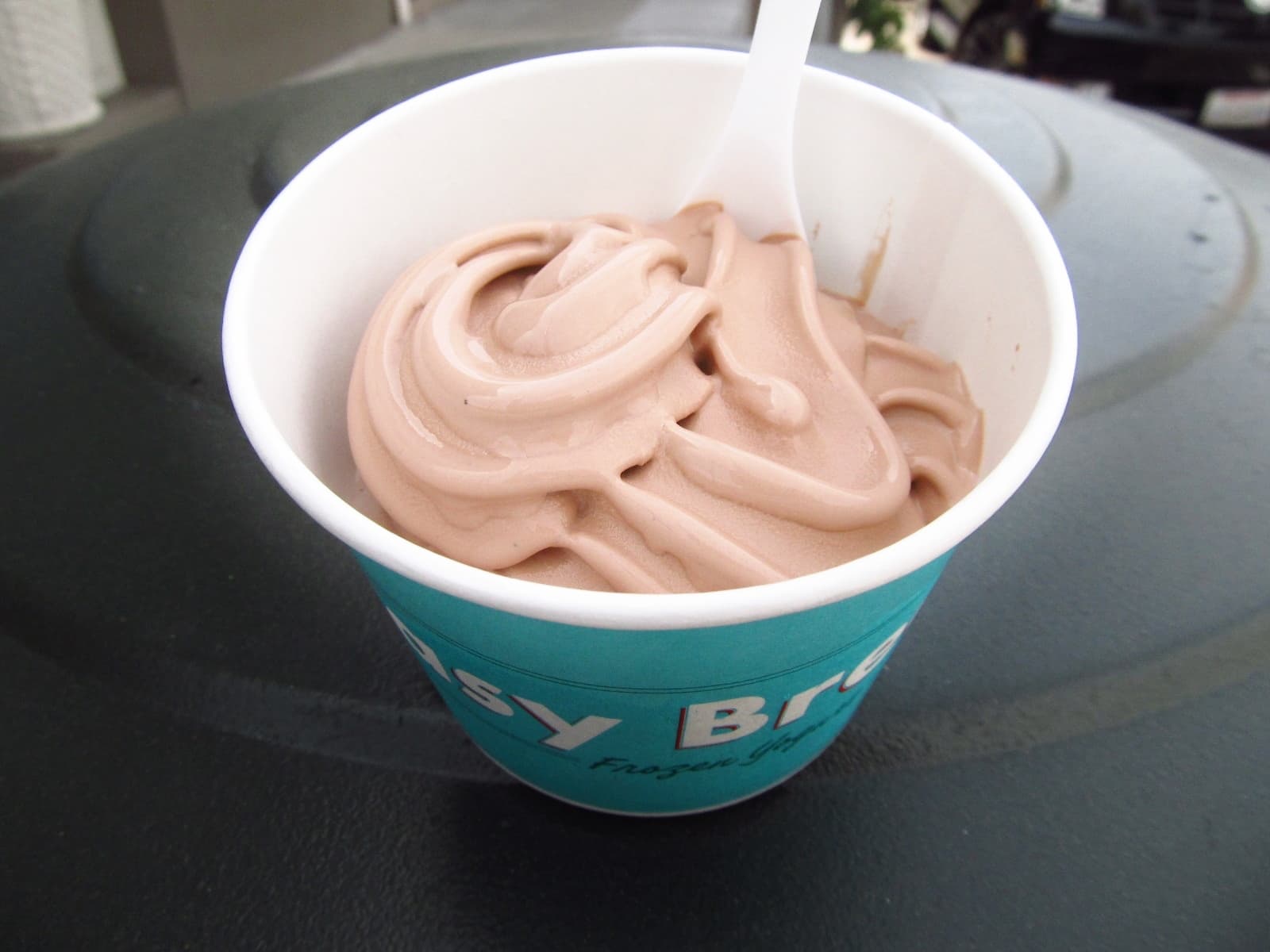
Frozen yogurt is a tangy, creamy frozen dairy dessert made from yogurt and sweeteners, popularized in American malls and chain stores in the 1970s-1980s as a healthier ice cream alternative.
1800-1860
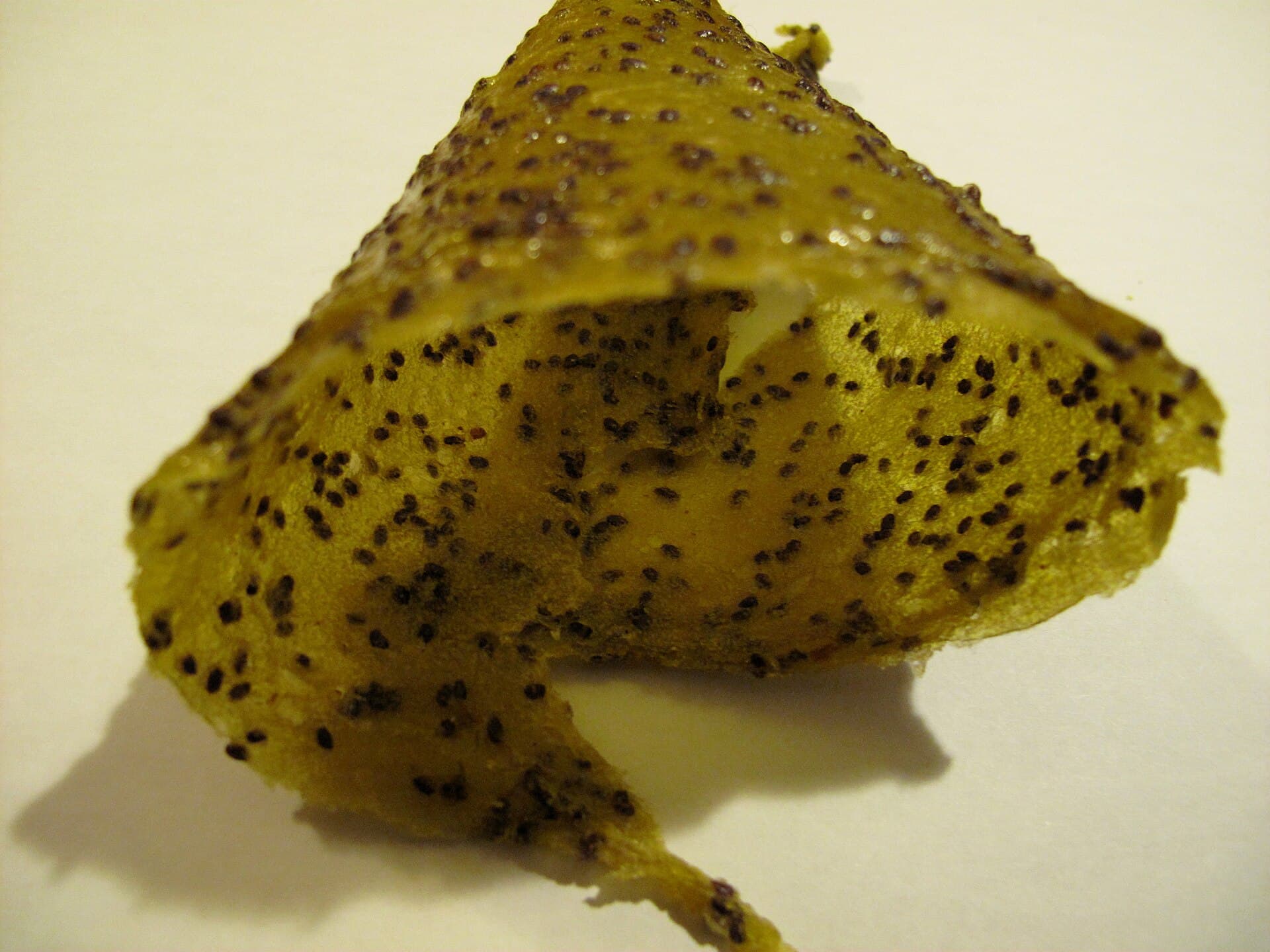
Fruit leather is a traditional preserved fruit snack made by drying pureed fruit into a thin, flexible sheet. Common in early America, it offered a way to enjoy fruit flavors year-round. This homemade fruit leather recipe captures the simple, wholesome practice of preserving seasonal fruit using natural drying methods.
1990-2009
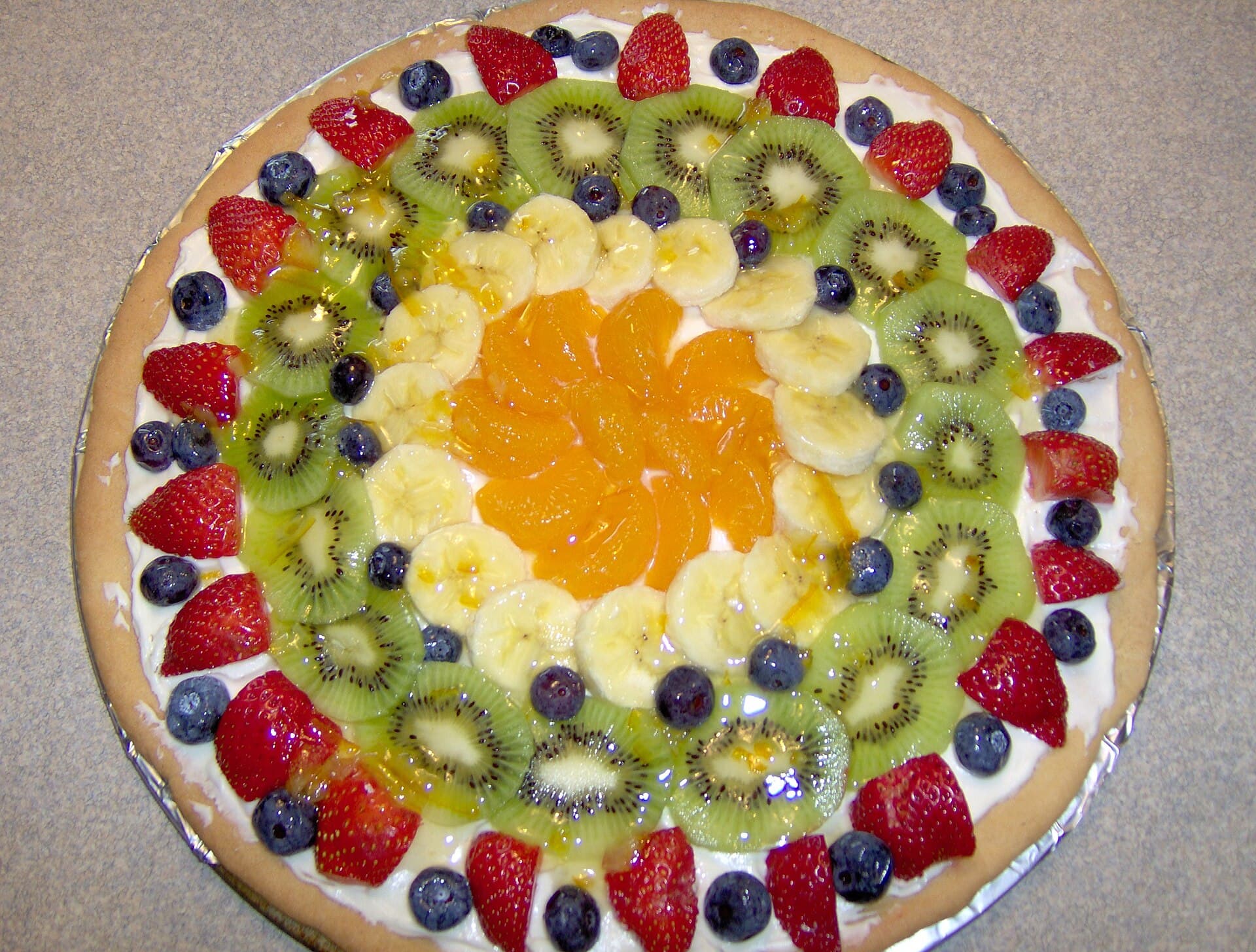
Fruit pizza is a sweet dessert featuring a cookie or sugar cookie crust topped with a layer of cream cheese icing and fresh fruit. Born from Italian-American culinary creativity, this versatile treat combines the fun of pizza presentation with fresh and colorful fruits, perfect for celebrations and summer gatherings.
America's Melting Pot
Fruity Cereal Shake photo coming soon
1900-1929
Fruity Cereal Shake brings drive-in, carhop, and fast-food dessert-counter energy to the table: Instagram-era shake shop flavor.
America's Melting Pot
Funeral Potatoes photo coming soon
1900-1929
Funeral potatoes are a creamy, cheesy potato casserole commonly served at Midwestern community events such as church functions and family gatherings. Featuring hash browns, sour cream, cheese, and crunchy topping, this comforting dish is beloved as a staple side, especially in funerals and potlucks dating back to the early 20th century.
1900-1929
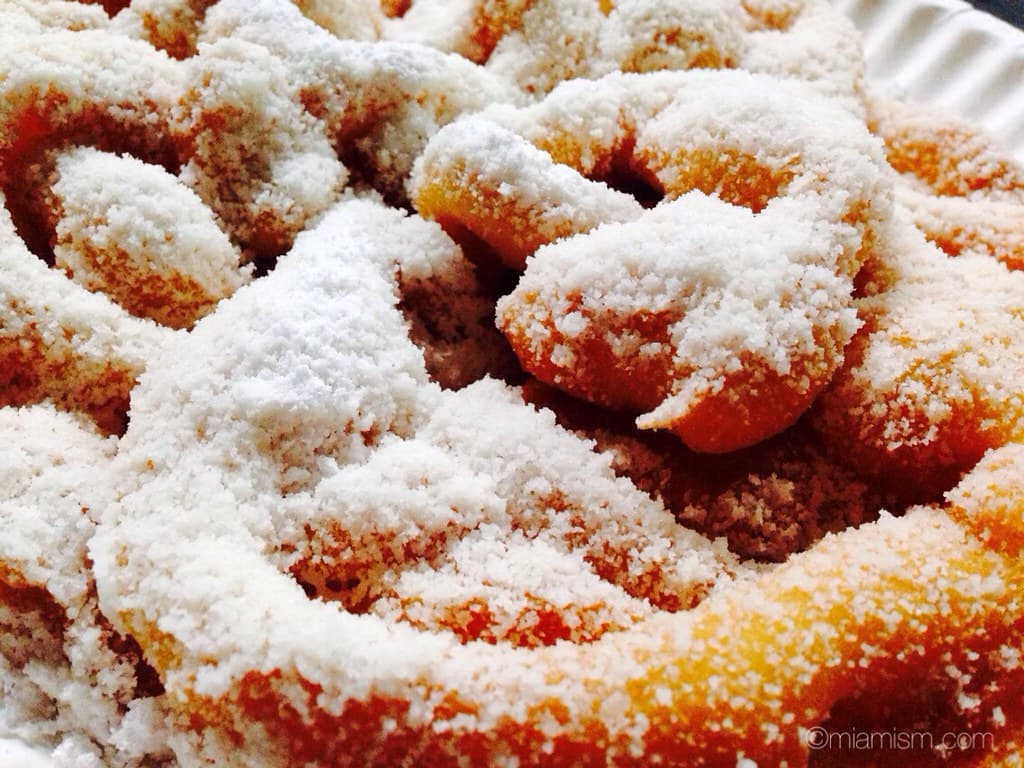
Funnel cake is a popular festival and carnival dessert consisting of a lacy, deep-fried batter drizzled in a circular pattern and dusted with powdered sugar. Introduced by European immigrants and popularized in American state fairs and carnivals in the early 20th century, it remains a nostalgic treat associated with outdoor celebrations.
America's Melting Pot
Garbage Plate photo coming soon
1946-1969
The Garbage Plate is a well-known comfort food originating in Rochester, New York, combining multiple protein and starch components on one plate. Typically featuring cheeseburgers or hot dogs accompanied by home fries, macaroni salad, and beans, it is a regional specialty that exemplifies postwar American working-class cuisine with practical, plentiful ingredients.
1945-2000
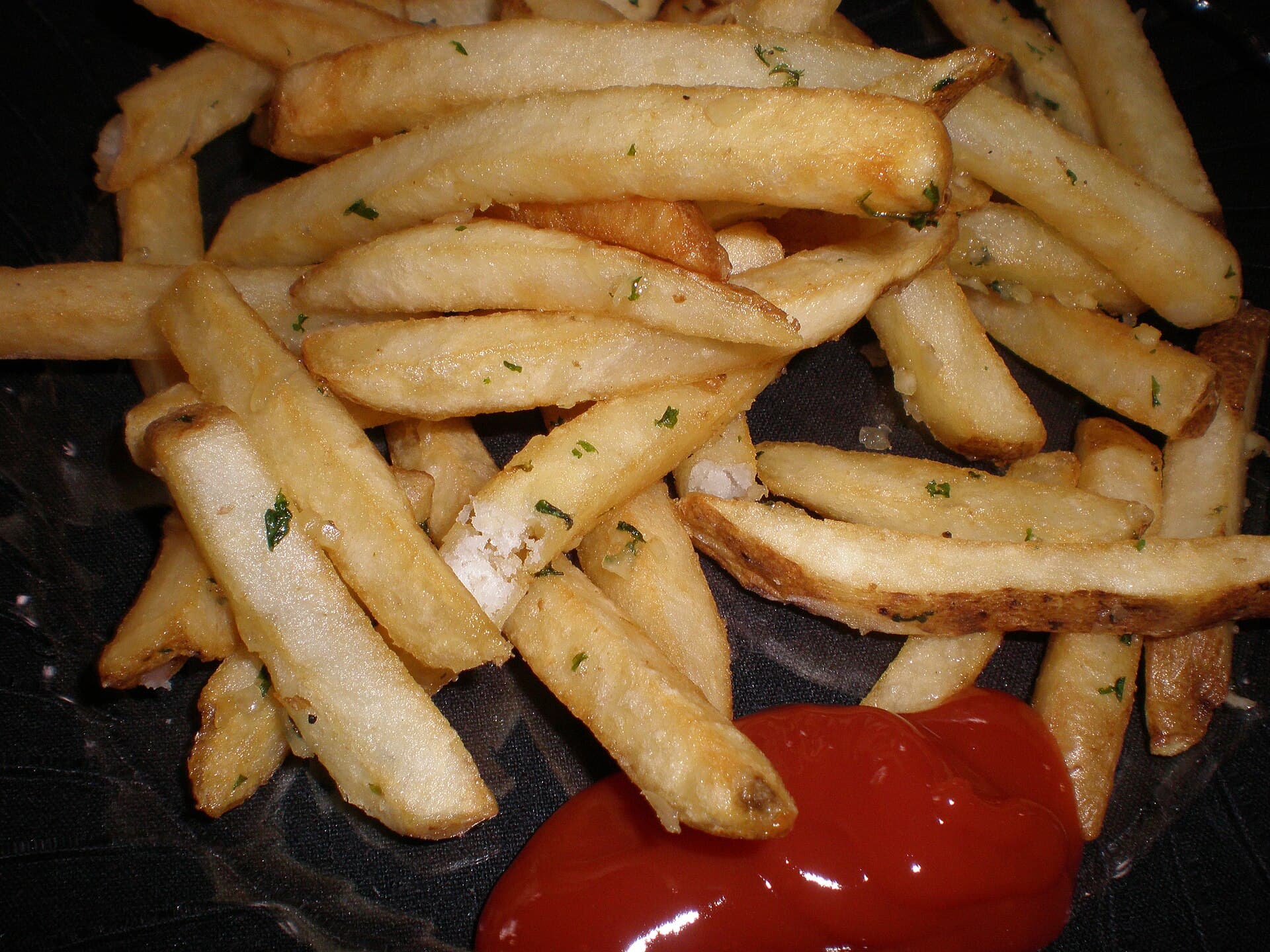
Garlic fries are a popular West Coast side dish featuring golden French fries tossed with minced garlic, parsley, and Parmesan cheese. This simple yet flavorful treat is commonly served in casual dining establishments and sports venues, celebrated for its bold garlic flavor enhancing classic fried potatoes.
American Dairy Age
Garlic Jack is a mild American Jack-family cheese with clean milk handling, careful curd cooking, optional flavoring, pressing, and controlled aging.
America's Melting Pot
Garlic Parmesan Wing Sauce photo coming soon
1970-1989
Garlic Parmesan Wing Sauce is a sandwich sauce with real American table personality: American sports bar wing flavor. It brings flavor from coast-to-coast American tables to cookouts, counters, lunch plates, potlucks, and weeknight suppers.
1970-1989
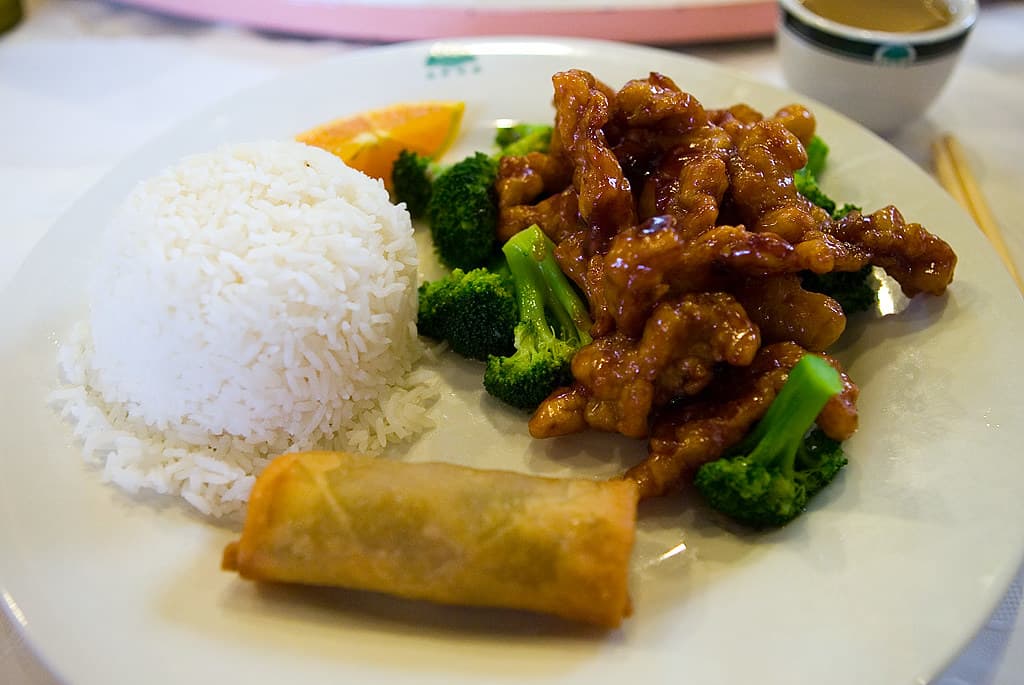
General Tso's chicken is a Chinese-American dish featuring battered and fried chicken pieces coated in a sweet, tangy, and slightly spicy sauce. Popularized in American diners and state fairs in the early 20th century, it has become a staple of Americanized Chinese cuisine, often characterized by its bold flavor and crispy texture.
America's Melting Pot
Georgia Peach Shake photo coming soon
Cross-era
Georgia Peach Shake salutes regional fruit country and the American dairy-stand tradition: Georgia/South.
America's Melting Pot
Giant Cookies photo coming soon
1990-2009
Giant cookies are oversized versions of classic cookies, popularized in American coffee shops during the 1990s and early 2000s. Featuring a variety of flavors from chocolate chip to oatmeal raisin, these cookies offer a shareable dessert experience characterized by a soft, chewy texture and crisp edges.
America's Melting Pot
Ginger Ale Float photo coming soon
1861-1900
Ginger Ale Float is fizzy Americana from the soda-fountain counter: Light, old-fashioned soda fountain drink.
America's Melting Pot
Girl Dinner photo coming soon
2010-2026
Girl dinner is a trendy informal meal concept featuring a selection of light snacks such as cheese, crackers, fruits, nuts, and charcuterie. Popularized in 21st-century social media, it emphasizes ease, sharing, and snacking over formal dining, reflecting contemporary casual eating habits and viral food culture.
1861-1900
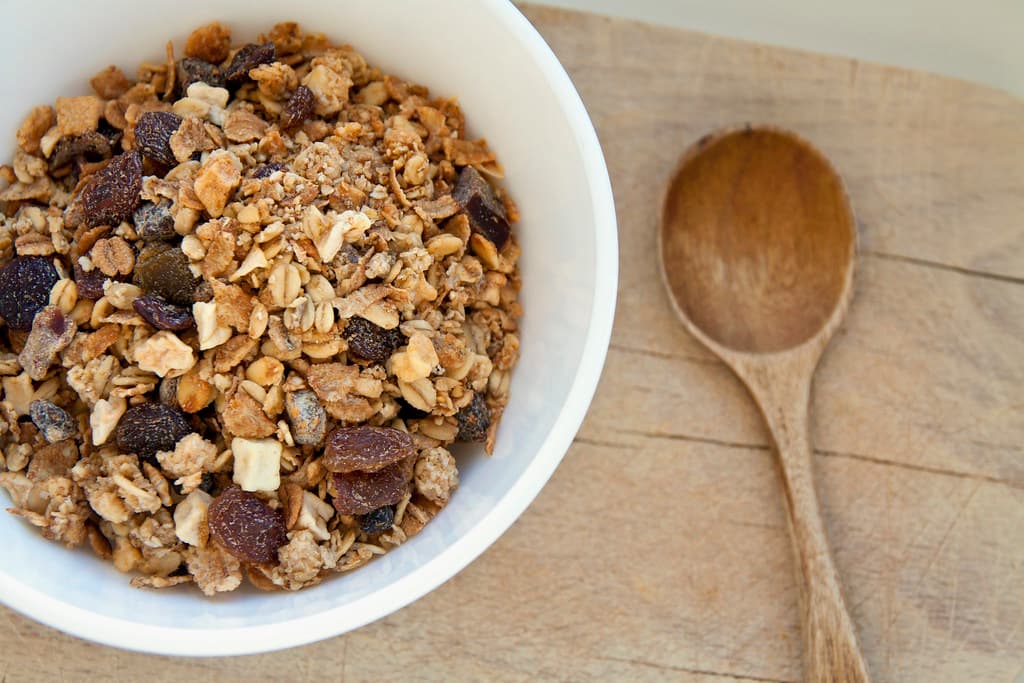
Granola is a baked cereal consisting of rolled oats, nuts, sweeteners, and sometimes dried fruit, widely popular as a health food snack or breakfast item. Modern granola recipes developed in late 20th-century America, growing from health food movements blending traditional concepts with new ingredient combinations.
1861-1900
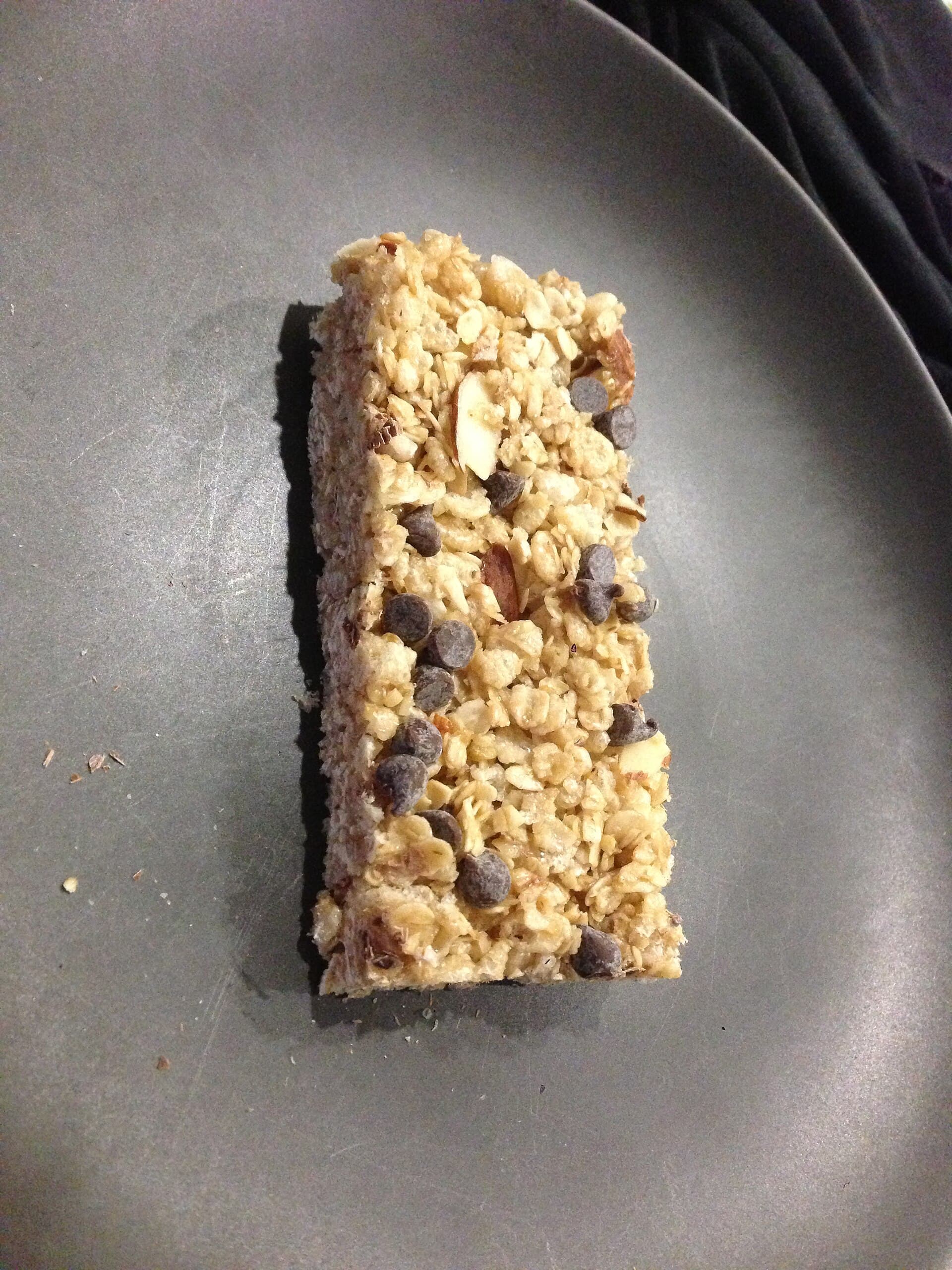
Granola bars are compact, baked or no-bake snack bars made of oats, nuts, dried fruit, and sweeteners. Popularized in late 20th-century American coffee shops and convenience foods, granola bars offer a convenient energy source fitting modern on-the-go lifestyles and sporty snack needs.
1861-1900
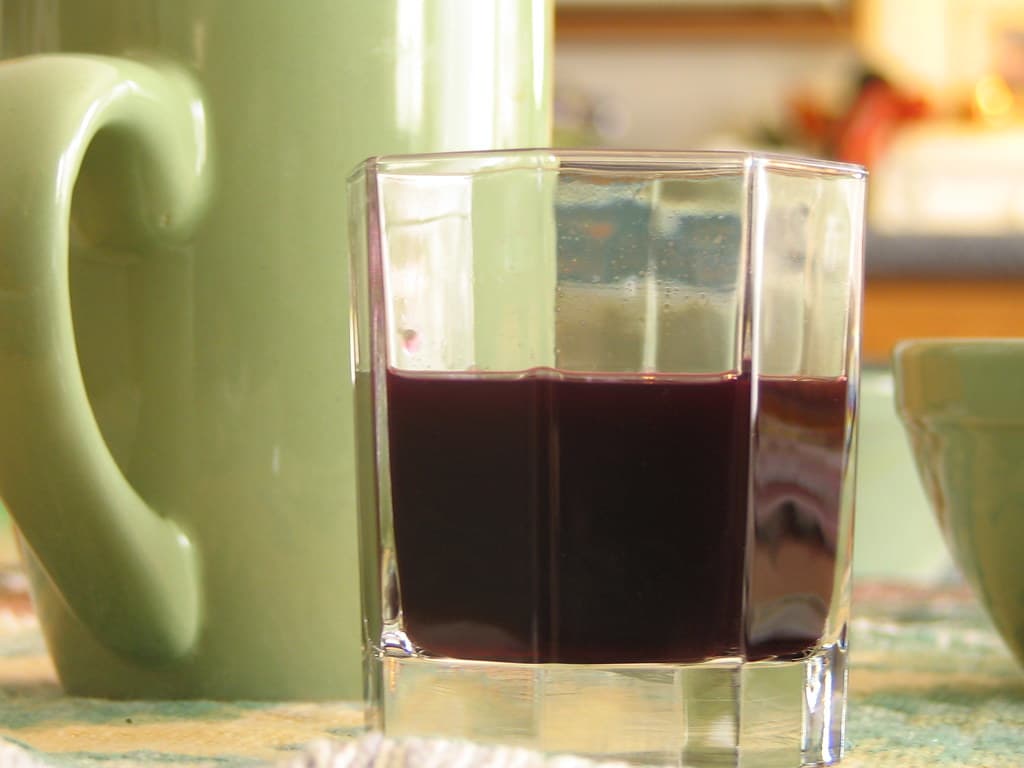
Grape Juice brings juice-bar color and American smoothie-counter energy to the glass: Welch's, church communion, lunchbox, and breakfast table.
America's Melting Pot
Grape Slush photo coming soon
1946-1969
Grape Slush brings juice-bar color and American smoothie-counter energy to the glass: Kid concession classic.
America's Melting Pot
Grape Soda Float photo coming soon
1861-1900
Grape Soda Float is fizzy Americana from the soda-fountain counter: Ice cream stand/kid favorite.
America's Melting Pot
Greek Diner Rice Pudding photo coming soon
1900-1929
Greek diner rice pudding is a creamy dessert made from rice cooked with milk, sugar, and often flavored with cinnamon or lemon. Introduced by Greek immigrant communities in the early 20th century, this pudding became a classic offering in diners across the United States, prized for its comforting texture and simple ingredients.
1900-1929
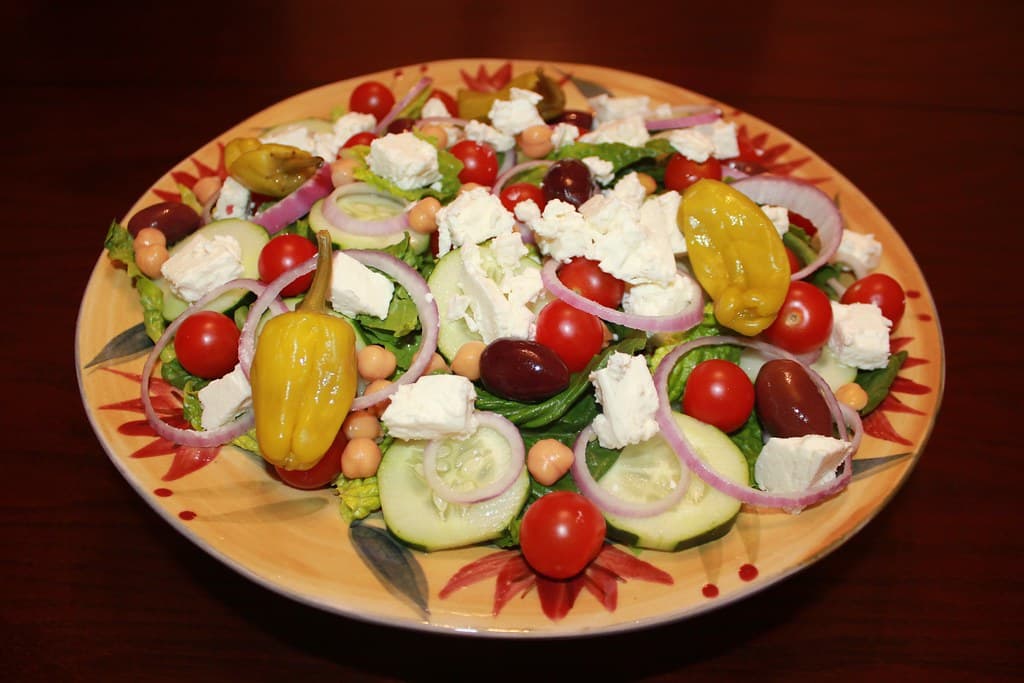
Greek Salad became a popular side dish in American diners and lunch counters during the early 20th century. Reflecting Greek immigrant influence, it features fresh vegetables and traditional ingredients adapted for American tastes. Often served chilled, it is customary in Greek-American communities and state fairs.
America's Melting Pot
Greek-Style Burgers photo coming soon
1900-1929
Greek-Style Burgers are an adaptation of the American hamburger with flavors inspired by Greek cuisine, featuring herbs, spices, and toppings like feta or tzatziki sauce. Emerging in immigrant cities during the early 20th century, this sandwich represents cultural fusion at diners and lunch counters.
1900-1929
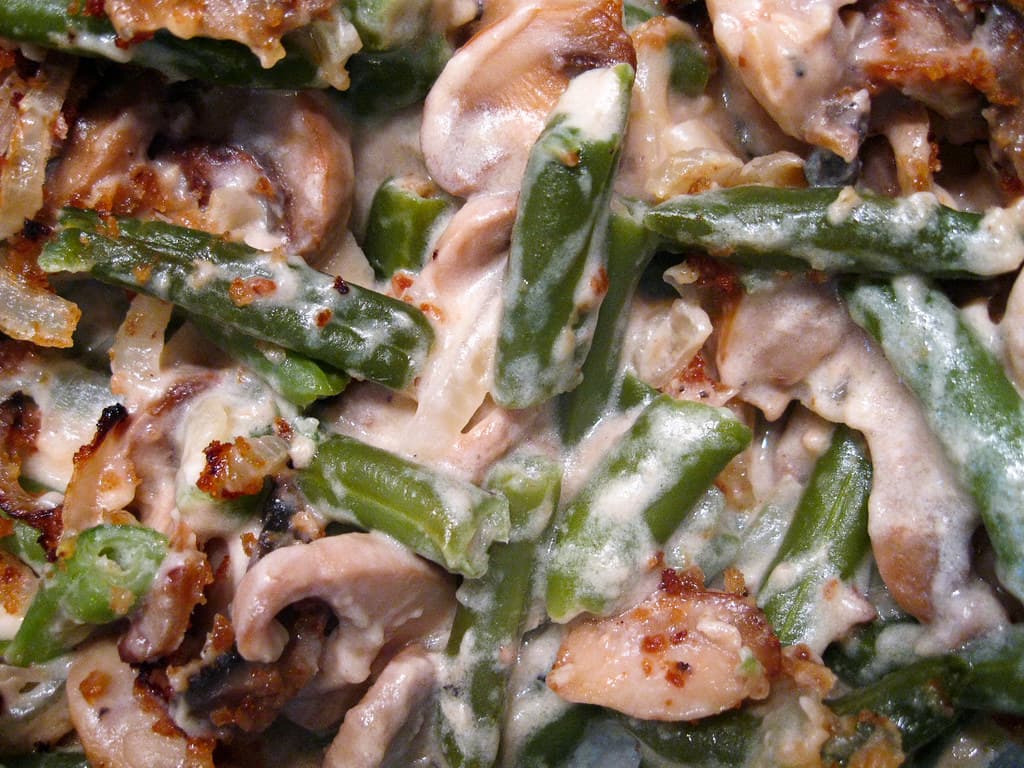
Green Bean Casserole is a staple side dish in Midwestern American holiday tables, church suppers, and school gatherings. Combining green beans, cream of mushroom soup, and crispy fried onions, it became widely popular in the early 20th century and remains a comforting, familiar casserole.
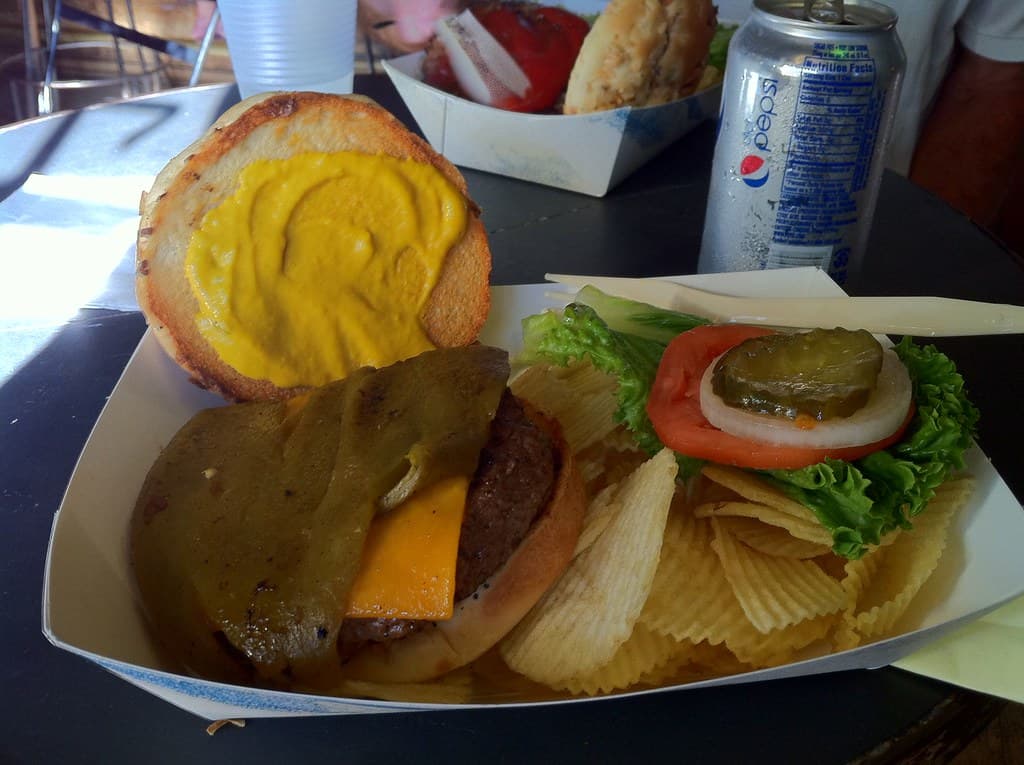
1970-1989
The Green Chile Cheeseburger came to prominence in the Southwest and Southern United States during the 1970s and 1980s, combining classic American cheeseburgers with roasted green chiles to add distinctive regional heat and flavor. It is popular at tailgates and regional eateries.
America's Melting Pot
Green Juice photo coming soon
1970-1989
Green Juice brings juice-bar color and American smoothie-counter energy to the glass: Kale/celery/apple/cucumber wellness culture.
America's Melting Pot
Green Smoothie photo coming soon
1970-1989
Green Smoothie brings juice-bar color and American smoothie-counter energy to the glass: Spinach/kale, fruit, juice, yogurt.
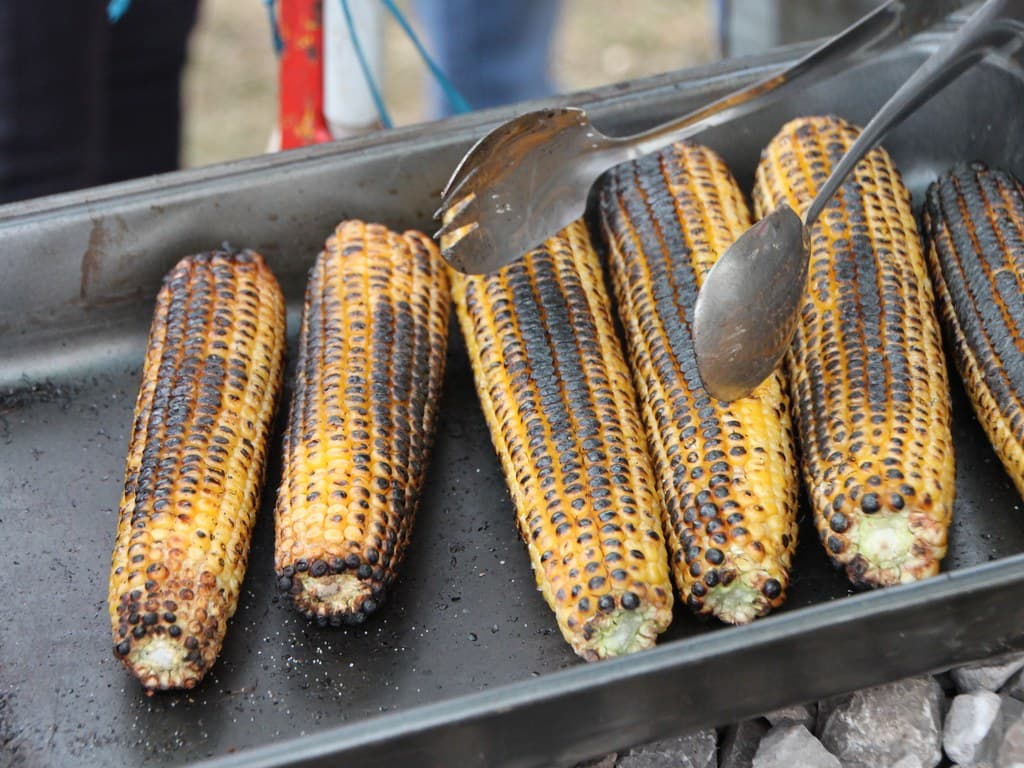
1946-1969
Grilled Corn gained popularity in American suburbs and backyards during the postwar period, representing easy and affordable patio food. Often served as a summer barbecue staple, corn is grilled in the husk or directly on the grill for smoky flavor and tender texture.
America's Melting Pot
Grilled Corn with Chili Lime Butter photo coming soon
2010-2026
This modern celebration dish showcases grilled corn enhanced with chili lime butter, blending Mexican-American influences with new American food trends. Popular since 2010 at food trucks and farmers markets, it offers vibrant flavors and viral appeal.
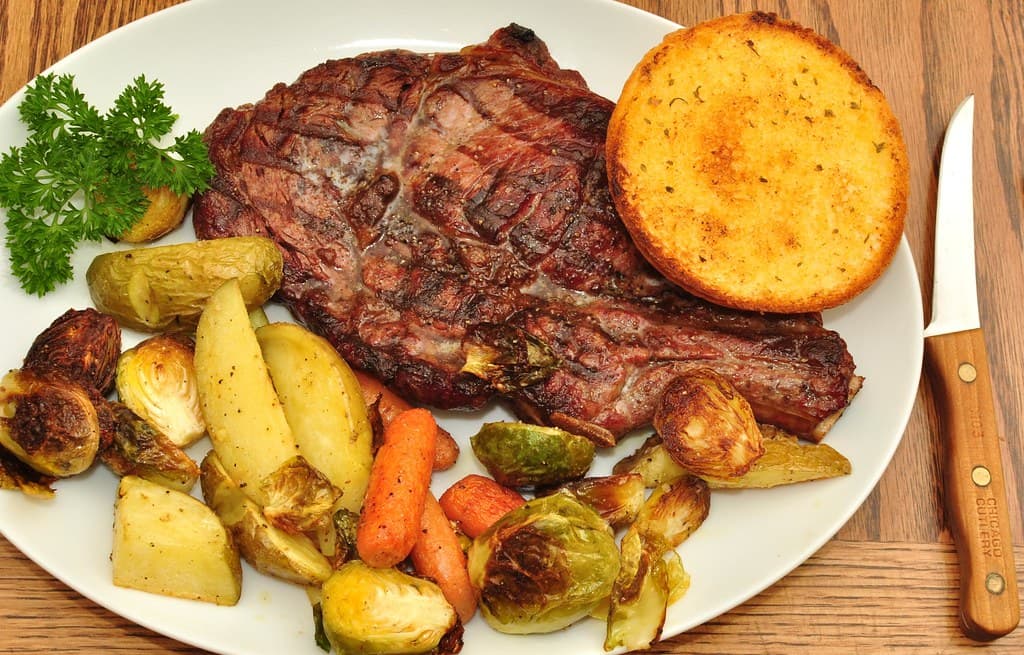
1946-1969
Grilled steak has been a centerpiece of American backyard barbecues since the postwar suburban boom. Typically prepared with simple seasoning and cooked over charcoal or gas grills, it represents a traditional approach to meat preparation for outdoor hospitality and family gatherings.
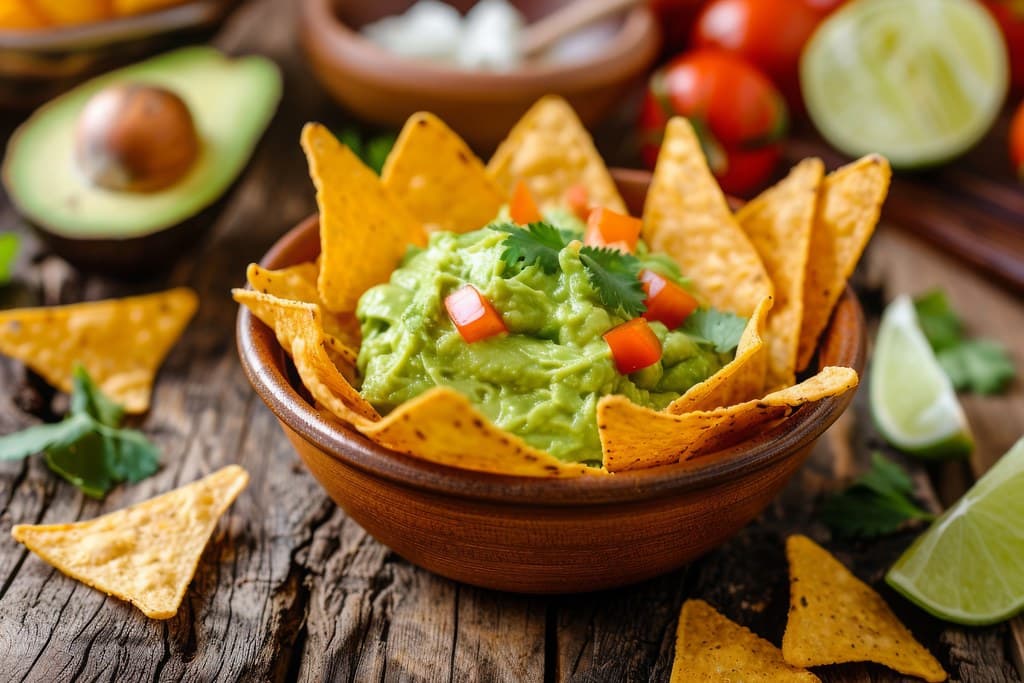
1990-2009
Guacamole, a mashed avocado-based dip, became widespread in American party and game day cuisine during the 1990s-2000s. Its creamy texture combined with fresh lime, onion, and cilantro made it a staple for gatherings, reflecting both Mexican and American tastes.
America's Melting Pot
Gumbo Z'Herbes photo coming soon
1970-1989
Gumbo Z'Herbes is a green vegetable variation of traditional gumbo favored in Louisiana, especially during the 1970s-1980s. It is a hearty stew of assorted greens and herbs, often served during festive events and tailgate gatherings reflecting regional pride and culinary diversity.
1946-1969
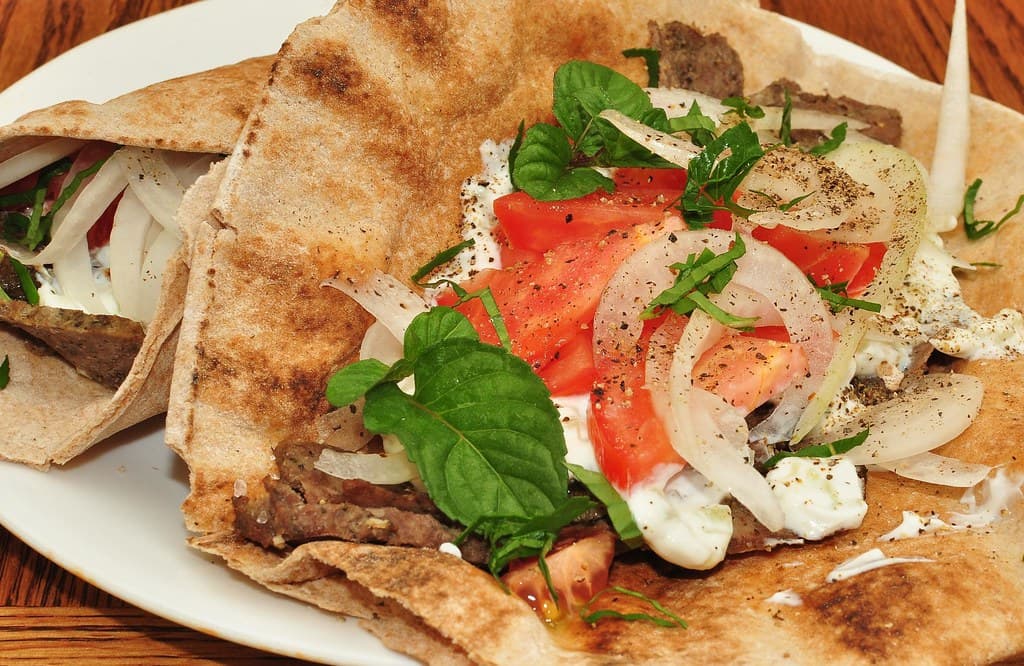
Gyros entered American urban dining and state fairs in the early 20th century, popularized by Greek immigrants. Featuring spiced meat sliced from vertical rotisserie, with tomatoes, onions, and tzatziki in pita bread, it represents immigrant adaptation and diner cuisine fusion.
America's Melting Pot
Haluski photo coming soon
1900-1929
Haluski is a traditional dish of Polish, Czech, Slovak, and Eastern European origins consisting of noodles, fried cabbage, and onions. Brought to the United States by immigrants in the early 20th century, it became comfort food commonly served at diners and state fairs, especially around Easter.
America's Melting Pot
Ham and Pickle Roll-Ups photo coming soon
1946-1969
Ham and pickle roll-ups are a quick, savory finger food popularized during the 1970s as party appetizers and tailgate snacks. Combining sliced ham and crunchy pickles into simple roll-ups reflects the era's emphasis on convenience and fun casual entertaining.
America's Melting Pot
Ham Balls photo coming soon
1900-1929
Ham balls are savory meatballs made from ground ham mixed with breadcrumbs or crackers, often glazed and baked. Common in American school cafeterias, church suppers, and community events during the early 20th century, they showcase economical and crowd-pleasing cooking.
1946-1969
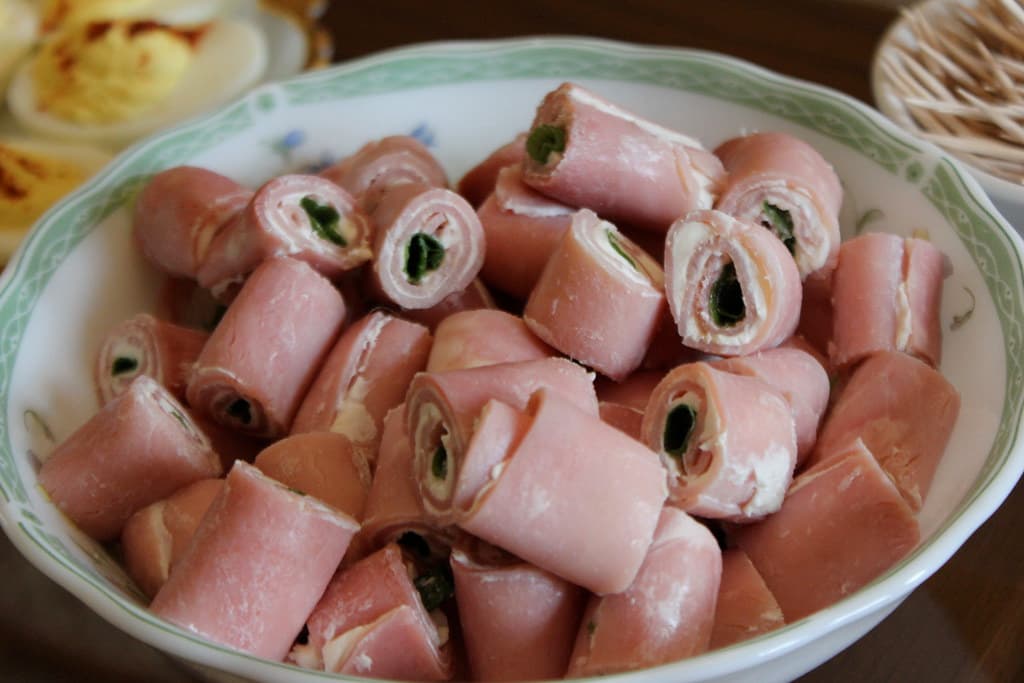
Ham roll-ups are bite-sized appetizers made by rolling sliced ham with cheese, spreads, or pickles. Popular in suburban American cocktail parties from the 1940s through the 1960s, they exemplify easy-to-prepare, crowd-pleasing hors d'oeuvres.
1900-1929
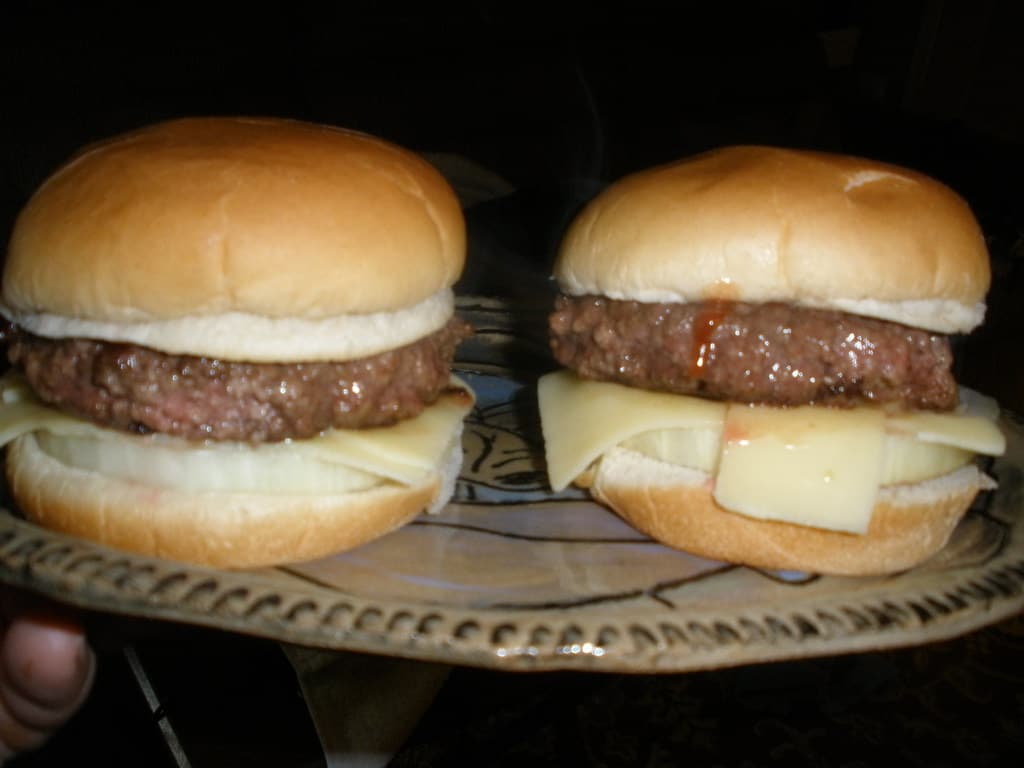
The hamburger is a ground beef patty cooked and served inside a split bun or roll, often garnished with condiments and vegetables. Emerging in early 20th-century America, hamburgers became an iconic and enduring symbol of American fast and casual dining.
America's Melting Pot
Hand-Spun Shake photo coming soon
Postwar & Diner Age
Hand-Spun Shake is thick, spoonable frozen-custard stand fun: Diner/drive-in phrase for a real ice cream shake.
America's Melting Pot
Hard-Shell Tacos photo coming soon
1970-1989
Hard-shell tacos feature crispy fried corn tortillas filled with seasoned ground beef, lettuce, cheese, and salsa. This Americanized version grew popular in the 1970s as convenience food and tailgate fare, blending Mexican culinary origins with fast food culture.
America's Melting Pot
Harvey Wallbanger Cake photo coming soon
1970-1989
Harvey Wallbanger cake is a layered cake inspired by the popular Harvey Wallbanger cocktail of the 1970s. Featuring orange-flavored cake and a boozy glaze, it reflects the decade's enthusiasm for themed party desserts and adult-friendly sweets.
America's Melting Pot
Hash Browns photo coming soon
1900-1929
Hash browns are shredded or diced potatoes pan-fried until golden and crisp, popularized in American diners and lunch counters during the early 20th century. Served primarily at breakfast, they embody simple, rustic comfort food.
America's Melting Pot
Hawaii Haupia Shake photo coming soon
Cross-era
Hawaii Haupia Shake salutes regional fruit country and the American dairy-stand tradition: Hawaii coconut dessert influence.
America's Melting Pot
Hawaii Pineapple Shake photo coming soon
Cross-era
Hawaii Pineapple Shake salutes regional fruit country and the American dairy-stand tradition: Hawaii.
American Dairy Age
Herb Jack is a mild American Jack-family cheese with clean milk handling, careful curd cooking, optional flavoring, pressing, and controlled aging.
1900-1929
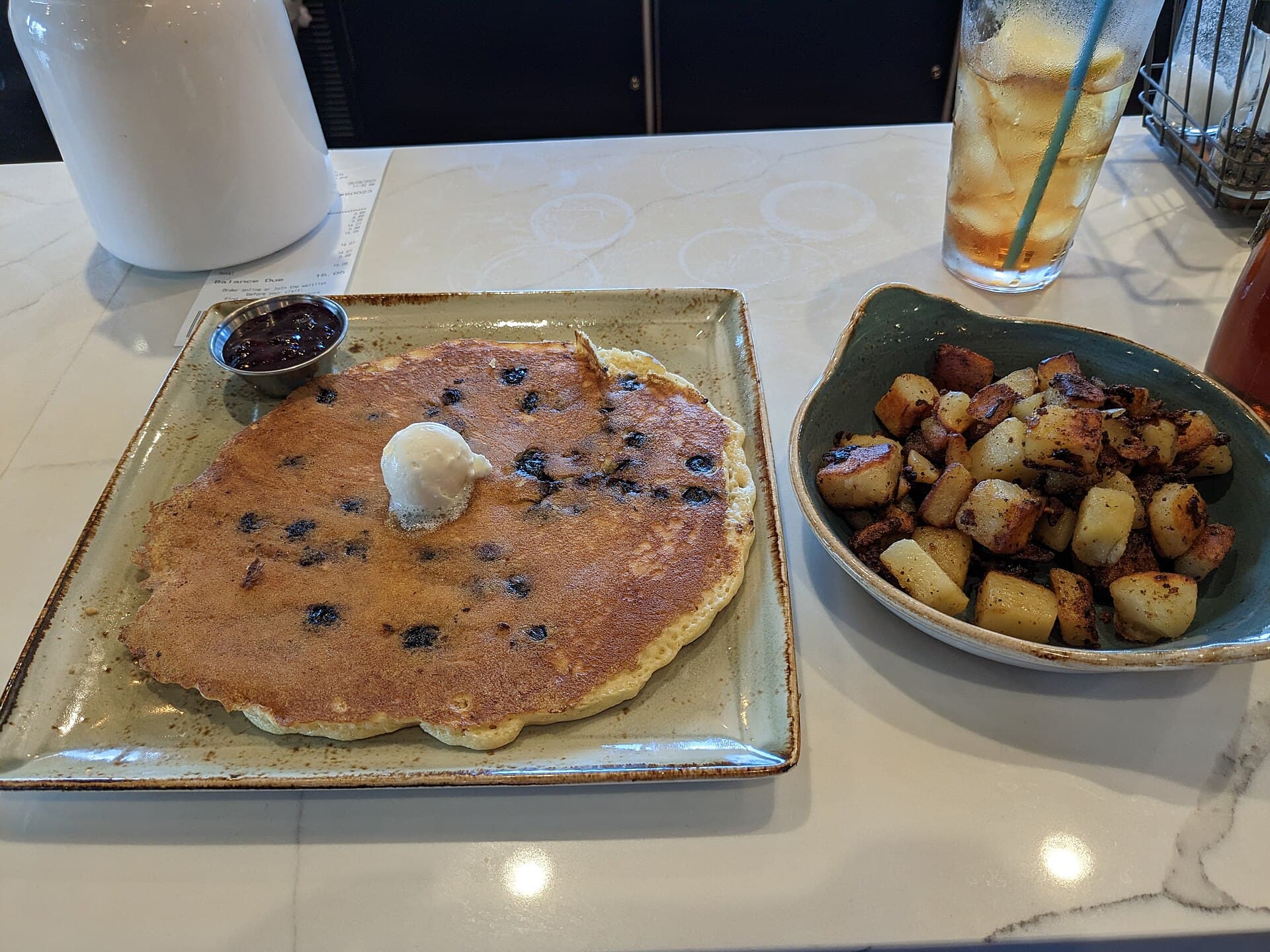
Home fries are diced or sliced potatoes pan-fried with onions and seasoning, commonly served at American diners with breakfast. Emerging in early 20th-century immigrant cities, they offer a warm and crispy potato side dish.
America's Melting Pot
Honey BBQ Wing Sauce photo coming soon
1970-1989
Honey BBQ Wing Sauce is a sandwich sauce with real American table personality: Mild wing chain staple. It brings flavor from coast-to-coast American tables to cookouts, counters, lunch plates, potlucks, and weeknight suppers.
America's Melting Pot
Horseradish Cheddar Spread photo coming soon
American Dairy Age
Horseradish Cheddar Spread is a finished American cheese spread for crackers, sandwiches, and snack boards, with clear mixing, chilling, and storage guidance.
America's Melting Pot
Horseshoe Sandwich photo coming soon
1946-1969
The Horseshoe Sandwich is a Midwestern American comfort food featuring thick-sliced bread topped with meat, French fries, and rich cheese sauce. Originating in Illinois during the postwar era, it became a regional favorite combining diner food, casseroles, and backyard cooking influences. This substantial dish serves as a casual meal synonymous with tailgates and family gatherings.
1970-1989
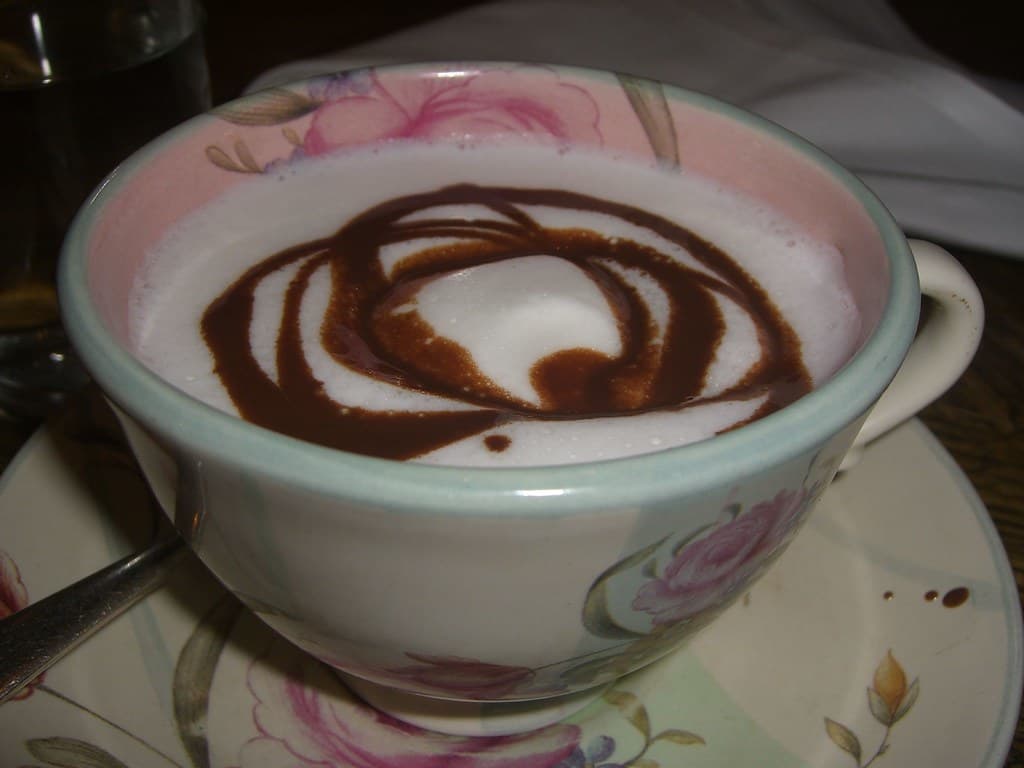
Hot chocolate is a comforting American beverage enjoyed across many regions and occasions. Especially popular at tailgates and concession stands from the 1970s through the 1980s, it blends cocoa, sugar, and milk or water into a rich drink. This version reflects mid-late 20th century conveniences while maintaining roots in traditional American chocolate drinks.
1861-1900
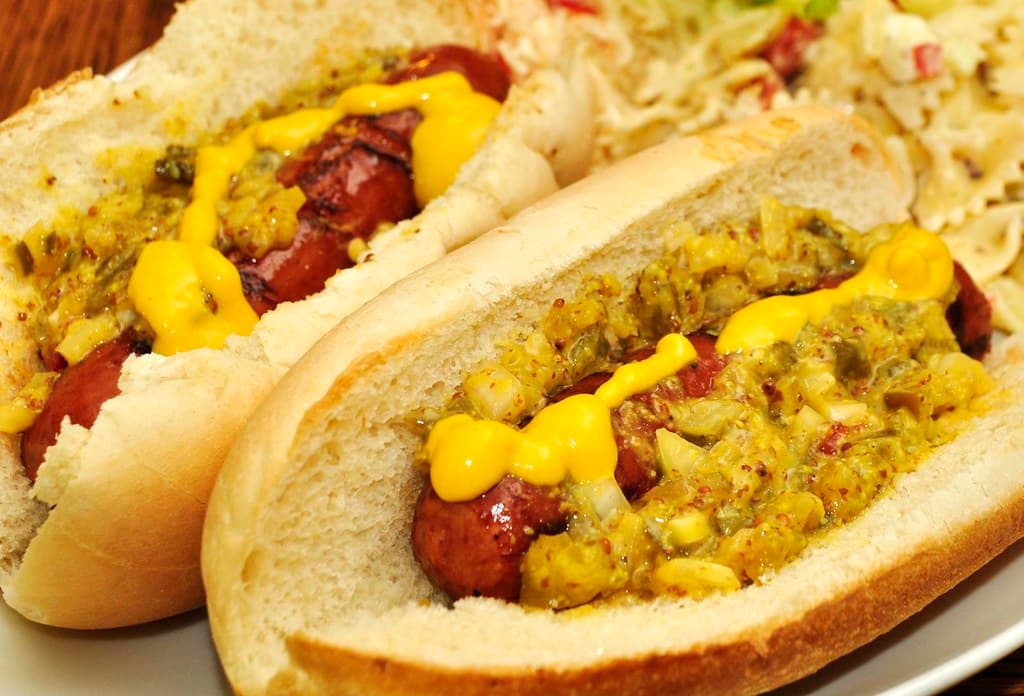
Hot dogs are grilled or boiled sausages served in a sliced bun, a quintessential American backyard and tailgate food. Their widespread popularity in postwar America coincided with suburban expansion, backyard grills, and convenient frozen foods from 1946 to 1969. Often associated with holidays like the Fourth of July, hot dogs remain an iconic symbol of casual American dining.
America's Melting Pot
Hot Pepper Jelly photo coming soon
Cross-era
Hot Pepper Jelly is a condiment with real American table personality: Southern party staple, often served over cream cheese. It brings flavor from the American South to cookouts, counters, lunch plates, potlucks, and weeknight suppers.
1900-1929
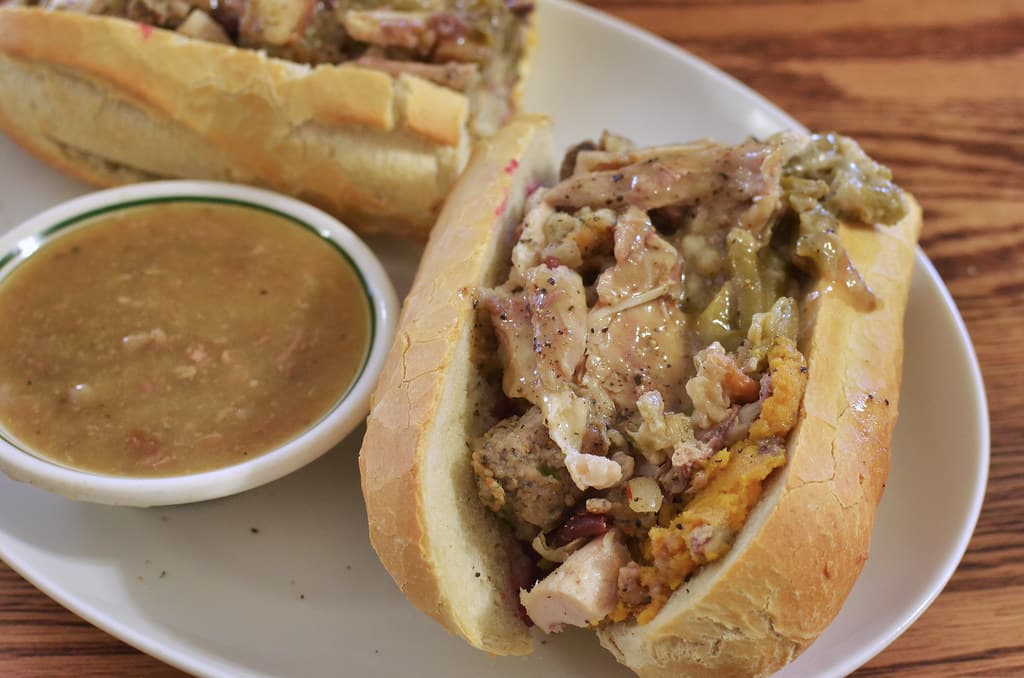
The hot turkey sandwich is an American diner and lunch counter classic featuring sliced roasted turkey on bread covered with rich gravy. Popular during the early 20th century, it was a practical, hearty meal in immigrant city diners and state fairs from 1900-1929, serving as a comforting use of leftover turkey.
America's Melting Pot
Hotdish photo coming soon
1900-1929
Hotdish is a type of casserole popular in the American Midwest, especially associated with community gatherings, church suppers, and state fairs during the early 20th century. Combining a starch, protein (often ground meat or tuna), canned soup, and vegetables, it exemplifies economical, filling cuisine typical of immigrant and rural communities from 1900 to 1929.
America's Melting Pot
Huckleberry Shake photo coming soon
Postwar & Diner Age
Huckleberry Shake pours old-school malt-shop cheer into a cold glass: Montana, Idaho, and mountain West favorite.
1946-1969
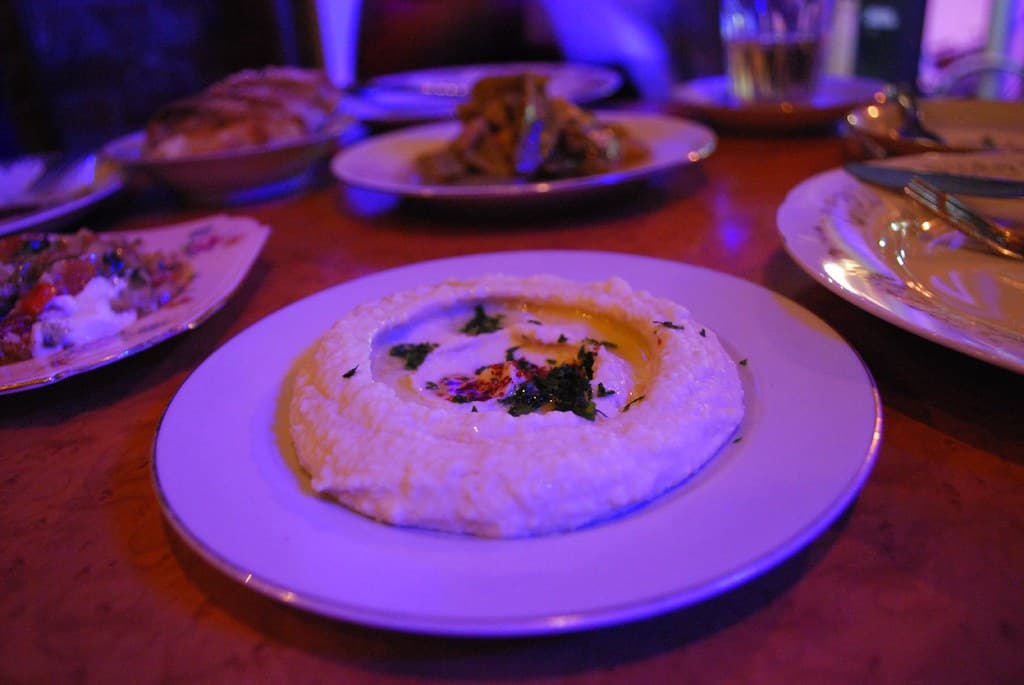
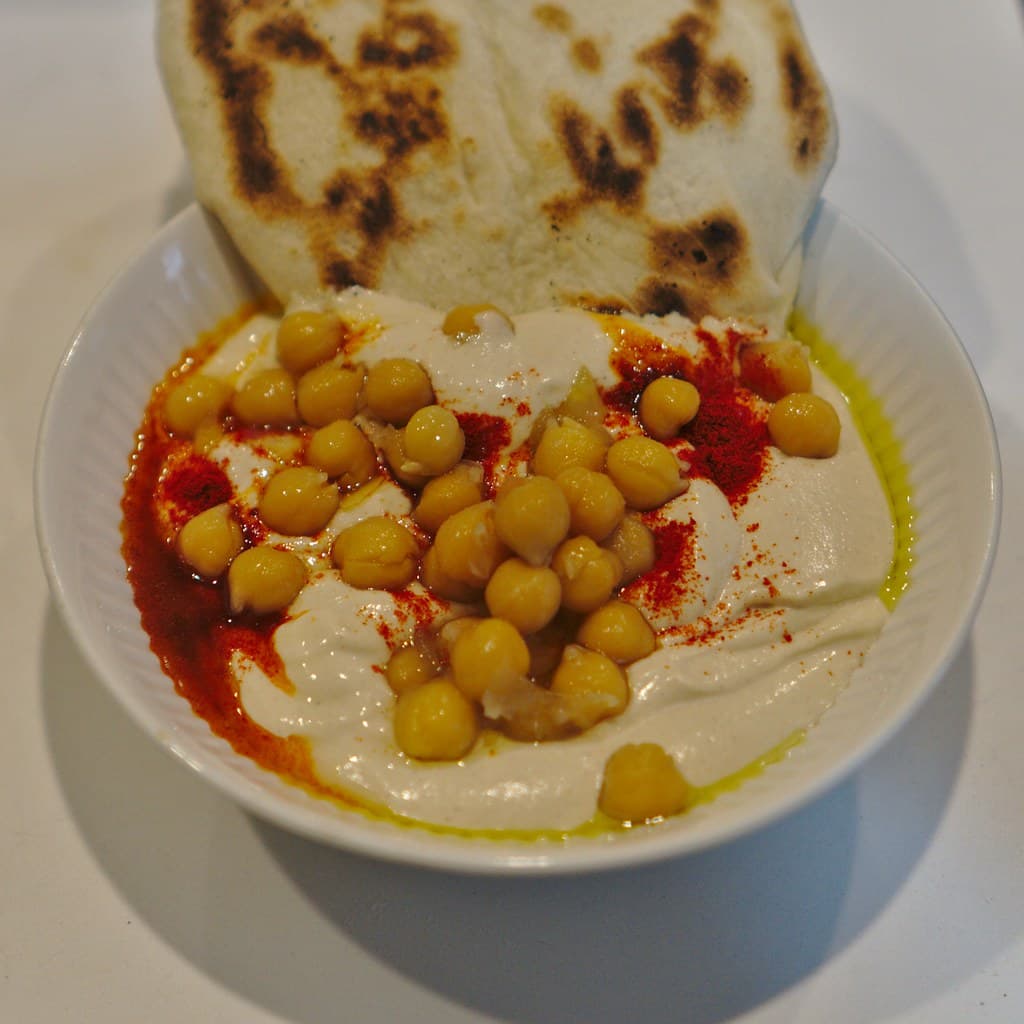
This classic hummus recipe, now a staple in American suburban households and coffee shops, reflects the successful immigrant adaptation of Middle Eastern flavors into American food culture from 1990 to 2009. It gained notable popularity as a healthy and flavorful snack and Super Bowl food item.
1946-1969
Hummus paired with pita bread became a popular combination in American suburbs during the 1990-2009 era, often featured in coffee shops and casual Super Bowl gatherings. This pairing highlights the meeting of Middle Eastern culinary staples with American casual dining culture.
America's Melting Pot
Ice Cream Soda photo coming soon
1861-1900
Ice Cream Soda is fizzy Americana from the soda-fountain counter: Soda water, syrup, and ice cream.
America's Melting Pot
Idaho Huckleberry Shake photo coming soon
Cross-era
Idaho Huckleberry Shake salutes regional fruit country and the American dairy-stand tradition: Idaho.
America's Melting Pot
Impossible Pie photo coming soon
1970-1989
Impossible pie is a Southern American dessert recognized for its seemingly impossible transformation of simple pantry ingredients into a rich custard pie. Popular in tailgate parties and family gatherings of the 1970s and 1980s, it exemplifies home-cooked convenience and regional pride.
1945-2000
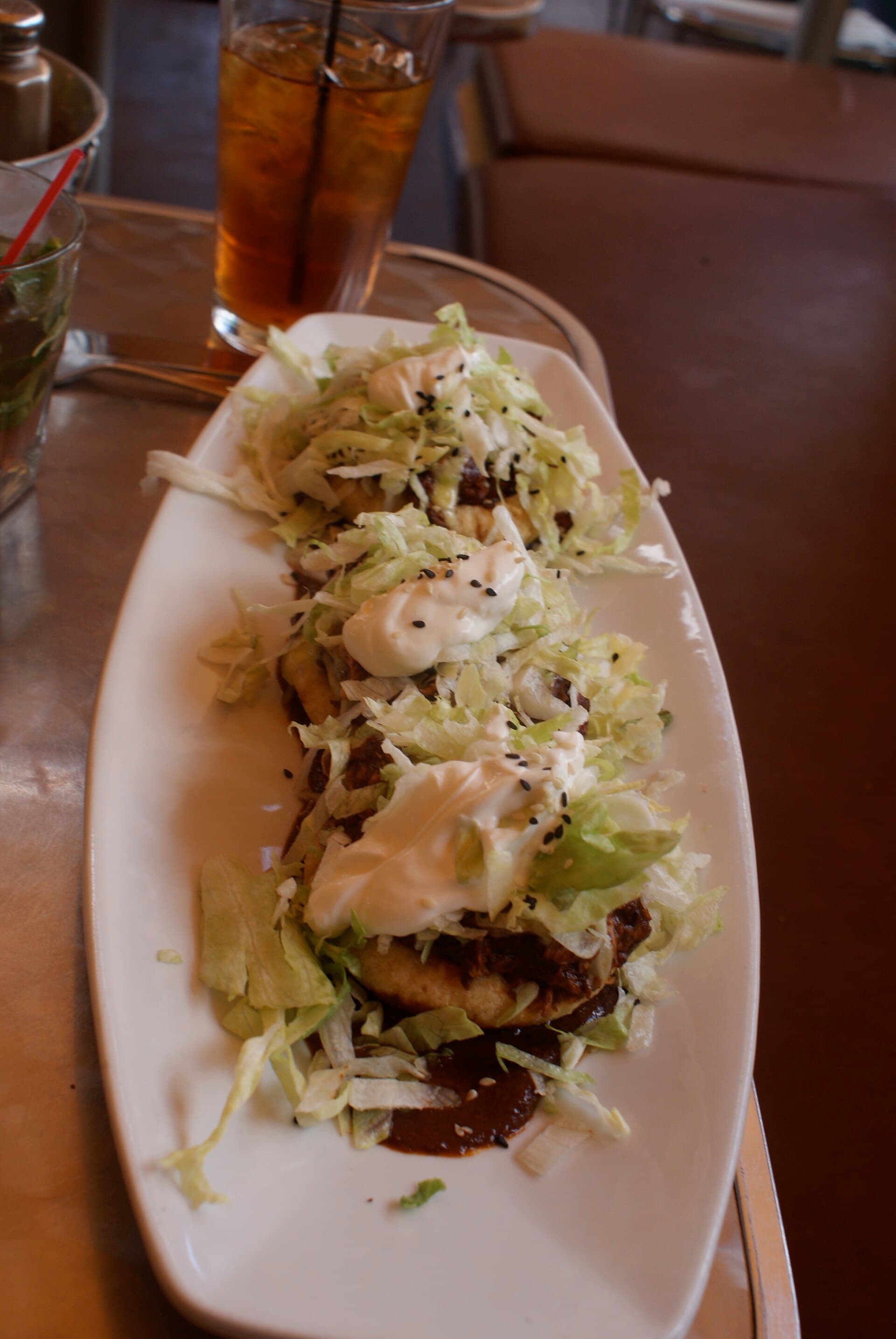
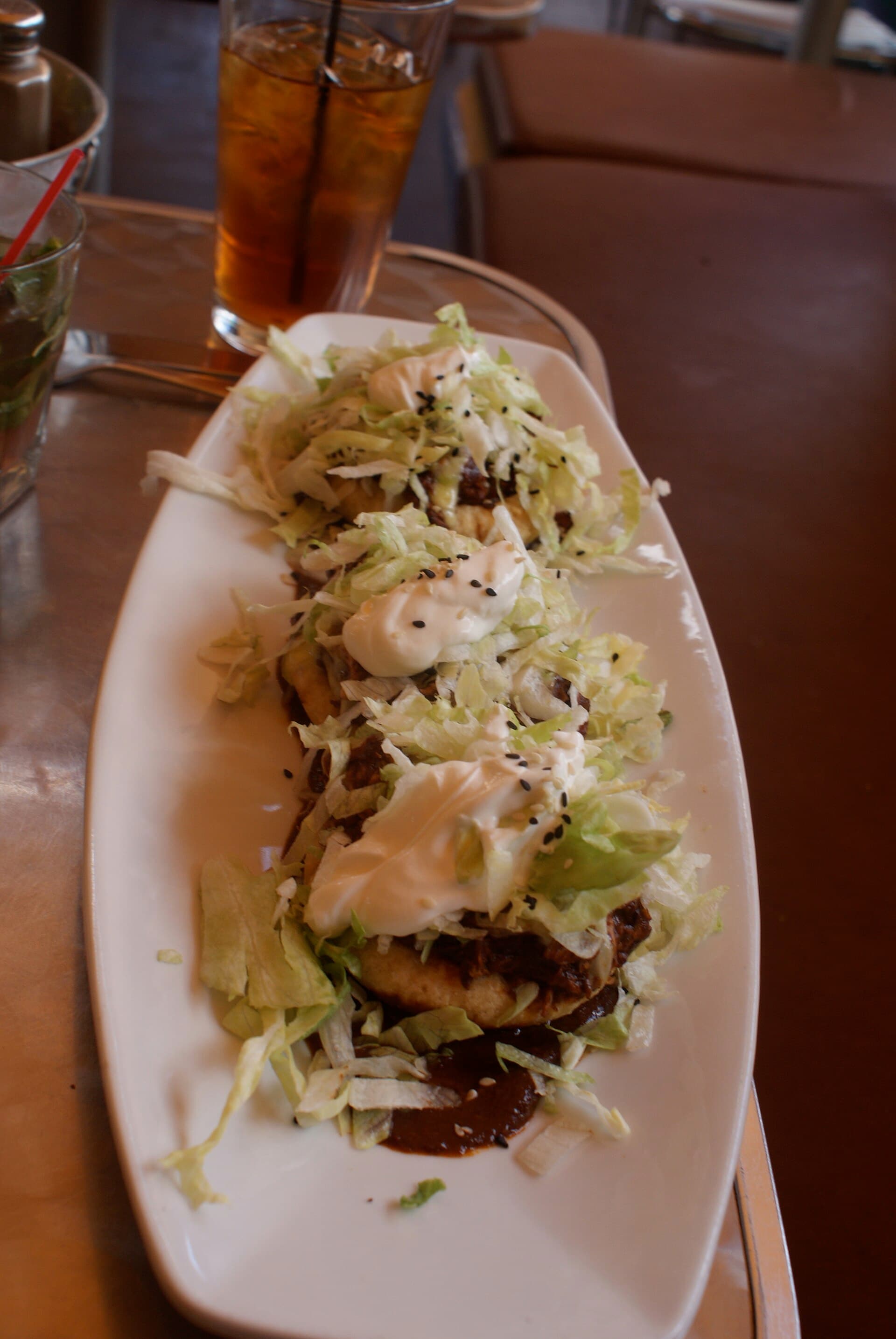
Indian tacos combine Native American frybread with taco toppings, reflecting a fusion of Mexican-American culinary influence and Indigenous food traditions in the Great Plains. This dish has evolved cross-era, maintaining cultural significance and popularity across generations.
1900-1929
Indian Tacos, served on frybread, gained popularity in early 20th century American state fairs and diners from 1900 to 1929. This dish represents a culinary adaptation blending Mexican-American taco ingredients with Indigenous frybread, making it a beloved carnival and diner food item.
America's Melting Pot
Instant Pot Chili photo coming soon
2010-2026
A robust chili recipe combining beef, beans, and spices made efficiently in the Instant Pot, inspired by Texas and Southwestern influences. Perfect for weeknight meals or casual gatherings.
America's Melting Pot
Italian Soda, American Coffeehouse Style photo coming soon
1900-1929
Italian Soda, American Coffeehouse Style is fizzy Americana from the soda-fountain counter: Syrup, soda, and cream, popularized in American cafes.
1990-2009
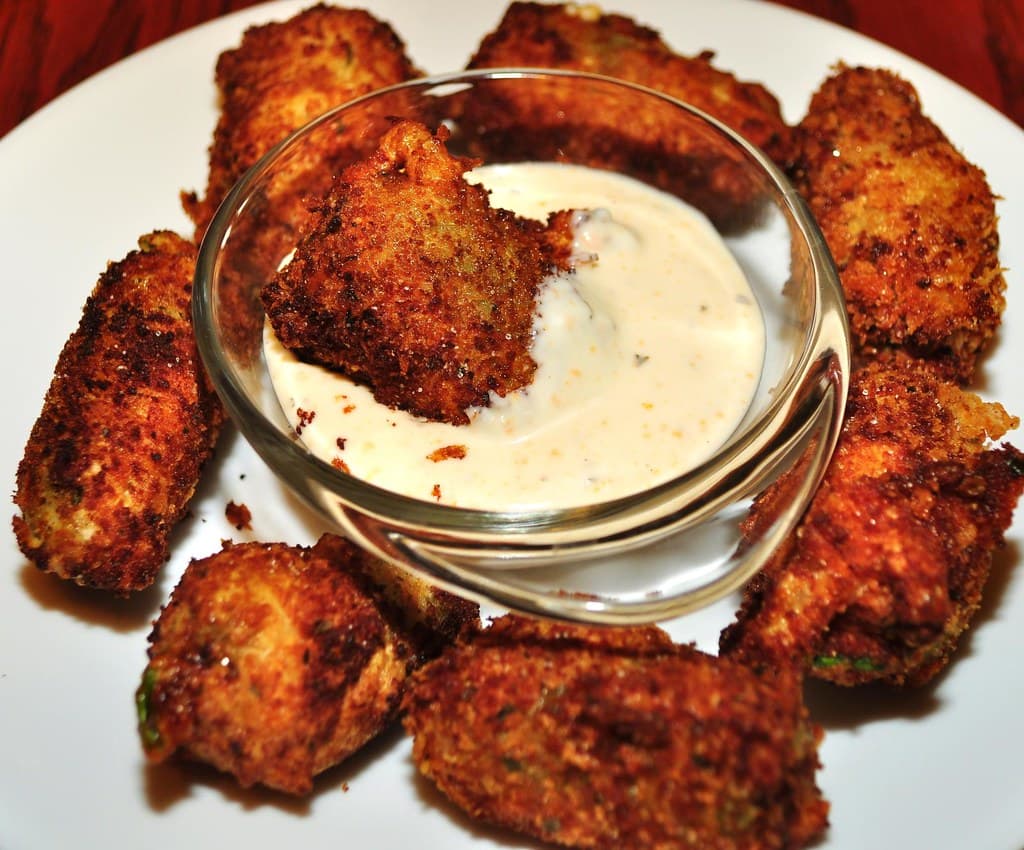
Jalapeno poppers are finger foods consisting of jalapeno peppers filled with creamy cheese, breaded, and fried. Popularized in American casual dining and party food culture during the 1990s and 2000s, they are a classic game-day appetizer.
America's Melting Pot
Java Chip Blended Coffee photo coming soon
Modern Melting Pot
Java Chip Blended Coffee blends coffeehouse America with milkshake-style fun: Dessert coffee drink.
America's Melting Pot
Jell-O Salad photo coming soon
1900-1929
Jell-O salad, popular in early 20th-century American school, church, and community gatherings, is a molded gelatin dish incorporating fruit, nuts, and sometimes vegetables. It became a festive side or dessert during the 1900-1929 period, reflecting innovation in convenience foods and the era's fondness for bright, decorative dishes.
America's Melting Pot
Jezebel Sauce over Cream Cheese photo coming soon
1946-1969
Jezebel sauce, a bright combination of fruit preserves, mustard, horseradish, and chili flakes, is served chilled over cream cheese as a classic American appetizer. Popularized in the postwar suburban era, this dish reflects mid-20th-century cocktail party trends emphasizing easy-to-prepare yet visually appealing party foods.
Before 1776
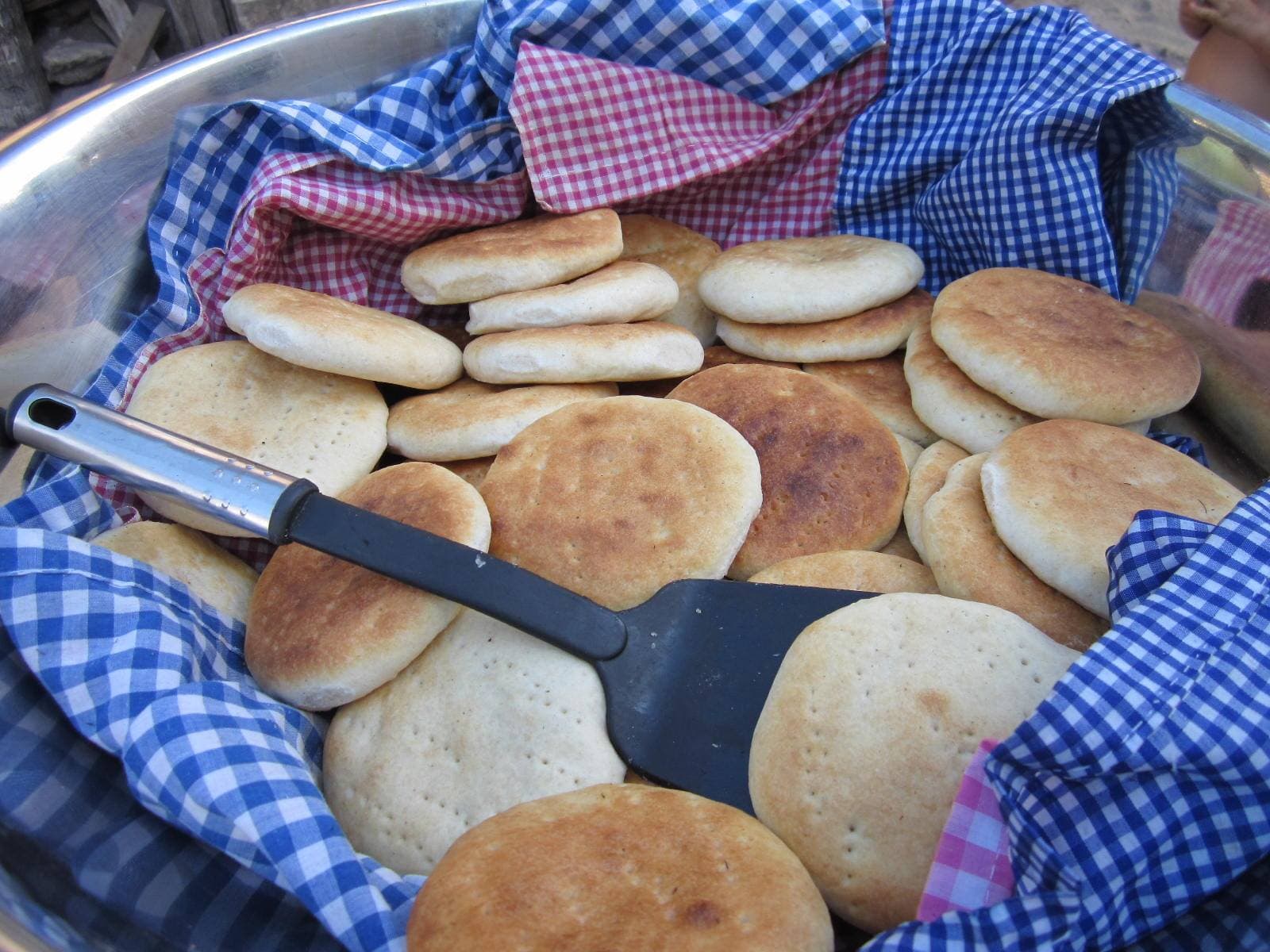
Johnny Cakes, as known in Puerto Rican, Chamorro, Filipino-American, and Virgin Islands cuisines, are fried cornmeal cakes served as snacks or side dishes. This cross-era preparation exemplifies the cultural blending in American island territories, combining influences from indigenous, Spanish, and Pacific Islander cooking.
America's Melting Pot
Juicy Lucy photo coming soon
1970-1989
The Juicy Lucy is a popular Midwestern variation on the hamburger, featuring cheese stuffed inside the beef patty to create a molten center. Emerging between 1970 and 1989, this indulgent fast food and tailgate favorite reflects the regional pride and innovation in American sandwich making.
America's Melting Pot
Kale Pineapple Smoothie photo coming soon
Modern Melting Pot
Kale Pineapple Smoothie brings juice-bar color and American smoothie-counter energy to the glass: 2010s health-food flavor.
America's Melting Pot
Kansas City Burnt Ends photo coming soon
1900-1929
Kansas City burnt ends are specially cooked, caramelized, and smoky cubes of beef brisket point, a barbecue delicacy known for its flavorful crust and tender interior. This barbecue tradition, spanning multiple eras, showcases the regional mastery of smoking meats and represents Kansas City's identity in American barbecue.
America's Melting Pot
Kansas City Ribs photo coming soon
1900-1929
Kansas City ribs are pork ribs slow-smoked and coated with a sweet, tangy dry rub and barbecue sauce, epitomizing the regional barbecue style. These ribs, cherished across many decades, highlight the balance of smoky flavor and sugary glaze characteristic of Kansas City barbecue traditions.
1776-1800
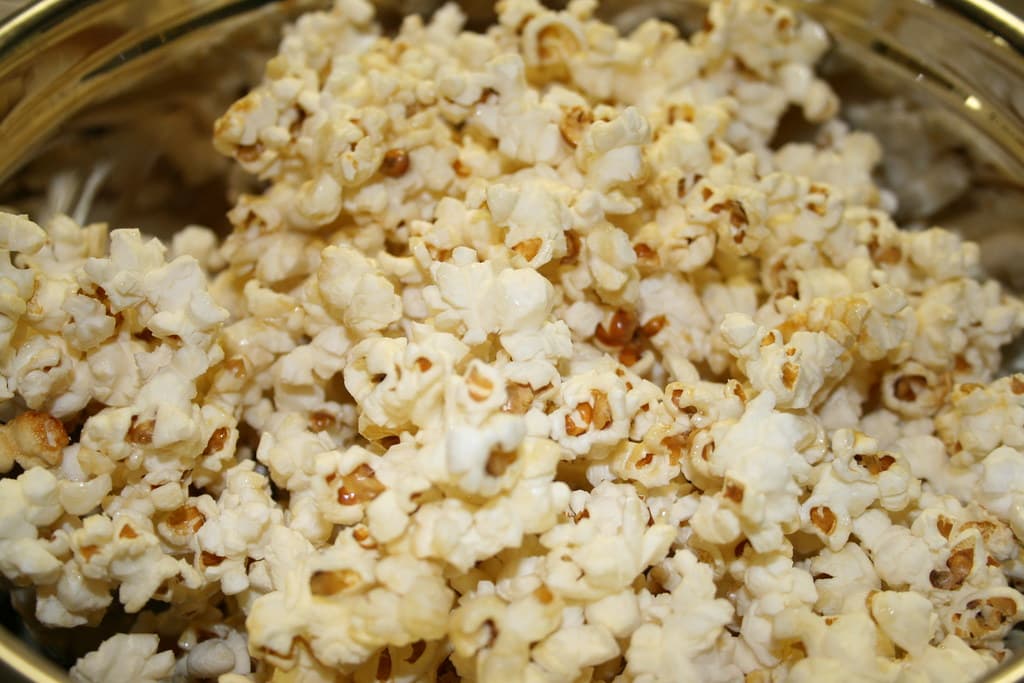
Kettle corn is a lightly sweetened, salted popcorn snack traditionally prepared by cooking popcorn with sugar and salt in a large kettle. Popular at early 20th-century state fairs and carnivals, kettle corn represents an entertaining snack reflecting immigrant adaptations and commercial fair foods in the United States.
America's Melting Pot
Key Lime Pie Shake photo coming soon
Postwar & Diner Age
Key Lime Pie Shake brings drive-in, carhop, and fast-food dessert-counter energy to the table: Florida dessert influence.
1900-1929
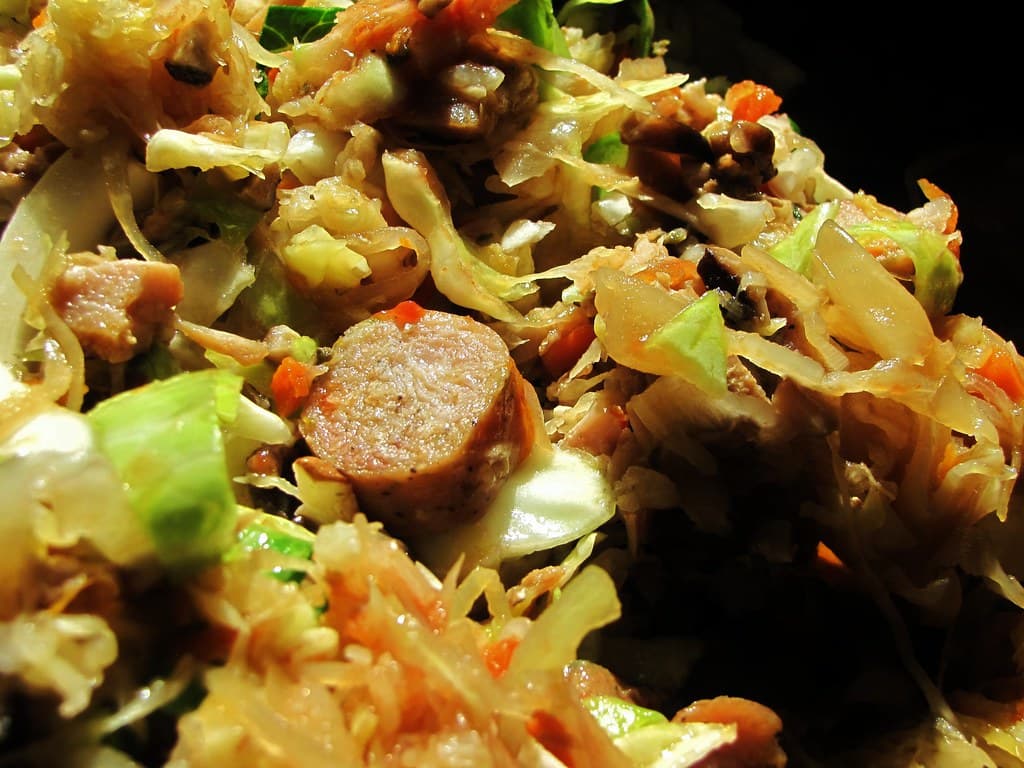
Kielbasa and sauerkraut is a traditional Eastern European dish combining smoked sausage with tangy fermented cabbage. Immigrant communities brought this hearty comfort food to American diners, state fairs, and holiday tables during the early 20th century, representing cultural preservation in new urban environments.
Community recipe submission
Log in to submit a recipe, format it with the cooking companion, and send it for review.
Log in to Submit