
Loading
Setting the table...
Fetching the latest recipes from the archive.
Loading
Fetching the latest recipes from the archive.
Recipe archive
Recipe archive
Search the archive by title, region, ingredient, tag, or era, then sort the table by the view that fits your kitchen.
This archive is growing through recipes, photos, family recipes, and historical context shared by the community.
America's Melting Pot
Fried Clam Sauce photo coming soon
Cross-era
Fried Clam Sauce is a seafood sauce with real American table personality: New England tartar/lemon seafood shack tradition. It brings flavor from New England to cookouts, counters, lunch plates, potlucks, and weeknight suppers.
America's Melting Pot
Fried Green Tomatoes photo coming soon
1861-1900
Fried green tomatoes feature firm, unripe tomatoes sliced, coated in cornmeal, and fried to a crisp golden finish. This Southern favorite emerged post-Civil War and remains a symbol of Southern resilience and resourcefulness.
America's Melting Pot
Fried Mush photo coming soon
1930-1945
Fried mush is a simple comfort food made from cooled cornmeal mush sliced and fried until crisp. Popular in Depression-era America, it reflects economical and filling farm and rural cooking traditions.
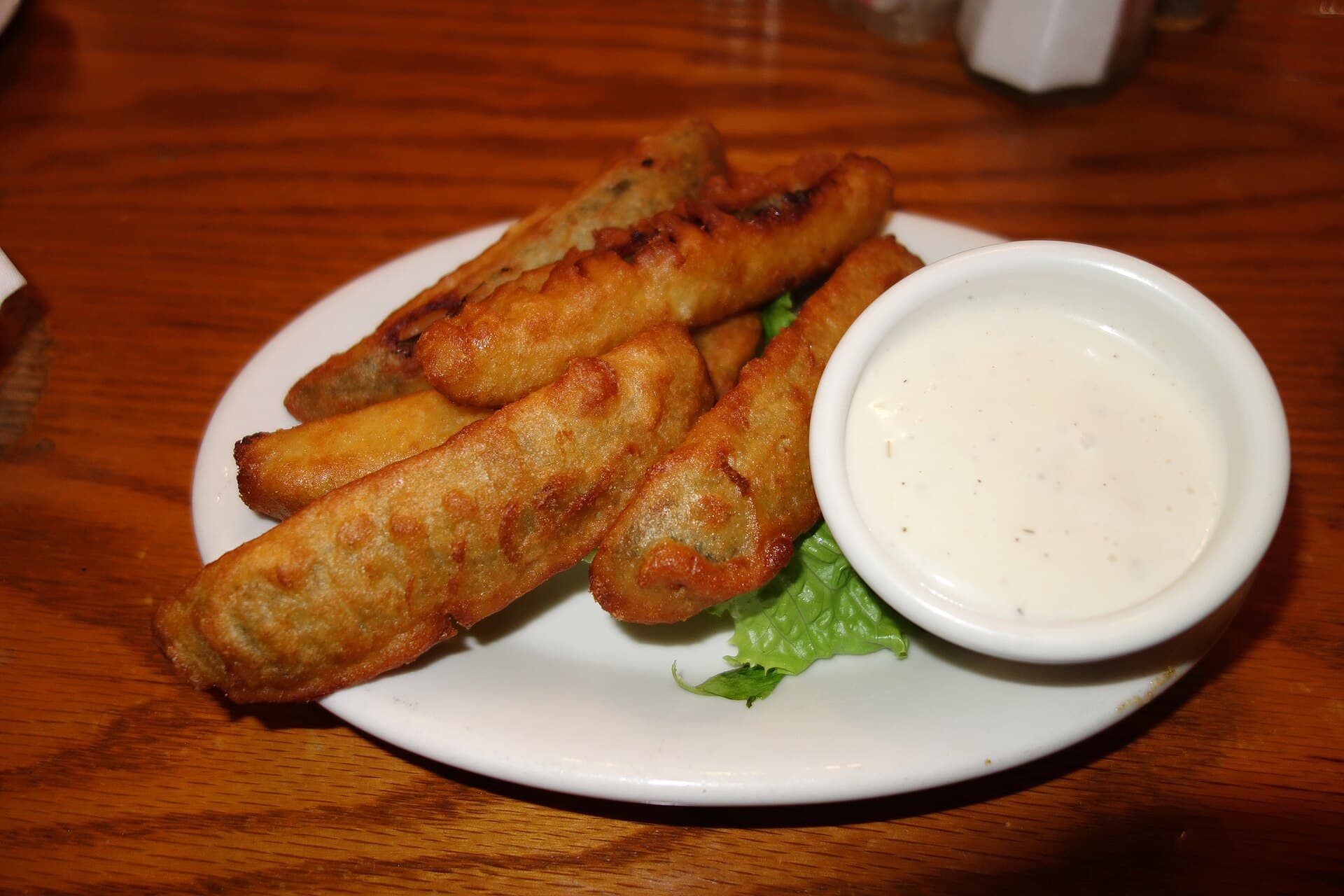
1900-1929
Fried pickles are sliced dill pickles coated in seasoned batter or cornmeal and fried until crispy. This snack food became popular at fairs and diners in the early 20th century and remains a Southern delicacy today.
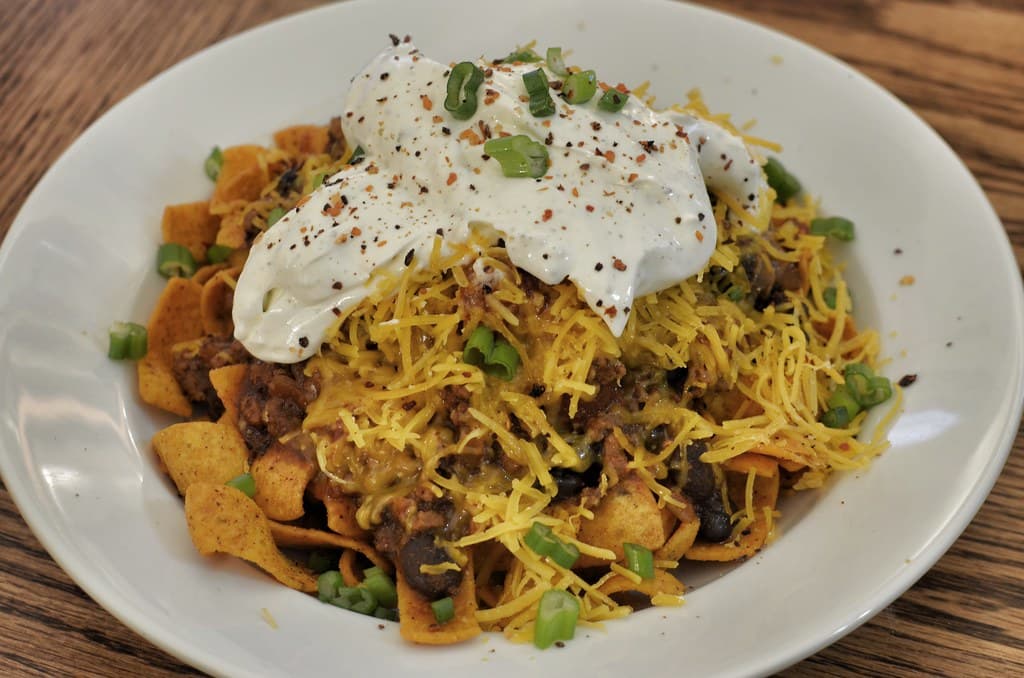
1970-1989
Frito pie is a layered Tex-Mex casserole combining Fritos corn chips, chili, cheese, and toppings. A convenient, flavorful dish emerging in the late 20th century combining Texan and Southwestern tastes for casual dining and tailgating.
America's Melting Pot
Frog Eye Salad Dressing photo coming soon
Cross-era
Frog Eye Salad Dressing is a spread with real American table personality: Utah/Intermountain potluck dessert salad. It brings flavor from Intermountain West to cookouts, counters, lunch plates, potlucks, and weeknight suppers.
America's Melting Pot
Frogmore Stew photo coming soon
1970-1989
Frogmore Stew is a one-pot Southern boil including shrimp, sausage, corn, and potatoes simmered with spices. Popular since the 1970s as a casual regional meal for gatherings and tailgates.
America's Melting Pot
Fry Sauce photo coming soon
Postwar & Diner Age
Fry Sauce is a sandwich sauce with real American table personality: Utah/Intermountain West condiment, usually ketchup and mayonnaise; often linked to Arctic Circle and Don Carlos Edwards in the 1950s. It brings flavor from Intermountain West to cookouts, counters, lunch plates, potlucks, and weeknight suppers.
America's Melting Pot
Garbage Plate photo coming soon
1946-1969
The Garbage Plate is a well-known comfort food originating in Rochester, New York, combining multiple protein and starch components on one plate. Typically featuring cheeseburgers or hot dogs accompanied by home fries, macaroni salad, and beans, it is a regional specialty that exemplifies postwar American working-class cuisine with practical, plentiful ingredients.
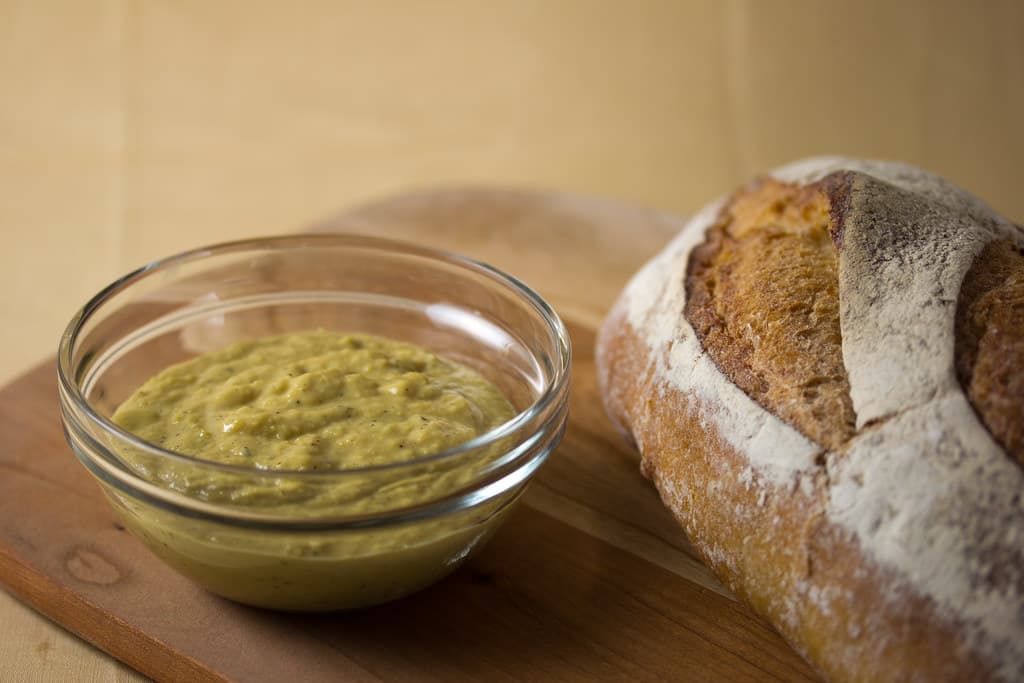
1900-1929
Garlic Bread Spread is a spread with real American table personality: Italian-American red-sauce restaurant staple. It brings flavor from coast-to-coast American tables to cookouts, counters, lunch plates, potlucks, and weeknight suppers.
America's Melting Pot
Garlic Butter Seafood Boil Sauce photo coming soon
Modern Melting Pot
Garlic Butter Seafood Boil Sauce is a seafood sauce with real American table personality: Modern Cajun/Asian-American seafood boil restaurants. It brings flavor from the American South to cookouts, counters, lunch plates, potlucks, and weeknight suppers.
America's Melting Pot
Garlic Parmesan Wing Sauce photo coming soon
1970-1989
Garlic Parmesan Wing Sauce is a sandwich sauce with real American table personality: American sports bar wing flavor. It brings flavor from coast-to-coast American tables to cookouts, counters, lunch plates, potlucks, and weeknight suppers.
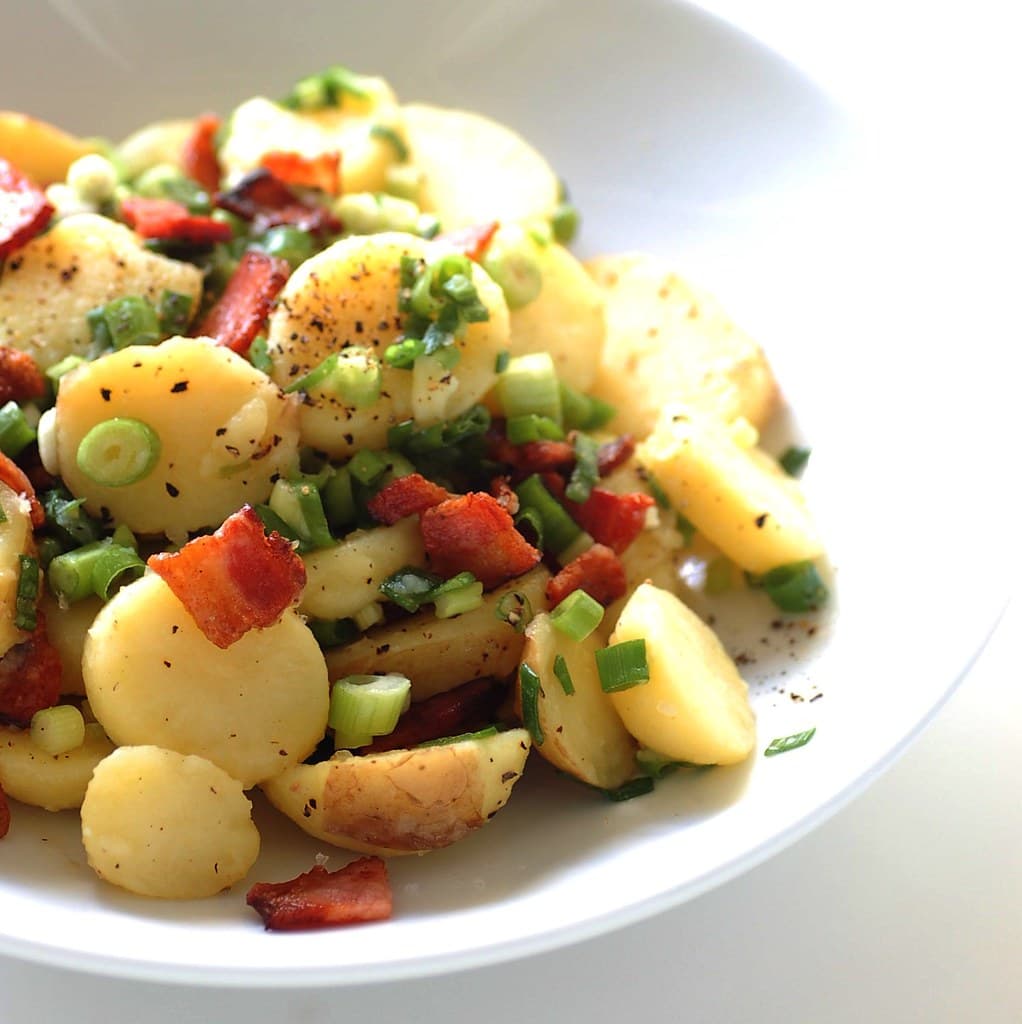
1800-1860
German potato salad is a tangy and warm side dish featuring sliced potatoes dressed with vinegar, bacon, onions, and herbs. Introduced by German-American immigrants during the 19th century, this salad contrasts with creamy mayonnaise versions and remains a staple in traditional American gatherings and barbecues.
America's Melting Pot
Giardiniera, Chicago Style photo coming soon
Cross-era
Giardiniera, Chicago Style is a relish with real American table personality: Italian-American Chicago sandwich condiment, especially Italian beef. It brings flavor from Chicago and the Upper Midwest to cookouts, counters, lunch plates, potlucks, and weeknight suppers.
America's Melting Pot
Giblet Gravy photo coming soon
1776-1800
Giblet Gravy is a condiment with real American table personality: Thanksgiving turkey gravy with giblets. It brings flavor from coast-to-coast American tables to cookouts, counters, lunch plates, potlucks, and weeknight suppers.
America's Melting Pot
Grape Jelly photo coming soon
1861-1900
Grape Jelly is a preserve with real American table personality: Peanut butter and jelly's necessary partner. It brings flavor from coast-to-coast American tables to cookouts, counters, lunch plates, potlucks, and weeknight suppers.
America's Melting Pot
Grape Jelly + Peanut Butter photo coming soon
1900-1929
Grape Jelly + Peanut Butter is a spread with real American table personality: The PB&J combination itself deserves a recipe/sidebar. It brings flavor from coast-to-coast American tables to cookouts, counters, lunch plates, potlucks, and weeknight suppers.
America's Melting Pot
Greek-Style Burgers photo coming soon
1900-1929
Greek-Style Burgers are an adaptation of the American hamburger with flavors inspired by Greek cuisine, featuring herbs, spices, and toppings like feta or tzatziki sauce. Emerging in immigrant cities during the early 20th century, this sandwich represents cultural fusion at diners and lunch counters.
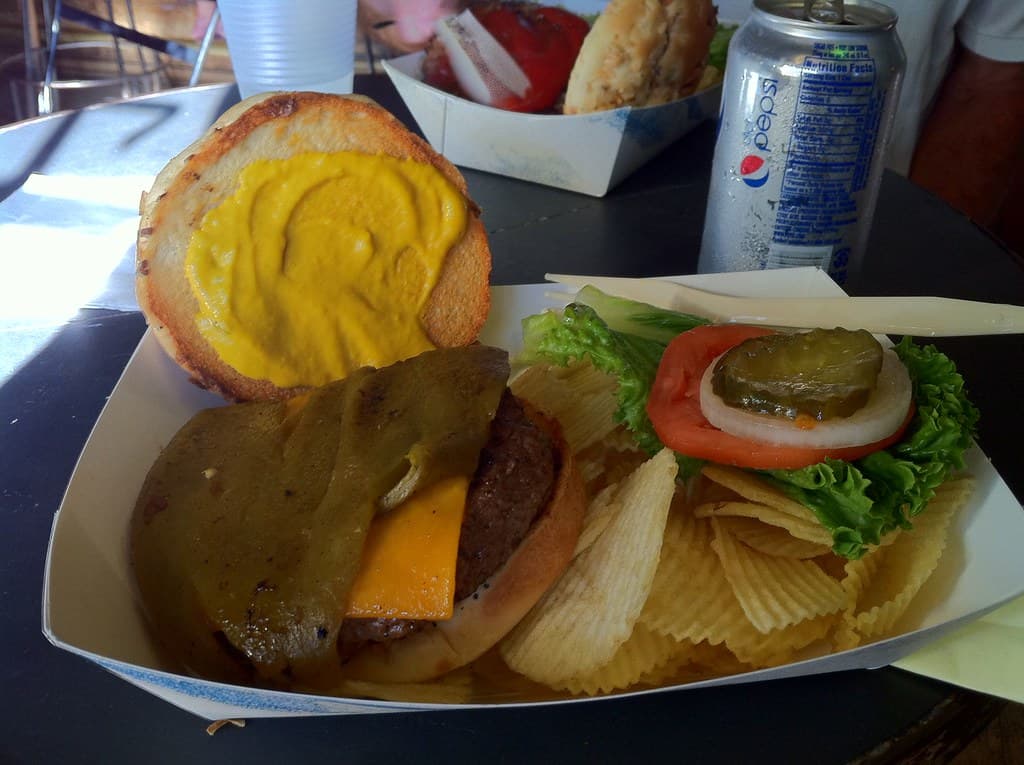
1970-1989
The Green Chile Cheeseburger came to prominence in the Southwest and Southern United States during the 1970s and 1980s, combining classic American cheeseburgers with roasted green chiles to add distinctive regional heat and flavor. It is popular at tailgates and regional eateries.
America's Melting Pot
Green Chile Cheeseburgers photo coming soon
2010-2026
Green Chile Cheeseburgers gained renewed popularity from 2010 onward, especially via food trucks, farmers markets, and viral food culture. They showcase modern New American fusion trends, combining tradition with innovative preparations such as air frying and creative toppings reflecting Southwest culinary identity.
America's Melting Pot
Green Chile Sauce photo coming soon
Cross-era
Green Chile Sauce is a condiment with real American table personality: New Mexico and Southwestern staple. It brings flavor from the American South to cookouts, counters, lunch plates, potlucks, and weeknight suppers.
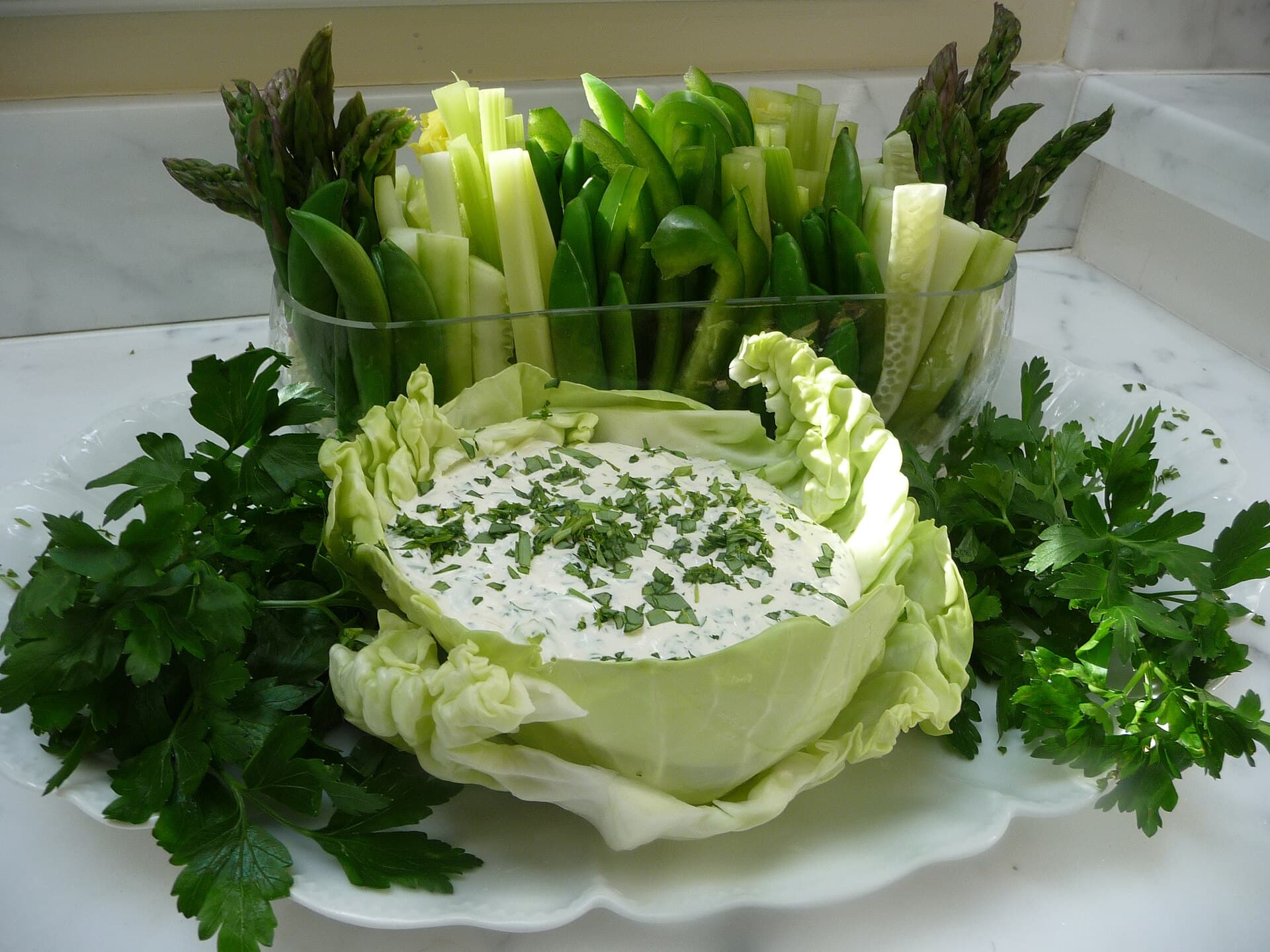
Industrial America
Green Goddess Dressing is a dressing with real American table personality: Created in 1920s San Francisco at the Palace Hotel; creamy, herb-heavy, often with anchovy and tarragon. It brings flavor from California, Hawaii, and the West Coast to cookouts, counters, lunch plates, potlucks, and weeknight suppers.
America's Melting Pot
Green Tomato Preserves photo coming soon
Frontier & Expansion
Green Tomato Preserves is a preserve with real American table personality: Farm garden economy. It brings flavor from coast-to-coast American tables to cookouts, counters, lunch plates, potlucks, and weeknight suppers.
America's Melting Pot
Green Tomato Relish photo coming soon
Frontier & Expansion
Green Tomato Relish is a relish with real American table personality: End-of-season garden preservation. It brings flavor from coast-to-coast American tables to cookouts, counters, lunch plates, potlucks, and weeknight suppers.
America's Melting Pot
Grilled Chicken Salad photo coming soon
1990-2009
Grilled Chicken Salad became popular in American suburbs and coffee shops during the 1990s-2000s as a health-oriented dish. Featuring marinated grilled chicken over mixed greens with fresh vegetables and vinaigrette, it is common at Super Bowl gatherings and casual dining venues.
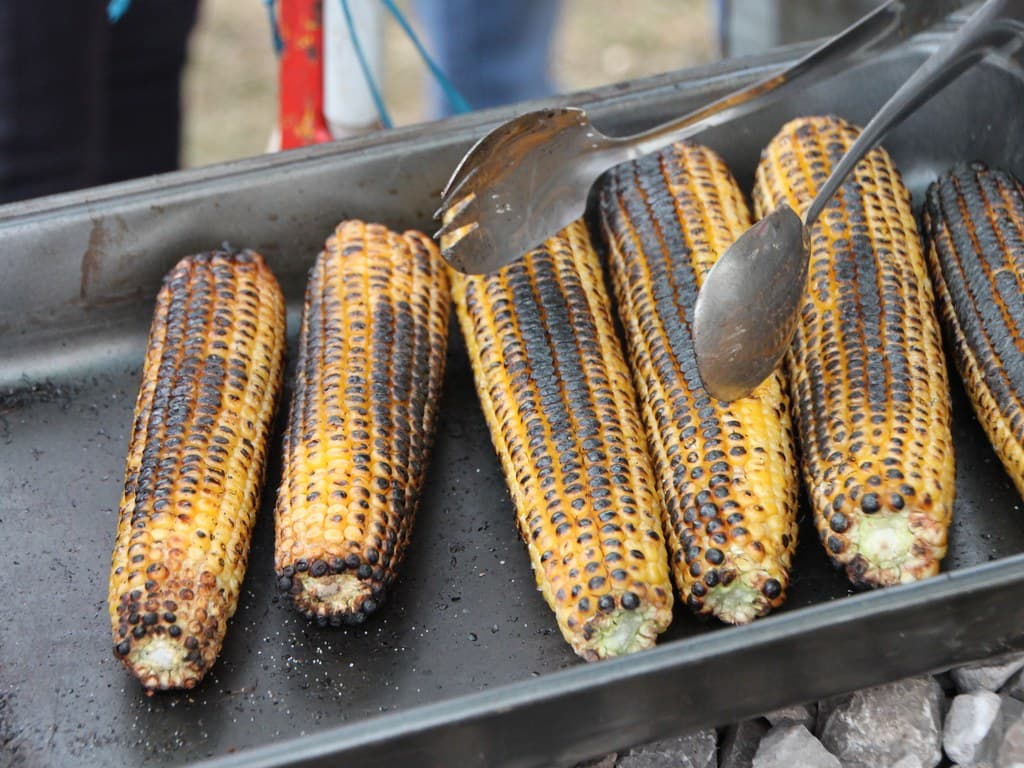
1946-1969
Grilled Corn gained popularity in American suburbs and backyards during the postwar period, representing easy and affordable patio food. Often served as a summer barbecue staple, corn is grilled in the husk or directly on the grill for smoky flavor and tender texture.
America's Melting Pot
Grilled Corn with Chili Lime Butter photo coming soon
2010-2026
This modern celebration dish showcases grilled corn enhanced with chili lime butter, blending Mexican-American influences with new American food trends. Popular since 2010 at food trucks and farmers markets, it offers vibrant flavors and viral appeal.
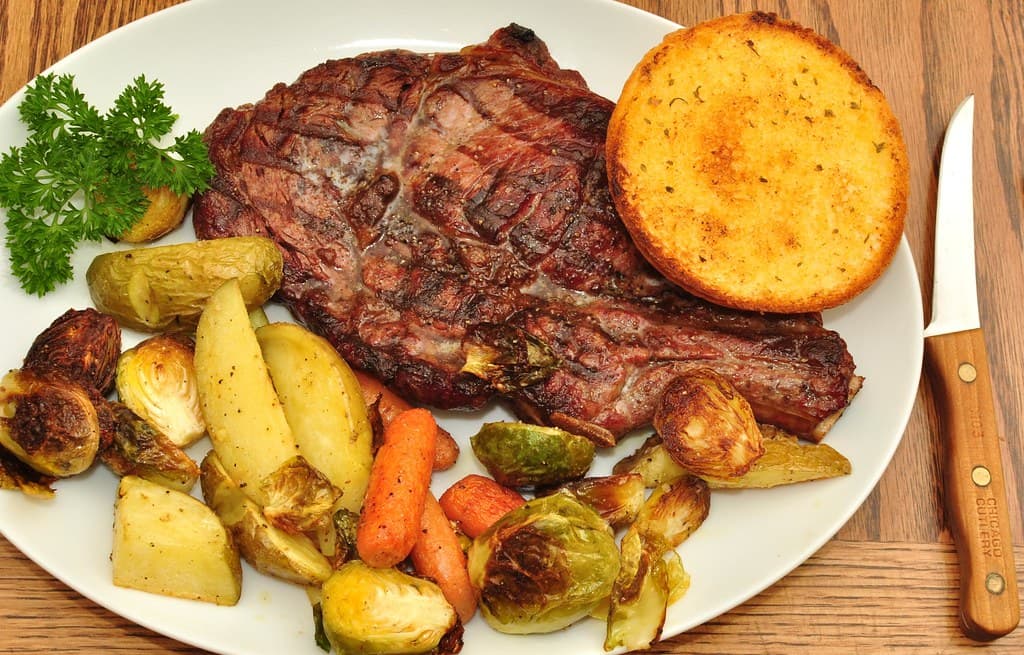
1946-1969
Grilled steak has been a centerpiece of American backyard barbecues since the postwar suburban boom. Typically prepared with simple seasoning and cooked over charcoal or gas grills, it represents a traditional approach to meat preparation for outdoor hospitality and family gatherings.
America's Melting Pot
Grits photo coming soon
Before 1776
Grits, made from ground corn, are a Southern breakfast cornerstone in American cuisine across many eras. Simple and adaptable, grits are often served creamy with butter, cheese, or savory toppings, symbolizing Southern hospitality and regional identity.
America's Melting Pot
Ham Salad Spread photo coming soon
1900-1929
Ham Salad Spread is a spread with real American table personality: Church supper and sandwich spread. It brings flavor from coast-to-coast American tables to cookouts, counters, lunch plates, potlucks, and weeknight suppers.
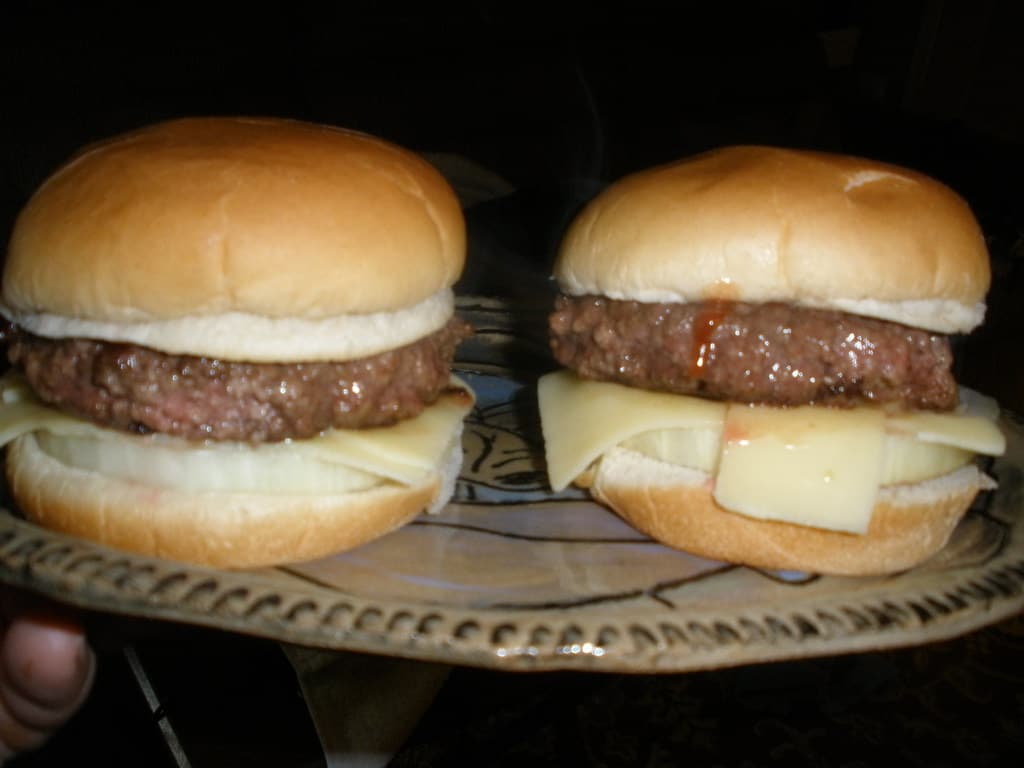
1900-1929
The hamburger is a ground beef patty cooked and served inside a split bun or roll, often garnished with condiments and vegetables. Emerging in early 20th-century America, hamburgers became an iconic and enduring symbol of American fast and casual dining.
America's Melting Pot
Hamburger Hotdish photo coming soon
1946-1969
Hamburger hotdish is a layered casserole popular in the Midwest, combining ground beef, noodles or potatoes, and a creamy sauce baked until bubbly. Developing during the postwar suburban era, this casserole highlights convenience and freezer-friendly family meals.
America's Melting Pot
Hard-Shell Tacos photo coming soon
1970-1989
Hard-shell tacos feature crispy fried corn tortillas filled with seasoned ground beef, lettuce, cheese, and salsa. This Americanized version grew popular in the 1970s as convenience food and tailgate fare, blending Mexican culinary origins with fast food culture.
America's Melting Pot
Hasty Pudding photo coming soon
Before 1776
Hasty pudding is a simple cornmeal porridge traditionally eaten for breakfast, traced to colonial America and The Revolutionary Table era. It historically used accessible grains and minimal ingredients to provide warm sustenance.
America's Melting Pot
Hawaiian Huli Huli Chicken photo coming soon
1945-2000
Huli Huli chicken is a Hawaiian grilled chicken marinated in a sweet-savory teriyaki-style sauce, cooked on a spit or grill. It captures Hawaii's barbecue culture blending native and immigrant flavors and is a festive dish for outdoor gatherings.
America's Melting Pot
Hawaiian Huli Huli Sauce photo coming soon
Cross-era
Hawaiian Huli Huli Sauce is a barbecue sauce with real American table personality: Soy, sugar, ginger, garlic, pineapple/tropical sweetness; Hawaiian barbecue culture. It brings flavor from California, Hawaii, and the West Coast to cookouts, counters, lunch plates, potlucks, and weeknight suppers.
America's Melting Pot
Hoecakes photo coming soon
Before 1776
Hoecakes are simple cornmeal flatbreads or pancakes cooked on a griddle. Dating to the Revolutionary era, they provided a quick, hearty breakfast or side dish using native grains with minimal ingredients.
America's Melting Pot
Hominy photo coming soon
1776-1800
Hominy is dried maize kernels treated with an alkali to remove the hull and germ, a process known as nixtamalization. It has been a staple food for Indigenous peoples in North America and later incorporated widely into American cooking. This versatile ingredient appears in many traditional dishes across different regions, valued for its unique texture and nutritional content.
America's Melting Pot
Honey BBQ Wing Sauce photo coming soon
1970-1989
Honey BBQ Wing Sauce is a sandwich sauce with real American table personality: Mild wing chain staple. It brings flavor from coast-to-coast American tables to cookouts, counters, lunch plates, potlucks, and weeknight suppers.
America's Melting Pot
Honey Mustard Dressing photo coming soon
1946-1969
Honey Mustard Dressing is a dressing with real American table personality: American restaurant salad and chicken tender sauce staple. It brings flavor from coast-to-coast American tables to cookouts, counters, lunch plates, potlucks, and weeknight suppers.
America's Melting Pot
Horseradish Cream Sauce photo coming soon
Gilded Age & Progressive Era
Horseradish Cream Sauce is a sandwich sauce with real American table personality: Prime rib, pit beef, roast beef sandwiches. It brings flavor from coast-to-coast American tables to cookouts, counters, lunch plates, potlucks, and weeknight suppers.
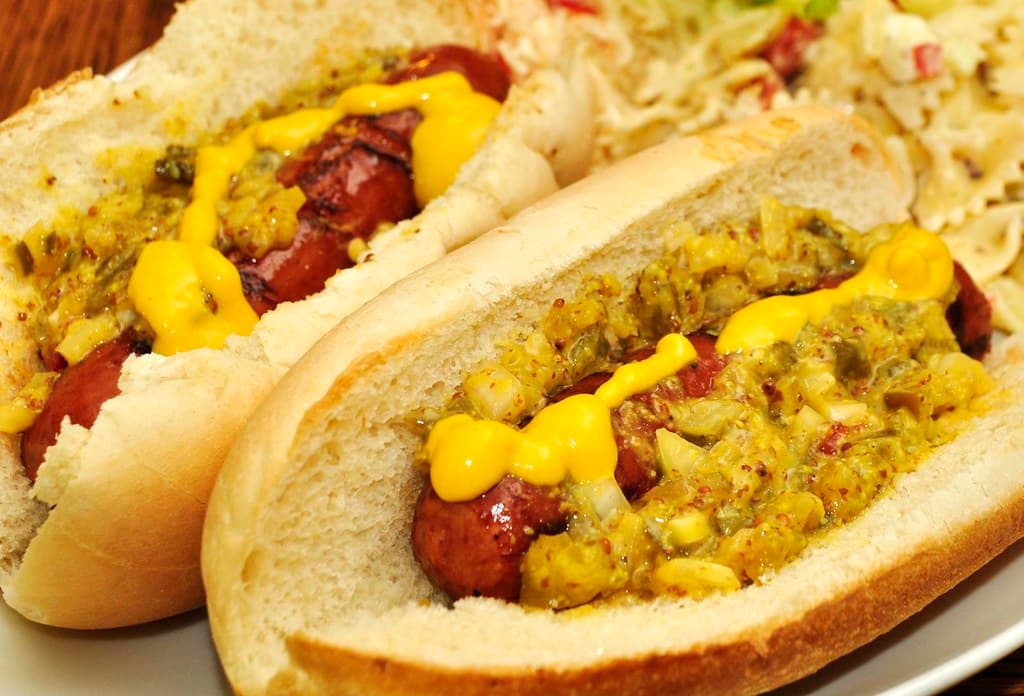
1861-1900
Hot dogs are grilled or boiled sausages served in a sliced bun, a quintessential American backyard and tailgate food. Their widespread popularity in postwar America coincided with suburban expansion, backyard grills, and convenient frozen foods from 1946 to 1969. Often associated with holidays like the Fourth of July, hot dogs remain an iconic symbol of casual American dining.
America's Melting Pot
Hot Fudge Sauce photo coming soon
Gilded Age & Progressive Era
Hot Fudge Sauce is a sweet sauce with real American table personality: Soda fountain and sundae culture. It brings flavor from coast-to-coast American tables to cookouts, counters, lunch plates, potlucks, and weeknight suppers.
America's Melting Pot
Hot Honey photo coming soon
2010-2026
Hot Honey is a condiment with real American table personality: Modern American pizza, fried chicken, and biscuit condiment. It brings flavor from coast-to-coast American tables to cookouts, counters, lunch plates, potlucks, and weeknight suppers.
America's Melting Pot
Hot Pepper Jelly photo coming soon
Cross-era
Hot Pepper Jelly is a condiment with real American table personality: Southern party staple, often served over cream cheese. It brings flavor from the American South to cookouts, counters, lunch plates, potlucks, and weeknight suppers.
America's Melting Pot
Hot Turkey Sandwich Gravy photo coming soon
1900-1929
Hot Turkey Sandwich Gravy is a condiment with real American table personality: Diner open-faced sandwich staple. It brings flavor from coast-to-coast American tables to cookouts, counters, lunch plates, potlucks, and weeknight suppers.
America's Melting Pot
Hot Water Cornbread photo coming soon
1861-1900
Hot water cornbread is a traditional Southern side dish characterized by a quick batter mixed with hot water and fried until golden and crisp. Popular during the Civil War and Reconstruction era, it exemplifies economical cooking using cornmeal and limited ingredients, reflecting Southern resilience through hardship.
America's Melting Pot
Huckleberry Jam photo coming soon
Cross-era
Huckleberry Jam is a preserve with real American table personality: Montana, Idaho, Pacific Northwest, and mountain West. It brings flavor from the Pacific Northwest and Mountain West to cookouts, counters, lunch plates, potlucks, and weeknight suppers.
America's Melting Pot
Huckleberry Syrup photo coming soon
Cross-era
Huckleberry Syrup is a sweet sauce with real American table personality: Mountain West pancakes and ice cream. It brings flavor from the Pacific Northwest and Mountain West to cookouts, counters, lunch plates, potlucks, and weeknight suppers.
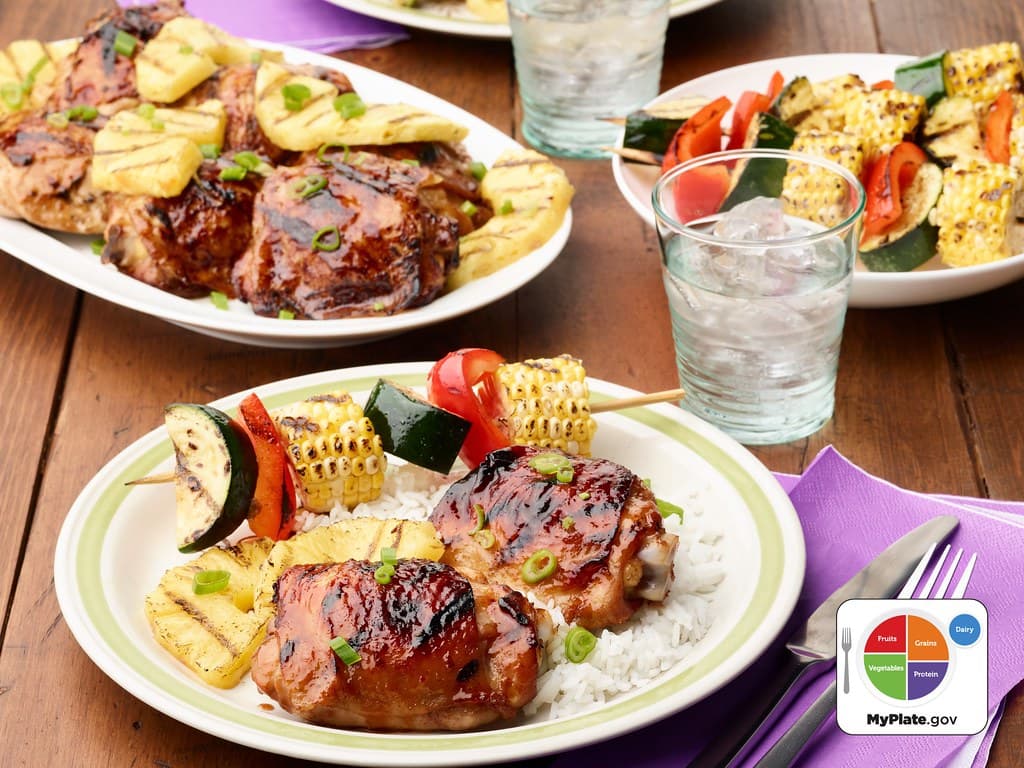
1946-1969
Huli Huli Chicken is a celebrated Hawaiian barbecue dish developed in the mid-20th century combining sweet, savory, and smoky flavors. It features grilled chicken basted with a sauce of pineapple juice, soy sauce, and brown sugar, reflecting Hawaiian, Asian-Pacific, and Portuguese-American culinary influences prevalent after World War II.
America's Melting Pot
In-N-Out-Style Burger photo coming soon
1945-2000
This In-N-Out-style burger replicates the iconic West Coast fast-food staple known for its simple yet flavorful double patties and fresh toppings. It reflects the widespread adoption of fast-casual burger culture characteristic of the West Coast culinary scene across multiple eras.
America's Melting Pot
Indian Pudding photo coming soon
1776-1800
Indian pudding is a New England colonial-era dessert dating back to the late 18th century (1776-1800). Made with cornmeal, molasses, and dairy, it reflects early American adaptations of Native American and English influences, a testament to regional colonial foodways.
America's Melting Pot
Italian Beef Giardiniera Oil photo coming soon
Cross-era
Italian Beef Giardiniera Oil is a sandwich sauce with real American table personality: Chicago sandwich condiment. It brings flavor from Chicago and the Upper Midwest to cookouts, counters, lunch plates, potlucks, and weeknight suppers.
America's Melting Pot
Italian-American Dressing photo coming soon
1946-1969
Italian-American Dressing is a dressing with real American table personality: Bottled oregano-garlic-vinegar dressing used on salads, subs, pasta salad, and grilled chicken. It brings flavor from coast-to-coast American tables to cookouts, counters, lunch plates, potlucks, and weeknight suppers.
America's Melting Pot
Jalapeno Jelly photo coming soon
Cross-era
Jalapeno Jelly is a preserve with real American table personality: Texas/Southwest/Southern sweet-hot jelly. It brings flavor from the American South to cookouts, counters, lunch plates, potlucks, and weeknight suppers.
America's Melting Pot
Jalapeno Ranch photo coming soon
Modern Melting Pot
Jalapeno Ranch is a dressing with real American table personality: Tex-Mex, food truck, and chain-restaurant favorite. It brings flavor from Texas and the Southwest to cookouts, counters, lunch plates, potlucks, and weeknight suppers.
America's Melting Pot
Jellied Cranberry Sauce photo coming soon
Founding Era
Jellied Cranberry Sauce is a preserve with real American table personality: Thanksgiving can-shaped icon. It brings flavor from New England to cookouts, counters, lunch plates, potlucks, and weeknight suppers.
America's Melting Pot
Jezebel Sauce photo coming soon
Cross-era
Jezebel Sauce is a condiment with real American table personality: Southern sweet-hot sauce, usually pineapple preserves, apple jelly, horseradish, mustard, and pepper. It brings flavor from the American South to cookouts, counters, lunch plates, potlucks, and weeknight suppers.
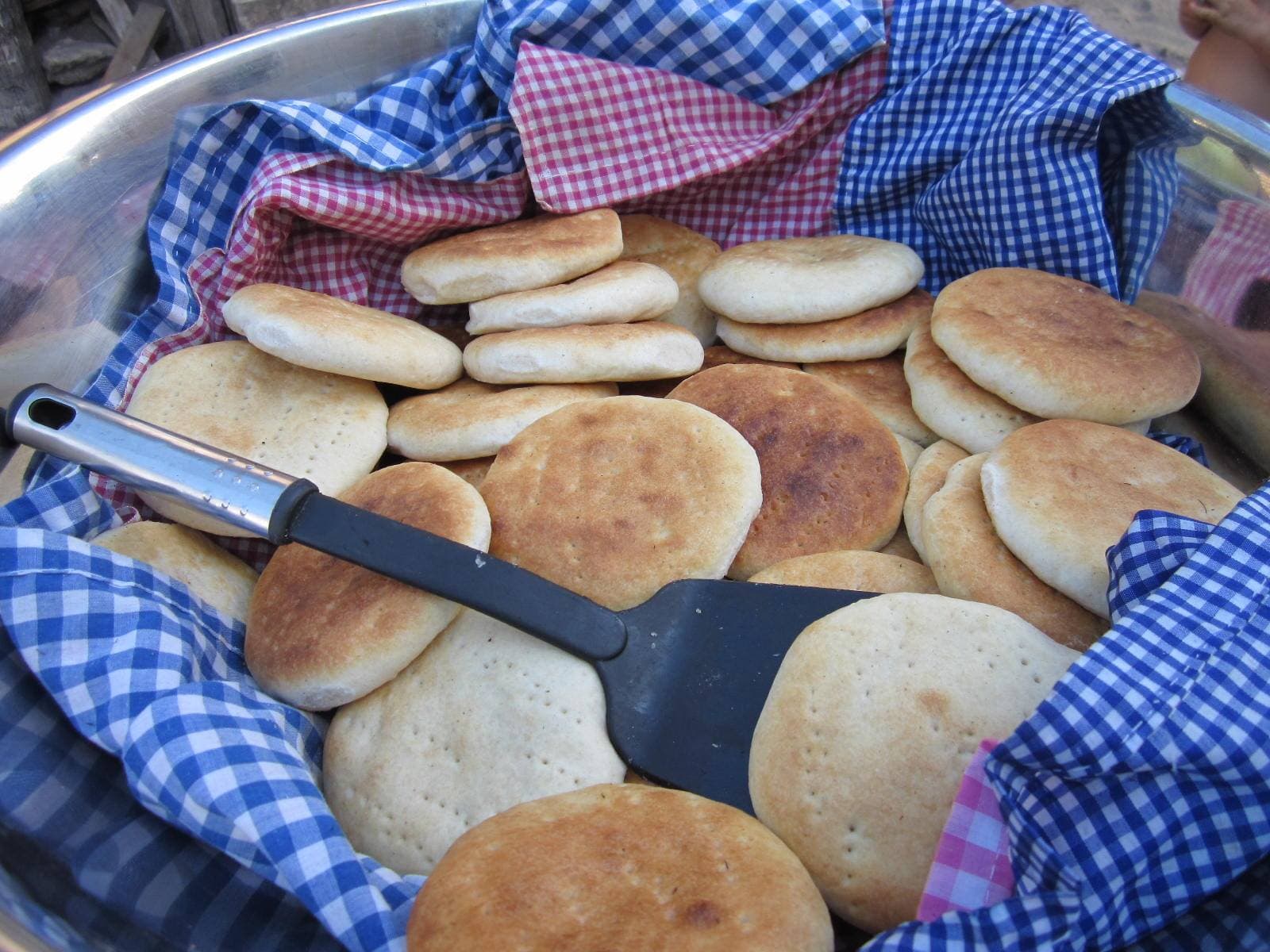
Before 1776
Johnny Cakes, as known in Puerto Rican, Chamorro, Filipino-American, and Virgin Islands cuisines, are fried cornmeal cakes served as snacks or side dishes. This cross-era preparation exemplifies the cultural blending in American island territories, combining influences from indigenous, Spanish, and Pacific Islander cooking.
America's Melting Pot
Johnnycakes photo coming soon
1776-1800
Johnnycakes are simple, pan-fried cornmeal flatbreads traditionally eaten for breakfast in New England during the late 18th century. Made primarily from cornmeal, water, and salt, they reflect Native American influences combined with colonial foodways, serving as an economical and filling meal for settlers and indigenous peoples alike.
America's Melting Pot
Juicy Lucy photo coming soon
1970-1989
The Juicy Lucy is a popular Midwestern variation on the hamburger, featuring cheese stuffed inside the beef patty to create a molten center. Emerging between 1970 and 1989, this indulgent fast food and tailgate favorite reflects the regional pride and innovation in American sandwich making.
America's Melting Pot
Kansas City Barbecue Sauce photo coming soon
Founding Era
Kansas City Barbecue Sauce is a barbecue sauce with real American table personality: Thick, sweet, tomato-molasses sauce. It brings flavor from American barbecue regions to cookouts, counters, lunch plates, potlucks, and weeknight suppers.
America's Melting Pot
Kansas City Burnt Ends photo coming soon
1900-1929
Kansas City burnt ends are specially cooked, caramelized, and smoky cubes of beef brisket point, a barbecue delicacy known for its flavorful crust and tender interior. This barbecue tradition, spanning multiple eras, showcases the regional mastery of smoking meats and represents Kansas City's identity in American barbecue.
America's Melting Pot
Kansas City Ribs photo coming soon
1900-1929
Kansas City ribs are pork ribs slow-smoked and coated with a sweet, tangy dry rub and barbecue sauce, epitomizing the regional barbecue style. These ribs, cherished across many decades, highlight the balance of smoky flavor and sugary glaze characteristic of Kansas City barbecue traditions.
America's Melting Pot
Kentucky Black Barbecue Sauce photo coming soon
Cross-era
Kentucky Black Barbecue Sauce is a barbecue sauce with real American table personality: Worcestershire-heavy sauce for mutton, especially Owensboro-style barbecue. It brings flavor from Appalachia and Pennsylvania Dutch country to cookouts, counters, lunch plates, potlucks, and weeknight suppers.
America's Melting Pot
Kentucky Mutton photo coming soon
1800-1860
Kentucky mutton barbecue involves slow-smoked mutton or sheep meat, often served with vinegar-based sauces. This tradition, maintained across generations, highlights regional barbecue practices distinct from more common pork or beef varieties and reflects Kentucky's unique culinary heritage.

1776-1800
Kettle corn is a lightly sweetened, salted popcorn snack traditionally prepared by cooking popcorn with sugar and salt in a large kettle. Popular at early 20th-century state fairs and carnivals, kettle corn represents an entertaining snack reflecting immigrant adaptations and commercial fair foods in the United States.
1945-2000
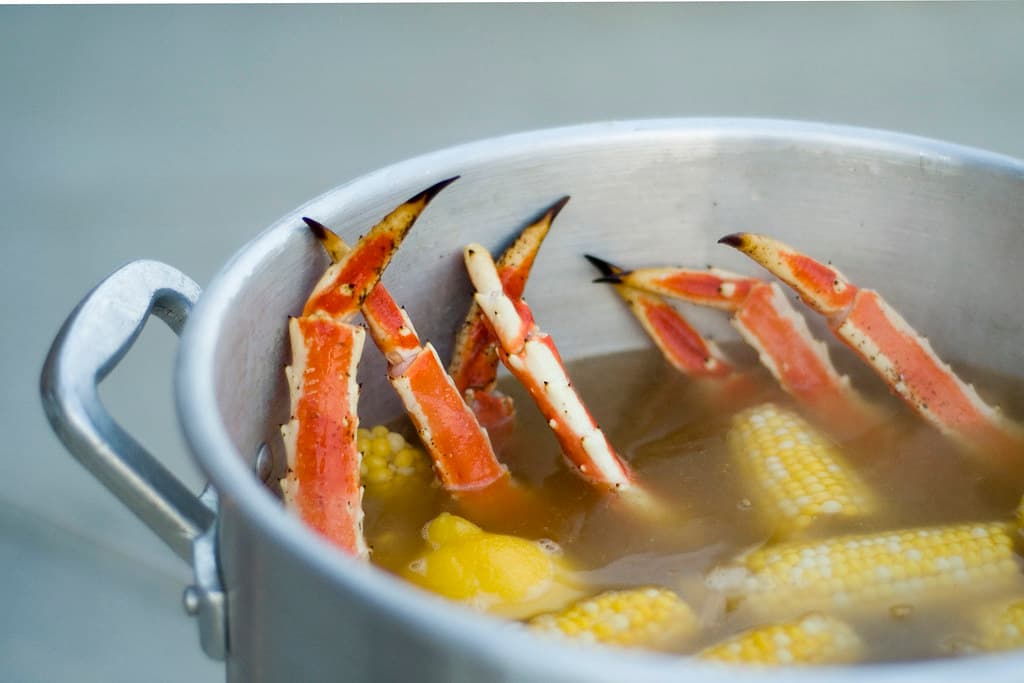
King crab boil is a communal seafood feast popular in Alaska, featuring Alaskan king crab legs cooked in seasoned boiling water with spices, potatoes, corn, and other accompaniments. This method emphasizes the freshness of regional shellfish and is integral to Alaskan coastal celebrations.
1970-1989
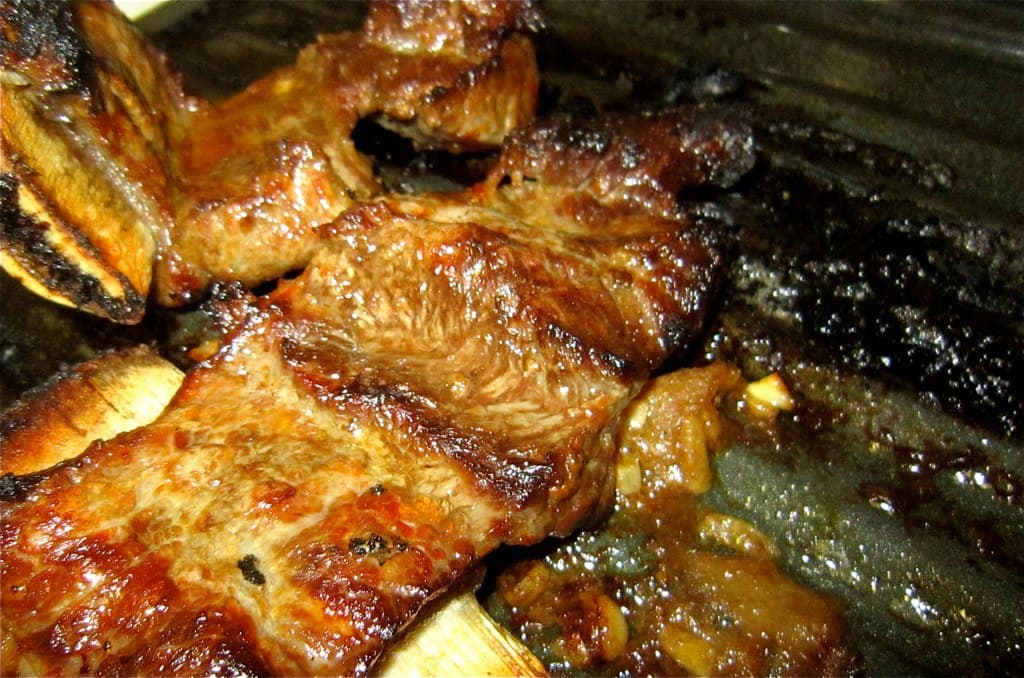
Korean BBQ short ribs, known as galbi, have been adapted into American barbecue culture particularly in suburban areas from the 1990s onward. Marinated in a flavorful blend of soy sauce, garlic, sugar, and sesame oil, these ribs bring a global fusion touch to backyard grills and are featured prominently at gatherings and sports events.
2010-2026
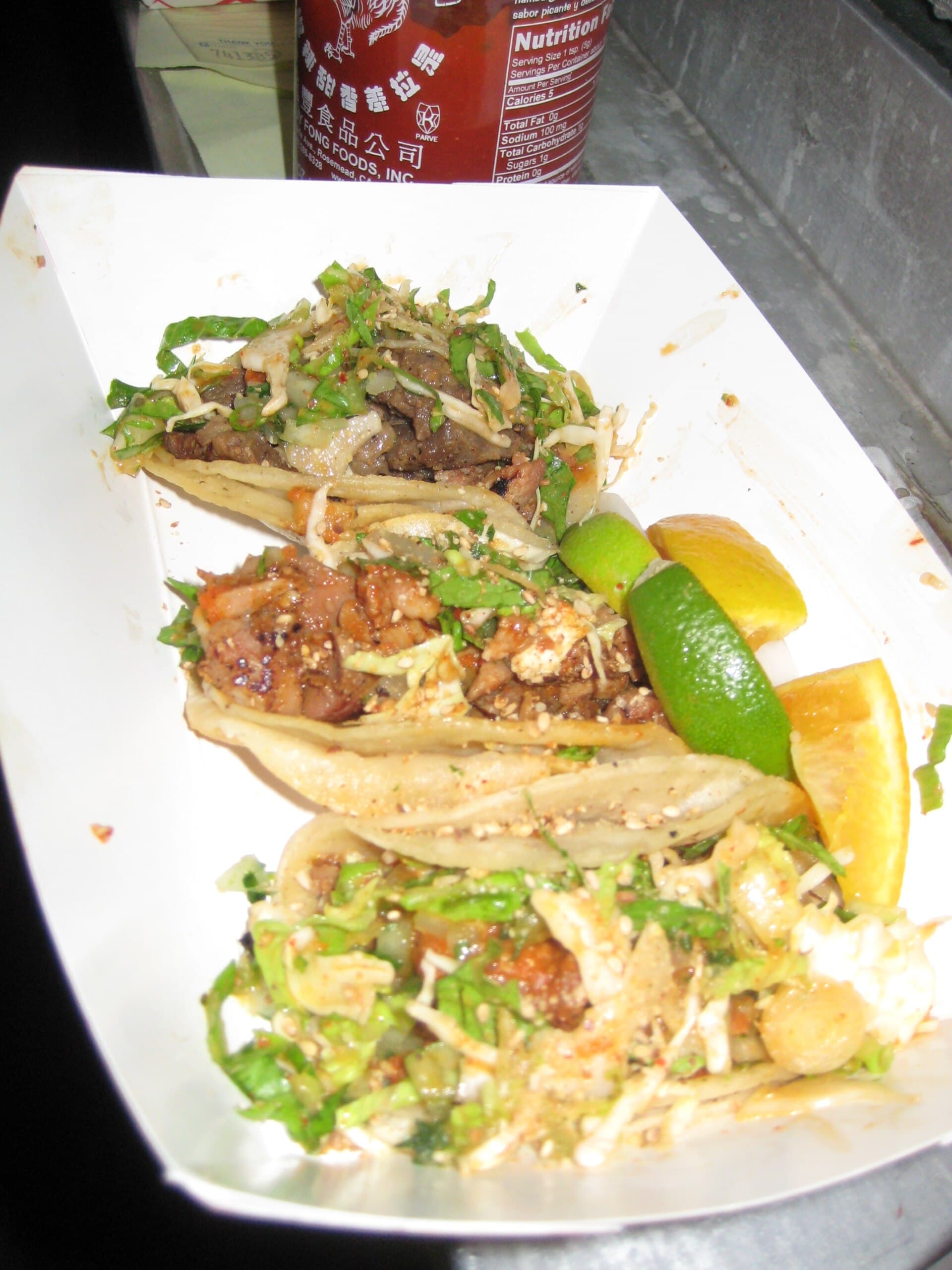
Korean BBQ tacos originated as a culinary fusion in the 2010s blending Korean marinated meats with traditional Mexican taco elements. Popularized in food trucks and markets, these tacos feature grilled Korean-style beef or pork topped with fresh slaw, kimchi, and spicy sauces, reflecting dynamic cultural intersections in American street food.
2000-beyond
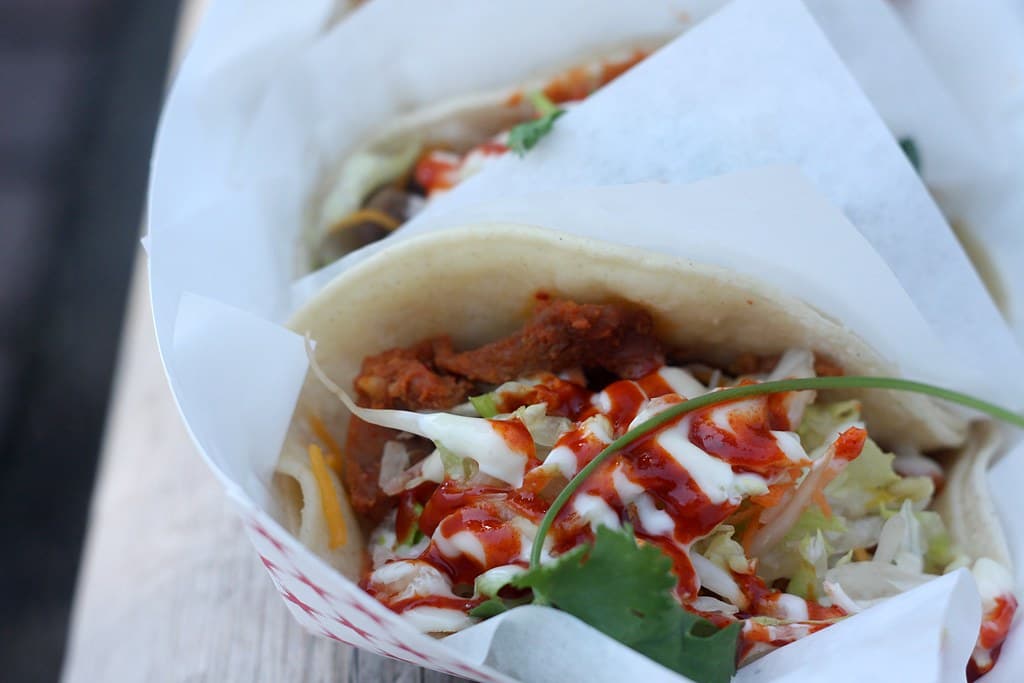
Korean tacos blend traditional Mexican taco basics with Korean flavors and ingredients, reflecting fusion trends on the U.S. West Coast. Using marinated meats, pickled vegetables, and spicy sauces, this dish showcases regional adaptation and cultural exchange in American food history.
America's Melting Pot
Lemon-Caper Fish Sauce photo coming soon
Modern Melting Pot
Lemon-Caper Fish Sauce is a seafood sauce with real American table personality: American restaurant fish special staple. It brings flavor from coast-to-coast American tables to cookouts, counters, lunch plates, potlucks, and weeknight suppers.
1776-1800
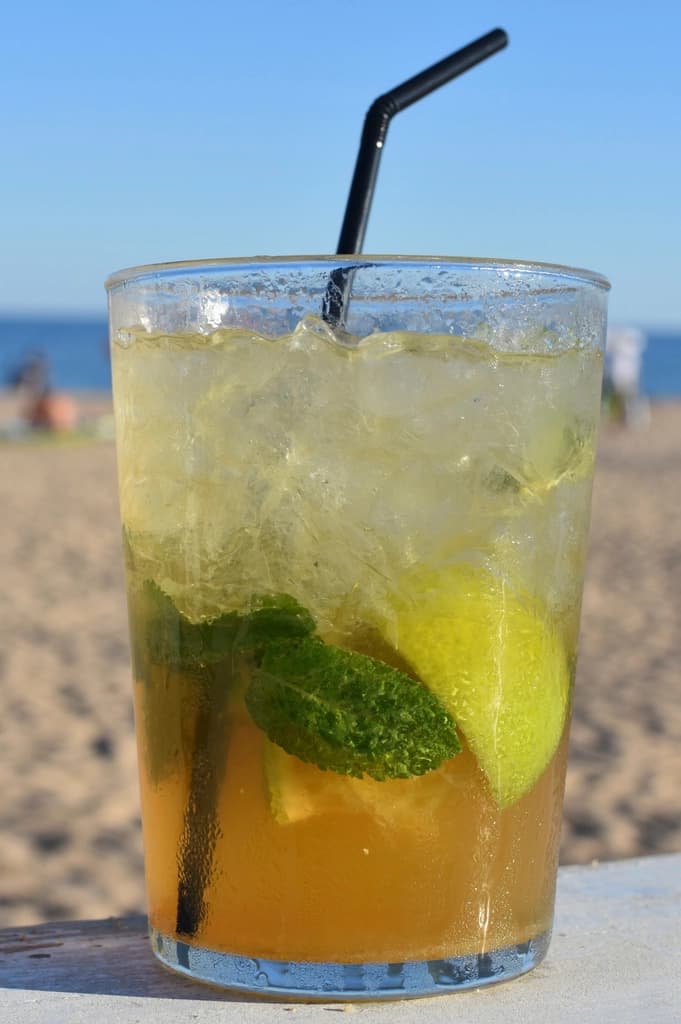
Lemonade is a simple, refreshing drink made from lemon juice, water, and sugar, popularized in American suburbs during the postwar boom. Served at backyard barbecues and holiday gatherings, especially on the Fourth of July, it embodies summer refreshment and casual entertaining.
America's Melting Pot
Lexington Dip photo coming soon
Cross-era
Lexington Dip is a barbecue sauce with real American table personality: Western North Carolina vinegar sauce with tomato/ketchup added. It brings flavor from the American South to cookouts, counters, lunch plates, potlucks, and weeknight suppers.
America's Melting Pot
Lexington-Style Pork Shoulder photo coming soon
1900-1929
Lexington-Style Pork Shoulder is a North Carolina barbecue dish featuring slow-cooked pork shoulder served with a tangy vinegar and tomato-based sauce. This distinct style is a regional barbecue tradition, emphasizing sharp, bright, and spicy flavors.
American Dairy Age
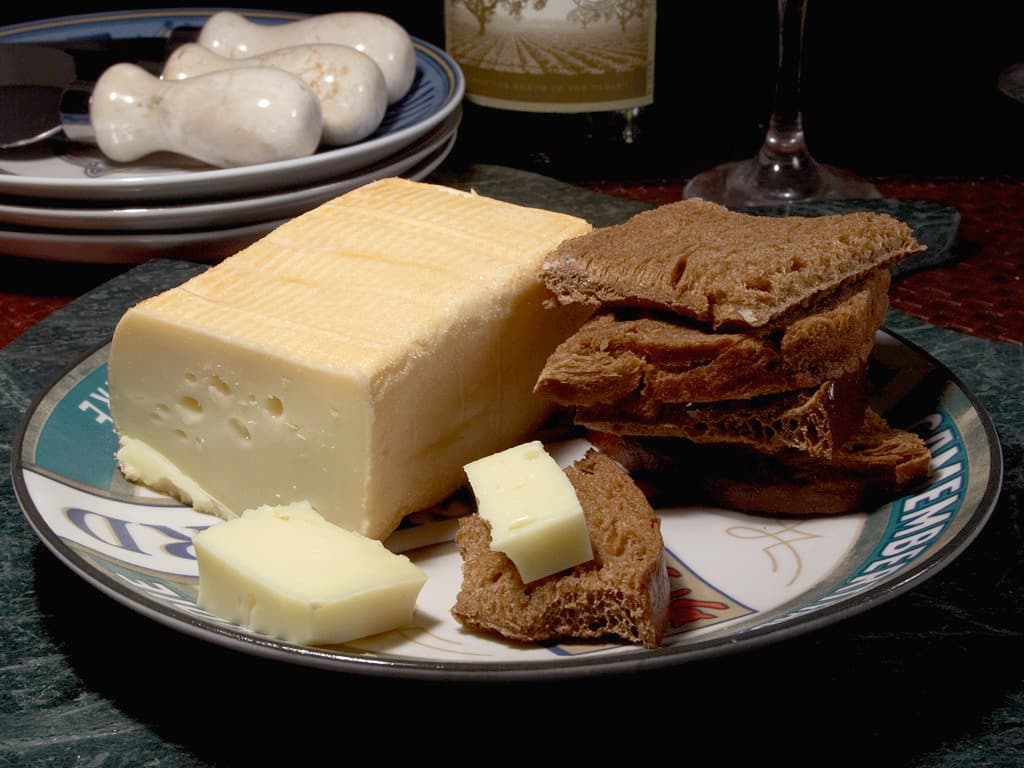
Limburger, Wisconsin/German-American is a washed-rind American cheese with measured starter, careful draining, brining, regular rind washing, and controlled humid aging.
1946-1969
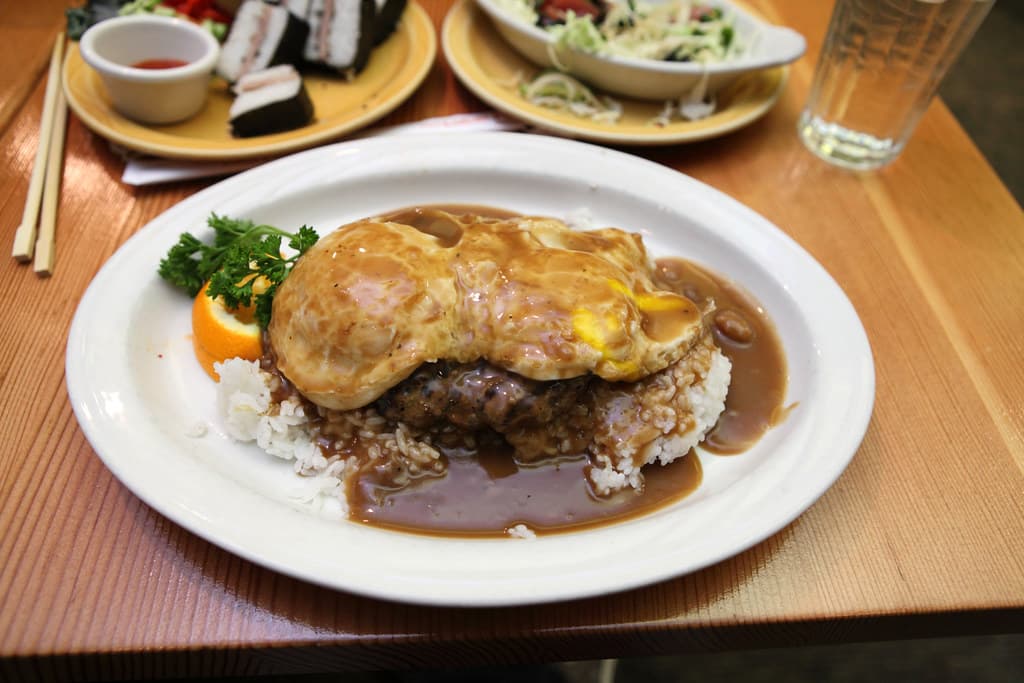
Loco Moco is a Hawaiian dish consisting of white rice topped with a hamburger patty, fried egg, and brown gravy. It reflects a fusion of Hawaiian, Asian-Pacific American, and Portuguese-American culinary influences and became popular in Hawaii post World War II.
America's Melting Pot
Loose Meat Sandwich Seasoning/Sauce photo coming soon
Cross-era
Loose Meat Sandwich Seasoning/Sauce is a sandwich sauce with real American table personality: Iowa and Midwest diner tradition. It brings flavor from the Midwest and Great Lakes to cookouts, counters, lunch plates, potlucks, and weeknight suppers.
America's Melting Pot
Louisiana-Style Hot Sauce photo coming soon
Cross-era
Louisiana-Style Hot Sauce is a condiment with real American table personality: Vinegar-aged cayenne hot sauce culture: Tabasco, Crystal, Louisiana Hot Sauce, and many more. It brings flavor from the American South to cookouts, counters, lunch plates, potlucks, and weeknight suppers.
1970-1989
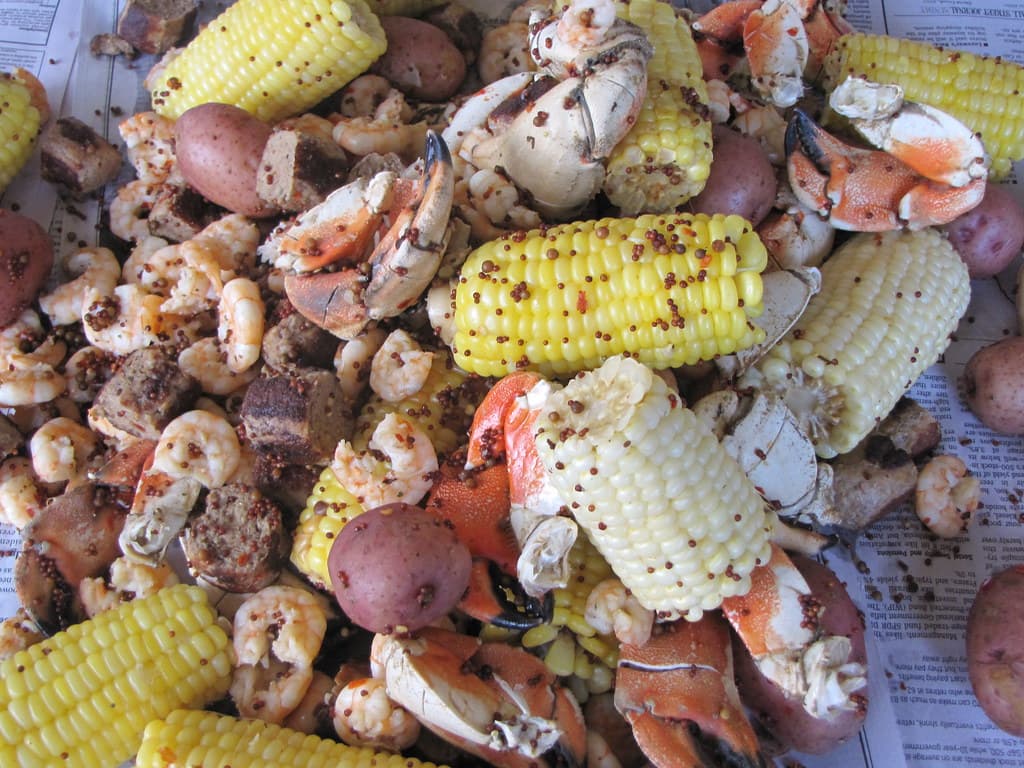
Lowcountry boil is a South Carolina coastal communal seafood dish featuring boiled shrimp, smoked sausage, corn on the cob, and red potatoes. Typically prepared outdoors in large pots, it became a popular regional and tailgate favorite in the 1970s and 1980s.
America's Melting Pot
Lunch Pail Pasties photo coming soon
1861-1900
Lunch Pail Pasties are baked hand pies filled with ground meat, potatoes, and vegetables. Popular among railroad and mining workers in late 19th century America, they were portable, filling meals suited for physically demanding labor.
America's Melting Pot
Maid-Rite photo coming soon
1900-1929
The Maid-Rite sandwich is a loose ground beef sandwich typically served on a bun without traditional burger toppings. Originating in the Midwest, it offered a quick, affordable alternative to hamburgers and became a steady favorite in casual dining, reflecting American innovation in sandwich culture with a focus on simple, savory meat served hot.
America's Melting Pot
Mambo/Mumbo Sauce photo coming soon
Cross-era
Mambo/Mumbo Sauce is a condiment with real American table personality: D.C. It brings flavor from Chesapeake and Mid-Atlantic to cookouts, counters, lunch plates, potlucks, and weeknight suppers.
America's Melting Pot
Maple Apple Butter photo coming soon
Frontier & Expansion
Maple Apple Butter is a preserve with real American table personality: New England/Appalachian mashup. It brings flavor from New England to cookouts, counters, lunch plates, potlucks, and weeknight suppers.

Founding Era
Maple Syrup is a sweet sauce with real American table personality: Indigenous North American foodway adopted and commercialized across New England and the Upper Midwest. It brings flavor from New England to cookouts, counters, lunch plates, potlucks, and weeknight suppers.
America's Melting Pot
Marionberry Jam photo coming soon
Cross-era
Marionberry Jam is a preserve with real American table personality: Oregon original blackberry cultivar released in 1956 by USDA/OSU and named for Marion County, Oregon. It brings flavor from the Pacific Northwest and Mountain West to cookouts, counters, lunch plates, potlucks, and weeknight suppers.
America's Melting Pot
Marshmallow Creme / Fluff photo coming soon
Cross-era
Marshmallow Creme / Fluff is a sweet sauce with real American table personality: New England fluffernutter and dessert culture. It brings flavor from New England to cookouts, counters, lunch plates, potlucks, and weeknight suppers.
America's Melting Pot
Mayhaw Jelly photo coming soon
Cross-era
Mayhaw Jelly is a preserve with real American table personality: Southern wetland fruit jelly; mayhaws are native to the southern U.S. It brings flavor from the American South to cookouts, counters, lunch plates, potlucks, and weeknight suppers.
America's Melting Pot
Memphis Barbecue Sauce photo coming soon
Cross-era
Memphis Barbecue Sauce is a barbecue sauce with real American table personality: Tomato-vinegar sauce, often thinner and tangier than Kansas City. It brings flavor from American barbecue regions to cookouts, counters, lunch plates, potlucks, and weeknight suppers.
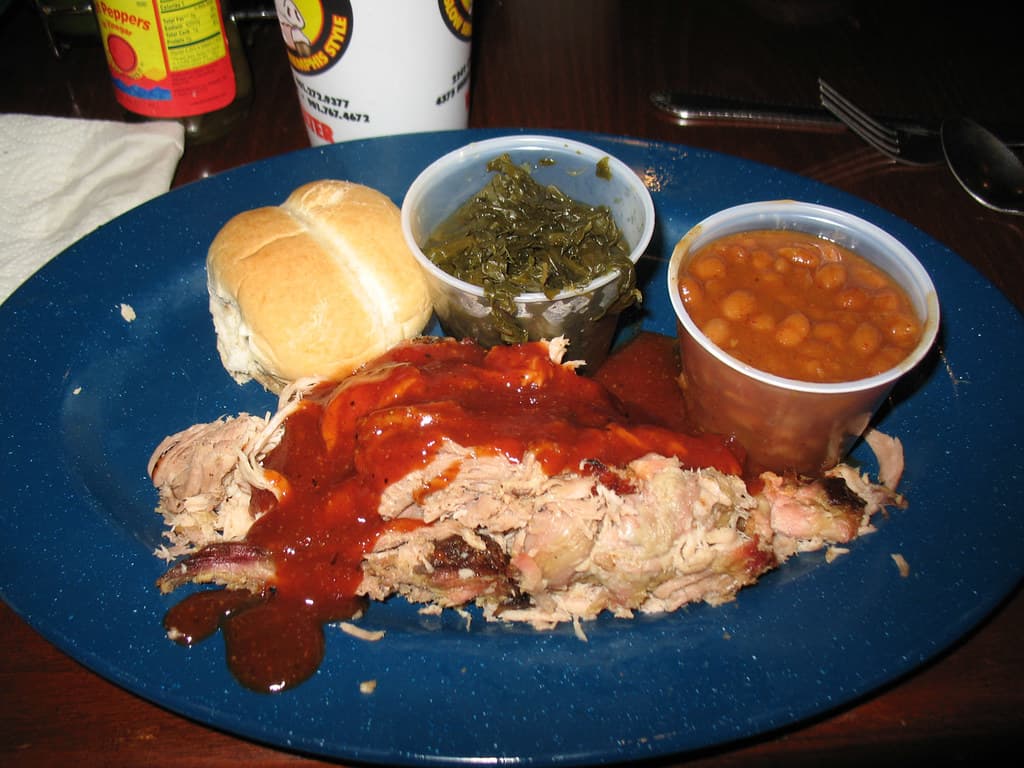
1900-1929
A signature Southern barbecue dish from Memphis traditions featuring slow-cooked pork shoulder shredded and mixed with tangy, smoky sauce. Celebrated for its distinctive dry-rub and sauce flavors combining sweet, spicy, and smoky notes.
America's Melting Pot
Memphis Ribs photo coming soon
1945-2000
Memphis ribs are a hallmark of American barbecue tradition, featuring tender pork ribs seasoned with a dry rub or coated in tangy barbecue sauce and slow-cooked over indirect heat. This recipe highlights the deep smoky flavors and rich history of Tennessee barbecue.
America's Melting Pot
Mesquite Jelly/Syrup photo coming soon
Cross-era
Mesquite Jelly/Syrup is a preserve with real American table personality: Southwestern desert pantry. It brings flavor from the American South to cookouts, counters, lunch plates, potlucks, and weeknight suppers.
America's Melting Pot
Michigan Pasties photo coming soon
2010-2026
Michigan pasties are portable meat pies filled with seasoned ground beef, potatoes, and vegetables, originally brought to the Upper Peninsula by Cornish miners. This recipe celebrates the enduring legacy of immigrant miners' hearty meals adapted for cold climates and hard labor.
America's Melting Pot
Milk Gravy photo coming soon
Frontier & Expansion
Milk Gravy is a condiment with real American table personality: Farmhouse pan gravy. It brings flavor from coast-to-coast American tables to cookouts, counters, lunch plates, potlucks, and weeknight suppers.

1946-1969
Mini corn dogs are small hot dogs coated in a cornmeal batter and fried until golden, popularized in American game day and party foods during the 1990s and 2000s. This recipe celebrates snack food culture tied to sports and casual gatherings across the U.S.
America's Melting Pot
Miracle Whip-Style Dressing photo coming soon
1930-1945
Miracle Whip-Style Dressing is a dressing with real American table personality: Tangy-sweet American sandwich and salad spread culture. It brings flavor from coast-to-coast American tables to cookouts, counters, lunch plates, potlucks, and weeknight suppers.
Community recipe submission
Log in to submit a recipe, format it with the cooking companion, and send it for review.
Log in to Submit