
Loading
Setting the table...
Fetching the latest recipes from the archive.
Loading
Fetching the latest recipes from the archive.
Recipe archive
Recipe archive
Search the archive by title, region, ingredient, tag, or era, then sort the table by the view that fits your kitchen.
This archive is growing through recipes, photos, family recipes, and historical context shared by the community.
America's Melting Pot
New England Boiled Dinner photo coming soon
1800-1860
New England Boiled Dinner is a classic dish of salted meat boiled with cabbage, potatoes, carrots, and other root vegetables. Popular during the early 19th century, it reflects Irish and New England working-class food traditions merging colonial and immigrant influences.
1776-1800
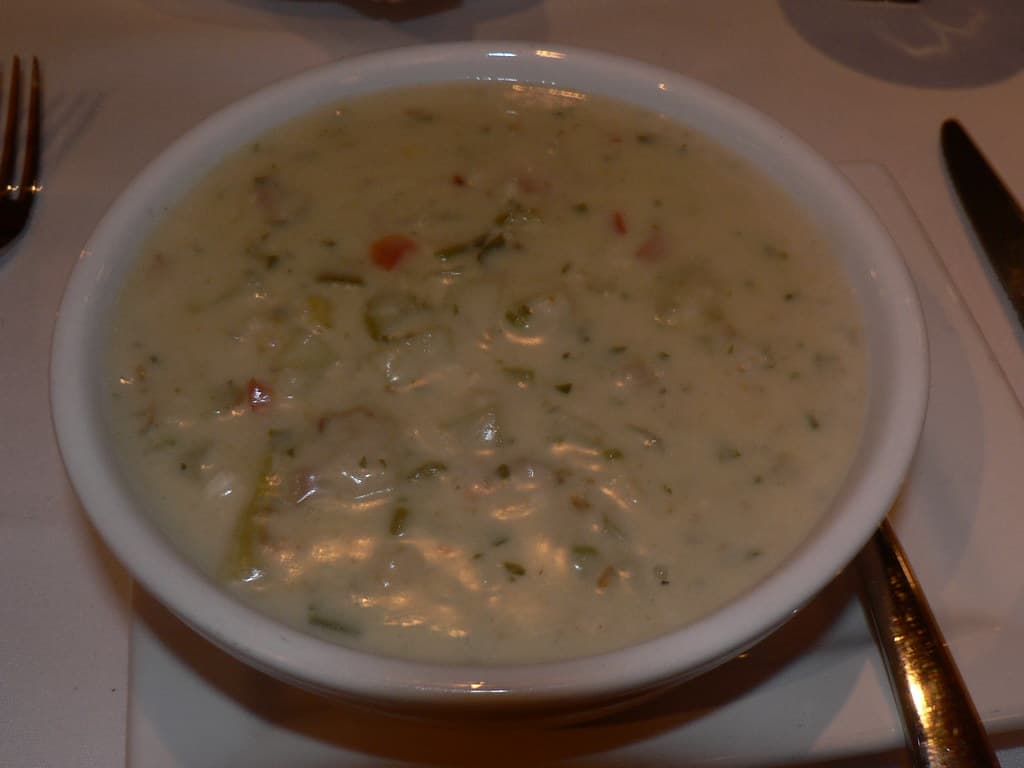
New England Clam Chowder is a thick, creamy soup made with clams, potatoes, onions, and often salt pork, reflecting colonial and maritime culinary traditions dating to the late 18th century. It is a signature dish of New England and has spread to other coastal regions including the Pacific Northwest.
America's Melting Pot
New England Frappe photo coming soon
Postwar & Diner Age
New England Frappe celebrates New England dairy-bar pride in a cold glass: Milkshake with ice cream; regional name.
1900-1929
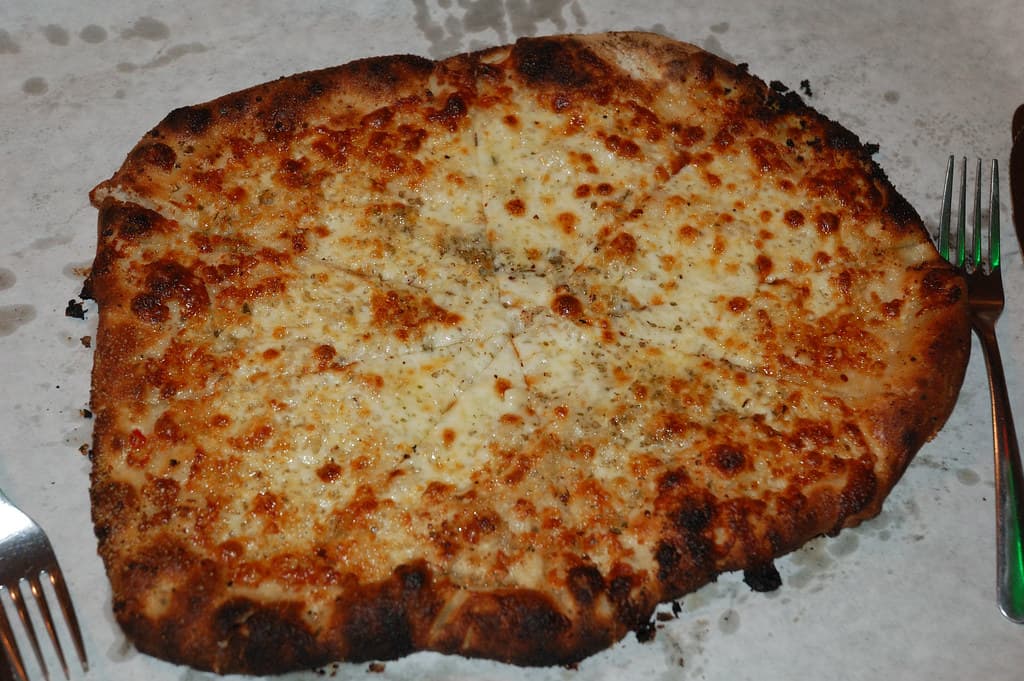
New Haven Apizza is a regional pizza style with a thin, charred crust, sparse tomato sauce, and minimal toppings, popular in Connecticut's Italian-American community. Known for its distinctive smoky flavor from coal-fired ovens, it reflects Italian immigrant baking traditions adapted to American tastes.
2010-2026
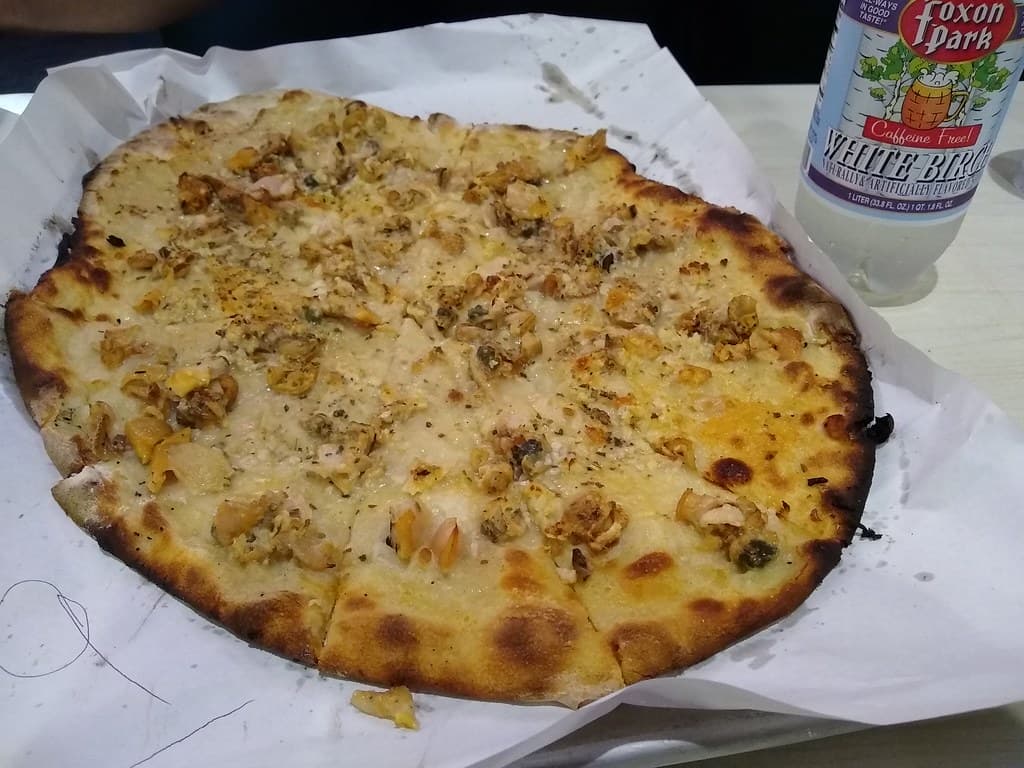
New Haven Clam Pizza is a local specialty pizza featuring a thin crust topped with fresh clams, garlic, olive oil, and sometimes grated pecorino, without tomato sauce. It is a staple of New Haven pizzerias blending seafood and Italian-American pizza traditions.
America's Melting Pot
New Mexico Green Chile Stew photo coming soon
1800-1860
New Mexico Green Chile Stew is a traditional hearty stew made with pork, green chiles, potatoes, and spices, reflecting the culinary influences of Mexican-American and Southwestern cultures in the 19th century. It remains a popular regional comfort food known for its distinctive heat and flavor.
America's Melting Pot
New York Egg Cream photo coming soon
Gilded Age & Progressive Era
New York Egg Cream is fizzy Americana from the soda-fountain counter: Milk, seltzer, and chocolate syrup; despite the name, no egg and no cream. Its exact origin is debated, but it is closely tied to New York soda fountains, Jewish delis, and candy stores.
America's Melting Pot
New York Pizza photo coming soon
1900-1929
New York Pizza is a regional pizza style characterized by large, thin, hand-tossed crust and foldable slices topped with tomato sauce and mozzarella. Descended from Italian immigrant traditions, it is a cultural icon of New York City and the wider Mid-Atlantic region.
1946-1969
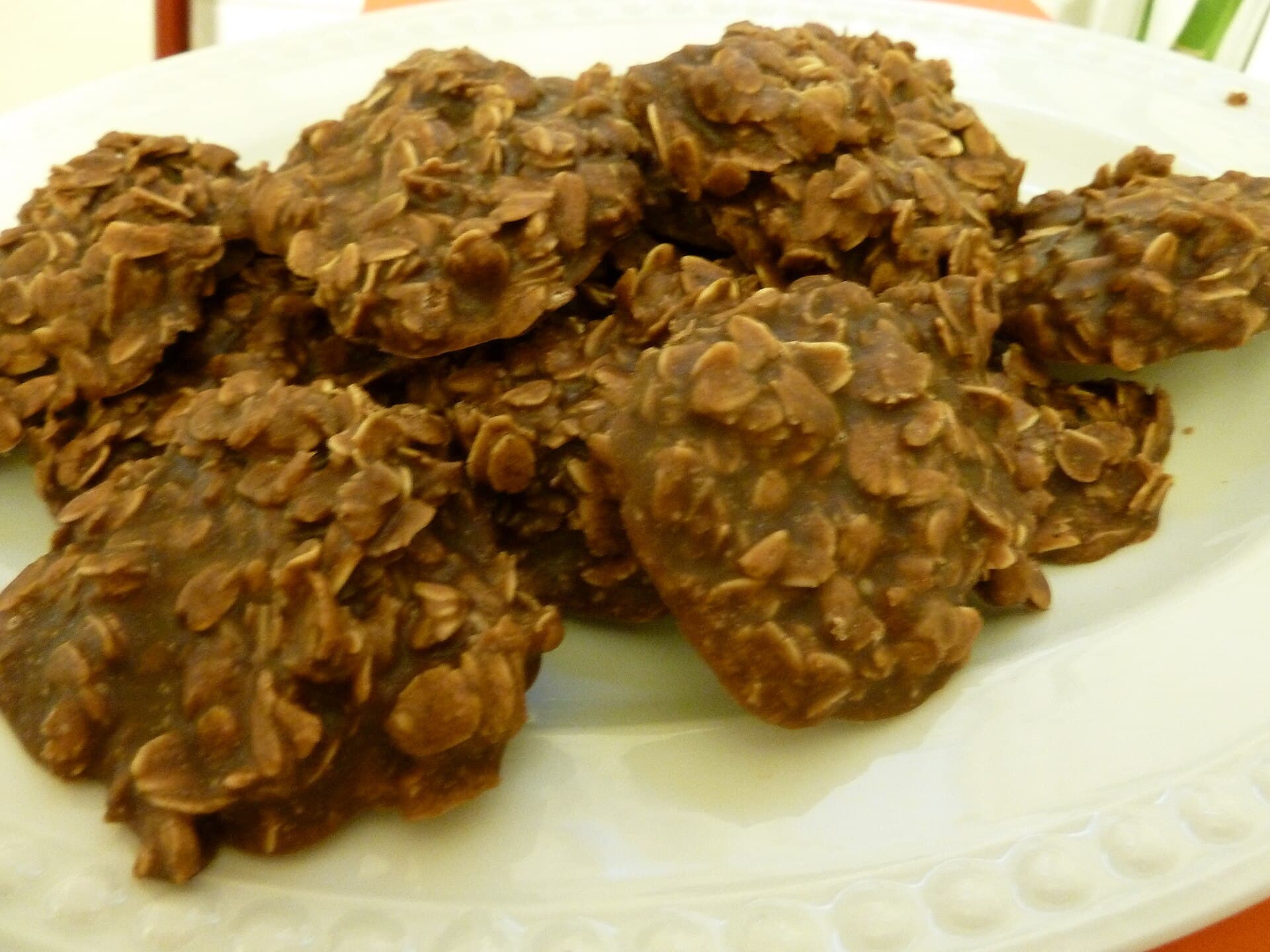
No-Bake Cookies are a quick, easy treat popular in American school cafeterias and concession stands. This dessert requires no oven baking and combines simple pantry staples into a chewy chocolate and oatmeal cookie form. A nostalgic and economical sweet snack loved across generations.
America's Melting Pot
North Dakota Knoephla Soup photo coming soon
2010-2026
Knoephla Soup is a comforting creamy dumpling soup tied to German-Russian immigrant heritage in North Dakota and the Upper Midwest. Featuring small dough dumplings simmered in a savory broth with potatoes and often chicken, this regional icon offers rich fusion flavors representative of immigrant adaptation and local ingredients.
America's Melting Pot
Norwegian Meatballs photo coming soon
1861-1900
Norwegian Meatballs are tender, flavorful meatballs influenced by Scandinavian immigrants who settled in the American Midwest during the 19th century. Blended with traditional spices and baked or pan-fried, these meatballs reflect immigrant culinary adaptation in new lands, often served with gravy or lingonberry sauce.
America's Melting Pot
Oatcakes photo coming soon
1800-1860
Oatcakes are wholesome, crunchy biscuits or cookies associated with Irish culinary heritage and popular among Irish-American communities in the 19th century. Made with basic pantry ingredients, they make a satisfying dessert or tea accompaniment reflecting simpler times and immigrant food traditions.
America's Melting Pot
Oatmeal Meatloaf photo coming soon
1930-1945
Oatmeal Meatloaf combines ground meat with oatmeal as an extender and binder, reflecting Depression and World War II-era home cooking focused on stretching ingredients during rationing and scarcity. This practical dish provided nourishment and comfort during challenging times in American kitchens.
America's Melting Pot
Olallieberry Jam photo coming soon
Cross-era
Olallieberry Jam is a preserve with real American table personality: California coastal berry preserve. It brings flavor from California, Hawaii, and the West Coast to cookouts, counters, lunch plates, potlucks, and weeknight suppers.
America's Melting Pot
Old Bay Butter photo coming soon
Cross-era
Old Bay Butter is a spread with real American table personality: Chesapeake seafood condiment. It brings flavor from Chesapeake and Mid-Atlantic to cookouts, counters, lunch plates, potlucks, and weeknight suppers.
America's Melting Pot
Old Forge Pizza photo coming soon
1900-1929
Old Forge Pizza is a distinctive rectangular pizza with a thick, braided crust, topped with a unique blend of cheeses and toppings. Rooted in Italian-American immigrant traditions in Pennsylvania, this pizza style has become a beloved regional favorite showcasing adaptation and innovation within Italian-American cuisine.
America's Melting Pot
Oof-da Tacos photo coming soon
1900-1929
Oof-da Tacos are a unique fusion dish blending Mexican-American taco concepts with Scandinavian-American influences in the Midwest. Known from state fair and carnival food scenes, these tacos typically feature distinctive toppings and flavors that celebrate immigrant cultural mixing and regional reinterpretation.
America's Melting Pot
Orange Carrot Ginger Smoothie photo coming soon
1970-1989
Orange Carrot Ginger Smoothie brings juice-bar color and American smoothie-counter energy to the glass: Juice bar staple.
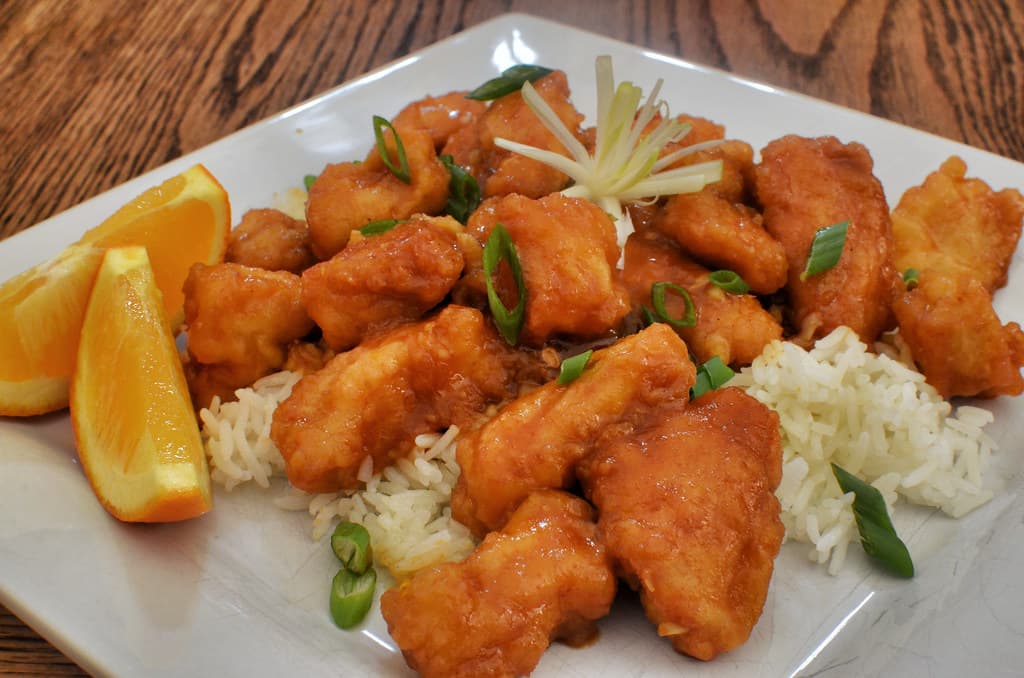
1970-1989
Orange Chicken is a popular Chinese-American fried chicken dish coated in a sweet, tangy orange-flavored sauce. Emerging from Chinese immigrant restaurant cuisines in early 20th century America, it has become a ubiquitous menu item blending American tastes with Chinese culinary techniques.
America's Melting Pot
Orange Cream Julius photo coming soon
Postwar & Diner Age
Orange Cream Julius carries the bright, frothy spirit of American mall counters: Creamsicle-like variation.
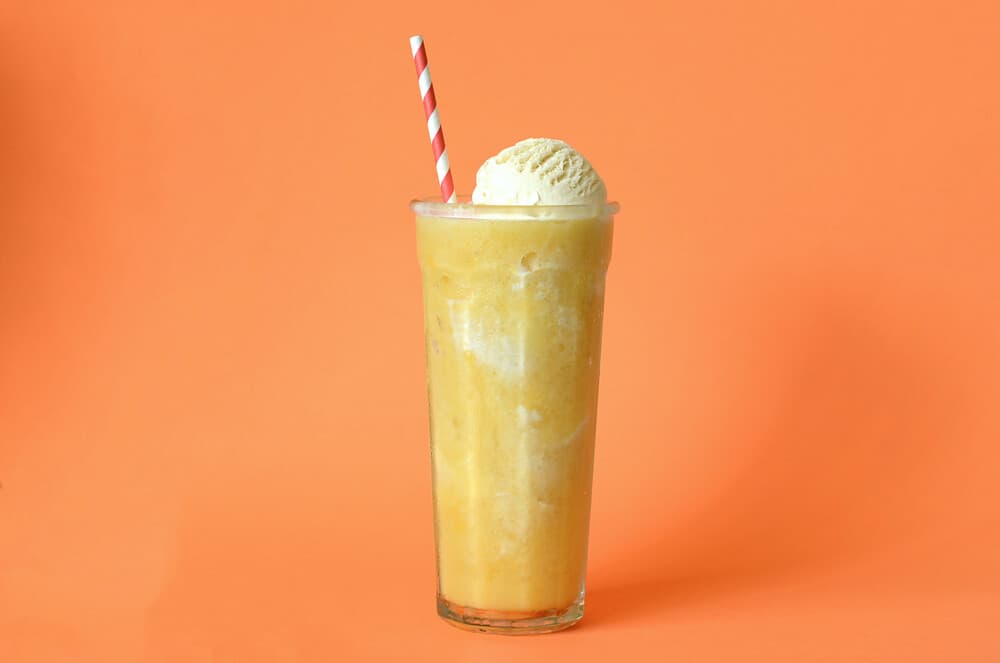
1900-1929
Orange Cream Shake pours old-school malt-shop cheer into a cold glass: Creamsicle-style flavor.
America's Melting Pot
Orange Freeze photo coming soon
Postwar & Diner Age
Orange Freeze carries the bright, frothy spirit of American mall counters: Ice cream stand orange-and-vanilla blended drink.
America's Melting Pot
Orange Malt photo coming soon
1900-1929
Orange Malt pours old-school malt-shop cheer into a cold glass: Orange Julius meets malt shop.
America's Melting Pot
Orange Sherbet Shake photo coming soon
Postwar & Diner Age
Orange Sherbet Shake carries the bright, frothy spirit of American mall counters: Creamsicle soda fountain cousin.
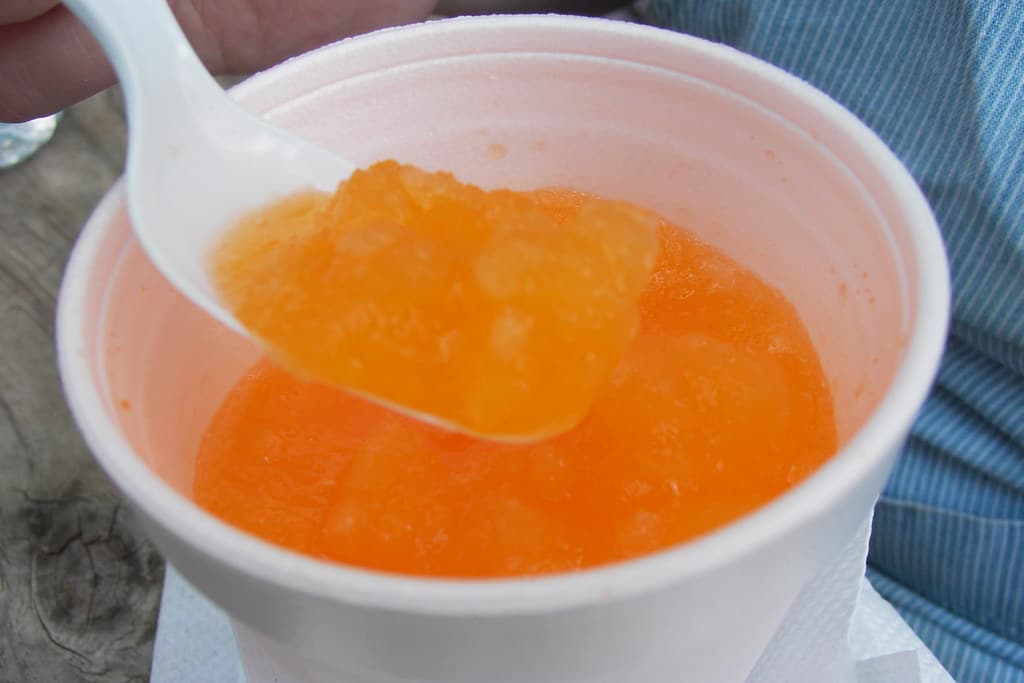
Modern Melting Pot
Orange Slush brings juice-bar color and American smoothie-counter energy to the glass: Ballpark and concession drink.
America's Melting Pot
Orange Soda Float photo coming soon
1861-1900
Orange Soda Float is fizzy Americana from the soda-fountain counter: Creamsicle-like float.
America's Melting Pot
Orange-Banana Julius photo coming soon
Postwar & Diner Age
Orange-Banana Julius carries the bright, frothy spirit of American mall counters: 1980s-1990s mall smoothie flavor.
America's Melting Pot
Orange-Pineapple Julius photo coming soon
Postwar & Diner Age
Orange-Pineapple Julius carries the bright, frothy spirit of American mall counters: Tropical mall classic.
America's Melting Pot
Oregon Marionberry Shake photo coming soon
Cross-era
Oregon Marionberry Shake salutes regional fruit country and the American dairy-stand tradition: Oregon.
America's Melting Pot
Oreo Concrete photo coming soon
Postwar & Diner Age
Oreo Concrete is thick, spoonable frozen-custard stand fun: Modern custard shop standard.
America's Melting Pot
Oreo Shake photo coming soon
1900-1929
Oreo Shake pours old-school malt-shop cheer into a cold glass: Possibly the king of chain-restaurant shakes.
America's Melting Pot
Original Orange Julius photo coming soon
Postwar & Diner Age
Original Orange Julius carries the bright, frothy spirit of American mall counters: Orange juice, dairy/egg-white-style foam tradition, sugar, vanilla; mall America icon.
America's Melting Pot
Ovaltine Malt photo coming soon
1900-1929
Ovaltine Malt pours old-school malt-shop cheer into a cold glass: Home pantry malted drink influence.
America's Melting Pot
Oyster Pie photo coming soon
1800-1860
Oyster Pie is a savory pie filled with oysters and often combined with vegetables and seasonings, baked in a flaky crust. As a traditional New England dish from the early immigration and expansion era, it reflects coastal harvests and colonial cooking styles preserving regional seafood heritage.
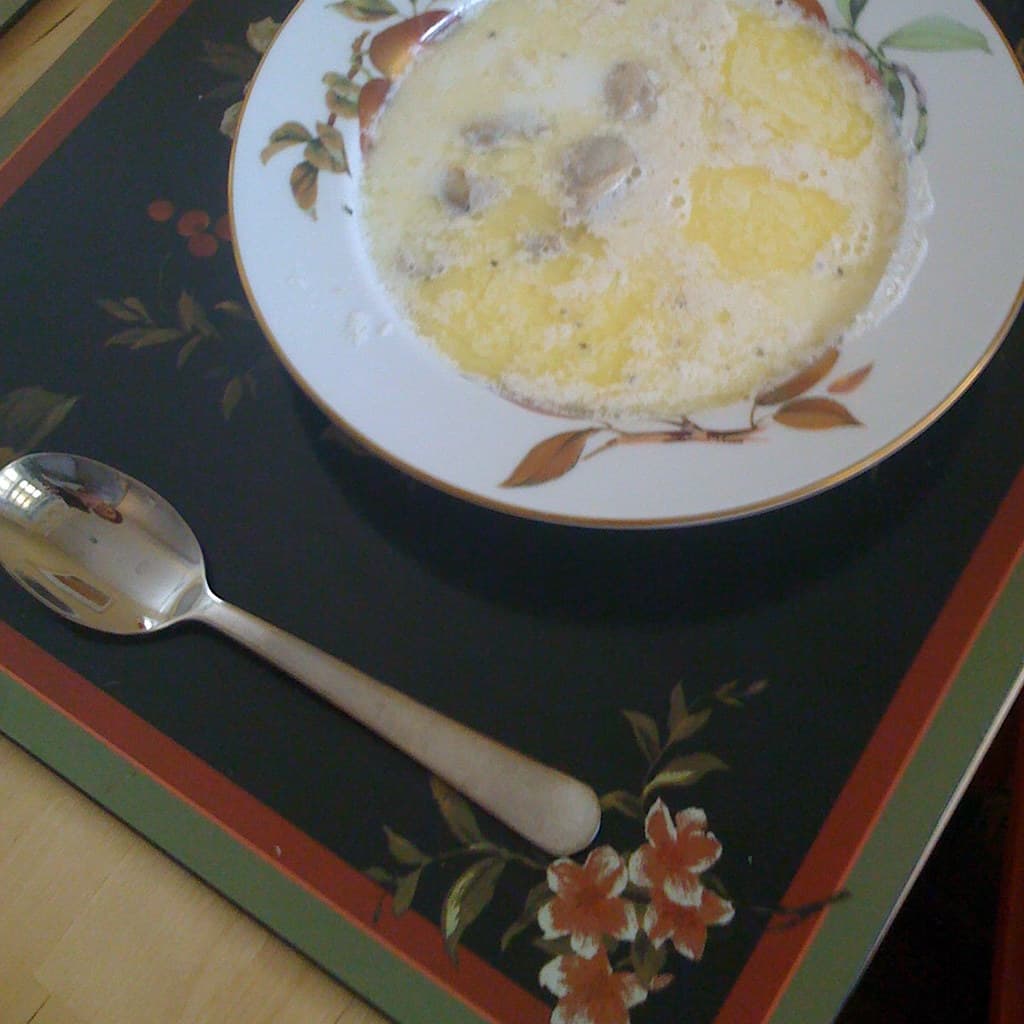
1776-1800
Oyster stew is a traditional American soup popular during the late 18th century, especially in coastal regions. This creamy stew features fresh oysters simmered in milk or cream with subtle seasonings, reflecting colonial America's use of locally sourced seafood.
America's Melting Pot
Oyster Stuffing photo coming soon
Before 1776
Oyster stuffing is a classic American side dish often served during Thanksgiving and other holiday meals. It blends fresh oysters with breadcrumbs, herbs, and aromatics to create a flavorful accompaniment traditionally baked within poultry or as a separate dish.
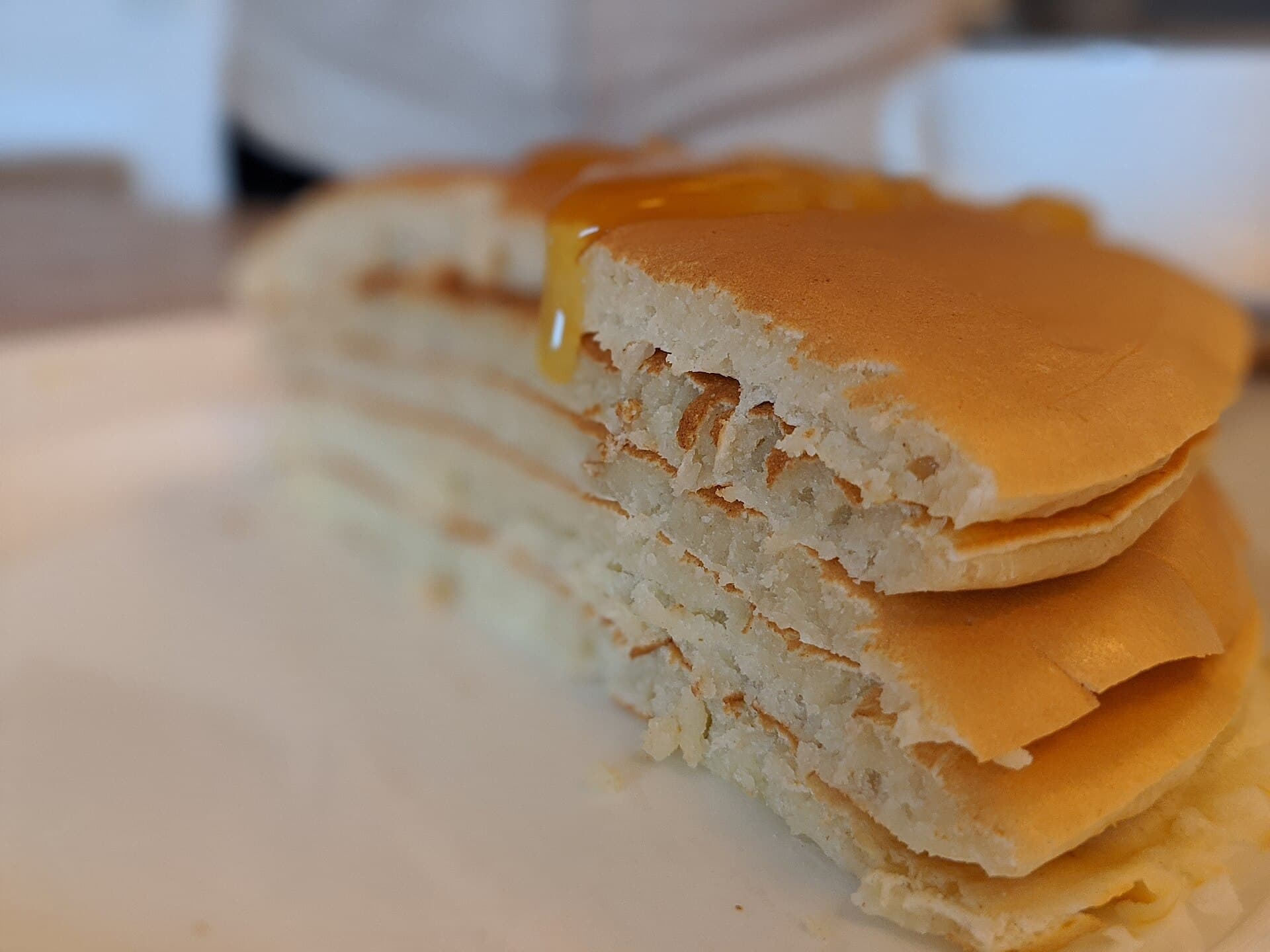
1776-1800
A tall stack of fluffy pancakes commonly served in American family restaurants and breakfast chains, often topped with butter, syrup, and sometimes fruit or whipped cream.
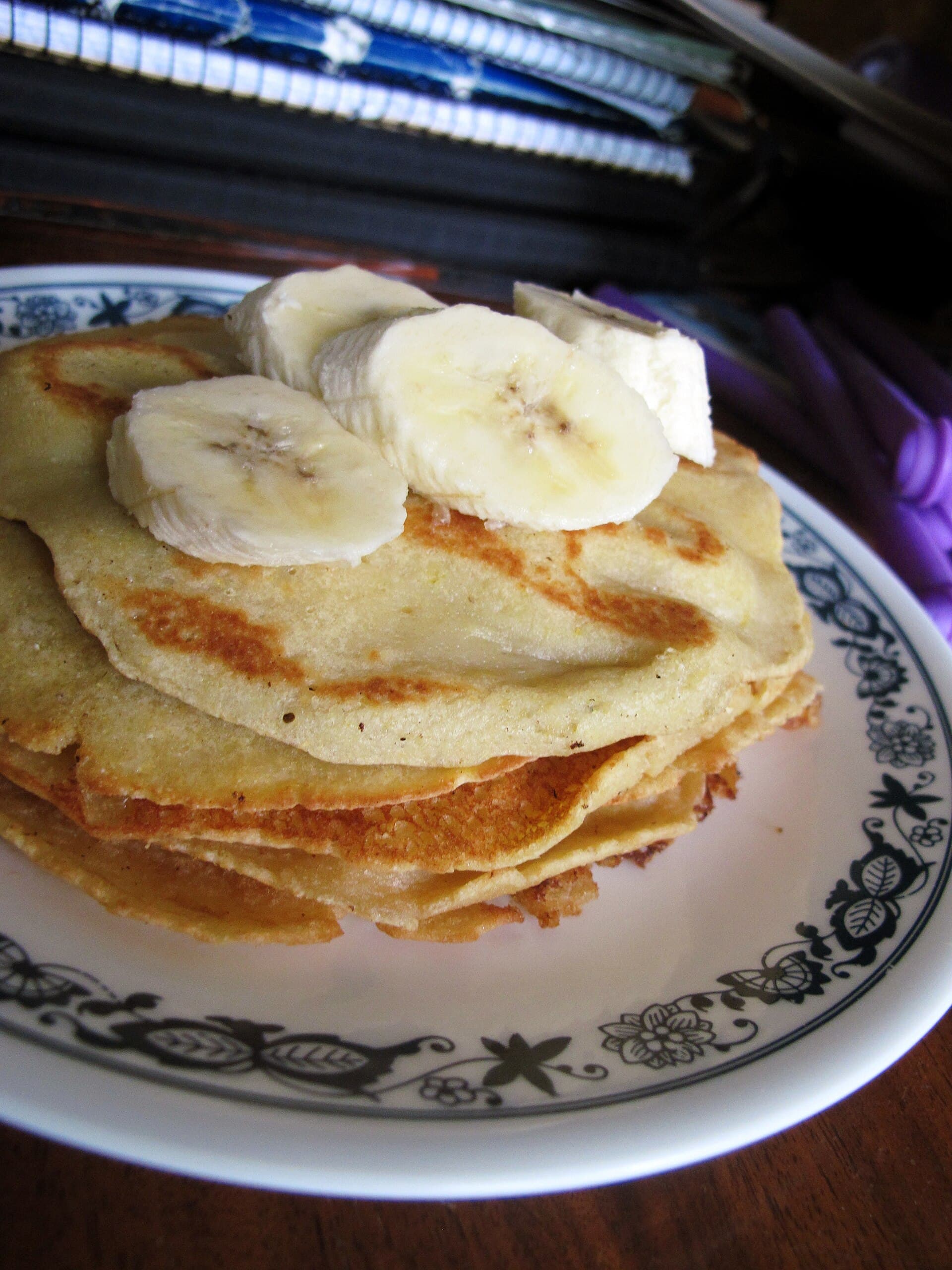
1776-1800
Pancakes are a quintessential American breakfast food consisting of flat, round cakes made from a simple batter of flour, eggs, milk, and leavening. They are typically cooked on a griddle and served with syrup, butter, or fruit toppings.
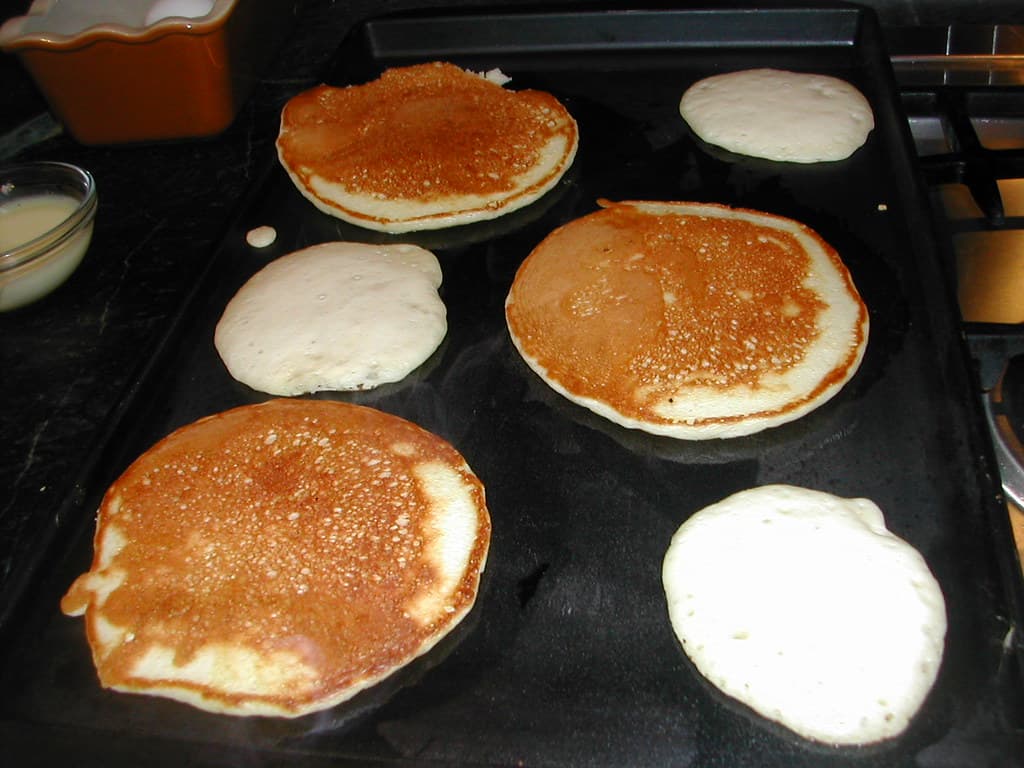
1776-1800
These pancakes reflect traditional camp and cabin cooking methods, using a straightforward batter cooked directly on a griddle or open fire. They are popular in hunting and fishing camps and rustic outdoor settings.
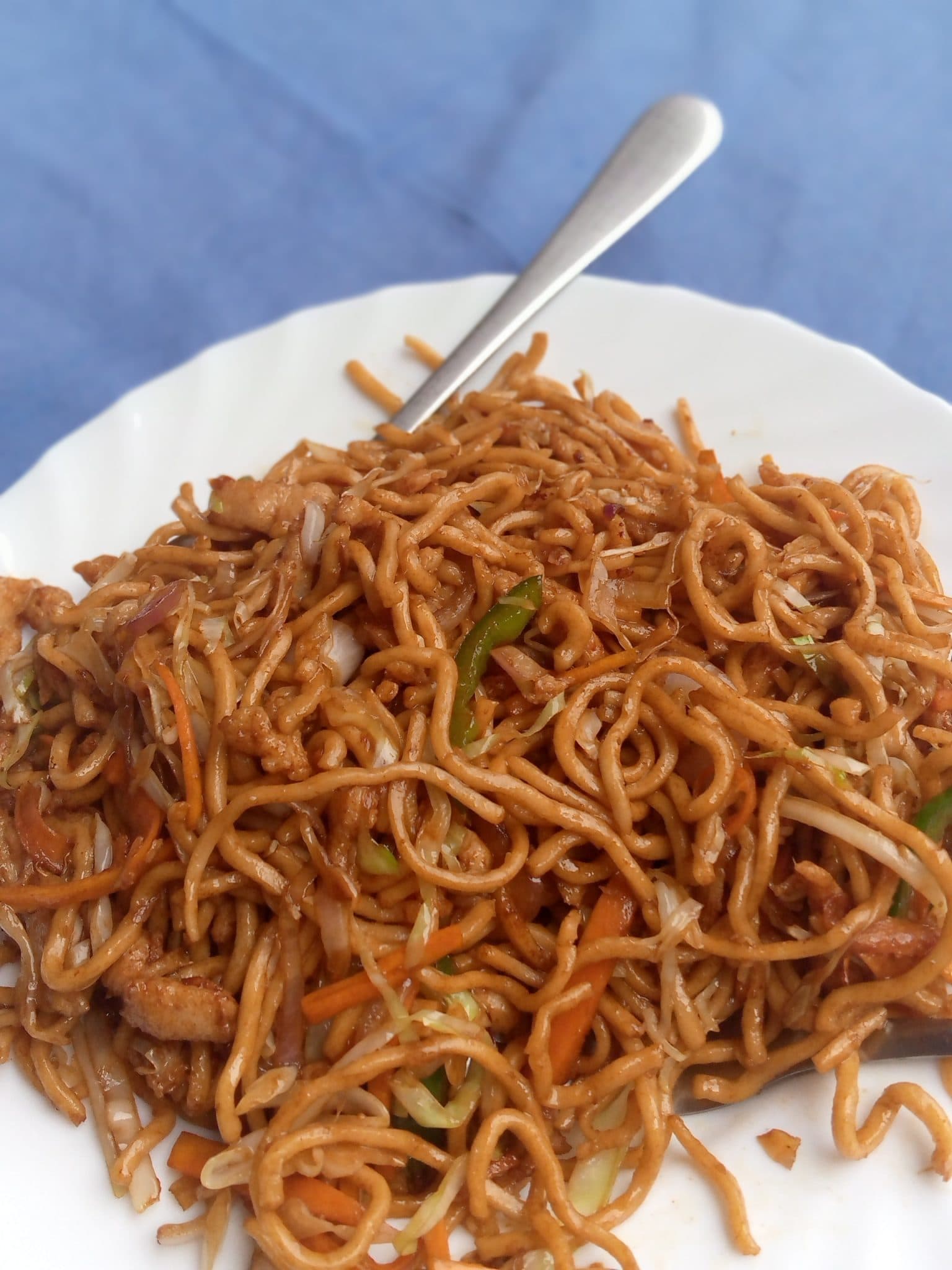
1900-1929
Pancit is a traditional Filipino noodle dish adapted in American territories and communities, combining rice noodles with stir-fried vegetables, meats, and seasonings. It is a staple at celebrations and represents cultural heritage in various US island and territorial communities.
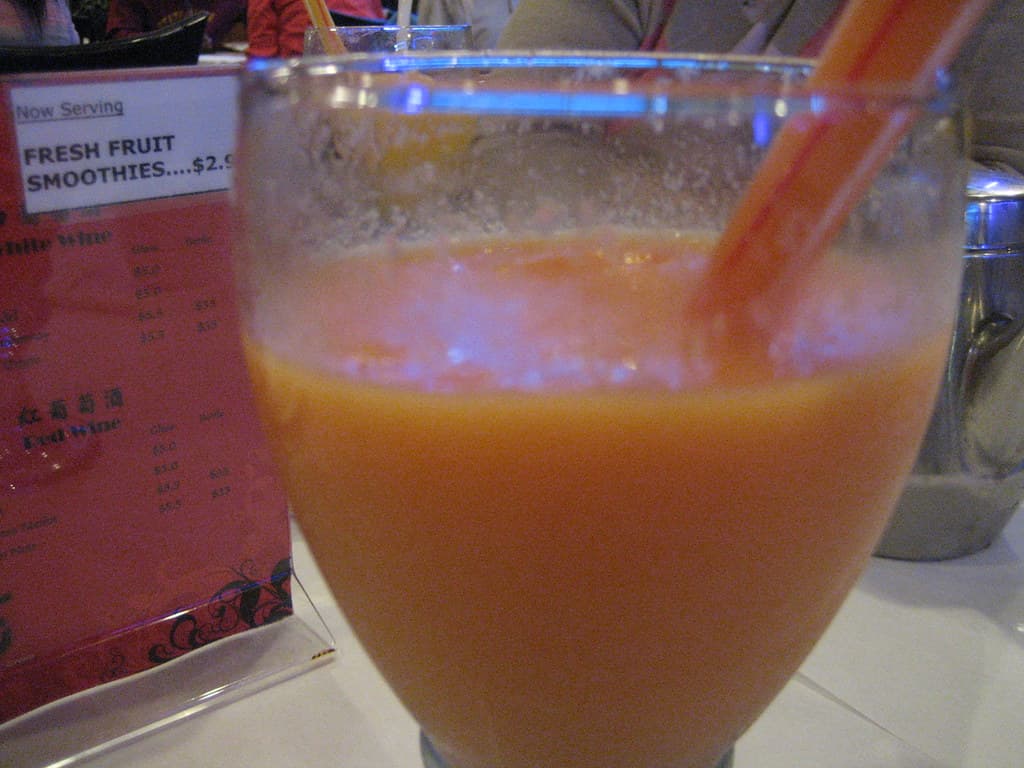
Cross-era
Papaya Smoothie salutes regional fruit country and the American dairy-stand tradition: Florida/Caribbean-American.
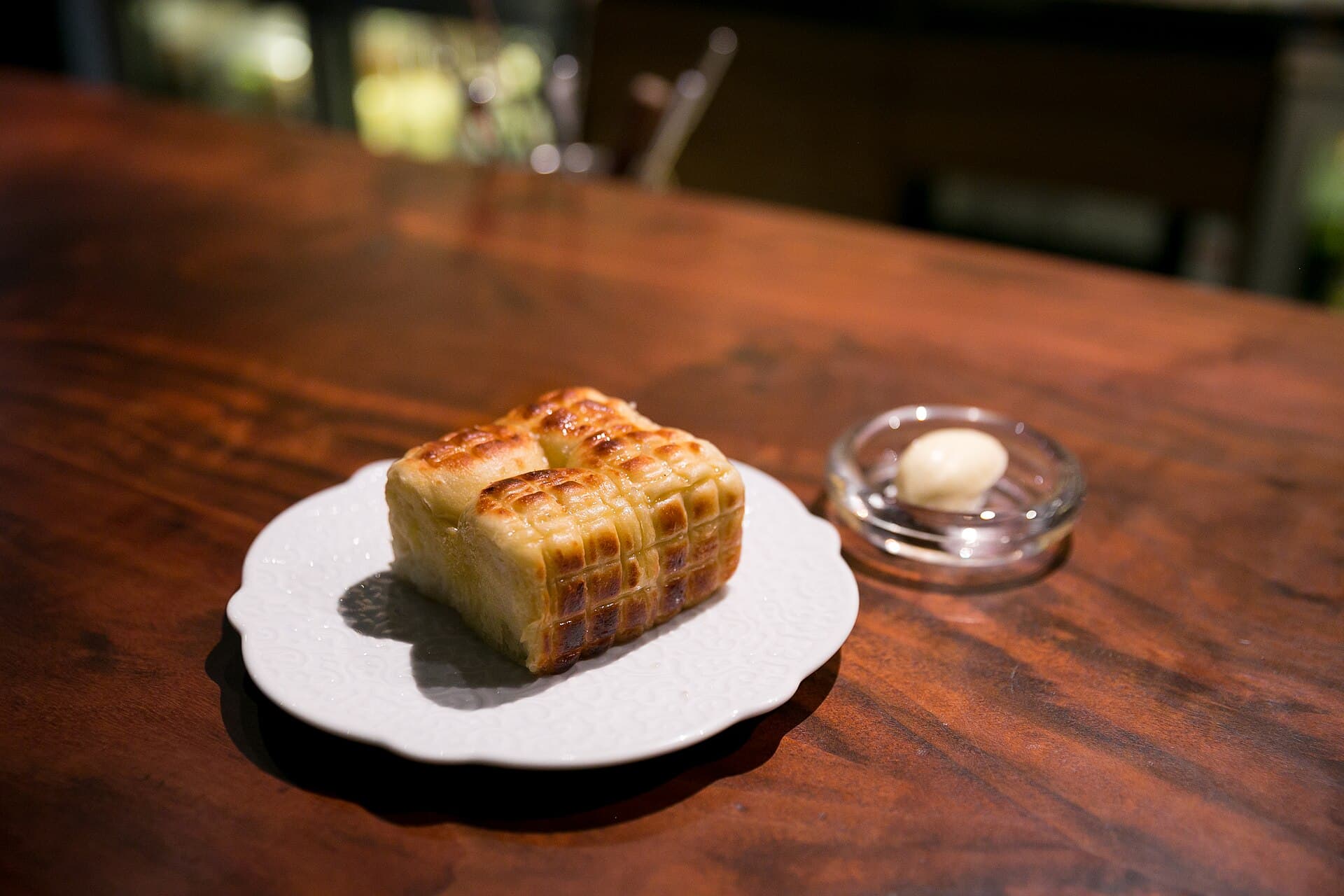
1861-1900
Parker House rolls are iconic American dinner rolls known for their soft interior and slightly crisp, buttery crust. They are often served during holiday dinners such as Thanksgiving and Easter, prized for their rich flavor and tender texture.
America's Melting Pot
Parsnip Cakes photo coming soon
1776-1800
Parsnip cakes are savory fried patties made from grated parsnips mixed with simple seasonings, common in late 18th-century American cooking. They highlight root vegetable use in early colonial diets, offering a wholesome side or dessert option depending on seasoning.
America's Melting Pot
Pasta Salad photo coming soon
1990-2009
Pasta salad is a chilled side dish combining cooked pasta with vegetables, herbs, and a tangy dressing. Widely popular in American cookouts and casual gatherings, it exemplifies late 20th-century trends toward convenient, make-ahead side dishes.
America's Melting Pot
Patriotic Berry Shortcake photo coming soon
1990-2009
Patriotic berry shortcake is a vibrant American dessert featuring layers of sweet biscuits or cake topped with fresh strawberries, blueberries, and whipped cream, celebrating national colors and festive occasions.
America's Melting Pot
Pawpaw Butter photo coming soon
Frontier & Expansion
Pawpaw Butter is a preserve with real American table personality: Appalachian/Midwestern native fruit spread. It brings flavor from Appalachia and Pennsylvania Dutch country to cookouts, counters, lunch plates, potlucks, and weeknight suppers.
America's Melting Pot
Pawpaw Pudding photo coming soon
1800-1860
Pawpaw pudding is a traditional dessert from Appalachia made using the native pawpaw fruit, combined with sugar, eggs, and spices, resulting in a custardy, fruit-based pudding reflecting early American regional cooking.
America's Melting Pot
Pawpaw Shake photo coming soon
Cross-era
Pawpaw Shake salutes regional fruit country and the American dairy-stand tradition: Appalachia/Midwest native fruit.
America's Melting Pot
Peach Cobbler Shake photo coming soon
Postwar & Diner Age
Peach Cobbler Shake brings drive-in, carhop, and fast-food dessert-counter energy to the table: Southern summer shake.
America's Melting Pot
Peach Mango Smoothie photo coming soon
1990-2009
Peach Mango Smoothie brings juice-bar color and American smoothie-counter energy to the glass: Chain smoothie standard.
America's Melting Pot
Peach Smoothie photo coming soon
Modern Melting Pot
Peach Smoothie brings juice-bar color and American smoothie-counter energy to the glass: Southern/farmstand flavor.
America's Melting Pot
Peanut Butter photo coming soon
1861-1900
Peanut Butter is a spread with real American table personality: Not exclusively American in concept, but deeply American in culture: PB&J, lunchboxes, cookies, pie. It brings flavor from coast-to-coast American tables to cookouts, counters, lunch plates, potlucks, and weeknight suppers.
America's Melting Pot
Peanut Butter Chocolate Malt photo coming soon
1900-1929
Peanut Butter Chocolate Malt pours old-school malt-shop cheer into a cold glass: Candy-shop malt.
America's Melting Pot
Peanut Butter Chocolate Shake photo coming soon
1900-1929
Peanut Butter Chocolate Shake pours old-school malt-shop cheer into a cold glass: Candy-bar-style American shake.
America's Melting Pot
Peanut Butter Malt photo coming soon
1900-1929
Peanut Butter Malt pours old-school malt-shop cheer into a cold glass: Very American, very rich.
America's Melting Pot
Peanut Butter Sauce photo coming soon
Postwar & Diner Age
Peanut Butter Sauce is a sweet sauce with real American table personality: Ice cream parlor and Midwest dessert bars. It brings flavor from the Midwest and Great Lakes to cookouts, counters, lunch plates, potlucks, and weeknight suppers.
America's Melting Pot
Peanut Butter Shake photo coming soon
Postwar & Diner Age
Peanut Butter Shake pours old-school malt-shop cheer into a cold glass: Drive-in and Midwestern favorite.
America's Melting Pot
Pease Porridge photo coming soon
1776-1800
Pease porridge is a thick, savory dish made from dried peas, commonly eaten in late 18th-century America. It was a nourishing, economical staple during the Revolutionary period, reflecting colonial cooking traditions and available ingredients.
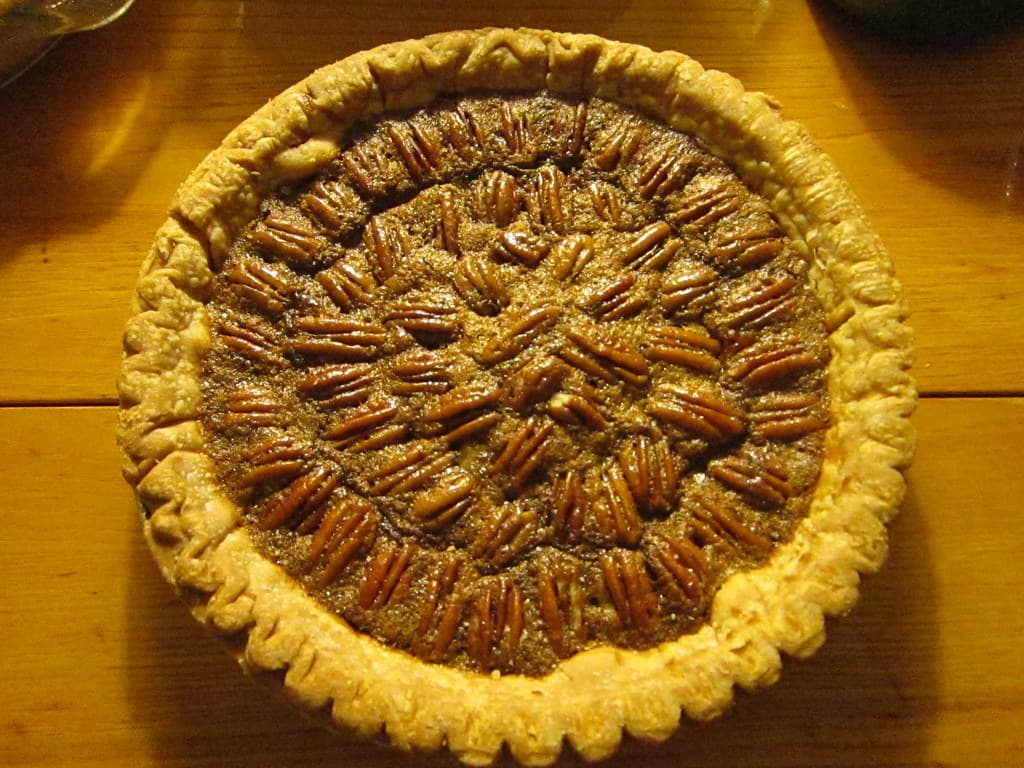
1800-1860
Pecan pie originated in the American South between 1800 and 1860, becoming a beloved dessert for holiday tables, especially Thanksgiving. Combining local pecans with sweet filling, this pie celebrates regional ingredients and early American culinary tradition.
America's Melting Pot
Pecan Pie Shake photo coming soon
Postwar & Diner Age
Pecan Pie Shake brings drive-in, carhop, and fast-food dessert-counter energy to the table: Southern holiday shake.
America's Melting Pot
Pepper Gravy photo coming soon
Frontier & Expansion
Pepper Gravy is a condiment with real American table personality: Steakhouse and diner gravy. It brings flavor from coast-to-coast American tables to cookouts, counters, lunch plates, potlucks, and weeknight suppers.
America's Melting Pot
Pepper Pot Soup photo coming soon
1800-1860
Pepper Pot Soup is a thick, flavorful stew with a peppery kick, traditionally made with beef tripe or other meats, vegetables, and spices. Popular in New England and the Mid-Atlantic during the early 19th century, it reflects immigrant and regional culinary influences.
America's Melting Pot
Pepper Vinegar photo coming soon
Cross-era
Pepper Vinegar is a condiment with real American table personality: Southern greens condiment, often whole peppers steeped in vinegar. It brings flavor from the American South to cookouts, counters, lunch plates, potlucks, and weeknight suppers.
America's Melting Pot
Peppermint Mocha Frappe-Style Drink photo coming soon
Modern Melting Pot
Peppermint Mocha Frappe-Style Drink blends coffeehouse America with milkshake-style fun: Holiday coffee culture.
America's Melting Pot
Peppermint Shake photo coming soon
1900-1929
Peppermint Shake pours old-school malt-shop cheer into a cold glass: Holiday shake, especially with crushed candy cane.
America's Melting Pot
Pepsi Float photo coming soon
Gilded Age & Progressive Era
Pepsi Float is fizzy Americana from the soda-fountain counter: Pepsi and vanilla ice cream.
America's Melting Pot
Pheasant and Wild Rice photo coming soon
1900-1929
This recipe pairs pheasant, a game bird, with wild rice, a native grain, commonly prepared in hunting and fishing camps or rustic cabins. It highlights simplicity and resourcefulness in outdoor American cooking traditions.
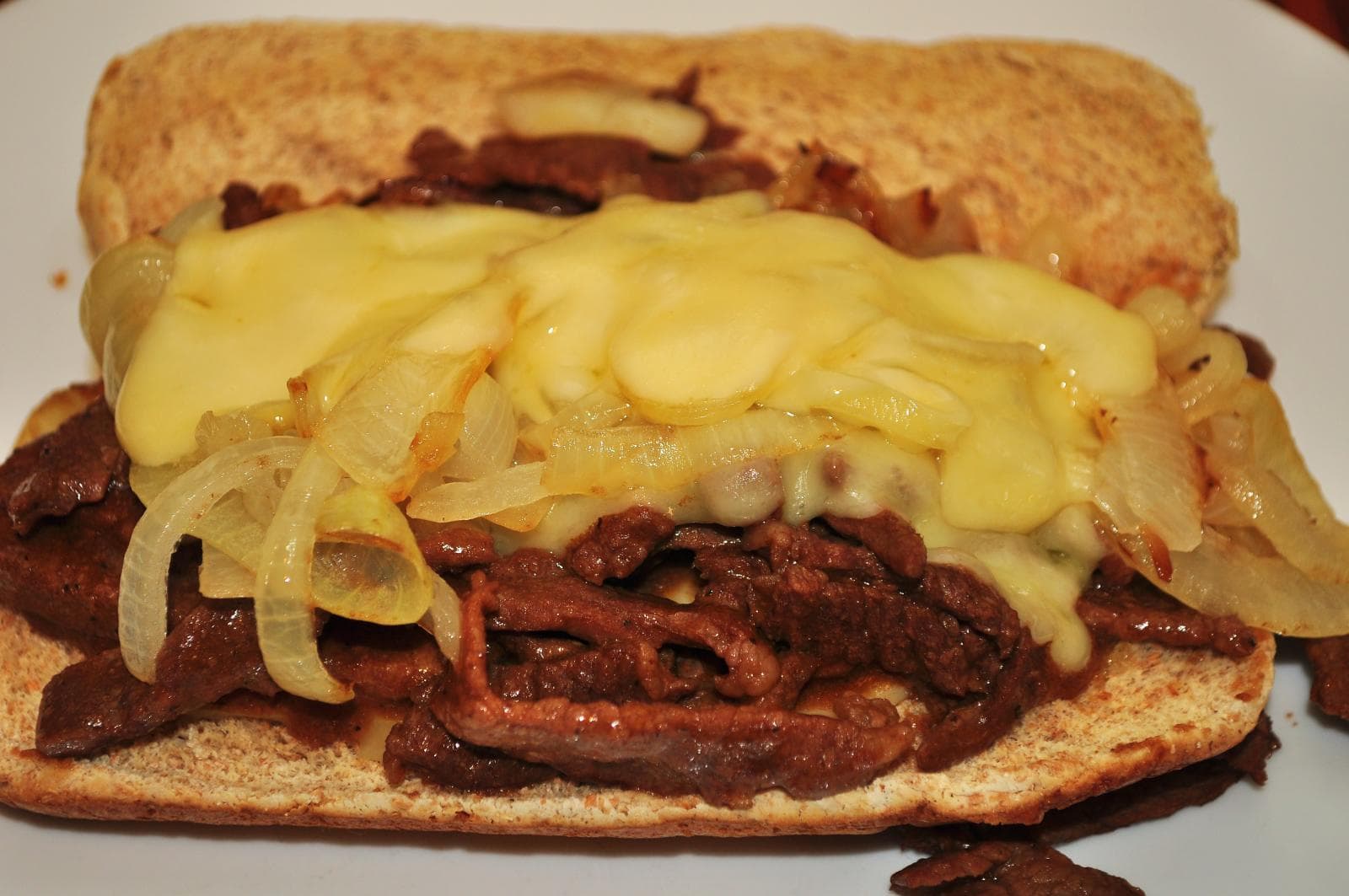
1946-1969
The Philly cheesesteak is a beloved sandwich hailing from Philadelphia and the Mid-Atlantic region, featuring thinly sliced beef, melted cheese, and a soft hoagie roll. It rose to regional prominence between 1946 and 1969 as a staple of postwar prosperity and working-class food culture.
America's Melting Pot
Pickle Dip photo coming soon
1990-2009
Pickle dip combines finely chopped pickles with creamy cheeses and seasonings to create a tangy, zesty appetizer. Emerging in the 2010s, it gained popularity in food trucks, farmers markets, and viral internet recipes, highlighting new American fusion flavors.
America's Melting Pot
Pickle on a Stick photo coming soon
1946-1969
Pickle on a Stick is a nostalgic American school lunch and concession stand snack featuring a dill pickle spear served on a wooden stick for easy handling. Its simplicity and bright pickle flavor make it a classic treat for kids and adults at schools, fairs, and ballgames.
America's Melting Pot
Pickle Roll-Up Spread photo coming soon
Cross-era
Pickle Roll-Up Spread is a relish with real American table personality: Upper Midwest ham-pickle-cream cheese culture. It brings flavor from the Midwest and Great Lakes to cookouts, counters, lunch plates, potlucks, and weeknight suppers.
America's Melting Pot
Pickle Roll-Ups photo coming soon
1946-1969
Pickle Roll-Ups are a popular American snack combining a crunchy pickle spear wrapped inside a slice of deli meat and cream cheese spread. Common at tailgates, church potlucks, and booster clubs during the late 20th century, these easy-to-make finger foods deliver tangy, creamy, and savory flavors in a convenient roll.
America's Melting Pot
Pickled Cucumbers photo coming soon
1776-1800
Pickled cucumbers were a staple preserved vegetable in 18th-century America, providing a crunchy, tangy side to meals during winter months. This recipe and method reflect early American preservation techniques combining vinegar, spices, and salt.
1800-1860
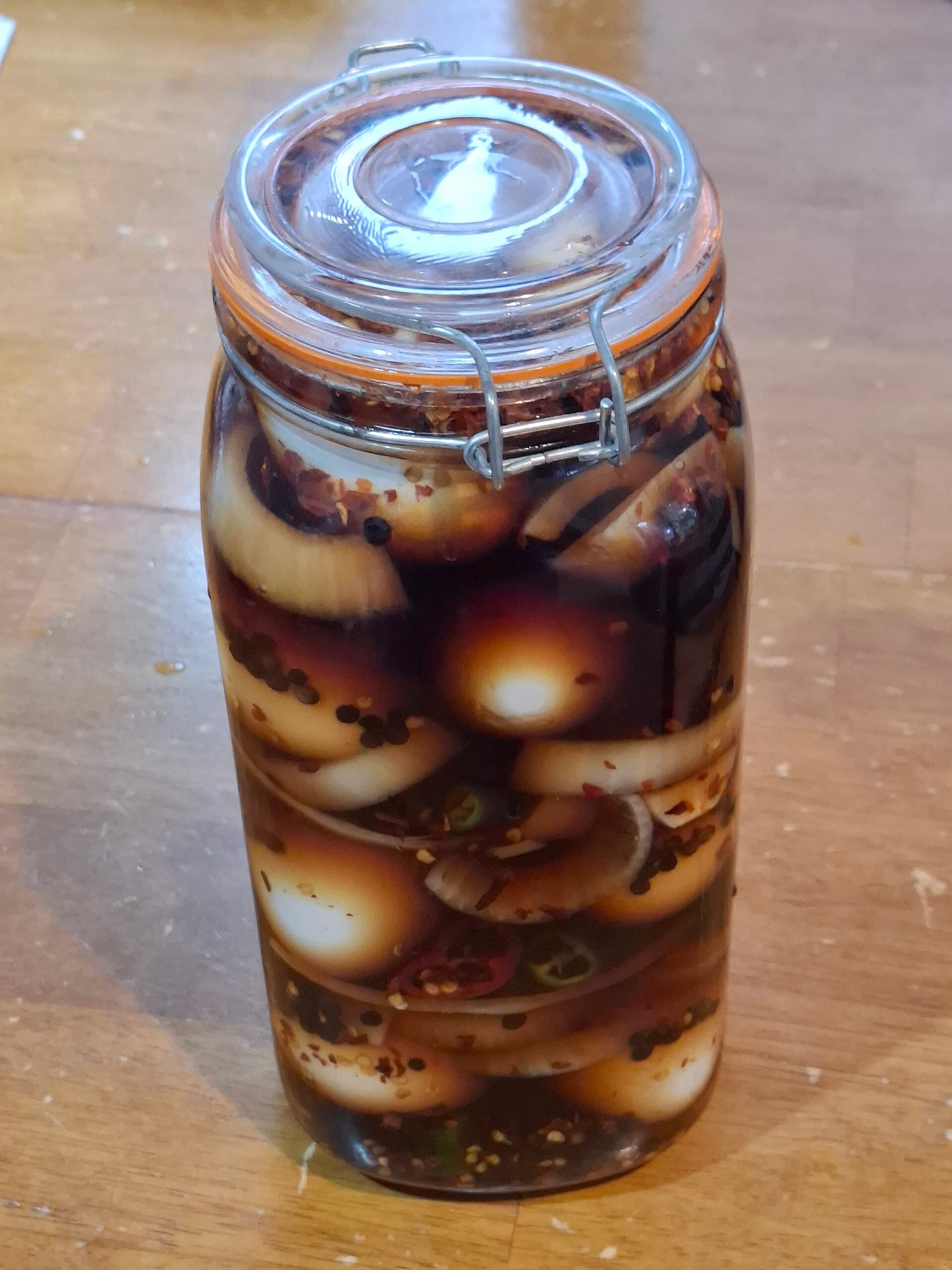
Pickled eggs were a popular preserved egg dish among German-American communities between 1800 and 1860, particularly during celebrations like Easter. They combine hard-boiled eggs with vinegar and spices to extend shelf life and add flavor.
America's Melting Pot
Pickled Fish photo coming soon
Before 1776
Pickled fish were a common preservation method in late 18th-century America, allowing communities to enjoy fish long after catch. The preserved fish combine vinegar and spices to create a tangy side, reflective of colonial foodways.
America's Melting Pot
Pickled Green Beans / Dilly Beans photo coming soon
1900-1929
Pickled Green Beans / Dilly Beans is a relish with real American table personality: Garden preserving and Bloody Mary garnish. It brings flavor from coast-to-coast American tables to cookouts, counters, lunch plates, potlucks, and weeknight suppers.
1861-1900
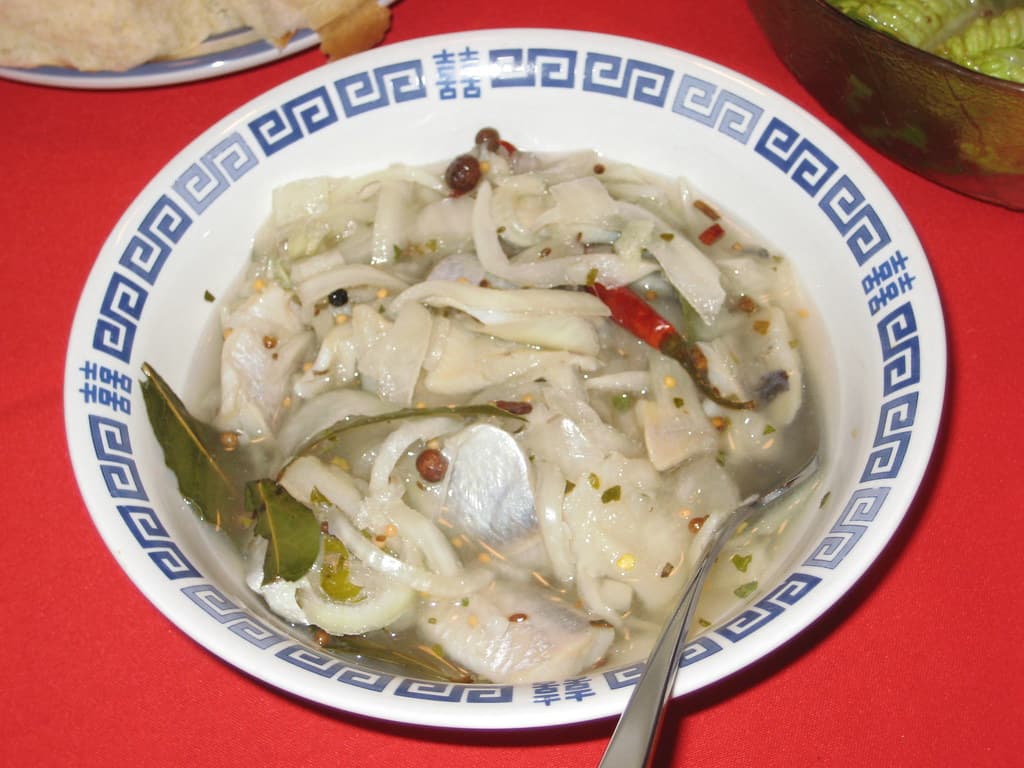
Pickled herring is a classic dish in Scandinavian-American households, especially in the Midwest, served during holidays and celebrations from the mid-19th century onward. The fish is cured and pickled with vinegar, sugar, and spices for a flavorful side or appetizer.
America's Melting Pot
Pickled Jalapeno Brine Sauce photo coming soon
Cross-era
Pickled Jalapeno Brine Sauce is a condiment with real American table personality: Tex-Mex and ballpark nacho culture. It brings flavor from Texas and the Southwest to cookouts, counters, lunch plates, potlucks, and weeknight suppers.
America's Melting Pot
Pickled Ramps photo coming soon
Frontier & Expansion
Pickled Ramps is a relish with real American table personality: Appalachian spring preserve. It brings flavor from Appalachia and Pennsylvania Dutch country to cookouts, counters, lunch plates, potlucks, and weeknight suppers.
America's Melting Pot
Pickles and Onions photo coming soon
1900-1929
Pickles and Onions is a classic American barbecue side dish that pairs crisp dill pickles sliced with rings of raw onion to complement grilled meats. This simple combination adds acidity and pungency that cuts through rich, smoky barbecue flavors, making it a staple at cookouts and backyard grills throughout U.S. barbecue traditions.
America's Melting Pot
Pigeon Pie photo coming soon
1776-1800
Pigeon Pie is a traditional colonial American meat pie using squab or young pigeon, popular during the Revolutionary era. This hearty pie blends game bird with vegetables and seasoning in a flaky pastry crust, reflecting early American reliance on local game and resourceful cooking practices of the period.
America's Melting Pot
Pineapple Coconut Smoothie photo coming soon
Modern Melting Pot
Pineapple Coconut Smoothie brings juice-bar color and American smoothie-counter energy to the glass: Pina colada without the booze.
America's Melting Pot
Pineapple Julius photo coming soon
Postwar & Diner Age
Pineapple Julius carries the bright, frothy spirit of American mall counters: Tropical variation.
America's Melting Pot
Pineapple Malt photo coming soon
Postwar & Diner Age
Pineapple Malt pours old-school malt-shop cheer into a cold glass: Tropical old soda fountain style.
America's Melting Pot
Pineapple Shake photo coming soon
Postwar & Diner Age
Pineapple Shake pours old-school malt-shop cheer into a cold glass: Tropical soda fountain flavor.
America's Melting Pot
Pineapple Sundae Topping photo coming soon
Gilded Age & Progressive Era
Pineapple Sundae Topping is a sweet sauce with real American table personality: Banana split essential. It brings flavor from coast-to-coast American tables to cookouts, counters, lunch plates, potlucks, and weeknight suppers.
1900-1929
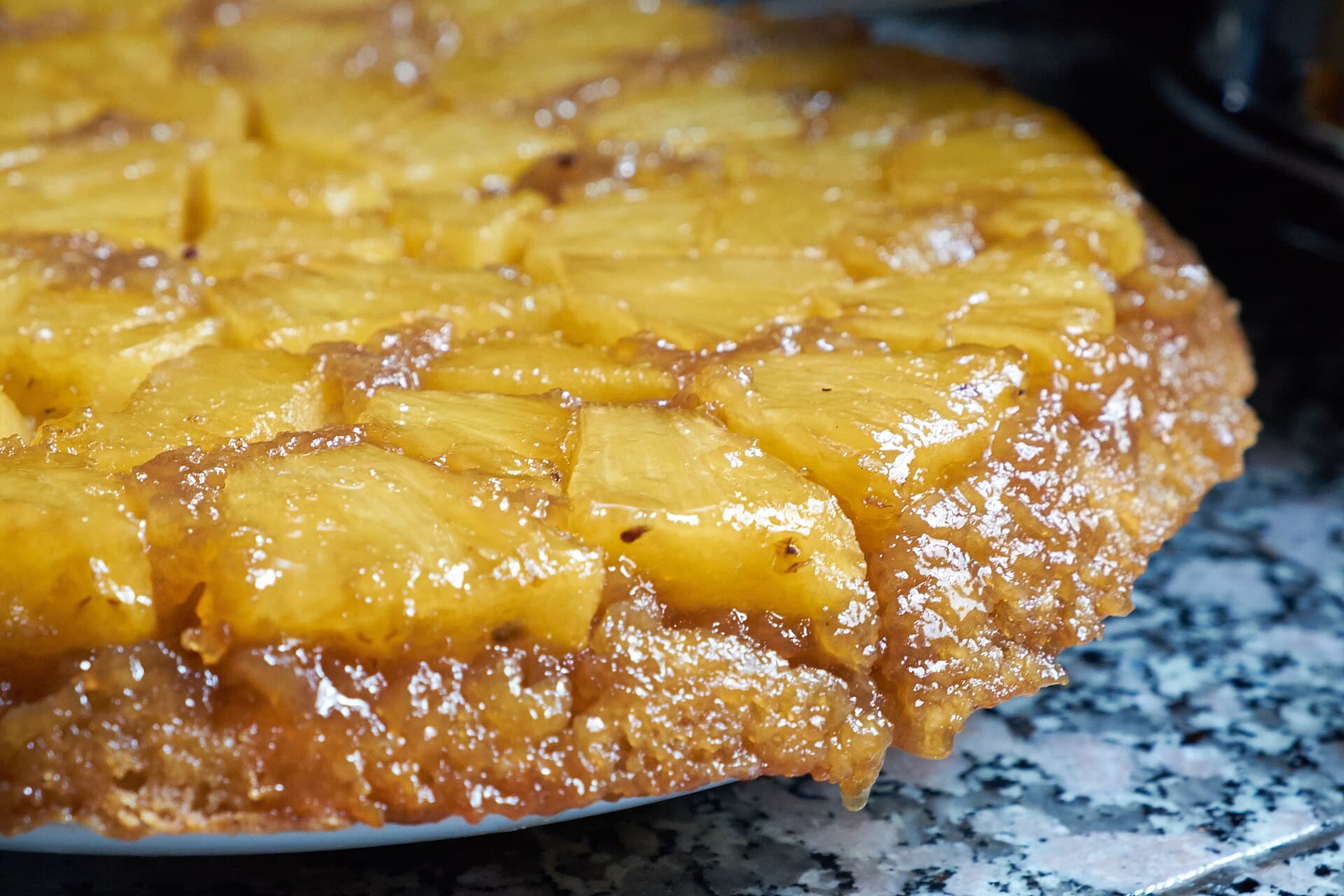
Pineapple Upside-Down Cake is a classic 1970s American dessert featuring pineapple rings caramelized in brown sugar and butter atop a moist yellow cake. Baked upside down and flipped for serving, it became a popular party and tailgate dessert showcasing tropical flavors in a home-friendly format.
America's Melting Pot
Pineapple Vanilla Shake photo coming soon
Postwar & Diner Age
Pineapple Vanilla Shake pours old-school malt-shop cheer into a cold glass: Old-school ice cream stand flavor.
America's Melting Pot
Pitaya / Dragon Fruit Smoothie photo coming soon
1990-2009
Pitaya / Dragon Fruit Smoothie brings juice-bar color and American smoothie-counter energy to the glass: Smoothie bowl and Instagram-era drink.
America's Melting Pot
Pizza Burgers photo coming soon
1946-1969
Pizza Burgers are American sandwiches combining grilled beef patties topped with tomato sauce and melted cheese in a hamburger bun. Popular in the 1970s and 1980s tailgate and school cafeteria scene, these sandwiches reflect Italian-American influences blended with classic American fast food.
1861-1900
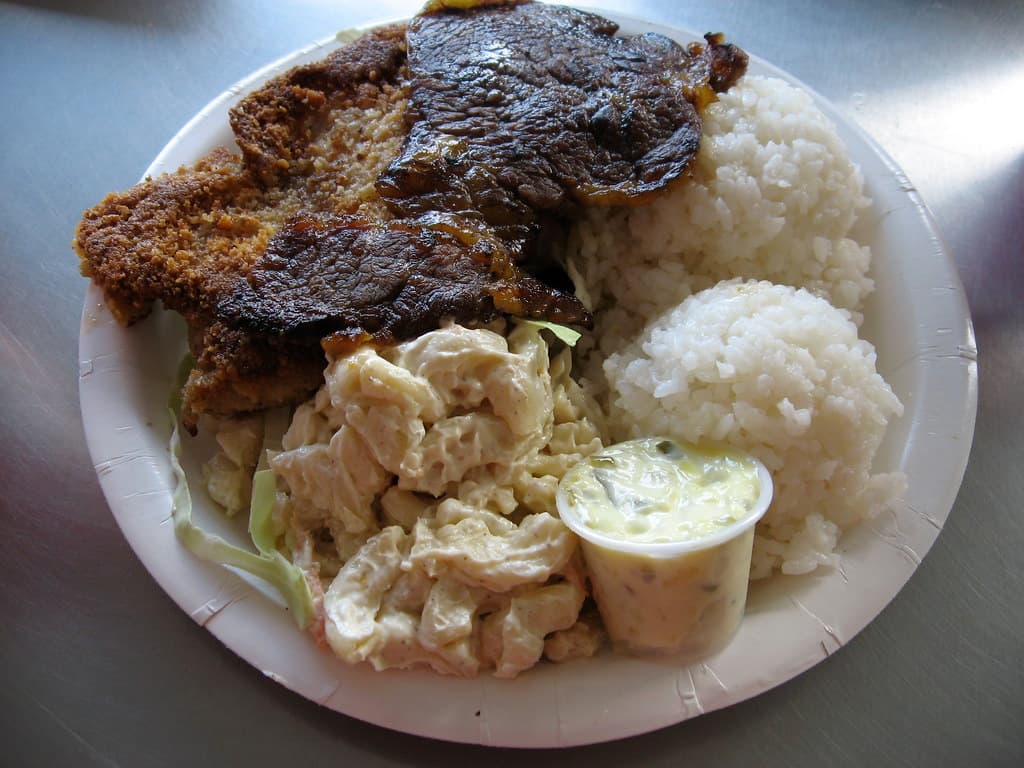
Plate Lunch is a Hawaiian staple featuring a protein portion served with rice and macaroni salad, showcasing Asian-Pacific, Hawaiian, and Portuguese influences. It embodies Hawaii's multicultural heritage by combining native and immigrant culinary traditions accessible throughout the islands.
1946-1969
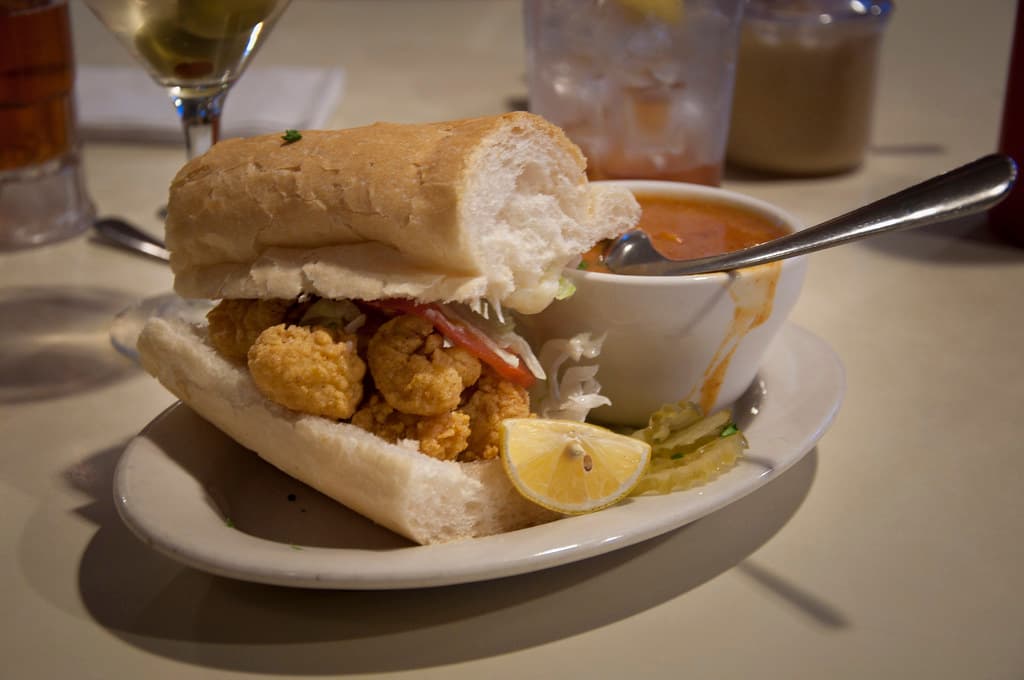
The Po' Boy is a traditional Louisiana sandwich featuring fried seafood or roast beef stuffed within a French bread loaf. Popularized mid-20th century in New Orleans, it is a signature Southern American comfort food blending French and Creole influences, often accompanied by lettuce, tomato, and tangy sauces.
Native Foodways and Continuity
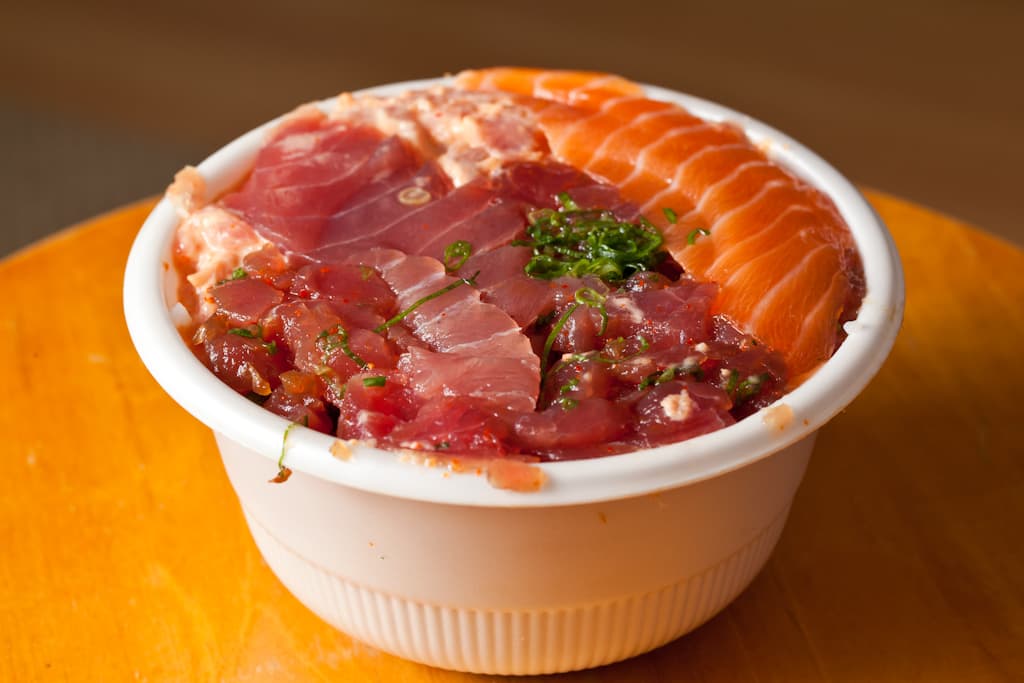
Poke is a Hawaiian dish featuring fresh raw fish, typically tuna, marinated in soy sauce, sesame oil, and other seasonings. It reflects the blending of Native Hawaiian culinary traditions with Asian and Portuguese immigrant influences on the islands.
America's Melting Pot
Poke Bowls photo coming soon
2010-2026
Poke bowls build upon traditional Hawaiian poke by serving raw marinated fish atop rice and a variety of fresh toppings, reflecting recent food truck and fusion trends blending Hawaiian and mainland American tastes.
America's Melting Pot
Poke Cake photo coming soon
1970-1989
Poke cake is a moist layered dessert featuring holes poked after baking to absorb flavored fillings, popular in Hawaii during the 1970s and 1980s as a convenient party treat combining traditional cakes with tropical flavors.
America's Melting Pot
Poke Sallet photo coming soon
1800-1860
Poke Sallet is a historic blend of raw chopped greens and light dressings, linked both to Hawaiian poke traditions and Appalachian foraged vegetable salads during early 19th century America.
Community recipe submission
Log in to submit a recipe, format it with the cooking companion, and send it for review.
Log in to Submit