
Loading
Setting the table...
Fetching the latest recipes from the archive.
Loading
Fetching the latest recipes from the archive.
Recipe archive
Recipe archive
Search the archive by title, region, ingredient, tag, or era, then sort the table by the view that fits your kitchen.
This archive is growing through recipes, photos, family recipes, and historical context shared by the community.
America's Melting Pot
Acai Bowl Smoothie Base photo coming soon
Modern Melting Pot
Acai Bowl Smoothie Base brings juice-bar color and American smoothie-counter energy to the glass: California/Hawaii/fitness culture.
America's Melting Pot
Animal-Style Spread photo coming soon
Cross-era
Animal-Style Spread is a sandwich sauce with real American table personality: California drive-in burger culture. It brings flavor from California, Hawaii, and the West Coast to cookouts, counters, lunch plates, potlucks, and weeknight suppers.
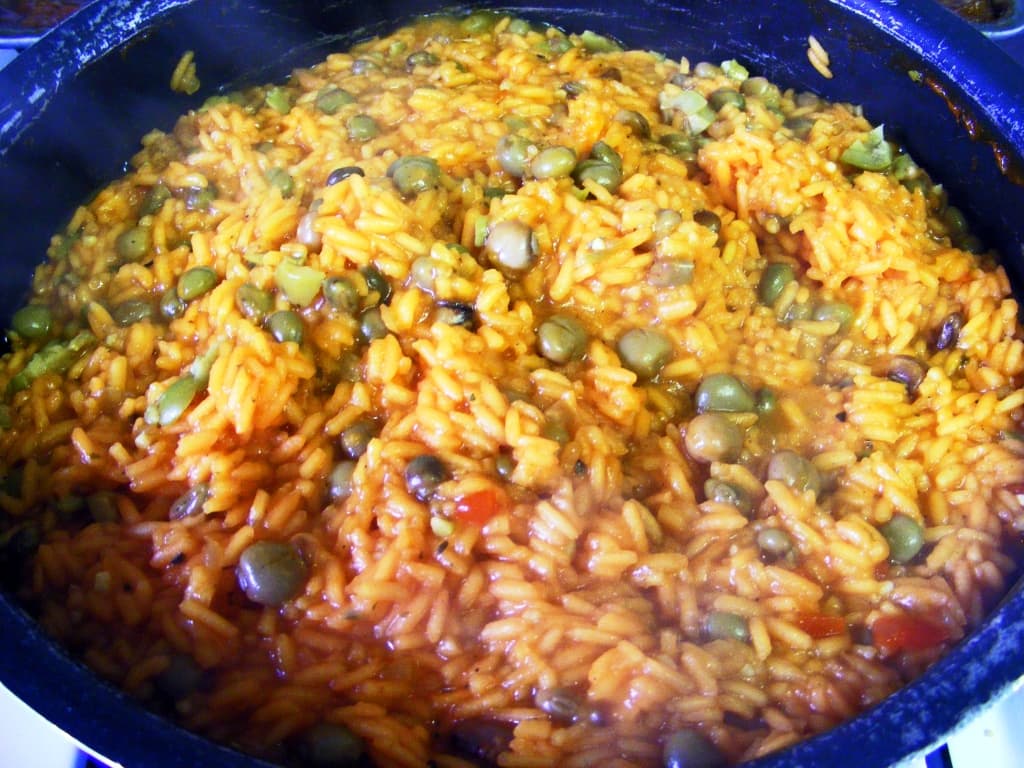
Before 1776
A Puerto Rican arroz con gandules made in one pot with medium-grain rice, pigeon peas, sofrito, sazon, pork, olives, and a patient steam for fluffy grains and coveted pegao.
America's Melting Pot
Artichoke Dip photo coming soon
Cross-era
Artichoke Dip is a party dip with real American table personality: California-to-suburban-party-table classic. It brings flavor from California, Hawaii, and the West Coast to cookouts, counters, lunch plates, potlucks, and weeknight suppers.
America's Melting Pot
Boysenberry Preserves photo coming soon
Cross-era
Boysenberry Preserves is a preserve with real American table personality: California berry culture; Walter Knott helped commercialize the boysenberry at what became Knott's Berry Farm. It brings flavor from California, Hawaii, and the West Coast to cookouts, counters, lunch plates, potlucks, and weeknight suppers.
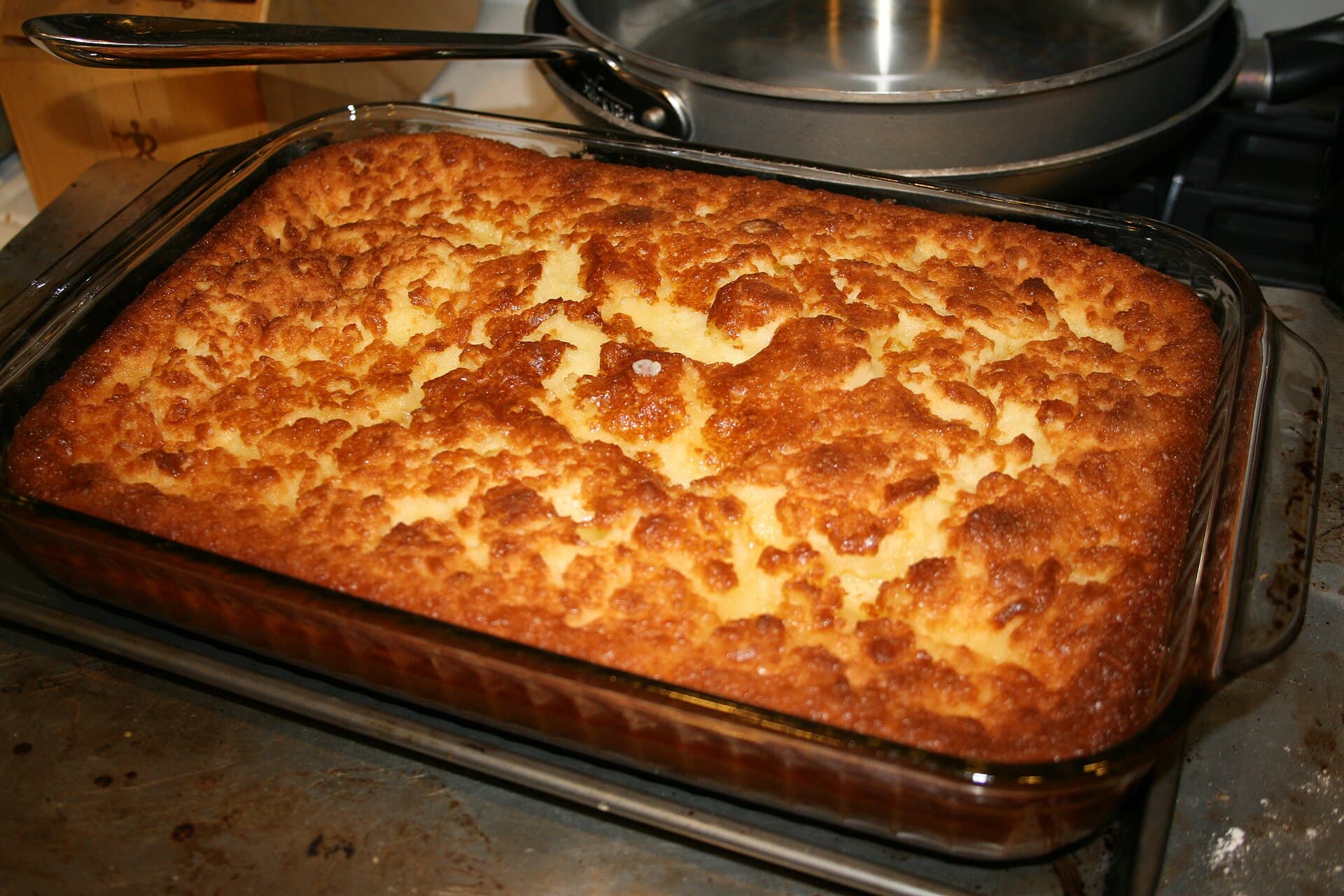
1900s-present
Butter mochi is beloved local Hawaii potluck food, with a chewy custard texture that reflects the islands' layered Japanese, Filipino, Portuguese, and local baking influences. It is easy to mix, travels well, and cuts into snackable squares.
America's Melting Pot
California Date Shake photo coming soon
Cross-era
California Date Shake salutes regional fruit country and the American dairy-stand tradition: Coachella Valley/Palm Springs.
America's Melting Pot
Chamorro Barbecue photo coming soon
1900s-present
A Guam fiesta-table barbecue of chicken, ribs, or beef marinated in a tangy soy-vinegar mixture and grilled over hot coals.
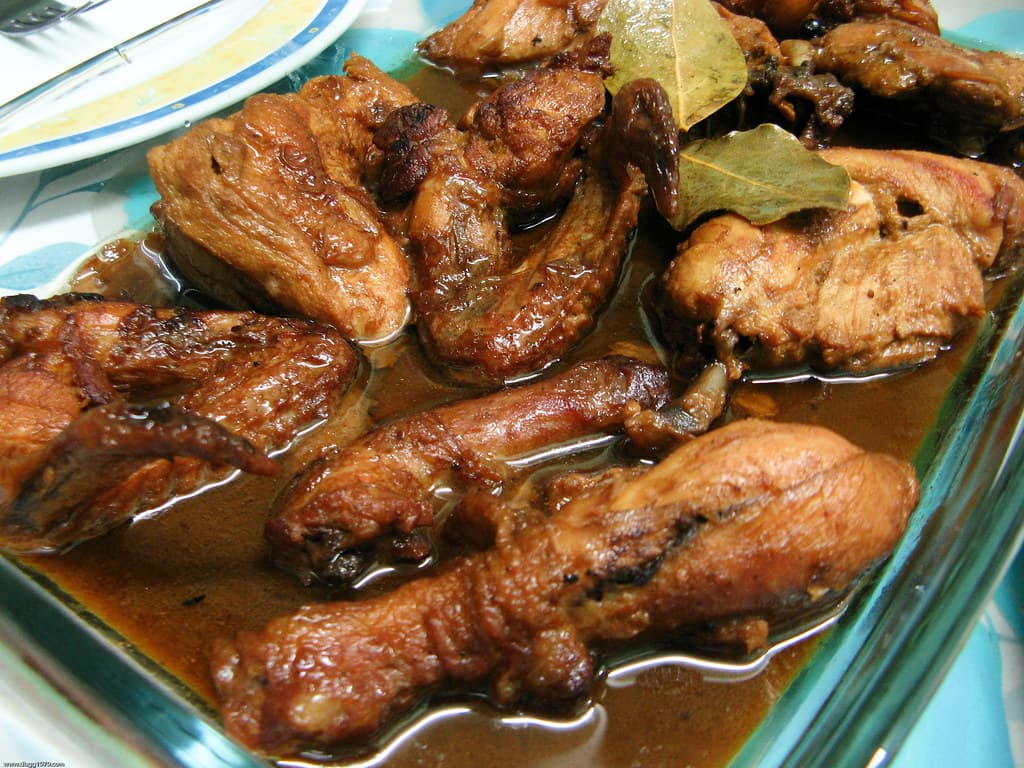
1900s-present
A Filipino and Filipino American staple of chicken simmered until tender in vinegar, soy sauce, garlic, bay leaves, and black pepper.
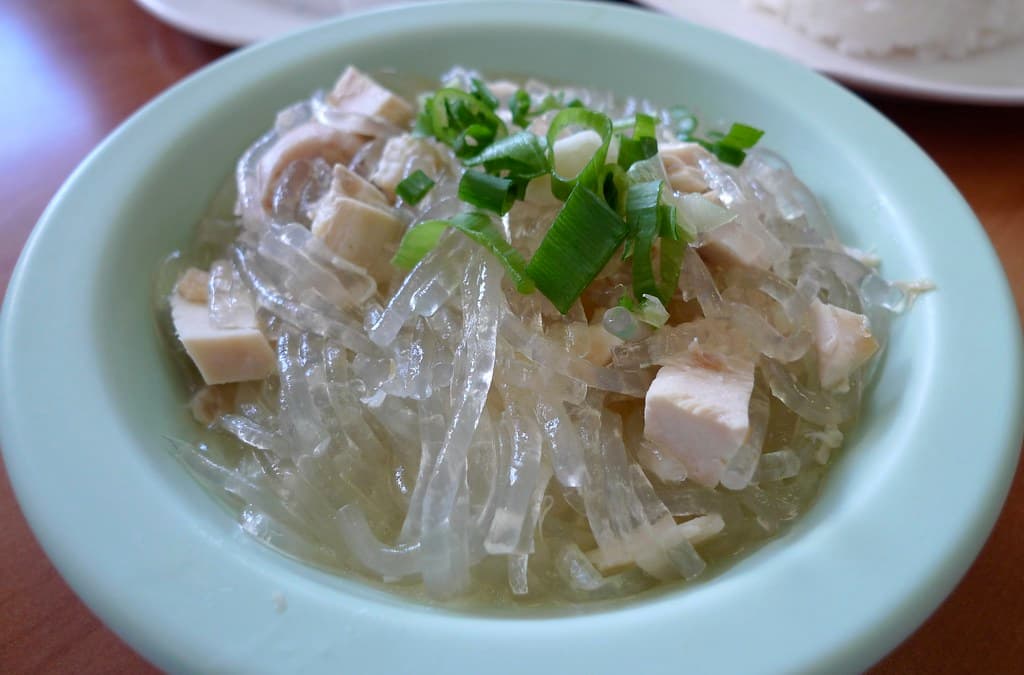
1861-1900
Chicken Long Rice is a comforting Hawaiian side featuring clear mung bean noodles simmered in chicken broth with shredded chicken, garlic, and ginger. This dish evolved through Hawaiian local and immigrant communities, reflecting influences from Asian and Portuguese-American cuisines and becoming a staple at family gatherings.
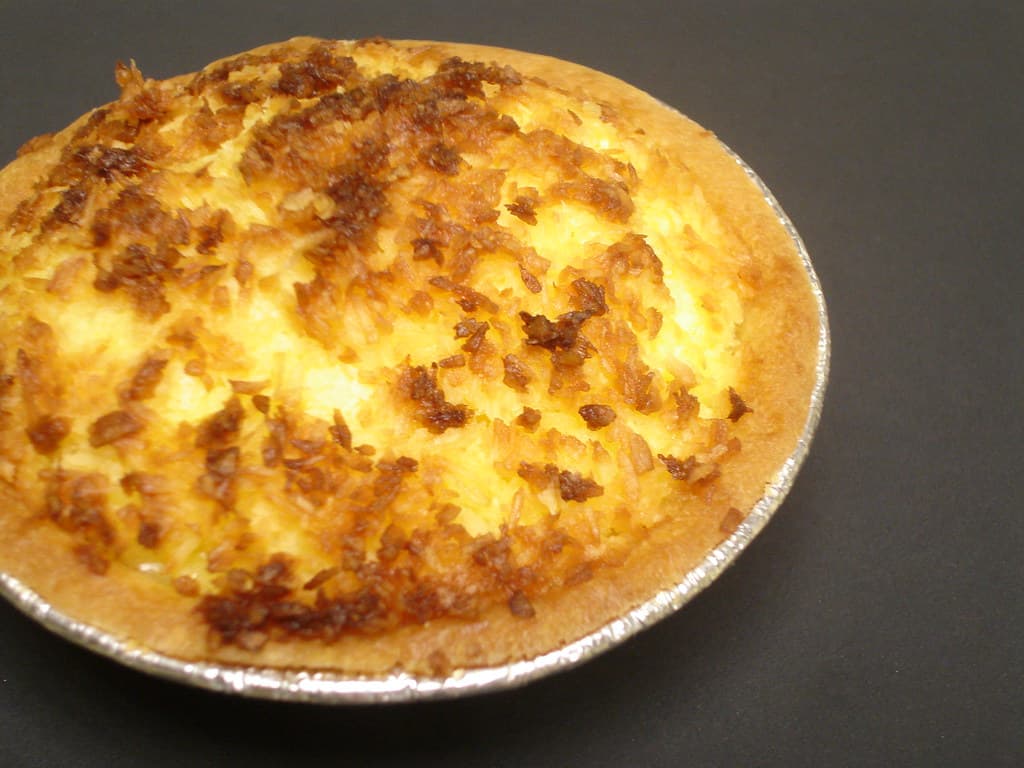
1900-1929
Coconut Tart is a traditional dessert found across U.S. territories and island communities such as Puerto Rico, Guam (Chamorro), the Philippines, and the U.S. Virgin Islands. This recipe features a flaky crust filled with sweetened coconut custard, highlighting indigenous and colonial culinary influences that span eras and geographies in American territories.
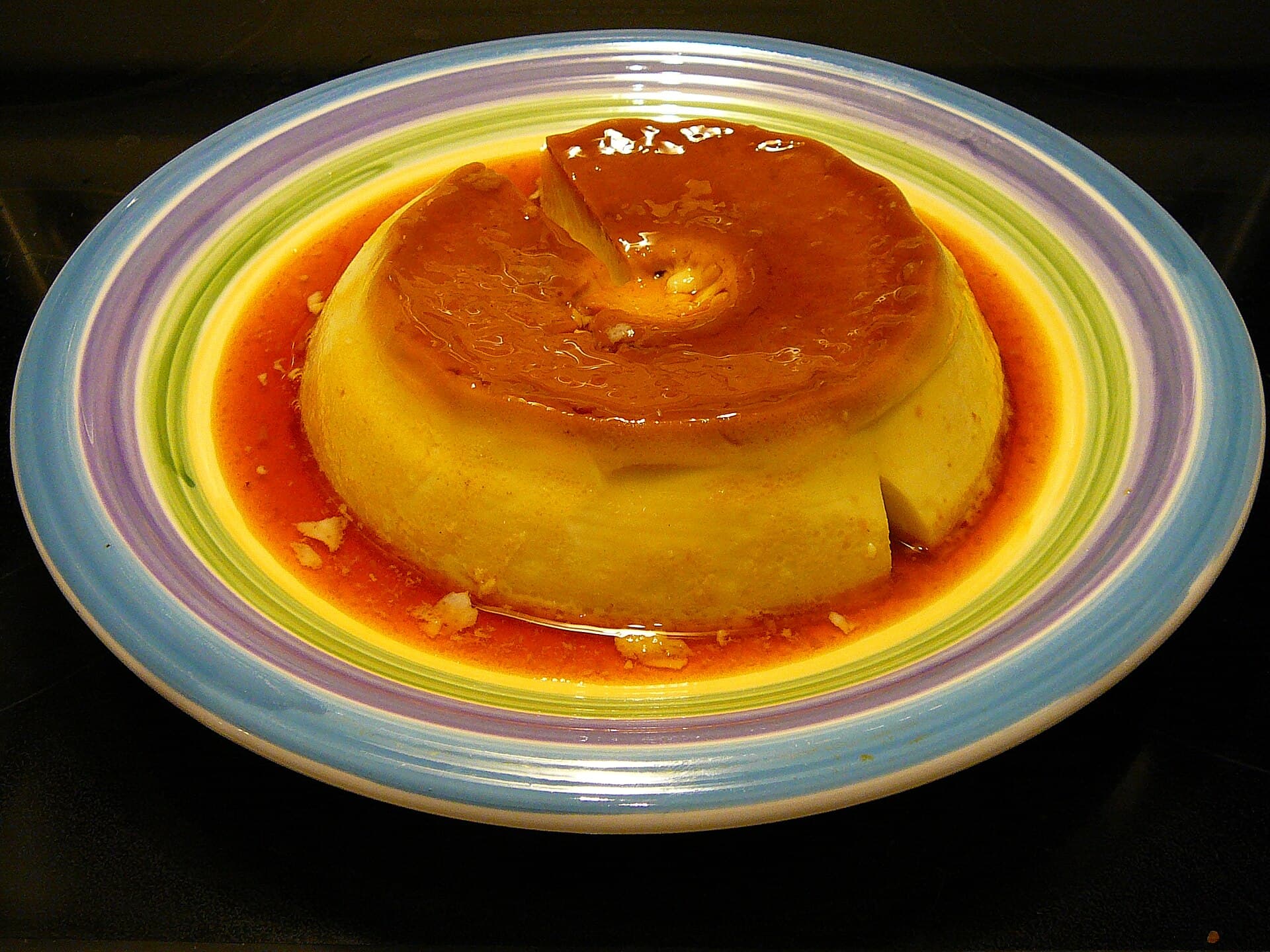
Before 1776
Flan is a smooth baked custard dessert topped with a layer of soft caramel. Popular in Puerto Rico, the Philippines, Guam, and Virgin Islands, it reflects colonial and cultural exchange blending Spanish dessert traditions with local ingredients.
America's Melting Pot
Florida Key Lime Shake photo coming soon
Cross-era
Florida Key Lime Shake salutes regional fruit country and the American dairy-stand tradition: Florida.
America's Melting Pot
Fresh Orange Juice Stand Drink photo coming soon
Modern Melting Pot
Fresh Orange Juice Stand Drink brings juice-bar color and American smoothie-counter energy to the glass: California citrus culture; Orange Julius started from this world.
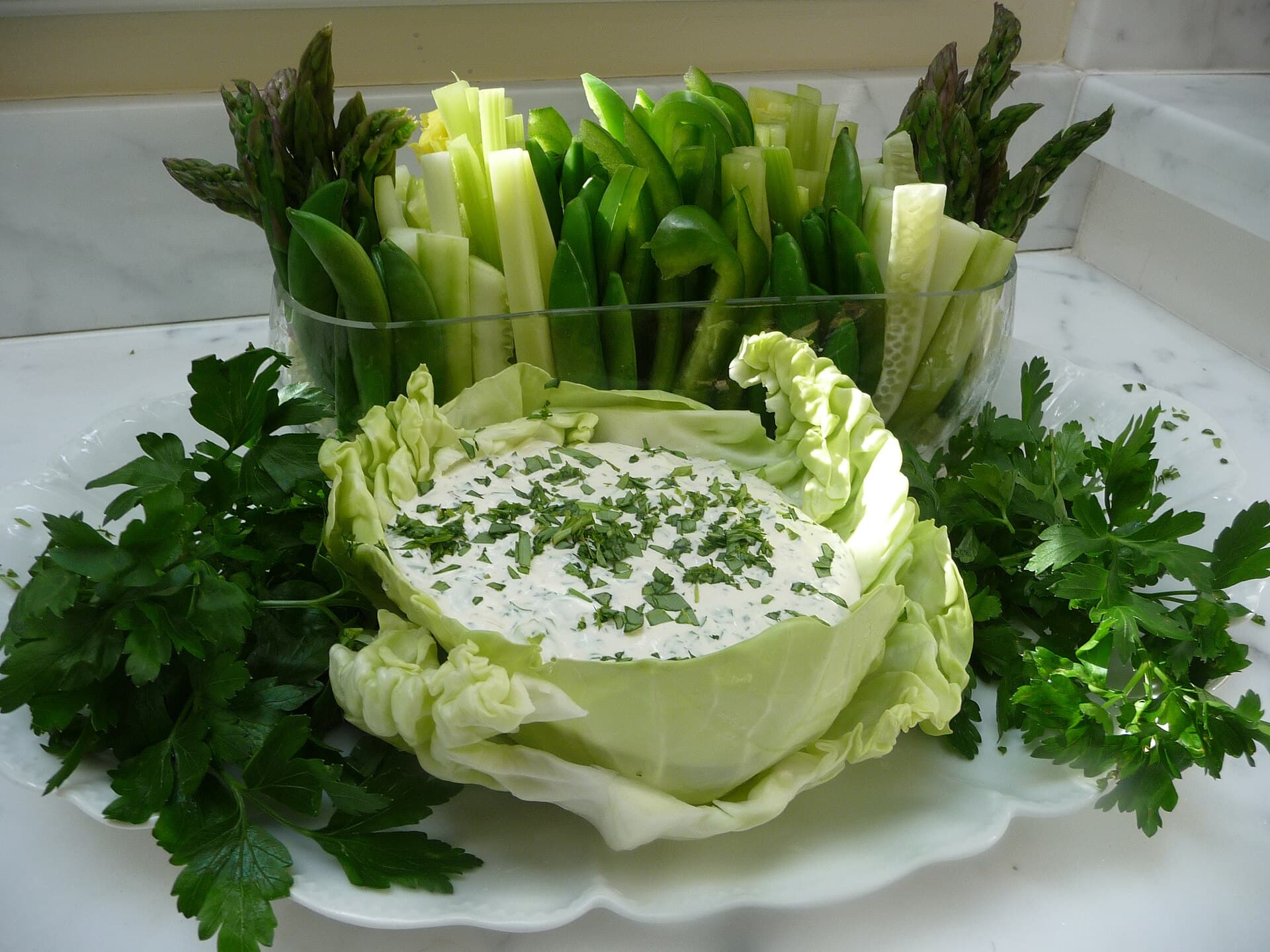
Industrial America
Green Goddess Dressing is a dressing with real American table personality: Created in 1920s San Francisco at the Palace Hotel; creamy, herb-heavy, often with anchovy and tarragon. It brings flavor from California, Hawaii, and the West Coast to cookouts, counters, lunch plates, potlucks, and weeknight suppers.
America's Melting Pot
Guam Kelaguen photo coming soon
Before 1776
Kelaguen is a traditional Chamorro dish from Guam, consisting of marinated meat or seafood typically chopped and served cold. Blending influences from Chamorro, Filipino, Puerto Rican, and other island cultures, it remains a cherished part of island American territories' food traditions.
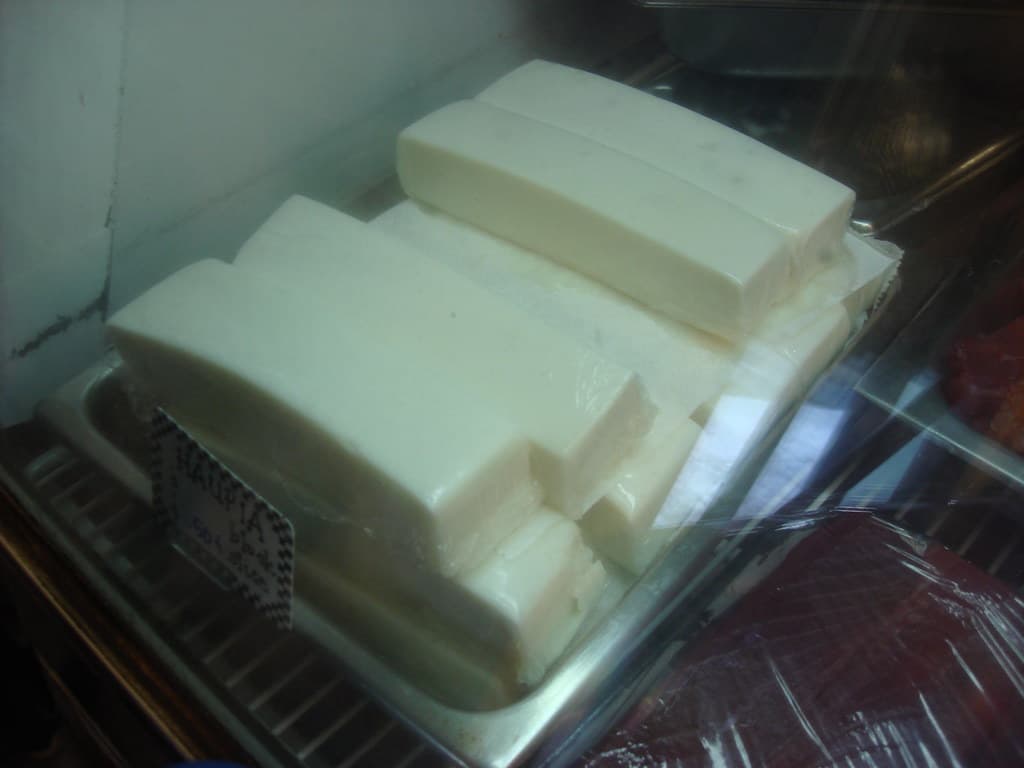
Native Foodways and Continuity
Haupia is a coconut milk-based pudding native to Hawaii often used in traditional and modern desserts. This dairy-free, gelatinous treat reflects Hawaiian cuisine's use of local ingredients and cultural fusion including Asian and Portuguese influences.
America's Melting Pot
Hawaii Haupia Shake photo coming soon
Cross-era
Hawaii Haupia Shake salutes regional fruit country and the American dairy-stand tradition: Hawaii coconut dessert influence.
America's Melting Pot
Hawaii Pineapple Shake photo coming soon
Cross-era
Hawaii Pineapple Shake salutes regional fruit country and the American dairy-stand tradition: Hawaii.
America's Melting Pot
Hawaiian Huli Huli Chicken photo coming soon
1945-2000
Huli Huli chicken is a Hawaiian grilled chicken marinated in a sweet-savory teriyaki-style sauce, cooked on a spit or grill. It captures Hawaii's barbecue culture blending native and immigrant flavors and is a festive dish for outdoor gatherings.
America's Melting Pot
Hawaiian Huli Huli Sauce photo coming soon
Cross-era
Hawaiian Huli Huli Sauce is a barbecue sauce with real American table personality: Soy, sugar, ginger, garlic, pineapple/tropical sweetness; Hawaiian barbecue culture. It brings flavor from California, Hawaii, and the West Coast to cookouts, counters, lunch plates, potlucks, and weeknight suppers.
America's Melting Pot
Hawaiian Plate Lunch photo coming soon
2010-2026
The Hawaiian plate lunch is a popular meal combining rice, macaroni salad, and a main protein such as teriyaki chicken or kalua pork. It embodies Hawaii's multicultural culinary influences and is a favored casual dining staple in contemporary Hawaiian food culture.
1970-1989
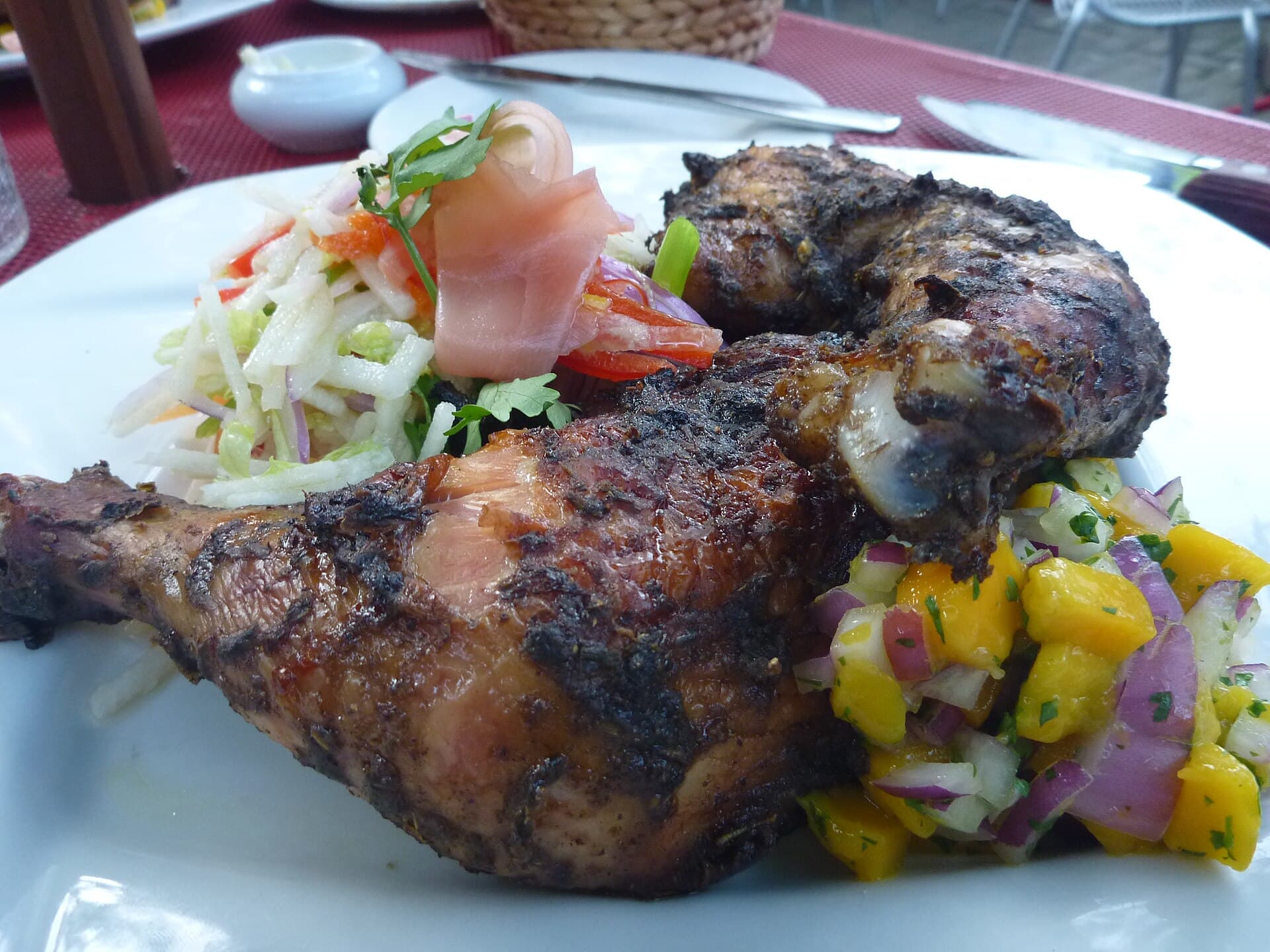
Jerk chicken is a spicy grilled poultry dish originating from Jamaica, adapted into suburban American cooking in the 1990s and 2000s. It features chicken marinated in a blend of Scotch bonnet peppers, allspice, thyme, and other herbs, bringing Caribbean flavors to American backyards and supermarkets.
Before 1776
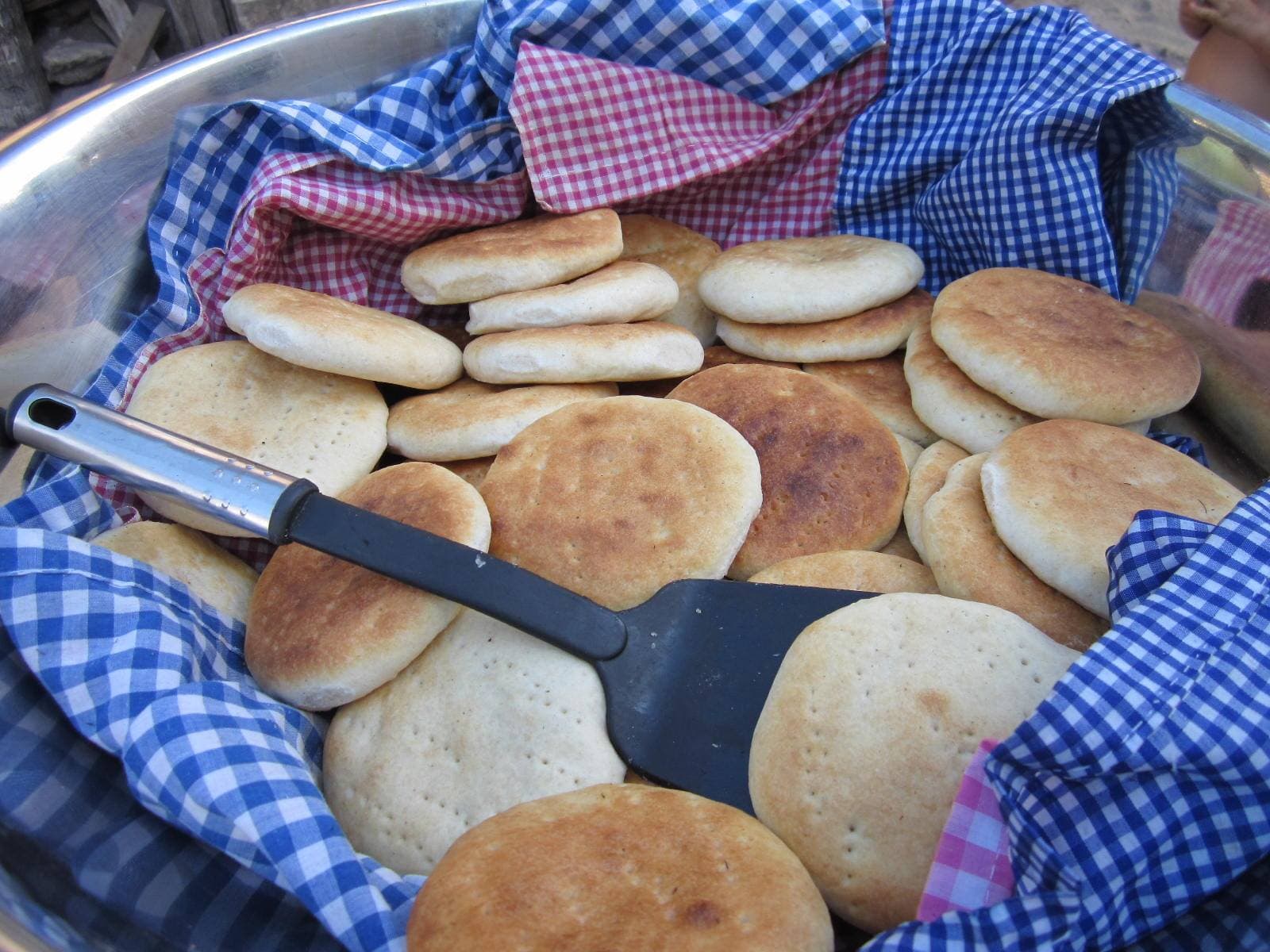
Johnny Cakes, as known in Puerto Rican, Chamorro, Filipino-American, and Virgin Islands cuisines, are fried cornmeal cakes served as snacks or side dishes. This cross-era preparation exemplifies the cultural blending in American island territories, combining influences from indigenous, Spanish, and Pacific Islander cooking.
America's Melting Pot
Kale Pineapple Smoothie photo coming soon
Modern Melting Pot
Kale Pineapple Smoothie brings juice-bar color and American smoothie-counter energy to the glass: 2010s health-food flavor.
Native Foodways and Continuity
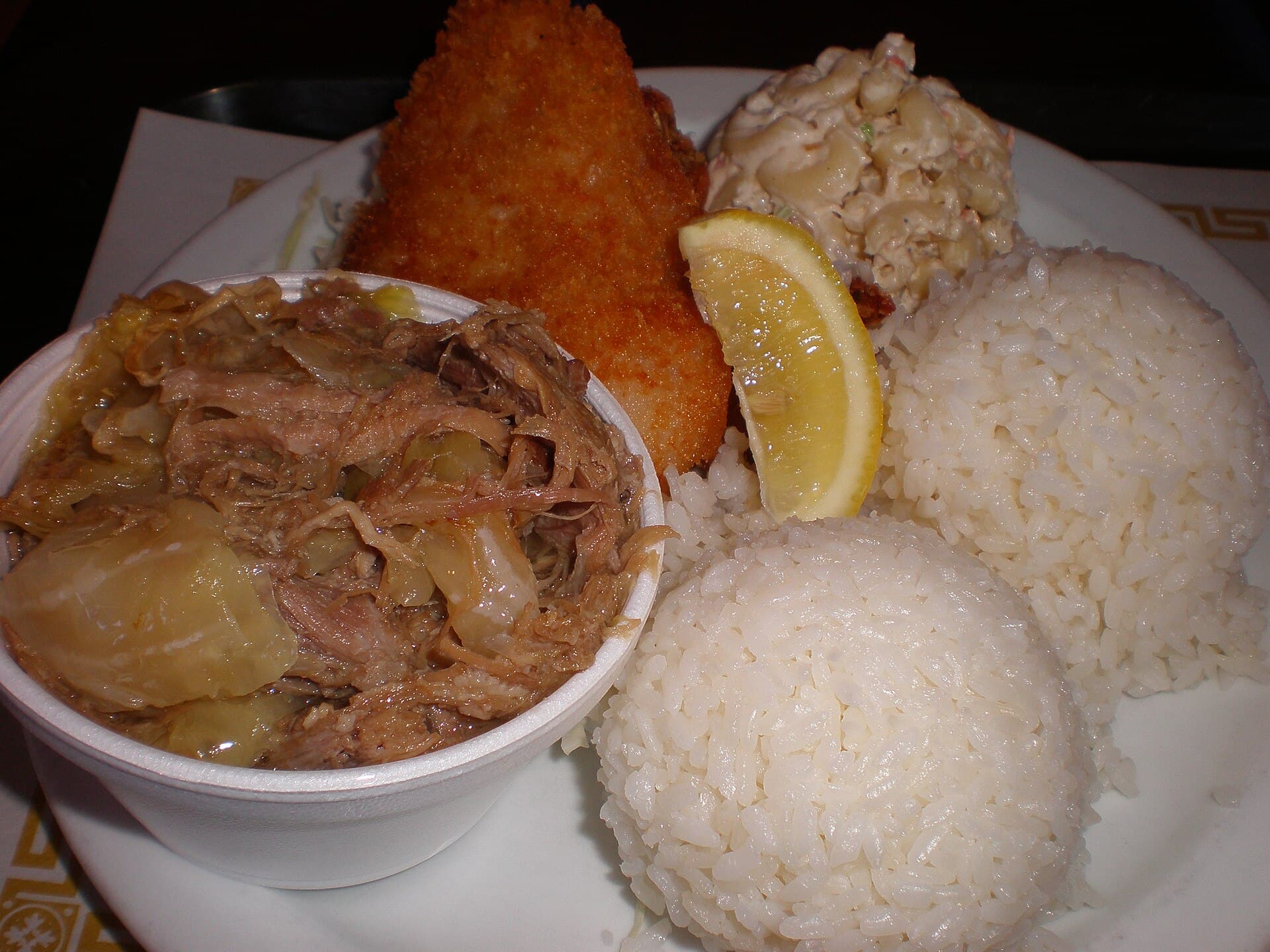
Kalua pork is a Hawaiian dish featuring whole pork shoulder or butt slow-cooked with liquid smoke or in an imu (underground oven) until tender and smoky. It blends indigenous Hawaiian cooking methods with influences from Asian and Portuguese immigrants, becoming a centerpiece of Hawaiian luaus and celebrations.
America's Melting Pot
Key Lime Pie Shake photo coming soon
Postwar & Diner Age
Key Lime Pie Shake brings drive-in, carhop, and fast-food dessert-counter energy to the table: Florida dessert influence.
2010-2026
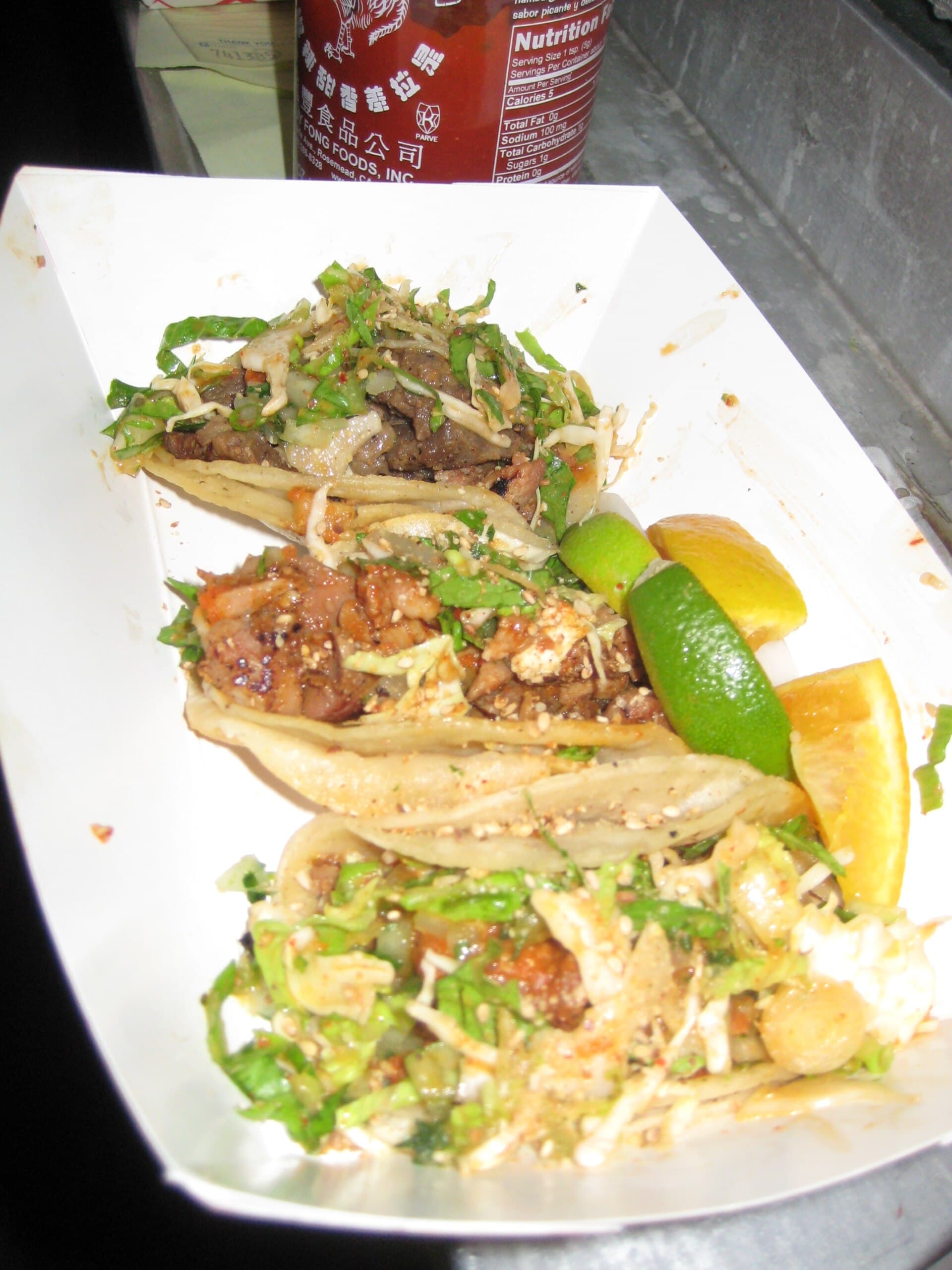
Korean BBQ tacos originated as a culinary fusion in the 2010s blending Korean marinated meats with traditional Mexican taco elements. Popularized in food trucks and markets, these tacos feature grilled Korean-style beef or pork topped with fresh slaw, kimchi, and spicy sauces, reflecting dynamic cultural intersections in American street food.
1861-1900
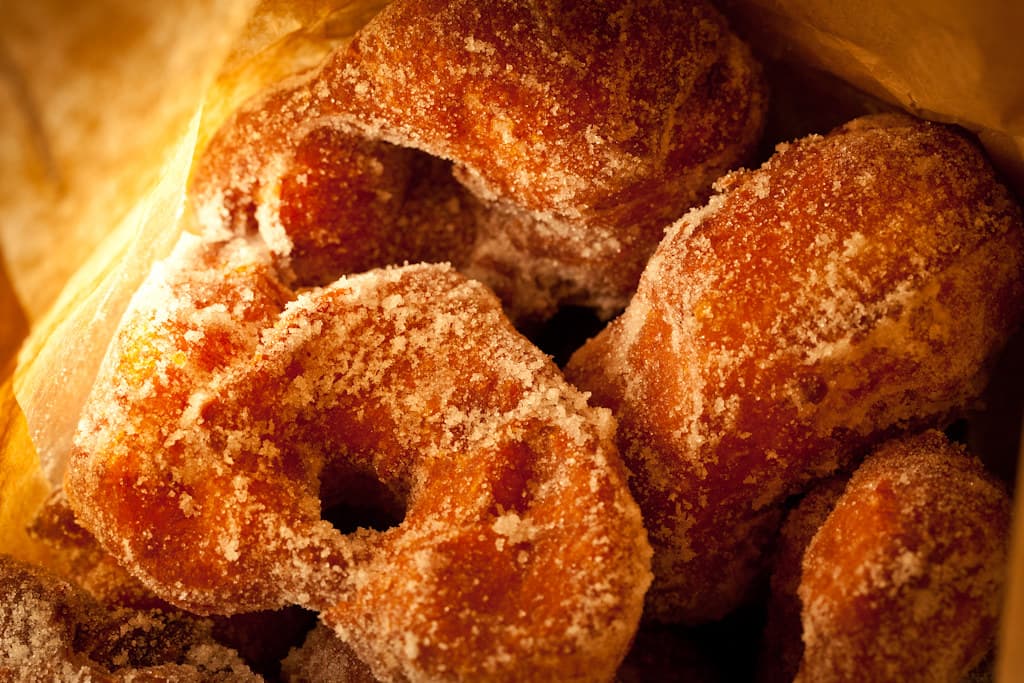
Malasadas are Portuguese-style fried doughnuts, soft and fluffy, rolled in sugar, introduced to Hawaii by Portuguese immigrant workers. Adopted widely in Hawaiian breakfasts and celebrations, malasadas exemplify the blending of immigrant traditions with local food culture, enjoyed across generations and served in bakeries and breakfast tables across the islands.
America's Melting Pot
Mango Pineapple Smoothie photo coming soon
Modern Melting Pot
Mango Pineapple Smoothie brings juice-bar color and American smoothie-counter energy to the glass: Mall and airport smoothie bar flavor.
Before 1776
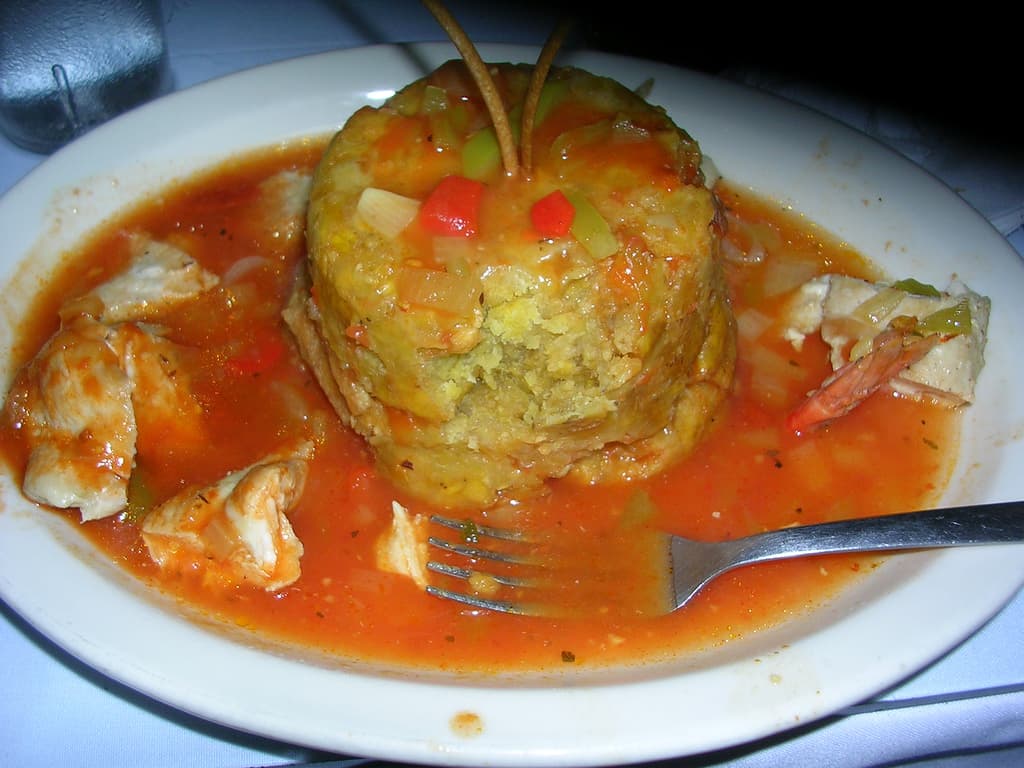
Mofongo is a traditional dish of mashed fried plantains combined with garlic, olive oil, and pork cracklings, originating from Puerto Rican and other Caribbean island communities. It holds a cross-era place in Territories and Island America foodways, blending African, Spanish, and indigenous influences. Mofongo is a staple in Puerto Rican, Chamorro, Filipino-American, and Virgin Islands kitchens, embodying diverse island cultural heritage.
America's Melting Pot
Olallieberry Jam photo coming soon
Cross-era
Olallieberry Jam is a preserve with real American table personality: California coastal berry preserve. It brings flavor from California, Hawaii, and the West Coast to cookouts, counters, lunch plates, potlucks, and weeknight suppers.
1970-1989
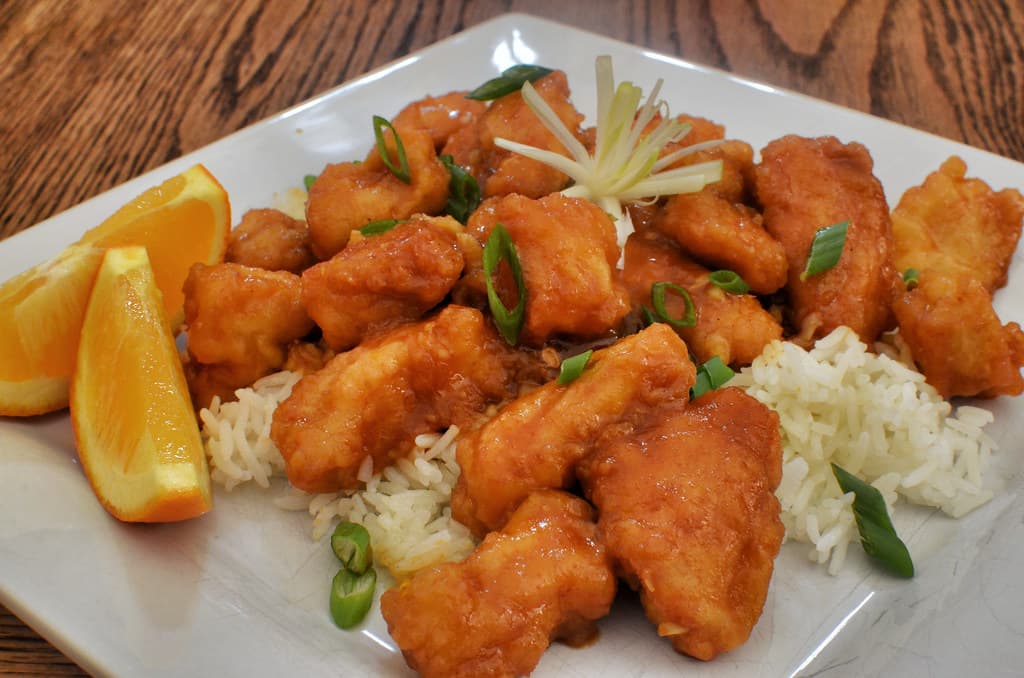
Orange Chicken is a popular Chinese-American fried chicken dish coated in a sweet, tangy orange-flavored sauce. Emerging from Chinese immigrant restaurant cuisines in early 20th century America, it has become a ubiquitous menu item blending American tastes with Chinese culinary techniques.
America's Melting Pot
Orange-Pineapple Julius photo coming soon
Postwar & Diner Age
Orange-Pineapple Julius carries the bright, frothy spirit of American mall counters: Tropical mall classic.
America's Melting Pot
Original Orange Julius photo coming soon
Postwar & Diner Age
Original Orange Julius carries the bright, frothy spirit of American mall counters: Orange juice, dairy/egg-white-style foam tradition, sugar, vanilla; mall America icon.
1900-1929
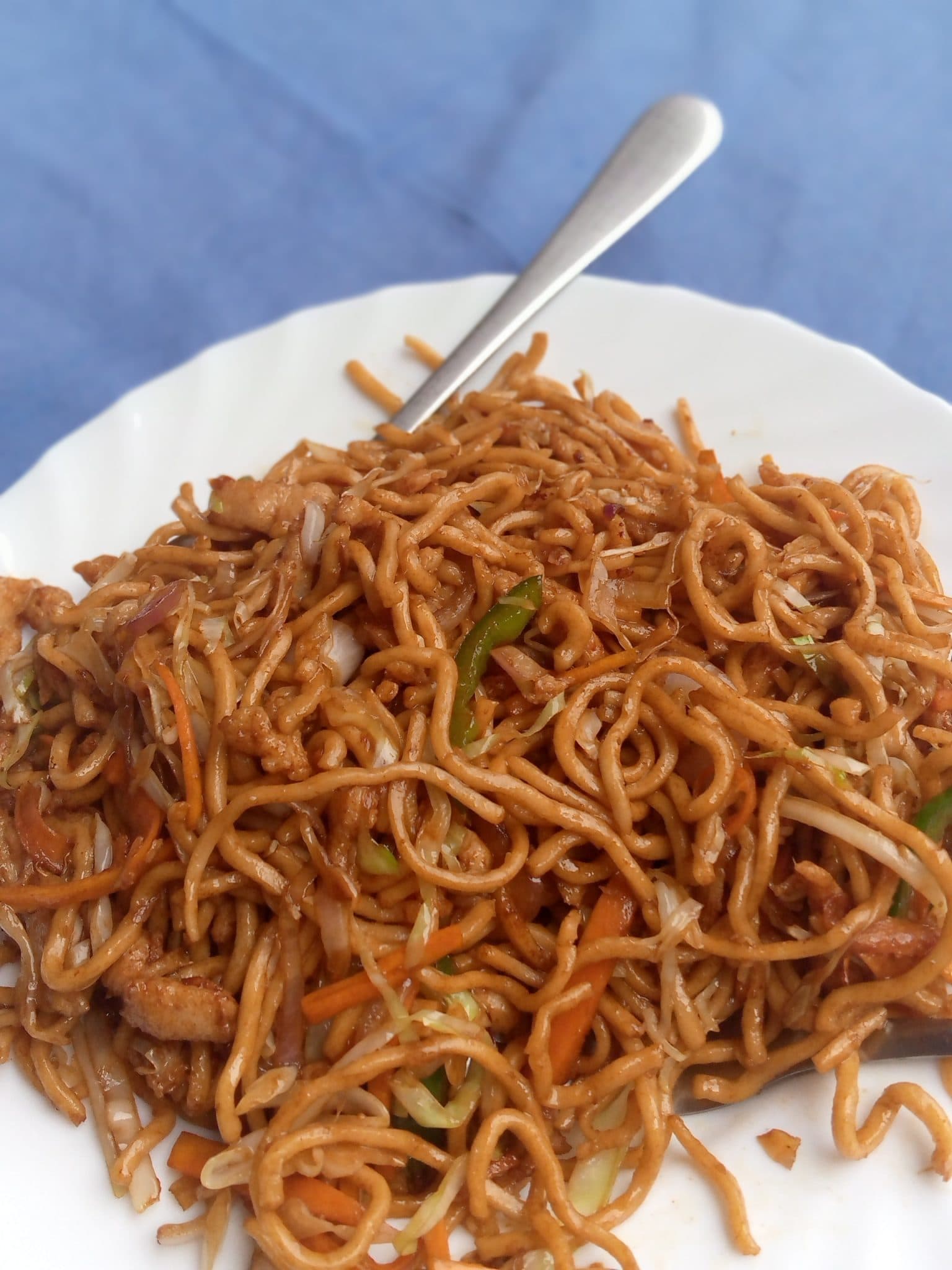
Pancit is a traditional Filipino noodle dish adapted in American territories and communities, combining rice noodles with stir-fried vegetables, meats, and seasonings. It is a staple at celebrations and represents cultural heritage in various US island and territorial communities.
Cross-era
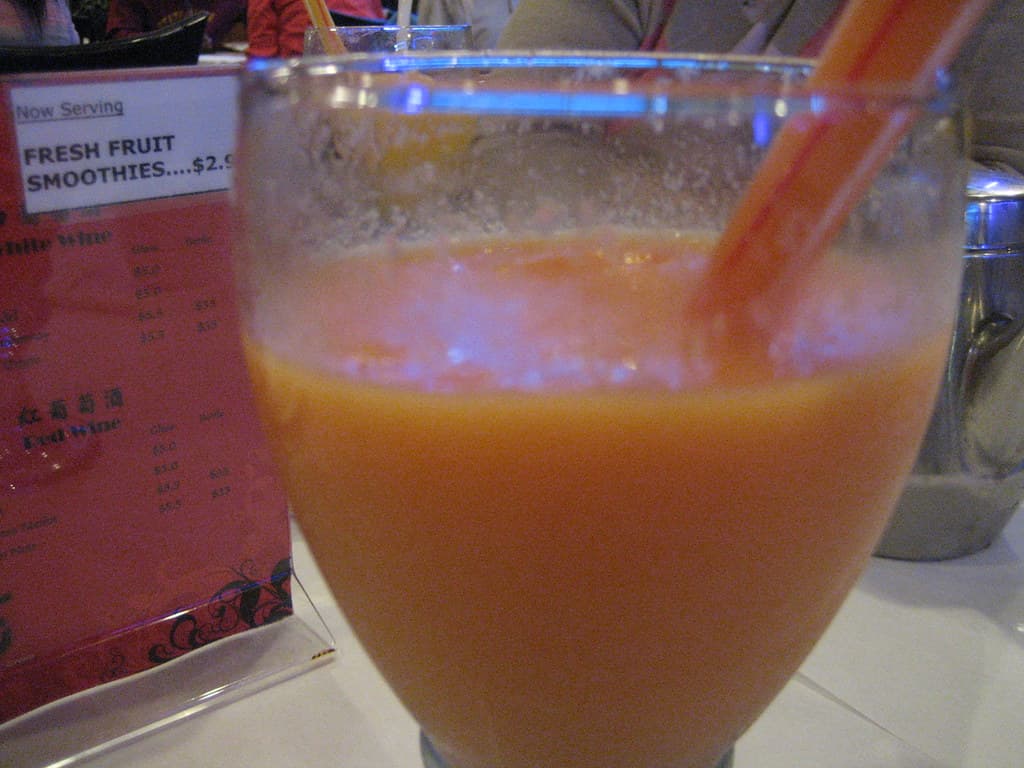
Papaya Smoothie salutes regional fruit country and the American dairy-stand tradition: Florida/Caribbean-American.
America's Melting Pot
Pasteles photo coming soon
Before 1776
Pasteles are savory Puerto Rican and island-style tamale-like parcels made with green banana dough filled with seasoned meats and wrapped in banana leaves, then boiled. A cultural staple in island communities and diaspora celebrations.
America's Melting Pot
Pineapple Coconut Smoothie photo coming soon
Modern Melting Pot
Pineapple Coconut Smoothie brings juice-bar color and American smoothie-counter energy to the glass: Pina colada without the booze.
America's Melting Pot
Pineapple Julius photo coming soon
Postwar & Diner Age
Pineapple Julius carries the bright, frothy spirit of American mall counters: Tropical variation.
America's Melting Pot
Pineapple Malt photo coming soon
Postwar & Diner Age
Pineapple Malt pours old-school malt-shop cheer into a cold glass: Tropical old soda fountain style.
America's Melting Pot
Pineapple Shake photo coming soon
Postwar & Diner Age
Pineapple Shake pours old-school malt-shop cheer into a cold glass: Tropical soda fountain flavor.
1900-1929
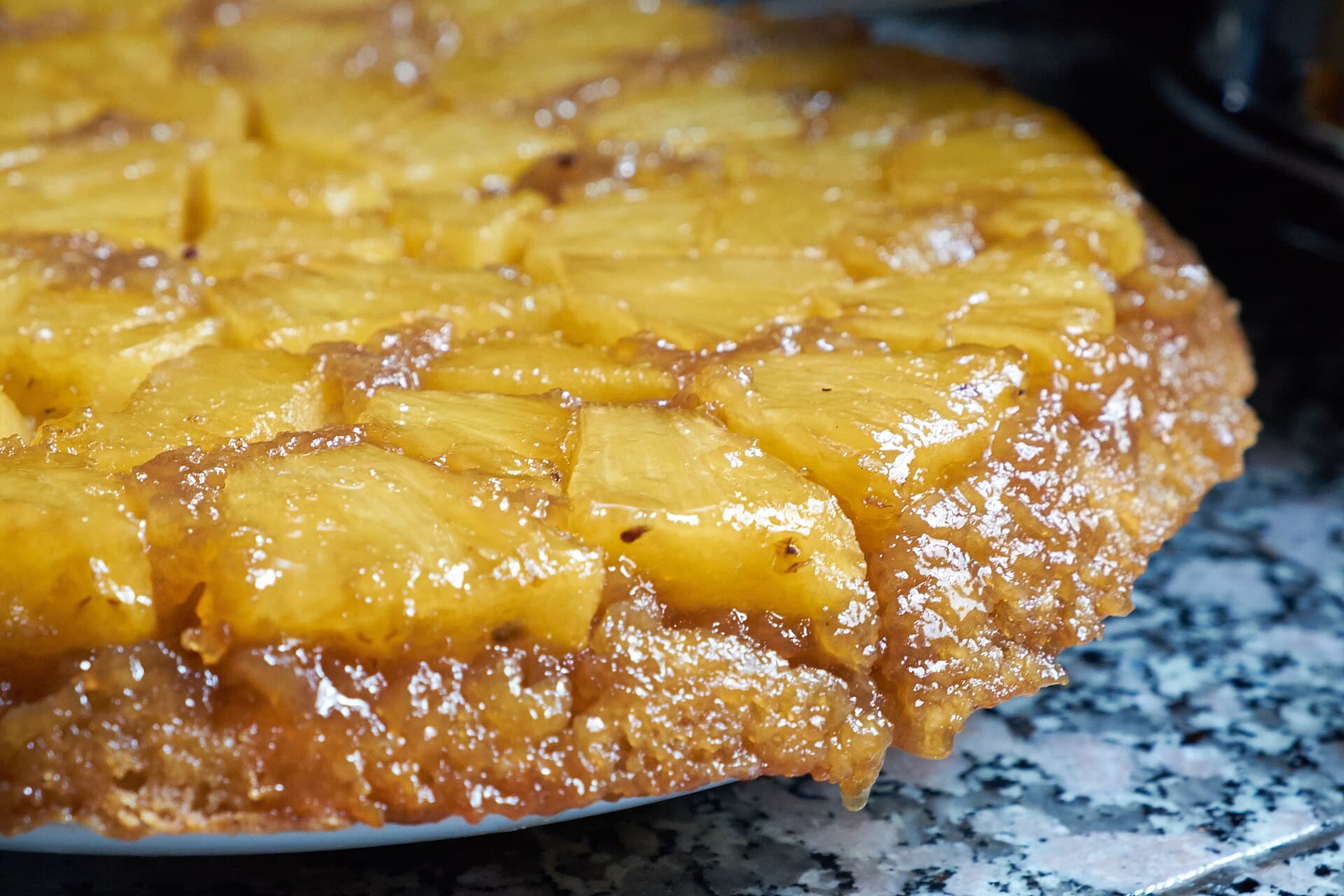
Pineapple Upside-Down Cake is a classic 1970s American dessert featuring pineapple rings caramelized in brown sugar and butter atop a moist yellow cake. Baked upside down and flipped for serving, it became a popular party and tailgate dessert showcasing tropical flavors in a home-friendly format.
America's Melting Pot
Pineapple Vanilla Shake photo coming soon
Postwar & Diner Age
Pineapple Vanilla Shake pours old-school malt-shop cheer into a cold glass: Old-school ice cream stand flavor.
1861-1900
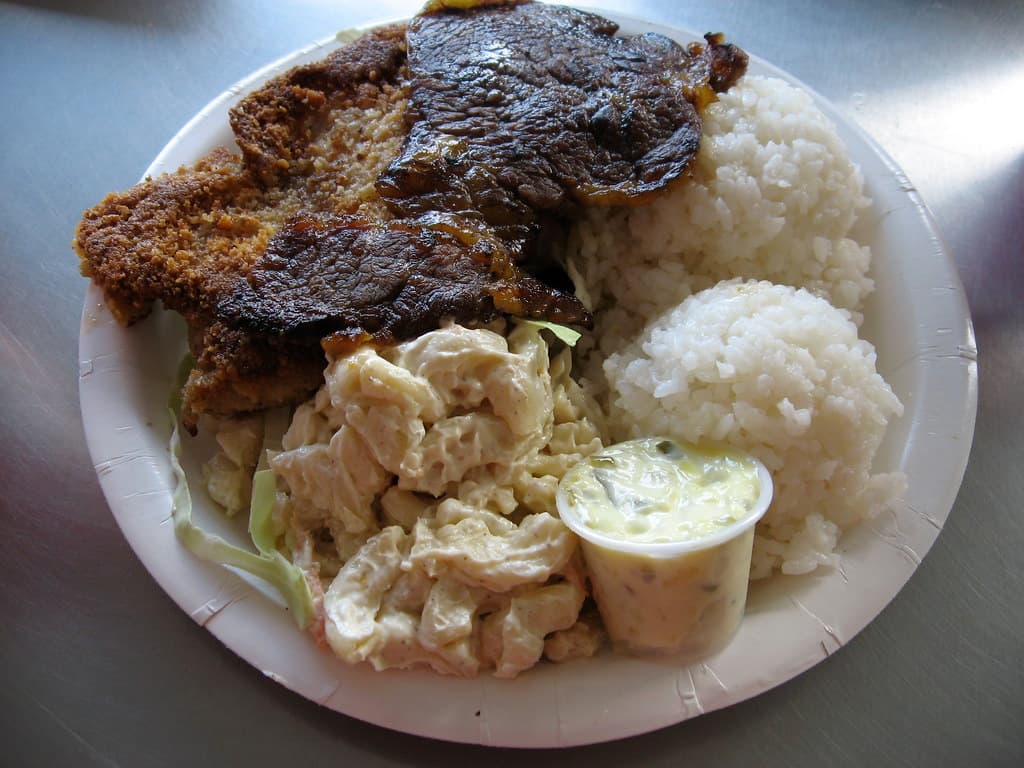
Plate Lunch is a Hawaiian staple featuring a protein portion served with rice and macaroni salad, showcasing Asian-Pacific, Hawaiian, and Portuguese influences. It embodies Hawaii's multicultural heritage by combining native and immigrant culinary traditions accessible throughout the islands.
Native Foodways and Continuity
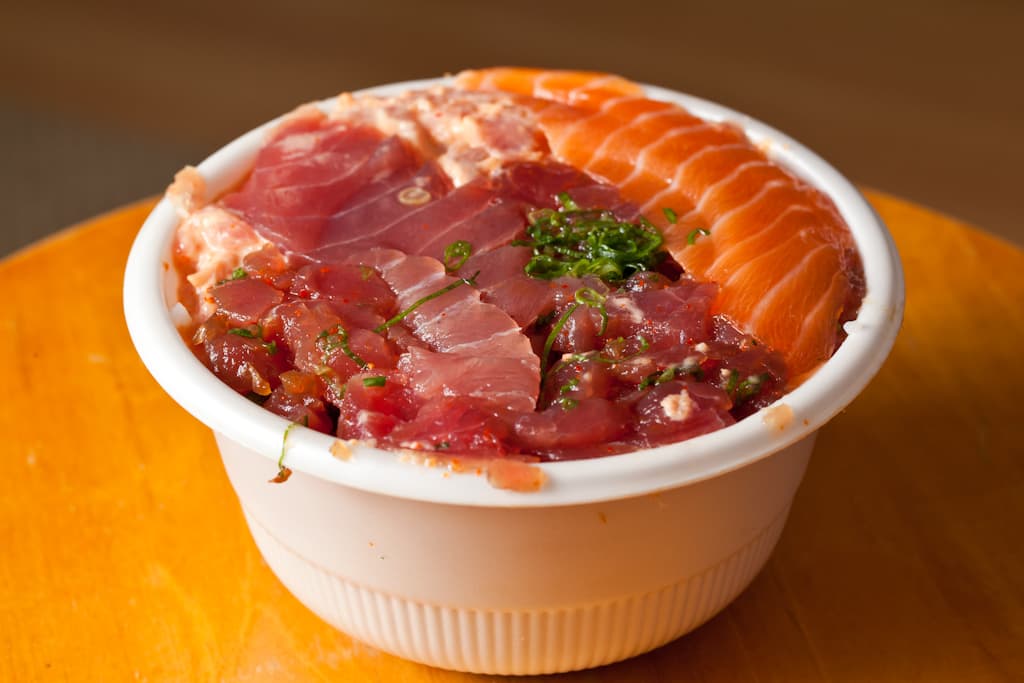
Poke is a Hawaiian dish featuring fresh raw fish, typically tuna, marinated in soy sauce, sesame oil, and other seasonings. It reflects the blending of Native Hawaiian culinary traditions with Asian and Portuguese immigrant influences on the islands.
America's Melting Pot
Poke Bowls photo coming soon
2010-2026
Poke bowls build upon traditional Hawaiian poke by serving raw marinated fish atop rice and a variety of fresh toppings, reflecting recent food truck and fusion trends blending Hawaiian and mainland American tastes.
1861-1900
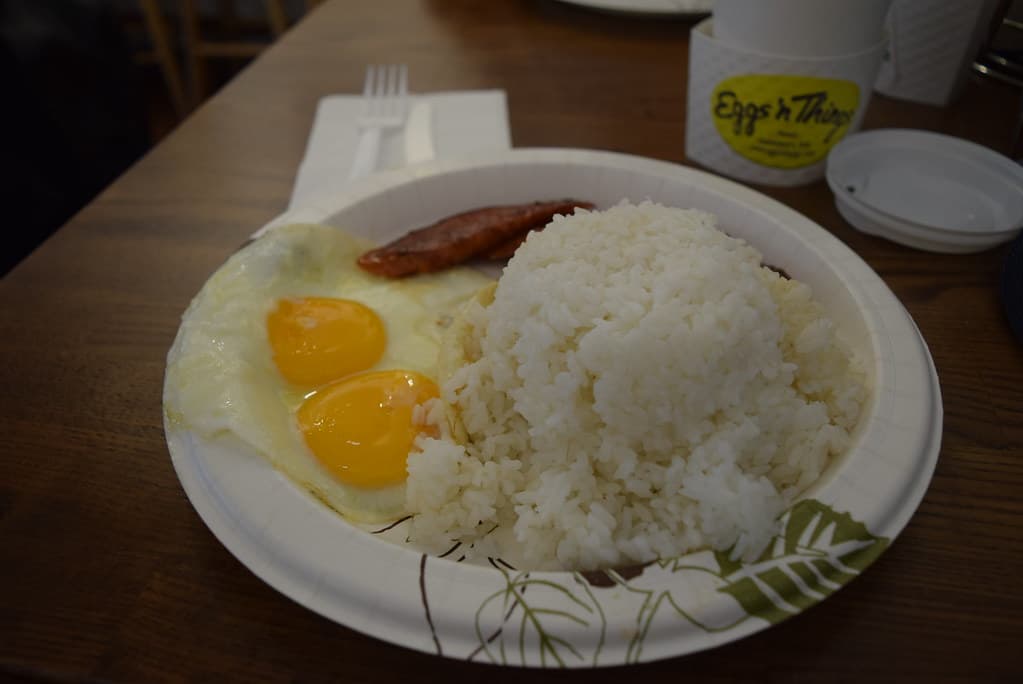
Portuguese Sausage and Eggs is a popular traditional breakfast in Hawaii combining savory Portuguese sausage with fried eggs to reflect immigrant influence on local food culture.
America's Melting Pot
Puerto Rican Mamey Shake photo coming soon
Cross-era
Puerto Rican Mamey Shake salutes regional fruit country and the American dairy-stand tradition: Puerto Rican-American kitchens.
America's Melting Pot
Puerto Rican Pernil photo coming soon
Before 1776
Puerto Rican Pernil is a flavorful marinated pork shoulder slow-roasted to tender perfection. It is an iconic dish in Puerto Rico and other island territories, deeply embedded in festive and family celebrations.
America's Melting Pot
Rumaki photo coming soon
1946-1969
Rumaki is an appetizer featuring water chestnuts and chicken liver wrapped in bacon, marinated and baked or fried. Popularized during the postwar suburban cocktail party era, rumaki reflects mid-20th century American tastes and fascination with exotic flavors.
1900-1929
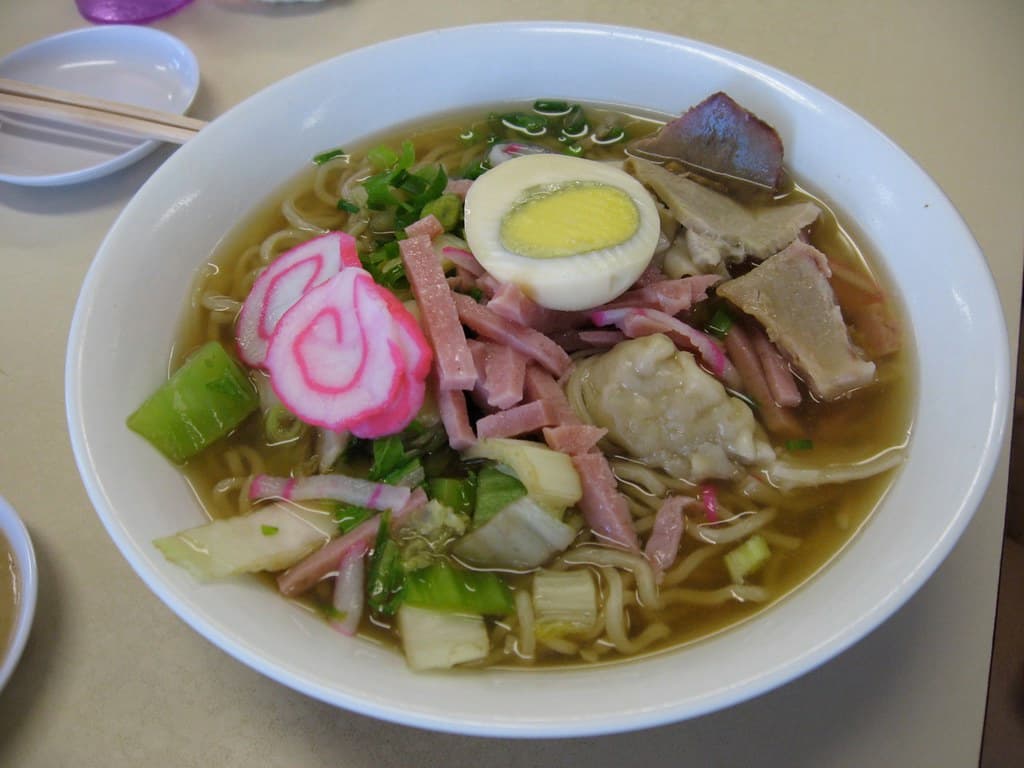
Saimin is a noodle soup combining wheat noodles in a light broth with garnishes such as green onions, char siu pork, and seaweed. It emerged in Hawaii through fusion of Hawaiian, Asian-Pacific American, and Portuguese-American culinary traditions reflecting diverse immigration patterns.
America's Melting Pot
Santa Maria Salsa / Pinquito Bean Sauce photo coming soon
Cross-era
Santa Maria Salsa / Pinquito Bean Sauce is a barbecue sauce with real American table personality: Central California tri-tip tradition. It brings flavor from California, Hawaii, and the West Coast to cookouts, counters, lunch plates, potlucks, and weeknight suppers.
1900-1929
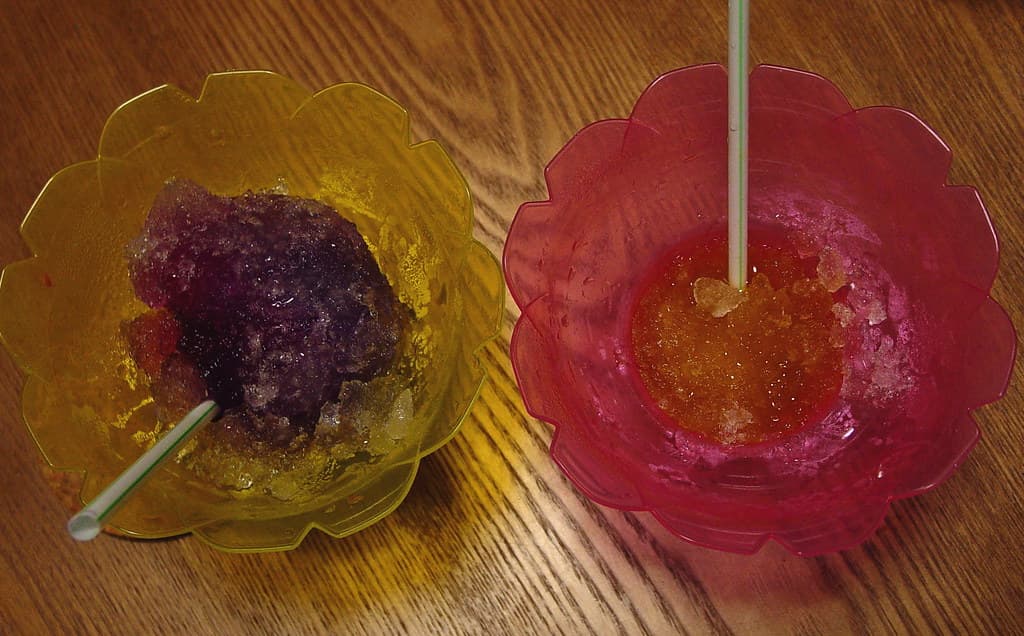
Shave Ice is a finely shaved ice dessert popular in Hawaii featuring colorful flavored syrups and often toppings such as sweetened beans or mochi. It reflects the blending of native Hawaiian, Asian-Pacific, and Portuguese-American influences and remains a beloved tropical refreshment.
1930-1945
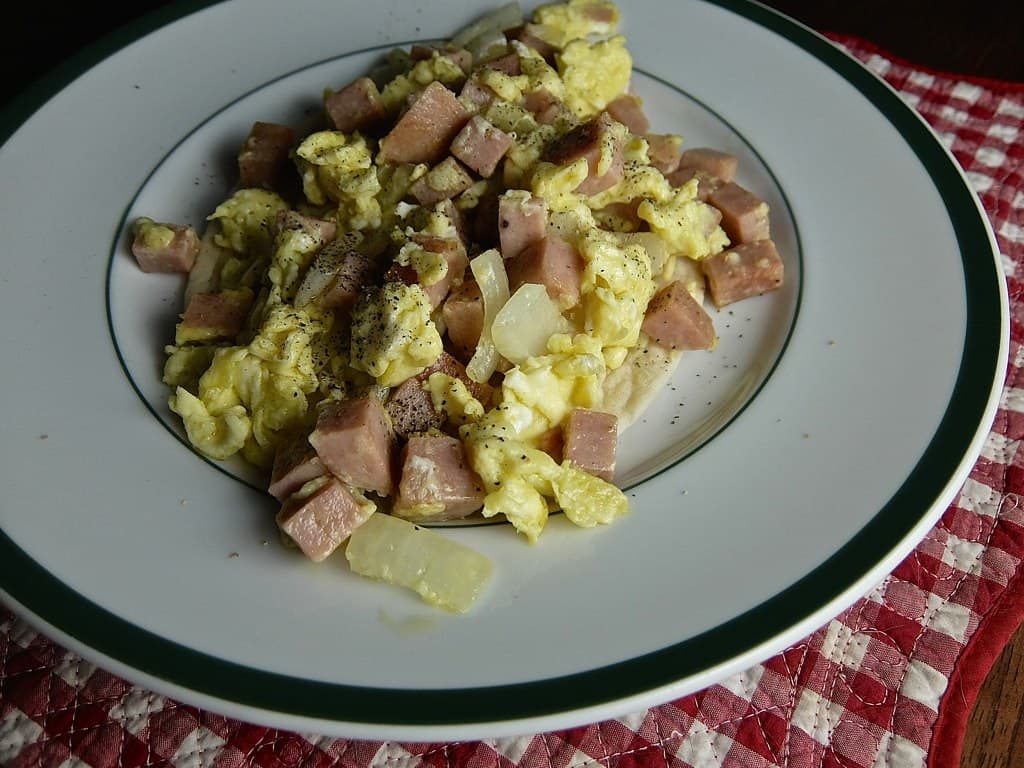
Spam and eggs became a practical breakfast during the 1930s-40s, when wartime rationing and economic hardship made canned meat a convenient protein source. It reflects American home front adaptations to food scarcity combined with comfort food ideas.
1930-1945
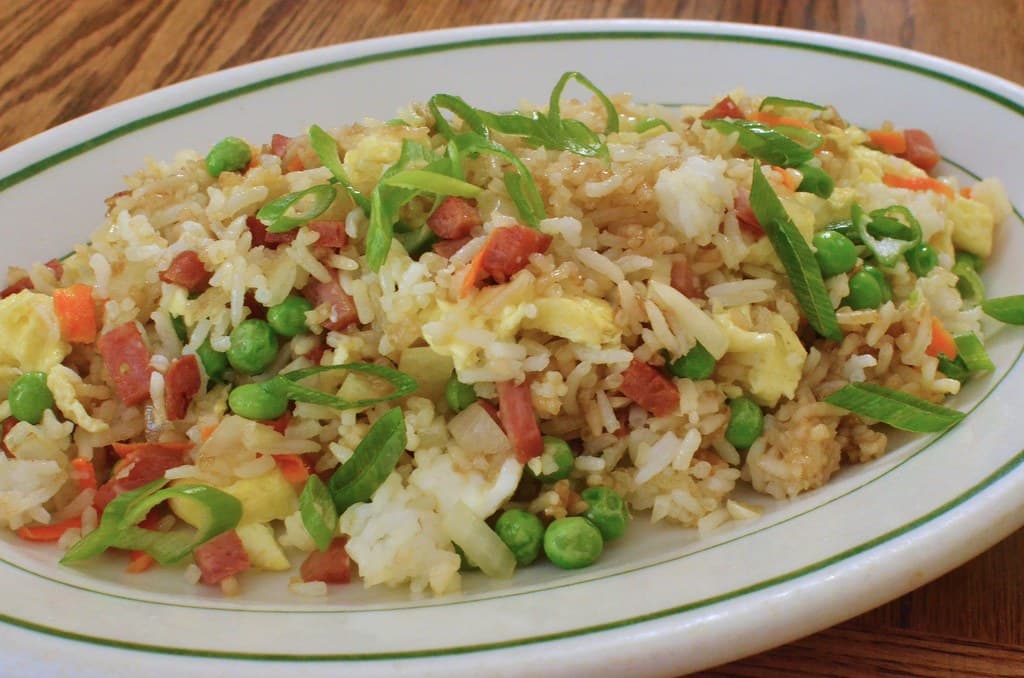
Spam fried rice arose during World War II when ingredients like fresh meat were scarce, especially in Pacific and Asian-American communities. The dish combines fried rice with Spam, reflecting resourcefulness and fusion during wartime kitchens.
America's Melting Pot
Teriyaki Burger Sauce photo coming soon
Cross-era
Teriyaki Burger Sauce is a sandwich sauce with real American table personality: Hawaiian/West Coast/Japanese-American fusion. It brings flavor from California, Hawaii, and the West Coast to cookouts, counters, lunch plates, potlucks, and weeknight suppers.
Before 1776
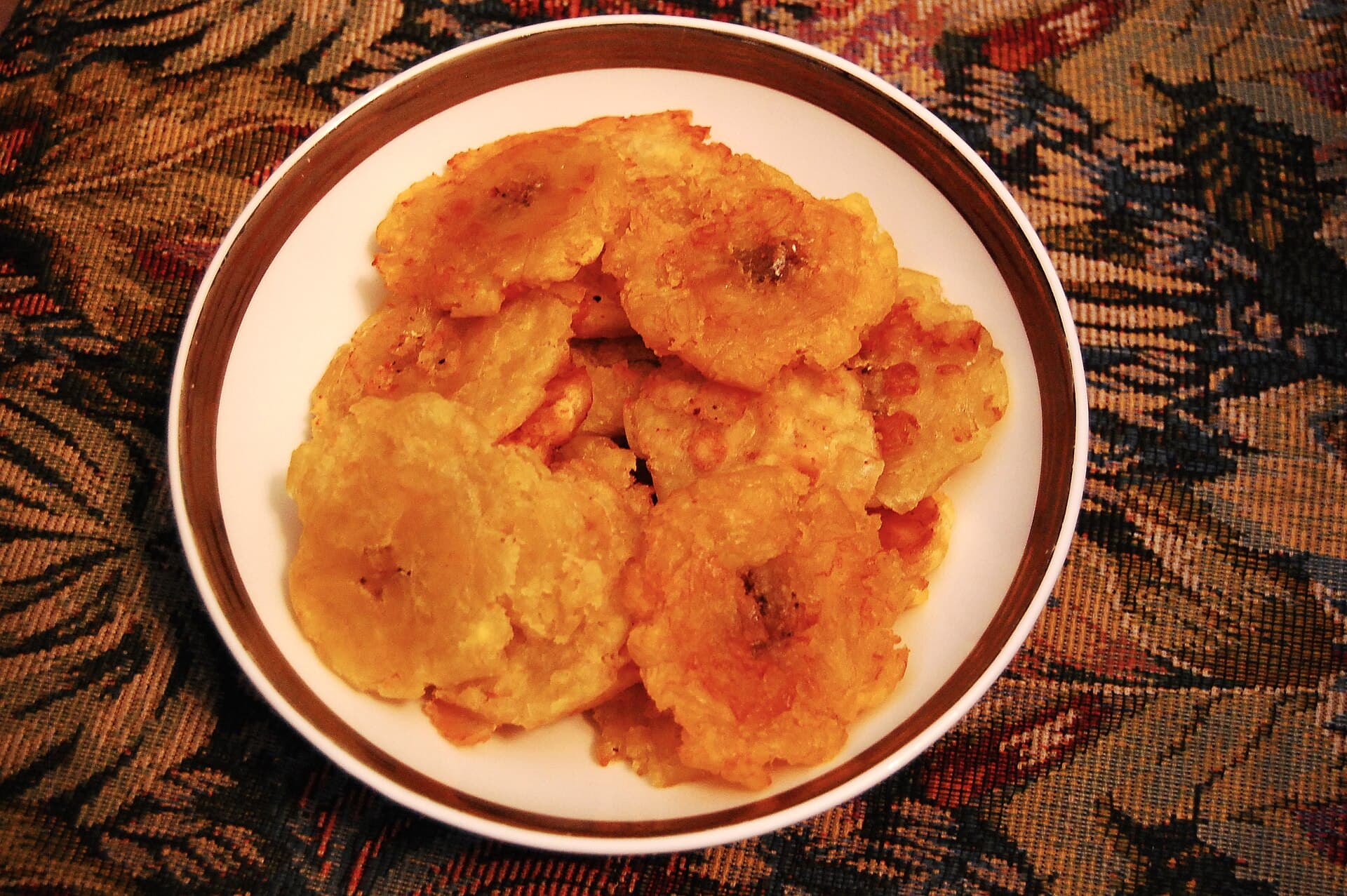
Tostones are flattened, twice-fried green plantain slices popular across Territories and Island America including Puerto Rico, Guam, the Philippines, and the Virgin Islands. This versatile snack or side dish exemplifies trans-Pacific culinary connections and the use of local tropical produce in island American food cultures.
1945-2000
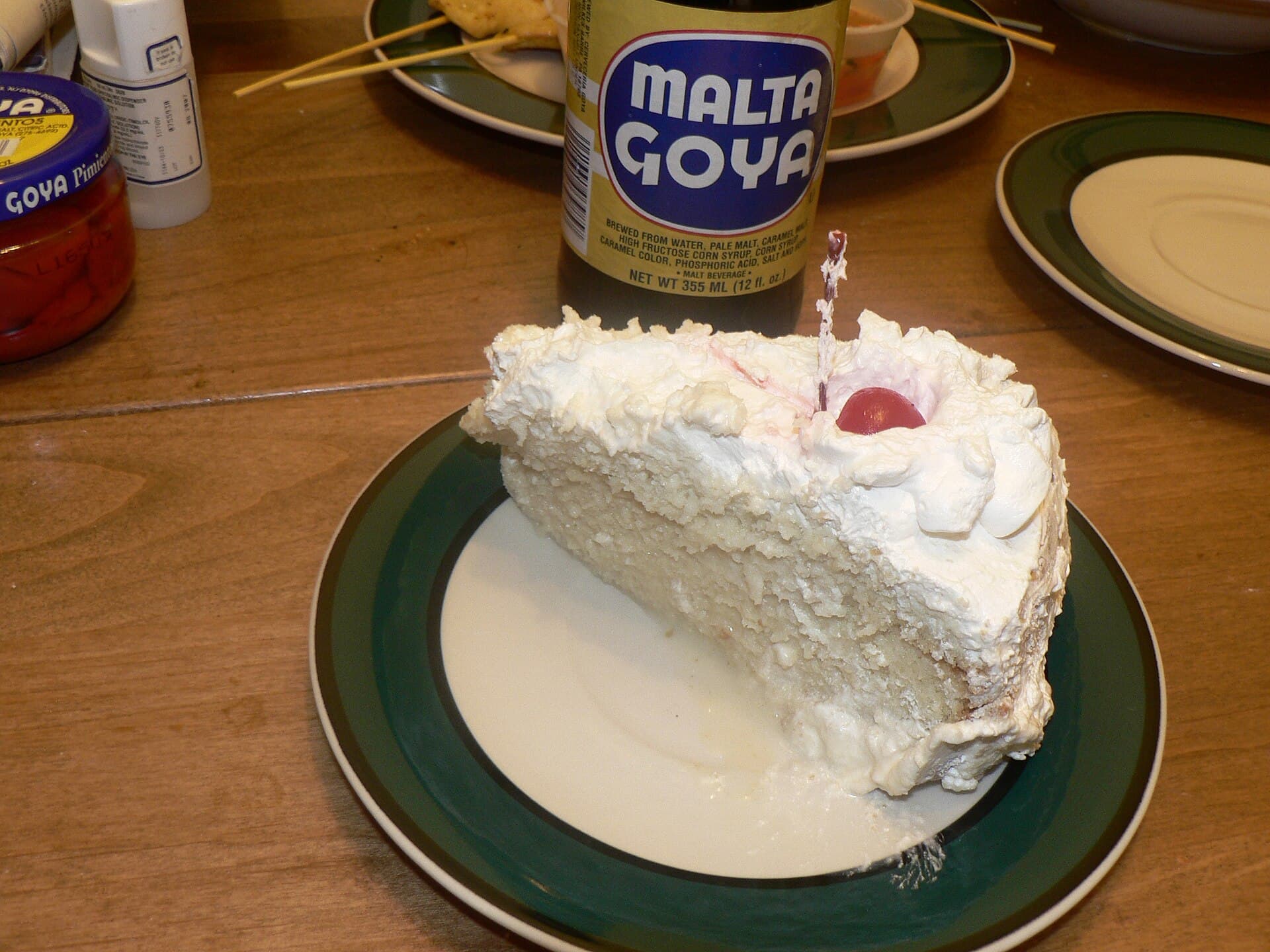
Tres Leches Cake is a rich, moist dessert originating from Latin American traditions, popular in the Southwest and South regions of the United States. This sponge cake soaked in three kinds of milk offers intense creaminess and sweetness, reflecting cultural heritage and fusion in American dessert offerings.
America's Melting Pot
Virgin Islands Pates photo coming soon
1900-1929
Small savory pastries filled with seasoned meat mixtures common in Virgin Islands cuisine. These pates reflect Caribbean influences blending African, Puerto Rican, Chamorro, and Filipino traditions in island cooking.
Community recipe submission
Log in to submit a recipe, format it with the cooking companion, and send it for review.
Log in to Submit